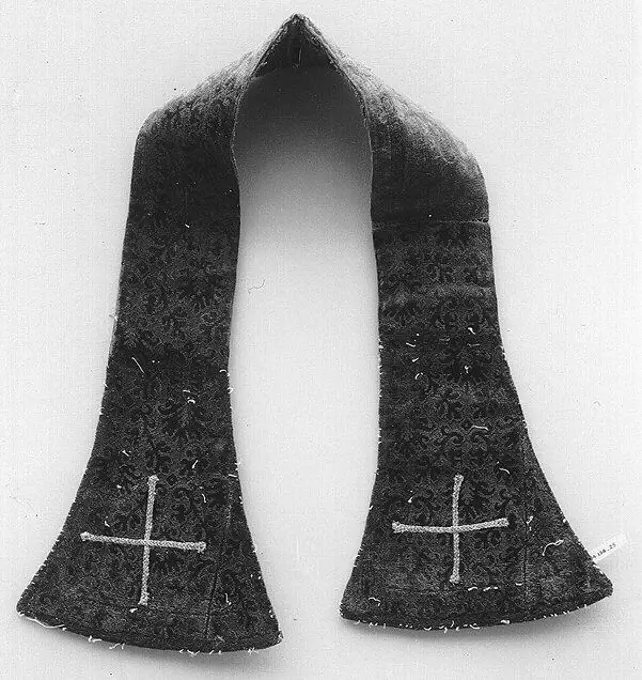
Ancient Artifacts and Fragments

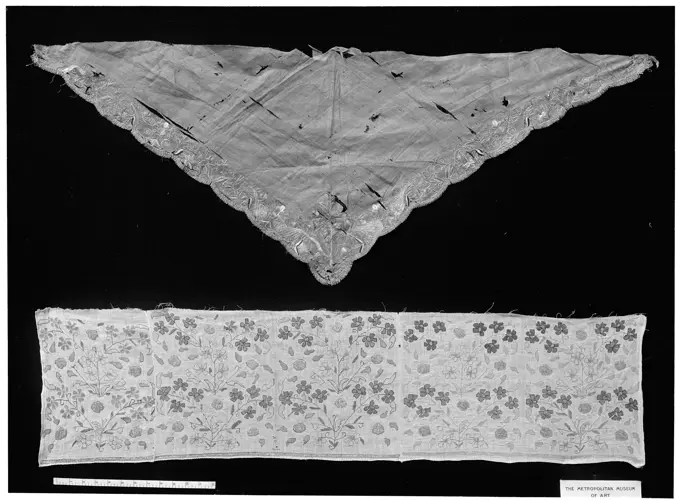
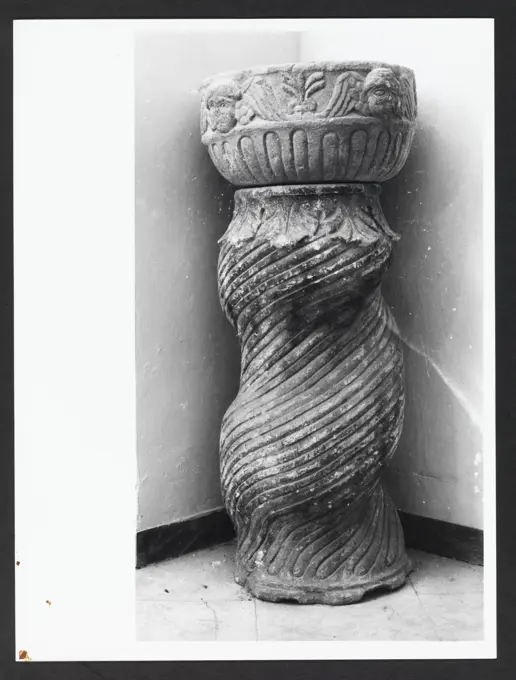
Collection of ancient metal cloth, amphora fragments, and relief pieces from various historical periods, showcasing archaeological finds.

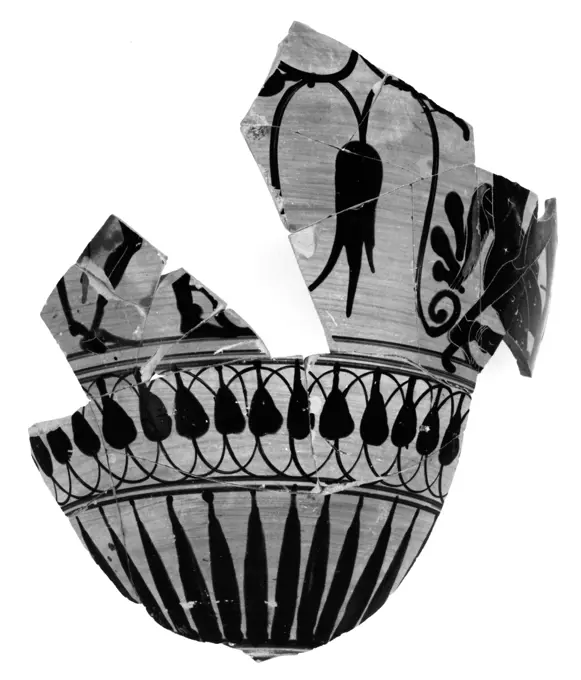
Attic Black-Figure Neck Amphora Fragment. Unknown
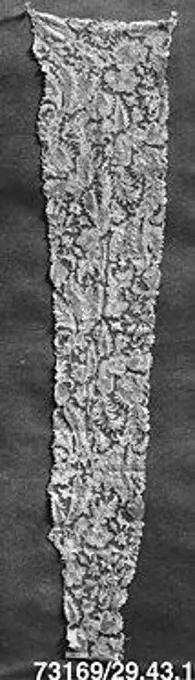
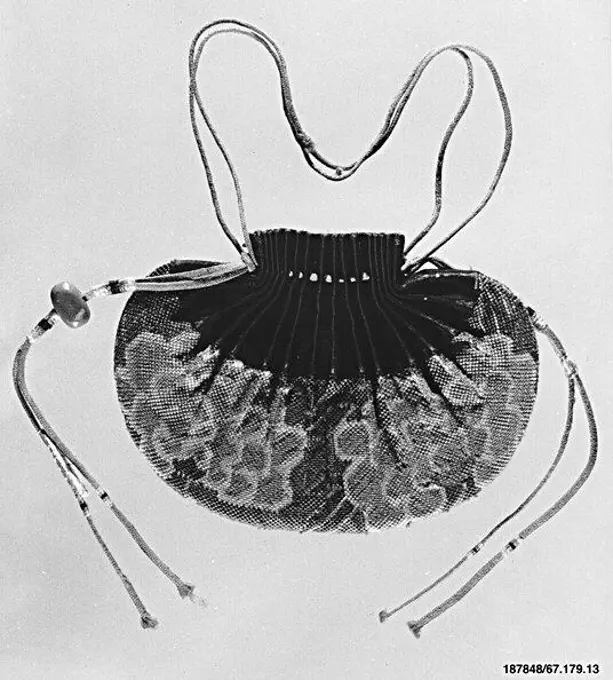
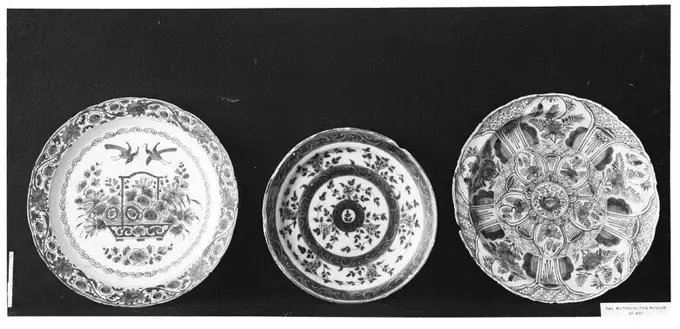
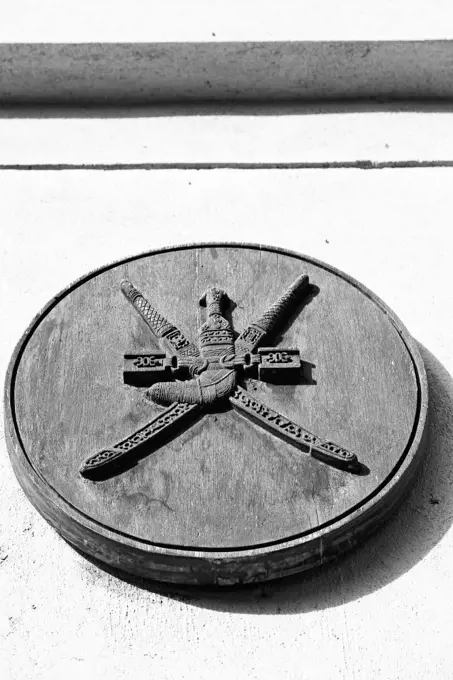
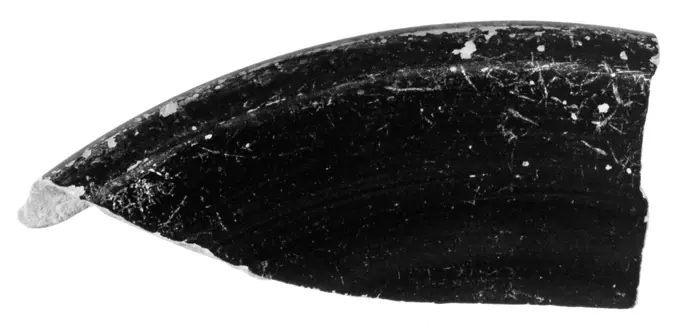
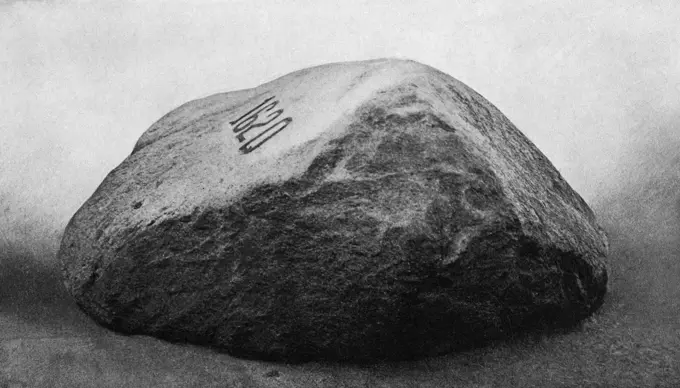
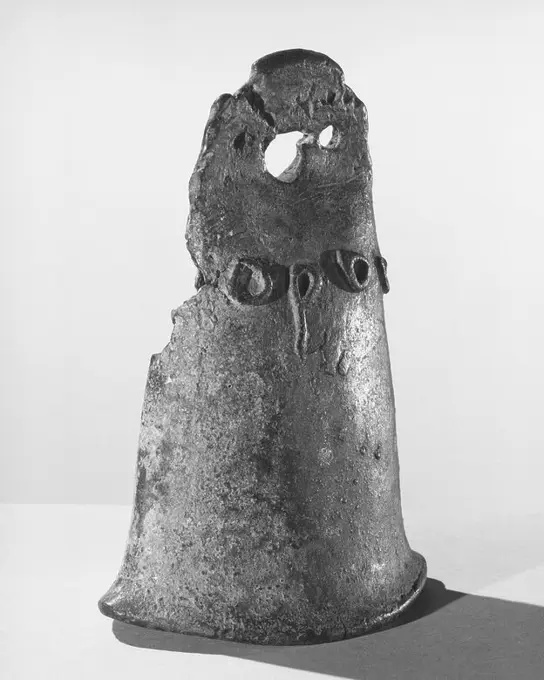
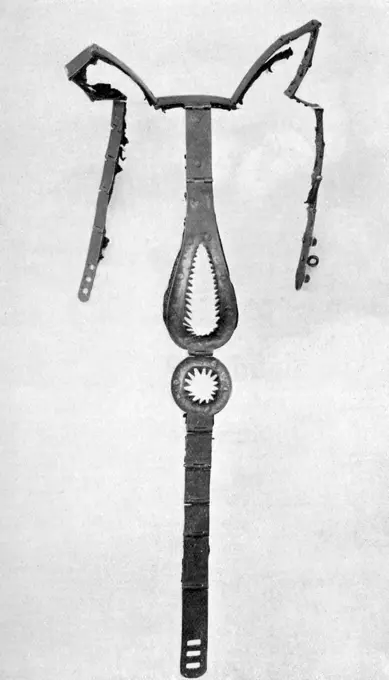
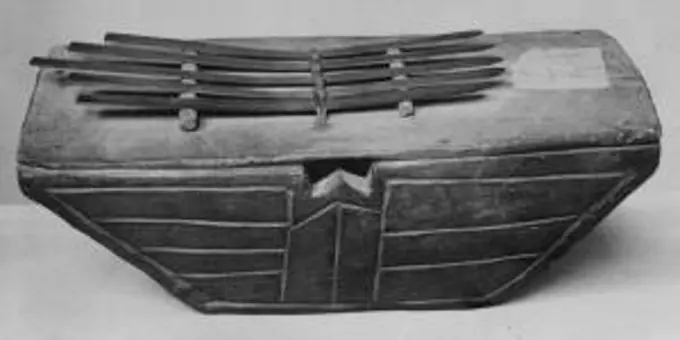
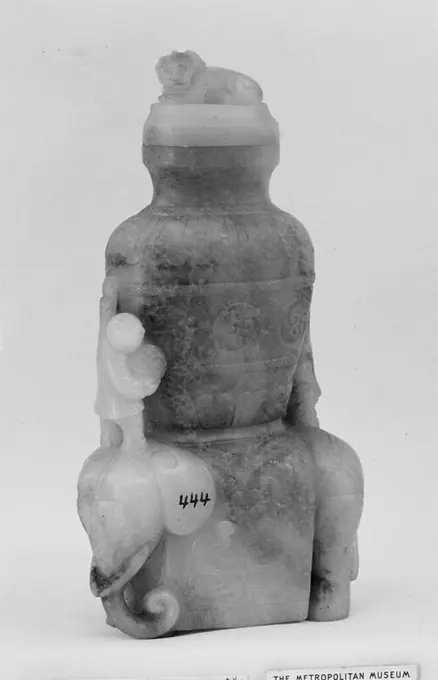
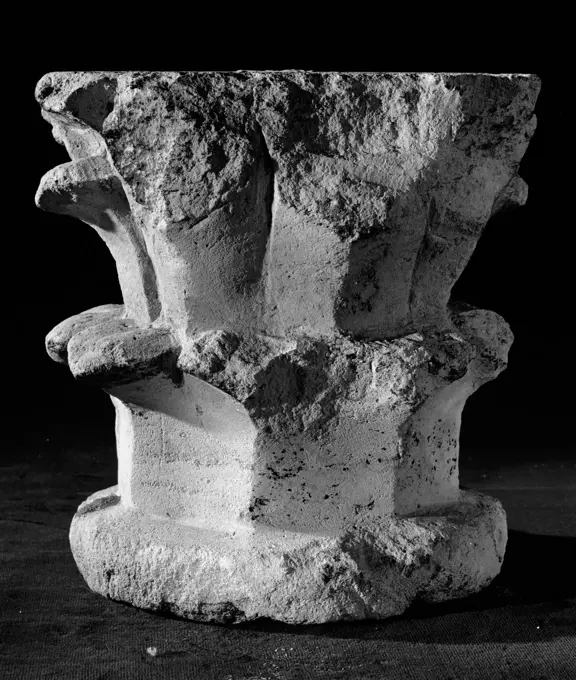
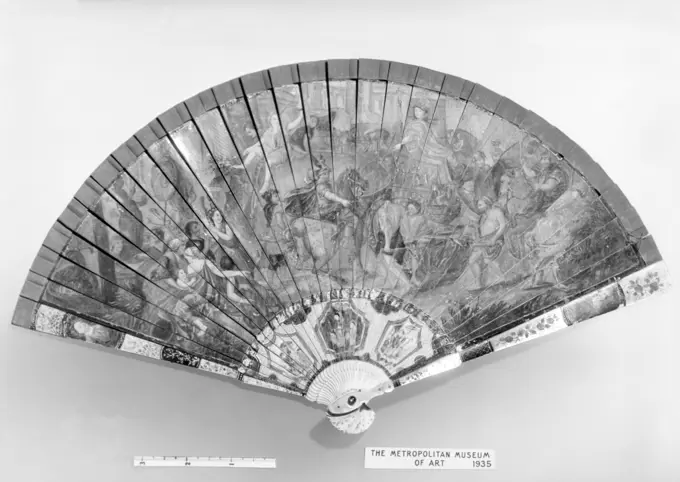
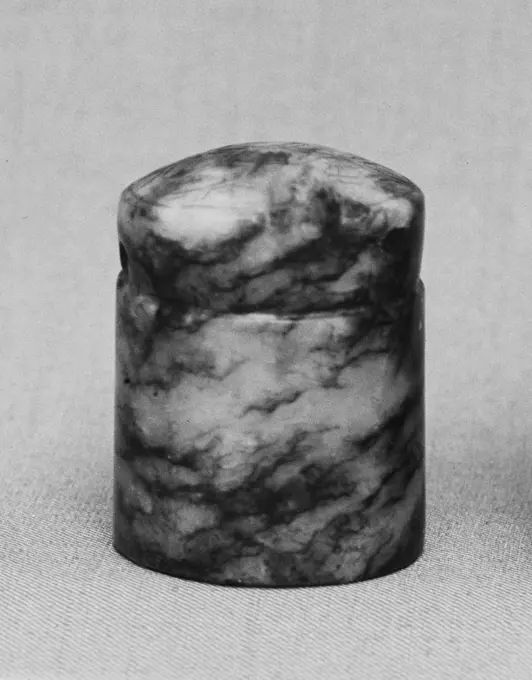
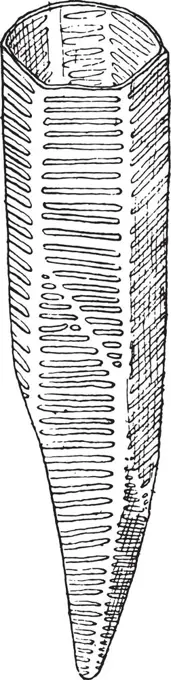
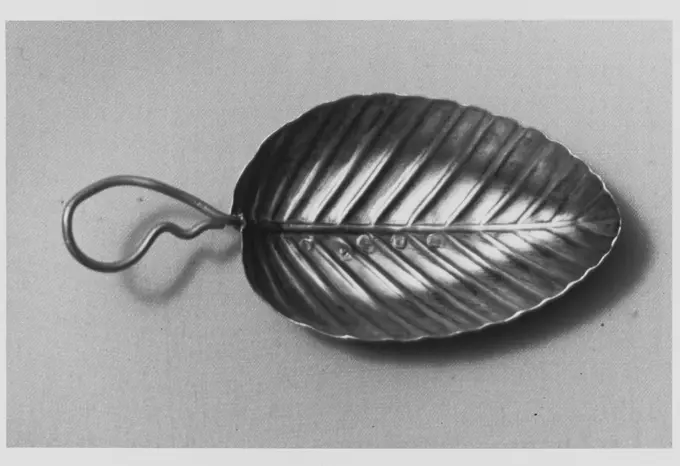
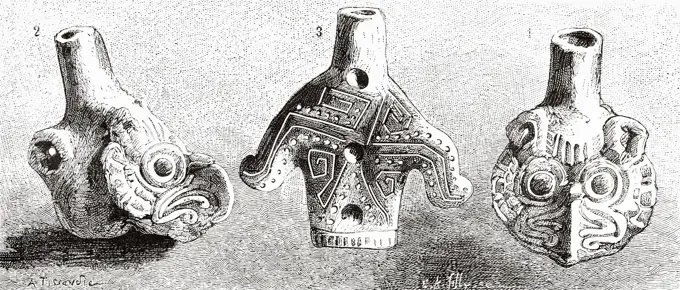
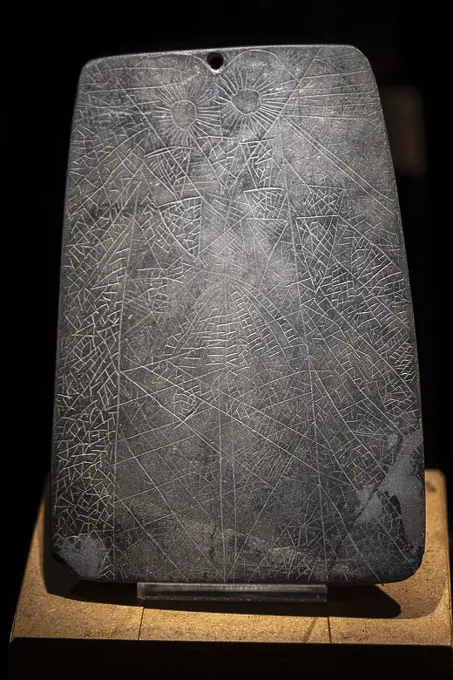
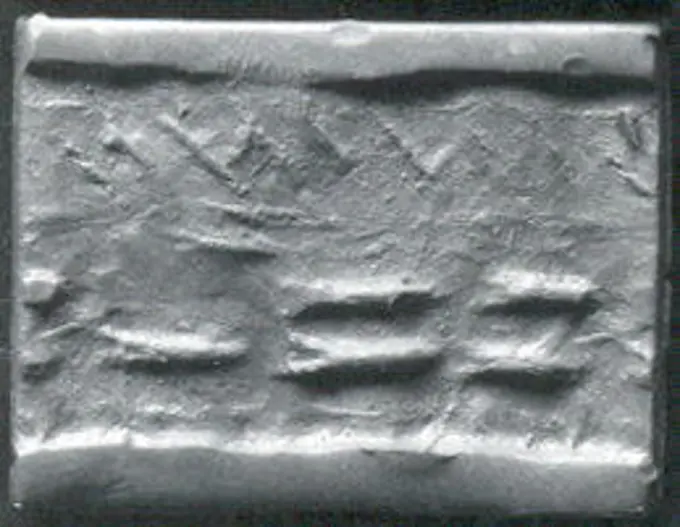
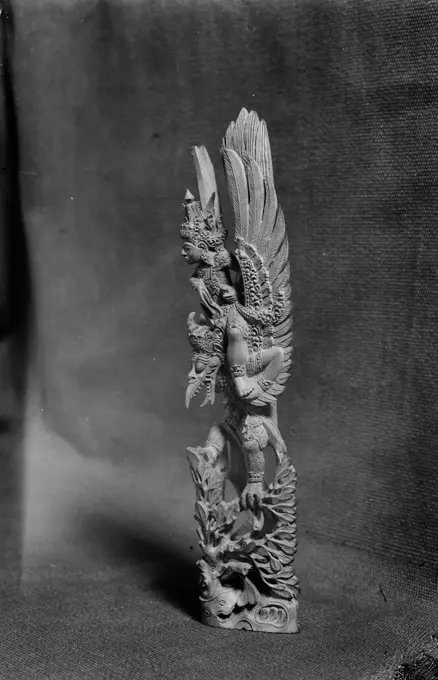
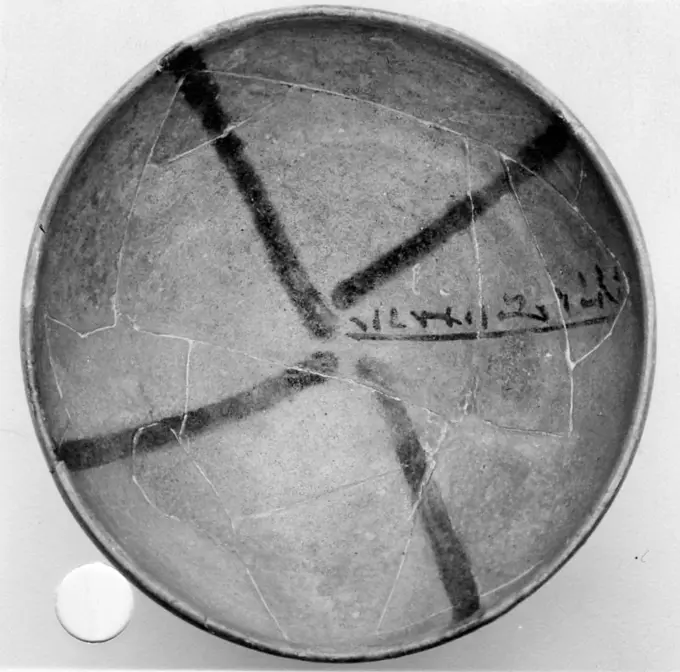
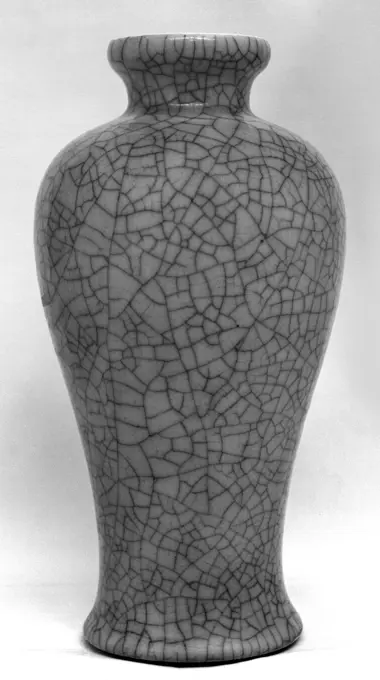
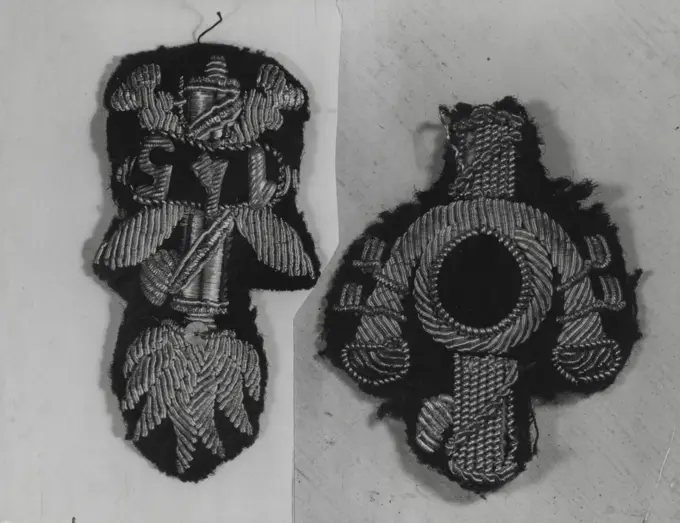
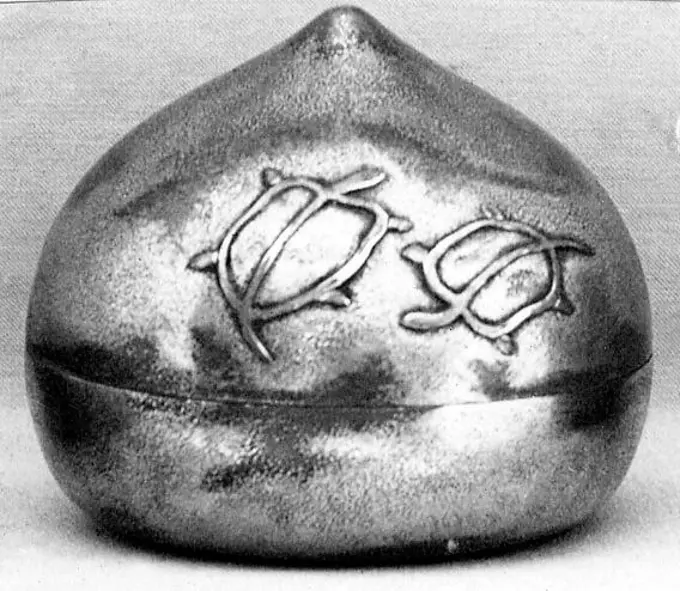
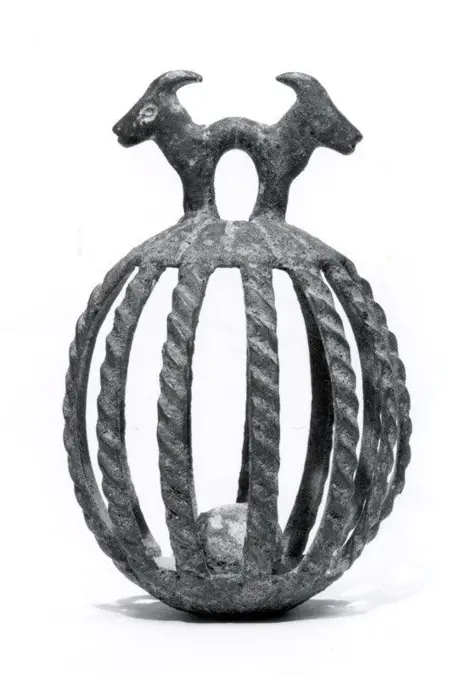
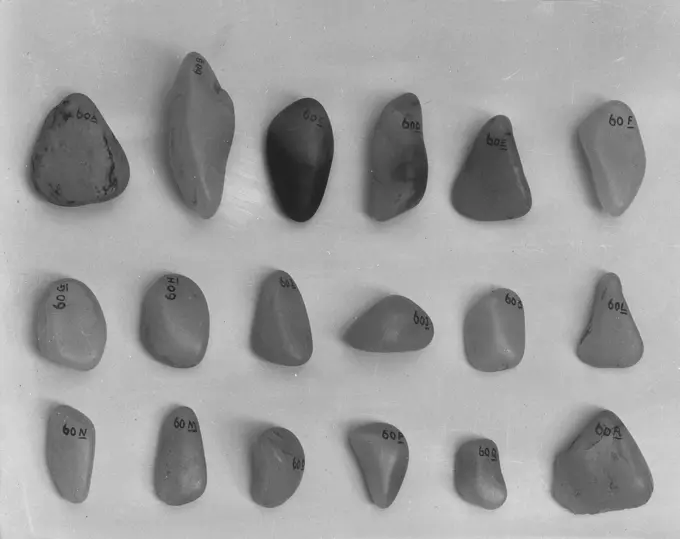
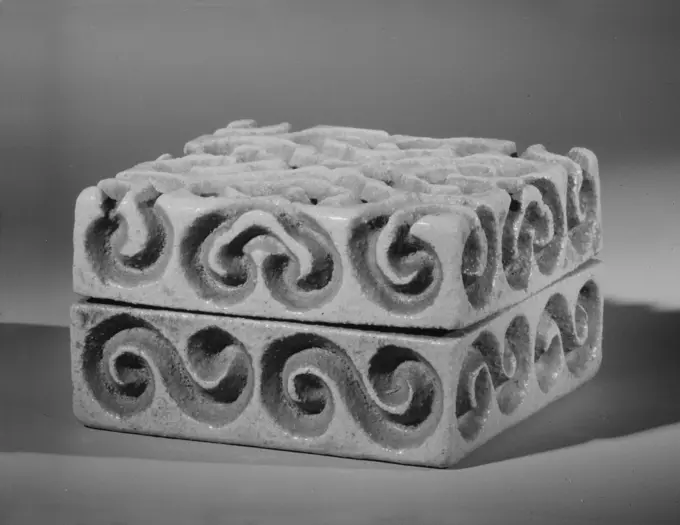
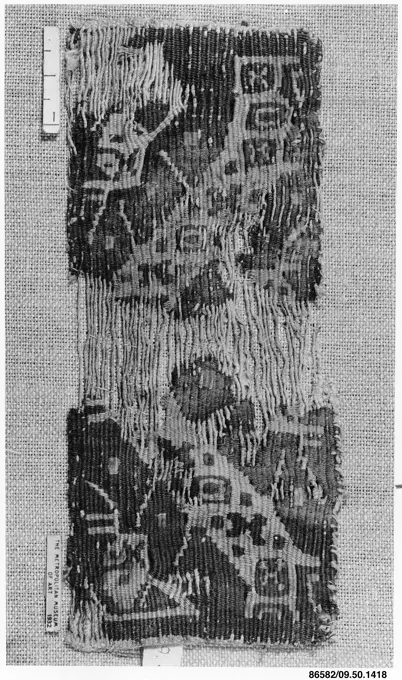
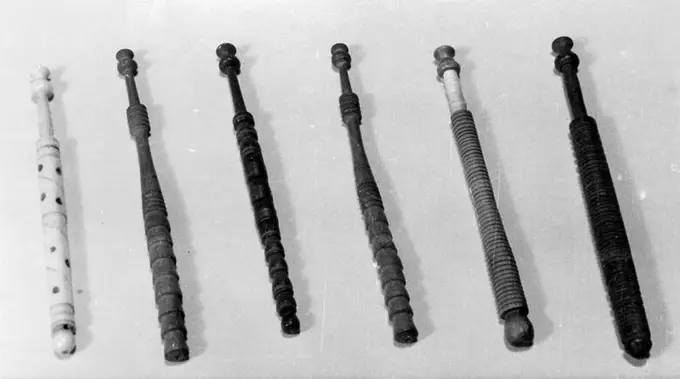
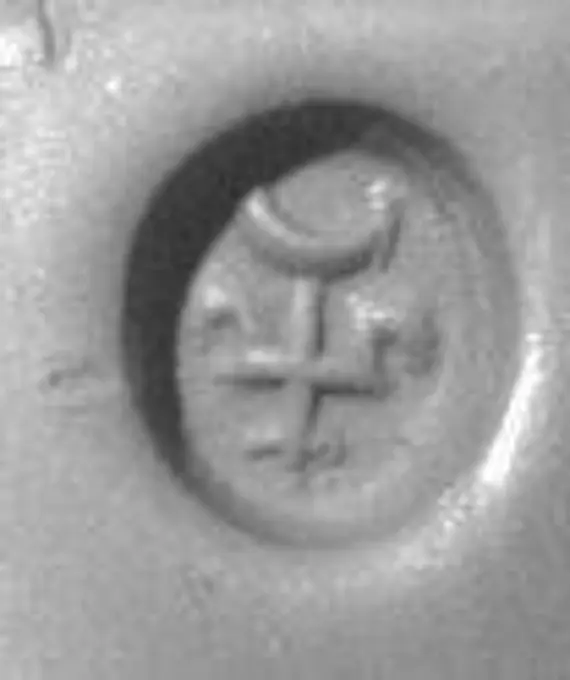
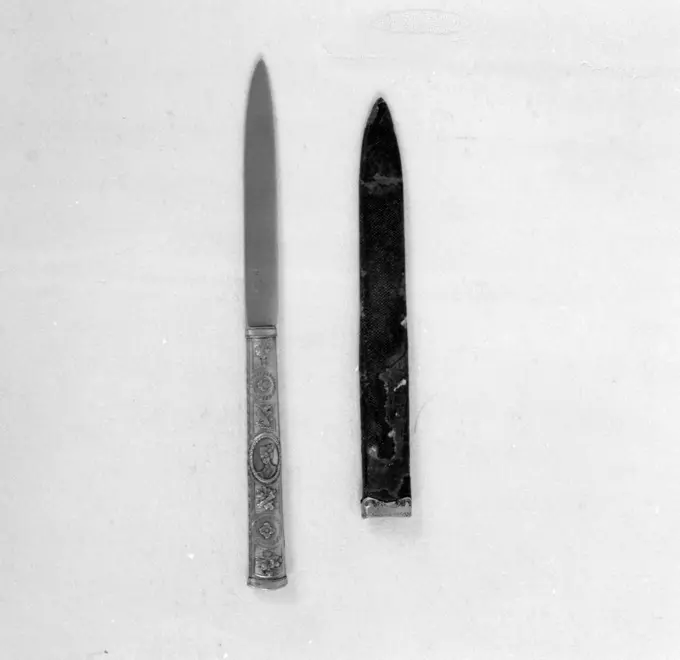
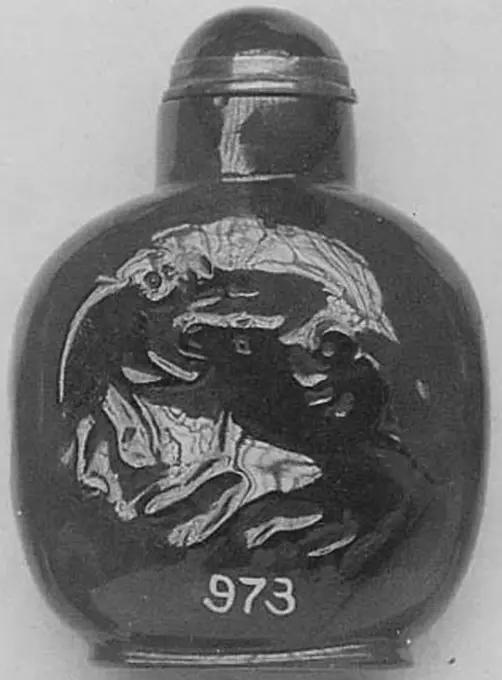
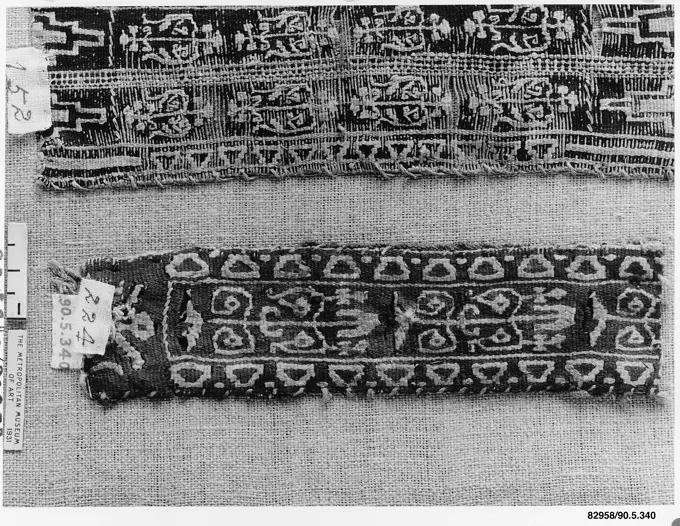
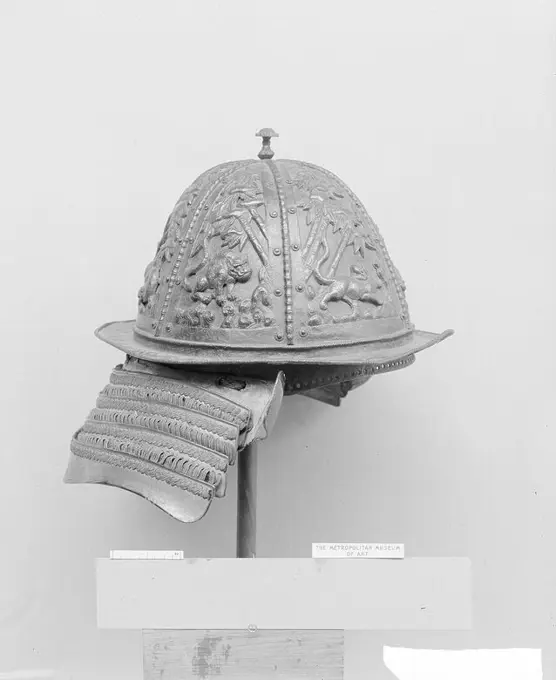
Fragment of a Boulder China, Turkestan View more. Fragment of a Boulder. China, Turkestan. Nephrite. JadeNylon features in many of the new brushes for the bristles are so long wearing. Brush Handles are set in clear plastic, to be shown at the "Britain Can Make It" exhibition, to be opened by the King at the Victoria and Albert Museum on September 24th. Banned during the war years, as a luxury trade, manufacturers of toilet requisites and fancy goods are showing enginuity in starting ***** from scratch. They have been quick to profit from recent research, their new ranges including many attractive Garniture mid-18th century French. Garniture. French. mid-18th century. Needle lace. Textiles-LacesSweden, Blekinge, Blekinge, Karlskrona, Karlskrona, external marina (depicted, town).Sweden, Blekinge, Blekinge, Karlskrona, Karlskrona, External War Gogs (depicted, City)Stamp seal ca. 3rd-7th century A.D. Sasanian. Stamp seal. Sasanian. ca. 3rd-7th century A.D.. Chalcedony, yellow. Sasanian. Iran or MesopotamiaPurse 19th century China. Purse 70466Plate. Culture: Dutch, Delft. Dimensions: Diameter: 6 3/4 in. (17.1 cm). Factory: The "Greek A" Factory. Factory owner: Period of Pieter Adriaeusz Kocks and his widow (working 1701-22). Date: ca. 1720. Museum: Metropolitan Museum of Art, New York, USA.Attic Red-Figure Cup Fragment. UnknownAlabastron (in 2 parts). Unknownin oman the national emblem wood  made    and the wallAttic Black-Figure Hydria Fragment. UnknownPair of wall vases 18th century French. Pair of wall vases. French. 18th century. Wood, gilded. WoodworkMason's Float Model ca. 2030-1640 B.C. Middle Kingdom. Mason's Float Model. ca. 2030-1640 B.C.. Wood (Pine). Middle Kingdom. From Egypt, Upper Egypt, Thebes, Asasif, Tomb MMA 816, pit, MMA excavations, 1929-30. Dynasty 11Bead China. Bead 43122Oscar II (depicted - name).Oscar II (depicted - name)Rice Shovel ca. late 9th-10th century () Indonesia (Java). Rice Shovel 37768Joseph Taylor, Caddy Spoon, 1799/1800, silver.Gravers, 1844. Tools used in wood engraving. From "Illustrated London News", 1844, Vol I.Side Ornament China. Side Ornament 60809Incense Burner. Culture: Japan. Dimensions: L. 5 3/4 in. (14.6 cm). Date: 19th century. Museum: Metropolitan Museum of Art, New York, USA.Coffin and Cover of Princess Mayet. Date/Period: Ca. 2008-1957 B. Funerary Object. Wood, painted. Author: UNKNOWN.Vilnius. Cathedral interior of the royal crypt; Bułhak, Jan (1876-1950); 1931 (1931-00-00-1931-00-00);Side View Of Plymouth Rock Ma 1620 Pilgrims Landing Site Stone Date American Colonists SettlersBell. Culture: Greek. Dimensions: Height: 5 in. (12.7 cm). Date: 3rd or 4th century B.C. ().Containing the partial remains of an internal clapper, this bell is stamped with the Greek letters which has been translated to "I strike the time.". Museum: Metropolitan Museum of Art, New York, USA.A medieval chastity belt preserved at the Palazzo Ducale in Venice, Italy.       Date: medievalGirdle ornament. Culture: China. Dimensions: H. 1 1/4 in. (3.2 cm); W. 3 3/4 in. (9.5 cm); D. 3/16 in. (.5 cm). Museum: Metropolitan Museum of Art, New York, USA.Basket with handles ca. 1550-1295 B.C. New Kingdom . Basket with handles. ca. 1550-1295 B.C.. Fiber. New Kingdom . From Egypt, Upper Egypt, Thebes, Deir el-Bahri, Roman Burial XLZanze late 19th century Fan Tribe. Zanze. Fan Tribe. late 19th century. Wood. Benin or Gabon. Idiophone-Plucked / DepressedTextile Fragment 16th century. Textile Fragment 445971Covered vase. Culture: China. Dimensions: H. 6 9/16 in. (16.7 cm); W. 3 9/16 in. (9.1 cm); L 2 in. (5.1 cm). Museum: Metropolitan Museum of Art, New York, USA.Vessel ca. late 3rd millennium B.C.. Vessel 328934Carved stone, Summer Palace. Carved stone, Summer PalaceChapiteau has two ranks of leaves, formerly called "stone marquee finishes by the astragalus", excavations of the hotel-god, second half of the 13th century (Cat 33) Anonymous. Two-row marquee of leaves, formerly called stone marquee finished by the astragalus, excavations of the hotel-Dieu, second half of the 13th century (Cat 33). Pierre.in iran antique door entrance and      decorative handle for backgroundFan early 18th century French. Fan 209610Stake ca. 2649-2100 B.C. Old Kingdom. Stake. ca. 2649-2100 B.C.. Wood. Old Kingdom. From Egypt, Middle Egypt, Dishasha, EEF excavations 1897. Dynasty 5Seal China. Seal 40971Armlet 18th-19th century. Armlet 444674Textile Fragment 8th-9th century. Textile Fragment. 8th-9th century. Wool; embroidered. Attributed to Egypt. Textiles-EmbroideredSword Guard (Tsuba) 18th century Japanese A tsuba is a sword guard and part of a sword mounting. It is mounted between the swords blade and grip to protect the users hands.. Sword Guard (Tsuba) 35059Scalariform vessel, vintage engraved illustration.Caddy spoon 1800-1801 Cocks & Betteridge. Caddy spoon 188199 Maker: Cocks & Betteridge, Caddy spoon, 18001801, Silver, Length: 2 3/4 in. (7 cm). The Metropolitan Museum of Art, New York. Gift of Mrs. Samuel P. Avery, 1897 (97.2.175)Violin or Viol Case late 18th century German. Violin or Viol Case 505302Hanging Vase. Culture: Japan. Dimensions: H. 9 3/8 in. (23.8 cm). Date: 19th century. Museum: Metropolitan Museum of Art, New York, USA.Pair of Childs Shoes Made 1701-1725 United States. Leather; pointed .Maniple early 17th century German, Cologne. Maniple 219735Old Peruvian clay whistles. 1-2 Whistle with animal shape, 3 Whistle in the shape of human lungs. Old 19th century engraving from La Nature 1887Sleeve of Mail. Culture: German. Dimensions: L. 15 in. (38.0 cm); W. 11 13/16 in. (30.0 cm); Diam. (outside) of links 15/32 in. (11.6 mm); Diam. (inside) of links 1/4-5/16 in. (6.7-7.7 mm).. Date: 16th century. Museum: Metropolitan Museum of Art, New York, USA.Japanese wooden dentures ca. early 1900s. Band 5th-6th century. Band 444315Cabinets, details. >>Gallic Bracelet, vintage engraved illustration.Textile Fragment early 19th century. Textile Fragment. early 19th century. Silk, metal wrapped thread; embroidered. Attributed to Turkey. Textiles-EmbroideredEarring 7th century or earlier Japan. Earring. Japan. 7th century or earlier. Silver plated. Kofun period (ca. 300-710). JewelryAbruzzo L'Aquila Sulmona Museo Civico7. Hutzel, Max 1960-1990 Museo Civico Treasures: these objects (Tesoro del Pio Istituto della SS. Annunziata and Tesoro della Cattedrale) are now housed in the security vault of a bank, not in the Museo Civico, as noted in Hutzel's photo campaign notes of August 1984. Views of the treasures include: a silver processional cross (14th century); gold, silver and enamel chalice (13th century), gold and silver crosier with sculpted figures depicting the Annunciation (13th century), a silver and gold reliquary with glass (13th century), a silver diadem (13th century), and a box-like silver and gold reliquary (15th century). German-born photographer and scholar Max Hutzel (1911-1988) photographed in Italy from the early 1960s until his death. The result of this project, referred to by Hutzel as Foto Arte Minore, is thorough documentation of art historical development in Italy up to the 18th century, including objects of the Etruscans and the Romans, as welidol plate, schist, 3600-2500 BC, Anta do Rabaçal, Evora, Portugal, Huelva Museum, Huelva, Andalusia, Spain.Cylinder seal ca. 15th-13th century B.C. Mitanni. Cylinder seal. Mitanni. ca. 15th-13th century B.C.. Glass paste. Mitanni. MesopotamiaThree crowns (depicted - name).Three crowns (depicted - name)Stamp seal ca. 3rd-7th century A.D. Sasanian. Stamp seal. Sasanian. ca. 3rd-7th century A.D.. Agate, banded. Sasanian. Iran or MesopotamiaBox China. Box 41892Photo collection Service for army contacts Indonesia. Indonesian wood carriage. Garuda with Vishnu. 1947. Indonesia, Dutch East Indiesin  australia the concept of navigation  whit vassel rope like backgroundBowl 9th-10th century This ceramic bowl was excavated at the site of Tepe Madrasa in Nishapur.   Nishapur was a vital city in the early and middle Islamic periods, located along one of the main trajectories that connected Iran and West Asia Islamic lands with Central Asia and China. These itineraries are often referred to by the term Silk routes’ but were in fact crucial to the movement of constellations of materials and objects, as well as people and ideas. The diverse population of Nishapur and its surroundings, from the better-researched elite groups of merchants, land-owning aristocracy, and literates, to the less-known artisans, farmers, miners, and servants, were instrumental in adapting global cultural trends to create their own distinctive visual languages. This is seen in the material remains of everyday life in medieval Nishapur—from pots and pans to lighting devices, inkwells, textiles and trimmings, jewelry, games and toys, talismanic devices, weapons, coins, and architectCollar 6th-12th century Costa Rica or Panama. Collar. Costa Rica or Panama. 6th-12th century. Gold. Costa Rica or Panama. Metal-OrnamentsWall Pocket ca. 1755-65 British. Wall Pocket 14376Gothenburg (depicted name).Gothenburg (depicted name)Carpenter's Chalk-Line 19th century Japan. Carpenter's Chalk-Line. Japan. 19th century. Lacquered wood. Edo (1615-1868) or Meiji period (1868-1912). WoodworkAttic Black-Figure Neck Amphora Fragment (comprised of 16 Joined Fragments). UnknownTextile Fragment 4th century. Textile Fragment 443485Wheelchair profileMeiping vase early 18th century China. Meiping vase. China. early 18th century. Porcelain with crackled green glaze (Jingdezhen ware). Qing dynasty (1644-1911), Kangxi period (1662-1722). CeramicsAttic Black-Figure Eye Cup Fragment. UnknownItalian Badges. October 02, 1948.Unknown, Dish, c. 1810, silver plate.Incense Box 18th century Japan. Incense Box 59855Soprano saxophone in B-Flat 1882 Adolphe (Antoine Joseph) Sax Belgian, active France Saxophones were conceived as a family of instruments, as seen in Adolphe Saxs 1846 patent. The saxophone family typically ranges from sopranino to contrabass. The soprano saxophone is the highest voice in a saxophone quartet, which also includes alto, tenor and baritone instruments.. Soprano saxophone in B-Flat. French. 1882. unplated brass, wood. Paris, France. Aerophone-Reed Vibrated-single reed conicalPoll photo collection. Product photos; silverware. Molds for teaspoons of the fa. Gerritsen & Van Kempen in Zeist. January 1, 1930. Utrecht (province), ZeistOpenwork rattle bell ca. 1000 B.C. Iran. Openwork rattle bell. Iran. ca. 1000 B.C.. Bronze. Iron Age II. Western IranEighteen Pebbles China, Turkestan. Eighteen Pebbles. China, Turkestan. Nephrite. JadePoll photo collection. Product photos; silverware. Spoons with women in traditional fa. Gerritsen & Van Kempen in Zeist. January 1, 1930. Utrecht (province), ZeistDish 9th-10th century. Dish. 9th-10th century. Earthenware; white slip with polychrome slip decoration under transparent glaze. Excavated in Iran, Nishapur. Attributed to Iran, Nishapur. CeramicsArmpit Defense. Culture: German. Dimensions: H. 10 5/8 in. (27.0 cm); W. 9 13/16 in. (25.0 cm); Diam. (outside) of links 3/8 in. (10.0 mm); Diam. (inside) of links 9/32 in. (6.8 mm); Wt. 1 lb. 10.5 oz. (.75 kg). Date: 16th century. Museum: Metropolitan Museum of Art, New York, USA.Covered incense box ca. 1650 Raku Donyu Japanese. Covered incense box. Raku Donyu (Japanese, died 1656). Japan. ca. 1650. Pottery incised in scroll pattern, in imitation of Chinese carved lacquer; brownish white glaze (Raku ware). Edo period (1615-1868). CeramicsUnknown photographer, beam fragment in Baalbek (without dat.): View. Photo, 13.4 x 18.3 cm (including scan edges) unbek. Fotograf : Gebälkfragment in Baalbek (ohne Dat.)Fragment of a Band 4th-5th century. Fragment of a Band 445739Squared Food Vessel with Stem ca. 1610-1630s Japan These piece from a set of five dishes would be used during the kaiseki stage of the tea ceremony to hold a small portion of food.. Squared Food Vessel with Stem. Japan. ca. 1610-1630s. Mino ware, Yashichida Oribe type; glazed stoneware. Momoyama (1573-1615) or Edo (1615-1868) period. CeramicsTwenty-five Bobbins. England. Date: 1801-1825. Dimensions: 1957.186a: 9.1 × .6 cm (3 9/16 × 1/4 in.)1957.186b: 9.5 × .6 cm (3 3/4 × 1/4 in.)1957.186c: 10.3 × .7 cm (4 1/16 × 5/16 in.)1957.186d: 8.7 × .5 cm (3 7/16 × 1/4 in.)1957.186e: 8.9 × .6 cm (3 1/2 × 1/4 in.)1957.186f: 8.7 × .6 cm (3 7/16 × 1/4 in.)1957.186g: 9.4 × .6 cm (3 11/16 × 1/4 in.)1957.186h: 9.2 × .5 cm (3 5/8 × 3/16 in.)1957.186i: 9.5 × .7 cm (3 3/4 × 5/16 in.)1957.186j: 9.8 × .7 cm (3 7/8 × 5/16 in.)1957.186k: 9.4 × .6 cm (3 11/16 × 1/4 in.)1957.186l: 9.4 × .6 cm (3 11/16 × 1/4 in.)1957.186m: 9.5 × .6 cm (3 3/4 × 1/4 in.)1957.186n: 9.2 × .6 cm (3 5/8 × 1/4 in.)1957.186o: 9.5 × .6 cm (3 3/4 × 1/4 in.)1957.186p: 9.5 × .6 cm (3 3/4 × 1/4 in.)1957.186q: 9.4 × .6 cm (3 11/16 × 1/4 in.)1957.186r: 9.4 × .6 cm (3 11/16 × 1/4 in.)1957.186s: 9.5 × .6 cm (3 3/4 × 1/4 in.)1957.186t: 8.3 × .5 cm (3 1/4 × 3/16 in.)1957.186u: 8.9 × .6 cm (3 1/2 × 1/4 in.)1957.186v: 9.4 × .6 cm (3 11/16 × 1/4 in.)1957.186w: 8.7 × STRATY WOJENNE MNKStamp seal ca. 3rd-7th century A.D. Sasanian. Stamp seal. Sasanian. ca. 3rd-7th century A.D.. Hematite. Sasanian. IranCostume Bell 19th century () French. Costume Bell. French. 19th century (). metal. France. Idiophone-Struck-bell-without clapperCollection of the Dutch Heidematschappij. Dress, wood waste. undatedKnife ca. 1770 I. G., Switzerland. Knife. Swiss. ca. 1770. Gold, shagreen. Metalwork-Gold and PlatinumPoll photo collection. Product photos; silverware. Spoons with arms of the fa. Gerritsen & Van Kempen in Zeist. January 1, 1930. Utrecht (province), ZeistSnuff bottle with stopper 18th-19th century China. Snuff bottle with stopper 41150Fragment of a Shoulder Band 5th century. Fragment of a Shoulder Band 443826Helmet. Culture: Japanese. Dimensions: H. 12 3/8 in. (30.1 cm); W. 12 5/8 in. (31.1 cm); Wt. 5 lb. 3 oz. (2421 g). Date: 17th century.The shape was inspired by the felt hats worn by namban, or "southern barbarians," as the Europeans were described, but the decoration is typically Japanese. Museum: Metropolitan Museum of Art, New York, USA.Glass Fragment. Culture: German. Dimensions: Overall: 1 15/16 x 9/16 in. (5 x 1.5 cm). Date: 1750. Museum: Metropolitan Museum of Art, New York, USA.Armoured shirt and silver helmet, funerary mask, c. mid 5th century, Germany, Historic, digitally restored reproduction of a 19th century original, ex...Pair of Shoes. Dixon Clement & Dixon (English, c, 1700s); England. Date: 1780-1800. Dimensions: . Leather and kid. Origin: England. Museum: The Chicago Art Institute, Chicago, USA.China: Detail of 15cm (6 inch) elaborate and costly mati xie or 'horse-hoof shoes' worn on formal occasions by Cixi, Empress of China (r. 1861-1908), c. 1900