Ancient Coins

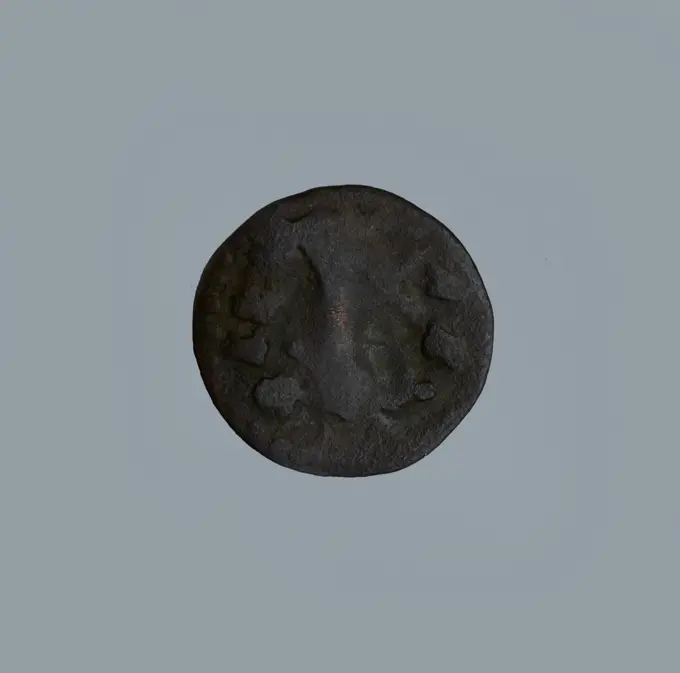
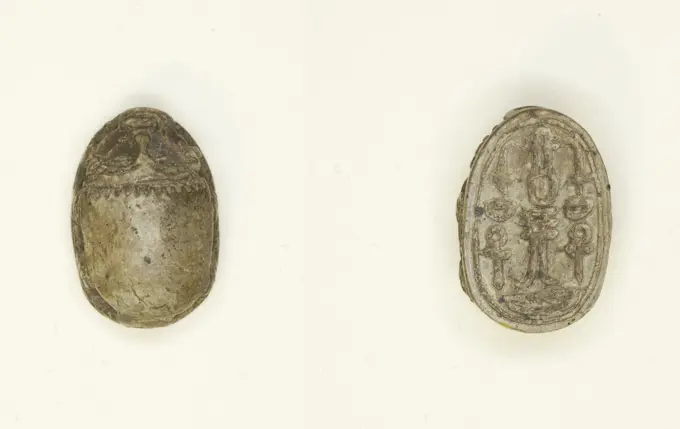
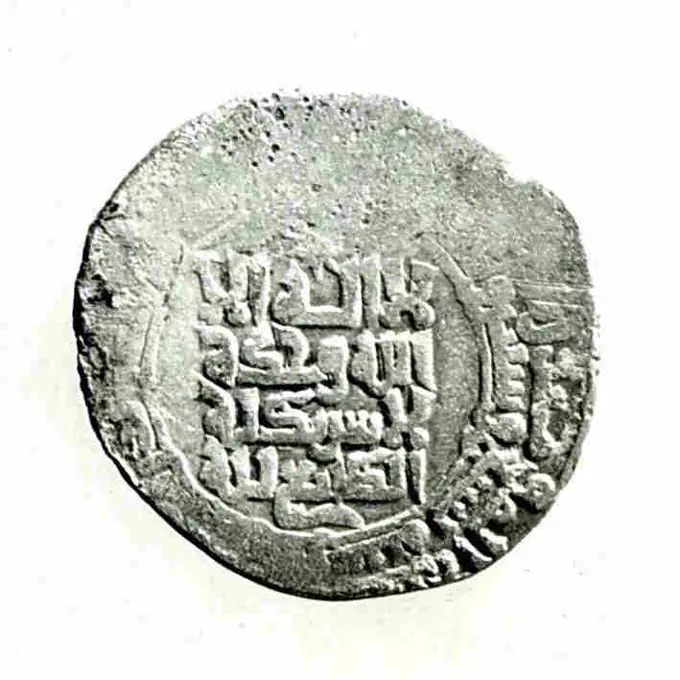
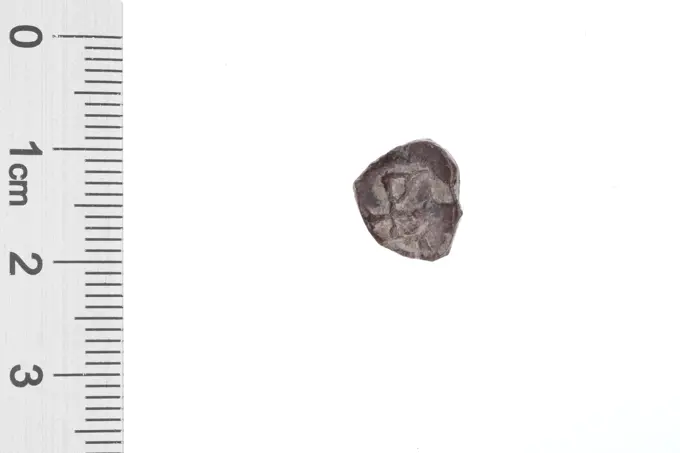
Depictions of ancient coins with markings and symbols from different historical periods and rulers.

Bliżej Kultury Władysław Jagiełło (CA 1351 1434)
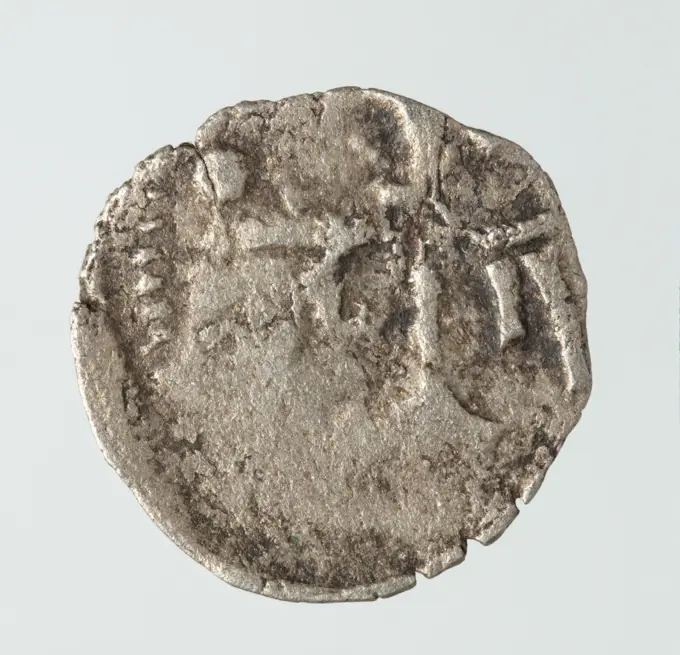
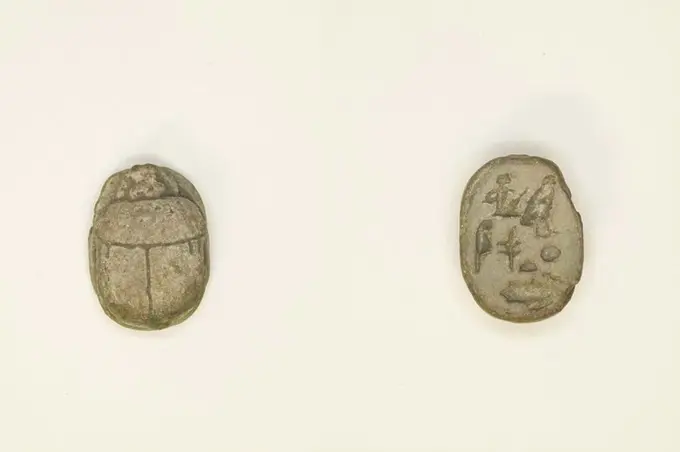
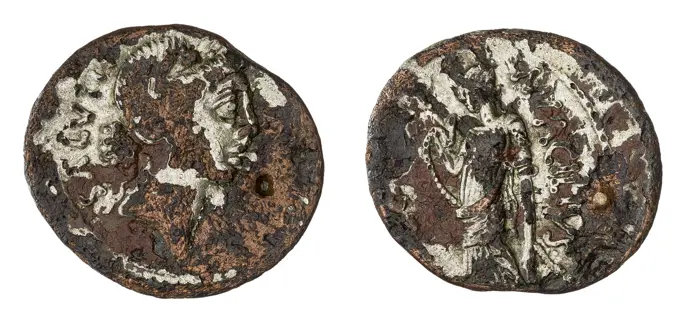
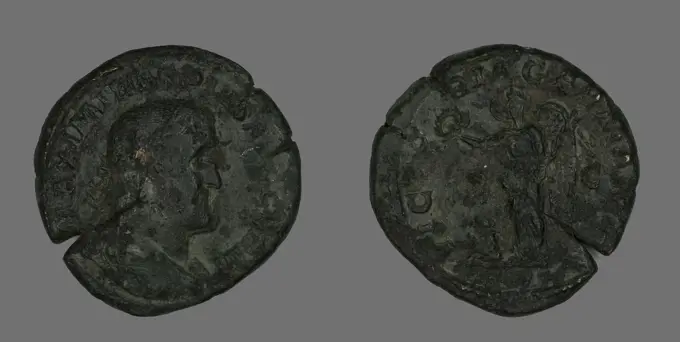
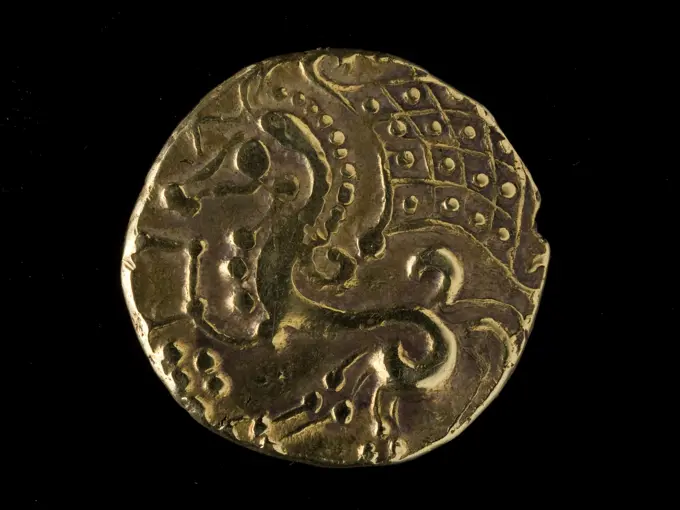
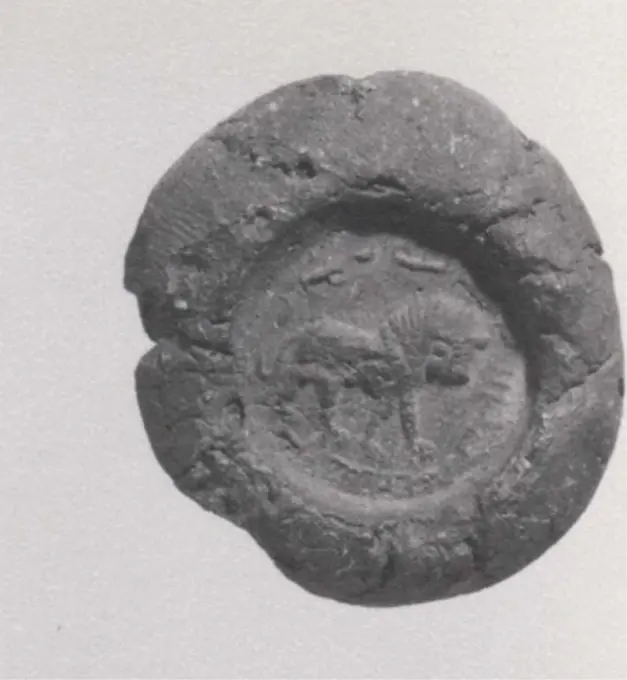
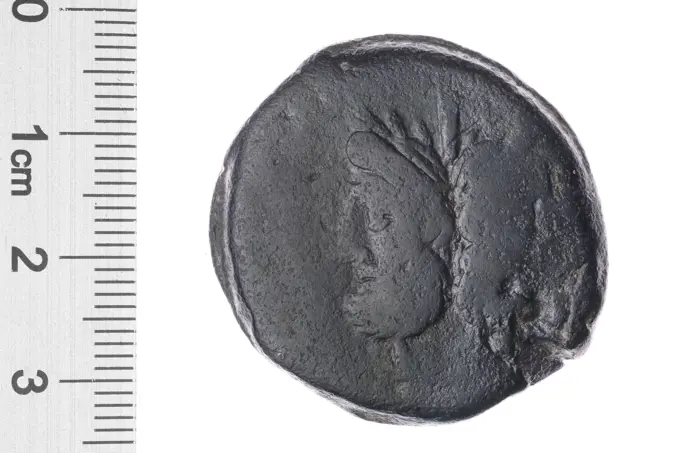
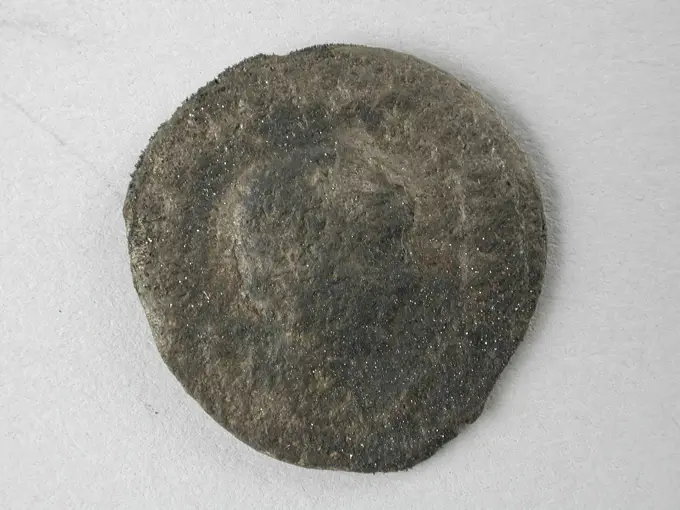
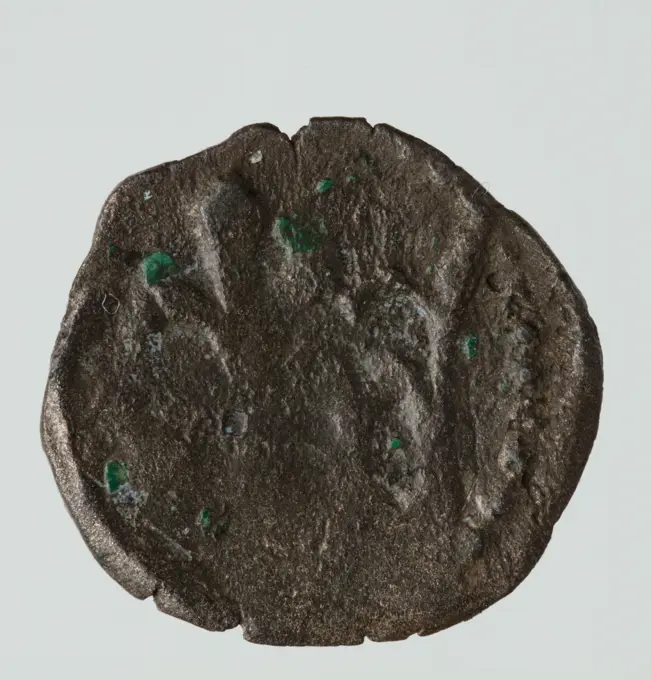
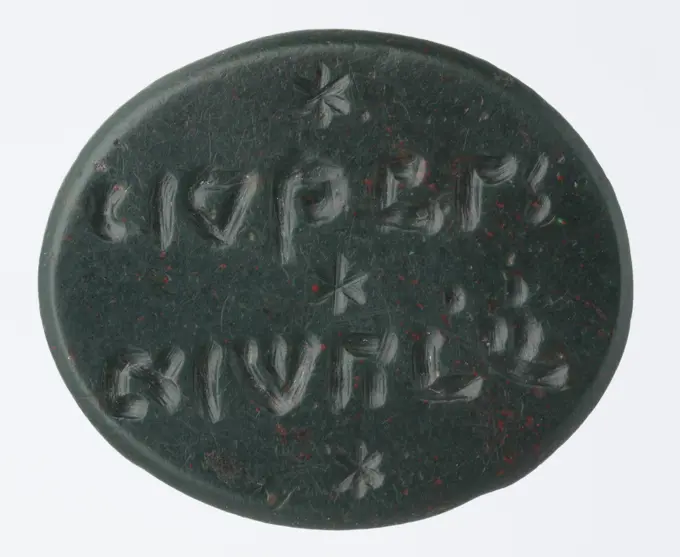
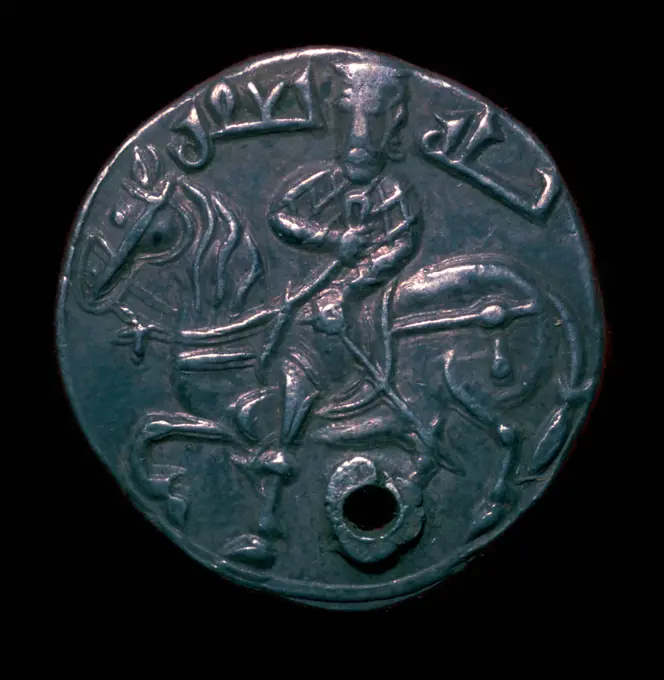
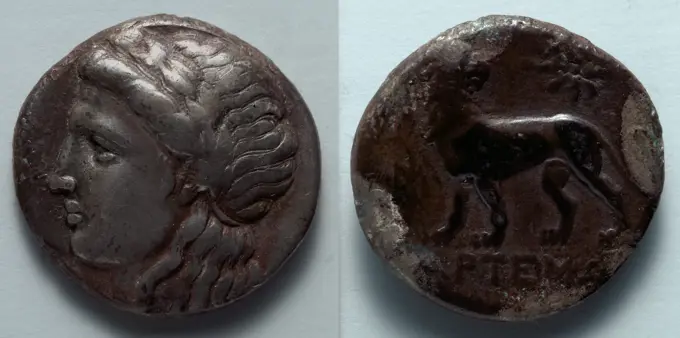
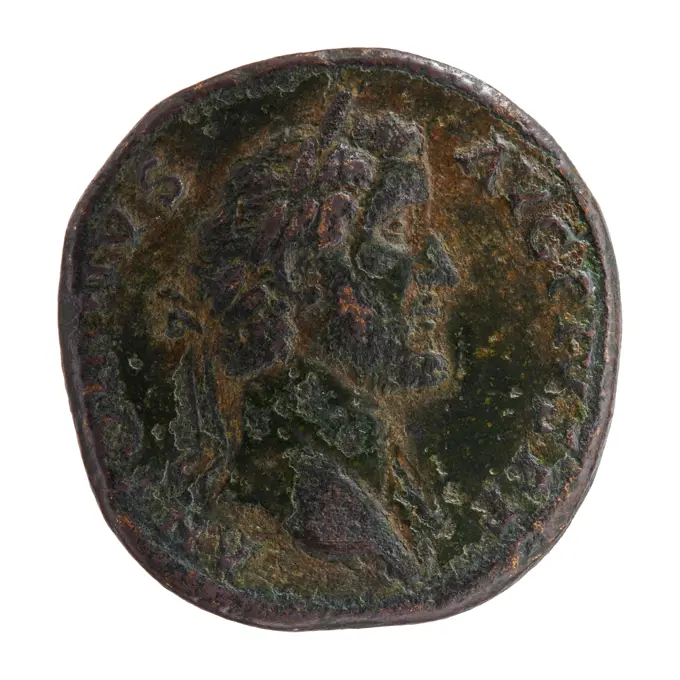
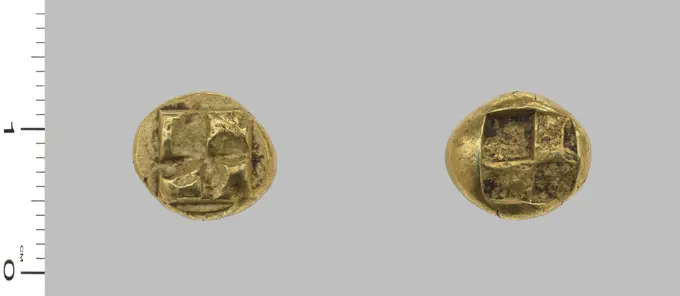
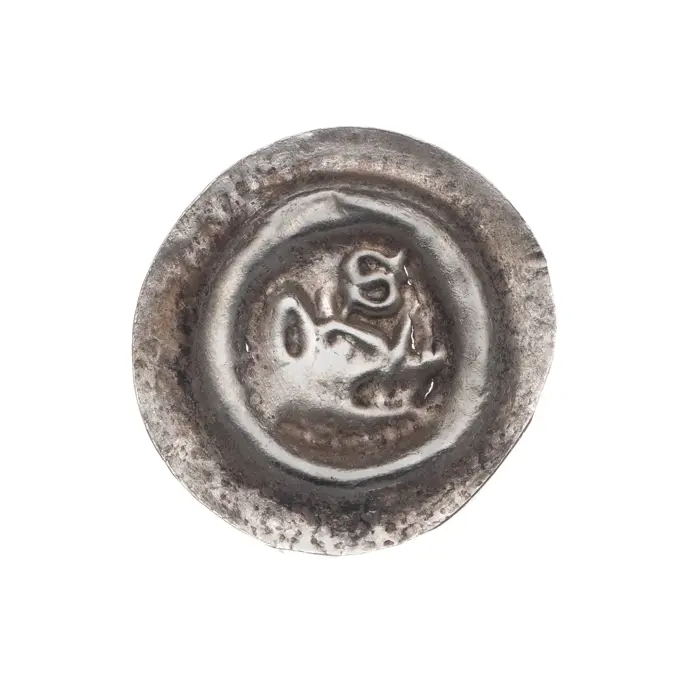
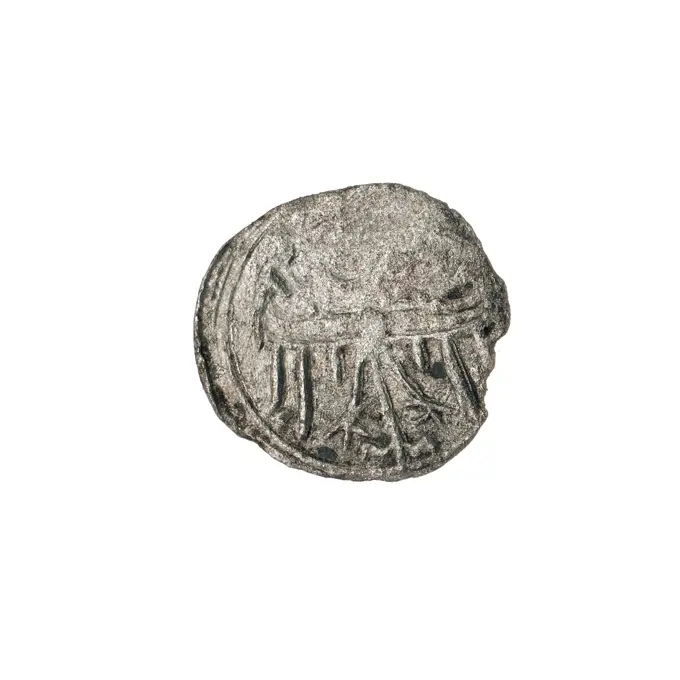
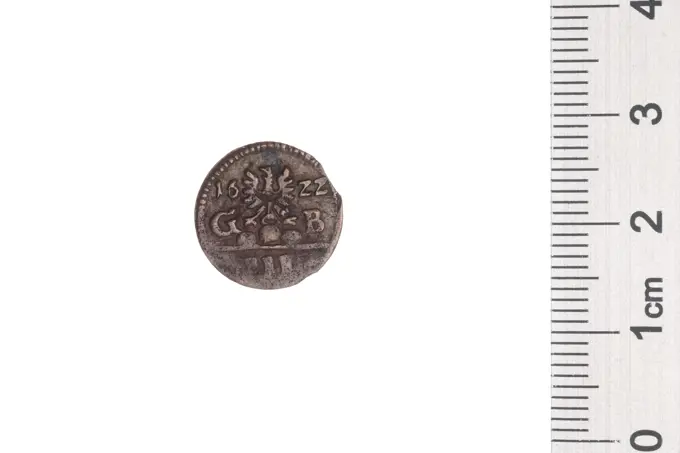
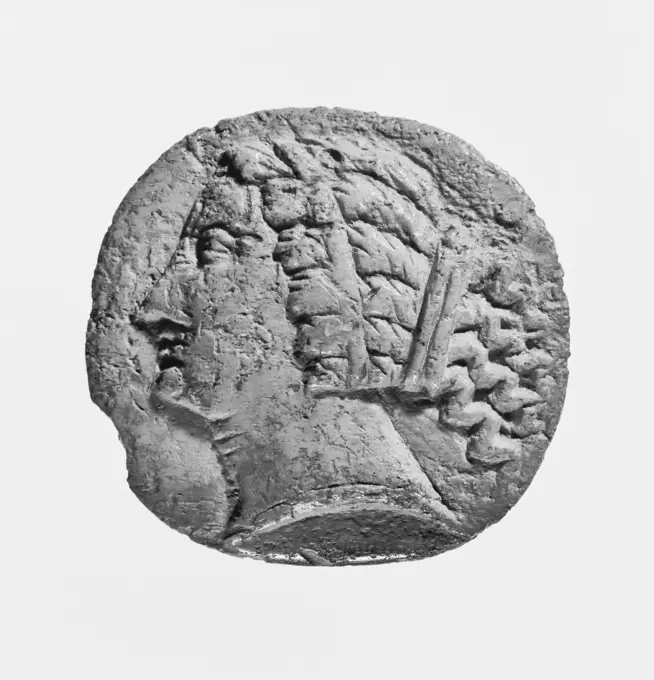
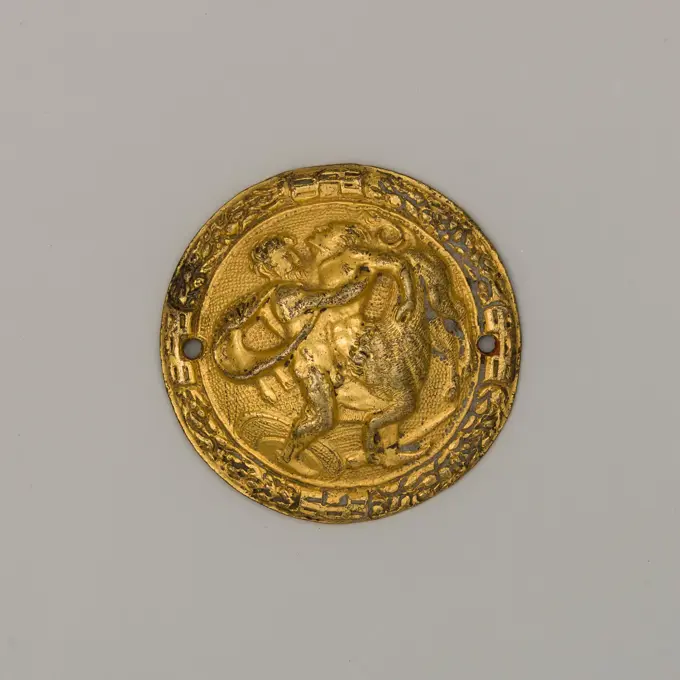
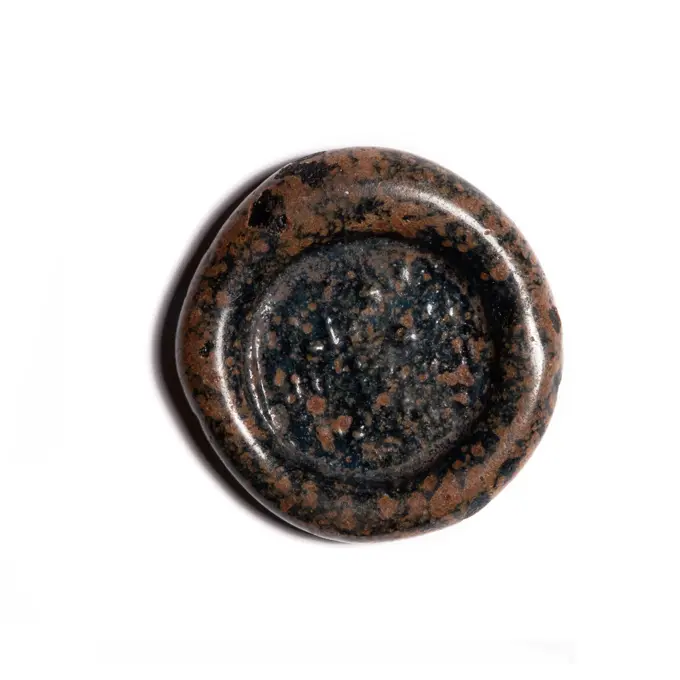
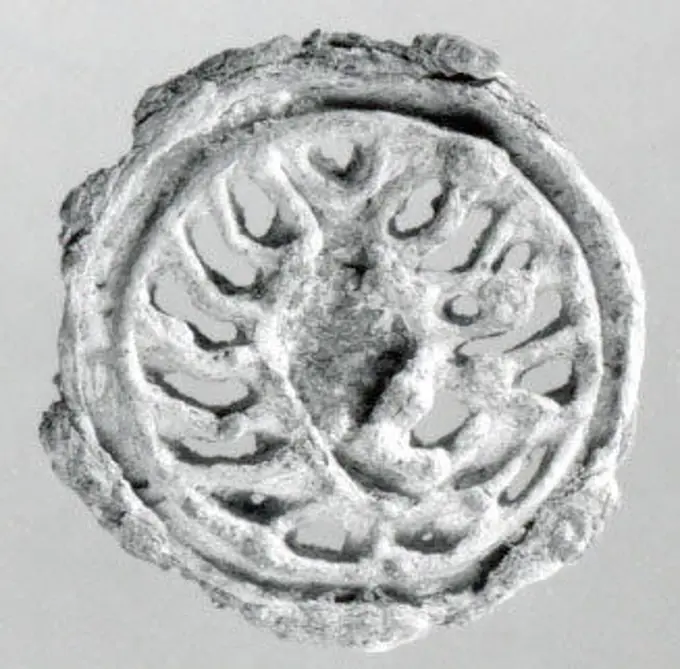
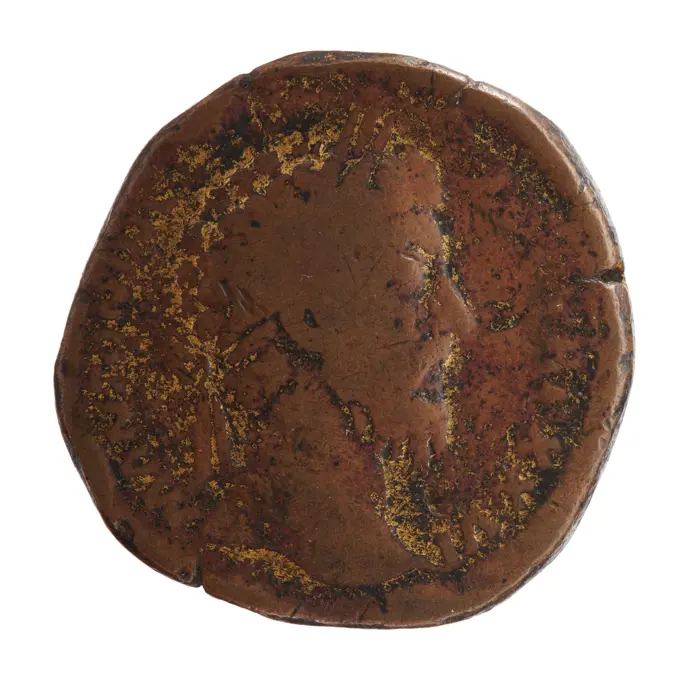
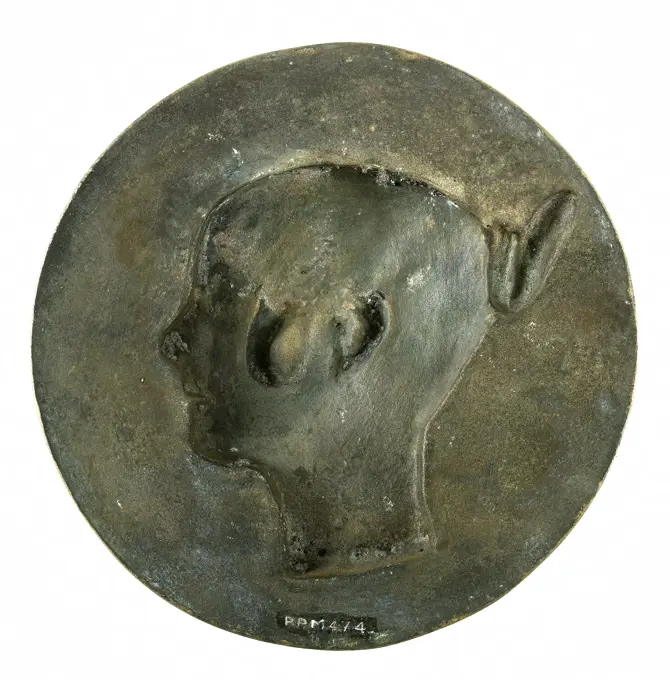
Carnavalet Museum, Medals CollectionCoin. UnknownScarab: Wish Formula. Egyptian. Date: 1550 BC-525 BC. Dimensions: 1.9 × 1.3 × 1 cm (3/4 × 1/2 × 3/8 in.). Steatite. Origin: Egypt. Museum: The Chicago Art Institute, Chicago, USA. Author: Ancient Egyptian.as/dupondius; Antoninus Pius (86-161; Roman emperor 138-161), Faustina older (98-141; Roman Empress 138-141); after 141 (141-00-00-166-00-00);Coin Depicting Two Rams 400 BCE-310 BCE Ancient Greece. Bronze . Ancient GreekSeal for Jar 6th-7th century. Seal for Jar 444961Charles V, German Keizer, prepares for the war against France and Gelderland, Anonymous, 1543 live Copper medal. Front: Portrait of Charles V with Crown, Rijksappel in the left and sword in the right hand, standing on the Earth Snake Ash and Monster Basiliscus within Covering. Reverse: Eagle, accompanied by two youngsters, looks up to radiant sun inside Covering  copper (metal) striking (metalworking)  France. GelderlandNUMISMATICA. MONEDA VISIGODA. EGICA GERUNDA (TARRACONENSIS) (687-700) REVERSO. DONACION DON MANUEL TRABUCO.Stater (Coin) Depicting a Tripod. Greek; Crotone, Italy. Date: 500 BC-480 BC. Dimensions: Diam. 2.2 cm; 7.78 g. Silver. Origin: Crotone. Museum: The Chicago Art Institute, USA. Author: ANCIENT GREEK.Zeeuwse Dang, 1778, Province of Zeeland, 1778 coin Copper mint. Front: Oval coat of arms crowned in Rococo list of Zeeland. Rail side: in a Rococo decoration inscription in three lines, above which Mint sign between two stars and including year. Middelburg copper (metal) striking (metalworking)Carnavalet Museum, Medals Collectionsesterce; Marek Aureliusz (121-180; Roman emperor 161-180); 174-175 (174-00-00-175-00-00);Saksonia , The Cross Denar, between 1065 and 1100 unknowndenarius (subaeratus). Acilius Glabrio, Mn. (fl. 49 a.C.), monetary officer, Republika Rzymska, issuerAE. PantikapaionSestertius (Coin) Portraying Emperor Maximinus 235 CE-238 CE Roman Empire. Bronze . Ancient RomanTerracotta medallion late 2nd-early 3rd century A.D. Roman The appliqué depicts a charioteer in his quadriga, holding the victors crown and palm branch. In Rome chariot racing was organized into teams, each identified by a color—red, white, blue, or green. The Latin inscription to the left on the medallion indicates that the victor belonged to the Greens. The Roman circus factions, who supported the different teams, were as fanatical and devoted as modern sports fans.. Terracotta medallion. Roman. late 2nd-early 3rd century A.D.. Terracotta; Rhône valley ware. Mid-Imperial. VasesClub club, 1848 "(registered title)) Medal. Club club. Etain, 1848.Quarter of the Parisii Stater of Class IV. Or. La Tène, around 80-70 BC Paris, Carnavalet museum. Right human face turned to the right; Reverse, a galloping horse. Ornamentation of pearl strip, checkerboard, dotted. Class II, End Protohistoire, Gaulois, La Tene, Mint, Or, Parisii, Quarter, Second Age du Iron, Statere, PieceSealing ca. 7th century A.D. Sasanian. Sealing. Sasanian. ca. 7th century A.D.. Un-baked clay. Sasanian. Iran, Qasr-i Abu Nasras. Atilius Saranus (Serranus), Sex. (fl. 155 a.C.), monetary officer, Republika Rzymska, issuerAntonian, beaten by Herennia Etrusculla, 249-251, antonianus coin money swap soil find silver bronze metal, beaten silvered Roman coin Antonianus minted by Herennia Etrusculla 249-251 archeology New Waterway Hook of Holland Rotterdam pay Roman Soil discovery New Waterway area 1977.Coin probably 12th-14th century. Coin 457496BLIŻEJ KULTURY Mint of Kraków, Władysław Warneńczyk (King of Poland, 1434 1444)NUMISMATICA. MONEDA VISIGODA. RECAREDO RECOPOLIS (CARTHAGINESIS) 586-601. REVERSO. COMPRA AL PORTUGUES DON MANUEL DE VILLENA 1790.False Coin, 2 Groschen, 1939, Repubiic of PolandStampCoin Depicting the Hero Herakles. Greek. Date: 400 BC-301 BC. Dimensions: Diam. 1.6 cm; 3.56 g. Bronze. Origin: Ancient Greece. Museum: The Chicago Art Institute, Chicago, USA.Silver dirham with a horse and rider, 10th century. Artist: UnknownRound Seal ca. 5th century India. Round Seal. India. ca. 5th century. Terracotta. SealsCarnavalet museum, medal collectionReceived Cross Account Token, XIVE CENTURY Anonymous. Received Cross Account Token, 14th century. Copper.Sealing pistonAE. PantikapaionTetradrachm: Apollo (Obverse); Lion (Reverse), 360-310 BC. Greece, Miletos (Ionia). Silver; diameter: 2.4 cm (15/16 in.). The lion, king of the beasts and an animal associated with regal and heroic power, featured prominently on the coinage of many ancient Greek city-states. Artists placed the lion in a variety of poses, sometimes including the whole body, at other times the foreparts or just the head. Although it may once have roamed nearby, for many Greeks the lion was a monster nearly as exotic as the Chimaera, of which it formed a part, together with a goat head and snake-headed tail.Carnavalet Museum, Medals Collectionsesterce; Antoninus Pius (86-161; Roman emperor 138-161); 139 (139-00-00-139-00-00);bracteate denarius. Zakon krzyżacki (1190-), issuerCarnavalet Museum, Medals Collectionbracteate denarius. Zakon krzyżacki (1190-), issuerGreece, party, Mithradates II (123 88), bronze, dicalkus (AE) Mithradates II (123 88)Bliżej Kultury Royal thai mintBliżej Kultury Nysa mintHekte (1/6 Stater) fromIonia. Artist: Unknown1/24 Stater fromIonia. Artist: UnknownBoleslaus the Brave (992 1025), penny, Greater Poland, Kuiavia or northern Masovia; ca 995 1005 Bolesław Chrobry (992 1025)Coin Depicting the Goddess Athena Struck 345 BCE-317 BCE Syracuse. The front (obverse) of this coin depicts the head of goddess Athena, facing left, wearing a Corinthian helmet (no crest); a snakey lock of hair falls behind. The back (reverse) depicts two dolphins arched inwards, nose to nose; between them sits an 8-rayed star with center pellet, tips attached with curved lines.. Bronze . Ancient Greeksesterce; Eliusz (101-138; next PCA Hadriana 136-138); 137 (137-00-00-137-00-00);Concordia (personification), heads, platers, abundance hornsBrakedate Halter; 15th century (1401-00-00-1500-00-00);Dzik's head (iconogr.), letter S, letters, one -sided coins, city coinsInscription reverse. Dated: probably 1543. Dimensions: overall (diameter): 4.7 cm (1 7/8 in.) gross weight: 42.05 gr (0.093 lb.) axis: 12:00. Medium: bronze. Museum: National Gallery of Art, Washington DC. Author: Friedrich Hagenauer.Denar - Brakteat na Ladownictwo; 14th century (1301-00-00-1345-00-00);as. Iunius, C. (fl. 149 a.C.), monetary officer, Republika Rzymska, issuerCoin dated A.H. 131/ A.D. 749. Coin. dated A.H. 131/ A.D. 749. Copper. Made in Iran, Nishapur. CoinsPrincipado de Cataluña, Luis XIII, Seiseno, 1642, Cobre. Museu Nacional d'Art de Catalunya (MNAC).Sealing ca. 7th century A.D. Sasanian. Sealing 323371False coin, crown shilIIng, 1661, John II Casimir (1649 1668)AE. Fanagoriauncia. Anonimowy, monetary officer, Republika Rzymska, issuerCoin dated A.H. 375/ A.D. 985. Coin 457155Coin probably 770. Coin. probably 770. Copper. Excavated in Iran, Nishapur. CoinsCoin 1785-1925. Coin. 1785-1925. Copper. Excavated in Iran, Nishapur. CoinsCoin A.H. 654-754/ A.D. 1256-1353. Coin 457661Stad Gouda, Lood good for a ton of peat and a gift in money, Anonymous, 1734  Penning of irregular form. Front: coat of arms in graceful cartouche. Reverse: monogram of letters A and E above the year; Between letters A and E beat: Sentimight star Gouda lead (metal) casting  GoudaTriente de Barcinona, oro, 573-586, 009869-N. Museu Nacional d'Art de Catalunya MNAC.heller; 15th century (1401-00-00-1500-00-00);Piotr (Saint), Klucze, city coins, Silesian Eagle (iconogr.), Eagles, Saint. Piotr with keysAE. PantikapaionAthenian 'owl' tetradrachm, early 2nd Century. Artist: UnknownEgg list belonging to plaque with allegorical representation about the loyalty. Egg list of wood belonging to the plaque with allegorical representation about the loyalty.False coin, IIthuanian shilIIng, John II Casimir (1649 1668)Scarab Hieroglyphs (swt, nfr, Dd, anx, nb) 1985 BCE-1550 BCE Egypt. Steatite . Ancient EgyptianMint, possibly by: Sardis, Siglos fromSardis, 375-340 B.C., Silver, 5.52 g, 14mm, Made in Sardis, Lydia, Greek, 4th century B.C., NumismaticsCoin dated A.H. 369/ A.D. 979. Coin 457235Coin. Alexander I of Macedonia. 480 BC. Wearing kausia hat, and holding two spears.Drohiczyn seal. unknown, managerPlaque with Phoenix. Culture: China (Xinjiang Autonomous Region, Central Asia). Dimensions: Diam. 2 3/4 in. (7 cm). Date: 7th-9th century.The nomadic communities of Central Asia used such plaques to embellish clothing and horse trappings. As these nomadic cultures herded animals and were constantly moving, their artistic production was expressed in portable objects that marked the wearer's status and wealth. The outstanding preservation of these fragile ornaments suggests they were used in conjunction with burials, where the body was aggrandized with valuable textiles and augmented with gold. Although it is difficult to date and place these objects geographically, their presence in Central Asia and has a long, established history. Museum: Metropolitan Museum of Art, New York, USA.SESTERC (counterfeit); Marek Aureliusz (121-180; Roman emperor 161-180); 164-165 (for the original) (164-00-00-165-00-00);Glass phalera (medallion) with imperial portraits early 1st century A.D. Roman The central bust has been identified as the emperor Tiberius. He is flanked by Germanicus and Drusus the Younger, two younger members of the imperial family. Such medallions were worn as badges on military uniforms and were issued to promote a sense of identity within the army and of loyalty to the commander-in-chief, the emperor.. Glass phalera (medallion) with imperial portraits. Roman. early 1st century A.D.. Glass, blue; cast. Early Imperial, Julio-Claudian. GemsScarab Inscribed with the Names of Ramesses II ca. 1295-1186 B.C. New Kingdom. Scarab Inscribed with the Names of Ramesses II 5582453 hellers. Złotoryja, issuerPrussian schilling. Zygmunt I Stary (król polski ; 1506-1548)Fragmentary Ring. Unknown  in antique cemetery of turkey asia and    mystery headstone False coin, crown penny, Ladislaus III of Varna (1434 1444)Bit Boss with Hercules Fighting the Monster Cacus second half 16th century South German, possibly Augsburg The central part of this bit boss is adorned with a scene depicting Hercules fighting the monster Cacus, represented as a centaur with a half-lion - half-deer body, a shield and a sword at their feet. This scene is directly inspired by a rectangular plaquette designed by Moderno (Galeazzo Mondella), ca. 1507. German bronze founders would regularly use Italian medals or plaquettes as models for their works, including bosses, like this one, which decorated the sides of horse bits. They also produced similar decorative elements for powder flasks, staff weapons or even pistols. This scene seems to have been a common design for bit bosses and plaquettes made in Southern Germany in the second half of the 16th century.. Bit Boss with Hercules Fighting the Monster Cacus. South German, possibly Augsburg. second half 16th century. Copper alloy, gold. possibly Augsburg. Equestrian Equipment-Saksonia , The Cross Denar, between 1065 and 1100 unknownDeployment;  X-XII century (901-00-00-1200-00-00);Arabic (culture), inscriptions, message (provenance), Islamic artCoin dated A.H. 374/ A.D. 984. Coin 457163AE. PantikapaionBrown coin; Gotarzes II (King of Parta; 40-51); 38-51 (40-00-00-51-00-00);Arno Tempel und Co. "Knopf", "Politischer Leiter" uniform button. Metal. 1937-1945. General Leclerc Museum of Hauteclocque and the Liberation of Paris, Jean Moulin Museum. 158825-10Compartmented stamp seal ca. late 3rd-early 2nd millennium B.C. Bactria-Margiana Archaeological Complex. Compartmented stamp seal 326839Bolesław Chrobry (992-1025), Denar, Greater Poland, Kujawy or Northern Mazovia, After 1010 Bolesław Chrobry (992 1025)AE. ChersonezSquare headstone with gothic text and skull, tombstone shale stone, carved minced Square tombstone with gothic text around skull in circle Aeilat du ?False coin, IIthuanian shilIIng, John II Casimir (1649 1668)False coin, IIthuanian shilIIng, John II Casimir (1649 1668)Bead possibly 8th century B.C.. Bead 444818sesterce; Marek Aureliusz (121-180; Roman emperor 161-180); 171-172 (171-00-00-172-00-00);Pierre-Jules Cavelier (1814-1894). Medal. Melle Laverne (sister-in-law of the artist). Metal, bronze, 1839. Museum of Fine Arts of the City of Paris, Petit Palais. 58757-17 Bronze, woman, medal, metal, numero inventory, numismatics, profile, portrait, reverseTurf carriers guild from Amsterdam, presence tension with no. 3. Loden meding. Front: Burn. Downside: letters t, d and g; Under D: Figure 3