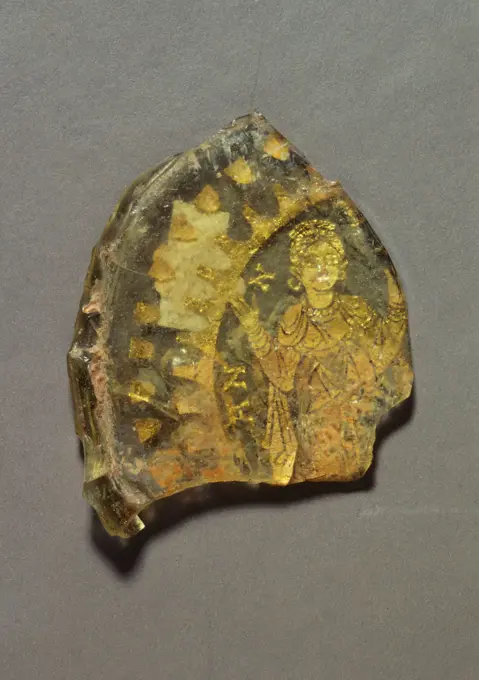
Ancient Coins

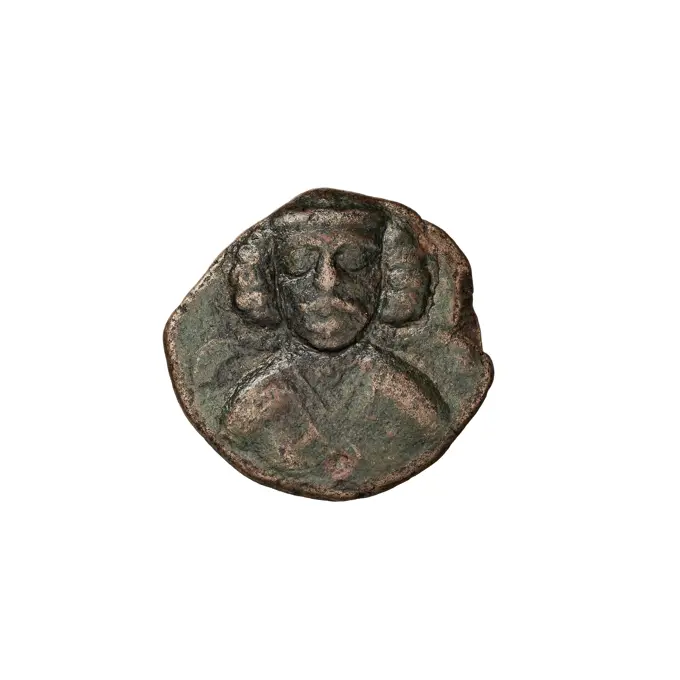
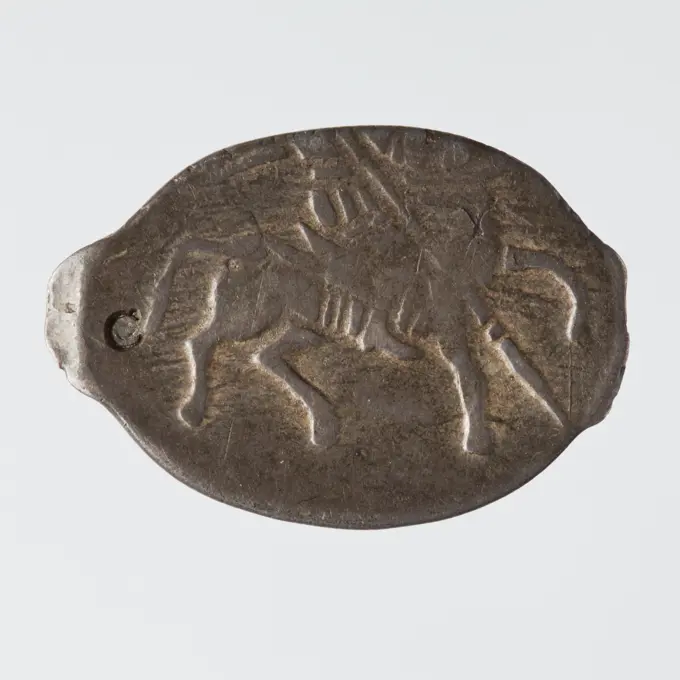
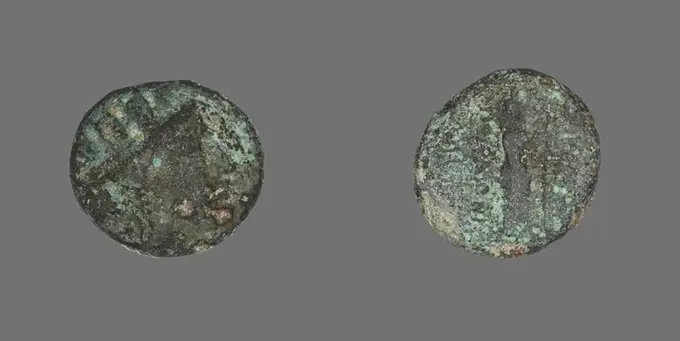
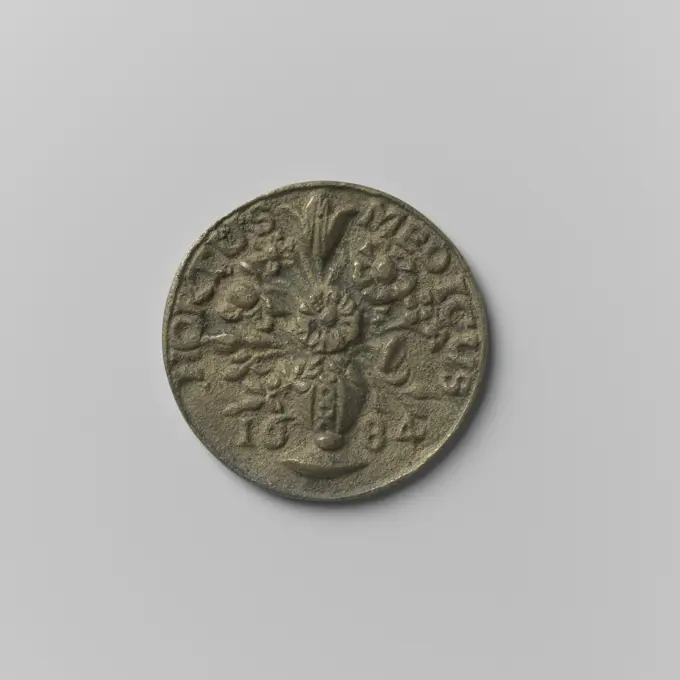
A collection of historical coins from various regions, featuring intricate designs of animals and figures, showcasing textures and patinas that convey their age.
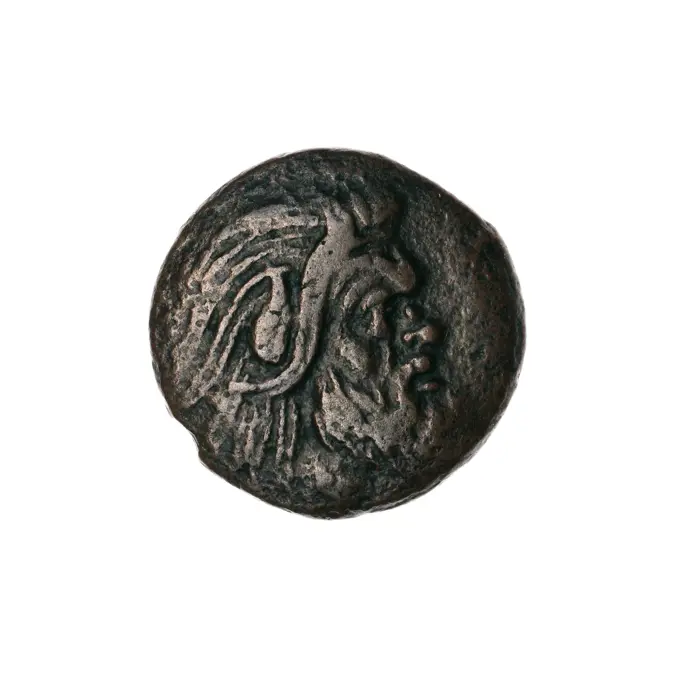
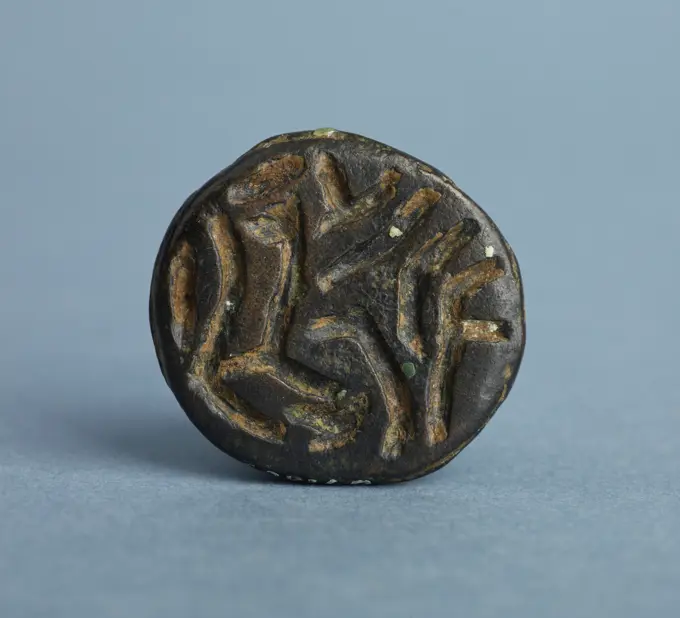
Brown coin; Pantikapaion; 330-315 BC (330-00-00-315-00-00);Nadczarzyorze, satir (mitol.), Gryfy, sturgeons, Protoma Gryf (iconogr.), Fish
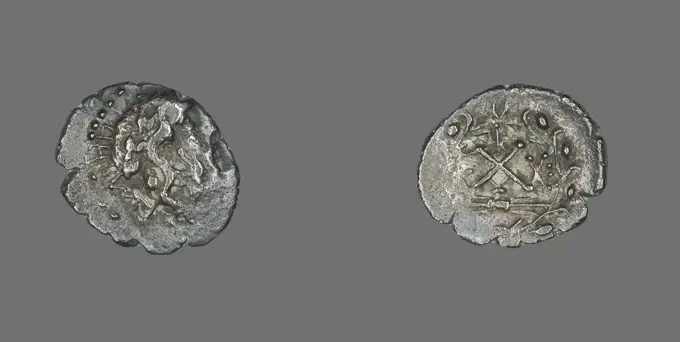
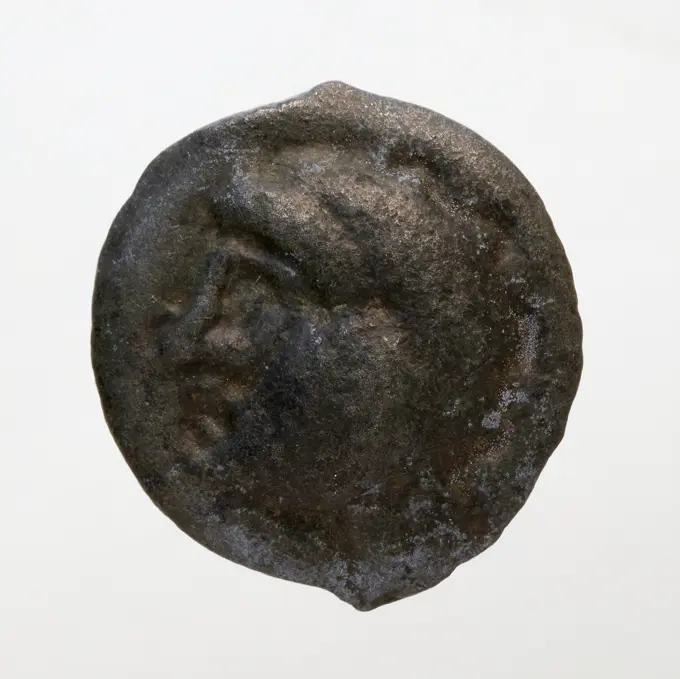
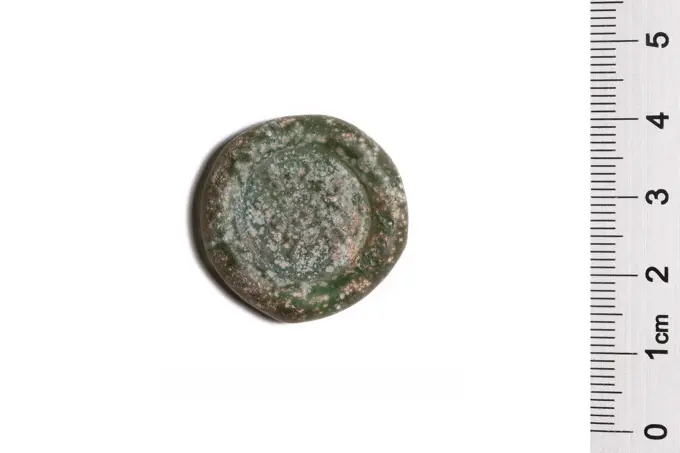
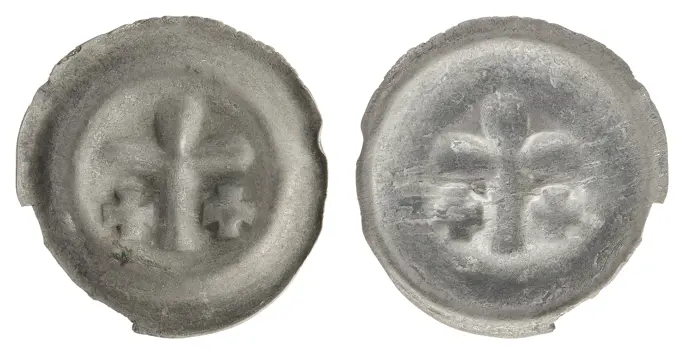
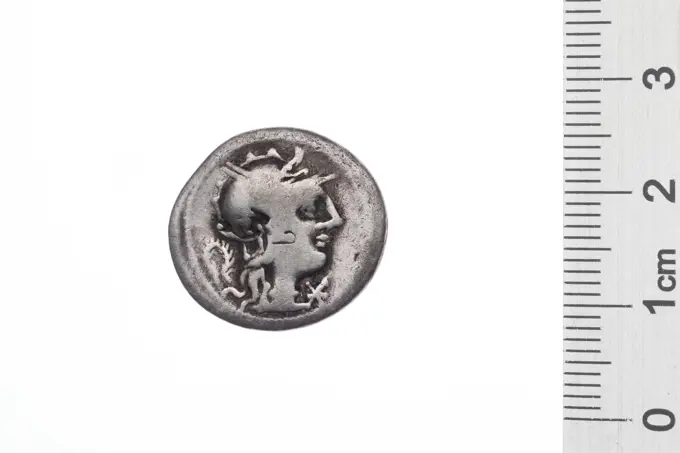
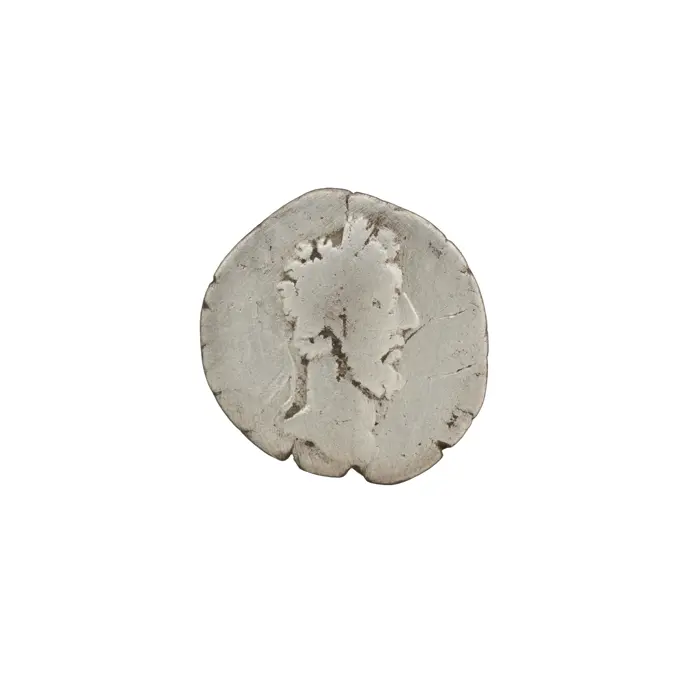
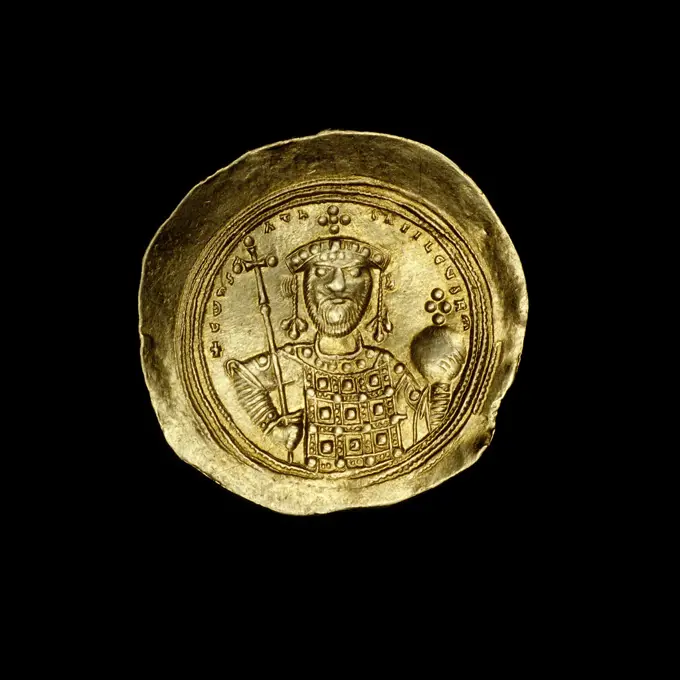
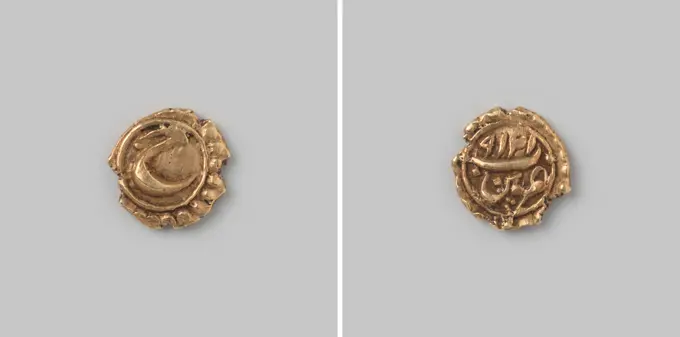
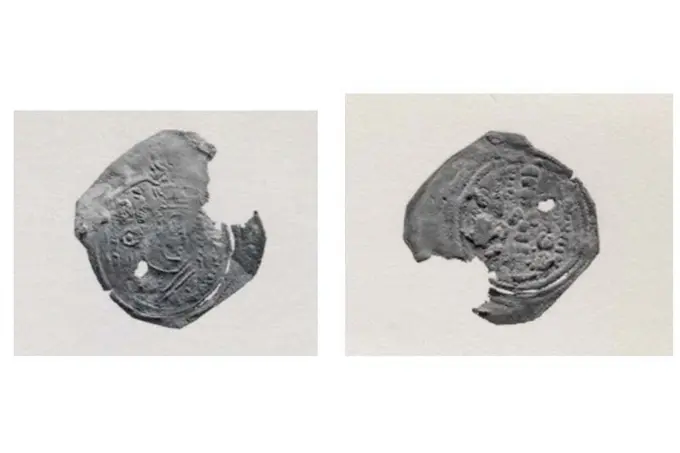
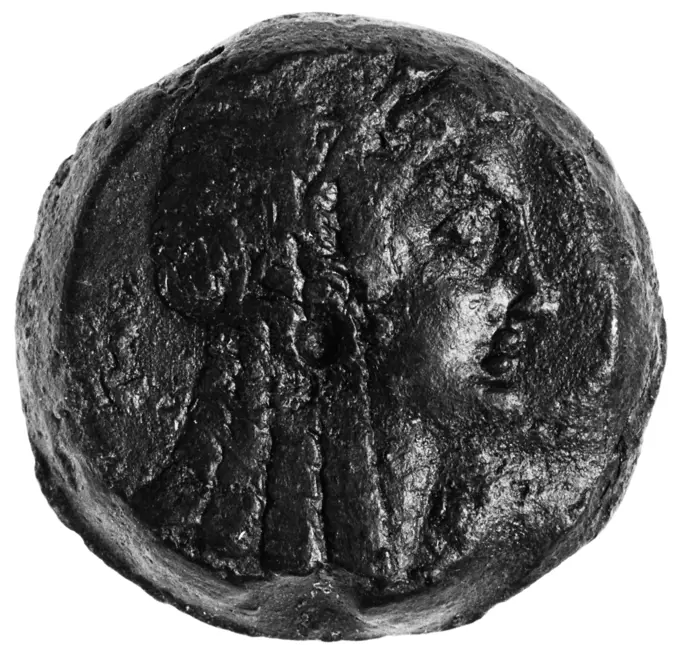
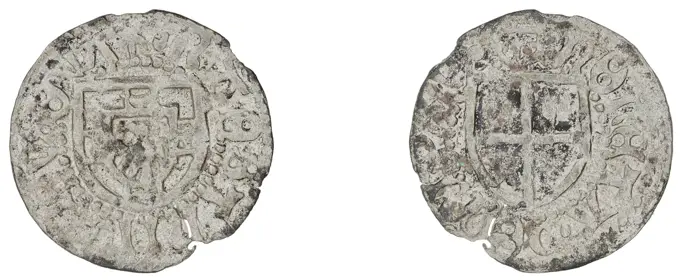
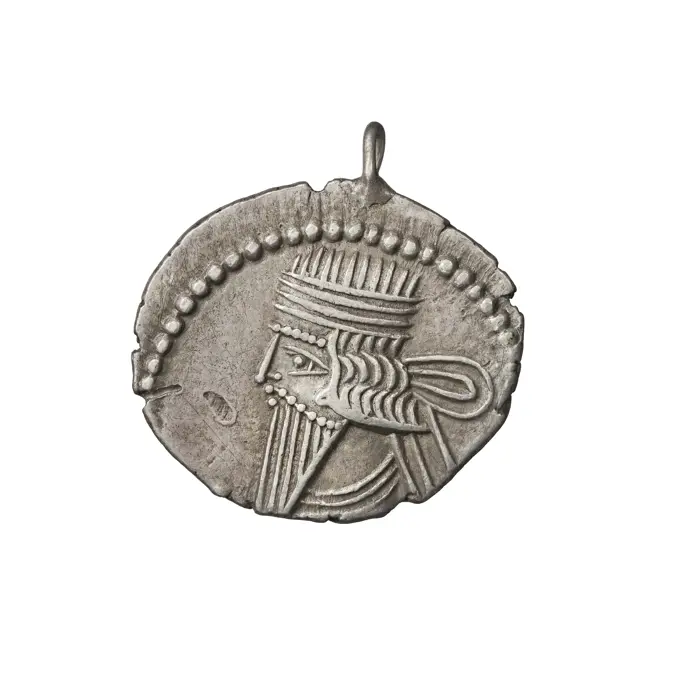
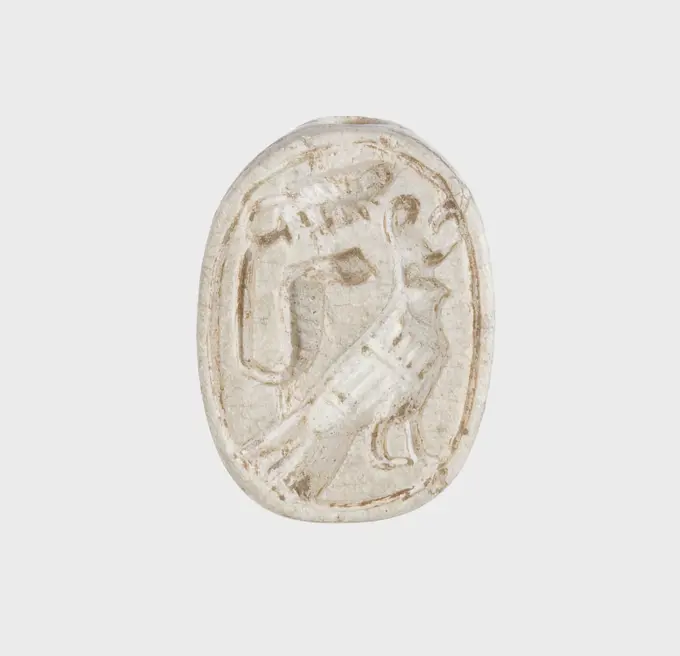
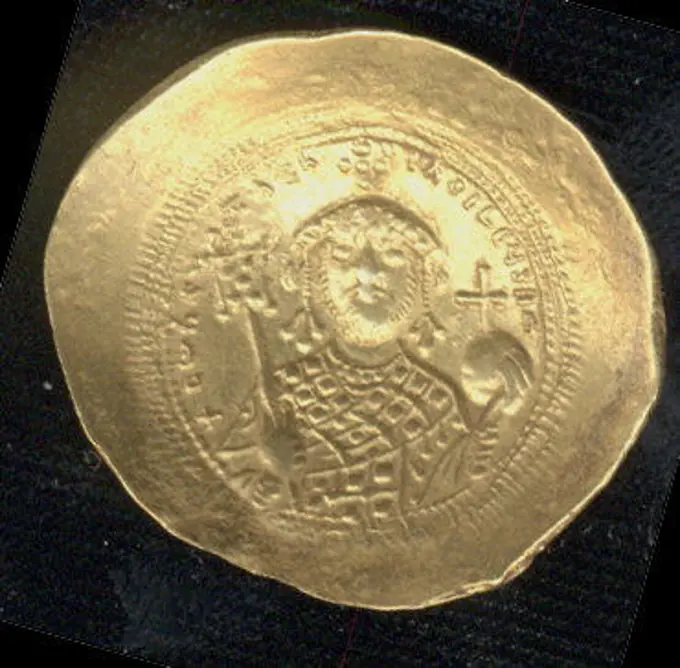
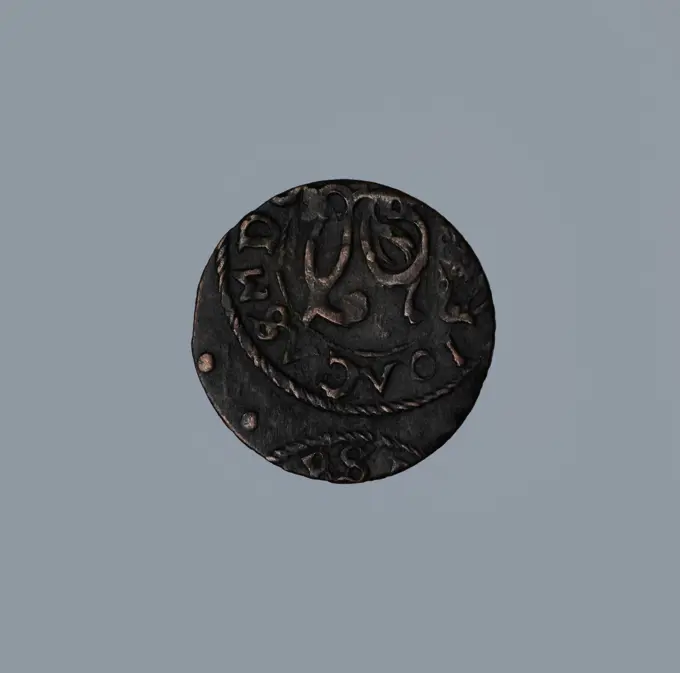
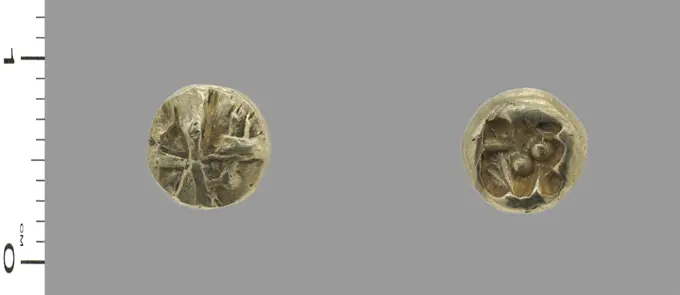
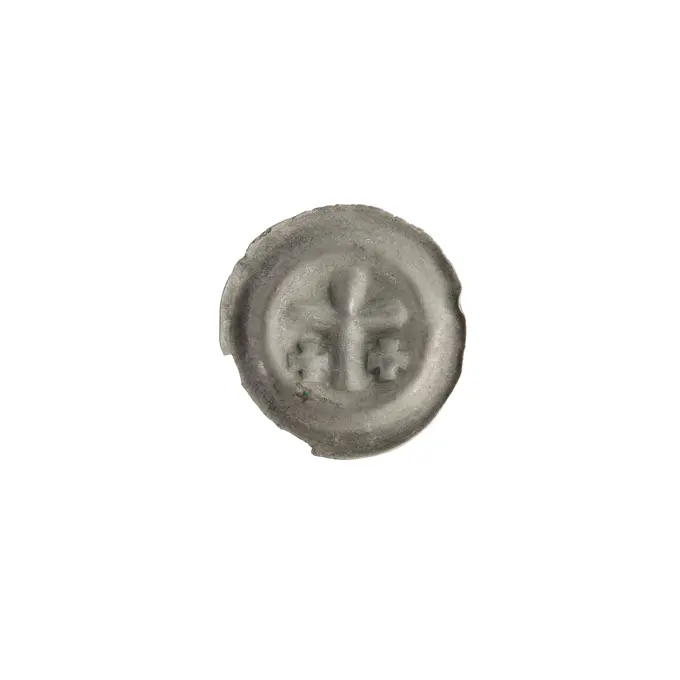
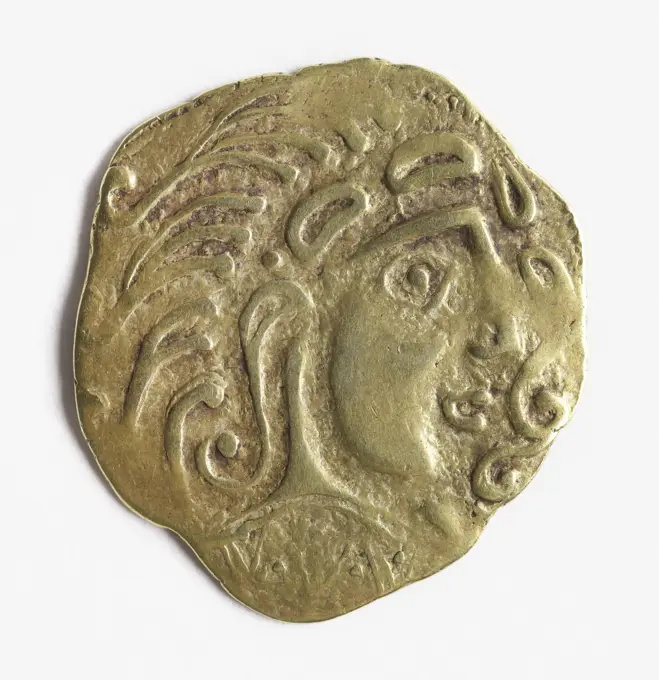
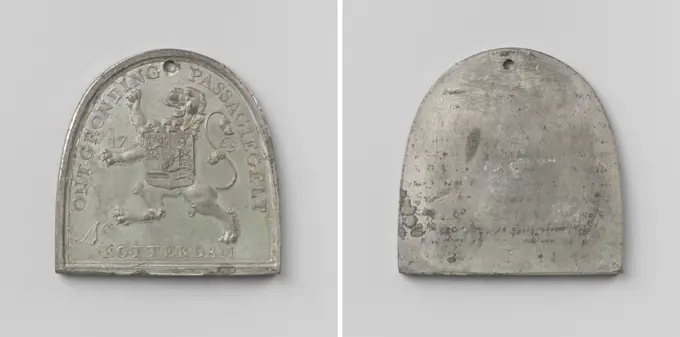
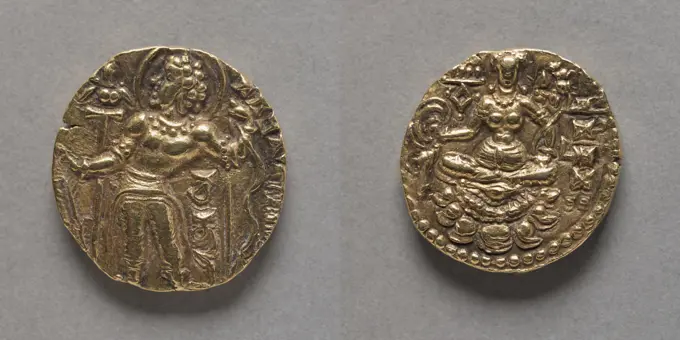
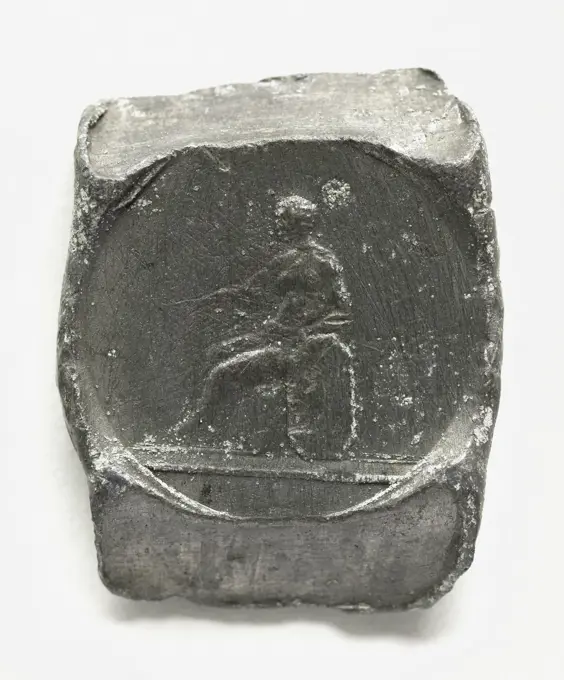
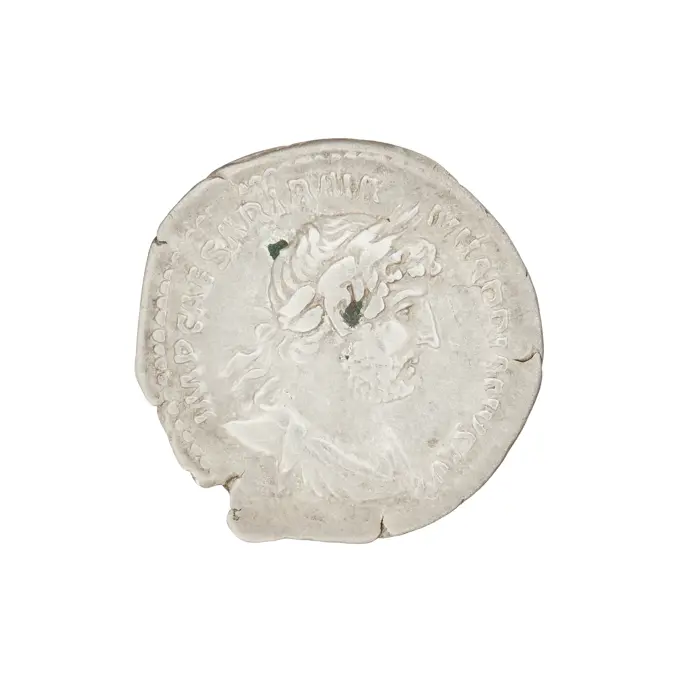
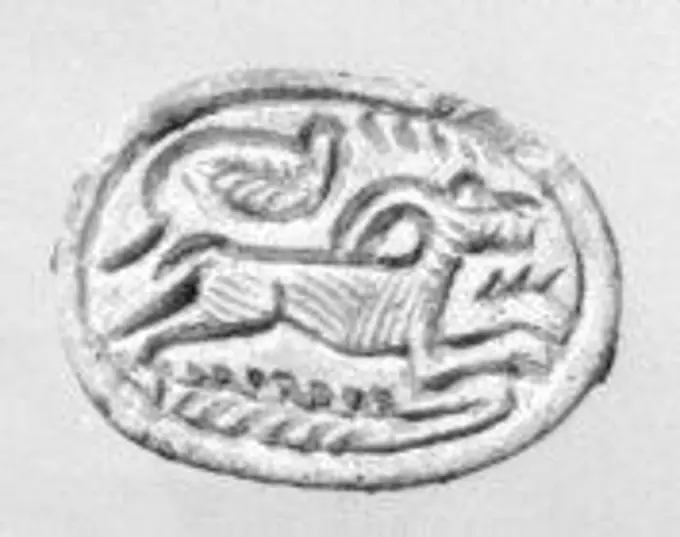
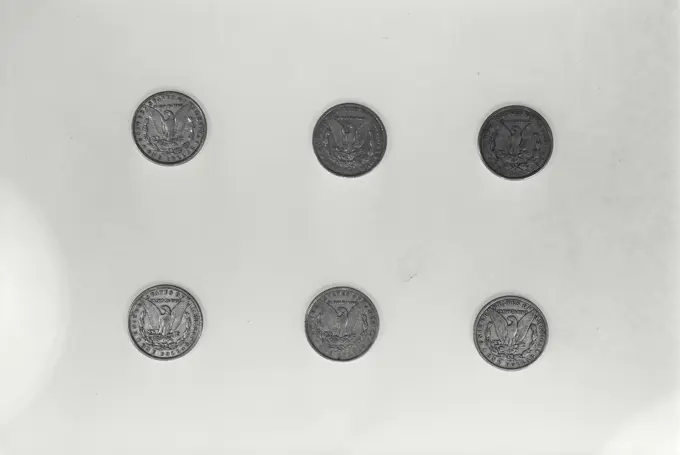
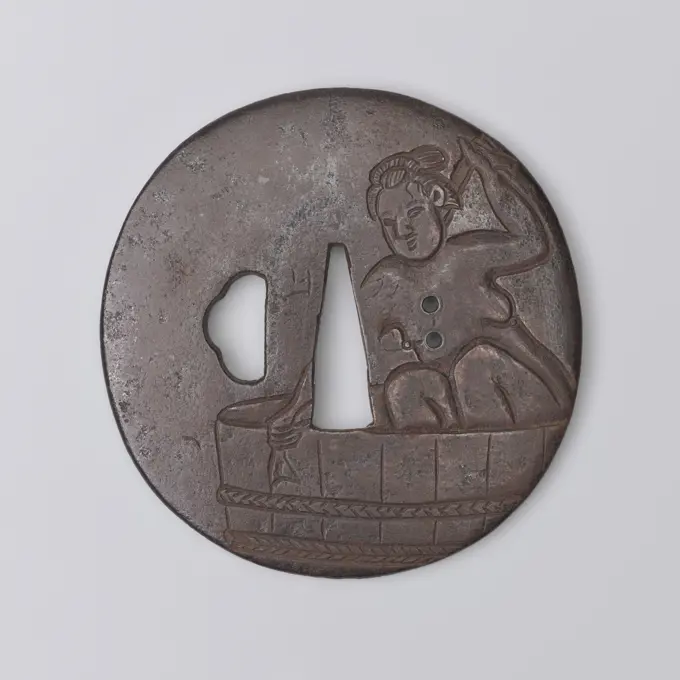
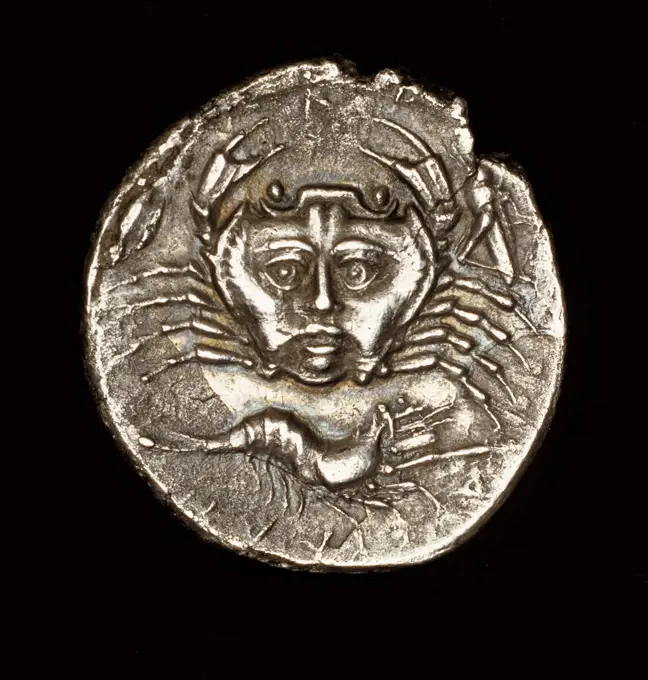
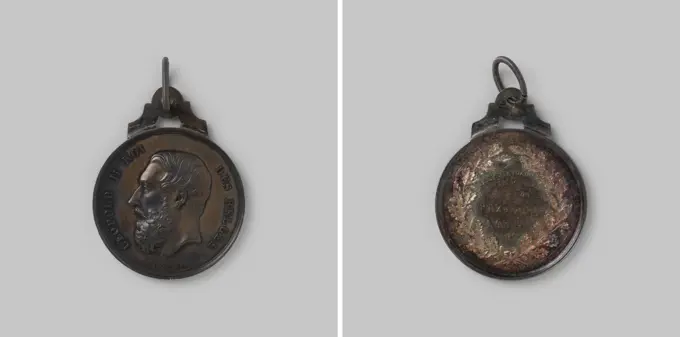
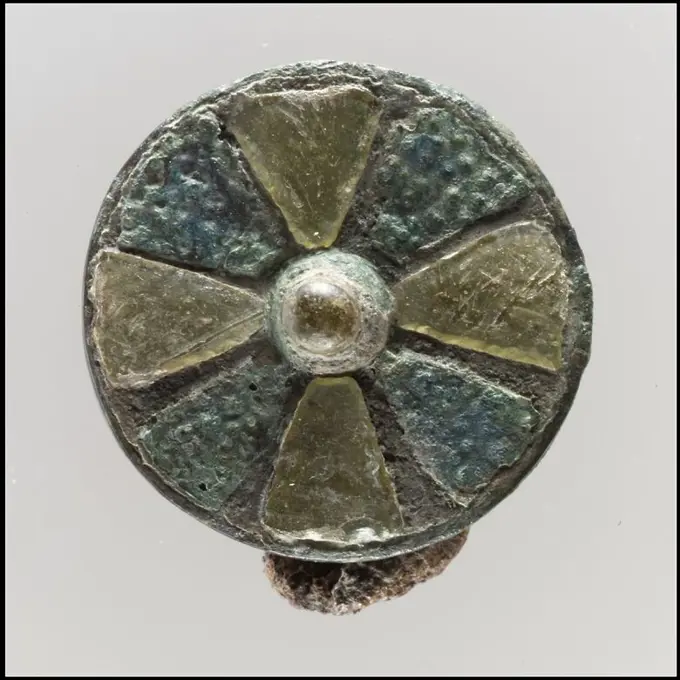
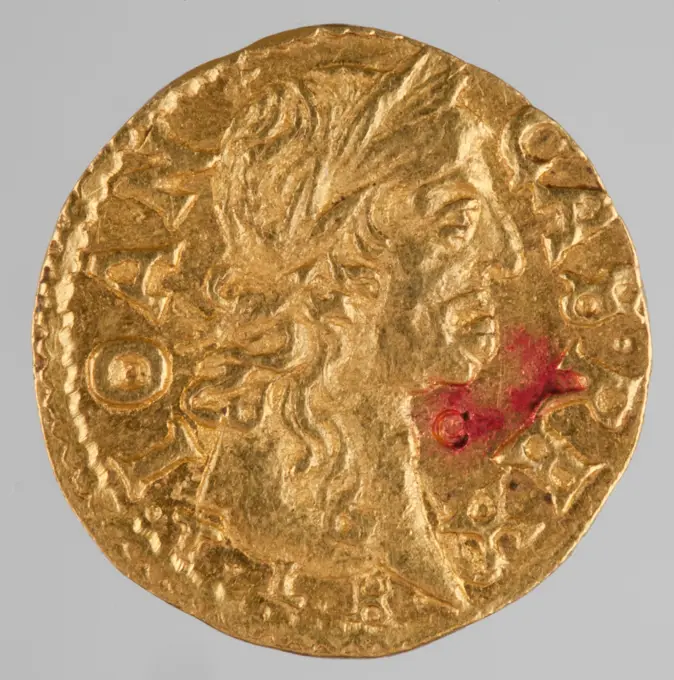
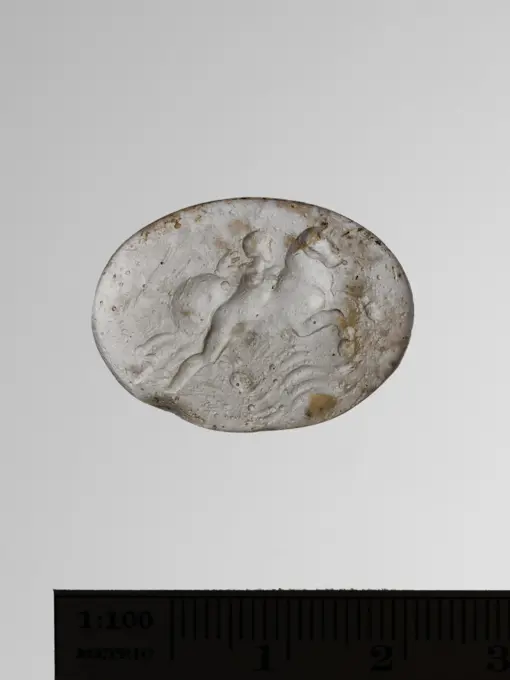
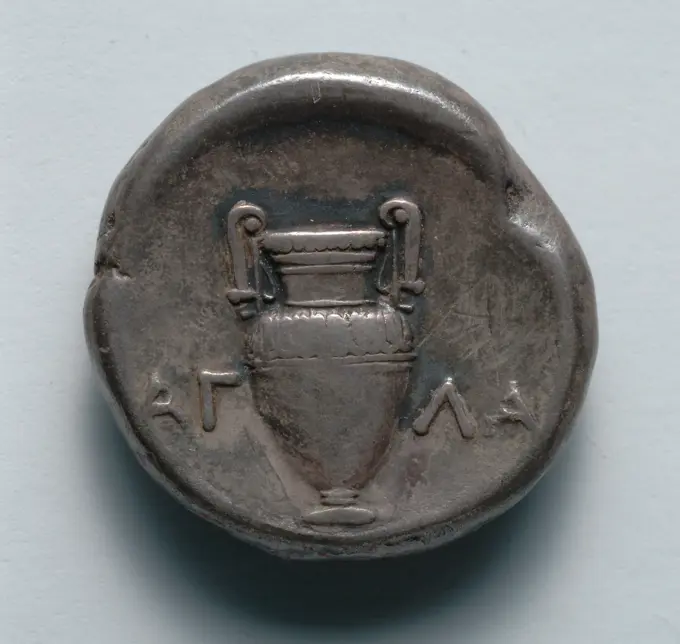
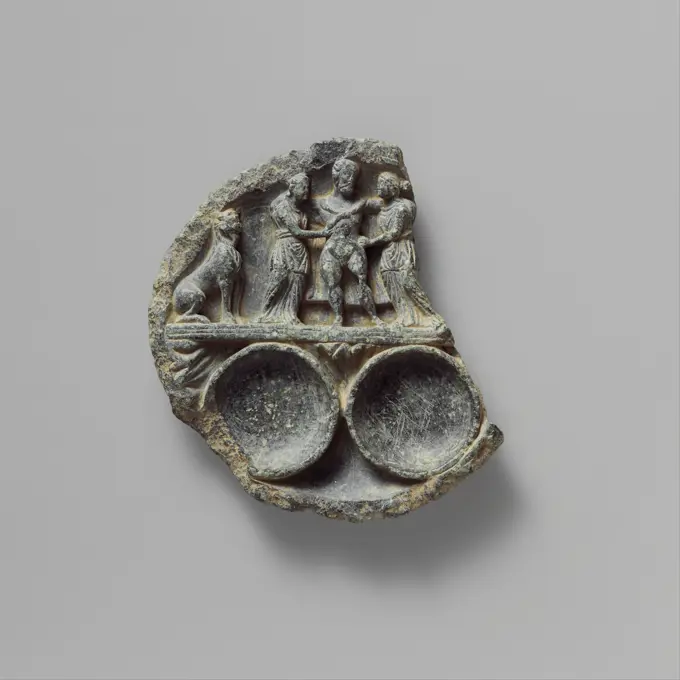
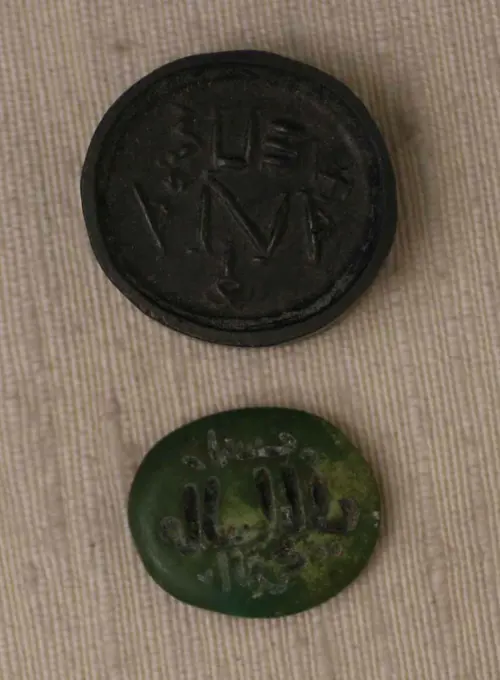
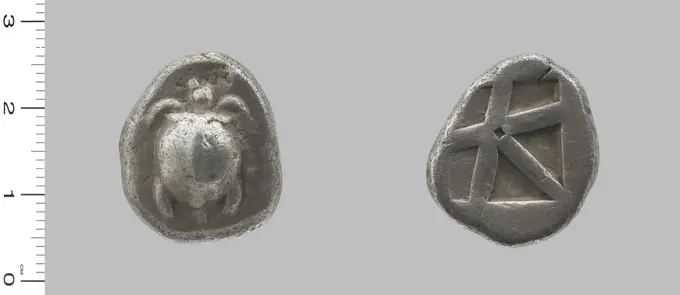
SealBrown coin; Mitrydates III (57-55 A.C.); 57 - 55 BC (57-00-00-55-00-00);Bone counter or gaming piece ca. 4th century A.D. Roman or later Concentric circles.. Bone counter or gaming piece 246450Władysław Zygmuntowicz (1610-1612), Kopiejka, Moscow; 1610-1612 Zygmuntowicz, W Adys Aw, Moscow mintCoin Depicting the Goddess Kybele. Greek. Date: 200 BC-1 BC. Dimensions: Diam. 1.8 cm; 5.56 g. Bronze. Origin: Izmir. Museum: The Chicago Art Institute, Chicago, USA. Author: ANCIENT GREEK.Collegium Medicum in Amsterdam, Access for the Hortus Medicus for Pharmacy Students, Anonymous, 1684 medal One -sided brass medal; V.Z: vase with flowers between year; On vase: coat of arms in change. Reverse: Blanco. Amsterdam brass (alloy) casting  AmsterdamHalf-Litra (Coin) Depicting the Goddess Roma. Roman, minted in Rome. Date: 234 BC-231 BC. Dimensions: Diam. 1.2 cm; 1.94 g. Bronze. Origin: Roman Empire. Museum: The Chicago Art Institute, Chicago, USA. Author: ANCIENT ROMAN.Bliżej Kultury Mint of Kraków, Władysław Warneńczyk (King of Poland, 1434 1444)Hemidrachm (Coin) Depicting the God Zeus Amarios 191 BCE-146 BCE Ancient Greece. The front (obverse) of this coin depicts the head of Zeus Amarios, facing to the right. On the back (reverse) is a monogram symbol of the Achaean League within a laurel wreath.Zeus Amarios, along with Demeter Panachaia, were the protecting deities of the Achaean League, which was first formed in the fifth century BCE as a confederation of Greek city-states in the Peloponnese of Greece. Temples to both deities were situated side by side at Aegium, in the northwestern Peloponnese, where the main assemly of the League held its meeting. A second Achaean League was established in 280 BCE but was later conquered and dissolved by the Romans in 146 BCE.. Silver . Ancient GreekAnonymous. Carnavalet museum, history of Paris.Coin weight. unknown, craftsmanSestertius of Commodus, Emperor of Rome fromRome. Ruler: Commodus, Emperor of Rome, A.D. 161-192, ruled 180-92 Mint: Rome Artist: UnknownDenar - Brakteat; after around 1490-1510 (1490-00-00-1510-00-00);bracteate denarius. Zakon krzyżacki (1190-), issuerdenarius (royal type). Bolesław II Śmiały (król Polski ; 1058-1079), rulercrown denari; Zygmunt I Stary (King of Poland; 1506-1548); 1506-1548 (1642-00-00-1642-00-00);Plaque ca. 1295-1070 B.C. New Kingdom. Plaque. ca. 1295-1070 B.C.. Green glazed steatite. New Kingdom. From Egypt, Memphite Region, Lisht North, MMA excavations, 1920-22. Dynasty 19-20 (Ramesside)Ruler: Constantine IX Monomachos, Emperor of Byzantium, 1000-1055, ruled 1042-55, Mint: Constantinople, Nomisma of Constantine IX, Byzantine Emperor fromConstantinople, Gold, 4.40 g, 6:00, 28mm, Made in Constantinople, Thrace, Byzantine, 11thcentury, Numismaticsdenarius. Opimius, L. (fl. 131 a.C.), monetary officer, Republika Rzymska, issuerFalse Coin, Crown Three Groschen, 1603, Sigismund III Vasa (1587 1632)North Italian 16th Century, Mucius Scaevola, early 16th century Mucius Scaevoladenarius; Kommodus (161-192; Roman emperor 177-192); 183-184 (183-00-00-184-00-00);heller; Zygmunt Luxembourg (Roman-German emperor; 1419-1437); 1419-1437 (1419-00-00-1437-00-00);Jan (Saint), Czech kingdom (coat of arms), head of St. John (iconogr.), Head of St. John on a teddy bear (iconogr.), Czech lion walking left (iconogr.), Lions, city coins, patron of WrocławCarnavalet museum, tokens collectionOval intaglio; Egypt; 3rd - 2nd century B.C; Bronze; 2.4 × 2 × 0.3 cm (15,16 × 13,16 × 1,8 in.)Ancient Constantinople Coin depicting Constantine IX, 1042-1055ADAnefo photo collection. Assignment on the Laak. March 6, 1963Gouden Fanam from Mysore in India van Tipu Sultan, 1791 ,, 1791 coin Gold coin. Front: the Arabic charit for H. reverse: in Arabic characters in two lines indication Cinplaats: Patan = Seringa Patam. At the top of the year: 1219 AM = 1791, written from right to left.  gold (metal) striking (metalworking)Carnavalet Museum, Medals CollectionSt. Lucas or Painting and Konstwerkersgilde van Rotterdam, Gildepenning by Pieter Ryckx, sculptor, Anonymous, c. 1666 - c. 1672 medal Brass oval medal with hole in it. Front: Ossekop above St. Lucaschild Inside Lauwerkrans. Road side: Compartment with inscription above sketchbook, panel, saucer, passer, sculptor hammer etc. Rotterdam brass (alloy) casting / engraving  RotterdamRoman Empire, Julian I (360 363), Rome 361 363 C.; Ae4 Julian Apostate, Mint of RomeMedium uniformed buttons (pattern 1952)Brown coin; Gotarzes II (King of Parta; 40-51); 38-51 (40-00-00-51-00-00);heller. Legnica, issuerCoin A.D. 684-685/65 A.H. Islamic. Coin 323515Scarab. Dimensions: L. 1.5 cm (9/16 in). Dynasty: Dynasty 12-18. Date: ca. 1981-1295 B.C.. Museum: Metropolitan Museum of Art, New York, USA.Bolesław Krzywousty (1102-1138), Denar, Kraków, After 1113 Boles And Krzywousty (1102 1138)Coronation from Ferdinand II to German emperor in Frankfurt, Anonymous, 1619  Diamond -shaped silver medal. Front: Crown above inscription F II. Reverse: Crown above inscription.  silver (metal) striking (metalworking)  Frankfurt am MainCoin. Unknownschilling. Zakon krzyżacki (1190-), issuer, Henryk Reffle von Richtenberg (wielki mistrz ; 1470-1477), grand masterCarnavalet museum, medal collectiondenarius; W ADSAW II JAGIEC (King of Poland; 1386-1434); 1386-1434 (1386-00-00-1434-00-00);Engraved Gem. UnknownMedal in the mediocre Bogus Wawy Radziwi (1620-1669); Höhn, Johann (Ca 1642-1693; m 1669 (1669-00-00-1669-00-00);NUMISMATICA. MONEDA MONEDAS BIZANTINAS DE ORO Y BRONCE. REAL ACADEMIA DE LA HISTORIA.Drachma; Wologezes I (51-79); 51-79 (51-00-00-79-00-00);Stater (Coin) Depicting a Crouching Dog. Greek. Date: 500 BC-401 BC. Dimensions: Diam. 1.9 cm; 16.05 g. Electrum. Origin: Mysia. Museum: The Chicago Art Institute, Chicago, USA. Author: ANCIENT GREEK.Badge or Harness Pendant 13th century () Spanish Heraldry, or coat-of-arms, were vitally important in Europe throughout the Middle Ages and the Renaissance. Heraldic emblems were used to identify noble families, cities, regions, and even countries. In addition to being displayed on shields and flags, heraldry was incorporated into architectural decoration on the interior and the exterior of buildings, on furniture, works of art, clothing, and horse equipment. Harness pendants, like this example, would have been attached to a headstall, bridle, or other straps making up the tack of a horse ridden by a nobleman or noblewoman, or a member of their household. Many harness pendants also have decoration that is simply ornamental, or have symbols that are not specifically heraldic in nature.. Badge or Harness Pendant. Spanish. 13th century (). Copper, gold, enamel. Miscellaneous-BadgesSpanish 8 Realen from Mexico with beating Soemep and 235, Anonymous, 1732 - 1819 coin Silver mint in rough rectangular shape. Front: Crowned Spanish coat of arms. Year in reversal. Reverse: in a multi -pass cross with weapons of Castile and Leon in the corners. Two beats on ends: Soemenep and 235 = A.H. 1235 = 1819 Madura silver (metal) casting  MexicoBronze plate from Nimroud, 1853. Published in London by J. Murray. Related to Nineveh, an extinct ancient city, and includes implements and utensils. Now part of the British Museum collection1 Uncia fromRome.  Mint: Rome Artist: UnknownCoin A.H. 170-93/ A.D. 786-808. Coin. A.H. 170-93/ A.D. 786-808. Copper. Excavated in Iran, Nishapur. CoinsEngraved Gem. UnknownMarriage of Emperor Napoleon with Maria Louisa van Austria 1810 ,, 1810 history medal Small silver medal, on the front the portrait of Napoleon to the right with a change, on the reverse Napoleon and Maria Louisa standing by an altar, with a change and cut -out text.  silver (metal) striking (metalworking)bracteate denarius. Zakon krzyżacki (1190-), issuerScarab Inscribed with the Horus Falcon and Uraeus ca. 1390-1353 B.C. New Kingdom The decoration on the base of this scarab depicts a falcon wearing the double crown, a symbol of the union of Upper and Lower Egypt. The falcon can be understood as the living king, in this case, Amenhotep III. The device above the falcon appears to be a rearing cobra whose tail ends in a wing. This may be intended represent the two deities who protect the king, Udjo, the cobra goddess of Lower egypt, and Nekhbet, the vulture goddess of Upper Egypt.. Scarab Inscribed with the Horus Falcon and Uraeus. ca. 1390-1353 B.C.. Mica schist. New Kingdom. From Egypt, Upper Egypt, Thebes, Malqata, Houses G-K, MMA excavations, 1910-11. Dynasty 18GELDERSE DERP, 1690, Province of Gelderland, 1690 coin Copper mint. Front: within laurel wreath in three lines D/gel/riae, including year. Reverse: Crowned Gelders Coat of Arms. Harderwijk copper (metal) striking (metalworking)Histamenon of Constantine IX Monomachos (1042-55) ca. 1042-55 Byzantine The Empire's gold coins set an artistic and monetary standard for the Mediterranean world throughout most of Byzantine history. By the middle Byzantine period, a ruler portrait appeared on one side, with a religious icon on the other. Inscriptions were in either Greek, the official language of the Empire, or Latin, its original official language. The images reflected the artistic currents of their times.. Histamenon of Constantine IX Monomachos (1042-55). Byzantine. ca. 1042-55. Gold. Made in Possibly Constantinople. CoinsDeployment;  XII-XIII century () (1101-00-00-1300-00-00);Arabic (culture), Islam (culture), message (provenance), Islamic artFalse coin, IIthuanian shilIIng, John II Casimir (1649 1668) unknownMedallion with Christ, c. 1200-1400. Byzantium, 13th-14th century. Steatite; diameter: 4.2 cm (1 5/8 in.).1/24 Stater fromIonia, ca. 600 B.C., Electrum, 0.57 g, 7mm, Made in Ionia, Greek, 7th-6th century B.C., NumismaticsHemihekte fromCyzicus. Mint: Cyzicus Artist: UnknownCoin dated A.H. 174/ A.D. 790. Coin. dated A.H. 174/ A.D. 790. Copper. Excavated in Iran, Nishapur. Mint Iran, Nishapur. CoinsKiterian Bospor, Panticajon, end of the 4th  beginning of the 3rd century BC; AEE Panticapaeum mintMint: Cyrene, 1/10 Attic Stater fromCyrene, 375-308 B.C., Gold, 0.875 g, 7:00, 8mm, Made in Cyrene, Cyrenaica, Greek, 4th century B.C., NumismaticsBliżej Kultury Tytus (39 81), Mint of RomeDenar - Brakteat; approx. 1317/1318-OK. 1327/1328 (1317-00-00-1328-00-00);Stage of Parisii, 1st Century BC (Title Title) Statère des Parisii, 1st century before J-c. But, to -100 BC JC.Saying in Rotterdam, Penning intended as evidence for peat carriers, fillers or tunners to be allowed to enter peat from the newlyered veins, Anonymous, 1769 identification medal One-sided lead medal with round top and rectangular underside, and hole in it. Front: Standing lion with coat of arms on chest between the year within Kerschrift. Reverse: Blanco. Rotterdam lead (metal) casting  RotterdamHemidrachm: Gorgoneion, Entwined with Serpents (Obverse), c. 400-300 BC. Greece, Parion (Mysia). Silver; diameter: 1.3 cm (1/2 in.).Project Graly-Manzag 2013-2016 Carnavalet Museum, Medals CollectionFemale Head. UnknownCoin of Chandragupta II , c. AD 400. India, Chandragupta II, Gupta Period, late 4th-early 5th century. Gold; diameter: 1.9 cm (3/4 in.). The rulers of the Gupta dynasty unified northern India under native rule for the first time since the Maurya empire (323-185 bc). The Guptas named themselves after Chandragupta, the founder of the Maurya dynasty. This coin of Chandragupta II, who ruled from around ad 380 to 415, depicts a divine archer holding a bow and arrow. On the reverse is the Indian goddess of good fortune, Shri, seated on a lotus.The Assisi Republic, s. d. (Dummy title) Anonymous. The Republic sitting, around 1848 (obverse).denarius; Hadrian (76-138; Roman emperor 117-138); 119-122 (118-00-00-118-00-00);Globes, bans, rudders, laurel wreathsMucius Scaevola. Dated: early 16th century. Dimensions: overall (diameter): 4.8 cm (1 7/8 in.) gross weight: 66 gr. Medium: bronze//Very dark patina. Museum: National Gallery of Art, Washington DC. Author: North Italian 16th Century.Scarab seal: galloping horned animal ca. 1700-1560 B.C.. Scarab seal: galloping horned animal. ca. 1700-1560 B.C.. Steatite, white. Dynasty 15-17, 2nd Intermediate Period, Hyksos. Levant, Lachish (modern Tell ed-Duweir)Vintage Photograph. An arrangement of one dollar coins.Saucer. Artist: Possibly Daniel Dry , active ca. 1820-80. Culture: American. Dimensions: Diam. 6 1/8 in. (15.6 cm). Date: 1820-80. Museum: Metropolitan Museum of Art, New York, USA.Coin of the Temple in Jerusalem, during the Jewish revolt against the Roman by Shimeon Bar-Kokhba, Israel.Jelec (Tsuba); Yoriie; 18th century (1701-00-00-1800-00-00);Open Anklet with Terminus Spires 300 B.C.-A.D. 400 Thailand. Open Anklet with Terminus Spires. Thailand. 300 B.C.-A.D. 400. Bronze. Late period. JewelryRare Ancient Greek Coin, Sicily, Catana, Silver Drachma, Amenanos, Crab with Face and Prawn, c 420 BCButton ca. 1789. Button. ca. 1789. Brass1/96 Stater fromIonia, ca. 600 B.C., Electrum, 0.21 g, 4.4mm, Made in Ionia, Greek, 7th-6th century B.C., NumismaticsFirst prize awarded to Bart van Hove by the Academy of Fine Arts in Antwerp in 1871, 1871 award medal Silver prize trim on carrying eye and carrying ring. Front: head of bearded man (Koning Leopold II of Belgium) in profile to the left, with the left and right in -deputy and under signature. Reverse: inscription inside and outside laurel wreath. Belgium silver (metal) striking (metalworking) / engraving  AntwerpDisk Brooch. Culture: Frankish. Dimensions: Overall: 1 3/8 x 13/16 in. (3.5 x 2 cm). Date: 6th century.Garnets, worked in the cloisonné technique, featured prominently in the luxury jewelry of the Franks. Jewelers would solder small compartments arranged in geometric patterns onto the surface of a metal disk. In those cells, or cloisons, they would place a textured piece of gold foil, which would show through the thin translucent garnet that would then be set on top. Museum: Metropolitan Museum of Art, New York, USA.John II Kazimierz (1649-1668), Lithuanian Semi Date, Vilnius; 1665 Mint of Vilnius, Jan KazimierzMagic gemma with the performance of Besa Pantheosa and Greek subtitlesYellow glass ring stone ca. 1st century B.C.-3rd century A.D. Roman Europa and the bull.. Yellow glass ring stone. Roman. ca. 1st century B.C.-3rd century A.D.. Glass, yellow paste. Late Republican or Imperial. GemsStater: Volute Krater, within incuse circle (reverse), 379-338 BC. Greek, minted at Thebes (Boiotia). Silver; diameter: 2 cm (13/16 in.).Apply in the shape of the main gorgons; supervisory workshop; 4th century BC (-400-00-00--301-00-00);Ancient collection, Piątkowski Albert (ca. 2004)Dish with the Drunken Hercules Supported by Two Women and Flanked by a Lion ca. 1st century Pakistan (ancient region of Gandhara) This dish from the ancient region of Gandhara dates from the second century B.C. to the first century A.D. International trade with the Hellenistic world and India as well as invasions into Gandhara by the Scythians, Parthians, and Kushans brought many new stylistic idioms that shaped the stylistic vocabulary of these objects. Similar dishes were found in the Gandharan city of Sirkap (Taxila) in contexts that suggest they were used for domestic rituals, perhaps to ensure a positive afterlife.. Dish with the Drunken Hercules Supported by Two Women and Flanked by a Lion. Pakistan (ancient region of Gandhara). ca. 1st century. Schist. SculptureRoman-Celtiberian coin, Museum of Romanization, Calahorra, La Rioja, Spain, Europe.Seal 11th century. Seal 442912Round PiloncitoCoinMint: Aegina, Stater fromAegina, 480-456 B.C., Silver, 12.09 g, 22mm, Made in Aegina, Islands off Attica, Greek, 5th century B.C., NumismaticsAnonymous. "Cup background: Saint Agnès". Colorful glass, inclusion of a gold leaf. Museum of Fine Arts of the City of Paris, Petit Palais. 99933-5 Antiquity, gold leaf, half half of the 4th 4th 4th 4th century, glass, ancientFalse coin, IIthuanian shilIIng, John II Casimir (1649 1668)