Ancient Coins and Currency

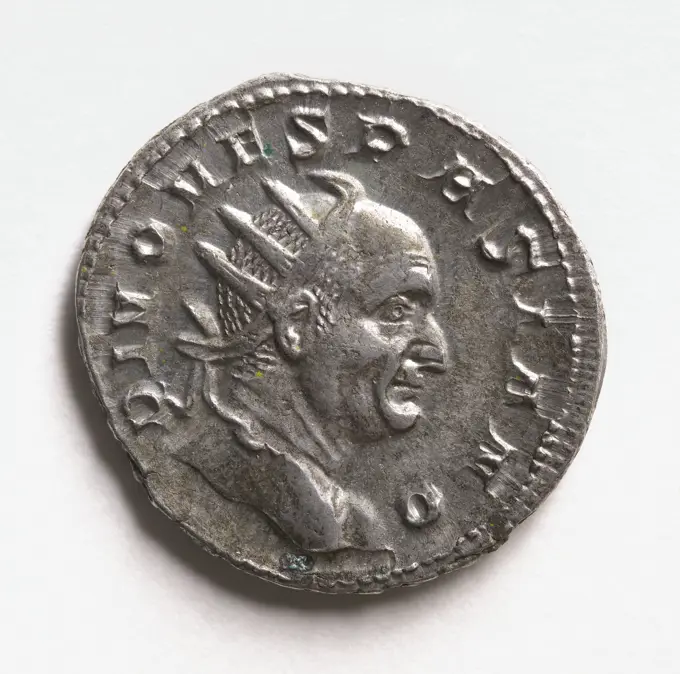
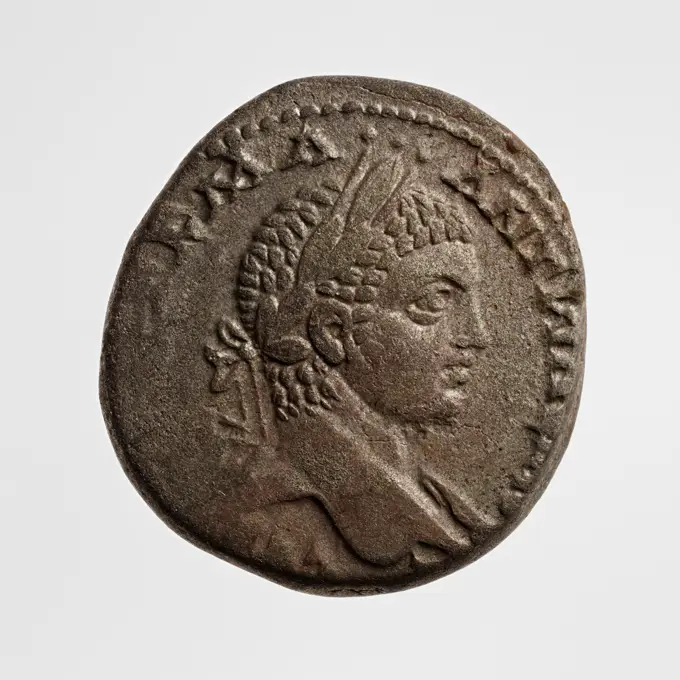
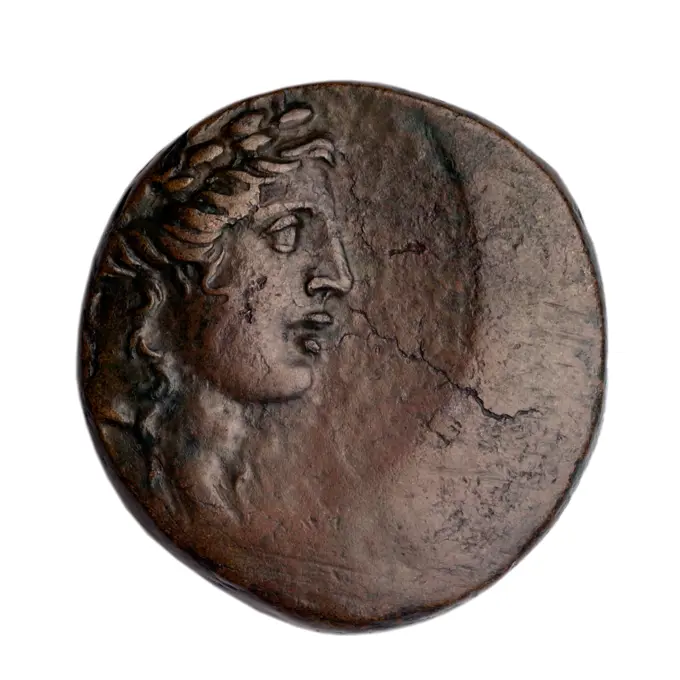
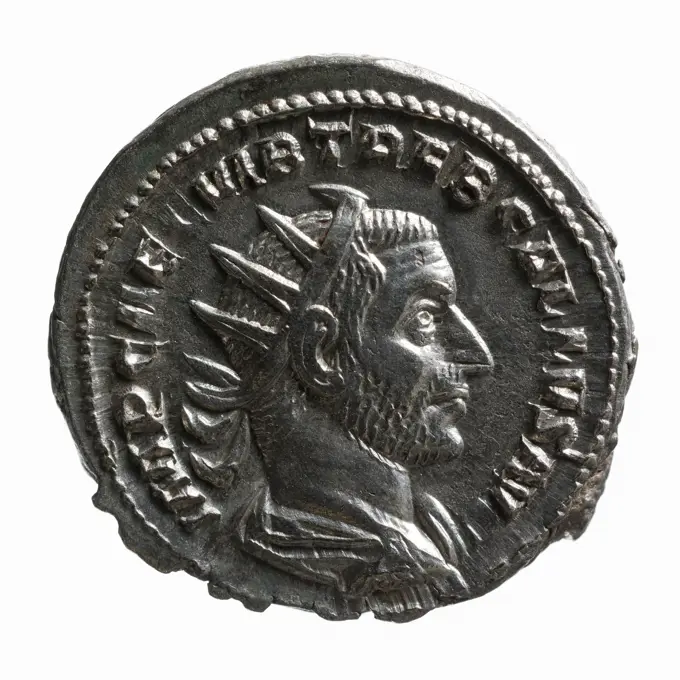
Authentic Roman coins featuring historical figures and inscriptions. Metal textures with intricate details showcasing ancient craftsmanship.

Bliżej Kultury Marcus Aurelius (161 180), Mint of Rome
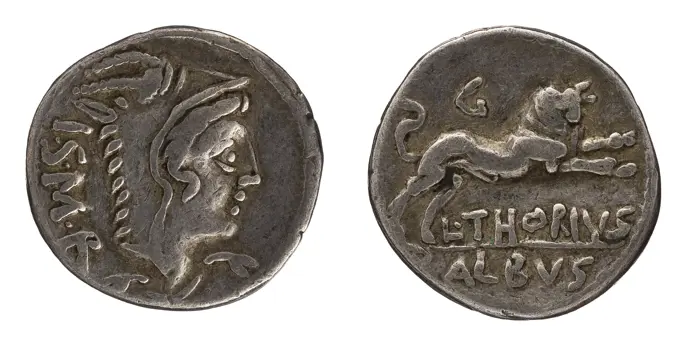
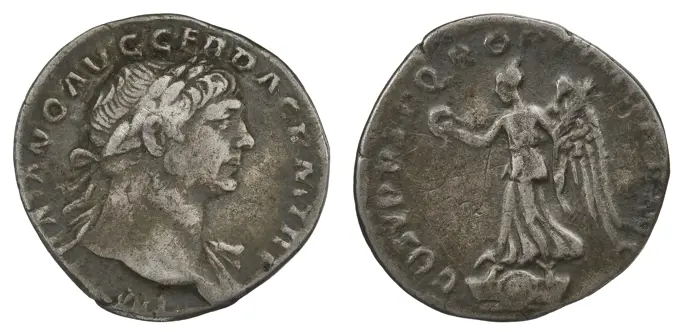
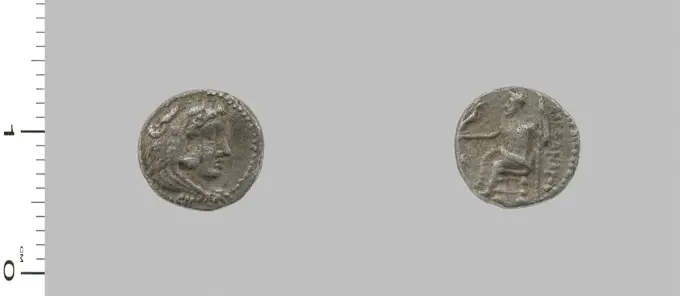
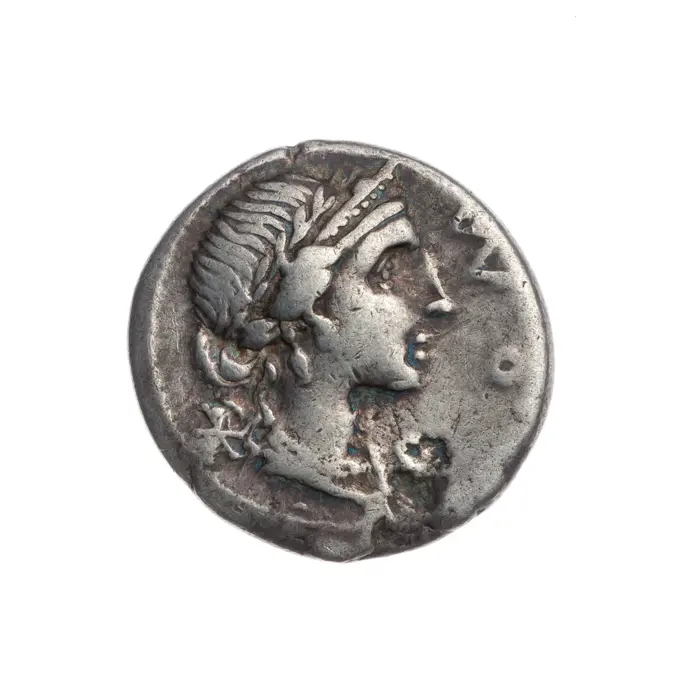
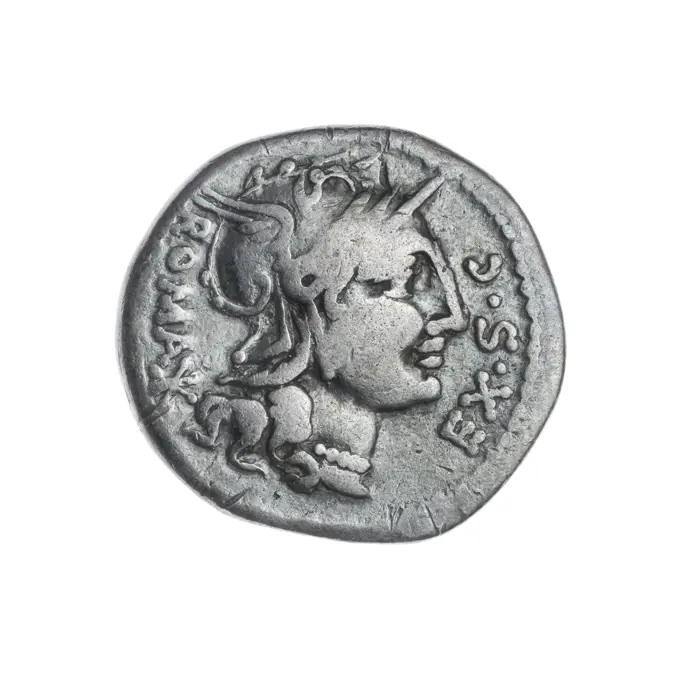
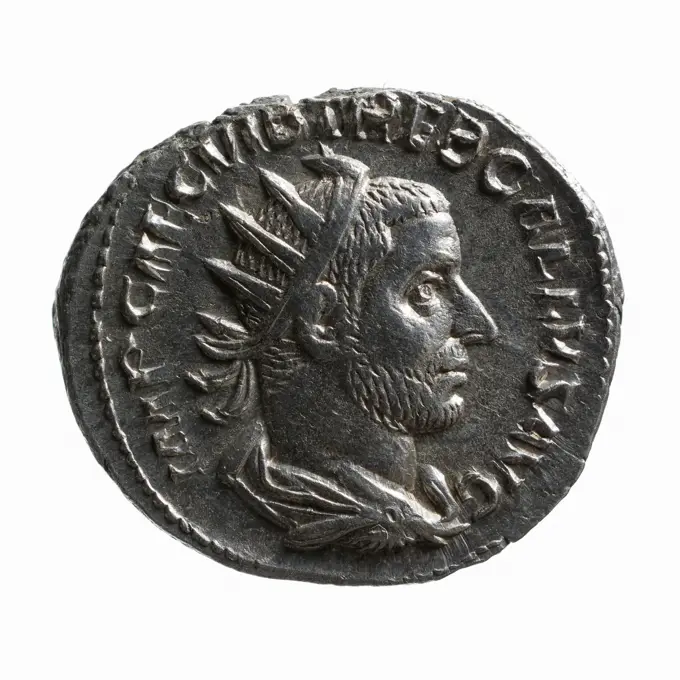
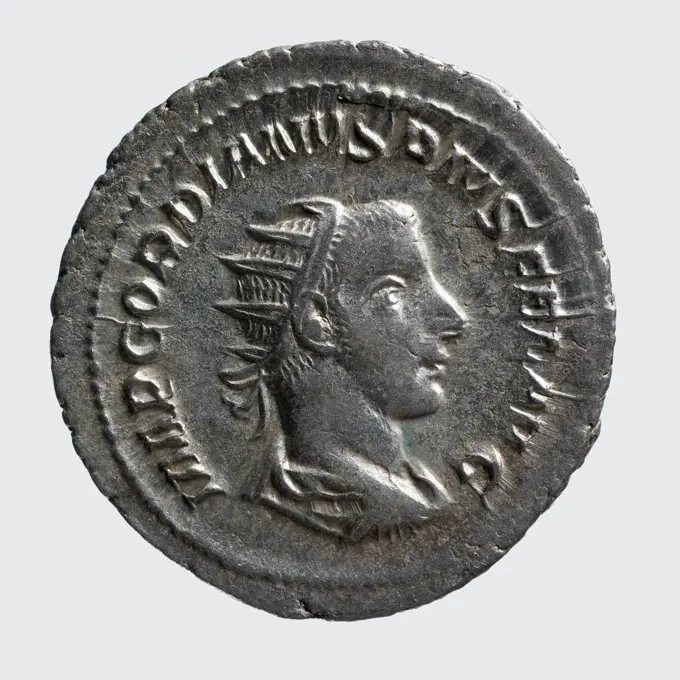
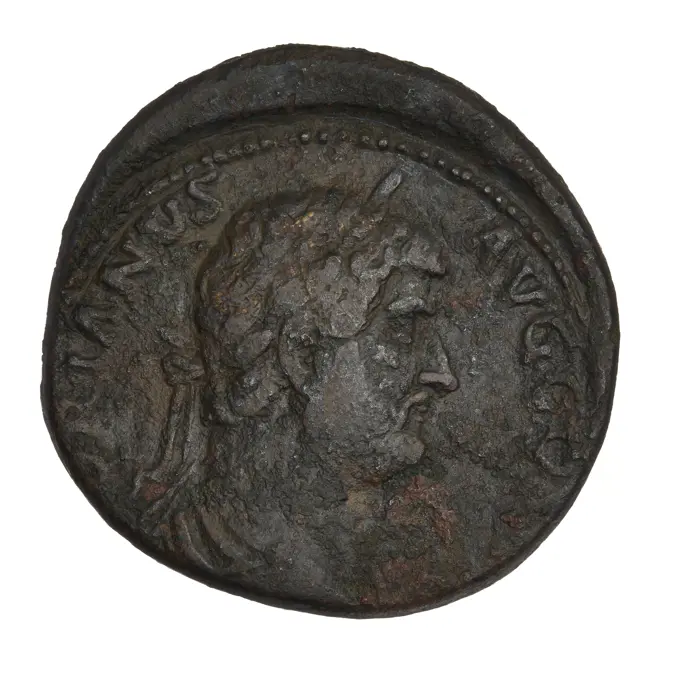
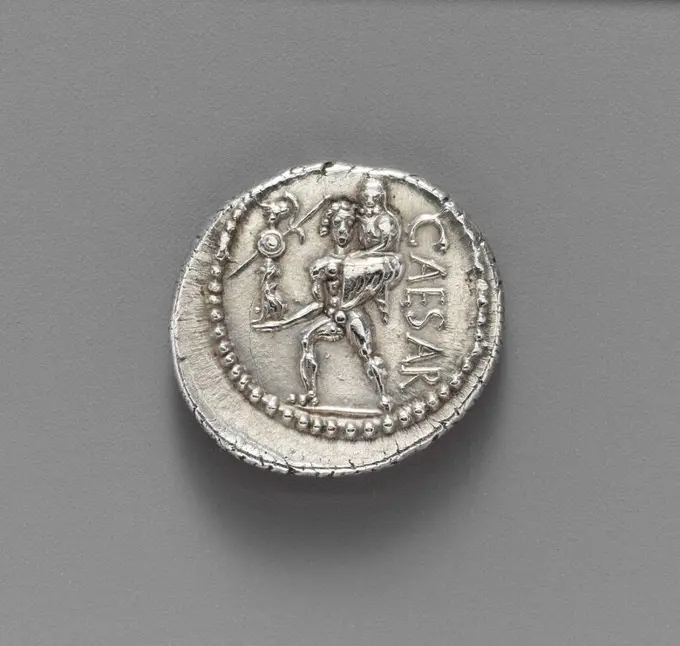
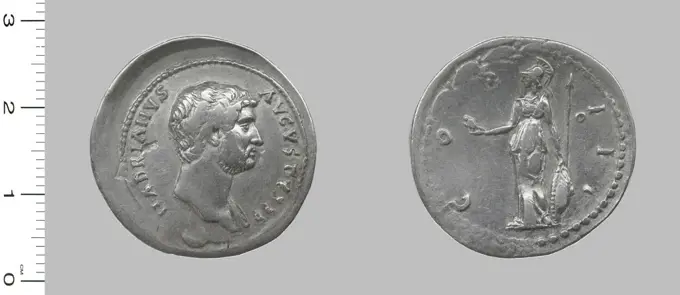
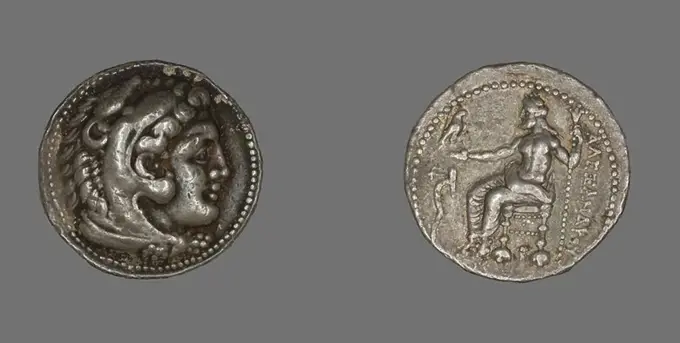
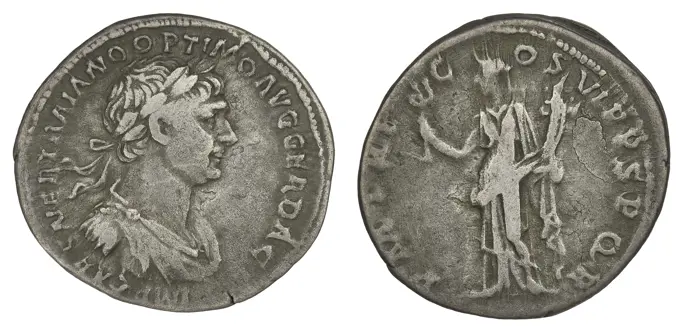
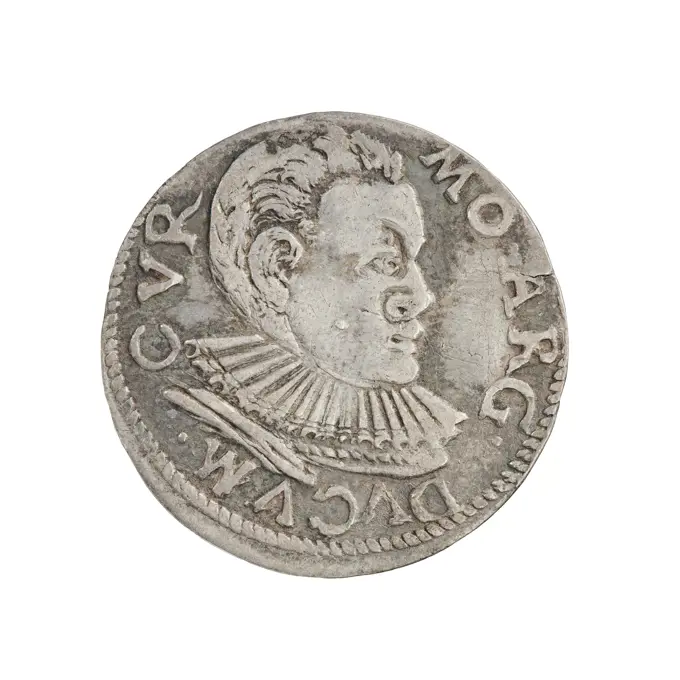
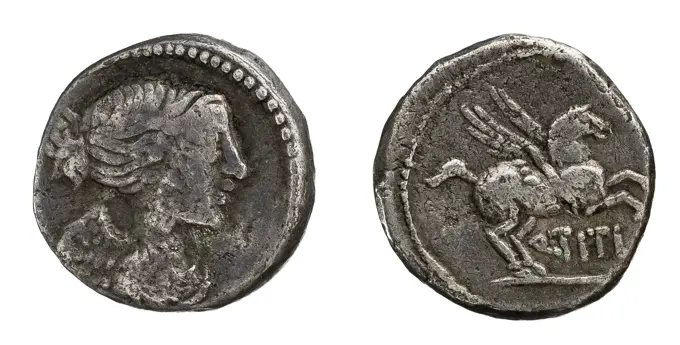
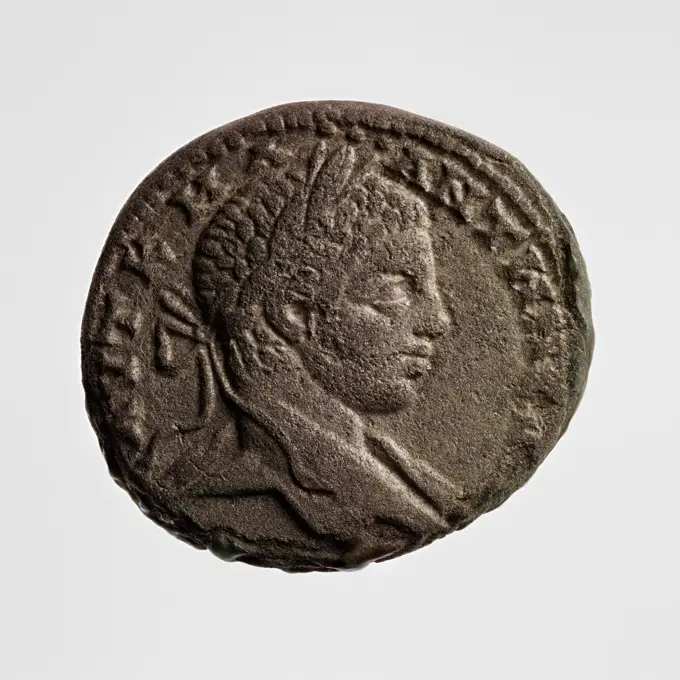
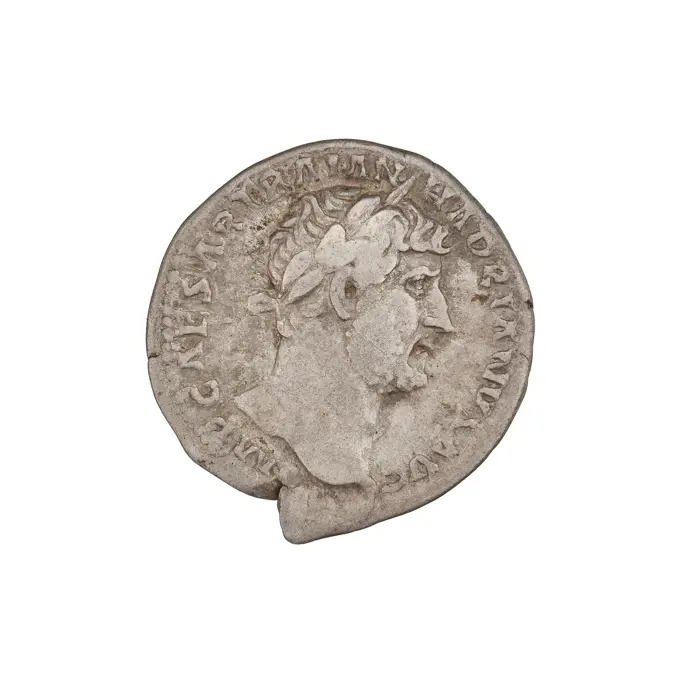
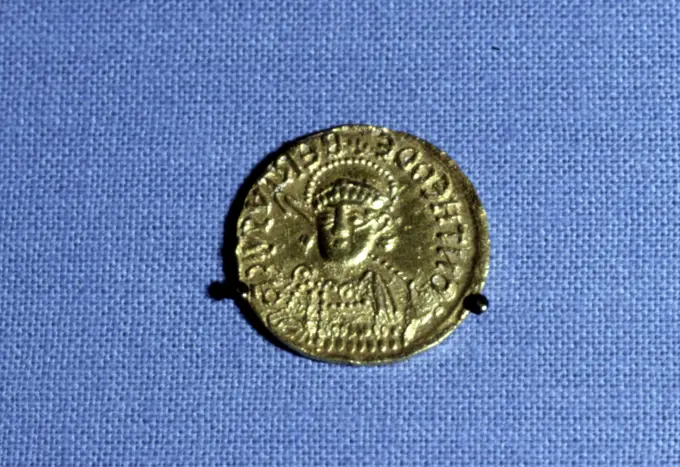
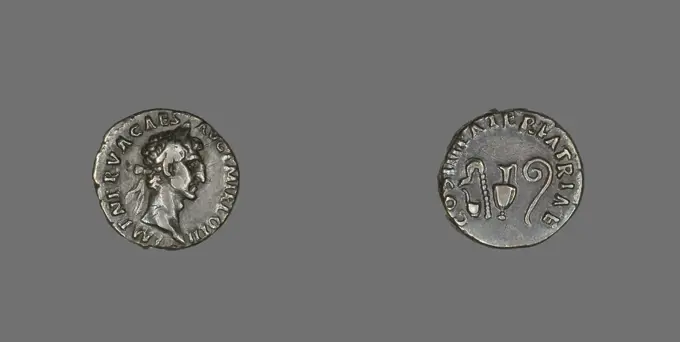
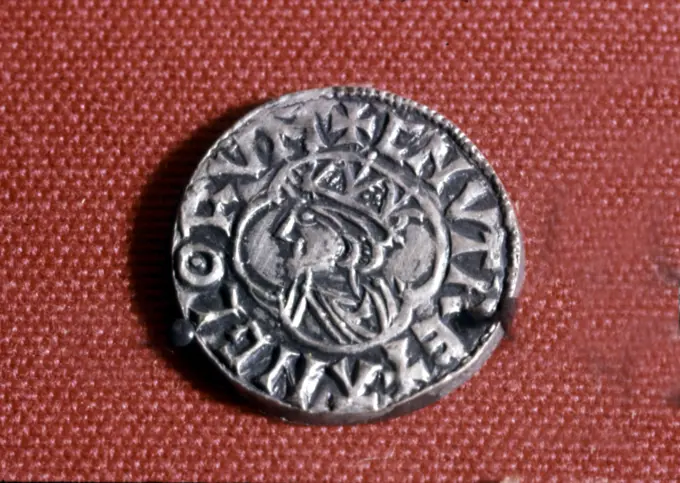
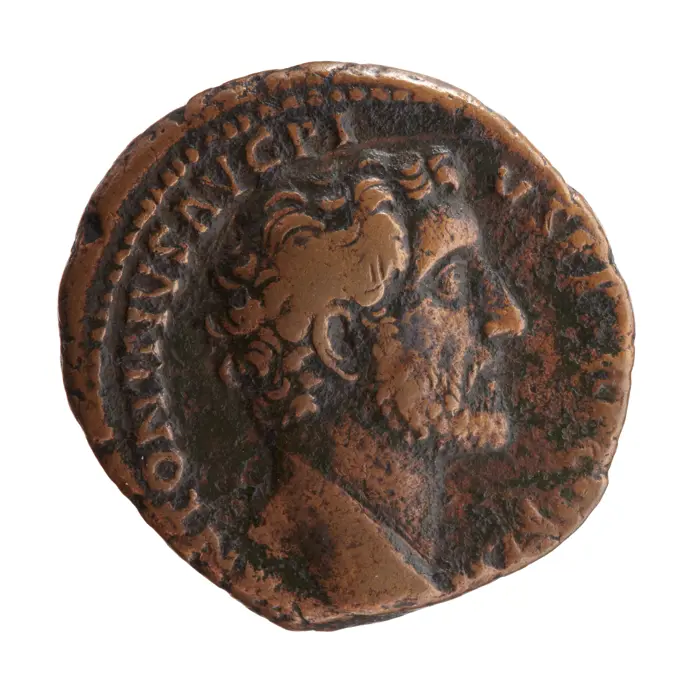
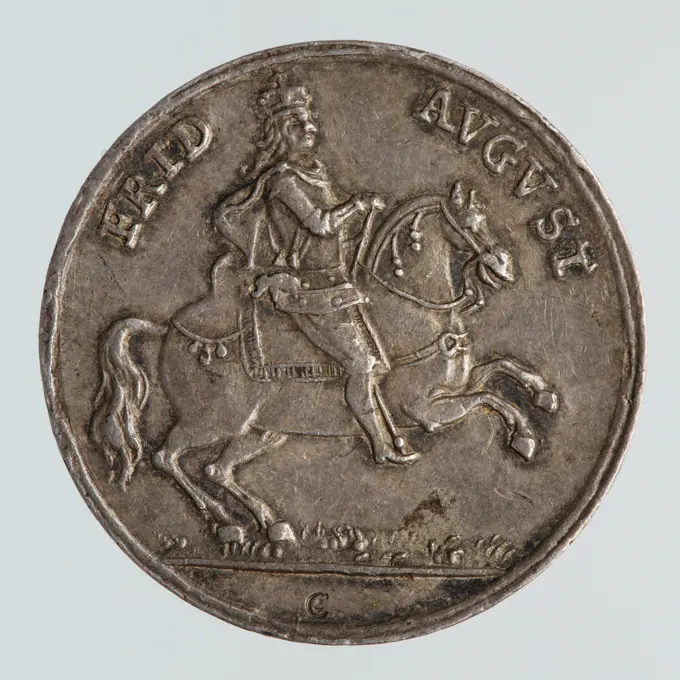
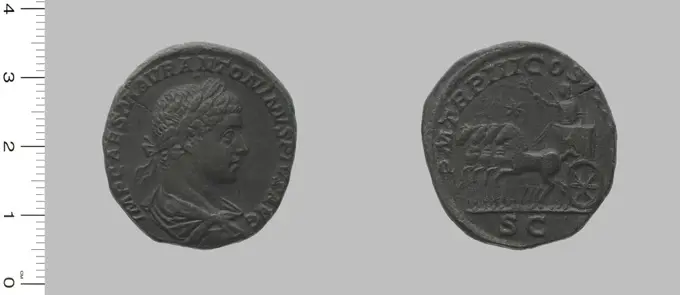
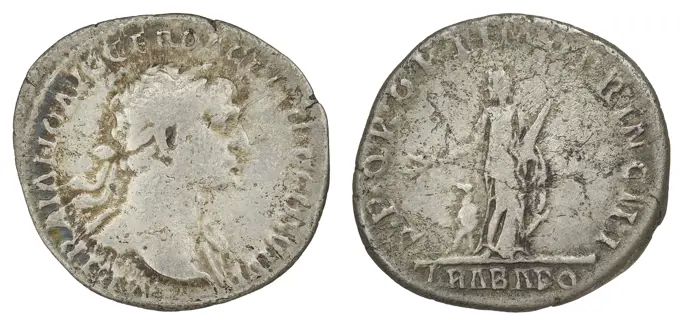
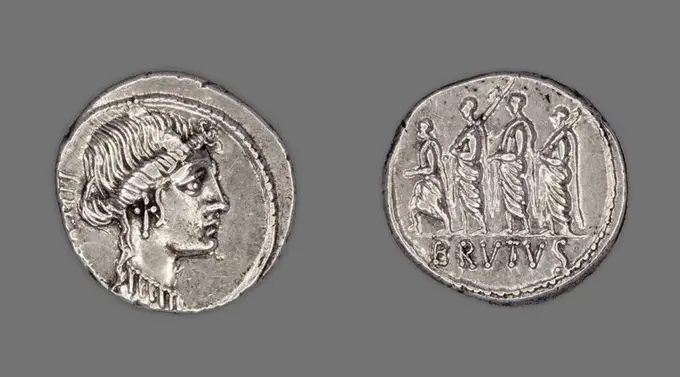
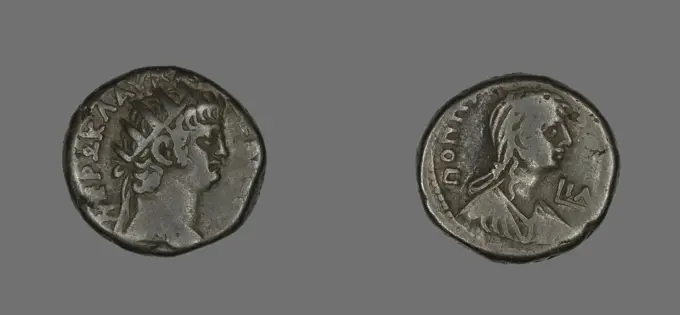
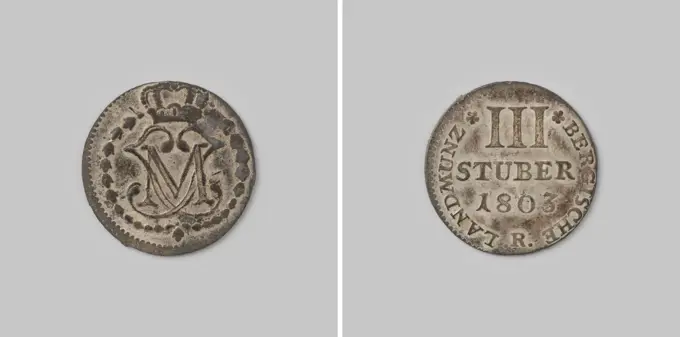
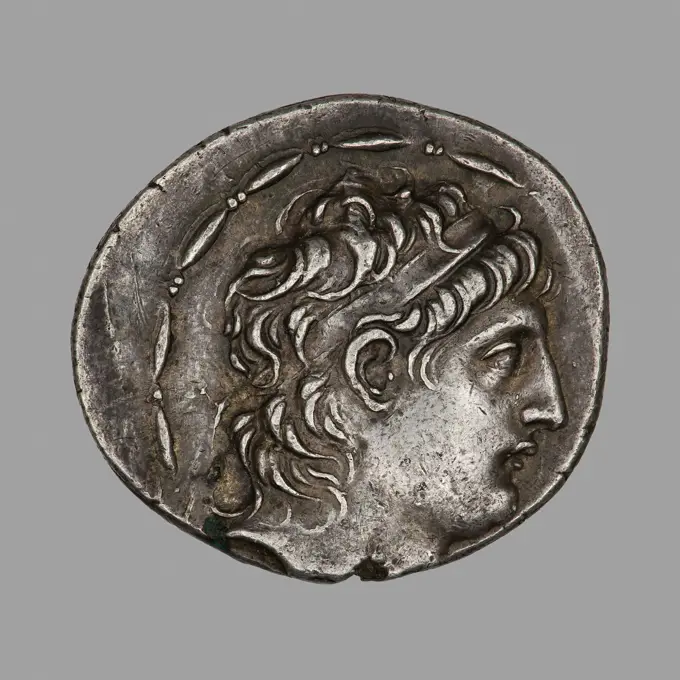
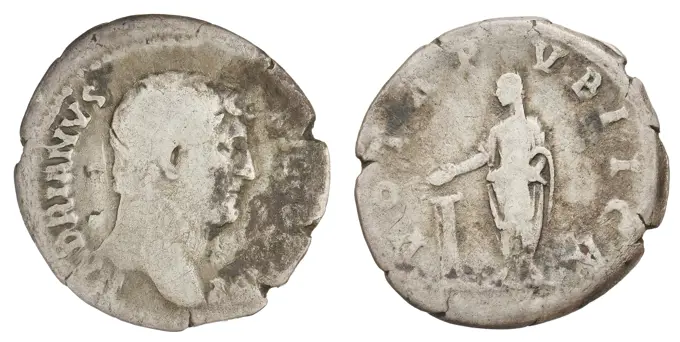
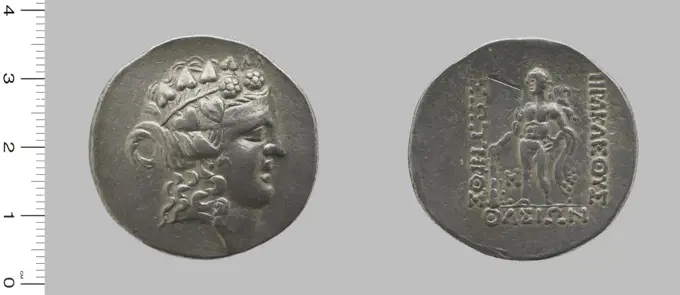
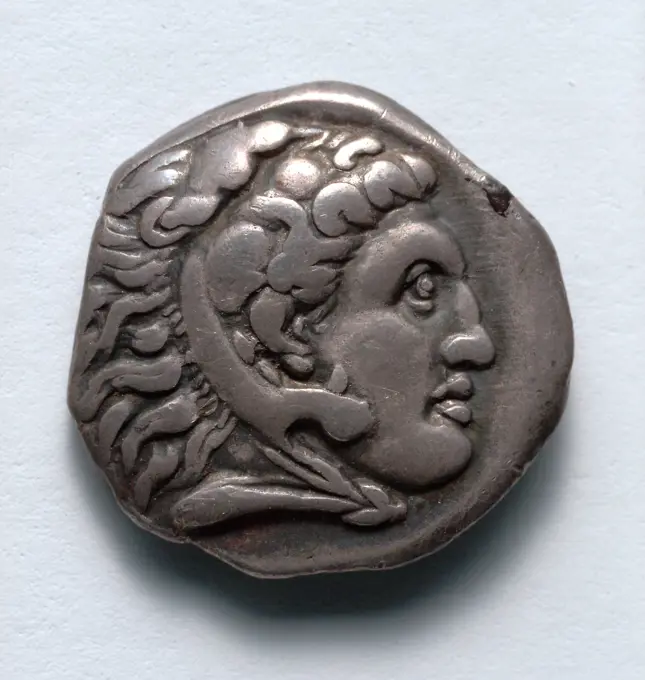
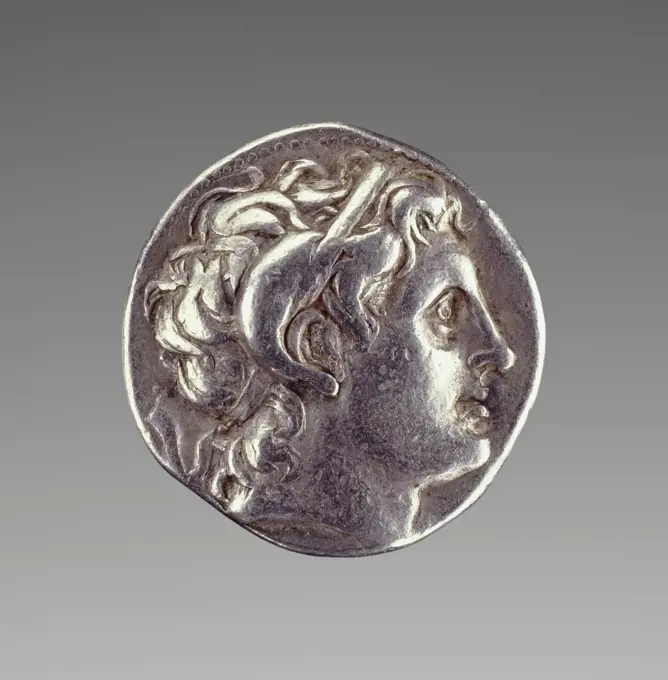
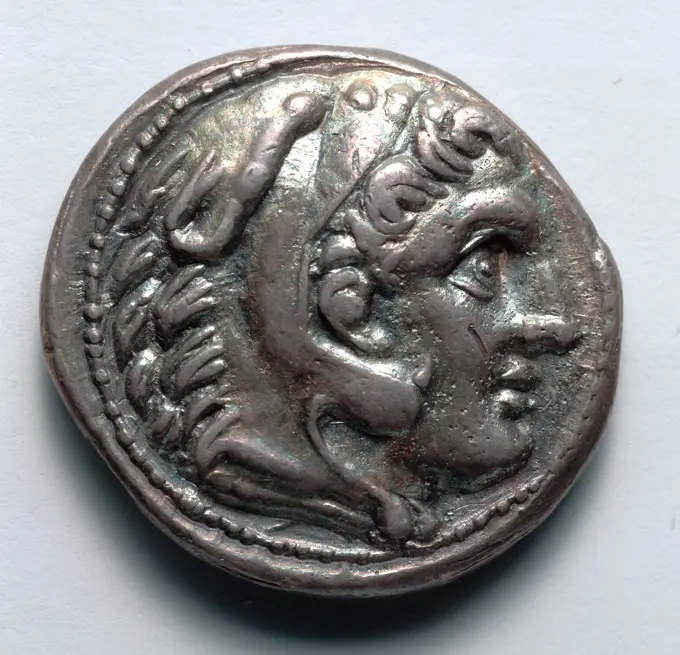
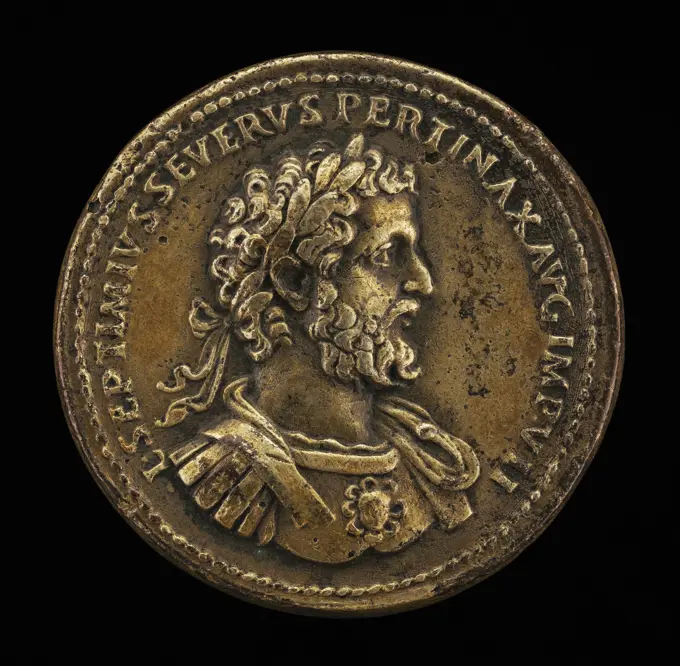
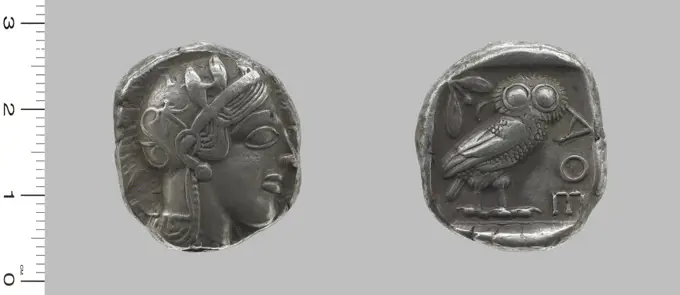
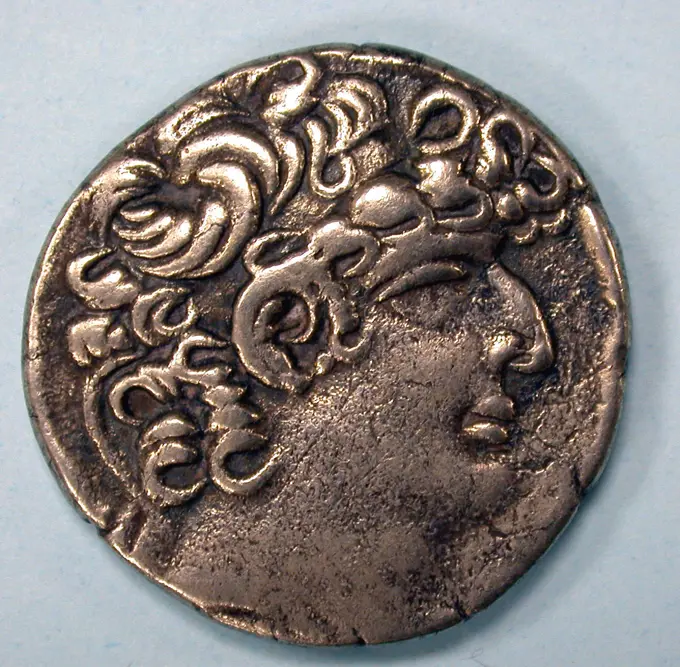
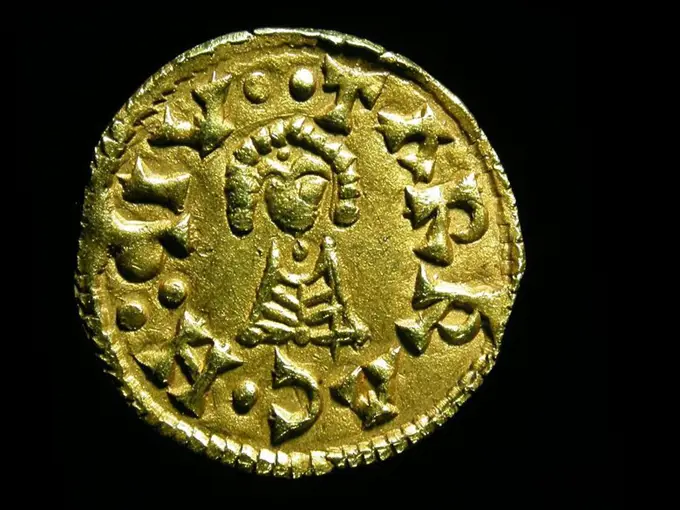
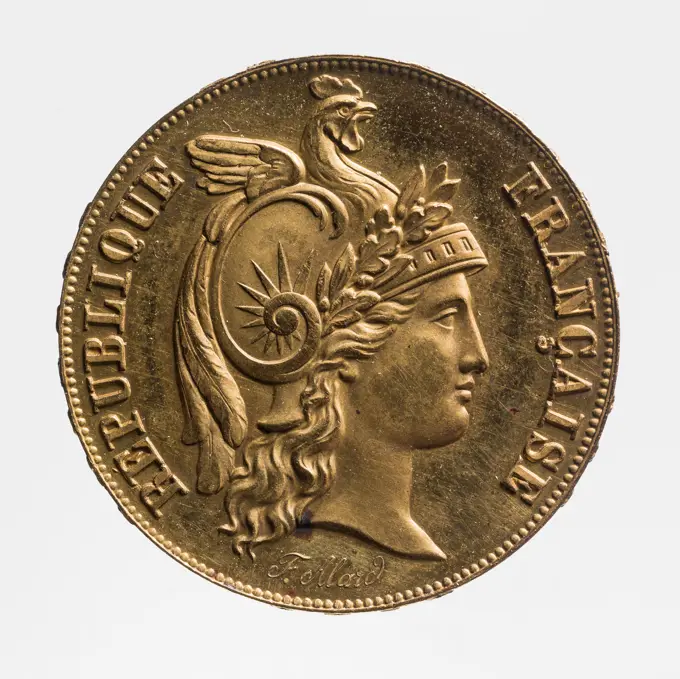
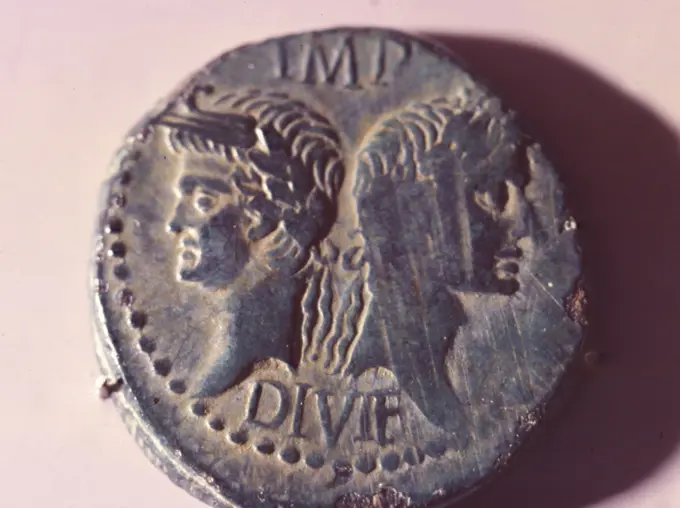
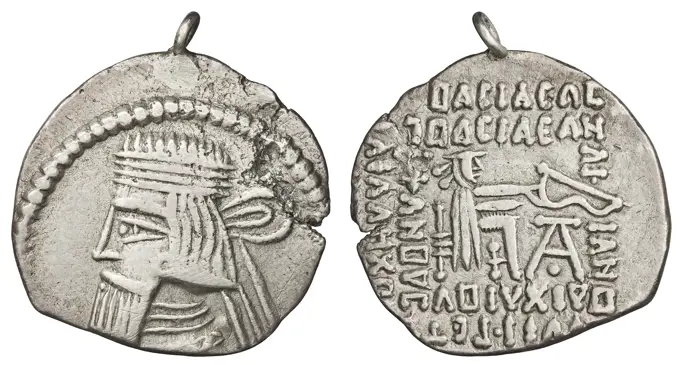
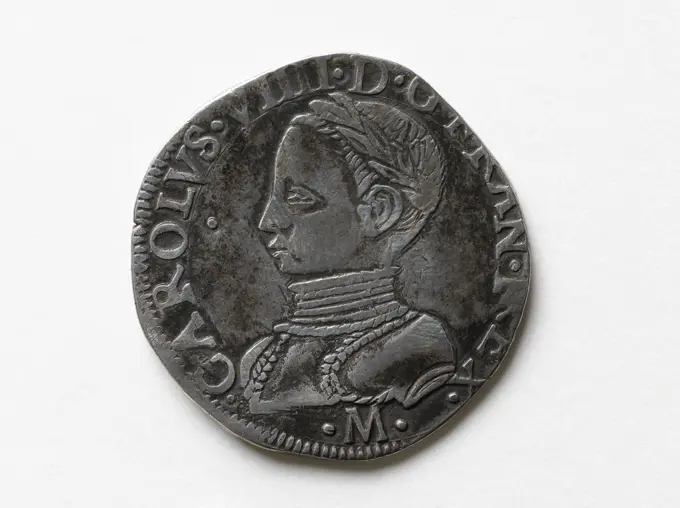
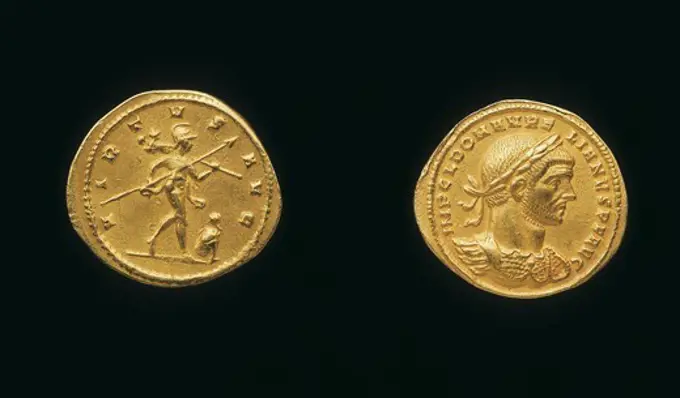
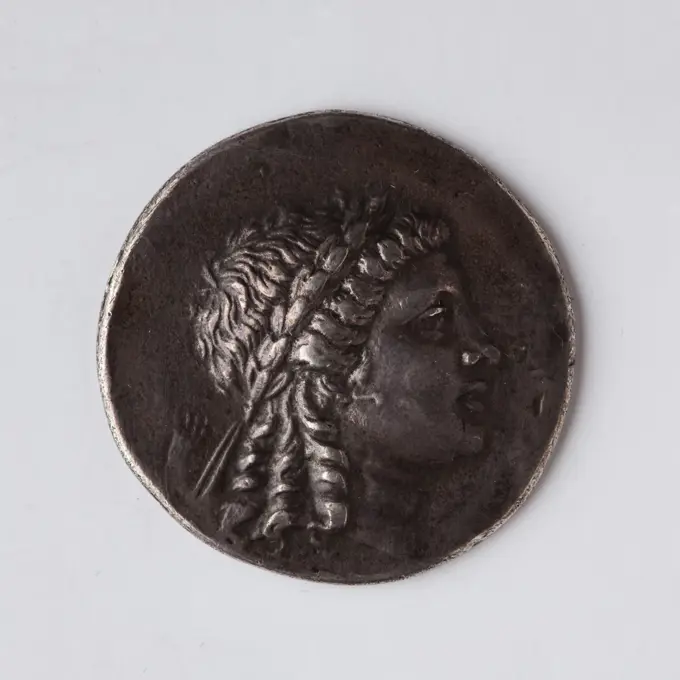
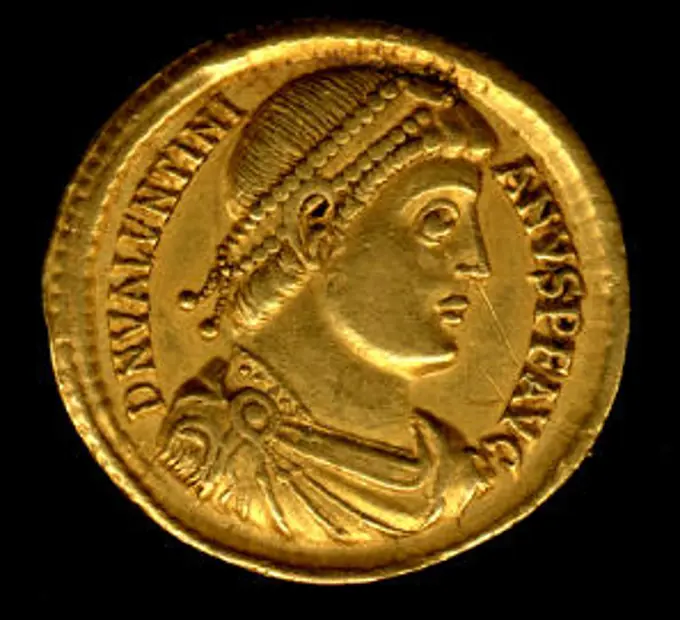
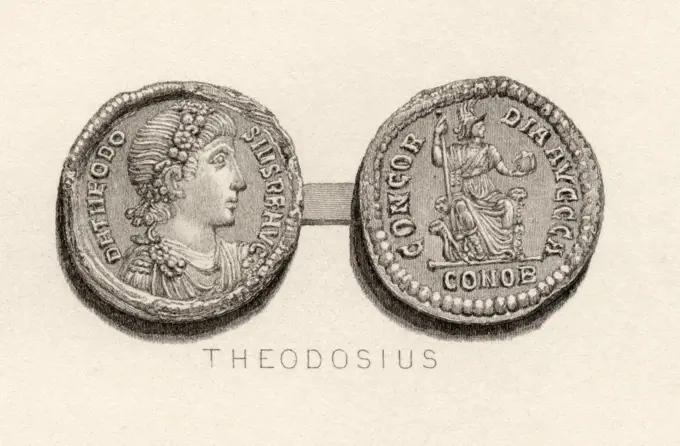
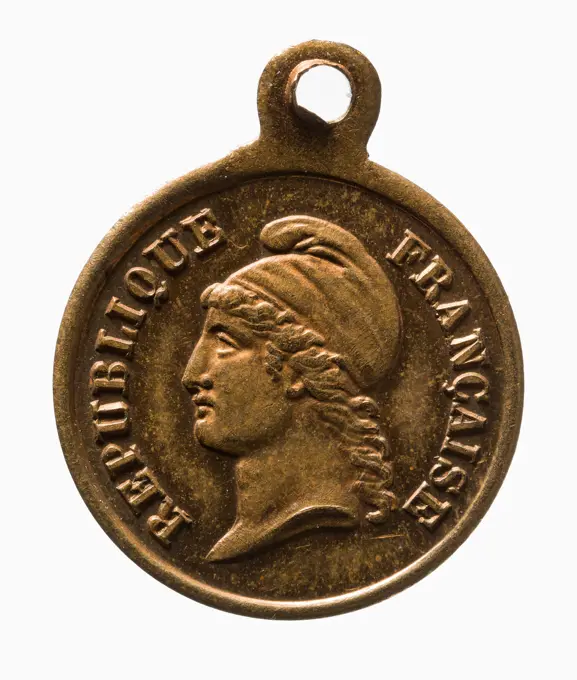
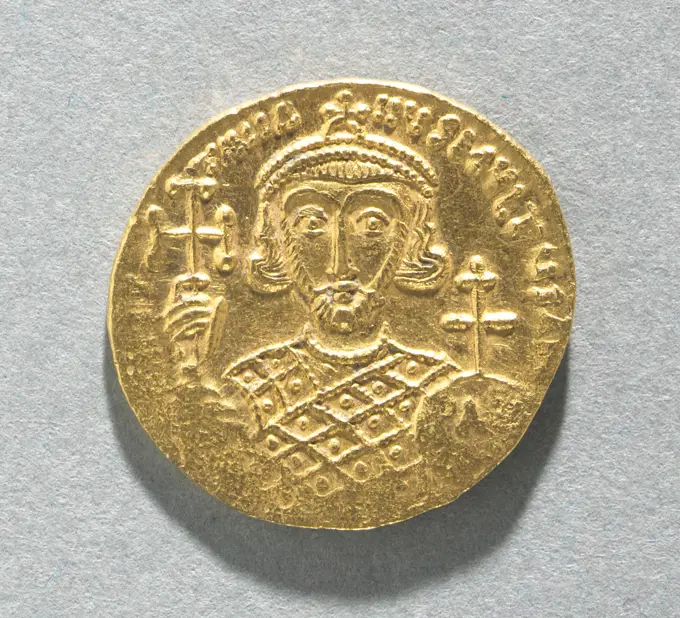
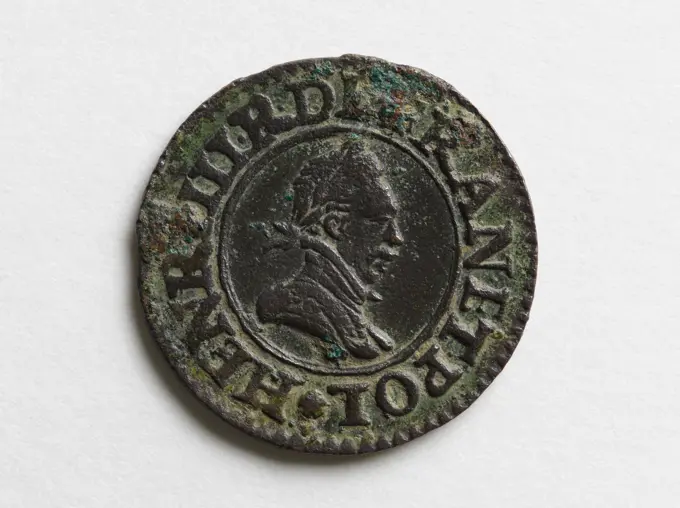
Denier Henry III Copper Tournaments, 1588 Denier Henry III copper tournaments. Copper. 1588.denarius. Thorius Balbus, L. (fl. 105 a.C.), monetary officer, Republika Rzymska, issuerRoman coin. Nero on horseback, AD 54-68 ITALY.denarius. Trajan (cesarz rzymski ; 98-117), emperordenarius. Trajan (cesarz rzymski ; 98-117), emperorTetradrachm. UnknownObol of Alexander the Great, King ofMacedonia. Ruler: Alexander the Great, King of Macedonia, 356-323 B.C., ruled 336-23 B.C. Mint: Unknowndenarius; Aemilius Lepidus, Mn. (fl. 114-113 A.C.); 114-113 BC (114-00-00-113-00-00);tiarade, horses, women's bust, horseback on three arches (iconogr.), spears, armordenarius; Sergius Silus, M. (fl. 116-115 A.C.); 116-115 BC (116-00-00-115-00-00);Lewiński, Jan (1876-1939), Lewiński, Jan (1876-1939)-collection, roma (mitol.Antoninian Tr�bonian Galle, 253 Antonine of Tr�bonian Galle. Silver, -253 BC.Coin of Marcus Aurelius, Emperor of Rome fromCyzicus. Ruler: Marcus Aurelius, Emperor of Rome, A.D. 121-180, ruled A.D. 161-80 Mint: Cyzicus Artist: UnknownAntonine of Gordien III, 243-244 Roman currency. Antoninian (or Anoninianus) of Gordien III. Silver, between 243-244.sestertius. Hadrian (Roman emperor; 117-138), emperorCoin Portraying Emperor Otho. Roman. Date: 69 AD. Dimensions: Diam. 3.5 cm; 22.09 g. Bronze. Origin: Roman Empire. Museum: The Chicago Art Institute, USA. Author: ANCIENT ROMAN.Stanisław August Poniatowski (1764-1795), Złotówka Koronna, Warsaw; 1784 Mint Warsaw, Stanis Aw August Poniatowski (1732 1798)sesterce; Hadrian (76-138; Roman emperor 117-138); 119-138 (119-00-00-122-00-00);Fortuna (personification), busts, reins, laurel wreathsAntoninian of Gordien III, 240-243 Anonymous. Antoninian of Gorrien III, 240-243. MONEY. Paris, carnavalet museum.Ludwik von Schwanthaler (1802 1848); A medal commemorating the unveiling of the Bavarian monument in Munich in 1850.Silver denarius of Julius Caesar. Culture: Roman. Dimensions: Overall: 3/4 x 1/8 in. (1.9 x 0.3 cm). Date: 47-46 B.C..head of Venus/CAESAR, Aeneas carrying the palladium in his right hand and his father, Anchises, on his left shoulderAfrica. Museum: Metropolitan Museum of Art, New York, USA.Aureus of Domitian, Emperor of Rome fromRome. Ruler: Domitian, Emperor of Rome, A.D. 51-96, ruled 81-96 Mint: Rome Artist: UnknownRuler: Hadrian, Emperor of Rome, A.D. 76-138, ruled 117-38, Cistophorus of Hadrian, Emperor ofRome, 128, silver, 10.70 g, 6:00, 29.5mm, Made in Uncertain, Asia, Roman, 2nd century A.D., NumismaticsTetradrachm. UnknownMint: Syracuse, Tetradrachm fromSyracuse, 450-439 B.C., Silver, 17.18 g, 1:00, 25mm, Made in Syracuse, Sicily, Greek, 5th century B.C., NumismaticsTetradrachm (Coin) Portraying Alexander the Great. Greek, minted in Cilicia. Date: 336 BC-323 BC. Dimensions: Diam. 2.7 cm; 17.14 g. Silver. Origin: Greece. Museum: The Chicago Art Institute, Chicago, USA. Author: ANCIENT GREEK.Denarius fromRome. Mint: Rome Artist: Unknown Magistrate: Q. Pompeius Rufusdenarius. Trajan (cesarz rzymski ; 98-117), emperorGreece, Macedonia, Aleksander III Wielki (336 323), Indefinite Mint, Tetradrachma, Silver Aleksander III Wielki (356 323 BC)Bliżej Kultury Constantine 1Trojak (with the bust of Fryderyk Kettler); Fryderyk Kettler (Ksi  Kurland and Semigalia; 1587-1642), Wilhelm Kettler (Ksi  Kurland and Semigalia; 1587-1616), Pipenstock, Krzysztof (Fl. 1569-1600); 1596 (1596-00-00-1596-00-00);Tetradrachm. Unknownquinarius. Titius, Q. (fl. 90 a.C.), monetary officer, Republika Rzymska, issuerLouis XVI, King of France (1774-1792) Johann Christian Reich (1740-1814). Currency of Louis XVI, King of France (1774 -1792). Brass. 1792.Roman-Syrian Billon Tetradrachm. UnknownAntoninian of Philip Arabic, 247 Antonine of Philip Arabic. Silver, 247.denarius; Hadrian (76-138; Roman emperor 117-138); 119-122 (118-00-00-118-00-00);busts, reins, laurel wreaths, spearsas. Trajan (cesarz rzymski ; 98-117), issuerNOTE: This image avail. up to 100MB. Call for details.Moneda romana, siglo I. Museum: MUSEO DE MATARÓ.Denarius (Coin) Portraying Emperor Nerva 97 CE Roman Empire. The front of this coin portrays the emperor Nerva, wearing a crown of laurels and facing right.On the back, an augerís wand, sprinkler, and sacrifical vase are shown.. Silver . Ancient RomanAntoninian Tr�bonian Galle, 251-252 Antonine of Tr�bonian Galle. Silver, late 251-early 252.denarius. Trajan (cesarz rzymski ; 98-117), emperorAethelstan, 924-939 AD. Anglo Saxon coin ENGLAND.AS; Antoninus Pius (86-161; Roman emperor 138-161); 145-161 (140-00-00-144-00-00);Half-Louis d'Or "at Louis XV glasses, 1726. Anonymous. Half-Louis d'Or with glasses of Louis XV, 1726. Gold, 1726-1726. Carnavalet Museum, History of Paris.MONEDA PERSA. Location: MUSEO ARQUEOLOGICO NACIONAL-COLECCION. MADRID. SPAIN.Roman-Syrian Billon Tetradrachm. UnknownRuler: Geta Lucius Septimius, Emperor of Rome, A.D. 189-211, Mint: Rome, Sestertius of Geta Lucius Septimius, Emperor of Rome fromRome, 200-202, orichalcum, 22.92 g, 12:00, 32.mm, Made in Rome, Italy, Roman, 3rd century A.D., Numismaticsdenarius; Septimiusz Sewer (146-211; Roman emperor 193-211), Klodiusz Albinus (Ca 150-197; Roman emperor 193-197); 194-195 (194-00-00-195-00-00);Antonine de Trajan Dece deceived to Vespasian, 251 Anonymous. Antonine de Trajan decere dedicated to Vespasian, 251. money.B�arn's quarter shift at Louis XIV long wick, 1651 Anonymous. B�arn's quarter shift at Louis XIV long wick. Silver, 1651.Roman-Syrian Billon Tetradrachm. Unknownsestertius. Hadrian (Roman emperor; 117-138), emperorBrown coin; Gorgippia; 1. W. 1st century BC (-100-00-00--76-00-00);Apollo (mitol. (provenance)Antoninian Tr�bonian Galle, 251-252 Antonine of Tr�bonian Galle. Silver, late 251-early 252.Lithuanian penny on stop Poland; Zygmunt II August (Polish king; 1544-1572); 1567 (1567-00-00-1567-00-00);Sestertius (Coin) Portraying Emperor Antoninus Pius. Roman, minted in Rome. Date: 145 AD-156 AD. Dimensions: Diam. 3.1 cm; 27.80 g. Bronze. Origin: Roman Empire. Museum: The Chicago Art Institute, Chicago, USA. Author: ANCIENT ROMAN.August II (medal)Antoninian of Gordien III, 240-243 Anonymous. Antoninian of Gordien III (Reverse), 240-243. MONEY. Paris, carnavalet museum.Coin of Philip II, King ofMacedoniaRuler: Elagabalus, Emperor of Rome, ca. 203-222, ruled 218-22, Mint: Rome, Sestertius of Elagabalus, Emperor of Rome fromRome, 221, Orichalcum, 19.43 g, 12:00, 30.3mm, Made in Rome, Italy, Roman, 3rdcentury, Numismaticsdenarius. Trajan (cesarz rzymski ; 98-117), emperorDenarius (Coin) Depicting Liberty. Roman, minted in Rome. Date: 54 BC. Dimensions: Diam. 2 cm; 4.12 g. Silver. Origin: Roman Empire. Museum: The Chicago Art Institute, Chicago, USA. Author: ANCIENT ROMAN.Tetradrachm (Coin) Portraying Emperor Nero 54 CE-68 CE Roman Empire. The front of this coin portrays the emperor Nero, facing right and wearing a radiate crown.On the back Neroís second wife, the empress Poppaea, is portrayed facing right.. Billon . Ancient RomanDrachma; Pakorus II (77-109); 77-109 (55-00-00-58-00-00);denarius; 100 (98-00-00-99-00-00);PAX (personification), heads, abundance horns, laurel wreaths3 Stuber from the Duchy of Berg by Maximilian Joseph, 1803 ,, 1803 coin Silver coin. Front: Binnenkrans Crowned Monogram of the Duke. Reverse: Value designation in two lines, including year. Letter r at the bottom of the change. Smooth edge.  silver (metal) striking (metalworking)denarius. Hadrian (Roman emperor; 117-138)Tetradrachm (Coin) Portraying Alexander the Great 336 BCE-323 BCE Roman Empire. The front (obverse) of this coin portrays Alexander the Great as Herakles, wearing the heroís signature lion skin cloak, surrounded by a dotted border.On the back (reverse), the god Zeus is depicted seated with an eagle in his right hand and a staff in his left.. Silver . Ancient Greektetradrachma; Antioch VII Euergetes II (138-129 BC); 138-129 BC (138-00-00-129-00-00);Homeming aparth-rich bless 2nd 1870 s. d. (Titest Factice) Med French Conpressant The Blortant use Flyse 2 Deace Like The 2 moserry 1870. Cup Golden 1870-1870.denarius. Hadrian (Roman emperor; 117-138), emperorMint: Thasos, Tetradrachm fromThasos, 148-90 B.C., Silver, 15.82 g, 12:00, 33.5mm, Made in Thasos, Islands off Thrace, Greek, 2nd-1st century B.C., NumismaticsDrachma: Head of young Herakles in lion-skin (Obverse), 387-300 BC. Greek, Erythrae (Ionia). Silver; diameter: 2 cm (13/16 in.).denarius. Hadrian (Roman emperor; 117-138), emperorTetradrachm; Pella, Macedonia; n.d; SilverTetradrachm: Head of Young Herakles, r., with Lion Skin (obverse), 336-323 BC. Greek, Macedonian, minted at Amphipolis (Macedonia), reign of Alexander III The Great. Silver; diameter: 2.2 cm (7/8 in.).NUMISMATICA.MONEDA IMPERIO ROMANO. SOLIDO DE ORO, DE CONSTANTINO. ANVERSO. BUSTO DIADEMADO DE PERLAS Y ROSETAS A LA DERECHA CON PALUDAMENTUM Y CORAZA. (DEPOSITO: MUSEO ARQUEOLOGICO NACIONAL).Antonia, 36 B.C.-A.D. c. 38, Daughter of Mark Antony and Octavia obverse. Dimensions: overall (diameter): 3.18 cm (1 1/4 in.) gross weight: 19.68 gr (0.043 lb.) axis: 6:00. Medium: bronze//Struck. Museum: National Gallery of Art, Washington DC. Author: Giovanni da Cavino.Giovanni da Cavino, Septimius Severus, Emperor, reigned AD 193 211 (obverse) Septimius Severus, Emperor, reigned A.D. 193-211 obverseOrichalcum sestertius of Alexander Severus. Culture: Roman. Dimensions: 17.5g (17.5g). Date: A.D. 222-235.IVLIA MAMAEA AVGVSTA, draped bust of Iulia Mammaea (the emperor's mother) / VENVS FELIX S C, Venus seated, holding statuette and sceptreRome. Museum: Metropolitan Museum of Art, New York, USA.Mint: Clarentza, Tetradrachm fromClarentza, 400-375 B.C., Silver, 17.085 g, 12:00, 24mm, Made in Clarentza, Peloponnese, Greek, 4th century B.C., NumismaticsSilver Tetradrachm of Antiochus VIII ca. 121-97 BC Greek, Seleucid Hellenistic coins often featured the portrait of the ruler who issued them. The head on the obverse of this silver tetradrachm clearly depicts the Seleucid king Antiochus VIII, nicknamed "Grypus" (meaning hook-nose) because of his appearance. The legend on the coin identifies him as King Antiochus Epiphanes ("the Illustrious").. Silver Tetradrachm of Antiochus VIII. Greek, Seleucid. ca. 121-97 BC. Silver. Hellenistic. CoinsGiovanni da Cavino, Lorenzino de' Medici, 1514 1547, Son of Pierfrancesco II (obverse) Lorenzino de' Medici, 1514-1547, Son of Pierfrancesco II obversedenarius. Hadrian (Roman emperor; 117-138), emperorNUMISMATICA. MONEDA VISIGODA. RECAREDO TARRACO (TARRACONENSIS)586-601 REVERSO. DONACION DON ENRRIQUE GARCIA 1786 CAPITAN DEL REGIMIENTO DE MALLORCA.Test for the 20 francs of the Second Republic, 1848 Fran�ois Alard (said Gamot). Test for the 20 francs of the Second Republic. Or. 1848.denarius. Trajan (cesarz rzymski ; 98-117), emperorRoman coin. Agrippa and Augustus. ITALY.drachm. Gotarzes II (król Partów ; 40-51), rulerTeston in silver of Charles IX, 1562 Anonymous. Teston in silver of Charles IX (1550-1574), King of France. Silver, 1562.Didrachm. UnknownDenarius of Gnaeus Cornelius Blasio, obverse with portrait of Scipio Africanus (Publius Cornelius Scipio Africanus, also known as Scipio the 235 - 183 B.C.), republican age, circa 110 B.C. silverdenarius. Hadrian (Roman emperor; 117-138), emperorAureo of Aurelian (270-275). Coin minted in Rome. Coin. SPAIN. MADRID (AUTONOMOUS COMMUNITY). Madrid. National Museum of Archaeology.Aeolis, Myrina, tetradrachm; ca. 155-145 BC Myrina mintGold Solidus of Valentinian I (364-75) 364-375 Byzantine Valentinian restored Christian symbols, including the Chi-Rho emblem atop the emperor's standard.Coins connected an emperor to his subjects. He paid the army in coins, received taxes in coins, and was responsible for maintaining their weight and purity. These coins of early Byzantine emperors conveyed imperial ideals through inscriptions and images.. Gold Solidus of Valentinian I (364-75) 462709Solidus coin from the time of Theodosius the Great, Flavius Theodosius A.D. 347-395. Roman Emperor.Proclamation of the Republic on September 4, 1870 (dummy title) Proclamation of the Republic on September 4, 1870. Brass, 1870.Roman coin Ancient Roman coin isolated over white background Copyright: xZoonar.com/ClaudioxDiviziax 1564005Solidus with Bust of Justinian II (reverse), 705 AD. Byzantium, Constantinople, 8th century. Gold; diameter: 2 cm (13/16 in.). The vast number of surviving Byzantine coins attests to the level of trade across the empire. Controlled and supervised by the emperor, the producers of coins took care to represent his authority and reflect his stature. Talented artists were recruited to engrave the dies (molds) used for the striking of coins. Emperors increasingly came to include their heirs and co-emperors on their coinage, as well as other family members or even earlier rulers. Coins were recognized, then as now, as small, portable works of art. With their inscriptions and images, Byzantine coins provide valuable documentation of historical events and a record of the physical appearance of the emperors. The solidus is a basic gold coin of 24 karats. A tremissis is a gold coin of one-third the weight and value of the solidus. The nomisma in the 10th century replaced the solidus as the stand