Ancient Coins and Medallions

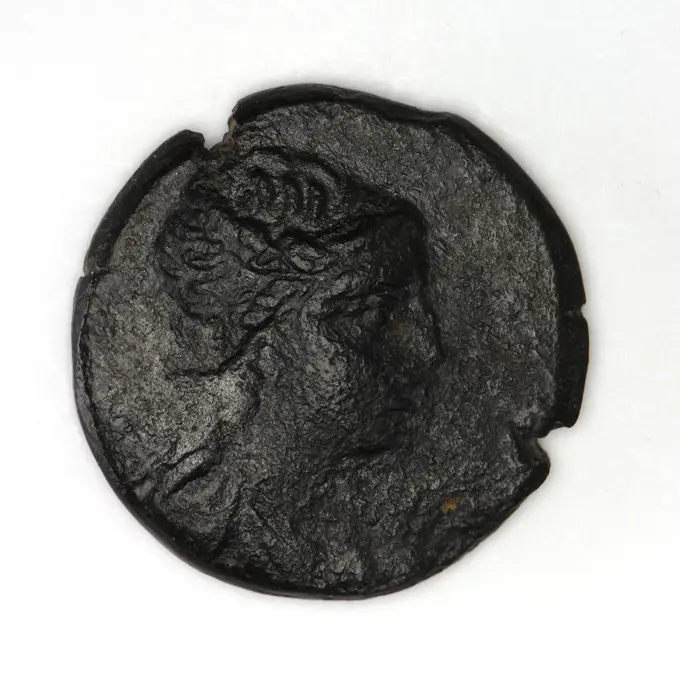
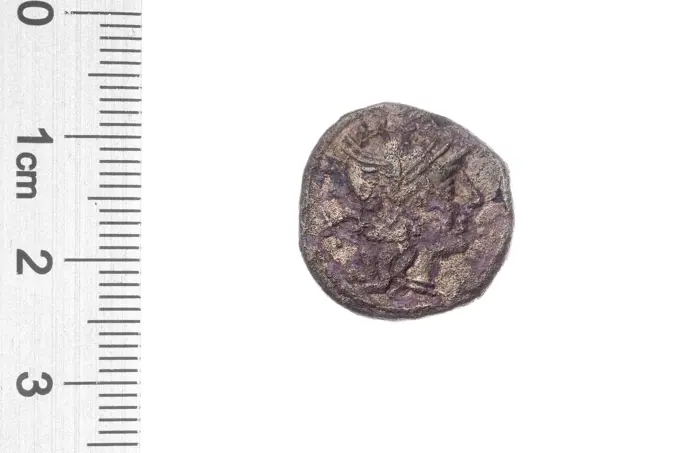
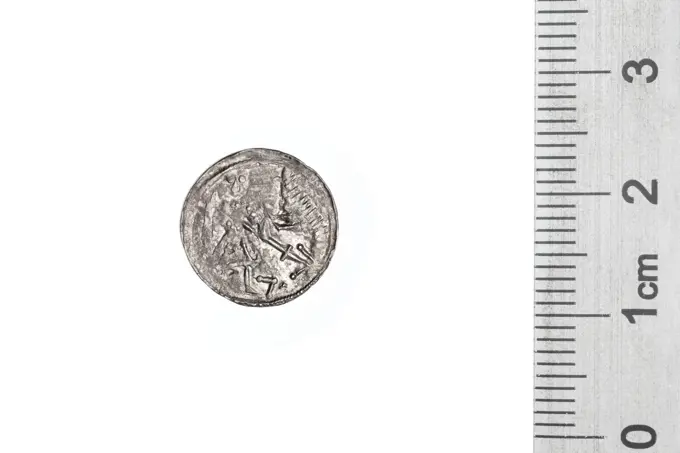
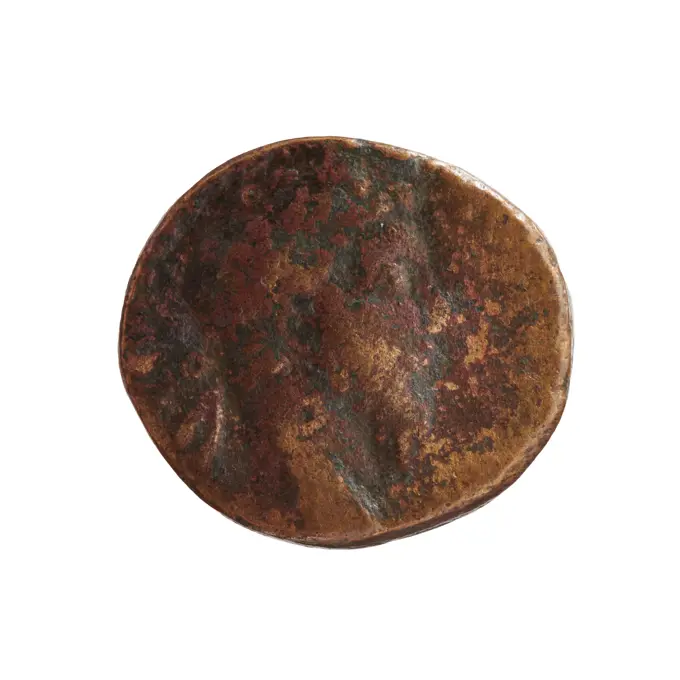
A collection of ancient coins from various historical periods, featuring intricate designs and inscriptions, showcasing monetary history.
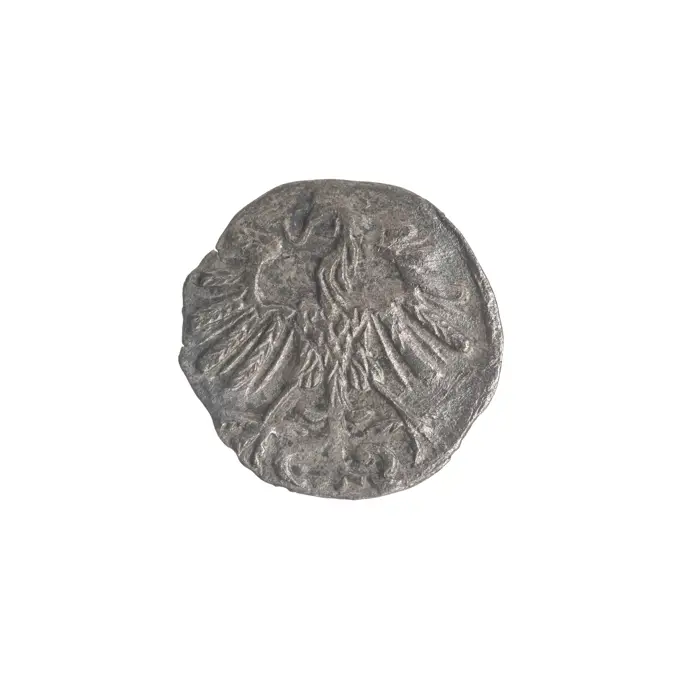
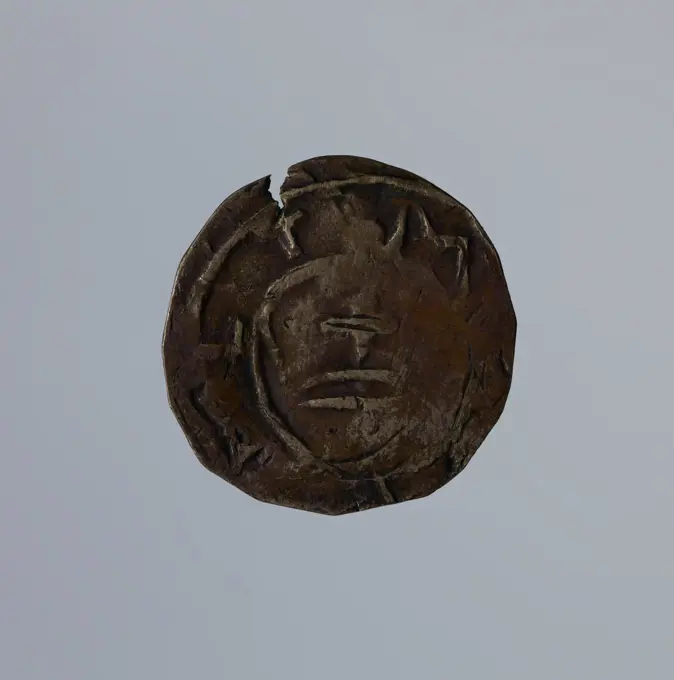
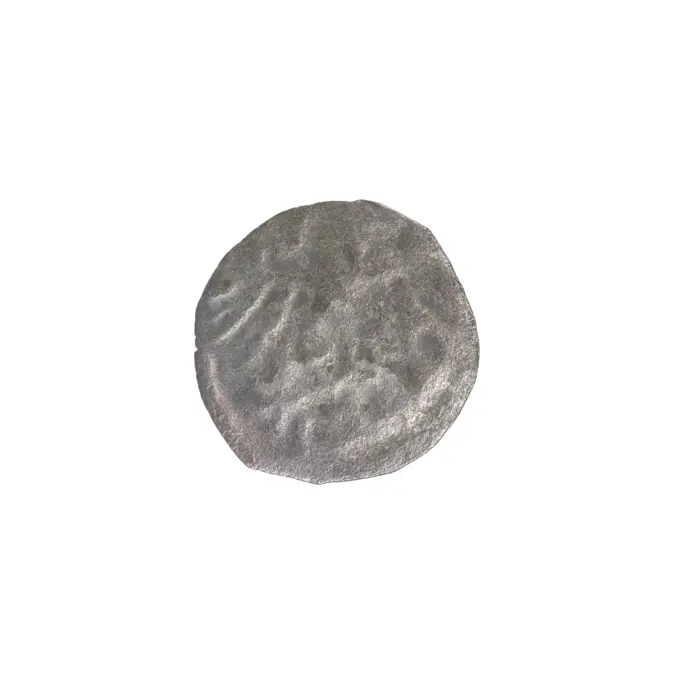
Lithuanian Denar; Zygmunt II August (Polish king; 1544-1572); 1557 (1554-00-00-1554-00-00);
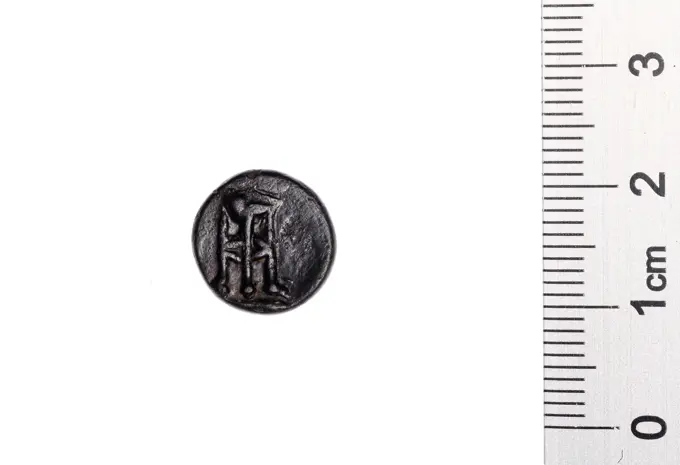
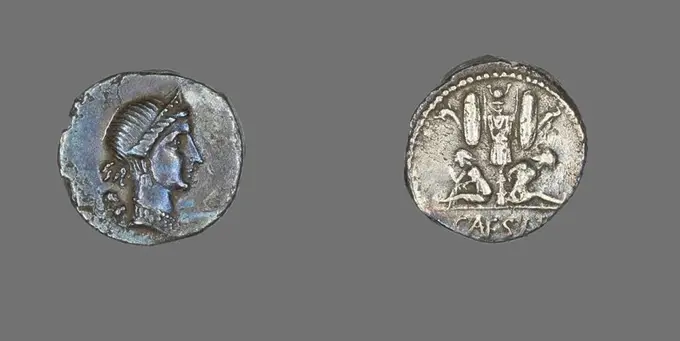
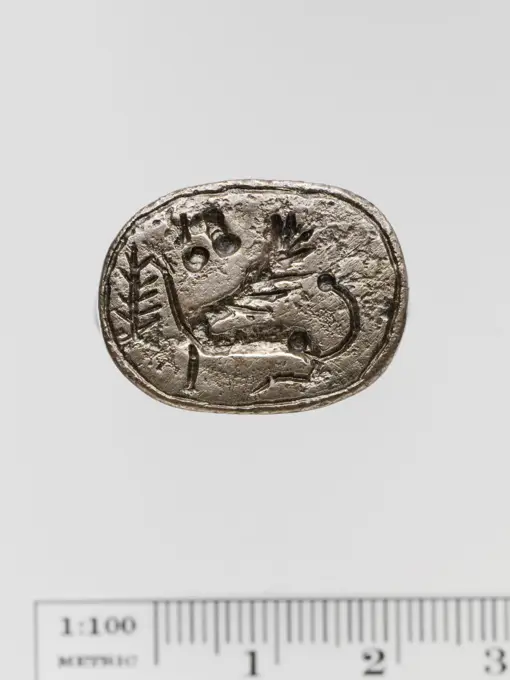
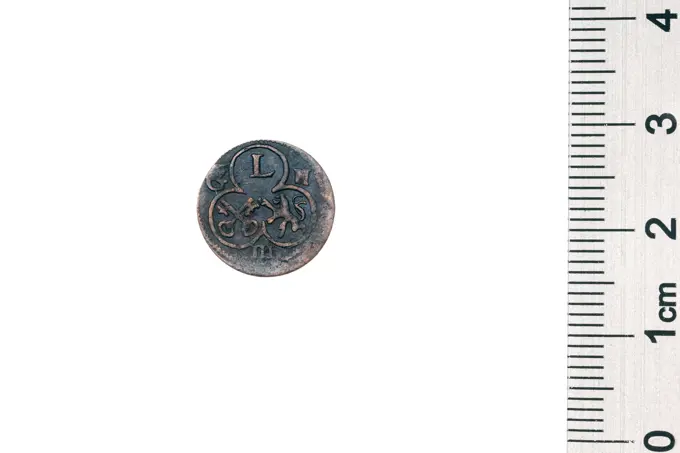
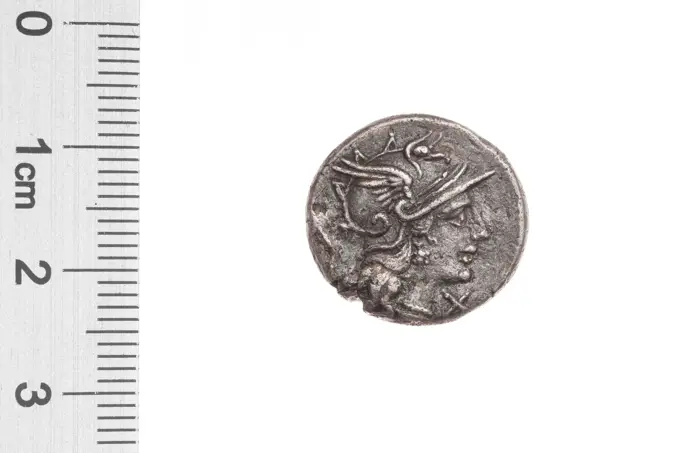
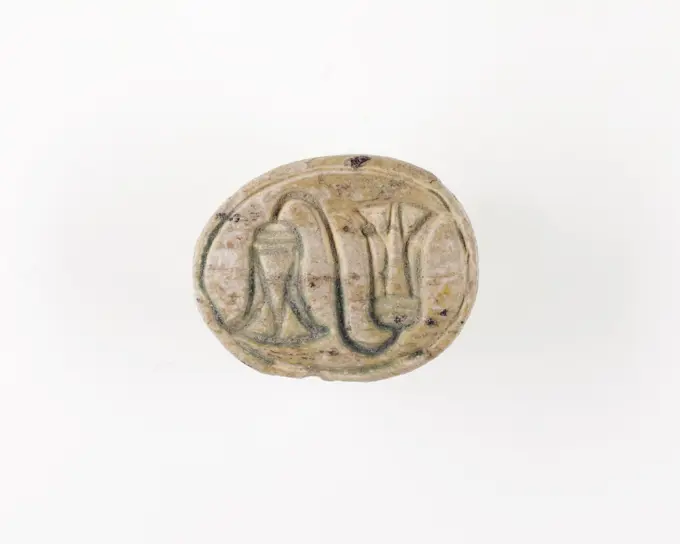
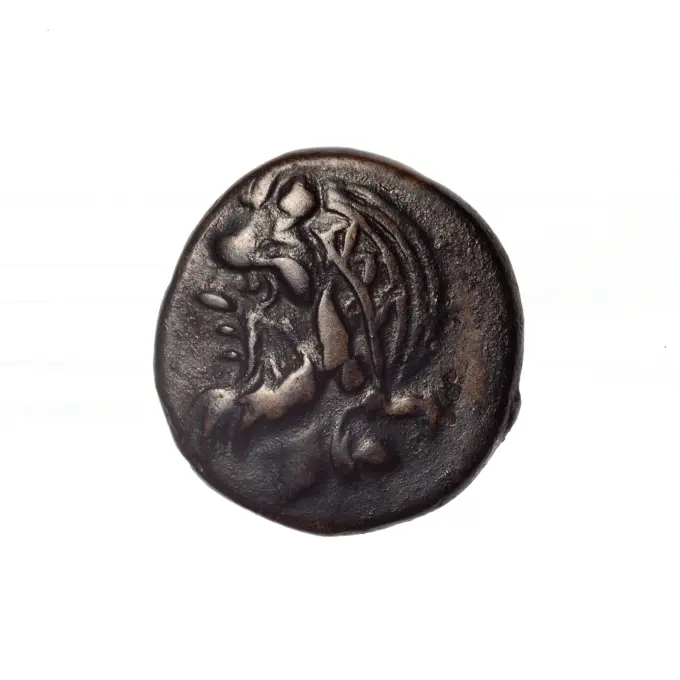
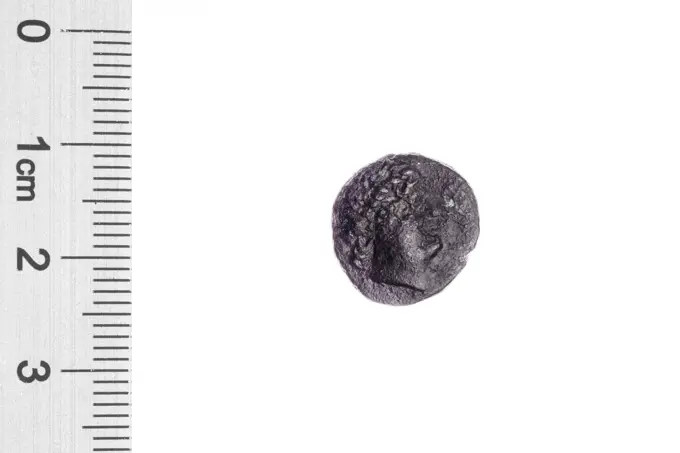
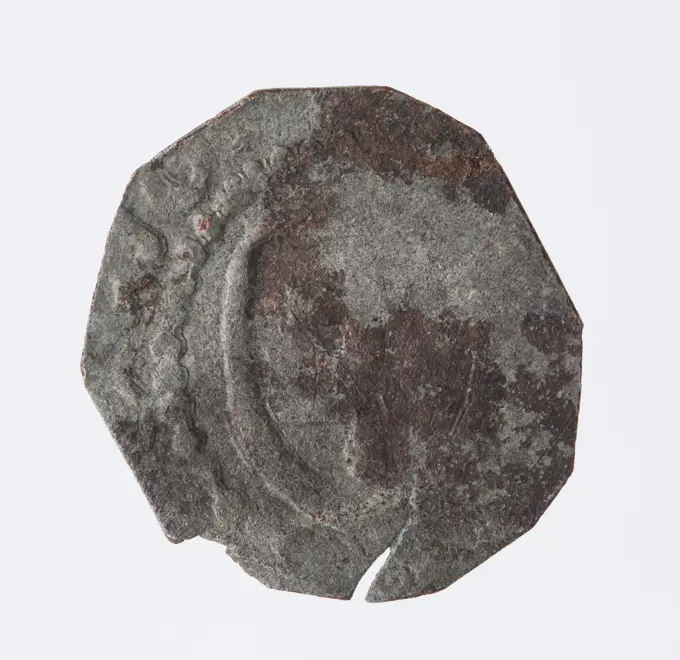
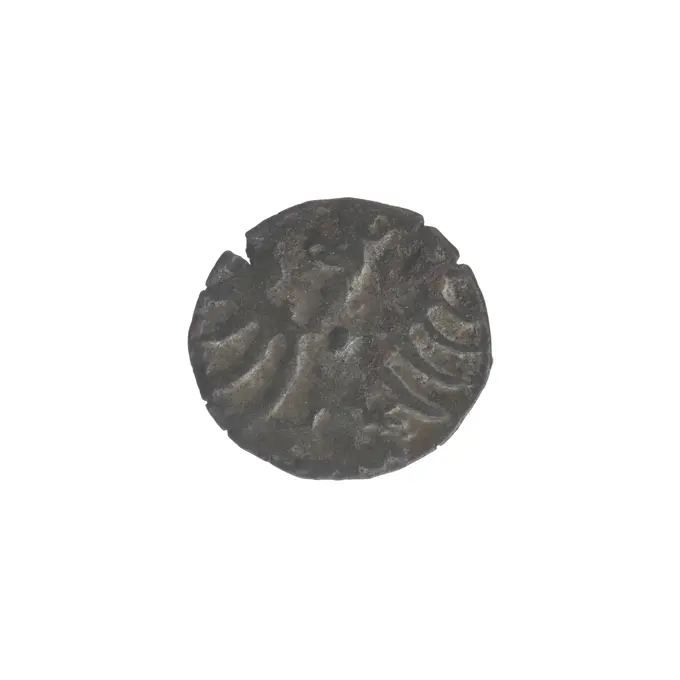
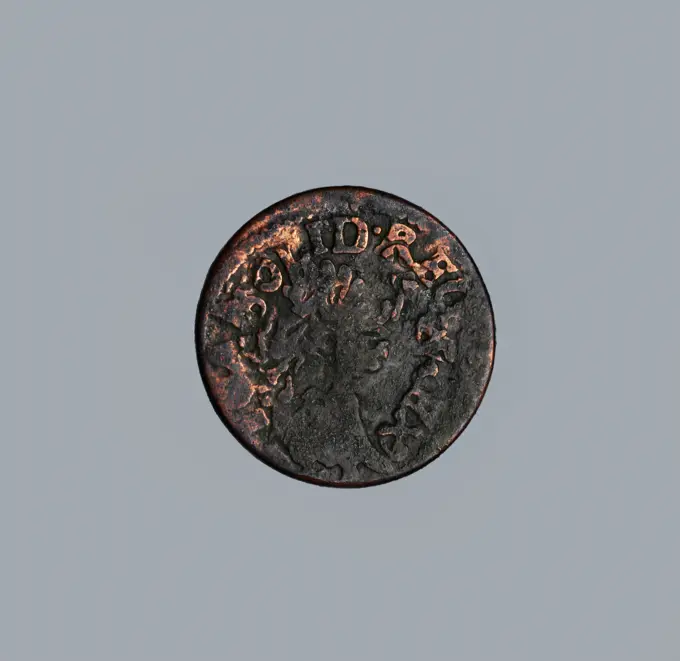
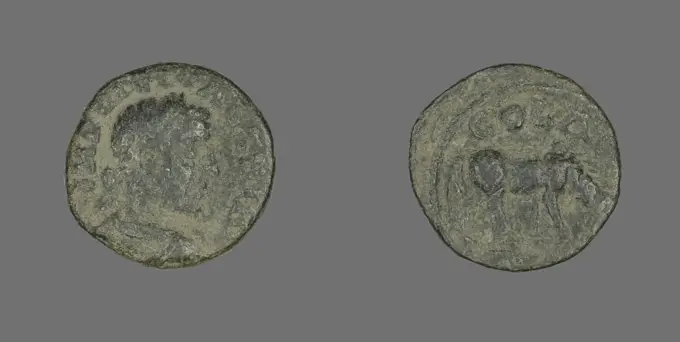
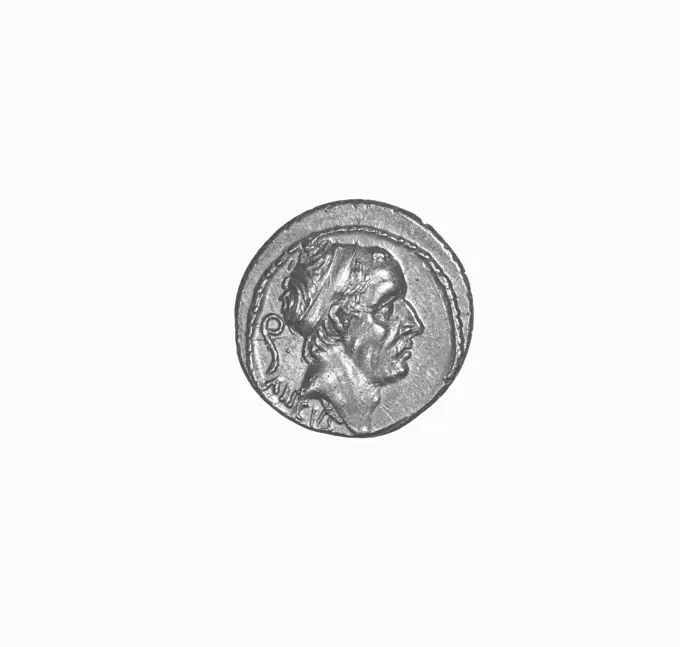
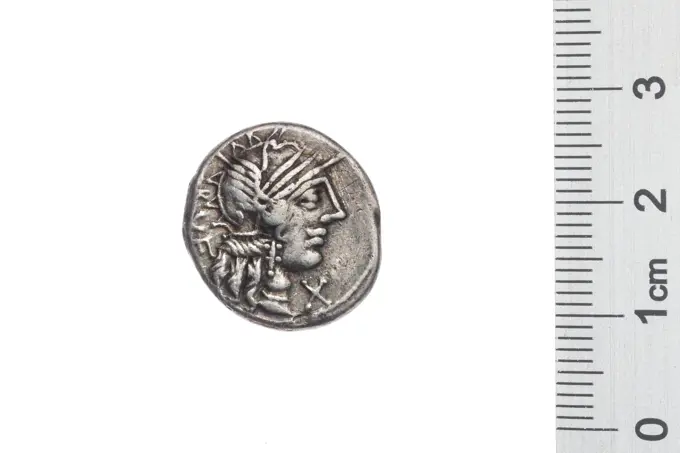
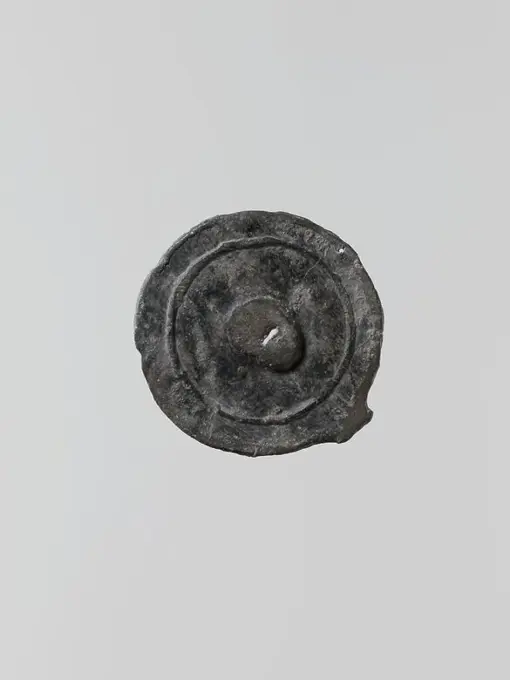
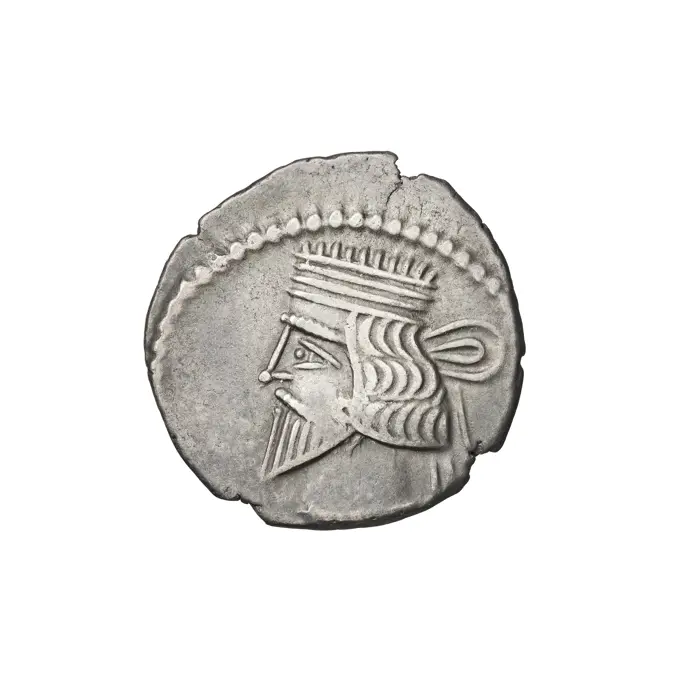
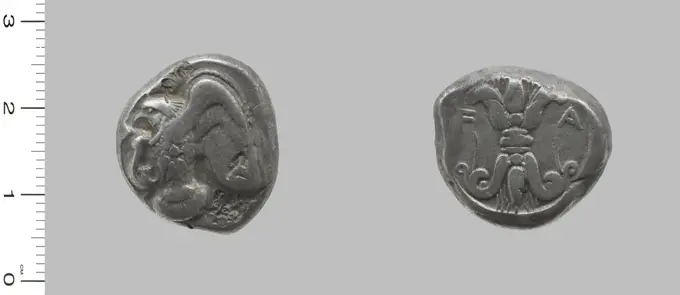
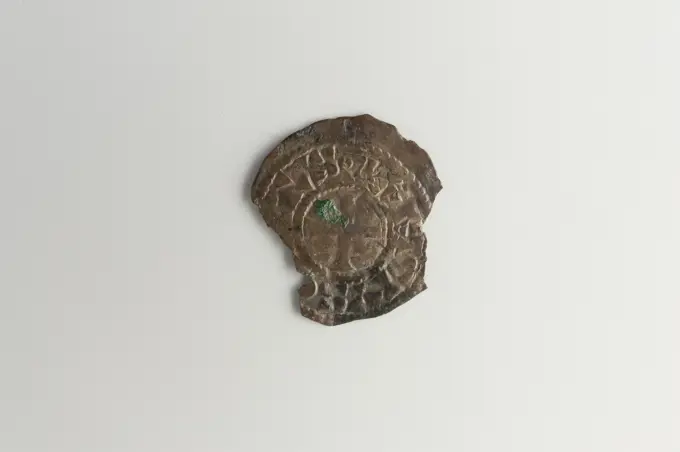
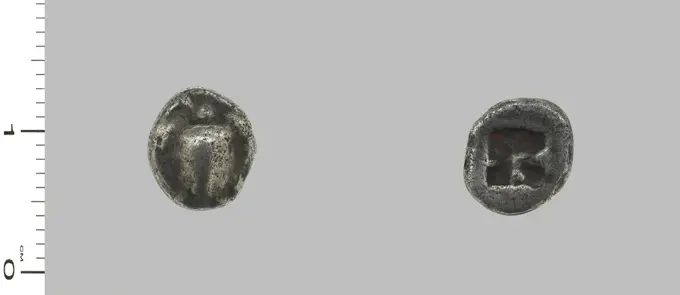
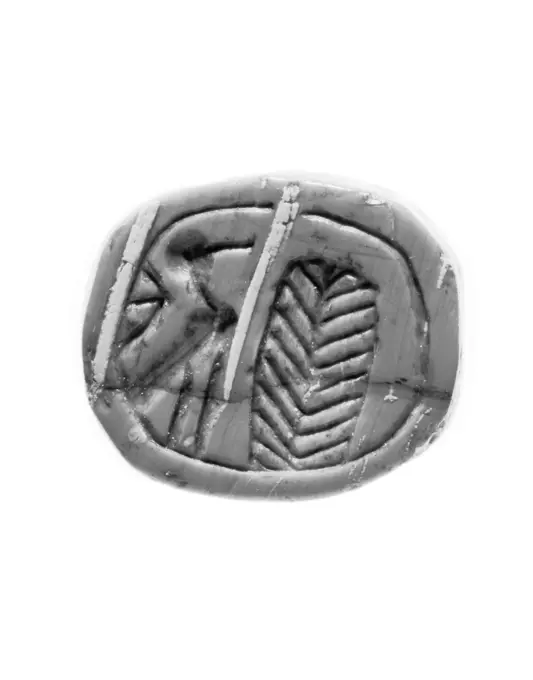
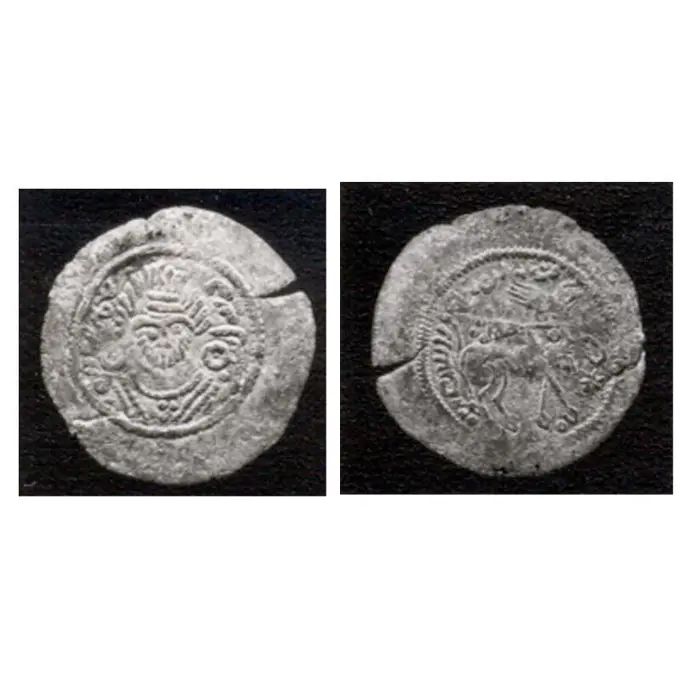
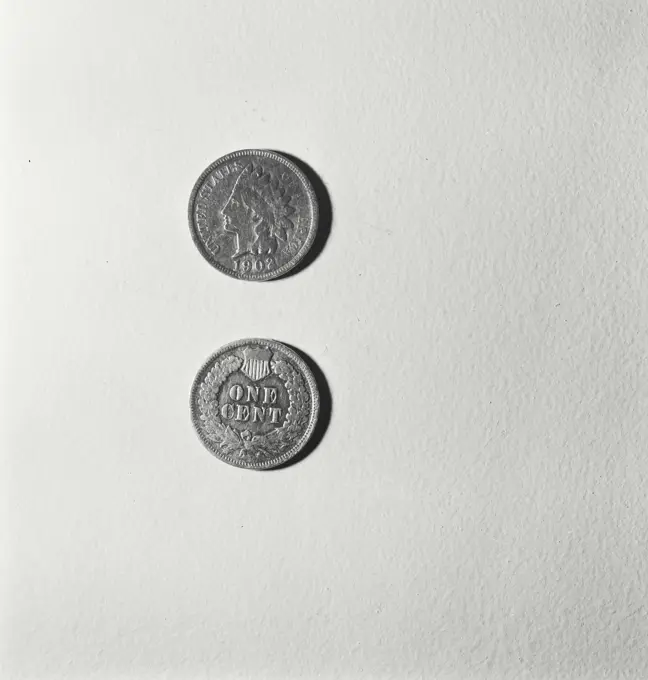
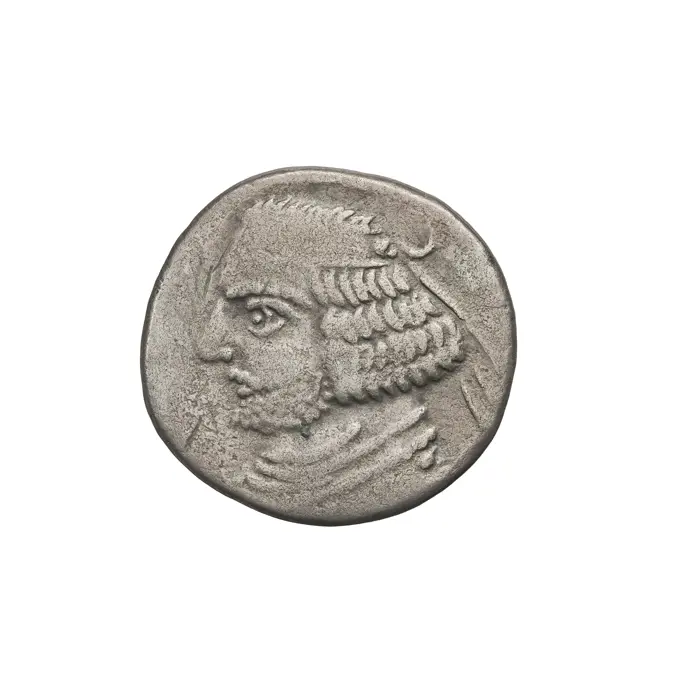
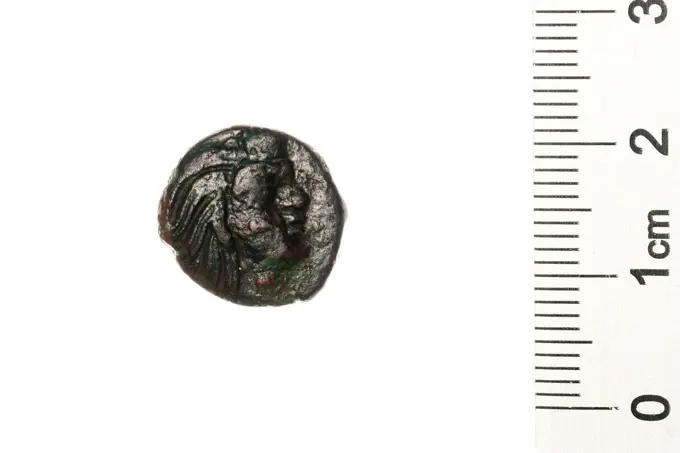
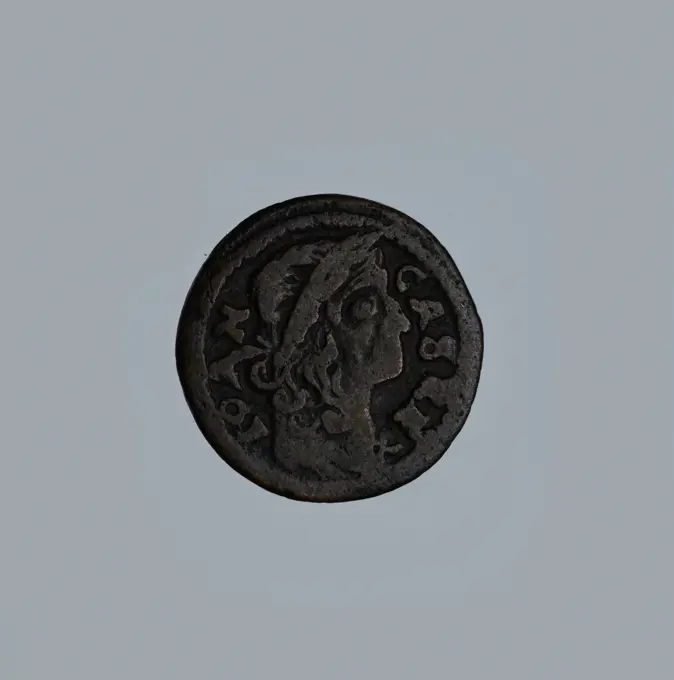
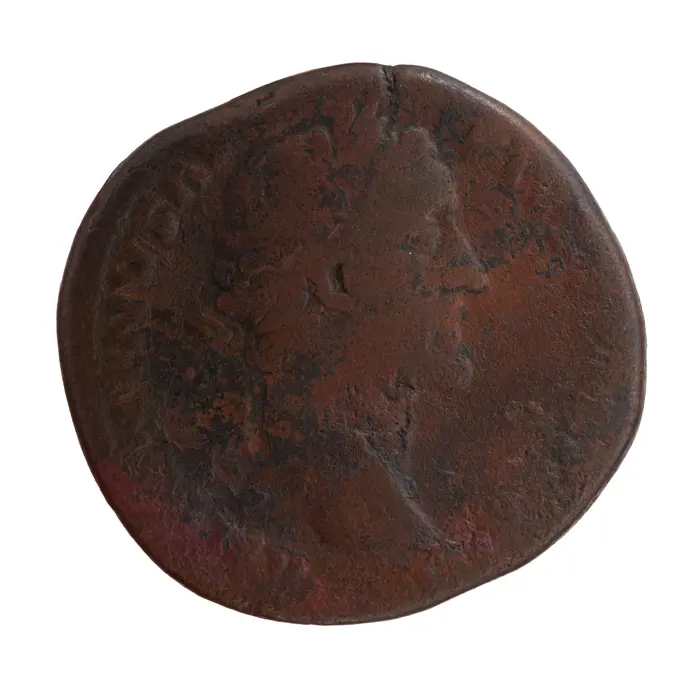
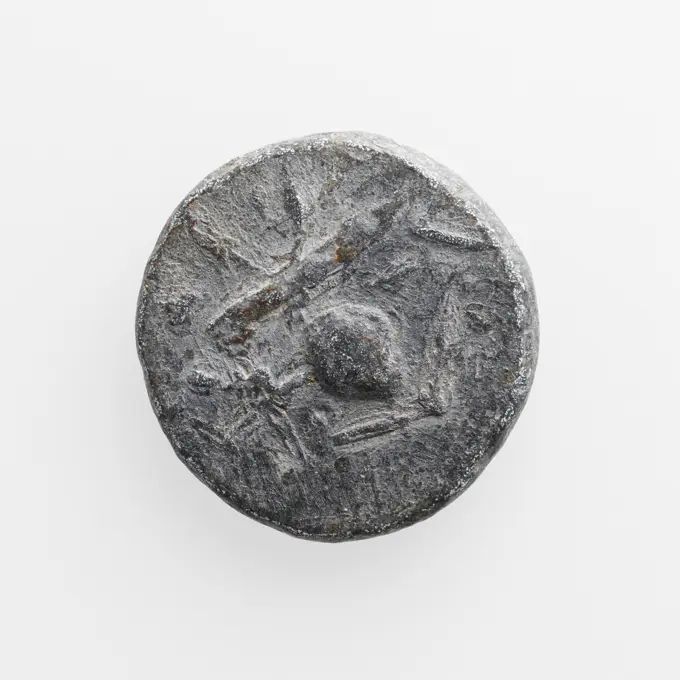
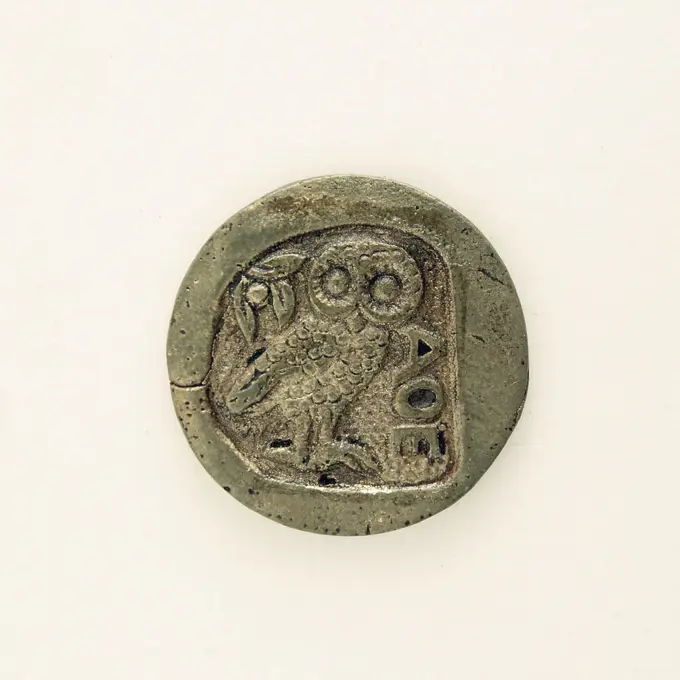
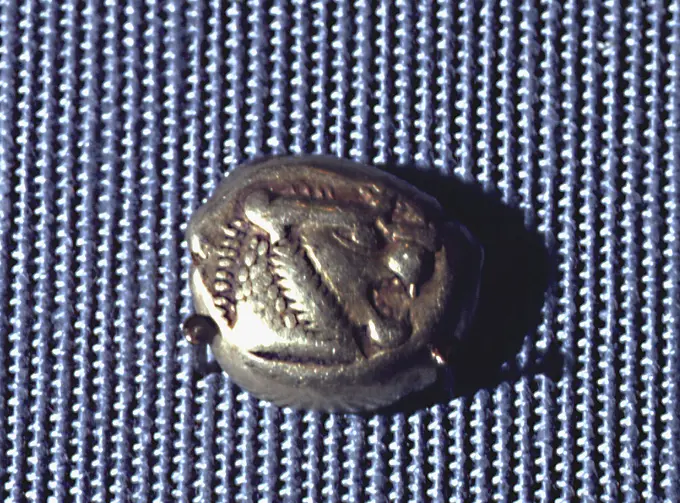
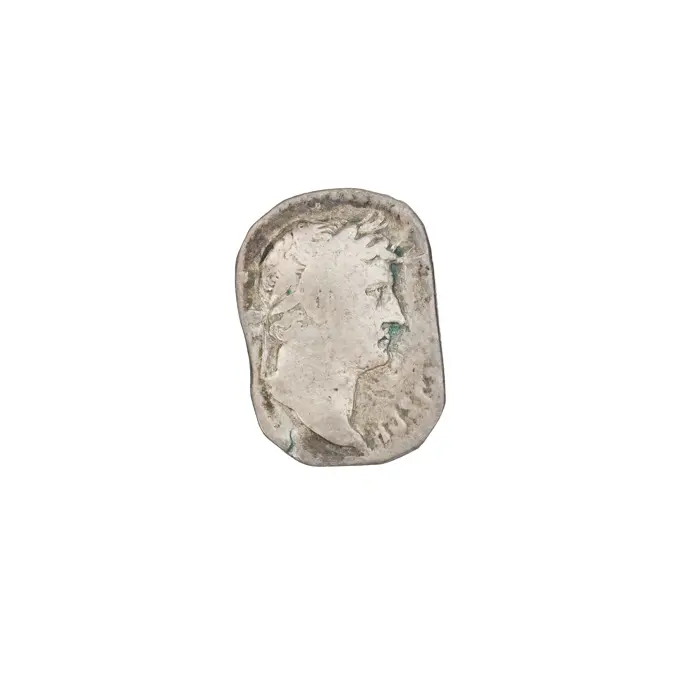
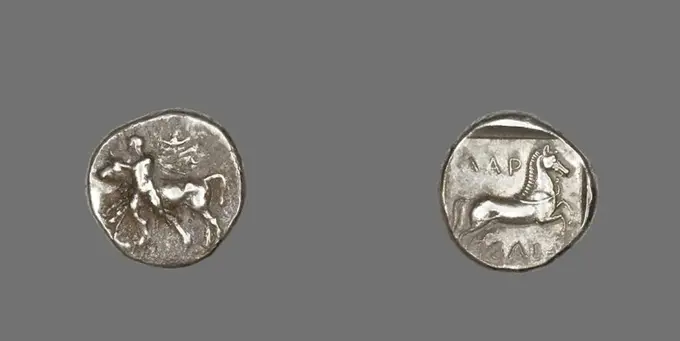
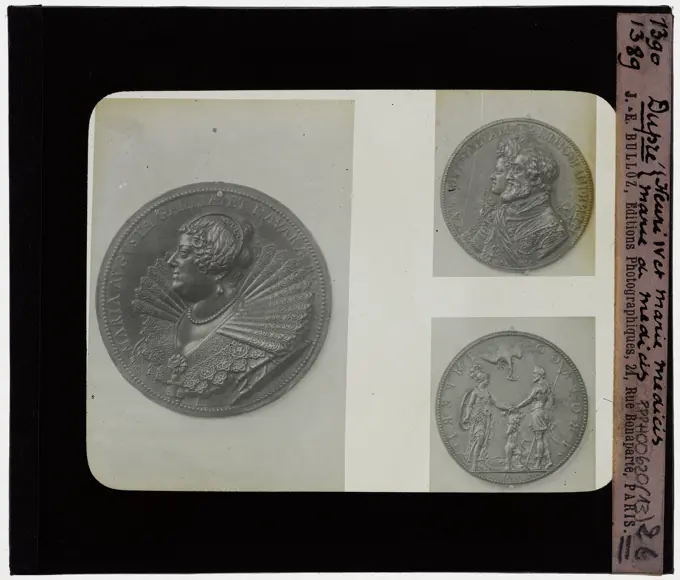
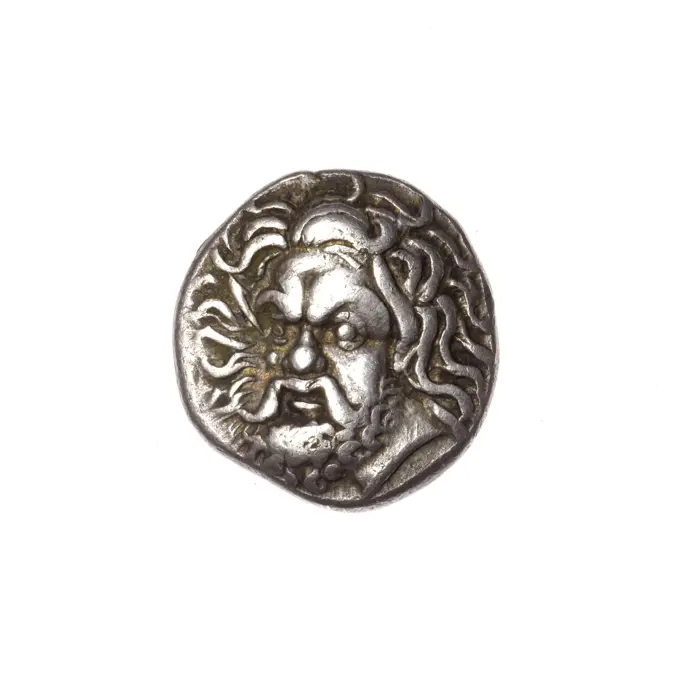
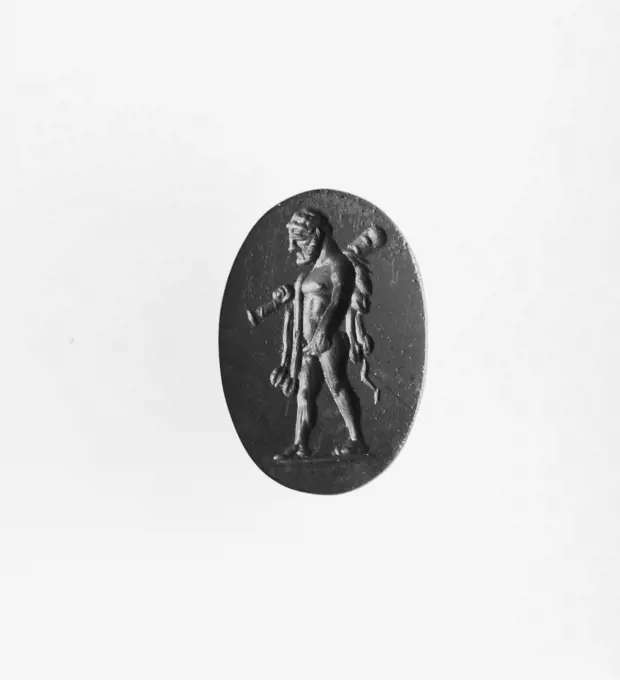
False Coin, Penny, 1013 1025, Mieszko II (1025 1031)denarius. Bolesław III Krzywousty (książę Polski ; 1107-1138), rulerAE. PantikapaionHalf slice of the three cities, 1575, three cities, 1575 coin Copper-silver coin. Front: decorated long cross. A star in the center. Reverse: coats of arms of the three cities, in the center of Letter D. Year in Omnipia. Deventer silver (metal) striking (metalworking)Denarius (Coin) Depicting the Goddess Venus. Roman, minted in Spain. Date: 46 BC-45 BC. Dimensions: Diam. 1.8 cm; 3.70 g. Silver. Origin: Roman Empire. Museum: The Chicago Art Institute, Chicago, USA. Author: ANCIENT ROMAN.Silver ring ca. 7th century B.C. Greek Winged griffin.. Silver ring. Greek. ca. 7th century B.C.. Silver. Orientalizing. Gemsdenarius; Antoninus Pius (86-161; Roman emperor 138-161), Marek Aureliusz (121-180; Roman emperor 161-180); 153-154 (153-00-00-154-00-00);3 hellers. Jerzy Rudolf (książę legnicko-brzeski ; 1595-1653), ruler, Legnica, issuer, Heinecke, Georg (fl. 1622-1623), engraverDenar - Brakteat; approx. 1317/1318-OK. 1327/1328 (1317-00-00-1328-00-00);denarius. Cupiennius, L. (fl. 147 a.C.), issuer, Republika Rzymska, issuerFalse Coin, Władysław Jagiełło (1386 1434), Kwartalnik Mały (Ternar); 1399/1400 unknown1 groschen. Ludwik Jagiellończyk (król czeski i węgierski ; 1516-1526), ruler, Świdnica, issuerScarab with Lotus Decoration ca. 1550-1458 B.C. Early New Kingdom The somewhat-rounded shape of the scarab is characteristic for early Dynasty 18 scarabs (ca. 1550-1458 B.C.). Two lotus flowers, incised in a careful and detailed manner, decorate the underside and merge with each other at the stem. For the ancient Egyptians, the lotus (or actually the water lily) is the symbol of Upper Egypt and, perhaps most relevant as a motif on amulets, of rebirth.. Scarab with Lotus Decoration 557107Brown coin; Pantikapaion; 4. W. II century BC (-125-00-00--101-00-00);Dioskurów (mitol. provenance)AE. ChersonezFalse Coin, Władysław Jagiełło (1386 1434), Kwartalnik Mały (Ternar); 1399/1400 unknownHecte. Unknowndenarius; Kommodus (161-192; Roman emperor 177-192); 183-184 (183-00-00-184-00-00);denarius; W ADSY AW III WARNE Czyk (Polish king; 1434-1444); 1434-1444 (1434-00-00-1444-00-00);False coin, IIthuanian shilIIng, 1666, John II Casimir (1649 1668)False coin, crown shilIIng, John II Casimir (1649 1668)3 hellers. Złotoryja, issuerdenarius; Antoninus Pius (86-161; Roman emperor 138-161), Faustina older (98-141; Roman Empress 138-141); after 141 (141-00-00-166-00-00);Drohiczy seal;  XI-XIII century (1090-00-00-1110-00-00);guild seals, customs seals, touches, seals of customs chambers, official seals, seals with a crossHekte (1/6 Stater) fromPhocaea. Mint: Phocaea Artist: UnknownLithuanian Denar; Zygmunt II August (Polish king; 1544-1572); 1556 (1546-00-00-1546-00-00);Brown coin; Fanagoria; the beginning of the first century BC (-100-00-00--91-00-00);Artemida (mitol.denarius (subaeratus). Pinarius Natta (fl. 149 a.C.), monetary officer, Republika Rzymska, issuerdenarius. Bolesław III Krzywousty (książę Polski ; 1107-1138), rulerAS (counterfeit); Marek Aureliusz (121-180; Roman emperor 161-180); 169-170 (for the original) (169-00-00-170-00-00);3 hellers. Złotoryja, issuerheller. Kożuchów, issuerDenar - Brakteat; around 1345 1353 (1345-00-00-1363-00-00);Industrial & Agricultural Exhibition in Lublin. Meissner, Jan (1866-1905), creator, Gerlach i Meissner (Warszawa ; zakład medalierski ; fl. ca 1886-1910), creatorCoin Portraying Emperor Valerian ( ) 253 CE-260 CE Roman Empire. Bronze . Ancient RomanKas uit madura,, 1700 - 1800 coin Front: unknown figuration. Reverse: Tweeregeline inscription in Arabic characters. Madura copper (metal) striking (metalworking)Denarius; Rome, Lazio Italy; 1st century B.C; Silver; 0.004 kg (0.0088 lb.)denarius. Minucius Rufus, Q. (fl. 122 a.C.), Republika Rzymska, issuerDenar - Brakteat; approx. 1307/1308- 1317/1318 (1307-00-00-1318-00-00);Drohiczy seal;  XI-XIII century (1090-00-00-1110-00-00);guild seals, customs seals, touches, seals of customs chambers, official seals, seals with a crossdenarius; Kommodus (161-192; Roman emperor 177-192); 181-182 (181-00-00-182-00-00);Diobol (Coin) Depicting a Lion 500 BCE-450 BCE Roman Empire. The front (obverse) of this coin shows the forepart of a lion with head turned back to the left. The back (reverse) depicts an incuse square in which a star of four rays is around a pellet, with triple fleurons between.. Silver . Ancient Romandenarius; Kommodus (161-192; Roman emperor 177-192); 184 (184-00-00-184-00-00);Lead disk with a hole in the center. Culture: Greek, Laconian. Dimensions: 1 1/16 × 1 1/8 in. (2.7 × 2.9 cm). Date: 6th-5th century B.C.. Museum: Metropolitan Museum of Art, New York, USA.denarius. Quinctius (Quinctilius), Ti. (fl. 112-111 a.C.), monetary officer, Republika Rzymska, issuertetartemorion. PantikapaionFalse coin, crown shilIIng, 1664, John II Casimir (1649 1668)Drachma; Wardanes I (41-45); 41-45 (37-00-00-32-00-00);Denar - Brakteat; 2 after. XIII century (1233-00-00-1299-00-00);Engraved Seal; Crete, Greece; early 15th century B.C; Haemetite; 1.5 cm (9,16 in.)Mint: Olympia, Stater fromOlympia, 465-450 B.C., Silver, 11.955 g, 12:00, 19.5mm, Made in Olympia, Elis, Greek, 5th century B.C., NumismaticsCarnavalet Museum, Medals Collection3 hellers. Jerzy Rudolf (książę legnicko-brzeski ; 1595-1653), ruler, Legnica, issuer, Heinecke, Georg (fl. 1622-1623), engraverDenar - Brakteat; approx. 1337/1338-OK. 1345 (1337-00-00-1345-00-00);denarius; Hadrian (76-138; Roman emperor 117-138); 119-122 (118-00-00-118-00-00);Liberalitas (personification), busts, tessera (attribute), laurel wreathsMint: Aegina, Obol fromAegina, ca. 500 B.C., Silver, 0.87 g, 12mm, Made in Aegina, Islands off Attica, Greek, 5th century B.C., NumismaticsEngraved Scaraboid. Lyre Player Group (Cilician)False coin, IIthuanian shilIIng, 1663, John II Casimir (1649 1668)Lazio Frosinone Casamari Museo Archeologico9. Hutzel, Max 1960-1990 Post-medieval: paintings on canvas, paintings on wood, wooden church furnishings Governing Body: Abbazia di Casamari General Notes: This record is for the pinacoteca which is part of the Museo Archeologico, housed within the Abbey of Casamari. Hutzel assigned it a separate numbering sequence. German-born photographer and scholar Max Hutzel (1911-1988) photographed in Italy from the early 1960s until his death. The result of this project, referred to by Hutzel as Foto Arte Minore, is thorough documentation of art historical development in Italy up to the 18th century, including objects of the Etruscans and the Romans, as well as early Medieval, Romanesque, Gothic, Renaissance and Baroque monuments. Images are organized by geographic region in Italy, then by province, city, site complex and monument.Drohiczyn seal. unknown, managertetrobol. PantikapaionCoin ca. 7th-8th century A.D. Islamic. Coin 323516Vintage Photograph. Front and back view of a Indian Head One Cent Piece Penny.Gemma (kamea); Unknown Roman workshop; Indefinite (0-00-00-0-00-00);Dutch ½ cents, 1841, Willem II (King of the Netherlands), 1841 coin Copper mint. Front: Between the year crowned straight letter W. Rail side: between value designation ½ C. Crowned Rijksweetschild. Smooth edge. Utrecht copper (metal) striking (metalworking)Drachma; ORODES II (party king; 57-37 A.C.); 57 BC-37 BC (123-00-00-87-00-00);Drohiczyn seal. unknown, managerLibra with an oil lamp on one side and playing cards and jewelery on the other. .Ruler: Augustus, Emperor of Rome, 63 B.C.-A.D. 14, ruled 27 B.C.-A.D. 14, Mint: Italy (uncertain mints)Denarius of Augustus, Emperor of Rome from Italy (uncertainmints), ca. 29-27 B.C., Silver, 3.32 g, 5:00, 19mm, Made in Uncertain, Italy, Roman, 1st century B.C., NumismaticsAE. PantikapaionFalse coin, crown shilIIng, John II Casimir (1649 1668)Glass appliqué with theatrical mask 2nd-4th century A.D. Roman Translucent streaky light blue appliqué; vessel body colorless with green tinge.Roughly circular, attached to vessel wall; thick rounded edge; mask in high relief.Grotesque female mask with straight-haired peruke, parted at middle and with an outturned fringe at sides of face; deep eye holes, broad nose, and large curved mouth cavity.Intact, except for small chips to mask on nose and chin; dulling, pitting, and weathering.. Glass appliqué with theatrical mask. Roman. 2nd-4th century A.D.. Glass; mold-pressed or stamped. Imperial. Glasssesterce; Antoninus Pius (86-161; Roman emperor 138-161); 158-159 (158-00-00-159-00-00);Jeton. UnknownStamp seal ca. 6th century A.D. Sasanian. Stamp seal. Sasanian. ca. 6th century A.D.. Nicolo. Sasanian. IranGrahal-Manzara. Carnavalet 2013-2016 collection sites. Numismatics.Abruzzo, L'Aquila, S. Giuliano (L'Aquila environs), Museo, Italy, 20th century, photo, photography, EuropeCoin Depicting the God Apollo. Greek. Date: 300 BC-200 BC. Dimensions: Diam. 1.2 cm; 1.89 g. Bronze. Origin: Ancient Greece. Museum: The Chicago Art Institute, Chicago, USA.Votive Plaque ca. 1368-1643 Tibet. Votive Plaque. Tibet. ca. 1368-1643. Red Clay. SculptureAmulet or seal with ornamental inscription. unknown, craftsmanReverse of Tetradrachm silver coin from after 499 BCE. Owl of Athena and crescent moon with olive branch.Coin Depicting the Goddess Athena 246 BCE-226 BCE Ancient Greece. The front (obverse) of this coin depicts the head of Goddess Athena. The back (reverse) shows the God Apollo, nude with a bow and arrows.. Bronze . Ancient GreekRetro look Old coin Vintage looking Ancient coin Copyright: xZoonar.com/ClaudioxDiviziax 5866751Chalcedony scaraboid ca. 500 B.C. Greek youth playing with dog. Chalcedony scaraboid 243612Lion head, the Royal badge of Lydia. Stater. 575 BC.Abruzzo L'Aquila S. Giuliano (L'Aquila environs) Museo. Hutzel, Max 1960-1990 Views of the four collections housed in museum: Roman coins; Pre-Columbian art brought from Central America in 17th century; Greek and Roman sculpture; Egyptian sculpture and minor arts. Museum Roman coins; Greek and Roman sculpture; Egyptian sculpture and minor arts; Pre-Columbian sculpture. German-born photographer and scholar Max Hutzel (1911-1988) photographed in Italy from the early 1960s until his death. The result of this project, referred to by Hutzel as Foto Arte Minore, is thorough documentation of art historical development in Italy up to the 18th century, including objects of the Etruscans and the Romans, as well as early Medieval, Romanesque, Gothic, Renaissance and Baroque monuments. Images are organized by geographic region in Italy, then by province, city, site complex and monument.Antoninianus (Coin) Portraying Emperor Gallienus 260 CE-268 CE Roman Empire. The front (obverse) of this coin portrays the emperor Gallienus, facing right and wearing a radiant crown.On the back (reverse), the god Virtus is depicted standing, facing right and holding a spear and a shield.. Billon . Ancient RomanTurf carrier guild of Amsterdam, presence tension with letter D and figure 77. Loden meding. Front: Burn; Stamped through it: Numbers 77. Reverse: Letters T, D and G; Under D: Letter DBrakedate Halter; 15th century (1401-00-00-1500-00-00);Dzik's head (iconogr.), Unilateral coins, city coinsSolidus (Coin) Portraying Heraclius and His Son Heraclius Constantine Struck 613 CE-616 CE Byzantine Empire. After Christianity became the official religion of the Roman Empire, the Byzantine emperors adopted Christian themes and symbols, most notably the cross, to stand for both the religion and the political state on their coinage. The previously ubiquitous profile portrait head was replaced by frontal or full-body depictions. Christ dominated the iconography, and Greek titles and phrases came to replace the Latin ones.On the front (obverse) of this coin, the Byzantine emperor Heraclius is shown alongside his son, Heraclius Constantine; there is a cross between them. On the back (reverse) a Greek cross stands on a set of steps.. Gold . Byzantinedenarius; Hadrian (76-138; Roman emperor 117-138); 128-132 (119-00-00-122-00-00);Pudicitia (personification), heads, veils, laurel wreathsFalse coin, crown shilIIng, John II Casimir (1649 1668)Drachm (Coin) Depicting Thessalos Holding a Bull. Greek. Date: 435 BC-400 BC. Dimensions: Diam. 1.9 cm; 6.11 g. Silver. Origin: Lárisa. Museum: The Chicago Art Institute, Chicago, USA. Author: ANCIENT GREEK.groschen. Fryderyk II (książę brzesko-legnicki ; 1480-1547), ruler, Stoltz, Michael (fl. ca 1540-1555), moneyerFalse coin, IIthuanian shilIIng, 1661, John II Casimir (1649 1668)Medals. Henry IV and Mary of Medici Medals. Henry IV and Mary of Medici. Black and white projection plate. 1900-1930. Photograph of Jacques-Ernest Bulloz (1858-1942).False coin, crown shilIIng, 1660, John II Casimir (1649 1668)tetrobol; Pantikapaion; 360-340 BC (360-00-00-340-00-00);Nadczarzyorze, State Art collections (Warsaw - 1922-1939) - collections, satir (mitol.), Bulls, Bull's head (iconogr.), Transfer (provenance), animalsEngraved Gem; Roman Empire; 2nd century; Red jasper; 1.2 × 0.9 × 0.3 cm (1,2 × 3,8 × 1,8 in.)Planets-manager. Cornalet Collection Sites 2013-2016. Numismatic.