Ancient Coins of Asia

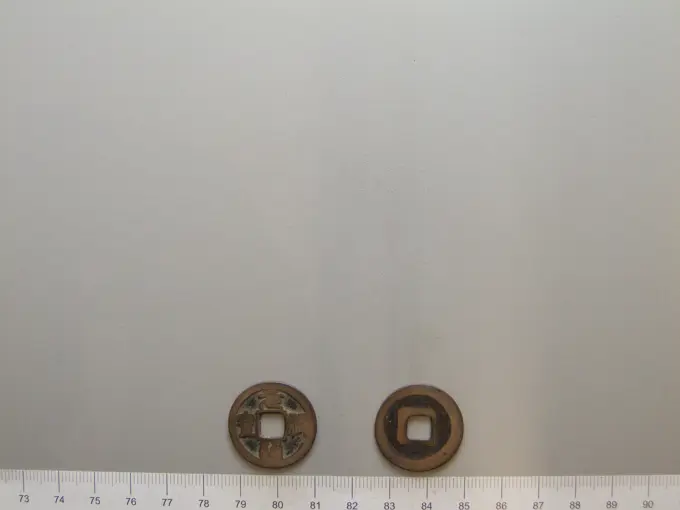
Archaeological coins from various Chinese emperors and Japanese eras, featuring historical inscriptions and significant cultural designs.

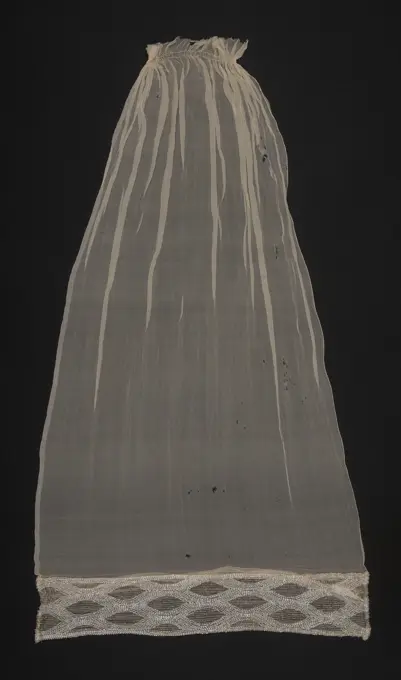
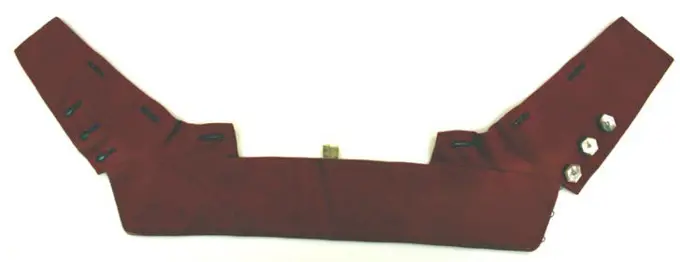
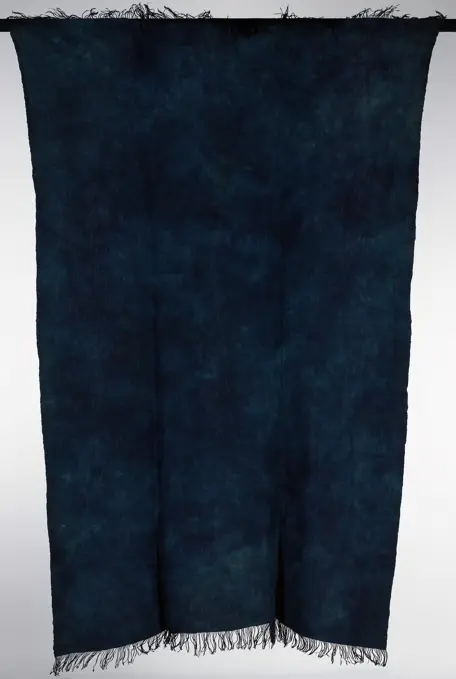
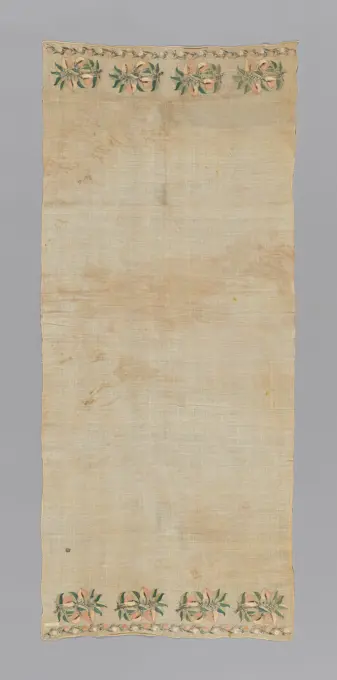
Towel scarf, 19th century, 15 1/2 x 66 3/4 in. (39.37 x 169.5 cm), Silk, tinsel, cotton; needlework, Armenia, 19th century
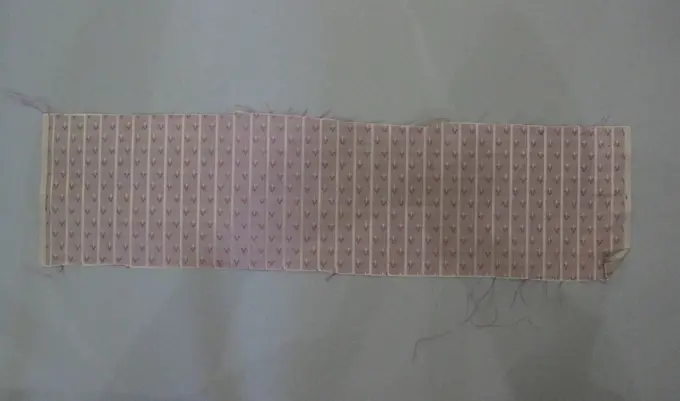
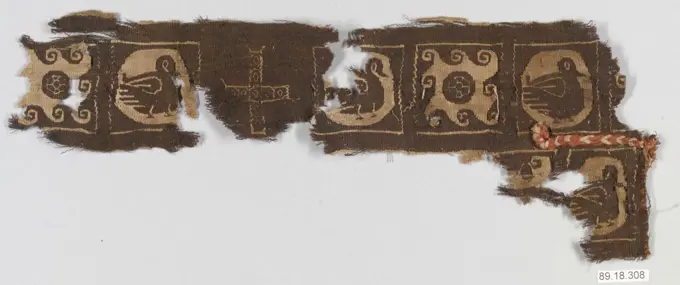
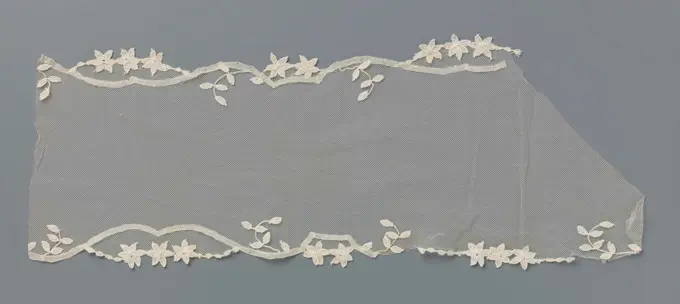
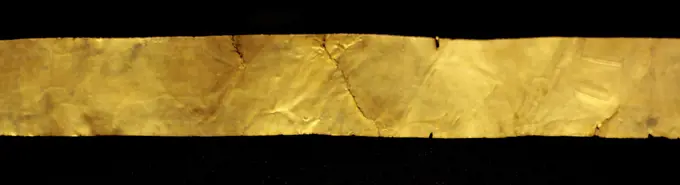
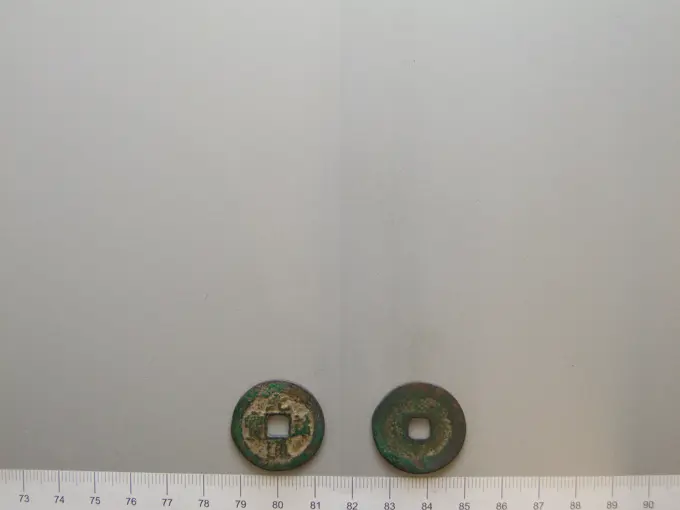
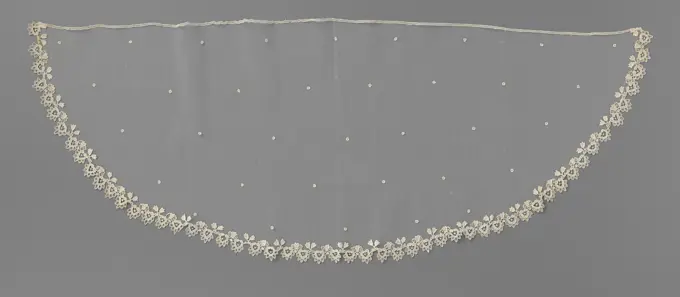
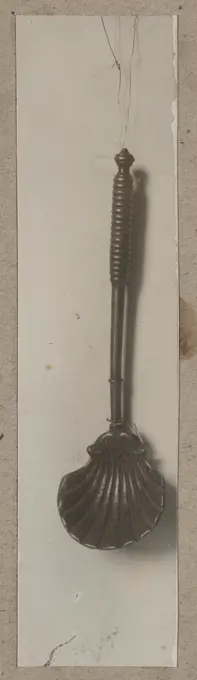
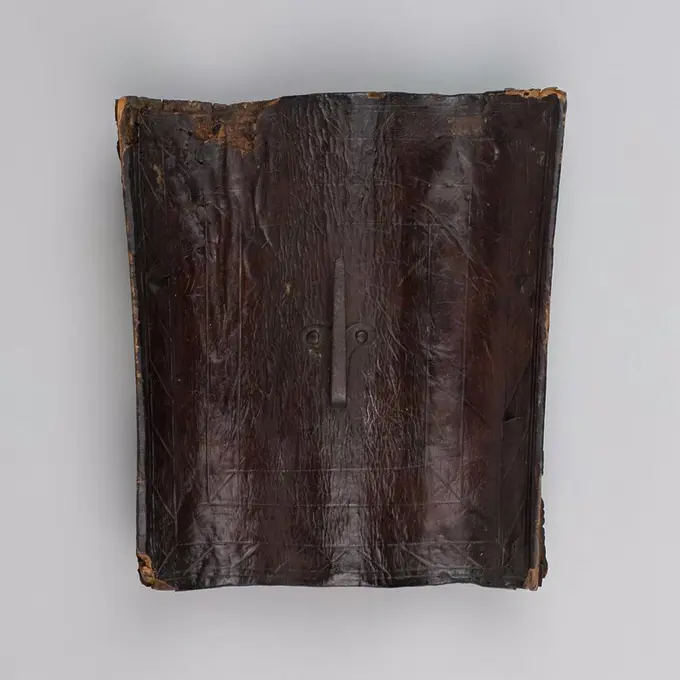
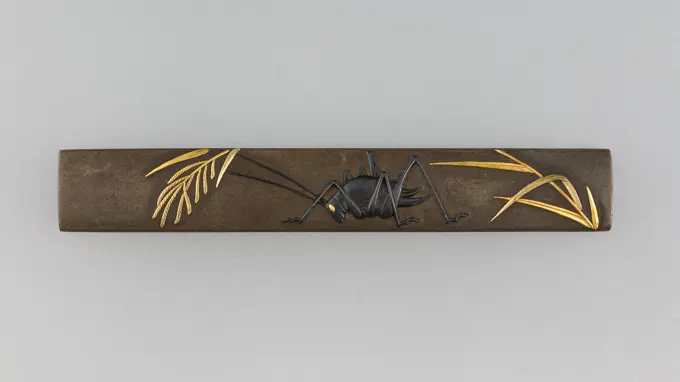
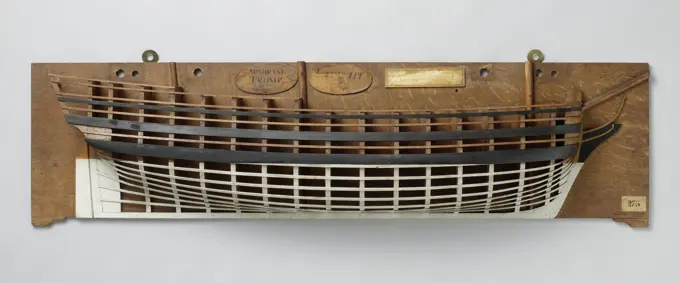
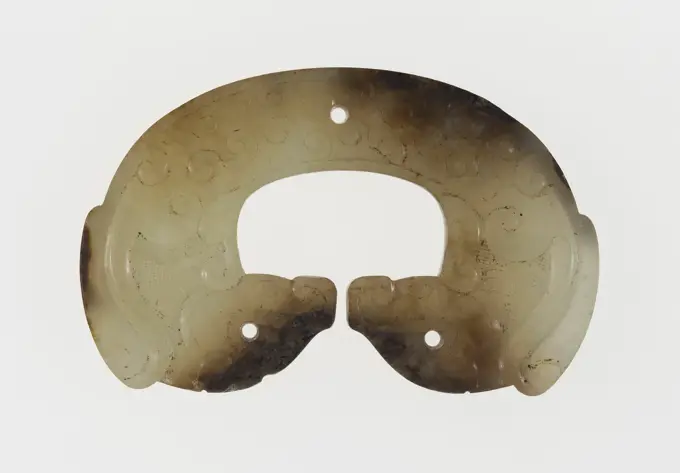
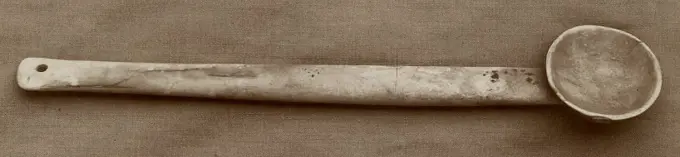
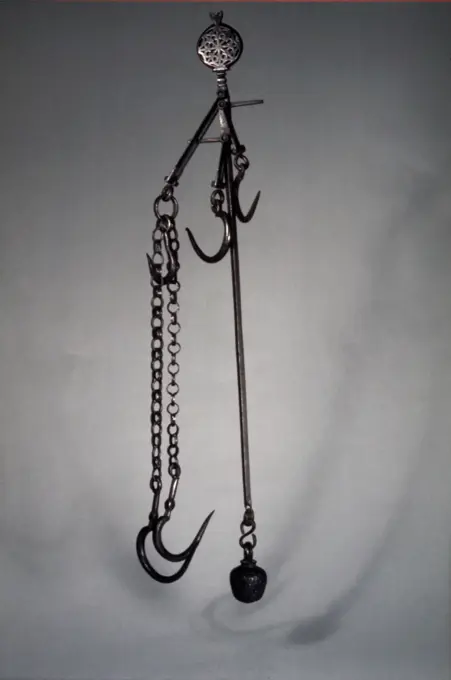
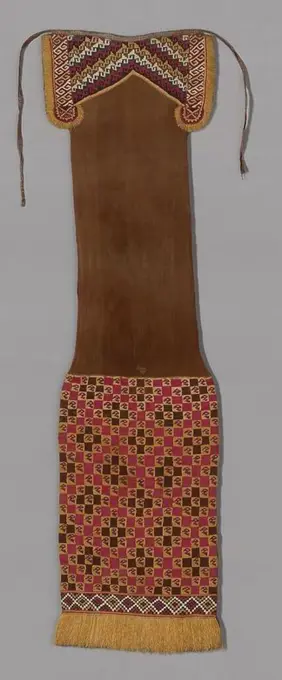
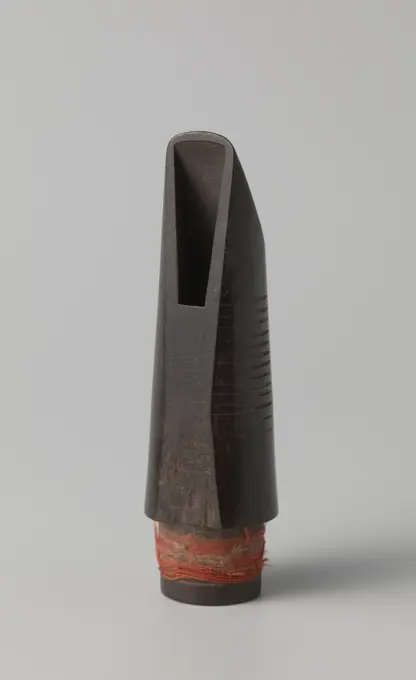
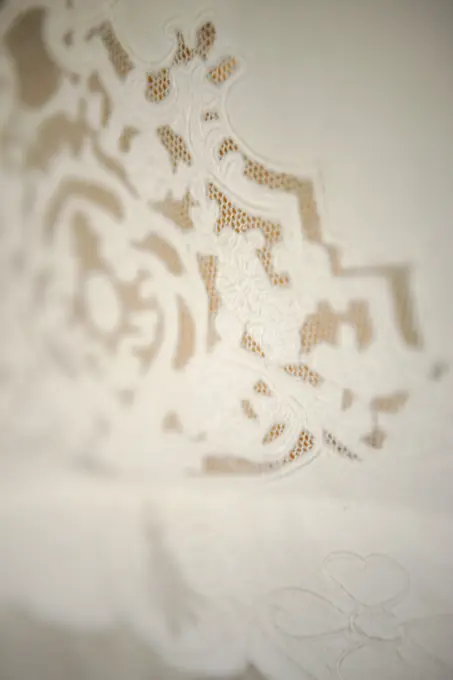
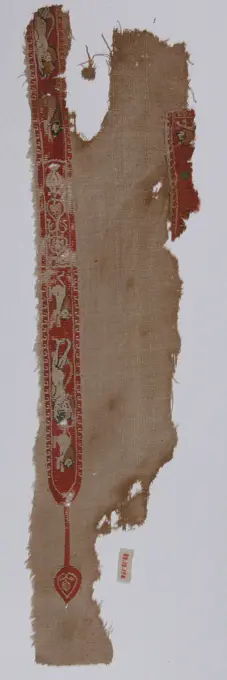
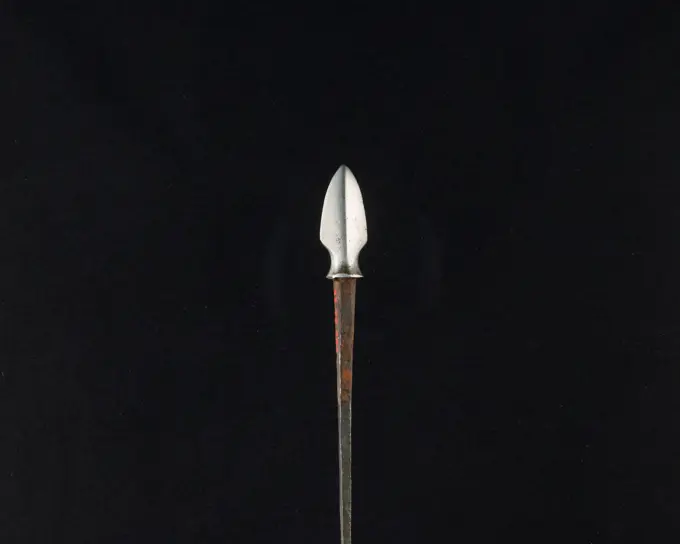
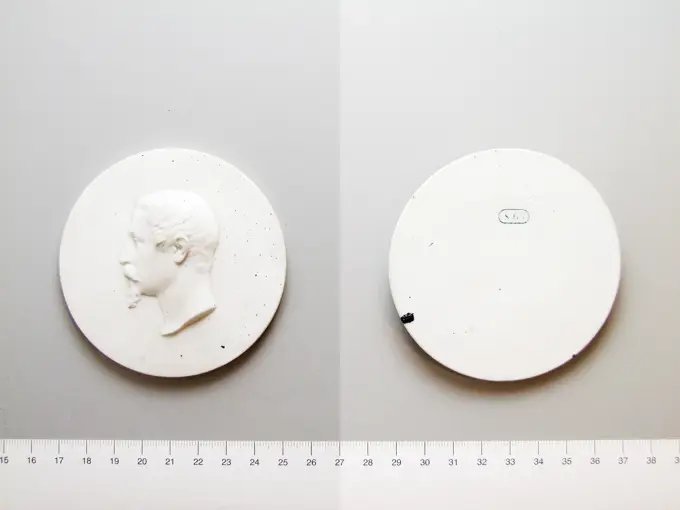
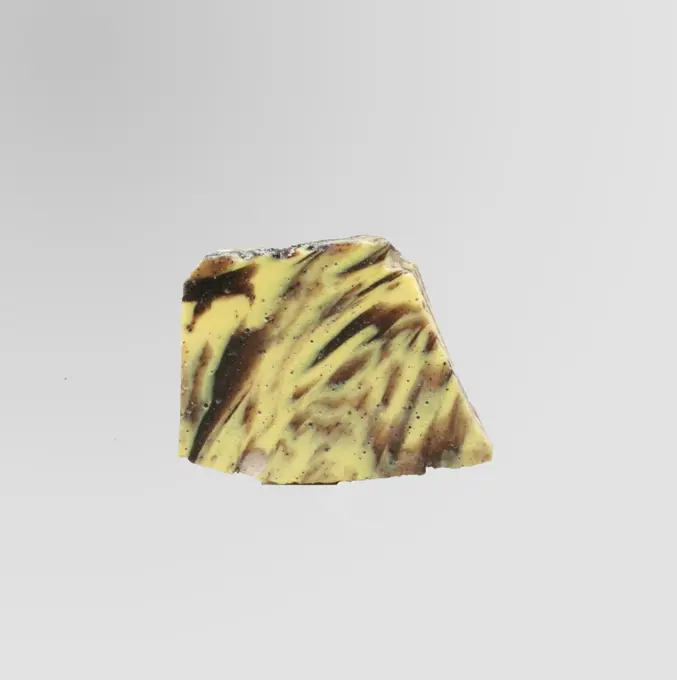
Application side scarf with perienched palm. Natural application side scarf, climbing side applied to machine tulle. There are triple branches along the edges of a rectangle. At the ends the same, but larger branch and bow. Sprinkled in the midfield. Straight edges of a double pendulum and stretched leaves.Tapered handle of knife, rectangular with rounded corners, with lifting guard, has knife cutlery soil found iron leg metal, archeology foodCupCaptured Ordnance, anonymous, 1667 lilla Bronze Lilla on movable pivot. The dolphins have been broken down. Simple vision device. The loop, the lower half of which is octagonal, is decorated with a triangular jet -shaped ornament. At the Zundgat a roset on the top of the loop. Cannon almost the same as NM-9763. Indonesian Archipelago bronze (metal)abstract cross   brass brown knocker in a   closed wood door  tradate varese italyKnife, steel, silver, agate, Leaf-shaped blade, straight sided, plain bolster. Octagonal silver ferrule, flaring agate handle, octagonal in section, chamfered top., possibly Germany, ca. 1700-1800, cutlery, Decorative Arts, KnifeTextile Swatch Textile Swatch, 1950s to 1960s. Silk, 20 x 5 in. (50.8 x 12.7 cm).    1950s to 1960sBobbin ca. 1840 British. Bobbin. British. ca. 1840. Wood. Textiles-Methods and MaterialsKnife with jade handle, inlaid with gold and set with gems. Instanbul, Turkey, mid-16th centuryBand with Cross and Short-legged Aquatic Birds 5th-7th century This finely worked band includes a cross among its varied pattern. While Egyptian textiles with religiously significant motifs are relatively rare, crosses may have been meant to associate the owners with their Christian faith. On this band a tall cross is decorated as if covered with jewels in a technique called the flying shuttle. The plump aquatic birds and curling wave patterns may refer to the Nile, the source of all abundance in Egypt. The red and white braid to the far right identifies the band as part of the decoration extending from the neck of a tunic.. Band with Cross and Short-legged Aquatic Birds 443521A lamp, Sweden.Attic Red-Figure Plastic Kantharos Fragment. UnknownAx 1500-500 B.C. India. Ax 506321 Cash of Song Zhenzong from Board ofRevenue. Ruler: Song Zhenzong, Emperor of China, Chinese, 968-1022, ruled 997-1022 Mint: Board of Revenue Artist: UnknownThe dipstick of the A.P .. the dipstick of the Amsterdams level.Mezzo Franco of Piedmont Republic from Board ofRevenue. Ruler: Piedmont Republic, Italian, 1798-1799 Mint: Board of Revenue Artist: UnknownFragment Silk Luwel with in yellow and green, Anonymous, 1500 - 1599 Fragment Silk flows with double volutes in horizontal rows in horizontal rows with paragraph -like motif. Italy, 16th century. Italy silk Velvet chiseled Fragment Silk flows with double volutes in horizontal rows in horizontal rows with paragraph -like motif. Italy, 16th century. Italy silk Velvet chiseledGlove in beige artificial side, knitted, c. 1850 - c. 1900 Glove in beige artificial side, knitted. Europe whole: district knitting Glove in beige artificial side, knitted. Europe whole: district knittingMachinal ribbon side application side with starflowers on machine tulle.strip Natural-Colored Machining: Machined Ribbon Side. Possibly Belonging to the slip of an Echarpe. Flat schulched, Shaped by a Smooth Frame and Starflowers.Bedspread (USA); linenNecktie 1890s American or European. Necktie. American or European. 1890s. silkGarment Pin, c. 1400 BC. Possibly Hungary, Bronze Age, c. 2500-800 BC. Cast and wrought bronze; overall: 41.3 x 2 cm (16 1/4 x 13/16 in.).Set of six miniature second course dishes. Culture: British, London. Dimensions: Diameter (each): 1 7/8 in. (4.8 cm). Maker: David Clayton (British, active 1689). Date: ca. 1720-30. Museum: Metropolitan Museum of Art, New York, USA.Ancient Greek 'Palace Age' Minoan Gold Diadems. Circa 1850-1550 BC. From the Aegina treasures held at the British Museum, London. Originally from Aegina, off the south coast of Greece.Fragment of the Bordic;  early xxw (1900-00-00-1910-00-00);1 Cash of Song Zhezong from Board ofRevenue. Ruler: Song Zhezong, Emperor of China, Chinese, 1077-1100, ruled 1085-1100 Mint: Board of Revenue Artist: UnknownVoile van applicatiekant met hartvormige schulpjes.Natural application side voile, needle side applicated on machining tulle, point d'Angleterre. There are widespread messes on a semi-circle mesh fond. Heart-shaped C-Volutes, with Campanes surrounded, form an edge, which is arranged along the circle arc.The yeczka of the shell in the collections of the National Museum in Warsaw - a general view in the front;  around 1920-1922 (1918-00-00-1922-00-00);Fob 18th century French. Fob 101487A human hand holding a featherMiser's purse, Medium: silk, steel Technique: beaded crochet, Crocheted dark green silk ornamented with cut steel beads in diamond and dot patterns. Two steel rings control side closing; steel bead tassels at either end., France, early 19th century, costume & accessories, Miser's purse1 Cash of Song Zhezong from Board ofRevenue. Ruler: Song Zhezong, Emperor of China, Chinese, 1077-1100, ruled 1085-1100 Mint: Board of Revenue Artist: UnknownBuckler (Targa). Italian. Date: 1550-1575. Dimensions: 26.7 × 24.1 cm (10 1/2 × 9 1/2 in.)Wt. 1 lb. 4 oz. Wood, leather, and iron. Origin: Italy. Museum: The Chicago Art Institute, Chicago, USA.Skein ca. 1840 British. Skein. British. ca. 1840. Cotton. Textiles-Methods and MaterialsShawl from a wedding outfilt, 20th century, 85 x 42 1/2 in. (215.9 x 108 cm) (uneven; with fringe), Cotton, Mali, 20th centuryTextile Swatches Onondaga Silk Company, Inc. (1925-1981). , 1948-1959. Silk, 23 3/4 x 8 in. (60.3 x 20.3 cm).    1948-1959Ax with Ridge on Top ca. 500 B.C.-A.D. 300 Indonesia. Ax with Ridge on Top. Indonesia. ca. 500 B.C.-A.D. 300. Mottled brown stone. Bronze and Iron Age period. SculptureKnife Handle (Kozuka) second half 18th century Japanese A kozuka is a handle of a by-knife that is part of a sword mounting. It is kept in a slot on the reverse of a katana scabbard, often with a matching kōgai (hairdressing tool).. Knife Handle (Kozuka) 29691Piece 18th-19th century Japan. Piece. Japan. 18th-19th century. Silk. Textiles-WovenInlay ca. 8th-7th century B.C. Iran. Inlay 324220WireOld grunge postage stamp. Clean postage stamp template. Postage stamp border. Mockup postage stamp with shadow. Blank postage stamp. Vector illustrationFrame, Louis XVI, 18th century, 44 1/16 x 57 1/2 x 3 1/2 in. (111.92 x 146.05 x 8.89 cm), Wood, gilt, France, 18th centuryKnife Handle (Kozuka). Culture: Japanese. Dimensions: L. 3 13/16 in. (9.7 cm); W. 9/16 in. (1.4 cm); thickness 3/16 in. (0.5 cm); Wt. 1 oz. (28.3 g). Date: ca. 1615-1868. Museum: Metropolitan Museum of Art, New York, USA.Half Model of a 68-Gun Ship of the Line, anonymous, c. 1798 - c. 1808 ship model. half model. builder's model Polychromed mold model (starboard) of a three -mast. No guns and no decks indicated except half -deck and upper camp. Willed mirror, Hol Wulf, no fence or side gallery; Straight with square stirring king. Fairly flat siege, two mountain wood and one reehout. Round underwater ship. Scale 1:44 (scale on model). Netherlands wood (plant material)Dragon Pendant 400 BCE-200 BCE China. Jade .Spoon ca. 3100-2649 B.C. Early Dynastic Period. Spoon. ca. 3100-2649 B.C.. Ivory. Early Dynastic Period. From Egypt, Fayum Entrance Area, Tarkhan, Tomb 474, BSAE excavations 1911-1913. Dynasty 1Textile Swatch Textile Swatch, 1950s to 1960s. Silk, 20 x 12 in. (50.8 x 30.5 cm).    1950s to 1960sKnife Handle (Kozuka) ca. 1615-1868 Japanese A kozuka is a handle of a by-knife that is part of a sword mounting. It is kept in a slot on the reverse of a katana scabbard, often with a matching kōgai (hairdressing tool).. Knife Handle (Kozuka) 34667Sketchbook with 42 magazines, Jan Veth, 1874 - 1925  Sketchbook consisting of 42 sheets with mainly figure studies of farmers and workers, landscapes, flowers and mushrooms. Also two separate drawings, one in a passe-partout.  paper. boekband: cardboard. boekband: linen (material). chalk. pencil pen farmers. landscapes. flowersFragments, Medium: cotton Technique: block printed (black, 2 reds, purple, blue), yellow applied by brush, plain weave foundation., A. Patterned blue ribbon very loosely wound around a stiff flowering branch on a white background. Narrow side borders; a shell on a black background. B. Fine floral line on a black background., France, late 18th century, printed, dyed & painted textiles, FragmentsDickey 1893 American. Dickey 119373Woman's wrapper, 67 x 46 in. (170.18 x 116.84 cm), Cotton, IndiaScale 15th-16th century Spanish. Scale 202030Case (Inrō) with Design of Stag and Deer beside Pines Needles and Maple Leaves 19th century Japan. Case (Inrō) with Design of Stag and Deer beside Pines Needles and Maple Leaves 58676Piece 18th century Japan. Piece 72026Towel or Napkin Made 1801-1900 Turkey. Embroidered .False coin, IIthuanian shilIIng, John II Casimir (1649 1668)Loincloth Panel. Chancay; Peru, Central coast. Date: 1000-1476. Dimensions: 129.5 x 35.6 cm (51 x 14 in.). Cotton and wool (camelid), plain weave; slit tapestry weave. Origin: Peru. Museum: The Chicago Art Institute, Chicago, USA.Rock podium on the black background. Stone podest for product, cosmetic presentation. Creative mock up. Pedestal or platform for beauty products. Rock podium on the black background. Stone podest for product, cosmetic presentation. Creative mock up. Pedestal or platform for beauty products.Tile Wall Facing (Netherlands); tin-glazed earthenware, underglazecontainer without side wall on whiteBulletin board made in wood and blackboard.Sketchbook with 32 magazines, Marius Bauer, 1877 - 1932  Sketchbook consisting of 32 magazines with cityscapes, figure studies, study of a horse, self -portrait and a landscape.  paper. ink. India ink (ink). boekband: cardboard. boekband: linen (material). chalk pen street (+ city(-scape) with figures, staffage). anatomy (non-medical). horseMouthpiece. Mouthpiece of a clarinet made of rosewoodClose up of an linen embroideryVase of Zong made of jade, 2500-1500 BC, Shang Dyn. China.FlagpoleArrowAncient manuscript, antique paper cartoon map. Old map, antique parchment isolated vector manuscript with worn edges. Ancient papyrus scroll with rolled corners or medieval paper cartoon document. Ancient manuscript, antique paper cartoon mapTunic Fragment with Lions and Putti 5th-7th century The intricately decorated red back ground clavus (band) and tabula (square) that partially survive on this fragment may have been the decoration of a tunic. On the band ending in a teardrop-shaped pelmet, nude putti with legs extended as if in flight alternate with striding lions and a stylized vine scroll growing from an elaborate pot. One lion appears at the surviving corner of the square. Lions, a popular theme among the elite who enjoyed hunting, were also images of authority.. Tunic Fragment with Lions and Putti 443403Hand Fluter. Dated: c. 1940. Dimensions: overall: 38.5 x 48.4 cm (15 3/16 x 19 1/16 in.). Medium: watercolor, graphite, and colored pencil on paperboard. Museum: National Gallery of Art, Washington DC. Author: Racine Vernier.CRUZ DE CRISTAL DE ROCA (EN EL MUSEO DE SANTA CRUZ).gear wheels on gold gear wheels on golden background Copyright: xZoonar.com/OxanaxRishnyakx 4476710Lady's Buckles. Dated: c. 1936. Dimensions: overall: 29.8 x 22.9 cm (11 3/4 x 9 in.). Medium: graphite and colored pencil on paperboard. Museum: National Gallery of Art, Washington DC. Author: Charles Criswell.Textile, Medium: raw silk Technique: plain weave; Z-twist warp and weft, Small piece of firmly woven cloth in shades of green that vary from blue-green to yellow-green. Slubs and variations in the yarn thickness., Spain, 18th-19th century, woven textiles, TextileWichita game sticks made from split bambooflat lay straw basket compositionPetroleum lamp hanging from a wooden panellingBead. UnknownHalf Model of a Paddle Steamer.Polychromed stack model (port) of a tweemast passenger steam ship. The model has a falling venture with a double bend in it. Elliptical fence with stir with round robe (American rudder) and rounded leaf. One closed rear cupboard in the side. The Zeeg opens forward; The underwater ship is a round trip with flat bottom.Cap Streamer (Belgium); linenLampBronze front canon, part right front, 1845 cannon Bronze front canon of 339 NP in three pieces. Inscription: Maritz et FileC Hagae, 1845. Volutreugen and cut into 3 pieces. The Hague bronze (metal) castingBead. UnknownMale figure, 22 9/16 x 3 13/16 x 3 1/2 in. (57.31 x 9.68 x 8.89 cm), Ceramic, China, Han dynastyA740661 U12N HYBLA FAIR GAUGE INSTALLATION BOB STEINBAUGH (Project Engineer) AUG 29 74EG&G/NTS PHOTO LAB Publication Date: 9/5/1974  EDGERTON, GERMESHAUSEN & GRIER; EG&G; GAUGE INSTALLATION; GAUGES; HYBLA FAIR TEST; INSTALLED; INSTALLING; INSTRUMENTS & EQUIPMENT; INSTRUMENTS AND EQUIPMENT; NEVADA; NEVADA TEST SITE; NTS; NUCLEAR ENERGY TECHNOLOGY; NUCLEAR TESTING; NUCLEAR TESTS; STEINBAUGH, BOB; TEST SITES; UGT; UNDERGROUND TESTING; HYBLA FAIR  historical images. 1972 - 2012. Department of Energy. National Nuclear Security Administration. Photographs Related to Nuclear Weapons Testing at the Nevada Test Site.cairate abstract   rusty brass brown knocker in a  door curch  closed wood italy  lombardy Rubber BandsGoldweight Geometric, 20th century, 1/2 x 5/8 in. (1.27 x 1.6 cm), Bronze, Ghana, 20th centuryhe castle and old gramophone needles compartment close-up Old gramophone, a mechanical device for playing phonograph records, isolated on a white background ,model released, Symbolfoto Copyright: xZoonar.com/Alekseixivanovx 8017452 ,model released, Symbolfoto ,property releasedAmma No Fue 19th century Japanese. Amma No Fue 502125Litle model crown and paper house on a brown backgroundArrowhead (Yanone) 18th century Japanese Although today Japanese warriors are renowned most for their swordsmanship, archery, especially from horseback, has been an essential part of samurai warfare and culture for centuries. Arrows were fitted with heads of varying shape according to their intended use in war, the hunt, or target practice. Arrowheads made for use on the battlefield incorporated different designs intended for specialized purposes such as the piercing of armor or to cause maximum damage to horses and unarmored personnel.Large arrowheads, pierced and elaborately chiseled with landscapes, birds, flowers, dragons, and Buddhist divinities, were created to be admired for the beauty of their metalwork and design rather than for use in archery. Such highly elaborate examples may have been made for presentation or as a votive offerings to a shrine.. Arrowhead (Yanone). Japanese. 18th century. Steel. Archery Equipment-ArrowheadsCERAMICA. Author: ANTONI CUMELLA (1913-1985). Location: MUSEO DE CERAMICA-CERAMICA CONTEMPORANEA. Barcelona. SPAIN.Królewska Korona from the portrait of Zygmunt III Vasa from the collections of HR. Presidents in Warsaw in 1916 - a 1: 5 scale view; Sztolcman, W Adys Aw Roman (1873-1950); 1916 (not after November 15, 1916) (1916-00-00-1916-00-00);Neolithic Period. Temple Period (4000 to 2500 BC). Tarxien Temple Complex. Malta. Built in honour of a mother goddess of fertility. Stone slab carved in the form of an altar block. National Museum of Archaeology. Valletta. Malta.Medallion of Napoleon III.   Subject: Napoleon III, French, 1808-1873 Artist: J. Peyre Manufacturer: NieuwerkerkeGlass mosaic inlay fragment late 1st century B.C.-early 1st century A.D. Roman Translucent deep purple and opaque yellow.Flat, rectangular panel, with one chipped, straight edge.Marbled mosaic pattern in a purple ground with many yellow threads and swirls.Chipped on edges of upper side; polished upper side; pitting of surface bubbles and weathering in chips on upper side; dulling and pitting on underside, straight edge, and part of opposite edge; other edges unweathered.. Glass mosaic inlay fragment. Roman. late 1st century B.C.-early 1st century A.D.. Glass; cast. Early Imperial. Glass