Ancient Egyptian Seals and Molds

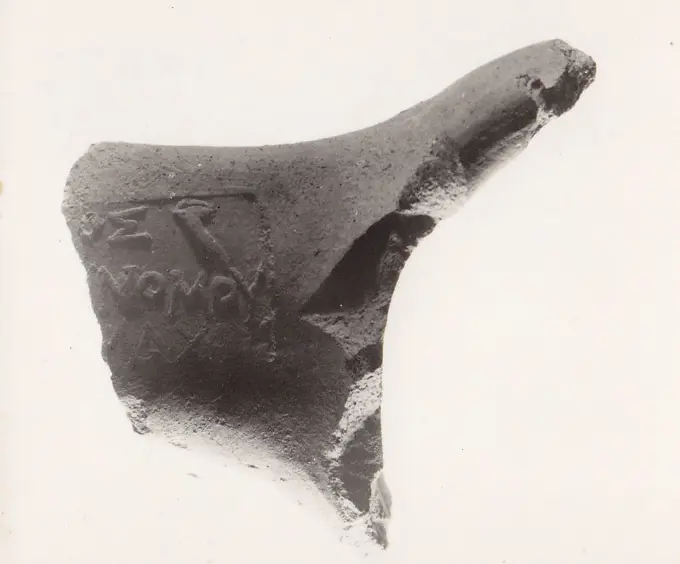
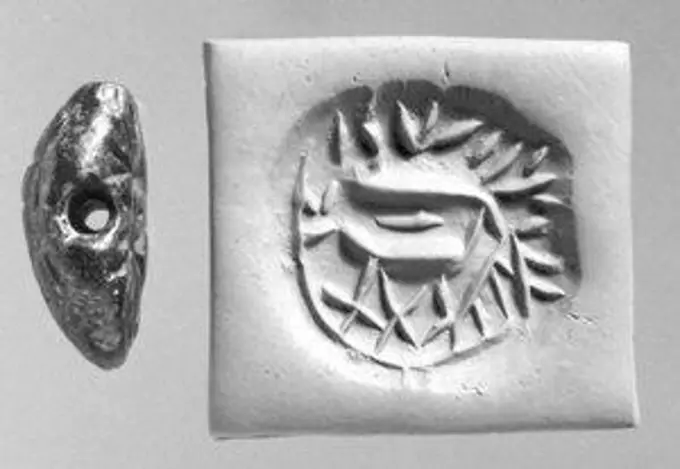
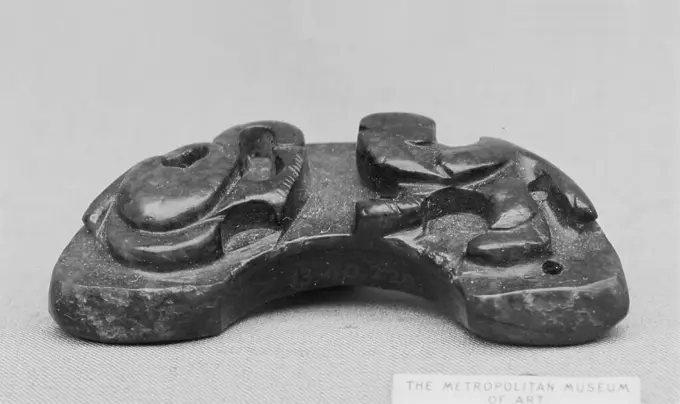
A collection of ancient Egyptian seals and molds from the Middle and New Kingdom periods, showcasing intricate carvings and historical significance in earthy tones.

Female Head. Unknown
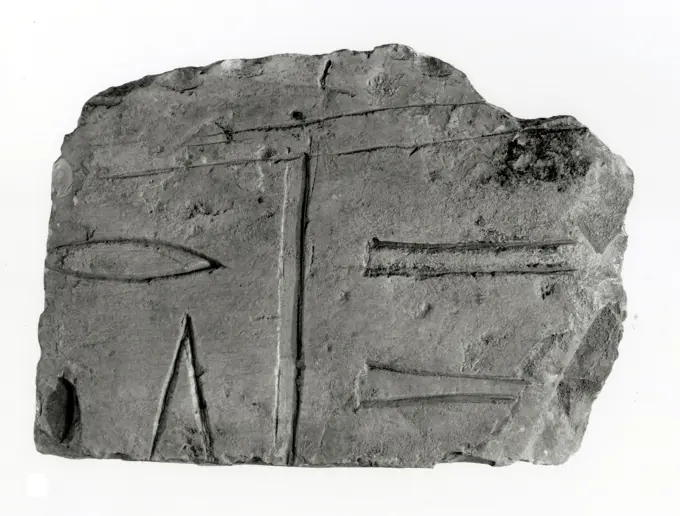
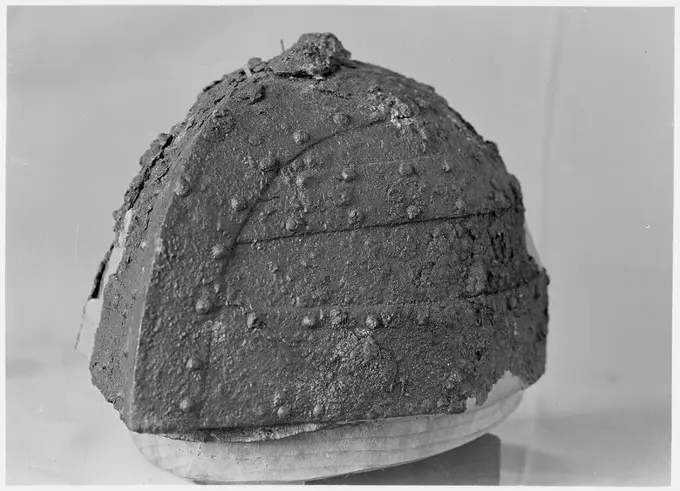
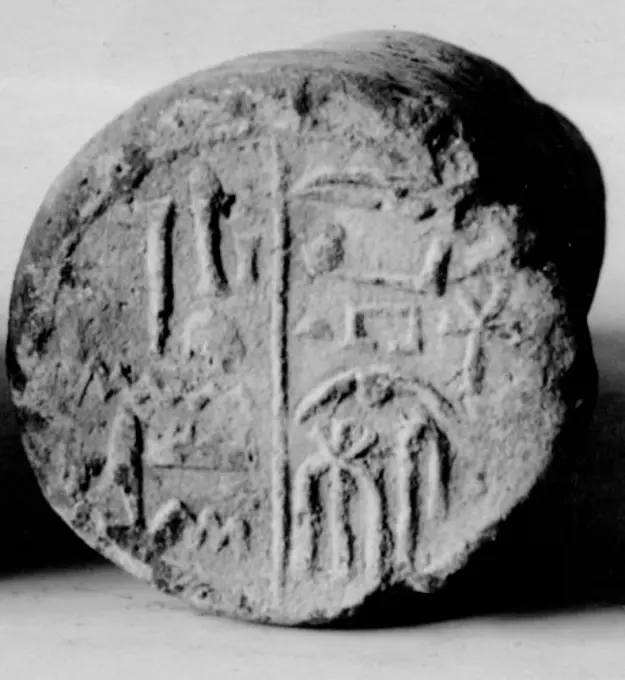
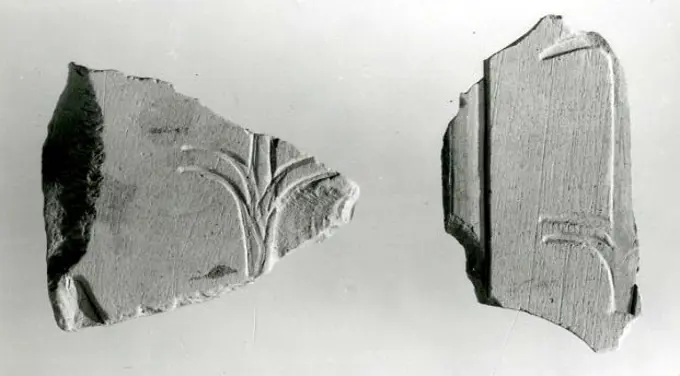
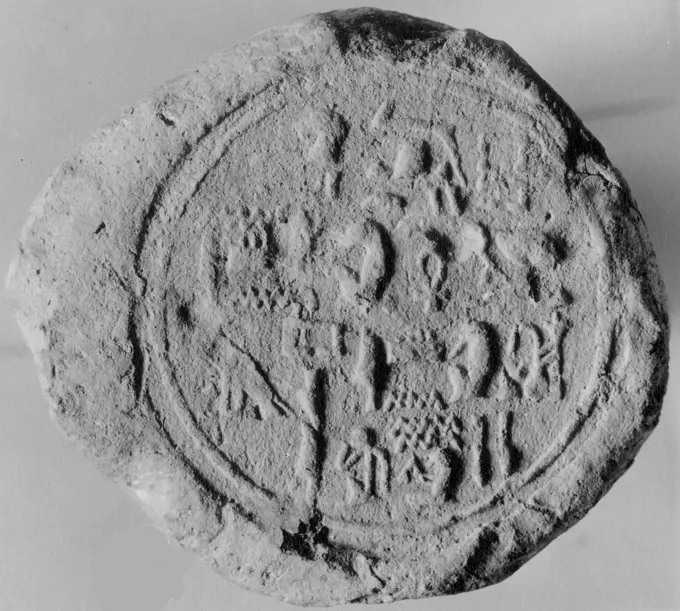
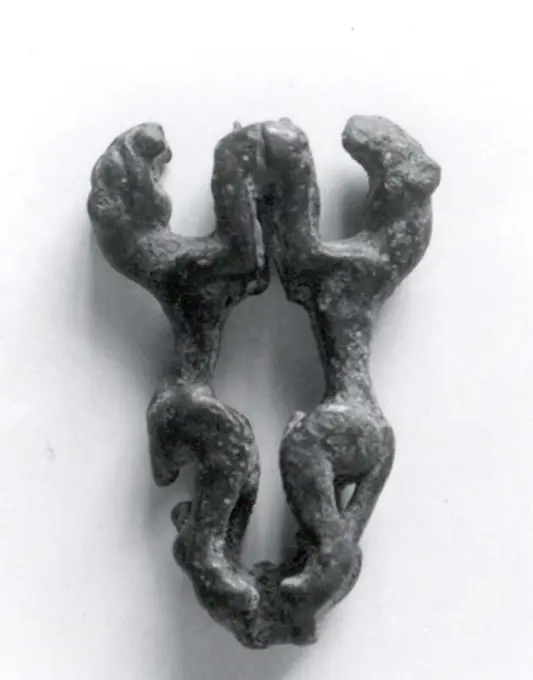
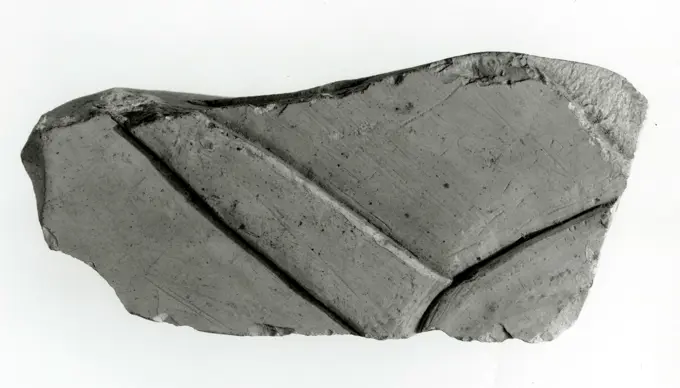
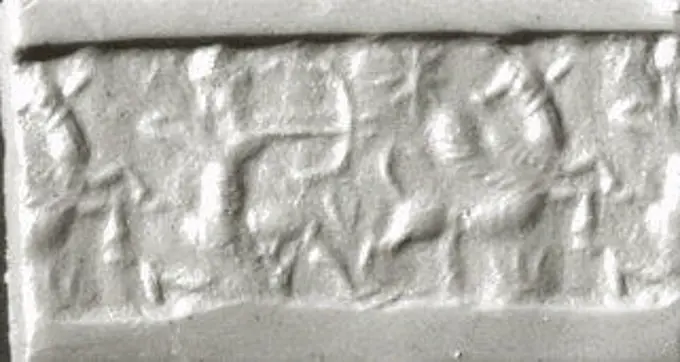
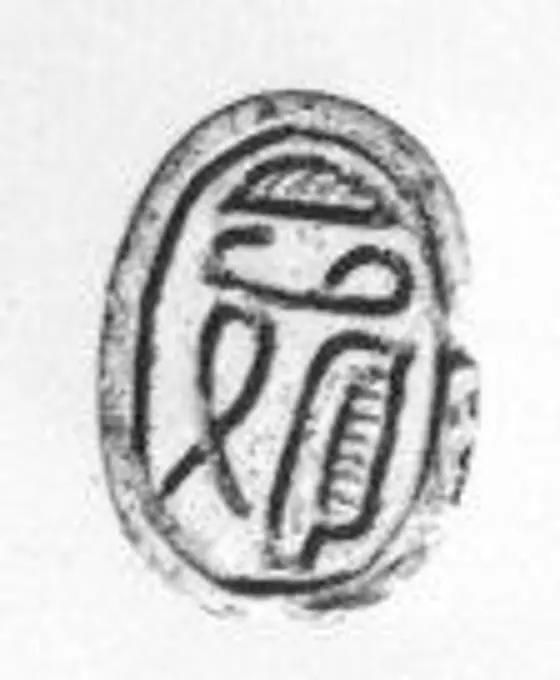
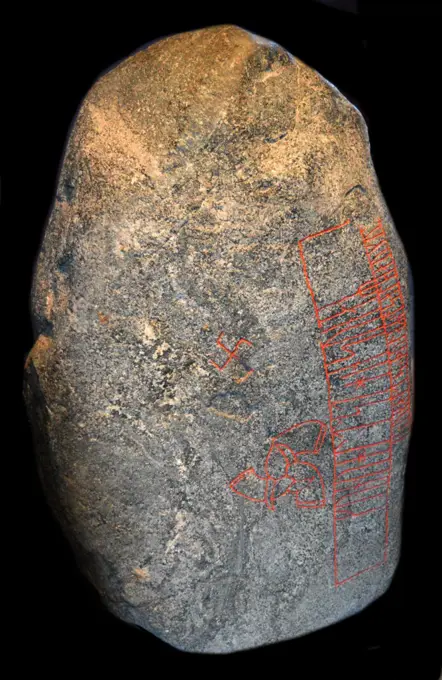
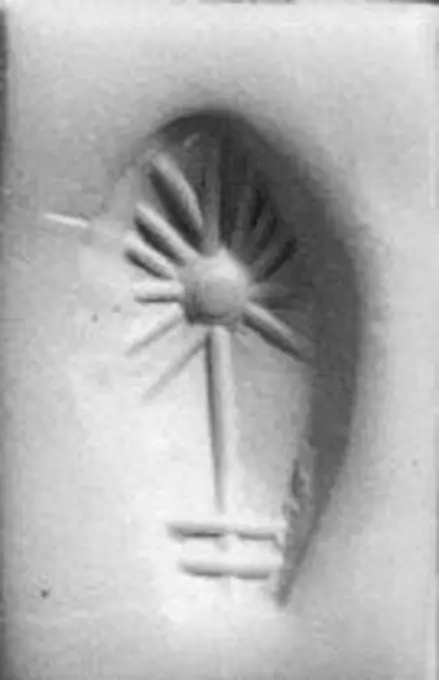
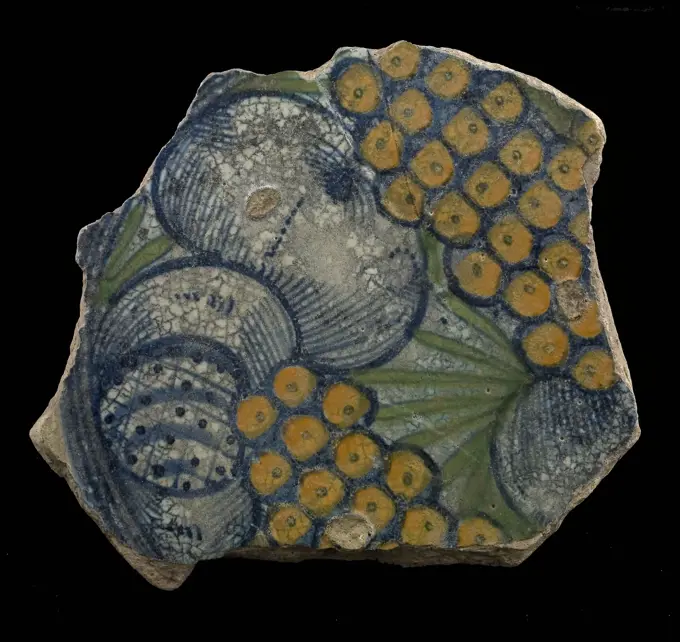
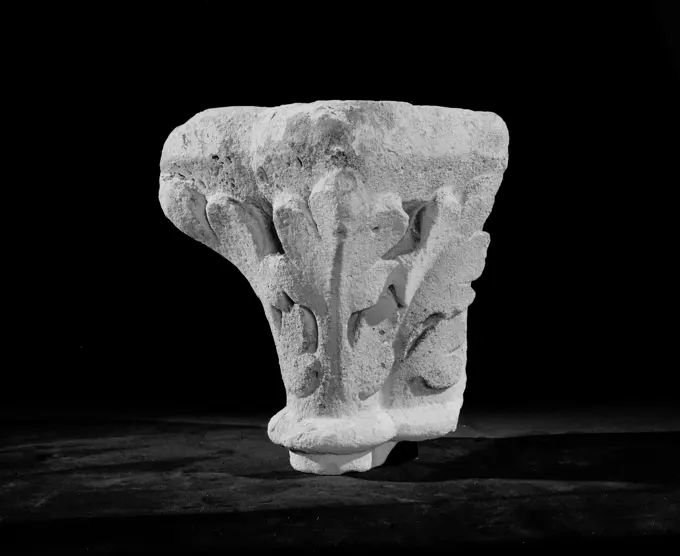
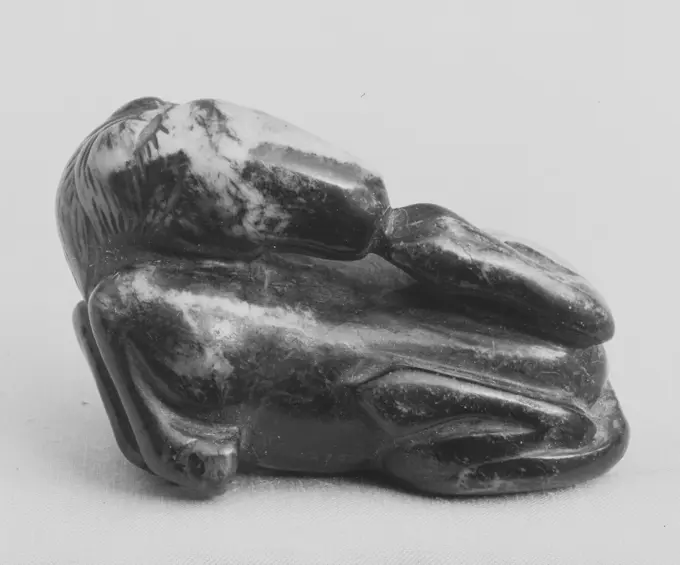
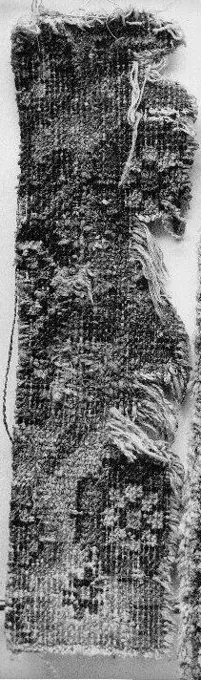
Carpet Fragment 16th century. Carpet Fragment. 16th century. Silk (warp and pile), cotton (weft); asymmetrically knotted pile. Made in Iran. Textiles-RugsSunk relief fragment 664-610 B.C. Late Period, Saite see 23.3.468. Sunk relief fragment. 664-610 B.C.. Limestone, varnish. Late Period, Saite. From Egypt, Upper Egypt, Thebes, Deir el-Bahri, Tomb of Nespekashuty (TT 312, MMA 509), Lunette, 2nd chamber, MMA excavations, 1922-23. Dynasty 26Helmet (Shokakutsuki Kabuto). Culture: Japanese. Dimensions: H. 6 in. (15.2 cm); W. 8 in. (20.3 cm); D. 11 1/4 in. (28.6 cm). Date: probably ca. 5th-6th century. Museum: Metropolitan Museum of Art, New York, USA.Lazio Roma Rome SS. Giovanni e Paolo, Museum34. Hutzel, Max 1960-1990 Medieval: Ceramic fragments, sculptural fragments, fresco fragments, inscribed tomb markers. Houses one of the best collections of Malagan medieval ceramics for casting wall monuments, copies of which are housed in campanile. Specific Location: Museum Antiquities: Ceramic fragments, sculptural fragments, architectural fragments Object Notes: Basilica has separate record and is filed separately. German-born photographer and scholar Max Hutzel (1911-1988) photographed in Italy from the early 1960s until his death. The result of this project, referred to by Hutzel as Foto Arte Minore, is thorough documentation of art historical development in Italy up to the 18th century, including objects of the Etruscans and the Romans, as well as early Medieval, Romanesque, Gothic, Renaissance and Baroque monuments. Images are organized by geographic region in Italy, then by province, city, site complex and monument.Plate 1st millennium B.C. () Iran. Plate 327344Funerary Cone of the High Priest Ahmose ca. 1479-1425 B.C. New Kingdom This cone has the impression of a stamp seal inscribed for a man named Ahmose who was high priest of Amun in the mortuary temple of Thutmose III and owned Theban tomb 121. For other examples of this type of cone see 09.185.16; 30.6.126; 31.3.169. For a drawing of this impression see http://www.funerarycones.com/, number 297. Ahmose also had a second second type of stamped cone - see 15.10.8; 35.3.331, 35.3.332 (http://www.funerarycones.com/, number 300).. Funerary Cone of the High Priest Ahmose Funerary Cone of the High Priest Ahmose ca. 1479-1425 B.C. New Kingdom This cone has the impression of a stamp seal inscribed for a man named Ahmose who was high priest of Amun in the mortuary temple of Thutmose III and owned Theban tomb 121. For other examples of this type of cone see 09.185.16; 30.6.126; 31.3.169. For a drawing of this impression see http://www.funerarycones.com/, number 297. Ahmose also had a second secondRelief fragment, Meketre ca. 1981-1975 B.C. Middle Kingdom. Relief fragment, Meketre 562118Funerary Cone of Ineni ca. 1550-1295 B.C. New Kingdom. Funerary Cone of Ineni. ca. 1550-1295 B.C.. Pottery. New Kingdom. From Egypt, Upper Egypt, Thebes. Dynasty 18Emilia-Romagna Ferrara Ferrara Museo Civico di Schifanoia50. Hutzel, Max 1960-1990 General Notes: INCOMPLETE RECORD--NEGATIVES PROCESSED, PRINTS FILED German-born photographer and scholar Max Hutzel (1911-1988) photographed in Italy from the early 1960s until his death. The result of this project, referred to by Hutzel as Foto Arte Minore, is thorough documentation of art historical development in Italy up to the 18th century, including objects of the Etruscans and the Romans, as well as early Medieval, Romanesque, Gothic, Renaissance and Baroque monuments. Images are organized by geographic region in Italy, then by province, city, site complex and monument.Stamp seal (octagonal pyramid) with cultic scene 7th - 6th century B.C. Assyro-Babylonian. Stamp seal (octagonal pyramid) with cultic scene. Assyro-Babylonian. 7th - 6th century B.C.. Flawed neutral Chalcedony (Quartz). Neo-Assyrian / Neo-Babylonian. MesopotamiaDisk 3rd-5th century Moche. Disk 316647Attic Red-Figure Bell Krater Fragment. UnknownDuck early 12th century Central Asia. Duck 40039Bead China. Bead 43117Emilia-Romagna Ferrara Ferrara Museo Civico di Schifanoia48. Hutzel, Max 1960-1990 General Notes: INCOMPLETE RECORD--NEGATIVES PROCESSED, PRINTS FILED German-born photographer and scholar Max Hutzel (1911-1988) photographed in Italy from the early 1960s until his death. The result of this project, referred to by Hutzel as Foto Arte Minore, is thorough documentation of art historical development in Italy up to the 18th century, including objects of the Etruscans and the Romans, as well as early Medieval, Romanesque, Gothic, Renaissance and Baroque monuments. Images are organized by geographic region in Italy, then by province, city, site complex and monument.Funerary Cone ca. 1550-1295 B.C. New Kingdom. Funerary Cone. ca. 1550-1295 B.C.. Pottery. New Kingdom. From Egypt, Upper Egypt, Thebes. Dynasty 18Canosan Oinochoe Fragment. UnknownStamp seal ca. 3rd-7th century A.D. Sasanian. Stamp seal. Sasanian. ca. 3rd-7th century A.D.. Chalcedony, brown. Sasanian. Iran or MesopotamiaTop for standard ca. 8th-7th century B.C. Iran. Top for standard. Iran. ca. 8th-7th century B.C.. Bronze. Iron Age III. Iran, probably from LuristanRaised relief fragment 664-610 B.C. Late Period, Saite see 23.3.468. Raised relief fragment. 664-610 B.C.. Limestone. Late Period, Saite. From Egypt, Upper Egypt, Thebes, Deir el-Bahri, Tomb of Nespekashuty (TT 312, MMA 509), 1st chamber E. wall; 3rd register, MMA excavations, 1922-23. Dynasty 26Model kadzielnicy. nieznany warsztat północno mezopotamski, workshopFragment wylewu i imadła amfory ze stemplem. unknown, potter's workshopCoin dated A.H. 335/ A.D. 947. Coin 457244Low hemispheroid seal with later inscription 5th millennium B.C., inscription ca. 10th century A.D.. Low hemispheroid seal with later inscription. 5th millennium B.C., inscription ca. 10th century A.D.. Steatite, black. Chalcolithic, early Islamic. Western Iran ()Sealing fragment ca. 2030-1640 B.C. Middle Kingdom. Sealing fragment 565858FRAGMENTO DE UN CRANEO INFANTIL DE LA ESPECIE HOMO SAPIENS - PALEOLITICO - 50000-46000 AC - ENCONTRADO EN LA CUEVA DE LA CARIGÜELA PIÑAR GRANADA. Location: MUSEO ARQUEOLOGICO-PREHISTORIA. GRANADA. SPAIN.Hoe Blade. Dated: c. 1941. Dimensions: overall: 35.8 x 26.4 cm (14 1/8 x 10 3/8 in.) Original IAD Object: 6 1/2" high; 8" wide. Medium: watercolor and graphite on paper. Museum: National Gallery of Art, Washington DC. Author: Cornelius Christoffels.Sealing ca. 7th century A.D. Sasanian. Sealing 323455Part of Disk. Culture: China. Dimensions: H. 1 in. (2.5 cm); W. 2 in. (5.1 cm); D. 1/2 in. (1.3 cm). Museum: Metropolitan Museum of Art, New York, USA.Stamp seal ca. 5th century A.D. Sasanian. Stamp seal. Sasanian. ca. 5th century A.D.. Meteoric iron. Sasanian. Iran or MesopotamiaStamp seal ca. 6th-4th century B.C. Achaemenid. Stamp seal. Achaemenid. ca. 6th-4th century B.C.. Chalcedony, gray. Achaemenid. IranTile China. Tile 51974Shard 15th century Korea. Shard. Korea. 15th century. Pottery. Joseon dynasty (1392-1910). CeramicsLion. Culture: China. Dimensions: H. 3 13/16 in. (9.7 cm); W. 1 1/2 in. (3.8 cm); L. 1 15/16 in. (5 cm). Museum: Metropolitan Museum of Art, New York, USA.megalith, a large stone that has been used to construct a structure or monument, either alone or together with other stones, from the Village of Soto in the region of Kaolack, Senegal. Dated 1000 ADPiece early 19th century French. Piece 214172Cracks in rolling axlesSword pommel China. Sword pommel 42788Pataikos amulet 664-332 B.C. Late Period. Pataikos amulet. 664-332 B.C.. Faience. Late Period. From Egypt. Dynasty 26-30Stamp seal ca. 3rd-7th century A.D. Sasanian. Stamp seal. Sasanian. ca. 3rd-7th century A.D.. Hematite. Sasanian. Iran or MesopotamiaTwo acacia seed beads ca. 1878-1840 B.C. Middle Kingdom. Two acacia seed beads. ca. 1878-1840 B.C.. Gold. Middle Kingdom. From Egypt; Probably from Memphite Region, Dahshur, de Morgan excavations, 1894-95. Dynasty 12Cylinder seal ca. 2600-2350 B.C. Sumerian. Cylinder seal. Sumerian. ca. 2600-2350 B.C.. Lapis lazuli. Early Dynastic III. MesopotamiaTop for standard 1st millennium B.C. Iran. Top for standard 327542Funerary Cone ca. 1550-1295 B.C. New Kingdom. Funerary Cone. ca. 1550-1295 B.C.. Pottery. New Kingdom. From Egypt, Upper Egypt, Thebes. Dynasty 18Attic Red-Figure Pelike Fragment (part of 86.AE.199.1).Campania Caserta Capua Museo Campano16. Hutzel, Max 1960-1990 Medieval: Byzantine architectural fragments; parchment fragments with miniatures (12th century) from Montecassino; painted wooden crucifix (13th century); Carolingian crucifixes; Bishop's miter (11th century) of gold and silver damask; fresco (13th century). Post-medieval: Architecture (15th century). Formerly the Palazzo Antignano. Unusual Catalan/Moorish-style portal; Paintings on panel and canvas (15th-18th centuries); marble intarsia (16th century); marble sculpture: busts of Christ and Mary (17th century); sculpture of saints in marble and in wood (15th century); painted and gilded sculpture in wood; marble grave sculpture (16th century); sarcophagus with allegorical carvings; gold reliquary "Rosa d'Oro"; crucifix made of elephant tusk Specific Location: Pianterreno Antiquities: Italic sculpture (seated women holding babies); inscription. Photo campaign #1: 533 photos. Roman relief and sculpture; cinerary urns; Greek anCoatimundi Pendant 2nd century B.C.-A.D. 3rd century Colima. Coatimundi Pendant 310683Female Head with Knidian Coiffure. UnknownCampania Caserta Capua Museo Campano06. Hutzel, Max 1960-1990 Medieval: Byzantine architectural fragments; parchment fragments with miniatures (12th century) from Montecassino; painted wooden crucifix (13th century); Carolingian crucifixes; Bishop's miter (11th century) of gold and silver damask; fresco (13th century). Post-medieval: Architecture (15th century). Formerly the Palazzo Antignano. Unusual Catalan/Moorish-style portal; Paintings on panel and canvas (15th-18th centuries); marble intarsia (16th century); marble sculpture: busts of Christ and Mary (17th century); sculpture of saints in marble and in wood (15th century); painted and gilded sculpture in wood; marble grave sculpture (16th century); sarcophagus with allegorical carvings; gold reliquary "Rosa d'Oro"; crucifix made of elephant tusk Specific Location: Pianterreno Antiquities: Italic sculpture (seated women holding babies); inscription. Photo campaign #1: 533 photos. Roman relief and sculpture; cinerary urns; Greek anCylinder seal with hunting scene ca. 9th-7th century B.C. Assyro-Babylonian. Cylinder seal with hunting scene. Assyro-Babylonian. ca. 9th-7th century B.C.. Neutral Chalcedony (Quartz). Neo-Assyrian / Neo-Babylonian. MesopotamiaBlock Fragment ca. 1130-40 French. Block Fragment 478804Head with Melon Coiffure and Wreath. UnknownTulle hat with Rijssel side; The ball of tulle -embroidered tulle is trimmed along the forehead with a pleated strip of Rijssel side, anonymous, c. 1800 - c. 1900 Tulle hat with Rijssel side. The ball of tulle -embroidered tulle is trimmed all around with a strip of Rijssel side, which is folded along the forehead. maker: FrieslandLille whole: Linen (Material). embroidering / Lille lace Tulle hat with Rijssel side. The ball of tulle -embroidered tulle is trimmed all around with a strip of Rijssel side, which is folded along the forehead. maker: FrieslandLille whole: Linen (Material). embroidering / Lille laceLazio Roma Subiaco Monastery of S. Scolastica Archaeological Museum9. Hutzel, Max 1960-1990 Antiquities: Views of antiquities in museum, including sarcophagi, plates, vases, coins. General Notes: Hutzel guide says we have negatives, but we cannot find them. German-born photographer and scholar Max Hutzel (1911-1988) photographed in Italy from the early 1960s until his death. The result of this project, referred to by Hutzel as Foto Arte Minore, is thorough documentation of art historical development in Italy up to the 18th century, including objects of the Etruscans and the Romans, as well as early Medieval, Romanesque, Gothic, Renaissance and Baroque monuments. Images are organized by geographic region in Italy, then by province, city, site complex and monument.Funerary Cone of the Tutor of the Royal Children Nesuterneheh ca. 1550-1295 B.C. New Kingdom. Funerary Cone of the Tutor of the Royal Children Nesuterneheh. ca. 1550-1295 B.C.. Pottery. New Kingdom. From Egypt, Upper Egypt, Thebes, Khokha, Tomb of Nebamun and Ipuky (TT 181), courtyard and nearby, MMA excavations, 1910. Dynasty 18Shard 15th century Korea. Shard. Korea. 15th century. Pottery. Joseon dynasty (1392-1910). CeramicsHead with Wreath. UnknownDouble Capital 12th century French. Double Capital 467636Fragment. Culture: American. Dimensions: 7 x 5 in. (17.8 x 12.7 cm). Maker: Stiegel's Manheim Factory (1763-1774). Date: 1763-74. Museum: Metropolitan Museum of Art, New York, USA.Bead ca. late 8th millennium B.C.. Bead 327178Seal China. Seal 40984Seated Female Figure. UnknownBlock Fragment ca. 1130-40 French. Block Fragment. French. ca. 1130-40. Stone. Made in Roussillon, France. Sculpture-ArchitecturalBASTON DE MANDO DE TITO BUSTILLO - PALEOLITICO SUPERIOR. Location: MUSEO ARQUEOLOGICO-COLECCION. Oviedo. ASTURIAS. SPAIN.Stamp seal ca. 3rd century A.D. () Sasanian. Stamp seal. Sasanian. ca. 3rd century A.D. (). Chalcedony, gray. Sasanian. Iran or MesopotamiaPoll photo collection. Middle East 1950-1955: Jerusalem. Detail in the forecourt of the complex of the grave of kings. 1950. Israel, Jerusalem, JordanGirdle pendant China. Girdle pendant 43047Female Head Fragment. UnknownHead with Melon Coiffure. UnknownDrohiczyn seal. unknown, managerDoll's Shoes Made 1775-1825 England. Black leather; white silk on paper embroidered with colored silk and silver .Pebble China (possibly Turkestan). Pebble 43496Child's Shoe Made 1501-1600 England. Leather .Scarab seal ca. 1700-1560 B.C.. Scarab seal. ca. 1700-1560 B.C.. Steatite, white. Dynasty 15-17, 2nd Intermediate Period, Hyksos. Levant, Lachish (modern Tell ed-Duweir)Scandinavian Snoldelev rune stone dated 8th-9th Century AD; erected by GunvaldStamp seal (duck-shaped) with divine symbol 7th - 6th century B.C. Assyro-Babylonian. Stamp seal (duck-shaped) with divine symbol. Assyro-Babylonian. 7th - 6th century B.C.. Variegated and mottled brown and neutral Chalcedony (Quartz). Neo-Assyrian / Neo-Babylonian. MesopotamiaNUMISMATICA. MONEDA VISIGODA. MOLDE.Fragment of weight inscribed for Princess Neferu-sherit ca. 1981-1640 B.C. Middle Kingdom. Fragment of weight inscribed for Princess Neferu-sherit. ca. 1981-1640 B.C.. Granite. Middle Kingdom. From Egypt, Memphite Region, Lisht North, Cemetery, MMA excavations, 1920-22. Dynasty 12-13Jar ca. 3rd-4th century A.D. Sasanian. Jar 322583Helmet finial Japan. Helmet finial 60108Anefo photo collection. Metrouw Amsterdam, sinking of Caisson Waterlooplein hindered by old wall wall. January 5, 1972. Amsterdam, Noord-HollandCoin 718-814. Coin. 718-814. Copper. Excavated in Iran, Nishapur. CoinsFragment of a Band 5th-6th century. Fragment of a Band 443767Disk Japan. Disk 60081Sweden (depicted - name).Sweden (depicted - name)Escutcheon 17th century German. Escutcheon. German. 17th century. Iron, tinned. Metalwork-IronAttic Cup Fragment. UnknownUnknown photographer, beam fragments in Baalbek (without dat.): View. Photo, 13.2 x 18.4 cm (including scan edges) unbek. Fotograf : Gebälkfragmente in Baalbek (ohne Dat.)Roundel 4th-5th century. Roundel. 4th-5th century. Linen, wool; tapestry weave. Attributed to Egypt. TextilesStamp seal 1st millennium B.C.. Stamp seal. 1st millennium B.C.. Limestone. Central AsiaHead with Melon Coiffure. UnknownFragment majolica dish, polychrome, apples, pomegranates and grapes on the mirror, plate dish crockery holder soil find ceramic earthenware glaze, baked underside covered with lead glaze. Polychrome Blue pomegranates with hatchery shaped orange grape bunches with blue contours. Some green leaf-shaped archeology decorate serving food craft tradesman's potteryCharlotte Angus, Pa German Butter Mold, c 1938 Pa. German Butter MoldDish 9th-10th century. Dish 449699Old Germanic burial types, on the left a cremation grave, type of grave for the burial of cremated remains of the dead as a fire deposit or in vessels...as. Cluvius Saxula, C. (fl. 169-158 a.C.), monetary officer, Republika Rzymska, issuerTomb figure China Han dynasty (206 BCE-220 CE)Column tap with lobe foliage, unknown provenance (Cat 206) Anonymous. Lobe chipper marquee, unknown provenance (Cat 206). Pierre.Talent, weight. 1934, Middle East, Israel and/or PalestineGirdle pendant China. Girdle pendant. China. Jade. Han dynasty (206 B.C.-A.D. 220). Jade