Ancient Pottery Vessels

A collection of historical pottery and wine bottles, showcasing unique shapes and textures from different eras and cultures.

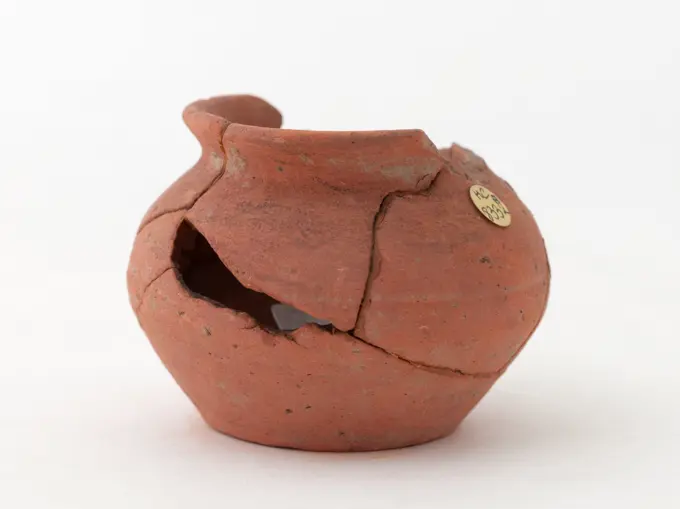
Small stoneware jug with ear, low belly and long, conical neck, jug crockery holder soil find ceramic stoneware clay engobe glaze salt glaze, surface 4.5 hand turned glazed baked stoneware jug gray shard salt glaze local brown engobe subtraction traces on the underside bandoor protruding ring under mouth rim rotations around the neck. Low abdomen and long conical neck archeology import pottery serve save drink package
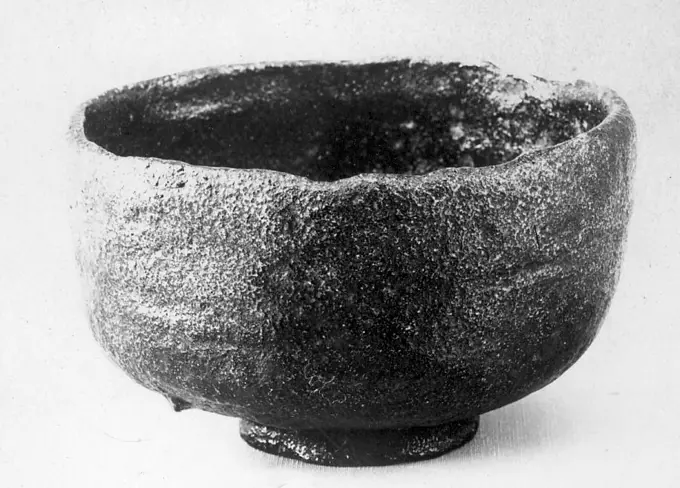
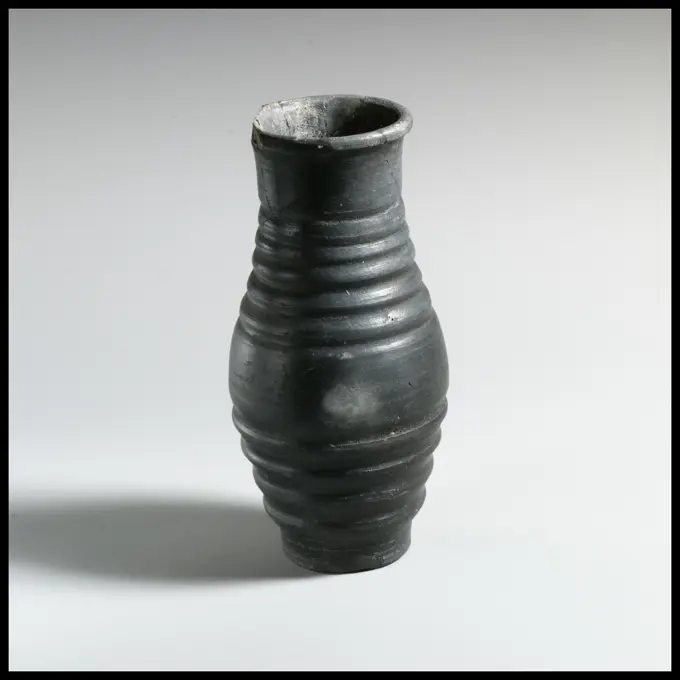
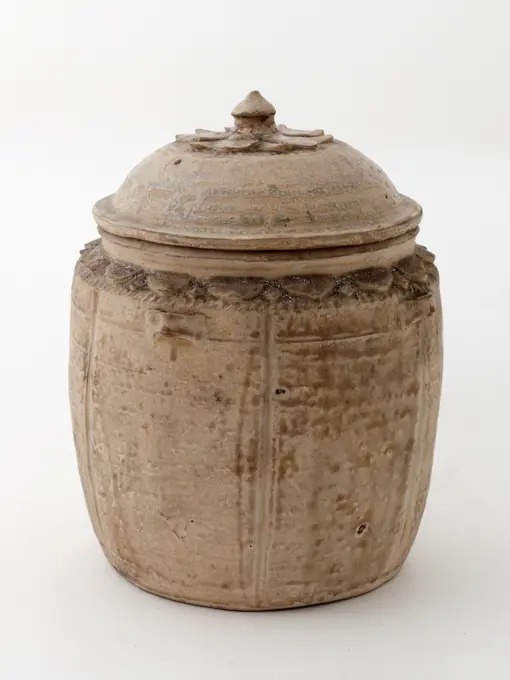
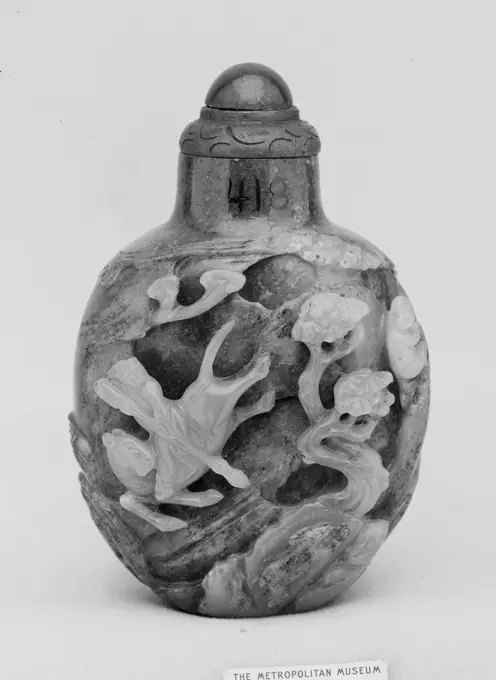
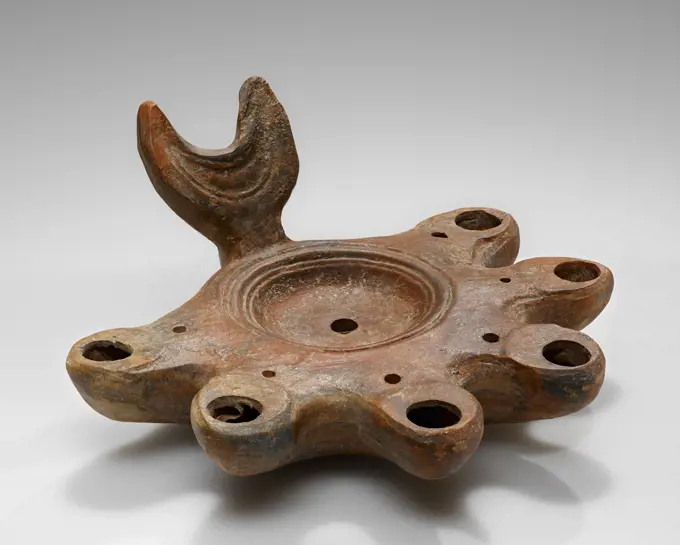
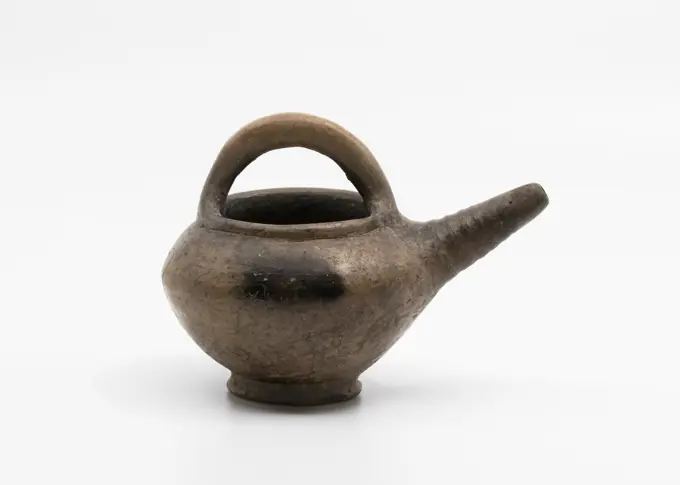
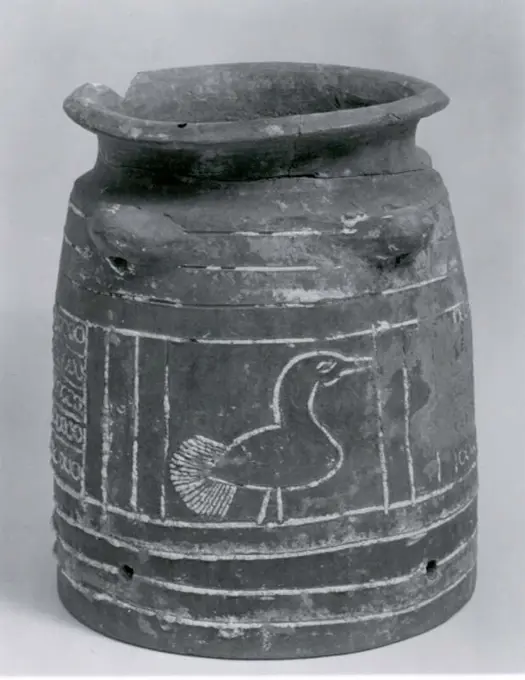
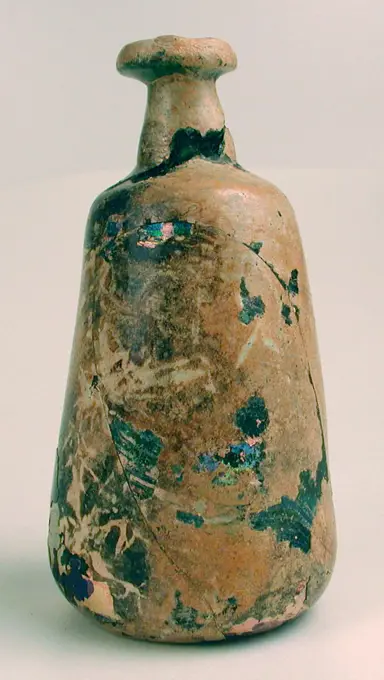
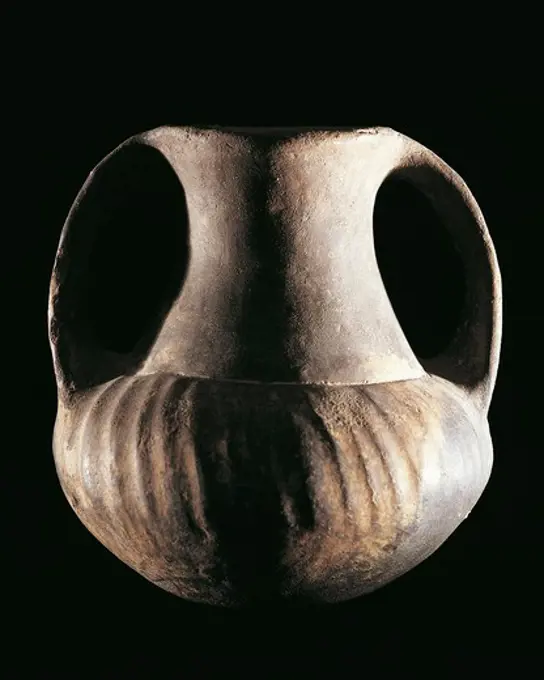
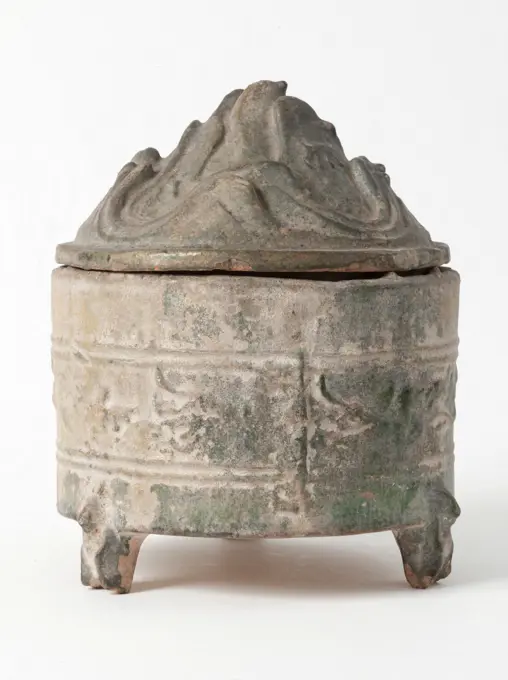
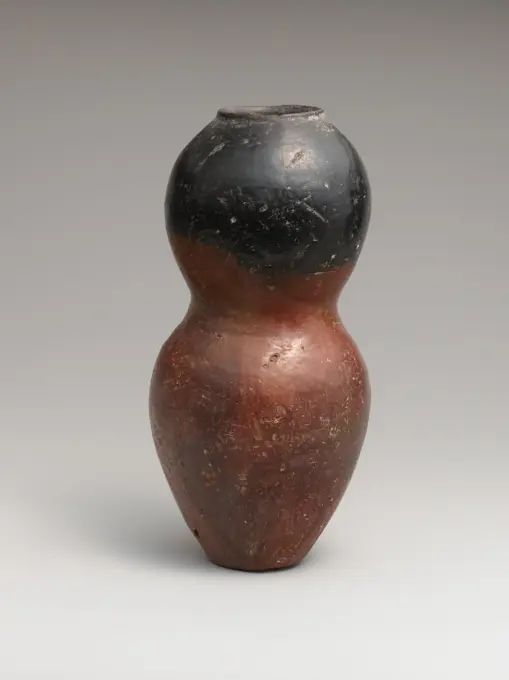
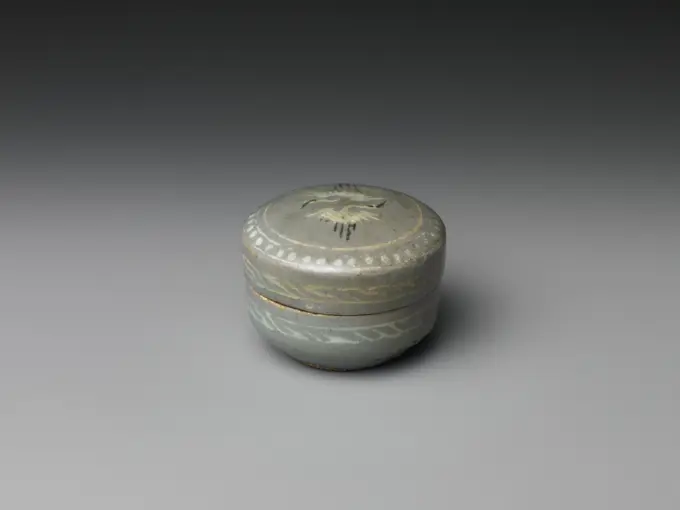
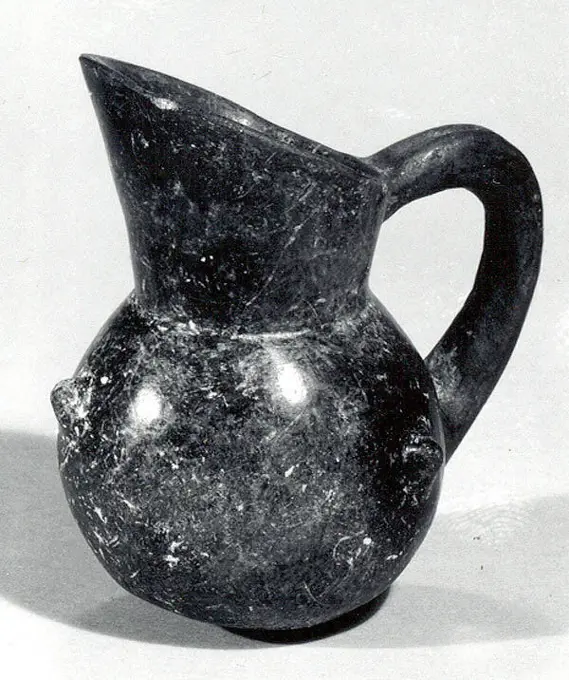
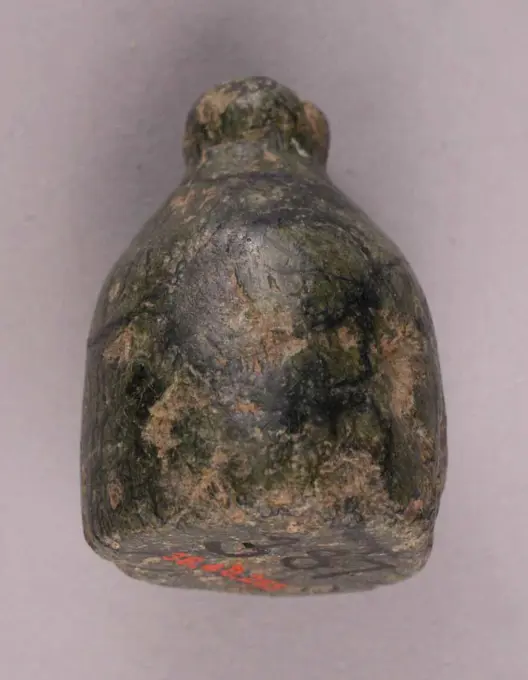
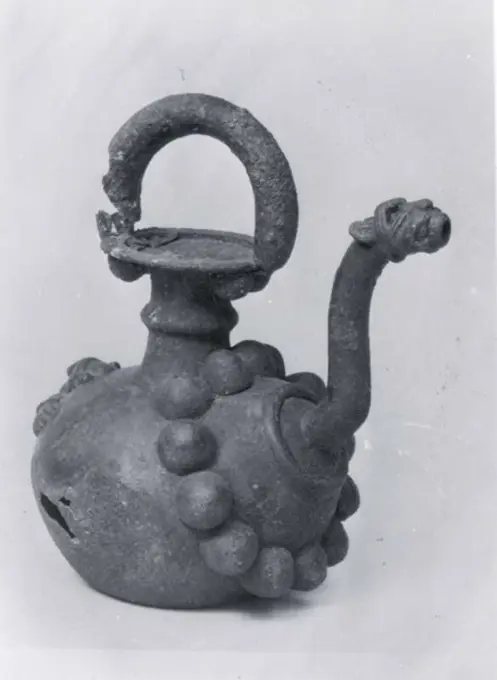
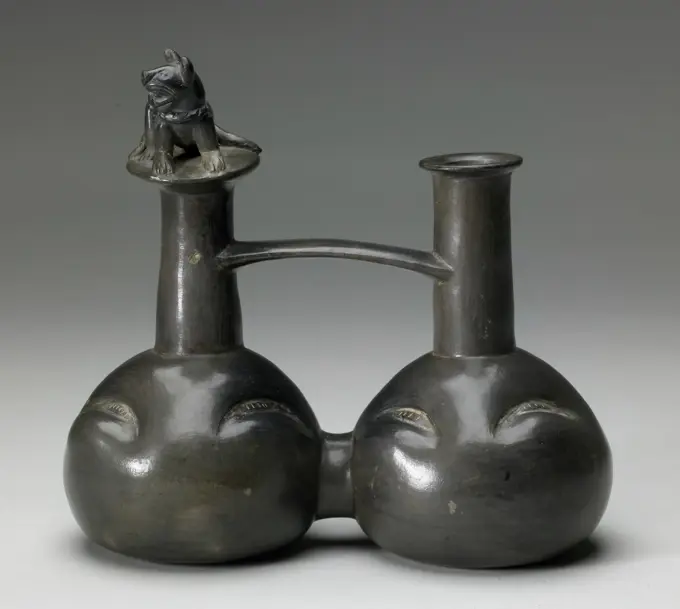
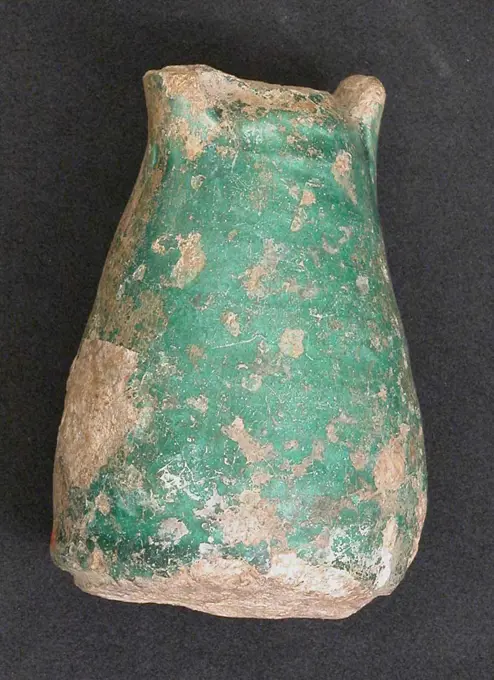
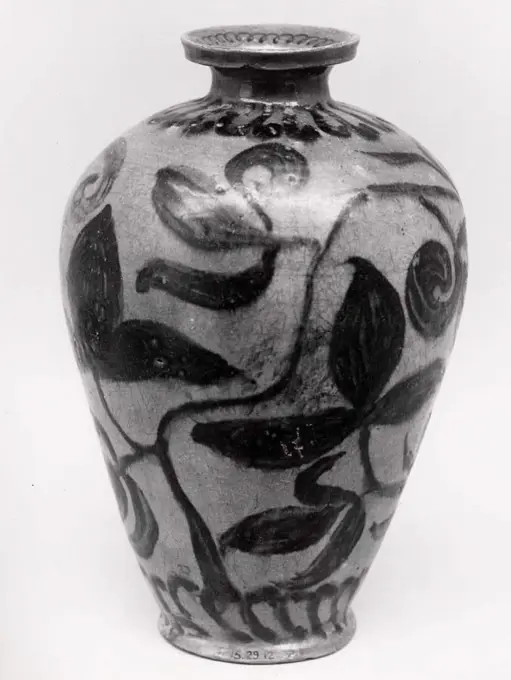
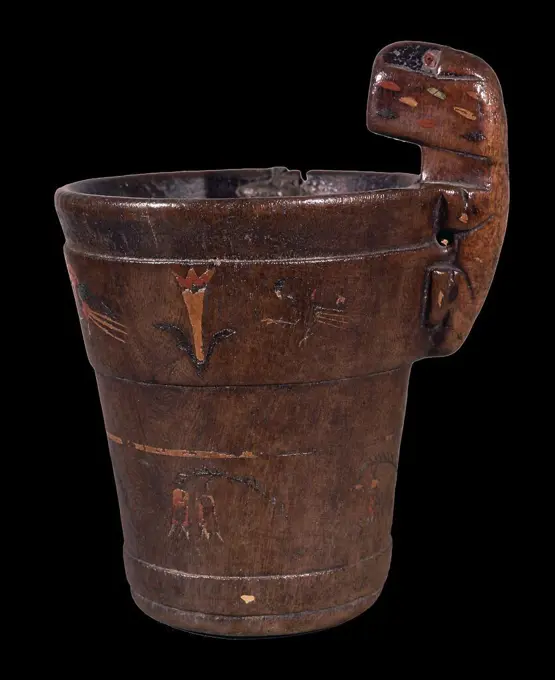
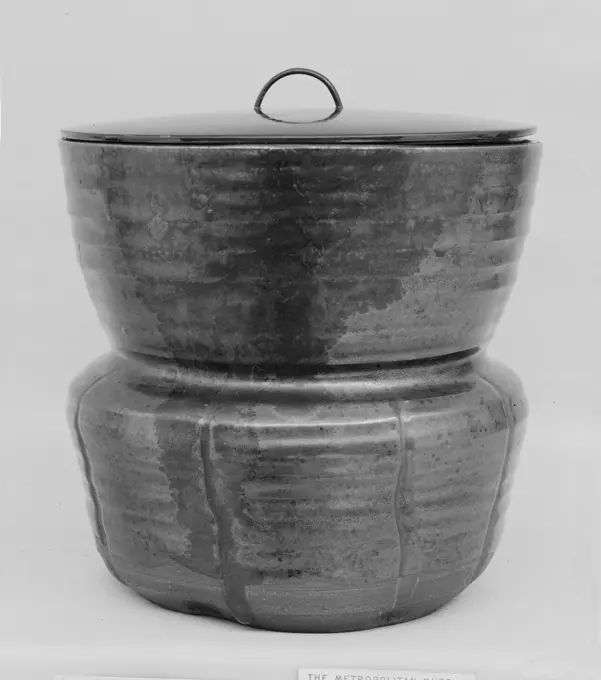
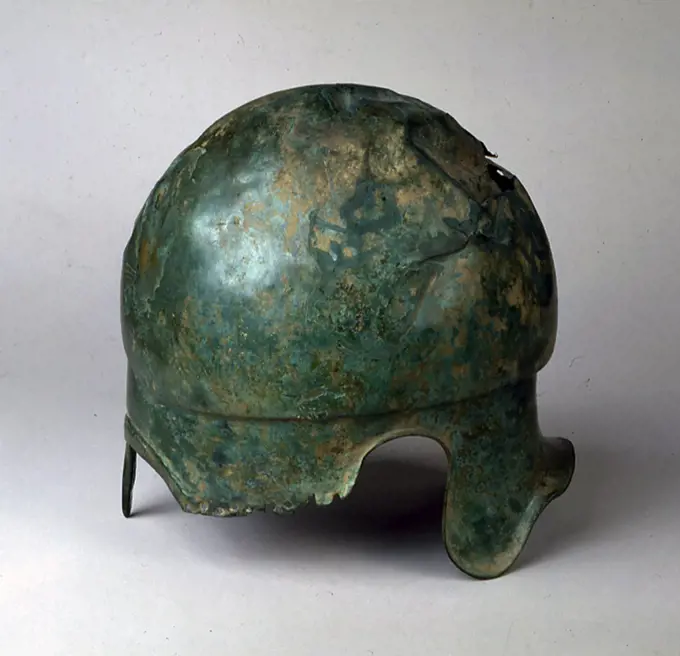
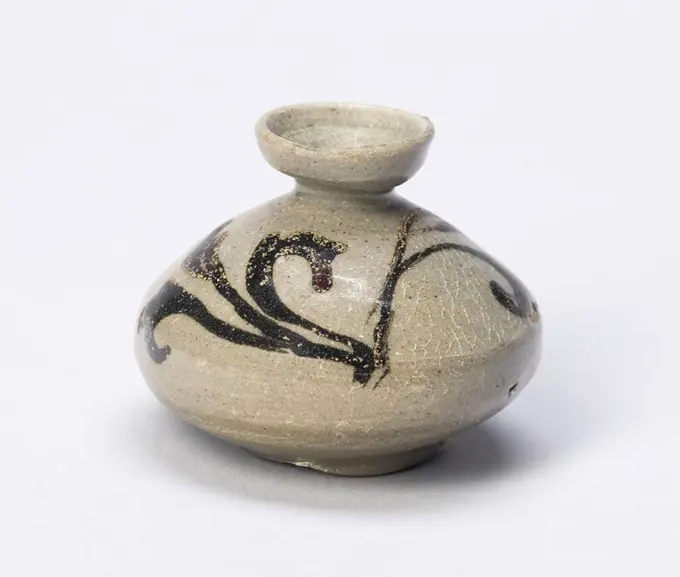
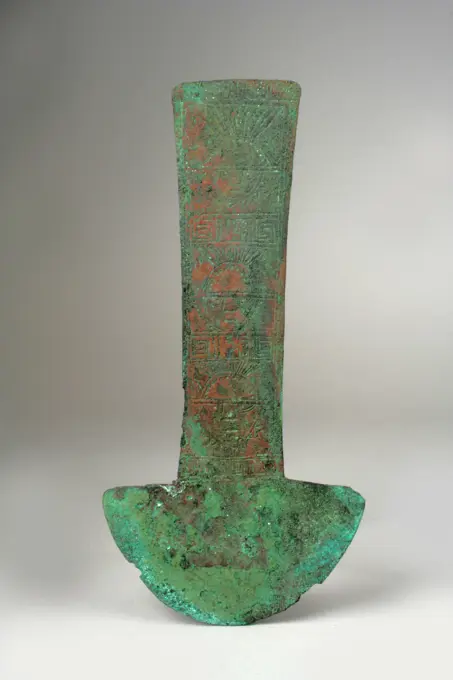
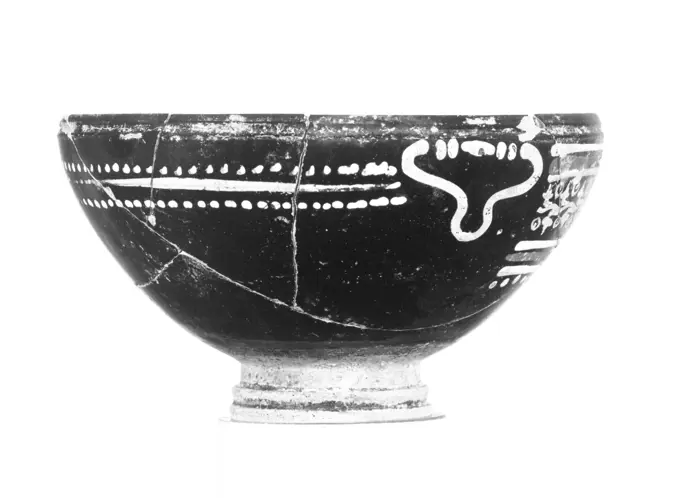
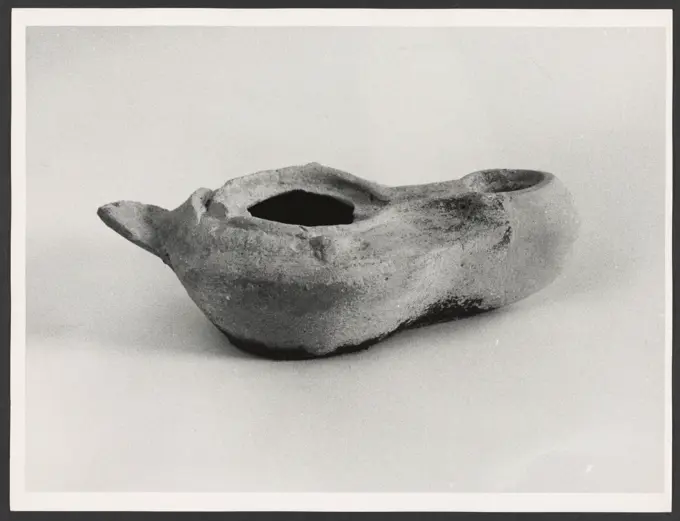
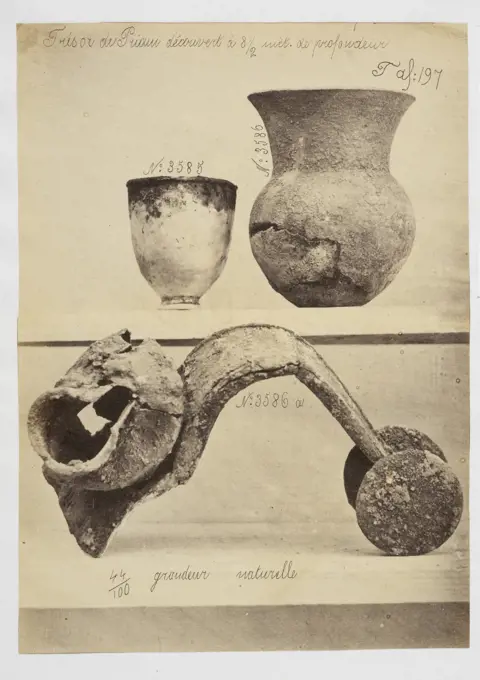
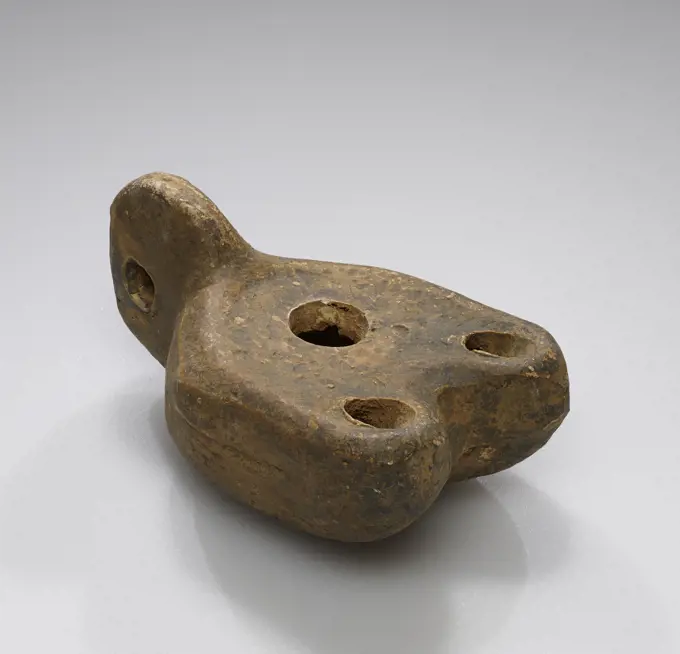
Lamp, Cologne, Germany; 2nd - 3rd century; Terracotta; 2.8 x 4 x 7 cm (1 1,8 x 1 9,16 x 2 3,4 in.)ceramics containers, Son Fornes Archaeological Museum, post-alayotic period room, Montuiri, Es Pla region, Mallorca, Spain.Teabowl 17th century Japan. Teabowl. Japan. 17th century. Clay covered with glaze, dappled with red (Raku ware). CeramicsNecklace Pendant. UnknownVase. Culture: China. Dimensions: H. 4 1/16 in. (10.3 cm). Museum: Metropolitan Museum of Art, New York, USA.Fragment of a thin decorative garage;  VIII-VII century BC (-800-00-00--601-00-00);The collection of the ancient EastVase Black vase tapering toward top and bottom, with grooved horizontal bands.. Vase. Terracotta; black-glaze. VasesLazio Viterbo Viterbo Museo Civico12. Hutzel, Max 1960-1990 Views of paintings (Middle Ages through 18th c.), frescoes, a tabernacle, coffin, sculpture reliefs, portal fragments, busts, sculpture, tapestry found in the Pinacoteca, Second floor gallery and Second floor cloister sequences. Antiquities: Many views of Etruscan and Roman fragments, sculpture, sarcophagi, pottery, masks, jewelry and other objects found in the Storeroom sequence (inventory numbers on back of prints), and the Cloister, Second floor Cloister, Valle Giulia, Sala Romana and Sala Etrusca sequences. General Notes: There are eight separate numerical sequences for this location. The cloister as an architectural structure, rather than museum site, is documented in the record and file for S. Maria della Verita, Cloister, all views of which are stored in Medieval core collection. Five views from the Museo Civico Second floor cloister sequence are stored in Medieval. German-born photographer and scholar Max Hutzel (1911-Imitation of an Oinochoe; Europe (); 20th century; Bronze; 13.5 cm (5 5,16 in.)JARRA VIDRIADA CON DECORACION INCISA-S XX ARTE POPULAR. Author: EUSEBIO PARRA (SXX) ALFARERO. Location: ALFARERIA. Priego. CUENCA. SPAIN.Wine jug China. Wine jug. China. Nephrite. before Ming dynasty (1368-1644). JadeJar with lid ". Covered sandstone. Vietnam-Xe-Xive s. Paris, Cernuschi museum. 72361-42 Lid, gres, jar with lid, Vietnamese object, terracottaSnuff bottle with stopper China. Snuff bottle with stopper. China. Nephrite. Snuff BottlesGlass head-shaped flask. Culture: Roman. Dimensions: H.: 2 1/2 x 2 in. (6.4 x 5.1 cm). Date: ca. 3rd century A.D..Colorless.Cylindrical neck; body in the shape of a double head; oval base with flat bottom and rounded, slightly bulging edge.On body, two heads, back to back, with similar features: hair rendered as three rows of evenly-spaced knobs framing the faces to below chin level, arched brows, almond-shaped eyes, flat nose, small mouth with full lips, fat cheeks, and rounded chin.Rim and upper part of neck missing, cracks running down from neck across body; bubbles; deep pitting and iridescent weathering, and heavily encrusted on interior. Museum: Metropolitan Museum of Art, New York, USA.Gourd-shaped vessel ca. 10th-9th century B.C. Iran. Gourd-shaped vessel 325924FuneraryJarJug ca. 550-500 B.C. Etruscan One-handled without decoration.. Jug. Etruscan. ca. 550-500 B.C.. Terracotta; bucchero. Archaic. VasesLazio Viterbo Viterbo Museo Civico28. Hutzel, Max 1960-1990 Views of paintings (Middle Ages through 18th c.), frescoes, a tabernacle, coffin, sculpture reliefs, portal fragments, busts, sculpture, tapestry found in the Pinacoteca, Second floor gallery and Second floor cloister sequences. Antiquities: Many views of Etruscan and Roman fragments, sculpture, sarcophagi, pottery, masks, jewelry and other objects found in the Storeroom sequence (inventory numbers on back of prints), and the Cloister, Second floor Cloister, Valle Giulia, Sala Romana and Sala Etrusca sequences. General Notes: There are eight separate numerical sequences for this location. The cloister as an architectural structure, rather than museum site, is documented in the record and file for S. Maria della Verita, Cloister, all views of which are stored in Medieval core collection. Five views from the Museo Civico Second floor cloister sequence are stored in Medieval. German-born photographer and scholar Max Hutzel (1911-Amphoriskos (Container for Oil). Eastern Mediterranean, possibly from Rhodes. Date: 550 BC-401 BC. Dimensions: 11.8 × 5.8 × 5.8 cm (4 5/8 × 2 1/4 × 2 1/4 in.). Glass, core-formed technique. Origin: Rhodes. Museum: The Chicago Art Institute, Chicago, USA. Author: Ancient Eastern Mediterranean.Ovoid Jar (Hu) China. Ovoid Jar (Hu) 44423Pitcher (aph);  19th century (1801-00-00-1900-00-00);Pot (8332) ". Terracotta. Vietnam-Xe-Xive s. Paris, Cernuschi museum. 72186-27 Vietnamese object, pot, terracottaGold plated bulb. Gold plated bulb (in two).Lamp. UnknownPot from the wreck of the East Indies Hollandia, Anonymous, 1700 - in Or Before 1743 pot Pot; fragm, baluster-shaped, flat circular basal foot, recessed upper rim, externally threaded. Netherlands bone (material)   SecondTeapot early 19th century Japan. Teapot 56159Brazier ca. 9th century B.C. Iran. Brazier 325621ancient metal goblet on dark background. antique bronze tableware. ancient metal utensilsVessel ca. late 3rd-early 2nd millennium B.C. Bactria-Margiana Archaeological Complex. Vessel 326762Glass perfume bottle. Culture: Roman. Dimensions: Overall: 8 3/4 in. (22.2 cm)Diam.: 3 3/8 x 1 11/16 in. (8.6 x 4.3 cm). Date: 2nd-3rd century A.D..Tall candlestick unguentarium.Translucent deep blue green.Tubular rim folded out, down, over and in, with beveled upper surface; tall, slender, and slightly concave cylindrical neck, with tooling marks around base; conical body; deep pushed-in bottom, with small circular pontil mark at center.Intact; pinprick and elongated bubbles; deep pitting, dulling, and iridescence with patches of thick creamy brown, enamel-like weathering. Museum: Metropolitan Museum of Art, New York, USA.Seville, Spain. An ornate stone urn in the Real Alcazar Palace in Seville, SpainDark brown bearded jug, round belly frieze with text, portrait medallions and acanthus leaves, beard masonry vessel holder soil find ceramic stoneware glaze salt glaze, hand turned stamped glazed glazed baked Stoneware jug gray shard brown salt glaze bandoor groove and ridge below mouth edge ridge transition neck shoulder Profiled foot. Purple glow in glaze layer In frieze: DES. GENTLEMEN. WART. BLEIFT. IN. EWEICKEIT (the word of the Lord is eternal) archeology import pottery drink serve wine beerTripod Food Caldron (Ding). China. Date: 599 BC-550 BC. Dimensions: H. 23.5 cm (9 1/4 in.). Bronze. Origin: China. Museum: The Chicago Art Institute, Chicago, USA.Lamp, Asia Minor; 1st century B.C. - 4th century A.D; Terracotta; 3 x 14.4 x 13.5 cm (1 3,16 x 5 11,16 x 5 5,16 in.)Prehistory, Italy, Bronze Age. Vase with reliefs. From Melara, province of Rovigo.eyed phalanx idol, bone, 2800-2450 BC, Perdigoes, Reguengos de Monsaraz, Évora, Huelva Museum, Huelva, Andalusia, Spain.Glass perfume bottle 2nd-3rd century A.D. Roman Candlestick unguentarium.Colorless.Rim with rounded outer lip, partially folded over and in; short, flaring mouth; slender, tall, slightly concave neck; low conical shoulder; sides of body horizontal, then sloping downwards; low kick in bottom.Intact; pinprick bubbles and blowing striations; dulling, some pitting, patches of thick creamy brown weathering, and iridescence.. Glass perfume bottle 245264Spindle-Shaped Unguentarium, Roman..  An unguentarium (plural unguentaria) was a small bottle used to store balms or scented oils (unguents).Vijzel with inscription praise Godt of Al in 1604, 1604 The cast round auger extends upwards has a high protruding edge, a flared profiled foot and two dolphins. On the edge in Latin Majuskels the inscription praise Godt of Al in 1604 with punctuations consisting of a lying window (six times). The upper Frisian consists of upright leaves. The lower frieze consists of putti that pull a figure on a cart (twice). It is closed at the bottom by a wounded pearl and cord edge. Northern Netherlands bronze (metal) casting The cast round auger extends upwards has a high protruding edge, a flared profiled foot and two dolphins. On the edge in Latin Majuskels the inscription praise Godt of Al in 1604 with punctuations consisting of a lying window (six times). The upper Frisian consists of upright leaves. The lower frieze consists of putti that pull a figure on a cart (twice). It is closed at the bottom by a wounded pearl and cord edge. Northern Netherlands bronze (metal) castingTerracotta saucer-shaped lamp. Culture: Cypriot. Dimensions: Overall: 7/8 x 2 3/4 in. (2.2 x 7 cm). Date: 4th century B.C.. Museum: Metropolitan Museum of Art, New York, USA.Spouted pot ca. 1050-800 B.C. Iran This pitcher has a squat, round body, a ring base, a carinated shoulder, a rounded rim and a basket handle. A tubular spout with ribbing emerges from the body of the pitcher. It is made of burnished grey clay. The body of the pitcher was likely made in two separate pieces on a wheel, with the spout and handle added later.This pitcher was excavated from a grave at Dinkha Tepe in northwestern Iran. During the Iron Age Dinkha Tepe was a small settlement, probably ruled by Hasanlu, a major site fifteen miles to the east. Presumably this pitcher was used to pour a liquid containing dregs, such as wine, since the round body and spout would prevent the dregs from ending up in the cup. However, its small size would have limited its usefulness as a serving vessel. Possibly it was used in a funerary banquet or ritual before it was placed in the grave.. Spouted pot. Iran. ca. 1050-800 B.C.. Ceramic. Iron Age II. Iran, Dinkha TepeVessel, 3rd century BCE - 6th century CE, 5 3/4 in. (14.6 cm), Ceramic, pigment, Mexico, 3rd century BCE - 6th century CEBottle, Gourds 2nd century B.C.-A.D. 1st century Topará. Bottle, Gourds 308464Vessel ca. late 3rd millennium B.C. Elamite This cylindrical vessel has a flat base (though the interior bottom is rounded) and a flaring mouth. Four vertically pierced lugs emerge from the shoulder, with four corresponding holes below them near the base. The vessel is made of gray clay with incised decorations which have been filled in with white powder. The decorations include several horizontal and vertical lines, horizontal rows of circles, and images of birds. The birds are rendered in outline, but based on the shape of their bodies and their short legs, they are probably ducks.This vessel was excavated at Susa in southwestern Iran, the capital of the Elamite kingdom. Similar vessels have been found at Uruk, Telloh, Nippur, Tell Hassan, Tell Asmar and Nuzi in Mesopotamia and at Anshan, Godin Tepe and Chogha Gavahneh in Iran, with near identical decorations. It is thus very likely they were produced in a single workshop and exported, but on current evidence it is impossible to say Flask. UnknownBottle 9th-10th century This bottle was excavated from the mound known as Village Tepe at Nishapur in eastern Iran. It represents one of several types found during the Metropolitan Museums excavations at the site, ranging from miniature flasks (37.40.8) to large, long-necked bottles (30.170.61). While the specific use of many of these vessels remains ambiguous, we can make educated guesses based on form. The thick yellowish glass and rather crude shape of this bottle suggest that it was made to serve a utilitarian purpose, durability being the most significant factor. Its very small mouth precludes the function of everyday drinking, pointing to other potential uses. It could have served, for example, as a sprinkler or dropper for liquids used in small amounts at a time.. Bottle 449138Vessel. Culture: China. Dimensions: With cover: H. 13 in. (33 cm). Museum: Metropolitan Museum of Art, New York, USA.Iron Age, Impasto ceramic vase, From Cairano, Campania Region, ItalyBowl 5th-7th century Korea. Bowl. Korea. 5th-7th century. High-fired pottery (proto-porcelain). Three Kingdoms period (57 B.C.-A.D. 676). CeramicsLian with mountain-shaped cover "terracotta, green lead glaze. Han dynasty (206 BC-220 AD). Paris, Cernuschi museum. Chinese art, Chinese ceramic, lid, han dynasty, han time, mountain shape, oval shape, lian, terracotta, tripod, three feetBlack-topped red ware jar ca. 3700-3500 B.C. Predynastic, Late Naqada l-Naqada II. Black-topped red ware jar. ca. 3700-3500 B.C.. Pottery, paint. Predynastic, Late Naqada l-Naqada II. From Egypt; Said to be from Northern Upper Egypt, AmraNaczynie w formie owocu granatu. unknown, authorBox from set of five decorated with cranes and clouds 13th-14th century Korea Celadon boxes like those comprising this setfour or five diminutive ones inside a larger round onewere used as containers for cosmetics or incense.. Box from set of five decorated with cranes and clouds. Korea. 13th-14th century. Stoneware with inlaid design under celadon glaze. Goryeo dynasty (918-1392). CeramicsBottle 1101-1300 Mediterranean Region. Initially affordable only among the wealthy, glass was used in ancient Rome to create tableware and containers for oils and perfume. The variety of glass-making techniques reveals the changing tastes and fashions over the centuries. During the 1st century, cast glass was a novel form and a luxury for Roman households. By the end of the century, however, innovations in technique allowed for cheaper and less labor-intensive production, making it affordable to people of lesser means. Blown glass nearly supplanted ceramic and even bronze wares in popularity. This prestige carried well into the Byzantine period.. Glass, blown technique . Ancient MediterraneanVase. Egypt, 2687 - 333 BCE (with modern inscription). Furnishings; Accessories. StoneJug ca. 2700-2400 B.C. Yortan. Jug 325516Jar (Guan) ca. 2300-2000 B.C. China. Jar (Guan) 44728Pug decorated with two horses. The cast round mortar has a cursory profiled edge and two handles. These are decorated with stylized branches, which motif is also applied to the front and back twice. In between a horse on the middle.Chess Piece, Pawn 9th-12th century This chess piece is one of many objects excavated at Nishapur, Iran in 1937 at the site of Sabz Pushana thriving residential neighborhood throughout the 9th and 12th centuries. Made of gray stone with gradations of darker colored veins, the formal elements of this object such as its rounded base, elongated domical shape, and small knob on its top suggest that it would have functioned as a pawn. This object was acquired by the Museum through a division of finds with the Iranian government at the time.. Chess Piece, Pawn 449470urna funeraria con la imagen del dios solar y el jaguar, clásico, Santa María Nebaj,museo de antropologia Maya, departamento de El Quiché, Guatemala, Central America.Spouted vessel ca. 9th-8th century B.C. Iran This bronze pitcher has a globular body, a flat base, a cylindrical neck, a flaring rim and a long spout in the shape of an S-curve. A basket handle is attached to the rim with two rivets with rounded heads. The spout is attached to the body of the pitcher with thirteen rivets. The back of the pitcher is decorated with a plaque showing a winged male human figure, facing frontally. He wears a long robe, and has a large nose, small eyes and mouth, a beard, and ears or rolls of hair that project upwards from the sides of his head. The plaque is also attached to the pitcher with rivets. The body of the pitcher was made by hammering, whereas the spout and plaque were cast in molds and engraved.Although pitchers of this type are typically attributed to Luristan in the Zagros Mountains, the form is paralleled in both bronze and ceramic across western Iran in the late second and early first millennia B.C. Bronze examples have been found at Hasanlu, Glass perfume bottle 2nd-3rd century A.D. Roman Translucent green.Lob-sided rim folded out, down, round, and in, and pressed flat around mouth; tall, slanting cylindrical neck, tapering downwards, with slight tooling around base; irregular, low conical body; slight kick in bottom with trace of pontil mark.Intact; many pinprick and elongated bubbles with some large bubbles in body; dulling, pitting, and brilliant iridescence on exterior, soil encrustation and thick weathering on interior.. Glass perfume bottle 245262Bottle, 1400-1532, 7 7/8 x 8 1/2 x 4 3/16 in. (20 x 21.59 x 10.64 cm), Ceramic, Peru, 15th-16th century, This bottle has two chambers in the form of stylized potatoes, a staple of the Andean diet for at least 8000 years. In Quechua, the language of the Inka, kawsay or 'food for all' is the word for potato, referencing its essential function as a source of nourishment for the vast Inka Empire. Each chamber is topped with a spout; a bridge connects the two. When the bottle was tipped to force liquid back and forth between the chambers, an intentional whistling sound was produced.Jar 6th century. Jar 449010Lazio Viterbo Viterbo Museo Civico63. Hutzel, Max 1960-1990 Views of paintings (Middle Ages through 18th c.), frescoes, a tabernacle, coffin, sculpture reliefs, portal fragments, busts, sculpture, tapestry found in the Pinacoteca, Second floor gallery and Second floor cloister sequences. Antiquities: Many views of Etruscan and Roman fragments, sculpture, sarcophagi, pottery, masks, jewelry and other objects found in the Storeroom sequence (inventory numbers on back of prints), and the Cloister, Second floor Cloister, Valle Giulia, Sala Romana and Sala Etrusca sequences. General Notes: There are eight separate numerical sequences for this location. The cloister as an architectural structure, rather than museum site, is documented in the record and file for S. Maria della Verita, Cloister, all views of which are stored in Medieval core collection. Five views from the Museo Civico Second floor cloister sequence are stored in Medieval. German-born photographer and scholar Max Hutzel (1911-Medicine dropper ca. 3rd-7th century A.D. Sasanian. Medicine dropper 323040Beaker. China. Date: 1600 BC-1050 BC. Dimensions: H. 31.2 × diam. 17.5 cm (12 1/4 × 6 7/8 in.). Bronze. Origin: China. Museum: The Chicago Art Institute, Chicago, USA.Maebyeong 12th century Korea. Maebyeong 42307Jar 8th century. Jar 451635eyed phalanx idol, bone, 2800-2450 BC, Perdigoes, Reguengos de Monsaraz, Évora, Huelva Museum, Huelva, Andalusia, Spain.Ritual Serving Vessel, known as the Song Gui”Glass beaker signed by Neikais. Culture: Roman, Syro-Palestinian. Dimensions: Overall: 3 3/8in. (8.6cm). Date: mid-1st century A.D..Translucent light green.Outsplayed knocked-off rim with indent below; body with convex sides, tapering downwards; flat bottom with projecting rounded edge.Three-part mold with two vertical sections joined to cup-shaped bottom section, forming decoration in relief on sides; two horizontal ridges above central frieze containing two Greek inscriptions, each in two lines and divided vertically by a stylized palm frond; below frieze, three more horizontal ridges; near bottom on cup section of mold, two more horizontal ridges.Broken and repaired, with approximately one-third missing including most of bottom; blowing striations but few bubbles; dulling and brilliant iridescent weathering on exterior, and patches of creamy brown weathering and iridescence on interior.The inscriptions read "Neikais made (me/it)" on one side and "May the buyer be remembered" onKERO INCA - VASO CEREMONIAL - MADERA - FECHADO ENTRE 1551 Y 1750. Location: MUSEO DE AMERICA-COLECCION. MADRID. SPAIN.Drum ca. 500 B.C.-A.D. 300 Indonesia. Drum 37754Capital. Culture: Spanish. Dimensions: Overall: 9 x 7 in. (22.9 x 17.8 cm). Date: 15th century. Museum: Metropolitan Museum of Art, New York, USA.Water Jar 18th century Japan. Water Jar. Japan. 18th century. Clay with right-handed itogiri, covered with streaked glaze (Seto ware). Edo period (1615-1868). CeramicsEwer 17th-18th century. Ewer 447087Bowl, before 1921. Colombia, 19th-20th century. Black ware; diameter: 18 cm (7 1/16 in.); overall: 7.5 x 18 cm (2 15/16 x 7 1/16 in.).Funerary Urn. Indonesia, Eastern Java, 14th-15th century. Furnishings; Accessories. Volcanic stoneScherf of a Martavaan from V.O.C. ship De 'Witte Leeuw', Anonymous, Before 1613  Scherf of a Martavaan from V.O.C. ship the 'Witte Leeuw'. Chinezizid-China stoneware. porcelain   Sint-HelenaHelmet, Bronze, 1 Half of the 2nd millennium BC, Russia, Moscow, State History Museum,Chess Piece, Pawn 8th-11th century. Chess Piece, Pawn 452318Clay pot Clay pot of manual work. It is possible to store milk or other liquid Copyright: xZoonar.com/ValeryxxSibrikovx 2418781The Grimani Oinoche. Peloponnesian bronze jug. C. 460-450 BC. Museum of Fine Arts. Budapest. Hungary.Stone polished axe. North Africa, Neolithic. 7 cm.Oil Bottle with Scrolling Leaves. Korean. Date: 1100-1199. Dimensions: H. 5.0 cm (2 in.); diam. 6.2 cm (2 1/2 in.). Stoneware painted in underglaze iron brown. Origin: South Korea. Museum: The Chicago Art Institute, Chicago, USA.Tripod (Li) 11th century B.C. China. Tripod (Li). China. 11th century B.C.. Earthenware with cord impression and tooth-shaped appliqué. Western Zhou dynasty (1046-771 B.C.). CeramicsFlask 601 CE-1300 Mediterranean Region. Glass . IslamicCeremonial Knife 12th-15th century Chimú. Ceremonial Knife 313142Campania Napoli Naples S. Lorenzo Maggiore85. Hutzel, Max 1960-1990 Medieval: Sculpture, architecture, architectural sculpture (including Roman spolia) 13-14th century Chapter house; sarcophagi, gravestones; wall painting. Fragment of mosaic; sculptural fragments in the Sala Capitolare. Post-medieval: Architecture, architectural sculpture, ceiling painting fresco cycle; prints depicting Venice c. 1845 (4), sculpture; life-size creche figures dressed in original Neapolitan costume Church restored in 1882, 1926, 1944; excavations under the transept undertaken between 1958-1962, and in the cloister in 1976, have revealed remains of a Roman macellum (market), street, and the paleochristian basilica of the 6th c. AD. Antiquities: Pottery: black-glazed, archaic banded, domestic wares, bucchero; architectural terracottas, statuettes, lamps, sculpture fragments Object Notes: 3 color negatives with no prints at the end. General Notes: Most objects/paintings/frescoes unidentified. Three batches VASO DE CERAMICA EGIPCIA. Location: MUSEO DEL LOUVRE-CERAMICA. France.Half Pint Covered Wine Measure. England. Date: 1735-1745. Dimensions: 12.7 × 10.2 cm (5 × 4 (D. with handle) in.). Pewter. Origin: England. Museum: The Chicago Art Institute, Chicago, USA.Gnathia Bowl. UnknownLazio Roma Rome SS. Giovanni e Paolo, Museum26. Hutzel, Max 1960-1990 Medieval: Ceramic fragments, sculptural fragments, fresco fragments, inscribed tomb markers. Houses one of the best collections of Malagan medieval ceramics for casting wall monuments, copies of which are housed in campanile. Specific Location: Museum Antiquities: Ceramic fragments, sculptural fragments, architectural fragments Object Notes: Basilica has separate record and is filed separately. German-born photographer and scholar Max Hutzel (1911-1988) photographed in Italy from the early 1960s until his death. The result of this project, referred to by Hutzel as Foto Arte Minore, is thorough documentation of art historical development in Italy up to the 18th century, including objects of the Etruscans and the Romans, as well as early Medieval, Romanesque, Gothic, Renaissance and Baroque monuments. Images are organized by geographic region in Italy, then by province, city, site complex and monument.Grave Marker 3rd-11th century Bura peoples. Grave Marker 317899Fragment of part of shoulder, neck and lip of (medicine) Bottle, medicine bottle bottle holder soil find glass, cm - 1.6 cm) with flattened and wide lip (dm 2.8 cm) archeology Rotterdam railway tunnel medicine drug Soil discovery: rail tunnel Rotterdam.Headdress Surmounted by a Lion, Three Birds, and aSerpentFragment of OinochoeMetal objects from Priam's Treasure, Troy, Antiquités Troyennes: rapport sur les fouilles de Troie, Rangabé, Alexandre Rizos, Schliemann, Heinrich, 1822-1890, Zaphiropoulos, Panagos, Photomechanical process, 1874, Plate 197. Photograph attributed to Panagos Zaphiropoulos (Greek, active 1870s).Wooden jars Two decorative wooden jars isolated on white Copyright: xZoonar.com/Baloncicix 14252051