Ancient Roman Coins

Collectible ancient coins featuring notable Roman emperors, showcasing historical designs and craftsmanship.

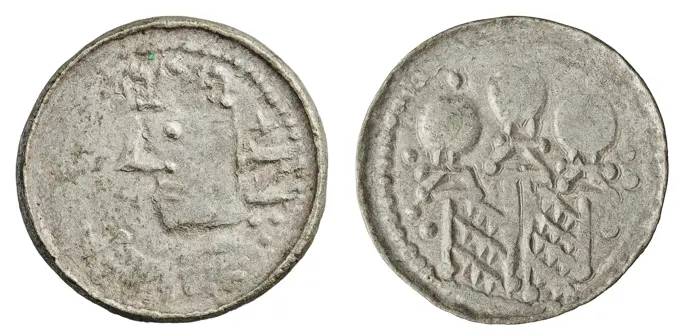
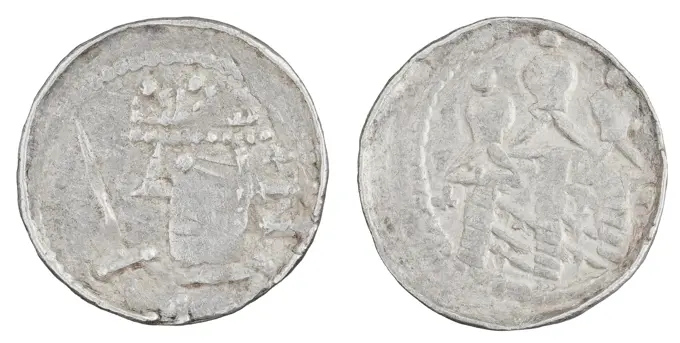
denarius (royal type). Bolesław II Śmiały (król Polski ; 1058-1079), ruler
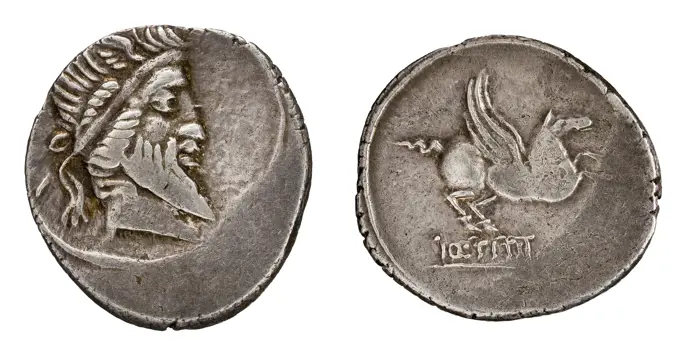
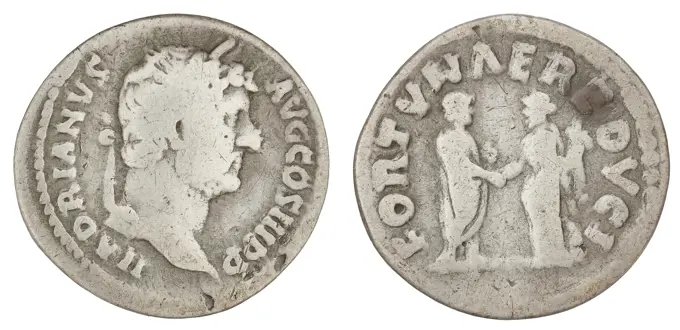
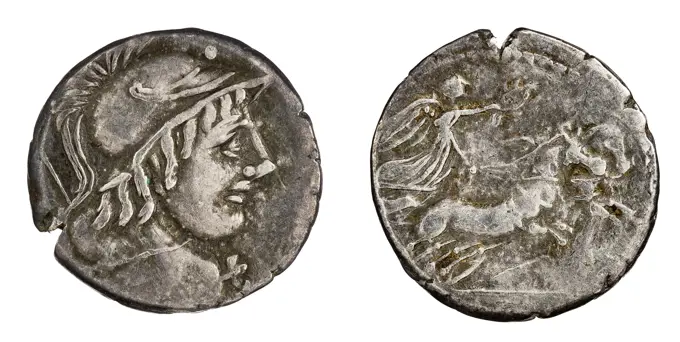
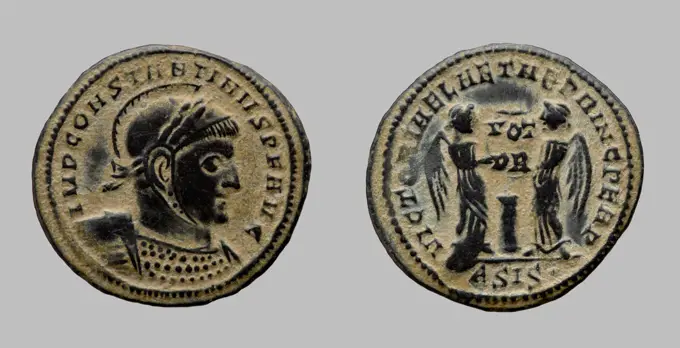
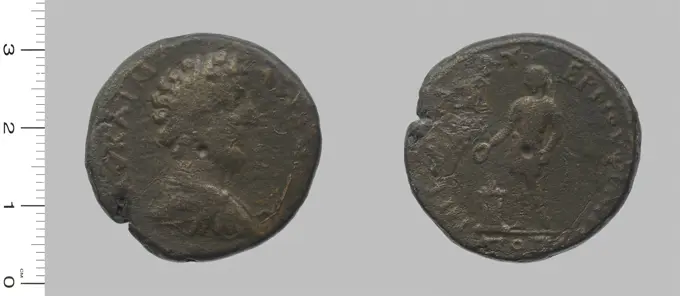
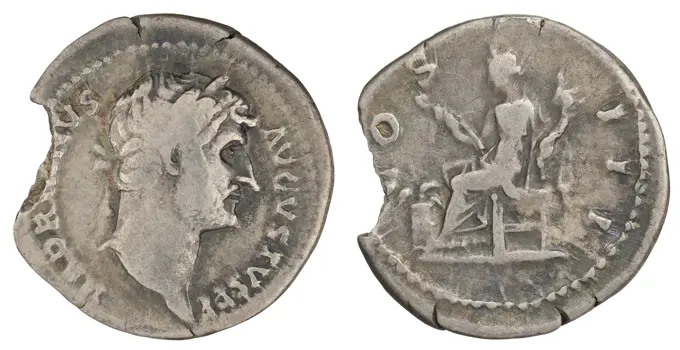
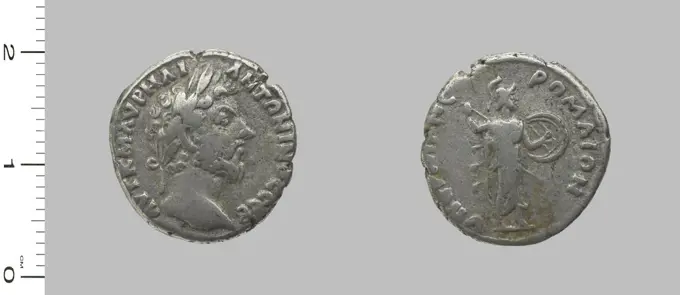
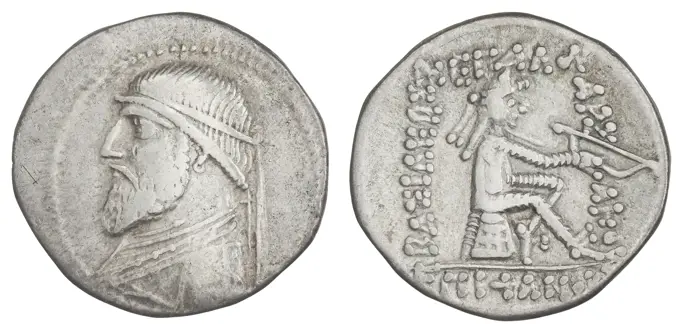
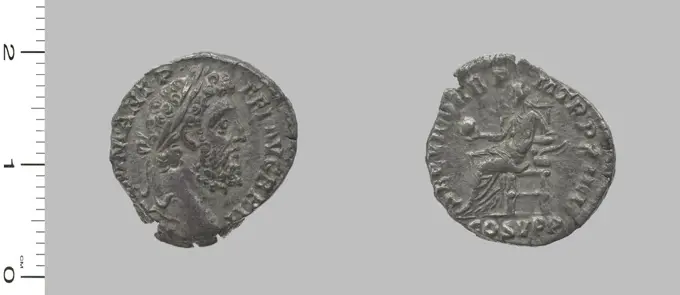
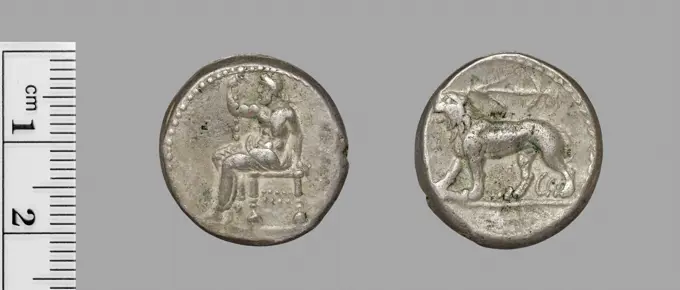
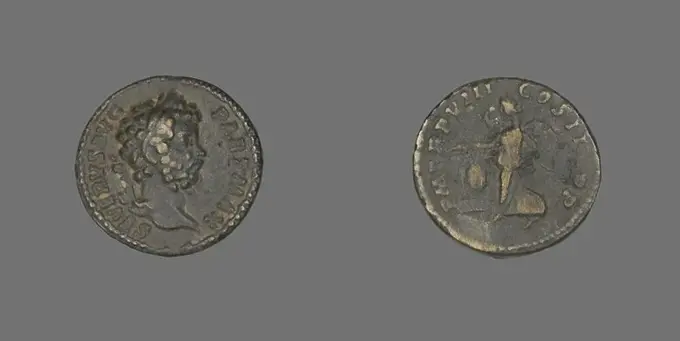
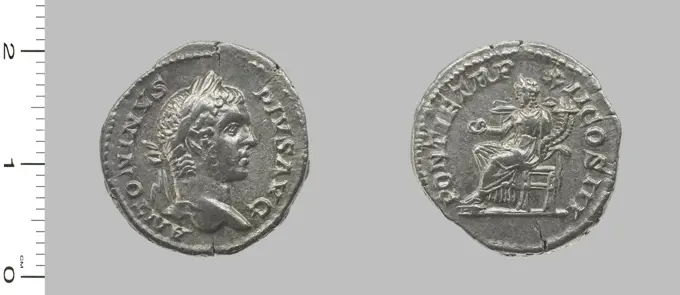
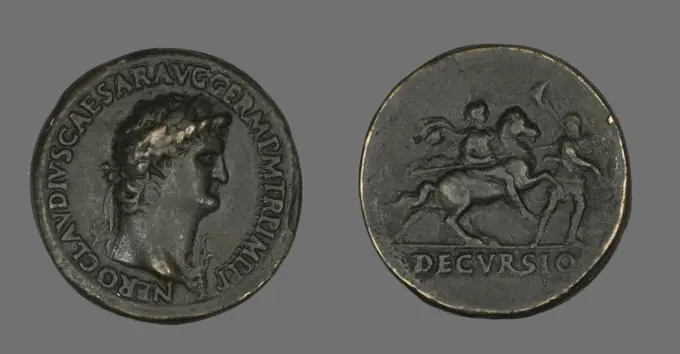
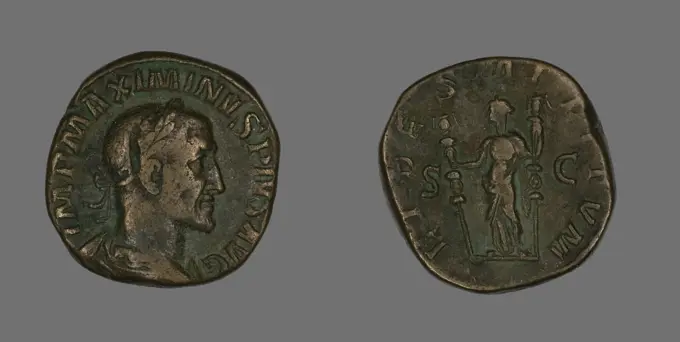
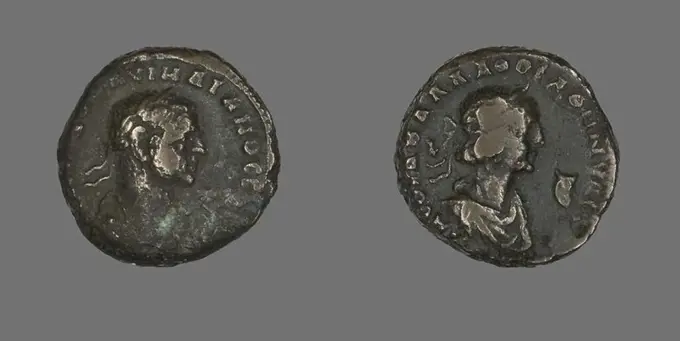
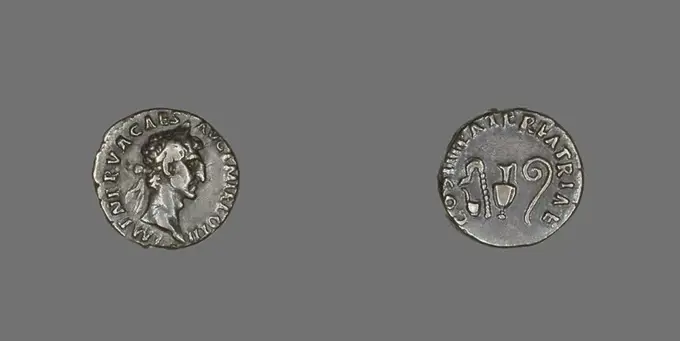
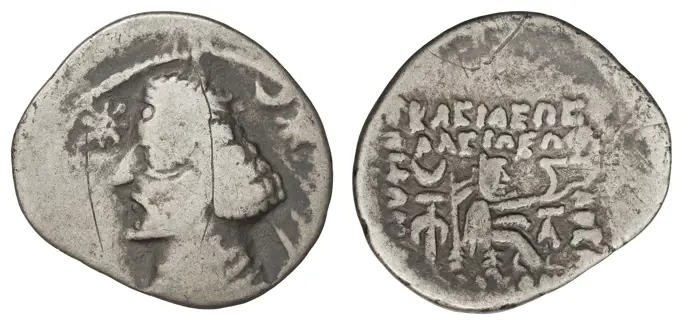
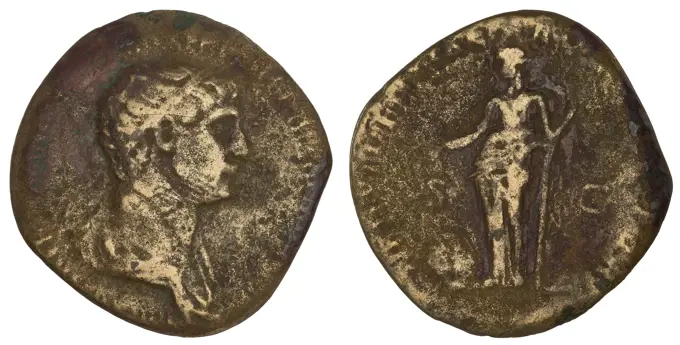
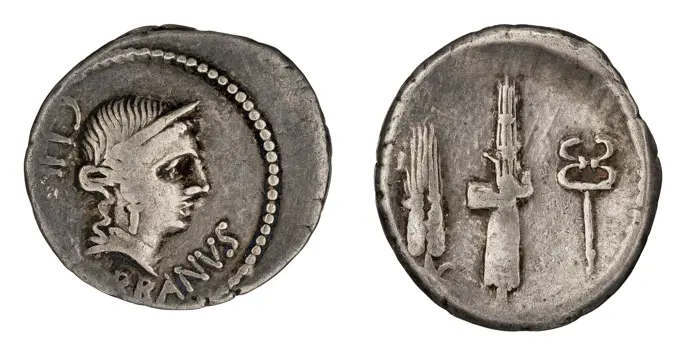
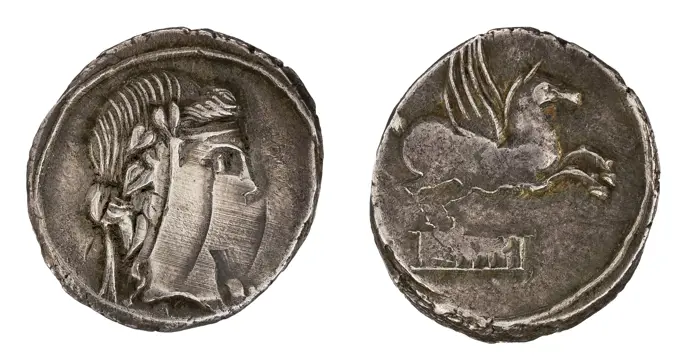
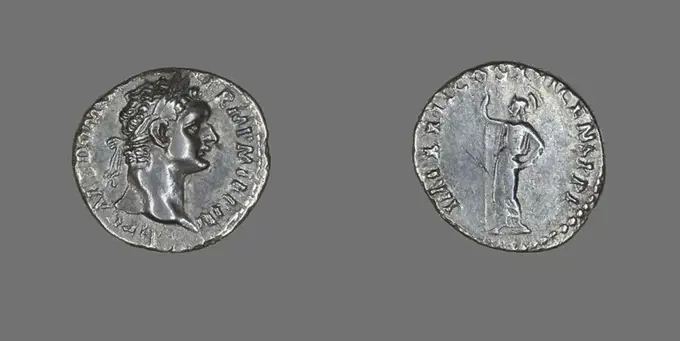
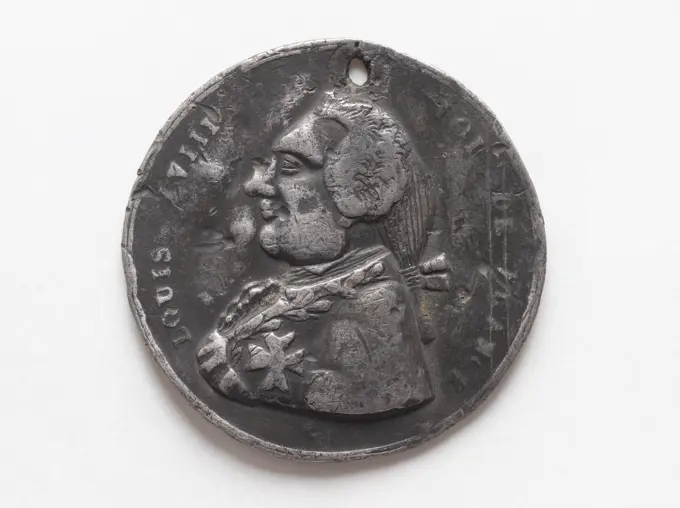
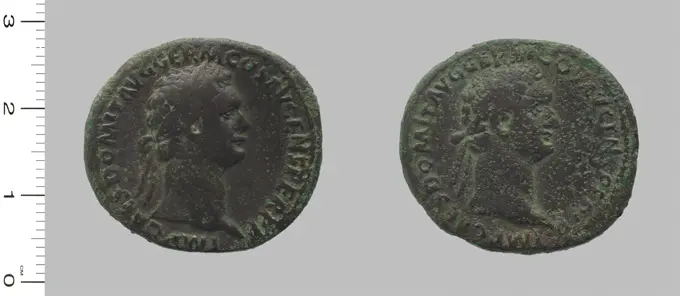
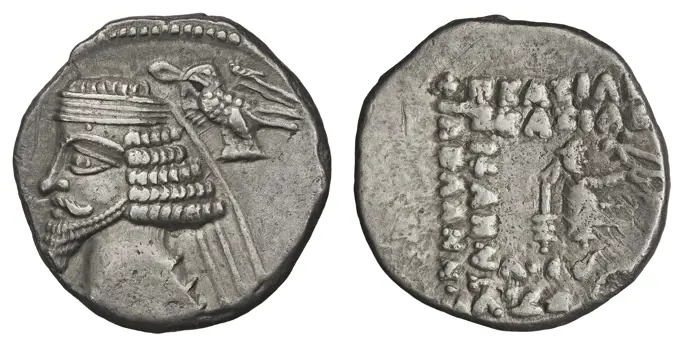
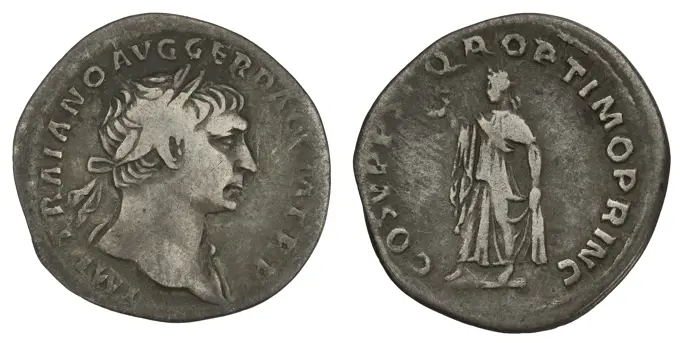
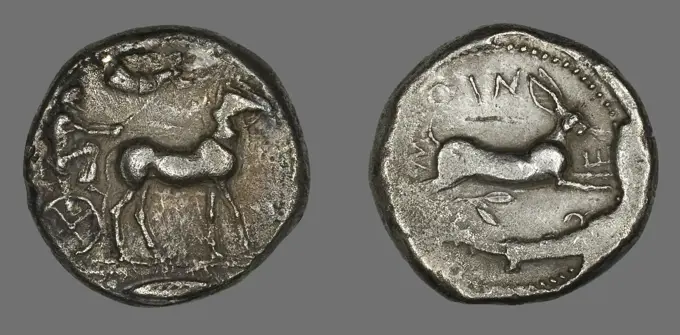
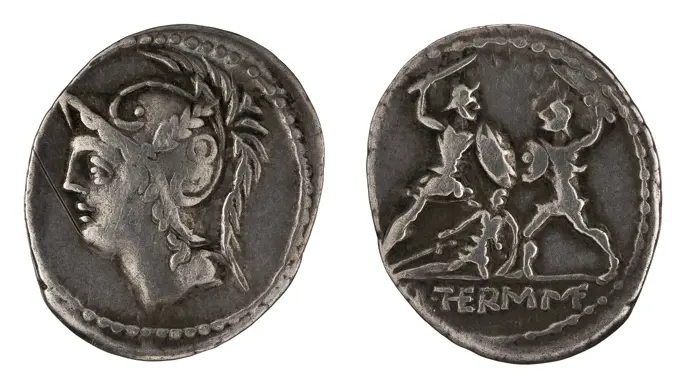
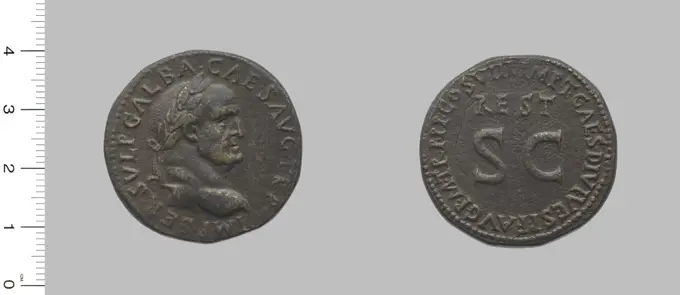
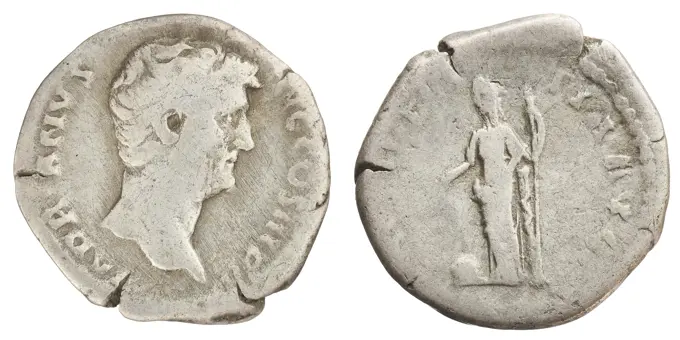
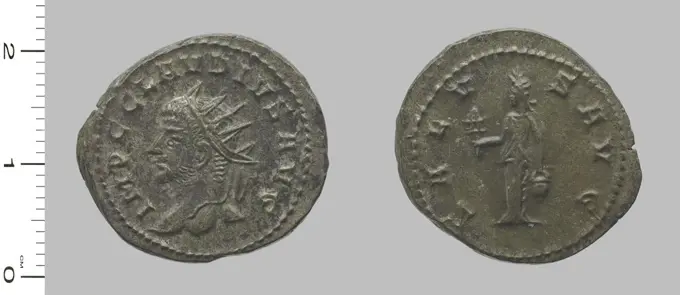
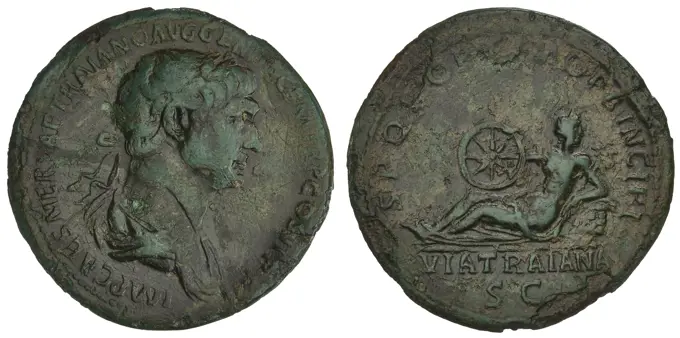
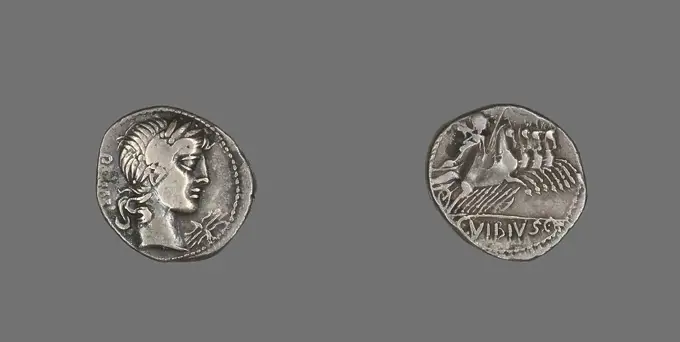
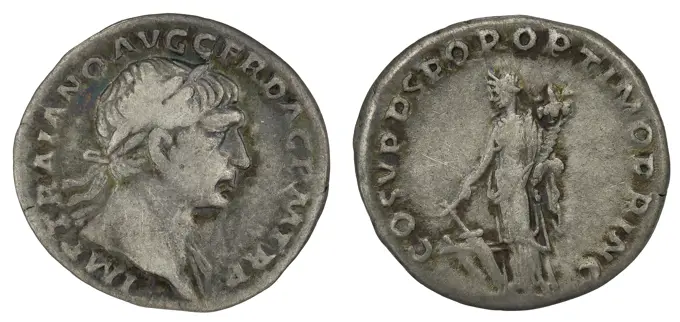
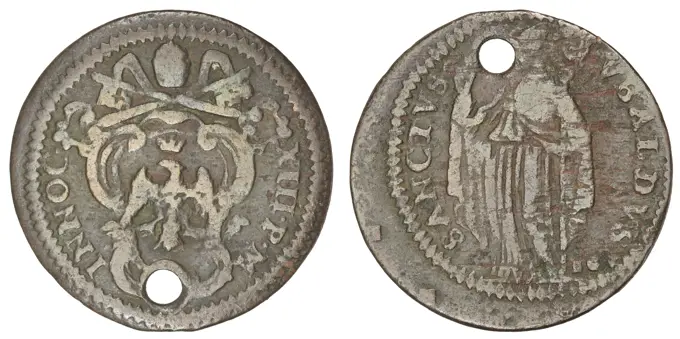
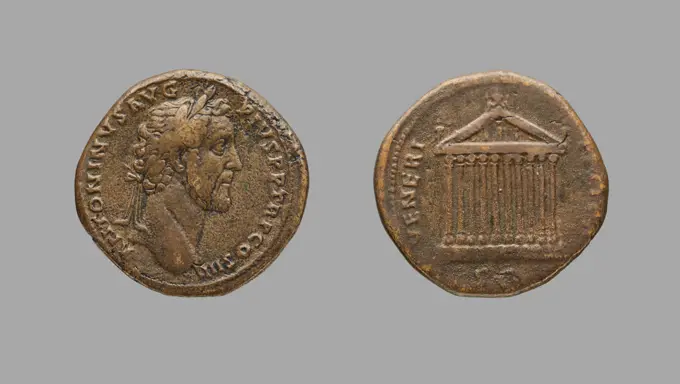
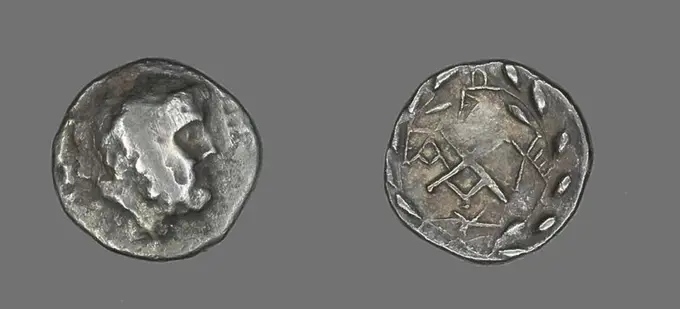
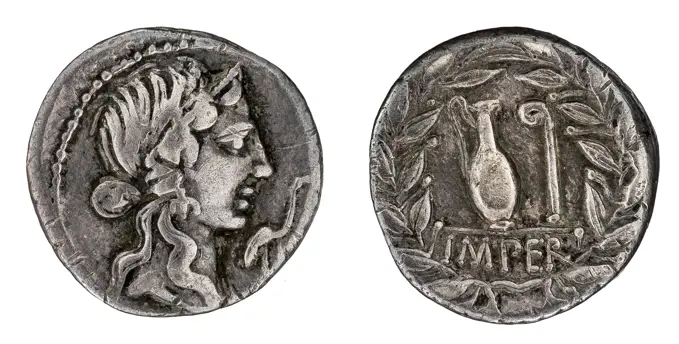
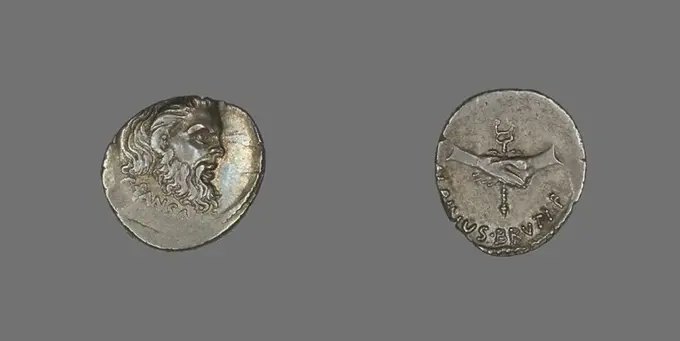
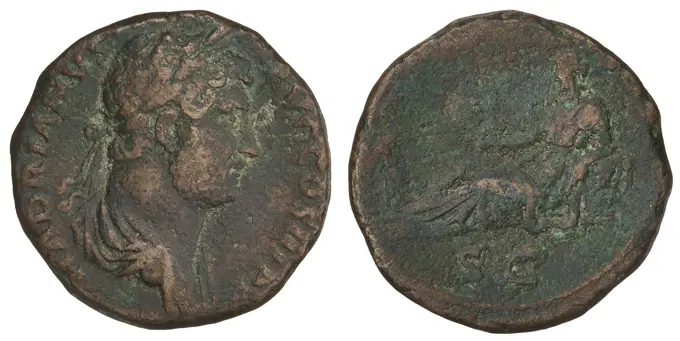
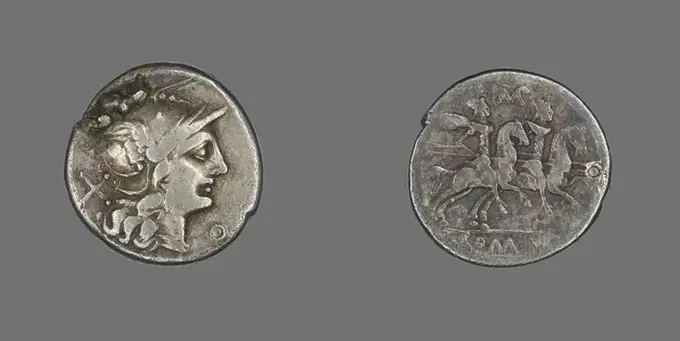
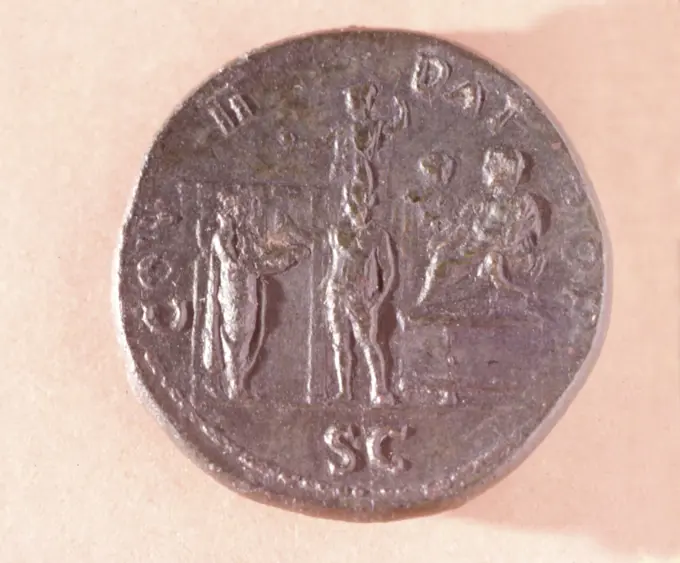
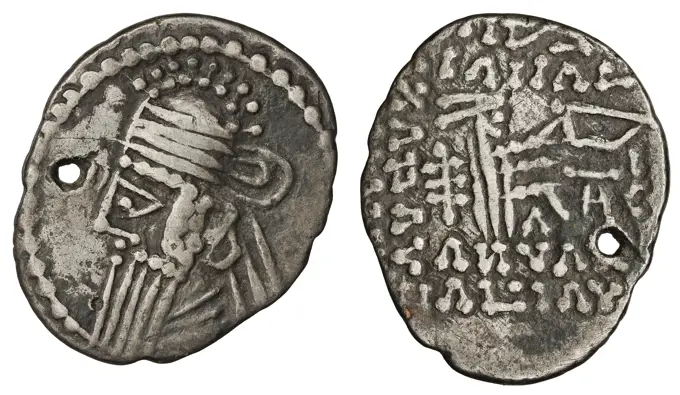
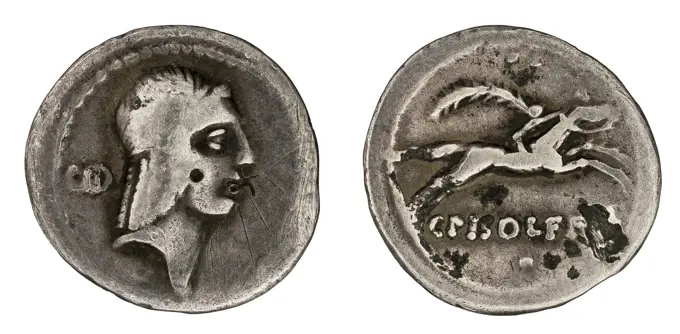
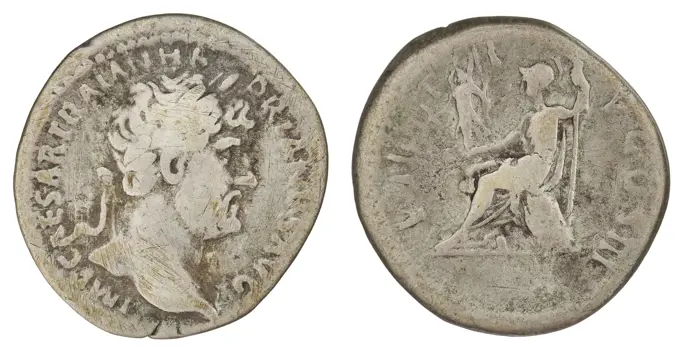
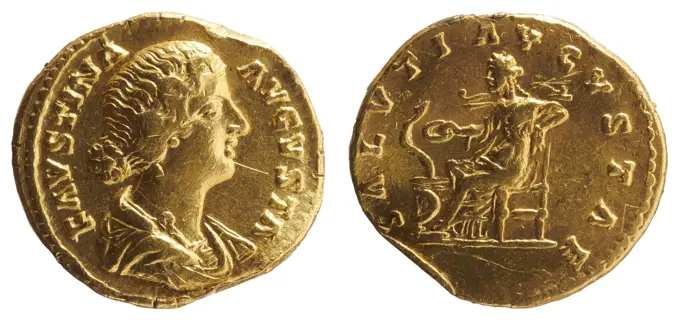
Bliżej Kultury Aleksander Jagiellończyk (King of Poland; 1501 1506), Mint of VilniusCoin of Gordian III, Emperor of Rome fromMesembria. Honorand: Tranquillina, Empress, Consort of Gordian III, ca. 225-ca. 244Ruler: Gordian III, Emperor of Rome, 225-244, ruled 238-44 Mint: Mesembria Artist: Unknowndenarius. Titius, Q. (fl. 90 a.C.), monetary officer, Republika Rzymska, issuerByzantine Empire, Justinian 1 (527 565), Constantinople 532 537 CE, Follis, Brone (AE) Justinian I (527 565), Mint of Constantinopledenarius. Hadrian (Roman emperor; 117-138), emperordenarius. Cornelius Lentulus Clodianus, Cn. (fl. 88 a.C.; 72 a.C.), monetary officer, Republika Rzymska, issuerCoin of Septimius Severus, Emperor of Rome fromHadrianopolis. Ruler: Septimius Severus, Emperor of Rome, A.D. 146-211, ruled 193-211 Mint: Hadrianopolis, Moesia InferiorCoin Depicting a She-Wolf Nursing Romulus and Remus 117 CE-192 CE Rome. The front (obverse) of this coin depicts a she-wolf, facing left, nursing the twin brothers and legendary founders of Rome, Romulus and Remus. The back (reverse) shows Hector, the legendary warrior and prince of Troy who was ultimately killed by Achilles, advancing left and holding a spear and shield.. Bronze . Ancient RomanTetradrachm of Ptolemy I, Satrap, then King of Egypt, fromCyprus. Ruler: Ptolemy I, Satrap, King of Egypt, 367-283 B.C., ruled 305-283 B.C. Mint: Cyprusdenarius. Hadrian (Roman emperor; 117-138), emperorTetradrachm (Coin) Portraying Alexander the Great 356 BCE-323 BCE Roman Empire. The purpose of the first portrait coins was to identify the ruler. The front side became a mirror of the sovereignís self-image. The back was often used to communicate the rulerís accomplishments or intentions. The profile portrait was used because it suited the very shallow depth and limited surface of the coin. The tiny images were carved by engravers into bronze dies, one for the front and another for the back. The coins were then struck, one by one, in a process similar to how modern coins are created today.As Alexander the Great (ruled 336ñ323 BCE) swept across the Persian Empire, conquering kingdoms from the Mediterranean Sea to the Indus River, he paid his army with coins that portrayed him as he wished to be seen youthful and clean-shaven with hair tousled and eyes cast skyward. The image became the model for subsequent royal portraiture. The back (reverse) of this coin depicts the god Zeus seated hDenarius (Coin) Depicting the Goddess Roma 139 BCE Roman Empire. The denarius, introduced in 211 BCE, was the principal silver coin of Rome for five hundred years. The profilehead of the goddess Romaóthe personification of Romeówas the most popular image depicted on silver denarii in the second and first centuries BCE.The front (obverse) of this coin depicts the helmeted head of the goddess Roma, facing to the right. On the back (reverse), two centaurs (half-man, half-horse) pull the hero Hercules in a chariot.. Silver . Ancient Roman1 Nummus of Constantine I, Emperor of Rome fromSiscia. Ruler: Constantine I, Emperor of Rome, A.D. 285-337, ruled A.D. 306-337 Mint: Siscia Artist: UnknownVintage Old Roman coin Vintage looking Ancient Roman coin from the Roman Empire Copyright: xZoonar.com/ClaudioxDiviziax 9676047Coin of Commodus, Emperor of Rome from Philippopolis,Thrace. Ruler: Commodus, Emperor of Rome, A.D. 161-192, ruled 180-92 Mint: Philippopolis, Thrace Artist: Unknowndenarius. Hadrian (Roman emperor; 117-138), emperorRuler: Marcus Aurelius, Emperor of Rome, A.D. 121-180, ruled  A.D. 161-80, Mint: Edessa, Mesopotamia, 1 Drachm of Marcus Aurelius, Emperor of Rome from Edessa,Mesopotamia, 161-80, Silver, 3.44 g, 11:00, 17.4mm, Made in Edessa, Mesopotamia, Roman, 2ndcentury, NumismaticsHemidrachm fromThebes. Mint: Thebes Artist: Unknowndenarius (royal type). Bolesław II Śmiały (król Polski ; 1058-1079), rulerSesterce de Marc Aur�le, 172 Anonymous. Sesterce de Marc Aur�le, 172. Bronze.drachm. Mitrydates II (123-87 p.n.e.), rulerRuler: Commodus, Emperor of Rome, A.D. 161-192, ruled 180-92, Mint: Rome, Denarius of Commodus, Emperor of Rome fromRome, 189, silver, 2.72 g, 6:00, 17.8mm, Made in Rome, Italy, Roman, 2ndcentury, NumismaticsStater fromBabylon.  Mint: BabylonDenarius (Coin) Portraying Emperor Septimius Severus. Roman, minted in Rome. Date: 200 AD. Dimensions: Diam. 1.8 cm; 2.60 g. Silver. Origin: Roman Empire. Museum: The Chicago Art Institute, Chicago, USA. Author: ANCIENT ROMAN.Ruler: Caracalla, Roman Emperor, A.D. 188-217, ruled A.D. 198-217, Ruler: Septimius Severus, Emperor of Rome, A.D. 146-211, ruled 193-211, Mint: Rome, Denarius of Septimius Severus, Emperor of Rome; Caracalla, Roman Emperor fromRome, 209, Silver, 3.82 g, 6:00, 19mm, Made in Rome, Italy, Roman, 3rd century A.D., Numismaticsdenarius (royal type). Bolesław II Śmiały (król Polski ; 1058-1079), rulerTertradrachm (Coin) Portraying Alexander the Great as Herakles 336 BCE-323 BCE Greece. The purpose of the first portrait coins was to identify the ruler. The front side became a mirror of the sovereignís self-image. The back was often used to communicate the rulerís accomplishments or intentions. The profile portrait was used because it suited the very shallow depth and limited surface of the coin. The tiny images were carved by engravers into bronze dies, one for the front and another for the back. The coins were then struck, one by one, in a process similar to how modern coins are created today.Certainly the best-known face in antiquity was that of Alexander the Great (reigned 336ñ323 BCE), whose profile, seen in this coin here, graced coins for two hundred years. He collected the treasure of conquered kingdoms as he swept across the Near East, and with this rich booty he set up mints that produced coins bearing his portrait. The back (reverse) of this coin depicts the god Zeus drapeCoin of Commodus, Emperor of Rome fromNicaea. Ruler: Commodus, Emperor of Rome, A.D. 161-192, ruled 180-92 Mint: Nicaea Artist: UnknownSestertius (Coin) Portraying Emperor Nero 54 CE-69 CE Roman Empire. The front (obverse) of this coin portrays the emperor Nero, facing right. On the back (reverse), Nero is shown on horseback.. Bronze . Ancient RomanSestertius (Coin) Portraying Emperor Maximinus 235 CE-236 CE Roman Empire. Bronze . Ancient RomanTetradrachm (Coin) Portraying Emperor Aurelian. Roman. Date: 270 AD. Dimensions: Diam. 2 cm; 10.41 g. Billon. Origin: Alexandria. Museum: The Chicago Art Institute, Chicago, USA. Author: ANCIENT ROMAN.Follis (Coin) Portraying Emperor Diocletian 284 CE-305 CE Roman Empire. The front (obverse) of this coin portrays the emperor Diocletian, facing right and wearing a crown of laurels.On the back (reverse), a genius representing the Roman people is depicted standing, holding a wreath in one hand and a cornucopia in the other.. Bronze . Ancient RomanDenarius (Coin) Portraying Emperor Nerva. Roman, minted in Rome. Date: 97 AD. Dimensions: Diam. 1.8 cm; 3.11 g. Silver. Origin: Roman Empire. Museum: The Chicago Art Institute, Chicago, USA. Author: ANCIENT ROMAN.denarius (royal type). Bolesław II Śmiały (król Polski ; 1058-1079), rulerdenarius (royal type). Bolesław II Śmiały (król Polski ; 1058-1079), rulerdenarius. Trajan (cesarz rzymski ; 98-117), emperordrachm. Orodes II (król Partii ; 57-37 p.n.e.), rulerdupondius. Trajan (cesarz rzymski ; 98-117), emperordenarius. Norbanus, C. (fl. 83-38 a.C.), monetary officer, Republika Rzymska, issuerRuler: Geta Lucius Septimius, Emperor of Rome, A.D. 189-211, Mint: Silandus, Coin of Geta Lucius Septimius, Emperor of Rome fromSilandus, 198-211, orichalcum, 22.35 g, 6:00, 33.9mm, Made in Silandus, Lydia, Roman, 3rd century A.D., Numismaticsdenarius. Titius, Q. (fl. 90 a.C.), monetary officer, Republika Rzymska, issuer1 Siliqua of Gaiseric fromCarthage. Ruler: Gaiseric, King of the Vandals and Alans, ca. 389-477, ruled 428-77 Mint: CarthageHonorand: Honorius, Flavius, Emperor of Rome, A.D. 384-423, ruled 393-423Denarius (Coin) Portraying Emperor Domitian. Roman, minted in Rome. Date: 93 AD-94 AD. Dimensions: Diam. 1.9 cm; 2.88 g. Silver. Origin: Roman Empire. Museum: The Chicago Art Institute, Chicago, USA. Author: ANCIENT ROMAN.Louis XVIII, King of France, 1814 Louis XVIII, King of France, 1814 . Etain, 1814.semis. Trajan (cesarz rzymski ; 98-117), emperorCoin of Domitian, Emperor of Rome fromRome. Ruler: Domitian, Emperor of Rome, A.D. 51-96, ruled 81-96 Mint: Rome Artist: Unknownsestertius. Hadrian (Roman emperor; 117-138), emperordenarius. Trajan (cesarz rzymski ; 98-117), emperorAE. Fraates IV (37-2 p.n.e.), rulerAnonymous Follis (Coin) Struck 976 CE-1028 Istanbul. The front of this coin bears a frontal image of Christ.On the back is an as yet untranslated inscription.. Bronze . Byzantineschilling. Zakon krzyżacki (1190-), issuer, Wesner, Hans (fl. 1480-), moneyer, Jan von Tiefen (wielki mistrz ; 1489-1497), grand masterdrachm. Fraates IV (37-2 p.n.e.), rulerdenarius. Lucretius Trio, L. (fl. 76 a.C.), monetary officer, Republika Rzymska, issuerDidrachm fromNeapolis.  Mint: Neapolis, Campaniadenarius. Trajan (cesarz rzymski ; 98-117), emperorTetradrachm (Coin) Portraying Biga with Mules Struck 484 BCE-476 BCE Ancient Greece. The official record of quadrennial games honoring the supreme Greek god Zeus at a sanctuary dedicated to him at Olympia began in 776 BC. With few interruptions, they took place every four years for about 1,100 years. In AD 394, the Christian emperor Theodosius I (r. 379ñ95) abolished them as pagan rites.The most prestigious competition remained the footrace, but eventually it was supplanted in popularity by the horse races. Horses were symbols of socioeconomic status, since only the privileged could afford to buy, feed, and train them and transport their teams and trainers to Olympia every four years. In time, many of the victors in the horse races included kings and tyrants.Anaxilas, tyrant of Messana and Rhegium, minted this coin to celebrate the victory of his two-mule chariot team in either 484 or 480 BC.. Silver . Ancient Greekdenarius. Trajan (cesarz rzymski ; 98-117), emperordenarius. Minucius Thermus, Q. (fl. 103 a.C.), monetary officer, Republika Rzymska, issuerRuler: Titus, Emperor of Rome, A.D. 39-81, ruled 79-81, Honorand: Galba, Emperor of Rome, 3 B.C.-A.D. 69, ruled  A.D. 68-69, Sestertius of Titus, Emperor ofRome, 81, Orichalcum, 24.93 g, 7:00, 33.9mm, Made in Rome, Italyor made in Perinthus, Thrace, Roman, 1stcentury, Numismaticsdenarius. Hadrian (Roman emperor; 117-138), emperorRuler: Claudius II, Emperor of Rome, A.D. 214-270, ruled A.D. 268-70, Mint: Antioch, Radiate of Claudius II, Emperor of Rome fromAntioch, 268-70, Base silver, 4.635 g, 12:00, 21.5mm, Made in Antioch, Seleucis and Pieria, Roman, 3rd century A.D., Numismaticssestertius. Trajan (cesarz rzymski ; 98-117), emperorDenarius (Coin) Depicting the God Apollo. Roman, minted in Rome. Date: 90 BC. Dimensions: Diam. 2 cm; 3.93 g. Silver. Origin: Italy. Museum: The Chicago Art Institute, USA. Author: ANCIENT ROMAN.1 Drachm fromOlympia.  Mint: Olympia Artist: Unknowndenarius. Trajan (cesarz rzymski ; 98-117), issuer1 As of Galba, Emperor of Rome fromRome. Ruler: Galba, Emperor of Rome, 3 B.C.-A.D. 69, ruled A.D. 68-69 Mint: Rome Artist: UnknownCoin Depicting the Goddess Athena. Greek. Date: 387 BC-301 BC. Dimensions: Diam. 1.7 cm; 3.54 g. Bronze. Origin: Ancient Greece. Museum: The Chicago Art Institute, Chicago, USA.denarius (royal type). Bolesław II Śmiały (król Polski ; 1058-1079), rulerquattrino. Państwo Kościelne, Innocenty XIII (papież ; 1721-1724), rulerschilling. Zakon krzyżacki (1190-), issuer, Michał Küchmeister (wielki mistrz ; 1414-1422), grand masterCircle of Niccolò Fiorentino, Virtue Enthroned (reverse), c 1497 Virtue Enthroned reverseRuler: Antoninus Pius, Emperor of Rome, A.D. 86-161, ruled A.D. 138-161, Mint: Rome, Sestertius of Antoninus Pius, Emperor of Rome fromRome, 140-44, Orichalcum, 29.36 g, 12:00, 33.2mm, Made in Rome, Italy, Roman, 2ndcentury, NumismaticsMONEDAS VISIGODAS EN ORO - ANVERSO. Location: MUSEO ARQUEOLOGICO NACIONAL-COLECCION, MADRID, SPAIN.As (Coin) Portraying Emperor Augustus. Roman, minted in Rome. Date: 22 AD-30 AD. Dimensions: Diam. 2.8 cm; 10.24 g. Bronze. Origin: Roman Empire. Museum: The Chicago Art Institute, Chicago, USA. Author: ANCIENT ROMAN.Martin Luther en Johannes Hus, Christian Wermuth, 1688 - 1739 history medal Silver medal. Front: breastpiece man inside change. Reverse: Bestpiece Man Inside Cover Nuremberg silver (metal) striking (metalworking)Dupondius (Coin) Portraying Antonia. Roman. Date: 50 AD-54 AD. Dimensions: Diam. 2.8 cm; 16.55 g. Bronze. Origin: Roman Empire. Museum: The Chicago Art Institute, Chicago, USA. Author: ANCIENT ROMAN.Sestertius (Coin) Portraying Emperor Augustus 34 CE-35 CE Roman Empire. The front (obverse) of this coin portrays the emperor Augustus seated on a four-wheeled cart of honor drawn by four elephants, each of which has a conductor sitting on its back. He wears a radiate crown and holds an olive  seated on a four-wheeled car of honor, drawn by four elephants, each of which has a conductor sitting on its back.The back (reverse) bears an inscription.. Bronze . Ancient RomanHemidrachm (Coin) Depicting the God Zeus Amarios. Greek, minted in Elis. Date: 191 BC-146 BC. Dimensions: Diam. 1.4 cm; 1.82 g. Silver. Origin: Ancient Greece. Museum: The Chicago Art Institute, Chicago, USA.Tremissis of Theodosius II, Emperor of Rome fromConstantinople. Ruler: Theodosius II, Emperor of Rome, 401-450, ruled 408-50 Mint: Constantinople Artist: Unknown Honorand: Pulcheria, daughter of Arcadius and Aelia Eudoxia, sister of Theodosius II, wife of Marcian, Augusta A.D. 414-453denarius. Caecilius Metellus Pius, Q. (fl. 81 a.C.), monetary officer, Republika Rzymska, issuerDenarius (Coin) Depicting the Mask of Pan. Roman, minted in Rome. Date: 48 BC. Dimensions: DIam. 2 cm; 3.76 g. Silver. Origin: Italy. Museum: The Chicago Art Institute, Chicago, USA. Author: ANCIENT ROMAN.as. Hadrian (Roman emperor; 117-138), emperorCoin Portraying Emperor Constantine II. Roman. Date: 324 AD-337 AD. Dimensions: Diam. 1.7 cm; 2.37 g. Bronze. Origin: Roman Empire. Museum: The Chicago Art Institute, Chicago, USA. Author: ANCIENT ROMAN.Denarius (Coin) Depicting the Goddess Roma. Roman. Date: 189 BC-180 BC. Dimensions: Diam. 1.9 cm; 3.48 g. Silver. Origin: Roman Empire. Museum: The Chicago Art Institute, Chicago, USA. Author: ANCIENT ROMAN.Roman coin. Nero seated with Prefectus. Amonae (corn supply). Athena. Citizen receiving Tessera for corn. 64 AD ITALY.drachm. Wologezes III (105-147), rulerdenarius. Calpurnius Piso Frugi, C. (fl. 67 a.C.), monetary officer, Republika Rzymska, issuerCoin Portraying Emperor Theodosius. Roman, minted in Cyzicus. Date: 379 AD-395 AD. Dimensions: Diam. 2.2 cm; 5.41 g. Bronze. Origin: Roman Empire. Museum: The Chicago Art Institute, Chicago, USA. Author: ANCIENT ROMAN.denarius. Trajan (cesarz rzymski ; 98-117), emperorAs (Coin) Portraying Emperor Trajan. Roman, minted in Rome. Date: 98 AD-99 AD. Dimensions: Diam. 2.9 cm; 10.80 g. Bronze. Origin: Roman Empire. Museum: The Chicago Art Institute, Chicago, USA. Author: ANCIENT ROMAN.12 Nummi (Coin) of a Byzantine Emperor. Byzantine, minted in Alexandria. Date: 500 AD-599 AD. Dimensions: Diam. 1.4 cm; 2.52 g. Bronze. Origin: Byzantine Empire. Museum: The Chicago Art Institute, Chicago, USA.3 groschen (with bust of Friedrich Kettler). Pipenstock, Krzysztof (fl. 1569-1600), treasurer, Wilhelm Kettler (książę Kurlandii i Semigalii ; 1587-1616), ruler, Fryderyk Kettler (książę Kurlandii i Semigalii ; 1587-1642), rulerdenarius. Hadrian (Roman emperor; 117-138), emperorCoin Depicting Shields and Spears. Roman, Palestine. Date: 54 AD. Dimensions: Diam. 1.8 cm; 2.33 g. Bronze. Origin: Israel. Museum: The Chicago Art Institute, Chicago, USA. Author: Judean.Stater (Coin) Depicting a Shield Struck 379 BCE-338 BCE Thebes. The use of coins as a form of money was invented in western Asia Minor in the early 7th century BCE. At the time this coin was struck, Greece was made up of separate city-states that issued their own currency. Made of gold, silver, bronze, and electrum (a gold-silver alloy), coins were literally worth their weight, but their value varied according to the percentage of their precious metal content. Occasionally a city needed more money than it had in reserves. By reducing the amount of precious metal and substituting a base metal, a coin could beproduced of the same weight but no longer of the same value. Some currency was only honored within its own city walls, but trustworthy money encouraged trade. Athens had the biggest economy, and its coin became the standard in the Greek world.The population was largely illiterate, but it could identify the place of origin of a coin by its imagery. Many of these images referred to my1/48 Stater fromMiletus. Mint: Miletus Artist: Unknowndenarius (royal type). Bolesław II Śmiały (król Polski ; 1058-1079), ruleraureus. Faustyna II (161-176), Marek Aureliusz (cesarz ; 161-180), rulergroschen. Koźle, issuer, Garnizon Koźle, issuerSestertius of Vespasian, Emperor of Rome fromRome. Ruler: Vespasian, Emperor of Rome, A.D. 9-79, ruled 69-79 Mint: Rome Artist: Unknown