Ancient Roman Coins

A collection of ancient Roman coins featuring historical figures and inscriptions, displayed with details on their origin and era.

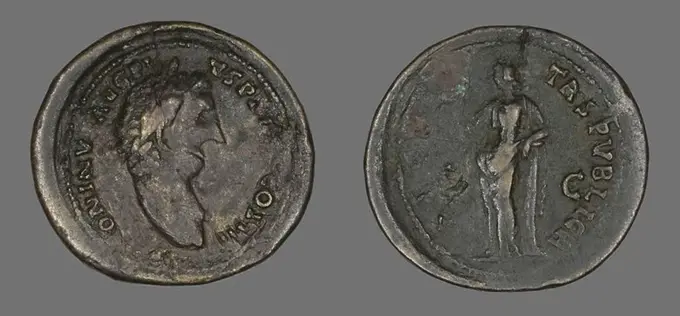
Coin Portraying Emperor Antoninus Pius 138 CE-139 CE Egypt. The front (obverse) of this coin portrays Emperor Antoninus Pius, facing right, nude.The back (reverse) depicts Dikaiosyne standing slightly left, grain crown, girdled chiton, himation around and over shoulder and arm; she holds scales in an extended right arm, and a full cornucopia cradled in her left arm. The date this coin was struck is indicated in the inscription î L B ì, which means the second year of the emperorís reign, or 138-139 CE. Antoninus Pius reigned as emperor from 138-161 CE.. Billon . Ancient Egyptian
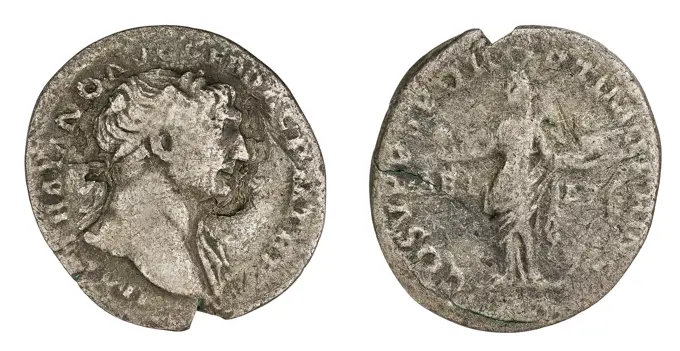
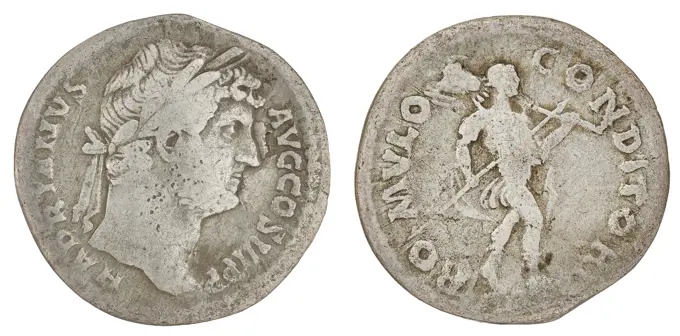
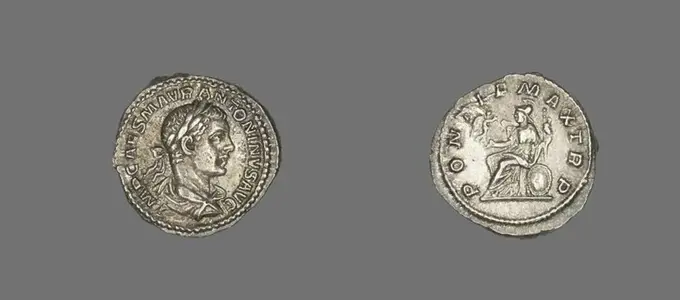
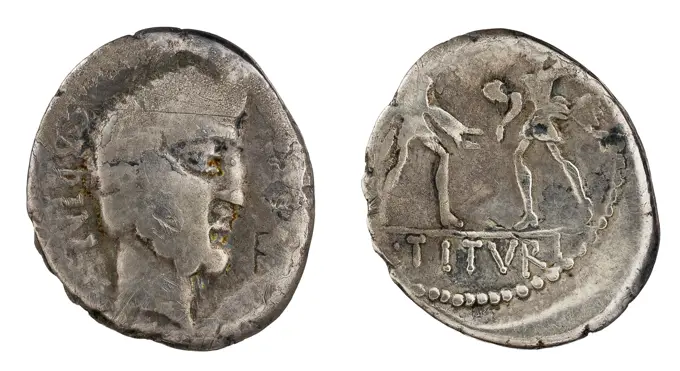
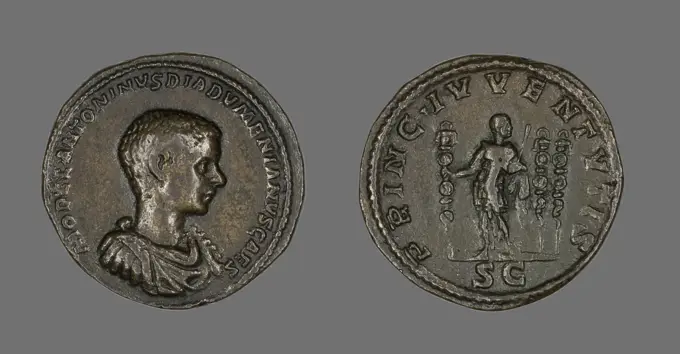
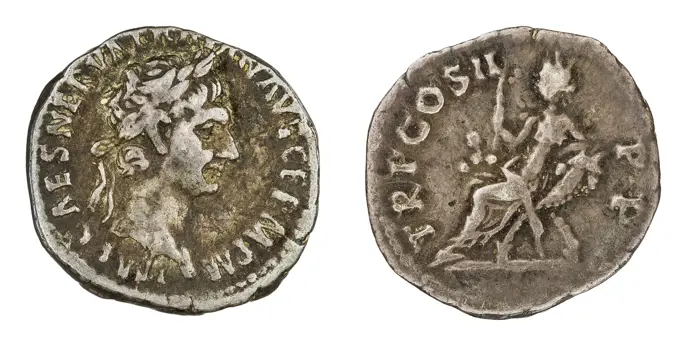
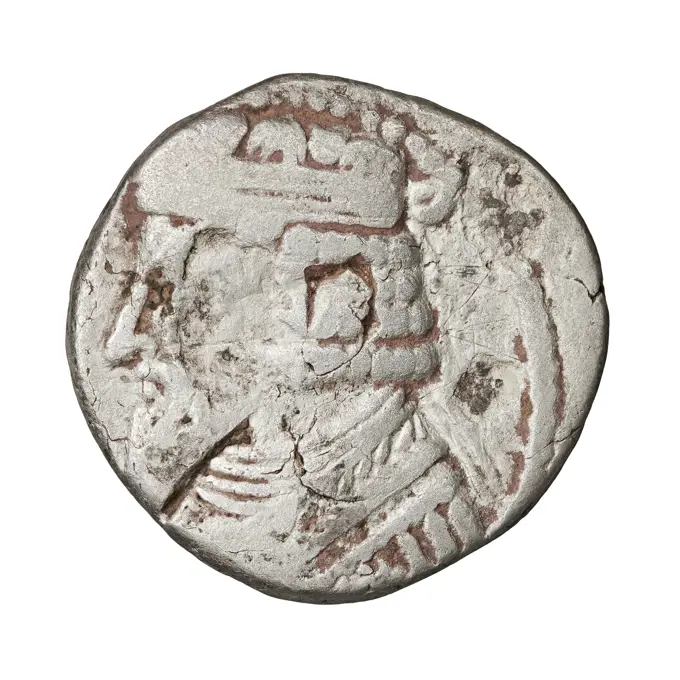
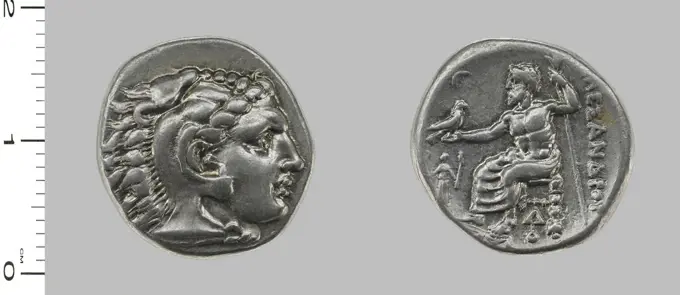
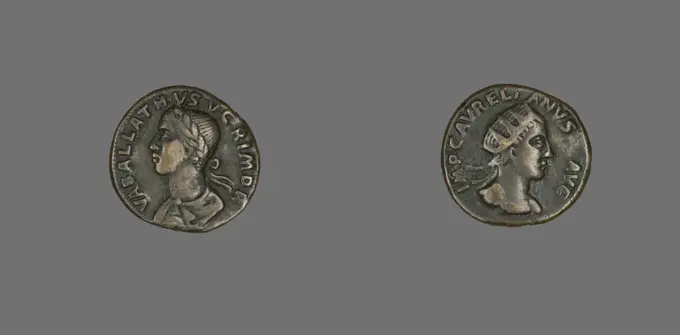
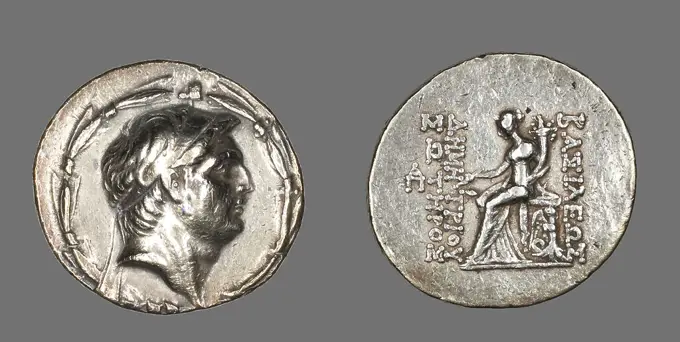
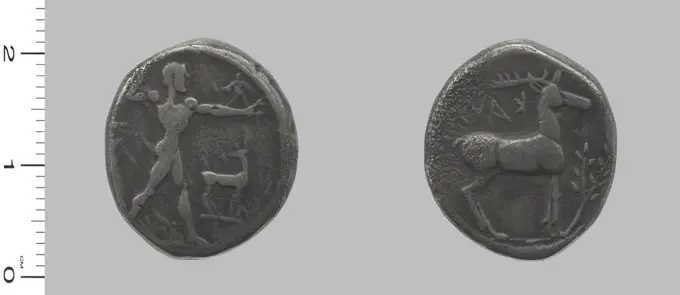
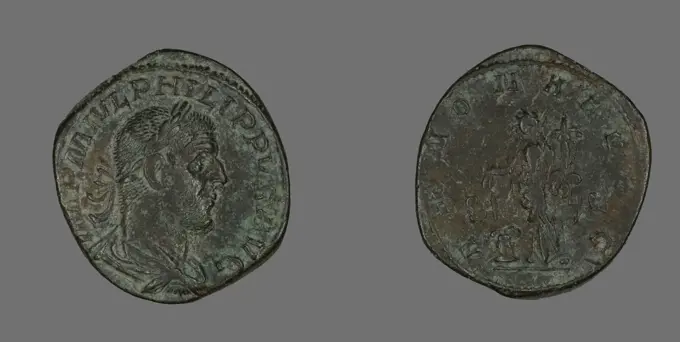
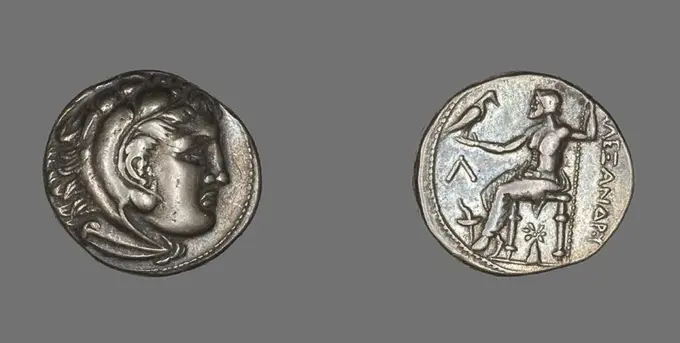
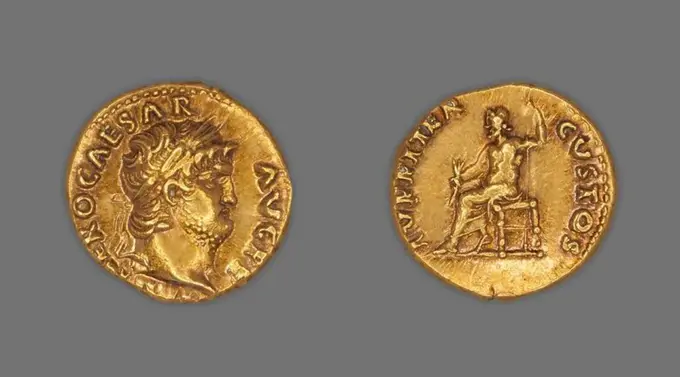
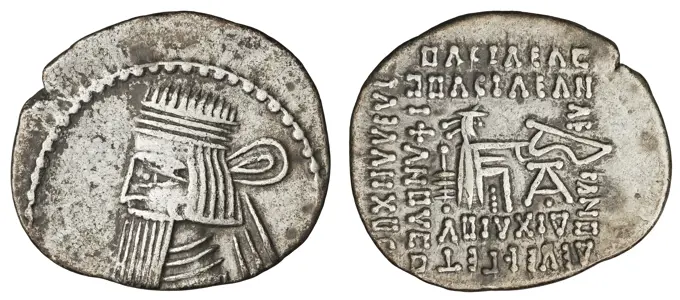
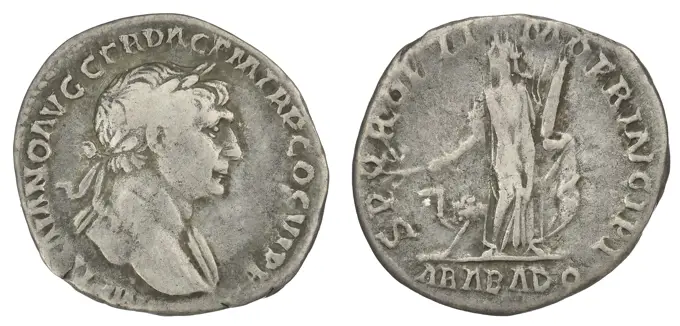
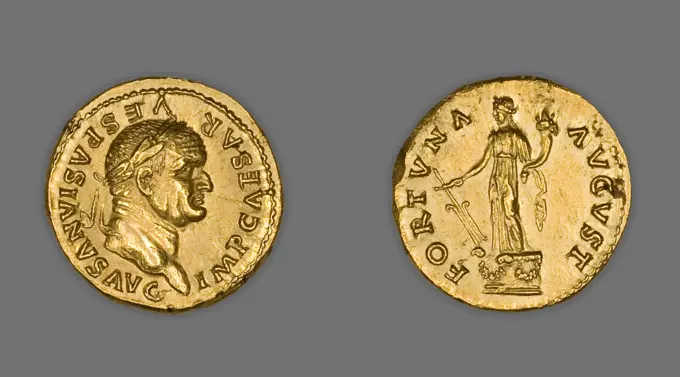
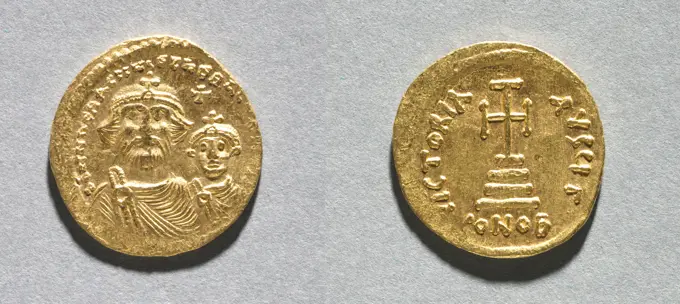
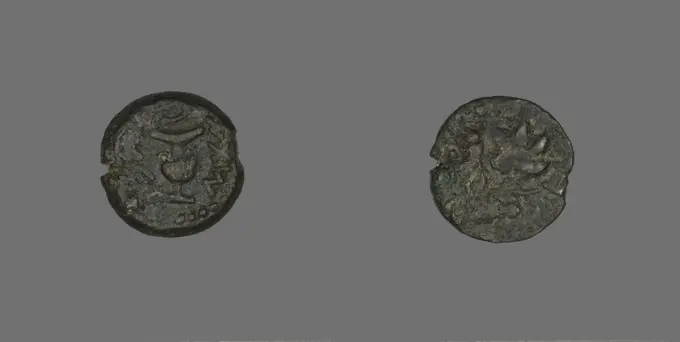
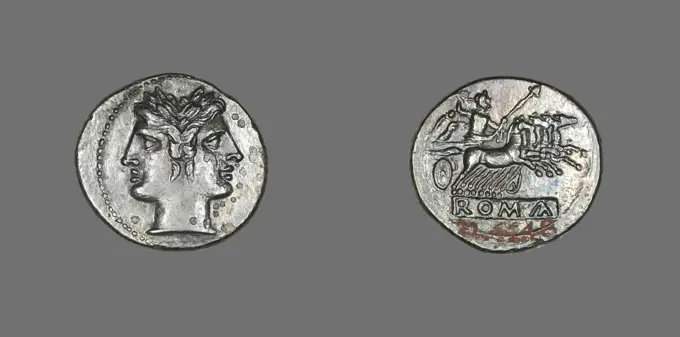
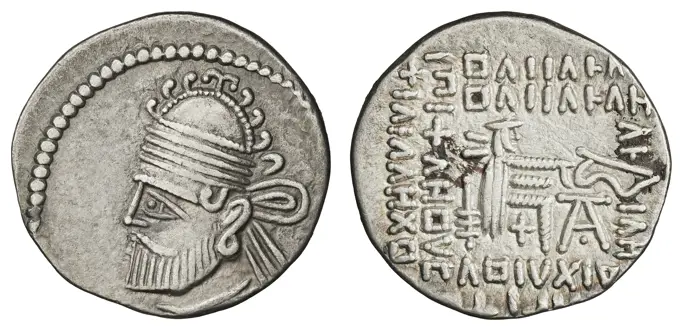
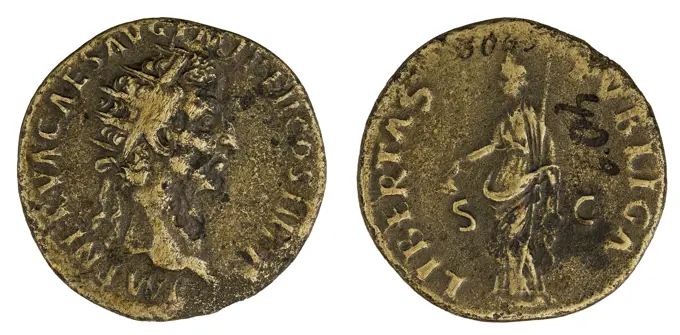
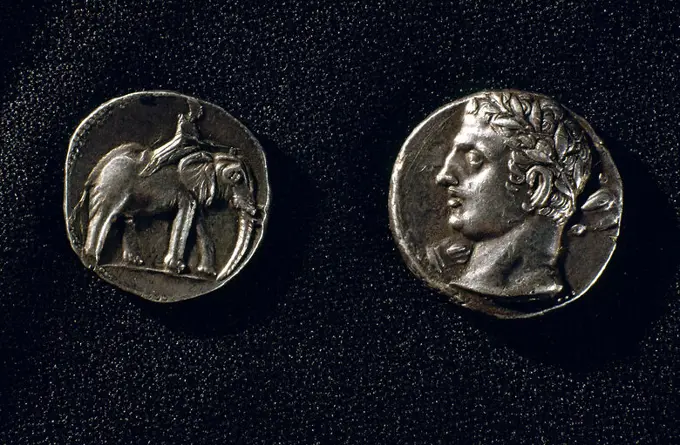
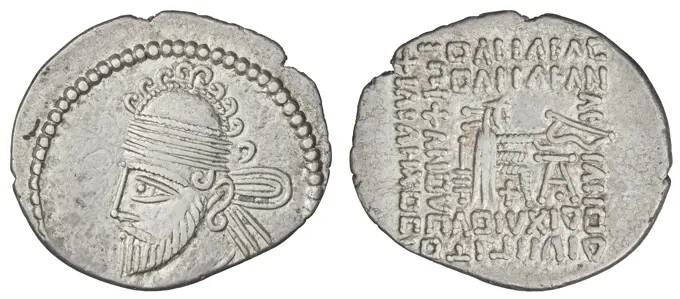
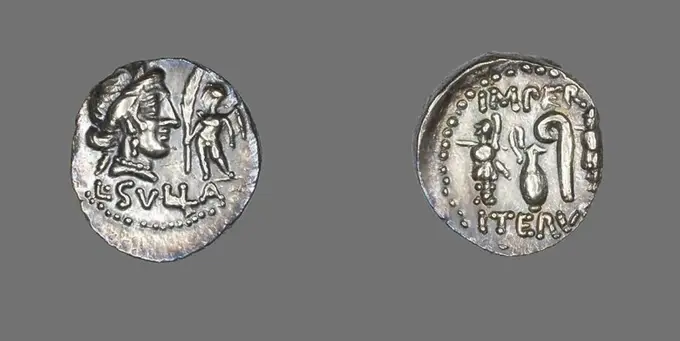
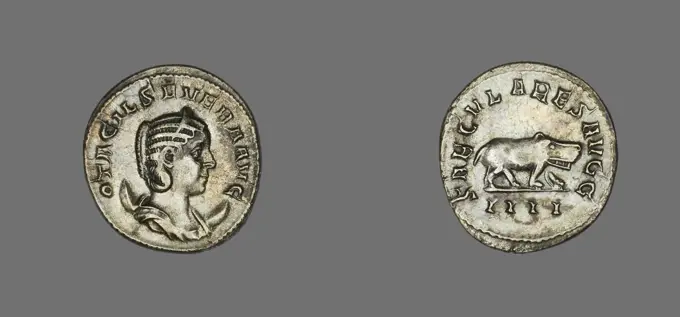
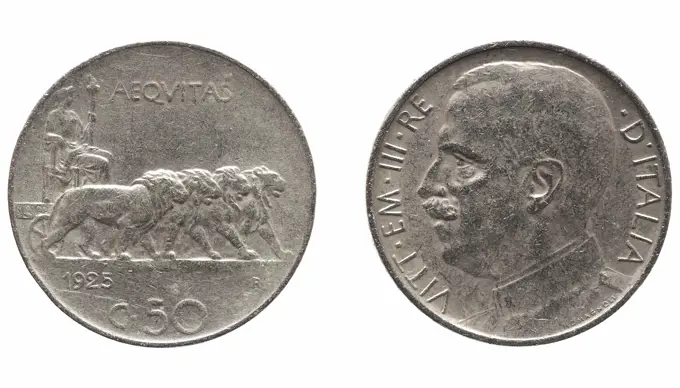
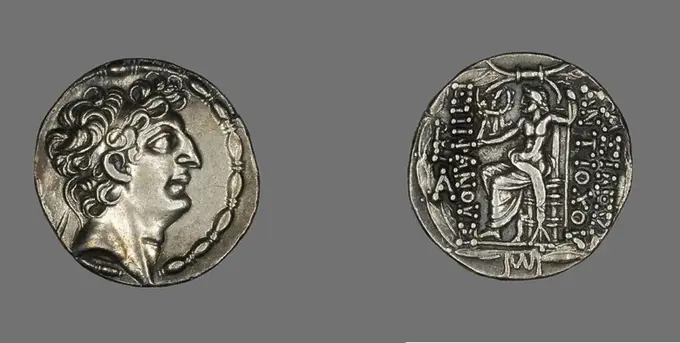
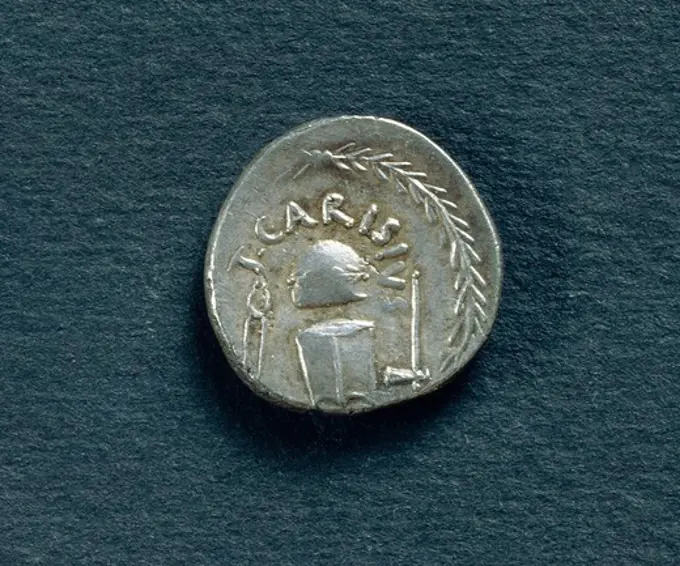
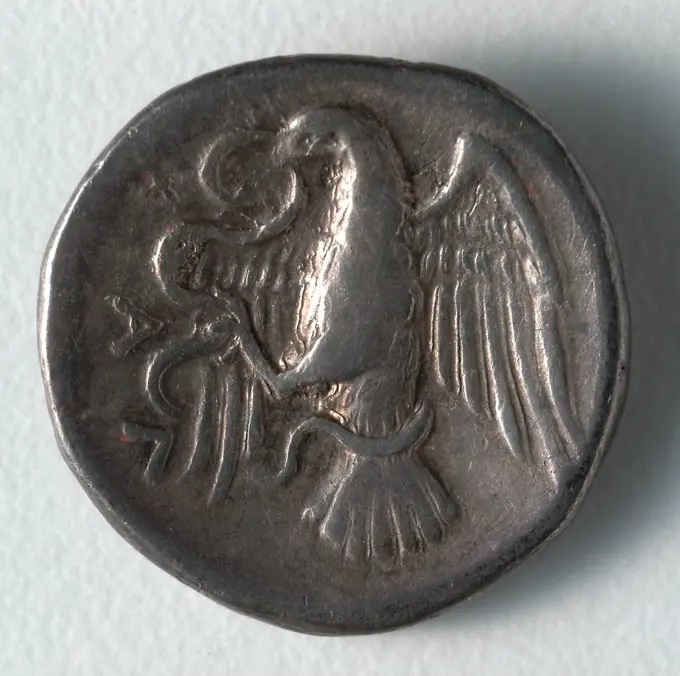
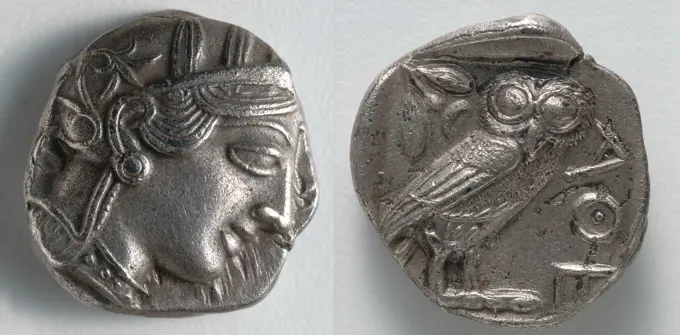
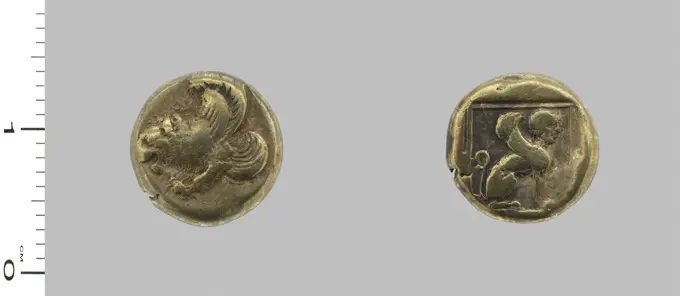
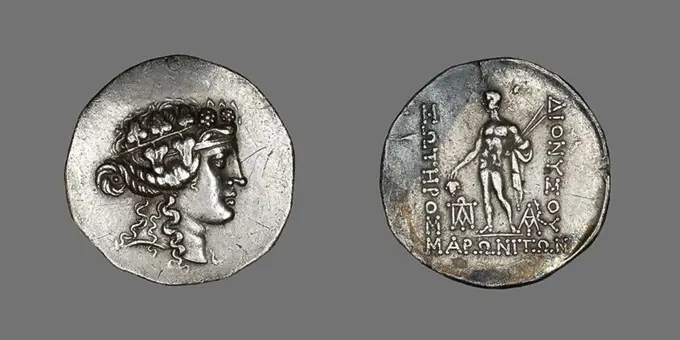
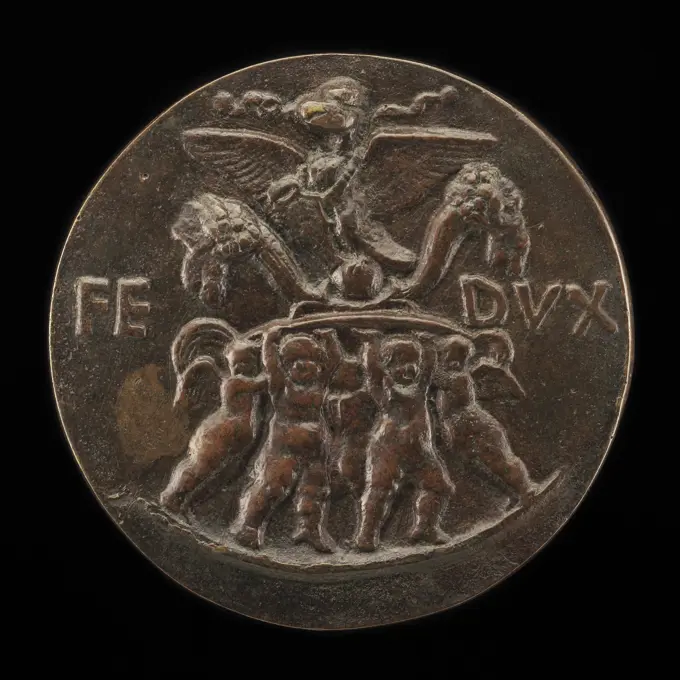
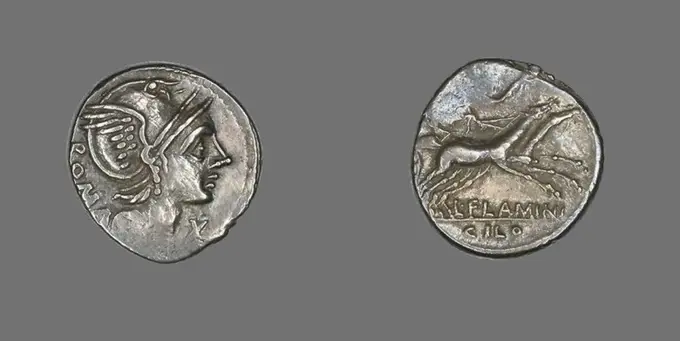
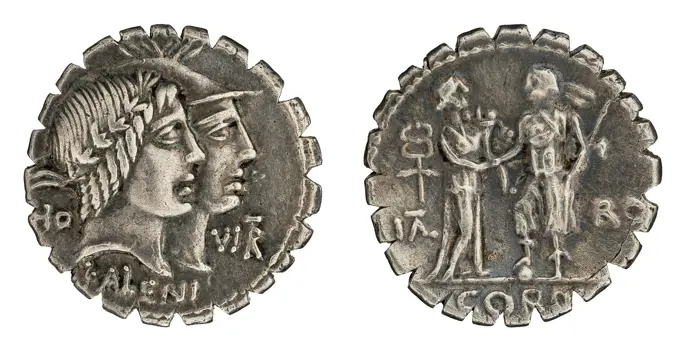
Didrachm fromLarisa.  Mint: LarissaCoin Portraying Emperor Gallienus 253 CE-268 CE Roman Empire. The front (obverse) of this coin portrays the emperor Gallienus, wearing a crown and facing right.On the back (reverse) a standing figure holds a spear and a laurel branch.. Bronze . Ancient RomanHemidrachm fromSyracuse.  Mint: Syracuse Artist: Unknowndenarius. Trajan (cesarz rzymski ; 98-117), issuerdenarius. Hadrian (Roman emperor; 117-138), emperorRuler: Severus II, Caesar A.D. 305-306, Augustus A.D. 306-307, Mint: Lugdunum,  Nummus of Severus II, Caesar, Augustus fromLugdunum, 305-6, Argentiferous copper, 8.38 g, 6:00, 27.5mm, Made in Lugdunum, Gaul, Roman, 4thcentury, Numismaticsdenarius. Hadrian (Roman emperor; 117-138), emperorCoin Portraying Emperor Victorinus. Roman, minted in Trier. Date: 268 AD-270 AD. Dimensions: Diam. 2.1 cm; 3.14 g. Bronze. Origin: Trier. Museum: The Chicago Art Institute, Chicago, USA. Author: ANCIENT ROMAN.Coin Depicting a Parasol Struck 42 CE-43 CE Israel. The front (obverse) of this coin depicts a parasol while the back (reverse) shows three shafts of grain.. Bronze . JudeanDenarius (Coin) Portraying Emperor Elagabalus. Roman. Date: 218 AD-222 AD. Dimensions: Diam. 2 cm; 3.23 g. Silver. Origin: Rome. Museum: The Chicago Art Institute, Chicago, USA. Author: ANCIENT ROMAN.Coin Portraying Emperor Crispus. Roman, minted in Trier. Date: 323 AD-324 AD. Dimensions: Diam. 2 cm; 3.39 g. Bronze. Origin: Roman Empire. Museum: The Chicago Art Institute, Chicago, USA. Author: ANCIENT ROMAN.denarius. Titurius Sabinus, L. (fl. 89 a.C. ; 75 a.C.), monetary officer, Republika Rzymska, issuerCoin Portraying Emperor Diadumenian 208 CE-217 CE Roman Empire. The front of this coin portrays the emperor Antoninus Diadumenian, facing right.On the back, Diadumenian is shown wearing armor, looking right.. Bronze . Ancient RomanCoin Portraying King Philip II 244 CE-249 CE Roman Empire. Bronze . Ancient RomanCoin Depicting the God Apollo. Greek. Date: 250 BC-190 BC. Dimensions: Diam. 2 cm; 4.70 g. Bronze. Origin: Ancient Greece. Museum: The Chicago Art Institute, Chicago, USA.denarius. Trajan (cesarz rzymski ; 98-117), issuerdenarius (royal type). Bolesław II Śmiały (król Polski ; 1058-1079), rulerTetradrachm of Antiochus VIII (Grypus), King of the Seleucid Kingdom; Cleopatra fromAntioch. Ruler: Antiochus VIII (Grypus), King of the Seleucid Empire, ruled 125-96 B.C.Ruler: Cleopatra Thea Mint: AntiochSestertius (Coin) Portraying Emperor Severus Alexander. Roman, minted in Rome. Date: 230 AD. Dimensions: DIam. 3.1 cm; 19.58 g. Bronze. Origin: Roman Empire. Museum: The Chicago Art Institute, Chicago, USA. Author: ANCIENT ROMAN.Ruler: Baalmelek II, King of Citium, Mint: Cition, Stater of Baalmelek II, King of Citium from Cition, 425-400 B.C., Silver, 11.03 g, 5:00, 21.7 mm, Made in Citium, Cyprus, Greek, 5th century B.C., Numismaticsdenarius. Trajan (cesarz rzymski ; 98-117), emperorRuler: Augustus, Emperor of Rome, 63 B.C.-A.D. 14, ruled 27 B.C.-A.D. 14, Mint: Nemausus, 1 As of Augustus, Emperor of Rome fromNemausus, 10-14, Copper, 12.74 g, 12:00, 26mm, Made in Nemausus, Roman, 1stcentury, NumismaticsŚląsk, Ferdinand II (1619 1637), Greszel, Wrocław; 1625 Mint of Wroclaw, Ferdynand II HabsburgDenarius of Caracalla, Roman Emperor fromRome. Ruler: Caracalla, Roman Emperor, A.D. 188-217, ruled A.D. 198-217 Mint: Rome Artist: Unknowndenarius. Trajan (cesarz rzymski ; 98-117), emperordenarius. Trajan (cesarz rzymski ; 98-117), emperortetradrachma; Gotarzes II (King of Parta; 40-51); 38-51 (45-00-00-46-00-00);Hemidrachm of Trajan, Emperor of Rome fromRome. Ruler: Trajan, Emperor of Rome, A.D. 53-117, ruled 98-117 Artist: Unknown  Mint: Romedenarius. Trajan (cesarz rzymski ; 98-117), issuerTrihemiobol fromPhocaea. Mint: Phocaea Artist: UnknownRuler: Alexander the Great, King of Macedonia, 356-323 B.C., ruled 336-23 B.C.Mint: Lampsacus, 1 Drachm of Alexander the Great, King of Macedonia fromLampsacus, 328-323 B.C., Silver, 4.26 g, 2:00, 17mm, Made in Lampsacus, Mysia, Greek, 4th century B.C., Numismaticsdrachm. Szapur II (szachinszach Persji ; 309-379), rulerdrachm. Mitrydates IV (król Partii ; 129-140), kingCoin Portraying King Vabalathus 270 CE-275 CE Roman Empire. On the front (obverse) of this coin the king Vabalathus is portrayed, facing right and wearing a crown of laurels.On the back (reverse), the emperor Aurelian is similarly portrayed, facing right and wearing a crown.. Bronze . Ancient Romandenarius (royal type). Bolesław II Śmiały (król Polski ; 1058-1079), rulerdrachm. Gotarzes II (król Partów ; 40-51), rulerdenarius. Trajan (cesarz rzymski ; 98-117), emperorTetradrachm (Coin) Portraying Demetrius I Soter of Syria. Greek, minted in Apamea. Date: 162 BC-150 BC. Dimensions: Diam. 3.2 cm; 16.76 g. Silver. Origin: Syria. Museum: The Chicago Art Institute, USA. Author: ANCIENT GREEK.Payment medal of 5 cents from the cooperative store association Eendracht Makes in Hilversum ,, 1875 - 1900 history medal Round brass picture with edge recovery with inner stamps (star) / 5 C  brass (alloy)Tetradrachm (Coin) Portraying Queen Cleopatra VII Struck 37 BCE-33 BCE Syria. Cleopatra (69ñ30 BCE) was queen of Egypt when the Roman Empire was gradually expanding into the wealthy eastern Mediterranean. By allying herself first with the powerful Roman generals Julius Caesar (100ñ44 BCE) and then Mark Antony (83ñ30 BCE), she hoped to maintain her countryís independence and her own authority. The political alliance between Antony and Cleopatra worried Caesarís heir, Octavian, who, in 31 BCE, defeated the couple in a sea battle. Rather than suffer the humiliation of surrender, Cleopatra and Antony killed themselves.This coin was minted during Antony and Cleopatraís alliance. By pairing their faces on coinage, the rulers advertised their powerful partnership, which was so strong that Cleopatraís profile is an exact copy of Antonyís portrait. Cleopatraís image appears on the front of the coin, which identifies her as the more important of the two rulers. A crown circling her carefully braMint: Caulonia, Stater fromCaulonia, 480-425 B.C., Silver, 6.405 g, 12:00, 19mm, Made in Caulonia, Bruttium, Greek, 5th century B.C., NumismaticsCoin Depicting the Goddess Athena. Greek. Date: 133 BC-48 BC. Dimensions: Diam. 2.3 cm; 7.41 g. Bronze. Origin: Ancient Greece. Museum: The Chicago Art Institute, Chicago, USA.Bolesław Krzywousty (1102-1138), Denar, Kraków, After 1113 Boles And Krzywousty (1102 1138)Stater (Coin) Depicting Horseman. Greek, minted in Tarentum, Calabria, Italy. Date: 272 BC-235 BC. Dimensions: Diam. 2 cm; 6.24 g. Silver. Origin: Taranto. Museum: The Chicago Art Institute, Chicago, USA. Author: ANCIENT GREEK.1 Drachm fromIstrus.  Mint: Istrusdenarius. Trajan (cesarz rzymski ; 98-117), emperordenarius. Ogulnius (fl. 86 a.C.), monetary officer, Gargonius, C. (fl. 86 a.C.), monetary officer, Vergilius, M. (fl. 86 a.C.), monetary officer, Republika Rzymska, issuerdenarius (royal type). Bolesław II Śmiały (król Polski ; 1058-1079), rulerdrachm. Fraataces I (2 p.n.e.-4 n.e.), rulerCoin Portraying Philip the Arab 244 CE-249 CE Roman Empire. The front (obverse) of this coin portrays the head of Philip the Arab, facing to the right. The back (reverse) depicts Annona- the divine personification of the grain supply to the city of Rome- holding ears of corn and a cornucopia.. Bronze . Ancient RomanTetradrachm (Coin) Portraying Alexander the Great. Greek, minted in Amphipolis. Date: 336 BC-323 BC. Dimensions: Diam. 2.6 cm; 17.16 g. Silver. Origin: Roman Empire. Museum: The Chicago Art Institute, Chicago, USA. Author: ANCIENT GREEK.Aureus (Coin) Portraying Emperor Nero. Roman, minted in Rome. Date: 67 AD-68 AD. Dimensions: Diam. 1.8 cm; 7.31 g. Gold. Origin: Rome. Museum: The Chicago Art Institute, USA. Author: ANCIENT ROMAN.Aureus (Coin) Portraying Emperor Marcus Aurelius 167 CE Italy. Starting in 96 with the reign of Emperor Nerva, Rome was ruled by five wise leaders who came to be known as the ìGood Emperors.î Nerva (reigned 96ñ98) was an honest and respected senator who enacted compassionate social programs. His rule ushered in a period of peace and prosperity, which is suggested by the sheer abundance of coins produced during this era as well as by the skill and artistry of the images created. Coins of this period, especially gold aurei like this one, were often perfectly round, well struck, and centered.The front (obverse) of this coin portrays Emperor Marcus Aurelius facing to the right, laureate and bearded. The laurel wreath, long a symbol of victory in Greece, was adopted by the Romans as an attribute of kingship. The back (reverse) of the coin depicts Victory walking to the left, wreath in right, palm branch in left.. Gold . Ancient RomanMint: Gela, Didrachm fromGela, 490-470 B.C., Silver, 8.14 g, 4:00, 20.7mm, Made in Gela, Sicily, Greek, 5th century B.C., NumismaticsDidrachm fromTarentum.  Mint: TarentumStater (Coin) Depicting a Shield. Greek; minted in Thebes. Date: 379 BC-338 BC. Dimensions: Diam. 2.5 cm; 12.21 g. Silver. Origin: Thebes. Museum: The Chicago Art Institute, Chicago, USA. Author: ANCIENT GREEK.drachm. Gotarzes II (król Partów ; 40-51), rulerCoin Depicting the Goddess Artemis. Greek. Date: 286 BC-220 BC. Dimensions: Diam. 1.7 cm; 3.83 g. Bronze. Origin: Ancient Greece. Museum: The Chicago Art Institute, Chicago, USA.denarius. Trajan (cesarz rzymski ; 98-117), emperorMint: Babylon, Artist: Seleucus I, King of the Seleucid Empire, ca. 358-281 B.C., ruled 305-281 B.C.Tetradrachm fromBabylon, 311-305 B.C., Silver, 16.32 g, 10:00, 22.5mm, Made in Babylon, Mesopotamia, Greek, 4th century B.C., Numismaticsdenarius (royal type). Bolesław II Śmiały (król Polski ; 1058-1079), rulersestertius. Hadrian (Roman emperor; 117-138), emperorAureus (Coin) Portraying Emperor Vespasian 75 CE-79 CE Rome. Obverse Head of Vespasian right, laureateReverse Fortuna, standing left on low garlanded altar, holding rudder in right hand and cornucopia in leftIn A.D. 68 the chaotic reign of the Roman emperor Nero came to an end with his forced suicide, but what followed was an equally chaotic struggle to succeed him. The support of the army was critical the year A.D. 69 saw one general after another claim the throne only to be killed by one of his rivals. Finally, the Roman army in Egypt joined the army in Syria to back General Vespasian. Knowing that Egypt was the empireís breadbasket, Vespasianís first effort as emperor was to pacify and control this important province. The armor he wears on this coin emphasizes his role as a warrior king.. Gold . Ancient RomanStater fromLocris.  Mint: Locri Opuntii Artist: UnknownSolidus with Heraclius and his Son Heraclius Constantine , c. 616-625. Byzantium, 7th century. Gold; diameter: 2 cm (13/16 in.). Byzantine Gold Coins The vast number of surviving Byzantine coins attests to the level of trade across the empire. Controlled and supervised by the emperor, the producers of coins took care to represent his authority and reflect his stature. Talented artists were recruited to engrave the dies (molds) used for the striking of coins. Emperors increasingly came to include their heirs and co-emperors on their coinage, as well as other family members or even earlier rulers. Coins were recognized, then as now, as small, portable works of art. With their inscriptions and images, Byzantine coins provide valuable documentation of historical events and a record of the physical appearance of the emperors. The solidus is the basic gold coin of 24 karats; the tremissis, a gold coin of one-third the weight and value of the solidus; and the nomisma, which in the 10th centuCoin Portraying Emperor Valerian I 253 CE-260 CE Roman Empire. The front of this coin portrays a Roman emperor, probably Valerian, facing right and wearing a diadem.On the back (reverse), the goddess Tyche is depicted standing, facing left and holding a cornucopia and a rudder.. Bronze . Ancient RomanSestertius (Coin) Portraying Emperor Antoninus Pius. Roman, minted in Rome. Date: 140 AD-143 AD. Dimensions: Diam. 3.7 cm; 23.03 g. Bronze. Origin: Roman Empire. Museum: The Chicago Art Institute, Chicago, USA. Author: ANCIENT ROMAN.denarius. Hadrian (Roman emperor; 117-138), emperorsestertius. Hadrian (Roman emperor; 117-138), emperorCoin Depicting a Vase Struck 67 CE-68 CE Israel. The front (obverse) of this coin depicts a footed vase, while the back (reverse) depicts a leaf hanging from a stalk.. Bronze . JudeanDidrachm (Coin) Depicting the God Janus 225 BCE-214 BCE Roman Empire. The front of this coin depicts a youthful Janiform head enclosed in border of dots.On the back the god Jupiter is shown driving a four-horse chariot called a quadriga, while holding a thunderbolt and a sceptre.. Silver . Ancient Romandrachm. Wologazes II (77-80 po Chr.), rulerHemidrachm (Coin) Depicting the God Zeus Amarios 222 BCE-146 BCE Ancient Greece. The front (obverse) of this coin depicts the head of Zeus Amarios, facing to the right. On the back (reverse) is a monogram symbol of the Achaean League within a laurel wreath.Zeus Amarios, along with Demeter Panachaia, were the protecting deities of the Achaean League, which was first formed in the fifth century BCE as a confederation of Greek city-states in the Peloponnese of Greece. Temples to both deities were situated side by side at Aegium, in the northwestern Peloponnese, where the main assemly of the League held its meeting. A second Achaean League was established in 280 BCE but was later conquered and dissolved by the Romans in 146 BCE.. Silver . Ancient Greekdupondius. Nerwa (cesarz ; 96-98), issuerCoin Portraying King Philip II. Roman. Date: 244 AD-249 AD. Dimensions: Diam. 2.3 cm; 6.03 g. Bronze. Origin: Roman Empire. Museum: The Chicago Art Institute, Chicago, USA. Author: ANCIENT ROMAN.MONEDAS DE LOS BARCIDAS - SIGLO III AC - PLATA - ANVERSO:RETRATO DE ANIBAL Y REVERSO:ELEFANTE. Location: MUSEO ARQUEOLOGICO NACIONAL-COLECCION, MADRID, SPAIN.Ruler: Theodosius I, Emperor of Rome, ca. 346-395, ruled 379-95, Mint: Constantinople, Tremissis of Theodosius I, Emperor of Rome fromConstantinople, 383-88, Gold, 1.37 g, 6:00, 15mm, Made in Constantinople, Roman, 4thcentury, NumismaticsStater: BODVOC on plain field (obverse); Horse, Wheel, and Crescent (reverse), 10 BC-AD 20. England (Ancient Britain), Dobunni. Gold; diameter: 1.8 cm (11/16 in.). On coins in this same series the obverse legend (BODVOC) changes position. On some it is central across the field and complete, on others above and incomplete as seen here. As far as is known Bodvoc was one of the rulers of the Dobunni tribe. The horse has become even more crude, made up of lines and pellets and rough curves. The spokes of the wheel fail to meet nearly at the center.drachm. Wologazes II (77-80 po Chr.), rulerCoin of Elagabalus, Emperor of Rome fromCaesarea. Ruler: Elagabalus, Emperor of Rome, ca. 203-222, ruled 218-22 Artist: Unknown  Mint: Caesareia, Cappadociadenarius. Hadrian (Roman emperor; 117-138), emperorDenarius (Coin) Depicting the Goddess Venus with Cupid. Roman. Date: 84 BC-83 BC. Dimensions: Diam. 1.9 cm; 3.53 g. Silver. Origin: Roman Empire. Museum: The Chicago Art Institute, Chicago, USA. Author: ANCIENT ROMAN.Bolesław Krzywousty (1102-1138), Denar, Kraków, After 1113 Boles And Krzywousty (1102 1138)sestertius. Trajan (cesarz rzymski ; 98-117), emperordenarius (royal type). Bolesław II Śmiały (król Polski ; 1058-1079), rulerAntoninianus (Coin) Portraying Empress Marcia Otacilia Severa 248 CE Rome. The front (obverse) of this coin portrays a bust of Otacilia Severa diademed and facing to the right. The back (reverse) depicts a hippopotomus to the right.This coin was issued to commemorate the Roman Millennium. The lavish birthday celebration featured one thousand gladiators who fought to the death and thousands of exotic animals like this hippopotamus, native to Egypt. Supplying the Romans with African animals for the games was a flourishing business.. Silver . Ancient RomanStater fromCallatis.  Mint: CallatisHonorand: Alexander the Great, King of Macedonia, 356-323 B.C., ruled 336-23 B.C.Stater of Lysimachus, King ofThrace. Ruler: Lysimachus, King of Thrace, ca. 360-281 B.C., ruled 306-281 B.C.Old Italian Lira with Vittorio Emanuele III King isolated over white Old Italian Lira 50 cents coin with Victor Emmanuel III King and Emperor Vittorio Emanuele III Re e Imperatore in Italian, circa 1925 isolated over white background Copyright: xZoonar.com/adminx 11545418Didrachm (Coin) Depicting the Goddess Athena. Greek. Date: 400 BC-335 BC. Dimensions: Diam. 2.2 cm; 7.54 g. Silver. Origin: Hyria. Museum: The Chicago Art Institute, Chicago, USA. Author: ANCIENT GREEK.Tetradrachm (Coin) Portraying Emperor Antiochos VIII Grypos. Greek, minted in Syria. Date: 104 BC-96 BC. Dimensions: Diam. 3.1 cm; 16.50 g. Silver. Origin: Syria. Museum: The Chicago Art Institute, Chicago, USA. Author: ANCIENT GREEK.Denarius of the moneyer Titus Carisius depicting coinage tools, 45 B.C., republican age, silverDrachm: Flying Eagle, l., Holding Serpent (reverse), 337-308 BC. Greek, minted at Chalkis (Euboia). Silver; diameter: 1.7 cm (11/16 in.).Tetradrachm: Head of Athena (obverse); Owl (reverse), 449-440 BC. Greek, minted at Athens (Attica). Silver; diameter: 2.3 cm (7/8 in.). Incorporating the first three letters of the city name???with then-iconic images of the patron goddess Athena and her owl, the Athenian tetradrachm was among the most widely traded and most recognizable coins of the ancient world. The olive leaves on Athena’s helmet and the small crescent moon behind the owl date this coin after the Persian Wars.Hekte (1/6 Stater) from Mytilene,Lesbos. Artist: UnknownTetradrachm (Coin) Depicting the God Dionysos. Greek, minted in Maroneia, Thrace. Date: 150 BC-100 BC. Dimensions: Diam. 3.4 cm; 16.60 g. Silver. Origin: Greece. Museum: The Chicago Art Institute, Chicago, USA. Author: ANCIENT GREEK.Pietro Torrigiano, Cupids Supporting an Eagle and Cornucopias on a Shield (reverse) Cupids Supporting an Eagle and Cornucopias on a Shield reverseStater Coin Depicting the Nymph Parthenope. Greek, minted in Neapolis (Naples), Campania, Italy. Date: 325 BC-241 BC. Dimensions: Diam. 2.1 cm; 7.28 g. Silver. Origin: Naples. Museum: The Chicago Art Institute, Chicago, USA. Author: ANCIENT GREEK.Denarius (Coin) Depicting the Goddess Roma. Roman. Date: 109 BC-108 BC. Dimensions: Diam. 1.9 cm; 4.02 g. Silver. Origin: Roman Empire. Museum: The Chicago Art Institute, Chicago, USA. Author: ANCIENT ROMAN.denarius (serratus). Fufius Calenus, Q. (fl. 70 a.C. ; 47 a.C.), monetary officer, Mucius Scaevola, P. (fl. 70 a.C.), monetary officer, Republika Rzymska, issuer