Ancient Terracotta Vessels

A variety of ancient terracotta pots and jars, featuring diverse shapes, decorative patterns, and historical significance from different cultures.
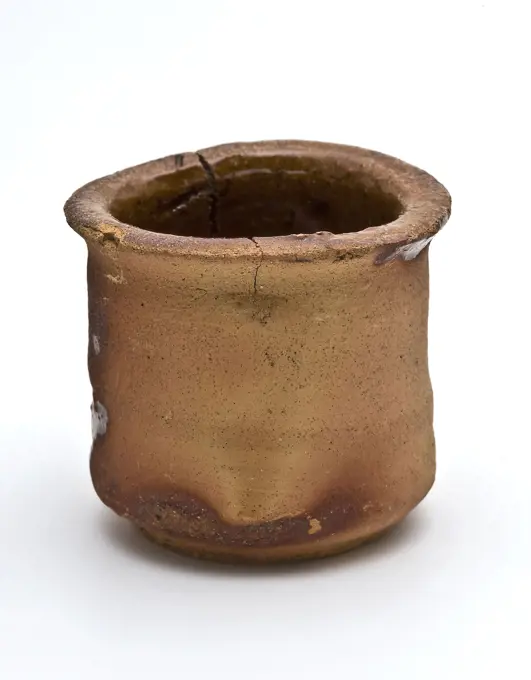
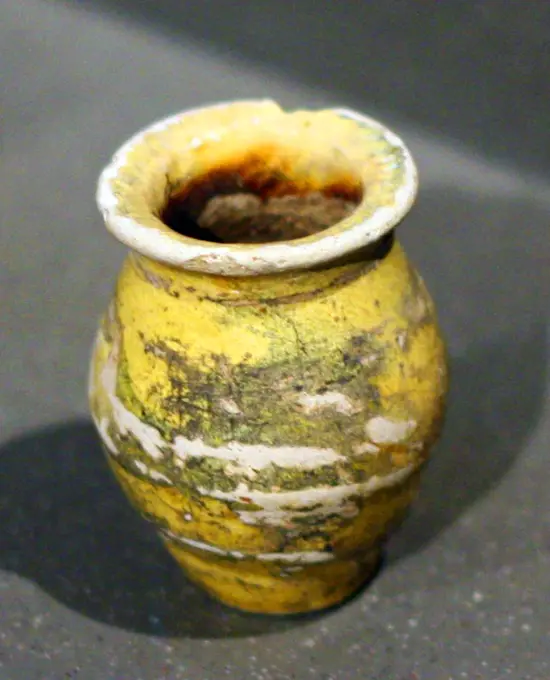
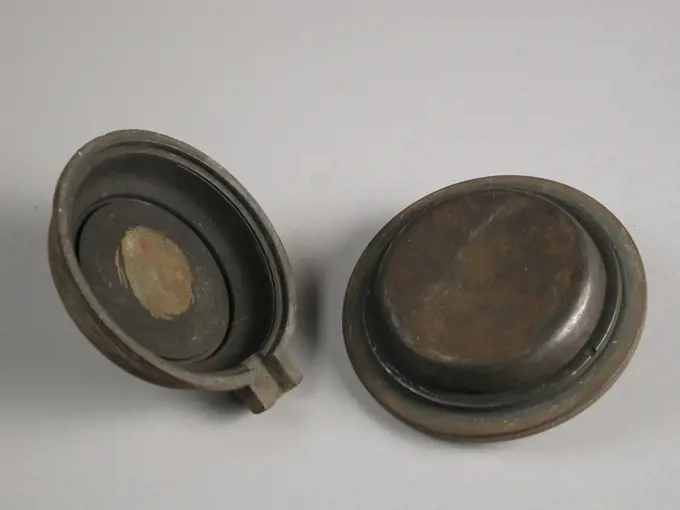
Ointment jar, cylindrical, red earthenware, ointment jar pot holder soil find ceramic earthenware glaze lead glaze, hand turned glazed fried Straight wall foot and flat scraping edge. Red earthenware interior glazed edge partly outside here and there stain Ointment jar. Oval top edge due to the carelessness of the potter archeology Rotterdam rail tunnel packing medicine drug pharmacy ointment Soil discovery: rail tunnel Rotterdam.
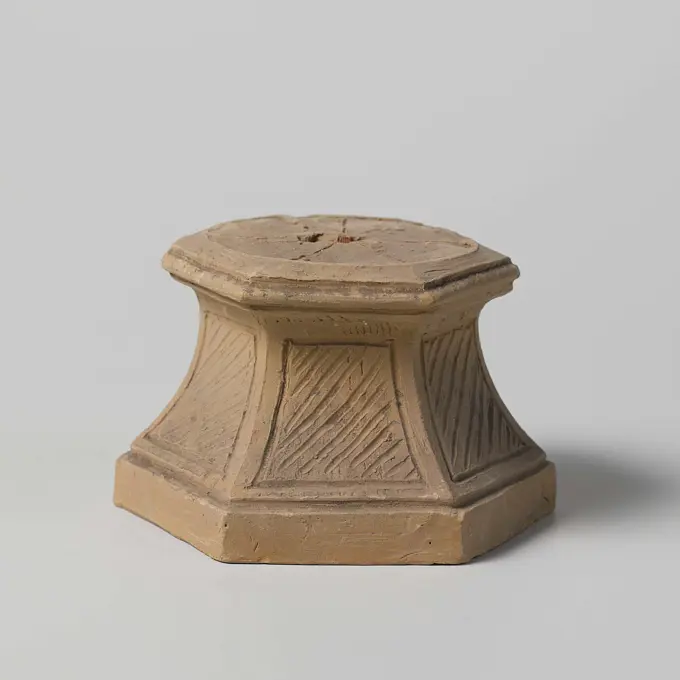
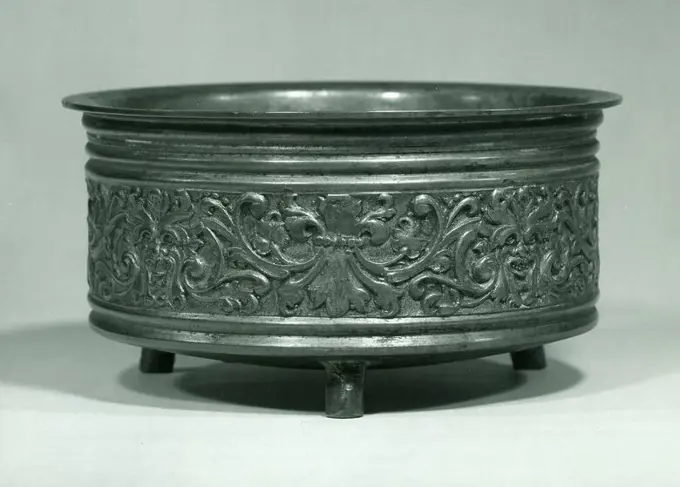
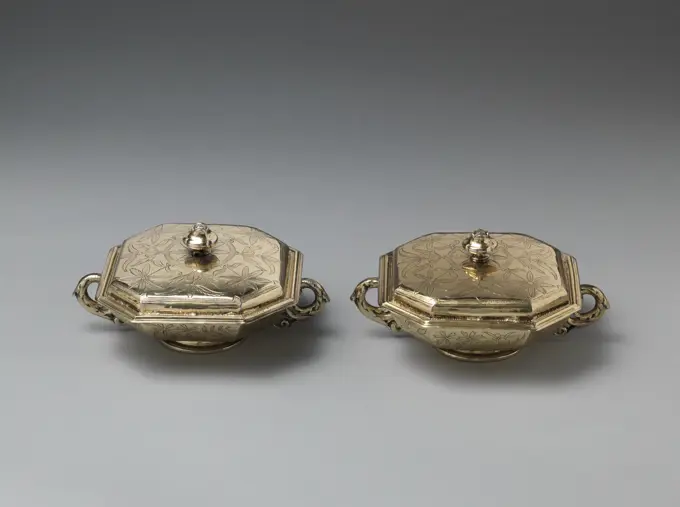
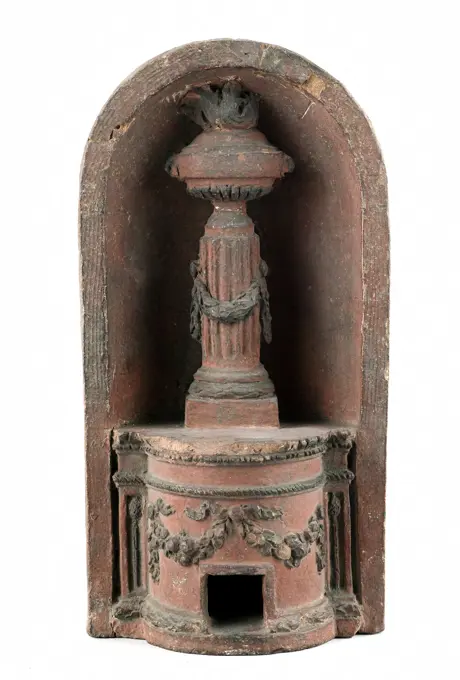
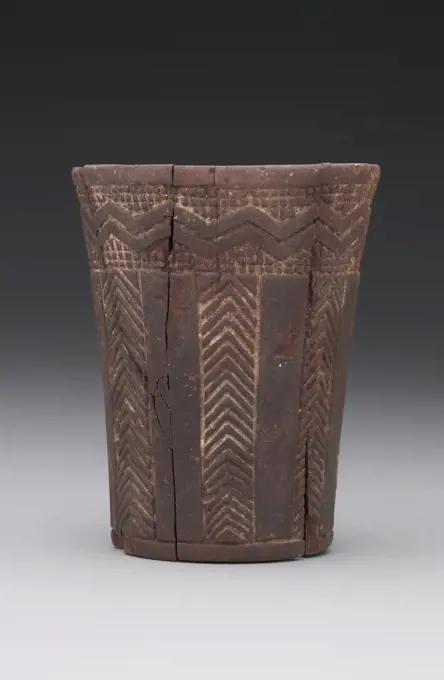
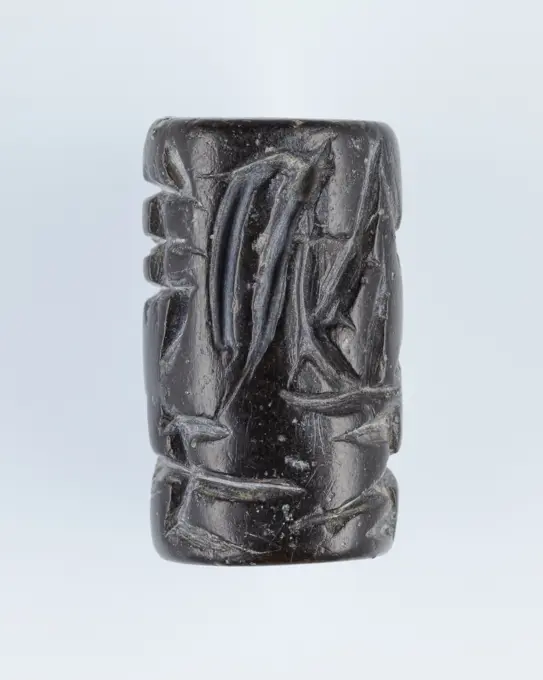
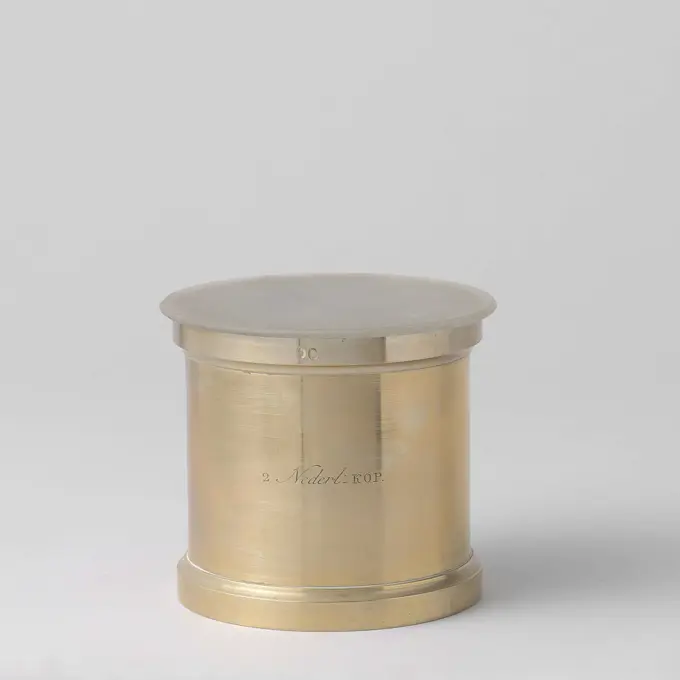
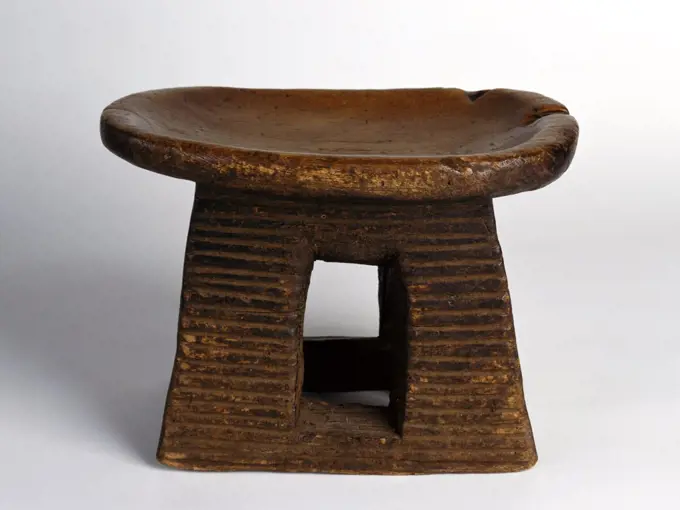
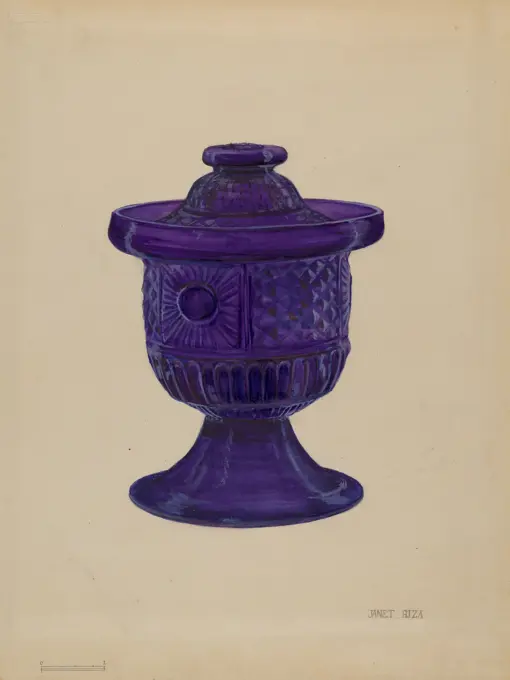
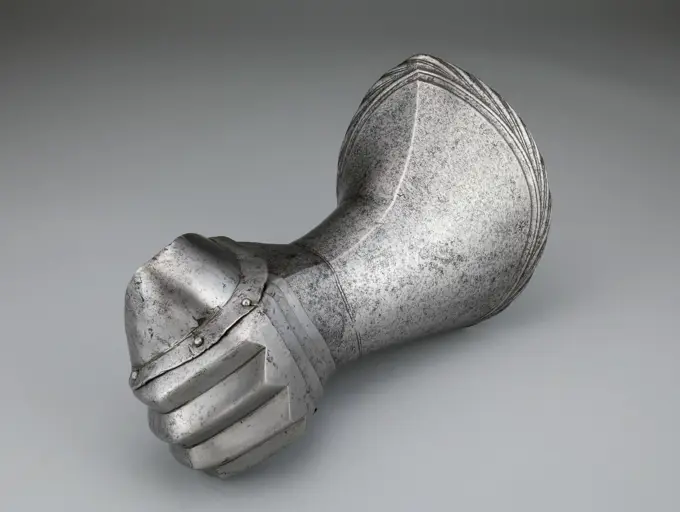
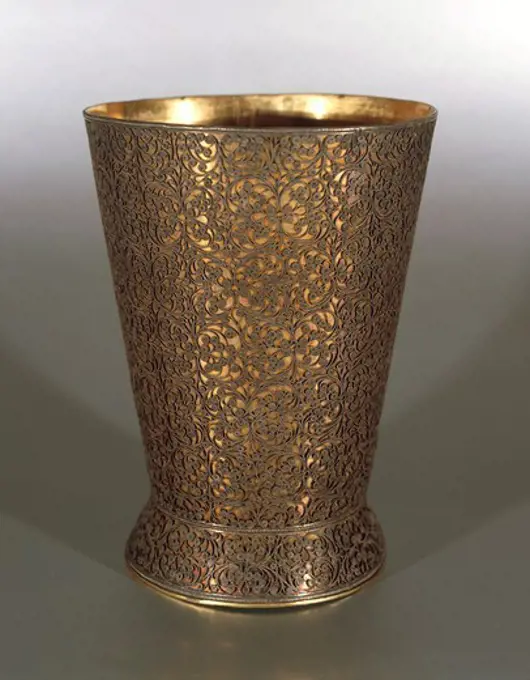
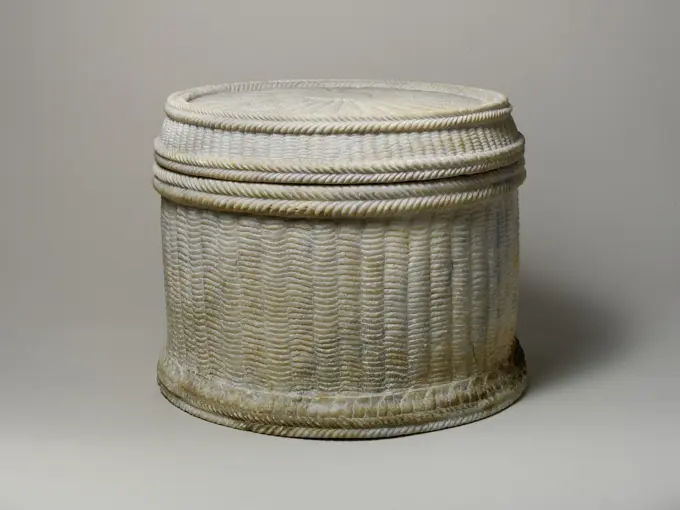
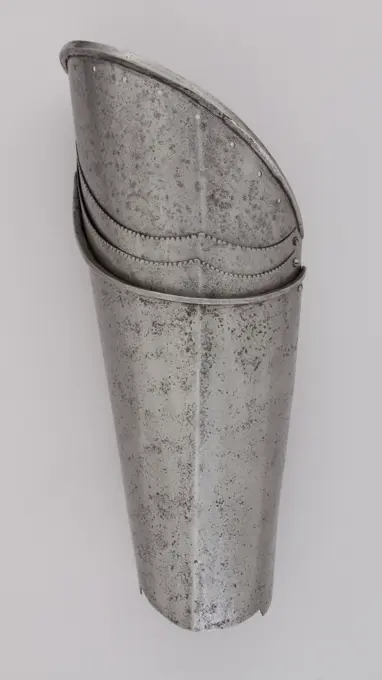
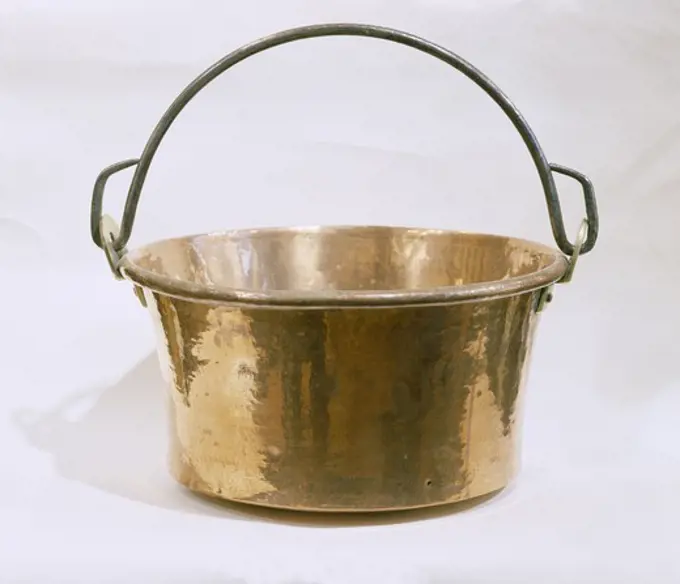
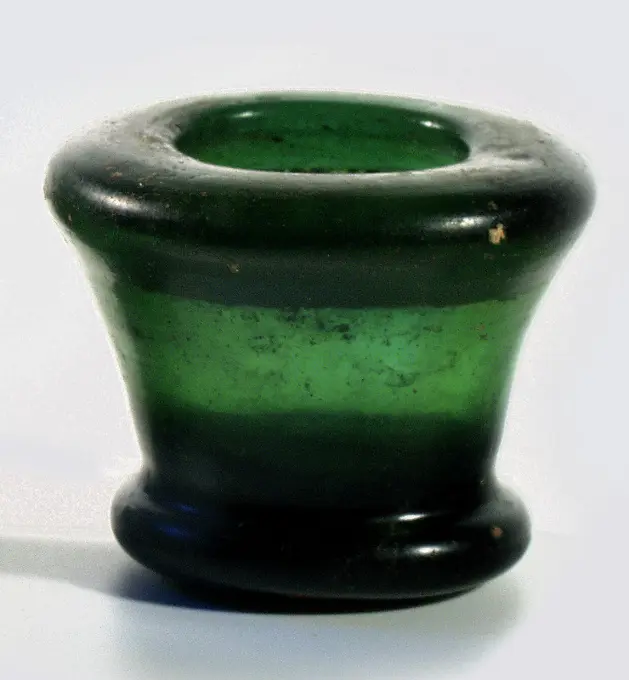
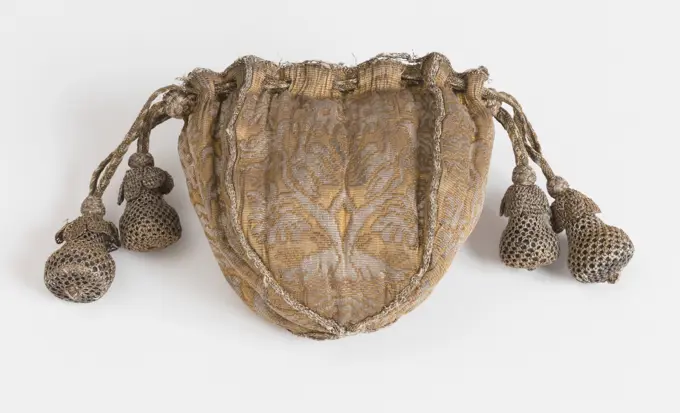
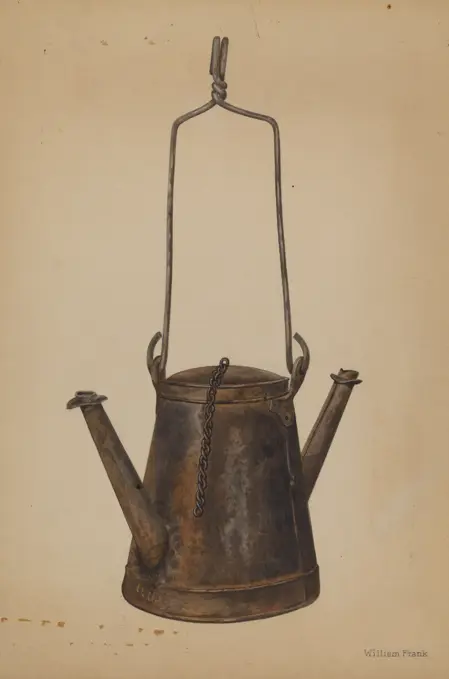
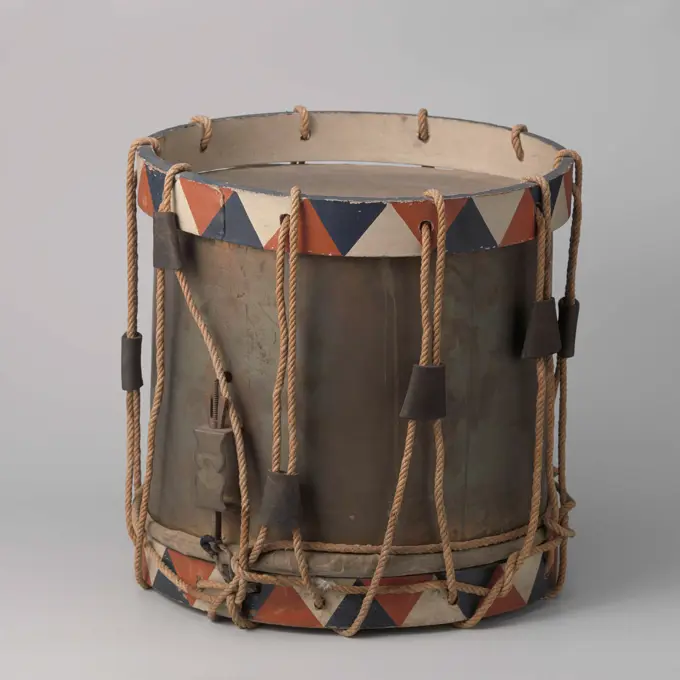
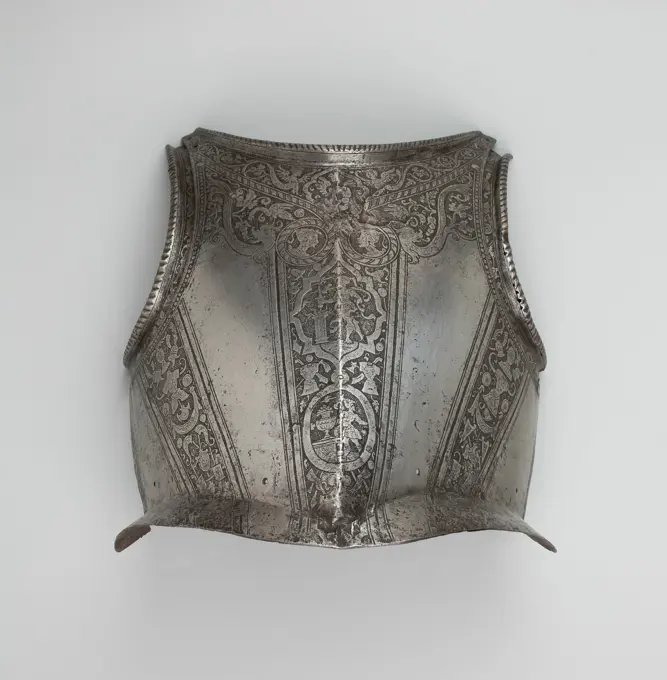
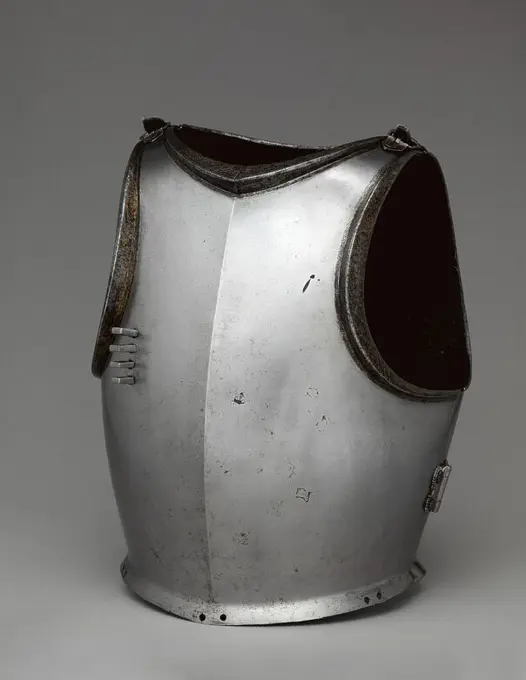
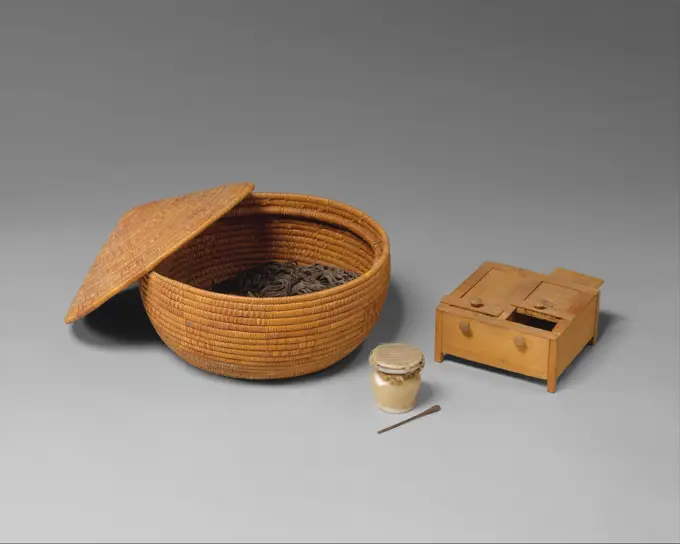
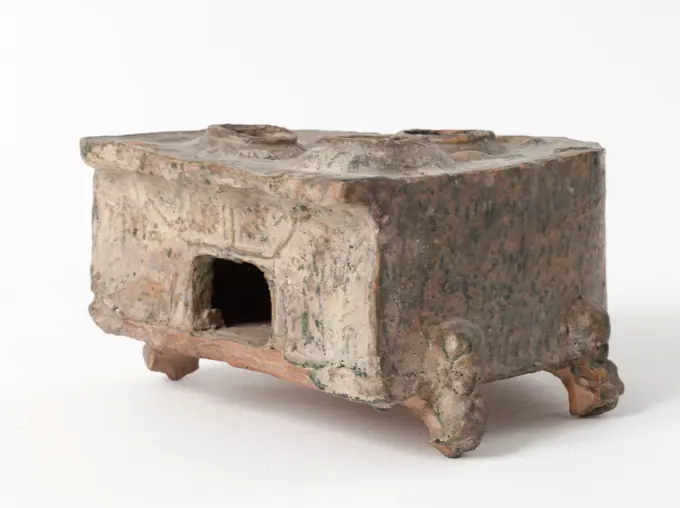
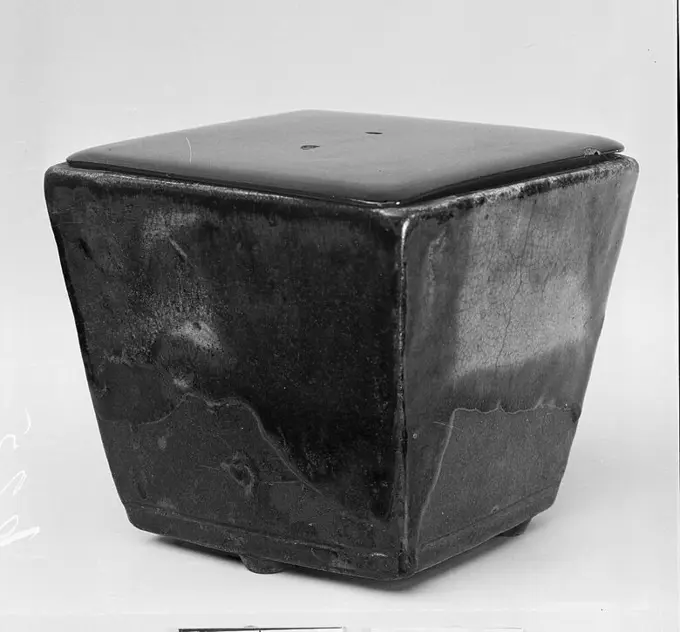
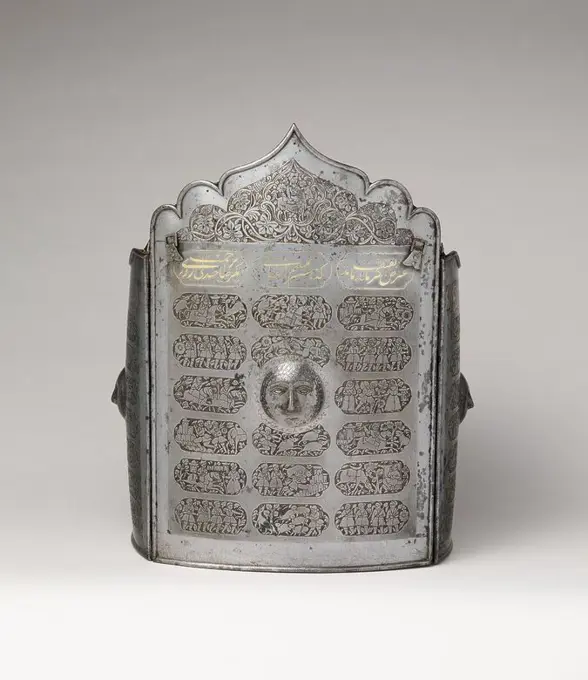
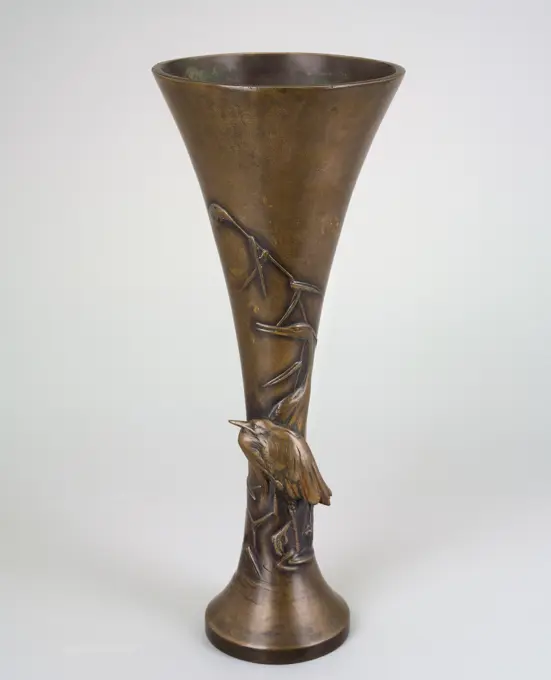
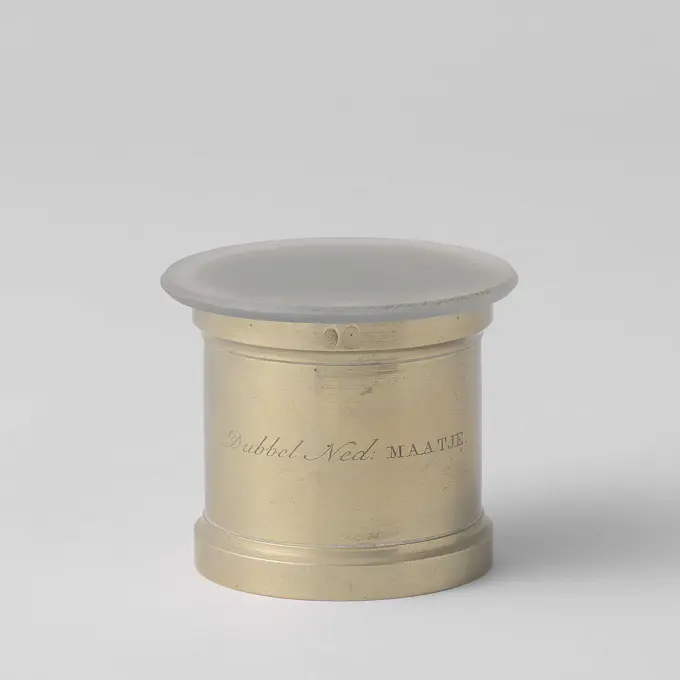
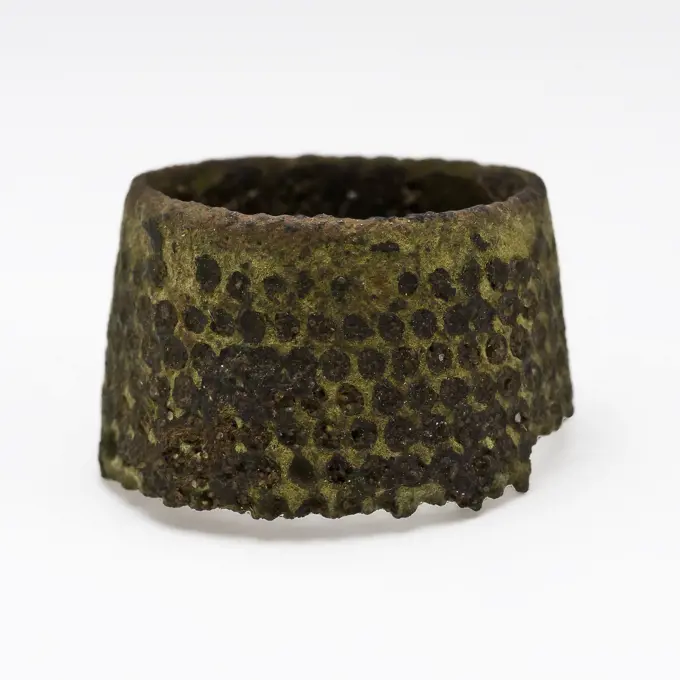
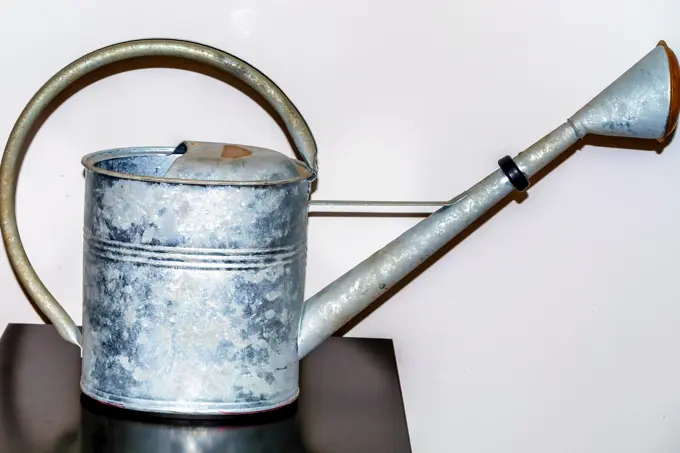
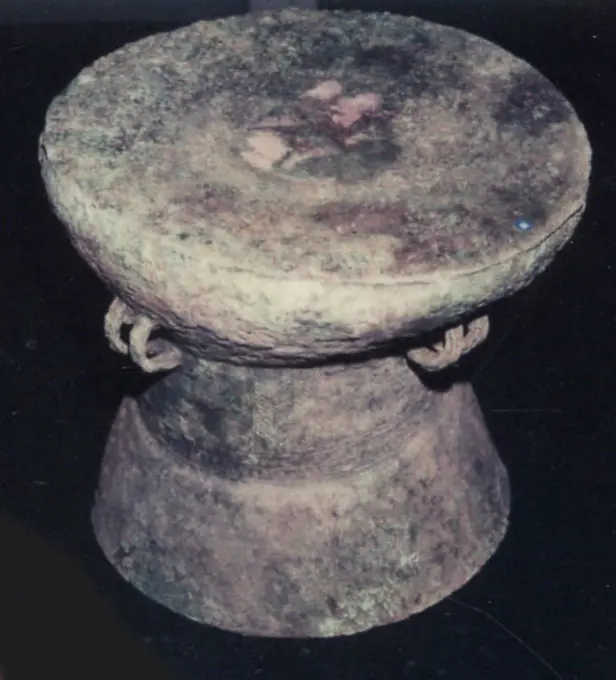
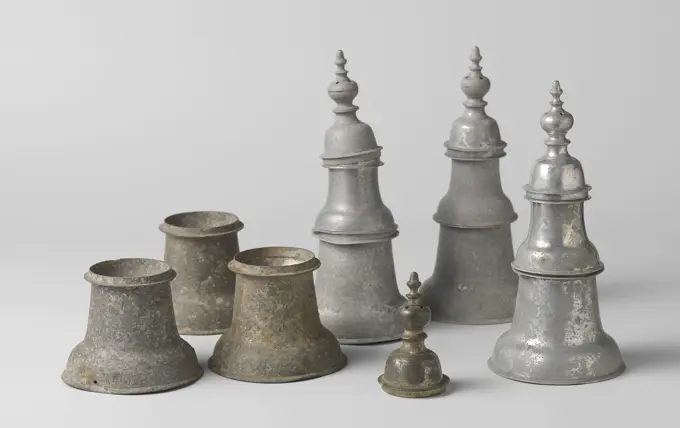
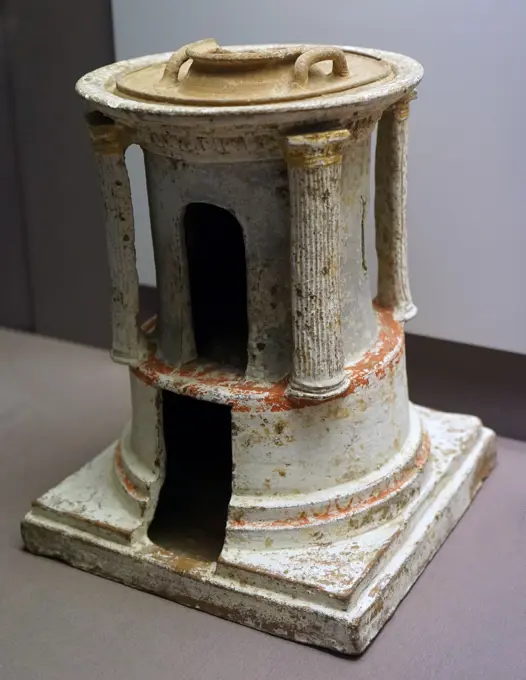
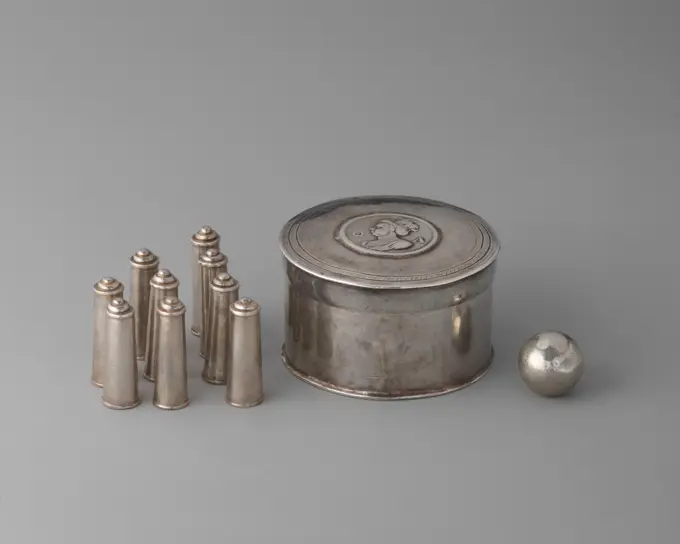
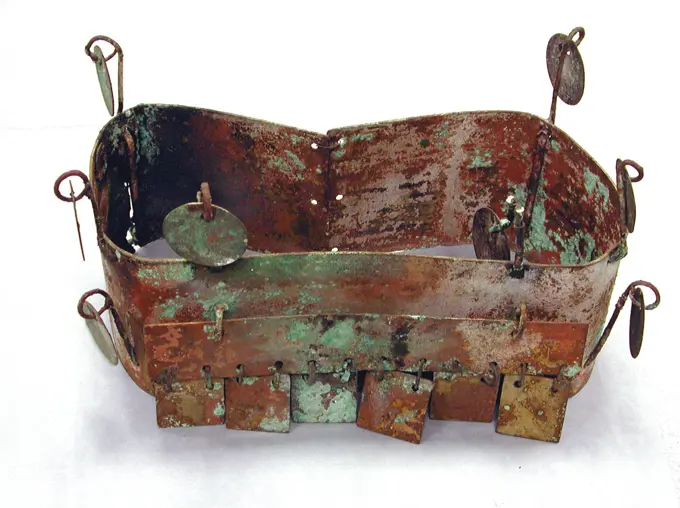
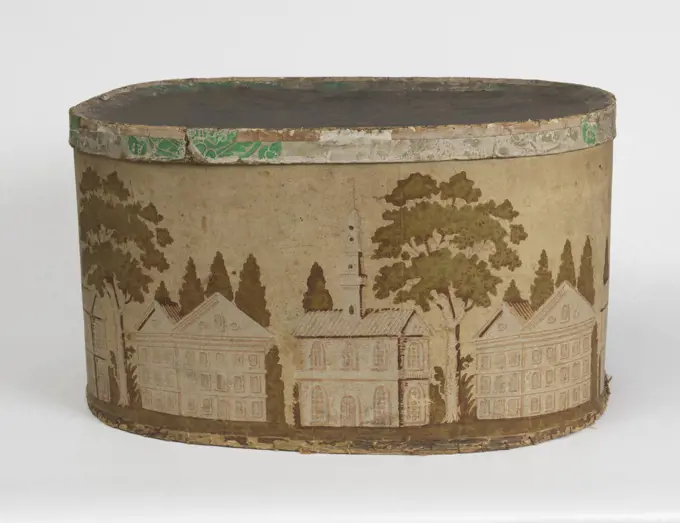
Inverse-Face Beaker. Culture: Lambayeque (Sicán). Dimensions: H. 5 1/4 x Diam. 4 5/8 in.(13.3 x 11.8 cm). Date: 10th-11th century. Museum: Metropolitan Museum of Art, New York, USA.Hexagonal clay base, belonging to design for a floral standard. Hexagonal clay base, belonging to 'design for a floral standard'. The top and plinth are overcurbing. The shaft is concave. In the top is a bit of entry into the clay that the top divides into six equal parts. One of these six equal parts has been divided into two again. The shaft contains six cases with diagonal arces. The bottom is not finished and is partially hollow.Tripod Bowl 15th-16th century Mixtec. Tripod Bowl 312647Bowl decorated with frieze of grotesques. Culture: Italian, Padua. Dimensions: H. 9.6 cm, Diam. 19.1 (rim).. Date: second half 16th century. Museum: Metropolitan Museum of Art, New York, USA.Pair of bowls with covers (part of a toilet service) 1683-84 William Fowle. Pair of bowls with covers (part of a toilet service). British, London. 1683-84. Silver gilt. Metalwork-SilverJean-Charles Delafosse. "Model of a small Louis XVI period stove". Terracotta. Paris, Carnavalet museum. 74057-6 Louis XVI time, model, stove, terracotta, 18th 18th 18th 18th 18th 18th century, miniatureARTE IRANI-AGUAMANIL DE COBRE. Location: MUSEO ARQUEOLOGICO NACIONAL-COLECCION. MADRID. SPAIN.Maker: Unknown, Kero, Wood, 10 cm (3 15/16 in.), Made in Central Andes, Peru, Central Andes,Inca, LateHorizon, Containers -WoodCylinder seal ca. 2345-2181 B.C. or later Old Kingdom. Cylinder seal. ca. 2345-2181 B.C. or later. Steatite. Old Kingdom. From Egypt. Dynasty 6 or laterApulian Kalathos. Unknown. Geelkoping Content knap for wet goods with matte cover glass. Together with seven other content moles in gray painted coffin.Drom, old model of the arches. Groom of the militia. The brass boiler is provided with a veal sheet on both sides, held by a hoop and tense by means of a tensioner with tractors and screws. Both hoops are decorated with a motif of triangles in the colors red, white and blue. With engraved numbers: 1832.Wooden women's stool from Cameroon Grasslands,  USA,  Florida,  Jacksonville,  The Museum of Contemporary Art,  African Art CollectionJanet Riza, Sugar Bowl with Cover, c 1934 Sugar Bowl with CoverKnee Cap, 1801-1900. Germany, 19th century. Steel with black paint; overall: 27.3 x 33 cm (10 3/4 x 13 in.).Tilting Gauntlet for the Left Hand (Manifer) Made 1510-1540 Spain. Steel .Senwosret (), Oil jar ca. 1950-1850 B.C. Middle Kingdom. Senwosret (), Oil jar. ca. 1950-1850 B.C.. Travertine (Egyptian alabaster). Middle Kingdom. From Egypt, Memphite Region, Lisht South, tomb west of the tomb of Senwosretankh, Pit 3, Burial chamber of owner, MMA excavations, 1933-34. Dynasty 12, early - midGoldsmith's art, Italy, 16th century. Conical vase with filigree decoration.Helmet. Culture: Caucasian. Dimensions: H. including mail 19 in. (48.3 cm); H. excluding mail 1 1/8 in. (2.9 cm); Diam. 5 in. (12.7 cm); Wt. 2 lb. 11.1 oz. (1221.9 g). Date: 18th-19th century. Museum: Metropolitan Museum of Art, New York, USA.metal cup and sugar bowl isolated on white backgroundMarble cinerary urn with lid ca. 10 B.C.-A.D. 10 Roman Marble imitations of wicker baskets that served as cinerary urns were popular in Rome in the Early Imperial period. They were often associated with female burials, and it is attractive to see this example as representing the weaving basket that the deceased may have used in life. Weaving was regarded as one of the activities that a virtuous Roman matron should pursue.. Marble cinerary urn with lid 253553 Roman, Marble cinerary urn with lid, ca. 10 B.C.A.D. 10, Marble, H. 9 11/16 in. (24.6 cm) diameter 12 7/16 in. (31.6 cm). The Metropolitan Museum of Art, New York. Gift of Mrs. Frederick E. Guest, 1937 (37.129a, b)Bickom (Anvil). European. Date: 1400-1500. Dimensions: . Iron. Origin: Europe. Museum: The Chicago Art Institute, Chicago, USA.Pair of Thigh Defenses (Cuisses) ca. 1450 Italian This is part of a large find of medieval armor discovered in 1840 in the ruins of the fortress of Chalcis, on the Greek island of Euboea (then a Venetian colony called Negroponte). The fortress had been captured and destroyed by the Turks in 1470. Now divided largely between the Ethnological Museum, Athens, and The Metropolitan Museum of Art, the Chalcis hoard contains many rare and unusual elements of fourteenth- and fifteenth-century armor. Of particular importance are the variety of headpieces and the many fragments of brigandines (armor for the torso constructed of small plates riveted to layers of fabric), some of which retain portions of their original velvet covering. The Chalcis armor provides a unique picture of the armament used in the Aegean, one of the easternmost military outposts of the Venetian empire.. Pair of Thigh Defenses (Cuisses) 27695Close-up of brass pan with handleSmall bowl. unknown, craftsmanCovered Tea Kettle, 1615-1868. Japan, Edo period (1615-1868). Iron; overall: 22.9 x 12.7 cm (9 x 5 in.).John Tarantino, Wine Keg, c 1939 Wine KegMitten Gauntlet for the Right Hand Made 1520-1540 Nuremberg. Steel, leather, and brass .BrushPotPurse (France); silk, gilt wire, metal-wrapped silk-core threadsToy cauldron -William Frank, Two Spouted Torch, c 1942 Two Spouted TorchDrom, old model of the arches. Groom of the militia. The brass boiler is provided with a veal sheet on both sides, held by a hoop and tense by means of a tensioner with tractors and screws. Both hoops are decorated with a motif of triangles in the colors red, white and blue. With engraved numbers: 1853-5.Breastplate 1550-1610 Milan. Steel .Hammered Silver Miniature Crown 11th-mid-16th century Peru; north or central coast (). Hammered Silver Miniature Crown 309034Two-piece bronze mold for dish, mold casting tool tools kit metal_metal bronze, cast twisted Two-piece bronze mold for small bowl top: 2834 14 Rotterdam tin tinker tin dinnerware Meeuws Druy craft Forms come from the originally 18th century Rotterdam tinnegieter J Druy. The large molds that were not signed or dated were the property of the tinker guild and were rented to the small tin caster.Marmalade Jar. Dimensions: H. 5 7/8 in. (14.9 cm); Diam. 3 in. (7.6 cm). Date: 1870-80. Museum: Metropolitan Museum of Art, New York, USA.Reconstruction of soldier's manners from the Napoleonic timesCuirass. Culture: Italian or Flemish. Dimensions: H. of breastplate, 14 in. (35.6 cm); H. of backplate, 14 1/4 in. (36.2 cm); W. 12 in. (30.5 cm); Diam. at waist 29 in. (73.7 cm); Diam. 35 in. (88.9 cm); Wt. 10 lb. (4536 g). Date: ca. 1490-1500.By the end of the fifteenth century, one-piece breastplates had mostly replaced the two-piece Gothic form. The shape of this breastplate, particularly the boldly boxed borders at the neck and arms, is characteristic of the new type created in Italy and emulated in Flanders. Museum: Metropolitan Museum of Art, New York, USA.Basket and toilet articles ca. 1479-1458 B.C. New Kingdom The objects shown here were discovered with the burial of an unnamed woman who lived at about the same time as Hatnefer. The basket contains a mass of fine braids of dark brown human hair and three bundles of loose, wavy locks. These tresses would have been used to augment the owner's own hair in order to create the fashionable hairstyle of the period. The lid of the small alabaster jar has been covered with a scrap of cloth bound with linen cord to keep the contentsthe powdery eye makeup known as kohlfrom spilling out. When found inside the basket, the sticklike kohl applicator of polished ebony was stuck through a fold in the linen. The small wooden box was two compartments, each with a sliding lid, and was probably used for jewelry.. Basket and toilet articles 688623Mingqi Fourneau ". Terracotta with Green lead glaze. China, Han dynasty (206 BC-220 AD). Paris, Cernuschi museum. Chinese art, Chinese Ceramic, Han dynasty, Han time, rectangular shape, stove, mingqi, feet, terracottaBox, wood,sealing wax, Box with lid, box holds thirty-two red wax seals. A: cover; B: bottom, USA, early 19th century, Decorative Arts, BoxRéchaud ". Bronze. China, Han. Paris dynasty, Cernuschi museum. 72359-7 Bronze, dnastie des, rejectSquare Bowl. Culture: Japan. Dimensions: H. 5 in. (12.7 cm); Diam. 5 3/4 in. (14.6 cm). Date: ca. 1700. Museum: Metropolitan Museum of Art, New York, USA.Incense - myrrh and frankincense - travelled north along the ancient Incense Roads from Yeman and Oman from early antiquity. Used in worship and to perfume the air, various types of incense burner were used in this process. In this instance, the head of the stylised lion is hinged and can be tipped forward, allowing the body of the lion to be filled with glowing embers. Incense was then scattered on the embers, and the fragrant smoke resulting escaped through the patterned holes in the lions chest, neck and flanks.Stone Temple Model 1st-8th century Mezcala. Stone Temple Model 317515Drum, 1800 - before 1865 musical instrument. percussion instrument. drum Trom of the militia. The brass kettle is equipped with a veal sheet on both sides, held by a hoop and tense by means of a tension with tractors and screws. Both hoops are decorated with a motif of triangles in the colors red, white and blue. With engraved numbers: 1861-87. Netherlands Kettle: Brass (Alloy). Hoop: Wood (Plant Material). Team resort: RopeCuirass (Chair-a'ina). Culture: Iranian. Dimensions: H. 15 1/2 in. (39.4 cm); W. 13 in. (33 cm); W. laid flat 35 1/2 in. (90.2 cm); D. 12 in. (30.5 cm); Wt. 10 lb. 13.6 oz. (4921.5 g). Date: first half 19th century.The Persian term char-a'ina ("four mirrors") refers to the four plates that compose this type of cuirass. The engraved decoration consists of traditional genre scenes, including those of war, hunting, and leisure. The inscriptions include a verse by the Persian poet Sa'di (ca. 1213-1292) from his Gulistan (Rose Garden) and another that refers specifically to the armor: "Four mirrors are good for the hero's back, and no one should ever see the back of a hero.". Museum: Metropolitan Museum of Art, New York, USA.Vase decorated with a plastic cap of a cap in the reed family;  19th/20th century (1890-00-00-1910-00-00);Browns, gift (provenance), modernism (style), Japanese art, vasespeat pot for seedlingsCampania Caserta Capua Museo Campano068. Hutzel, Max 1960-1990 Medieval: Byzantine architectural fragments; parchment fragments with miniatures (12th century) from Montecassino; painted wooden crucifix (13th century); Carolingian crucifixes; Bishop's miter (11th century) of gold and silver damask; fresco (13th century). Post-medieval: Architecture (15th century). Formerly the Palazzo Antignano. Unusual Catalan/Moorish-style portal; Paintings on panel and canvas (15th-18th centuries); marble intarsia (16th century); marble sculpture: busts of Christ and Mary (17th century); sculpture of saints in marble and in wood (15th century); painted and gilded sculpture in wood; marble grave sculpture (16th century); sarcophagus with allegorical carvings; gold reliquary "Rosa d'Oro"; crucifix made of elephant tusk Specific Location: Pianterreno Antiquities: Italic sculpture (seated women holding babies); inscription. Photo campaign #1: 533 photos. Roman relief and sculpture; cinerary urns; Greek aTobacco box. Culture: British. Dimensions: Overall: 5 3/16 × 5 1/2 × 3 7/8 in. (13.2 × 14 × 9.8 cm). Date: late 18th-early 19th century. Museum: Metropolitan Museum of Art, New York, USA.Miniature vessel, rattle, rattle-handle in the shape of an animal head. Ceramic with lead glaze 12th centuryTerracotta statuette base 3rd century B.C. Greek, South Italian, Tarentine For statuette.. Terracotta statuette base. Greek, South Italian, Tarentine. 3rd century B.C.. Terracotta. Hellenistic. Terracottas. .Edward Bashaw, Bucket, c 1940 BucketViskorf. Double-conical bucket on a round foot. There are six rows with holes and engraved lines in the wall. The bucket has a fixed handle. The bucket is labeled: STK. = Amsterdam, JRL. = T (1778), Mt. = Abraham Vilelle and an ax.Lamp. UnknownPottery ointment jar, white shard, internally glazed yellow, ointment jar pot holder soil find ceramic earthenware glaze lead glaze, hand turned glazed baked Pottery ointment jar white shard internal yellow glazed on stand with light soul. Cylindrical model with narrowing above the foot archeology health care native pottery pharmacy store sell craft paintCover for an Urn, c. 1800. Wedgwood Factory (British). Jasper ware with relief decoration; overall: 19.7 cm (7 3/4 in.).E Allen Fritz, Hickory Bark and Oat Straw Basket, c 1940 Hickory Bark and Oat Straw BasketACETRE NAZARI DE BRONCE - SIGLO XIV - 20x16 cms. Location: MUSEO ARQUEOLOGICO NACIONAL-COLECCION. MADRID. SPAIN.Drum, 1800 - before 1865 musical instrument. percussion instrument. drum Trom of the militia. The brass kettle is equipped with a veal sheet on both sides, held by a hoop and tense by means of a tension with tractors and screws. Both hoops are decorated with a motif of triangles in the colors red, white and blue. With engraved numbers: 1846-41. Netherlands Kettle: Brass (Alloy). Hoop: Wood (Plant Material). Team resort: RopeBulb-bowl, Chinese, Song dynasty, 960-1279 (1925). Artist: Unknown. Geelkoping Content knap for wet goods with matte cover glass. Together with seven other content moles in gray painted coffin.Copper molded sewing ring, thimble sewing kit soil find copper metal, cast Copper die-cast sewing ring with blank upper edge archeology seamstress tailor sewing textile edit clothing needle and thread repairVase; glassGuangong (common name). Sandstone, molding, molded decor, cookie, celadon. Cernuschi Museum, Asia Museum of Asia in the city of Paris.altes rostiges Ölfass altes rostiges Ölfass Copyright: xZoonar.com/Dr.xNorbertxLangex 14208835Cricket Cage China. Cricket Cage. China. Gourd with coconut shell and ivory. Qing dynasty (1644-1911), Daoguang period (1821-50). Cricket cagesZinc old metal watering can on a white background Zinc old metal watering can on a white background Copyright: xZoonar.com/JFsPic Thielemannx 13102051Drum and Four Fragments 500 B.C.-A.D. 300 Vietnam (North). Drum and Four Fragments 53508Waza to the glasses - Perra; Zielenkiewicz, Antoni (fl. Ante 1785-Ca 1790); 1789 (1789-00-00-1789-00-00);Drom, old model of the arches. Groom of the militia. The brass boiler is provided with a veal sheet on both sides, held by a hoop and tense by means of a tensioner with tractors and screws. Both hoops are decorated with a motif of triangles in the colors red, white and blue. With engraved numbers: 1848-50 and 1861-2.Dōtaku, AD 100-200. Japan, Yayoi period (c. 300s BC-AD 200s). Cast bronze; overall: 97.8 x 48.9 cm (38 1/2 x 19 1/4 in.).Architectural fragment from the LebanonChurchWomen's non -circle;  beginning of the 20th century (1901-00-00-1910-00-00);gift (provenance), collarGrape Shot, anonymous, 1780 - 1800 grapeshot. artillery accessories Green -painted grape, in terms of caliber, corresponds to the cash. France (possibly) bronze (metal). iron (metal)Alkmaar 1/256 pocket maids. Shunting size of 1/256 bag, with a branded calibration mark with the weapon of Alkmaar and labels.Anonymous, mule, 1745. Pale blue shaped silk, heel covered with brown leather, cream in cream. Palais Galliera, fashion museum of the city of Paris.Box with Teakettle Design. Shibata Zeshin (Japan, 1807-1891). Japan, mid- to late 19th century. Costumes; Accessories. Bamboo, lacquerShaping Plane 1643 Germany. Iron and wood .Model of An Iron low. Wooden model of an iron Neut or Douwel. The Neut is hollow and has a thin cutting ring in the middle.Two-piece bronze mold for dish, cast molding tool tools base metal bronze, cast twisted Two-piece bronze mold for casting plate or dish with top stand, Rotterdam tin foundry tin stain tin Meeuws Druy craft Shapes are from the from origin 18th century Rotterdam tinnegieter J Druy. The large molds that were not signed or dated were the property of the tinker guild and were rented to the small tin caster.Salt barrel with lid, anonymous, c. 1590 - c. 1596 salt (condiment vessel). fragment Pewter bus, salt barrel  tin (metal) casting  Nova Zembla. Saving HuysSilversmith: Jean George Grebe, Silver children's cup, cup holder silver, Cup-shaped smooth model narrow cable edge between profiled bottom edge top edge (smashed) birthMitten Gauntlet for the Left Hand. German. Date: 1510-1530. Dimensions: L. 27.9 cm (11 in.). Steel, brass, and leather. Origin: Germany. Museum: The Chicago Art Institute, Chicago, USA.Bronze handles and rim of a cauldron ca. 1300-1050 B.C. Cypriot Metal kraters with decorated rims and handles are extremely rare. The body of the vessel to which these were originally attached has not survived. The fine metalwork is quite worn and exhibits a mixture of influences from East and West characteristic of Cypriot manufacture. The demonlike figures on the handles are Near Eastern in origin, although they display strong Aegean stylistic influence.. Bronze handles and rim of a cauldron 244563Bronze Stand 1st century A.D.Vigne et Masques. Acquired by the artist on the Paris World Fair 1900CacaoVessel.  Artist: UnknownStone Temple Model 1st-8th century Mezcala. Stone Temple Model 317542Terrestrial globe. Both Blaeus, father and son, were world famous cartographers. The globes that they made were real showpieces. Naturally, they included the latest discoveries of distant lands, and colonies such as Nieu Nederland’ (New York). Yet there were still unexplored territories in the world. Only a small section of the Australian coast had been charted - by Dutchmen, as the name Hollandia Nova’ indicates.Terracotta model of a circular building from the tomb at Olbia in the Crimea. Dated 350 BCMiniature pins ca. 1702-14 T.K., London. Miniature pins. British, London. ca. 1702-14. Silver. Metalwork-Silver-MiniatureBaskets with lidsInterior and DecorationCopper Crown with Dangles 3rd century B.C.-A.D. 2nd century Vicús. Copper Crown with Dangles 315604Hat ca. 1829 American. Hat 112653Bandbox, Block-printed paper, pasteboard support, Neutral field, brownish-green trees and ground, pink brick buildings: the first capitol at Albany () Top has parrots and tree branches., USA, 1830-50, Wallcoverings, Bandbox