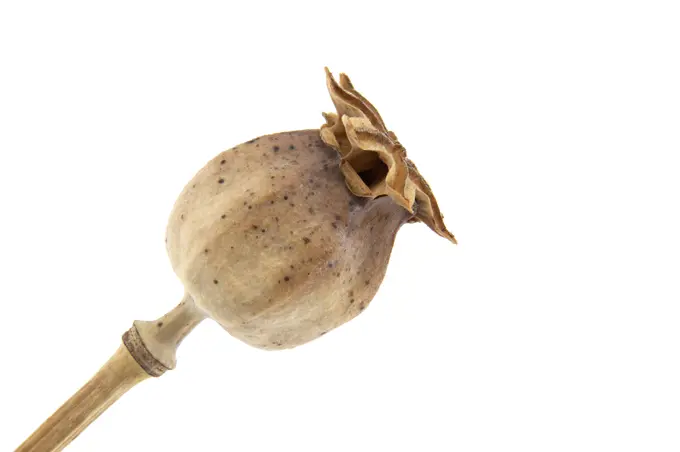
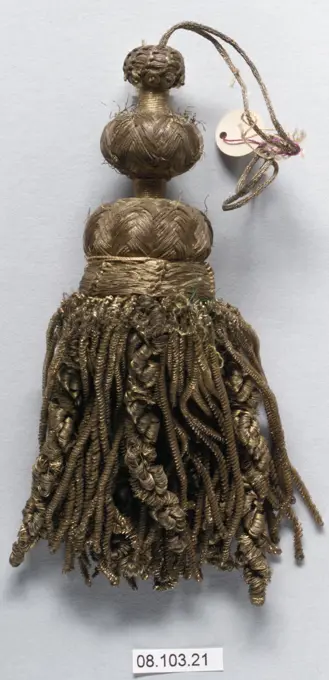
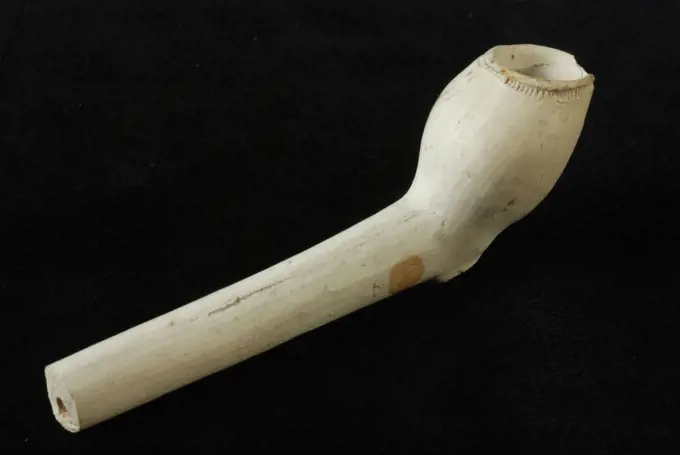
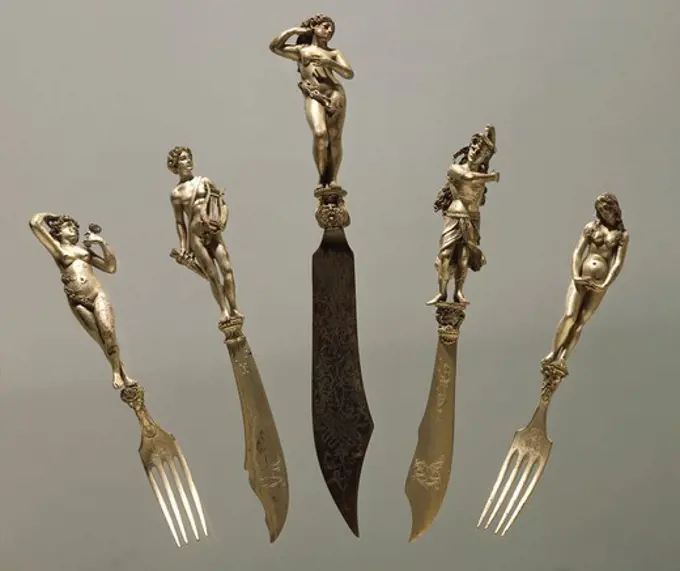
Ancient Tools and Weapons

Images of historical artifacts like nails, daggers, and harpoon heads, showcasing ancient craftsmanship across different cultures.
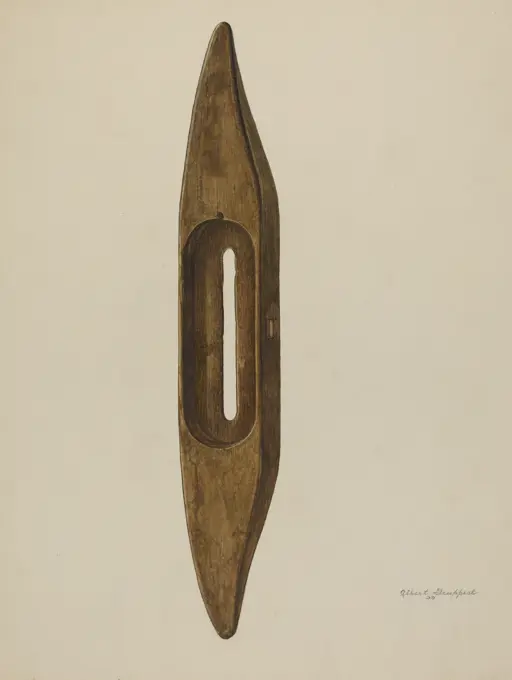
Albert Geuppert, Cloth Shuttle, 1939 Cloth Shuttle
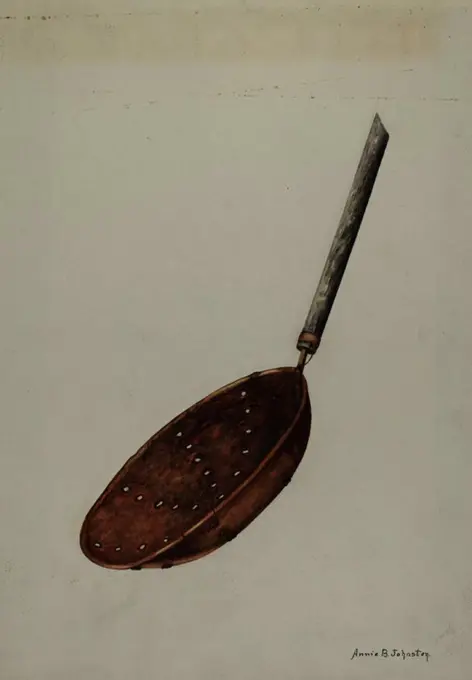
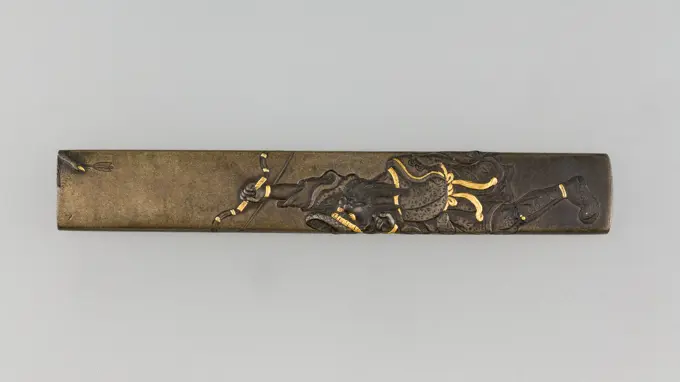
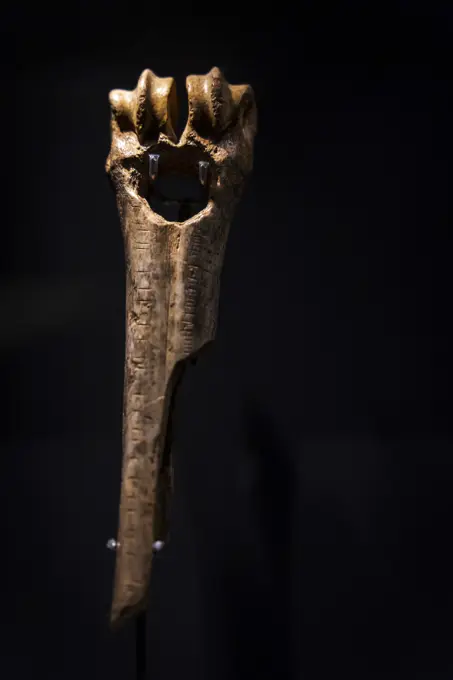
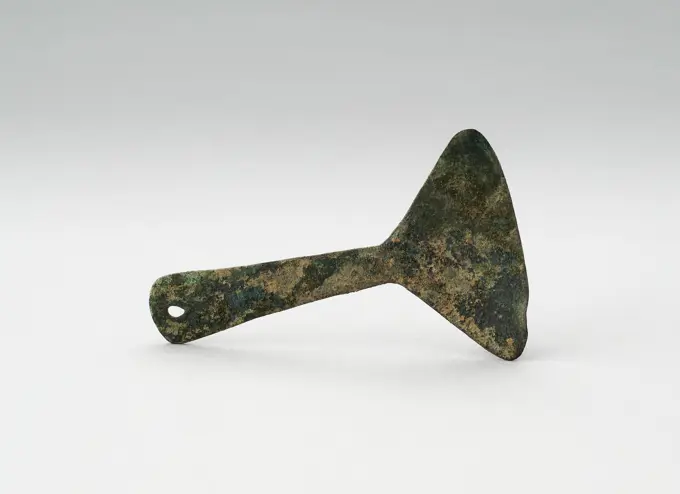
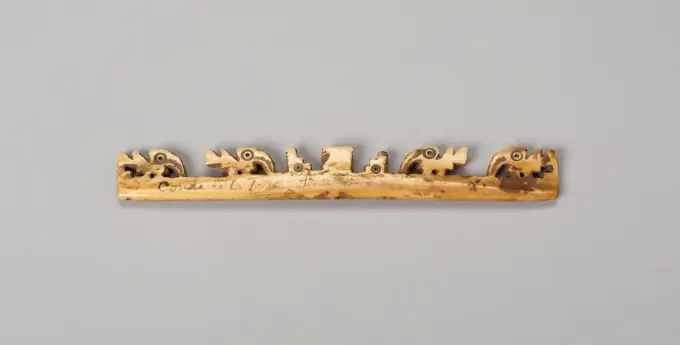
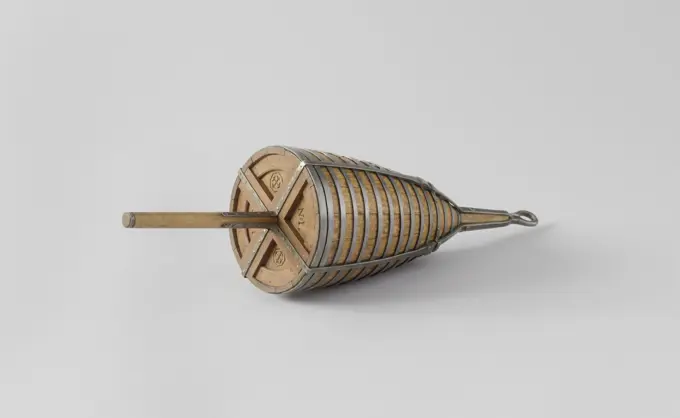
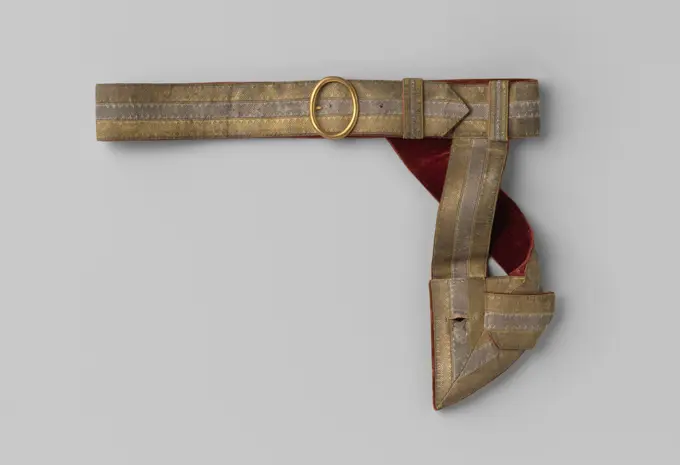
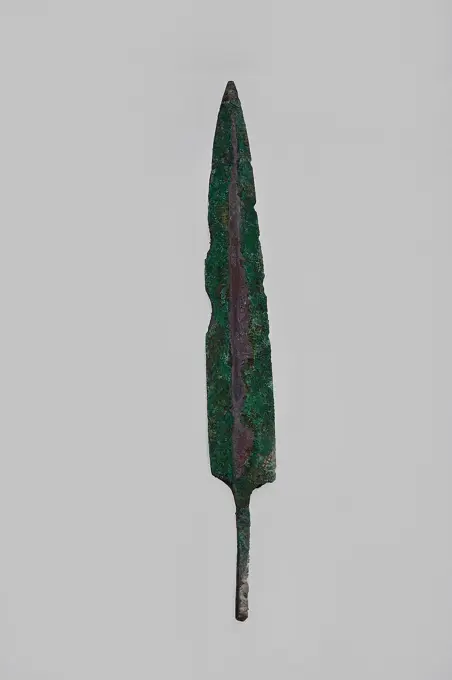
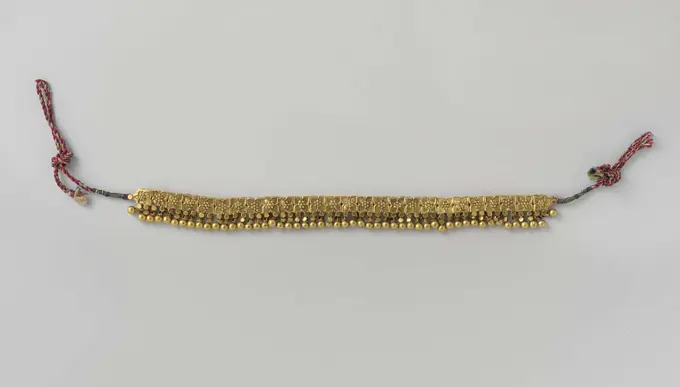
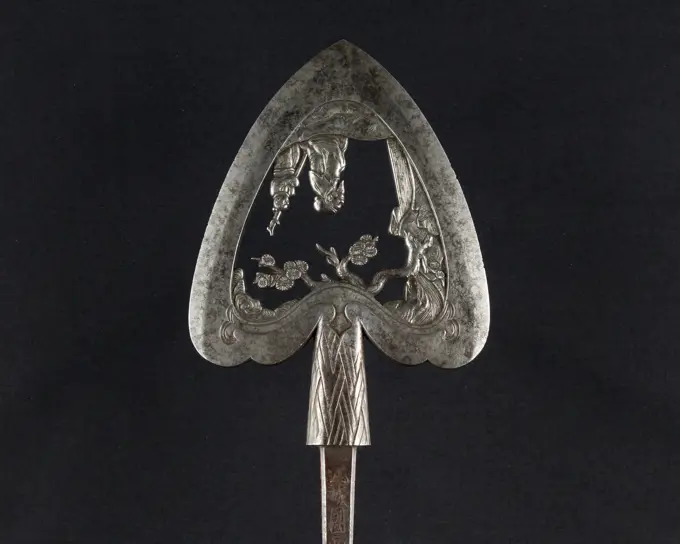
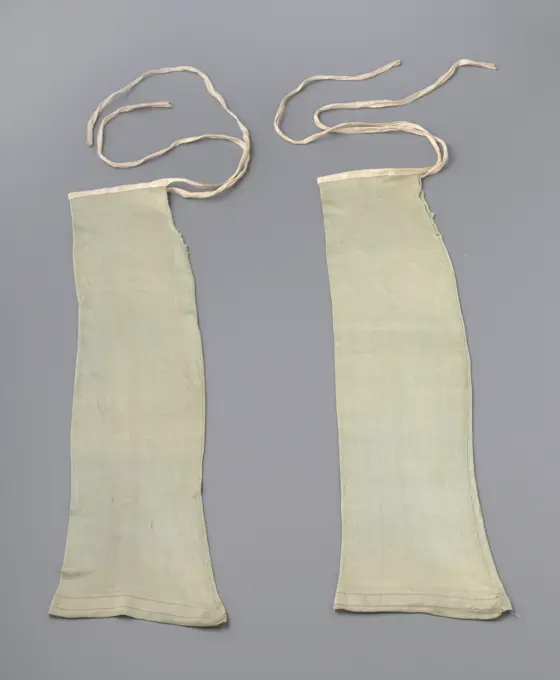
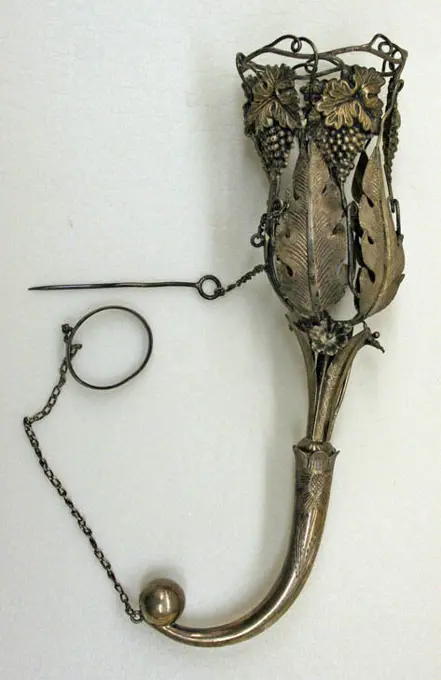
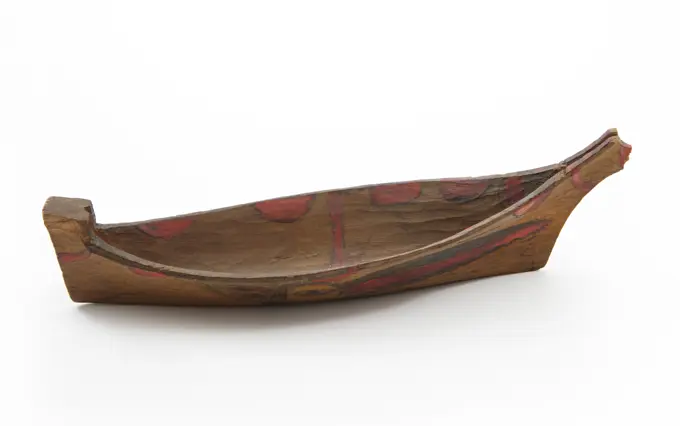
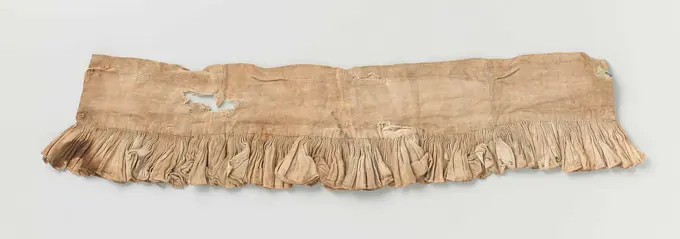
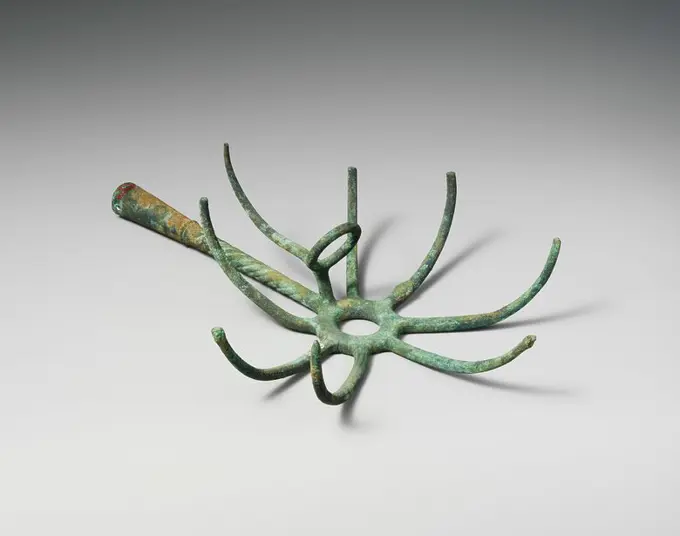
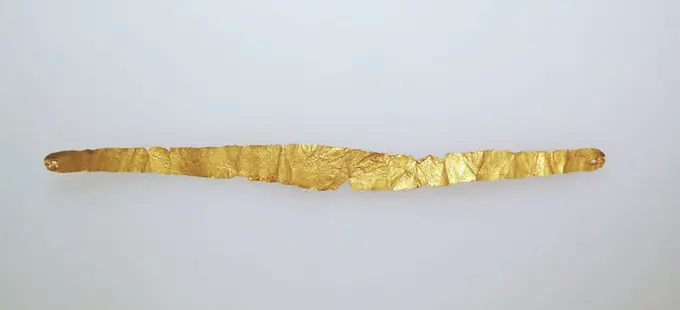
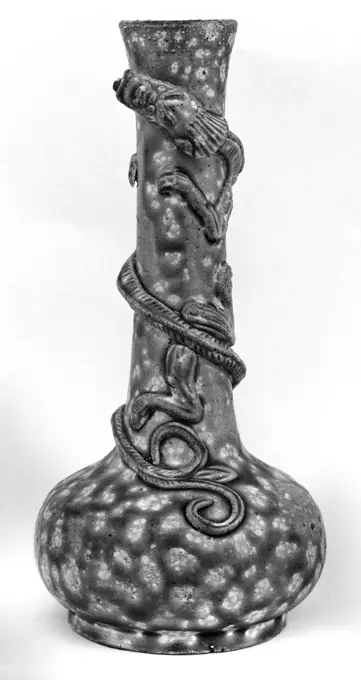
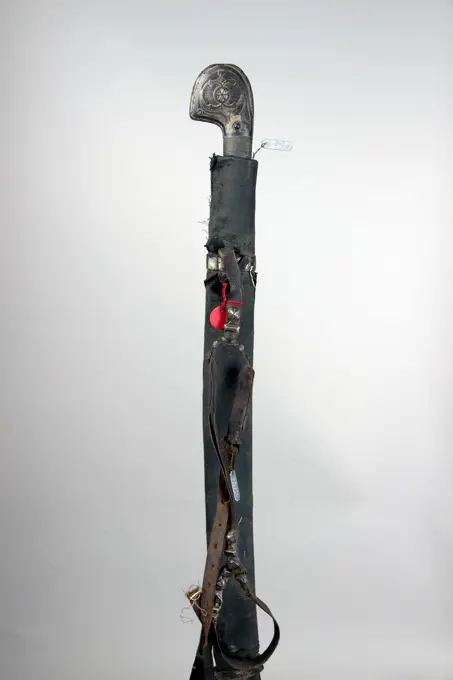
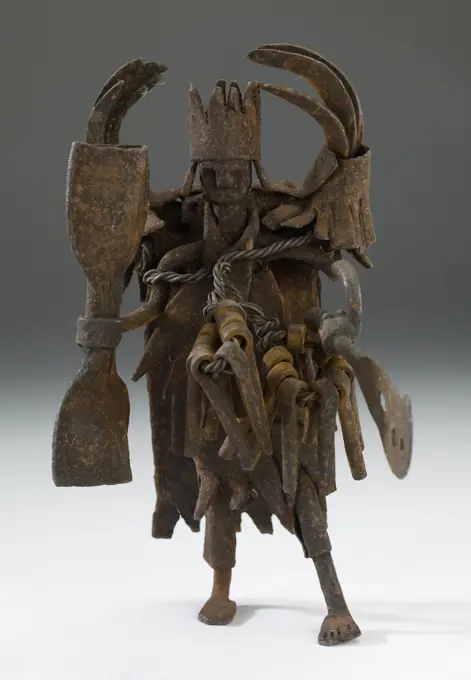
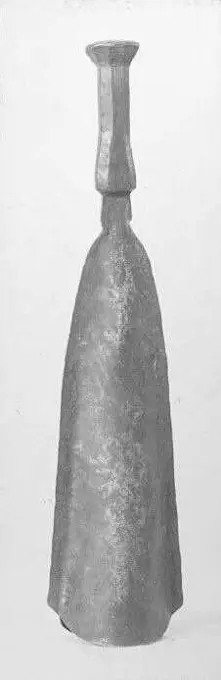
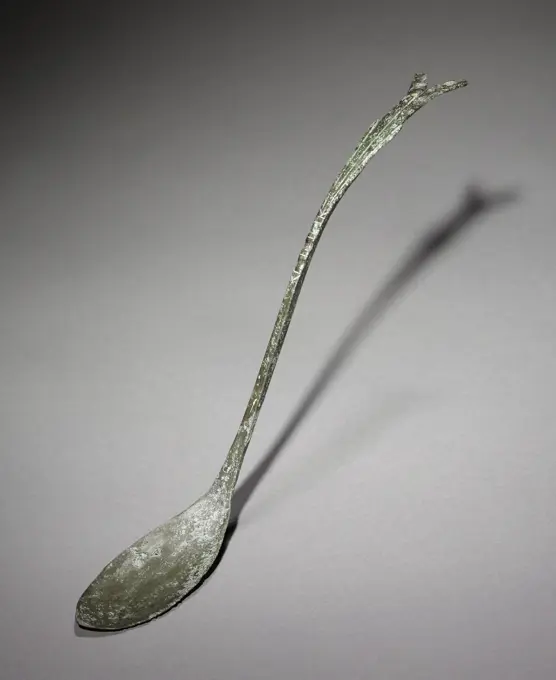
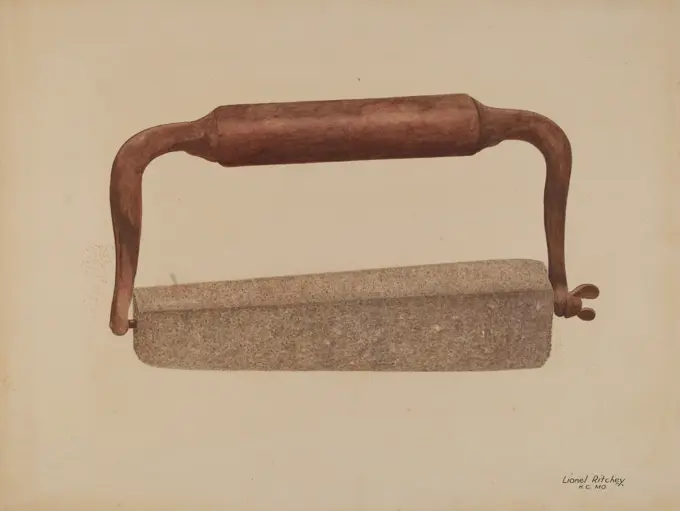
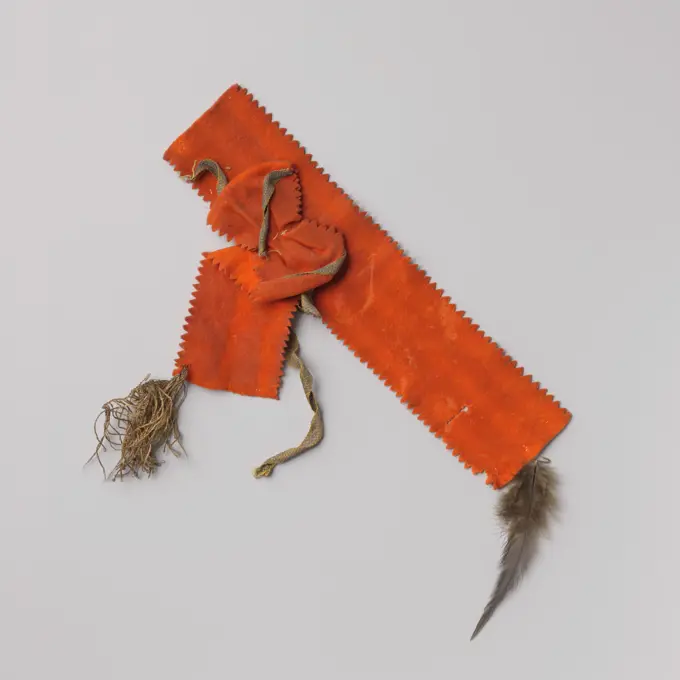
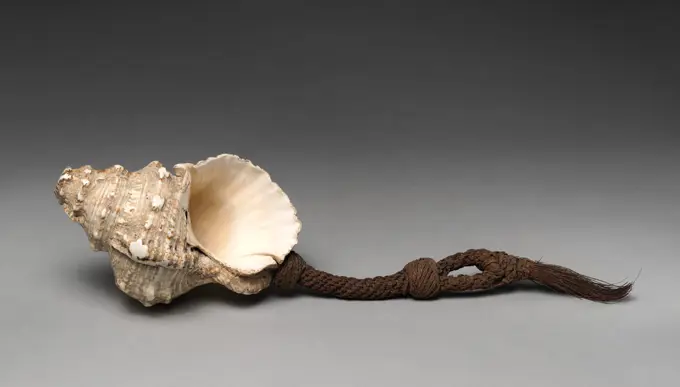
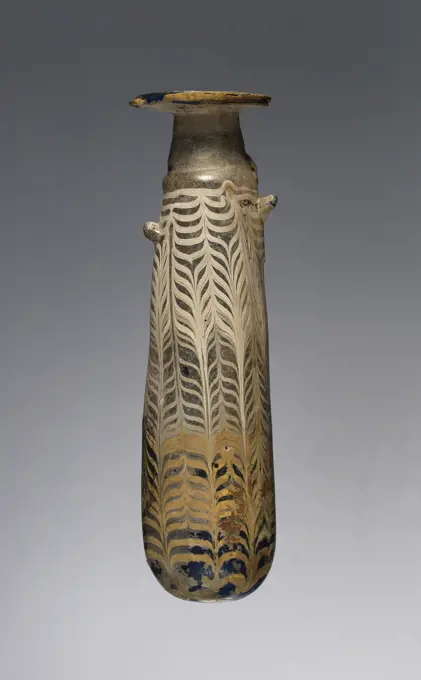
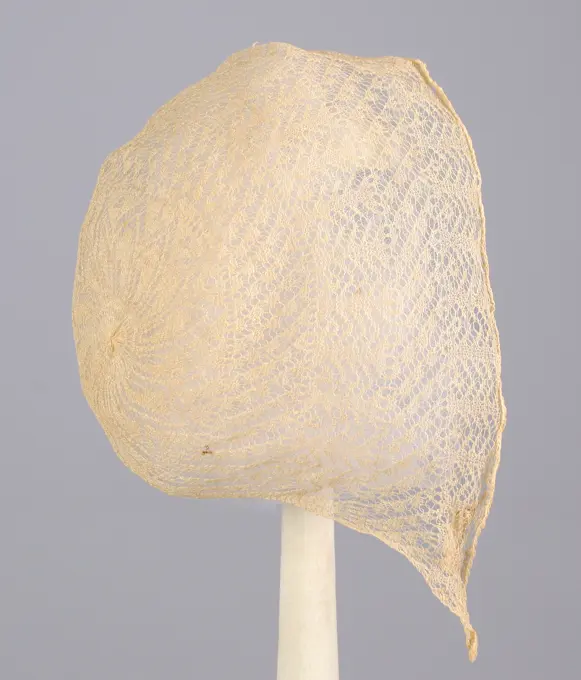
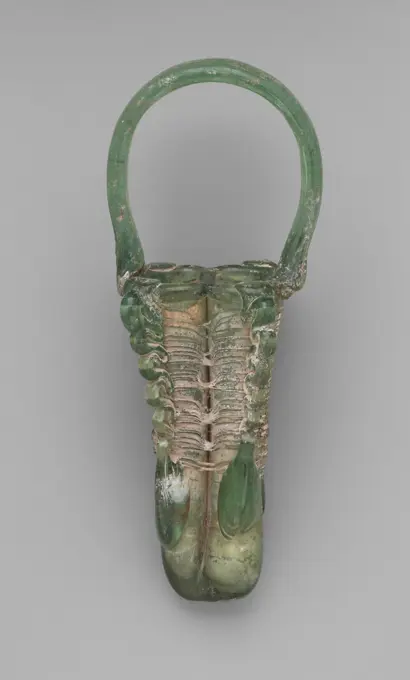
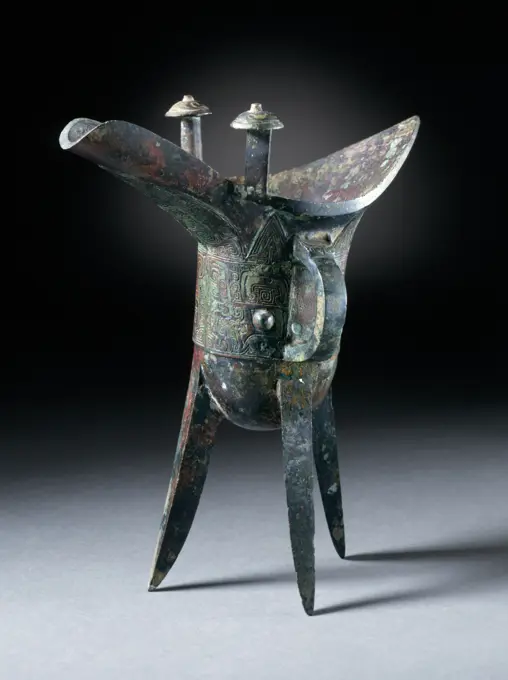
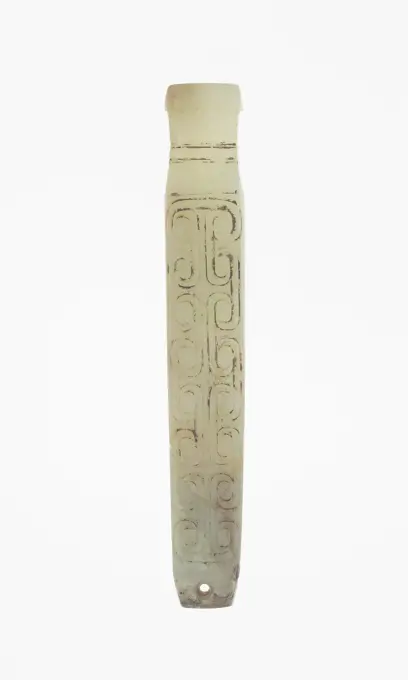
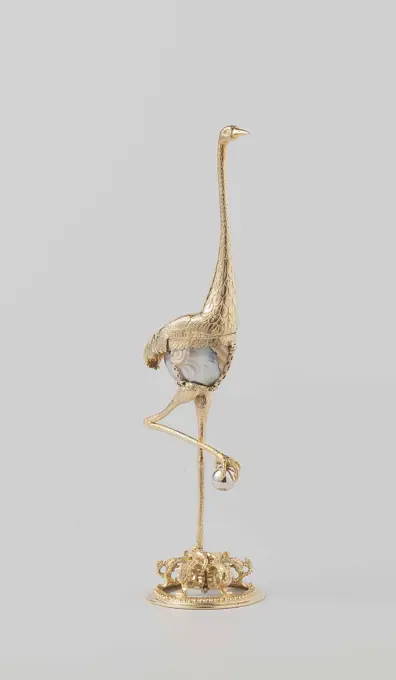
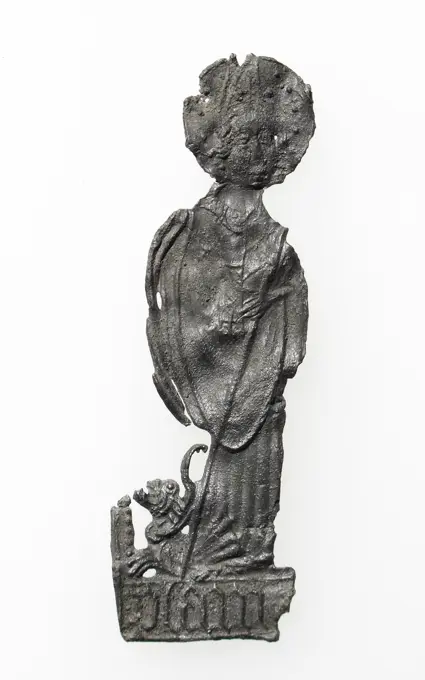
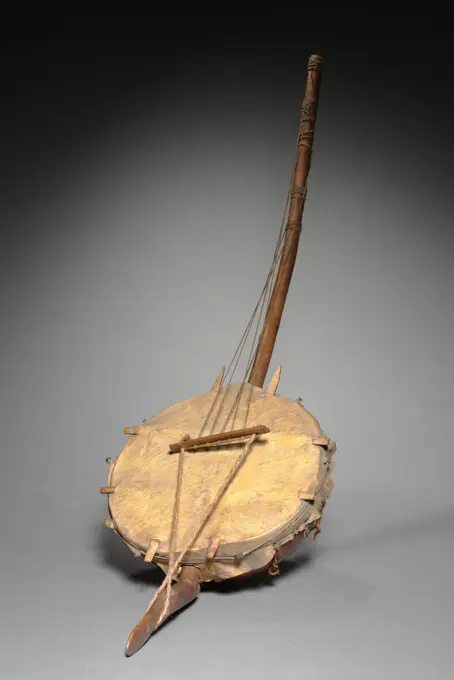
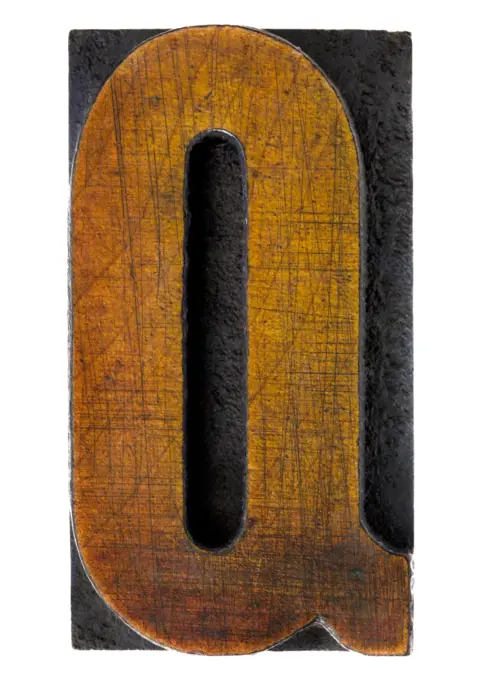
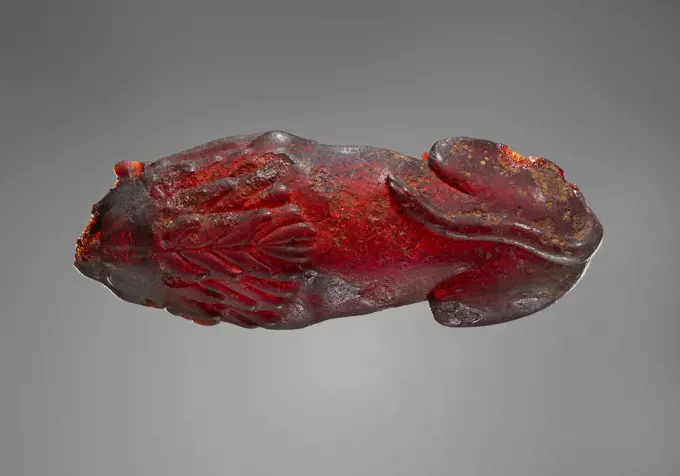
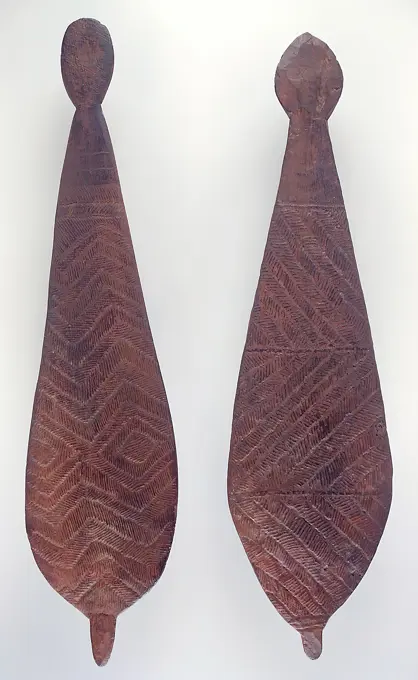
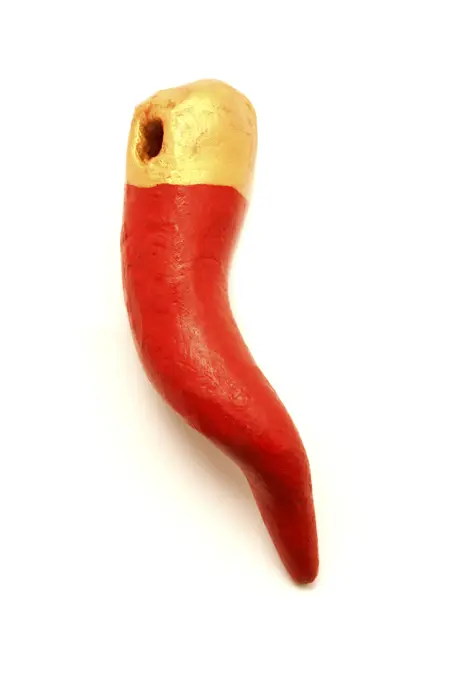
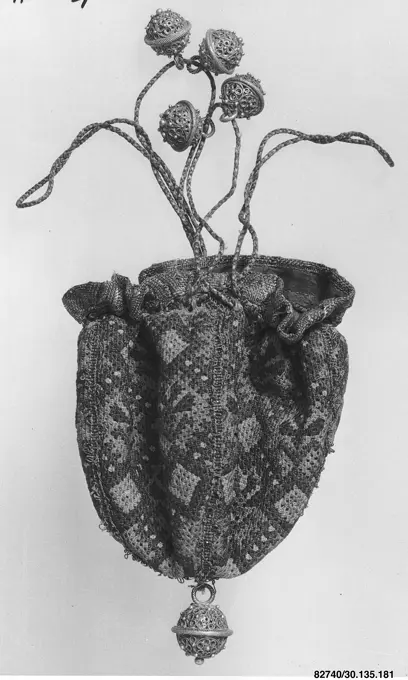
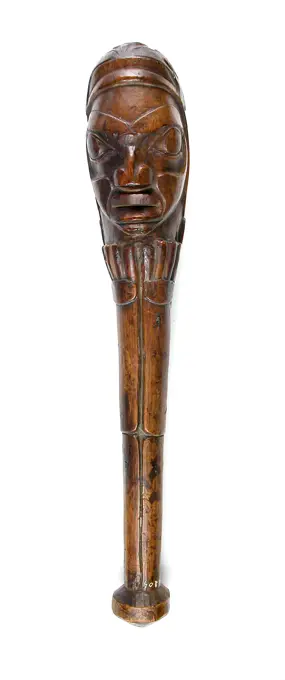
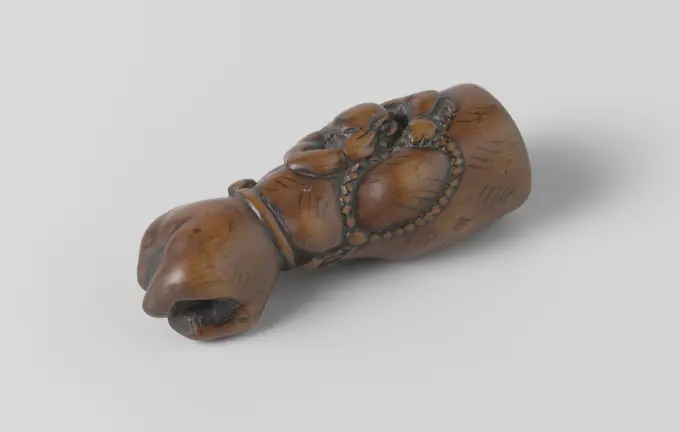
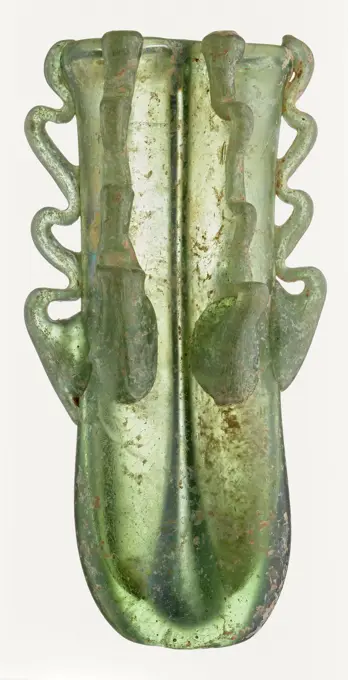
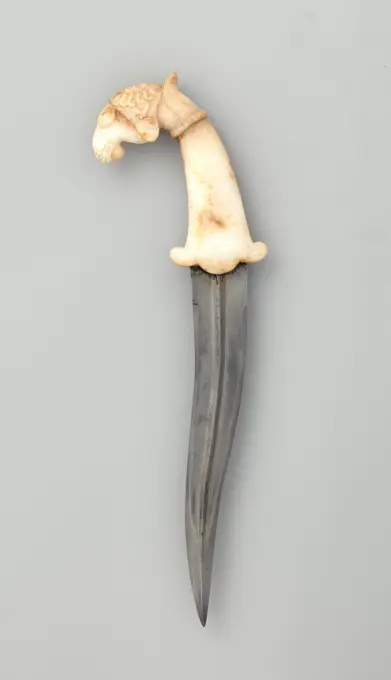
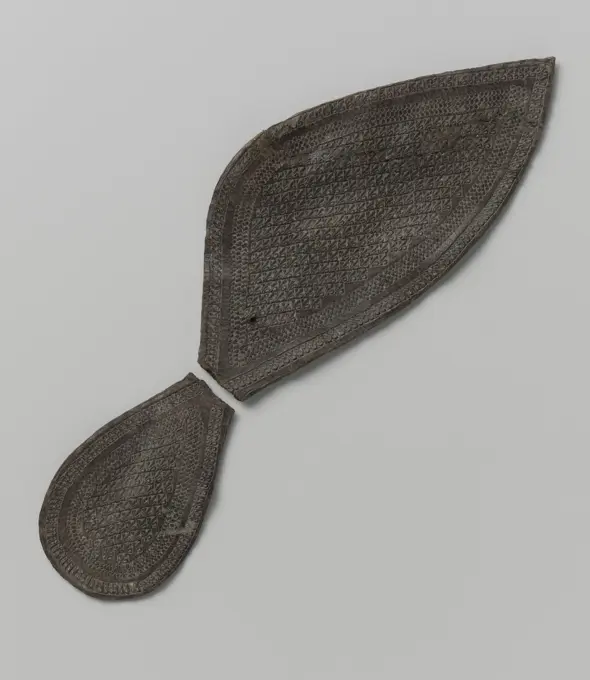
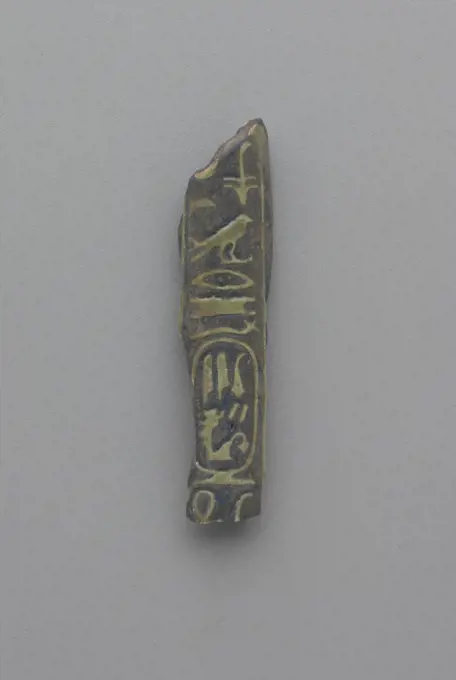
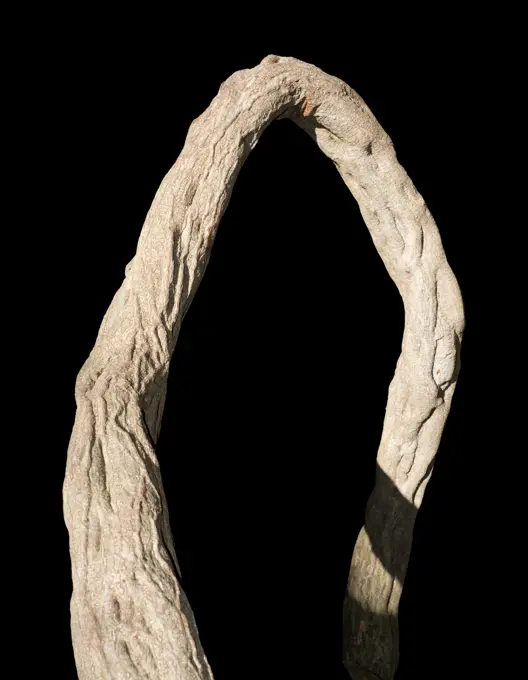
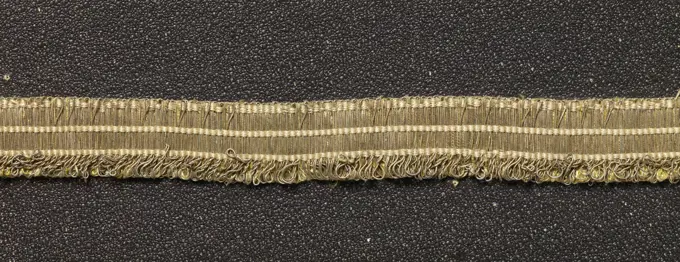
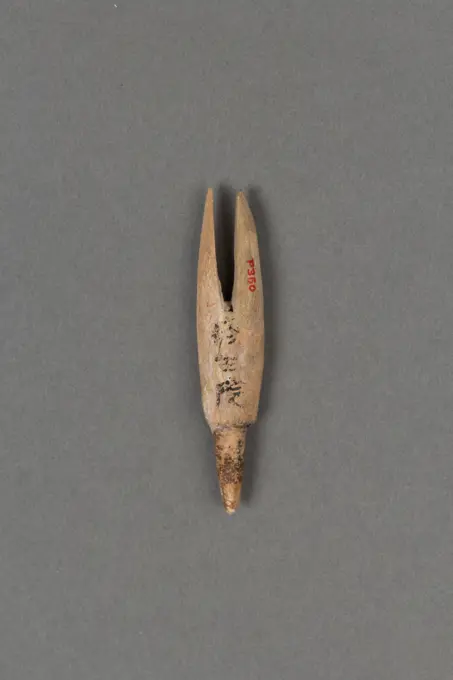
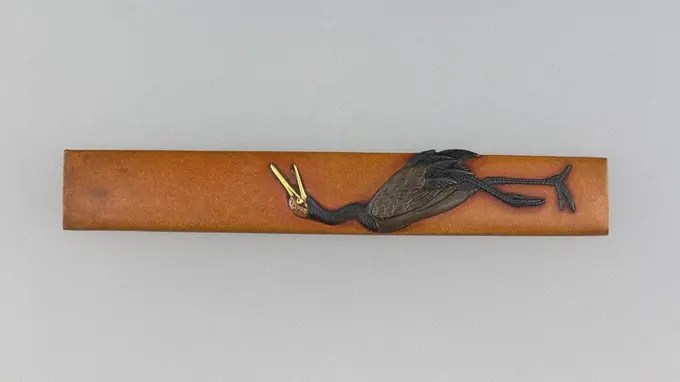
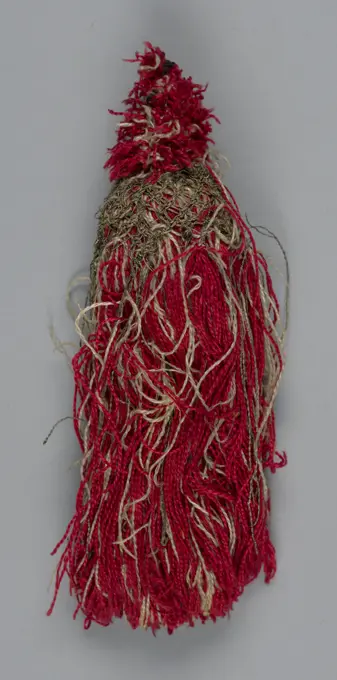
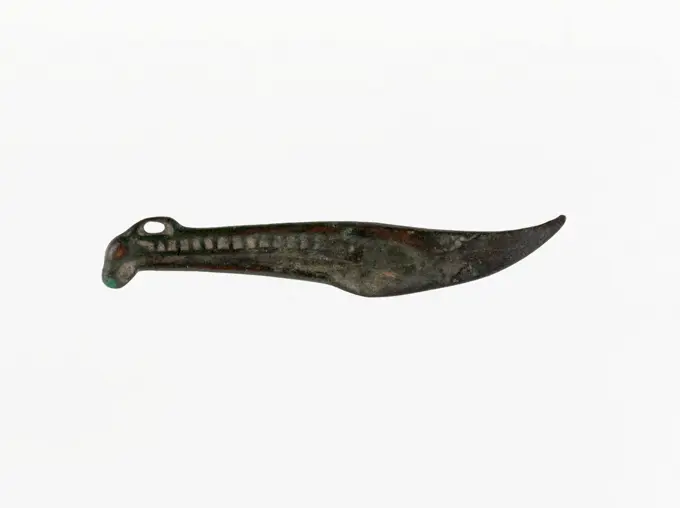
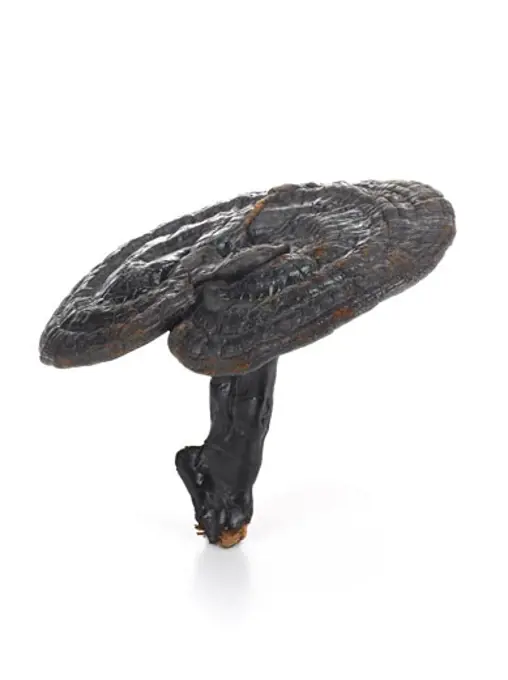
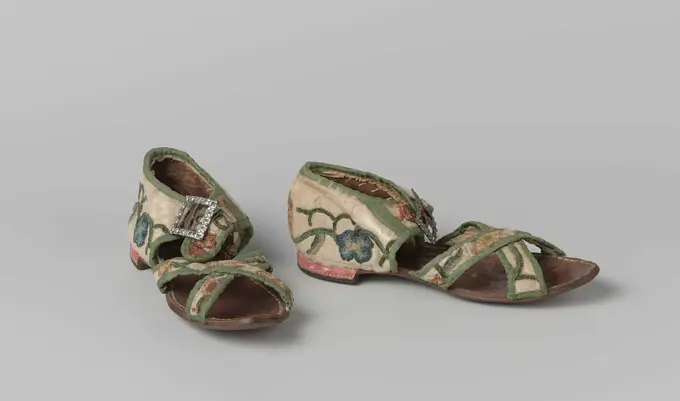
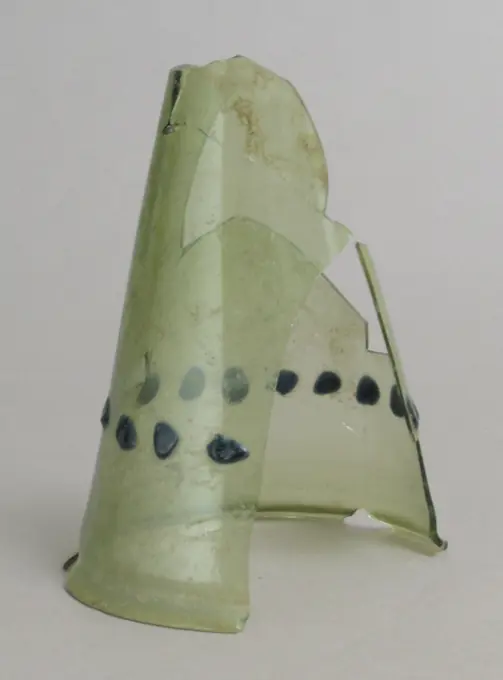
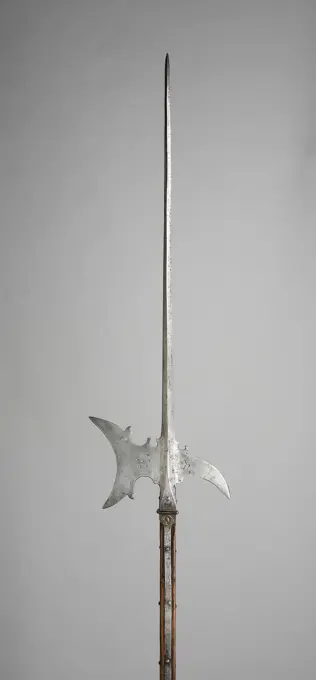
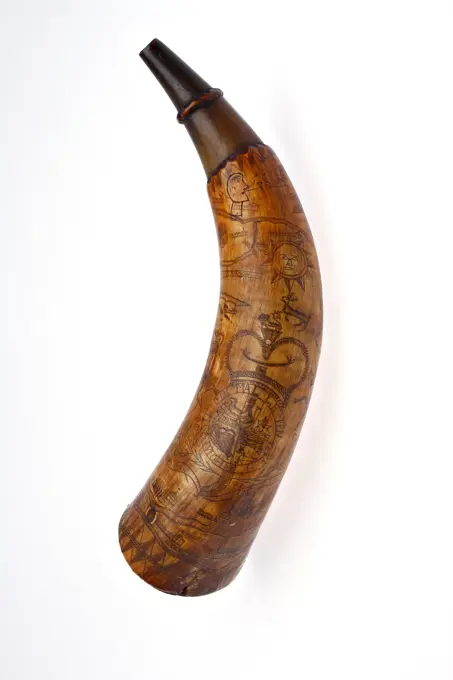
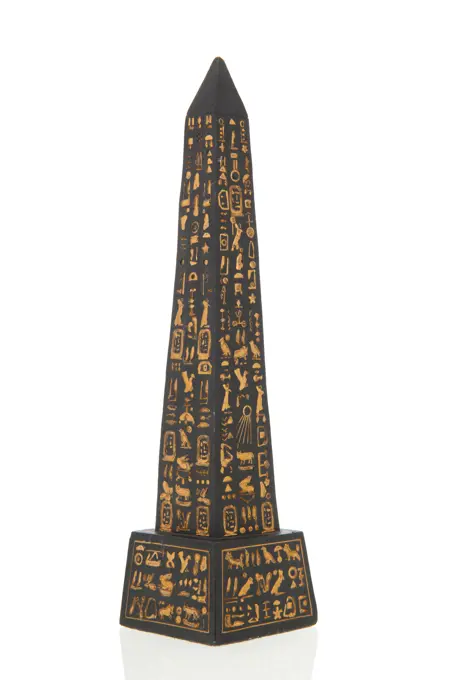
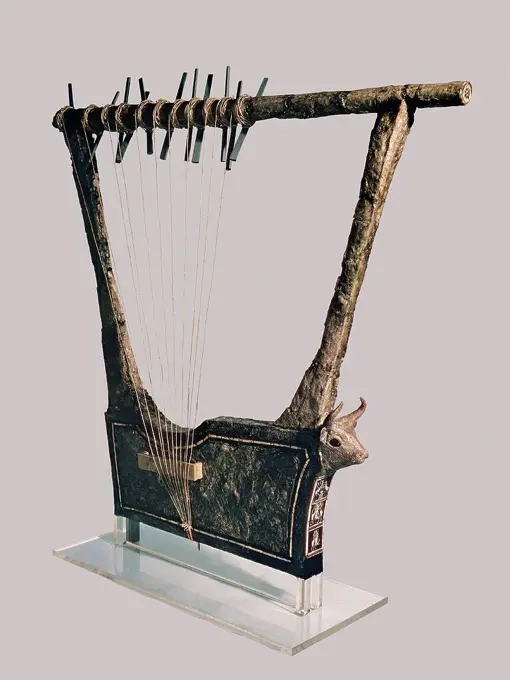
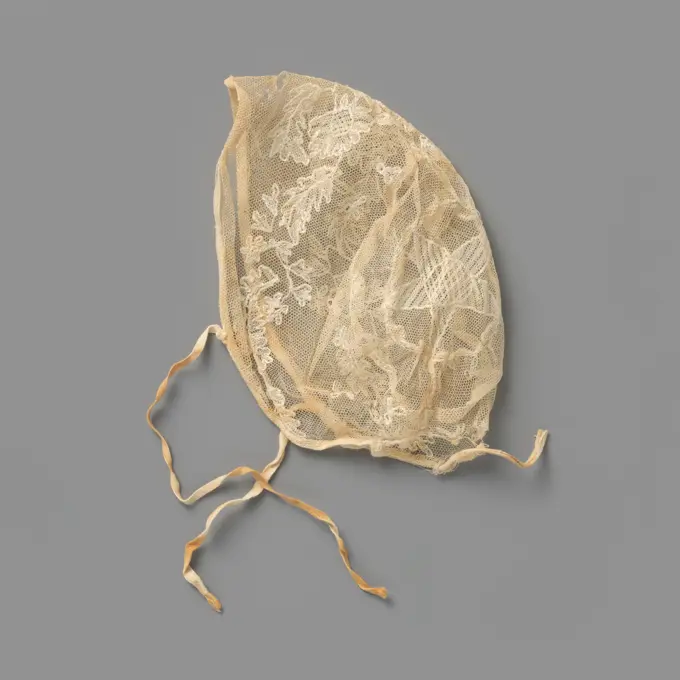
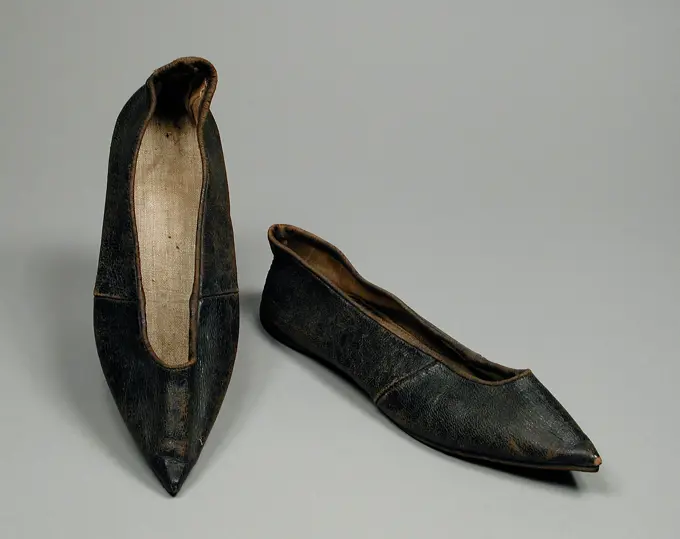
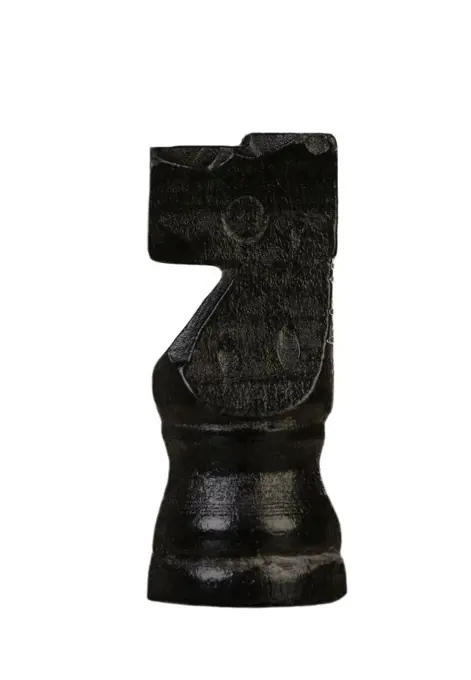
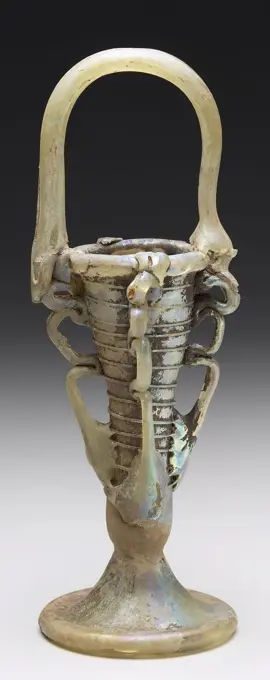
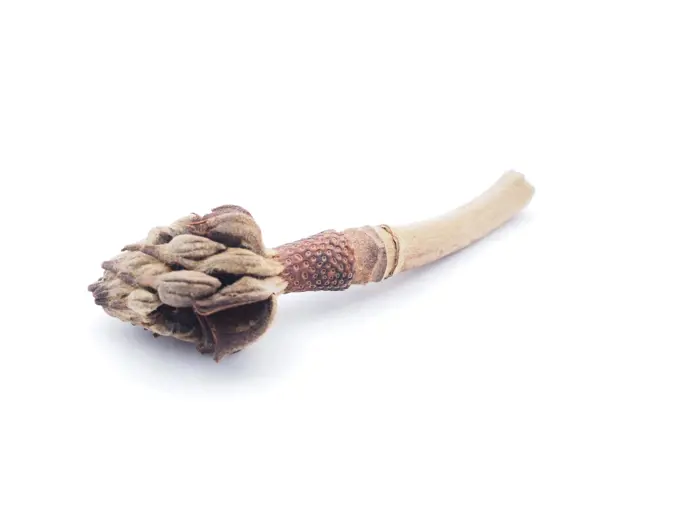
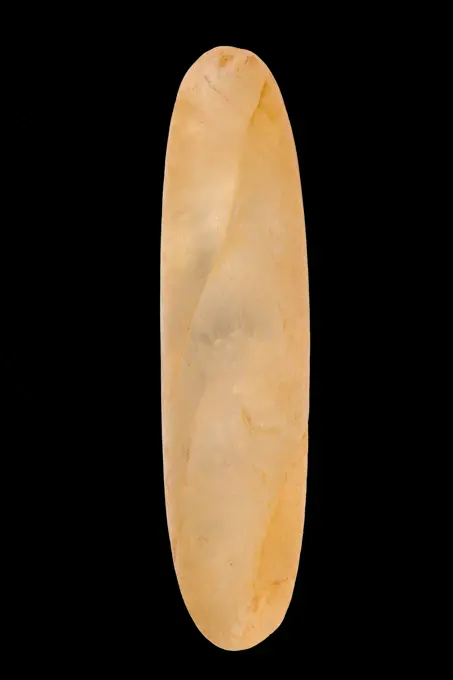
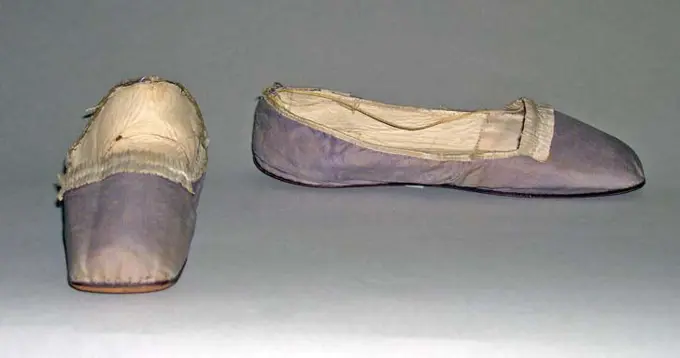
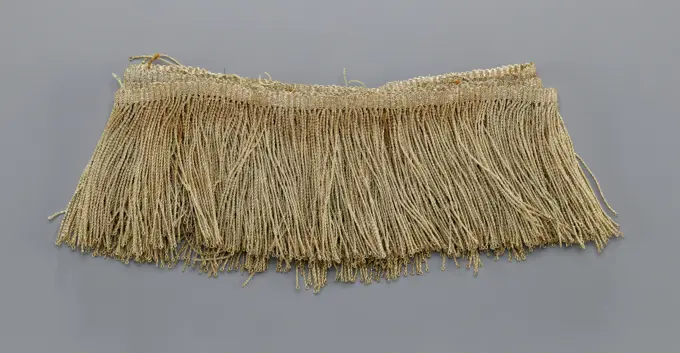
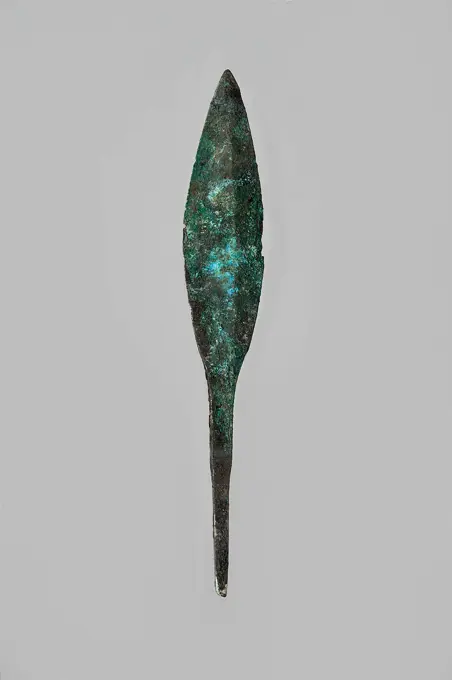
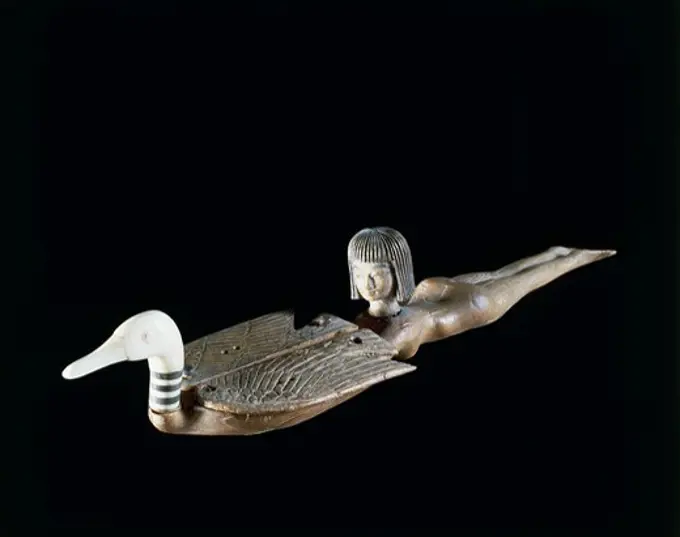
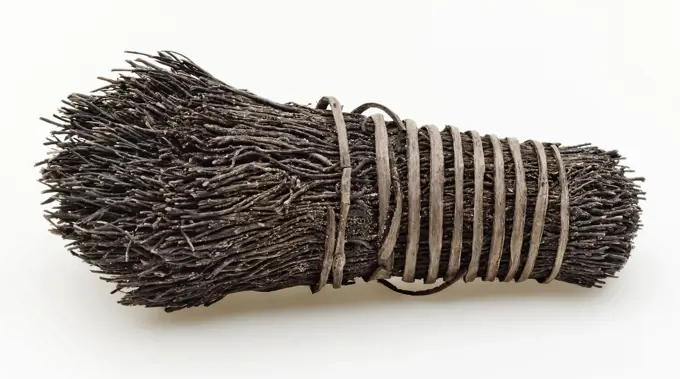
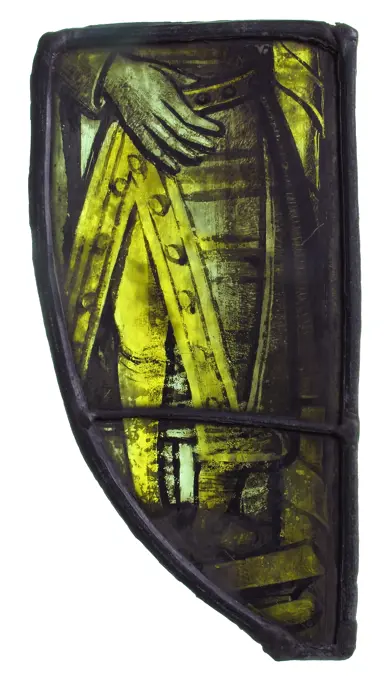
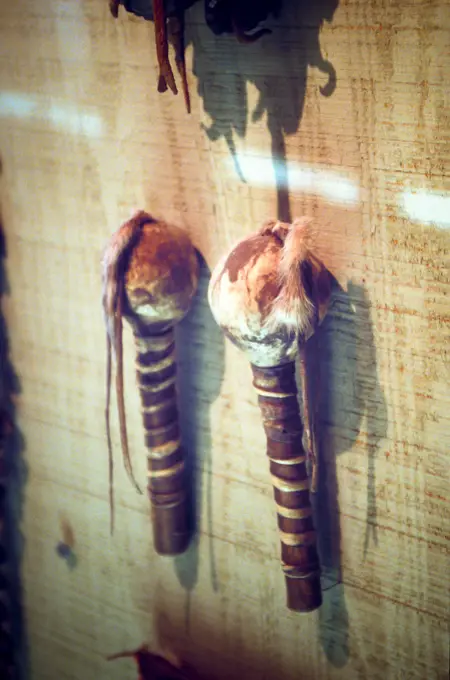
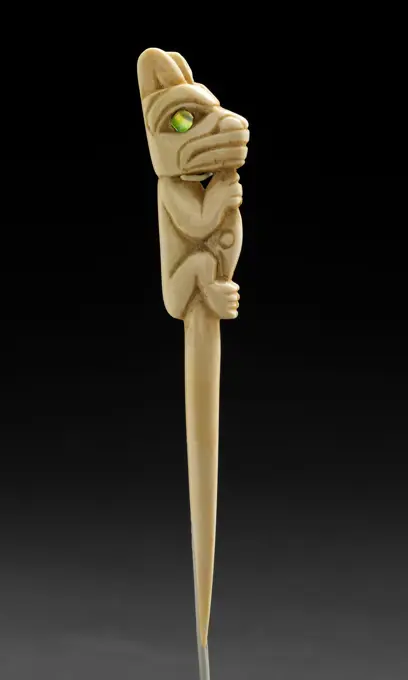
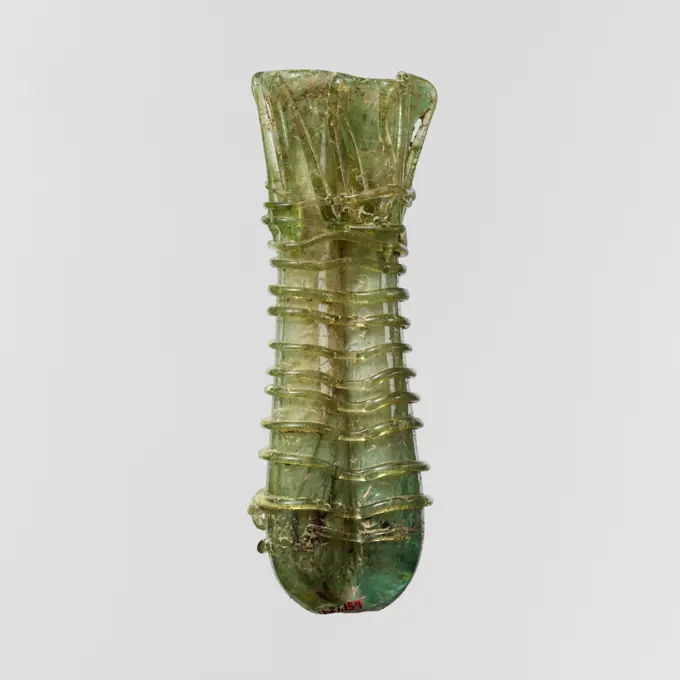
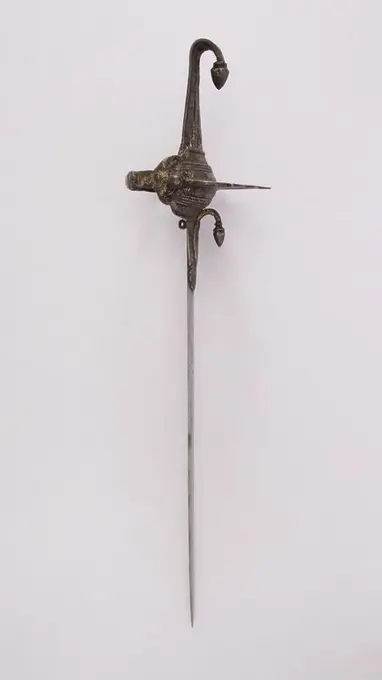
Gauntlet Dagger (Pata). Culture: hilt, South Indian; blade, European. Dimensions: L. 19 1/2 in. (49.5 cm); W. 5 in. (12.7 cm); Wt. 1 lb. 9.5 oz. (722.9 g). Date: 17th century. Museum: Metropolitan Museum of Art, New York, USA.Copper Sugar Strainer. Dated: c. 1939. Dimensions: overall: 34.9 x 24.8 cm (13 3/4 x 9 3/4 in.) Original IAD Object: 15" in diameter; 58" long. Medium: watercolor and graphite on paper. Museum: National Gallery of Art, Washington DC. Author: Annie B. Johnston.Knife Handle (Kozuka) 18th century Japanese A kozuka is a handle of a by-knife that is part of a sword mounting. It is kept in a slot on the reverse of a katana scabbard, often with a matching kgai (hairdressing tool).. Knife Handle (Kozuka). Japanese. 18th century. Copper-silver alloy (shibuichi), gold. Sword Furniture-Kozukaperforated and decorated goat metacarpus, paleolithic art, La Garma A, Ribamontan al Monte, Museum of prehistory and archeology (MUPAC), Santander, Cantabria, SpainCeremonial Knife (Tumi) or Pendant 1000-1470 Peru. Bronze . ChimúBalance-Beam Scale 500 CE-800 CE Peru. Bone with pigment . NazcaModel of A Buoy, 's Rijks General Concrete Magazine (Possible), 1869 demonstration model Model of a buoy with a conical body with a sharp bottom end and flat round top, where a pole protrudes. Like a barrel, she is composed of stuff and hoops. At the bottom of a long point is an eye for the anchor chain. Marked with crossed anchors. A smaller comparable model is MC-1366-A. Scale 1:10 (archive). Enkhuizen (Possible) wood (plant material). iron (metal)Support band with couple belonging to French hunting suit by Prince Alexander, Paere (attributed to), 1870 - 1884  Band made of gold galon with a silver -yield and five holes in the middle. Oval fire guld buckle with Angel. Lip and hook in the back of metal at the back. On the LIP No. 8128. On oval buckle front label with text: Rijksmuseum, Amsterdam and data cleaning object. Fabric torque with fire -groted oval buckle with angel and attached to this a carrier, for those (starting 19th century). At the front two sliding passengers of ditto (but narrow) galon. On the left V-shaped carrier of ditto galon with red leather lined sheath. A drilled buttonhole in the galon. An extra piece of galon is also attached to this point, presumably for the insert of a stab weapon. Inside torque of red velvet. Holes for setting are trimmed with yellow metal eyes. France .. velvet (fabric weave). gilding (material). metal   France. NetherlandsGrot oszczepu. unknown, authorDog harness fastener -Necklace (tali) Of gold. The chain consists of a chain of small squares in the shape of a flower to which two golden balls hang.Arrowhead (Yanone) dated 1645 Japanese Although today Japanese warriors are renowned most for their swordsmanship, archery, especially from horseback, has been an essential part of samurai warfare and culture for centuries. Arrows were fitted with heads of varying shape according to their intended use in war, the hunt, or target practice. Arrowheads made for use on the battlefield incorporated different designs intended for specialized purposes such as the piercing of armor or to cause maximum damage to horses and unarmored personnel.Large arrowheads, pierced and elaborately chiseled with landscapes, birds, flowers, dragons, and Buddhist divinities, were created to be admired for the beauty of their metalwork and design rather than for use in archery. Such highly elaborate examples may have been made for presentation or as a votive offerings to a shrine.. Arrowhead (Yanone). Japanese. dated 1645. Steel. Archery Equipment-ArrowheadsSlob () Stocking of turquoise silk jersey, without a foot, with the latch long ecrinkey linen ribbons, anonymous, c. 1700 - c. 1800 Slob () Stocking of Turquoise Silk Tricot with a diamond -fancier decoration on the latch. Without foot, split at the heel. With the Klok long ecrinkey linen ribbons. Along the top edge two fine purple stripes. Netherlands (possibly) whole: Silk. Lint: Linen (Material) knitting Slob () Stocking of Turquoise Silk Tricot with a diamond -fancier decoration on the latch. Without foot, split at the heel. With the Klok long ecrinkey linen ribbons. Along the top edge two fine purple stripes. Netherlands (possibly) whole: Silk. Lint: Linen (Material) knittingBouquet holder early 19th century probably French. Bouquet holder 100029Miniature canoe -Halskraag met plooien.Neck collar with pleats. The smooth piece of the collar (5.8 cm wide) is made of double fabric and is composed of four pieces, so three seams. On one side of the collar is a piece of metal () That is green and two round yarn residues on the other side that are also somewhat green. On the same side as the two round yarn residues, the letter 'H' is embroidered. Over the length of the smooth part, a pleated piece is turned on (3.8 cm wide) of a few substance.Bronze torch-holder. Culture: Etruscan. Dimensions: Other: 10 13/16 in. (27.5 cm). Date: late 5th century B.C..Numerous examples of such objects have been found in tombs of Etruscan warriors, and scholars have debated their function. Most thought that they were hooks for retrieving meat from cooking vessels. But the engraved mirror, 96.18.15, displayed in the mirror case shows a figure using the object as a torch-holder. The utensils may have been supplied to soldiers for use on night missions and later became part of their funerary equipment. Museum: Metropolitan Museum of Art, New York, USA.Wreath fillet, funerary. Culture: Etruscan. Dimensions: Other: 5/8 × 7 9/16 in. (1.5 × 19.3 cm). Date: 4th-3rd century B.C.. Museum: Metropolitan Museum of Art, New York, USA.Bottle with an entwined dragon 16th-17th century China. Bottle with an entwined dragon. China. 16th-17th century. Stoneware with celadon glaze. Ming dynasty (1368-1644). CeramicsSword with Scabbard 19th century Caucasian. Sword with Scabbard. Caucasian. 19th century. Steel, textile, leather, silver. SwordsWarrior figure, early 20th century, 6-13/16 x 3-1/2 x 5-5/16 in. (17.3 x 8.9 x 13.5 cm), Iron, Benin, 20th century, Note the stance: the left foot, sometimes called 'the foot of Gu,' in front of the right. Not a good sign if youre an enemy—it suggests aggressiveness and readiness to act. The sword and bells are also associated with Gu, the god of iron, war, and technology, and in the 19th century they adorned life-size royal portraits to show the kings association with Gu and his authority over life and death. Small welded figures like this one were placed on personal shrines to invoke Gus powers.Bell late 19th century Congolese Single bell struck with a stick, rod or animal horn. Single and double clapperless bells made from forged iron are sounded to send messages, make announcements, and perform divination. these widespread idiophones are called by many different names. Agogo, a term used by the Yoruba and other Nigerian peoples to indicate a struck clapperless bell, is also found in Afro-Caribbean cultures. The bell's timbre is varied by letting it ring freely or by damping it against the chest. Instruments made of sonorous materials (idiophones) comprises the largest and most widespread type in sub-Sahara Africa. Names of identical instruments change from region to region. Some instruments and the music linked to them have traveled beyond the African homeland to North and South America and the Caribbean. Idiophones are sounded by shaking (rattle, sistrums), beating together (iron clappers), or striking (xylophones, slit gongs, bells). they reinforce the rhythmic foundationArrowhead ca. 3rd-7th century A.D. Sasanian. Arrowhead 323110Spoon with Fish-Tail Design, 918-1392. Korea, Goryeo period (918-1392). Bronze; overall: 28.5 cm (11 1/4 in.).Lionel Ritchey, Knife Sharpener, c 1939 Knife SharpenerOranje Armstrik van Laeken with gold galon and fringe, anonymous, c. 1800 - c. 1849  Orange Armstrik van Laeken with gold galon and fringe.  cloth.Gus-da-wa-sa 19th century Native American (Iroquois). Gus-da-wa-sa 504408Conch Shell Trumpet (Davui) Fijian late 19th century As in many parts of the Pacific, conch shell trumpets in Fiji, called davui, produce a loud sound that carries over long distances and were used as signaling devices rather than played as part of musical ensembles. This example is from the western portion of the island of Viti Levu, whose inhabitants formerly created a distinctive variety of davui. A unique feature of Western Viti Levu shell trumpets is the presence of a small finger hole, bored near the mouth of the shell, which allowed the player to vary the pitch when playing, creating a rising and falling tone. Virtually all other Pacific trumpets emit only a single note. In contrast to other Fijian conch shell trumpets, western Viti Levu davui were end-blown, with a blowing hole made by removing the apex of the shell, rather than side blown (using a hole made in the side of the instrument). They were also frequently decorated, as here, with elaborate rope-like tassels made from Alabastron; Olbia (perhaps), Ukraine; 4th - 3rd century B.C; Glass; 13.3 cm (5 1,4 in.)Cap ca. 1813 American. Cap 168740Balsamarium (Double CosmeticTube)Small Ritual Wine Warmer (Jue) with Masks. China, Late Shang dynasty, Anyang phase, about 1300-1050 B.C.. Tools and Equipment; warmers. Cast bronzeHandle-Shaped Jade 1100 BCE-900 BCE China. Jade .Arm Ornament. Culture: Colombia. Dimensions: Overall: 5 3/4 x 1 1/4 in. (14.61 x 3.18 cm)Other: 1 1/4 in. (3.18 cm). Date: 13th-16th century. Museum: Metropolitan Museum of Art, New York, USA.Vessel: Ram's Head Edo peoples 18th-19th century At its origins, the centralized city-state of Benin was founded by Edo-speaking peoples. The accounts by official court historians and descriptions provided by visitors evoke a vibrant cultural center continually redefined by its leadership through shifting internal and external power dynamics. According to oral tradition, circa 1300, Edo chiefs are reputed to have reached out to the leader of neighboring Ife, Oranmiyan, to establish a new divinely sanctioned royal dynasty. Since then, the investiture of Benins rulers to the title of obas has conferred upon them at once a role of chief priest officiating in important religious ceremonies and presiding over an elaborate structure of palace officials. During the fifteenth century reign of Oba Ewuare, Benins armies were formed and the fortification of its capital with a massive wall undertaken. In parallel, delegations of Portuguese traders assiduously sought to secure exclusive commerciaNautilus cup.A crane with a raised right leg grasps a silver ball in its claw. This pose symbolizes vigilance. It is said that when cranes gather to rest, one of them keeps watch by holding a stone in its claw. Should it fall asleep and drop the stone, the noise would awaken the other birds.Pilgrim's Badge 14th-16th century French. Pilgrim's Badge. French. 14th-16th century. Lead. Metalwork-LeadKora, before 1918. Africa, 20th century. Gourd, wood, rawhide, string, and rope; diameter: 32.4 cm (12 3/4 in.); overall: 111.8 cm (44 in.).Knife with Handle in the Form of a Horse's Head. Probably Egypt, Roman, probably early Imperial age, 1st-2nd century A.D.. Arms and Armor; knives. Ivory, bronzeSicle lithic blades for cereal harvestingletter Q - vintage wood letterpress printing block, scratched, stained by ink, isolated on whitePendant: Lion; Italy; 525 - 480 B.C; Amber; 105 × 40 × 18 mm, 35.5 g (4 1,8 × 1 9,16 × 11,16 in., 0.0783 lb.);Spear Thrower (woomera), 19th-20th century, 21 1/8 x 5 3/16 x 13/16 in. (53.66 x 13.18 x 2.06 cm), Wood, Australia, 19th-20th century, Carried by Aboriginal hunters and sometimes used in battle, a woomera, or spear thrower, was used to effectively lengthen the arm and in turn increase the velocity and range of the spear. It has a narrow tip that is embedded in the hollow end of the weapon, while the opposite end works as a counterweight.Italian cornicello on a white backgroundBag 17th century probably German. Bag 222500Fish club -Indian armor, Iran. Detail. Persian Civilisation, beginning 19th century.Glass Fragment 12th-14th century French. Glass Fragment. French. 12th-14th century. Pot-metal glass, vitreous paint. Glass-StainedTemple Model. Culture: Mezcala. Dimensions: Height 5-1/8 in.. Date: 200 B.C.-A.D. 500.Stone models in the Mezcala style come largely from the present-day state of Guerrero, in southwest Mexico. A particularly long-lived tradition, these works may have been produced over some one thousand years, from as early as 500 B.C. Little is known about their archaeological contexts, and there are few points of reference with surviving architecture in the region. It is possible that these models emulate buildings with stone columns, such as those from Cuetlajuchitlán; alternatively they could recall above- or below-ground funerary structures, in which case the columns would represent wood supports of a tomb or a funerary pyre. Mezcala models may have served multiple functions over time, in keeping with the Mesoamerican custom of repurposing or recarving stone objects. Oblong models, for example, may have been recarved from celts, ritual tools of great symbolic importance. Several have holes drilNetsuke, anonymous, 1700 - 1900 Imagination of a small man with cord in the hand and the other hand in front of the face. He leans against the arm of a giant. This might be the story of Rahomon who took the arm of the oni-demon. Japan wood (plant material) Imagination of a small man with cord in the hand and the other hand in front of the face. He leans against the arm of a giant. This might be the story of Rahomon who took the arm of the oni-demon. Japan wood (plant material)De select;  III century (201-00-00-300-00-00);Dagger (Khanjar) 17th-18th century Indian The sheep's head pommel of this dagger is extremely distinctive and rare. The great majority of Indian and Persian khanjar daggers have smooth hilts and rounded pommels. While there are also many examples with zoomorphic pommels, the majority take the form of a horse's head, or, occasionally, a lion's head. In addition, the animal elements of most zoomorphic khanjar hilts are rendered in a very refined, delicate, and stylized manner. In contrast to this, the carving of the sheep's head on this dagger is done in a very lively, naturalistic, and animated style, giving the hilt an immediate visual appeal as a piece of sculpture. The hilt is marble, which is also unusual, most khanjar daggers having jade hilts. The blade is gently recurved, with a raised medial ridge and a thickened tip that is a flattened lozenge in cross-section.. Dagger (Khanjar). Indian. 17th-18th century. Stone (probably marble), steel. DaggersShoe sole of black leather, anonymous, c. 1400 - c. 1600 Shoe sole of black leather. Included decoration of lilies, among other things. Spitse nose, round heel, strongly struck midfoot. Inscription: A shoe sole found 10 foot under the ground in Schoonhoven 1876. West-Europa (possibly) whole: Leather Shoe sole of black leather. Included decoration of lilies, among other things. Spitse nose, round heel, strongly struck midfoot. Inscription: A shoe sole found 10 foot under the ground in Schoonhoven 1876. West-Europa (possibly) whole: LeatherFragment of a Kohltube, Core-formed glass, dark blue with green inlay, 6 × 1.4 cm (2 3/8 × 9/16in.), Egyptian, New Kingdom, Dynasty 18, reign of Amenhotep III, Containers -GlassGnarled wood branch Gnarled wood branch with interesting texture isolated on black. Copyright: xZoonar.com/ArtesiaWells/ChristinaRahmx 6602261German Gothic Gauntlet for the Left Hand ca. 1480 South German or Austrian The diagonal flutes and the pierced and cusped edges of the plates are characteristic of German armor of the late fifteenth century and what is called the Gothic style of decoration.. German Gothic Gauntlet for the Left Hand. South German or Austrian. ca. 1480. Steel. Armor Parts-GauntletsMare de Déu de Sant Cugat, talla sobre madera, 1218, procedente del Monasterio de Sant Cugat del Vallès. Museum: Museu de Terrassa.Glass double cosmetic flask (kohl tube) 4th century A.D. Roman, Syrian Translucent light blue; handles and trail in same color, streaked with opaque brown red.Everted tubular rim, folded over and in; body comprising two tubes, side by side, made from a single inflated gather by pinching sides vertically to make diaphragm; pontil mark on thick, flattened bottom; two rod handles attached to upper body, drawn up, out, then turned down and in, and trailed onto edge of rim.Single fine trail applied as a pad on upper body, drawn up and wound in a spiral twice around body below handles, then wound down nine times ending near bottom.Body intact, but some parts of trail missing; pinprick and larger bubbles, and blowing striations; dulling and iridescent weathering on exterior, thick creamy weathering and iridescence on interior.. Glass double cosmetic flask (kohl tube) 256704Arrow Middle Kingdom ca. 2030-1640 B.C. View more. Arrow. ca. 2030-1640 B.C.. Wood, feather. Middle Kingdom. From Egypt, Upper Egypt, Thebes, Deir el-Bahri, Tomb MMA 106, MMA excavations, 1926-27. Dynasty 11A primitive water well near Touroug, Morocco, in the Sahara Desert.Passement of gold and silver wire, 1700 - 1800 Passement of gold and silver wire.  silver thread Passement of gold and silver wire.  silver threadDance Paddle () ca. 1820-40 Austral Islanders. Dance Paddle () 311216Arrowhead grip Japan The Jmon period is the earliest period in Japanese history, lasting from roughly 14,000 to 300 BCE. The Jmon people were primarily hunter-gatherers, using arrowheads such as this one to hunt a variety of land animals. Archaeological evidence indicates that the Jmon hunted over 60 species of mammal throughout the Japanese archipelago, including tanuki (Japanese raccoon dogs) and monkeys, both of which would likely be considered unpalatable in contemporary Japanese society.. Arrowhead grip. Japan. Bone. Final Jmon period (ca. 1000-300 B.C.). BoneKnife Handle (Kozuka). Culture: Japanese. Dimensions: L. 3 3/4 in. (9.5 cm); W. 9/16 in. (1.4 cm); thickness 1/4 in. (0.6 cm); Wt. 1.2 oz. (34 g). Date: ca. 1800. Museum: Metropolitan Museum of Art, New York, USA.Pavise with St Andrews Cross, anonymous, c. 1474 - c. 1475 shield Burgundian shield with Andreas-Kruis. Elongated bulky shield with a round top edge, downwards and curly to a point that has been broken off. Above the point two holes, presumably to attach an iron point to be able to plant the shield upright in the ground. The unpainted inside is equipped with four fixing points for leather belts; In the middle a diamond pattern of head nails, probably to confirm a leather pillow. The painting on the front consists of a vertical in two-divided stock (left) and blue, on which a red Andreas cross, four yellow fire strokes, four white-black flints and lots of red flames. Low Countries (possibly) linden. buckskin. iron (metal)  specific forms of the cross: Andrew's cross CologneTassel (Italy); silk, metal thread, stuffing for coreKnife. Bronze. Beginning of the 1st millennium BC. AD northeast or northeast of interior Mongolia. Paris, Cernuschi museum. 59514-13 Chinese antiquity, bronze, knife, ancientPetrified Mushroom   Material sample -Sandaal van witte geborduurde ripszijde.Sandals from white rips silk, with chenille embroidery of flowers and tendrils in flowing colors, solid green. No left / right difference. Very flat heels with cerise leaving. The wide forefoot finishes faintly, and has crucifiers, buckle closure. Buckle no longer present.Vessel 4th-early 5th century Coptic. Vessel 479609Cribbage peg -Halberd Made 1600-1625 Western Europe. Steel, brass, and wood .Powder horn -Egyptian obelisk Egyptian obelisk with many signs isolated over white background Copyright: xZoonar.com/IvonnexWierinkx 8041435Dried poppy seed pod over white background Dried poppy seed pod isolated on white background, full depth of field Copyright: xZoonar.com/NerijusxLiobex 21949345Tassel French 19th century View more. Tassel. French. 19th century. Metal thread. Textiles-TrimmingsClay pipe with heel mark, ball and double conical model, clay pipe smoking equipment smoke floor pottery ceramic pottery h 2,8, in shape pressed finished baked Pipe with double conical head and heel low pavement Heel mark: crowned trumpet including DE archeology Rotterdam rail tunnel indigenous pottery tobacco smoking Soil discovery: rail tunnel Rotterdam.Silversmith's Art, Italy 20th century. Eugenio Bellosio (1847-1927), Set of cutlery with mythological figures-shaped handles, 1887.LIRA DE PLATA DE UR - 2800 AC. Location: BRITISH MUSEUM. LONDON. ENGLAND.Children's hat of white tulle, with white embroidered leaf and flower vines and on the back a star-shaped motif, anonymous Children's hat of white tulle, with white embroidered leaf and flower vines and on the back a star-shaped motif.  . embroidering Children's hat of white tulle, with white embroidered leaf and flower vines and on the back a star-shaped motif.  . embroideringPair of Woman's Slippers. England, 1790-1810. Costumes; Accessories. Leather, linenChildren's hat of transparent woven white cotton with a white embroidered spreading motif, trimmed on the back with a lace edge; front and rear two bow tires, anonymous Children's hat of transparent woven white cotton with a white embroidered spreading motif, trimmed on the back with a lace edge; In the front and rear two bow tires.  cotton (textile). embroidering Children's hat of transparent woven white cotton with a white embroidered spreading motif, trimmed on the back with a lace edge; In the front and rear two bow tires.  cotton (textile). embroideringBlack chess piece isolated on white backgroundBalsamarium Vessel, 1st-5th century, 7 5/8 in. (19.37 cm), Glass, Roman, 1st-5th centurycone on white backgroundLabret in rock crystal. Mali, Neolithic. 3,7 cm.Slippers 1830s American or European. Slippers 112718Brush 17th century French. Brush 102484FROPLE;  18th century (1701-00-00-1800-00-00);Grot oszczepu. unknown, authorSCULPTURE titled GETTING RID OF MY BURDEN (Opal Stone) by GEDION NYANHONGO - Shona people of ZimbabweWood and ivory cosmetic spoon in the shape of a female swimmer holding a duck, New Kingdom, Dynasty XVIIIBrush, sweeper of heath branches, brush sweeper ground find wood, brush or brush made of heather branches Handle consists of split willows wrapped tightly around the end archeology Rotterdam City Triangle Schielandshuis indigenous product sweeping household cleaning hygiene hand brush hand brush Soil discovery: Schielandshuis.Glass Fragment 15th-16th century European. Glass Fragment. European. 15th-16th century. White Glass, silver stain, paint. Glass-StainedRawhide rattles on display at the Plains Indian Museum in Browning MontanaBlanket pin, late 19th century, 3 15/16 x 3/4 x 3/8 in. (10 x 1.91 x 0.95 cm), Ivory, abalone, 19th century, Tribes that live in the northern section of the Northwest Coast are known for their highly refined sculpture. Characterized by low-relief carving, these northern tribes, which include the Tlingit, often feature clan symbols as their subjects. The bear is a central theme in Tlingit art, and is considered a close relative to humans. Because of this, bears are believed to have special spiritual powers and are, therefore, worthy of respect.Engraved Drill Bows and Handles, Eskimo Art, USA, Washington DC, Smithsonian Institution (National Museum of Natural History)Bone Archers RingGlass double cosmetic flask (kohl tube) 4th century A.D. Roman Translucent pale green, combined with translucent blue green; trails in translucent pale green.Thick, everted rim, folded over and in; body comprising two tubes, side by side, made from a single inflated gather by pinching sides vertically to make diaphragm; small, uneven bottom with trace of pontil mark.One trail applied as an irregular vertical zigzag pattern on sides, extending from rim across upper body; another trail, applied over the other below rim and wound down in a spiral fifteen times, ending around lower body with an upward trail.Body intact, but losses to some of spiral trail, especially at the bottom; many bubbles, some elongated, and black streaky impurities; slight limy encrustation and faint iridescence.. Glass double cosmetic flask (kohl tube) 256702