Antique Napkins and Table Linens

Elegant historical linen napkins featuring intricate floral and volute patterns, showcasing craftsmanship from different centuries, primarily from the Northern Netherlands.

Napkin from white Linnamast with the linked weapons von Inn-und Kniphausen and Van Ewsum, Anonymous, c. 1665 - c. 1670 Napkin from White Linnamast with flower pattern Romdom The linked weapons von inn-und Kniphausen and Van Ewsum. Marked: Kroon le 17. Northern Netherlands linen (material) damask Napkin from White Linnamast with flower pattern Romdom The linked weapons von inn-und Kniphausen and Van Ewsum. Marked: Kroon le 17. Northern Netherlands linen (material) damask
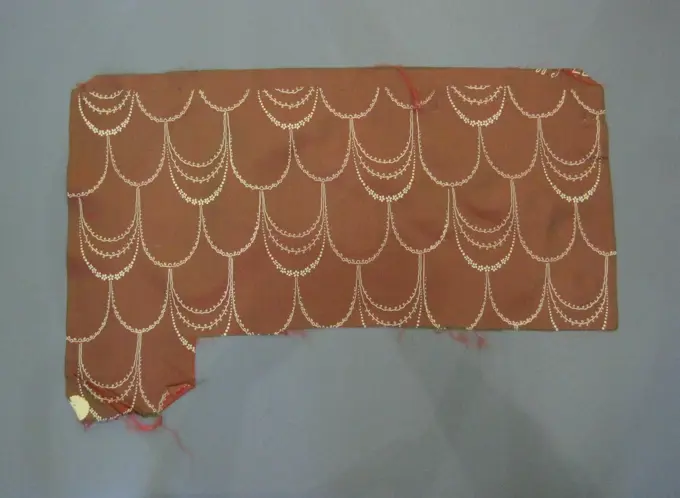
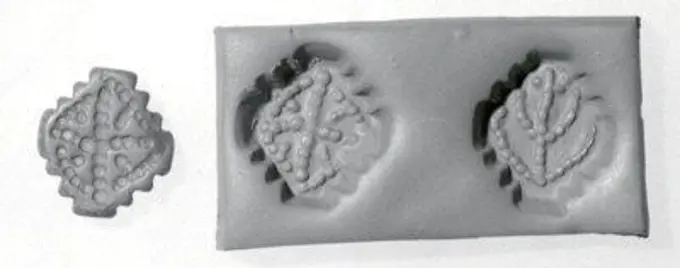
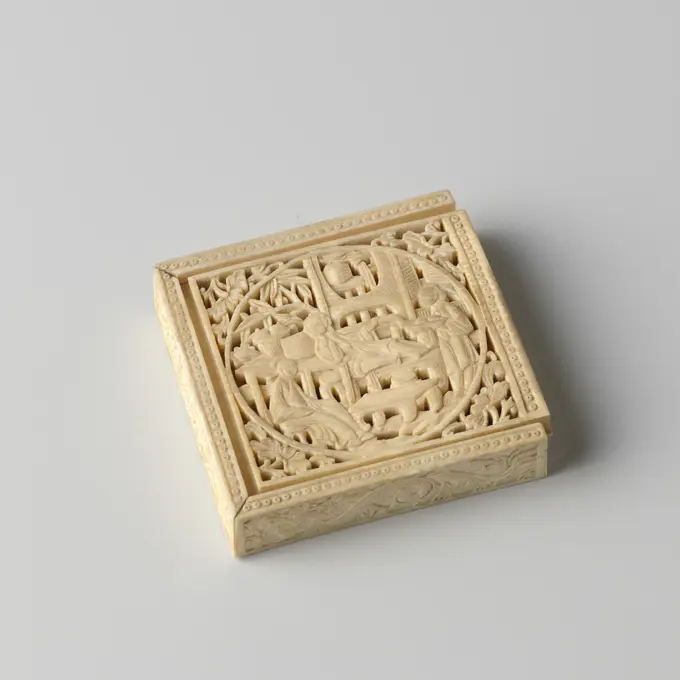
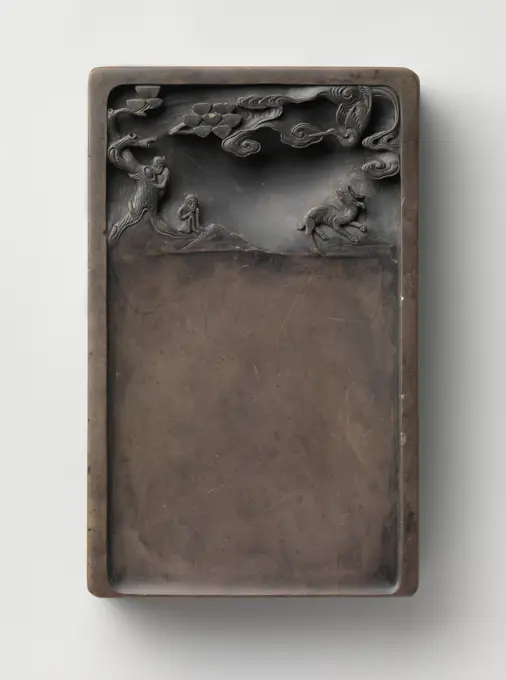
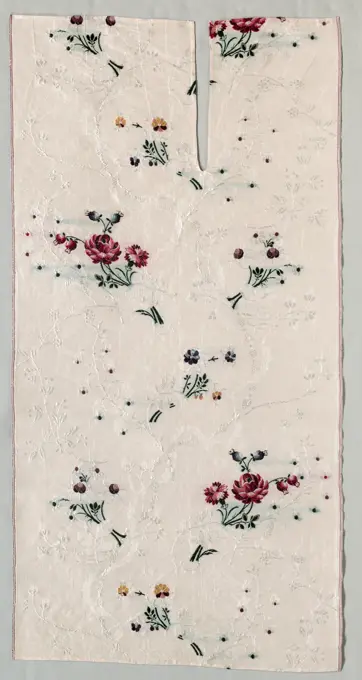
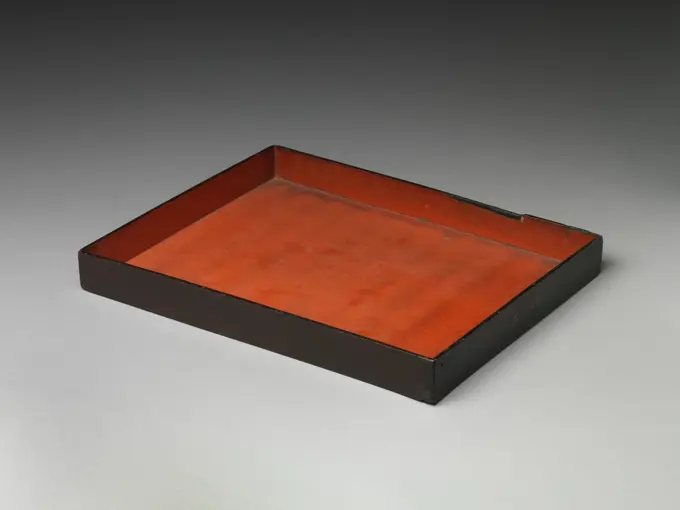
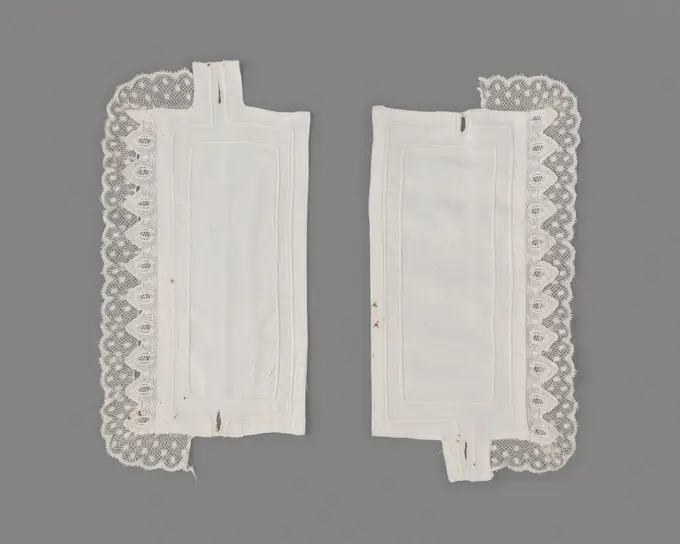
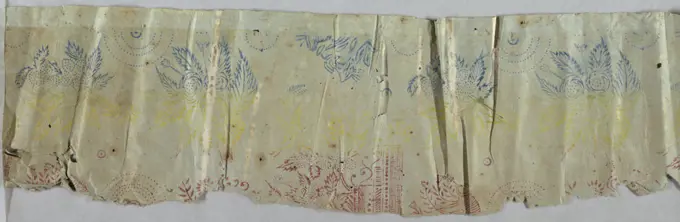
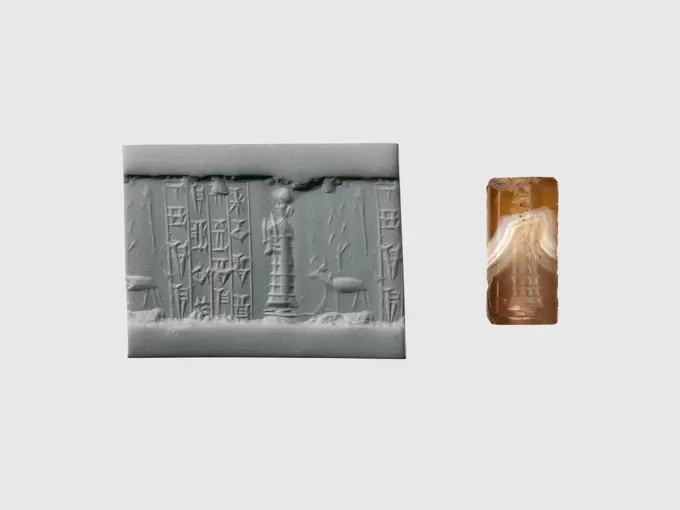
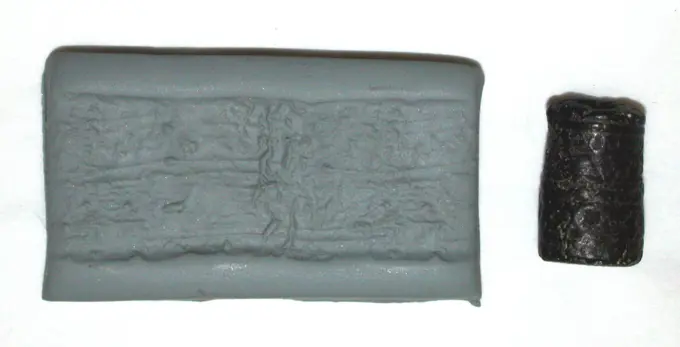
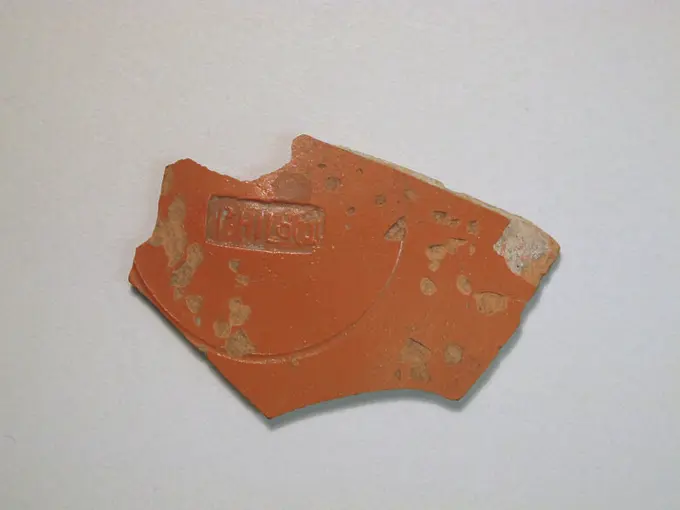
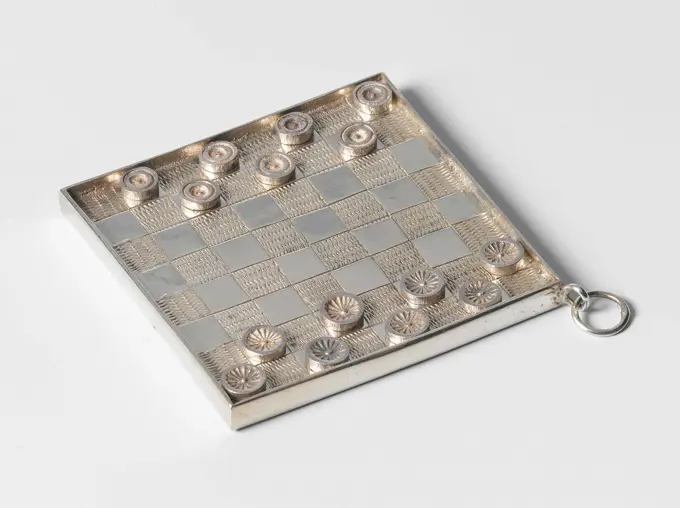
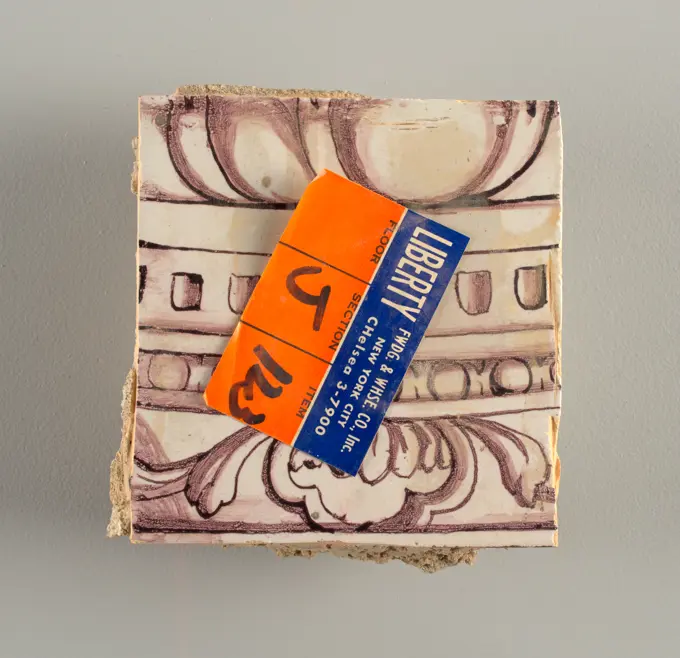
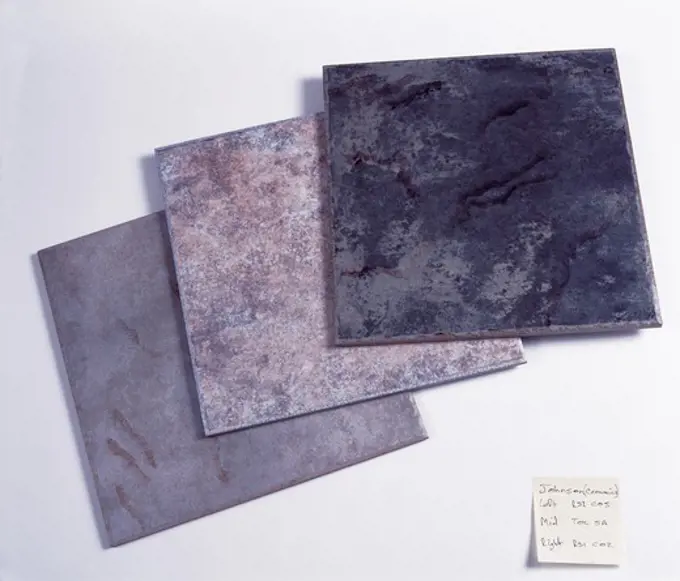
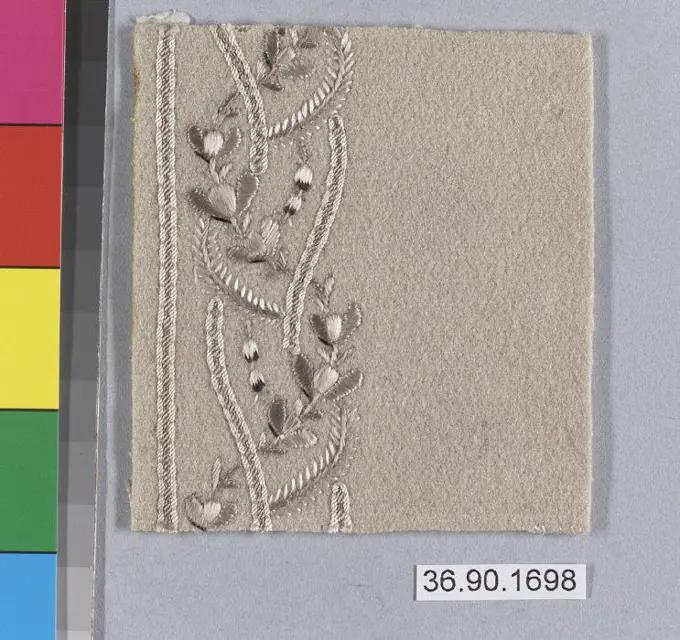
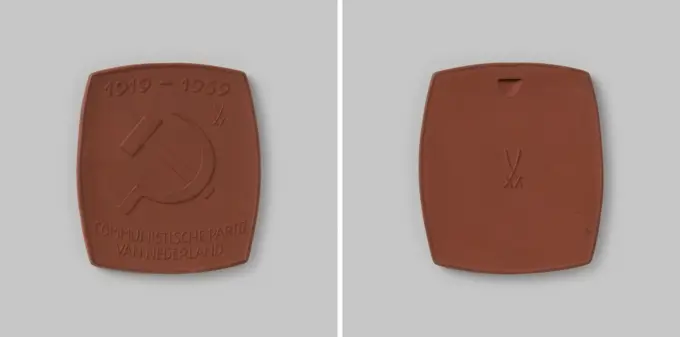
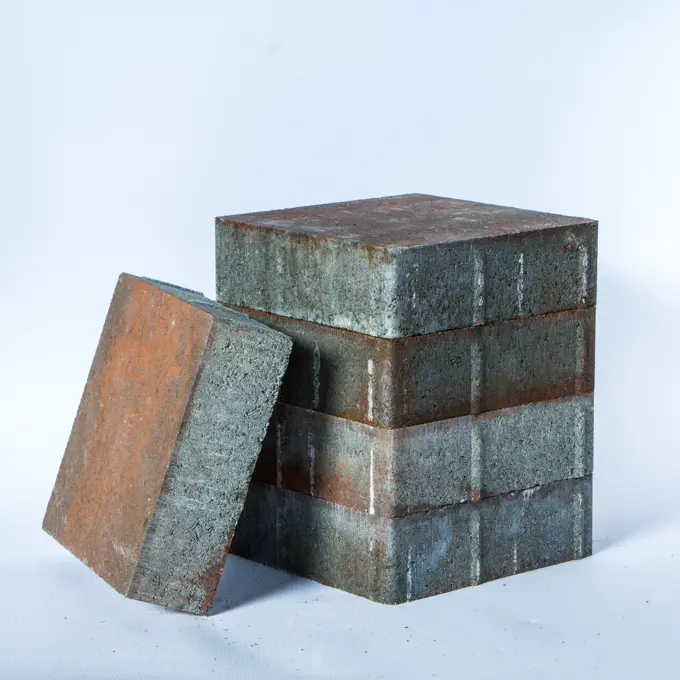
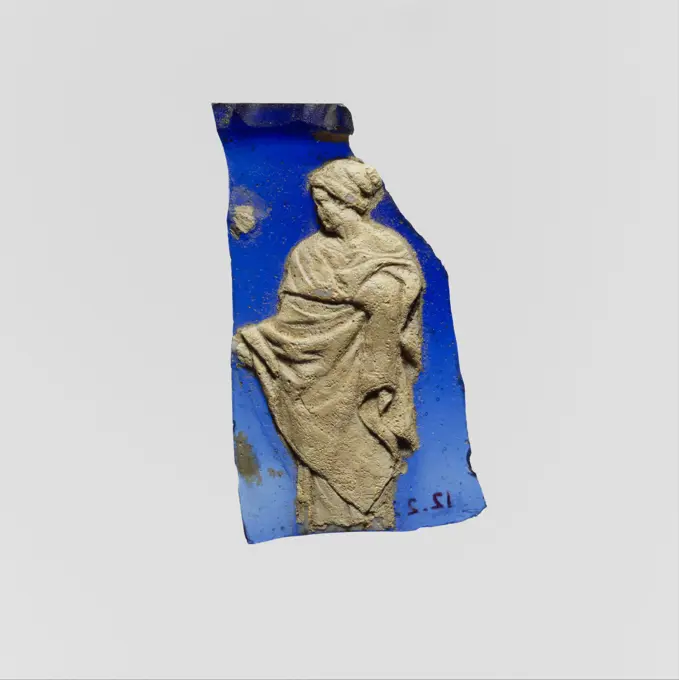
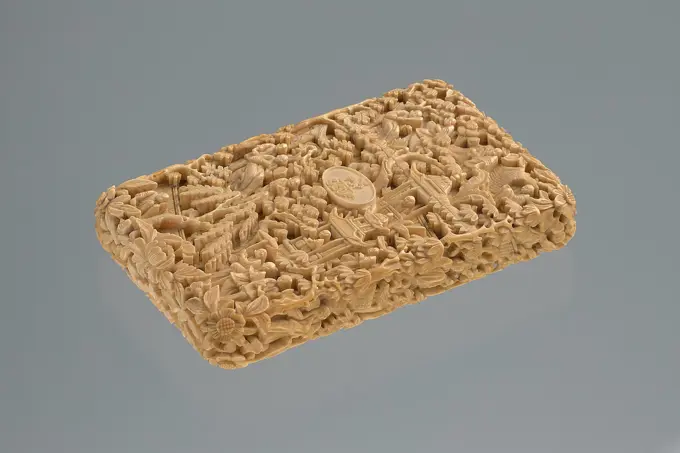
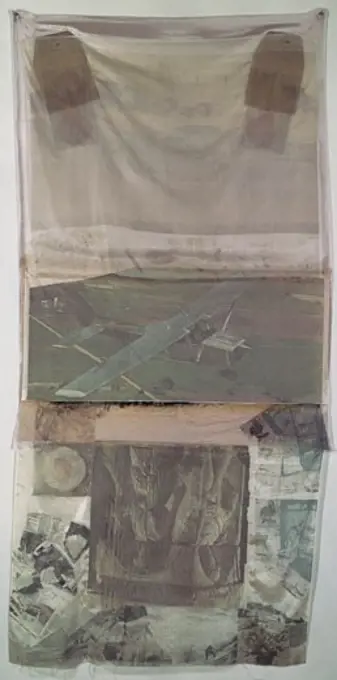
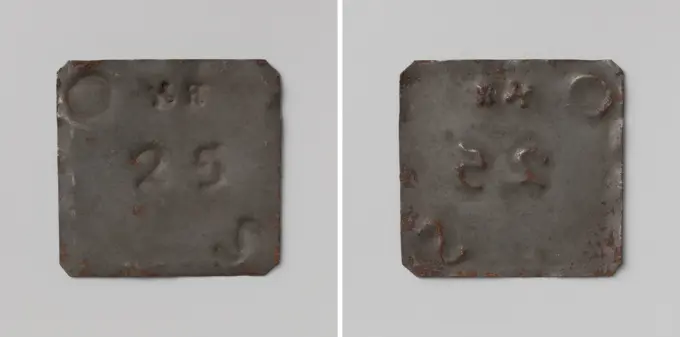
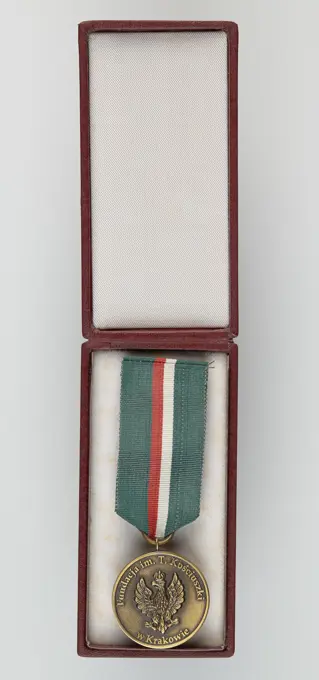
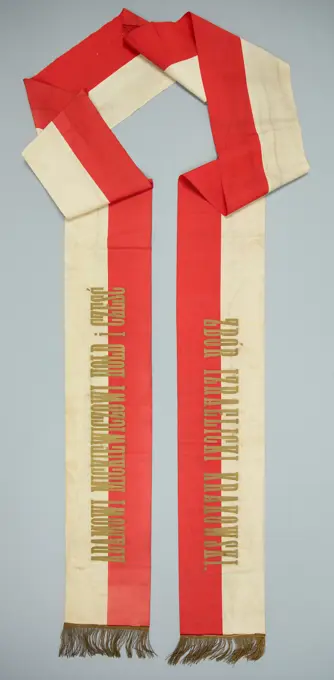
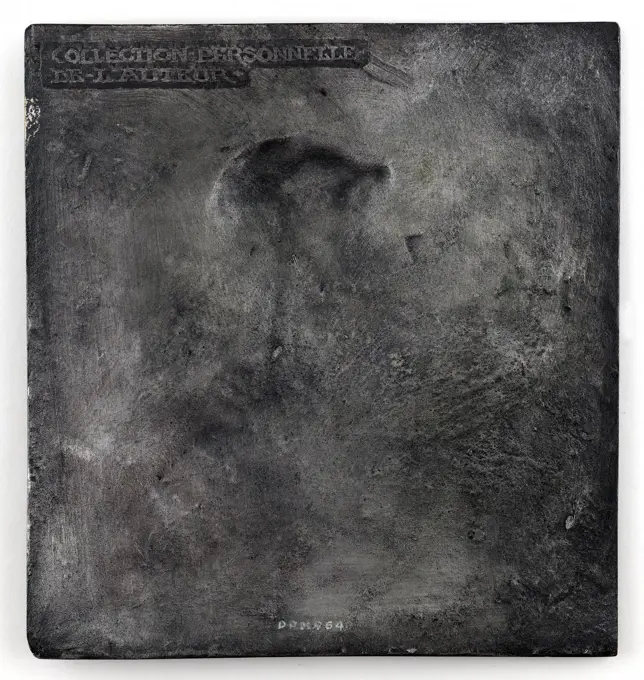
Textile Swatches Onondaga Silk Company, Inc. (1925-1981). , 1948-1959. Silk, 23 x 8 in. (58.4 x 20.3 cm).    1948-1959Textile Swatches Onondaga Silk Company, Inc. (1925-1981). , 1948-1959. 53 silk, 47 wool, 48 x 17 1/2 in. (121.9 x 44.5 cm).    1948-1959Textile Swatch Textile Swatch, 1950s to 1960s. Silk, 22 1/2 x 14 1/4 in. (57.2 x 36.2 cm).    1950s to 1960sStamp seal ca. late 3rd-early 2nd millennium B.C. Bactria-Margiana Archaeological Complex. Stamp seal. Bactria-Margiana Archaeological Complex. ca. late 3rd-early 2nd millennium B.C.. Hematite. Bronze Age. Bactria-MargianaPuzzle in an ivory, openwork box with sliding cover. Square box with a sliding cover, the lid is open and contains a large medallion with a lady lying on a sofa that supports a stack of books with its upper body; In addition, two servants. Further flower drinks in and outside the medallion. The sides are twice with a dragon and decorated twice with a blooming or fruit-bearing tree, in free shallow relief. The bottom with a group in a landscape in shallow relief. In the box seven ajour worked puzzle pieces.Top view of wooden cutting board on a gray marble background with space for text.closeup of a football ballWall Facing (Holland); tin-glazed earthenware, underglazeTile Wall Facing (Holland); tin-glazed earthenware, underglazeDamask finger cloth with Dessin Arabesk, 1900 - 1935 Damas finger cloth with design Arabesk, with monogram 'vd' from the linen weaving mill. NetherlandsEindhoven linen (material) damask Damas finger cloth with design Arabesk, with monogram 'vd' from the linen weaving mill. NetherlandsEindhoven linen (material) damaskLinnamast napkin with a volute pattern ,, 1723 - 1730 White Linnamasten Napkin with Pattern of Volutes, Brand: Kroon WG 1. Northern Netherlands (Possible) linen (material) damask White Linnamasten Napkin with Pattern of Volutes, Brand: Kroon WG 1. Northern Netherlands (Possible) linen (material) damaskSlit Cylinder (jue). China. Date: 700 BC-500 BC. Dimensions: 2.5 × 1.9 × 0.5 cm (1 × 3/4 × 3/16 in.). Jade. Origin: China. Museum: The Chicago Art Institute, Chicago, USA.Bücher Open books displaying Dostoevsky s texts, arranged to showcase the depth and complexity of his literary works. LicenseRF Copyright: xZoonar.com/NAILIAxSCHWARZx 23264431Inkstone China. Inkstone. China. Duan stone. Qing dynasty (1644-1911). InkstoneLength of Silk Brocade, 1756. England, Spitalfields, 18th century. Silk; overall: 102 x 50.5 cm (40 3/16 x 19 7/8 in.).Textile Swatches Textile Swatches, 1950s to 1960s. Silk, a: 24 1/2 x 23 1/2 in. (62.2 x 59.7 cm).    1950s to 1960sLoop .Ax 1500-500 B.C. India. Ax. India. 1500-500 B.C.. Copper. MetalworkDado, Machine-printed on continuous paper, Dado with inset panels. Moldings forming horizontal rectangles with rounded corners. Between them, pilasters with scrolled capitals. Bead molding above and below. Printed in shades of bluish gray., England, 1870-86, Wallcoverings, DadoSutra Tray 12th century Japan Long use as a container for sutras is indicated by the shadowy imprint of ten scrolls visible on the bright red lacquer interior of this finely made rectangular box. That it was one of a number of trays for a large set of scrolls is suggested by the number thirty-six written in red on black lacquer on one side of the exterior. Its high-quality constructionwith very thin wood strengthened by a fabric layer (visible on the damaged edge) under a heavy lacquer coating of red over blacksuggests a twelfth-century date, when carefully made storage boxes were used for the lavish sets of sutras dedicated to shrines and temples.. Sutra Tray. Japan. 12th century. Negoro ware, red and black lacquer. Heian period (794-1185). LacquerCuff with lace strip trimmed with a wrinkled strip of Valenciennes side, c. 1800 - c. 1920  Cuff with lace strip trimmed with a wrinkled strip of Valenciennes side with mosies. West-Europa whole: Linen (Material) Valenciennes lace / embroideringsquare old kitchen wooden board for slicing foods isolated on white backgroundEmpty rectangular wooden cutting board on dark concrete background Empty rectangular wooden cutting board on dark concrete background. Cooking at home Copyright: xZoonar.com/TetianaxChernykovax 21692302Sidewall, Machine printed on continuous paper, Irisé or rainbow paper. Motifs include bouquets in baskets, or perhaps potted plants, stylized floral sprigs and dotted bullseye pattern. Printed in red, yellow and blue on ungrounded blue-green paper., 1820-40, Wallcoverings, SidewallEmpty wooden cutting board for preparing ingredients for preparing a delicious dish. Kitchen utensilsShaker Man's Handkerchief. Dated: c. 1936. Dimensions: overall: 20.4 x 25.3 cm (8 1/16 x 9 15/16 in.). Medium: watercolor, graphite, and pen and ink on paper. Museum: National Gallery of Art, Washington DC. Author: George Constantine.Piece 19th century () Japan. Piece 65776Rectangular scale of hard baked pottery; Staffordshire., Anonymous, c. 1750 - c. 1770 Rectangular scale of hard baked pottery, covered with a flamed lead glaze in gray with some blue, green, yellow and manganese. The scale includes a second scale with invnr. BK-1987-37-A. England earthenware. lead glaze Rectangular scale of hard baked pottery, covered with a flamed lead glaze in gray with some blue, green, yellow and manganese. The scale includes a second scale with invnr. BK-1987-37-A. England earthenware. lead glazeTextile (possibly France); cotton warp, horsehair weftPa. German Butter Mold. Dated: c. 1941. Dimensions: overall: 34.3 x 22.3 cm (13 1/2 x 8 3/4 in.) Original IAD Object: 2 1/4" wide; 2 3/8" long. Medium: watercolor and graphite on paper. Museum: National Gallery of Art, Washington DC. Author: Henry Zwysen.Tile Wall Facing (Holland); tin-glazed earthenware, underglazePlaque, thin gold leaf Cypriot. Plaque, thin gold leaf. Cypriot. Gold. Gold and SilverPortrait of a Man in Top Hat. Unknown maker, AmericanHearing stone with representation of two climbing lions, c. 1875 - c. 1900 Hearing stone with representation of two climbing lions, placed in profiled window. The half windows at the top and bottom are filled with star motif. Netherlands earthenware Hearing stone with representation of two climbing lions, placed in profiled window. The half windows at the top and bottom are filled with star motif. Netherlands earthenwarePasse -Partout for Painting, Anonymous, 1575 - 1600 Passe-partout for painting of landscape: a rock with pine trees, a pavilion and a boat. Japan paper. ink. dye Passe-partout for painting of landscape: a rock with pine trees, a pavilion and a boat. Japan paper. ink. dyeBook covers with Buddhist mantras, Sri Lanka, 19th century, embossed silver, wood and semi-precious stones, Anthropology National Museum, Madrid, Spain.Four units, emergency coin from Gulik, beaten during the siege by Maurits, Prince of Oranje-Nassau, manufactured by cutting it from plate or bowl and labeled with the monogram of Rudolf II, German emperor, Anonymous, 1610 coin. siege coin Irregular, hexagonal, one -sided silver emergency coin, with an original object raised on top. Front: Two stamps: Left: Value designation Roman figure IIII in rectangle; Right: crowned letter r; Under this year, interrupted by Letter L in the Round Pearl Edge. Reverse: Blanco. Gulik silver (metal) striking (metalworking)  Gulikfolded new bed linen with patterns on grey background, top view. bed linen on grey backgroundPetticoat ca. 1750 American. Petticoat 13727Cylinder seal and modern impression: suppliant goddess ca. 17th-16th century B.C. Babylonian or Kassite Although engraved stones had been used as early as the seventh millennium B.C. to stamp impressions in clay, the invention in the fourth millennium B.C. of carved cylinders that could be rolled over clay allowed the development of more complex seal designs. These cylinder seals, first used in Mesopotamia, served as a mark of ownership or identification. Seals were either impressed on lumps of clay that were used to close jars, doors, and baskets, or they were rolled onto clay tablets that recorded information about commercial or legal transactions. The seals were often made of precious stones. Protective properties may have been ascribed to both the material itself and the carved designs. Seals are important to the study of ancient Near Eastern art because many examples survive from every period and can, therefore, help to define chronological phases. Often preserving imagery no longSharf of a basement bottle from the wreck of the East Indians' t Vliegend Hart ,, 1700 - 1735  Shards of the belly of a square basement bottle, light green. Case Bottle. Middelburg .Box 2nd millennium B.C.. Box 326669Cylinder seal ca. 15th-14th century B.C. Mitanni. Cylinder seal 324499Fashionable leather men’s wallet on a dark background. wallet on a black backgroundWall Facing (Holland); tin-glazed earthenware, underglazePiece 18th-19th century Japan. Piece. Japan. 18th-19th century. Silk. Textiles-WovenVase fragment. Culture: Roman. Dimensions: 1 7/16 × 2 × 1/8 in. (3.7 × 5.1 × 0.3 cm). Date: 1st century B.C.-1st century A.D..Fragment of plain Arretine ware, inscribed. Museum: Metropolitan Museum of Art, New York, USA.Square Plaque. Culture: Vicús. Dimensions: Height 3-1/4 in. (8.2 cm). Date: 3rd century B.C.-A.D. 2nd century. Museum: Metropolitan Museum of Art, New York, USA.Natural soap on white background. Beauty skin. Skin care. Body care. Healthy lifestyle. Beauty product.. Most 18th-century miniatures were produced by just a few Amsterdam workshops. The objects made by some of them were so detailed that they can actually be used in the same way as their full-size counterparts. This chequerboard with game pieces is a fine example. The board has the 64 squares customary in the 18th century, rather than the present-day 100.Grahal-Manzara. Carnavalet 2013-2016 collection sites. Numismatics.Strip two-sided sculpted black lace with motif of leaves, C-shaped volutes and wheels, on Softboard, Gustav Schnitzler, c. 1925 Strip two-sided scalloped black side with motif of leaves, C-shaped volutes and wheels, on the softboard. Nijmegen . Strip two-sided scalloped black side with motif of leaves, C-shaped volutes and wheels, on the softboard. Nijmegen .Fragment of a Dish 9th-10th century This object was excavated at the site of Qanat Tepe in Nishapur. Nishapur was a vital city in the early and middle Islamic periods, located along one of the main trajectories that connected Iran and West Asia Islamic lands with Central Asia and China. The term "Silk routes" often refers to these itineraries, but these were, in fact, crucial to the movement of constellations of materials and objects, as well as people and ideas. The diverse population of Nishapur and its surroundings, from the better-researched elite groups of merchants, land-owning aristocracy, and literates, to the lesser-known artisans, farmers, miners, and servants, were instrumental to adapting global cultural trends that led to the creation of a distinctive visual language. This is seen in the material remains of everyday life in medieval Nishapur - from pots and pans to lighting devices, inkwells, textiles and trimmings, jewelry, games and toys, talismanic devices, weapons, coiSketchbook (31 leaves, black pebbled cardboardcover).  Artist: Edwin Austin Abbey, American, 1852-1911, M.A. (HON.) 1897Bamboo place mat on wooden deck table.Hair comb or ridge of solid fine imitation turtle, with a long row of narrow teeth, tapestast.Wall Facing (Holland); tin-glazed earthenware, underglazeFirst meeting of the Confederation General Du Liberalism Belge at the town hall of Brussels, chaired of Defacqz, Anonymous, 1846 history medal Bronze medal. Front: Table with the inscription program from the congress inside to wreath-related oak and lauwertak and display. Reverse: 326 names of those present Opconges, divided into two columns by vertical line under inscription Belgium bronze (metal) striking (metalworking)  Brusselscaiello varese   abstract   rusty brass brown knocker in a  door curch  closed wood lombardy italy  Band of black leather with silver mounted, a silver cartouche with coat of arms without a weapon on the front. Band of black leather with silver mounted, a silver cartouche with coat of arms without a weapon on the front. At the rear the same cartouche, in which engraved a man and a woman, hand giving each other. Costume of around 1600. The four corners of each leaf decorated with a angel head in cartouche. The two locks are connected to the blades, also by engraved plates in cartouch form. One of the pictures is damaged and broken. The back is broken in the middle, as a result of inserting a bible from 1777, which turned out to be too thick. This is removed from it.Subdecast with neo -enaissancist and neo-gothic patterns. Oval with convex edge. The flat in diamonds cut; In the edge six medallions, surrounded by a band and spanktence in neo -enaissancist and neo-gothic patterns.Fragment stem from fork or spoon from the wreck of the East Indiesman Hollandia. Cutlery, fragment: voice or fork or spoon; Fragm, flat, widening.Gift box, elevated viewUntitled (Black Hunter). Joseph Cornell; American, 1903-1972. Date: 1934-1944. Dimensions: 12 × 8 × 2 7/8 in. Box construction with painted glass. Origin: United States. Museum: The Chicago Art Institute, Chicago, USA.Shards of a sign from V.O.C. ship De 'Witte Leeuw', Before 1613 plate (dishes) Shards of a sign from V.O.C. ship the 'Witte Leeuw'.  porcelain   Sint-HelenaPanel, Chateau D'asnieres; woodClose-up of three slate Amtico tiles in shades of greyTextile Swatch , 1950-1960. Silk, 4 1/4 x 12 1/2 in. (10.8 x 31.8 cm).    1950-1960Sample early 19th century French. Sample 224786Forty years CPN (Communist Party of the Netherlands), 1959, 1959 medal Standing, rectangular red -brown stoneware plaque with curved sides. Front center: Hamer and Sikkel (Communist Party Symbol of the Netherlands); Upstairs: dates and factory brand, under text. Reverse Singer Hanging Hole And Stowing Sign. Float stoneware   Netherlands. Basket filled with flowers. In wooden box.Drawing, Design for a Bracelet with Alternate Suggestions; Italy; pen and ink, brush and watercolor on paperBlue gift box In the white backgroundPlate of plate in frame, c. 1690 - c. 1705 Fedral of cardboard with lined inside in which the shape of the plate is modeled.  cardboard. velvet (fabric weave) Fedral of cardboard with lined inside in which the shape of the plate is modeled.  cardboard. velvet (fabric weave)Wall Facing (Netherlands); tin-glazed earthenware, underglazePaving stones of different colors on a white background Paving stones of different colors on a white background. Free space for text. Copyright: xZoonar.com/by_rmannx 13477510Glass cameo cup (scyphus) fragment late 1st century B.C.-mid-1st century A.D. Roman Translucent cobalt blue with opaque white overlay.Rim tapering to rounded vertical lip; tall, slightly convex curving side; part of left side of integral handle with small pointed projection at tip.On interior, fine, deep, horizontal groove immediately below rim; on top edge, another groove cut between rim and handle attachment. Also on exterior, in deep relief in white heavily draped, standing female figure, with head turned to left and proper right arm extended in front of her; to left, small part of a leafy branch.Rim fragment with large chip at right, broken at sides and bottom; dulling, pitting of surface pinprick bubbles, creamy weathering, and iridescence.. Glass cameo cup (scyphus) fragment 248692Case for formal tickets;  1. PO. 19th century (1791-00-00-1800-00-00);DETALLE DE LA EMPUÑADURA DE LA PISTOLA DE CARLOS V - SIGLO XVI. Location: PALACIO REAL-REAL ARMERIA DE MADRID. MADRID. SPAIN.Top view of wooden cutting board on old dark wood countertop.Wooden chopping board on white board table. Handmade wooden chopping board on white board table. Copyright: xZoonar.com/DanielxDashx 12679660Buckle 15th-17th century European. Buckle. European. 15th-17th century. Steel. Miscellaneous-Buckles & OrnamentScrape by Robert Rauschenberg, 1974Tile with yellow glaze. .Candy shape of pear wood in the form of a man in nineteenth-century costume. Candy shape of pear wood in the form of a man in nineteenth-century costume.Fabric Look, Johannes Adrianus van Geffen (attributed to), 1772 Dust tin with a six -pointed star in a circle engraved in the smooth leaf. The handle is profiled and has a ring at the end. The can is marked: stk. = Amsterdam, Jrl. = N (1772), Mt. = John van Geffen and a V in a shield. Amsterdam silver (metal) Dust tin with a six -pointed star in a circle engraved in the smooth leaf. The handle is profiled and has a ring at the end. The can is marked: stk. = Amsterdam, Jrl. = N (1772), Mt. = John van Geffen and a V in a shield. Amsterdam silver (metal)Prison Ommerschans, Huismunt Goten by order of the Society of Weldadigheid worth 25 cents, Anonymous, in or after 1822 - c. 1830 coin Unilateral, rectangular mint with shoes. Front: two brands above value indication; In the corner at the top left: Letter O, in corner at the bottom right: Letter S. Tour: Blanco Ommerschans tin plate striking (metalworking)  OmmerschansEmpty wooden cutting board with cracks and scuffs located on a dark concrete background(SIN TITULO) - SIGLO XX. Location: COMUNIDAD DE MADRID-COLECCION DE ARTE. MADRID. SPAIN.Board Game (possibly France); cardboard with painted and gilded decoration, backed with printed paperWall Facing (Holland); tin-glazed earthenware, underglazeFood photography, dried up baker's yeast cube (Saccharomyces cerevisiae), studio photography with a dark backgroundFrench photo album with 36 portraits, anonymous, diverse manufacturers, 1860 - 1900  Photo album with 36 pages with a total of 36 cartes-de-visiting in with a bred rimed passe-partouts. Portraits of unknown men, women and children are depicted. The photos were taken by various French photographers, including Charles Jacotin and Jamin et Cie. The photographer is anonymous from 14 photos. The name Antoine Maitre has been held on the back of the album. France cardboard. paper. photographic support. leather. metal albumen print historical persons. historical persons - BB - woman. childDynamically tunable structural colors based on asymmetric Fabry-Perot cavitiesPenn Life Mutual InsuranceCompany.   Subject: Penn Mutual Life Insurance Company, American, founded 1847Border (USA); machine-printed; 21.5 x 9.5 cm (8 7/16 x 3 3/4 in.)Memoriam commemorative badge given on July 30, 2015, theA sash from the funeral of Adam Mickiewicz in Krakow on July 4, 1890Luxembourg Knighthood (Order of the Eikenkroon), received by Willem Drees, Anonymous, After 1841 - Before 1951  The order star, which is worn on the clothing, is an eight -pointed, slightly bent, silver star browed in the middle with the medallion with the initial of Willem II, which is being surrounded here with the change 'Je Maintiendrai' in gold letters on one Red background. This is surrounded on the rays of the star by a green-gold oak wreath that ends in a bow at the bottom.  silver (metal).   Netherlands. Luxemburg (land)Alexandre-Louis Charpentier (1856-1909). Medal plate. Society of Friends of Books (1881-1897), Duke of Aumale, Honorary President. Metal. 1899. Museum of Fine Arts of the City of Paris, Petit Palais. 57547-18 Duke Francais, metal, numismatics, medal plate, honorary president, reverse, society book book