Antique Textile Patterns

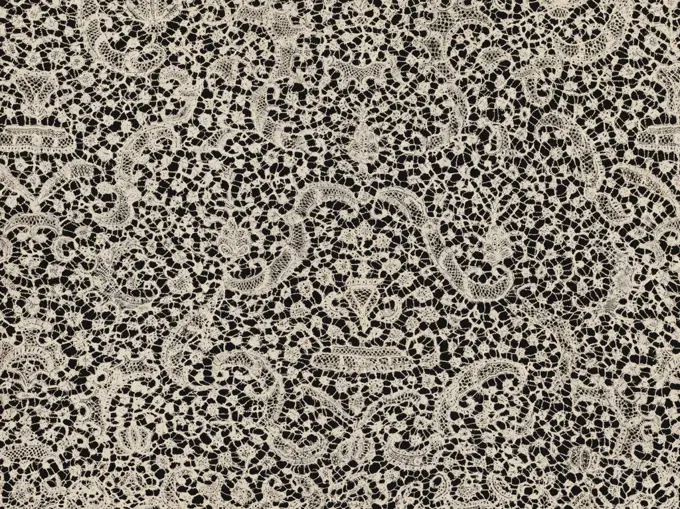
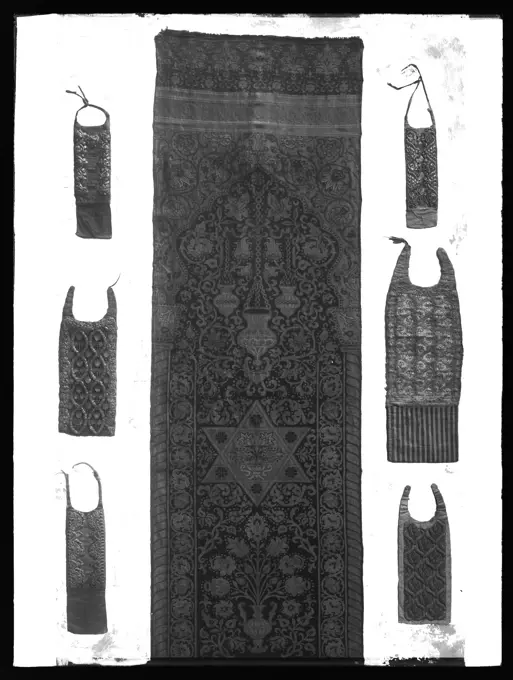
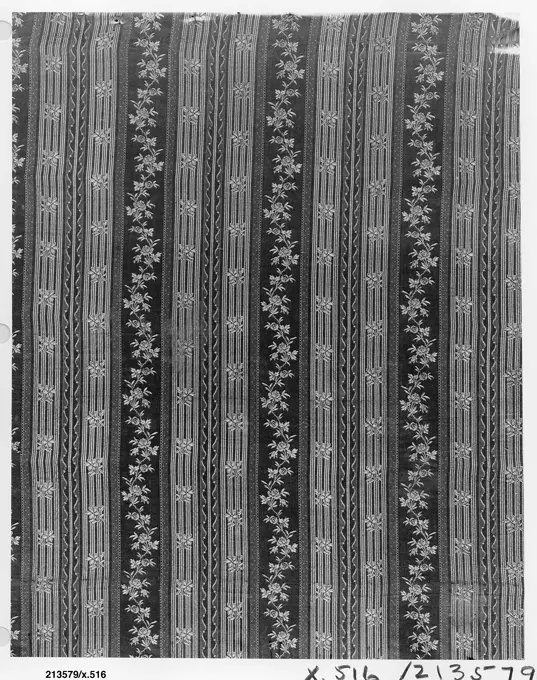
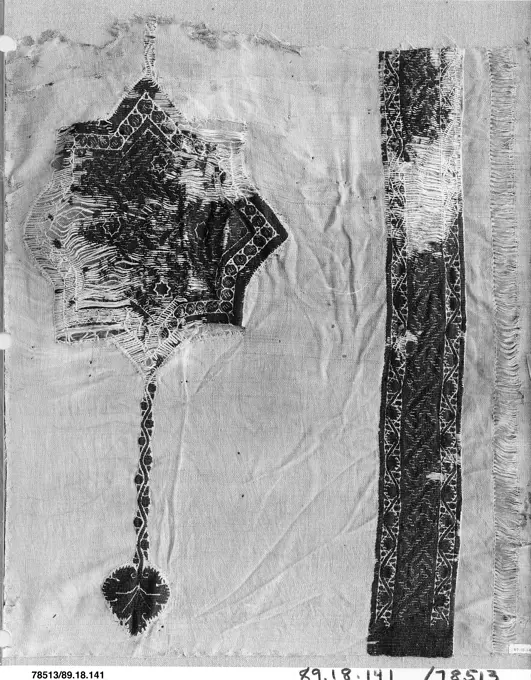
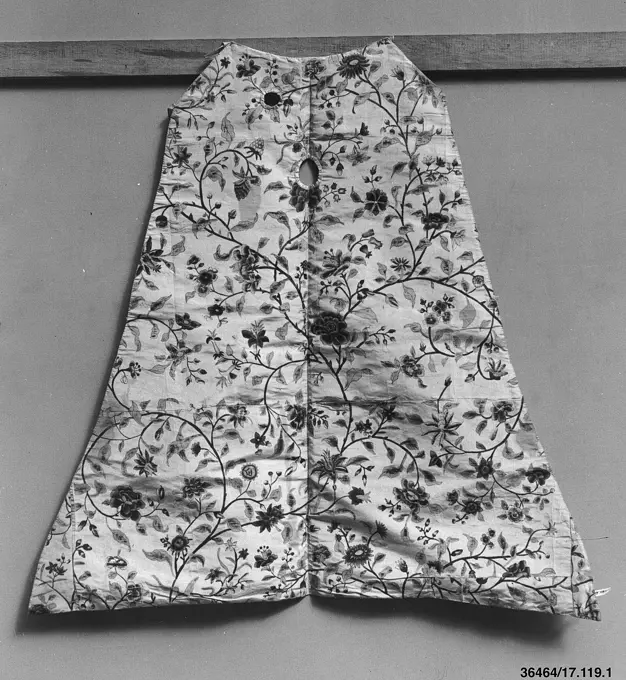
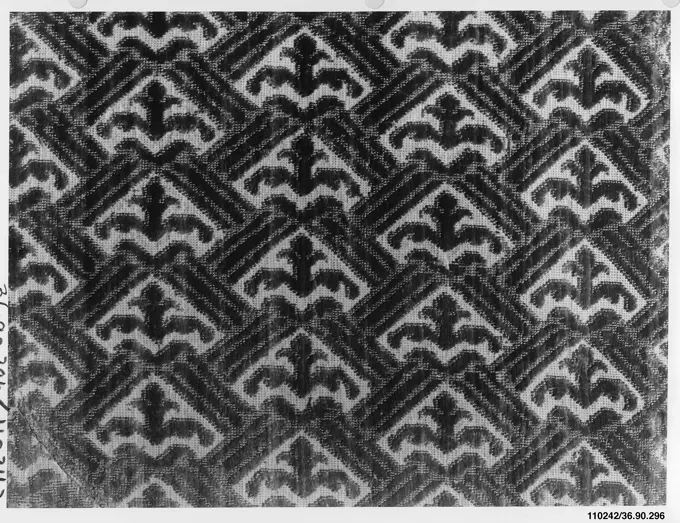
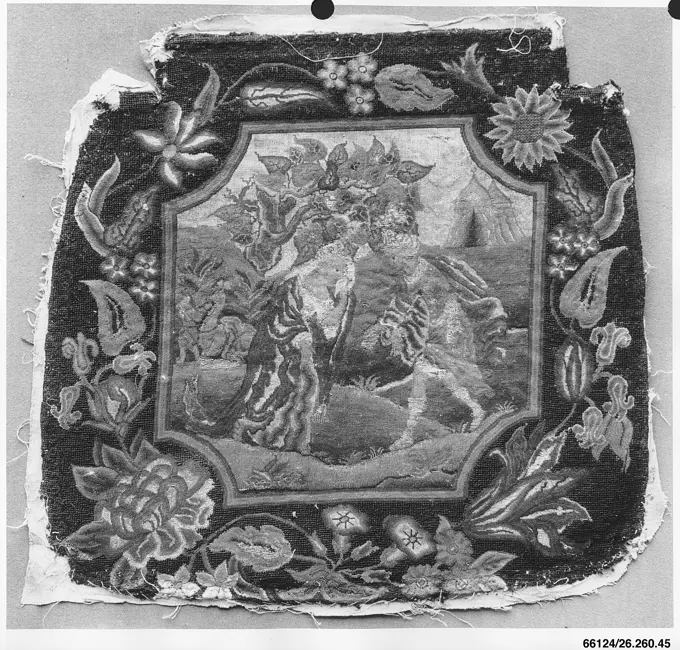
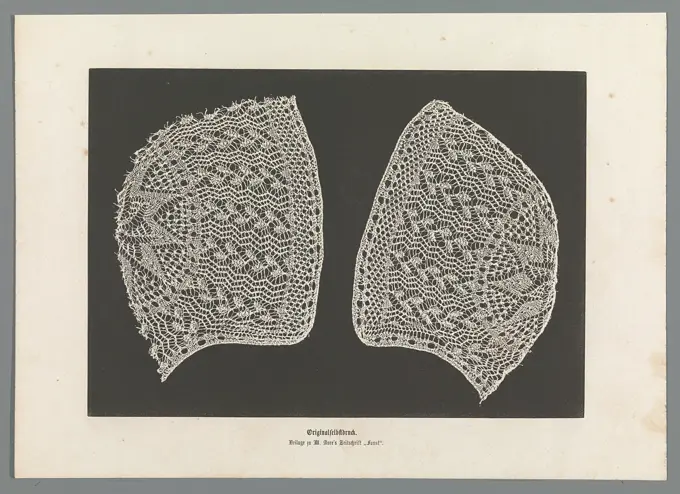
Historical fabric pieces showcasing intricate floral and ornamental designs, representing 16th to 18th century craftsmanship.
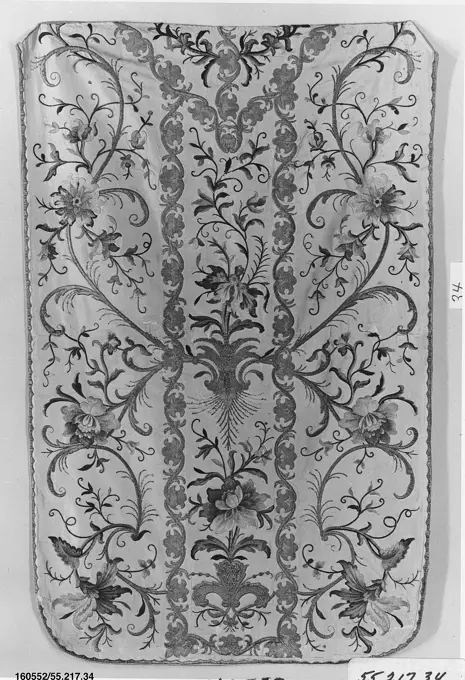
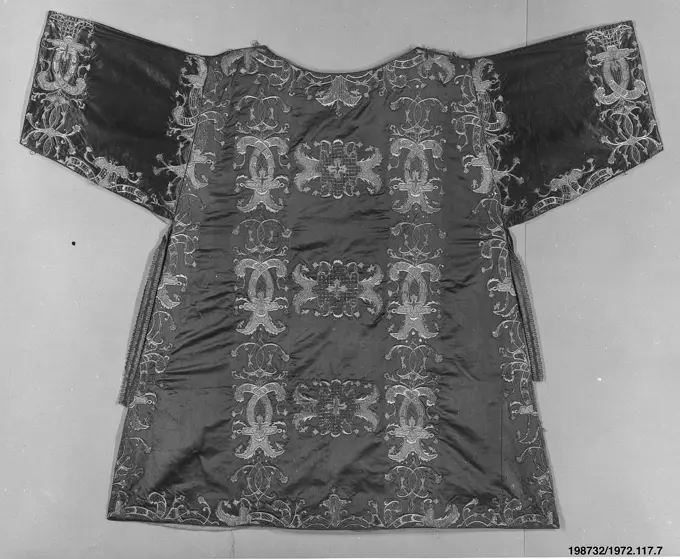
Chasuble 18th century Italian. Chasuble 227812
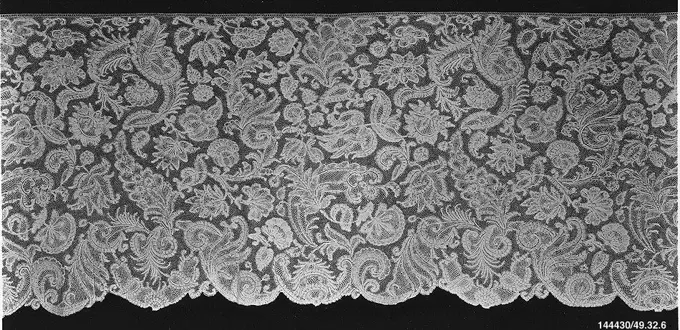
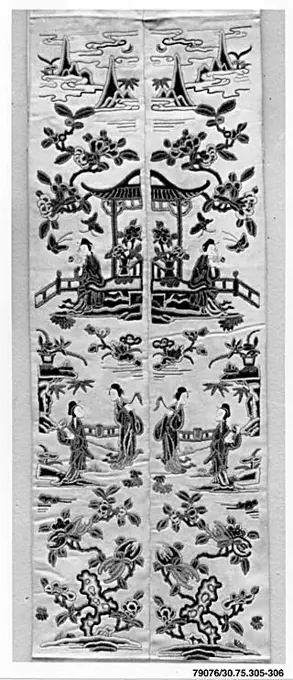
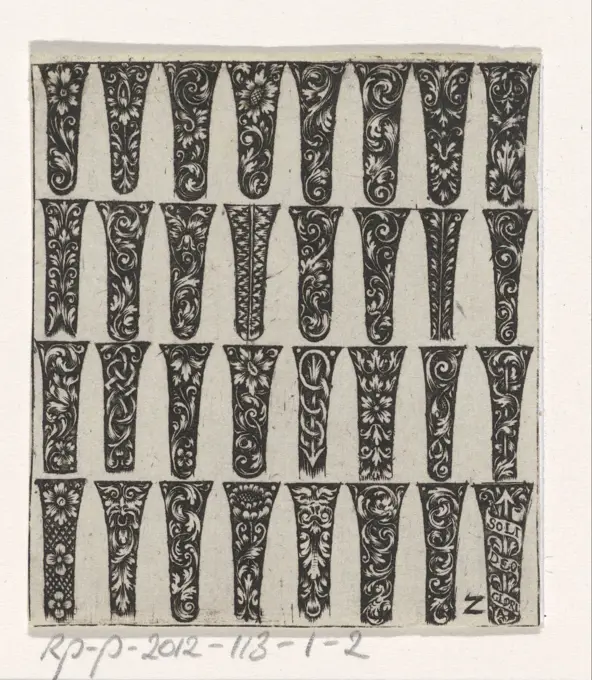
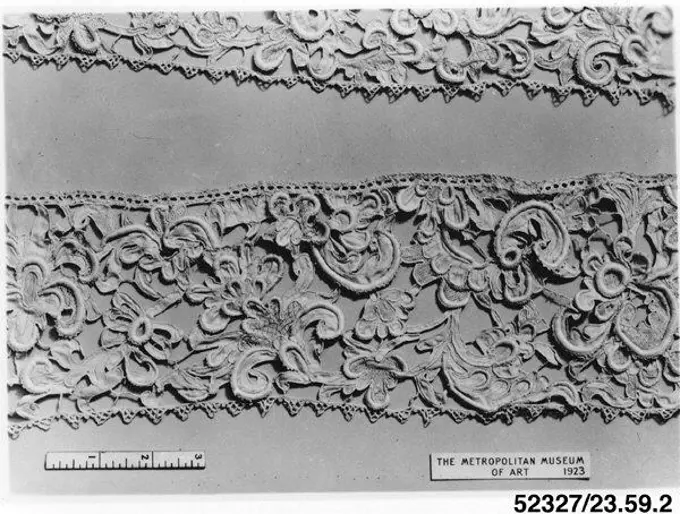
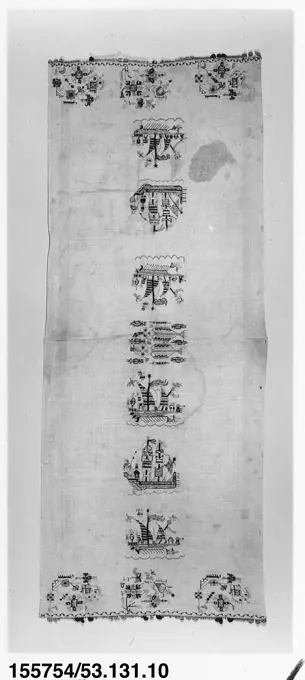
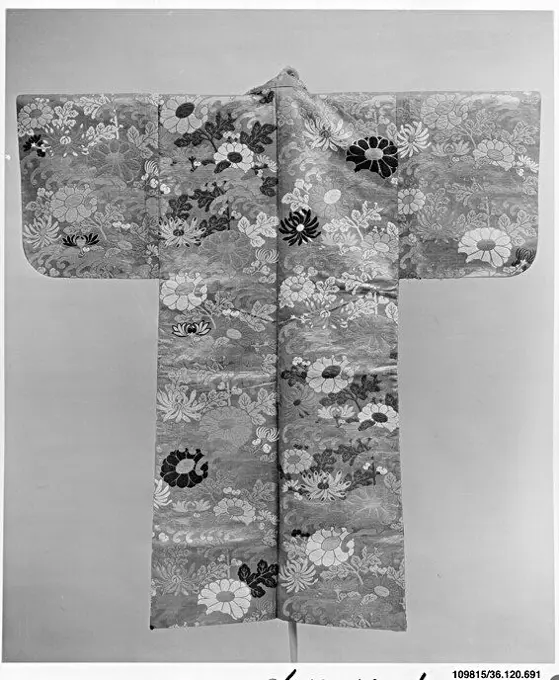
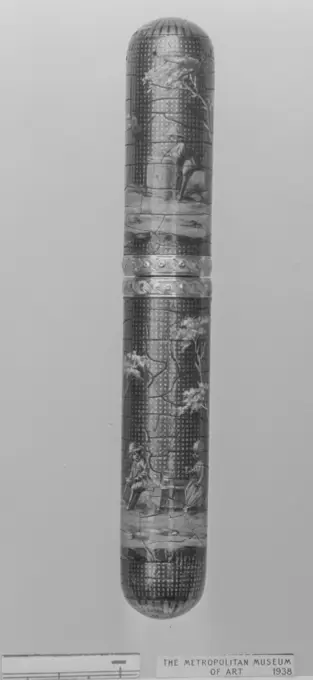
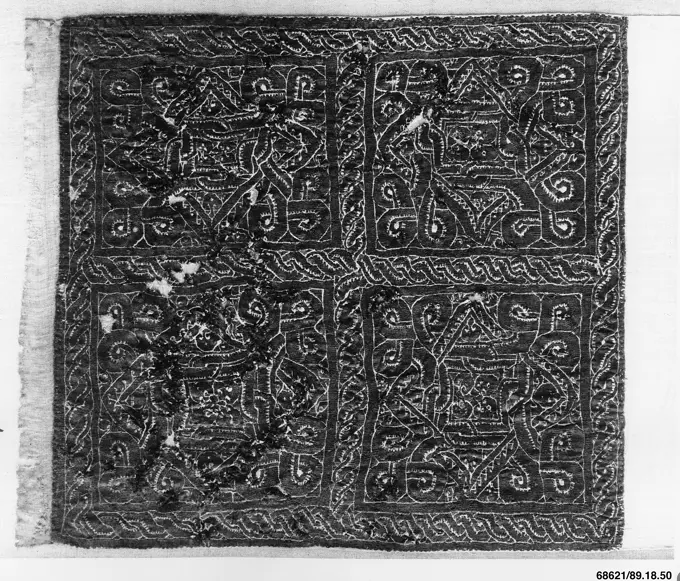
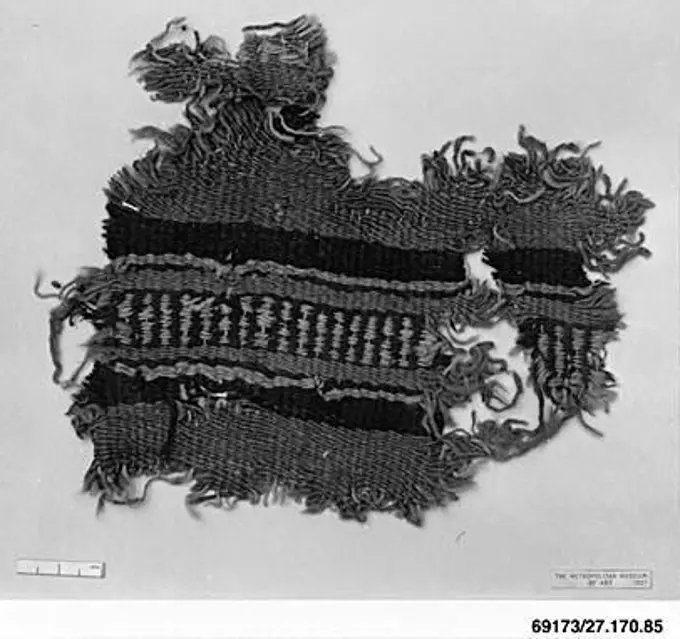
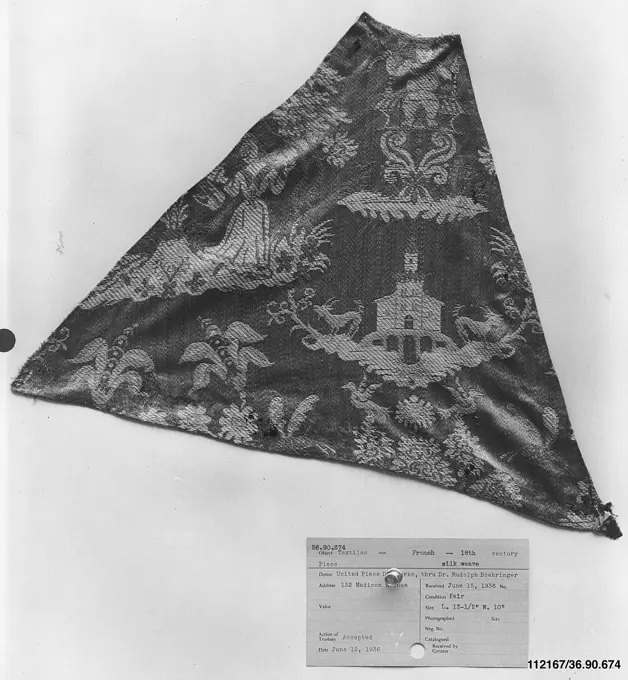
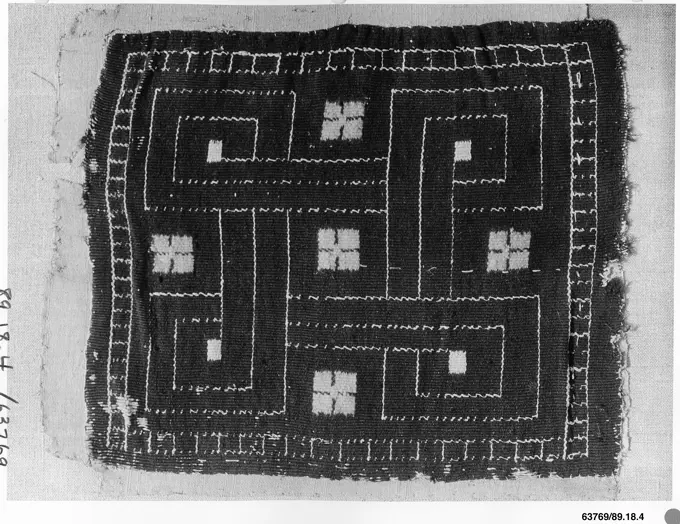
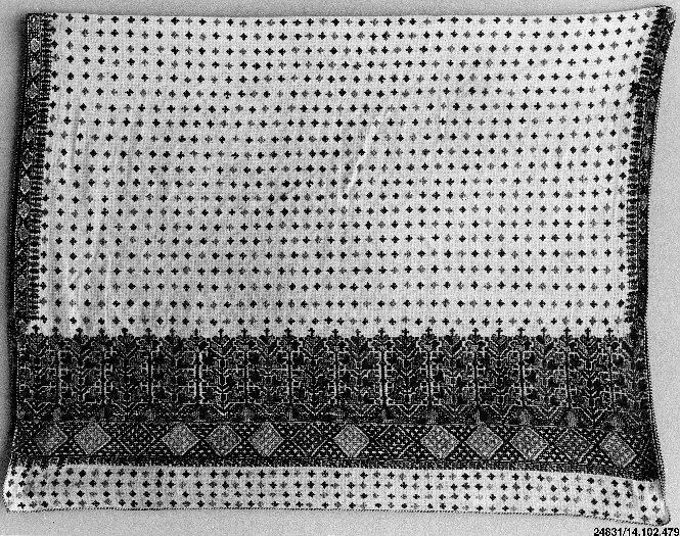
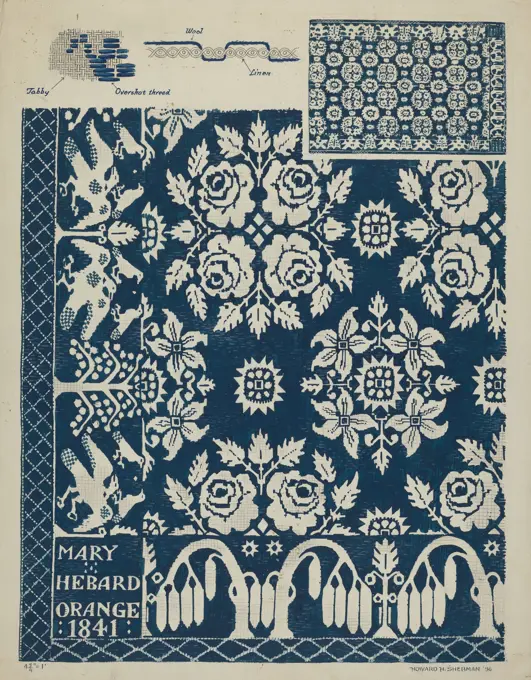
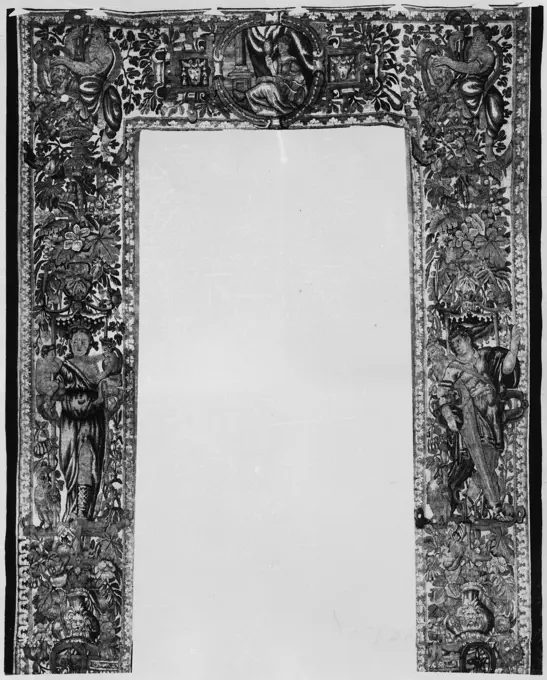
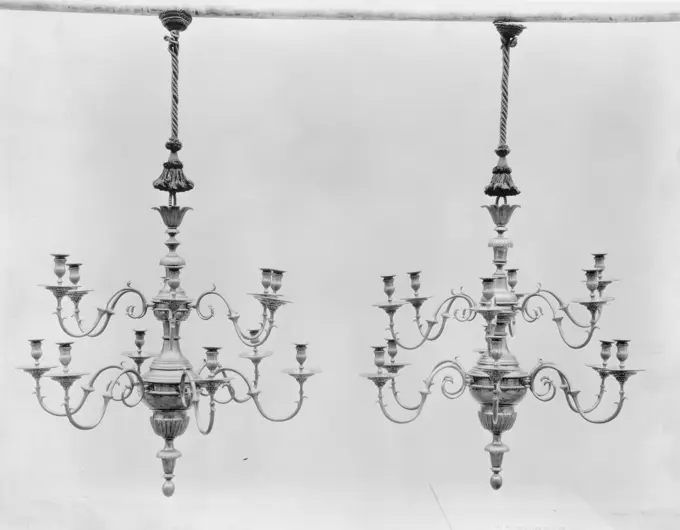
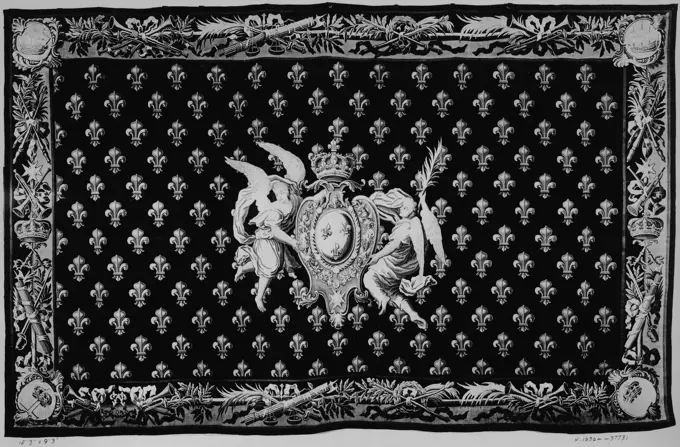
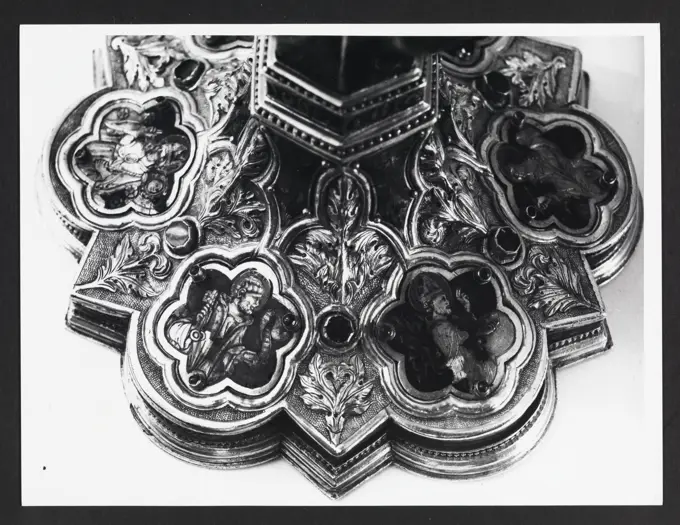
Fragment of a Sleeve 3rd-4th century. Fragment of a Sleeve 443887Carpet Made 1440-1460 Spain. Wool, plain weave with supplementary wefts forming cut pile through a technique known as Spanish knots . IslamicFragment of a Tunic 3rd-4th century. Fragment of a Tunic 443796Piece 1805-15 French. Piece 223725Sampler 19th century German. Sampler 228511Flounce second quarter 18th century Flemish. Flounce 227411Sleeve Band 19th century China. Sleeve Band 68657Border 16th century Italian. Border 214801Bliżej Kultury unknownBand early 19th century. Band. early 19th century. Cotton, silk. Attributed to Morocco, Rabat. Textiles-EmbroideredTextile Fragment 19th century. Textile Fragment 445871Textile Fragment 3rd-4th century. Textile Fragment 444099Flounce fragment, Medium: linen Technique: bobbin lace, Brussels style, Flounce fragment worked with a design of large-scale scrolls forming a symmetrical motif in a ground of small foliate forms., Belgium, early 18th century, lace, Flounce fragmentDalmatic (one of a pair) 1830-39 Austrian. Dalmatic (one of a pair) 229398Strip. Culture: possibly Danish. Dimensions: L. 45 x W. 3 1/2 inches 114.3 x 8.9 cm. Date: second half 17th century. Museum: Metropolitan Museum of Art, New York, USA.Bliżej Kultury unknownPiece ca. 1750 French. Piece 221212Bliżej Kultury unknownPiece ca. 1600 Italian or Spanish. Piece 221641Breadth 18th century French. Breadth 230885Sampler 1815 Austrian. Sampler 228151Landscape with bird and spring flowers in foreground. unknown c. 1660-1700 Tapestry Dimensions: H 9'10" x W 10'4" Tapestry Materials/Techniques: unknown Culture: Flemish Weaving Center: unknown Ownership History: French & Co. purchased from Mrs. N. L. McCready 7/3/1917; sold to Ben Ali Haggin 7/1/1921.Textile Fragment 3rd-4th century. Textile Fragment 443346Examples of 32 small objects, Johann Wilhelm Heel, c. 1647 - c. 1709  Examples of 32 small objects, possibly rings.  paper engravingCourt train 19th century German. Court train. German. 19th century. metallic threadStatue robe 18th century French. Statue robe 219957Pillow Cover 19th century China. Pillow Cover. China. 19th century. Silk; on silk. Qing dynasty (1644-1911). Textiles-EmbroideredStole 16th century French. Stole. French. 16th century. Silk and metal thread. Textiles-EmbroideredSleeve piece 17th century Italian, Venice. Sleeve piece 221459Sutra Cover 17th century China. Sutra Cover 69824Saddle Rug 18th century China. Saddle Rug. China. 18th century. Foundation: cotton; wool knotting. Qing dynasty (1644-1911). Textiles-RugsQuilt Cover ca. 1900 China. Quilt Cover 70764Bliżej Kultury unknownTextile Fragment 3rd-4th century. Textile Fragment 443223Piece 16th-17th century Italian. Piece 223397Panel Made 1790-1810 France. Silk, stripes of warp-float faced 7 1 satin weave; stripes of warp-float faced 7 1 satin weave self-patterned by ground weft floats; and stripes of plain weave self-patterned by ground weft floats .Textile Fragment 3rd-4th century. Textile Fragment 444101Embroidered darning sampler 1798 Dutch. Embroidered darning sampler 228090Piece 1750-60 French. Piece 220340Piece 17th century Italian. Piece 224514Bowl 1835-50 American. Bowl. American. 1835-50. Lacy pressed glass. Made in New England, United StatesTowel 18th century Greek Islands, Skyros. Towel 227639Textile Fragment 5th-6th century. Textile Fragment 444229Strip 17th century Italian. Strip 221501Large-leaf verdure with birds and iris/pomegranate border. unknown c. 1545-1565 Tapestry Dimensions: H 8' x W 5'5" Tapestry Materials/Techniques: unknown Culture: Flemish Weaving Center: unknown Ownership History: French & Co. purchased from Ernest Joresco, received 5/15/1962; sold to V. & C. Vigo & Charles Sternberg 7/10/1962. 7 birds inhabit greenery with branching foliage & flowers (BRD) irises & short garlands of pomegranates & flowers tied with ribbons French & Co. stock sheet in archive, E-493 Göbel, Wandteppiche I:2 (1923), ill. 442 Related Works: Compositionally & stylistically similar tapestry, Munich, Bayerische NationalmuseumPiece 1851-72 British. Piece 226217Piece mid-18th century French. Piece 223715Noh Robe (Karaori) with Chrysanthemums and Waves first half of the 19th century Japan Bold, golden waves gleam among large chrysanthemum plants of various types in the decoration of this Noh costume. The combination of water with chrysanthemums is suggestive of a mythical Chinese river that became a prominent theme in Japanese art. Sweetened by dewdrops falling from the petals of the chrysanthemums, the river's water was said to impart eternal life to anyone who drank it. The presence of red in this robe suggests that it was used for the role of a young woman.. Noh Robe (Karaori) with Chrysanthemums and Waves. Japan. first half of the 19th century. Twill-weave silk brocaded with silk and metallic thread. Edo period (1615-1868). CostumesMusic Box ca. 1810 Swiss Oblong engine-turned gold music box. Music Box 505646Piece 18th century French. Piece 224389Mirror Case China. Mirror Case 68807Pillow sham ca. 1890 German. Pillow sham. German. ca. 1890. Linen. Textiles-EmbroideredSampler 1776 Scandinavian. Sampler 227958Piece 1760-70 French. Piece 220430Coverlet. Dated: c. 1936. Dimensions: overall: 35.8 x 26.3 cm (14 1/8 x 10 3/8 in.) Original IAD Object: 7" wide; 7 1/2" long. Medium: watercolor and gouache on paper. Museum: National Gallery of Art, Washington DC. Author: Ruth M. Barnes.Book clasp 17th century possibly French. Book clasp 192394Apron ornament French 18th century View more. Apron ornament. French. 18th century. Gilt bronze. Metalwork-Gilt BronzeRank Badge with Tiger late 19th century China. Rank Badge with Tiger 70619Étui third quarter 18th century French In eighteenth-century Europe, Paris led the production of high-quality luxury goods. Parisian goldsmiths made a wide range of small, personal articles such as snuffboxes; étuis to hold sealing wax, tweezers, or utensils for sewing; souvenirs, which contained thin ivory tablets for note taking; and shuttles for knotting lace. Gold snuffboxes and boxes decorated with portrait miniatures were prized and frequently given as royal gifts, often to ambassadors or members of the court in lieu of cash payments for their services. Coveted and admired, these boxes were produced from a variety of materials. The best were skillfully made of gold and embellished with diamonds, enameled decoration, lacquer, and other luxurious materials. By the middle of the century, the taking of snuff had become an entrenched social ritual, and the snuffbox, too, had become an important social prop. Snuffboxes were considered highly fashionable accessories, with some merchantsCover Made 1801-1900 Italy. .Fragment. Possibly Chancay; Peru, Possibly central coast. Date: 1000-1476. Dimensions: 56.5 x 117.8 cm (22 1/4 x 46 3/8 in.). Cotton, slit and single interlocking tapestry weave with eccentric wefts; edged with cotton and wool (camelid), plain weave with extended weft loop fringe. Origin: Peru. Museum: The Chicago Art Institute, Chicago, USA.Textile Fragment 4th-5th century. Textile Fragment 443255Ornaments with flowers. Three designs for ornaments with (stylized) floral motifs in the form of horizontal decorative tires.Piece late 18th century French, Bordeaux. Piece 222198Piece 1804-15 Séguin et Cie. Piece 223103in oman antique door entrance and      decorative handle for backgroundChair seat cover mid-18th century British. Chair seat cover 221889Mirror 1600-1650 French. Mirror 196705Stole early 18th century Italian. Stole 226320Textile Fragment 11th-12th century. Textile Fragment 448129Piece 17th century Italian. Piece 222371Rank Badge with Golden Pheasant early 18th century China. Rank Badge with Golden Pheasant 68945Piece ca. 1700 Italian. Piece 223775Textile Fragment 4th-5th century. Textile Fragment 443209Scarf 18th century. Scarf 446660End Border of Rug early 19th century China. End Border of Rug 70380Textile Fragment 4th century. Textile Fragment 443450Howard H Sherman, Handwoven Coverlet, 1936 Handwoven CoverletCantonnière with Vanitas and grotesques. unknown c. 1550-1600 Tapestry Dimensions: H 8'6" x W 10" Tapestry Materials/Techniques: unknown Culture: Flemish Weaving Center: unknown Ownership History: French & Co. purchased from Mrs. S. R. Guggenheim, received 11/24/1944 (credit #5887 10/18/1955).Fragment. Dimensions: 9.75 in. high 9.75 in. wide (24.76 cm high 24.76 cm wide). Date: 3rd-4th century. Museum: Metropolitan Museum of Art, New York, USA.Pair of Bookcovers Pair of Bookcovers. Lacquered, 6 1/2 x 3 15/16 in. (16.5 x 10 cm) each.   Arts of the Islamic WorldChandelier 1765-85. Chandelier 1977Chancellerie: Arms of France under royal crown. unknown c. 1725-1775 Tapestry Dimensions: H 9'3' X w 15'3" Tapestry Materials/Techniques: unknown Culture: French Weaving Center: Aubusson Ownership History: French & Co. Surrounded by the Ordre du Saint-Esprit, on fleur-de-lys back-drop (BRD) foliated pole with ribbon-tied trophies; (L & R BRD) crown at mid-point & medallions depicting vessels, above, & crowns, below, framed by acanthus leaves & scallop-shells in corners French & Co. stock sheet missing from archive, 37731Bliżej Kultury unknownTextile Fragment 3rd-4th century. Textile Fragment 443384Sampler Made 1827 Austria. Wool, plain weave; embroidered with silk in cross and tent stitches .Mirror Case Cover Mirror Case Cover, 1854-1855. Lacquer, paper mache, 6 x 10 in. (15.2 x 25.4 cm).   Arts of the Islamic World 1854-1855Piece. Culture: French. Dimensions: L. 10 x W. 6 1/2 inches (25.4 x 16.5 cm). Date: early 19th century. Museum: Metropolitan Museum of Art, New York, USA.Piece 18th-19th century Japan. Piece. Japan. 18th-19th century. Silk. Textiles-WovenAbruzzo L'Aquila Sulmona Museo Civico2. Hutzel, Max 1960-1990 Museo Civico Treasures: these objects (Tesoro del Pio Istituto della SS. Annunziata and Tesoro della Cattedrale) are now housed in the security vault of a bank, not in the Museo Civico, as noted in Hutzel's photo campaign notes of August 1984. Views of the treasures include: a silver processional cross (14th century); gold, silver and enamel chalice (13th century), gold and silver crosier with sculpted figures depicting the Annunciation (13th century), a silver and gold reliquary with glass (13th century), a silver diadem (13th century), and a box-like silver and gold reliquary (15th century). German-born photographer and scholar Max Hutzel (1911-1988) photographed in Italy from the early 1960s until his death. The result of this project, referred to by Hutzel as Foto Arte Minore, is thorough documentation of art historical development in Italy up to the 18th century, including objects of the Etruscans and the Romans, as welSnow Crystal. Artist: Wilson Alwyn Bentley (American, 1865-1931). Dimensions: Image: 2 3/4 in. × 3 in. (7 × 7.6 cm)Sheet: 2 13/16 in. × 4 in. (7.2 × 10.1 cm). Date: 1890s-1920s. Museum: Metropolitan Museum of Art, New York, USA.Leaf from Winterbstdruckke Auer. Leaf From Series of 12 natlinglingbstdruckke Auer.Fan 18th century China. Fan. China. 18th century. Bamboo, ivory, mother-of-pearl, metal. FansPiece early 19th century French. Piece 223768Sash or Sarong Made 1801-1900 Indonesia. Plain cloth with borders in compound twill and cloth; red silk with woven gold and colored silk borders .Cover 18th century Italian. Cover 218858Anefo photo collection. Embroidery Old No. 24. December 12, 1945Kandodelaber with two children nereïde; Ornament panels.Candelaber made up of Nereïde with two children for base with vase surrounded by leaf raft. Breast kuras and two children with sticks and shields.The Last Rose of Summer (Bookmark). Thomas Stevens, English (1828-1888); England, Coventry. Date: 1871. Dimensions: . Silk, plain cloth, brocaded. Origin: Coventry. Museum: The Chicago Art Institute, Chicago, USA.in old iran mousque the column  incision of a flower like abstract background