Archaeological Artifacts

A collection of fragments and tokens from historical excavations, highlighting game pieces and domestic tools. Represents a blend of archaeology and history.

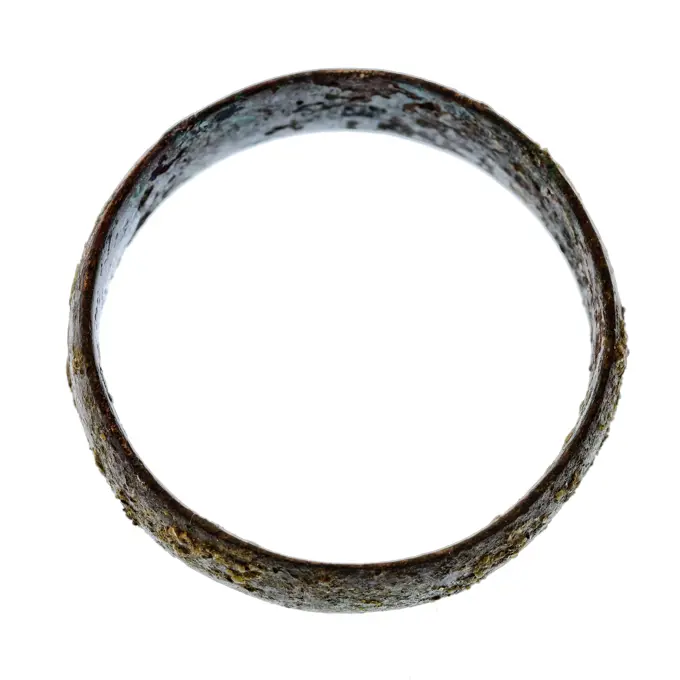
Fitting ring from the wreck of the East Indians Hollandia, Anonymous, 1700 - in or before 1743  Fittings, bands and bracing, circular: riveted; squashed, strip with straight ends, overlapping seam with 2 rivets. Netherlands copper (metal)   Second
Fitting ring from the wreck of the East Indians Hollandia, Anonymous, 1700 - in or before 1743 Fittings, bands and bracing, circular: riveted; squashed, strip with straight ends, overlapping seam with 2 rivets. Netherlands copper (metal) Second
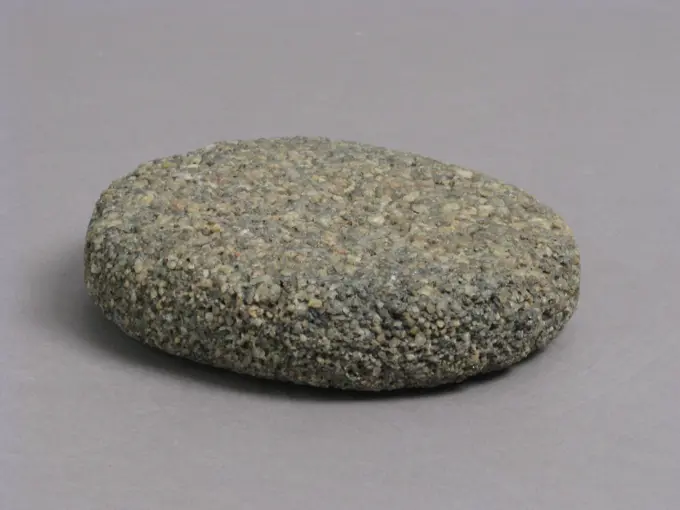
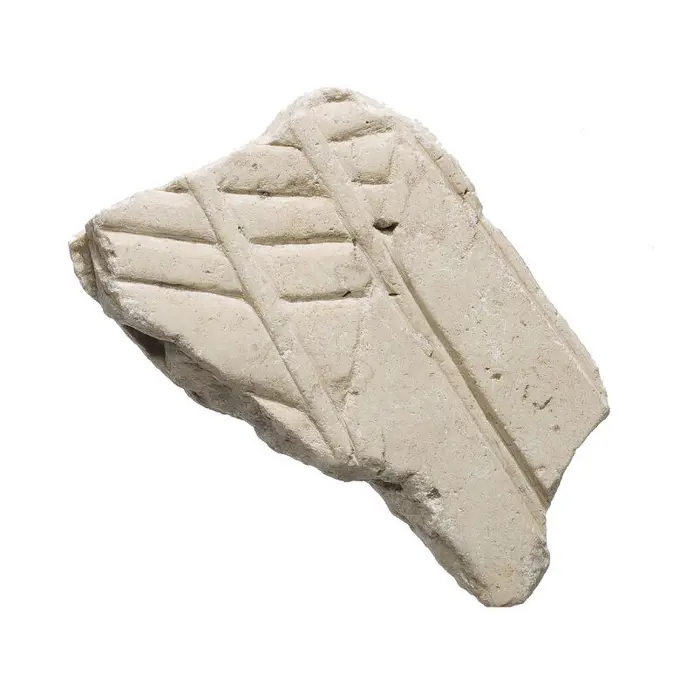
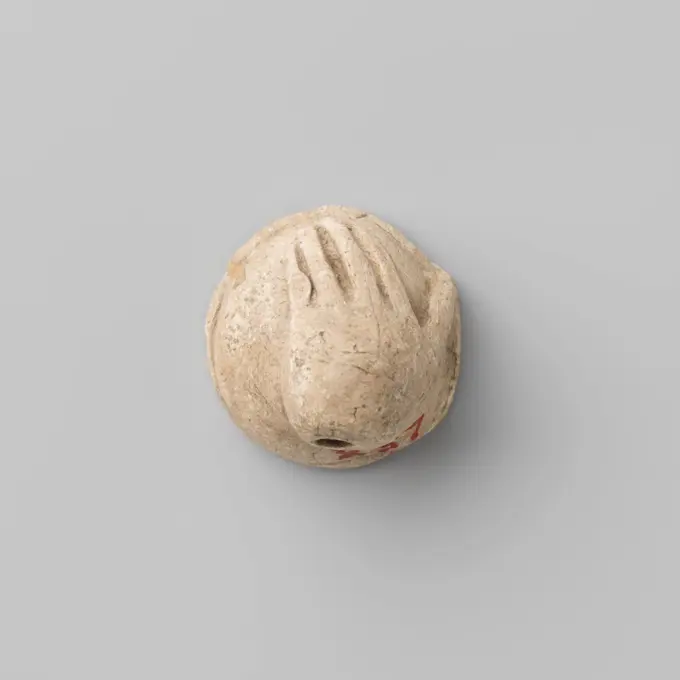
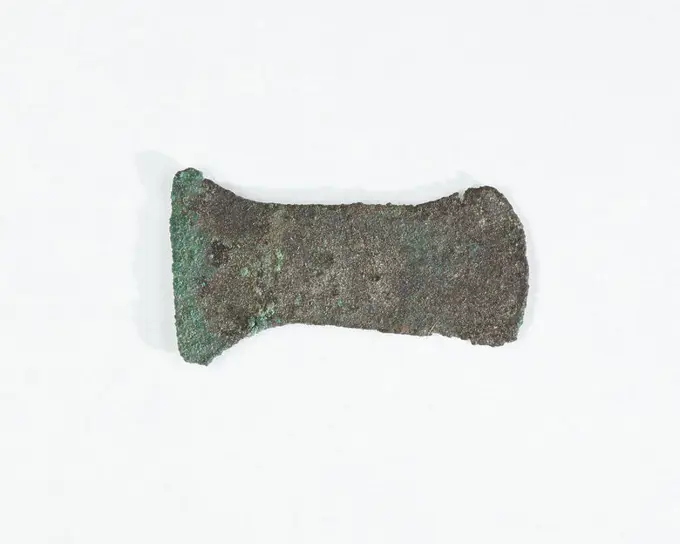
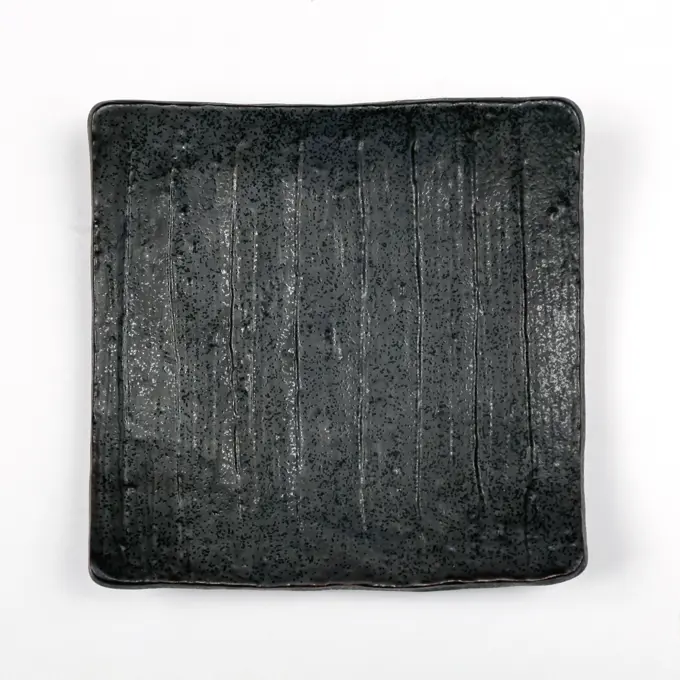
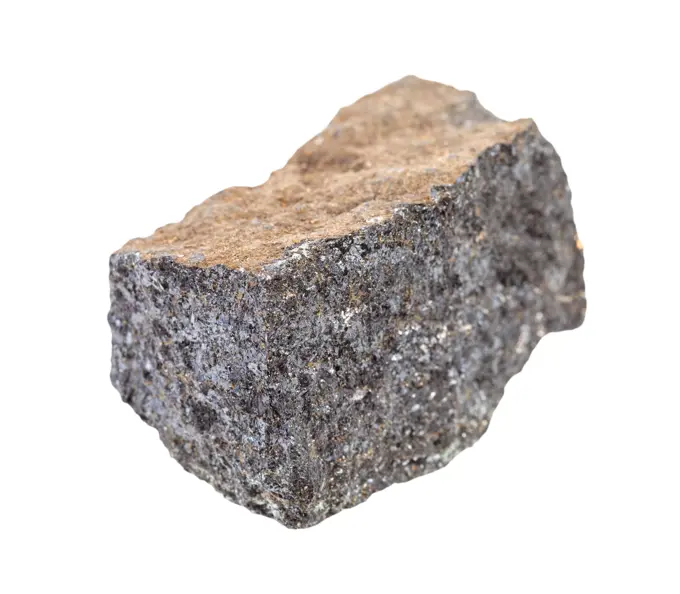
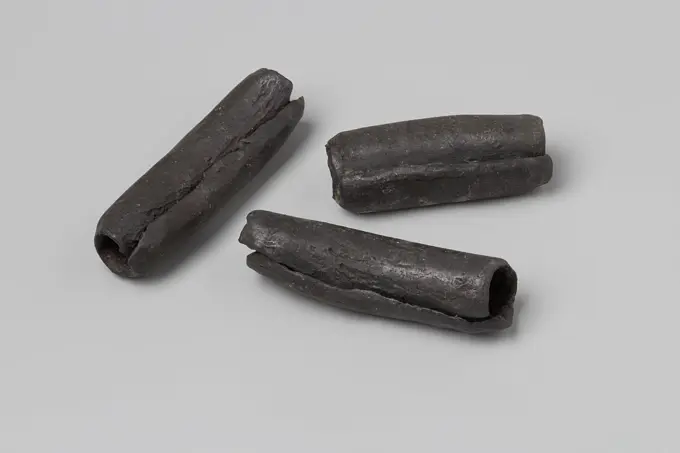
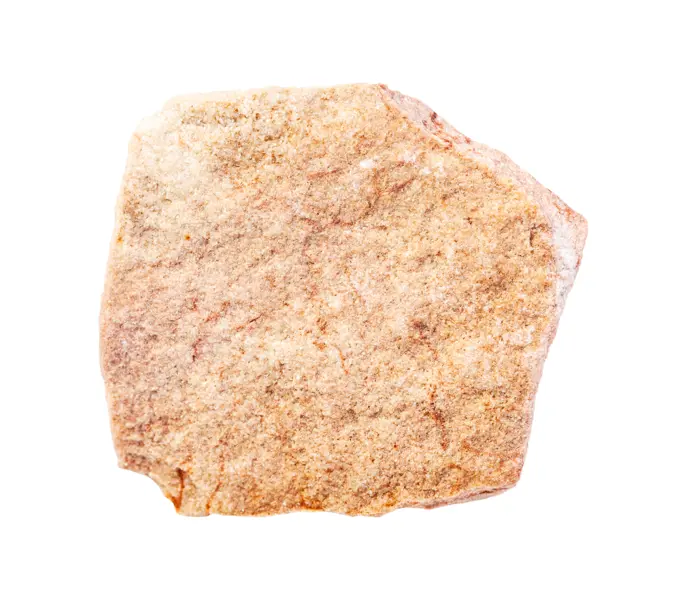
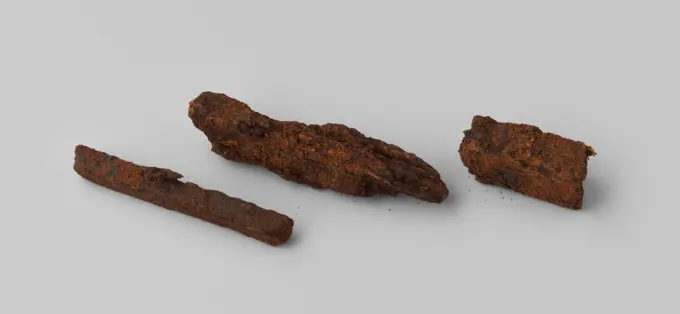
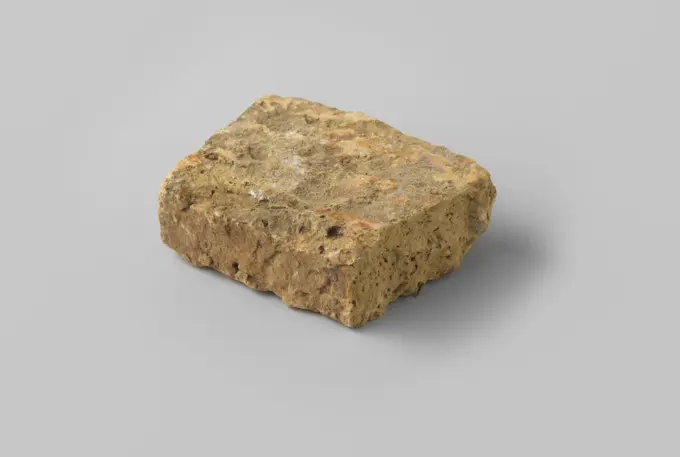
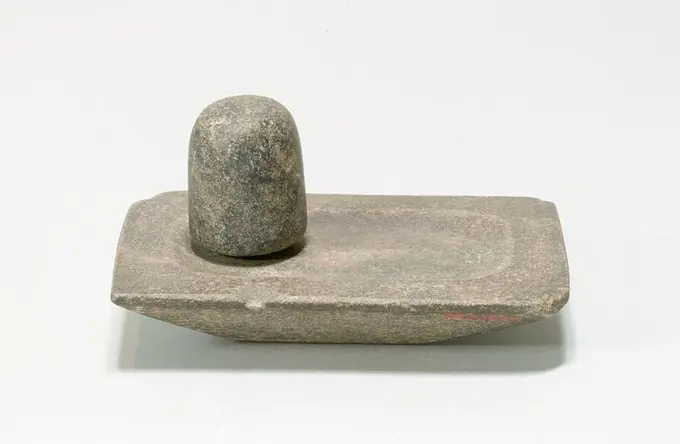
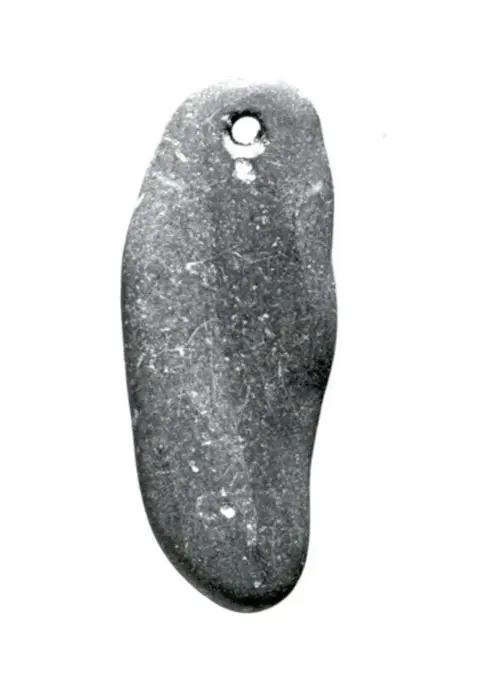
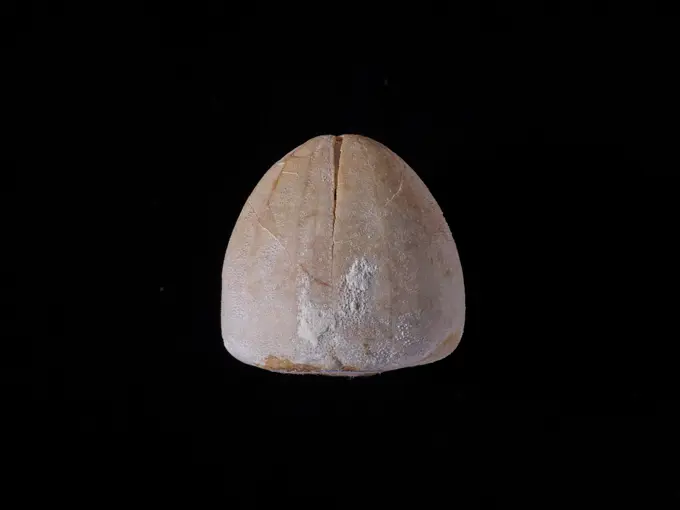
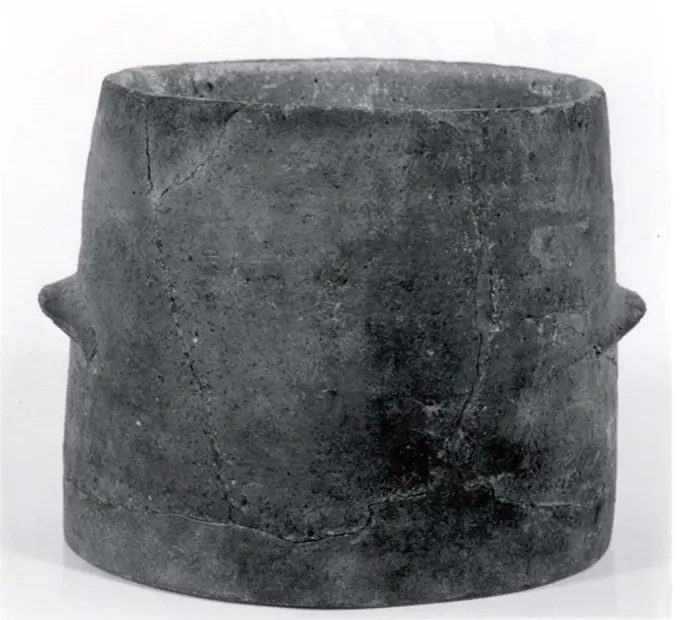
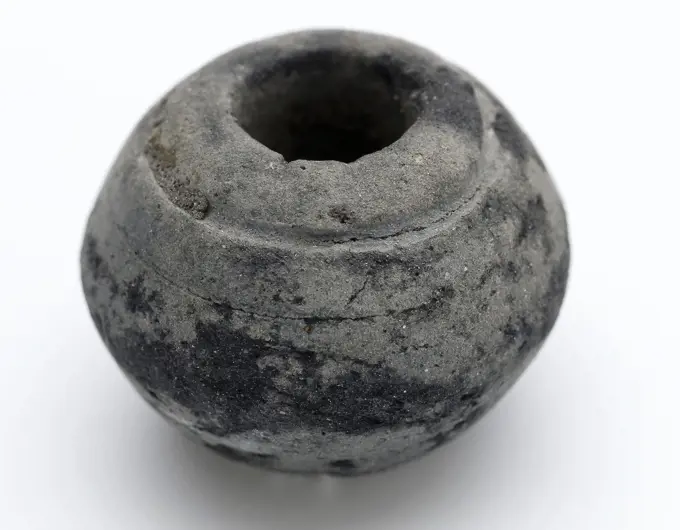
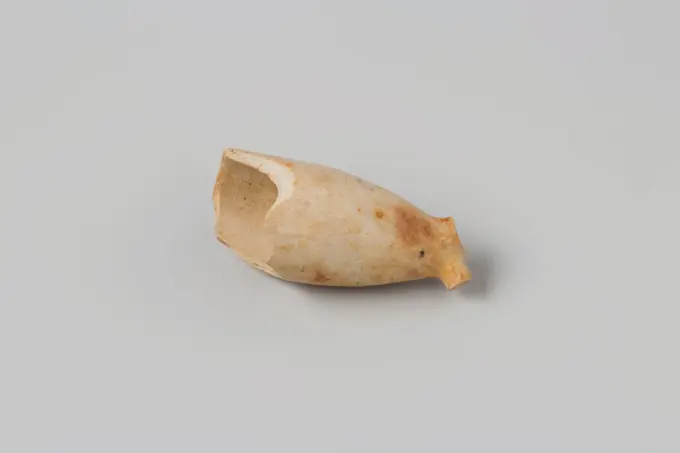
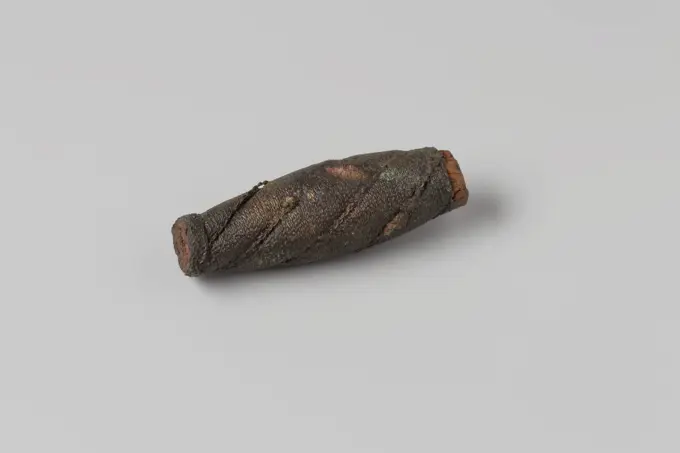
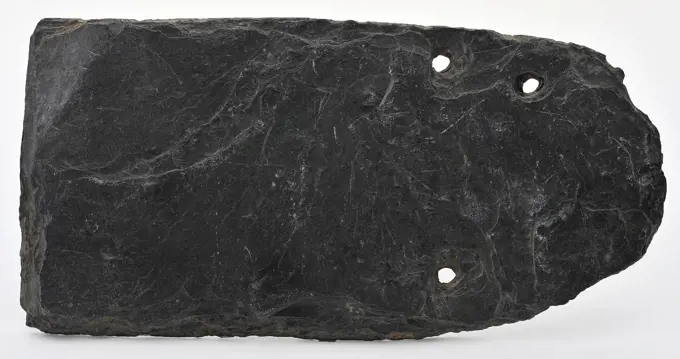
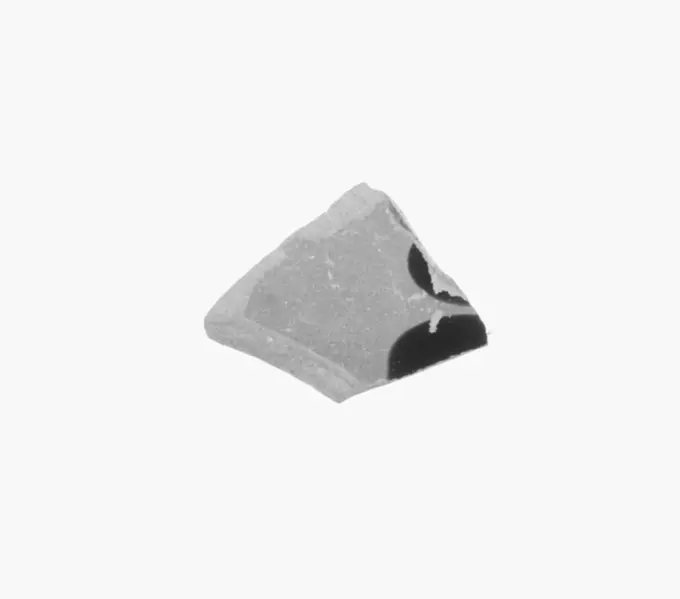
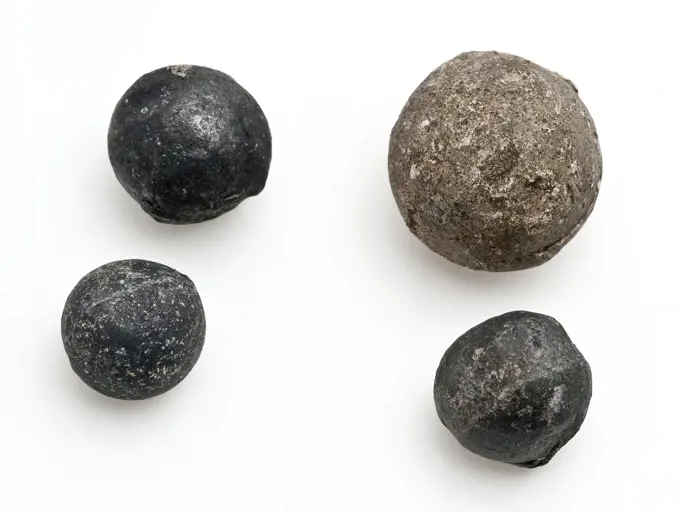
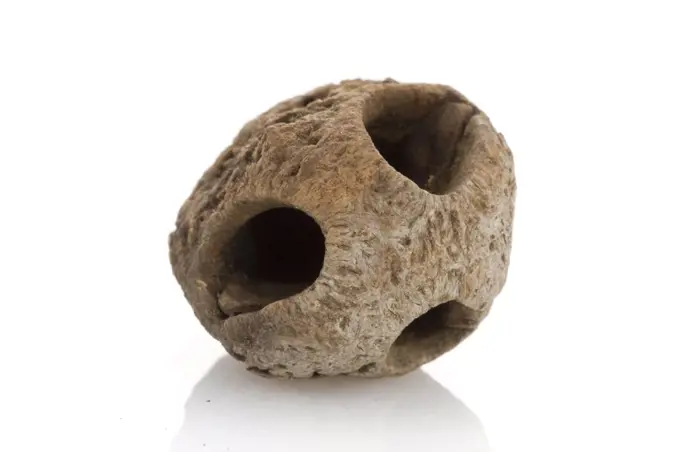
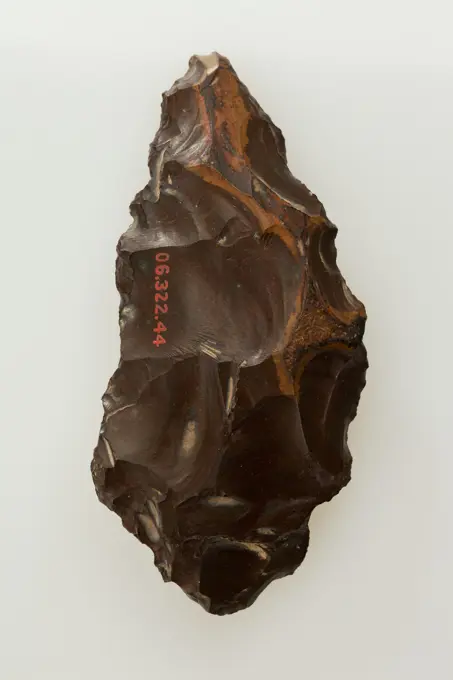
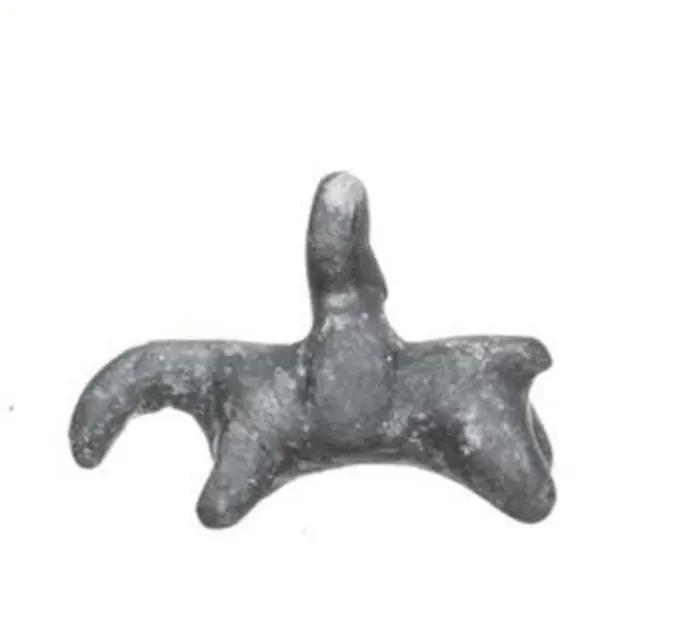
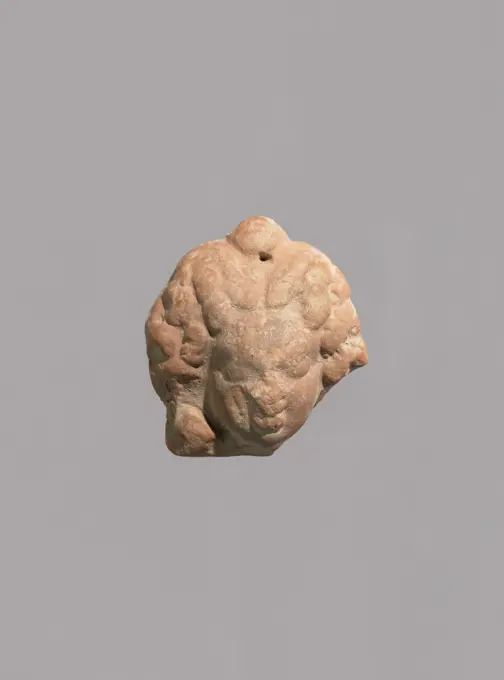
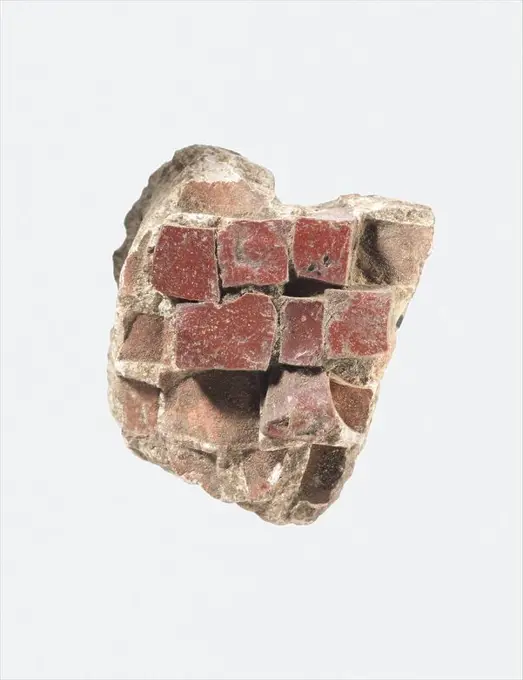
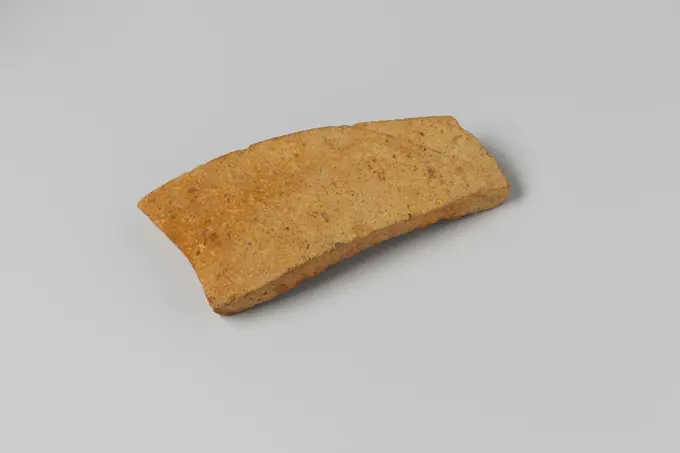
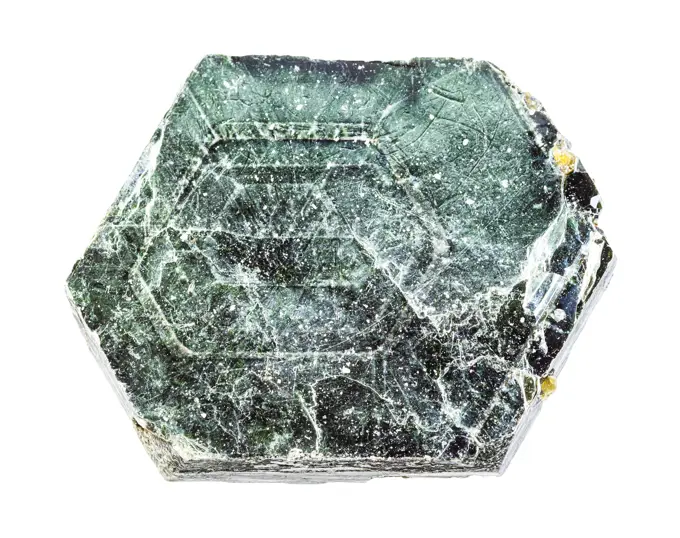
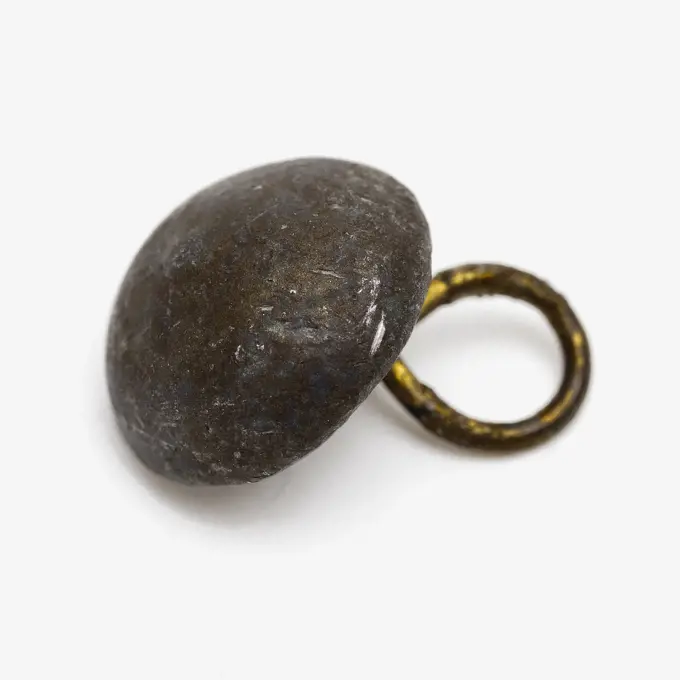
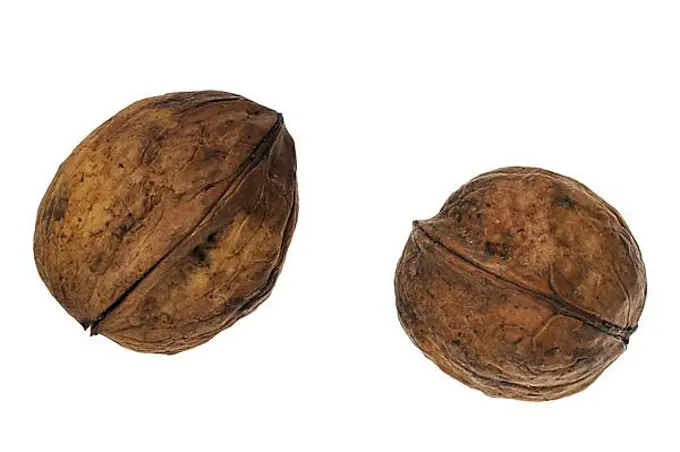
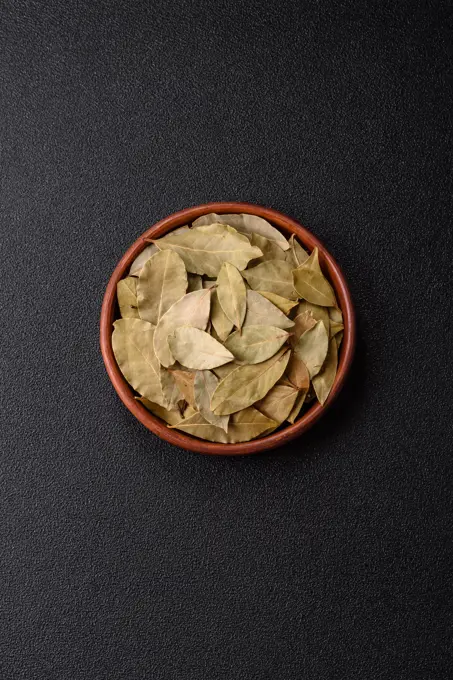
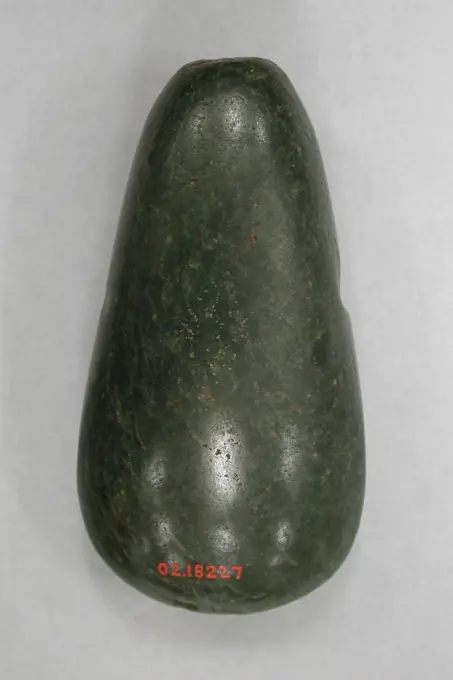
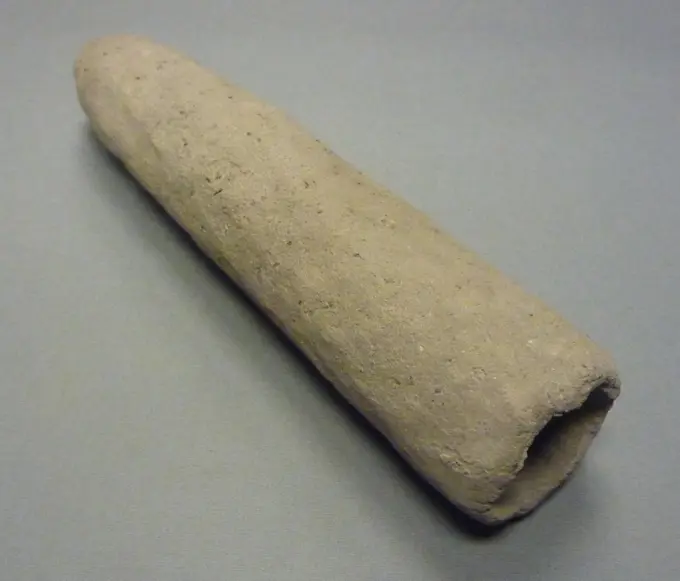
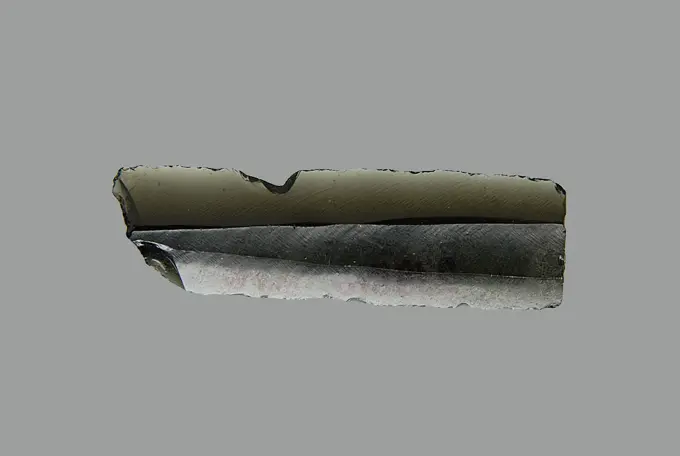
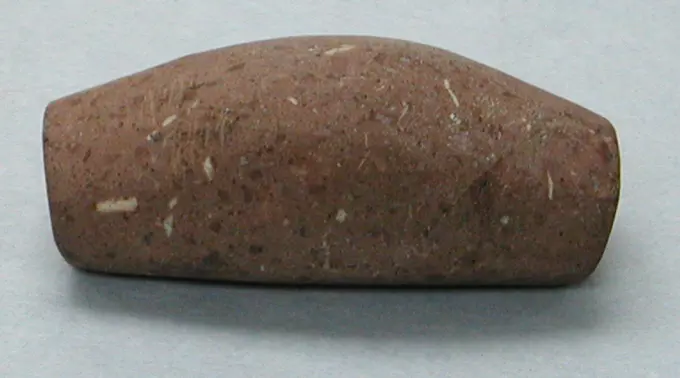
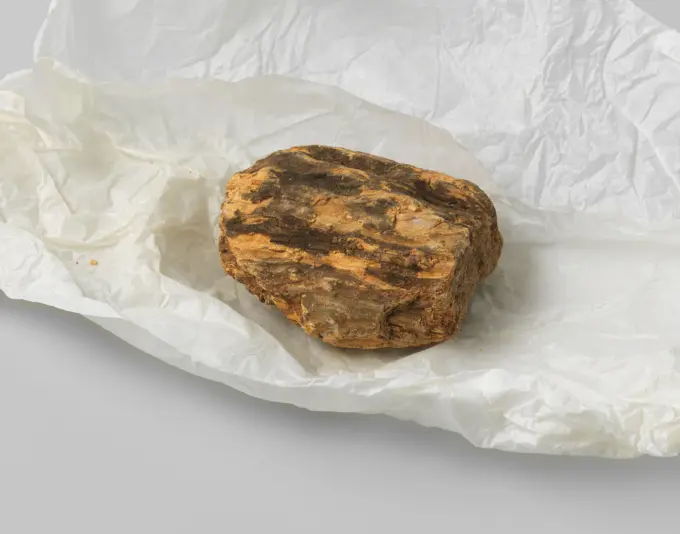
Fragment blowjob from the wreck of the East Indieschief Hollandia. Pipe, Bowl, Healmar: Arched Cage; Fragm, 2HSM1.Bead ca. 7th century B.C. Iran This pale green glass bead was excavated at Tepe Nush-i Jan, an Iron Age hilltop site about 60 km sound of Hamadan in western Iran. Nush-i Jan was occupied in the 7th and 6th centuries B.C., and its occupants are generally thought to be the Medes, an Iranian people known from Assyrian, Achaemenid and Biblical sources. Though the textual sources portray them as a powerful empire, archaeological evidence for the Medes has yet to sustain this impression. Rather, they seem to have lived in scattered fortified sites in western and central Iran, without any clear capital. Nush-i Jan, one of the best known of these sites, features two temples, a columned hall, and a fort. The bead was discovered in the columned hall.. Bead 326155Grinding Stone 4th-7th century Coptic. Grinding Stone 478925Pictorial relief, Aten rays over offering. Dimensions: H. 7.6 × W. 8.6 × D. 2 cm (3 × 3 3/8 × 13/16 in.). Dynasty: Dynasty 18. Reign: reign of Akhenaten. Date: ca. 1353-1336 B.C.. Museum: Metropolitan Museum of Art, New York, USA.Hand on a sphere, c. 1400 - c. 1600  Low Countries pipe clay  Low Countries pipe clayFragment of buyer from the wreck of the East India Hollandia.parts or artifacts; eroded fragments: Materials; Copper.Blade for a Model Axe from a Foundation Deposit. Dimensions: L. 1.7 × W. 0.8 cm (11/16 × 5/16 in.). Dynasty: Dynasty 18. Reign: Joint reign of Hatshepsut and Thutmose III. Date: ca. 1479-1458 B.C.. Museum: Metropolitan Museum of Art, New York, USA.Black Plate One Black Modern Square Stoneware Ceramic Plate Copyright: xZoonar.com/MarkoxBericx 14024991raw Sphalerite ore isolated on white closeup of sample of natural mineral from geological collection - raw Sphalerite ore isolated on white background Copyright: xZoonar.com/ValeryxVoennyyx 14990798Loden role from the wreck of the East Indiesman 't flying heart. To tubularly loden pictures. Black-gray in color. Roll or lead.Fragments Pipes heads from the wreck of the East India Hollandia. Pipe, bowl, healermark illegible; Fragments, no HSM.polished phyllite mineral isolated on white close up of sample of natural stone from geological collection - polished phyllite mineral isolated on white background from Karelia Copyright: xZoonar.com/ValeryxVoennyyx 21467217Round, flat button with small brass eye, knot clothing accessory clothing soil find copper brass bronze metal, Round flat knot with small brass eye at the bottom archeology Rotterdam rail tunnel fasten close dress Soil discovery: trajectory rail tunnel Rotterdam.closeup of sample of natural mineral from geological collection - unpolished yellow calcareous sandstone rock isolated on white background. unpolished yellow calcareous sandstone rockBronze tube, c. 1400 - c. 1950 Bronze tube, runs slightly on one side. Open both ends.  bronze (metal) Bronze tube, runs slightly on one side. Open both ends.  bronze (metal)Attic Red-Figure Amphora Fragment. UnknownFragments or parts from the wreck of the East Indians Hollandia, Anonymous, Before 1743 fragment. part Varied parts or fragments, bar(-shaped) fragments; fragm, eroded, broken: sim. 80H1763. Netherlands iron (metal)   SecondGlass spindle whorl. Culture: Roman. Dimensions: Diam.: 1 x 5/16 in. (2.5 x 0.8 cm). Date: ca. 1st-3rd century A.D..Translucent pale blue green.Rough upper edge around hole; domed body; flat bottom; vertical hole larger on bottom.Intact but internal cracks; tooling scar on domed upper surface; dulling and iridescent weathering.Made by winding trail in a spiral around rod. Museum: Metropolitan Museum of Art, New York, USA.Fragment brick from the wreck of the East Indians Princesse Maria, Anonymous, 1682 - 1686 brick (clay product) Brick from the wreck of the East Industrial Princesse Mary. Netherlands brick (clay product)Attic Black-Figure Eye Cup Fragment. UnknownDetailed and colorful image of  tiger’s eye mineralConcretion with wood fragments from the wreck of the East Indieschief Hollandia. Parts or artifacts; eroded fragments: Materials; Lump, containing Fragm or Wood.Glass mosaic bowl. Culture: Roman, Eastern Mediterranean. Dimensions: Diam.: 6 13/16 in. (17.3 cm). Date: 1st half of 1st century A.D..Opaque orange and opaque red.Slightly flaring vertical rim, with rounded edge; convex curving side; deeply indented base ring around slight convex bottom.Marbled mosaic pattern formed from polygonal sections of a single cane in orange with red streaks. On interior, a single horizontal groove below rim, another single groove around upward ridge of base ring, and on bottom a small raised circle around a central dot; on exterior, a band of two raised lines flanking a groove halfway down side, another raised line flanked by two grooves outside base ring, and another band of two raised lines flanking a groove on bottom.Broken and repaired with areas of fill in rim; dulling, some whitish weathering with green weathering of red streaks.The rich colors of the marbling decoration on this bowl may have been meant to imitate semiprecious stone, but it finds iSlab and grinder. Dimensions: a) l. 10.4 cm (4 1/8 in); w. 6.7 cm (2 5/8 in)b) h. 3.5 cm (1 3/8 in). Dynasty: Dynasty 12, mid - Dynasty 13. Date: ca. 1900-1640 B.C.. Museum: Metropolitan Museum of Art, New York, USA.Leather pace with simple pressed ornaments, anonymous, c. 1700 - c. 1800 Leer penny, with simple pressed ornaments. The case belongs to a spoon of palm wood.  leather. boxwood Leer penny, with simple pressed ornaments. The case belongs to a spoon of palm wood.  leather. boxwoodRubbing stone 5th-3rd millennium B.C. Iran This limestone object is quite worn and perforated at one end. It was excavated in 1937 at a prehistoric site in the vicinity of Nishapur in northeastern Iran. While Nishapur itself was founded by the Sasanian king Shapur I (reigned ca. A.D. 241-272), this object shows that human habitation there goes back to the prehistoric period. Furthermore, the prehistoric pottery from Nishapur has close affinities with ceramic materials from Central Asia rather than with contemporary sites in Iran, meaning that in this period its inhabitants were likely culturally linked to their neighbors to the east. At the same time, Nishapurs location on what later became known as the Great Khorasan Road suggests that it was part of the trade network that facilitated the import of precious stones such as lapis lazuli, carnelian and turquoise from Central Asia to Mesopotamia. Indeed, the wear on this stone suggests it was a rubbing tool, perhaps used in the processinFossil Echinoids, Conulus Albogalerus. One of four fossil echinoids, Conulus albogalerus preserved in flint. From the Upper Chalk of Gravesend, Kent.. Natural Science Collection - PalaeontologyJar ca. 7th-8th century A.D. Sasanian or Islamic. Jar 322988Fragments Steel van Fork or Spoon from the wreck of the East Indians Hollandia, Anonymous, 1700 - in Or Before 1743 spoon Cutlery, fragment: stem of fork or spoon; fragm, encrusted, sim. NG 1980-27H67. Netherlands tin (metal)   SecondPottery spinklos, dark gray, double conical model with grooves around the holes, spin-free tools equipment soil finds ceramic earthenware, hand-turned baked Blue-gray Spinklos of smothered or reduced baked ceramics. Grooves around the holes Conical hole through the middle Double conical shape archeology Heenvliet Bernisse indigenous earthenware spinning textile processing wool wool processing clothing Soil discovery: Heenvliet Burner flat F Found 1971.06.12.Vase fragment Minoan. Vase fragment 247770Fragment Pijpenkop from the wreck of the East Indians Hollandia, Anonymous, 1700 - in Or Before 1743  Pipe, bowl, heelmark: crowned 47; fragment, 2hsm3. Netherlands pipe clay   SecondFragmentary Right Foot from a Statue of a Draped Figure. UnknownConical plaster fragments from the wreck of the East Indies Hollandia, 1700 - in or before 1743  Parts of artefacts; eroded fragments: materials; plaster. Netherlands gypsum   SecondBead, one of six, 15th century, 2 1/8 x 1 1/8 in. (5.4 x 2.86 cm) (varies (largest)), Jade, Mexico, 15th centuryLarge bronze plate with raised edge, kitchenware floor found bronze metal, die-cast hammered round bronze plate with raised rim and folded outer edge Seriously affected by stay in the soil and supplemented to strengthen archeology Spijkenisse indigenous product import baking decorate food Roman Soil discovery Spijkenisse Puntweg flat IJ 2-3 1973.Hammered Silver Cone Ornament 8th-mid-16th century Peru; north coast (). Hammered Silver Cone Ornament 308991Grasp of an hilt from the wreck of the East Indians Hollandia, Anonymous, 1700 - in Or Before 1743  Hilt, grip; id. NG 1980-27H2582, 1 ferrule missing. Netherlands wood (plant material). copper (metal)   SecondSandstone, sedimentary rock.Amphora. UnknownTical from Thailand van Nang Klaotsjao, 1824-1851 ,, 1824 - 1851 coin Silver, grain -shaped mint. Equipped with two stamps (KRA): rosette and tree leaf .  silver (metal) castingSchijf from V.O.C. ship De 'Witte Leeuw', Before 1613  Schijf from V.O.C. ship the 'Witte Leeuw'.  wood (plant material)   Sint-HelenaGray roof with three fixing holes, oblong with round top, roof slab construction material soil find slate stone, chopped drilled Complete roof slate intended for mesh cover (rectangular) three nail holes Oblong shape with one round short side archeology Valckensteyn Poortugaal Albrandswaard natural stone dwelling roofer builder building roof covering slate Soil discovery: castle Valckensteyn in Poortugaal now AlbrandswaardPendant before 16th century Tairona. Pendant 317460Attic Black-Figure Amphora Fragment. UnknownKnife lift from the wreck of the East Indiesman Hollandia.knife, Handle, Cylindrical: tapering; ID. NG 1979-403H.Case, Cup 15th century Italian or French Since travelers in the Middle Ages usually carried their own eating utensils, there were a number of leather cases molded to fit the shapes of cups, knives, forks, or spoons, which would protect the objects while they were being carried on a journey. As such objects were often made of costly materials, their value alone warranted the making of cases for them, often with rich decoration. Lavishly tooled and painted cases made for the imperial crown and ceremonial sword of the Holy Roman Empire have survived. However, others less ornately adorned and identifiable by their shapes as bases for a variety of eating utensils and drinking vessels are not uncommon. While the shape of this case is not explicit, it was probably intended for a wine cup or similar drinking vessel. The loops on the sides, through which a strap could be passed, indicate that the case was designed to be transported.. Case, Cup 466567Altar to the Lares Viales. Inscription: To the Lares of the roads. He fulfilled his vow. From the Church of San Roman, As Encrobas, Cerceda (La Corua province, Galicia, Spain). Archaeological and History Museum (San Anton Castle). A Corua, Galicia, Spain.Four lead bullets of different sizes, bullet ammunition soil discovery lead metal largest, cast Four solid metal gray bullets of different size archeology Rotterdam rail tunnel shooting armed hunting militia militaria Soil discovery: trajectory rail tunnel Rotterdam.Marula (Sclerocarya birrea) seed, Gorongosa National Park, MozambiqueRusted weathered metal sphere isolated over white backgroundChess Piece, Pawn or Backgammon Piece 9th-11th century. Chess Piece, Pawn or Backgammon Piece 452338Tile New Kingdom, Ramesside ca. 1279-1213 B.C. View more. Tile. ca. 1279-1213 B.C.. Faience. New Kingdom, Ramesside. From Egypt, Eastern Delta, Qantir (Piramesse), Palace of Ramesses II. Dynasty 19Drohiczyn seal. unknown, managerBlue Used Up Soap on White A piece of blue soap, well used, lies on a white background, showing all the lines and marks of use. Copyright: xZoonar.com/JacquesxJacobszx 7398598Biface, commonly referred to as a hand ax ca. 300,000-90,000 B.C. Lower Paleolithic Period. Biface, commonly referred to as a hand ax. ca. 300,000-90,000 B.C.. Flint. Lower Paleolithic Period. From Egypt, Upper Egypt, Thebes, Libyan Desertdenarius; W ADSY AW III WARNE Czyk (Polish king; 1434-1444); 1434-1444 (1434-00-00-1444-00-00);Figure of an animal ca. 3rd-7th century A.D. Sasanian. Figure of an animal. Sasanian. ca. 3rd-7th century A.D.. Bronze. Sasanian. Iran, Qasr-i Abu NasrWomans head - figurine fragment. unknown, craftsmanCylinder Seal. Iran, Mesopotamia or Syria, about 3300-2900 B.C.. Tools and Equipment; seals. StoneMosaic fragment. Culture: Sasanian. Dimensions: 1.5 x 1.37 in. (3.81 x 3.48 cm). Date: ca. 3rd-7th century A.D..Written sources state that in 540, the Sasanian emperor Khusraw I (r. 531-79) decorated his palace at Ctesiphon with mosaics commemorating the Sasanian army's siege of the Byzantine city of Antioch. Excavations at the site uncovered fragments of mosaics with vibrant colors and gilding in the palace precinct. The use of a medium associated with Byzantine imperial architecture at the Sasanian capital is an example of the complex cultural and political exchanges made between the two empires. Museum: Metropolitan Museum of Art, New York, USA.Pipes from the wreck of the East India Hollandia.Pipe, Bowl, Bowlmark: Sentry; 2HSM1.Bowl -Shard from one can be from the wreck of the East Indiesman Hollandia. Stoneware, rhenish, frechen-ware, jug; Fragm or body.Stone Chisel before 16th century Costa Rica. Stone Chisel. Costa Rica. before 16th century. Stone. Costa Rica. Stone-ImplementsLoom weight ca. 1295-1070 B.C. New Kingdom, Ramesside. Loom weight. ca. 1295-1070 B.C.. Mud. New Kingdom, Ramesside. From Egypt, Memphite Region, Lisht North, Cemetery, MMA excavations. Dynasty 19-20unpolished Phlogopite Mica rock isolated closeup of sample of natural mineral from geological collection - unpolished Phlogopite Mica rock isolated on white background Copyright: xZoonar.com/ValeryxVoennyyx 14990866Attic Vase Fragment. UnknownEar Stud, 1540-1296 BC. Egypt, New Kingdom, Dynasty 18. Travertine; diameter: 3.2 cm (1 1/4 in.).Persia Fruit Mold. Dimensions: various. Dynasty: Dynasty 18. Reign: reign of Amenhotep III. Date: ca. 1390-1353 B.C.. Museum: Metropolitan Museum of Art, New York, USA.Drohiczyn seal. unknown, managerAttic Vase Fragment. UnknownMetal button, half ball of tin with brass eye, knot clothing accessory clothing soil find copper brass tin metal, cast Metal knot Half round of casted tin Loop of thick copper wire at the back. Small dollop of tin to adorn the base of the eye archeology dressMap of Chile on rusty metalBody, with pleated garment ca. 1353-1336 B.C. New Kingdom, Amarna Period. Body, with pleated garment 549788Figurine Fragment. UnknownRing of gilt copper, classic wedding ring, marked, ring ornament clothing accessory clothing soil find copper gold metal, cast wedding ring. Gilt copper Flat and smooth-walled on the inside. Lightly curled over the outside Marked on the inside small rectangular mark badly readable mark: 8 * or S * archeology Rotterdam railway tunnel adorn status prosperity marry Soil discovery: Railway tunnel 1988-1993.Photograph of a Roman milestone marker placed along a road or boundary at intervals of one mile or occasionally, parts of a mileCommon walnuts, Persian walnut (Juglans regia), native to Southern Europe and Asia against white backgroundLoom Weight () ca. 1295-1070 B.C. New Kingdom, Ramesside. Loom Weight (). ca. 1295-1070 B.C.. Mud, string. New Kingdom, Ramesside. From Egypt, Memphite Region, Lisht North, Cemetery, MMA excavations, 1913-14. Dynasty 19-20Eventail having belonged to Caroline Murat, sister of Napoleon, and given to the Maréchale Lefèvre. Broken in blond horn, palmettes and golden arabesques. Paris, Carnavalet museum. Broken in blond horn decorated with palmettes and gold arabesques; in its case Fashion accessory, EventailA ratchet in the yard of pomegranate fruit;  VI-V century BC (-600-00-00--401-00-00);Red granite pebble on white granite rock, Acadia National Park, MaineA round stone on granite bench, New Zealand.Button from the wreck of the East India hollandia. Button. (1) Domed Top, Radially Fluted (2.1D, 0.8t), Applied Flat Base, Shank MissingFragments of copper from the wreck of the East Indians Hollandia, 1700 - in Or Before 1743  Parts of artefacts; eroded fragments: materials; copper. Netherlands copper (metal)   SecondSeal. Culture: Minoan. Dimensions: Other: 9/16 x 1/2 x 5/16 in. (1.5 x 1.3 x 0.8 cm). Museum: Metropolitan Museum of Art, New York, USA.Scherf of a jug of the wreck of the East Indians Hollandia, Anonymous, 1700 - in or Before 1743  Stoneware, Rhenish, Frechen-ware, jug; fragm of body. Cologne stoneware   SecondDried bay leaves, spice, seasoning for cooking at home Dried bay leaves, spice, seasoning for cooking at home Copyright: xZoonar.com/TetianaxChernykovax 22917577Clay bowl containing blue powder used for frescos, from PompeiFragments blowjob stem from the wreck of the East India Hollandia. Pipe, voice; Fragments, decorated.Hatchet West Indies. Hatchet 43635close-up on a farmer’s boot isolated on a white backgroundLead Role from the wreck of the East Indies' t Vliegend Hart ,, 1700 - 1735 lead Tubes rolled plates. Silver gray of color. Roll of Lead. Middelburg lead (metal)Crucible ca. 1479-1458 B.C. New Kingdom. Crucible. ca. 1479-1458 B.C.. Baked mudPapyrus, Parchment, Paper. New Kingdom. From Egypt, Upper Egypt, Thebes, Deir el-Bahri, Temple of Hatshepsut, Foundation Deposit 2a (B), MMA excavations, 1921-22. Dynasty 18Box from the wreck of the East Indians' t Vliegend Hart ,, 1725 - 1735 box Rectangular flat wooden box with sliding lid with a black -grain content, perhaps ink. Box. Add a loose bag with grit. Netherlands wood (plant material)Edge;  4-3 thousand BC (-4000-00-00--3001-00-00);gift (provenance), tools, bladesCovered Circular Box with Floral Medallion, Serrated Leaves, and Lotus Petals 900 CE-999 CE China. Porcelain with underglaze molded carved decoration .Stone Pulidor before 16th century Mexican. Stone Pulidor 317150Brok from V.O.C. ship De 'Witte Leeuw', Before 1613  Brok from V.O.C. ship the 'Witte Leeuw', Lead White, Raw material for paint.  lead white   Sint-Helena