Chinese Historical Coins

Ancient Chinese coins from different emperors, showcasing various designs and inscriptions indicative of their eras.

Coin of Qianlong, Emperor of China from BooCiowan. Ruler: Qianlong, Emperor of China, Chinese, 1711-1799 Mint: Boo Ciowan, Beijing, China Artist: Unknown
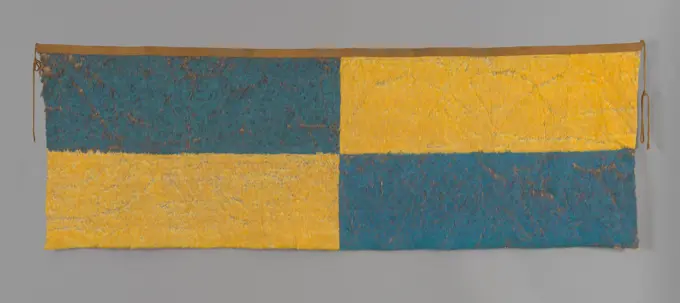
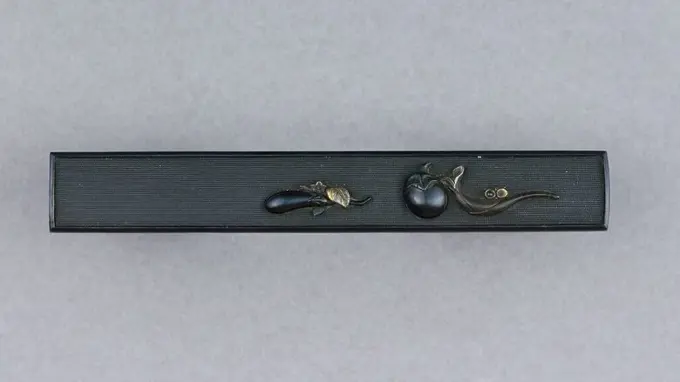
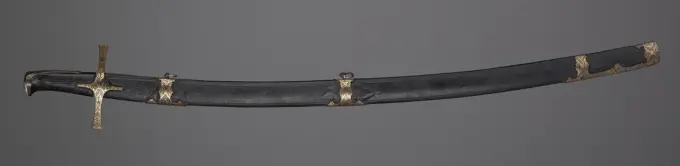
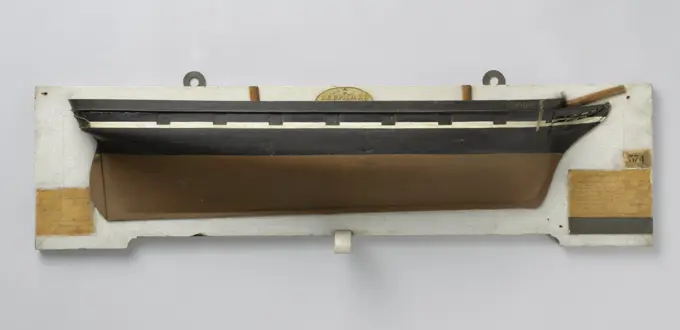
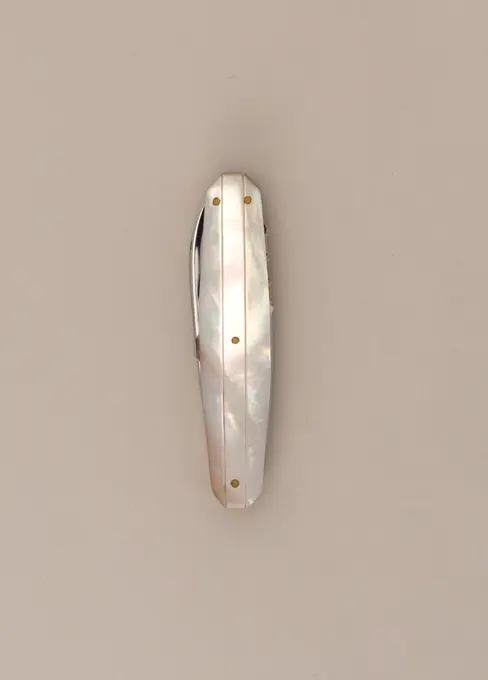
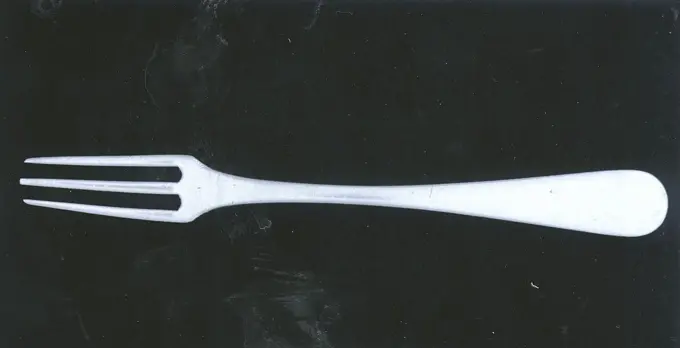
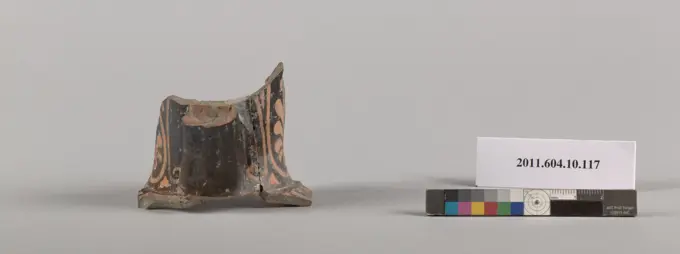
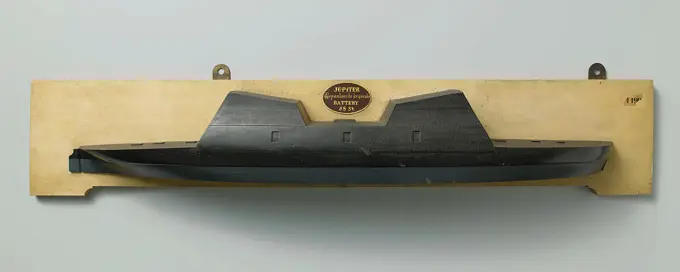
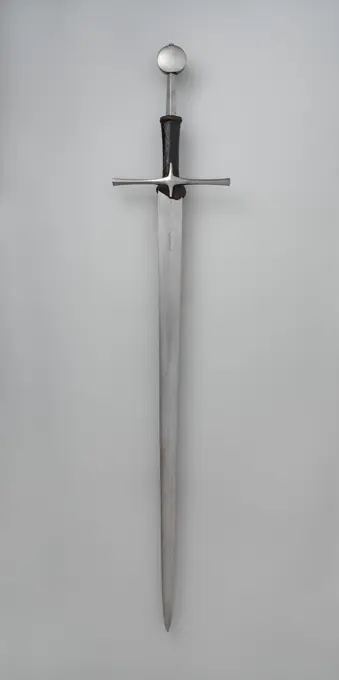
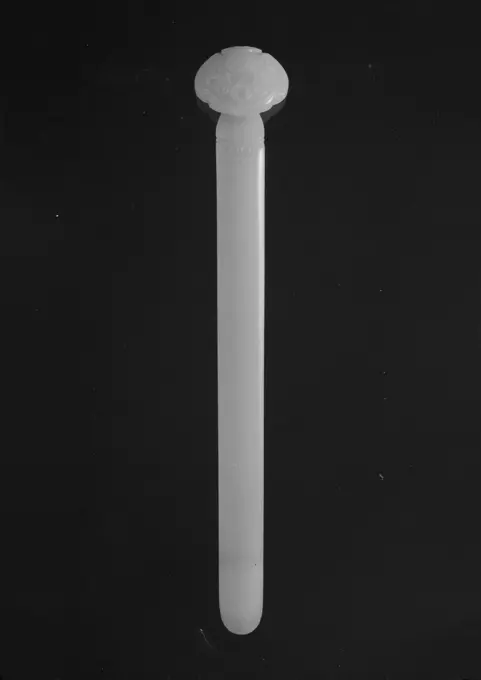
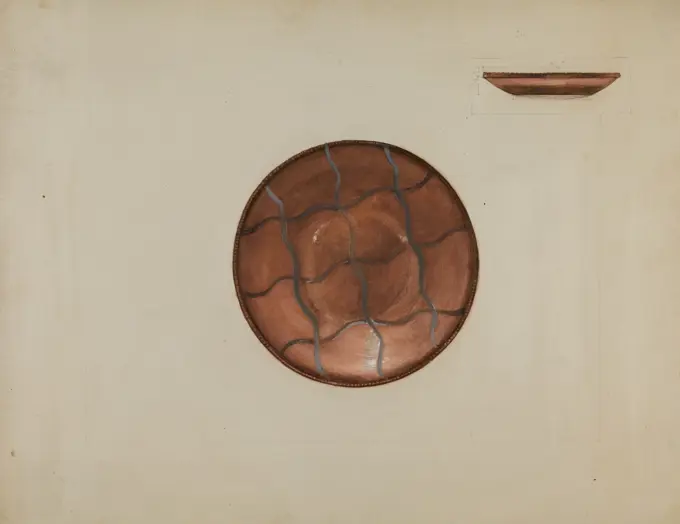
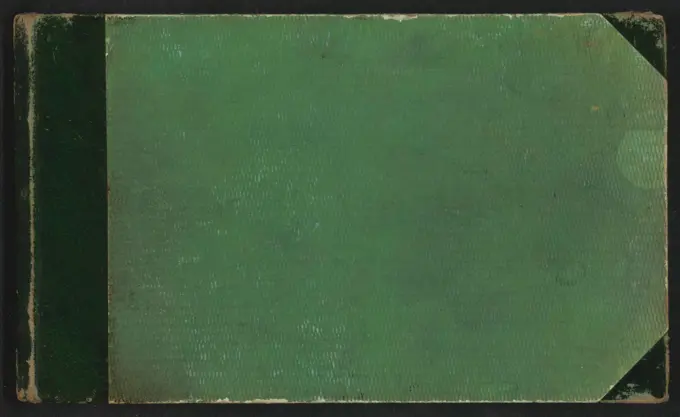
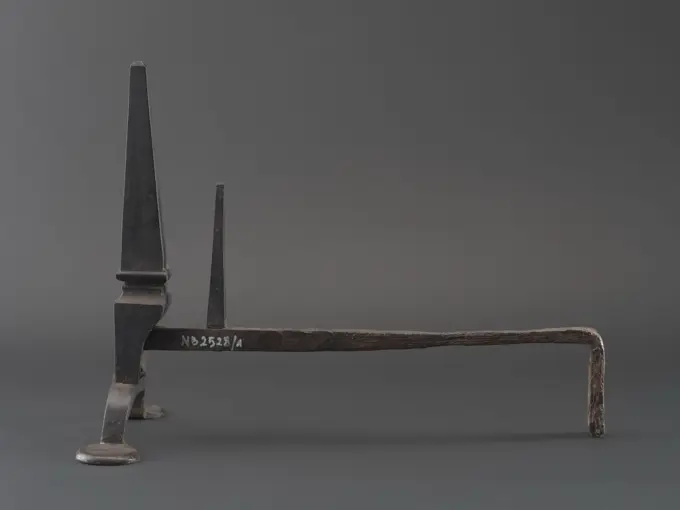
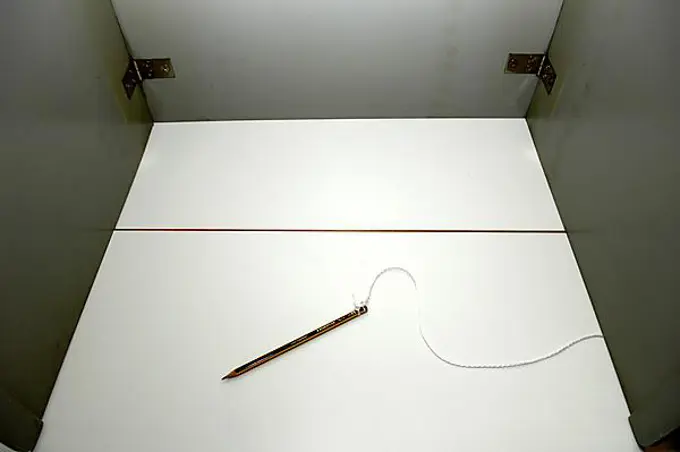
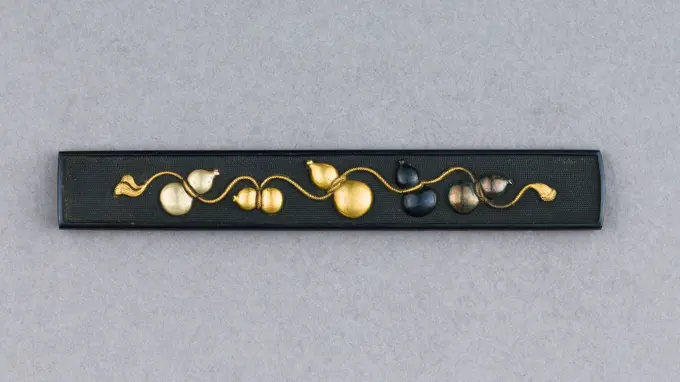
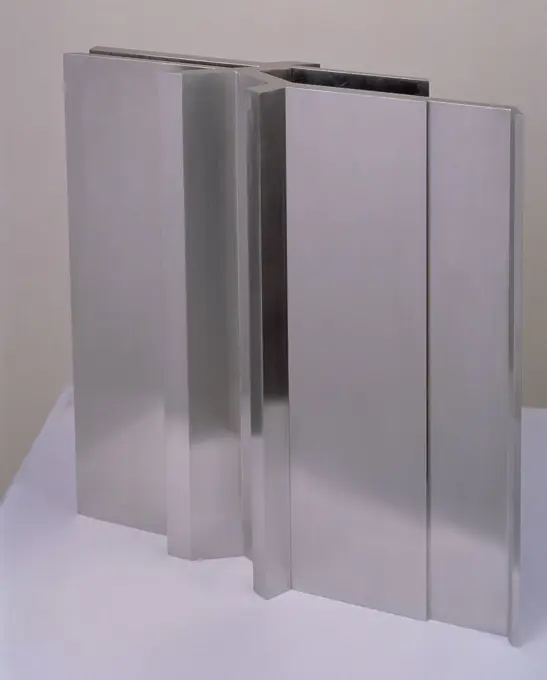
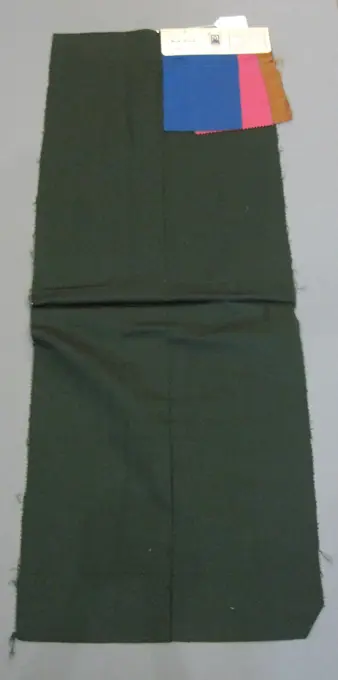
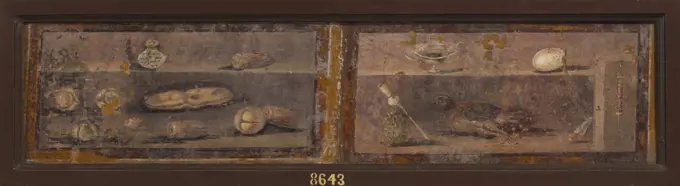
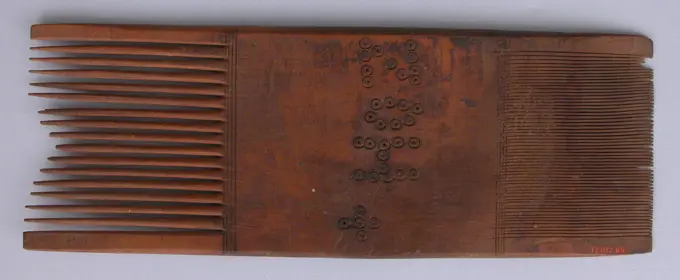
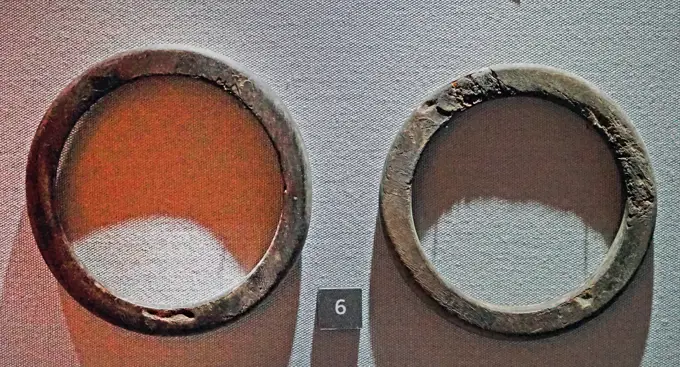
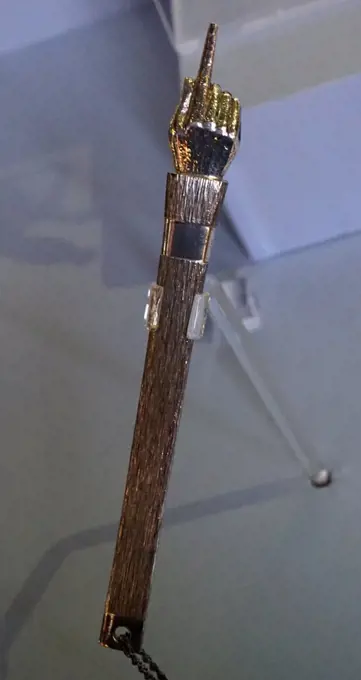
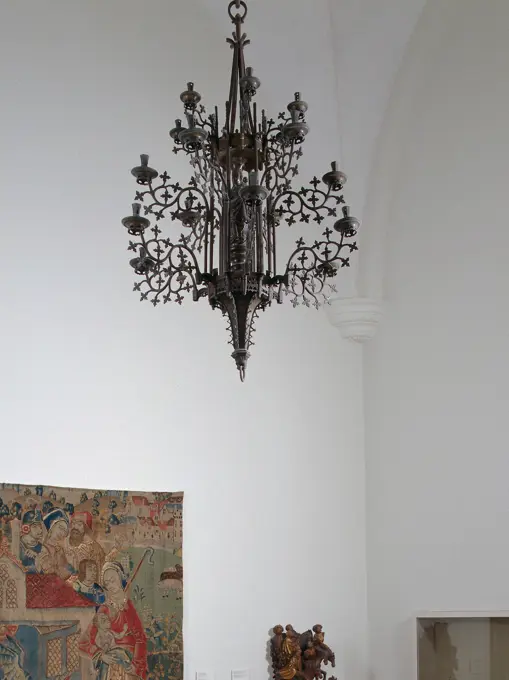
Textile Swatches Onondaga Silk Company, Inc. (1925-1981). , 1948-1959. 46 silk, 32 metal, 22 acrylic, 43 1/4 x 17 1/2 in. (109.9 x 44.5 cm).    1948-1959Knife Handle (Kozuka). Culture: Japanese. Dimensions: L. 3 13/16 in. (9.7 cm); W. 9/16 in. (1.4 cm); thickness 3/16 in. (0.5 cm); Wt. 1 oz. (28.3 g). Date: ca. 1615-1868. Museum: Metropolitan Museum of Art, New York, USA.Feathered Panel A.D. 600-900 Wari The discovery of an ancient burial or ceremonial site in the upriver region of the Churunga Valley, in far south Peru, received little attention in the turbulent world of 1943. Decades later, it would take two generations of Andean scholars to painstakingly piece together the puzzling story of this discovery, which included the largest and most spectacular find of Precolumbian Peruvian feather work to date. Protected from decay by being rolled, placed into large ceramic jars, and buried in the arid soil, the cache included an estimated ninety-six panels, each densely covered with tens of thousands of small glossy macaw body feathers, primarily from the blue and yellow macaw (Ara ararauna). Although these panels were found in the dry western foothills of the Andes, the birds home is the Amazonian rainforest, far to the east. The effort required to secure such a mind-bogglingly large supply of either feathers or live birds suggests that colorful featherFragment Pijpensteel from the wreck of the East Indians Hollandia, Anonymous, 1700 - in Or Before 1743  Pipe, stem; fragment. Netherlands pipe clay   SecondKnife Handle (Kozuka). Culture: Japanese. Dimensions: L. 3 13/16 in. (9.7 cm); W. 9/16 in. (1.4 cm); thickness 1/4 in. (0.6 cm); Wt. 1 oz. (28.3 g). Date: 18th century. Museum: Metropolitan Museum of Art, New York, USA.Sketchbook (25 leaves, green pebbled cardboardcover).  Artist: Edwin Austin Abbey, American, 1852-1911, M.A. (HON.) 1897nameplate or wall sign at  wooden background texture surface, with screwsVaginal knowledge unknownHalf Model of A 12-Gun Brig, Rijkswerf Amsterdam (Possible), c. 1846 - c. 1850 builder's model. half model. ship model Polychromed planks Mallen model (starboard) of a two -master. Eight gun ports plus two in the fence, all on one deck. For ship elaborated with galle and sculpture of a gilded curl, the crane bar is missing. Elliptical fence surrounded by elegant egg list, with two guns and half a government weapon, no side gallery; Stir with round stirring king (American rudder) and rounded Roerblad. Almost flat, the Barkhout is sunk in the skin, one reeehout. Peaked around. Scale 1:40 (scale on model). model maker: Amsterdam (possibly)after design by: Flushing wood (plant material)Knife (France); Made by Loius Pernet Eloi; Retailed by Maison Pernet; mother-of-pearl, steel; L x W (open): 14.2 x 1.9 cm (5 9/16 x 3/4 in.)Cornuto of Marquis Michael Antonio from Board ofRevenue. Ruler: Marquis Michael Antonio, 1504-1528 Mint: Board of Revenue Artist: UnknownLappet (one of a pair) 18th century French. Lappet (one of a pair) 227707Fork.   Maker: Burnet(t) and Ryder, American, active ca. 1795 - 1805Terracotta fragment of a pelike (jar) late 5th/early 4th century B.C. Etruscan From the neck of a pelike, palmettes on both sides, and part of one handle; below, on the shoulder, tongues. Terracotta fragment of a pelike (jar). Etruscan. late 5th/early 4th century B.C.. Terracotta; Praxian technique. Classical. VasesChurch interior, Carl Angerer, After Johannes Bosboom, c. 1860 - c. 1910    wood (plant material). zinc printing blockHalf Model of a Floating Battery.Polychromed stack model (starboard) of a floating battery, gray bottom and black above the water line. The hull is that of a (84 pieces, the bottom of the bottom of a flat bottom, the upper decks removed and replaced by an armored superstructure with a declining front and back bulkhead: This superstructure has a high front and rear by entering Sloping roofs. Three gunpaints in the side and two overhead rows of one and a half gunpaints in the front and rear bulkhead (the battery had six pieces for and six behind). In the opposite indoor portions of the upper partes, four shooting holes are applied to each side: the snipers had to shoot an apple. Behind a stir.Set of 3D realistic brown, purple, green podium platform pedestal stand cube shape display diagonal stripes lines pattern with palm leaves shadow and lighting minimal wall scene background. Studio room elegant wall scene. Products display cosmetic advertising showcase. Vector illustrationRoller for crushing a body unknownHand-and-a-Half Sword 15th century European or possibly British The name of this type of sword refers to the length of its hilt, which allows it to be wielded with one hand or two. Before being acquired by William H. Riggs, this sword was in the collection of Sir Samuel Rush Meyrick (1783-1848), founder of the modern study of arms and armor. Meyrick purchased the sword from a London dealer in 1818. It was included in a watercolor by the French painter Eugène Delacroix (1797-1863), which he made during a visit to Meyricks collection in 1825. The sword was catalogued as possibly English in the early nineteenth century, but its place of origin remains uncertain.. Hand-and-a-Half Sword. European or possibly British. 15th century. Steel, leather, wood, copper alloy. SwordsAlbum with 12 photos of an English family. Photo album in a brown leather strap. The front is decorated with a ribbon with a node in relief. The album has twelve blades with gold on slice, on every leaf a framed passe-partout. The album contains twelve recordings of members of (presumably) an English family.Fragment of a Flag, anonymous, c. 1750 - c. 1830 flag Fragment of a flag. Only the blue pants with a white vertical track decorated with five rosettes has been preserved. The top and bottom are chamfered towards the flight. Indonesian Archipelago Linen (Material). Pants and applications: Cotton (textile)  flag, colours (as symbol of the state, etc.) Dutch East Indies, TheKolove late 19th century Melanesian. Kolove 501383Angel wing of brass, anonymous, c. 1400 - c. 1500 Cast left wing, with a row of six springs, with five long feathers above it. On the mounting piece numbered IIIV. Northern Netherlands (possibly) brass (alloy) casting Cast left wing, with a row of six springs, with five long feathers above it. On the mounting piece numbered IIIV. Northern Netherlands (possibly) brass (alloy) castingTop of Tape Sealed Cardboard Box with yellow sticker.Leather Cartridge Case. Dated: 1935/1942. Dimensions: overall: 34.9 x 24.2 cm (13 3/4 x 9 1/2 in.) Original IAD Object: top: 8 1/2" wide; 2" thick; bottom: 7 1/2" wide; 3 1/2" thick. Medium: watercolor, graphite, and pen and ink on paper. Museum: National Gallery of Art, Washington DC. Author: Fred Hassebrock.North of Iran. Iron Age I and II. 14th -6th BCE. Sword. Bronze. Iron Age II. Louvre Museum. Paris. France.Hairpin 19th century China. Hairpin. China. 19th century. Jade. JadeHalf Model of a Paddle Steamer, anonymous, c. 1861 ship model. half model Polychromed stacking model (port) of a two -mast paddle steam ship. The model has a falling pre -stem with a double turn in it. Elliptical fence with rudder with round stirring king (American rudder) and rounded leaf. One closed wheel cabinet in the side. The Zeeg runs forward; The underwater ship is a round truss with flat soil. Rembang (possibly) wood (plant material)Ella Josephine Sterling, Pa German Plate, c 1936 Pa. German PlateTextile (possibly France); silkGlass bracelet ca. 2nd-4th century A.D. Roman Translucent cobalt blue, appearing black.Circular band; rectangular in section, with rounded edges; ends of rod pressed together, one over the other; slight pontil scar on opposite side of band.Intact; dulling and iridescent weathering.. Glass bracelet. Roman. ca. 2nd-4th century A.D.. Glass; drawn and tooled. Imperial. GlassLong metal rulerFragment of a garment. unknown, authorMiniature portrait of an unknown man, Frits L.J. Moormans, 1865 - 1868 Photograph. visit card  the Bosch cardboard. paper albumen print adult man the BoschGrey wall with downpipe from gutter and coloured deck chairs in park, Cologne, Germany, EuropeMirror frame of gilded oak and linden wood with mirror, anonymous, 1780 Mirror frame of gilded oak and linden wood. The profiled list is decorated with a stabbed bay leaf. As a crown, a medallion with profile head serves to the right, above which a bow. A laurel wreath hangs on either side of the medallion over the top sill and along the upper part of the side styles. Northern NetherlandsNetherlands wood (plant material). oak (wood). linden. gilding (material). looking glasses. amalgam gilding Mirror frame of gilded oak and linden wood. The profiled list is decorated with a stabbed bay leaf. As a crown, a medallion with profile head serves to the right, above which a bow. A laurel wreath hangs on either side of the medallion over the top sill and along the upper part of the side styles. Northern NetherlandsNetherlands wood (plant material). oak (wood). linden. gilding (material). looking glasses. amalgam gildingWreath fillet, funerary Greek or Roman. Wreath fillet, funerary. Greek or Roman. Gold. Gold and SilverHandle of tinned iron with leaf motifs and volutes. Handle handle handle. At the bottom of a large, round opening of a hinge with a round turn. From there, two symmetrical leaf motifs, which go to the end split into two volutes, a large and a small one.Set of four miniature second course dishes ca. 1720-30 David Clayton Listen to experts illuminate this artwork's story Listen Play or pause #413. Retail Value. High and Low Supported by Bloomberg Philanthropies We're sorry, the transcript for this audio track is not available at this time. We are working to make it available as soon as possible.. Set of four miniature second course dishes. British, London. ca. 1720-30. Silver. Metalwork-Silver-MiniatureGolden Clutch Inlaid with RhinestoneFireplace Waffle Iron. Dated: c. 1939. Dimensions: overall: 35.6 x 26.7 cm (14 x 10 1/2 in.) Original IAD Object: handles: 26" long; 6 1/2" wide; 4" deep. Medium: watercolor, graphite, and pen and ink on paper. Museum: National Gallery of Art, Washington DC. Author: Manuel G. Runyan.Ornament with leaves, Bernard Willem Wierink, c. 1910 print   paper  foliage, tendrils, branches ~ ornament. fable of Reynard the FoxHalf model or a paddle steamer. Polychromed, completely covered molds model (starboard) of a tweemast paddle boom ship. The model has only one gunpoort, but with the front and aft deck, valpoids also for guns. The sheek image is a gold-plated curl. Elliptical fence with national arms; Stir with round roaring (American rudder) and rounded stir sheet. Rock cupboard covered with inverted lifeboat; Front and behind the Radkerhist grilles; On deck a chimney. Completely flat seam. Running. Scale 1:40 (Obenen).Cassetta frame early 17th century Lombard. Cassetta frame. Lombard. early 17th century. Cimolo. Gilt; deep brown bole.. FramesStrip -Schetsboek met 40 bladen.Sketchbook consisting of 40 blades with boats, ships, figures and landscapes.Fragment brOOCHED SIJTEBROAT, Anonymous, c. 1600 - c. 1799 Two fragments of silk tissue. A red-brown soil has a pattern of flowers and leaves, between which gold and green-colored flowers and leaves.  silk. metal thread Two fragments of silk tissue. A red-brown soil has a pattern of flowers and leaves, between which gold and green-colored flowers and leaves.  silk. metal threadCollection of the Dutch Heidematschappij. Buildings, farms, models. March 1953Metal cordItaly, Lombardy, Valcamonica, Foppi di Nadro, horse carving.Close up of white party event tent details, hooks, , cord. Detailed objects concept.. White party event tent detailCarnavalet museum, tokens collectionFragment of a Clavus, 700s. Egypt, Abbasid period (), 8th century. Tapestry; linen and wool; overall: 4.5 x 27.2 cm (1 3/4 x 10 11/16 in.).Fireplace wolves;  19th century (1801-00-00-1900-00-00);Polling boothBusiness card to Philip Zilcken, James Abbott McNeill Whistler, 1867 - 1903    cardboard printingHalf model or an 8-gun transport demolition. Polychromed mold model (starboard) of a three-master. No gunpaints or decks indicated. Wrecked mirror, hollow wulf, no details of the fence, no side gallery; Stir straight with square roofing. Sea in front and behind something ascending, one bark wood. Peaked round trip. Scale 1:40 (derived).White stone engraved gem late 7th-late 6th century B.C. Greek Flying bird with a snake in its beak; the body, wings and tail are drawn full font as if seen from above, the head in profile.. White stone engraved gem 254452 Greek, White stone engraved gem, late 7thlate 6th century B.C., White stone, 1 in. (2.5 cm). The Metropolitan Museum of Art, New York. Purchase, Joseph Pulitzer Bequest, 1942 (42.11.9)Stocking knitted from plain white side with an embroidered decoration on the latch, in the form of an arrow, c. 1700 - c. 1800 Stocking knitted from plain white side with an embroidered decoration on the latch, in the form of an arrow. Seam in the middle. Part of a few that are connected to each other with thread stitches. Netherlands whole: Silk knitting / embroidering Stocking knitted from plain white side with an embroidered decoration on the latch, in the form of an arrow. Seam in the middle. Part of a few that are connected to each other with thread stitches. Netherlands whole: Silk knitting / embroideringTextures of different cosmetics in one photo. Four textures.Deurhengsel, c. 1400 - c. 1950   iron (metal) forging   iron (metal) forgingKnife Handle (Kozuka) ca. 1615-1868 Japanese A kozuka is a handle of a by-knife that is part of a sword mounting. It is kept in a slot on the reverse of a katana scabbard, often with a matching kōgai (hairdressing tool).. Knife Handle (Kozuka) 34552SIGNO VI - 2000 - ACERO INOX. Author: PABLO PALAZUELO (1916-2007). Location: GALERIA SOLEDAD LORENZO. MADRID. SPAIN.PAISAJE MASCULINO - 1997-98 - 30,5 CM DIAMETRO - MIXTA/LIENZO. Author: VICTORIA CIVERA REDONDO 1955/. Location: PRIVATE COLLECTION. MADRID. SPAIN.Miser's purse, Medium: silk, metal Technique: crochet, One side in green crocheted silk with cut steel beads; the other in brown silk ornamented with gold beads. The side opening is controlled by two rings, one of cut steel, the other of gold. A cut steel tassel is attached to the green silk end while an ornamental gold drop decorates the brown end., France, early 19th century, costume & accessories, Miser's purseEmbroidered Border Fragment 1st-7th century Peruvian. Embroidered Border Fragment 316946Pleated fan and case, Silk bobbin lace leaf, tortoise shell sticks, Pleated fan. Black chantilly lace leaf. Brown tortoise shell sticks., Black cardboard box with black satin top marked Tiffany & Co.”, France, late 19th century, costume & accessories, Pleated fan and casebead from nacre shell on dark background macro shooting of natural mineral rock specimen - bead from nacre shell on dark granite background Copyright: xZoonar.com/ValeryxVoennyyx 11383692Mochis, Hindoo, Mysore.. Photographs. 1868 - 1875. The Miriam and Ira D. Wallach Division of Art, Prints and Photographs: Photography Collection. India, Indigenous peoples , India, Manners & customs , Indiabolts, screws and nuts tool at metal background textureTextile Sample from Sample Book 19th century Japan. Textile Sample from Sample Book 68110Linen mark (Type XI). Dimensions: H. 29.2 × W. 12.7 cm (11 1/2 × 5 in.); Outside Dimensions: H. 29.8 × W. 13.3 cm (11 3/4 × 5 1/4 in.). Dynasty: Dynasty 12. Reign: Possibly Senwosret I. Date: ca. 1961-1917 B.C.. Museum: Metropolitan Museum of Art, New York, USA.Play set, Aldo van Eyck, c. 1962  Play set made up of aluminum tube. Three hexagonal climbing towers, which are interconnected by an establishment that can serve as a diving rack and bridge. Designer: Netherlands manufacturer: Kinderdijk aluminum (metal) weldingShopping trolley on the black background with free space for text. Black friday concept. Sale, deal and discount. Closeup, copy space, template for your text.. Shopping trolley on the black background with free space for text. Black friday concept. Sale, deal and discount. Closeup, copy space.Bracelet 3rd-12th century. Bracelet 447622Petroglyphs or rock engravings by Guanche natives of the Canary Islands, in a showroom, La Palma, Canary Islands, Spain, EuropeTextile Swatch Textile Swatch, 1950s to 1960s. Silk, 22 1/2 x 10 1/2 in. (57.2 x 26.7 cm).    1950s to 1960sLint van het gemeentebestuur Amsterdam.2 Ribbons of the Amsterdam city council, laid on May 4, 2000 at the National Monument on Dam Square. Both ribbons are divided into two horizontal jobs. A golden print on the middle. Both on one side bound with iron wire around a wooden baton to confirm in a wreath. Other end with a cartel edge. A-1: top red, underside black. A-2: Top black, bottom red (stick runs out in a point).PENNING DOOR. Blank leather box. With associated medal NG-2008-6-1.metal    gray  morocco in    africa the old wood  facade home and rusty safe padlock Comb, c. 100 BCE -c. 200 CE, 2-3/8 x 1-7/16 x 5/16 in. (6.0 x 3.7 x 0.8 cm), Wood, China, 2nd century BCE - 3rd century CEWindow with geometric ornament, anonymous, c. 1600 - c. 1700 Diamond with a geometric ornament in brown and (orange) yellow. Comments: part of the BK-Clxiii-a to r. The fragment forms one whole with BK-Clxiii-e and f.  glass. lead (metal). silver stain Diamond with a geometric ornament in brown and (orange) yellow. Comments: part of the BK-Clxiii-a to r. The fragment forms one whole with BK-Clxiii-e and f.  glass. lead (metal). silver stainCase (Inrō) with Design of Scalloped Medallions 19th century Japan. Case (Inrō) with Design of Scalloped Medallions 58785Model Lotus Flower ca. 2051-1981 B.C. Middle Kingdom The water lily, more commonly known as the lotus, was one of the most ubiquitous plants and symbols of ancient Egypt. Its flower, which is either blue or white (Nymphaea coerulea and alba), closes up at night and reopens in the morning to reveal a central yellow circle radiating yellow petals. To the ancient Egyptians this phenomenon reflected the rising of the sun at the dawn of creation, and the flower was seen as a symbol of daily rebirth and rejuvenation.Two large wooden female offering bearers were found in the same tomb as this flower and a second one (25.3.283); the flowers might have been part of offerings that the women were carrying.. Model Lotus Flower 545284Blue button jellyfish Porpita pacifica about 2.5 cm in diameter. Seven Mile Beach, Lennox Head, New South Wales, AustraliaMirror with Concentric Circles and Auspicious Animals, 206 BC - AD 220. China, Han dynasty (202 BC-AD 220). Bronze; diameter: 11.8 cm (4 5/8 in.).Vintage pencil and drawing paper. Weak sunlightBaluster first half 18th century British. Baluster. British. first half 18th century. Deal. WoodworkAbstract sculpture With Rope by Joan Miro, 1893-1983Fragment. Dimensions: L 5 cm x W 4 x H 3. Date: probably 8th-12th century. Museum: Metropolitan Museum of Art, New York, USA.Textile Swatches Onondaga Silk Company, Inc. (1925-1981). , 1948-1959. Silk, 47 1/2 x 18 in. (120.7 x 45.7 cm).    1948-1959Still-life (rolls, egg, bird, inscription), by Unknown, 62 - 79, 1st Century, painted stucco. Italy, Campania, Naples, National Archaeological Museum, from Pompeii. Whole artwork. Still life vegetables fruit bread egg birds.Comb 7th-8th century. Comb 454696Fluorescent light bulb lit from above Fluorescent ight bulb illuminated and taken from above and isolated against black Copyright: xZoonar.com/StevexHeapx 3757744Green Materials - Paper Stone counter top samples.Miniature portrait of an unknown woman, 1880 - 1910 photograph   baryta paper  adult womanPair of wooden bangles 30 BC - 640 AD. Ancient EgyptianSilver gilt yad (pointer) used to read a sacred text of the Torah. Dated 18th Century. Candle arm belonging to a candle wreath of three heights with maria chapel in the middle. The arm is bent twice and has five leaves. The fat catcher rests at the end, which has a vertical knurled edge on the underside with cross block motifs. The candle holder is six more flaky with a perforated side and back and has a vertically annular bottom. This is the sixth arm of the upper ring (the cover), numbered with 6 dots.