Decorative Asian Vases

A collection of intricately designed Asian porcelain vases in various shapes and patterns, showcasing blue and white motifs, floral decor, and historical significance.

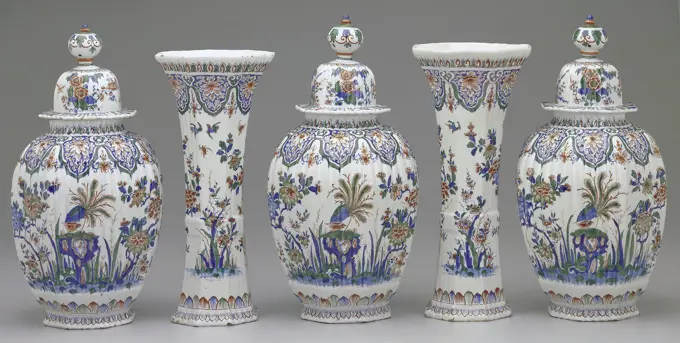
Two vases and a beaker vase, part of a garniture, anonymous (rejected attribution), c. 1740 - c. 1760 Pot (a) with lid (B) from Faïence. The belly multicolored painted with a woman with a child surrounded by flower branches. The button of the lid is formed by a fo 'lion. The pot belongs to a five -part cupboard set consisting of three lid vases and two pots with lids. Delft . Pot (a) with lid (B) from Faïence. The belly multicolored painted with a woman with a child surrounded by flower branches. The button of the lid is formed by a fo 'lion. The pot belongs to a five -part cupboard set consisting of three lid vases and two pots with lids. Delft .
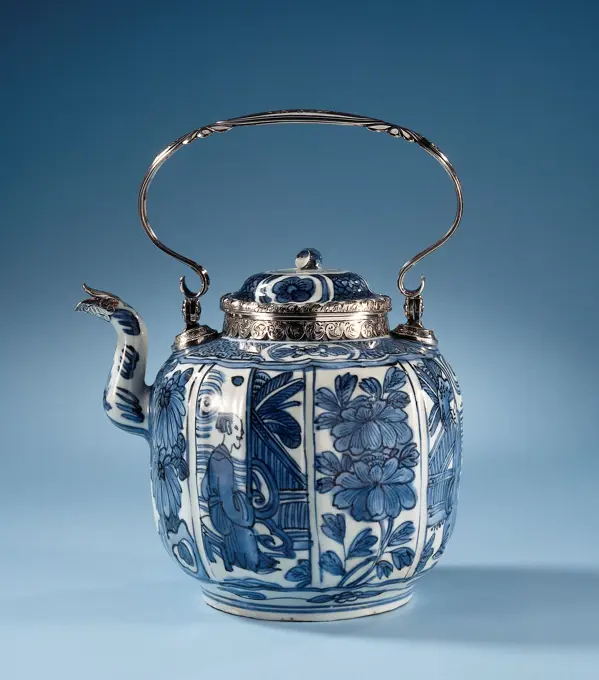
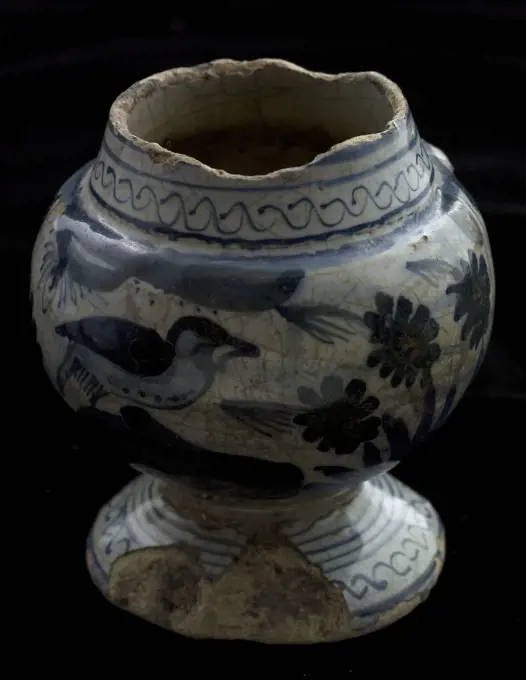
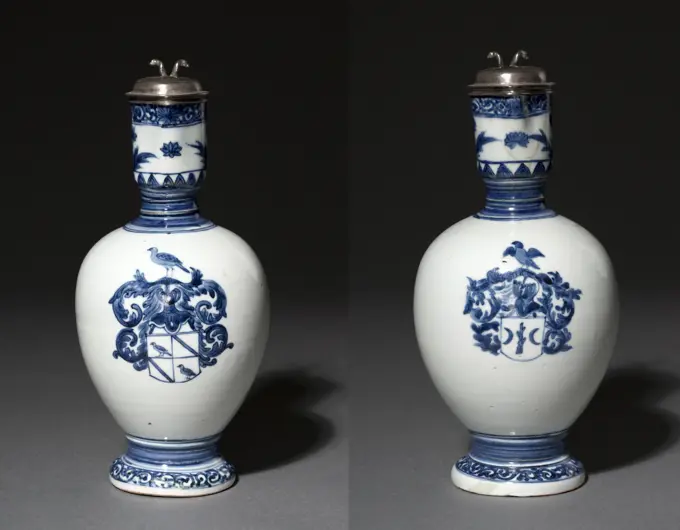
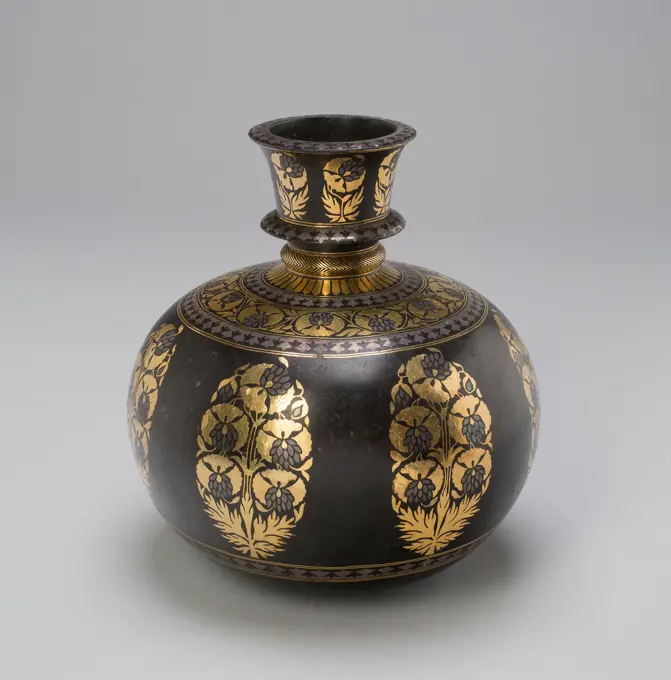
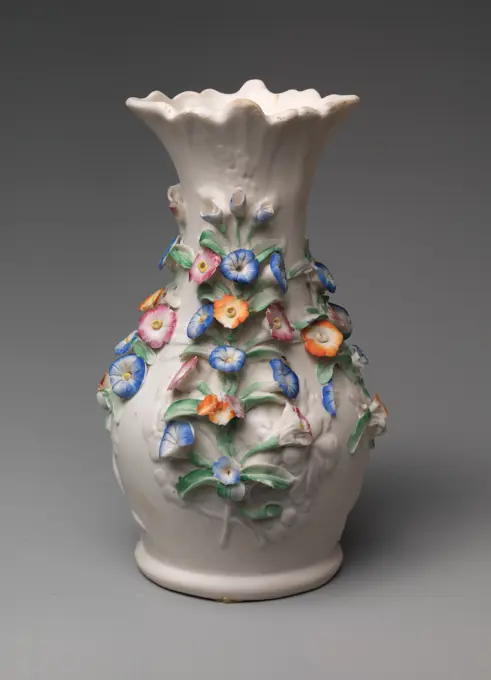
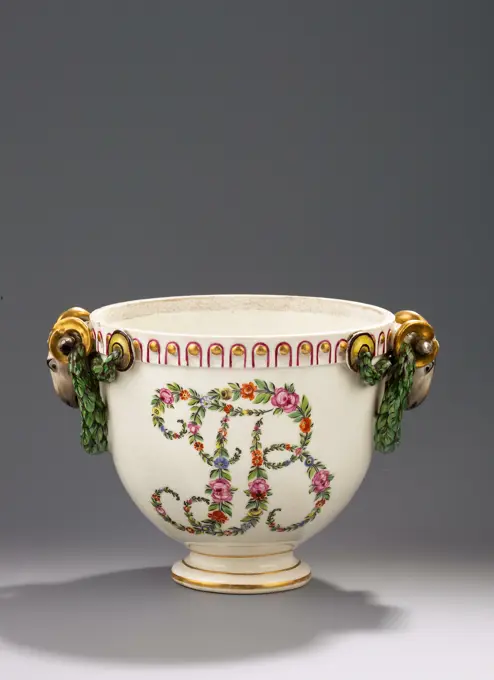
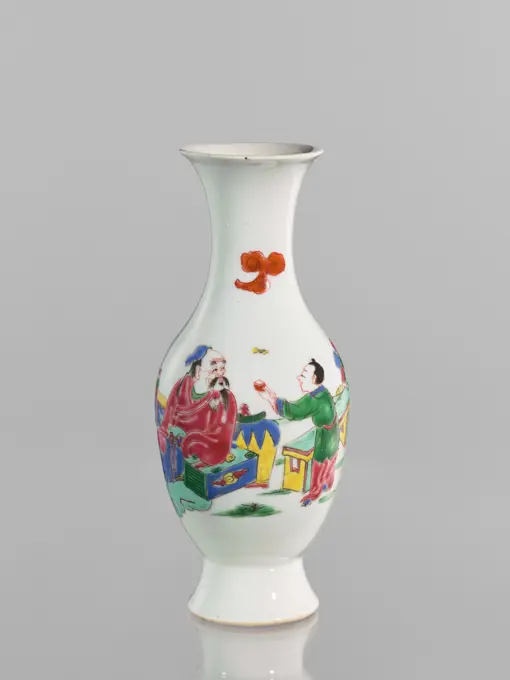
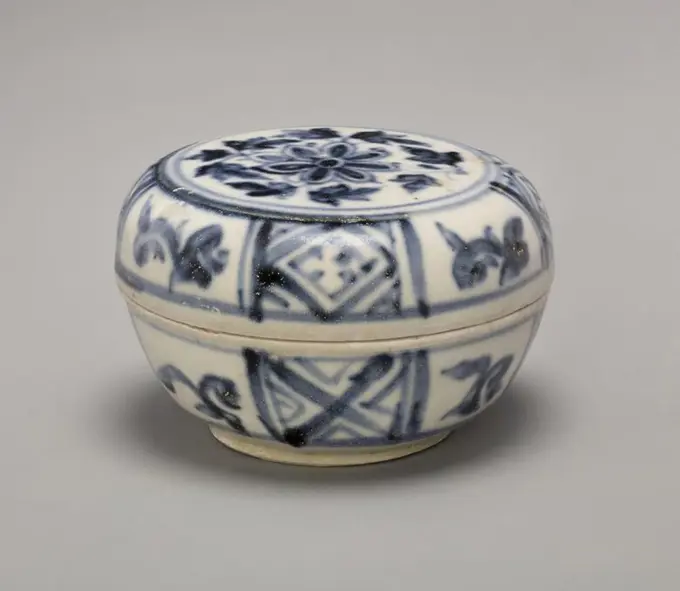
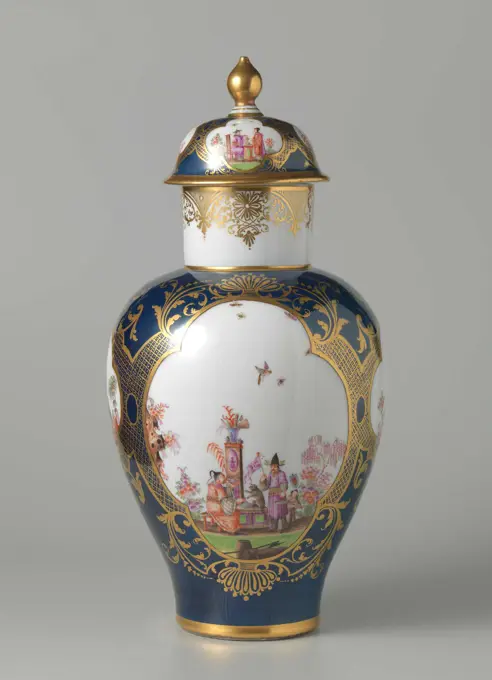
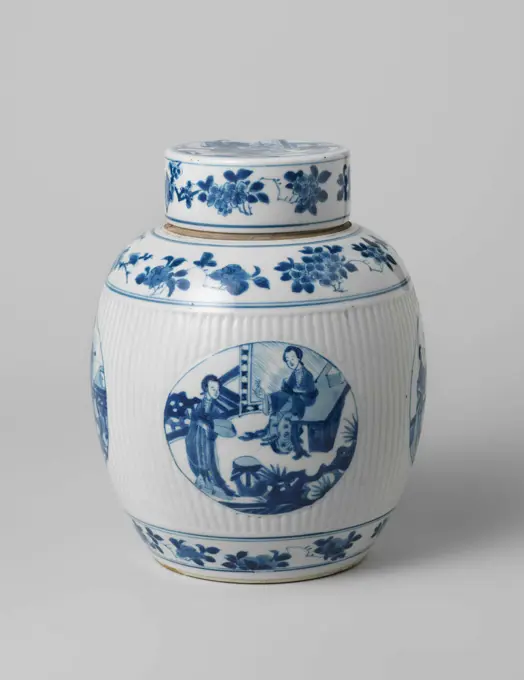
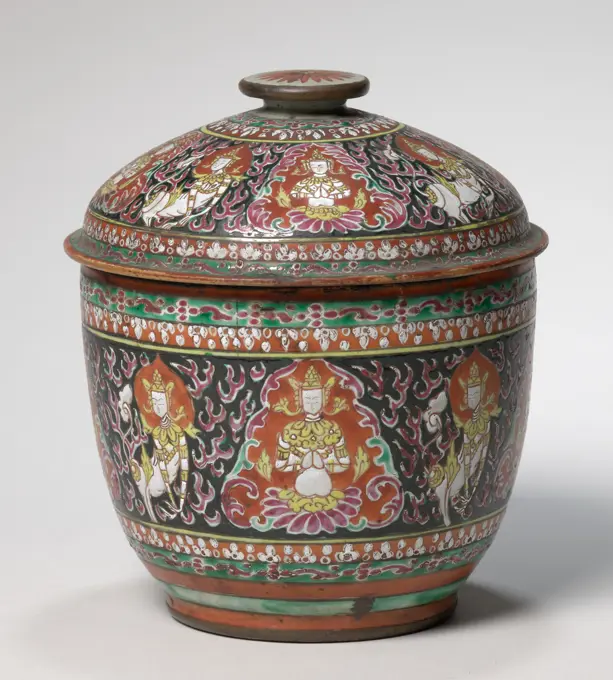
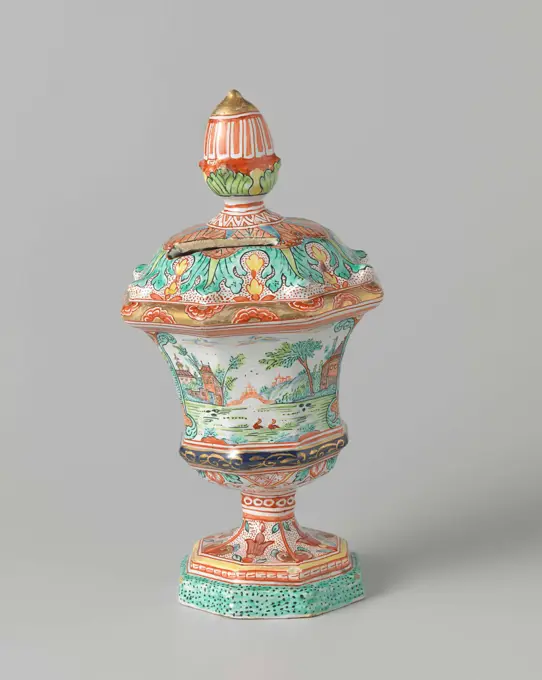
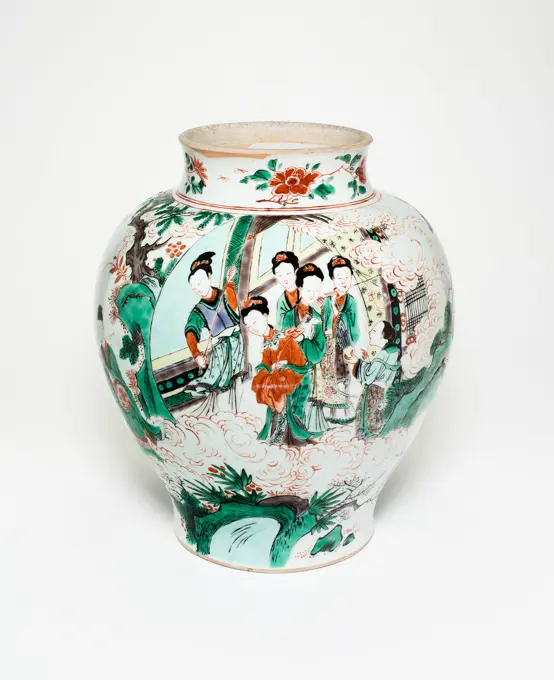
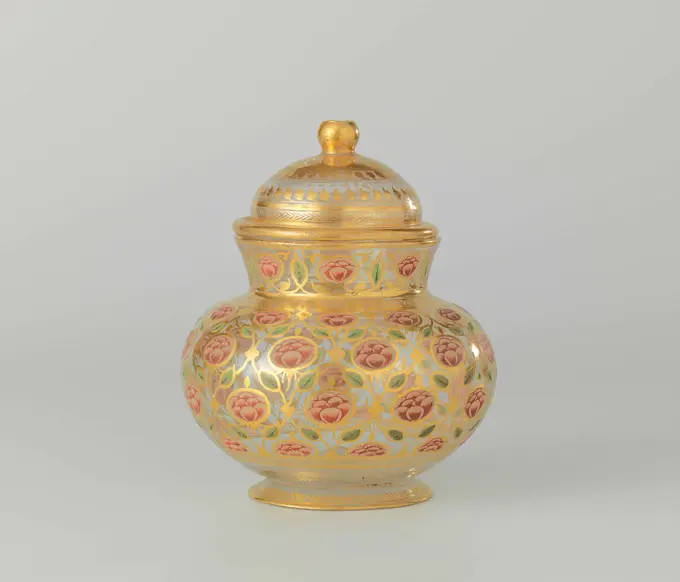
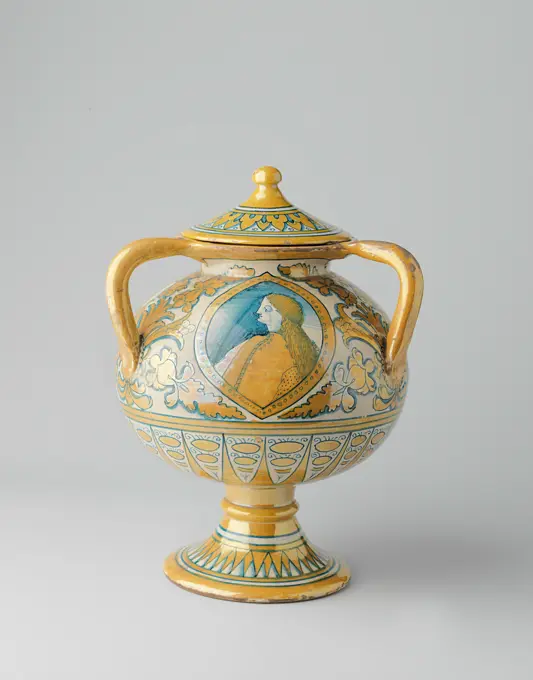
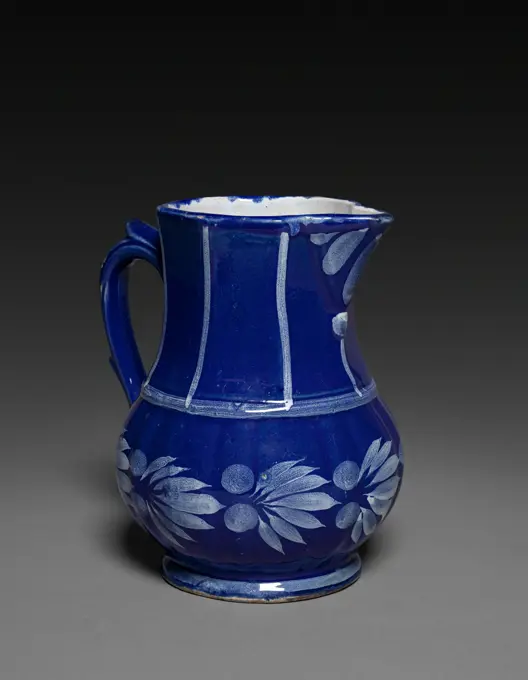
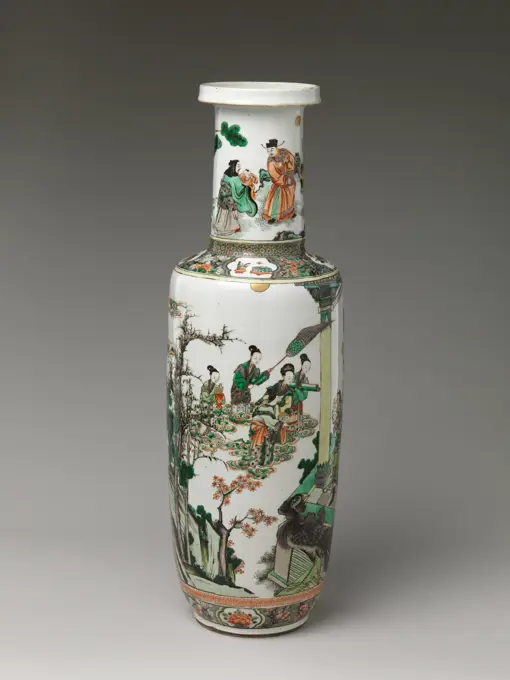
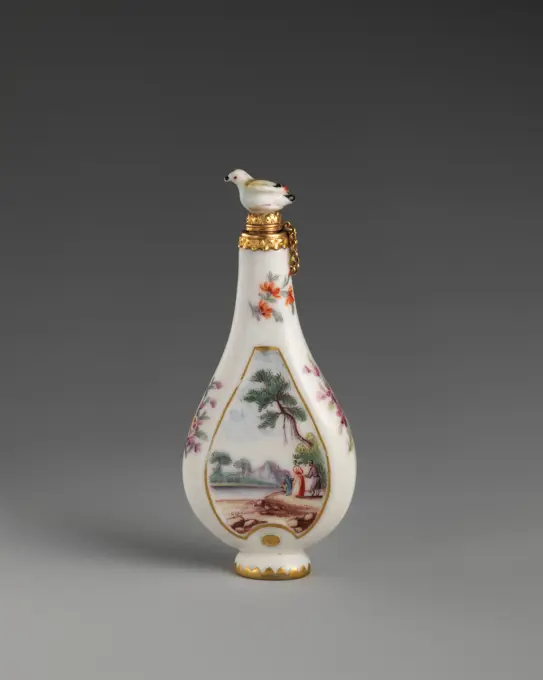
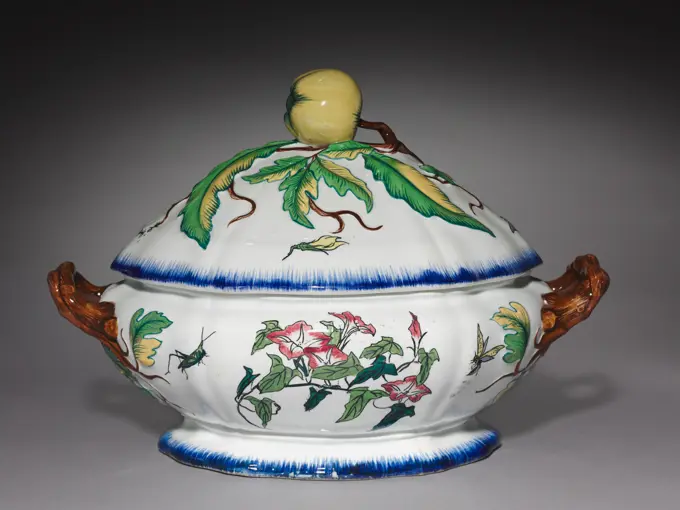
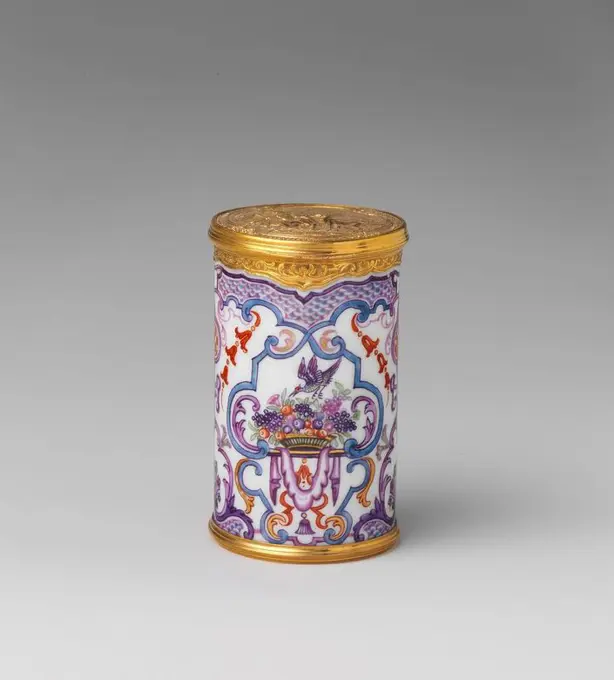
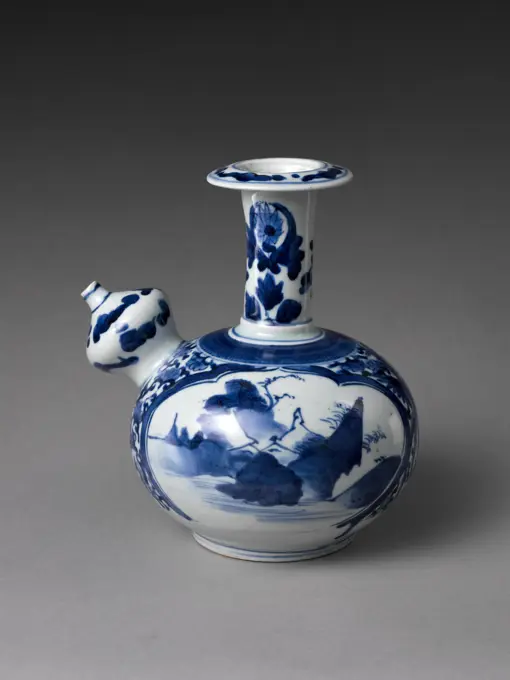
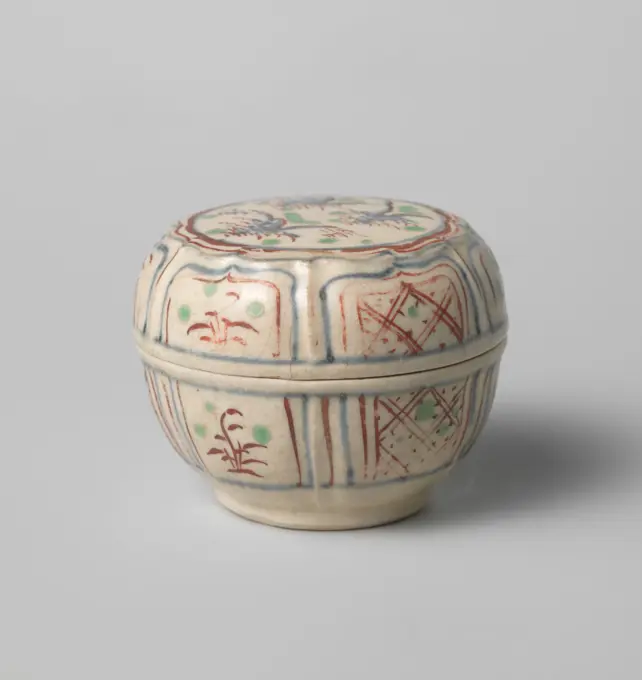
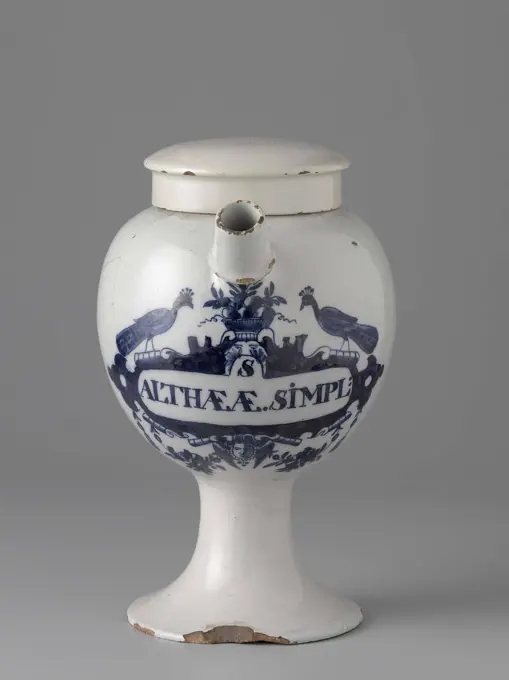
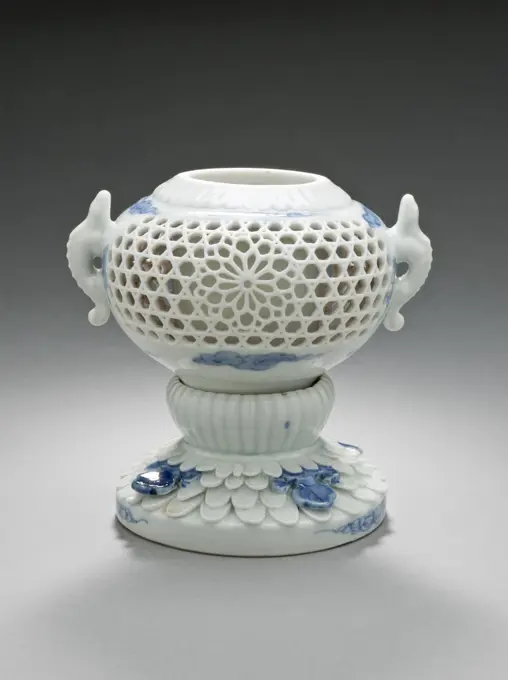
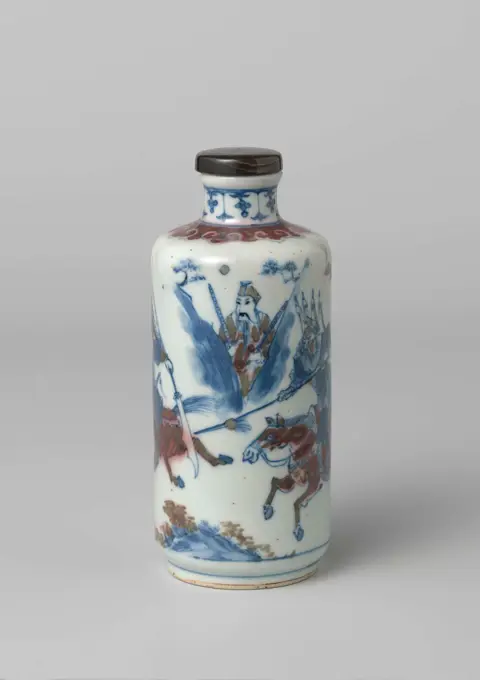
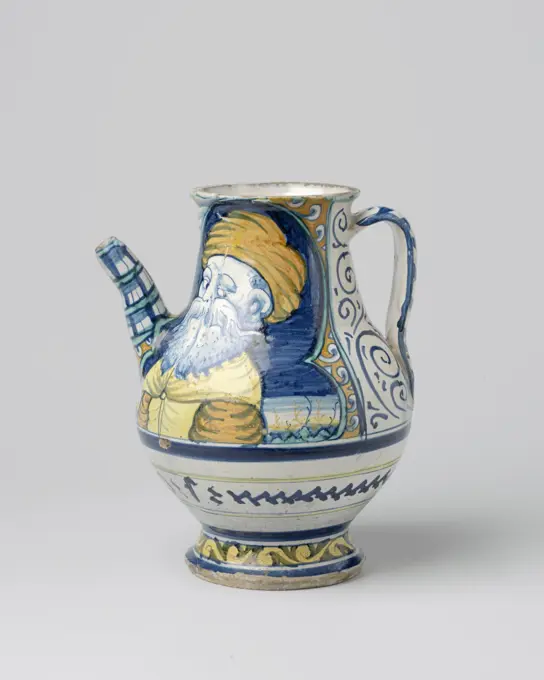
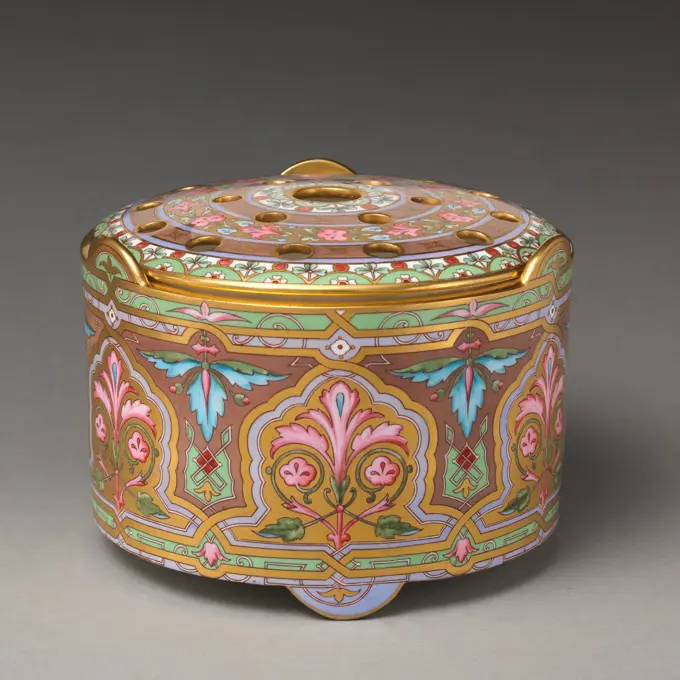
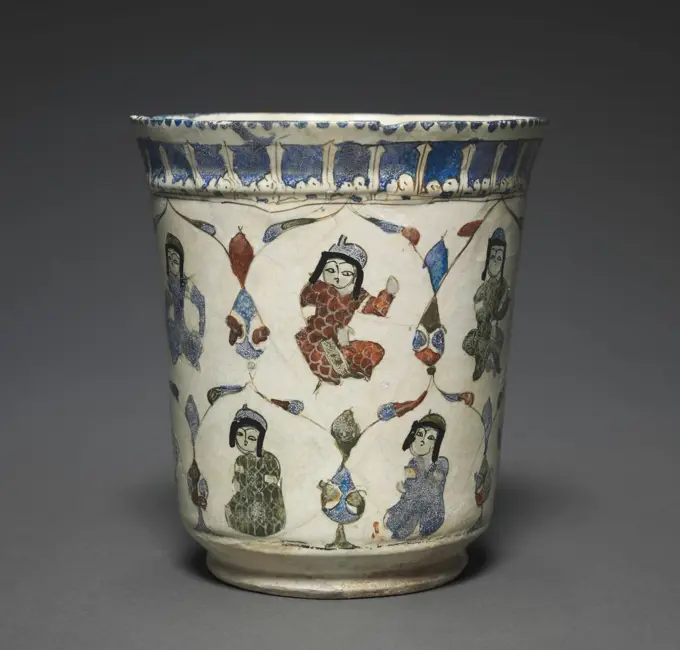
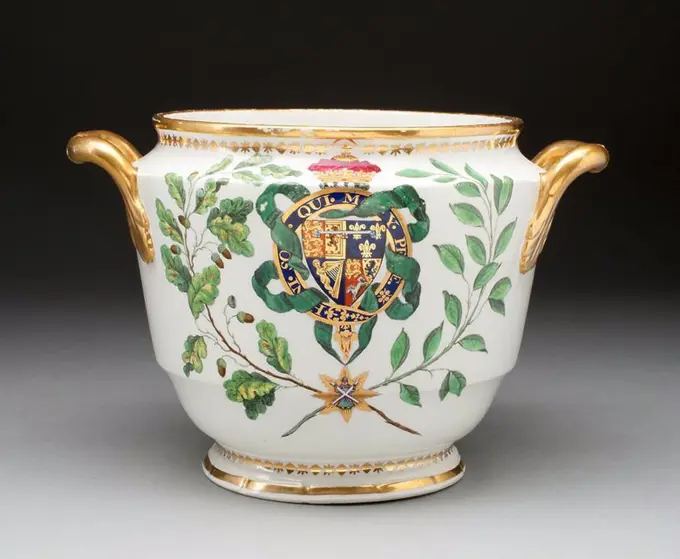
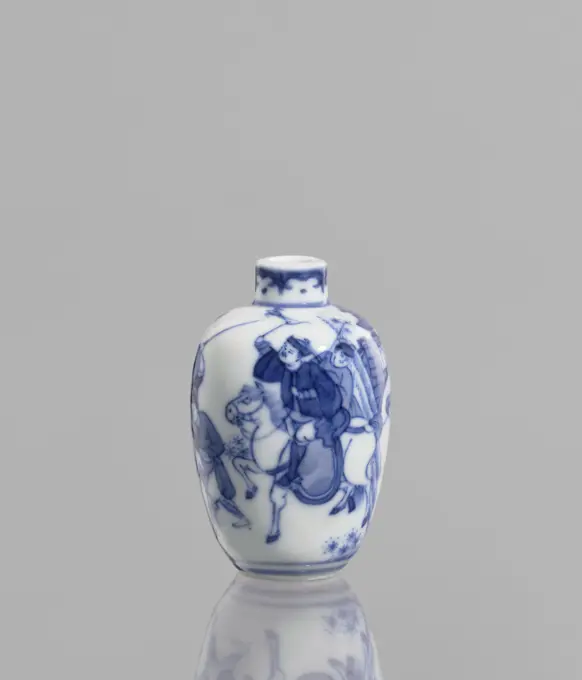
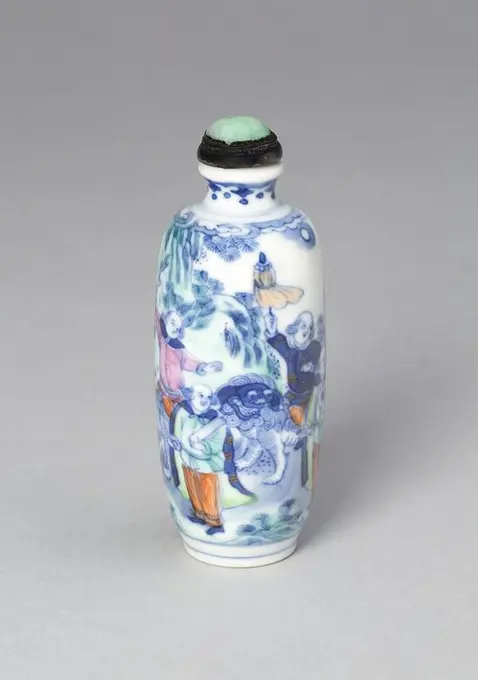
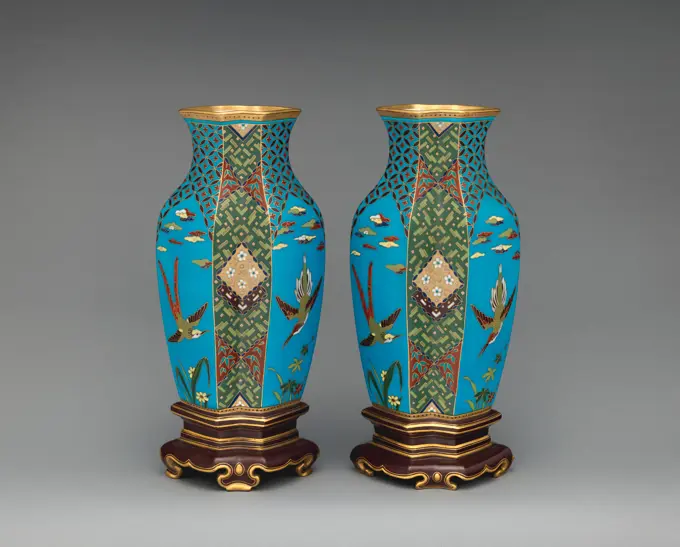
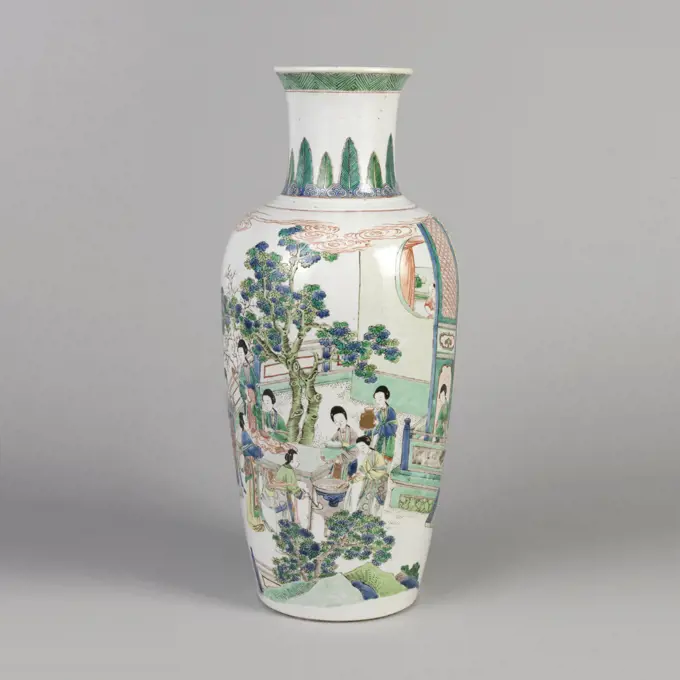
Vase, Enameled and glazed porcelain, Famille verte” decoration; oviform vase depicting noblewomen on balcony washing and sewing., China, 17th-18th century, ceramics, Decorative Arts, VasePair of Jugs with Silver Mounts, c. 1662-76. Mounts by Barent van Leeuwen (Dutch, 1637-1682). Porcelain with underglaze blue decoration; silver mounts (Hizen ware, Arita type); overall: 23 cm (9 1/16 in.); without cover: 22.2 cm (8 3/4 in.).Globular Huqqa Base with Floral Design 1801-1900 India. Zinc alloy inlaid with gold and silver (bidriware) .. Porcelain cupboard with three lid pots and two cup flasks, painted in underglaze blue and on the glaze red, black and gold. Three large cartouches with a shishi between a flowering peony plant on the wall; The cartouches are separated by tires of curling work containing a lobed cartouche with a hay-bird surrounded by flower drinks. Furthermore, a wide bond with chrysanters interrupted by lobed cartouches with a shishi with a plant and a band with lotus drinks. At the foot a bond with curling work. The lids with the same decoration; Lid knob in the shape of a shishi (lion dog) on a rock. Imari.Vase 1830-70 American. Vase 9248Vase. Culture: British. Designer: Christopher Dresser (British, Glasgow, Scotland 1834-1904 Mulhouse). Dimensions: Overall (confirmed): 9 7/8 × 5 7/8 × 5 9/16 in. (25.1 × 14.9 × 14.1 cm). Manufactory: Minton(s) (British, Stoke-on-Trent, 1793-present). Date: ca. 1867.This vase is an example of Christopher Dresser's Asian-inspired Minton "cloisonné" ware. Museum: Metropolitan Museum of Art, New York, USA.Jug. Fragment of a strongly glazed gray with blue jug. Decorated with leaf ornament and twice the same weapon (of Spain) With inscription and the year 1591 or 1596. Ear is missing.Vase with long neck and two stretched S-shaped ears, the porcelaine bottle, c. 1880 - c. 1920 Vase of earthenware, with bulb body and long narrow neck with outstanding mouth edge. Two stretched s-shaped ears along the neck. Painted in blue, green, yellow and black with four flowers surrounded on the convex body by leaves, orange cones on the neck. Delft earthenware. glaze Vase of earthenware, with bulb body and long narrow neck with outstanding mouth edge. Two stretched s-shaped ears along the neck. Painted in blue, green, yellow and black with four flowers surrounded on the convex body by leaves, orange cones on the neck. Delft earthenware. glazeVase. Meissen Porcelain Manufactory; German, founded 1710. Date: 1723-1725. Dimensions: H. 34.6 cm (13 5/8 in.); diam. 15.2 cm (6 in.). Hard-paste porcelain with underglaze blue decoration. Origin: Meissen. Museum: The Chicago Art Institute, Chicago, USA.. Square bottle of porcelain, painted on the glaze in blue, red, green, yellow, eggplant, black and gold. On the wall a flower vase on a stool with two flower baskets, insects and a bird; Two quail in flowering plants, a rock and bound hedges; a flower vase on a table with three vases behind it, a parrot on a stick and two birds, lid pot with handle, bird and insects; A hay bird on a flowering plant with a dragon below. On the shoulder a band with a kind of 'Spearhead-Border' with flowers; Below flowers with lambrequins with napkin interrupted by flowers. Around neck a band with leaf motifs. The bottom is unglazed. Arita, decorated in the Japanese Kakiemon style in Europe.Rosewater sprinkler or bottle with light brown, flower sprays and landscapes, anonymous, c. 1700 - c. 1724 Rose water drops or point bottle on a high base of porcelain with spherical body and long, pear-shaped neck, covered with a cafe-au-lait glaze and painted in under-glaze blue. The bottle is covered with a light brown enamel with blue in under -glaze four leaf -shaped reserves with flower branch and two fan -shaped reserves with a landscape with rocks, trees and a pavilion. Monochrome brown with blue and white. China porcelain. glaze. cobalt (mineral) painting / vitrification Rose water drops or point bottle on a high base of porcelain with spherical body and long, pear-shaped neck, covered with a cafe-au-lait glaze and painted in under-glaze blue. The bottle is covered with a light brown enamel with blue in under -glaze four leaf -shaped reserves with flower branch and two fan -shaped reserves with a landscape with rocks, trees and a pavilion. Monochrome brown with blue and white.Bearded manner of stoneware. Beard manner with ear, with white-blue glaze, the wall decorated with circular ornaments in relief.Small vase with a flower monogram TB (TJB). Korzec (manufaktura porcelany ; 1790-1832), factoryJug, Grieksche A de (the Greek A Factory), Delft, Netherlands, founded 1658, Pieter Adriaensz Kocks, Tin- glazed earthenware, pewter, Ovoid body on short foot rim, long neck slightly flared, small everted spout; looped handle; low domed pewter cover, tall thumbpiece with female fish figure attached at handle with trailing cutwork strap; painted in deep blue underglaze on white with chinoiserie birds, flowers, lambrequins., Delft, Netherlands, 1702-22, ceramics, Decorative Arts, JugSmall vase. unknown, craftsmanCan with a spout, including a weapon. Spherical bowl of multi-colored painted majolica, with a squeezed spout and a flat ear. A weapon is painted under the spout. The can be further painted in blue and yellow with star-shaped ornaments and intersecting, striped tires. About the can walk blue vertical lines.Miniature Covered Box with Chrysanthemum Spray. Vietnam. Date: 1401-1500. Dimensions: 4.6 × 7.2 × 7.2 cm ( 1 13/16 × 2 13/16 × 2 13/16 in.). Glazed stoneware with cobalt-blue underglaze. Origin: Vietnam. Museum: The Chicago Art Institute, Chicago, USA.Vase.Bottle. Culture: British. Dimensions: H. 4 5/16 in. (11 cm). Date: ca. 1760. Museum: Metropolitan Museum of Art, New York, USA.Square bottle with flowering plants, birds, flower vases and insects, anonymous, c. 1700 - c. 1724 Square bottle of porcelain, painted on the glaze in blue, red, green, yellow, eggplant, black and gold. On the wall a flower vase on a stool with two flower baskets and insects next to it; A bird on a flower branch at a rock and a fence; a flower vase on a stool with a second vase, lid jar with handle, bird and insects; A Hoo-Vogel on a thriving chrysanthemum in a rock, bound hedges and an insect. On the shoulder a band with servetwork with flowers interrupted by four cartouches with a quail. The underside is unglazed. A chip in the edge and in the shoulder. Old label on the bottom with 'Collection Westendorp/ 141'. Arita, decorated in the Japanese Kakiemon style in Europe. Japanpainter: Europe porcelain. glaze. gold (metal) painting / gilding / vitrification Square bottle of porcelain, painted on the glaze in blue, red, green, yellow, eggplant, black and gold. On the wall a flower vase oGarden Seat; Manufactured by Mintons (United Kingdom); molded, glazed and gilded earthenwareCan. Octagonal can of stoneware. Decorated with ingrangled and incised flower ornaments. A hare on blue ground on every surface. Two opposite birds on the neck.Chinese, Snuff Bottle, porcelain.Covered Vase, from a five-piece garniture set, c. 1710, 17 1/4 x 7 15/16 x 8 1/2 in. (43.8 x 20.2 x 21.6 cm), delftware with polychrome glazing, Netherlands, 18th centuryScent bottle. Culture: British, Staffordshire. Dimensions: Overall (confirmed): 3 13/16 × 1 13/16 × 1 9/16 in. (9.7 × 4.6 × 3.9 cm). Date: ca. 1760-1800. Museum: Metropolitan Museum of Art, New York, USA.Cylindrical bottle vase with precious objects and foliate scrolls, anonymous, c. 1680 - c. 1720 Cylindrical bottle -shaped vase made of porcelain with a short, spreading neck, painted in underlaze blue. On the abdomen antiques (vase, incense burner, books) and valuables (artemisia leaf, window). Above and under a bond with leaf vines. On the neck a band with pointed leaf motifs. Blue White. China porcelain. glaze. painting / vitrification Cylindrical bottle -shaped vase made of porcelain with a short, spreading neck, painted in underlaze blue. On the abdomen antiques (vase, incense burner, books) and valuables (artemisia leaf, window). Above and under a bond with leaf vines. On the neck a band with pointed leaf motifs. Blue White. China porcelain. glaze. painting / vitrificationLidded vase.Meissen porcelain manufactory ice cream, c. 1735-1740Hard paste PorcelainBottle vase with flowering plants near rocks, anonymous, c. 1675 - c. 1699 Bottle -shaped vase of porcelain with a spherical body and a long, narrow neck, painted in underly glaze blue and on the glaze blue, red, green, black and gold. Flowering plants (prunus, bamboo) on rocks, clouds and birds. On the neck twice a stylized lotus drink. Kakiemon style. Japan porcelain. glaze. cobalt (mineral). gold (metal) painting / gilding / vitrification Bottle -shaped vase of porcelain with a spherical body and a long, narrow neck, painted in underly glaze blue and on the glaze blue, red, green, black and gold. Flowering plants (prunus, bamboo) on rocks, clouds and birds. On the neck twice a stylized lotus drink. Kakiemon style. Japan porcelain. glaze. cobalt (mineral). gold (metal) painting / gilding / vitrificationOvoid Covered Jar With Flower Sprays and Narrative Scenes in Medallions. Egg-shaped porcelain lid pot with a ribbed wall, painted in underglaze blue. On the wall a wide, ribbed band containing four medallions with scenes in it: two ladies (long likes) on a terrace at a 'Go' table; Two ladies, one with a flowerpot, and a boy (ocean) in an interior with a Qin on a table; Two ladies on a terrace, one standing with a range, the other sitting at a table on which a book is; Two ladies on a terrace, one dancing, the other faces sitting next to a table on which a book is located. On the shoulder a band with flower branches (prunus, peony). Around the foot a bond with flowering plants (Pauwlonia, orchid, peony, peach, prunus, peekanjer). On the lid a scene of three Chinese men on a terrace with a servant that offers one of them a bowl. On the edge flower branches. Marked on the underside with the six character mark of Emperor Chenghua in a double circle. Glue residues on the bottom. Blue White.Can with multicolored painting, anonymous, c. 1500 - c. 1550 Can on low, concave base with turned around. Spherical body. The neck is separated from the body by a wire. Smooth, s-shaped ear. The foot is painted with rosettes, windows and leaf ornament. Two medallions are painted on the body between nerters, candelabers, horns of abundance and leaf vines. In the first medallion four fighting men, sheltered by the sun, in the second with a sitting Amor with arrow and horn of abundance, also shot by the sun. On the neck flower vessels between two tires with gold -plated scales and blue dots. Along the edge a motif of white rings, strung on a red cord. Venice glass. glassblowing / gilding Can on low, concave base with turned around. Spherical body. The neck is separated from the body by a wire. Smooth, s-shaped ear. The foot is painted with rosettes, windows and leaf ornament. Two medallions are painted on the body between nerters, candelabers, horns of abundance and leaf vines. In the firLid of lid pot. Lid of faience lid pot. Multicolored painted with chinoiserie decoration.Jar, 19th century. Siam, 19th century. Porcelain; overall: 22.3 cm (8 3/4 in.).Unknown, vase with lid. Porcelain. Petit Palais, Museum of Fine Arts of the City of Paris.Savings pot.Vase 1885-1890 Stourbridge. Blown and cased glass . Thomas Webb & Sons (Maker)Teapot with panel decoration with flowering plants, figures and silver mounts, anonymous, c. 1610 - c. 1630 Porcelain teapot lid, painted in under -glaze blue. The lid with a tire servetwork interspersed with a flower in a cartouche. Equipped with a 19th-century silver frame and handle by Arnoldi & Wielick, Amsterdam 1850. Kraakporcelain. Chinasilversmith: Amsterdam Porcelain. Glaze. Cobalt (Mineral). frame: Silver (Metal) painting / vitrification Porcelain teapot lid, painted in under -glaze blue. The lid with a tire servetwork interspersed with a flower in a cartouche. Equipped with a 19th-century silver frame and handle by Arnoldi & Wielick, Amsterdam 1850. Kraakporcelain. Chinasilversmith: Amsterdam Porcelain. Glaze. Cobalt (Mineral). frame: Silver (Metal) painting / vitrificationScent bottle and box ca. 1750-55 Saint James's Factory. Scent bottle and box. British, London. ca. 1750-55. Soft-paste porcelain. Ceramics-PorcelainVase. R.W. Martin & Brothers (England, London, circa 1873-1914)Robert Wallace Martin (England, 1843-1923). England, 1890. Furnishings; Accessories. Salt-glazed stonewareJar with Figural Scenes and Poem Describing the Osmanthus and Moon 1646 China. Porcelain painted in overglaze enamels .Lid pot with saucer, painted with flowers in pink and gold. Round pot on a spreading foot and immediately high, slightly spreading neck; A bottom dish and a convex lid with round lid knob. Painted with flower branches in pink and gold and with tires with geometric patterns.Vase with three ears, multi-colored painted with spitsavals within which man portraits, and flower and leaf refines. Spherical vase of multi-colored painted majolica, at a high foot. The vase has three ears. There are three striker ovals on the belly in which a portrait of a shifted man with long hair. Flower and leaves are painted between the ovals. The vase is painted in yellow luster and in blue (circumference) on white.. Lid of porcelain tea bus with egg-shaped body, painted on the glaze in blue, red, black and gold. The lid with flower drinks and a Spearhead border. Glaze partially off the lid knob. Weapon porcelain with email colors.Jar. Culture: China. Dimensions: H. 9 1/4 in. (23.5 cm); W. 5 in. (12.7 cm). Museum: Metropolitan Museum of Art, New York, USA.. Square bottle of porcelain, painted in underglaze blue. On the wall Four different representations: one with two ladies with a range in a landscape in front of a large tree with two birds, a flower vase, a blooming chrysanthemum at rocks and a water carrier at a house and a large tree with a bird. The shoulder with flower drinks. A crack in the wall. Blue White.Vase;  19th century (1801-00-00-1900-00-00);Lidded Vase, Meissener porcelain manufactory, c. 1735 - c. 1740 Vase with lid, made of multicolored painted porcelain. Vase and lid are almost completely covered with a blue stock, in which two large and two small and two four -passes on the vase have been saved on the vase. A symmetrical decoration in gold is painted between the four passes. Höroldt chinoiseries are painted in a garden in the four passes. The pear -shaped lid button is gilded. The vase is marked. Float porcelain Vase with lid, made of multicolored painted porcelain. Vase and lid are almost completely covered with a blue stock, in which two large and two small and two four -passes on the vase have been saved on the vase. A symmetrical decoration in gold is painted between the four passes. Höroldt chinoiseries are painted in a garden in the four passes. The pear -shaped lid button is gilded. The vase is marked. Float porcelainJug, late 1700s. Possibly by Saint Omer Factory (French). Faience; diameter: 14 cm (5 1/2 in.); overall: 18.8 x 16.9 cm (7 3/8 x 6 5/8 in.).Vielleuse Made 1760-1770 Staffordshire. Lead-glazed earthenware (creamware) .Vase, 1661-1722. China, Jiangxi province, Jingdezhen kilns, Qing dynasty (1644-1911), Kangxi reign (1661-1722). Porcelain with underglaze blue decoration; diameter of mouth: 53.3 x 23.5 cm (21 x 9 1/4 in.).Vase with Immortals Offering the Peaches of Longevity China A group of men and their attendants burn incense in an open pavilion. Their activities have attracted the attention of the supernatural: a peacock-like phoenix of enormous size has landed, while in the clouds, Xiwangmu (the queen mother of the west) and her entourage have arrived. An attendant proffers a bowl containing peaches of immortality picked from Xiwangmu's orchard. Immortal beings, including Shoulao (the god of longevity), are depicted on the neck of the vase.Works such as this, with scenes of immortals and themes of immortality, were especially appropriate for display at birthday receptions.. Vase with Immortals Offering the Peaches of Longevity. China. Porcelain, overglaze enamels. Qing dynasty (1644-1911), Kangxi period (1662-1722). CeramicsCover of pottery with black covering glaze. A vaulted lid. The button of the lid has the shape of a bird with spread wings. The lid is embossed with a winger drink and leafwork, which is plated in a few places on the glaze.Pottery from 1821 AD (Qing Dynasty) in an exhibit at the Shanghai Museum, a museum of ancient Chinese art, situated on the Peoples Square in the Huangpu District of Shanghai, China.Vase, decorated with flowers, leaves and butterflies, Theo Nieuwenhuis, c. 1915 Vase of earthenware, decorated with flowers, leaves and butterflies, partly in light blue against a dark blue stock. A factory label is stuck on the vase. Amsterdam earthenware Vase of earthenware, decorated with flowers, leaves and butterflies, partly in light blue against a dark blue stock. A factory label is stuck on the vase. Amsterdam earthenwareFlagon ca. 1750-53 Chelsea Porcelain Manufactory. Flagon. British, Chelsea. ca. 1750-53. Soft-paste porcelain. Chelsea Porcelain Manufactory (British, 1745-1784, Red Anchor Period, ca. 1753-58). Ceramics-PorcelainLidded Bowl. UnknownCarousel goblet, Anton Ambros Egermann (attributed to), 1863 BOKAAL MET DEKEL Van Groen Glas, Een Zogenaamde Carousselbokaal. Veelkleurig Gemein Met Emailverf Met Wapens van Adelijke Families Uit Duitsland en het Kezerrijk Oostenrijk-Hongarije. Onders de Wapenschilden de Volgende Opchrifts: Albrecht Archduogvon Oestreich; Princess Auersperg Colloredo; Ludwig Victor Archduke of Oestreich; Grävinbuquoy from Oetingen Wallerstein; Wilhelm Archduke of Oestreich; Princess Hohenlohe Trautmansdorff; Leopold Archduke of Oestreich; Baronin Stauffenberg Lobkowitz; Prince Kinsky; Grävin Claudine Hohenstein; Prince Vincenz Auersperg; Countess Claudine Hohenstein; Prince Vincenz Auersperg; Countess Amalie Hohenstein; Prince Lamoral Thurn and Taxis; Princess Eleonore Schwarzenberg Liechtenstein. Op de Voet Het Opschrift: Carousel 1863. Knight couples. Haida glass. BOKAAL MET DEKEL Van Groen Glas, Een Zogenaamde Carousselbokaal. Veelkleurig Gemein Met Emailverf Met Wapens van Adelijke Families Uit DuiUrn. Talavera poblana; Puebla, Mexico. Date: 1675-1700. Dimensions: H. 35 cm (13 3/4 in.). Tin-glazed earthenware. Origin: Puebla. Museum: The Chicago Art Institute, Chicago, USA.Covered Tureen, 1866-75. Félix Bracquemond (French, 1833-1914), Creil Factory (French). Porcelain; overall: 21.6 cm (8 1/2 in.).Jar China. Jar 53846Ovoid covered jar with peachblossoms on 'crackled ice' and antiques. Egg-shaped porcelain lid pot, painted in underglaze blue. The body is covered with saved peach blossoms (Prunus) against a background of 'crackled ice'. Two cartouches with costacies (artemisia leaf, mint, pearl) and antiques (flower vase, incense burner, ruyi-scepter, tripod, packaged Qin, lotus terror). The lid with a saved, lobbed cartouche with a blooming plant against a background of 'crackled ice'. The edge with a band depending Ruyi motifs. Blue White.Counter box. Culture: Austrian, Vienna. Dimensions: Height: 2 1/2 in. (6.4 cm). Factory: Vienna. Factory director: Du Paquier period (1718-1744). Date: ca. 1730-35.This box held circular gaming pieces known as counters. Its lavish decoration extends not only to the top and bottom but also to the underside of the lid and the inside of the base, ensuring the delight of discovery when the last counter was removed. The rich decoration is enhanced by the superb gold mounts, and the correspondence between the upper mount's profile and the scale pattern paintedbelow it reflects the care expended on the box's production. Museum: Metropolitan Museum of Art, New York, USA.Covered Jar With Antiques in Panel Decoration. Porcelain lid pot on foot with two ears in the shape of two samples, painted on the glaze in blue, red, green, yellow, eggplant, black and gold. The pot is covered with flowers and flower branches on a green speckled soil, in which two large fields are saved with antiques (vases, peacock feathers, coral, incense burner, tripod, Qilin image, man with beard, books, lotus stalk, painting roll etc.). The lid with the same decoration. Lid has been broken. Famille Verte.Cylindrical Vase With Flower Sprays and Scrolls in Shaped Panels. Cylindrical vase of porcelain with a wide, slightly spreading neck, painted on the glaze in blue, red, green, yellow, eggplant, black and gold. On the wall loose flower branches. Around the foot and on the shoulder a band with scalloped cartouches or lambrequins with flower branches and drinks. On the shoulder the band is interrupted by four lobed cartouches with a flower branch. The neck with flower branches. Imari.Hexagonal vase with chinese ladies, landscapes and precious objects in panel decoration. Hexagonal vase of porcelain with angular, pear-shaped body and long spreading neck, painted on the glaze in blue, red, green, yellow, eggplant, black and gold. The body is covered with a speckled green soil with small flowers and in this six scalloped compartments with a lady in a fenced garden (long lice), a landscape and a table with shishi (lion dog) or Qilin with valuables (diamond, mint) or antiques (vase with coral and peacock feathers or lotus stalk), between the boxes depending stylized lotus flowers; On the shoulder a bond with flower drinks against a speckled green ground; On the neck raised and dependent leaf motifs with flour rinks, swastika symbol, two tires with ruyi motif next to a tire with floral drinks against a speckled green ground; the edge with zigzag pattern; A relationship with Ruyi motif around the foot. Restored edge. Famille Verte.Bouquet. Culture: British, Chelsea. Dimensions: Overall: 3 1/8 × 1 1/2 in. (7.9 × 3.8 cm). Factory: Chelsea Porcelain Manufactory (British, 1745-1784, Transitional (Brown Anchor) Period, ca. 1758-1759). Date: ca. 1760. Museum: Metropolitan Museum of Art, New York, USA.Censer (kōrō) in the Form of a Nobleman's Hat on a Stand. Japan, late 19th century. Ceramics. Hirado Mikawachi ware; porcelain with underglaze blue and brownPair of vases.Melon-Shaped Jar with Butterflies, Gourds, and Scrolling Vines 1723-1795 China. Porcelain painted with underglaze blue and overglaze enamels .Garniture of five vases, Theo Colenbrander, 1886 Set of five vases of earthenware; Three with high lids. Multicolored painted with a surface filling decoration of flower motifs and ornament. The colors are: light and dark green, yellow, light and dark blue, brown, pink and black. The Hague earthenware Set of five vases of earthenware; Three with high lids. Multicolored painted with a surface filling decoration of flower motifs and ornament. The colors are: light and dark green, yellow, light and dark blue, brown, pink and black. The Hague earthenwarePouring vessel (kendi) with landscape 1660-80 Japanese, for European market The gift of the Hans Syz Collection in 1995 endowed the Museum with nearly three hundred examples of European and Asian ceramics meticulously acquired by Swiss-born collector Dr. Syz (1894-1991) to chart the migration of models and patterns from East to West. Documenting a continuous process of influence and adaptation, these pieces provide a discriminating review of the nuances of stylistic change resulting from three centuries of trade.. Pouring vessel (kendi) with landscape. Japanese, for European market. 1660-80. Hard-paste porcelain painted with cobalt blue under transparent glaze (Hizen ware). Ceramics-Porcelain-ExportBeaker Vase, 1368-1644. China, Shanxi province, Ming dynasty (1368-1644). Porcelain, Fahua ware; overall: 45.2 cm (17 13/16 in.).Puzzle jug.Saltcellar ca. 1825 Mexican. Saltcellar 6989Canned floral. The painting in Kobalt Blue under the Glaze founded the glory of Chinese porcelain of the Ming Dynasty (1368-1644). The properties of the Kobalt Mineral was discovered in Persia. The Chinese but gained admiration with their application on porcelain worldwide. The blue-white porcelain became the most important export article to Europe, nearby and Middle East. The pot has an Islamic metal vessel to the model and was intended for the local market. The plant discussion shows a mixture of ornamental abstraction and realistic details that makes up the great charm of early blue-white porcelain.Box with Diaper Patterns and Flowering Plants in a Panel Decoration. Box with lid of stoneware, painted in underglaze blue and on the glaze red and green. The wall of the box and edge of the lid are modeled in boxes with alternating napkin work or a thriving plant. The top of the lid with a modeled, scalloped cartouche with a landscape with mountains and trees. A chip in the edge of the box. Decoration Following the Chinese squirrch porcelain.. Pharmacist spot from faience. With ear and spout and blue painted label with inscription: S / Althae AE. Simpl:Censer (kōrō) on Chrysanthemum-form Base. Japan, mid-late 19th century. Ceramics. a) Lid; b) Base; Hirado ware; porcelain with underglaze blue. Pharmacist spot from faience. With ear and spout and blue painted label with inscription: o / poppassis.Cylindrical Bearer With Leaf-Motif. Porcelain cylindrical cup on a narrow stand ring, painted in underglaze blue. The cup is decorated with a continuous, curly leaf motif interspersed with floral rosettes (tiger lily motif). Marked on the bottom with an artemisia leaf in a double circle. Lid is missing. Blue White.Cup and Cover 1780 Japan. Cup and Cover. Japan. 1780. White porcelain with slip relief; decorated with blue under the glaze, polychrome enamels. Edo period (1615-1868). CeramicsCylindrical Bottle Vase With Warriors. Wooden cap from bottle-shaped porcelain vase. At the bottom is a dot out.Can, vice versa -shaped, multi -colored painted with a portrait and inscription: Sy Acetos, Anonymous, c. 1530 - c. 1560 Conversely, baluster -shaped can of multicolored painted majolica, on a foot. The jug has a short spout and a wide flat ear. A man's portrait is painted on both sides on both sides. The man has a beard and wears a hat. Under the portrait, the inscription is: "Sy Acetos" painted. The jug belongs to a second can with invnr. BK-NM-11535-B. Castelli earthenware. tin glaze. lead glaze majolica Conversely, baluster -shaped can of multicolored painted majolica, on a foot. The jug has a short spout and a wide flat ear. A man's portrait is painted on both sides on both sides. The man has a beard and wears a hat. Under the portrait, the inscription is: "Sy Acetos" painted. The jug belongs to a second can with invnr. BK-NM-11535-B. Castelli earthenware. tin glaze. lead glaze majolicaSmall hu-type vase. unknown, craftsmanPotpourri ca. 1875 Minton(s) Minton was the most important ceramics factory during the Victorian period and began exhibiting products at the first Great Exhibition of 1851. Founded in 1793 by Thomas Minton at Stoke-on-Trent, the firm initially specialized in transferware pottery before expanding under the ownership of Thomass son Herbert Minton, beginning in 1836. Under the ownership of Colin Minton Campbell, who succeeded his uncle in 1858, the factory became recognized as a specialist producer of Aesthetics movement porcelain, which were inspired by a rich array of exotic and eclectic decorative motifs.. Potpourri. British, Stoke-on-Trent, Staffordshire. ca. 1875. Bone china. Ceramics-PorcelainMina'i Beaker with Seated Princes, 1180-1220. Iran, Kashan, Seljuq period of Iran (1037-1194). Fritware with overglaze design, minai ware; overall: 13.3 x 12.3 cm (5 1/4 x 4 13/16 in.).Wine Cooler from the Duke of Clarence Service. Worcester Porcelain Factory (Flight Period); Worcester, England, founded 1751. Date: 1789-1790. Dimensions: 16.5 x 24.6 cm (6 1/2 x 9 11/16 in.). Soft-paste porcelain, polychrome enamels and gilding. Origin: Worcester. Museum: The Chicago Art Institute, Chicago, USA. Author: Worcester Royal Porcelain Company.Flakonik - tabakierka. unknown, craftsmanSnuff Bottle with Eight Foreign Figures Bearing Tribute. China. Date: 1851-1861. Dimensions: H. 8.2 cm (3 1/4 in.); diam. 3.4 cm (1 5/16 in.). Porcelain painted in underglaze cobalt blue and overglaze enamels. Origin: China. Museum: The Chicago Art Institute, Chicago, USA.Candlestick, anonymous, 1740 - 1770 FaiMence candlestick. Blue painted. Delft . FaiMence candlestick. Blue painted. Delft .. This ewers form copies that of a leather waterskin. Chinese potters excelled in the imitation of artefacts in other materials. A small spout protruding from the side of the ewer could be used to serve its contents.Covered Jar with Medallions 618 CE-906 CE China. Slip-coated earthenware with three-color (sancai) lead glazes .Jar, 2nd century BCE, 6 3/4 x 4 1/8 in. (17.15 x 10.48 cm), Earthenware with traces of pigment, China, 2nd century BCE, Well-preserved examples of Han painted pottery, these three storage vessels demonstrate that sophisticated production techniques relying on a division of labor and quality control were well established by the Western Han. Although potted and painted by different artisans, all three jars appear to have come off the same assembly line. Uniform production standards became very important during Han when tremendous wealth was made through national and international trade. The red and black colors as well as the stylized curvilinear cloud designs are derived directly from lacquer objects which had become popular during the late Zhou and early Han (4th-1st century BCE).Lidded Ewer and Basin.Jug (part of a set) 18th-19th century William Adams British. Jug (part of a set). British, Staffordshire. 18th-19th century. Lead-glazed earthenware. Ceramics-PotteryMajolica mustard pot, blue on white, on the belly chinese garden with bird, mustard pot pot crockery holder soil find ceramic earthenware glaze tin glaze lead glaze, majolica archeologySnuff Bottle with Birds on Trees 1644-1911 China. Cloisonne .Vase; Watano, Kutani; 19th century (1801-00-00-1900-00-00);Vase with floral decoration in cobalt unknownFlakonik - snack;  18th century (1701-00-00-1800-00-00);Vase (one of a pair) ca. 1872-80 Christopher Dresser British, Scottish The shape of these vases copies that of a Japanese bronze, and the decoration is drawn from both Chinese and Japanese sources. The painted motifs on these vases are executed in a style intended to resemble cloisonné enamels in which the colored enamels are outlined in gold. These vases reflect one aspect of Dressers deep interest in Japanese art, which informed his work in regard to both shapes and decorative schemes.. Vase (one of a pair). British, Stoke-on-Trent, Staffordshire. ca. 1872-80. Earthenware. Ceramics-Porcelain