Decorative Ceramic Tiles

Artistic tiles showcasing intricate patterns and designs, from floral to geometric motifs. Ideal for decorative purposes in art and architecture.

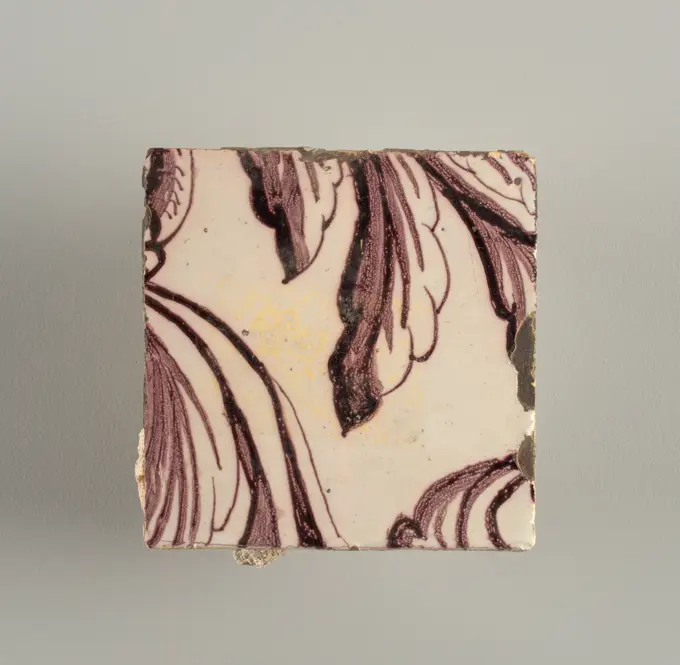
Wall Facing (Holland); tin-glazed earthenware, underglaze
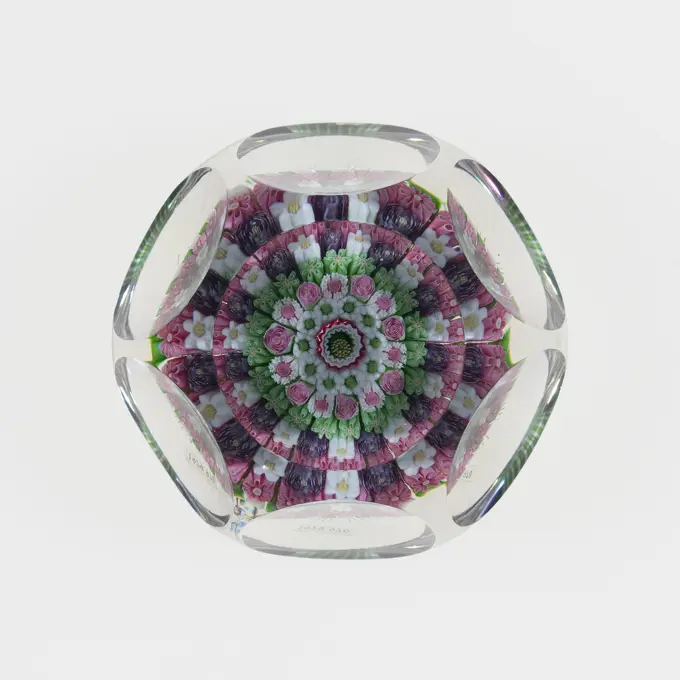
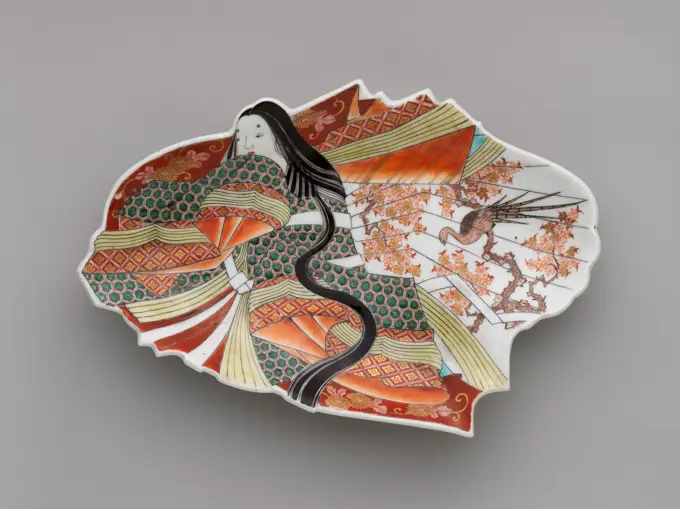
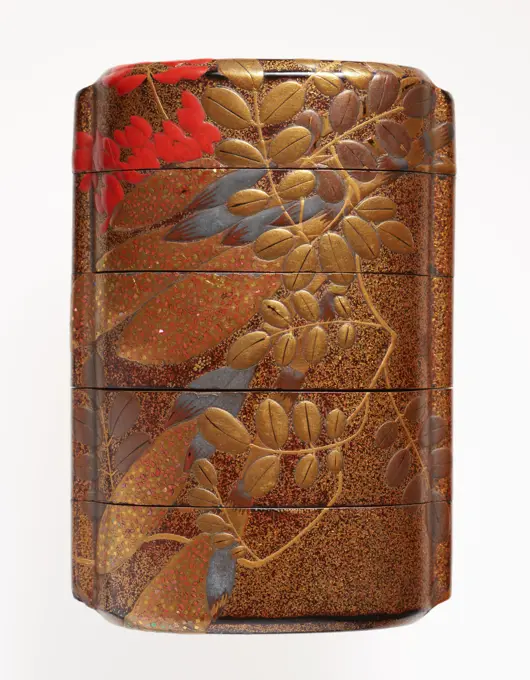
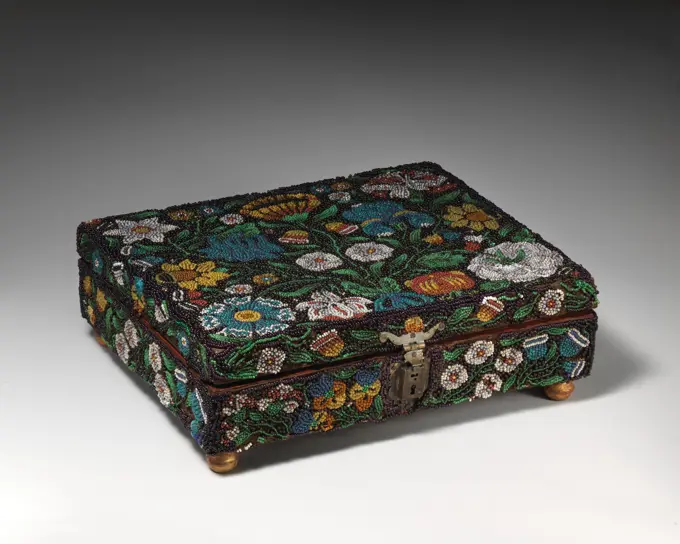
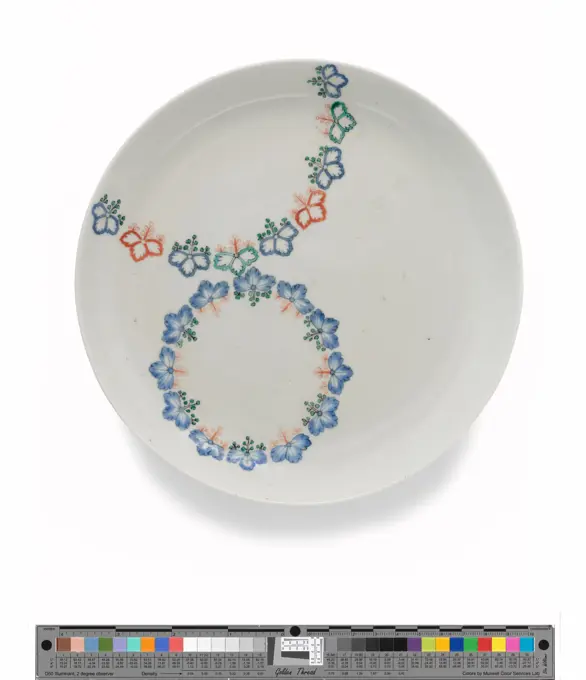
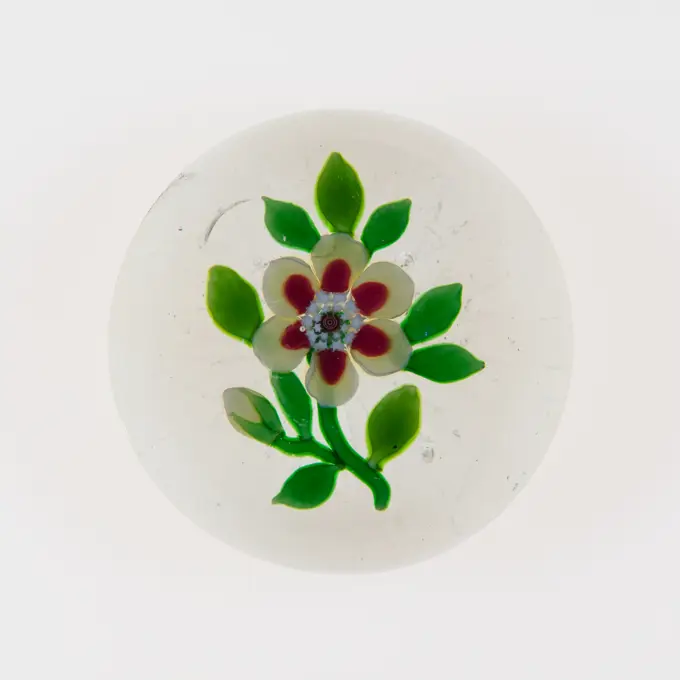
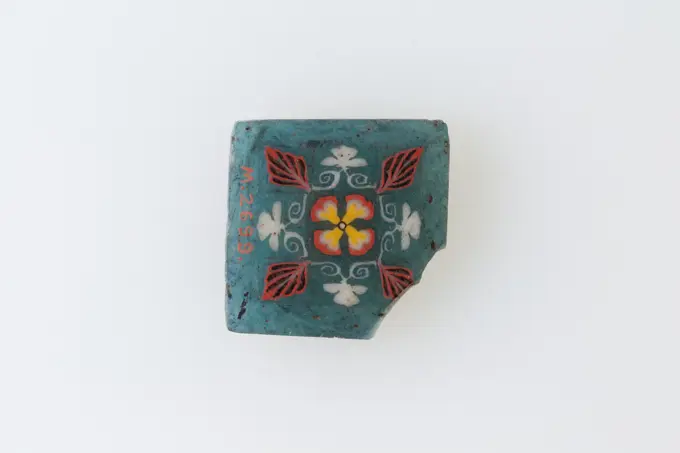
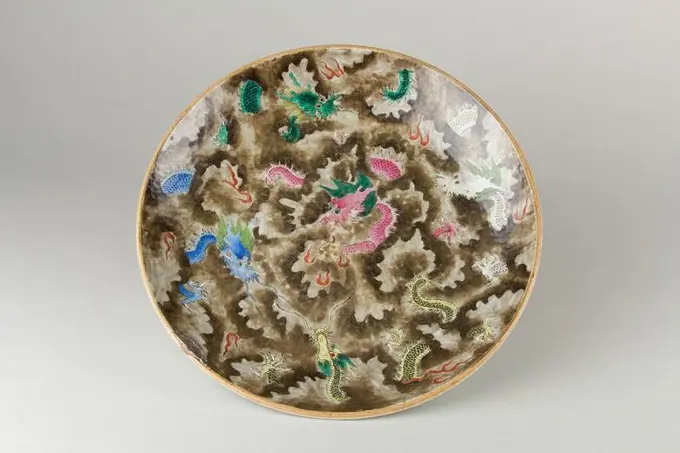
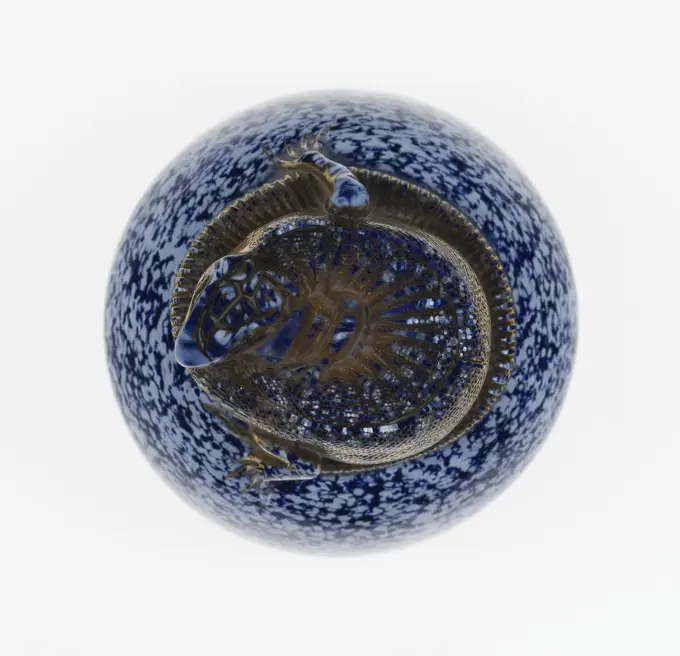
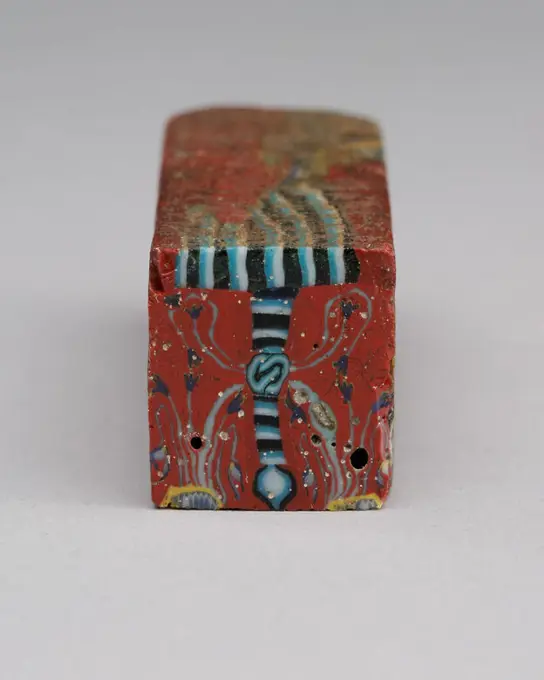
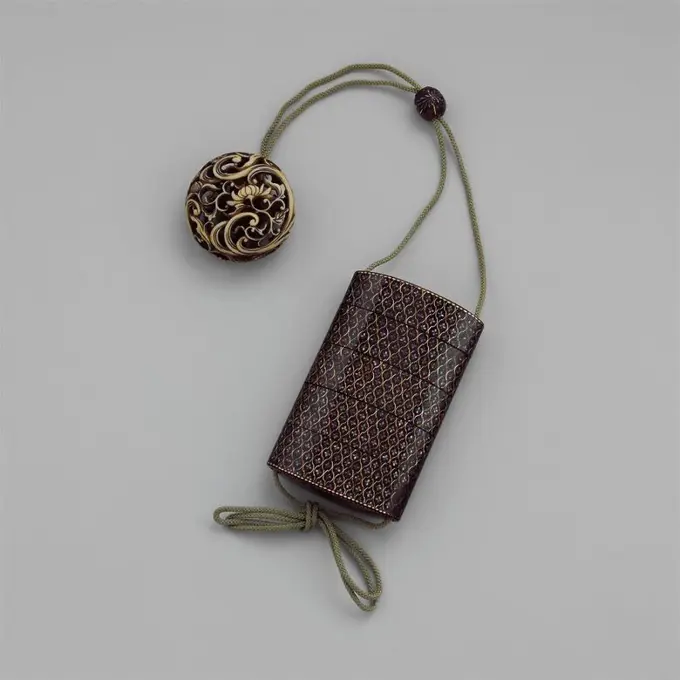
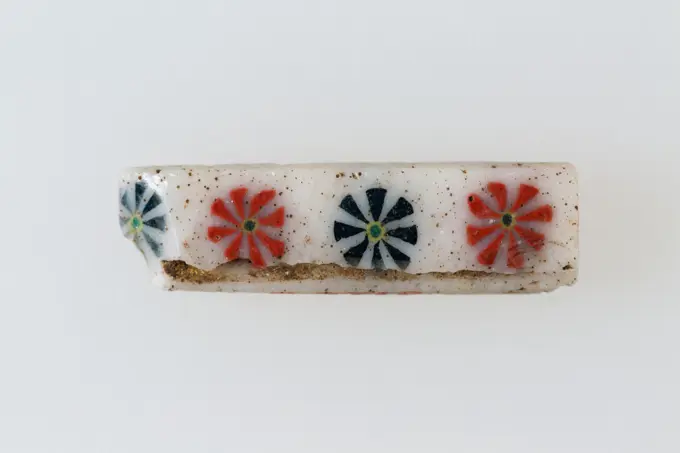
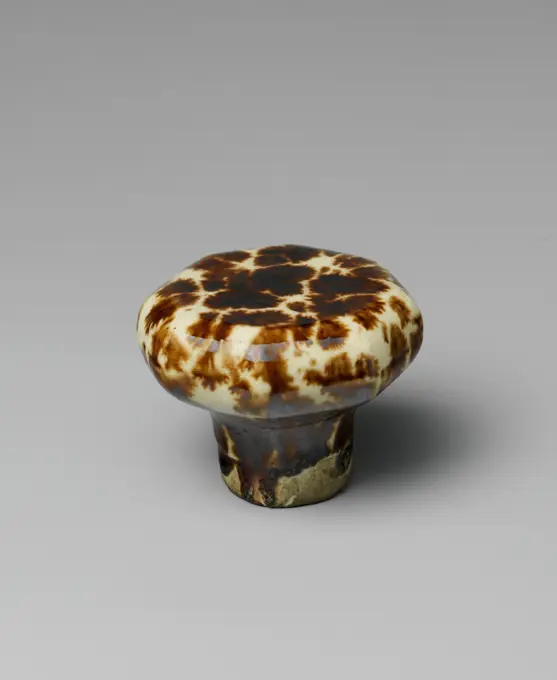
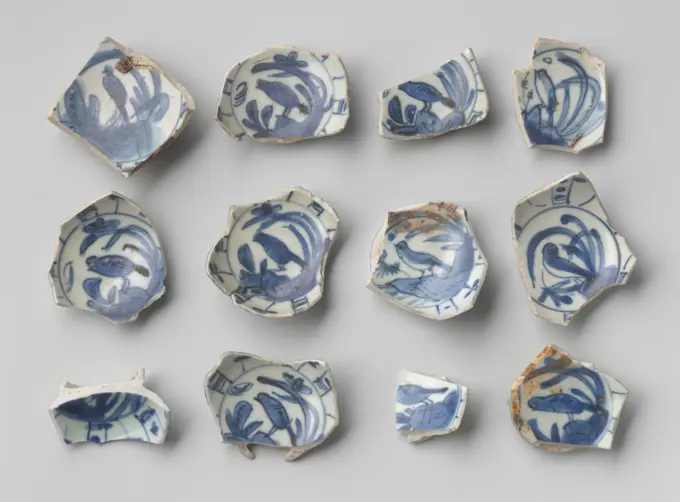
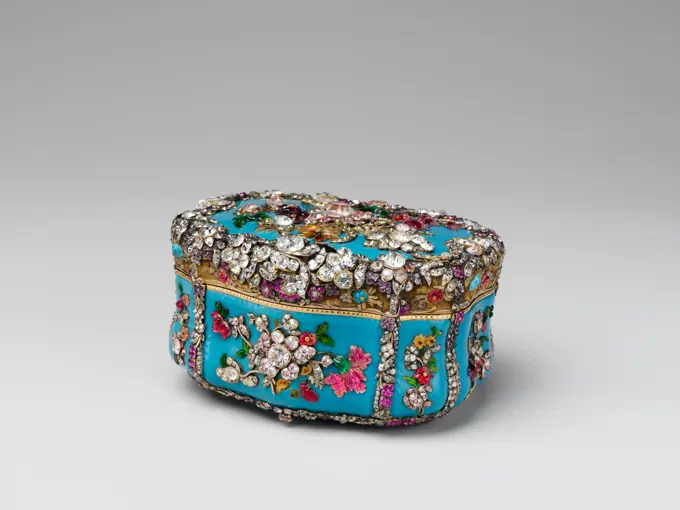
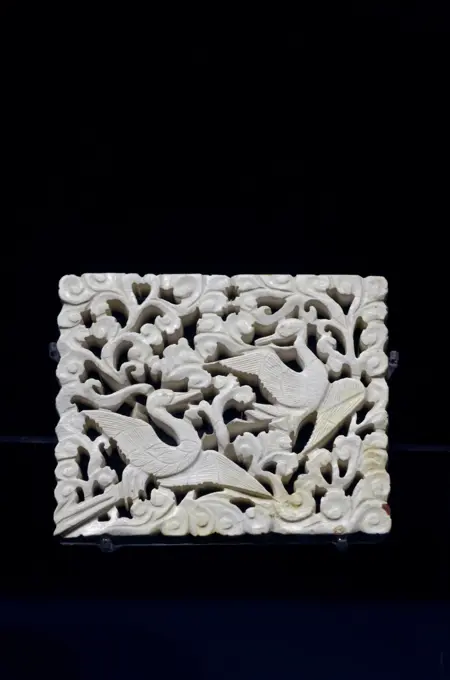
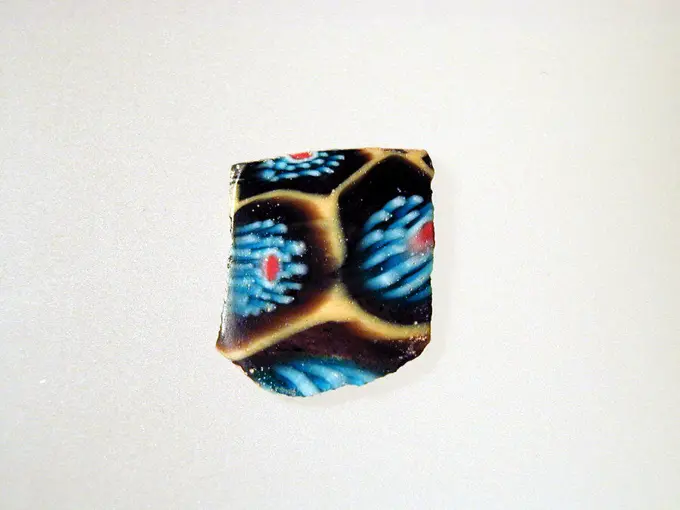
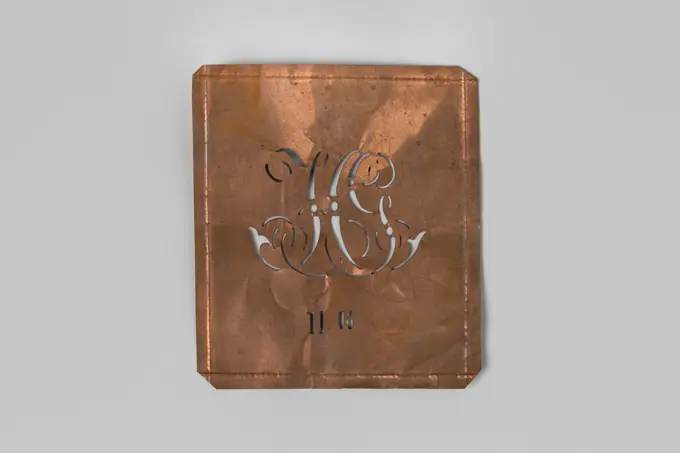
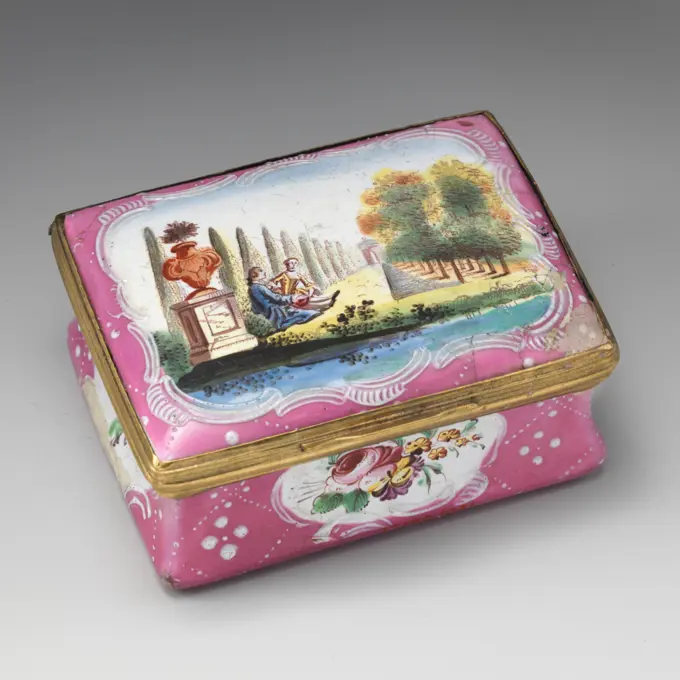
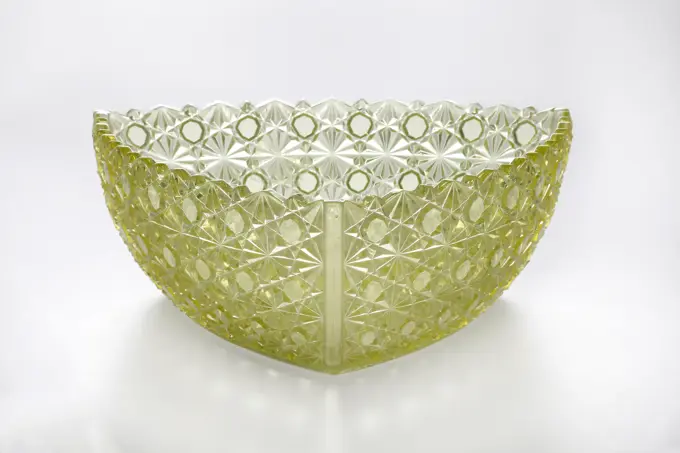
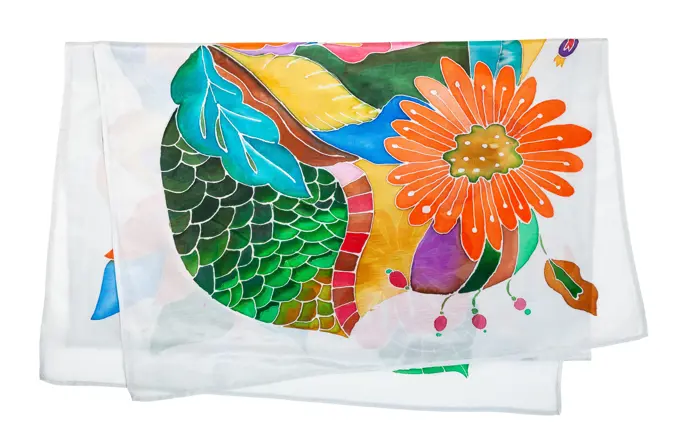
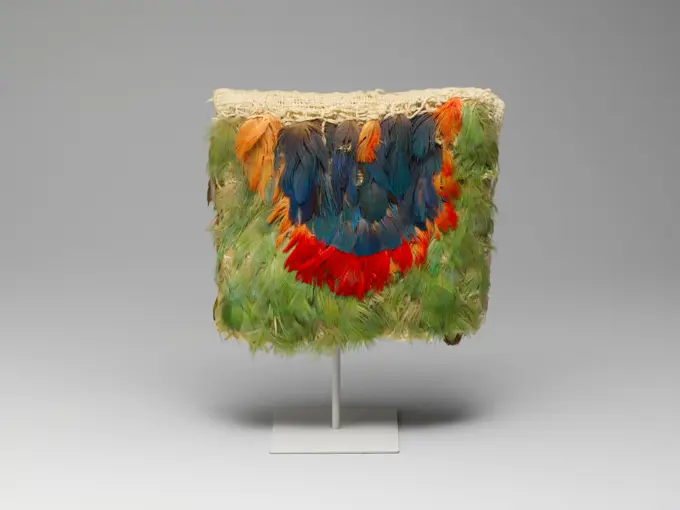
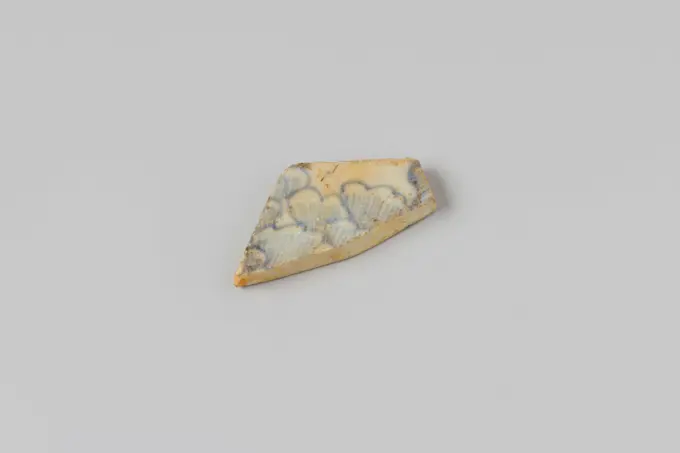
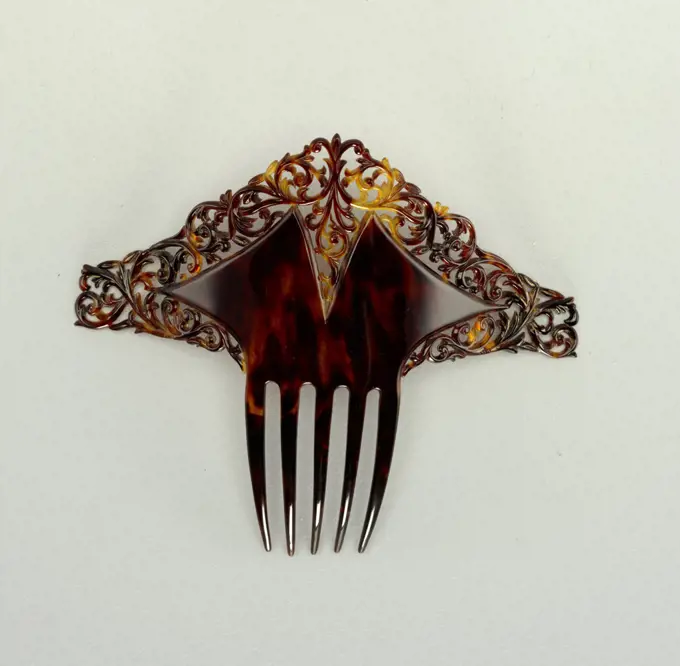
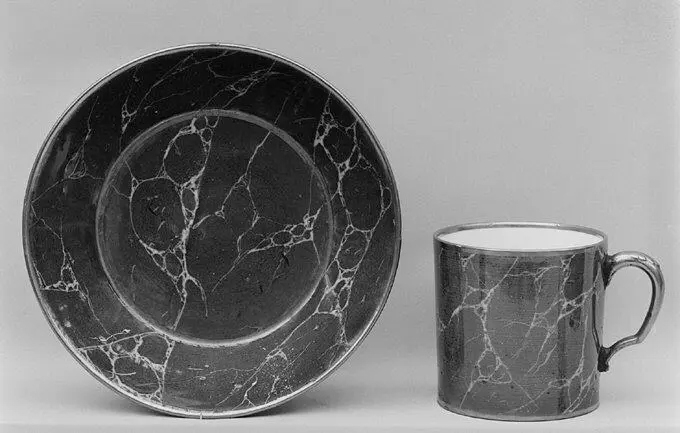
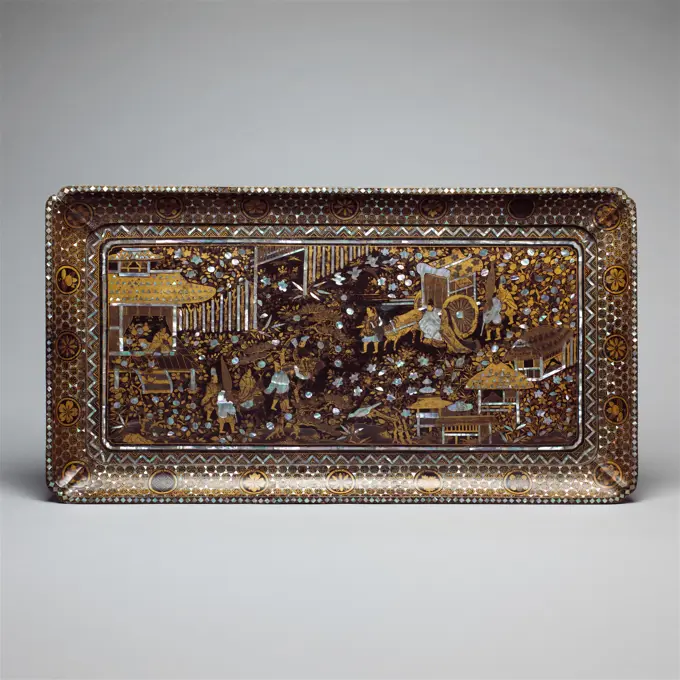
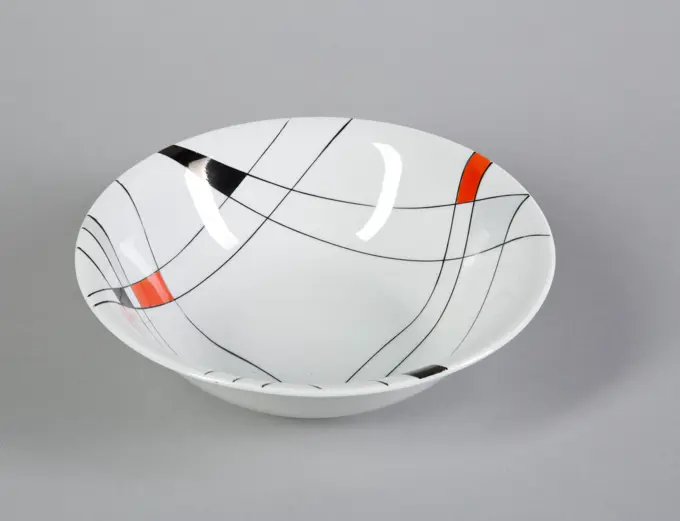
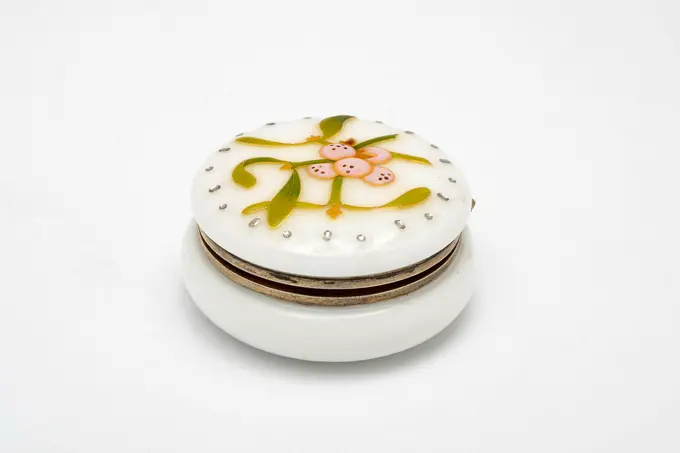
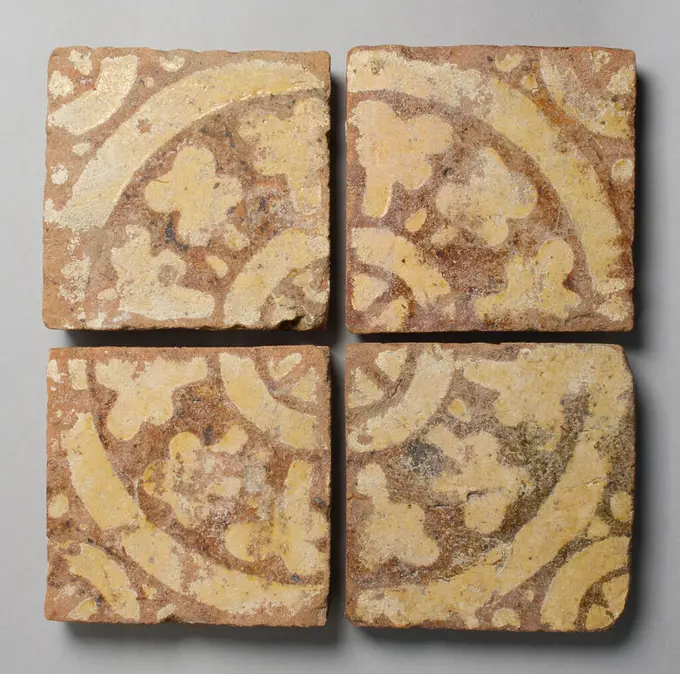
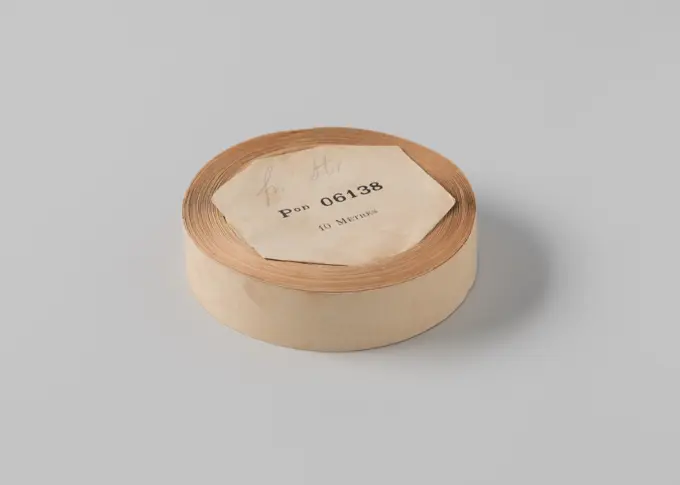
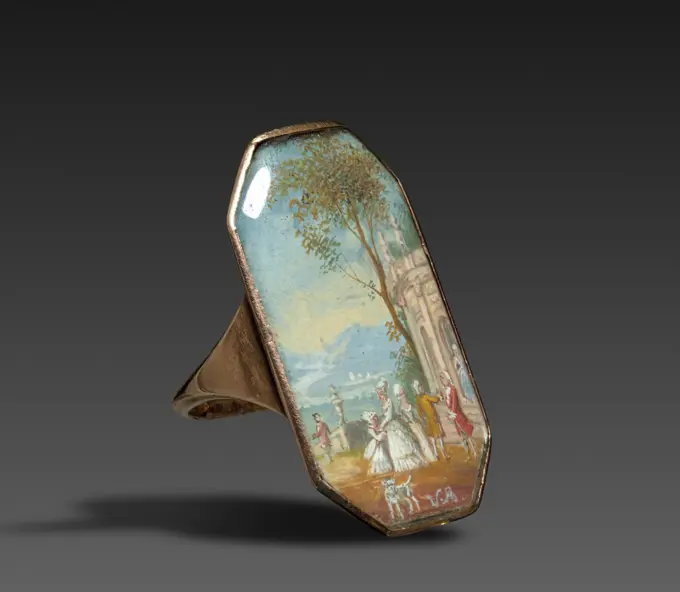
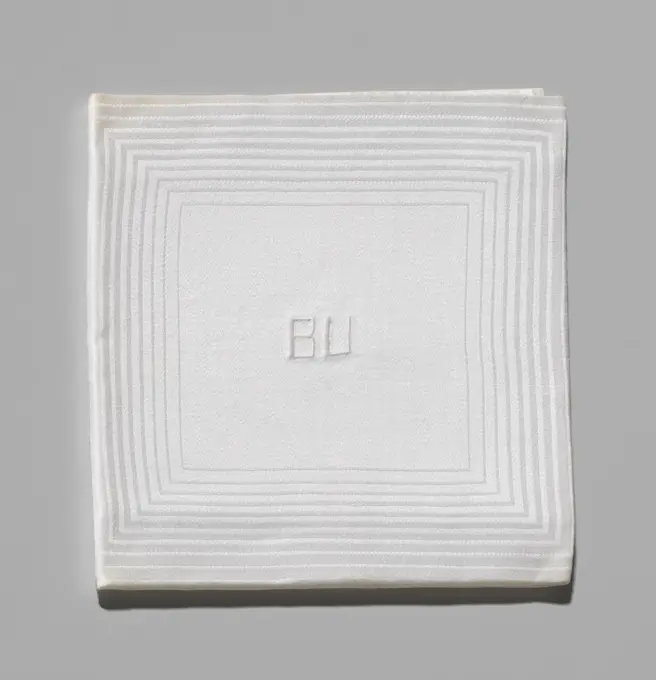
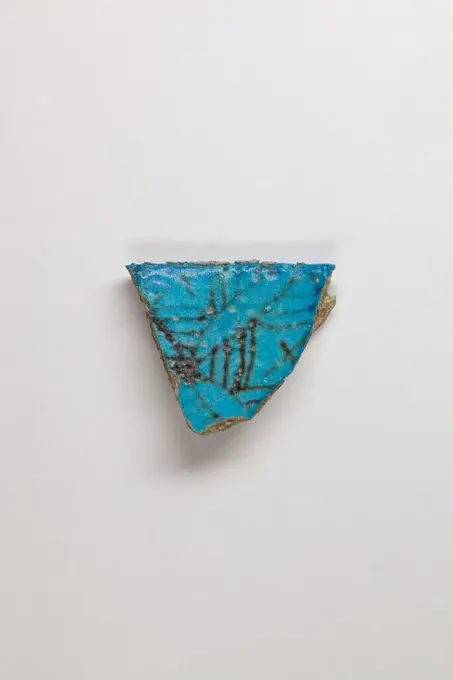
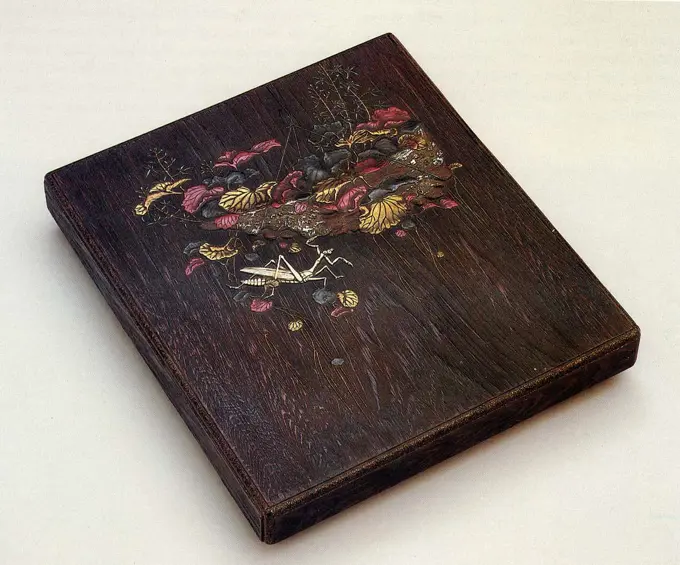
Fragment flower tile with corner decoration and central multi-colored flower arrangement, corner pattern lily, wall tile tile visualization earth discovery ceramics earthenware glaze tin glazing, baked 2x glazed painted Orange green and blue on white archeology Rotterdam rail tunnel Soil discovery: rail tunnel Rotterdam.denarius; Hadrian (76-138; Roman emperor 117-138); 132-134 (132-00-00-134-00-00);Liberalitas (personification), draperies (clothing), heads, abundance hornsPaperweight 1840-1860 Clichy. This paperweight uses a traditional glass-making technique called millefiori to great effect. Italian for ìone thousand flowers,î millefiori was first developed in fifteenth-century Venice. In the nineteenth century, French glassmakers revived the technique with a cultural twist. Arranged to evoke traditional French gardens such as the Tuileries in Paris, paperweights like this example brought a little of this landscaping magic indoors.From the late 1840s to early 1860s, French manufacturers of fine glass and crystalósuch as Baccarat (Alsace), Clichy (Paris), and Saint-Louis (Lorraine)ócatered to the vast public enthusiasm for beautiful yet functional desk accessories. Paperweights, which were designed to secure loose papers against drafts, were among their most popular products.. Glass . Clichy GlasshouseDish in Shape of Japanese Court Woman ca. 1780 Japan The court women of the Heian period (794-1185), characterized by their long flowing hair and multilayered clothing with elaborate and brilliantly juxtaposed patterns, play an important role in Japanese visual arts. Many were writers and poets. Plates such as this can be understood to refer to these famous women as well as to an ideal type.. Dish in Shape of Japanese Court Woman. Japan. ca. 1780. Porcelain decorated with colored enamels over transparent glaze (Hizen ware; Imari type). Edo period (1615-1868). CeramicsShards of deep plate from v.O.c.-ship the 'white lion'. Shards of deep plate from v.O.c. ship the 'white lion', 25% present. Type 1.3.1.Scale, in the form of a rocaille. Scale of pottery, in the form of a rocaille, with blue-running floral decor, belonging to a children's service.Four tiles with flowers. Field of four tiles (2 x 2) each with a multicolored (blue, green, yellow and orange) flower on sphere inside an oval with lily, and in the corners a three tip.TrayPaperweight 1840-1865 Baccarat. Technological improvements to optical scientific instruments in the mid-nineteenth century spurred a veritable obsession across Europe with identifying and classifying the natural world. Amateur botanists were eager to collect and preserve floral specimens, which they intently researched and catalogued. In response to this broad appeal, French glassmakers made paperweights that portrayed the very botanical subjects that were so enthusiastically sought. Many weights represented specimens with horticultural correctness, but others were entirely fanciful creations. Paperweights like this example speak to the periodís fascination with taxonomic systems.From the late 1840s to early 1860s, French manufacturers of fine glass and crystalósuch as Baccarat (Alsace), Clichy (Paris), and Saint-Louis (Lorraine)ócatered to the vast public enthusiasm for beautiful yet functional desk accessories. Paperweights, which were designed to secure loose papers against drafts, Four-case inro showing flowering clover plant, Early 18th century, Koma Kyūhaku, Japanese, died 1715, 3 1/4 × 2 3/16 × 1 in. (8.26 × 5.56 × 2.54 cm), Lacquer (gyobu-nashiji, hiramaki-e, takamaki-e), gold, silver, Japan, 18th century, Wrapping around the inrō, a sprig of bush clover emerges from the nashiji ground. The leaves of the plant are executed in gold maki-e and brown lacquer, and the plants flowers are formed from bursts of bright red lacquer. Large pods are decorated with squares of aogai.Box with beadwork last quarter 17th century British Imported glass beads were used sparingly in English embroidery from the 1630s on. Here, the entire surface of a wooden box is covered with strings of Venetian beads forming a pattern of symmetrical flowers against a dark ground.. Box with beadwork. British. last quarter 17th century. Wood, canvas and beads. Textiles-EmbroideredThe Red Japanese podium show cosmetic product geometric japan style.3D renderingDish with Paulownia Snowflake Design. Japan, circa 1670-1690. Ceramics. Hizen ware, Kakiemon style, Nangawarayama; porcelain with blue underglaze and enamel overglazePaperweight 1843-1860 Baccarat. Technological improvements to optical scientific instruments in the mid-nineteenth century spurred a veritable obsession across Europe with identifying and classifying the natural world. Amateur botanists were eager to collect and preserve floral specimens, which they intently researched and catalogued. In response to this broad appeal, French glassmakers made paperweights that portrayed the very botanical subjects that were so enthusiastically sought. Many weights represented specimens with horticultural correctness, but others were entirely fanciful creations. Paperweights like this example speak to the periodís fascination with taxonomic systems.From the late 1840s to early 1860s, French manufacturers of fine glass and crystalósuch as Baccarat (Alsace), Clichy (Paris), and Saint-Louis (Lorraine)ócatered to the vast public enthusiasm for beautiful yet functional desk accessories. Paperweights, which were designed to secure loose papers against drafts, Inlay, floral square 1st-3rd Century A.D. Roman Period A mosaic glass technique allowed multiples of an image to be created: a figural or design composition was made by bundling colored glass canes, which were then drawn out into a long bar. The bar was then sectioned at right angles, probably by striking the bar with appropriate tools, to produce small inlay tiles. The tile would then be smoothed and polished on the face intended to appear outwards.. Inlay, floral square. 1st-3rd Century A.D.. Mosaic glass. Roman Period. From EgyptTile, Glazed earthenware, Portion of a design composed of strap work and conventionalized foliage; painted in blue and brown., Netherlands, late 16th century, tiles, Decorative Arts, TileDish. Culture: China. Dimensions: H. 2 in. (5.1 cm); Diam. 11.5 in. (29.2 cm). Date: 19th century. Museum: Metropolitan Museum of Art, New York, USA.Paperweight 1840-1865 France. Glass . Compagnie de Saint LouisMosaic glass rod with a sema tawy sign. Dimensions: H. 1.7 × W. 1.6 × L. 5.3 cm (11/16 × 5/8 × 2 1/16 in.). Date: 100 BC-100 AD.A mosaic glass technique allowed multiples of an image to be created: a figural or design composition was made by bundling colored glass canes, which were then drawn out into a long bar like this partially preserved example. The bar was then sectioned at right angles, probably by being struck with appropriate tools, to produce small inlay tiles. The tile would then be smoothed and polished on the face intended to appear outwards. Museum: Metropolitan Museum of Art, New York, USA.Paperweight 1843-1860 France. Technological improvements to optical scientific instruments in the mid-nineteenth century spurred a veritable obsession across Europe with identifying and classifying the natural world. Amateur botanists were eager to collect and preserve floral specimens, which they intently researched and catalogued. In response to this broad appeal, French glassmakers made paperweights that portrayed the very botanical subjects that were so enthusiastically sought. Many weights represented specimens with horticultural correctness, but others were entirely fanciful creations. Paperweights like this example speak to the periodís fascination with taxonomic systems.From the late 1840s to early 1860s, French manufacturers of fine glass and crystalósuch as Baccarat (Alsace), Clichy (Paris), and Saint-Louis (Lorraine)ócatered to the vast public enthusiasm for beautiful yet functional desk accessories. Paperweights, which were designed to secure loose papers against drafts, weInro with Geometric Pattern. Culture: Japan. Dimensions: H. 3 7/16 in. (8.8 cm); W. 2 1/8 in. (5.4 cm); D. 13/16 in. (2.1 cm). Date: first half of the19th century.Although the pearl-shell motifs scattered over the surface of this inro appear floral, the lattice-like structure also identifies the design as an abstract representation of nets. Such a repetitive pattern over the entire surface may reflect the use of stencils to decorate Japanese textiles with small, repetitive patterns by the resist-dye technique, a tradition that flourished in the late eighteenth and nineteenth centuries. Museum: Metropolitan Museum of Art, New York, USA.Tile Wall Facing (Netherlands); tin-glazed earthenware, underglazeThree-Sectional Altar Group: Small Bowl with Carved Dragon (bottom section of base), 1644-1911. China, Qing dynasty (1644-1911). Jade; overall: 7 x 6.7 cm (2 3/4 x 2 5/8 in.); with base: 10.8 cm (4 1/4 in.); lower base: 1.3 x 5 cm (1/2 x 1 15/16 in.); base assembled: 3.8 x 5.5 cm (1 1/2 x 2 3/16 in.).heart of malachite and wedding rings on a white backgroundinlay with row of rosettes 200 BC-100 AD Ptolemaic Period-Roman Period A mosaic glass technique allowed multiples of an image to be created: a figural or design composition was made by bundling colored glass canes, which were then drawn out into a long bar. The bar was then sectioned at right angles, probably by striking the bar with appropriate tools, to produce small inlay tiles. The tile would then be smoothed and polished on the face intended to appear outwards.Such elements could also be used side by side to create repeating patterns.. inlay with row of rosettes. 200 BC-100 AD. Glass. Ptolemaic Period-Roman Period. From EgyptPaperweight 1840-1865 France. This paperweight uses a traditional glass-making technique called millefiori to great effect. Italian for ìone thousand flowers,î millefiori was first developed in fifteenth-century Venice. In the nineteenth century, French glassmakers revived the technique with a cultural twist. Arranged to evoke traditional French gardens such as the Tuileries in Paris, paperweights like this example brought a little of this landscaping magic indoors.From the late 1840s to early 1860s, French manufacturers of fine glass and crystalósuch as Baccarat (Alsace), Clichy (Paris), and Saint-Louis (Lorraine)ócatered to the vast public enthusiasm for beautiful yet functional desk accessories. Paperweights, which were designed to secure loose papers against drafts, were among their most popular products.. Glass . Compagnie de Saint LouisDoorknob ca. 1850 American. Doorknob 3368Shards of Kommen from V.O.C. ship De 'Witte Leeuw', Anonymous, Before 1613 bowl Shards Kraakporcelain from V.O.C. ship De 'Witte Leeuw'. Soil clips. Jingdezhen bone china (material)   Sint-HelenaWall Facing (Holland); tin-glazed earthenware, underglazeTile, blue painted with a ship. Tile, blue painted with a ship, so-called farmer's throw. A spinning head in the corners.chocolate chip cookies on the tableThe Holy Quran in mini size in a heart shaped cageFragment, Viper Grass; Designed by Arthur Wilcock; England; cottonJeweled Snuffbox ca. 1765 German, Berlin Elaborately jeweled in multi-colored floral motifs, this snuffbox was probably commissioned by Frederick II of Prussia (1712-87), along with a group of 125 works of similar design known as the Potsdam boxes.” This is the only glass-bodied piece. The design of all of the boxes have been attributed to the English-born artist Guillaume George Krüger, who was active in Berlin between 1753 and 1774.. Jeweled Snuffbox. German, Berlin. ca. 1765. Glass, gold, silver, diamonds and rubies. SnuffboxesWall Facing (Holland); tin-glazed earthenware, underglazeSymbole von Ostern hölzerne dekorative Eier und Kaninchen auf einem alten braunen Beton oder Stein Hintergrund. Selektiver Fokus. Ansicht von oben. Platz für Text Symbols of Easter wooden decorative eggs and rabbit on an old brown concrete or stone background. Selective focus. Top view. Place for text. LicenseRF Copyright: xZoonar.com/KatsiarynaxHuravax 23179010Shards of Kraaikoppen from V.O.C. ship De 'Witte Leeuw', Anonymous, Before 1613 bowl Shards of Kraaikoppen from V.O.C. ship the 'Witte Leeuw'. Jingdezhen bone china (material)   Sint-HelenaBrush holder China. Brush holder 60973China, Shanghai, Shanghai Museum. Ancient jade collection. Jade ornament with cloud and crane design, c. Song (960-1279 AD)Tile. Tile with a purple-sprinkled fond and blue painted carnations in the corners.Glass mosaic fragment late 1st century B.C.-early 1st century A.D. Roman Rim fragment.Translucent purple, turquoise blue, opaque white, yellow, and brick red.Vertical rim with rounded edge; straight side tapering downward.Mosaic pattern formed from large polygonal sections of a single cane in a purple ground, outlined in yellow, with an inner ground of turquoise blue with two circles of white dots around a white ring and central red rod.Polished exterior; pitting of surface bubbles on exterior; dulling, pitting, and creamy brown weathering and iridescence on interior, edge of rim, and jagged edges.. Glass mosaic fragment 257183beermat drink coaster blank cardboard beermat for a pint of beer Copyright: xZoonar.com/ClaudioxDiviziax 13751777Potted plant. Houseplants in flower pot. Vector bundle of trendy plantsSnuffbox. Honorand: Eli A. Yale, American, 1791-1873. Round box with golden lacquer. On the lid an eagle on a branch. The edge of the box and the lid is mounted with tin.Minimal modern product display on neutral beige background. Wood slice podiums and green leaves. Concept scene stage showcase for new product, promotion sale, banner, presentation, cosmetic. Wood slice podiums on beige background for cosmetic product mockupPaperweight 1840-1865 France. Technological improvements to optical scientific instruments in the mid-nineteenth century spurred a veritable obsession across Europe with identifying and classifying the natural world. Amateur botanists were eager to collect and preserve floral specimens, which they intently researched and catalogued. In response to this broad appeal, French glassmakers made paperweights that portrayed the very botanical subjects that were so enthusiastically sought. Many weights represented specimens with horticultural correctness, but others were entirely fanciful creations. Paperweights like this example speak to the periodís fascination with taxonomic systems.From the late 1840s to early 1860s, French manufacturers of fine glass and crystalósuch as Baccarat (Alsace), Clichy (Paris), and Saint-Louis (Lorraine)ócatered to the vast public enthusiasm for beautiful yet functional desk accessories. Paperweights, which were designed to secure loose papers against drafts, weTemplate of red copper, rectangular, with punched initials 'Hg', very fine. Template of red copper, for initial HG. Rectangular, explained with folding edges and the calligraphic letters at the bottom. Very nice.Ornament China. Ornament. China. Gold. Tang dynasty (618-907). JewelryA platePillow with Fan and Floral Decoration, late 1600s. Japan, Edo period (1615-1868). Porcelain with overglaze color enamel (Hizen ware, Kakiemon type); overall: 7.5 x 10.3 cm (2 15/16 x 4 1/16 in.).Tile with Quatrefoil Design, glass, Square tile of green and yellow variegated glass, with quatrefoil in relief on face. Back has raised parallel strips and grips in four corners., New York, New York, USA, 1880-90, glasswares, Decorative Arts, tile, tileSquare Tray Attributed to Shibata Zeshin. Square Tray. Attributed to Shibata Zeshin (Japanese, 1807-1891). Japan. Wood, maki-e. Meiji period (1868-1912). LacquerChampagne cork front view, vector illustration.Creative concept photo of a cup of coffee made of paper on brown background.Flüssiges 24-karätiges Goldgel auf grünem Hintergrund verschmiert. Schönheit kosmetische Abstrich wie reine transparente Aloe Lotion, Gesichts-Gelee Serum, Reinigungsmittel, Draufsicht Liquid 24k gold gel smear isolated on green background. Beauty cosmetic smudge such as pure transparent aloe lotion, facial jelly serum, cleanser, top view Copyright: xZoonar.com/IrinaxKvyatkovskayax 22736514Scarab ca. 1479-1458 B.C. New Kingdom. Scarab. ca. 1479-1458 B.C.. Faience. New Kingdom. From Egypt, Upper Egypt, Thebes, Deir el-Bahri, Hatshepsut Hole, Hathor Shrine, MMA excavations, 1922-23. Dynasty 18Candle placed  on a piece of wood on a white backgroundPaperweight 1801-1900 Saint-Louis. Glass . Compagnie de Saint LouisMirror fragment of faience plate with bird, in blue on white ground, plate crockery holder soil find ceramic pottery glaze tin glaze, hand turned fried glazed fried Mirror fragment of plate with bird in blue as representation. Plate with slanting edge on the inside only shoulder on the transition from mirror to flag. Flat bottom with minimal soul In the shoulder two circles in blue underside also white glazed archeology Rotterdam City center C.S.-Quarter Schiekade native pottery serve serve decorate food table room Soil discovery: Schiekade second waste pit.Snuffbox, Manufactuur Oud-Loosdrecht, c. 1778 - c. 1782 Porcelain pin box. Rounded on the side, with gilded copper frame. The outdoor surfaces are painted in Sepia on purple oval stock with still lifes of classical architecture parts and parts of images. In the lid a multicolored painting of a girl and a boy with swivel animals in a landscape with tree stumps and monument. Loosdrecht porcelain. copper (metal) Porcelain pin box. Rounded on the side, with gilded copper frame. The outdoor surfaces are painted in Sepia on purple oval stock with still lifes of classical architecture parts and parts of images. In the lid a multicolored painting of a girl and a boy with swivel animals in a landscape with tree stumps and monument. Loosdrecht porcelain. copper (metal)Notched Ovate Bannerstone. Archaic; Blokes Creek, Union Country, Ohio, United States. Date: 5000 BC-4600 BC. Dimensions: 14.5 x 6.4 cm (5 11/16 x 2 1/2 in.). Banded slate. Origin: Ohio. Museum: The Chicago Art Institute, Chicago, USA.Snuffbox ca. 1760-1800 British, Staffordshire. Snuffbox. British, Staffordshire. ca. 1760-1800. Enameled copper. Enamels-PaintedFruit bowl - Daisy & Button pattern Burlington Glass Works Burlington Glass WorksSilver pillow Decorative pillow isolated with clipping path included Copyright: xZoonar.com/Baloncicix 7145509Empty wooden rectangular cutting board on a plain background, flatley with copy space Empty wooden rectangular cutting board on a plain background, flatley with copy space. Kitchen utensils in home kitchen Copyright: xZoonar.com/TetianaxChernykovax 21758059reusable sanitary napkin, eco menstruation concept, white orchidfolded silk scarf with hand-drawn flowers isolated folded silk scarf with floral ornament hand-drawn in cold contour batik technique isolated on white background ,property released Copyright: xZoonar.com/ValeryxVoennyyx 15363021 ,model released, Symbolfoto ,property releasedMiniature Tunic 12th-13th century Ica. Miniature Tunic 312856Palais Royal garden in Paris, France little planet - urban spherical view of Palais Royal from Palais Royal garden in Paris, France isolated on white background Copyright: xZoonar.com/VVxVoennyyx 5712732Zodiac astronomical Clock Tower Torre dell Orologio from st. Mark’s Square Piazza San Marko in Venice, Italy. Isolated on white backgroundTiered Box with Design of Bellflower and Autumn Grasses 18th century Japan. Tiered Box with Design of Bellflower and Autumn Grasses. Japan. 18th century. Black lacquer with powdered gold and silver (maki-e) and mother-of-pearl and pewter inlays. Edo period (1615-1868). LacquerAntique wooden basket embossed flower painting with iron handle, Jodhpur, Rajasthan, India Copyright: xSafatxAli/DinodiaxPhotoxShard of a plate from the wreck of the East India Hollandia.Porcelain, Plate, Type 2; Fragm of Center, SIM. Or 1980-27H2624h.Close-up of ivy-leaves patterned white Christmas cardsComb, Shaped, carved and pierced tortoiseshell, Triangular form of mottled, translucent brown, the edges of intricate pierced scrollwork surrounding a section of solid tortoseshell with a V-shape cut in the center, above five long teeth to fix the comb in the wearer's hair., possibly France, 19th century, jewelry, Decorative Arts, CombCover for a Potpourri Vase, mid 1700s. Saint Cloud Porcelain Factory (French). Soft-paste porcelain; overall: 15 cm (5 7/8 in.).Dinner service (julita)  deep plate Ruszczyński, Edmund (1920 Ca 1995), Wałbrzych, WawelCup (gobelet litron) 1781 Sèvres Manufactory French The fascination with the decorative and artistic qualities of hardstones (pietre dure) was a strong current in European court and aristocratic taste in the sixteenth through nineteenth centuries, and the Sèvres porcelain manufactory acknowledged this taste by occasionally using imitation hardstone surfaces to decorate its products. One of its most ambitious attempts at reproducing the appearance of hardstones can be seen in this cup and saucer (see also 09.129.11b) with matching tray, which simulate malachite and jasper on a porphyry ground. A less complex but equally elegant decoration is found on the cup and saucer painted to imitate lapis lazuli.. Cup (gobelet litron) 191158Tray with Scene from the Tale of Genji early 17th century Japan The size, geometric motifs, and extensive use of pearl shell suggest that this tray may have been intended for trade to Europe. The imagery, however, derives from the Tale of Genji, one of Japans most famous literary works. Written by Lady Murasaki Shikibu (ca. 978-ca. 1014), this lengthy book traces the customs of the aristocratic society and the tumultuous love life of Hikaru Genji, a distant member of the imperial family. The tray illustrates a moment when Genji (seated in the cart and not visible) passes by a former illicit lover while traveling. Both are assailed by bittersweet memories as they glimpse each other in passing.. Tray with Scene from the Tale of Genji 64073Dinner service (julita)  bowl Ruszczyński, Edmund (1920 Ca 1995), Wałbrzych, WawelOrnament, Christmas tree, Dough, Yellow and red apple., USA, 1850-99, Decorative Arts, Ornament, Christmas treeJapanese FanPlaque ca. 1885-86 James Priestman. Plaque 20757Plaque in the shape of a dragon 10th-11th century China. Plaque in the shape of a dragon 39830Pill muts. Gift by Mr. Udo Thomale, GehrdenFour Two-Colored Tiles. Culture: British. Dimensions: Overall (each approx.): 4 1/8 x 4 1/8 in. (10.5 x 10.5 cm). Date: late 14th century. Museum: Metropolitan Museum of Art, New York, USA.Roll with white ribbon with one frayed silk and three black horizontal stripes, c. 1930 Roll with white ribbon with one frayed silk and three black horizontal stripes. Nijmegenfrance textile materials. cardboard. paper Roll with white ribbon with one frayed silk and three black horizontal stripes. Nijmegenfrance textile materials. cardboard. paperMiniature Ring, 1800s. France, 19th century. Miniature mounted in gold; overall: 3.1 x 1.6 cm (1 1/4 x 5/8 in.).FanNapkin with geometric pattern and the initials BU, c. 1935 Napkin from white Linnamast with woven geometric pattern and the embroidered initials BU (Brusse-Urtebise). North Brabant linen (material) damask / embroidering Napkin from white Linnamast with woven geometric pattern and the embroidered initials BU (Brusse-Urtebise). North Brabant linen (material) damask / embroideringGlass Fragment 14th century European. Glass Fragment. European. 14th century. Pot metal glass. Glass-StainedVase fragment. Dimensions: h. 2.5 cm (1 in); w. 3.2 cm (1 1/4 in). Dynasty: Dynasty 12-13. Date: ca. 1981-1640 B.C.. Museum: Metropolitan Museum of Art, New York, USA.Nine interlocking tiles, anonymous, c. 1250 - c. 1324 Nine tile field matching tiles covered with a monchrome dark blue or turquoise glaze. Iran earthenware. glaze vitrification Nine tile field matching tiles covered with a monchrome dark blue or turquoise glaze. Iran earthenware. glaze vitrificationEmbossing on antique wooden boxes, Jodhpur, Rajasthan, India Copyright: xSafatxAli/DinodiaxPhotoxWriting box with design of praying mantis Ogawa Haritsu (Ritsuō). Writing box with design of praying mantis 40488Box with lid, c. 1700 - c. 1850 Elongated box with overhanging lid. Lacquerwork, decorated in Makie with chrysanthemums flowering on the top of the lid. Japan lacquer (coating) Elongated box with overhanging lid. Lacquerwork, decorated in Makie with chrysanthemums flowering on the top of the lid. Japan lacquer (coating)Rim Fragment of a Glass Vessel ca. 1427-1400 B.C. New Kingdom. Rim Fragment of a Glass Vessel. ca. 1427-1400 B.C.. Glass. New Kingdom. From Egypt. Dynasty 18Vase with leaf decorations, the porcelaine bottle, 1880 - c. 1920 Vase of earthenware, on a round base above which a thickening a stretched narrower body ends in slightly outstanding mouth edge. Decoration of three branches with leaves separated by pointed ornaments. Colors: green, yellow and black. Delft earthenware. glaze Vase of earthenware, on a round base above which a thickening a stretched narrower body ends in slightly outstanding mouth edge. Decoration of three branches with leaves separated by pointed ornaments. Colors: green, yellow and black. Delft earthenware. glazeBasket, 20th century, 4 3/8 x 14 1/4 in. (11.11 x 36.2 cm), Plant fibers, Ethiopia, 20th century