Decorative Ceramics Collection

A selection of beautifully designed ceramic tiles featuring floral and fruit motifs, showcasing intricate patterns and vibrant colors, highlighting artistic craftsmanship.

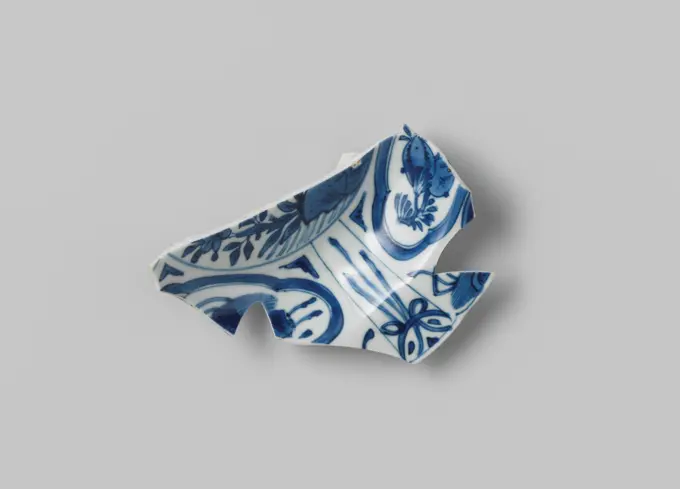
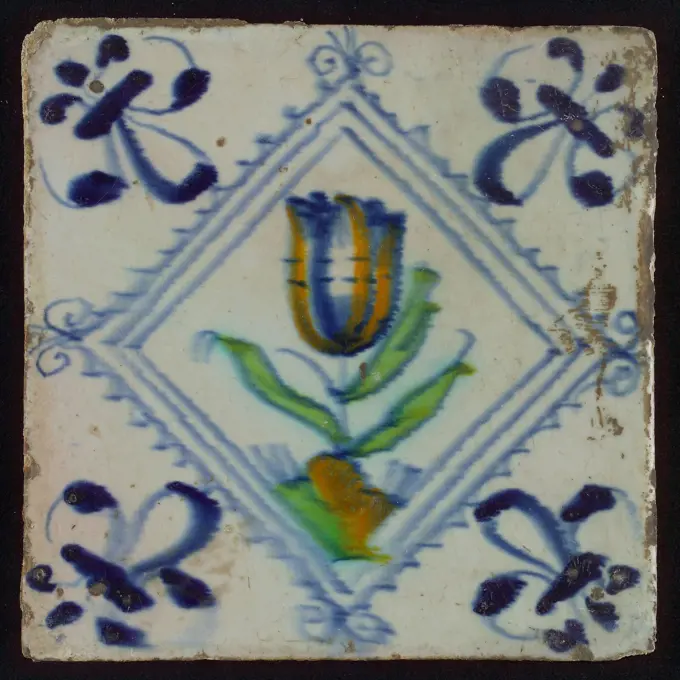
Tile, blue on white, centrally flower inside star shape, three-piece around, half rosette, corner pattern lily, wall tile tile sculpture ceramic earthenware glaze, baked 2x glazed painted 'Haarlem tile'. Yellow ruddy and red shard square Two or four nail holes. AIb3 Haarlem
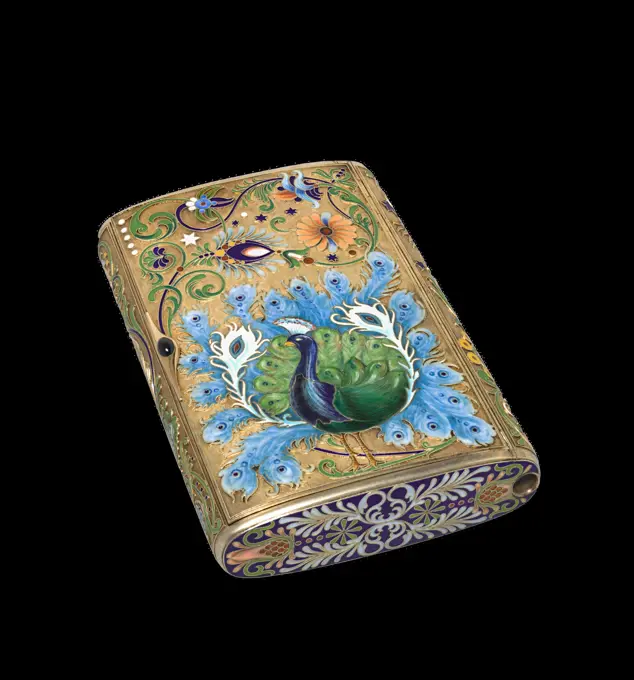
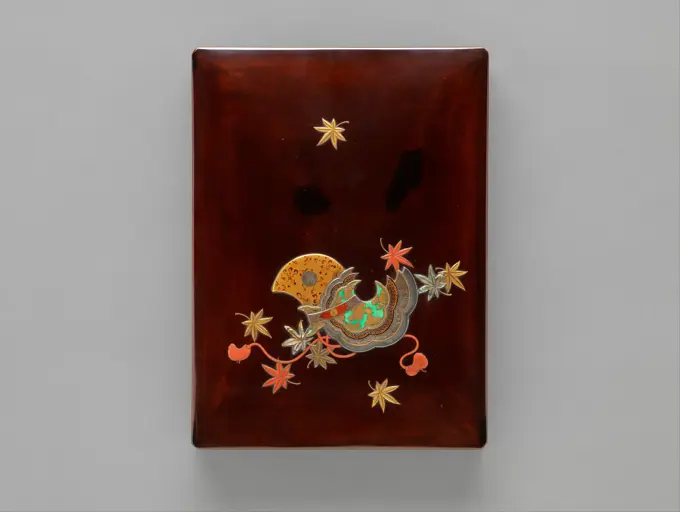
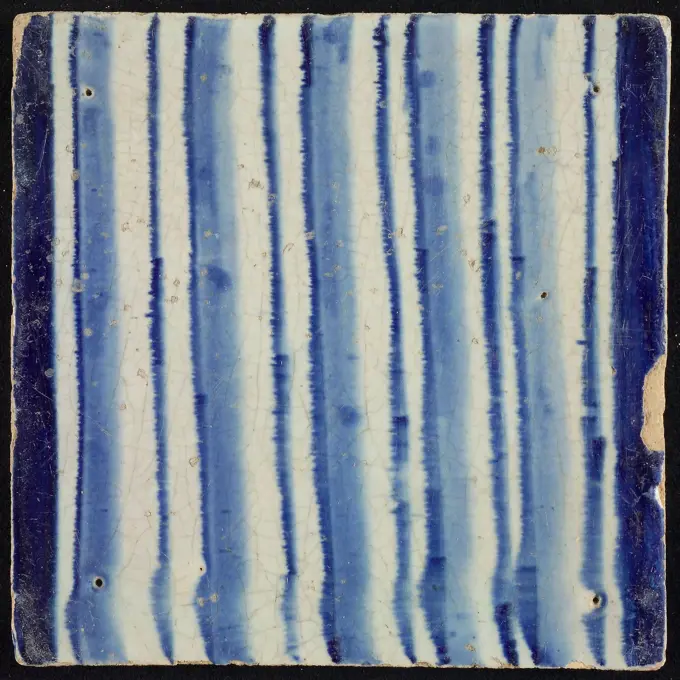
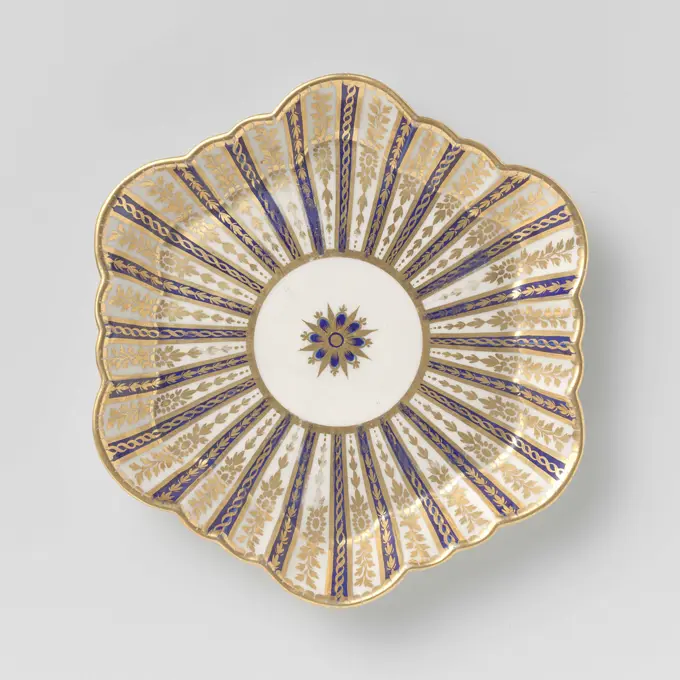
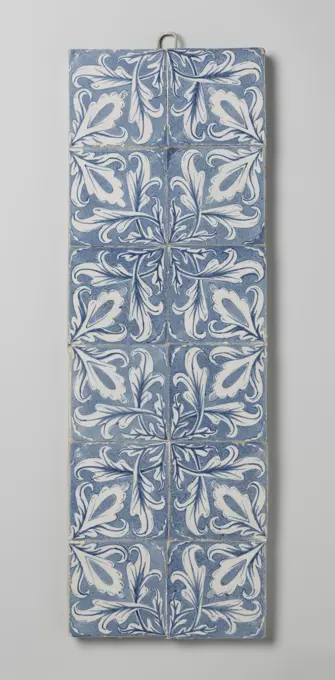
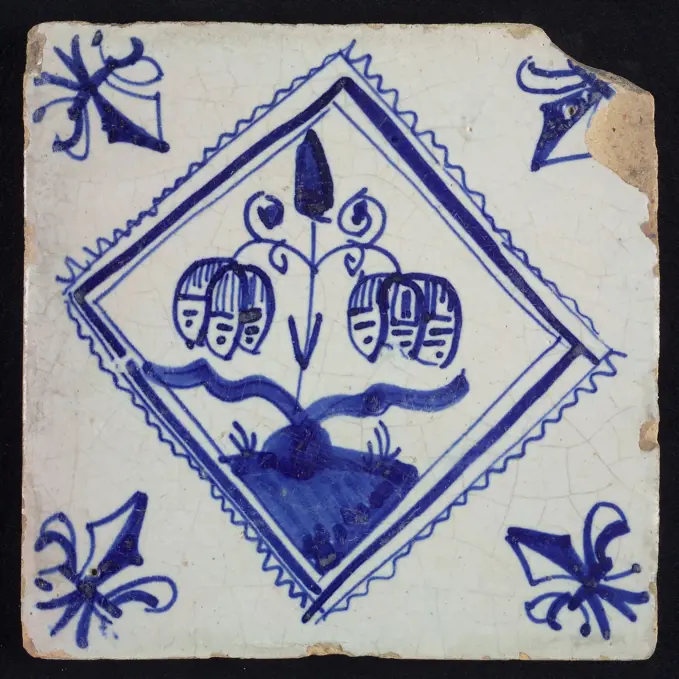
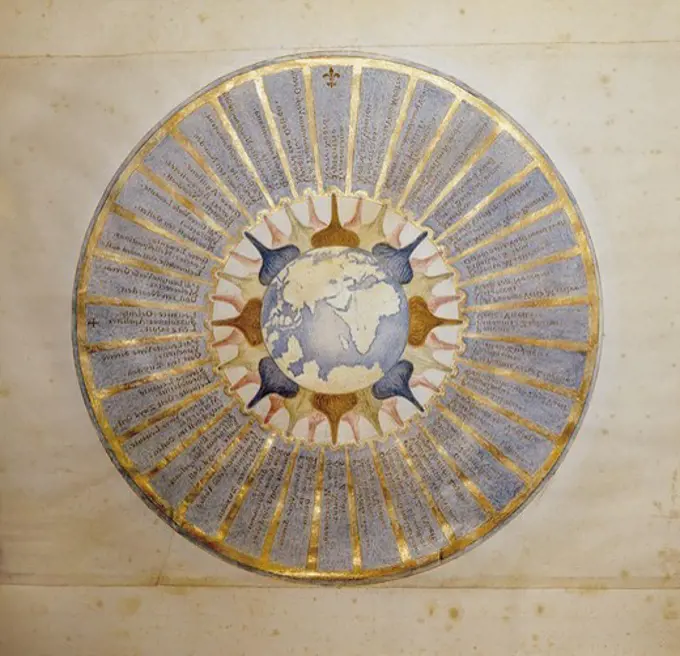
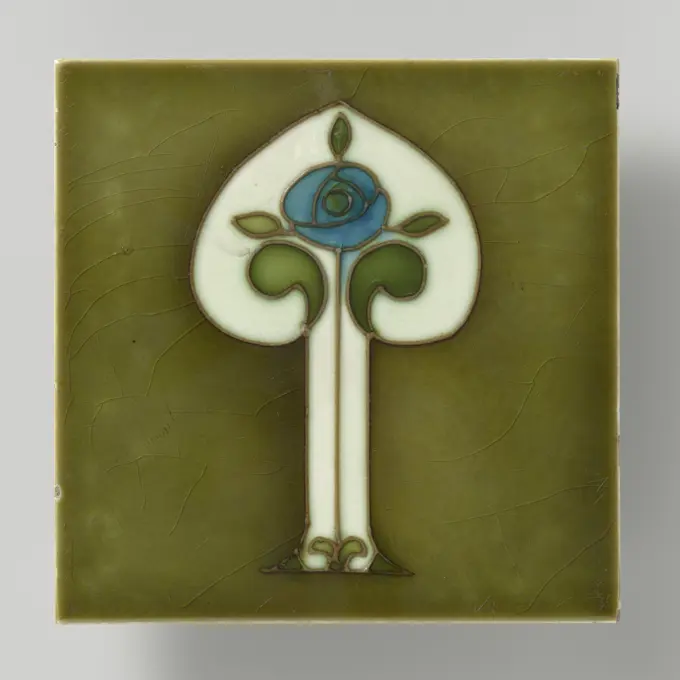
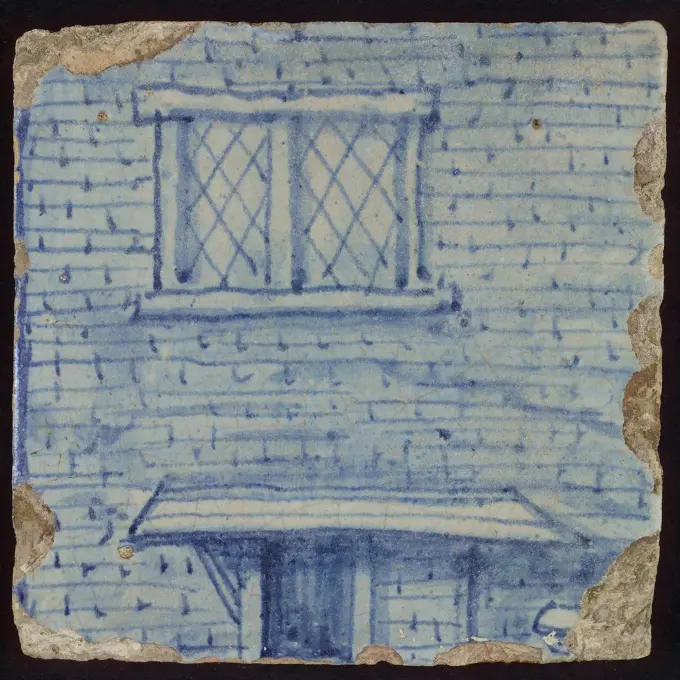
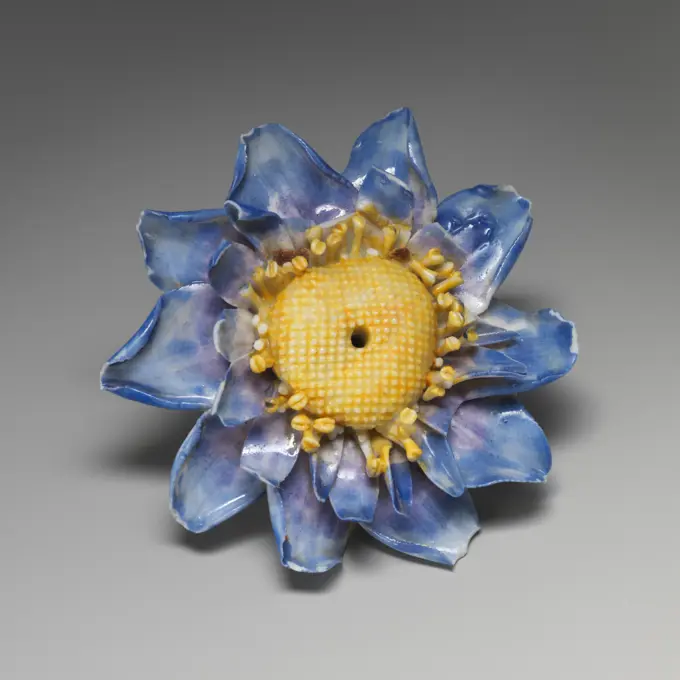
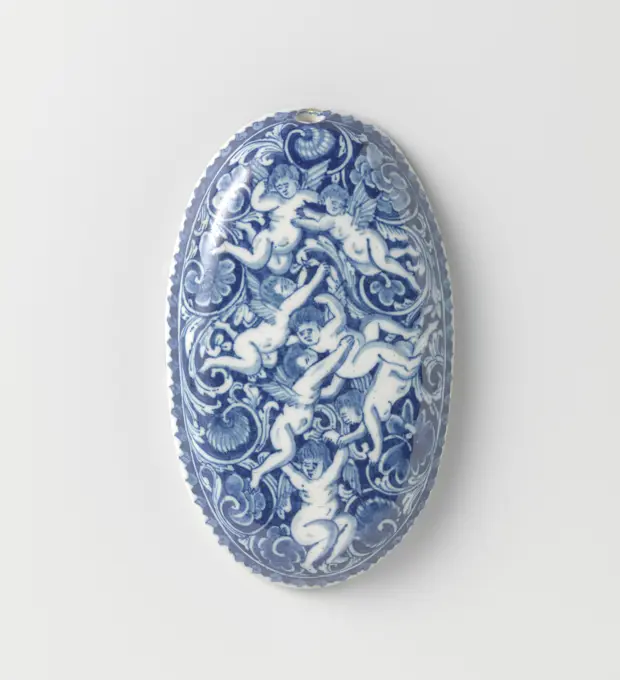
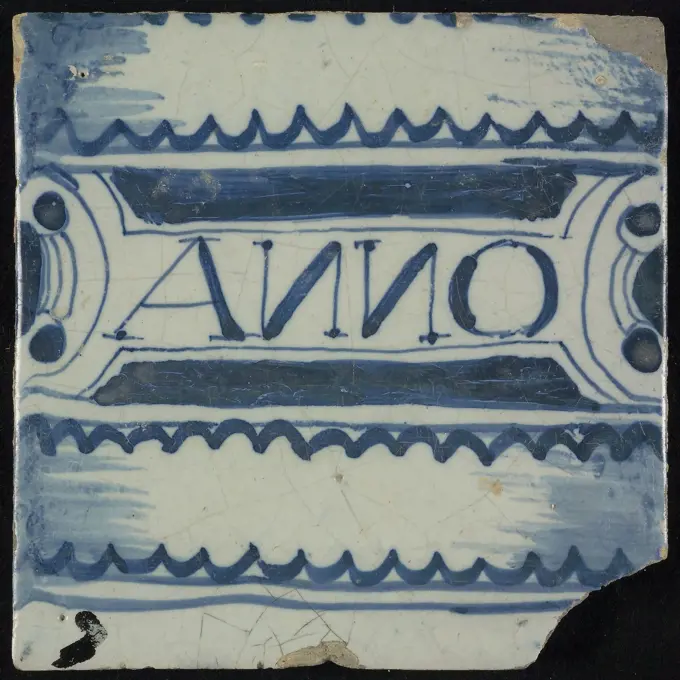
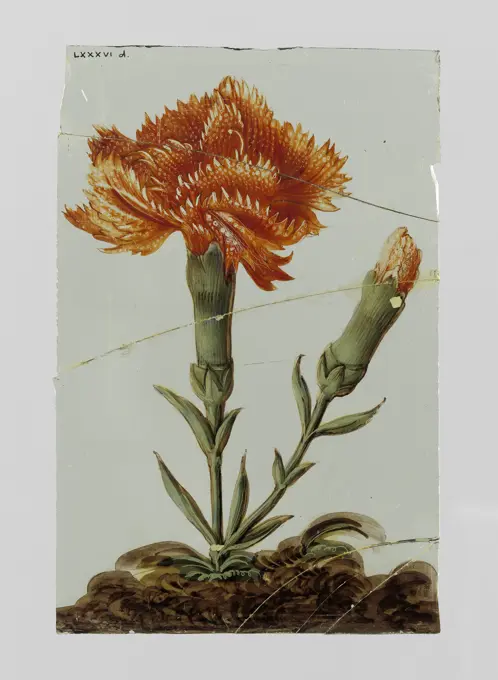
Flower tile with large flower pot, blue decor on white ground, corner filling: ox head, wall tile tile image ceramics pottery glaze tin glaze, in form made baked glazed painted baked Wall tile with blue decor on white background. Flower tile with large flowerpot as central idea. Soft red shard. Corner filling: ox head. Scraped pottery Strange gold colored iridescence in the glaze on the dark blue decor. Slightly sloping sides Marked at the rear In paint on the back: three crosses of indigenous potteryPlanets-manager. Cornalet Collection Sites 2013-2016. Numismatic.Paperweight 1840-1865 Baccarat. This paperweight uses a traditional glass-making technique called millefiori to great effect. Italian for ìone thousand flowers,î millefiori was first developed in fifteenth-century Venice. In the nineteenth century, French glassmakers revived the technique with a cultural twist. Arranged to evoke traditional French gardens such as the Tuileries in Paris, paperweights like this example brought a little of this landscaping magic indoors.From the late 1840s to early 1860s, French manufacturers of fine glass and crystalósuch as Baccarat (Alsace), Clichy (Paris), and Saint-Louis (Lorraine)ócatered to the vast public enthusiasm for beautiful yet functional desk accessories. Paperweights, which were designed to secure loose papers against drafts, were among their most popular products.. Glass . Baccarat GlassworksFan-shaped dish with a water landscape, anonymous, c. 1700 Fan -shaped bowl of porcelain, painted in under -glaze blue. The ribs of the fan are opened and covered with blue with a flower in reserve at the bottom. The part with the show is slightly deepened and shows a river landscape with two people in boats, a 'go' playing couple on the banks, pavilions, trees and mountains. The outer wall with hanging branches. The dish is on three loop -shaped legs. Marked on the outside wall with an unidentified brand. Arita, Blauw-Wit. Japan porcelain. glaze. cobalt (mineral) painting / vitrification Fan -shaped bowl of porcelain, painted in under -glaze blue. The ribs of the fan are opened and covered with blue with a flower in reserve at the bottom. The part with the show is slightly deepened and shows a river landscape with two people in boats, a 'go' playing couple on the banks, pavilions, trees and mountains. The outer wall with hanging branches. The dish is on three loop -shaped legs. MarkedDish with multi -colored flower decor, Wilkinson Ltd, c. 1930 - c. 1940 Dishes of earthenware, multi -colored painted with floral decor. Part of tea set. England earthenware. uranium oxide Dishes of earthenware, multi -colored painted with floral decor. Part of tea set. England earthenware. uranium oxideFragment sign from V.O.C. ship De 'Witte Leeuw', Before 1613 plate (dishes) Fragment sign from V.O.C. ship the 'Witte Leeuw'. Jingdezhen bone china (material)   Sint-HelenaTile with jumping deer, anonymous, c. 1700 - c. 1800 Majolica-tile, painted in blue. In a circle a deer jumping to the left. Talavera de la Reina earthenware. tin glaze majolica Majolica-tile, painted in blue. In a circle a deer jumping to the left. Talavera de la Reina earthenware. tin glaze majolicaNotebook - Notebook belonging to Thomas MolsonWall Tile- Oval Medallion or Ornament, c 1600s. Spain, 17th century. Glazed ceramic; overall: 8.4 x 6.7 cm (3 5/16 x 2 5/8 in.).Field of sixteen tiles. Field of sixteen tiles (4 x 4) each with a blue painted rider inside a scallop circle surrounded by tiny purple with in the corners, a heart in filling technology.Fragment sign from V.O.C. ship De 'Witte Leeuw', Before 1613 plate (dishes) Fragment sign from V.O.C. ship De 'Witte Leeuw', 40 present. Jingdezhen porcelain. bone china (material)   Sint-HelenaTile with blue ornaments, tile pilaster footage fragment ceramic pottery glaze, d 1.5Floral Plaque Fragment. Unknown 1st century B.C.Writing Box with Design of Maple Leaves and Bugaku Hat from the Tale of Genji 18th century Style of Ogawa Haritsu (Ritsuō) Japanese A Bugaku hat and scattered maple leaves evoke the aura of the fictional prince Genji, the ideal Heian gentleman of sensitivity, elegance, and accomplishment. The images recall the episode in The Tale of Genji (Momijiga) in which the prince and his friend awe guests during an autumn festival at the palace with their dancing to "Waves of the Blue Sea," a piece that came into Japanese court music and dance from Tang China.. Writing Box with Design of Maple Leaves and Bugaku Hat from the Tale of Genji 44940Tile of chimney pilaster, blue on white, part of column with continuous fluke, chimney pilaster tile pellet image fragment ceramic earthenware glaze, baked 2x glazed painted Four connecting tiles of single row chimney pilaster originally twelve high Red and yellow shard four nail holes 6 provided with mark consisting of single circle divided into quarters with in each part dot 1914 construction city hall Zandstraat-quarters Second World War war bombardment Rotterdam City Center Stadsdriehoek 1940 renaissance Originating from rubble after bombing on Rotterdam in May 1940.Dish, the ribs alternately blue and white, separated by golden piping. Dish for under the milk jug. Ribbed, the edges serrated. The ribs separated by vertical golden piping. Dark blue caves (Blue du ROI), the ribs white, on which a decoration of leafwork and braid band. The edges gilt, gilt inside serrated. Marked in underglaze blue.Tile with grape food. Tile decorated with a grape food.Tegelveld of twelve tiles, Anonymous, 1725 - 1775 Tile field of tiles with blue painted -saved leaf ornament. Originally consisting of 12 tiles (6 x 2); Of these, 1 was loosened (see BK-KOG-2552-1). Netherlands earthenware. tin glaze majolica Tile field of tiles with blue painted -saved leaf ornament. Originally consisting of 12 tiles (6 x 2); Of these, 1 was loosened (see BK-KOG-2552-1). Netherlands earthenware. tin glaze majolicaPlate, 18th-19th century, Unknown Japanese, 1 3/8 × 11 3/16 × 11 3/16 in. (3.49 × 28.42 × 28.42 cm), Glazed porcelain, Japan, 18th-19th centuryDish belonging to lid pot, painted with flowers in pink and gold. Dish painted with flower branches in pink and gold and with tires with geometric patterns. Belongs to lid pot.Figure tile, blue with Chinese, Barrel on the ground, man holds rope with weight in his hands, corner pattern spider, wall tile tile sculpture ceramic earthenware glaze, baked 2x glazed paintedFlower tiling with three-tier in serrated square, blue decor on white ground, corner filling lily, wall tile tile sculpture ceramic earthenware glaze tin glaze, in form made baked glazed painted baked Wall tile with blue decor on white fond. Flower Tile with three-tier in serrated square or square Two drooping flowers are opened the upper one is flower bud Orange Red Shard Decor is very bright dark blue. Shaved pottery. Corner filling lily Slightly sloping sides of indigenous potteryPaperweight 1843-1853 France. The colorful geometric clusters embedded in this paperweight reflect the nineteenth-century European fascination with optical effects. Sir David Brewster invented the kaleidoscope in 1815, and its colorful and changing patterns brought great visual entertainment. Paperweights such as this example reformed this childlike pastime for a sophisticated adult audience. Depicted in glass were tiny glittering flowers, small black and blue cameos of figures, and even miniature bottlecaps. These were delicately arranged within the orb for the observant eye to discover.From the late 1840s to early 1860s, French manufacturers of fine glass and crystalósuch as Baccarat (Alsace), Clichy (Paris), and Saint-Louis (Lorraine)ócatered to the vast public enthusiasm for beautiful yet functional desk accessories. Paperweights, which were designed to secure loose papers against drafts, were among their most popular products.. Glass . Compagnie de Saint LouisScale with a multicolored landscape in a medallion saved in a geometric pattern. Around dish with a multicolored landscape in a locket spared in a purple geometric pattern. Marked with two crossed swords and three dumplings in underglazing blue.Compass rose (1650). In the center, the western hemisphere. UNITED KINGDOM. ENGLAND. London. Greenwich. National Maritime Museum.Conical Flattened Bead 500-600 Frankish Beads from Frankish necklaces exhibit a stunning variety of patterns, colors, and forms. Though the beads seen here were made in the seventh century, the particular combination in which they were strung together is a creation of the late nineteenth century, when the beads were first found in graves.. Conical Flattened Bead 464796 Frankish, Conical Flattened Bead, 500600, Glass, Overall: 1 1/2 x 3/8 in. (3.8 x 1 cm). The Metropolitan Museum of Art, New York. Gift of J. Pierpont Morgan, 1917 (17.191.108)Paperweight 1840-1865 Baccarat. The colorful geometric clusters embedded in this paperweight reflect the nineteenth-century European fascination with optical effects. Sir David Brewster invented the kaleidoscope in 1815, and its colorful and changing patterns brought great visual entertainment. Paperweights such as this example reformed this childlike pastime for a sophisticated adult audience. Depicted in glass were tiny glittering flowers, small black and blue cameos of figures, and even miniature bottlecaps. These were delicately arranged within the orb for the observant eye to discover.From the late 1840s to early 1860s, French manufacturers of fine glass and crystalósuch as Baccarat (Alsace), Clichy (Paris), and Saint-Louis (Lorraine)ócatered to the vast public enthusiasm for beautiful yet functional desk accessories. Paperweights, which were designed to secure loose papers against drafts, were among their most popular products.. Glass . Baccarat GlassworksTile; tin-glazed earthenware, underglaze manganese decorationcircle from syenite with eudialyte and aegirine polished circle from natural syenite lujaurite rock with purple eudialyte mineral and black aegirine crystals isolted on white background Copyright: xZoonar.com/ValeryxVoennyyx 14990004Panel late 15th century. Panel 445088Tile, tulip on ground in orange, green and blue on white, inside serrated square with plume, corner pattern french lily, wall tile tile sculpture ceramic earthenware glaze, baked 2x glazed paintedPlate, Léon Parvillée, French, 1830 - 1885, Enamel-painted, glazed and gilt earthenware, Circular plate with gold colored crosshatched ground deecorated with scene of colorful bird (parrot) with outstretched wings on tall stalks of purple and yellow followering plants., France, ca. 1870, ceramics, Decorative Arts, PlateLandscape tile with tower, blue decor on white ground, no corner fill, wall tile tile sculpture ceramic earthenware enamel tinglage, in form made baked glazed painted baked Wall tile with blue decor on white ground Central representation small landscape with derelict tower The excesses high on the tower growing suggest ruin. brown-yellow shard No corner filling. Slightly sloping sides of indigenous potterySword Guard (Tsuba). Culture: Japanese. Dimensions: H. 2 7/8 in. (7.3 cm); W. 2 5/8 in. (6.7 cm); thickness 1/4 in. (0.6 cm); Wt. 4.3 oz. (121.9 g). Date: ca. 1615-1868. Museum: Metropolitan Museum of Art, New York, USA.Field of four tiles with hunters and animals, Anonymous, c. 1580 - c. 1625 Field of four tiles (2 x 2) each with a multicolored (blue, orange, yellow, green and purple) hunter or animal on a ground within a squared. In the corners, ornament in Vultechniek. Netherlands earthenware. tin glaze majolica Field of four tiles (2 x 2) each with a multicolored (blue, orange, yellow, green and purple) hunter or animal on a ground within a squared. In the corners, ornament in Vultechniek. Netherlands earthenware. tin glaze majolicaChopping boardSaucer China. Saucer 47213Cigar Box, c. 1896-1908. Attributed to Feodor Ivanovich Rückert (Russian, 1840-1917), House of Fabergé (Russian, 1842-1918). Silver gilt, enamel, sapphire set in gold; reproduction silk tinder cord, gold and moonstone catch; 20.2 x 13.5 x 4.2 cm (7 15/16 x 5 5/16 x 1 5/8 in.). Fabergé’s craftsmen in Moscow became known for their work in the pan-Slavic or neo-Russian taste, hearkening back to 17th-century styles of Russian folk decoration. In this whimsically oversized box for cigars or loose tobacco, Fabergé used the technique to highlight a symbol of imperial royalty, the preening peacock, here rendered in brilliant hues of blue and green enamels.Shards of a dish from the wreck of the East India Hollandia.Porcelain, Saucer, type 4; Fragm or base, sim. Or 1980-27H3206.Half of a sawn -through brooch from Email, 1998 Half of a sawn -through brooch from email with floral decoration in red long distance; The other half of the brooch is processed in a pendant composed of sawn jewelry on the cord chain of silver. The sawn -through jewelry comes from Marjan Unger's mother. maker: NetherlandsBussum metal. sawing Half of a sawn -through brooch from email with floral decoration in red long distance; The other half of the brooch is processed in a pendant composed of sawn jewelry on the cord chain of silver. The sawn -through jewelry comes from Marjan Unger's mother. maker: NetherlandsBussum metal. sawingPlate, painted with the Flügelmuster decor. Painted porcelain plate. The plate is painted in green and blue with the flügelmuster. The sign belongs to a tableware (BK-1976-65-1 to BK-1976-65-34) and has been marked.Tile with jumping dog. Tile with a blue painted jumping dog and in the corners an oxen head. Three sides decorated with a zigzag motif between dots.pottery plate An image of a nice blue pottery plate Copyright: xZoonar.com/magannx 2897424Tile with castle, anonymous, c. 1580 - c. 1625 Tile with a multicolored (blue, orange, yellow and green) castle inside a squared with in the corners, ornament in filling technique. Netherlands earthenware. tin glaze majolica Tile with a multicolored (blue, orange, yellow and green) castle inside a squared with in the corners, ornament in filling technique. Netherlands earthenware. tin glaze majolicaBC, Flower tile, flowerpot in blue on white, corner motif large ox head, wall tile tile sculpture ceramics pottery glaze, baked 2x glazed painted Red shard square. Three possible four nail holes Two-tone. Blue blue pull on white ground. Flower vase with five stylized flowers with imperial crown and leaves, baked on C de C has strong cross stripes.Glass striped mosaic body fragment. Culture: Roman. Dimensions: 1 3/16 × 5/8 × 1/16 in. (3.1 × 1.6 × 0.2 cm). Date: late 1st century B.C.-early 1st century A.D..Translucent blue, purple, honey yellow, and turquoise blue layered with opaque yellow appearing green, opaque white, and colorless.Convex-curving side.Striped mosaic pattern formed from two broad canes laid side by side in parallel rows separated from one another by a single length of a network cane in colorless with a double spiral yellow thread: one cane comprises strips in green white, and purple with a central white line, and the other in a blue strip flanked by white and purple stripes, honey yellow layered with white, and blue with irregular white streaks. Polished on exterior, with some pitting of surface bubbles; dulling and iridescent weathering on interior and jagged edges. Museum: Metropolitan Museum of Art, New York, USA.Glass paper-weights with flowerets, butterflies, fruits or animal motifs c1846Paperweight 1843-1860 Saint-Louis. Technological improvements to optical scientific instruments in the mid-nineteenth century spurred a veritable obsession across Europe with identifying and classifying the natural world. Amateur botanists were eager to collect and preserve floral specimens, which they intently researched and catalogued. In response to this broad appeal, French glassmakers made paperweights that portrayed the very botanical subjects that were so enthusiastically sought. Many weights represented specimens with horticultural correctness, but others were entirely fanciful creations. Paperweights like this example speak to the periodís fascination with taxonomic systems.From the late 1840s to early 1860s, French manufacturers of fine glass and crystalósuch as Baccarat (Alsace), Clichy (Paris), and Saint-Louis (Lorraine)ócatered to the vast public enthusiasm for beautiful yet functional desk accessories. Paperweights, which were designed to secure loose papers against draftRound Plate with Scrolls, royal porcelain manufactory, c. 1900 Round plate (label) From porcelain on foot ring. On the front covered with a Celadongroen enamel, in which saving a half -round, unglazed writing section. The front is further decorated with stamped tones. Marked on the underside with the scepter, illegible numbers and the letter M. Art Nouveau. Berlin porcelain. glaze painting / vitrification Round plate (label) From porcelain on foot ring. On the front covered with a Celadongroen enamel, in which saving a half -round, unglazed writing section. The front is further decorated with stamped tones. Marked on the underside with the scepter, illegible numbers and the letter M. Art Nouveau. Berlin porcelain. glaze painting / vitrificationTile, Anonymous, 1700 - 1750 Tile with a purple sprinkling money and blue -painted carnations in the corners. Netherlands earthenware. tin glaze majolica Tile with a purple sprinkling money and blue -painted carnations in the corners. Netherlands earthenware. tin glaze majolicaPlate at the altar of the fatherland. Earthenware. Around 1790. Paris, Carnavalet museum. 76184-31 Former diet, altar, Phrygian cap, French flag, Etendard, Revolutionary Faience, Fatherland, French Revolution, PlateHandscreen, Gilded and painted paper leaf, turned wood handle, Handscreen with a gilded and hand-painted paper leaf. Obverse: rocaille, insects, flowers and blue and white porcelain. Reverse: a flowering branch with pink and blue blossoms. Turned wood handle., France, England, mid- 18th century, costume & accessories, HandscreenFragment 14th-15th century. Fragment 446364Textile Design with Alternating Rows of Curved Hourglass Shapes Flanked by Two Pearls Framed with Garlands of Stylized Leaves with Offsetting Thorns 1840 Anonymous, Alsatian, 19th century Rectangular sheet of paper with a textile design from a group, dated 1840, made in Mulhouse, Alsace which was an important nineteenth-century center for textile production in the Haut-Rhin region of France. The design consists of alternating rows of curved hourglass shapes flanked by two pearls framed with garlands of stylized leaves of light tan color with offsetting thorns of dark reddish brown color, over a background with stipples of dark reddish-brown color on a light tan base. The curved hourglass shapes are of yellow and purple color with red outlines, and the pearls are of white color.. Textile Design with Alternating Rows of Curved Hourglass Shapes Flanked by Two Pearls Framed with Garlands of Stylized Leaves with Offsetting Thorns. Anonymous, Alsatian, 19th century. 1840. GouacheParty hat on the occasion of the inauguration of Wilhelmina, Queen of the Netherlands, in the Nieuwe Kerk in Amsterdam on September 6, 1898..Field of four tiles with animals, anonymous, c. 1630 - c. 1650 Field of four tiles (2 x 2) each with a multicolored (blue, orange purple and green) painted animal on a soil within a circle with scalloped edge. In the corners, meander ornament. Netherlands earthenware. tin glaze majolica Field of four tiles (2 x 2) each with a multicolored (blue, orange purple and green) painted animal on a soil within a circle with scalloped edge. In the corners, meander ornament. Netherlands earthenware. tin glaze majolicaFlower tile with polychrome flowerpot, half rosettes, corner pattern lily, wall tile tile sculpture ceramic earthenware glaze tin glaze oak wood, baked 2x glazed painted Square three nail holes. Multicolored: blue green yellow orange on white fond.Bulb pot, c. 1750, 3 1/2 x 4 1/8 x 4 1/8 in. (8.89 x 10.48 x 10.48 cm) (at top), Glazed ceramic, England, 18th centuryFragment of a Vessel 100 BCE-100 CE Roman Empire. In ancient Rome, there was a high demand for colorful glass that could dazzle banquet guests alongside the expensive silver and gold serving wares meant to impress. Fragments like this one would have once been a part of larger mosaic dishes. The mosaic pattern was made by sagging molten glass into bowl-shaped molds, a technique used on many of these fragments is similar to millefiori, ìthousand flowersî in Italian, a modern glass-making method in which tiny rods of colored glass are bundled together, wrapped in a sheet of glass, fused, and then thinly sliced to reveal swirls of a flower-like patterns. They were arranged side by side, sometimes together with bits of colored glass, and fused together with heat.. Glass, mosaic glass technique . Ancient RomanBorder tile, purple on lilac fond with sling decor of tulip, flower with five oval petals, leaves, type of tulip fawn on whole, yellow pottery, border tile wall tile tile sculpture ceramic earthenware glaze from, baked 2x glazed paintedTray 17th century China. Tray. China. 17th century. Lacquer. Qing dynasty (1644-1911). LacquerTile field, three high, three wide, flower tiles polychronic, tile field wall tile tile footage ceramic earthenware glaze wood total, baked 2x glazed painted Tile field polychrome three high three wide nine tiles from series. Upper right grass blade with butterfly upper row middle hanging flower yellow upper left hanging flower blue middle right up standing flower yellow and blue middle plant with three yellow flowers middle left flower up standing yellow tulip lower right hanging flower white and yellow middle under hanging flower blue lower left hanging flower white and yellow and red.. Faïence brush back.Fragments ofVessels, Core-formed glass, .1 (mo2002.794.1): 3.3 × 2.2 × 0.5 cm (1 1/4 × 7/8 × 3/16 in.), Classics DepartmentTransfer, Onview*, Egyptian, New Kingdom, Dynasty18-20, Containers -GlassGirdle pendant China. Girdle pendant 43099Paperweight 1847 Lunéville. The colorful geometric clusters embedded in this paperweight reflect the nineteenth-century European fascination with optical effects. Sir David Brewster invented the kaleidoscope in 1815, and its colorful and changing patterns brought great visual entertainment. Paperweights such as this example reformed this childlike pastime for a sophisticated adult audience. Depicted in glass were tiny glittering flowers, small black and blue cameos of figures, and even miniature bottlecaps. These were delicately arranged within the orb for the observant eye to discover.From the late 1840s to early 1860s, French manufacturers of fine glass and crystalósuch as Baccarat (Alsace), Clichy (Paris), and Saint-Louis (Lorraine)ócatered to the vast public enthusiasm for beautiful yet functional desk accessories. Paperweights, which were designed to secure loose papers against drafts, were among their most popular products.. Glass . Baccarat GlassworksTile with the Heraldic device of the Nasrid kings first third of 16th century Spanish The Islamic kingdom of Granada in southern Spain was ruled by the Nasrid kings from 1238 to 1492. This floor tile bears their device: a shield with a white heraldic bend impressed with their motto in Arabic: "There is no conqueror but God.". Tile with the Heraldic device of the Nasrid kings 479484Wall Facing (Netherlands); tin-glazed earthenware, underglaze; 5 tiles tall, various wideFragment of Lotus Flower surrounded by Leaves, 1300s. China, 14th century. Embroidery, needlelooping; silk and gold thread, silvered and gilded paper; overall: 10.8 x 12.3 cm (4 1/4 x 4 13/16 in.).Field of six tiles. Field of 6 tiles (2 x 3) each with a blue painted chinese with in the corners, a spider.Textile, Gletscherblume; Designed by Dagobert Peche (Austrian, 1887-1923, active Vienna, 1911-1923); Made for Wiener Werkstätte (Austria); silk; Height: 18.4 cm (7 1/4 in.) Width: 10.2 cm (4 in.)Field of four tiles with animals, anonymous, c. 1580 - c. 1625 Field of four tiles (2 x 2) each with a multicolored (blue, orange, yellow, green and purple) animal on a ground within a squared. In the corners, ornament in Vultechniek. Netherlands earthenware. tin glaze majolica Field of four tiles (2 x 2) each with a multicolored (blue, orange, yellow, green and purple) animal on a ground within a squared. In the corners, ornament in Vultechniek. Netherlands earthenware. tin glaze majolicaCharger with the Arms of the Medici Family. Italy, Deruta, circa 1530. Furnishings; Serviceware. Tin-glazed earthenware (maiolica)Fragment majolica dish, blue on white, on mirror landscape with house and tree, dish crockery holder soil find ceramic earthenware glaze, Cooked on the underside covered with lead glaze. Monochrome archeology adorn serving foodShallow Bowl in a Flower Pattern. Palissy (after), Bernard (France, 1509-1590). France, circa 1560-1600. Furnishings; Serviceware. Lead-glazed earthenware, Palissy wareBORD, TELDERD MET Het wing pattern decor, Meissener porcelain manufactory, 1901 Plate of painted porcelain. The board is painted in green and blue with the Flügelmuster. The board belongs to a service (BK-1976-65-1 to BK-1976-65-34) and is marked. Float porcelain Plate of painted porcelain. The board is painted in green and blue with the Flügelmuster. The board belongs to a service (BK-1976-65-1 to BK-1976-65-34) and is marked. Float porcelainAnonymous. Plate. Earthenware. Paris, Carnavalet museum. 71478-18 Attribut, balance, beche, butt, emblem, switch, revolutionary time, equity, faience, knot, draw, French revolution, three orders, dishes, plateFlamed tile in garlands, brown, green, white stripes, red background, wall tile tile sculpture ceramic earthenware glaze, baked 2x glazed painted Flamed. Tile in garlands brown green white stripes red surface.Glass Fragment late 15th century European. Glass Fragment. European. late 15th century. Colorless glass. Glass-StainedEgyptian OrnamentTile of stoneware, decorated with stylized tree with rose -like flower, anonymous, c. 1900 Tile of stoneware, decorated in green and blue with stylized tree with rose -like flower. England stoneware Tile of stoneware, decorated in green and blue with stylized tree with rose -like flower. England stonewareTile with in blue facade of stone house, tile picture footage fragment ceramics pottery glaze, d 1.6Porcelain flower (one of a set of nine) mid-18th century French When the Vincennes manufactory opened around 1740, it specialized in making soft-paste porcelain flowers, many of which would have been combined with Meissen porcelain and pieces exported from China to make unique ornamental wares for the mantel. The luxury sellers known as marchand-merciers helped to market this combinatory aesthetic to elite consumers in eighteenth-century Paris.. Porcelain flower (one of a set of nine). French. mid-18th century. Soft-paste porcelain. Ceramics-PorcelainSquare Dish (Die) with Scholars in Landscape. China, Chinese, Qing dynasty, Kangxi period, 1662-1722. Furnishings; Serviceware. Black lacquer on wood core with shell and gold leaf inlayCast Fragment; Workshop in the Eastern Mediterranean, Eastern Mediterranean; 2nd century B.C. - 1st century A.D; Glass; 2.5 cm (1 in.)Brush back, anonymous, c. 1725 - c. 1750 Faïence brush. Delft . Faïence brush. Delft .Money Origami snowflake. snowflake origami made of banknotes rubles. HandmadeFragment of a Dish 13th-14th century. Fragment of a Dish 446432Tile decorated in purple and green with two flower classes. Tile of stoneware, decorated in purple and green with two diagonally placed stylized flower classes.Spain, Canary Islands, Lanzarote, Haria, Cesar Manrique House and Museum, house detailTiles. Syria, 16th-17th century. Ceramics. Fritware, underglaze-paintedTile of chimney pilaster, blue on white, between two blue shaded edges with scallops ANNO, chimney pilaster tile pilaster sculpture fragment ceramics pottery glaze, baked 2x glazed painted in decoration: ANNO adornWindow with a carnation, anonymous, c. 1650 - c. 1675 A diamond with email painting of a flower (carnation) in predominantly orange and green. NOTE: Part of the LXXXVI-A group to D.  glass. lead (metal).. silver stain A diamond with email painting of a flower (carnation) in predominantly orange and green. NOTE: Part of the LXXXVI-A group to D.  glass. lead (metal).. silver stainBeads, 5. Beads, 5. Glass. Glass. Round box with a slightly convex lid. Deed with black varnish on which landscapes and grasses in gold makie and metal dots; From Nishiji.Pair of Chinese Black Lac Burgauté Dishes with Garden Scenes,  Qing Dynasty, 19th centuryMoney Origami snowflake. snowflake origami made of banknotes rubles. HandmadeField of four sht tiles, anonymous, c. 1780 - c. 1800 Field of 4 tiles (2 x 2) each with a purple -painted ship on waves. Netherlands earthenware. tin glaze majolica Field of 4 tiles (2 x 2) each with a purple -painted ship on waves. Netherlands earthenware. tin glaze majolicaWall Facing (Holland); tin-glazed earthenware, underglazeBead band for glass; Non -like Lona Huta; 2. W. 19th century (1825-00-00-1850-00-00);Fuglewicz Joanna, Dar