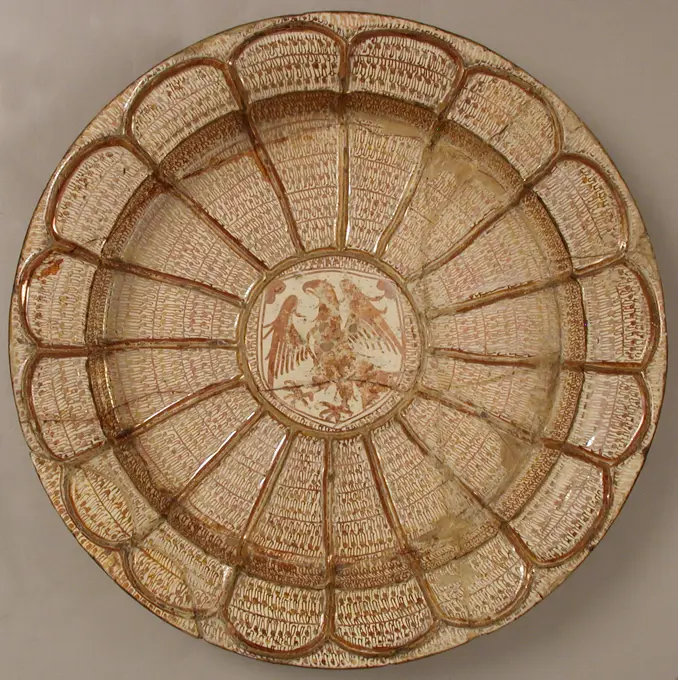
Decorative Faience Plates

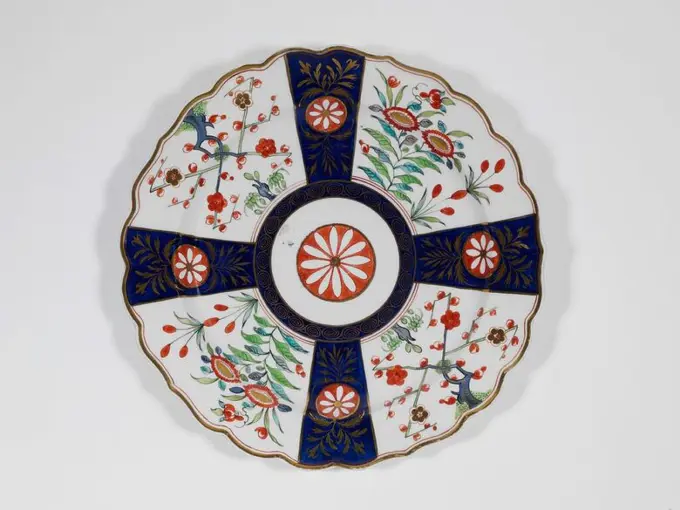
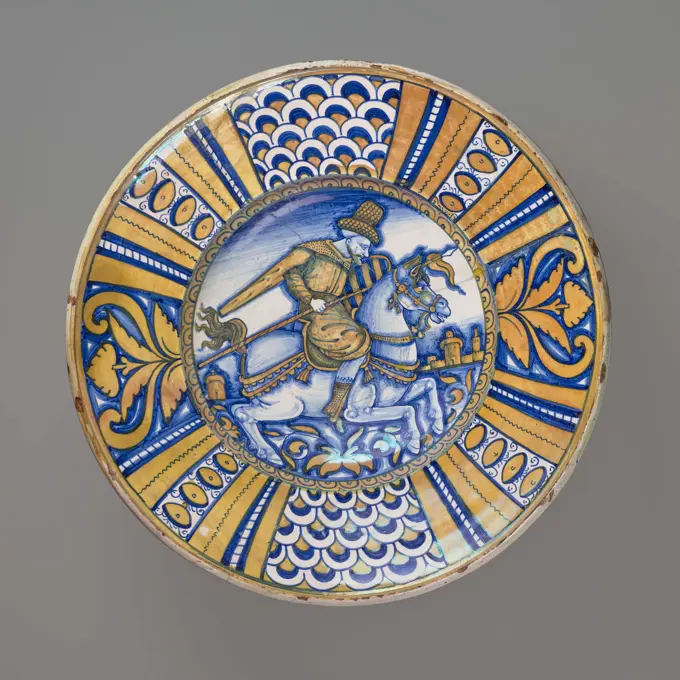
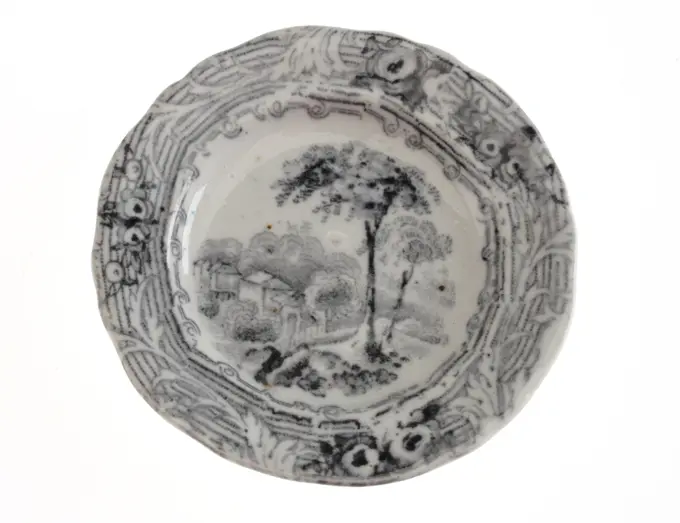
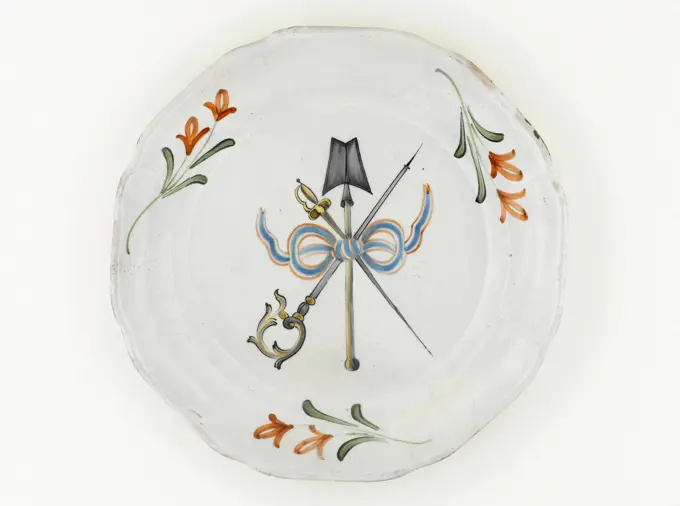
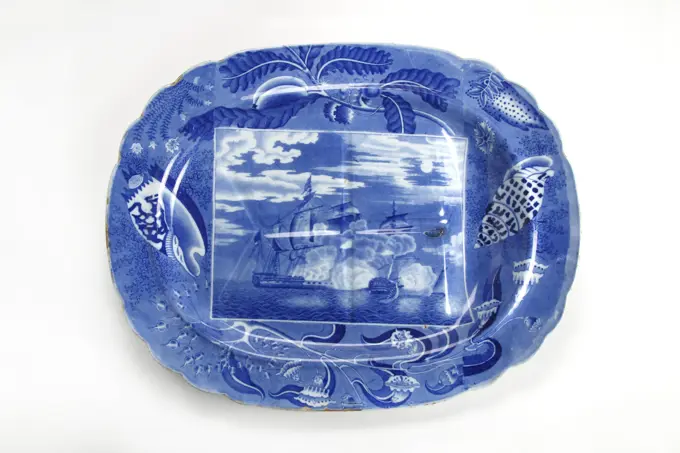
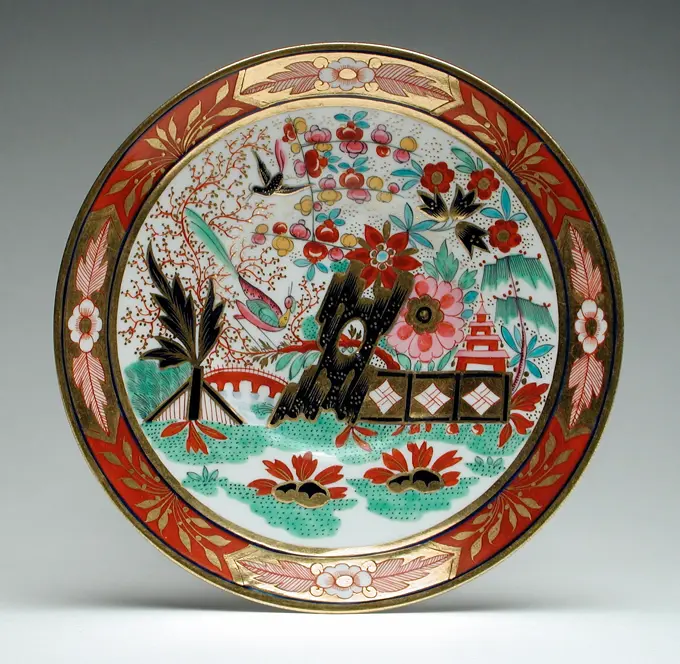
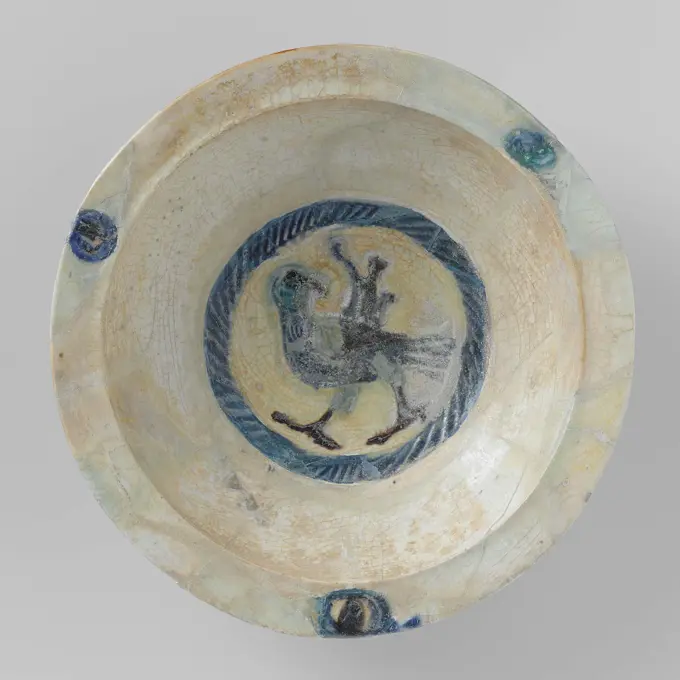
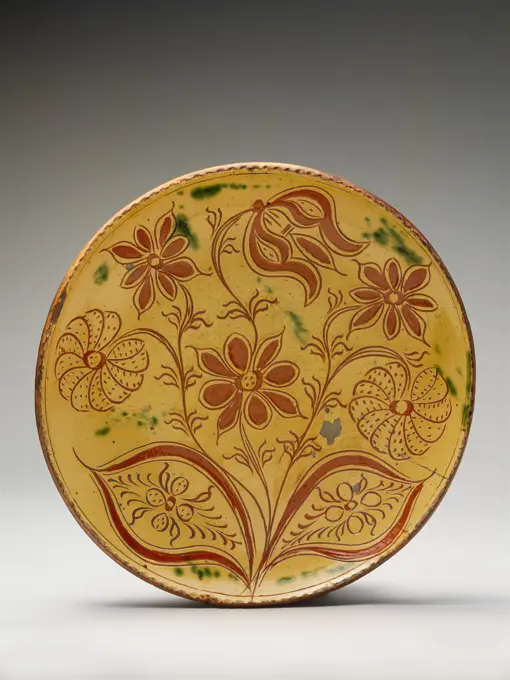
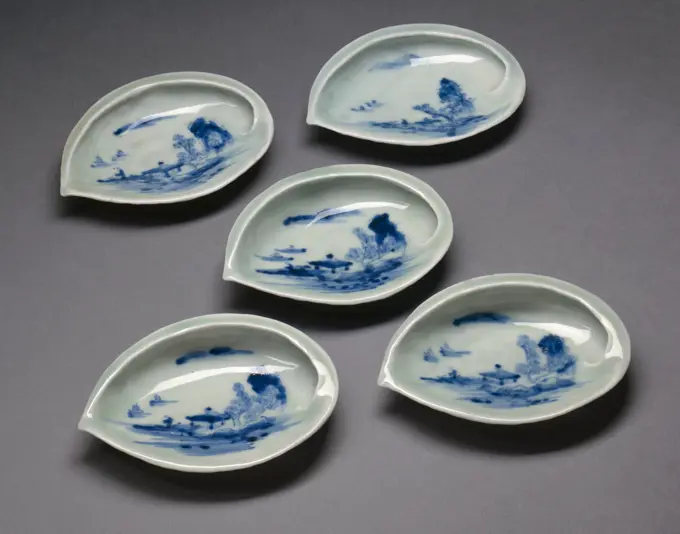
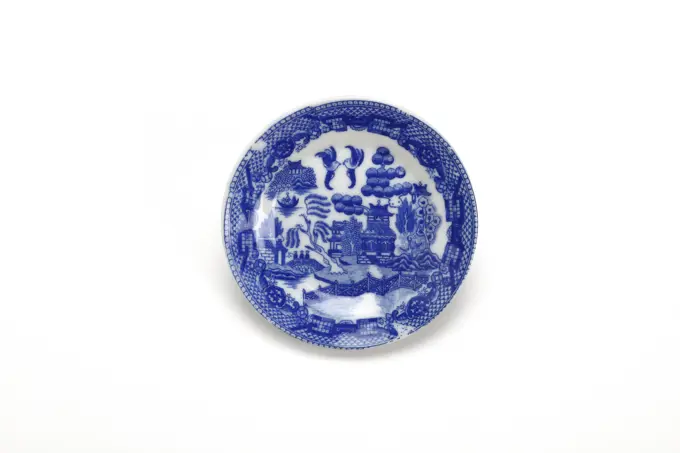
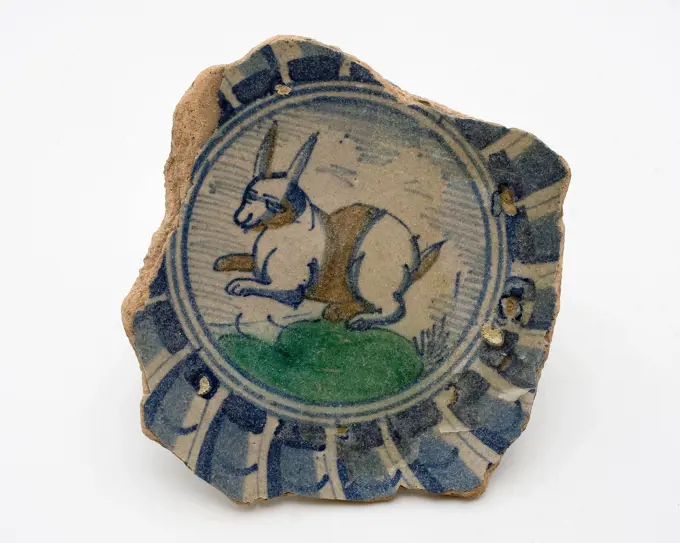
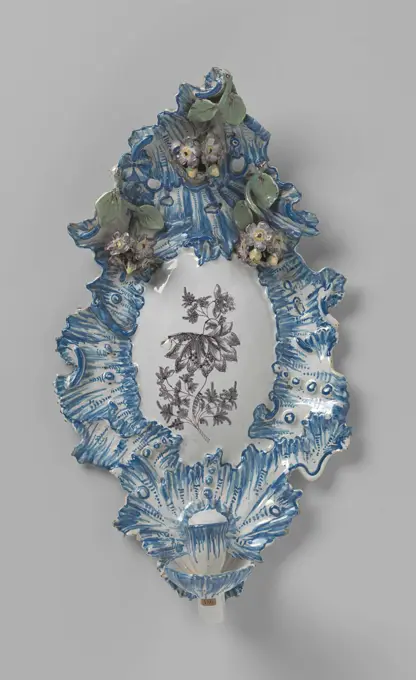
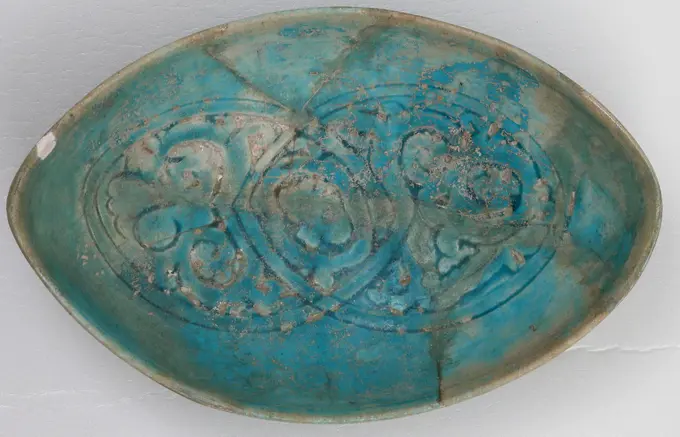
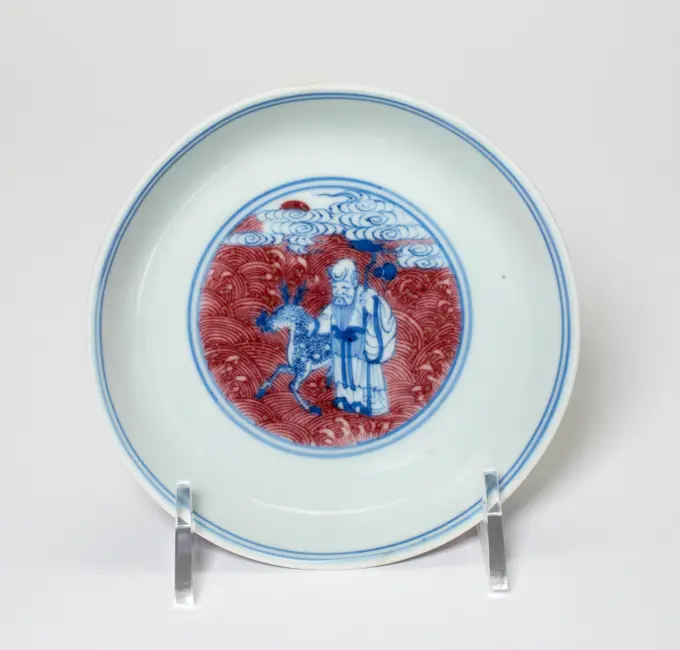
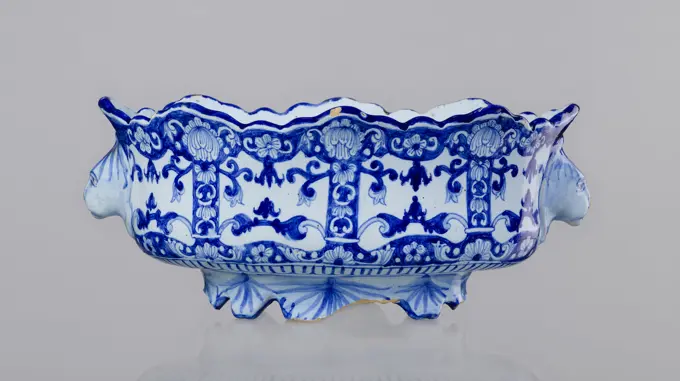
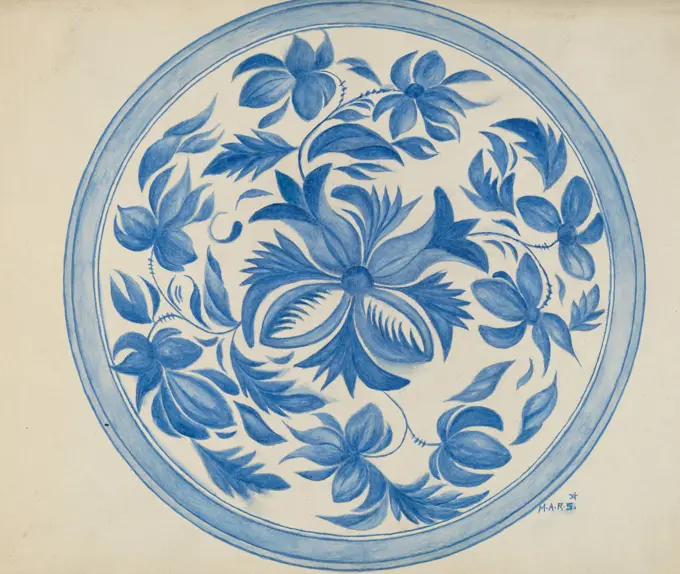
Colorful faience plates featuring intricate floral and landscape designs, showcasing artistic craftsmanship with vivid colors like blue, red, and gold.

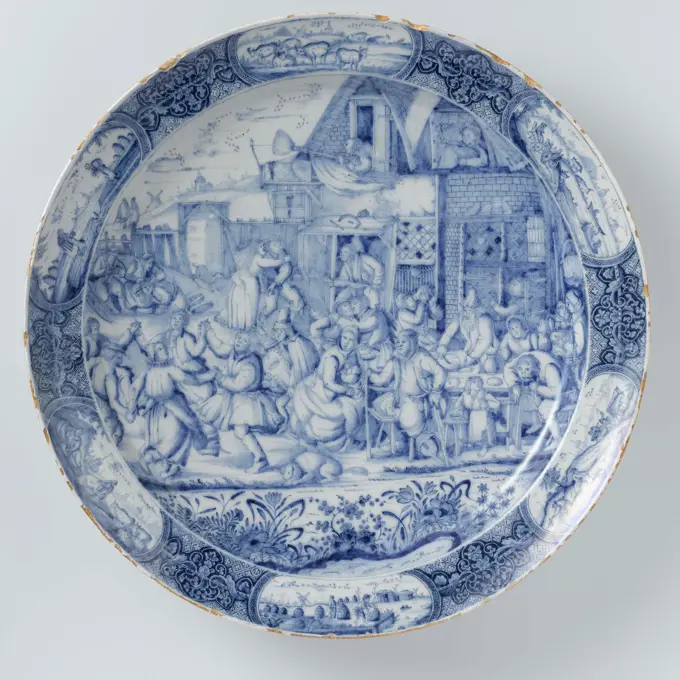
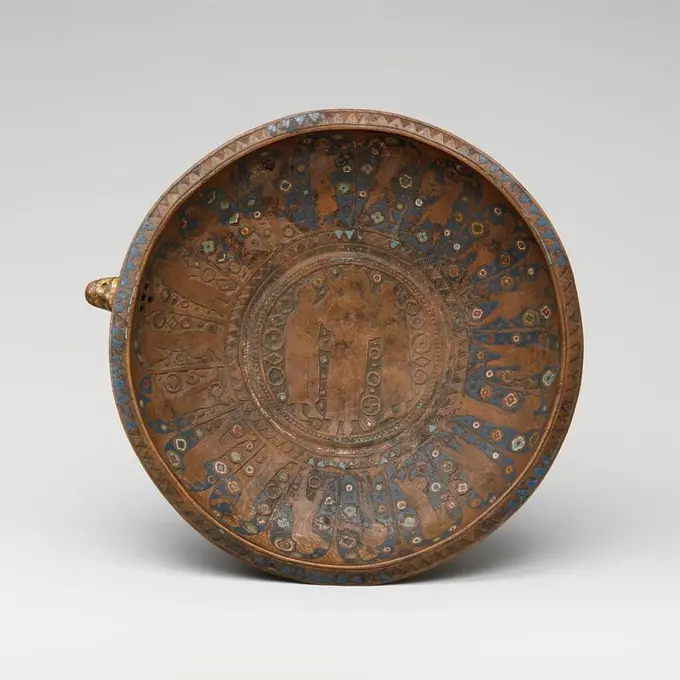
Anonymous (n. - d.), Dish (main title). Ceramic, pseudo-faïnce (siliceous terracotta covered with a white slip under lead glaze). Petit Palais, Museum of Fine Arts of the City of Paris.
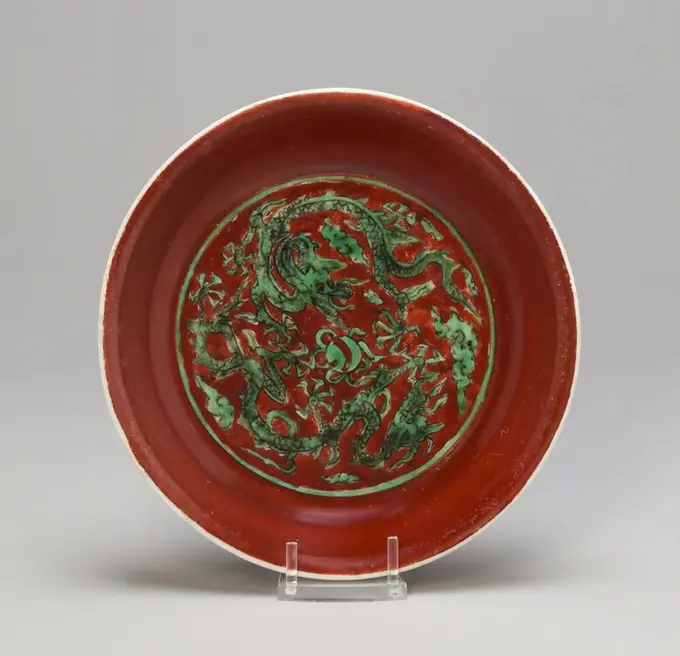
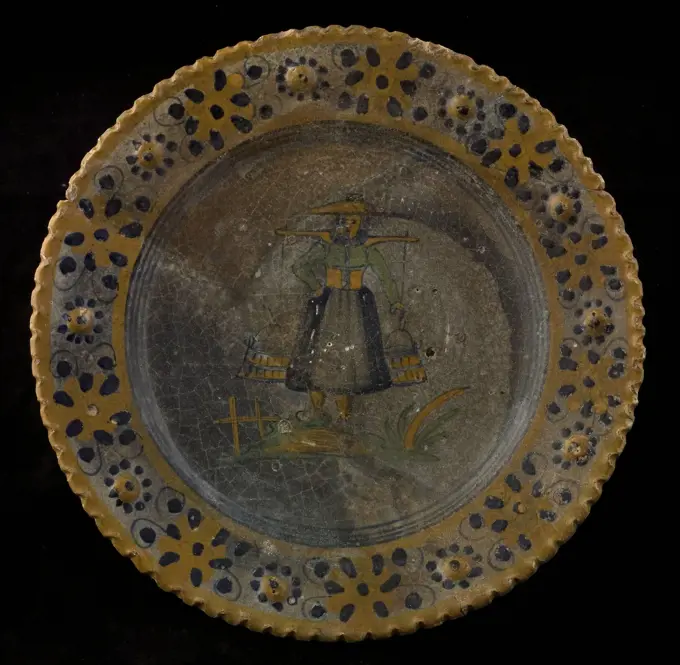
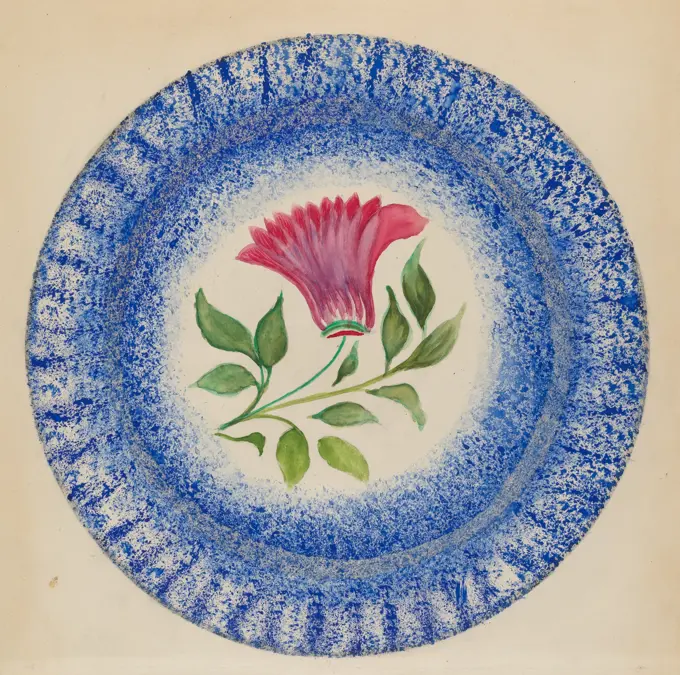
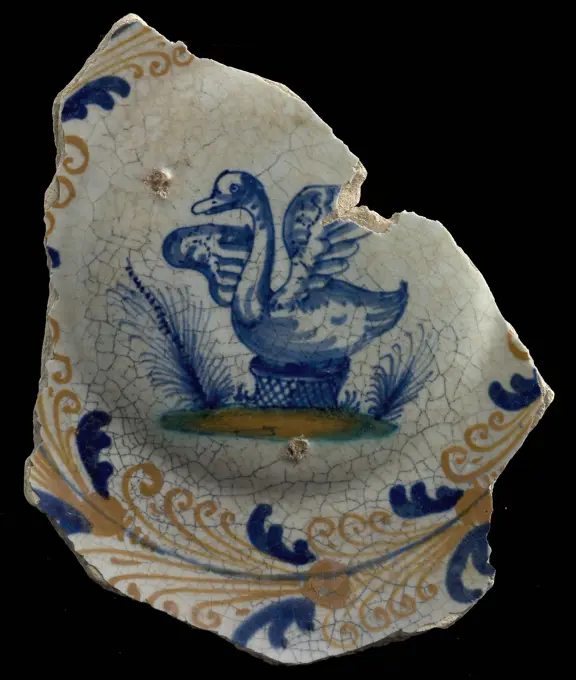
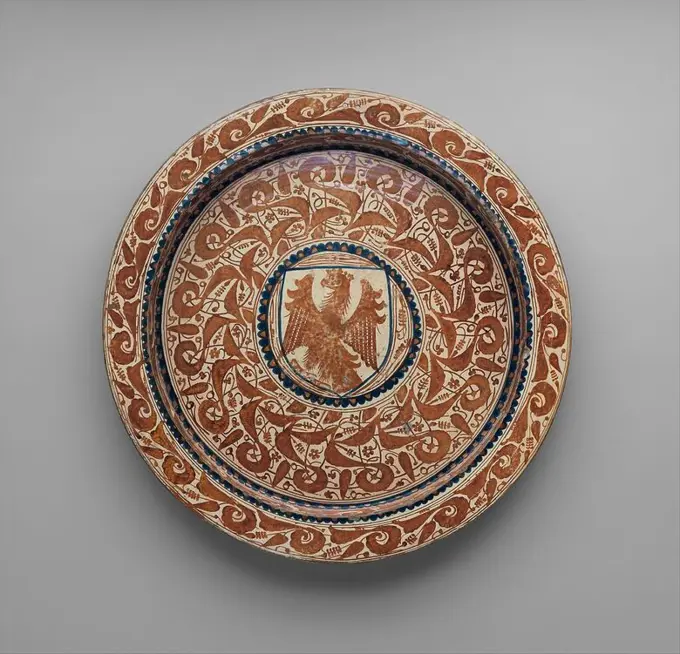
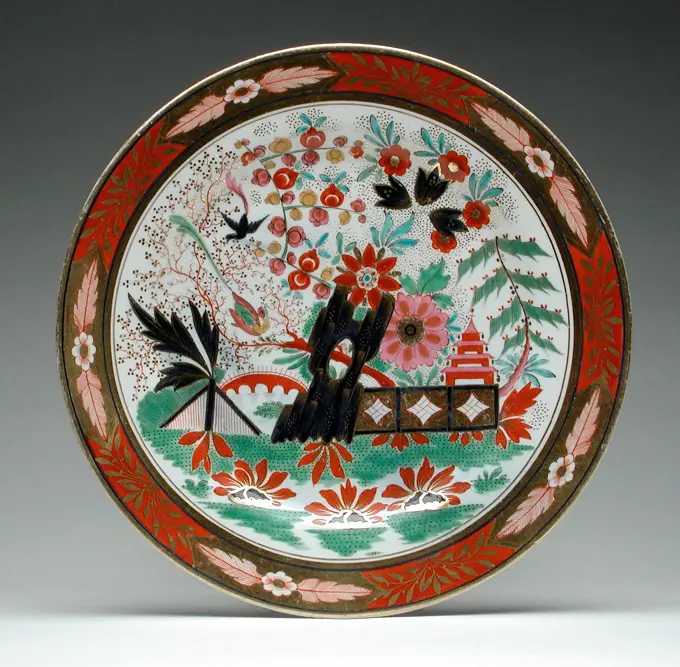
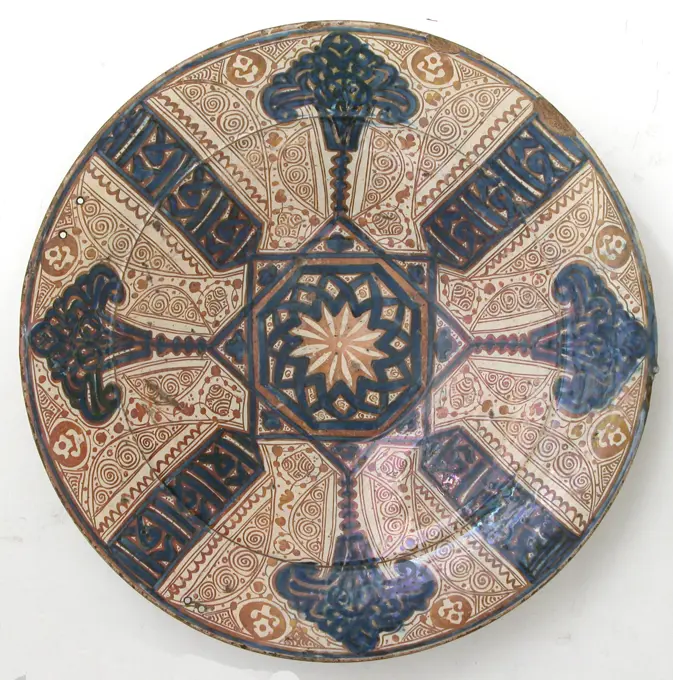
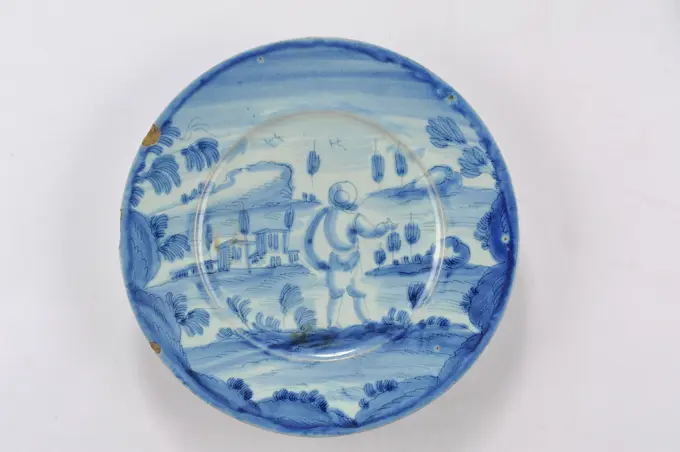
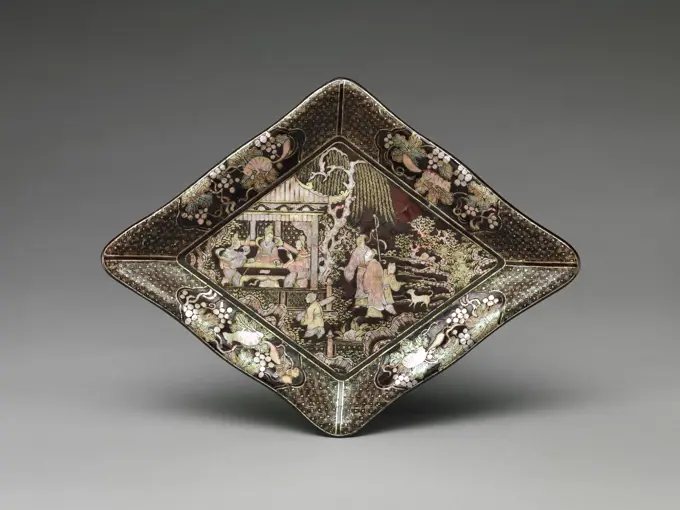
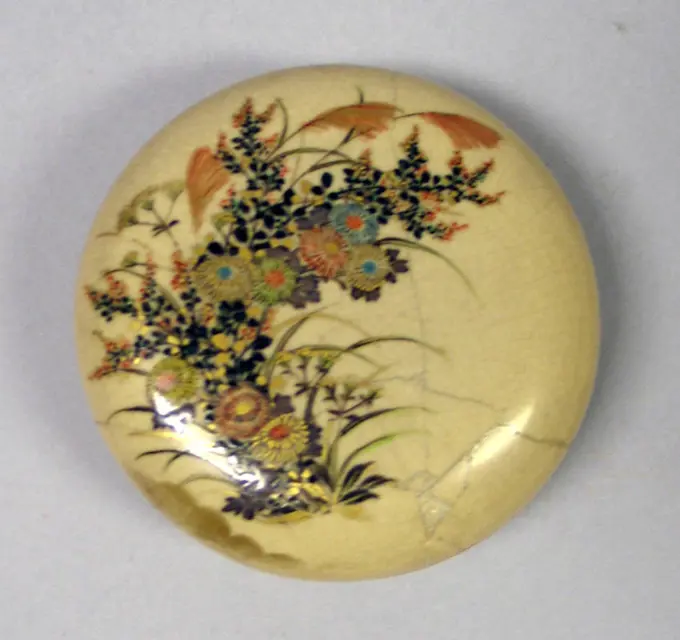
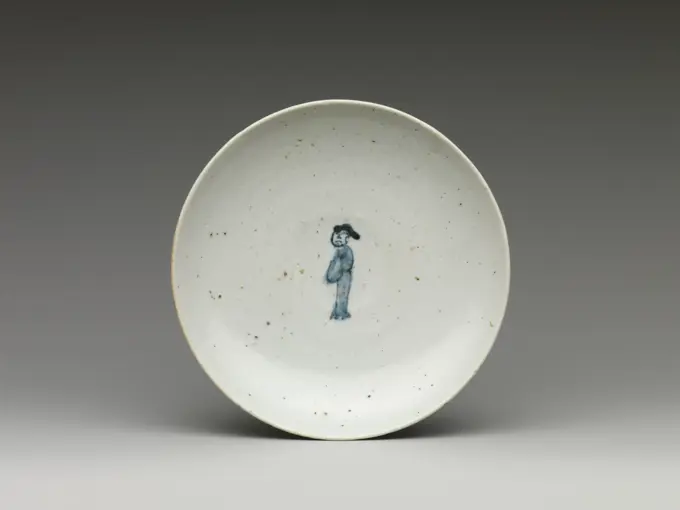
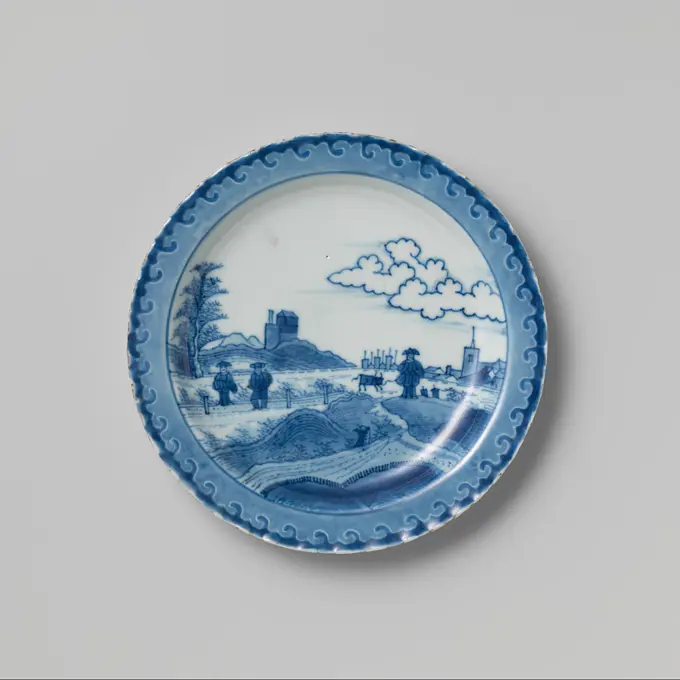
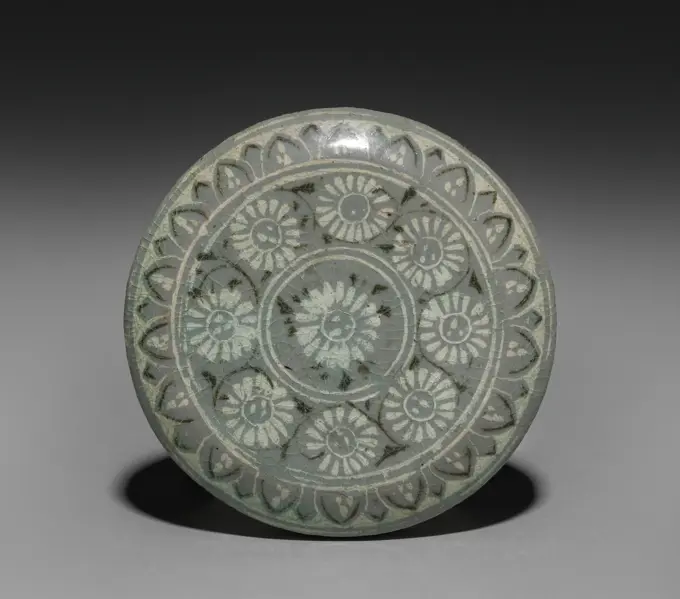
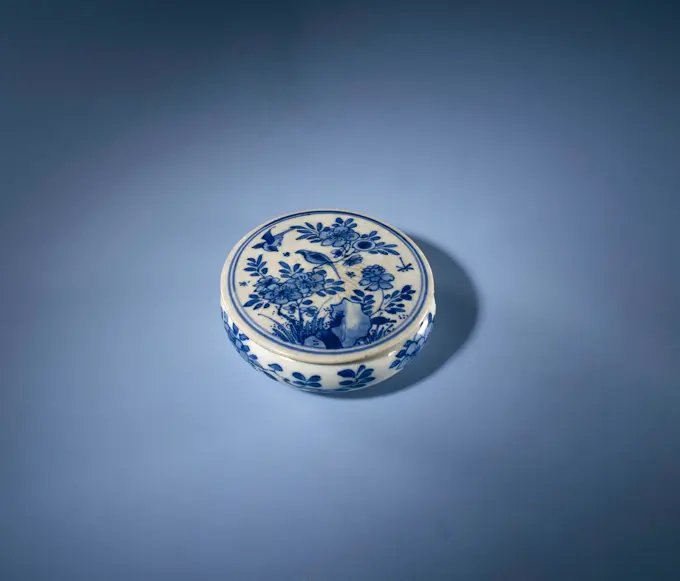
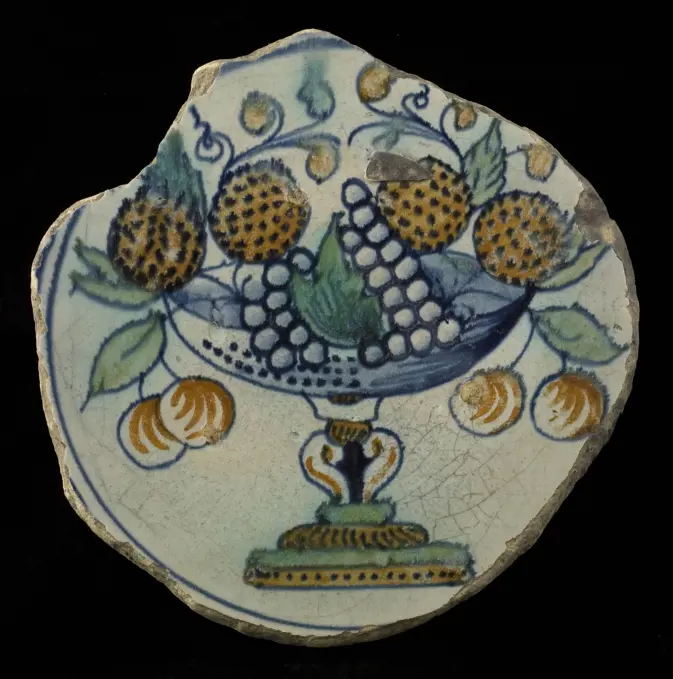
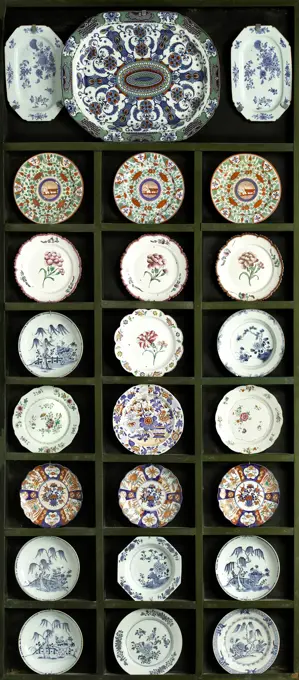
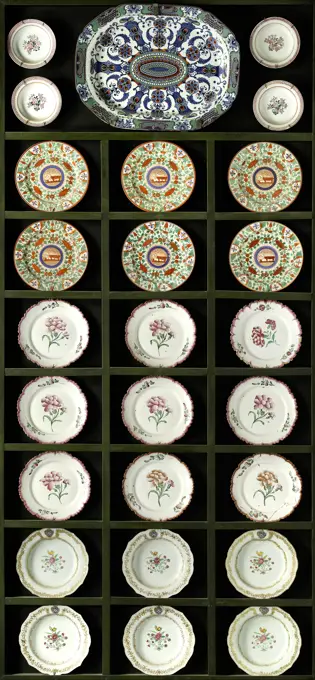
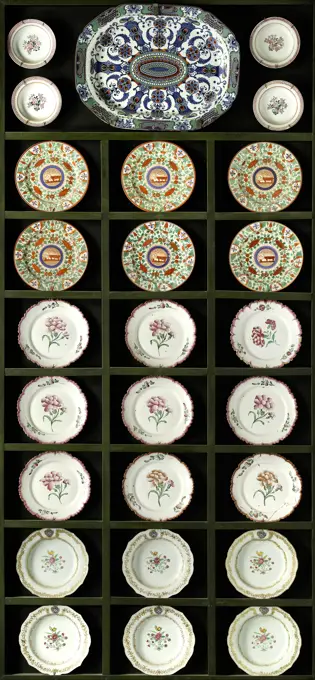
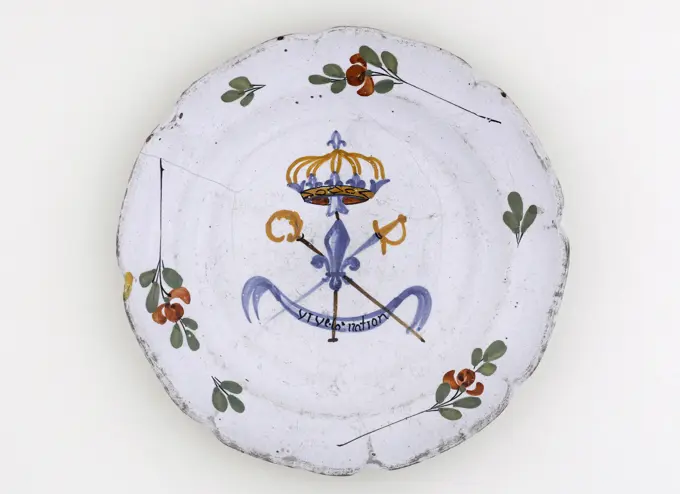
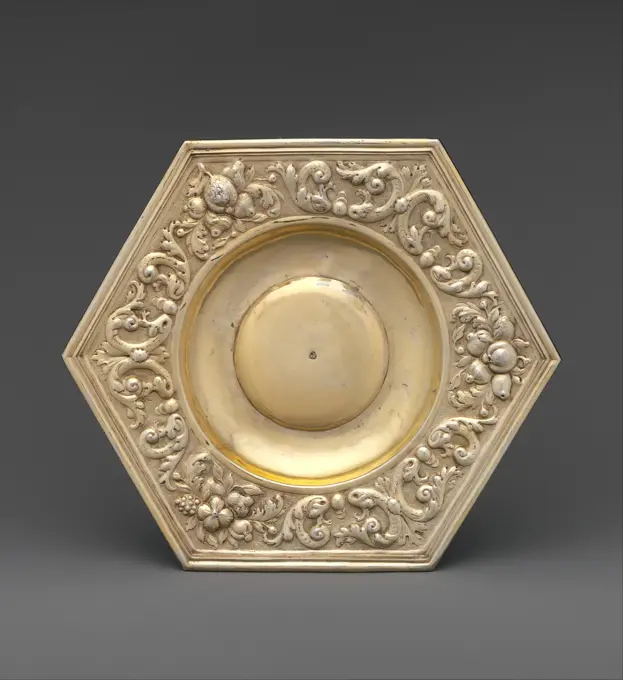
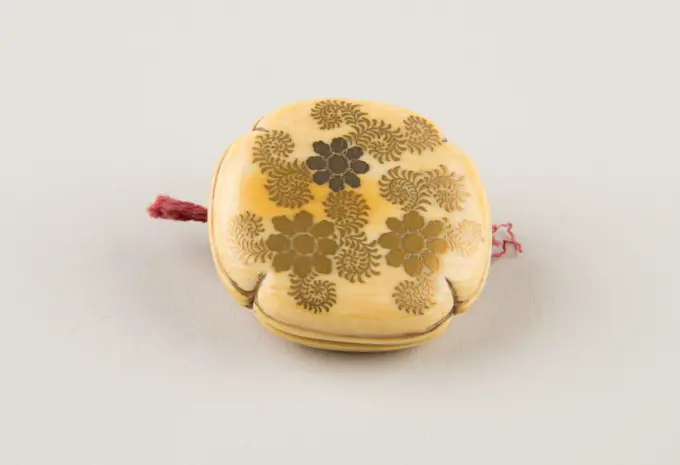
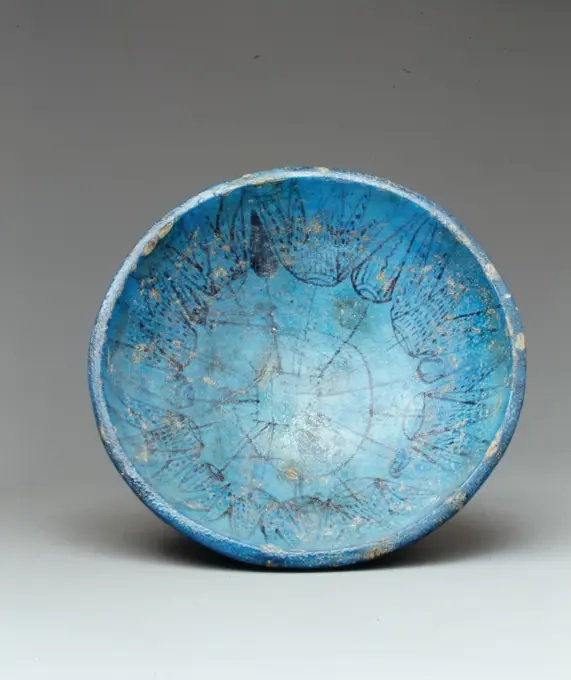
. Dish of Faïence with a farmer's wedding to an ETS from Pieter Serwouters to a David Vinckboons design.Plate c 1827-1836 England. Earthenware . James ClewsPlate. Culture: British, Worcester. Dimensions: Diameter: 8 1/2 in. (21.6 cm). Factory: Worcester factory (British, 1751-2008). Date: ca. 1770. Museum: Metropolitan Museum of Art, New York, USA.Piatto da pompa plater. unknown, authorFaience plate, flat model, blue and purple on white, different fruits, apple, pear, cherries, berries, plate dish crockery holder earth discovery ceramics earthenware glaze tin glaze, Cooked archeology Rotterdam archaeological find in the soil Rotterdam 1942.Plate British 19th centuryPlate -Toy bread plate - Georgeville D'après Francis Morley, 1845-1850Faïence board with the burial of Christ, Anonymous, c. 1750 - c. 1775 Plate of earthenware, blue painted on tinglaze with the burial of Christ painted over the entire surface. Delft . Plate of earthenware, blue painted on tinglaze with the burial of Christ painted over the entire surface. Delft .Dish with flower sprays in petal-shaped panels, anonymous, c. 1700 - c. 1720 Porcelain saucer with a battery -shaped border, painted in underlaze blue. On the flat in the center a medallion with a lotus drink. Around this a larger medallion with a band with Ruyi motifs with bright petals-shaped compartments with flower branches; Between the compartments of servetwork. On the wall and edge the same band with flowering plants in the compartments. The outer edge with three flower branches. Marked on the underside with an artemisia leaf in a double circle. Blue White. China porcelain (material). glaze. cobalt (mineral) Porcelain saucer with a battery -shaped border, painted in underlaze blue. On the flat in the center a medallion with a lotus drink. Around this a larger medallion with a band with Ruyi motifs with bright petals-shaped compartments with flower branches; Between the compartments of servetwork. On the wall and edge the same band with flowering plants in the compartments. The oPlate. unknown, craftsmanAnonymous. Plate. Earthenware. Paris, Carnavalet museum. 71478-3 Attribut, Beche, Crosse, Embleme, Epee, Revolutionary time, Faience, Fleur, knot, French revolution, three orders, dishes, platePlato azul, siglo XVII. Colección privada.Serving plate - Pique and Blanche, 1817 Inconnu / UnknownDessert Service (Saucer). Flight, Barr & Barr (England, Worcester, 1813-1840). England, 1813. Furnishings; Serviceware. PorcelainStand, anonymous, c. 1735 - c. 1745 Faaience leaf, blue painting of a water landscape. Amsterdam . Faaience leaf, blue painting of a water landscape. Amsterdam .Arita (ceramic production center), hollow dish, Imari decor (username). Ceramics, porcelain, polychrome enamels: cobalt blue under cover, red on covered, gilding. Petit Palais, Museum of Fine Arts of the City of Paris.. Quartz Fritgoed Scale Decorated with a notched bird with manganese, blue and turquoise under a transparent glaze.Plate ca. 1794-1844 Possibly Conrad Mumbouer. Plate 5999Excerpt deep plate from v.o.c.-ship De 'Witte Leeuw', Anonymous, Before 1613 plate (dishes) Fragment deep plate from V.O.C. ship De 'Witte Leeuw', 70 present. With loose shard. Jingdezhen bone china (material)   Sint-HelenaOctagonal plate with roundels, cloud motifs and diaper-patterns, anonymous, c. 1725 - c. 1749 Octagonal plate of porcelain, painted on the glaze in blue, red, pink, black and gold. On the flat in the center a flower rosette with two decorative tires around it, one with cloud motif and one with servetwork; the wall with alternately a wolf pattern and a flower rosette; The edge with a band with Ruyi motif on a ground from servetwork. A few cracks in the soil. Famle Rose. China porcelain. glaze. gold (metal) painting / gilding / vitrification Octagonal plate of porcelain, painted on the glaze in blue, red, pink, black and gold. On the flat in the center a flower rosette with two decorative tires around it, one with cloud motif and one with servetwork; the wall with alternately a wolf pattern and a flower rosette; The edge with a band with Ruyi motif on a ground from servetwork. A few cracks in the soil. Famle Rose. China porcelain. glaze. gold (metal) painting / gilding / vitrificationPlate, with landscape and a company in a boat, Peter Regout, c. 1860 - c. 1890 Plate of pottery with blue transfer decor. The flat with landscape and a company in a boat. The edge with flowers, leaves, volutes and fencing. Maastricht . Plate of pottery with blue transfer decor. The flat with landscape and a company in a boat. The edge with flowers, leaves, volutes and fencing. Maastricht .Dish with Paired Dragons, Cloudscrolls, and Flaiming Pearl. China. Date: 1522-1566. Dimensions: H. 3.1 cm (1 1/4 in.); diam. 15.3 cm (6 in.). Porcelain painted in overglaze green and red enamels. Origin: China. Museum: The Chicago Art Institute, Chicago, USA.Covered Box 14th-ca. mid-16th century Thailand (Si Satchanalai). Covered Box 37464Plate. Culture: China. Dimensions: Diam. 8 1/2 in. (21.6 cm). Date: late 17th-early 18th century. Museum: Metropolitan Museum of Art, New York, USA.Plate; Manufacture Nationale de Porcelaine de Sevres (1756-); 1838-1844 (1844-00-00-1844-00-00);ornaments, rosette (ornament)Plate. unknown, craftsmanDish ca. 1525 Workshop of Maestro Giorgio Andreoli. Dish 195760Bowl 9th-10th centuryMajolica dish with polychrome border and image of woman with yoke and buckets, dish plate crockery holder earth discovery ceramic earthenware glaze tin glaze lead glaze, majolica baked 2x glazed painted Blue green and orange brown on white background Milkmaid archeology decorate serving food home interiorAlbert Eyth, Plate, c 1936 PlateFragment majolica dish, polychrome, swan on nest, egret border, pancake dish dish plate crockery holder soil find ceramic earthenware glaze tin glaze lead glaze, majolica Soul fragment of majolica dish. Standring. Vaulted bottom underside of lead glaze. Yellow shard Top polychrome decoration consisting of bird on nest basket in blue green and orange in the shoulder an egret decor. Craquelé in glaze layer archeology Rotterdam City center Stadsdriehoek Schiedamsedijk indigenous pottery serving serve serving table decoration Soil discovery: found Schiedamse Dijk 1940 Rotterdam.Basin ca. 1650 Master Potter A Emily de Forest rightly considered this mid-17th-century basin to be the most important piece of pottery in her collection. Made by an artist who marked it with the initial A,” this flat-bottomed lebrillo is decorated with a bold pattern of cobalt blue lines whose interstices are filled with fine black lines and dots that imitate lacework. The inscription encircling the rim of the basin indicates that it was made for the sole purpose of washing purificators, the altar linens used to wipe the Eucharistic chalice after Communion.. Basin 674Deep Dish. Culture: Spanish. Dimensions: Overall: 1 13/16 × 17 15/16 in. (4.6 × 45.5 cm). Date: 1450-1470. Museum: Metropolitan Museum of Art, New York, USA.Miletus Ware. Plate. 14th-15th century. Produced in Iznik. Geometrical and vegetal motifs. Blue color. Istanbul Archaeology Museums. Museum of Islamic Art.Dessert Service (Basin), Set of 2Shallow Bowl with Grotesque Masks. Palissy (after), Bernard (France, 1509-1590). France, circa 1560-1600. Furnishings; Serviceware. Lead-glazed earthenware, Palissy wareSmall bowl. unknown, craftsmanPlate late 14th-early 15th century Spanish Much early Manisan lusterware was influenced by Islamic designs introduced from Andalucía by immigrant Mudéjar or converted Muslim craftsmen. The central design of this plate is a typical Islamic interlocking star pattern, surrounded by Kufic and pseudo-Kufic script. The back of the plate is emblazoned with a large eagle displayed.. Plate 468520Plate. Albisola (ośrodek ceramiczny ; XVI-XIX w.), factory, Sawona (ośrodek ceramiczny ; XVI-XX w.), factoryContinental Porcelain Plate, Ohio ca. 1878-89 Joseph S. Potter. Continental Porcelain Plate, Ohio 20618Plate, rectangular, with embossed two shells and two narrows. Plate of faïence, rectangular, with embossed two shells and two narrowing heads. In the middle in blue a cow hatPlate second half 17th century probably Spanish, Andalusia or Portuguese The simply made plate was produced in a mold, and its bright green glaze was achieved in a single firing. This popular technique, originally practiced in Spain by Muslim craftsmen, was often used for much larger, quasi-architectural objects such as baptismal fonts. In this case, the form of the plate follows a metalwork style often seen in Portugal.. Plate. probably Spanish, Andalusia or Portuguese. second half 17th century. Lead-glazed earthenware. Ceramics-PotteryLozenge-Shaped Dish with Garden Scene late 16th-17th century China Chinese literati enjoying gardens became a common subject in the art of the late Ming period. Artists typically included stock figures based on woodblock prints, such as the musicians gathered in the pavilion on this dish. Here, the men play a mouth organ (sheng), a zither (zheng), and possibly clappers. One young attendant carries another type of zither (qin), suggesting that the two gentlemen outside the pavilion will be joining their fellow musicians.. Lozenge-Shaped Dish with Garden Scene. China. late 16th-17th century. Black lacquer with mother-of-pearl inlay and gold and silver foil. Ming dynasty (1368-1644). LacquerBasin with Scenes from the Life of Cleopatra.Incense Box with Design of the Seven Flowers of Autumn ca. 1648-1649 Attributed to Nonomura Ninsei Japanese. Incense Box with Design of the Seven Flowers of Autumn 44928PlateDish with Figure ca. 1620 Japan A lone figure is loosely drawn in cobalt blue on the blank white clay, covered in a transparent glaze. The free style of painting and the empty background of this dish reflect compositional elements found throughout Japanese art. The grainy quality of the surface was probably the potter's intention, since a rustic style was fashionable at the time this was made.This dish is classified as early Imari, the type of Japanese porcelain produced in the first half of the seventeenth century, primarily for the domestic market. Early Imari was the first porcelain produced in Japan, and was made in the Arita region of the island of Kyushu, then shipped to the rest of the country from the port of Imari. The exact year when porcelain was first made in Japan in still debated, but it was most likely in the 1610s. Since this work dates from around 1620, it is a very early example of Japanese porcelain. Early works such as this were not mass produced and were presumablyPlate with a European Landscape With Figures, A Cow and A Village. Porcelain plate with a lobed edge, painted in underglaze blue. On the flat a European landscape with three Europeans, two with a fence and one cow stuck on a rope. In the background a village. The edge with a wave pattern. The outer wall with three flower branches. Four preen on the bottom. "Scheveningen sign". Blue White.Box (lid), 918-1392. Korea, Goryeo period (918-1392). Earthenware; diameter: 19.4 cm (7 5/8 in.); overall: 12.7 cm (5 in.). Celadons, spoons, seals, and bronze mirrors were the most common burial objects in tombs during the Goryeo period (918-1392). Once used to contain colored powder, rouge, and eyebrow gel for makeup, this small container was one of the standard goods that furnished elites' tombs. Both women and men used the grain powder of rice or millet for whitening their skin, safflower extract for rouge, and plant ash or soot for eyebrow gel. Yet, natural-looking makeup seems to have been the most favorable one in Korea according to the travelogue by Xu Jing (1091-1153), the Chinese diplomat who visited Korea in 1123.. Round box of soft-paste porcelain (Pte tendre), painted in underglaze blue. Flower branches on the wall. The flat lid with a blooming plant (prunus), two birds and an insect at a rock in a double circle. On the underside of the lid a erotic scene of two naked lovers on a bed, the lady with bound feet. Blue White.Charger with Armorial Shield. Italy, Deruta, 16th century. Furnishings; Serviceware. Tin-glazed earthenware (maiolica)Subtotel, multi -colored painted with chinoiseries in saved four passes in a violet stock, Meissener Porzellan Manufaktur, c. 1730 - c. 1735 Subtotel of painted porcelain. The dish is almost completely covered with a Violette Fond in which three four-passes are saved and in the middle a circular reserve with a lobed edge, in which contour chinoiseries. The dish is marked. Float porcelain Subtotel of painted porcelain. The dish is almost completely covered with a Violette Fond in which three four-passes are saved and in the middle a circular reserve with a lobed edge, in which contour chinoiseries. The dish is marked. Float porcelainSoul fragment majolica dish with polychrome fruit bowl, dish plate crockery holder soil find ceramic earthenware glaze tin glaze lead glaze, hand turned fried glazed painted baked Soul fragment of majolica dish with fruit plate on stand foot. Orange apples or pomegranates cherries and bunches of grapes. Polychrome decor Bottom partly covered with lead glaze stains around the stand ring. Cooked on prunes. Standring. Traces of use archeology Rotterdam adorn serving serve food archaeological find in the soil Rotterdam 1942.Misa returned (magic and treatment);  XVII century (1601-00-00-1700-00-00);Plaque Made 1775-1799 Delft. Tin-glazed earthenware (Delftware) .Tray 19th century Japan. Tray 59685Gemellion with Coronation Scene. Culture: French. Dimensions: Overall: 10 1/8 x 1 7/8 in. (25.7 x 4.8 cm). Date: ca. 1250-75.Gemellions, which appeared in the thirteenth century in Limoges, were used for liturgical and secular hand washing. As their name indicates (derived from gemellus, the Latin word for "twin"), these vessels were produced in pairs--one bowl with a small spout to pour water over the hands and the other to serve as a catch basin. Museum: Metropolitan Museum of Art, New York, USA.Victor Hugo (1802-1885). Chinese decor from Juliette Drouet's house in Guernsey, West Wall. Green wooden locker containing plates and dishes, composed of twenty-seven compartments (left side near South Wall). Painted wood. 1857-1864. Paris, house of Victor Hugo. 78171-19 Asian art, decorative arts, painted wood, Chinese cabinet, chinoiserie, compartment, decor, earthenware, storage, Chinese living room, dishes, 19th 19th 19th 19th 19th 19th century, plate, dishDish of multicolored painted Majolica, Anonymous, c. 1725 - c. 1775 Deep round dish of multicolored painted majolica. The dish has a narrow, flat edge on which concentric circles are painted. A landscape has been painted on the dish in which a rider moving to the left. Delft earthenware. tin glaze. lead glaze majolica Deep round dish of multicolored painted majolica. The dish has a narrow, flat edge on which concentric circles are painted. A landscape has been painted on the dish in which a rider moving to the left. Delft earthenware. tin glaze. lead glaze majolicaVictor Hugo (1802-1885). Chinese decor from Juliette Drouet's house in Guernsey, West Wall. Green wooden record containing plates and dishes, composed of twenty-seven compartments (right side of the west wall). Painted wood. 1857-1864. Paris, house of Victor Hugo. 78171-18 Asian art, decorative arts, painted wood, green wood, Chinese cabinet, locker, chinoiserie, compartment, decor, faience, storage, Chinese living room, dishes, 19th XIX 19th 19th 19th 19th century, plate, dishVictor Hugo (1802-1885). Chinese decor from Juliette Drouet's house in Guernsey, West Wall. Green wooden record containing plates and dishes, composed of twenty-seven compartments (right side of the west wall). Painted wood. 1857-1864. Paris, house of Victor Hugo. 78171-18 Asian art, decorative arts, painted wood, green wood, Chinese cabinet, locker, chinoiserie, compartment, decor, faience, storage, Chinese living room, dishes, 19th XIX 19th 19th 19th 19th century, plate, dishFragments plate, lace border with wickerwork, blue spreading flowers in the mirror, plate dishware holder earthenware earthenware ceramic porcelain glaze largest, in shape made outstretched glazed fried Layer plate on stand. Ajour flag with imitation braid Two blue piping along the flag. In the mirror decoration of sprinkled flowers blue and hand-painted. Marked on the underside in blind print probably pottery brand. Industrial white Six fragments. Mark at the bottom; RL 14 archeology Valckensteyn Poortugaal Serving Albrandswaard archaeological find in the soil Poortugaal Castle Valckensteyn.Hexagonal saucer with petal-shaped panels with flower scrolls, anonymous, c. 1725 - c. 1749 Hexagonal porcelain dish, painted on the glaze in green, red, pink and black. On the flat a flower -shaped decoration; A peony branch in the center; The surrounding petal leaves with lotus vines against a black soil. Famle Rose. China porcelain. glaze. painting / vitrification Hexagonal porcelain dish, painted on the glaze in green, red, pink and black. On the flat a flower -shaped decoration; A peony branch in the center; The surrounding petal leaves with lotus vines against a black soil. Famle Rose. China porcelain. glaze. painting / vitrificationShell-Form Bowl with River DesignDish, multicolored painted with a dog on the flat, surrounded by two each other zigzagging and intersecting lines, anonymous, c. 1520 - c. 1540 Round dish of multi -colored painted majolica. A dog running to the left is painted on the flat. Two Zig-Zaggende, intersecting lines are painted around the flat, with three sheets above each point where the lines cross each other. Montelupo earthenware. tin glaze. lead glaze majolica Round dish of multi -colored painted majolica. A dog running to the left is painted on the flat. Two Zig-Zaggende, intersecting lines are painted around the flat, with three sheets above each point where the lines cross each other. Montelupo earthenware. tin glaze. lead glaze majolicaBowl Depicting Ladies on Horseback, c.1180-1220, 3 1/2 x 7 1/4 in. (8.89 x 18.42 cm), Earthenware with overglaze polychrome colors, Mina'i ware, Iran, Seljuk period (1038- c.1194)Sharf of white -baking earthenware, with white glaze with a border with stripes and dots in blue, anonymous, 1600 - 1650  Northern Netherlands earthenware. glaze majolica  Northern Netherlands earthenware. glaze majolicaFragment majolica dish, blue on white, Chinese garden with duck and flowers, dish crockery holder earth discovery ceramic earthenware glaze, Wings baked archeology Rotterdam serving food China Soil discovery Rotterdam 1940.Toy dessert plate - Inconnu / UnknownHyman Pearlman, Pa German Bowl, 1936 Pa. German BowlBowl late 8th-first half 9th century View more. Bowl. late 8th-first half 9th century. Earthenware; slip covered with polychrome decoration under green transparent glaze. Excavated in Iran, Nishapur. CeramicsFragment majolica dish, polychrome, jumping hare on piece of land, niches In the border, plate dish crockery holder soil find ceramic earthenware glaze tin glaze lead glaze, majolica baked underside covered only with lead glaze. Polychrome Stand ring. Orange shard scraped pottery. Pictured is jumping hare or rabbit on plot of archeology Rotterdam Overschie Schieveen Verlaatsloot decorate food Soil discovery Rotterdam Verlaatloot 1941.Appliek, ovaal, met wandarm, veelkleurig beschilderd.Oval wall arm of multi-colored painted faïence. A flower rank is painted in the middle with a scalloped edge with flowers in Relief. A candle holder is attached to the bottom of the wall arm.Oval Platter. Joseph Landais (France, 1800-1883, active Tours). France, circa 1850-1870. Furnishings; Accessories. Glazed earthenwarePlato azul, siglo XVIII. Colección privada.Vegetable dish and cover with Arms ofVirginia.  Manufacturer: Thomas Mayer, British, active 1826-38After Source material drawn by: Thomas Sully, American, born England, 1783-1872Maker Source material etched and engraved by: George Murray, American, died 1822Publisher source material by: John Binns, American, born Ireland, 1772-1860Sake Cup mid-19th century Shomosai Japanese. Sake Cup 45439Plate with the Hasselaer-Kick alliance arms. This plate was probably made for the marriage of Nicolaas, Cornelis Hasselaer and Anna Divera Kick Pancras in, Amsterdam, in 1726., Porcelain plates with family coats of arms were fairly, common in the Netherlands and had initially been ordered, from Asia. However, in the early 18th century European, porcelain was the new rage, and the armorial plate was, ordered in Meissen rather than China.Dish with a dragon battle. When the ancient Chinese saw dark and yellow clouds in a stormy sky they would say The dragons are fighting .Mina'i Bowl with Abstract Pattern second half 12th-early 13th century Some objects glazed with the mina'i technique bear nonfigural decoration. The design on this bowl consists entirely of an abstract repeat pattern. Because of the painterly quality with which it is executed, this pattern looks something like mosaic glass. On the exterior, an inscription in Arabic bears good wishes to its owner.. Mina'i Bowl with Abstract Pattern 446204Bowl 12th-13th century. Bowl 448267Decorative tondo. unknown, craftsmanAnonymous. Plate. Earthenware. 1789-1790. Paris, Carnavalet museum. 70955-17 Weapon, Crown, Epee, Faience, Lys, Decorative Pattern, Revolutionary Periode, Cats, Long Nation, Plate,Suacer-dish with a water landscape and Europeans, anonymous, c. 1750 - c. 1774 Porcelain dish, painted on the glaze in blue, pink, green, brown, black and gold. On the front one, possibly European, river landscape with a tree, mountains a fort and ships, two of which are staffed; A few European people on the quay; The inner edge with a band with leaf vines. A crack in the wall; Some chips in the edge. European performance in email colors. China porcelain. glaze. gold (metal) painting / gilding / vitrification Porcelain dish, painted on the glaze in blue, pink, green, brown, black and gold. On the front one, possibly European, river landscape with a tree, mountains a fort and ships, two of which are staffed; A few European people on the quay; The inner edge with a band with leaf vines. A crack in the wall; Some chips in the edge. European performance in email colors. China porcelain. glaze. gold (metal) painting / gilding / vitrificationHexagonal dish (part of a set) second half 17th century Paulus Roth These five dishes (2010.110.13-17) would appear most spectacular when seen in flickering candlelight or radiant sunlight. The masterful balance between the foliage and fruit ornamentation on the rim is exquisite. These dishes originally belonged to members of the Hungarian dynasty of the Barons Bornemisza.LiteratureTihamér Gyárfás. A brassai ötvösség története. Brassó, 1912, pp. 110-11, no. 206.European Silver, Objects of Vertu and Miniatures / Orfèvrerie européene, objets de vitrine et miniatures. Sale cat., Christies, Geneva, May 9, 1989, p. 58, no. 109.Judit H. Kolba. Hungarian Silver: The Nicolas M. Salgo Collection. London, 1996, p. 45, no. 23.ExhibitedErdély régi művészeti emlékeinek kiállítása az Iparművészeti múzeumban / Ausstellung alten Kunstgewerbes aus Siebenbürgen. Exh. cat. Museum of Applied Arts. Budapest, 1931, p. 47, no. 231, pl. XVI.ReferencesElemér Kőszeghy. Magyarországi ötvösjegyek a középkortól 1Netsuke with Floral Decoration 19th century Japan. Netsuke with Floral Decoration 60311Underglaze-blue and red 'immortals' dish 1800-1899 China. Porcelain painted in underglaze blue and red .Dish with dragon dated 1595 China Several complicated techniques were used to create this design of a dragon flying above a rock and waves. The dragon was first carved into the surface and then filled with gold and colored lacquers. The resulting decoration extended above the surface of the dish, which was then polished to an even finish.. Dish with dragon 40251Small vase. Nieborów (manufaktura majoliki ; 1881-1899), factory. Size in small format, painted in blueMargaret Stottlemeyer, Plate, c 1936 PlateRed earthenware plate or dish with yellow and green decoration in sludge technology, plate dish crockery holder soil find ceramic earthenware glaze lead glaze clay, hand turned decorated ring glazed glazed deep dish on small stand. Bowl shaped mirror with bulged center Wide flag and vertical dish edge Decorated in sludge technology Decoration consists of yellow circles yellow and green zigzag lines and leaf motifs in the flag wreath of green arrowheads in the mirror archeology indigenous pottery import food serve serve table decorateMarsh-Bowl ca. 1492-1473 B.C. New Kingdom Shallow open bowls made of faience were popular in the early Eighteenth Dynasty as temple offerings and tomb furnishings. On the outside, the bowls are almost invariably decorated with the petals and sepals of the blue lotus. The flower of the blue lotus opens in the morning and closes at night making it a powerful symbol of regeneration, a common theme in Egyptian art. On the inside, many bowls, have aquatic motifs, like this one. Here, there are eight fully open lotus blossoms and eight buds, their stems growing from a rectangular pool in the center. The bowl was found in the tomb of Hatnefer inside one of the subsidiary coffins. This coffin contained the mummies of two women and two young children. The bowl had been placed at the foot end of the coffin with a number of other objects now in the Museum's collection. These include two faience dishes, a circular wood box, two mirrors, and five cowrie-shaped amulets.For a bowl of the same type, bKilim round design element 4Paperweight 1843-1860 Baccarat. Technological improvements to optical scientific instruments in the mid-nineteenth century spurred a veritable obsession across Europe with identifying and classifying the natural world. Amateur botanists were eager to collect and preserve floral specimens, which they intently researched and catalogued. In response to this broad appeal, French glassmakers made paperweights that portrayed the very botanical subjects that were so enthusiastically sought. Many weights represented specimens with horticultural correctness, but others were entirely fanciful creations. Paperweights like this example speak to the periodís fascination with taxonomic systems.From the late 1840s to early 1860s, French manufacturers of fine glass and crystalósuch as Baccarat (Alsace), Clichy (Paris), and Saint-Louis (Lorraine)ócatered to the vast public enthusiasm for beautiful yet functional desk accessories. Paperweights, which were designed to secure loose papers against drafts, Plate ca. 1500 Spanish. Plate 467682Plate - Indian Chiefs  Robert Cochran & Company, 1846-1896 Robert Cochran & Company, 1846-1896Dish. Culture: Japan. Dimensions: H. 6 1/2 in. (16.5 cm); Diam. 36 1/2 in. (92.7 cm). Date: 19th century. Museum: Metropolitan Museum of Art, New York, USA.Fragment majolica plate, blue on white, bird in Chinese garden, border in Wanli style, plate dish crockery holder soil find ceramics pottery glaze, Op fried archeology food decorate serve China