Decorative Plates and Dishes

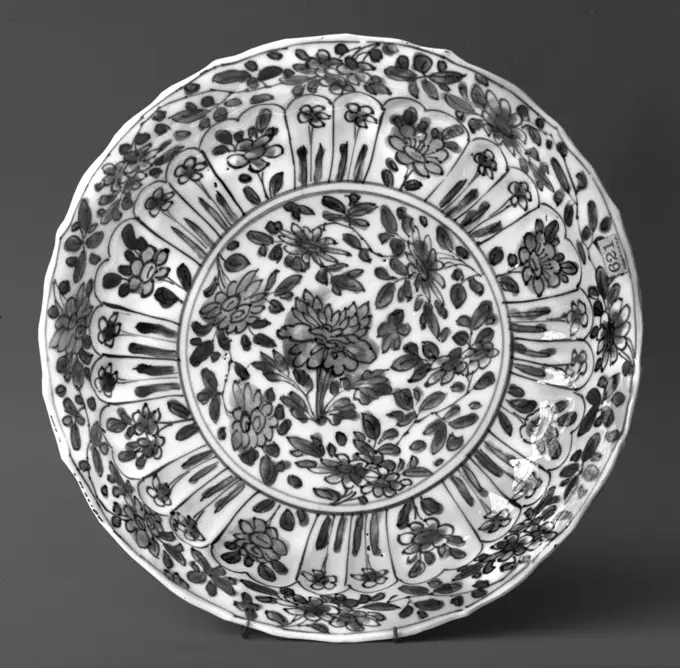
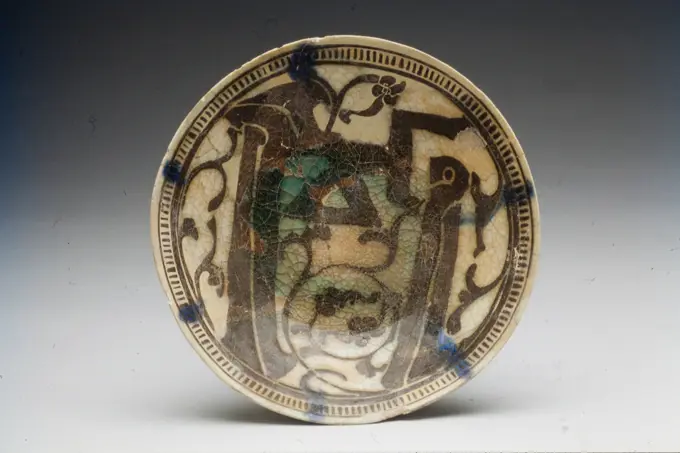
Artistic plates and dishes from various cultures. Features intricate designs and patterns in vibrant colors, perfect for decorative purposes.
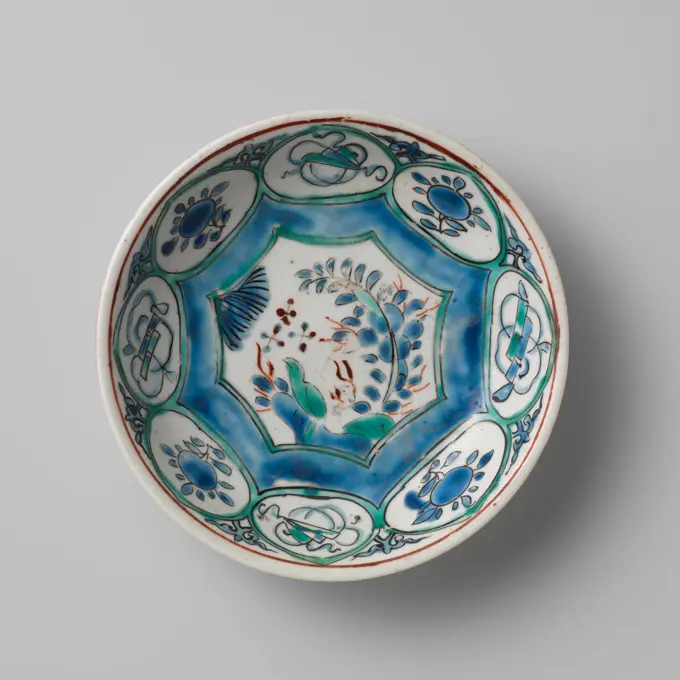
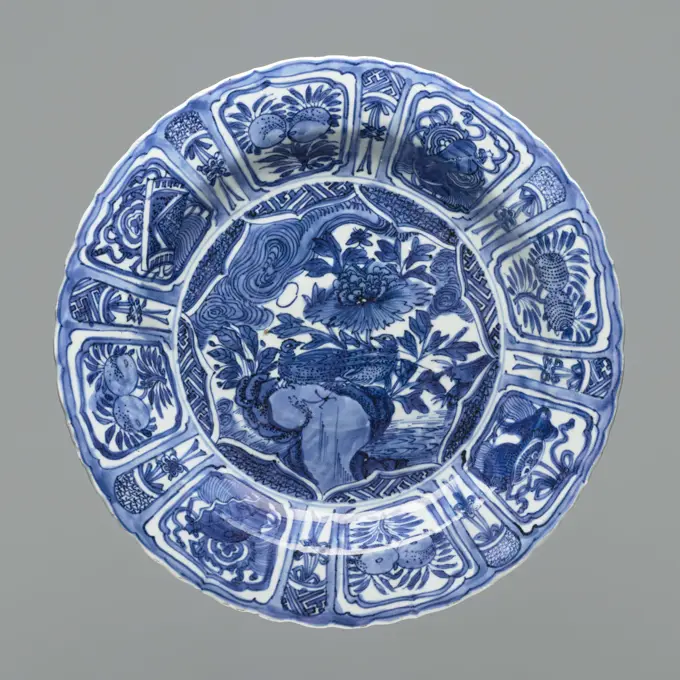
Saucer-dish with a bird on a rock, flower sprays and auspicious objects. Scale of porcelain, painted in underglaze blue and on the glaze green and red. On the flat a scalloped cartouche containing a bird on a rock in blooming plants. On the wall a trade decoration with varied flour branches and lucky symbols (castanets, book rolls) in round cartouches. Between the cartouches. The rear is divided into compartments with dots. Based on the Chinese squirrch porcelain. Porcelain with underglaze blue and email colors.
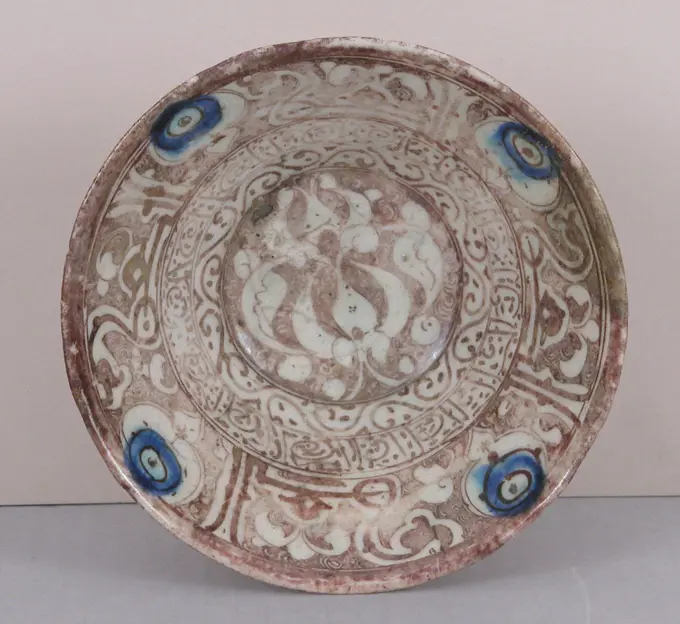
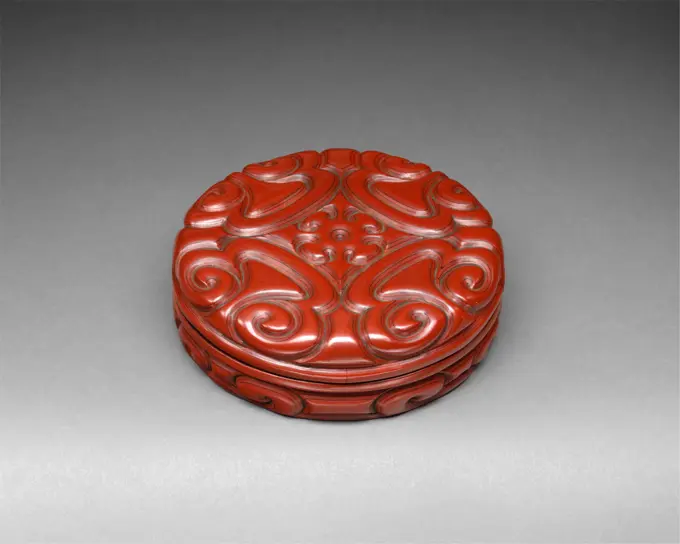
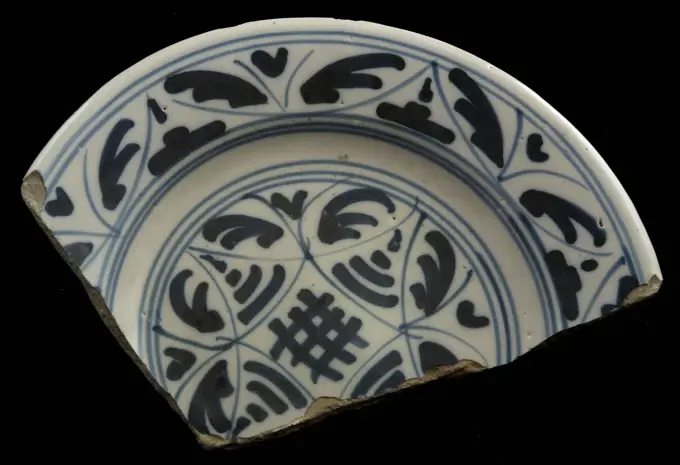
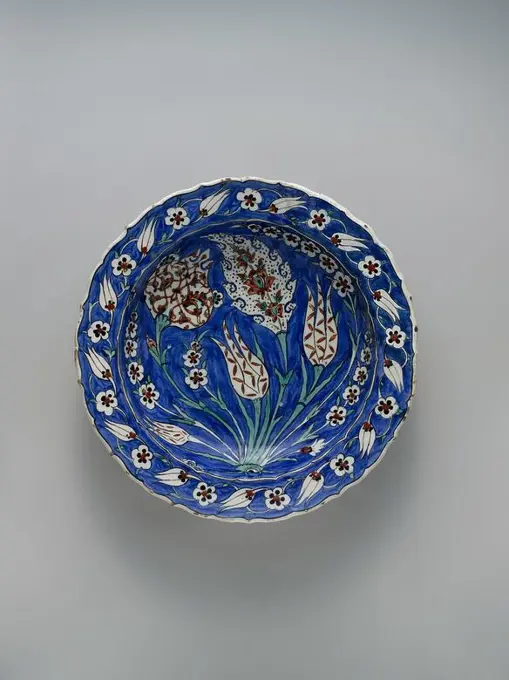
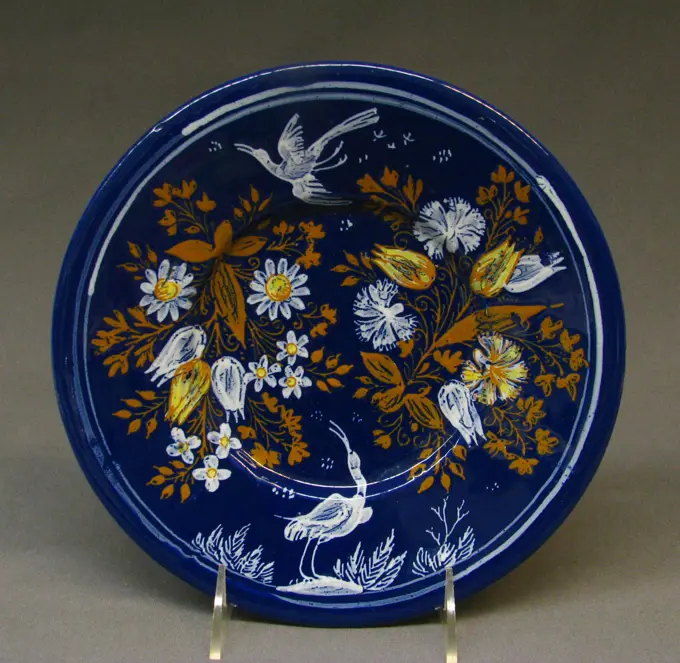
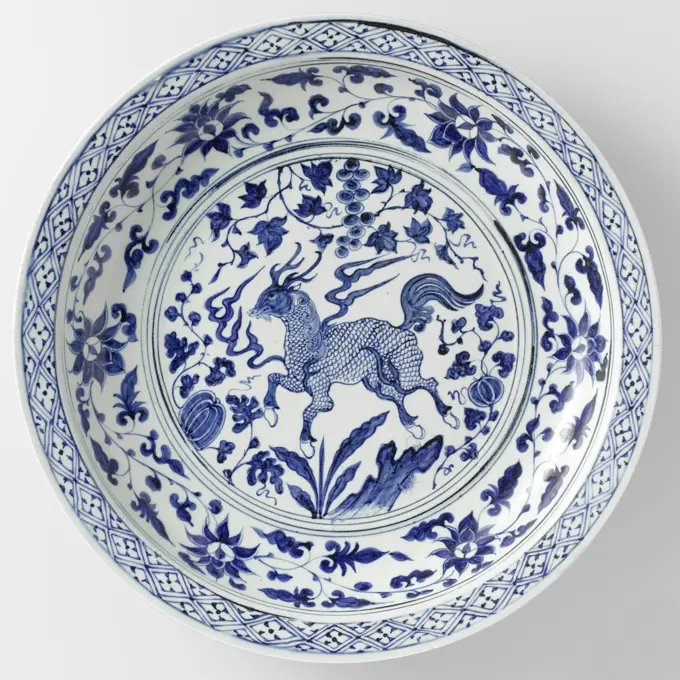
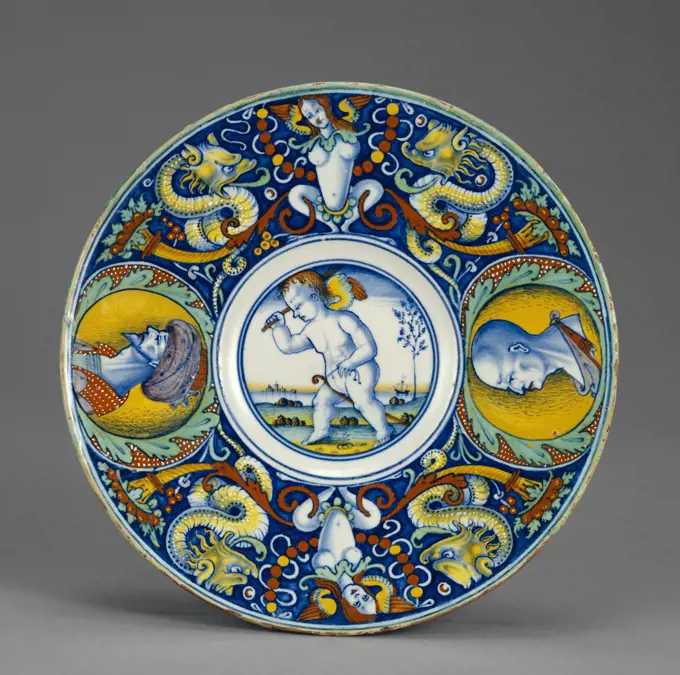
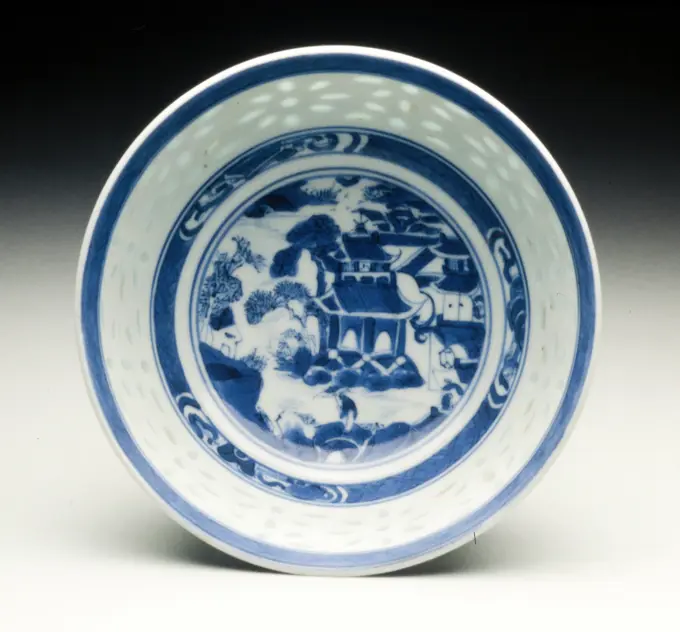
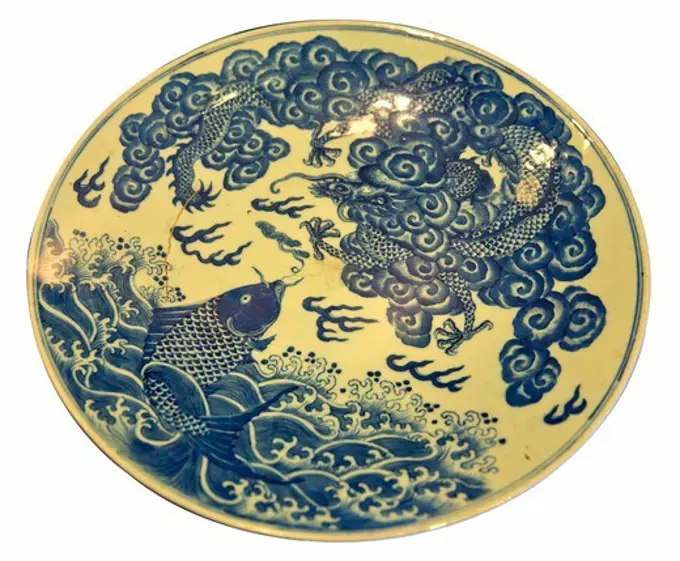
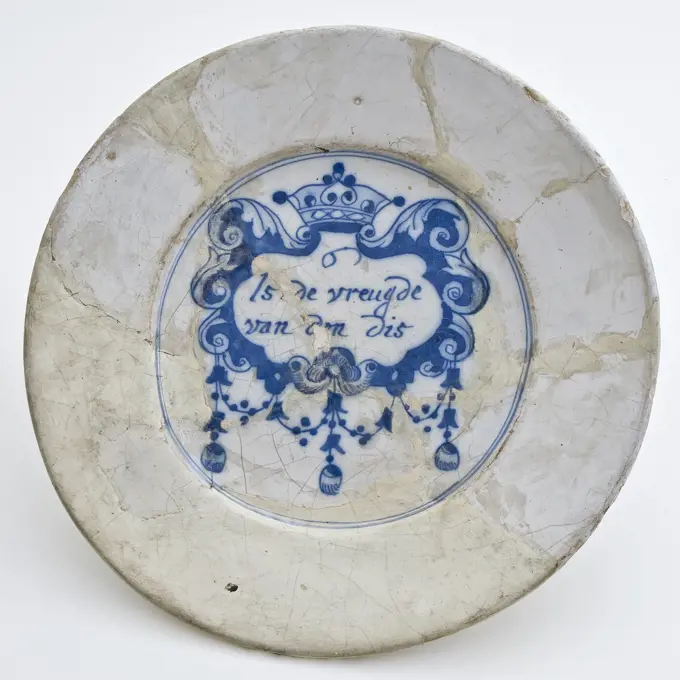
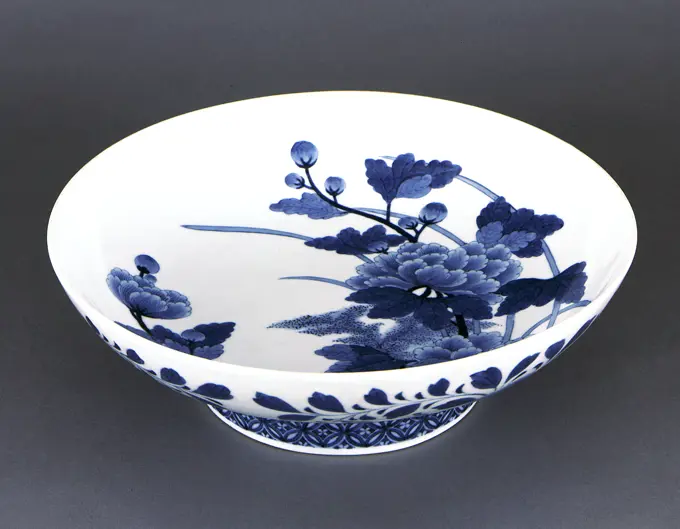
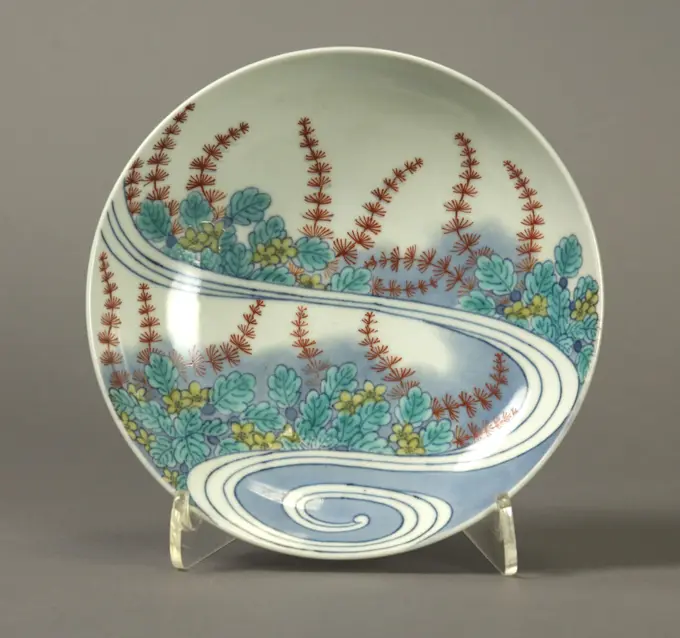
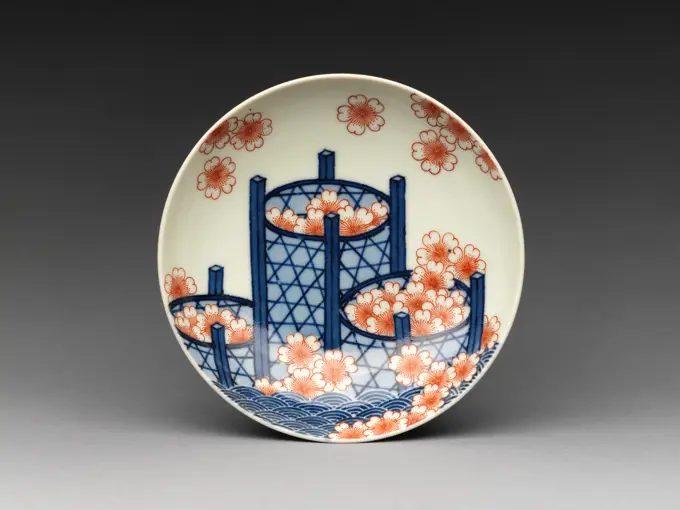
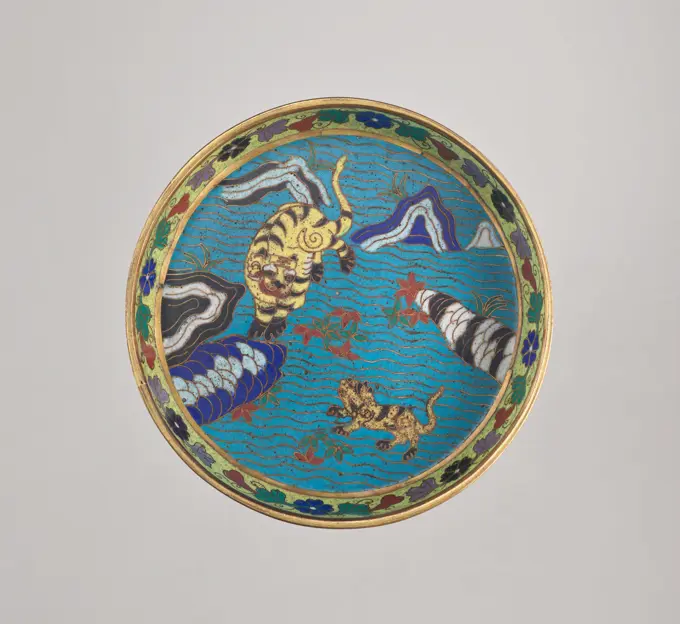
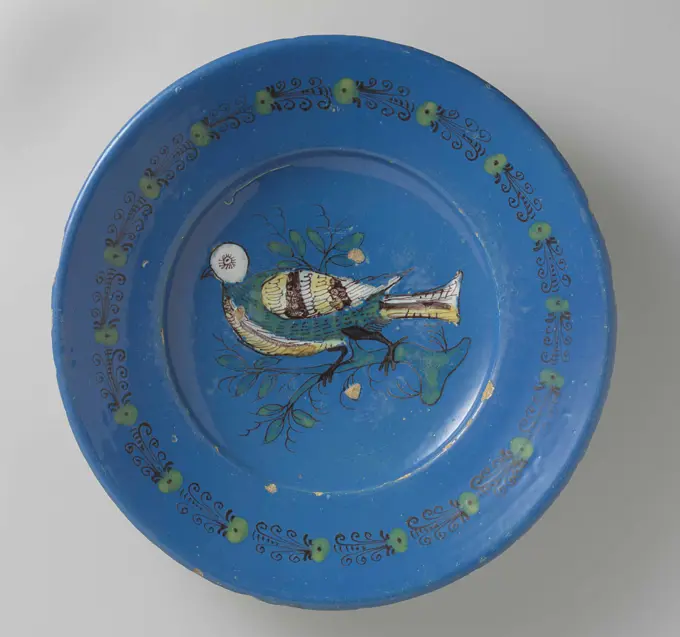
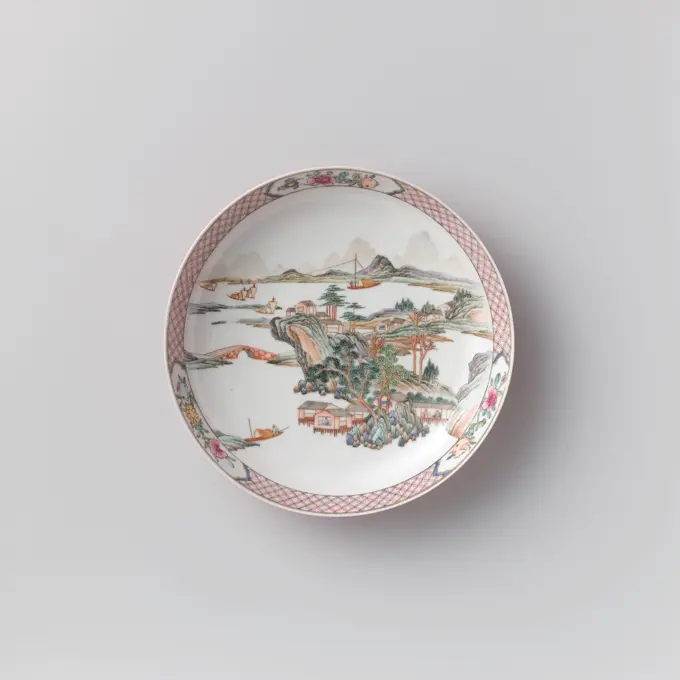
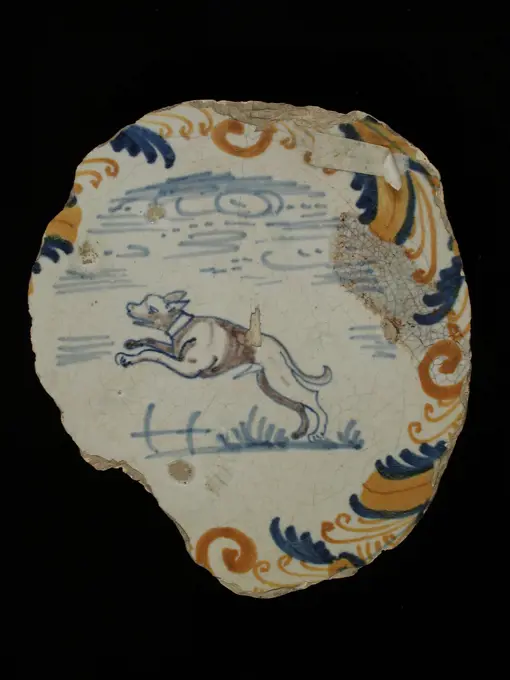
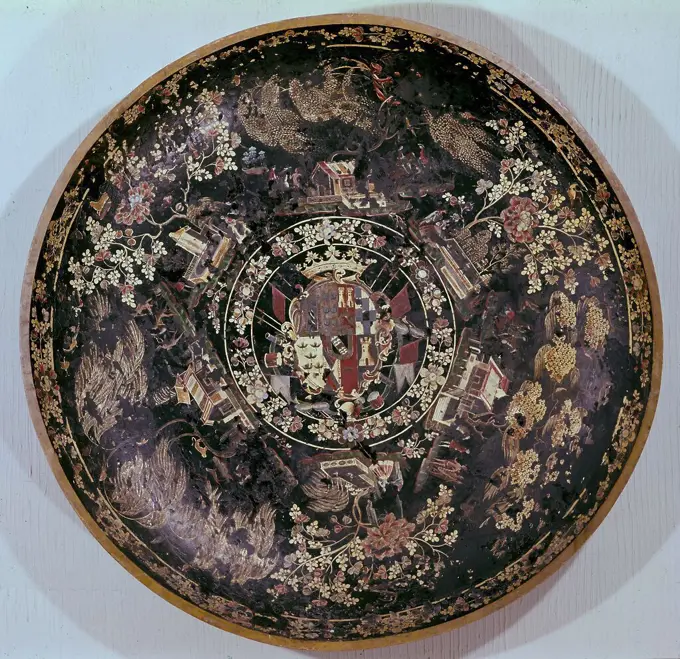
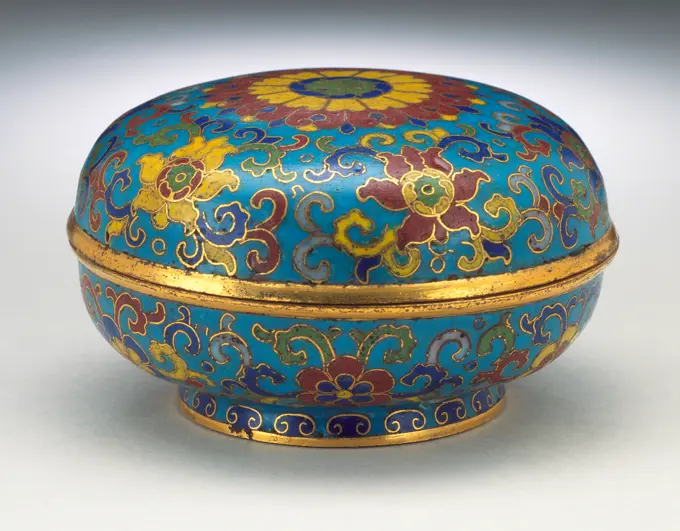
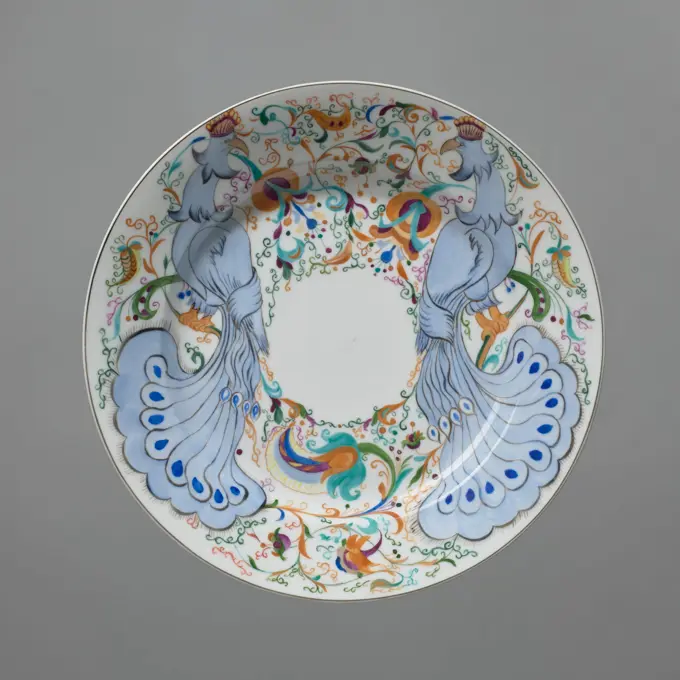
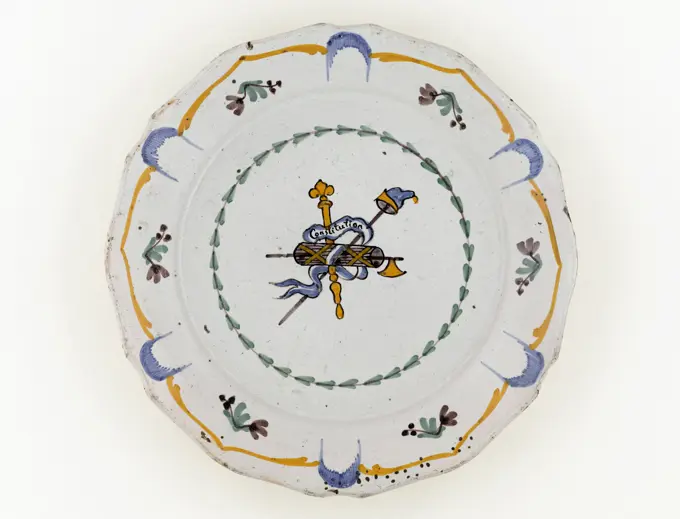
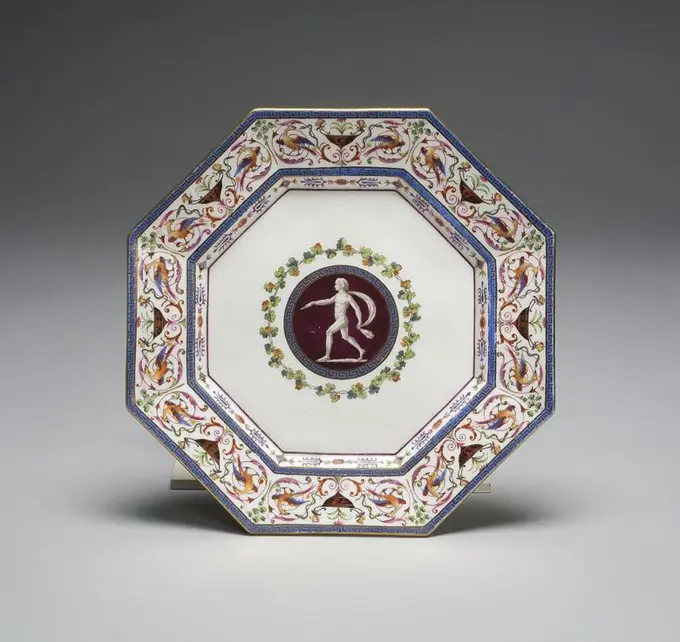
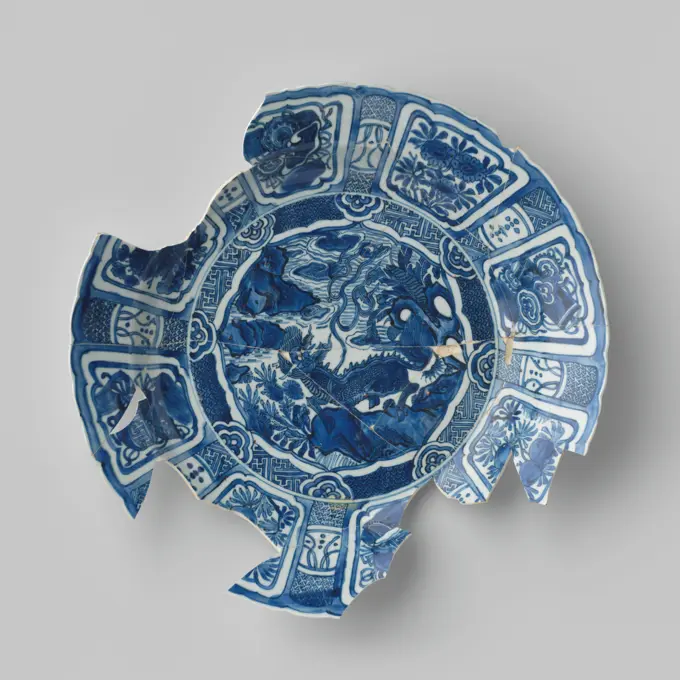
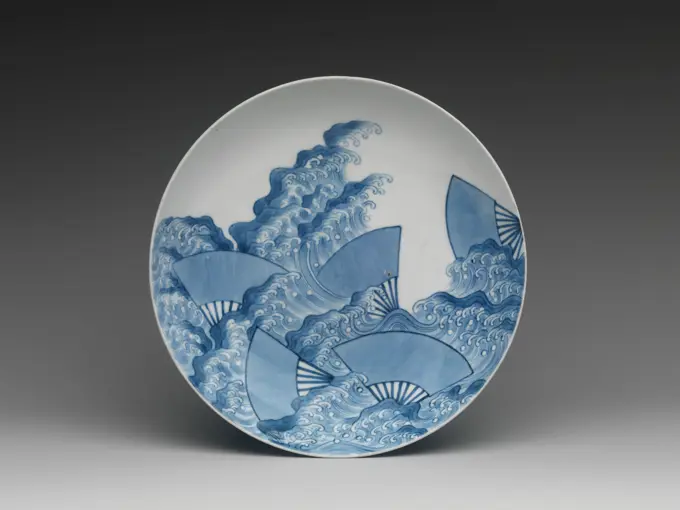
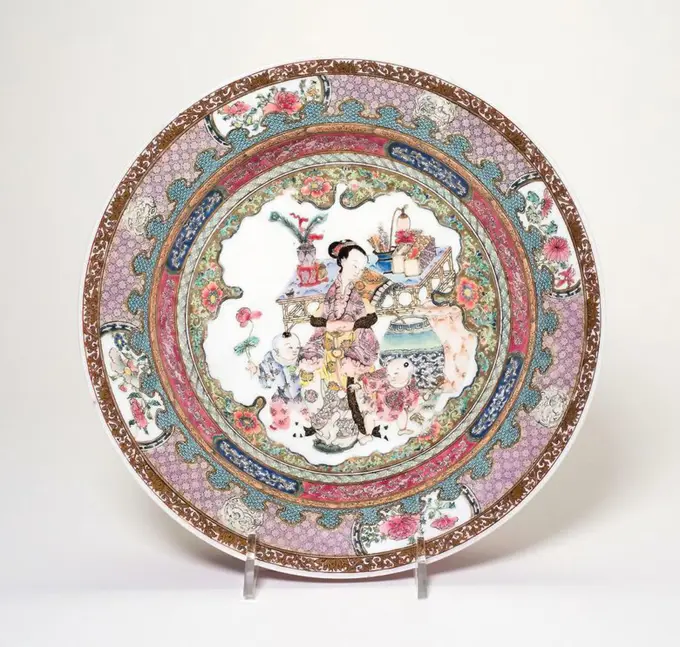
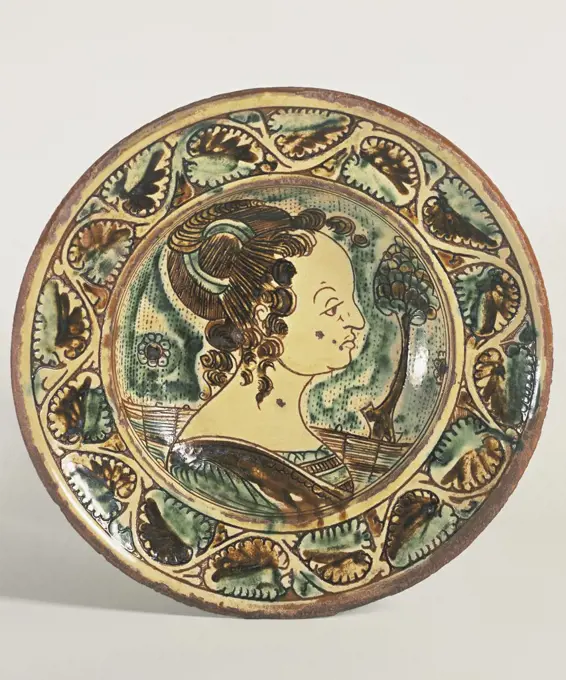
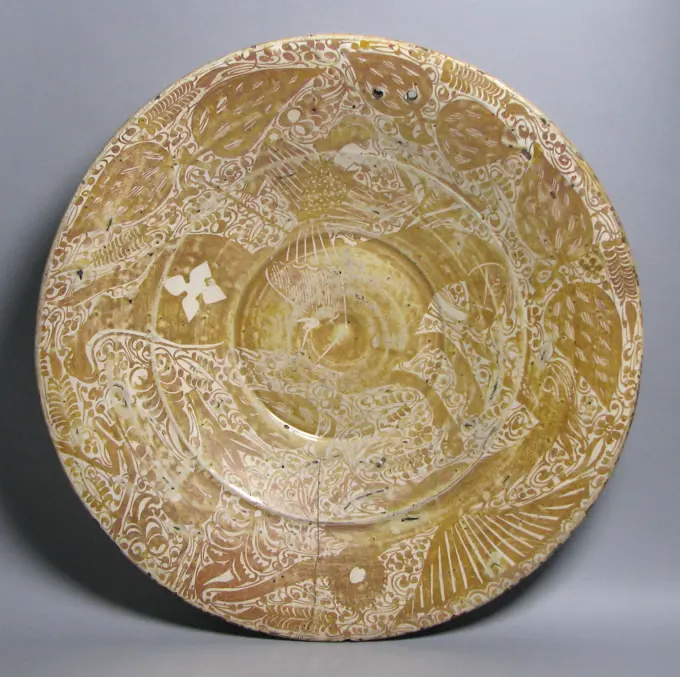
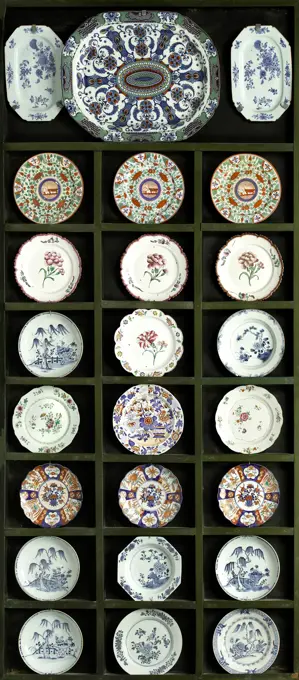
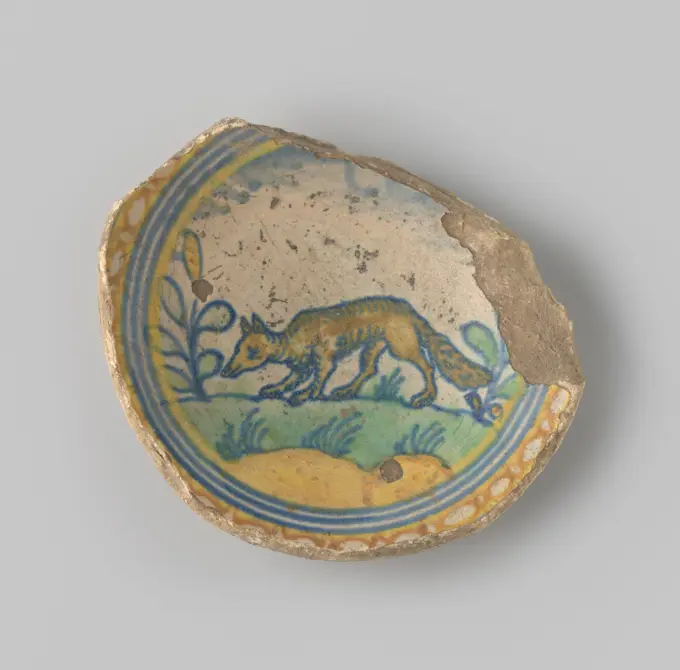
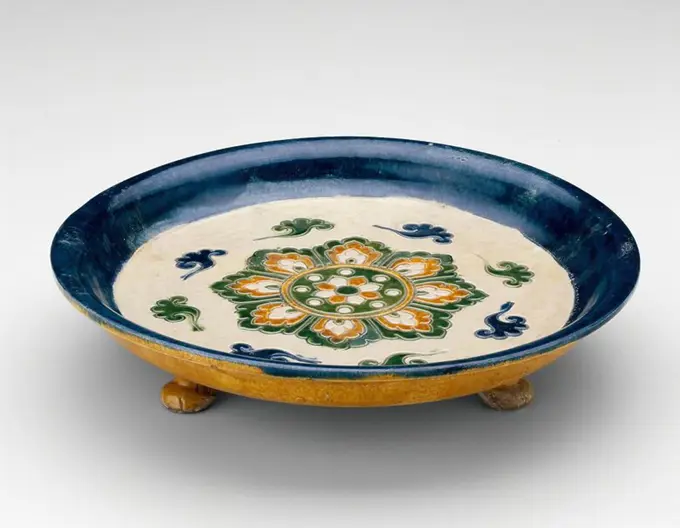
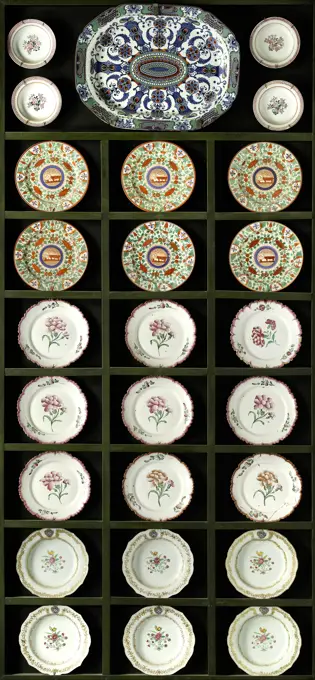
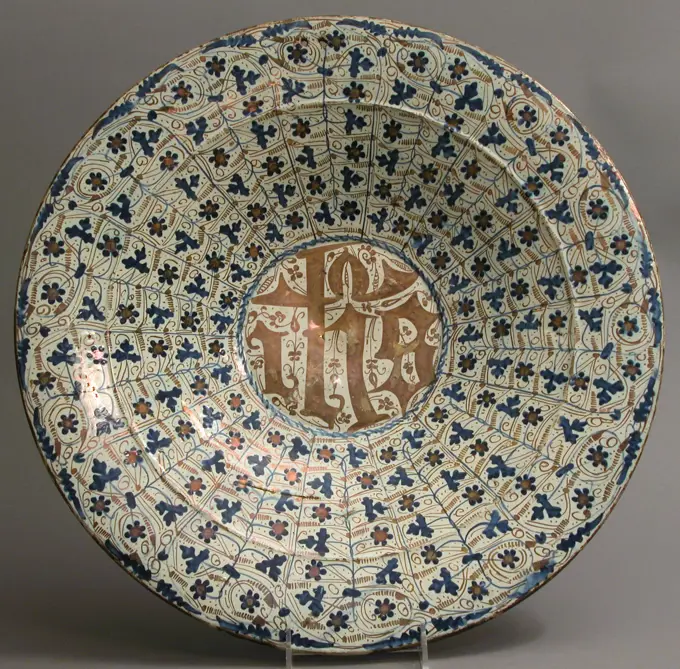
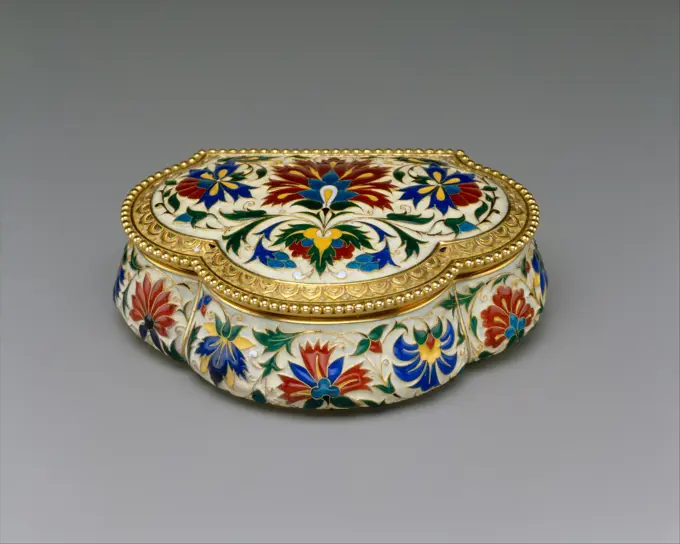
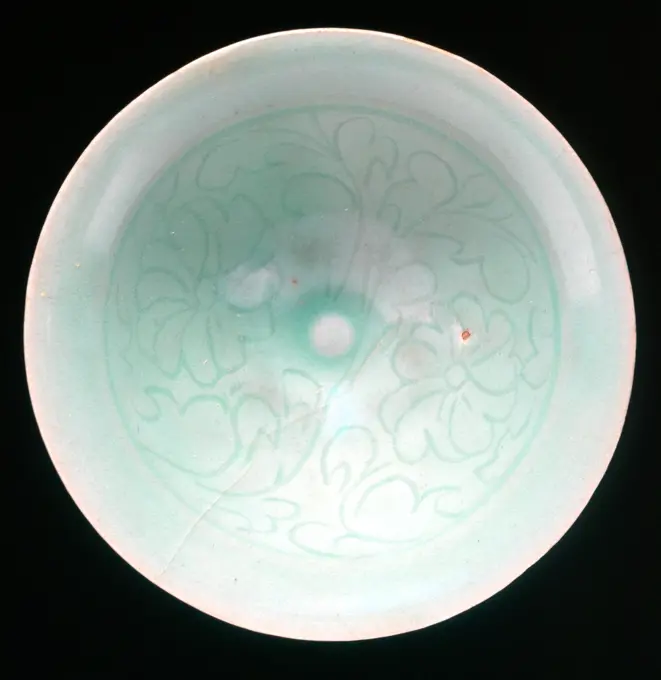
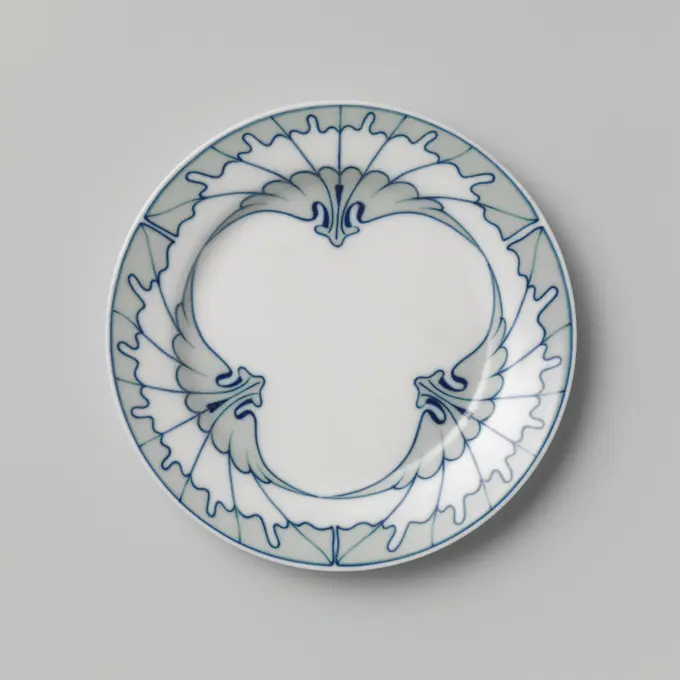
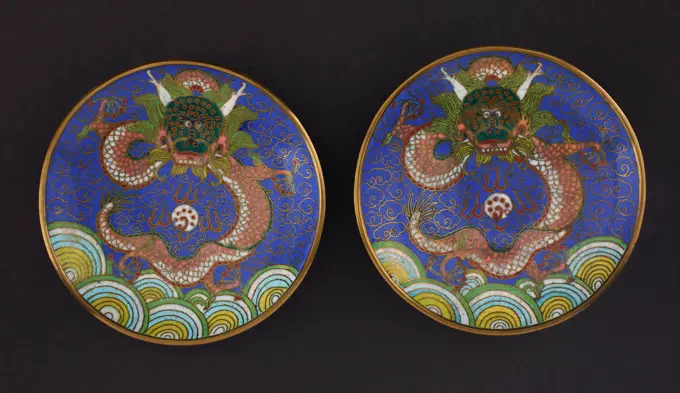
Plate with red dragons". Churfuerstliche Porcellain Fabrique, Meissen (1763/74-1814), manufacturePlate with a face on a Chinese city, Peter Regout, c. 1850 - c. 1875 Plate of pottery with lilac transfer decor, round, with a face on a Chinese city on the flat, surrounded by flowers. On the edge of cartouches with alternating vases with flowers and buildings interspersed by fencing. Maastricht . Plate of pottery with lilac transfer decor, round, with a face on a Chinese city on the flat, surrounded by flowers. On the edge of cartouches with alternating vases with flowers and buildings interspersed by fencing. Maastricht .Plate Baranowski, Józef (1863 or 1868 1942)Dish, anonymous, c. 1700 - c. 1720 Porcelain saucer with raised wall and slanted edge, decorated in underly glaze blue and on the glaze blue, red, green, yellow, eggplant, black and gold. The front of the dish is covered with bleu pouddré (powder blue) with a large scalloped field filled with three people on a fenced terrace with rocks and two trees, a scholar at a table playing on a qin, a woman sitting sitting At a table in front of a bed, a maid with a bowl on a tray; the wall with a gold decoration on the blue with flower straws and tendrils; the edge with a gold decoration on the blue with a geometric pattern, which is spared eight compartments with antiques (incense burner, ruyi-scooper), valuables (pearl, diamond, music stone, horns), Buddhist lucky symbols (shell) and (mythological) animals in one Landscape (crab, deer, roosters, fish, bird and shishi/lion dog). Marked on the underside with two fish in a double circle. Bleu Poudré with Famle Verte. China porcelain. glaze. cobalDeep dish. unknown, craftsmanDeep Dish 1435-1465 Spanish. Deep Dish 471741Saucer With a Flower Basket and Floral Scrolls. Dish of porcelain, painted in underglaze blue and on the glaze gold. On the flat in a medallion a flowerpot; The wall is divided into three impeller-shaped compartments separated by a wide stripe with a flower. In the flower exit boxes. Imari.Fragment faience plate, blue on white, brushstroke decor, reverse side arches decor, dish plate crockery holder earth discovery ceramics earthenware glaze tin glaze, Cook in archeology serving decorate ItalyBlue-ground Dish with Floral Design. Dimensions: H. 2 3/4 in. (7 cm)Diam.12 3/4 in. (32.4 cm). Date: ca. 1560. Museum: Metropolitan Museum of Art, New York, USA.Plate ca. 1675 French, Nevers The decoration of birds and bouquets of Near Eastern flowers is inspired by Turkish pottery.. Plate 194290Dish with scrolls, anonymous, c. 1700 - c. 1749 Scale of quartz fritry decorated with leaf vines saved in curls in black blue on white under a transparent glaze. Kirman earthenware. glaze painting / vitrification Scale of quartz fritry decorated with leaf vines saved in curls in black blue on white under a transparent glaze. Kirman earthenware. glaze painting / vitrificationDeep Dish 1420-1430 Spanish. Deep Dish. Spanish. 1420-1430. Tin-glazed earthenware. Made in probably Manises, Valencia, Spain. CeramicsCharger with a qilin, anonymous, c. 1350 Large porcelain dish, painted in under -glaze blue. On the flat in a medallion a Qilin with flames near a rock, surrounded by fruit plants (grape, banana plant, melon). The inner wall with lotus drinks. On the inner edge a band with servetwork. On the outside wall a band with flower vines. Two cracks in the edge. The underside is unglazed. Yuan porcelain in blue and white. China porcelain. glaze. cobalt (mineral) painting / vitrification Large porcelain dish, painted in under -glaze blue. On the flat in a medallion a Qilin with flames near a rock, surrounded by fruit plants (grape, banana plant, melon). The inner wall with lotus drinks. On the inner edge a band with servetwork. On the outside wall a band with flower vines. Two cracks in the edge. The underside is unglazed. Yuan porcelain in blue and white. China porcelain. glaze. cobalt (mineral) painting / vitrificationDish 17th century. Dish 444506Brush Washer withLotusDish with Cupid on a Hobbyhorse (Tondino); Possible Urbino area, Venice, or Pesaro, Italy; about 1510 - 1520; Tin-glazed earthenware; 2.4 x 23.5 cm (15,16 x 9 1,4 in.)Anonymous. "Third night" plate. Earthenware. Paris, Carnavalet museum. 71684-3 Decoration, earthenware, revolutionary period, French revolution, tier night, plateSaucer with cock and three fans with flower sprays, anonymous, c. 1725 - c. 1749 Porcelain dish with sloping wall, painted on the glaze in blue, red, pink, green, yellow, black and gold. A medallion with a rooster depicted on the flat of the dish; around the medallion three fans with flowering plants against a pink soil; Three elongated compartments with servetwork between the fans. Famle Rose. China porcelain. glaze. gold (metal) painting / gilding / vitrification Porcelain dish with sloping wall, painted on the glaze in blue, red, pink, green, yellow, black and gold. A medallion with a rooster depicted on the flat of the dish; around the medallion three fans with flowering plants against a pink soil; Three elongated compartments with servetwork between the fans. Famle Rose. China porcelain. glaze. gold (metal) painting / gilding / vitrificationPlate with carp and dragon late 17th-early 18th century China. Plate with carp and dragon. China. late 17th-early 18th century. Porcelain painted in underglaze cobalt blue (Jingdezhen ware). Qing dynasty (1644-1911), Kangxi period (1662-1722). CeramicsBowl, 19th century, 2 1/8 x 4 3/4in. (5.4 x 12.1cm), Porcelain, China, 19th centuryDish Japanese, for Dutch market 19th centurySaucer-dish with powder blue and shaped panel in reserve with flower sprays. Dish with round wall of porcelain, painted in underglaze blue and red. The dish is covered with bleu poudré (powder blue) with a flower-shaped cartouche spilled with rocks, flower branches and a butterfly on the flat in it; Three floral drinks on the outside. Marked on the bottom with the six character mark of Emperor Chenghua. Some chips and two cracks in the edge. Middle blue with copper red.Saucer, c. 1760-1770. France, Chantilly, 18th century. Porcelain; diameter: 7.5 cm (2 15/16 in.).Dish with Hydrangeas. Culture: Japan. Dimensions: H. 2 1/4 in. (5.7 cm); Diam. 8 in. (20.3 cm). Date: ca. 1690-1730.This dish draws the viewer's attention to a single sprig of hydrangea, a typical summer blossom of Japan, framed by a pale green mist. The flowers painted in cobalt blue paired with the hazy celadon glaze give the impression that we are seeing these flowers shortly after a summer rain shower.The refined, almost poetic nature of this dish is appropriate considering its use. This is an example of Nabeshima ware, a specialty porcelain that was produced during the Edo period. The production of this type of porcelain was carried out at a separate kiln from those making commercial porcelain, in order to keep the techniques and designs secret. These wares would be reserved exclusively for use as presents to members of the ruling class. Nabeshima ware, therefore, had to live up to the highest standards and was made to suit a discriminating taste. Museum: Metropolitan Museum of Antique porcelainDish. unknown, craftsmanFoliate Dish with Lotus Flower 1250-1299 China. Longquan ware; celadon-glazed stoneware with underglaze carved and mold-impressed decoration .Faïence plate with chinoiserie, anonymous, c. 1720 - c. 1740 Plaque from Faïence with a chinoiserie decoration. Delft . Plaque from Faïence with a chinoiserie decoration. Delft .Bowl 12th-13th century. Bowl. 12th-13th century. Stonepaste; overglaze painted (mina'i). Attributed to Iran. CeramicsBowl, 19th century, 2 7/8 x 6 1/2 x 6 1/2 in. (7.3 x 16.51 x 16.51 cm), England, 19th centuryBowl with aCouplePlate, multicolored painted with a weapon with a bird with a bird with stretched wings. Sheared edge., Anonymous, c. 1620 - c. 1640 Round plate of multi -colored painted majolica. A weapon is painted on the flat with a bird (duck) With stretched wings. Vertical lines are painted on the weapon. Stylized flowers have been painted on the edge with spiral lines. The outer edge is serrated. Holland earthenware. tin glaze. lead glaze majolica Round plate of multi -colored painted majolica. A weapon is painted on the flat with a bird (duck) With stretched wings. Vertical lines are painted on the weapon. Stylized flowers have been painted on the edge with spiral lines. The outer edge is serrated. Holland earthenware. tin glaze. lead glaze majolicaFaience plate, spell plate with blue decor, crowned cartouche and spell, plate crockery holder soil find ceramic earthenware glaze tin glaze, hand-turned baked decorated glazed baked Faience spelled board from series Stand alone at the top only one shoulder on the transition from mirror to flag. Yellow shard entirely covered with tin glaze. Blue decor on white fond Two blue circles in the shoulder crowned cartouche with bobbins and acanthus leaves number and text Cooked in Cartouche: 6 Is the joy of the dis archeology Valckensteyn Poortugaal Albrandswaard native earthenware serve serve food archaeological find in the soil Poortugaal ValckensteynFor a long time (ôzara);  20th century (1801-00-00-1900-00-00);Unknown, plate, Chinese decor. Big fire earthenware, white and blue enamels. Petit Palais, Museum of Fine Arts of the City of Paris.Bowl first half 9th century. Bowl 449037Plate;  1524 (1524-00-00-1524-00-00);Barber bowl, ceramic. Museum: COLECCION PRIVADA.Plate. unknown, craftsmanSaucer With Petal-Shaped Panel Around A Central Medallion, Filled With Flower Sprays. Dish of porcelain, painted in underglaze blue and on the glaze red and gold. On the platter a medallion with flour, a medallion six petal-shaped boxes filled with flower branches; Between the boxes a flower drink; Three loose flowers on the back. Chinese Imari.Bowl with Floral Design. Anonymous. Japan, Kyōhō era, 1716-1736. Ceramics. Nabeshima ware; porcelain with blue underglazeDish with Design of Water Plants early 18th century Japan. Dish with Design of Water Plants. Japan. early 18th century. Porcelain with underglaze blue and overglaze enamels (Hizen ware, Nabeshima type). Edo period (1615-1868). CeramicsPlate, 1899, Laura Fry, American, 1857 - 1943, 1 1/8 x 9 1/8 in. (2.86 x 23.18 cm), Glazed porcelain, United States, 19th centurySmall Dish with Cherry Blossoms in Bamboo Baskets 1690-1720 Japan. Small Dish with Cherry Blossoms in Bamboo Baskets. Japan. 1690-1720. Porcelain painted with cobalt blue under and red enamel over a transparent glaze (Hizen ware, Nabeshima type). Edo period (1615-1868). CeramicsBread Plate, c. 1848, Augustus Welby Northmore Pugin; Manufacturer: Minton and Company; Designer: Augustus Welby Northmore Pugin, Stoke-on-Trent, Staffordshire, England, est. 1793, 1 1/4 x 13 1/4 in. (3.18 x 33.66 cm), Glazed encaustic stoneware, England, Gothic RevivalFragment majolica pancake dish, blue on white, stylized floral decor, border in Wanli style, dish crockery holder soil find ceramics pottery glaze, Cooked with boiled Cooked glaze due to high baking temperature archeology indigenous pottery serve serve food crockery ChinaExcerpt deep plate from v.o.c.-ship De 'Witte Leeuw', Anonymous, Before 1613 plate (dishes) Fragment deep plate from V.O.C. ship De 'Witte Leeuw', 70 present. And two separate associated shards. Jingdezhen bone china (material)   Sint-HelenaPlate. unknown, craftsman. Fragmentary round plate of blue painted faience. On the flat, a rider with a gun is painted and triangles on the edge. A large triangular piece is missing from the board. The board is a soil find from Amsterdam.Green colored plate of hard-baked pottery; Wedgwood. Round plate of hard-baked pottery. The plate is colored green and has embossed a decoration of wingerd leaves. The sign is marked: Wedgwood.Dish, painted multily with a bird on a branch on the flat. Edge decorations of dots and spirals .. round dish of multi-colored painted majolica, with a blue fond. On the flat is a bird (pigeon) Painted on a branch. Dots are painted on the edge, interconnected by spiral motifs. The back is covered with lead glazing, including the yellow clay is visible.Saucer-dish with a water landscape with mountains, trees and boats, anonymous, c. 1725 - c. 1749 Porcelain dish, covered with a pink glaze and painted on the glaze with blue, red, pink, green, yellow, brown and black. On the front a river landscape with people, houses, trees, mountains and boats; The inner edge with a tire servetwork interspersed with scalloped cartouches with flower and fruit branches. The back is covered with a pink glaze. Famle Rose with a Ruby Back. China porcelain. glaze. painting / vitrification Porcelain dish, covered with a pink glaze and painted on the glaze with blue, red, pink, green, yellow, brown and black. On the front a river landscape with people, houses, trees, mountains and boats; The inner edge with a tire servetwork interspersed with scalloped cartouches with flower and fruit branches. The back is covered with a pink glaze. Famle Rose with a Ruby Back. China porcelain. glaze. painting / vitrification. Plate of faience. Painted multi-colored with a star and decorated edges.Bowl, Metaale Pot de (the Metal Pot Factory), Lambertus Cleffius, Tin-glazed earthenware, Circular bowl with wide rim; painted in underglaze blue with dark outlines (trek), in center with chinoiserie bird and floral spray, around the rim with floral border; on back several rings of blue and trek circled around foot rim., Delft, Netherlands, 1679-1691, ceramics, Decorative Arts, BowlWGF, Fragment majolica dish, polychrome, jumping dog, egret border, signed, plate dish crockery holder soil find ceramic earthenware glaze tin glaze leadglass, majolica baked underside covered with lead glaze only. Polychrome Pictured is jumping dog male in blue and partly filled in manganese Yellow shard red address scraped and slightly layered pottery Signed within the stand ring initials reverse: WGF archeology Rotterdam City Triangle Haringvliet New Haven decorate serving food serving interior New Haven Haringvliet 1941.BATEA DE MADERA LACADA - ARTE MEXICANO - S XVIII. Location: MUSEO DE AMERICA-COLECCION. MADRID. SPAIN.Fragment faience plate, blue on white, Chinese decor with landscape and tendrils, plate crockery holder soil find ceramic earthenware glaze tin glaze, Cooked in box Mark or year Glazed on reverse inside stand archaeologySeal Paste Box (Yinnihe) with Lotus Blossoms and Floral Scrolls. China, Qing dynasty, Qianlong mark and period, 1736-1795. Furnishings; Accessories. Cast bronze with cloisonné enamel decorationPlate; Porcelain Factory Michai A Wasiljewicz OMONOSOWA (1918-); 1920 (1920-00-00-1920-00-00);Anonymous. Assisiette in the Constitution of 1791. Faïence. Paris, Carnavalet museum. 71680-57 Phrygian cap, constitution, decoration, earthenware, weapon beam, ax, revolutionary period, French revolution, platePlate from the Arabesque Service. Sèvres Porcelain Manufactory; French, founded 1740; Jacques Fontaine (painted by) (French, 1734/35-1807, active 1752-1800); Louis-Francois L'Ecot (gilded by) (French, active 1761-1764 and 1772-1800). Date: 1785. Dimensions: Diam. 25.7 cm (10 1/8 in.). Soft-paste porcelain, polychrome enamels, and gilding. Origin: France. Museum: The Chicago Art Institute, Chicago, USA. Author: Manufacture nationale de Sevres.Round plate of hard-baked pottery. Round plate of hard-baked pottery. The plate is colored green and has embossed a decoration of lotus flowers and leaves.Dish late 17th-early 18th century China. Dish. China. late 17th-early 18th century. Porcelain painted in underglaze blue. Qing dynasty (1644-1911), Kangxi period (1662-1722). CeramicsA bowl with plant decoration unknownDish from V.O.C.-ship De 'Witte Leeuw', Anonymous, Before 1613  Saucer from V.O.C. ship De 'Witte Leeuw', 95  present; Parts of the wall are missing. The shard is glassy white. The glaze is blue -tinted and partially peel off the lip edge. The bottom is unglazed. The foot ring is faceted and stands inside. More than 20 grains of oven sand have been found. The lip is scooped. Lampet dish. Jingdezhen bone china (material). glaze   Sint-HelenaLeaf-shaped stand. unknown, craftsmanPlate. Culture: Spanish. Dimensions: Overall: 18 1/4 x 2 5/8 in. (46.3 x 6.6 cm). Date: late 15th century. Museum: Metropolitan Museum of Art, New York, USA.Dish with Fans Floating on a Stream ca. 1730-1760s Japan Although various patterns in underglaze cobalt-blue appeared on the exterior of the proto-and early Nabeshima wares, the classic pattern that appears on many of the pieces from the 1680s onward is the cash and comb pattern seen here. The cash is tied with ribbon and appears on the exterior rim of the piece; the comb pattern appears around the exterior of the footring.. Dish with Fans Floating on a Stream 52348Bowl, 12th-13th century, Diam. 7 in., Glazed earthenware, Iran, 12th-13th centuryScalloped rim charger 1881-91 Coalport. Scalloped rim charger. British, Coalport. 1881-91. Porcelain. Ceramics-PorcelainPlate. The kraak style remained popular for a long time. The painting on this later piece is no longer so precise. The blue of Japanese kraak ware is darker than its Chinese counterpart and the porcelain is somewhat thicker. Although areas of glaze are often missing on the rims of Chinese kraak ware, this is never the case with Japanese kraak porcelain.Dish belonging to a cup with a representation of a woman with children who warm himself to a fire. Dish of porcelain, decorated with tape work and branches in the edge and decoration on the flat. The dish is part of a cup of a woman with children who warm himself to a fire. Not noticed.Ruby-Back Famille-Rose Dish. China. Date: 1723-1735. Dimensions: H. 3.5 cm (1 3/8 in.); diam. 20.8 cm (8 3/16 in.). Porcelain with overglaze famille rose enamel decoration. Origin: China. Museum: The Chicago Art Institute, Chicago, USA.Close-up of a dish, Province of Ferrara, Emilia-Romagna, ItalySaucer with a roundel and foliate scrolls, anonymous, c. 1800  Porcelain dish with a straight wall, painted on the glaze in gold. On the flat a rosette in a medallion of pearls. The inner wall with a leaf vank between two gold tires. Marked on the underside with Neeles. Belgium porcelain. glaze. gold (metal) painting / gilding / vitrificationCenterTableDish ca. 1450 Spanish. Dish. Spanish. ca. 1450. Tin-glazed earthenware. Made in probably Manises, Valencia, Spain. CeramicsDish with Lion-Dogs. Culture: China. Dimensions: H. 1 3/4 in. (4.4 cm); Diam. 6 7/8 in. (17.5 cm). Museum: Metropolitan Museum of Art, New York, USA.Dish early 17th century. Dish 447223Saucer with an ornamental border, anonymous, c. 1800 - c. 1824 Porcelain dish with a straight wall, painted on the glaze in gold. On the flat a gold medallion with a flower branch. The inner wall is with a pendulum of stars, half moon shapes with dots and triangles and a golden edge. Marked on the bottom with g. Empire. France porcelain. glaze. gold (metal) painting / gilding / vitrification Porcelain dish with a straight wall, painted on the glaze in gold. On the flat a gold medallion with a flower branch. The inner wall is with a pendulum of stars, half moon shapes with dots and triangles and a golden edge. Marked on the bottom with g. Empire. France porcelain. glaze. gold (metal) painting / gilding / vitrificationVictor Hugo (1802-1885). Chinese decor from Juliette Drouet's house in Guernsey, West Wall. Green wooden locker containing plates and dishes, composed of twenty-seven compartments (left side near South Wall). Painted wood. 1857-1864. Paris, house of Victor Hugo. 78171-19 Asian art, decorative arts, painted wood, Chinese cabinet, chinoiserie, compartment, decor, earthenware, storage, Chinese living room, dishes, 19th 19th 19th 19th 19th 19th century, plate, dishFragment of a dish, c. 1600 - c. 1625 Fragment of a dish on a high foot ring, namely the flat. Crème shard covered with ting laze on the front and lead glaze at the rear. The flat is painted in blue, orange, green and yellow with a forest on a ground inside yellow and blue circles. There outside an orange bead list. On the back 25 in black. Northern Netherlands earthenware. tin glaze. lead glaze majolica Fragment of a dish on a high foot ring, namely the flat. Crème shard covered with ting laze on the front and lead glaze at the rear. The flat is painted in blue, orange, green and yellow with a forest on a ground inside yellow and blue circles. There outside an orange bead list. On the back 25 in black. Northern Netherlands earthenware. tin glaze. lead glaze majolicaFooted Dish with Lotus Medallion and Cloud Scrolls. China. Date: 701 AD-750 AD. Dimensions: H. 6.3 cm (2.5 in.); diam. 29.5 cm (11.6 in.). Earthenware with impressed decoration and three-color (sancai) lead glazes. Origin: China. Museum: The Chicago Art Institute, Chicago, USA.Bord, anonymous, 1725 - 1770 Fowence board, with yellow piping. Blue painted and with a scalloped edge. Delft . Fowence board, with yellow piping. Blue painted and with a scalloped edge. Delft .Plate, Chelsea, c. 1775 - 1799 Soft-Paste Porcelain plate (Pâte Tendre) with a rocaille edge, painted on the glaze in blue, red, green, yellow, black and gold. On the front a dragon in bamboo between clouds. Downstairs is a tiger next to a flowering plant (Prunus). Three prenes on the bottom. The board is in the style of Japanese Kakiemon porcelain. Chelsea porcelain. soft-paste porcelain. glaze. painting / vitrification Soft-Paste Porcelain plate (Pâte Tendre) with a rocaille edge, painted on the glaze in blue, red, green, yellow, black and gold. On the front a dragon in bamboo between clouds. Downstairs is a tiger next to a flowering plant (Prunus). Three prenes on the bottom. The board is in the style of Japanese Kakiemon porcelain. Chelsea porcelain. soft-paste porcelain. glaze. painting / vitrificationVictor Hugo (1802-1885). Chinese decor from Juliette Drouet's house in Guernsey, West Wall. Green wooden record containing plates and dishes, composed of twenty-seven compartments (right side of the west wall). Painted wood. 1857-1864. Paris, house of Victor Hugo. 78171-18 Asian art, decorative arts, painted wood, green wood, Chinese cabinet, locker, chinoiserie, compartment, decor, faience, storage, Chinese living room, dishes, 19th XIX 19th 19th 19th 19th century, plate, dishDish 1430-1460 Spanish. Dish 471795Saucer with a lozenge pattern formed by stripes and dots, Clignancourt, c. 1775 - c. 1790  Porcelain dish with a straight wall, painted on the glaze with blue, green, gold. On the flat and inner wall a diamond pattern formed by golden stripes and small rosettes of dots. The inner edge with a decorative band. Golden Rand. Marked on the bottom with the monogram 'LSX'. Clignancourt porcelain. glaze. gold (metal) painting / gilding / vitrification. The popularity of Kakiemon motifs ensured that they were copied well into the 18th century, both in China and in Europe - at Meissen in Germany, Chantilly in France, and Chelsea (now a borough of London) in England. The painters of this English plate carefully imitated anexample of Kakiemon porcelain, although the delineation is somewhat stiff. The plates composition and form clearly reveal its European origin.Plate; Koenigliche Porzellan Manufaktur (KPM; Berlin; 1763-1918); 1870-82 (1823-00-00-1832-00-00);Box ca. 1875 Lucien Falize French Made by the illustrious Parisian firm Falize, this trilobed box is decorated in the Persian taste with flowers and foliage enameled in deep red, green, dark and turquoise blue, and yellow on a white ground. The gold-rimmed lid is decorated with ogee-shaped lappets on a matte ground and edged with beading that recalls the eighteenth-century French tradition of finely crafted gold boxes. Alexis Falize (1811-1898) began his career as an anonymous supplier of jewelry to retailers such as Boucheron and Tiffany's. Falize's firm, founded in 1838, followed the nineteenth-century fashion for the various revival styles as well as drawing inspiration from Near Eastern and Japanese sources. In 1867, Falize exhibited Japanese-inspired enameled jewelry to great success at the Exposition Universelle, Paris. Falize's son Lucien (1839-1897), who was one of the first to apply plant forms to jewelry design, foreshadowing the Art Nouveau style, continued his father's busiBowl late 12th-early 13th century. Bowl 451351Lacquer shield. Round black lacquered shield with decoration in gilt: Flower drinks along the outer edge and in the middle-crowned initials in a circle in which two branches attacked towards each other, tied down with a bow. Inscription: Midden; I V L ().PLATO DE CERAMICA VIDRIADO Y PINTADO DEL ALFAR DE SANTAFE DEL PUENTE DEL ARZOBISPO - MOTIVOS ANIMALES Y VEGETALES - SIGLO XX. Author: ALFAR DE SANTAFE PUENTE DEL ARZOBISPO (S XX). Location: ALFARERIA. PUENTE DEL ARZOBISPO. Toledo. SPAIN.Bowl with Incised Chrysanthemum Scroll Design. Korea, Korean, Goryeo dynasty, 918-1392, 12th century. Furnishings; Serviceware. Wheel-thrown stoneware with incised decoration and green glazeBowl 12th century. Bowl 450936Box with Pommel Scroll late 13th-14th century China Ubiquitous in the decoration of carved lacquer and also found in clay and metal, the design on this box was designated the pommel scroll” as early as the Song period (960-1279), and this term is widely used in the cataloguing of lacquer. It refers to the pommel of a sword, which is an unexpected prototype for a design in another material. The Japanese term guri, or bent wheel, is also sometimes used to categorize lacquers with this design.. Box with Pommel Scroll 39646Dish with Floral Design ca. 1660-80s Japan. Dish with Floral Design 63624BORD, TELDERD MET Het wing pattern decor, Meissener porcelain manufactory, 1901 Plate of painted porcelain. The board is painted in green and blue with the Flügelmuster. The board belongs to a service (BK-1976-65-1 to BK-1976-65-34) and is marked. Float porcelain Plate of painted porcelain. The board is painted in green and blue with the Flügelmuster. The board belongs to a service (BK-1976-65-1 to BK-1976-65-34) and is marked. Float porcelainPair of plates with a dragon on a cobalt blue background unknown