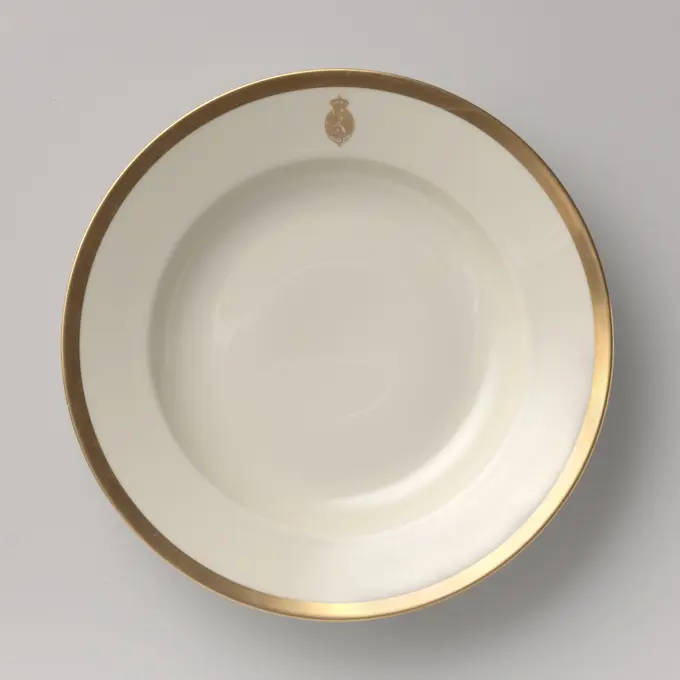
Decorative Porcelain Plates

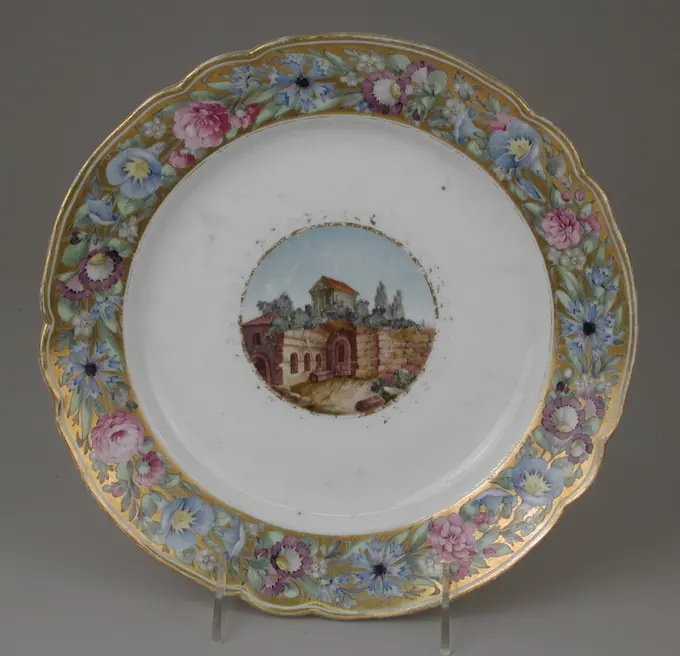
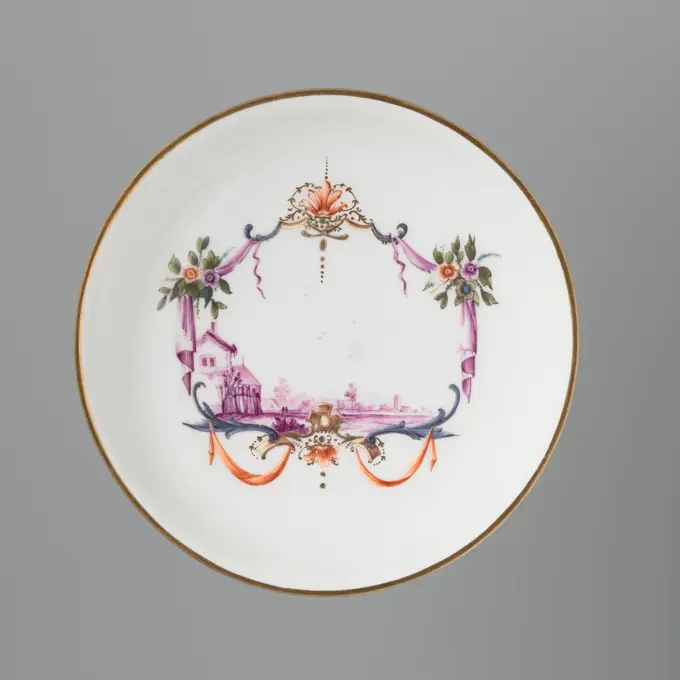
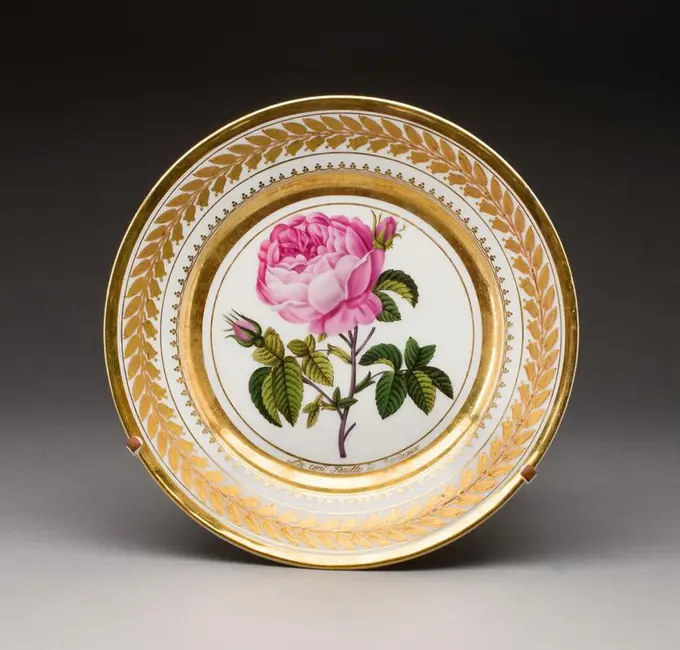
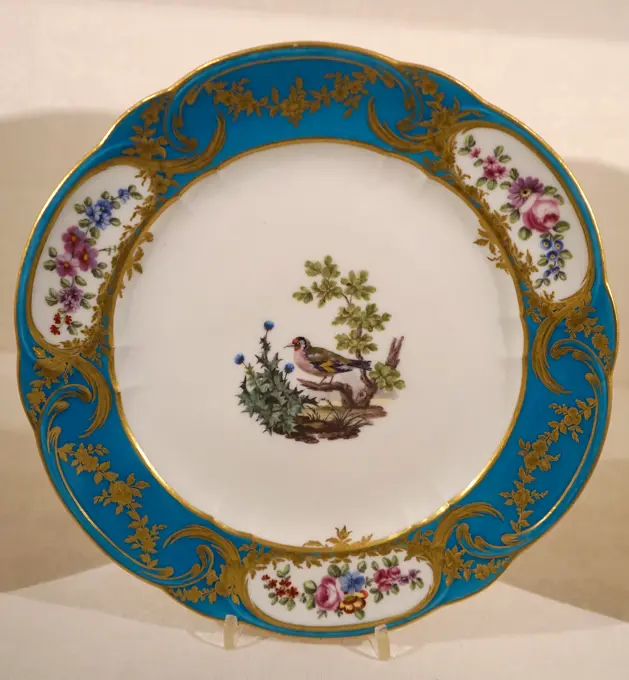
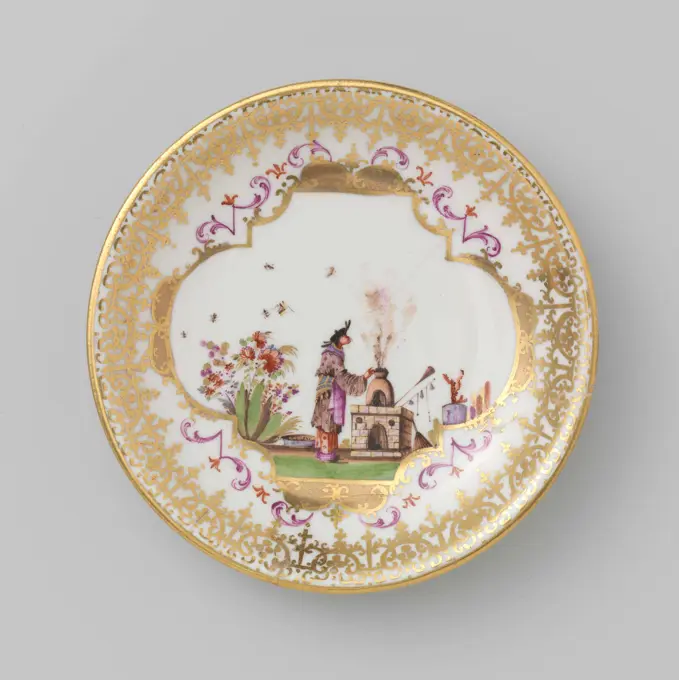
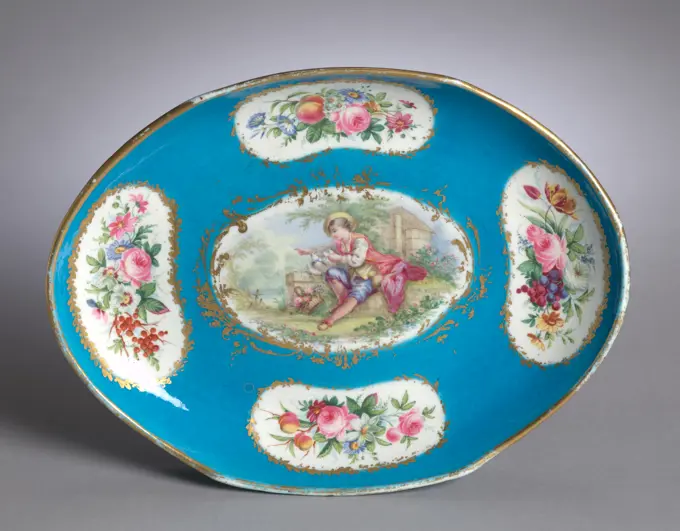
A selection of ornate porcelain plates showcasing colorful floral designs, animal motifs, and elegant scalloped edges, reflecting historical craftsmanship.

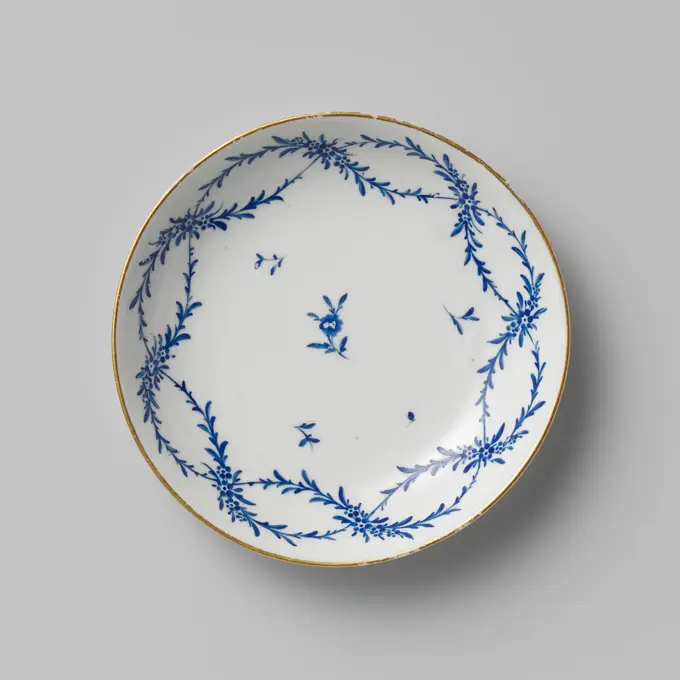
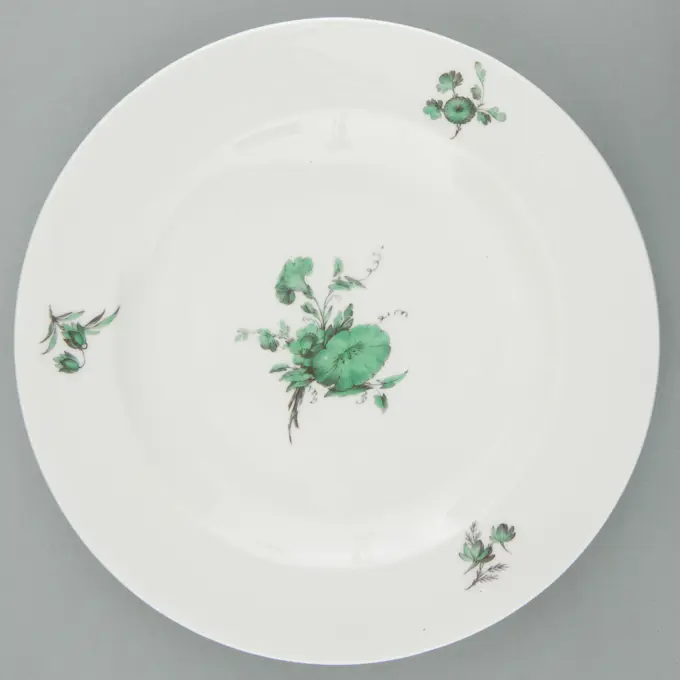
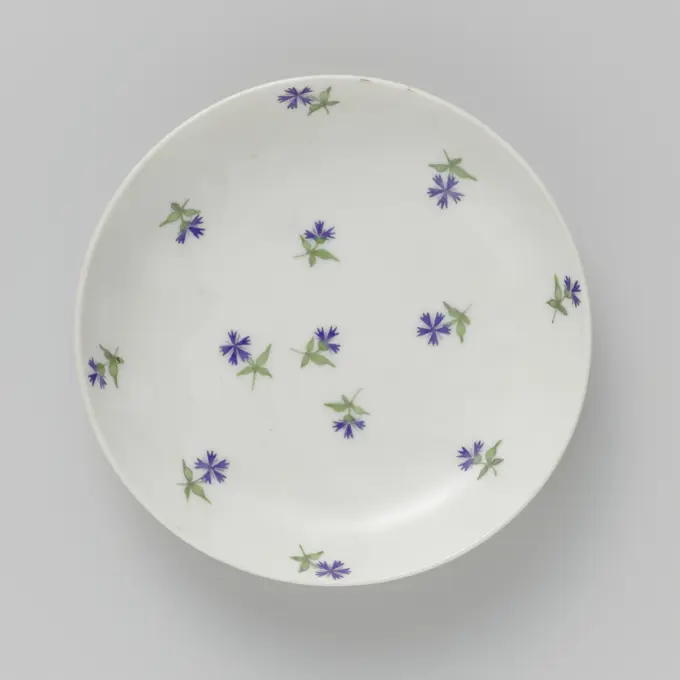
Porcelain dish, manufacture Oud -Loosdrecht, 1774 - 1784 Painted with a border with cornflowers and loose flower branches. Loosdrecht porcelain Painted with a border with cornflowers and loose flower branches. Loosdrecht porcelain
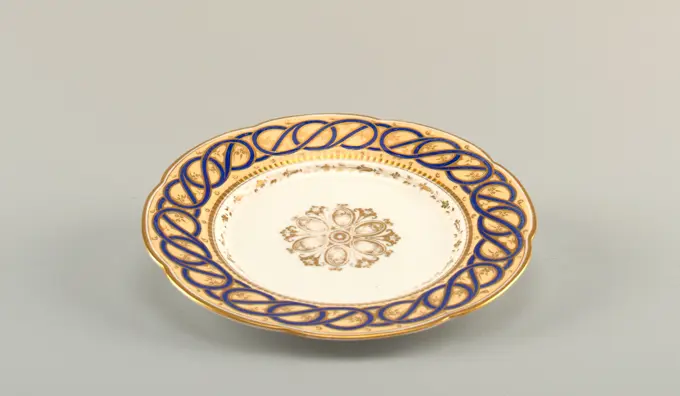
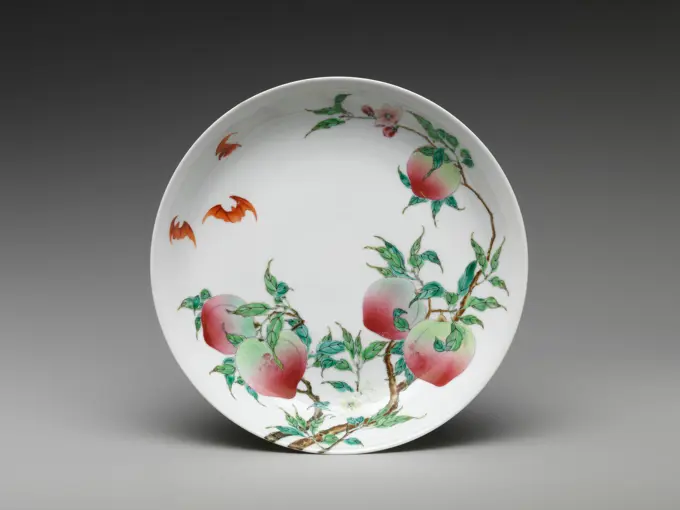
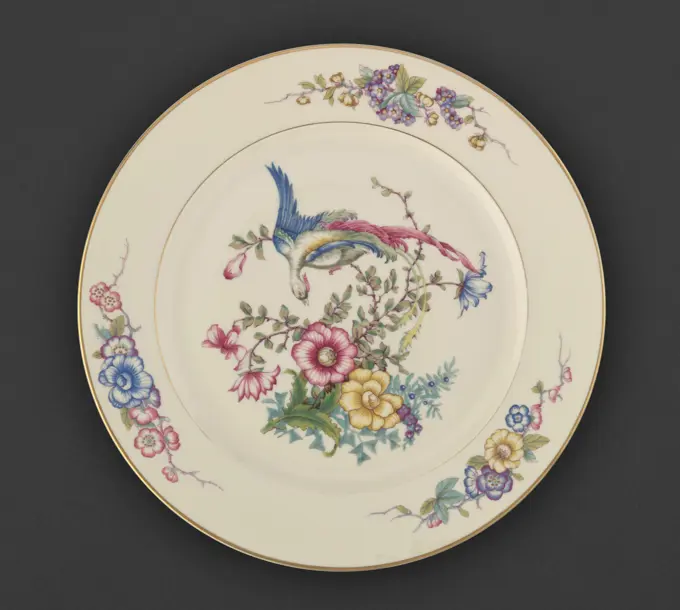
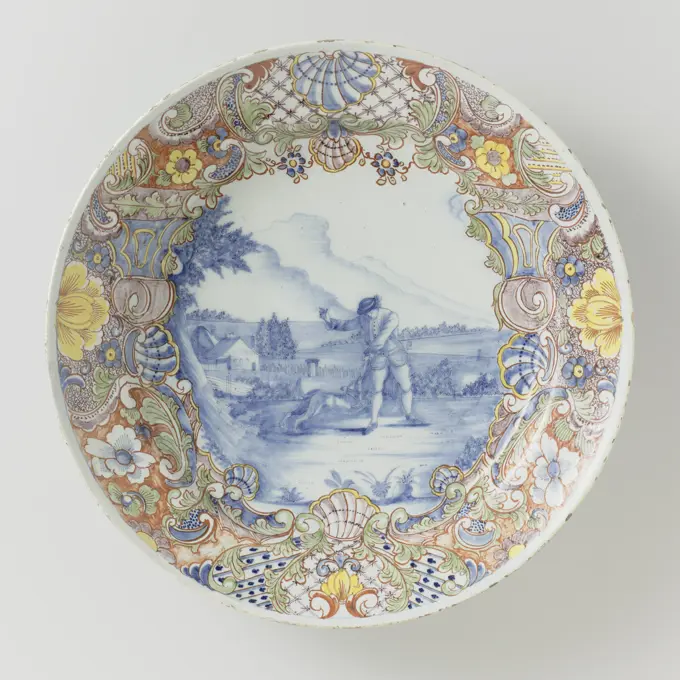
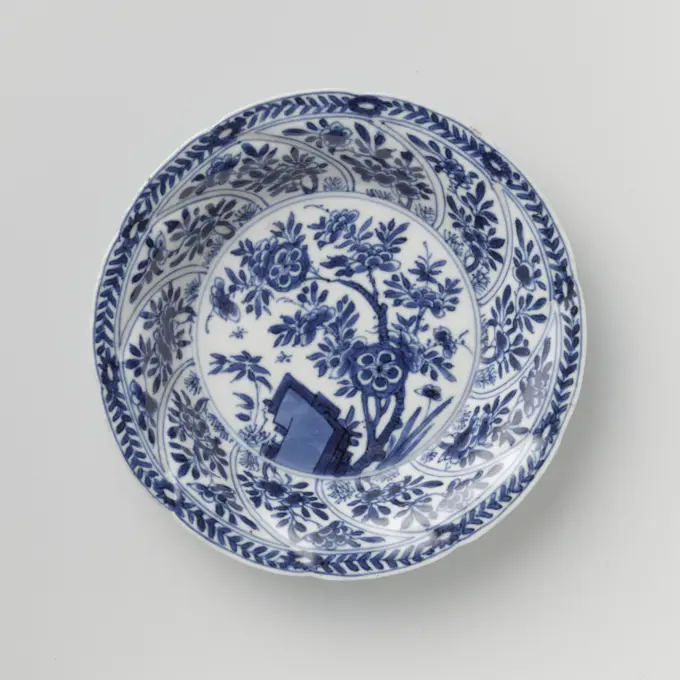
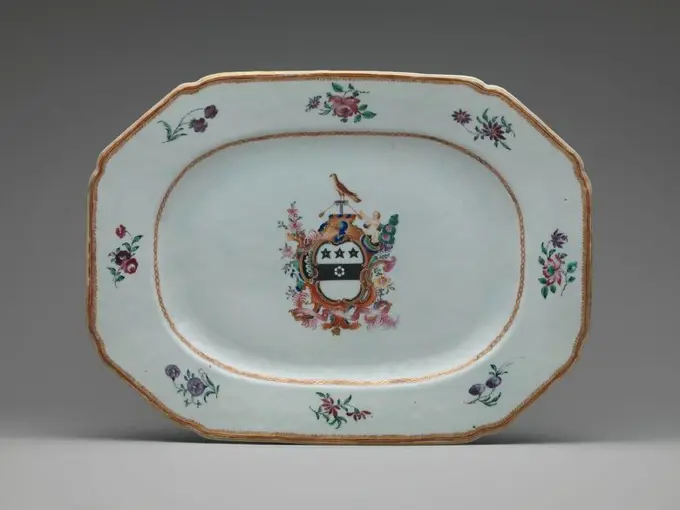
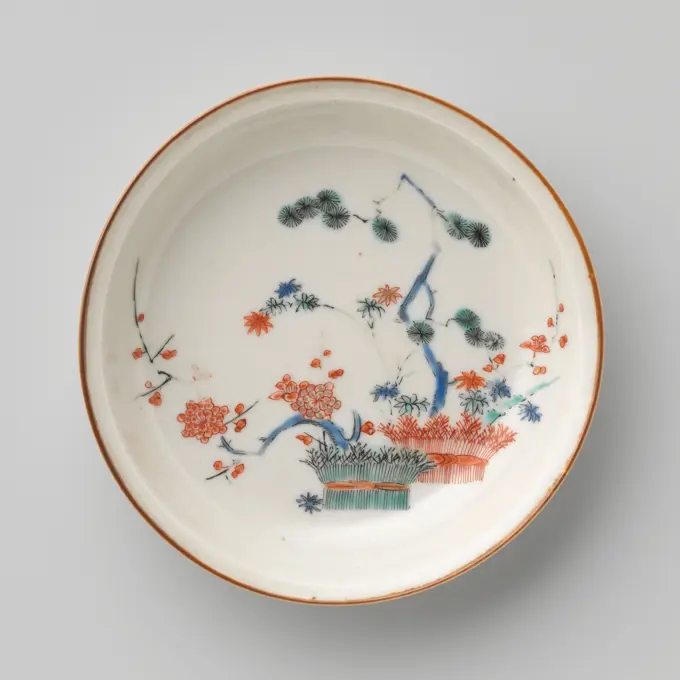
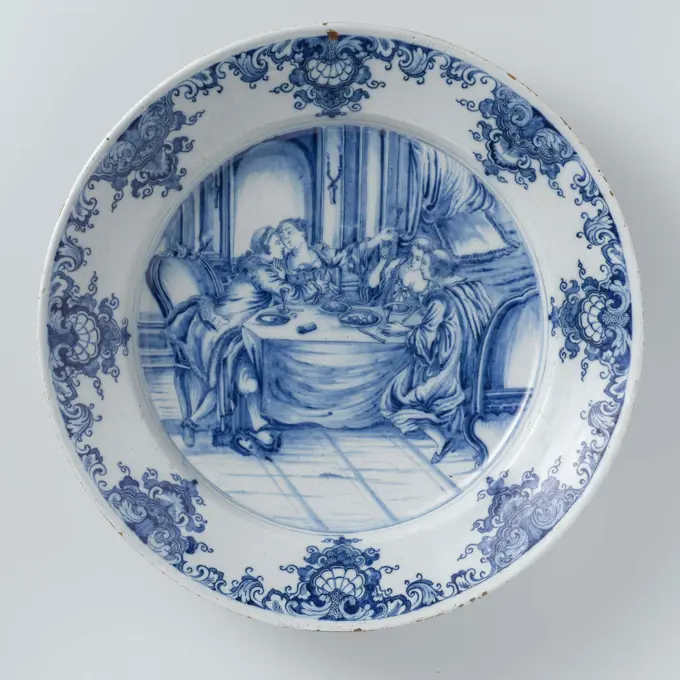
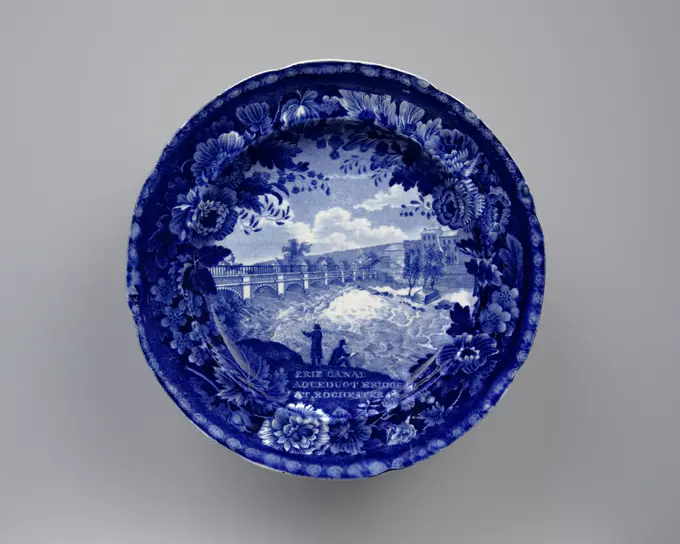
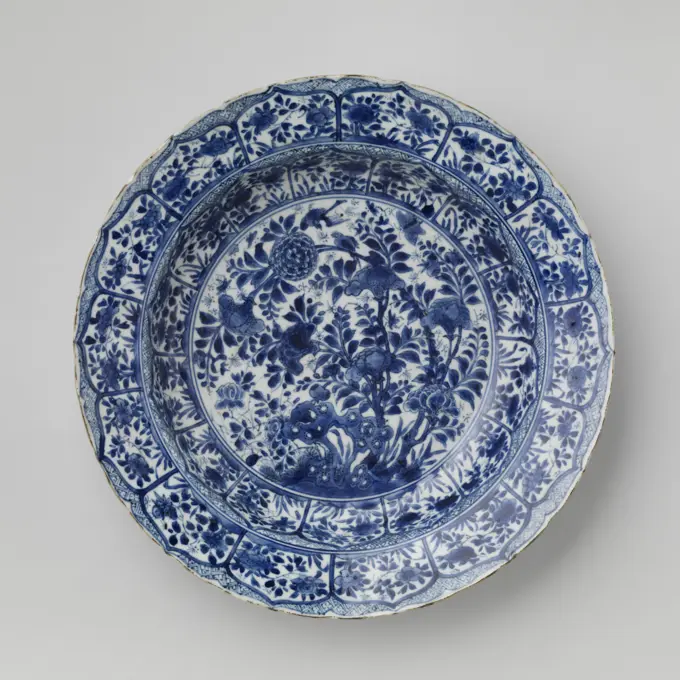
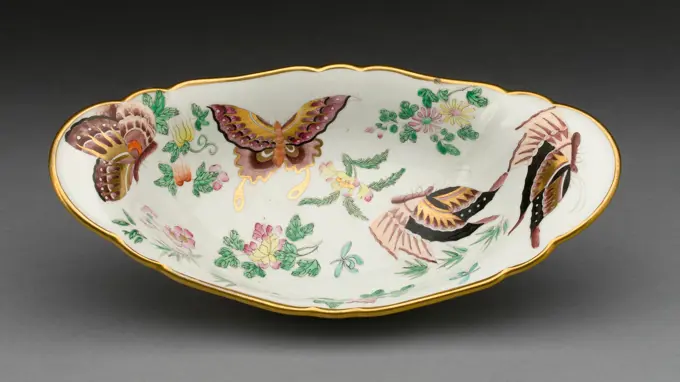
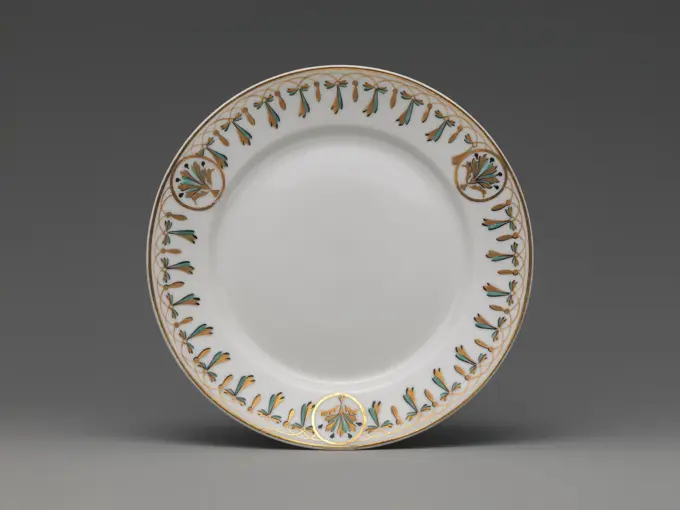
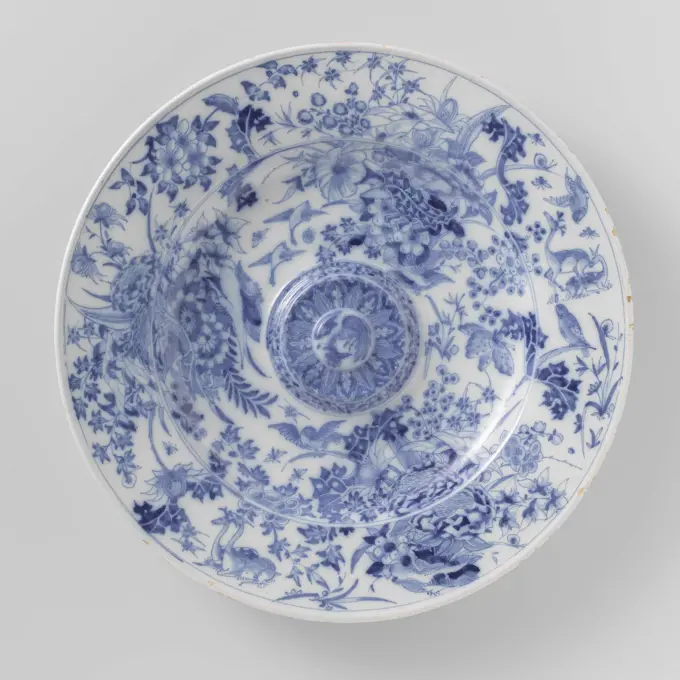
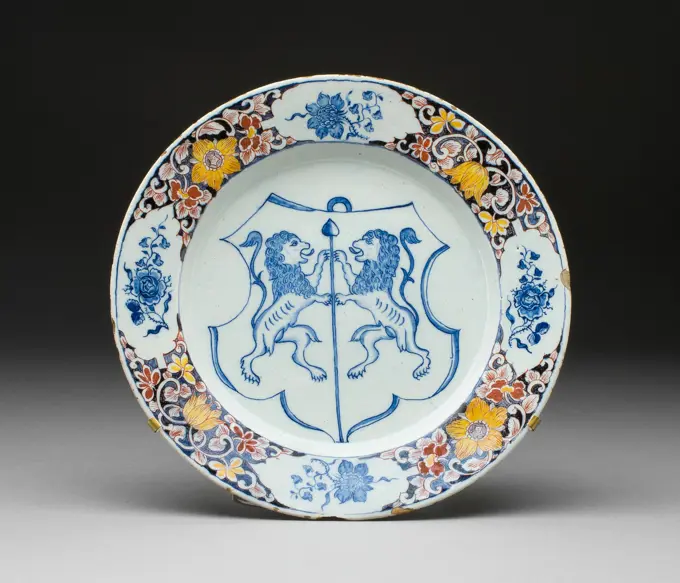
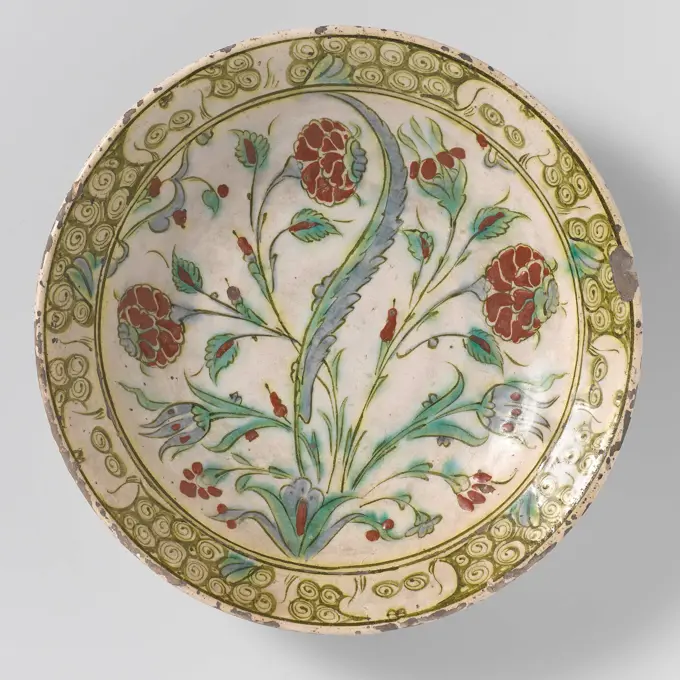
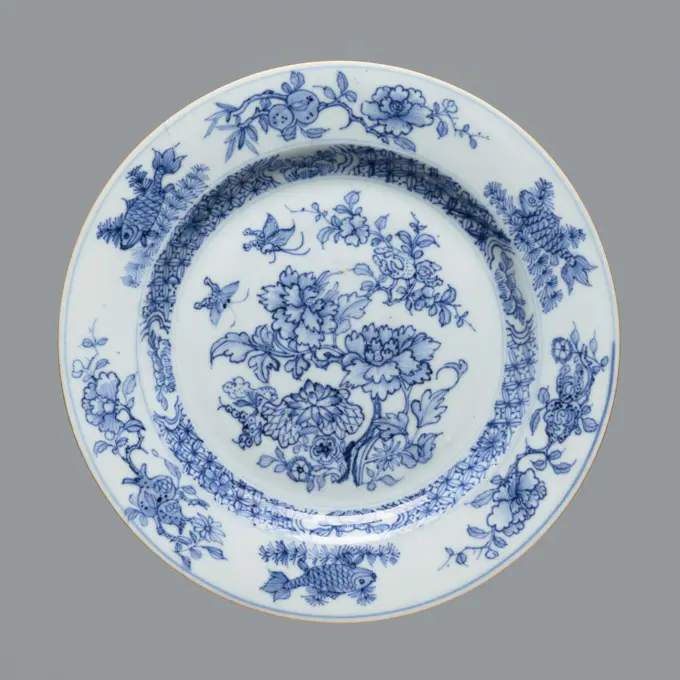
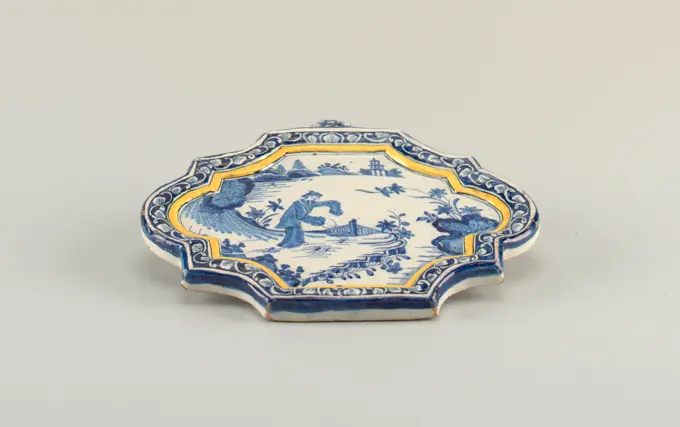
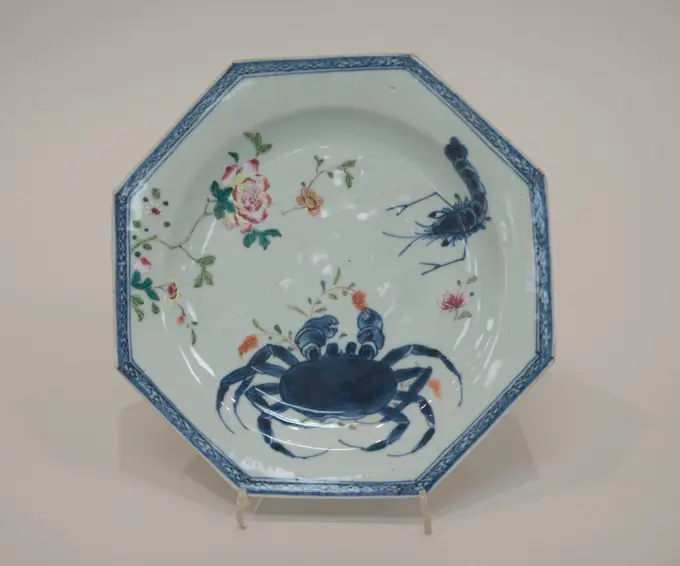
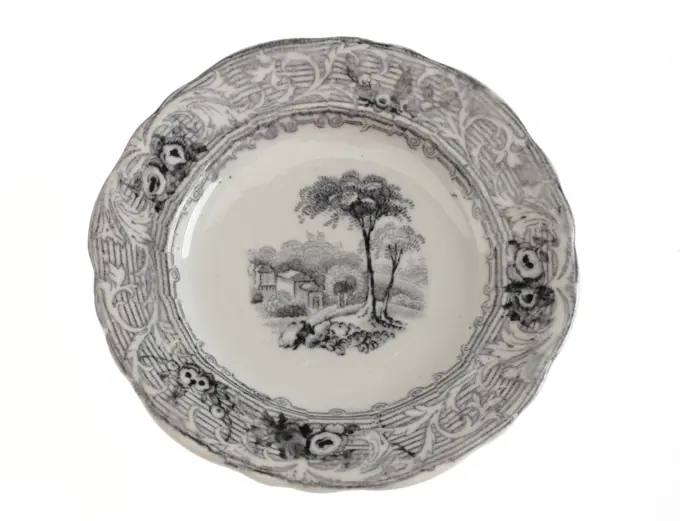
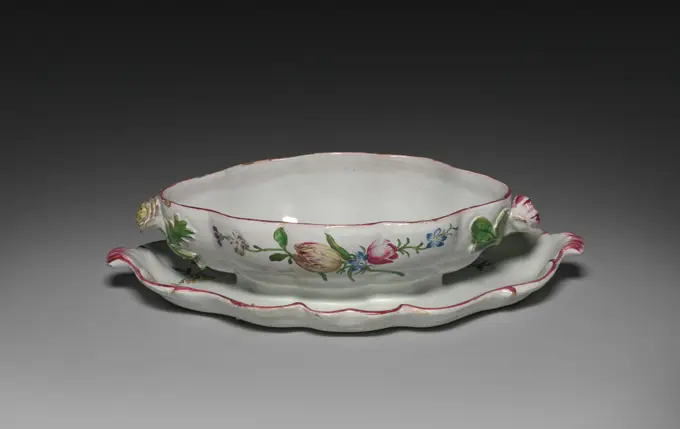
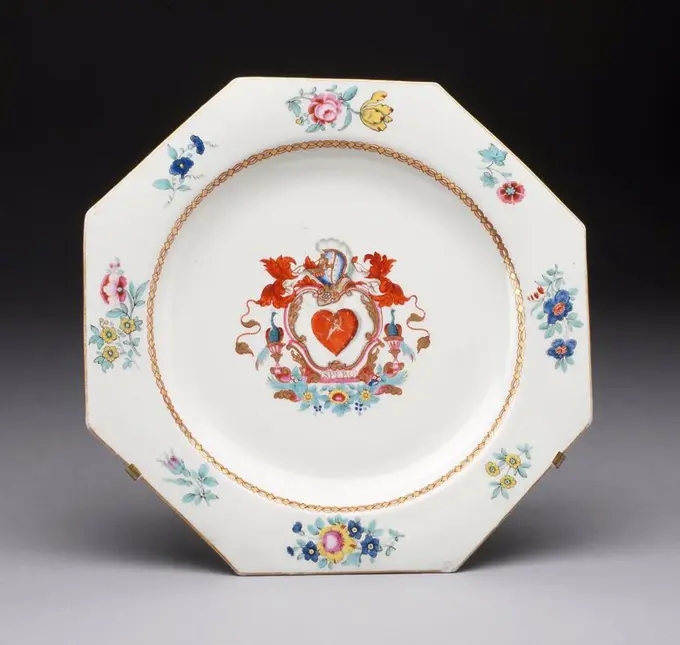
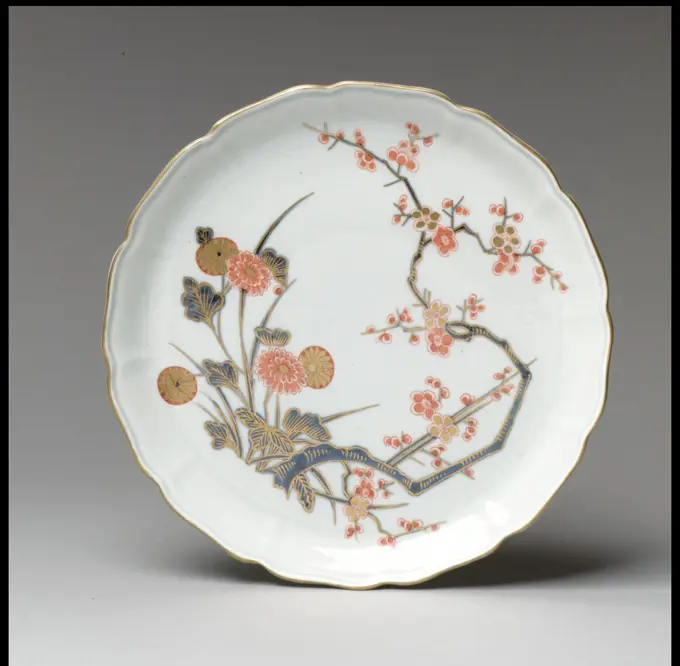
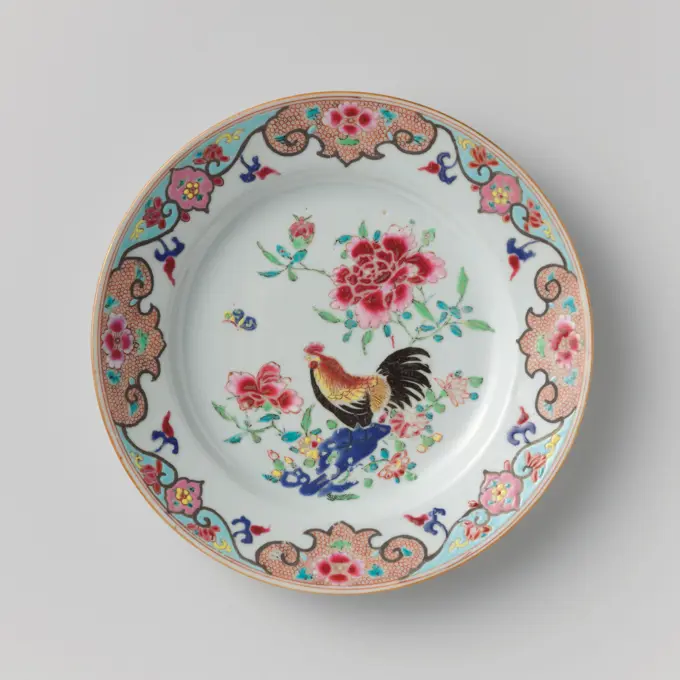
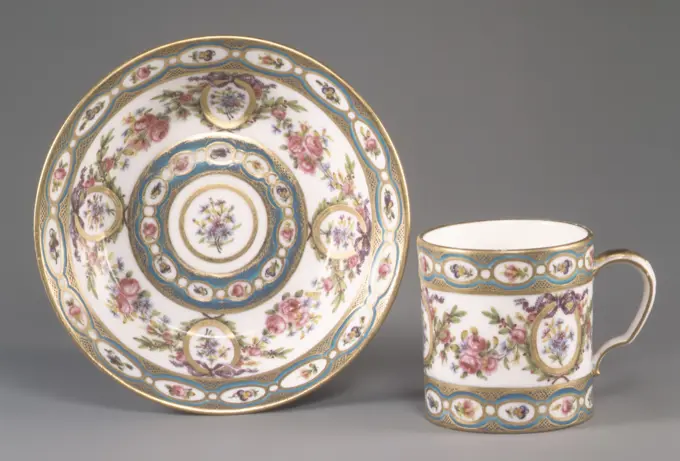
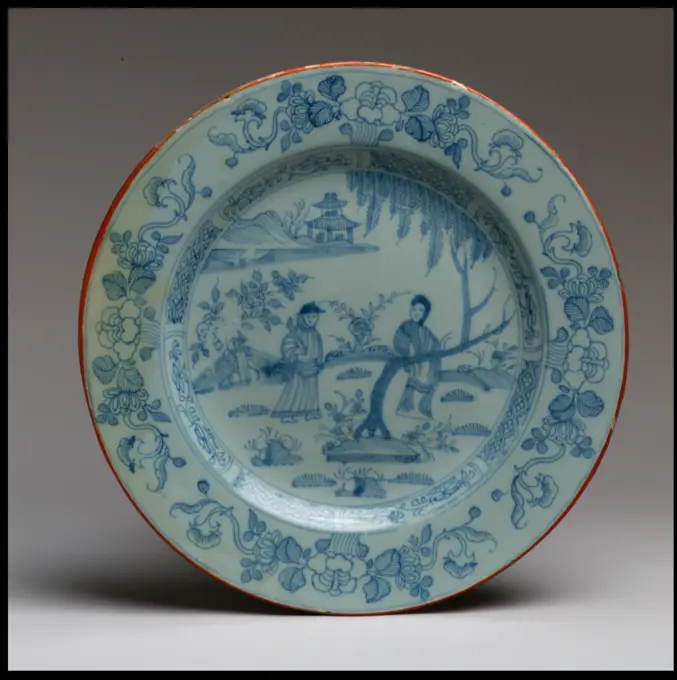
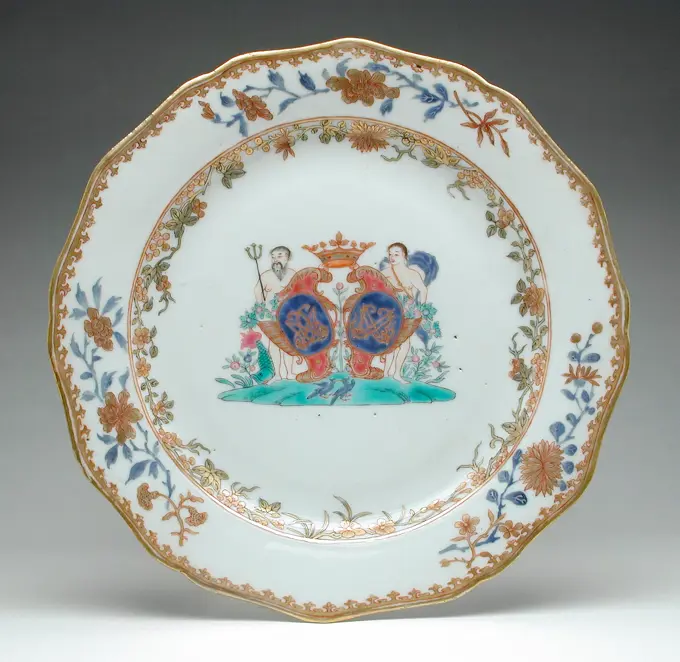
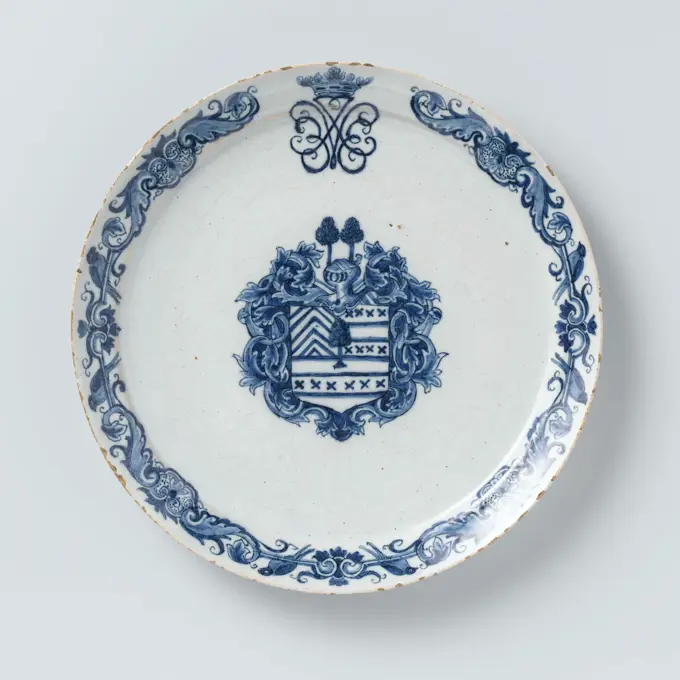
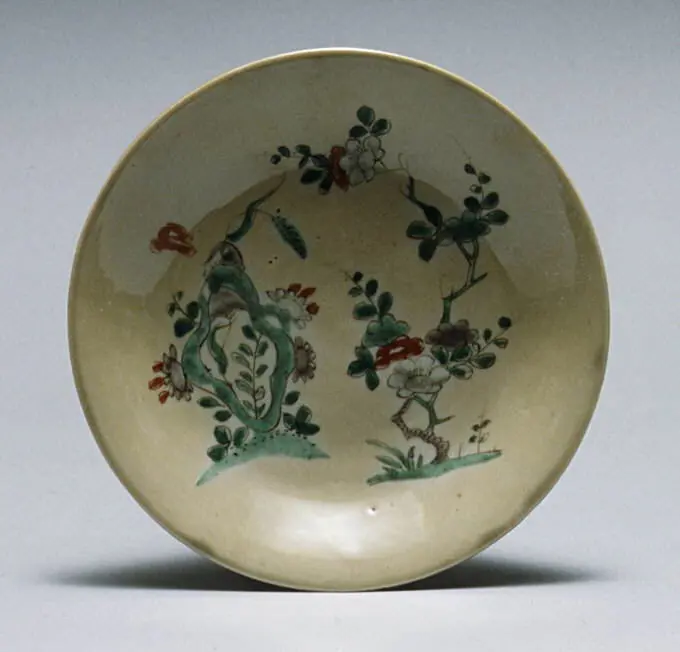
Plate - Labor Ommia Vincit. Nos institutions ! Notre Langue et Nos Lois Jones & Walley Jones & WalleyPlate with the arms of the Van Dam and De Maulde family, anonymous, c. 1750 - c. 1774 Plate of porcelain with lobed edge, painted on the glaze in blue, red, pink, green, yellow, purple, black and gold. On the flat the alliance weapon of the Van Dam and the Maulde families. The left weapon is from Van Dam and consists of two courses: the upper compartment with two towers against a red background, the lower box with one tower against a black background. The right weapon with a sloping, black band with three times a Sint Andries cross against a golden background. The weapon has been crowned and is flanked by lions standing on a pedestal with tendrils. A switch motif on the wall; The edge with loose flowers. Old label on the bottom with 'Van Dam - van Dorp'. Weapon porcelain with email colors. China porcelain. glaze. gold (metal) painting / gilding / vitrification Plate of porcelain with lobed edge, painted on the glaze in blue, red, pink, green, yellow, purple, black and gold. On the flatSaucer with Twisted Panels and Flower Sprays. Dish of porcelain with round wall Modeled in ten tossed boxes, painted in underglaze blue. On the flat a rock with a flower branch and plants; a flower branch on the wall in each box; the edge with a flower drink; On the back also in every box a flower branch. Marked on the bottom with the Chinese character 'Fú' in a double circle. A chip and a crack in the edge. Blue White.Saucer With Flowering Plants in Shaped Panels. Dish of porcelain, covered with a turquoise glaze and stained in blue, red, pink, green, black and gold. The dish is covered at the front with a turquoise glaze with a scalloped medallion in the center in the center, around it three saved cartouches with flowering plants and a bird on a branch. Family Rose.Sample Plate (England); glazed and gilt porcelainDish with Peaches and Bats 18th century China This dish has a pattern of eight peaches (five on the front and three on the back) and five bats (three on the front and two on the back). The eight peaches correspond to the eight immortals and comprise auspicious wishes for longevity, while the five bats are a pun for five kinds of good fortune. The design of eight peaches and five bats is common on imperial porcelains of the Yongzheng and Qianlong periods.. Dish with Peaches and Bats 39532. Porcelain lid with an annular button, painted on the glaze in red, pink, green, black and gold. On the edge a bond with leaf raft. Associated with AK-NM-13651. European performance in email colors.. Tenagonal bowl of porcelain, painted on the glaze in blue, red, green, yellow, black and gold. On the outer wall twice a Japanese lady with a flower branch in her hand and twice flowering plants (Aster, Peony, Chrysanthemum, Chinese clock) at assembled hedges. A stylized flower on the bottom. The inner wall with twice a playing boy with a peony on a rope and twice a shishi. The inner edge with stylized flower drinks. Brown edge. Arita, Kakiemon.Fruit Plate; Manufactured by Chelsea Porcelain Manufactory (United Kingdom); molded porcelain, overglaze decorationDecorative dish. unknown, craftsmanPlate; Rosenthal (Selb; Porcelain Factory; 1879-); 1925-41 (1920-00-00-1930-00-00);Plate with flower sprays and a wreath, Manufacture de Sèvres, c. 1773 plate (dishes) Porcelain plate, painted on the glaze in pink, green, yellow and black. The front of the plate is covered with loose flower branches (peonies), with a leaf wreath on the edge. Marked on the underside with the double L, annual letter U and LB. Sèvres porcelain. glaze. painting / vitrificationDish, anonymous, c. 1740 - c. 1775 Dish of Faïence. Blue painted with a landscape. The wide edge is multi -colored. Delft . Dish of Faïence. Blue painted with a landscape. The wide edge is multi -colored. Delft .Dish, painted with two each other at regular distances cutting leaf and flower garlands. Dish of porcelain. Painted in blue upper glaze with two each other on regular distances cutting leaf and flower garlands. Golden piping along the edges.Dish, painted with a landscape with cattle, c. 1809 - c. 1814 Dish, painted with landscape with cattle. Marked: Amstel in blue. Nieuwer-Amstel porcelain Dish, painted with landscape with cattle. Marked: Amstel in blue. Nieuwer-Amstel porcelainPlate 1796-1801 Imperial Porcelain Manufactory, St. Petersburg. Plate. Russian, St. Petersburg. 1796-1801. Hard-paste porcelain. Ceramics-PorcelainDessert plate - N. Durey Jean Pouyat Jean PouyatBowl saucer; Koenigliche Porcellain Fabrique, Meissen (1710-1763); around 1750 (1745-00-00-1755-00-00);Saïence dish with landscape, anonymous, c. 1740 - c. 1775 Dish of Faïence. Blue painted with a landscape. The wide edge is multi -colored. Delft . Dish of Faïence. Blue painted with a landscape. The wide edge is multi -colored. Delft .Dish with the coat of arms of Hendrik Peter Godfried Quack and Isabella Gertraud von Carnap, Etienne Blancheron, c. 1790 - c. 1800 Porcelain dish, painted on the glaze with gold. On the flat the alliance weapon of Hendrik Peter Godfried Quack and Isabella Gertraud von Carnap. The edge with a flower drink and a golden band. Double foot ring. porcelain company: Paris (possibly)Netherlands (possibly) porcelain. glaze. gold (metal) painting / gilding / vitrification Porcelain dish, painted on the glaze with gold. On the flat the alliance weapon of Hendrik Peter Godfried Quack and Isabella Gertraud von Carnap. The edge with a flower drink and a golden band. Double foot ring. porcelain company: Paris (possibly)Netherlands (possibly) porcelain. glaze. gold (metal) painting / gilding / vitrificationDish. Culture: China. Dimensions: Diam. 9 1/4 in. (23.5 cm). Date: 18th century. Museum: Metropolitan Museum of Art, New York, USA.Saucer with twisted panels and flower sprays, anonymous, c. 1680 - c. 1720 Porcelain saucer with round wall modeled in ten twisted courses, painted in underlaze blue. On the flat a rock with a flower branch and plants; A flower branch on the wall in each box; the edge with a flower drink; On the back also a flower branch in each box. Marked on the underside with the Chinese character 'Fú' in a double circle. A chip and a crack in the edge. Blue White. China porcelain. glaze. cobalt (mineral) painting / vitrification Porcelain saucer with round wall modeled in ten twisted courses, painted in underlaze blue. On the flat a rock with a flower branch and plants; A flower branch on the wall in each box; the edge with a flower drink; On the back also a flower branch in each box. Marked on the underside with the Chinese character 'Fú' in a double circle. A chip and a crack in the edge. Blue White. China porcelain. glaze. cobalt (mineral) painting / vitrificationDessert Plate. Prince Iusupov Porcelain Factory; Russian, 1814-1831. Date: 1826. Dimensions: 3.2 x 23.3 cm (1 1/4 x 9 3/16 in.). Hard-paste porcelain, polychrome enamels, and gilding. Origin: Moscow. Museum: The Chicago Art Institute, Chicago, USA.Platter. Culture: Chinese, for American market. Dimensions: 9 1/4 x 12 1/2 in. (23.5 x 31.8 cm). Date: 1785-90.This object belongs to a large dinner service (10.149.1-.248) bearing the Townley family coat-of-arms. The service, probably ordered by Justice Samuel Chase (1741-1811) of Annapolis, Maryland, displays the enamel-painted arms of Margaret Townley, Chase's aunt. Museum: Metropolitan Museum of Art, New York, USA.Round saucer with the 'three friends of winter', anonymous, c. 1670 - c. 1700 Round dish of porcelain, painted on the glaze in blue, red, green, black and gold with the 'three friends of winter' (bamboo, prunus, pine), in two bound hedges. Brown edge. Kakiemon style. Japan porcelain. glaze. gold (metal) painting / gilding / vitrification Round dish of porcelain, painted on the glaze in blue, red, green, black and gold with the 'three friends of winter' (bamboo, prunus, pine), in two bound hedges. Brown edge. Kakiemon style. Japan porcelain. glaze. gold (metal) painting / gilding / vitrificationPlate. Culture: China. Dimensions: H. 1 1/4 in. (3.2 cm); Diam. 8 5/8 in. (21.9 cm). Date: 18th century. Museum: Metropolitan Museum of Art, New York, USA.Dish, Manufactuur Oud -Loosdrecht, 1774 - 1784 Porcelain dish with scalloped edge. Painted with leaf edge and sprinkling flowers. Loosdrecht porcelain Porcelain dish with scalloped edge. Painted with leaf edge and sprinkling flowers. Loosdrecht porcelain. Dish of Faïence. Blue painted with a scene from 'the lost son'.Object from a Dessert Service 'The Razumovsky Service', made from soft-paste porcelain. Dated 18th CenturyDish painted with multicolored spreading flowers. Dish of porcelain with multicolor spreading pattern. Part of a series of eight cups and saucers. Signature: Three dishes with the scepter, four with the scepter and circular stamp and one with the scepter and kpm, everything in underglaze blue; All dishes have the rice apple with KPM in red: urging: figure 3 with numeral 1 below, or the letter N with a 1 underneath and once the letter A () With a 1 below.Dish, the Greek A, c. 1685 - c. 1695 Pottery's plate with a chinoiserie decoration, partly following the example of the Japanese Kakiemon Porcelain Delft . Pottery's plate with a chinoiserie decoration, partly following the example of the Japanese Kakiemon Porcelain Delft .Plate with a view of the Erie Canal, Aqueduct Bridge atRochester. Maker, attributed to: Enoch Wood and Sons, British, 1820-1846Engraver Source material by: Rawdon, Clark and Company, American, 1823-1828After drawing by: James Eights, American, 1798-1882Dish with Peony Scrolls and Chrysanthemum Spray, and Lotus Panels on Reverse 1368-1398 China. Porcelain painted in underglaze blue .. Round dish of painted porcelain. The gold-plated mouth edge is decorated with a lace-like ornament in gold. A four-pass is painted on the flat in which a Höroltt chinoiserie. The dish has been marked and belongs to a tea set (BK-17420-A to BK-17420-O). The crockery is on a chassis or statement (BK-17017).Plate with river landscape and flower sprays, anonymous, c. 1740 - c. 1760 Plate of porcelain with round, short wall and wide, sloping edge, painted in underlaze blue. On the flat a river landscape with two people on a bridge, pavilions, trees and rocks, around it a band with geometric motif; A flower branch on the edge four times. Blue White. China porcelain. glaze. cobalt (mineral) painting / vitrification Plate of porcelain with round, short wall and wide, sloping edge, painted in underlaze blue. On the flat a river landscape with two people on a bridge, pavilions, trees and rocks, around it a band with geometric motif; A flower branch on the edge four times. Blue White. China porcelain. glaze. cobalt (mineral) painting / vitrificationPlate 20th century Ulisse Cantagalli. Plate. Italian, Florence. 20th century. Maiolica (tin-glazed earthenware). Ceramics-PotteryDish, 1800s. Sèvres Porcelain Factory (French, est. 1756). Porcelain; overall: 16.5 x 21.6 cm (6 1/2 x 8 1/2 in.).PlateTray with vase of flowers ca. 1730-35 Vienna The gift of the Hans Syz Collection in 1995 endowed the Museum with nearly three hundred examples of European and Asian ceramics meticulously acquired by Swiss-born collector Dr. Syz (1894-1991) to chart the migration of models and patterns from East to West. Documenting a continuous process of influence and adaptation, these pieces provide a discriminating review of the nuances of stylistic change resulting from three centuries of trade.. Tray with vase of flowers. Austrian, Vienna. ca. 1730-35. Hard-paste porcelain painted with colored enamels over transparent glaze. Ceramics-PorcelainDECAGONAL DISH WITH A SHISHI NEAR FLOWERING TREES, ROCKS AND BRUSHWOOD FENCES. Tenagonal scale of porcelain with squeezed corners in the edge, painted in underglaze blue. On the flat a shishi (lion dog) next to two blooming trees (prunus and peony), rocks and two hedges. On the edge a tire with pointed leaf motifs. The outer wall with a continuous rank. Marked on the bottom with 'chin' in a double square. Six preen on the bottom. Arita, kakiemon in blue and white.Sculpted dish or plate of painted porcelain, manufacture Oud-Loosdrecht, c. 1774 - c. 1784 Plate () From porcelain with corrugated edge. Painted with sprinkling flowers. Loosdrecht porcelain Plate () From porcelain with corrugated edge. Painted with sprinkling flowers. Loosdrecht porcelainBotanical oval platter with turnip leaf. Culture: British, Chelsea. Dimensions: Overall (confirmed): 1 5/8 × 14 3/8 × 11 1/4 in. (4.1 × 36.5 × 28.6 cm). Maker: Chelsea Porcelain Manufactory (British, 1745-1784, Red Anchor Period, ca. 1753-58). Date: ca. 1755.These botanical plates (2016.217-.226) were produced by the Chelsea factory around 1755 and are often referred to as Chelsea "Hans Sloane" wares, in reference to the royal physician, traveler, and natural historian who helped transform the Chelsea Physik Garden into a center of botanical knowledge during the British Enlightenment. Several subjects depicted on these plates were taken from botanical illustrations published by Philip Miller, curator of Chelsea Physik Garden. Although flowers and fruits could typically be found on earlier porcelain wares from Meissen, the lively naturalism of the Chelsea botanical plates reflects a broadening public interest in the natural world, and evidence the forms of global commerce that brought Anonymous. Plate. Earthenware. Around 1789. Paris, Carnavalet museum. 70955-51 Canon, Crown, Epee, Faience, Fauc, Lys, Decorative Pattern, Shovel, Revolutionary Periode, Crockery, plateSmall plate. Ćmielów (fabryka fajansu i porcelany ; 1804-), factoryDinner Plate c 1796-1810 New York. This plate was part of a large service made for the 1796 wedding of New York politician DeWitt Clinton (1769ñ1828) and his bride, Maria Franklin (1775ñ1818). The decorative Chinese landscape is encircled by a spearhead border and depictions of the eight Chinese Immortals of the Taoist religion, a purely Chinese decoration. Only the entwined gold initials DWMC indicate that this plate was made for a foreign market.. Porcelain, enamel, and gilding . Chinese export porcelainDish, painted with flowers and ladder motif, manufacture Oud-Loosdrecht, c. 1775 - c. 1778 Porcelain dish. Multicolored painted with flower bouquets and a ladder motif along the edges. Loosdrecht porcelain Porcelain dish. Multicolored painted with flower bouquets and a ladder motif along the edges. Loosdrecht porcelain. Dish, Purple painted with winged putti floating on clouds. Along the edge a guilloches band with dependent flour glulands. Marked with a stork in blue under the glaze. N.B. German porcelain painted in The Hague.Plate, Tin-glazed earthenware, Steep curved marly, eight-sided scalloped edge with blue band. In center, a tree crowned by cap and banner, surrounded by band, inscribed: La Liberté ou la Morte., France, 19th century, ceramics, Decorative Arts, PlateDish with flowering plants in petal-shaped panels, anonymous, c. 1680 - c. 1720 Porcelain dish with accolade -shaped edge, painted in undermglaze blue. On the flat two large plants with birds and insects with a rock. On the wall a tire with petal comparts with flowering plants against a background of servetwork. The same tire on the edge. The outer edge with six flower vines. The outer wall with Ruyi motifs separated by a vertical line. Marked on the underside with the six-character brand of Keizer Chenghua in a double circle. Blue White. China porcelain. glaze. cobalt (mineral) painting / vitrification Porcelain dish with accolade -shaped edge, painted in undermglaze blue. On the flat two large plants with birds and insects with a rock. On the wall a tire with petal comparts with flowering plants against a background of servetwork. The same tire on the edge. The outer edge with six flower vines. The outer wall with Ruyi motifs separated by a vertical line. Marked on the underside withPify (Goats decoration) WedgwoodSoup plate Japanese, for European market 19th century The gift of the Hans Syz Collection in 1995 endowed the Museum with nearly three hundred examples of European and Asian ceramics meticulously acquired by Swiss-born collector Dr. Syz (1894-1991) to chart the migration of models and patterns from East to West. Documenting a continuous process of influence and adaptation, these pieces provide a discriminating review of the nuances of stylistic change resulting from three centuries of trade.Plate with the coat of arms of Hendrik Peter Godfried Quack and Isabella Gertraud von Carnap, Etienne Blancheron, c. 1790 - c. 1800 Deep plate of porcelain, painted on the glaze with gold. On the flat the alliance weapon of Hendrik Peter Godfried Quack and Isabella Gertraud von Carnap. The edge with a flower drink and a golden band. Two prenes on the bottom. Marked on the underside with N. porcelain company: Paris (possibly)Netherlands (possibly) porcelain. glaze. gold (metal) painting / gilding / vitrification Deep plate of porcelain, painted on the glaze with gold. On the flat the alliance weapon of Hendrik Peter Godfried Quack and Isabella Gertraud von Carnap. The edge with a flower drink and a golden band. Two prenes on the bottom. Marked on the underside with N. porcelain company: Paris (possibly)Netherlands (possibly) porcelain. glaze. gold (metal) painting / gilding / vitrificationBoat-Shaped Dish Made 1812-1822 Burslem. Porcelain with polychrome enamels and gilding . Wedgwood Manufactory (Manufacturer)Salad Plate 1885-87 Union Porcelain Works Union Porcelain Works was one of the most important and inventive American porcelain manufacturers in the second-half of the nineteenth century. In addition to their imaginative works designed by the German-born artistic director, Karl H. L. Müller, the firms mainstay was the production of heavy porcelain hotel dinnerware. This extensive service was made by Thomas Carll Smith, head of the Union Porcelain Works, as a gift to his daughter, Pastora Forest Smith Chace. The neoclassical decoration of the gilt bellflower and basket motif is complimented by turquoise enamel. Unlike the firms more eccentric and lavish designs created for their display at the Philadelphia Centennial Exposition in 1876, the pottery favored a more restrained classical style for their dinner services. This service descended in the Chace family.. Salad Plate 6943Saucer with Flowers, royal porcelain manufactory, c. 1837 - c. 1844 Porcelain dish, painted on the glaze in blue, red, pink, green, yellow, purple and black. The inner wall is covered with small sprinkling flowers. The back is undecorated. Marked on the underside with the scepter with K.P.M., the red government apple with K.P.M and the number 29 with a triangle. Berlin porcelain. glaze. painting / vitrification Porcelain dish, painted on the glaze in blue, red, pink, green, yellow, purple and black. The inner wall is covered with small sprinkling flowers. The back is undecorated. Marked on the underside with the scepter with K.P.M., the red government apple with K.P.M and the number 29 with a triangle. Berlin porcelain. glaze. painting / vitrificationPlate (part of a service) 1760-70 Chinese, for Danish market. Plate (part of a service). Chinese, for Danish market. 1760-70. Hard-paste porcelain. Ceramics-Porcelain-ExportBell-shaped cup and saucer with a snailornament and flowering plants, anonymous, c. 1750 - c. 1774 Bell -shaped head and dish of porcelain, painted on the glaze in blue, red, pink, green, yellow, black and gold. On the flat of the dish a European shell ornament with a shell -shaped vase with flowering plants. The head with the same decoration, with a flower branch. Two cracks in the wall of the dish. European performance in email colors. China porcelain. glaze. gold (metal) painting / gilding / vitrification Bell -shaped head and dish of porcelain, painted on the glaze in blue, red, pink, green, yellow, black and gold. On the flat of the dish a European shell ornament with a shell -shaped vase with flowering plants. The head with the same decoration, with a flower branch. Two cracks in the wall of the dish. European performance in email colors. China porcelain. glaze. gold (metal) painting / gilding / vitrification. Subdue of pottery with raised middle piece for placing a can. The entire surface is painted in blue on white tinglaze with plants, flowers, birds and deer. A rosette is painted on the center piece with a flower and leaf drink and one or two phoenixes in the middle. The decor is inspired by the Chinese porcelain from the transition period.Plate Berlin (KPM)Sauceboat tray early 19th century Chinese, for European market. Sauceboat tray. Chinese, for European market. early 19th century. Hard-paste porcelain. Ceramics-Porcelain-ExportPlate 1720-1745 Delft. Tin-glazed earthenware (Delftware) .. Dish of Quartz Fritgoed decorated with a stylized flowering plant in green, blue, yellow, brown and red on white under transparent lead-alkali-tinglaze. On the edge a cloud motif or curl. Iznik.Plate. unknown, craftsmanOval dish with interior scene, anonymous, c. 1760 - c. 1800 Oval dish multicolored painted with an interior. Along the edge compartments with flower arrangements. Delft . Oval dish multicolored painted with an interior. Along the edge compartments with flower arrangements. Delft .Plaque (Netherlands); tin-glazed earthenware; 22.5 x 25 x 1.6 cm (8 7/8 x 9 13/16 x 5/8 in.); Bequest of Walter Phelps Warren; 1986-61-33Octagonal dish with crab, shrimp, and flowers late 18th century China. Octagonal dish with crab, shrimp, and flowers. China. late 18th century. Porcelain painted in underglaze cobalt blue and overglaze polychrome enamels (Jingdezhen ware). Qing dynasty (1644-1911). CeramicsToy dinner plate - Georgeville D'après Francis Morley, 1845-1850Plate. Meissen Porcelain Manufactory; German, founded 1710; Decoration in the style of Ferner or Meyer von Priesnitz. Date: 1735-1745. Dimensions: H. 3.2 cm (1 1/4 in.); diam. 23.2 cm (9 1/8 in.). Hard-paste porcelain, polychrome enamels, and gilding. Origin: Meissen. Museum: The Chicago Art Institute, Chicago, USA.Bowl saucer; Koenigliche Porcellain Fabrique, Meissen (1710-1763); approx. 1750 (1745-00-00-1755-00-00);Dish on a low foot ca. 1740 Factory of Jean-Baptiste Guillibaud Faience, or tin-glazed and enameled earthenware, first emerged in France during the sixteenth century, reaching widespread usage among elite patrons during the seventeenth and early eighteenth centuries, prior to the establishment of soft-paste porcelain factories. Although characterized as more provincial in style than porcelain, French faience was used at the court of Louis XIV as part of elaborate meals and displays, with large-scale vessels incorporated into the Baroque garden designs of Versailles. Earlier examples of French faience attest to the strong influence of maiolica artists from Italy. Later works demonstrate the ways in which cities such as Nevers, Rouen, Lyon, Moustiers, and Marseille developed innovative vessel shapes and decorative motifs prized among collectors throughout Europe. While faience can be created from a wide mixture of clays, it is foremost distinguished by the milky opaque white color achievPlate, Second half of the 16th century - beginning of the 17th century, Ceramics (polychrome faience), from Talavera de la Reina, (Toledo), Diameter: 31,1 cm. Museum: Museo Fundación Francisco Godia, Barcelona, Cataluña, España.Dish, part of a service, painted with bird and violins, N.V. Haagsche Plateel Factory Rozenburg, 1913 The octagonal porcelain dish is polychrome painted with a bird and violets (purple, light and dark blue and yellow) inside an ornamental decor. Marked with: Kroon, Rozenburg, Ooievaar, The Hague (above each other); On the left the brand for 1913, on the right the work order number 332; Under the painting brand of C.W.J. Hart. The Hague porcelain The octagonal porcelain dish is polychrome painted with a bird and violets (purple, light and dark blue and yellow) inside an ornamental decor. Marked with: Kroon, Rozenburg, Ooievaar, The Hague (above each other); On the left the brand for 1913, on the right the work order number 332; Under the painting brand of C.W.J. Hart. The Hague porcelainPlate; Koenigliche Porzellan Manufaktur (KPM; Berlin; 1763-1918); 1870-82 (1823-00-00-1832-00-00);Sauce Tureen with Attached Stand, c. 1765. Veuve Perrin Factory (French). Tin-glazed earthenware (faience) with enamel decoration; overall: 13.1 x 26.5 x 15.3 cm (5 3/16 x 10 7/16 x 6 in.).Cup and saucer 1788 Imperial Porcelain Manufactory. Cup and saucer. Austrian, Vienna. 1788. Hard-paste porcelain. Ceramics-PorcelainPlate. Pottery plate, with blue continuous floral decor, belonging to a children's service.Plate. Worcester Porcelain Factory; Worcester, England, founded 1751. Date: 1765-1775. Dimensions: Diam. 22.1 cm (8 11/16 in.). Soft-paste porcelain with polychrome enamels and gilding. Origin: Worcester. Museum: The Chicago Art Institute, Chicago, USA. Author: Worcester Royal Porcelain Company.Plate with a coat of arms and garlands, anonymous, c. 1740 - c. 1760 Plate of porcelain with scalloped edge, painted on the glaze in blue, red, pink, green, black and gold. On the flat a family crest surrounded by curl and flower vines with a suspended helmet at the top. The weapon is divided into four courses: two with a lion, one with a diagonal, red line and one with a soldier next to a tower; A decorative band on the wall; The edge a continuous leaf vend with garlands. A crack in the wall; Some chips in the edge. Weapon porcelain with email colors. China porcelain. glaze. gold (metal) painting / gilding / vitrification Plate of porcelain with scalloped edge, painted on the glaze in blue, red, pink, green, black and gold. On the flat a family crest surrounded by curl and flower vines with a suspended helmet at the top. The weapon is divided into four courses: two with a lion, one with a diagonal, red line and one with a soldier next to a tower; A decorative band on the wall; The edgDish ca. 1765 () Imperial Porcelain Manufactory The gift of the Hans Syz Collection in 1995 endowed the Museum with nearly three hundred examples of European and Asian ceramics meticulously acquired by Swiss-born collector Dr. Syz (1894-1991) to chart the migration of models and patterns from East to West. Documenting a continuous process of influence and adaptation, these pieces provide a discriminating review of the nuances of stylistic change resulting from three centuries of trade.. Dish 208314Plate, Pillivuyt & Cie, French, established ca. 1818, Porcelain, enamel decoration, France, ca. 1880, ceramics, Decorative Arts, PlateSoup Plate Made 1750-1759 Staffordshire. Salt-glazed stoneware .Soup Plate 1785-90 Chinese, for American market This object belongs to a large dinner service (10.149.1-.248) bearing the Townley family coat-of-arms. The service, probably ordered by Justice Samuel Chase (1741-1811) of Annapolis, Maryland, displays the enamel-painted arms of Margaret Townley, Chase's aunt.. Soup Plate 7686Plate with a cock on a rock near flowering plants, anonymous, c. 1800 - c. 1899 Porcelain plate, painted on the glaze in blue, red, pink, green, yellow and black. On the flat a rooster on a rock with flowering plants (peony, aster) and a butterfly; On the edge a decorative band with curl work, dingetwork, flower branches and stylized lotus vines. Famle Rose. China porcelain. glaze. painting / vitrification Porcelain plate, painted on the glaze in blue, red, pink, green, yellow and black. On the flat a rooster on a rock with flowering plants (peony, aster) and a butterfly; On the edge a decorative band with curl work, dingetwork, flower branches and stylized lotus vines. Famle Rose. China porcelain. glaze. painting / vitrificationBowl - Heritage D'après Ridgways Potteries Limited, 1955-1964Dish of Venetian porcelain. Octagonal dish decorated with flour branches and insects.Cup and saucer (gobelet litron et soucoupe) 1780 Sèvres Manufactory French. Cup and saucer (gobelet litron et soucoupe). French, Sèvres. 1780. Soft-paste porcelain. Ceramics-PorcelainLuncheon plate - Portneuf potteryBox 1843-44 Nathaniel Mills. Box. British, Birmingham. 1843-44. Silver. Metalwork-SilverPlate (Russia); porcelain, overglaze decorationPlate ca. 1750-60 British The gift of the Hans Syz Collection in 1995 endowed the Museum with nearly three hundred examples of European and Asian ceramics meticulously acquired by Swiss-born collector Dr. Syz (1894-1991) to chart the migration of models and patterns from East to West. Documenting a continuous process of influence and adaptation, these pieces provide a discriminating review of the nuances of stylistic change resulting from three centuries of trade.. Plate. British. ca. 1750-60. Tin-glazed earthenware. Ceramics-PotterySoup plate ca. 1880 Minton(s) British The rim was painted in imitation of the then-popular Chinese cloisonné enameling.. Soup plate. British, Stoke-on-Trent, Staffordshire. ca. 1880. Bone china. Minton(s) (British, Stoke-on-Trent, 1793-present). Ceramics-PorcelainPlate. Culture: China. Dimensions: Diam. 15 3/8 in. (39.1 cm). Museum: Metropolitan Museum of Art, New York, USA.Plate 17th century. Plate 444499Plate. China, export for Danish market, Ch'ien-lung period, 1765. Furnishings; Serviceware. PorcelainPlate, with an oriental mountain landscape, Clermont and Chainaye, c. 1850 - c. 1860 Plate of pottery with blue transfer decor. The flat decorated with an earlobe mountain landscape with a river, a structure on the left. Four cartouches with buildings on the edge. Between the cartouches a backdrop of stripes and curls. Maastricht . Plate of pottery with blue transfer decor. The flat decorated with an earlobe mountain landscape with a river, a structure on the left. Four cartouches with buildings on the edge. Between the cartouches a backdrop of stripes and curls. Maastricht .. Pottery board painted in blue on tining acid with an unknown arm in the flat, possible from a member of an unknown sex of Egmond. Above a crowned mirror monogram J.V.e. The edge decorated with leafwork.Dish, painted with cornflowers, manufacture Oud-Loosdrecht, c. 1784 Dish, decorated with cornflowers. Marked Amstel in blue under the enamel and Ingrift L1. Loosdrecht porcelain Dish, decorated with cornflowers. Marked Amstel in blue under the enamel and Ingrift L1. Loosdrecht porcelainSaucer early 18th century Chinese, for European market The gift of the Hans Syz Collection in 1995 endowed the Museum with nearly three hundred examples of European and Asian ceramics meticulously acquired by Swiss-born collector Dr. Syz (1894-1991) to chart the migration of models and patterns from East to West. Documenting a continuous process of influence and adaptation, these pieces provide a discriminating review of the nuances of stylistic change resulting from three centuries of trade.. Saucer 208349Plate used in the House of Representatives of the Netherlands at official receptions, Hutschenreuther, c. 1900 - c. 1974 plate (dishes) Deep plate of porcelain, painted on the glaze in gold. Decorated with a golden edge and the crowned weapon of the House of Representatives with the inscription 'Lower House of the States General'. Marked on the underside with the factory brand, 'P.A.W. Philippona The Hague ', N and 25. Possibly decorated in The Hague. porcelain company: BeierenThe Hague porcelain. glaze. gold (metal) painting / vitrification  The HagueAndrew Ellicott Warner, Salver, c. 1830, silver.