Decorative Porcelain Plates

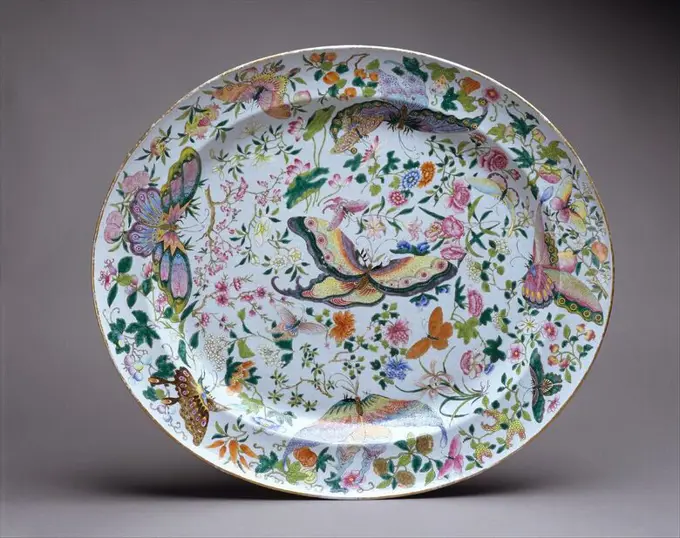
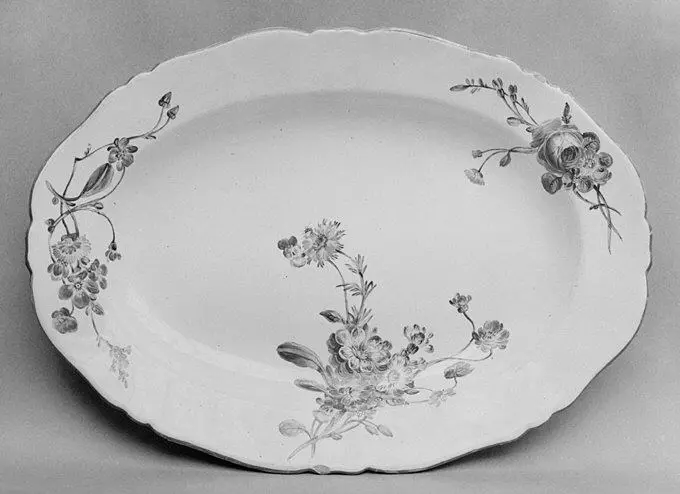
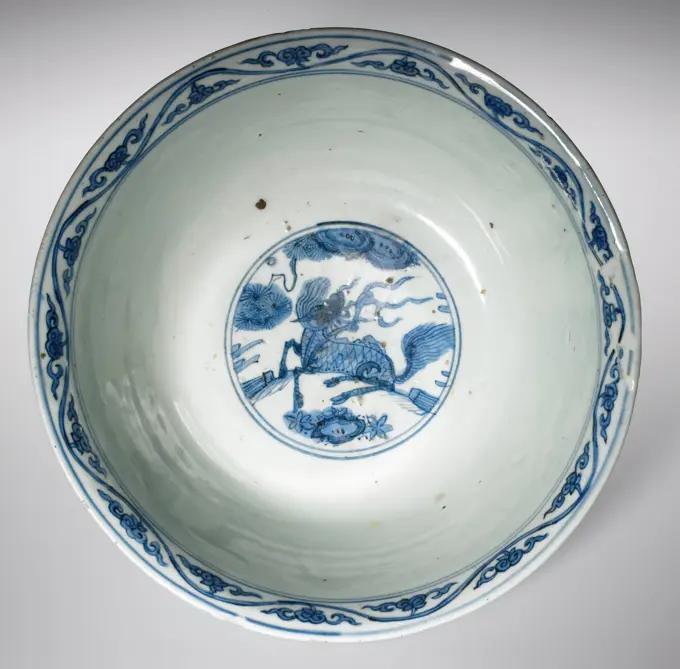
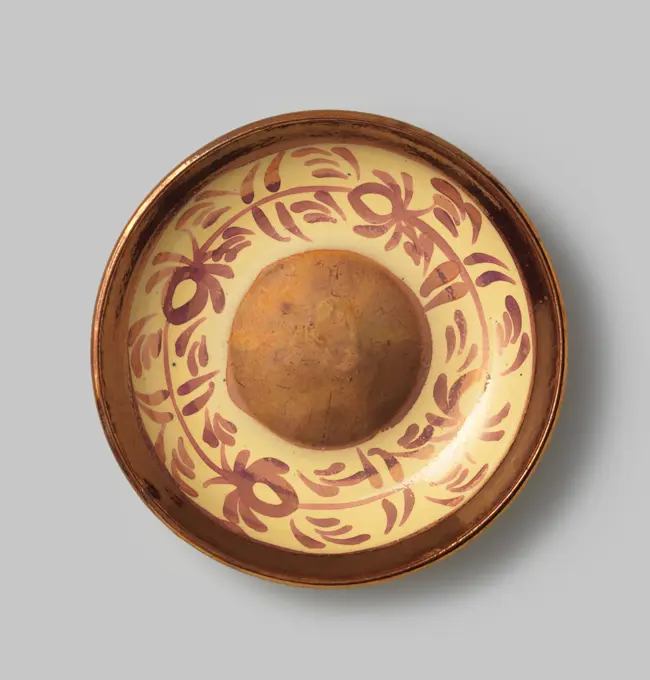
A selection of beautifully crafted porcelain plates, featuring floral designs and vibrant colors. Ideal for table settings or display.

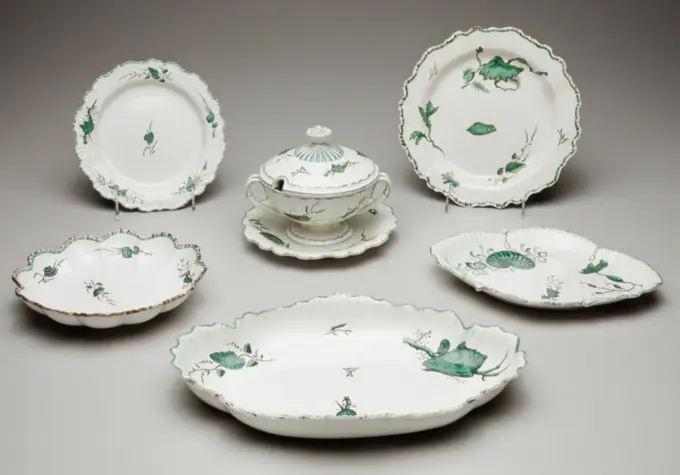
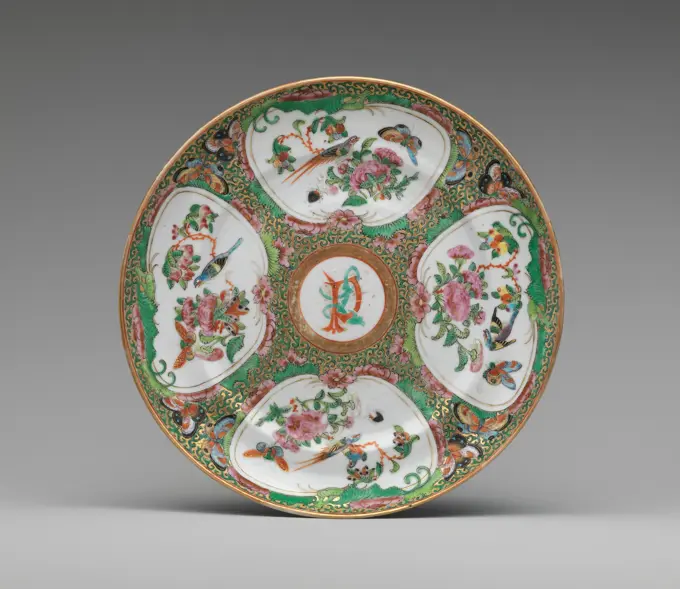
Plate with Flower Spray and Garland. Porcelain plate, painted on the glaze in blue, red, green, purple, black and gold. On the flat a flower branch; a decorative band on the wall; The edge with a garland with flowers and fruits and a double decorative band. Family Rose.
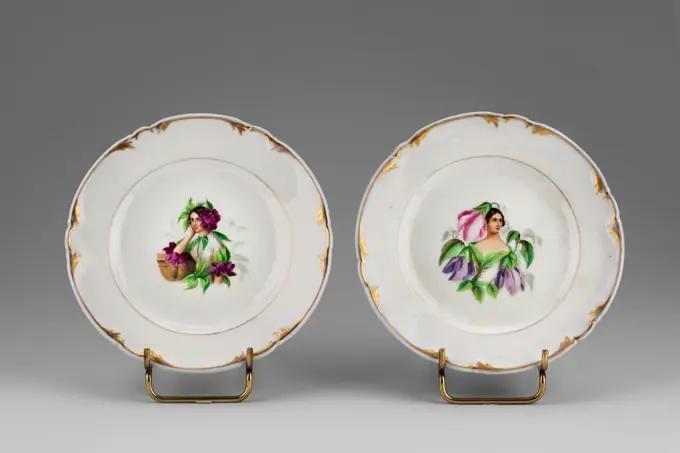
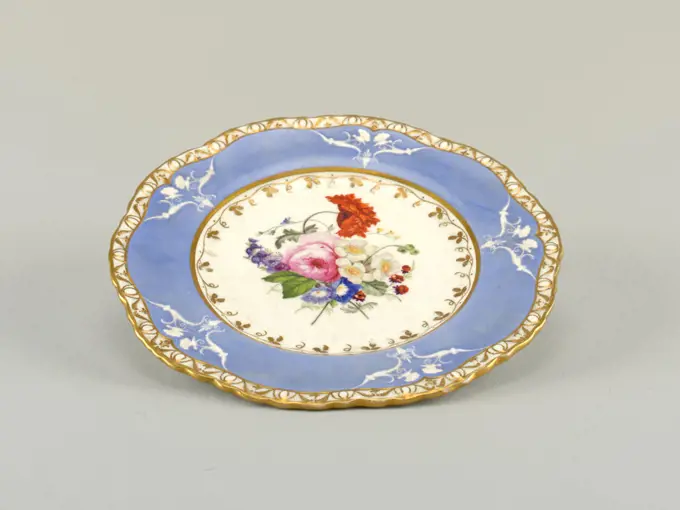
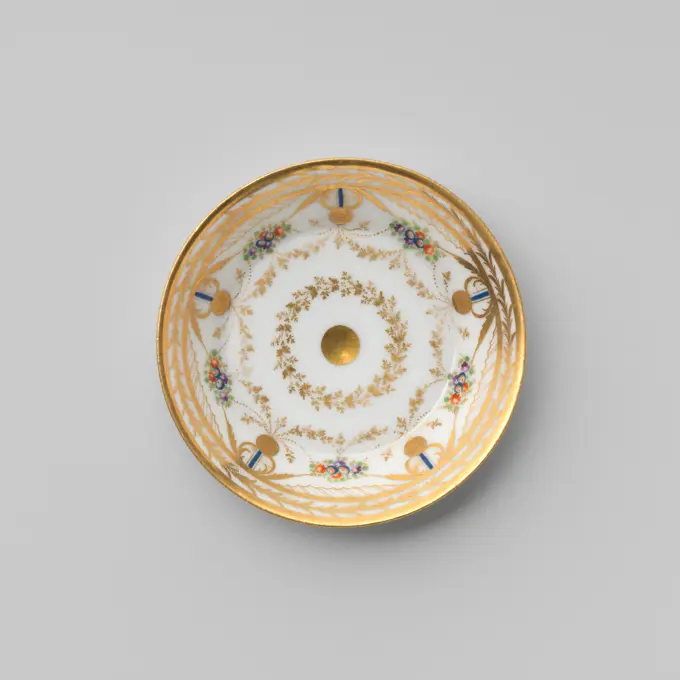
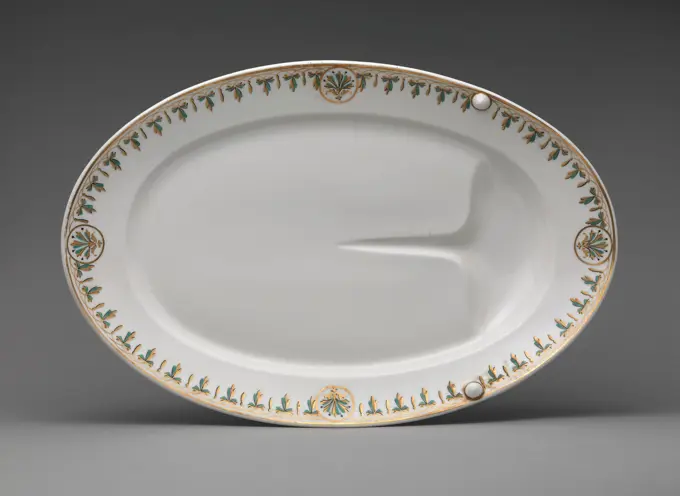
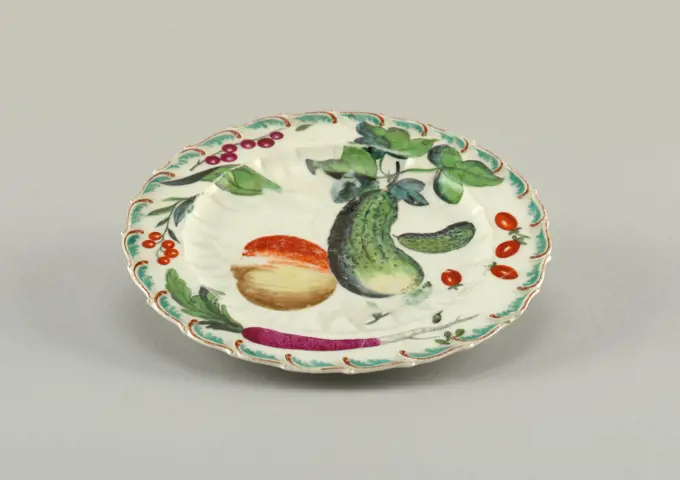
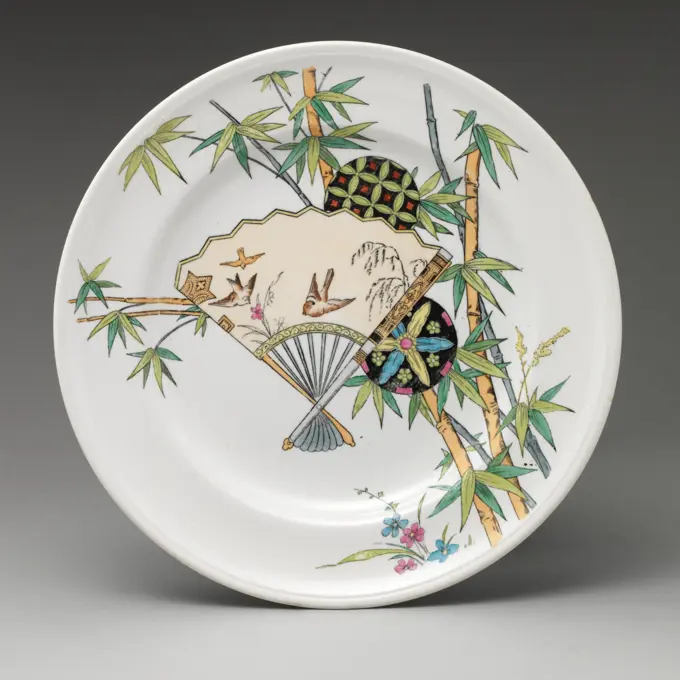
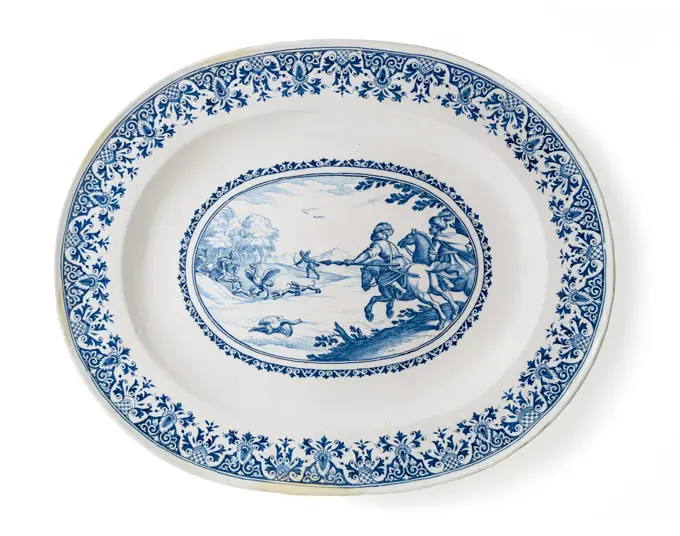
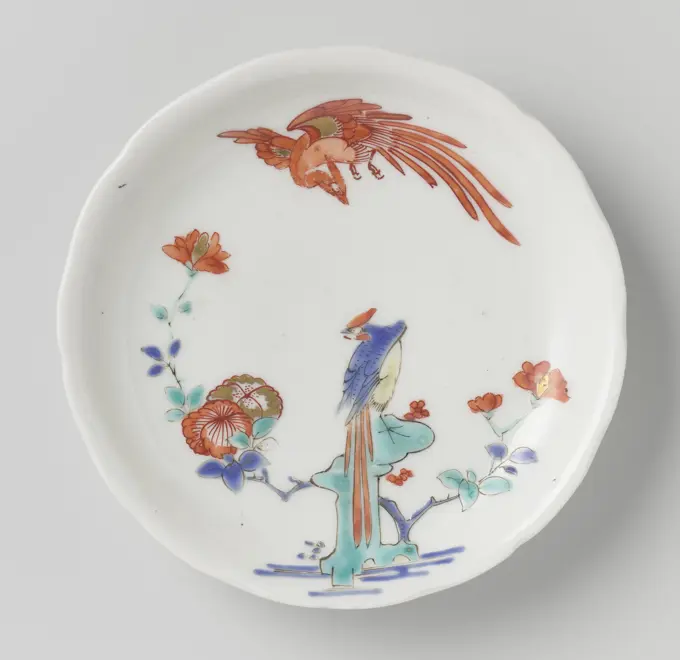
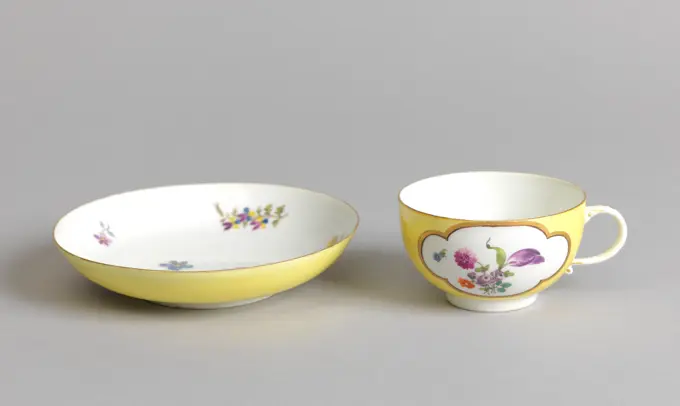
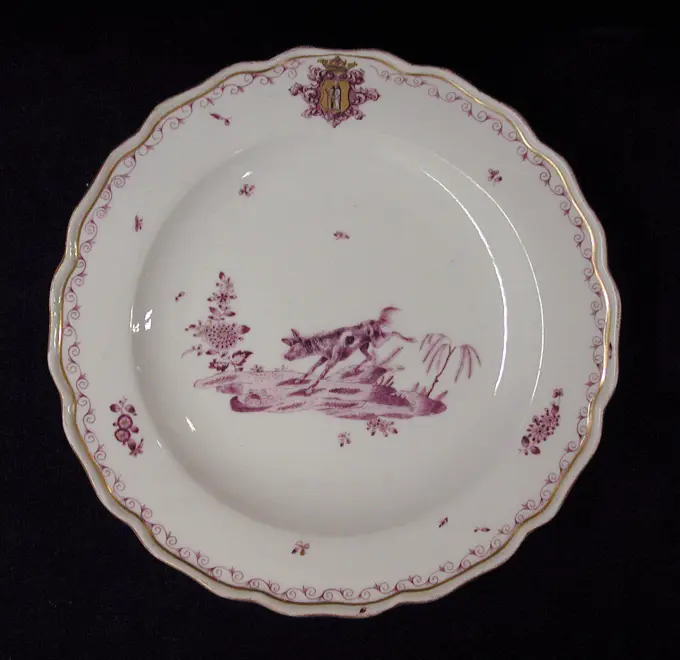
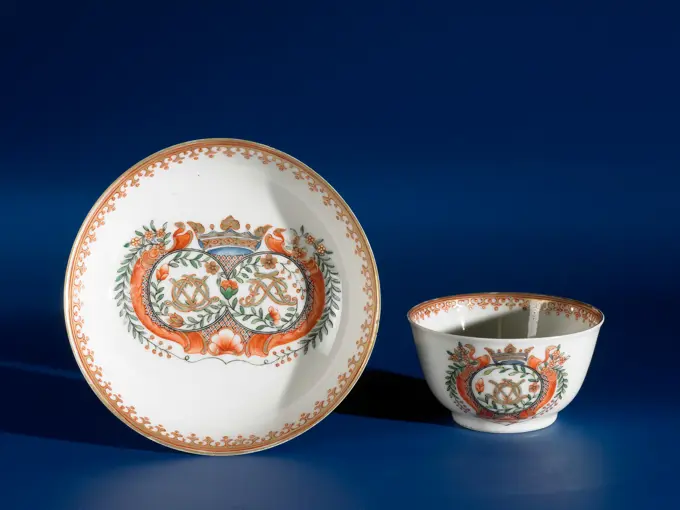
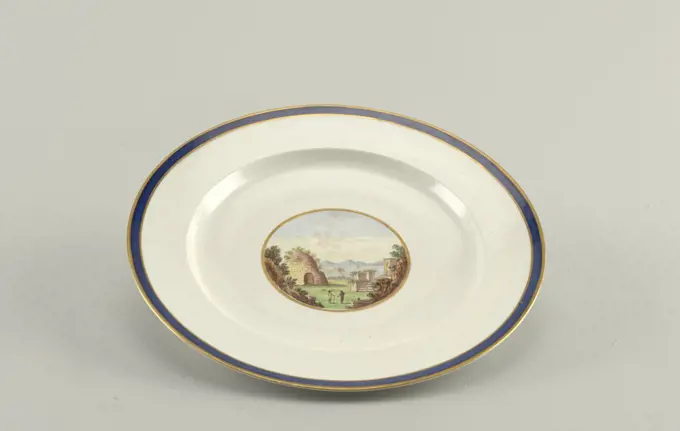
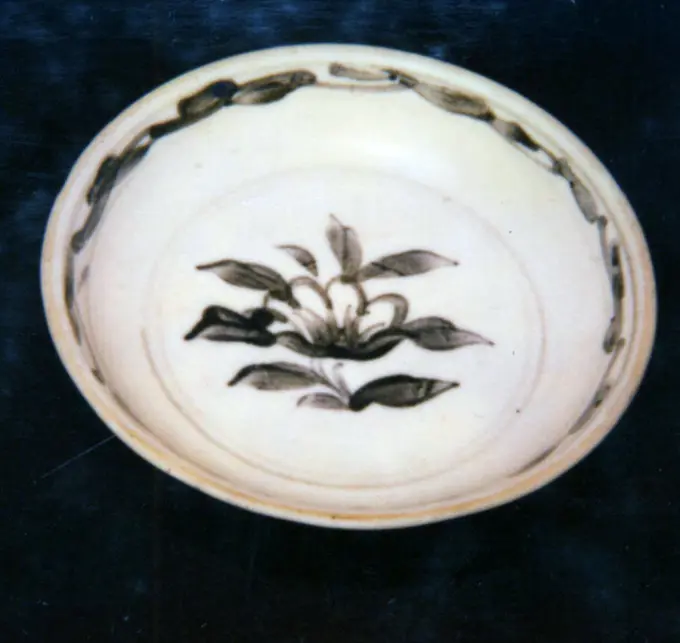
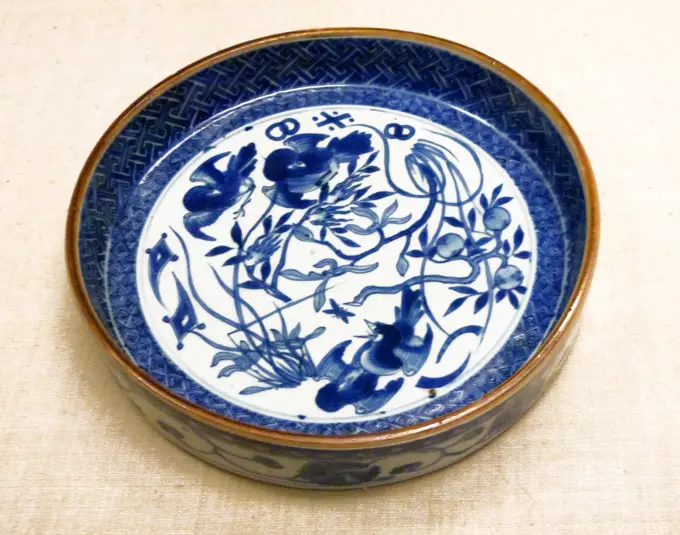
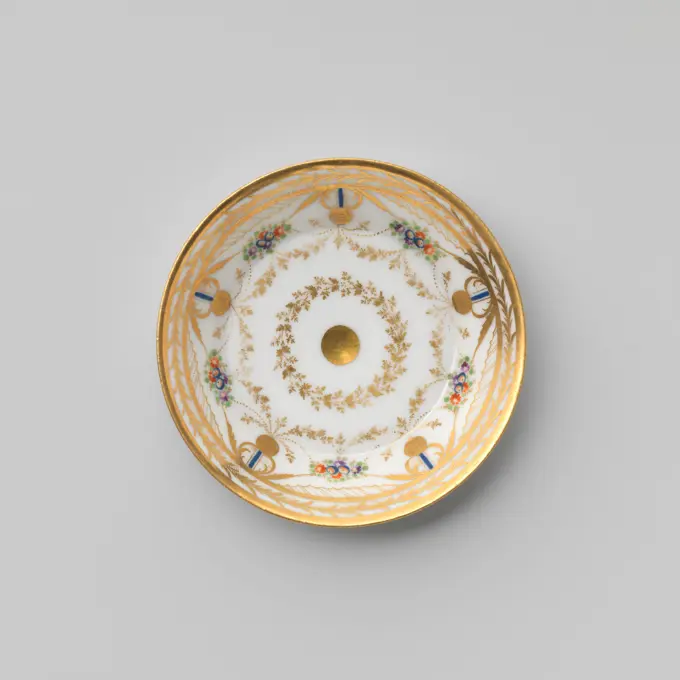
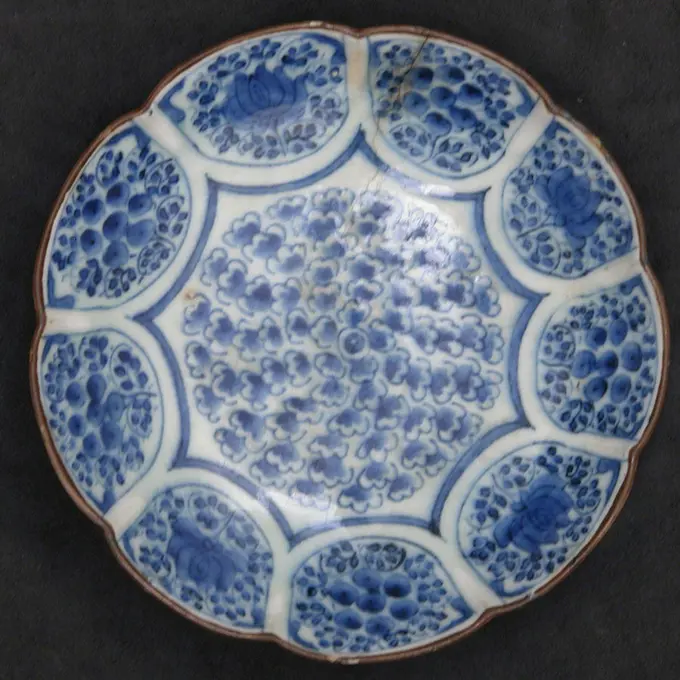
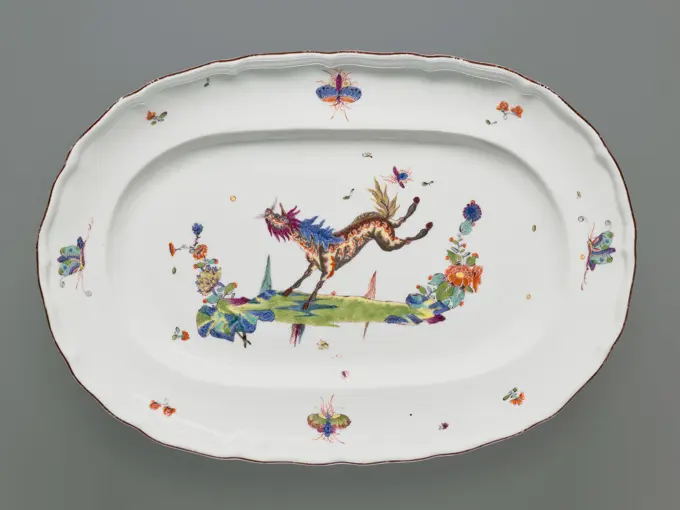
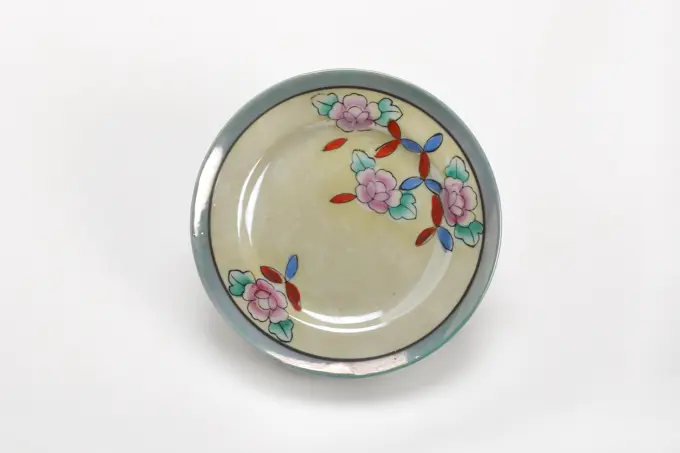
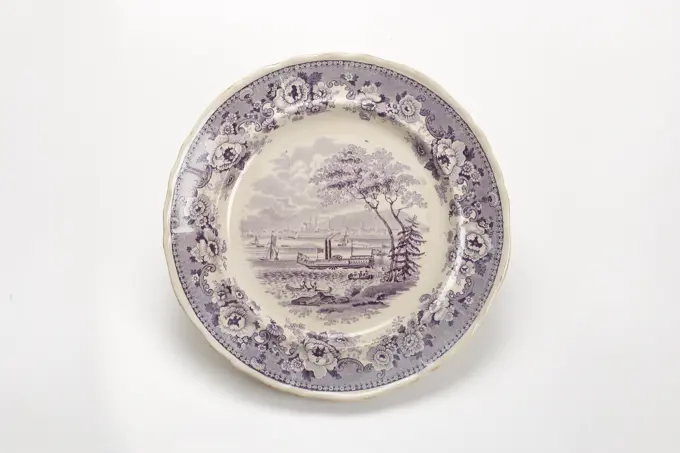
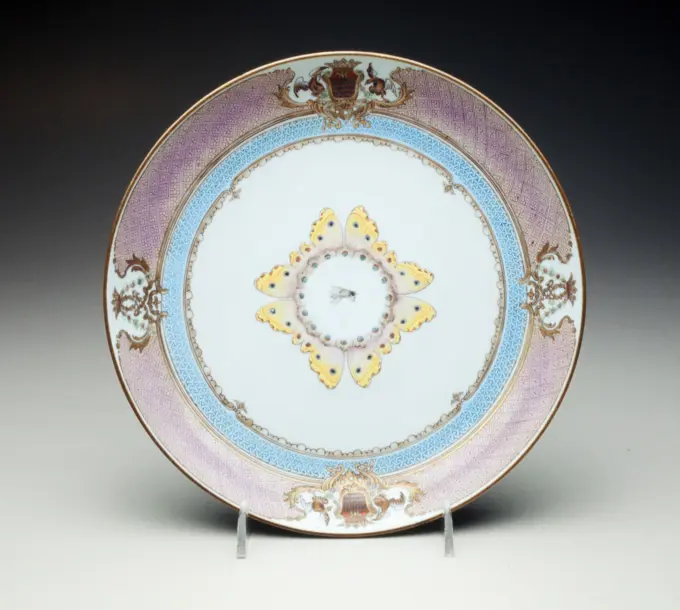
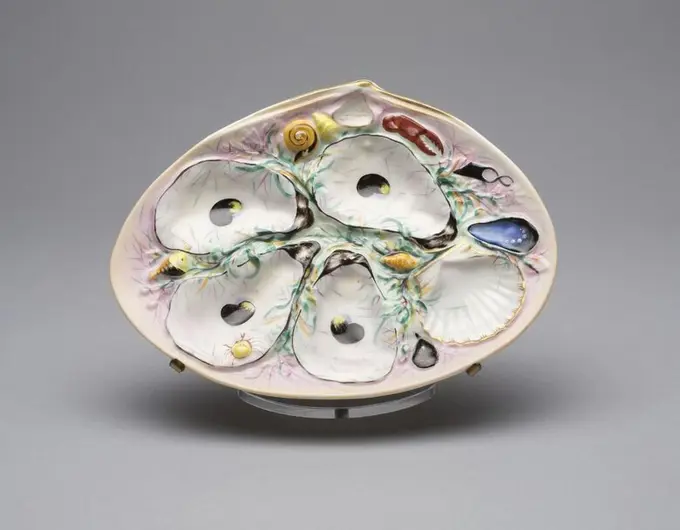
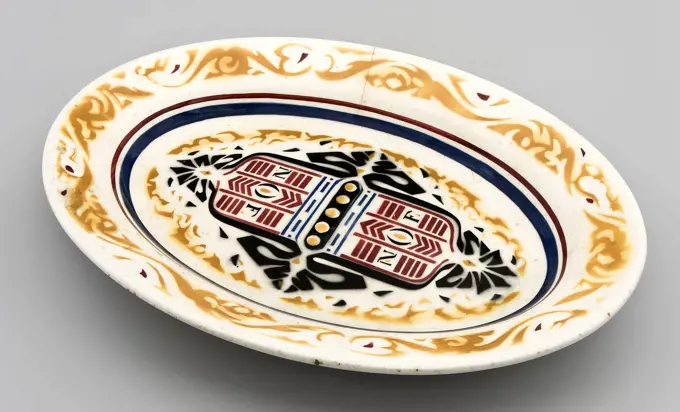
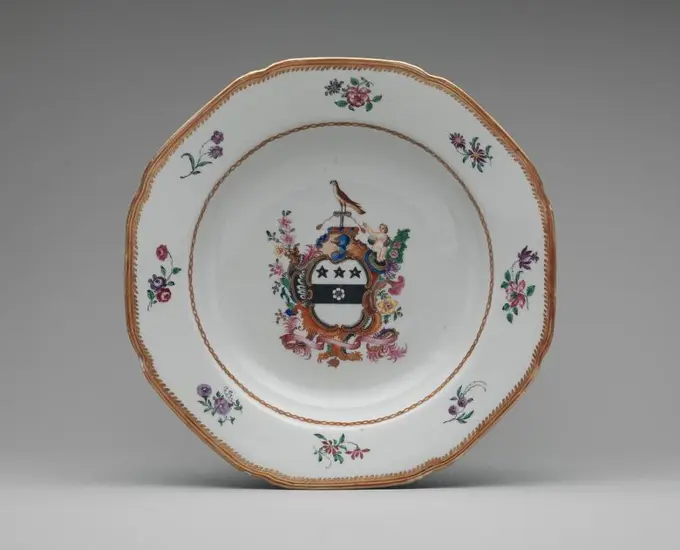
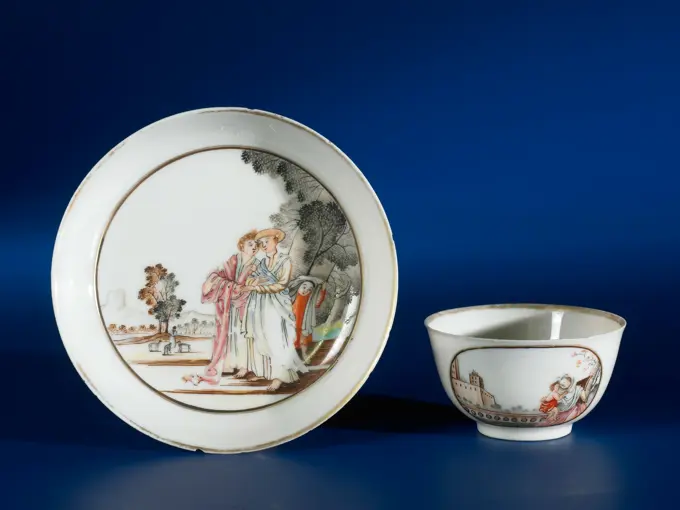
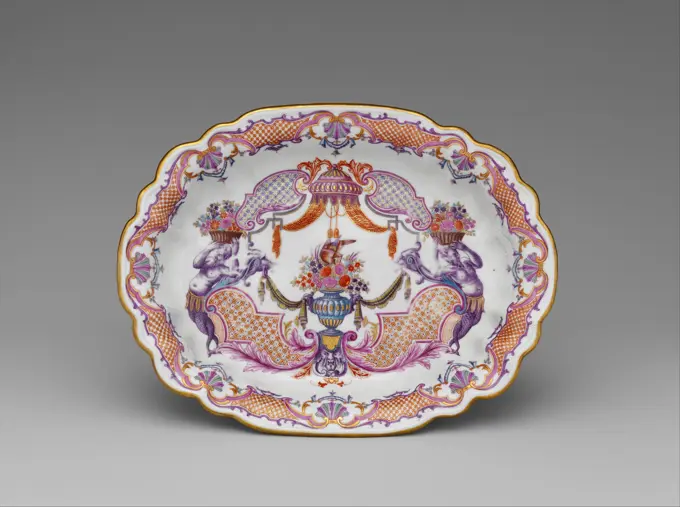
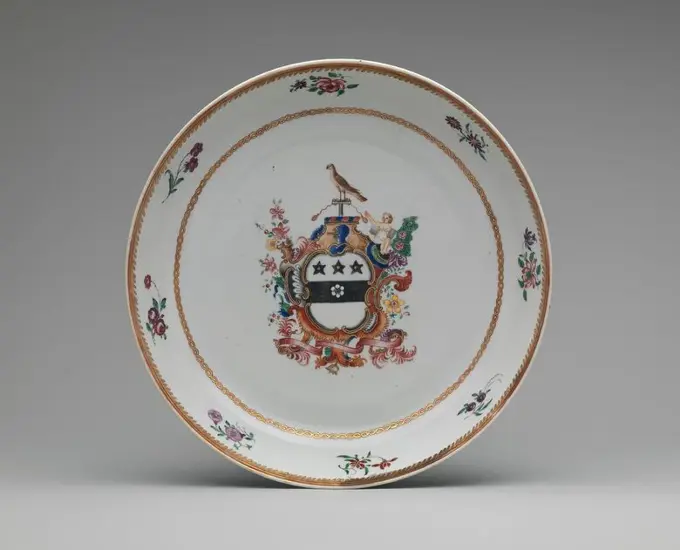
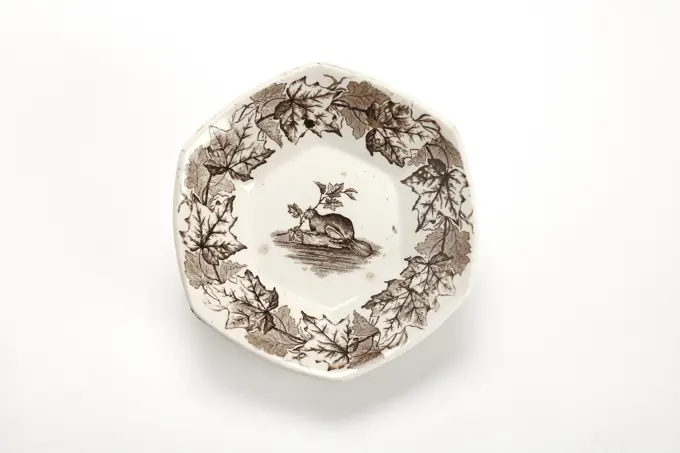
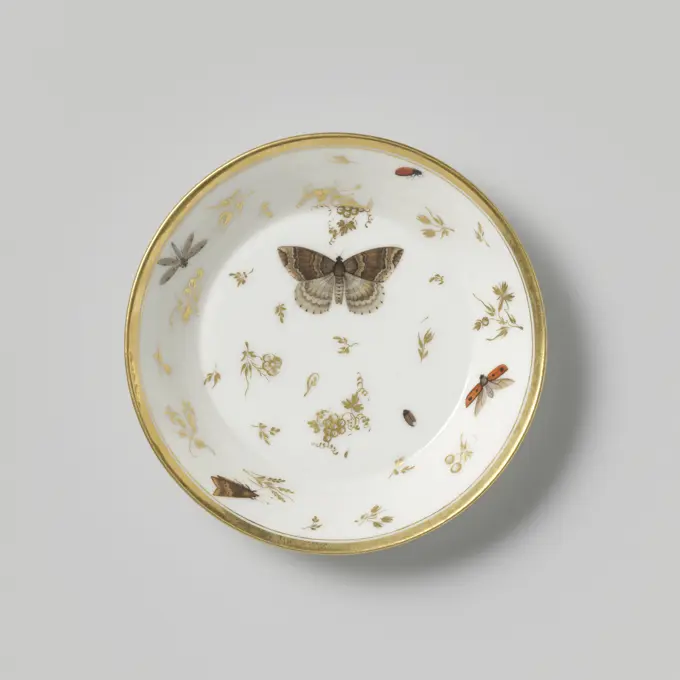
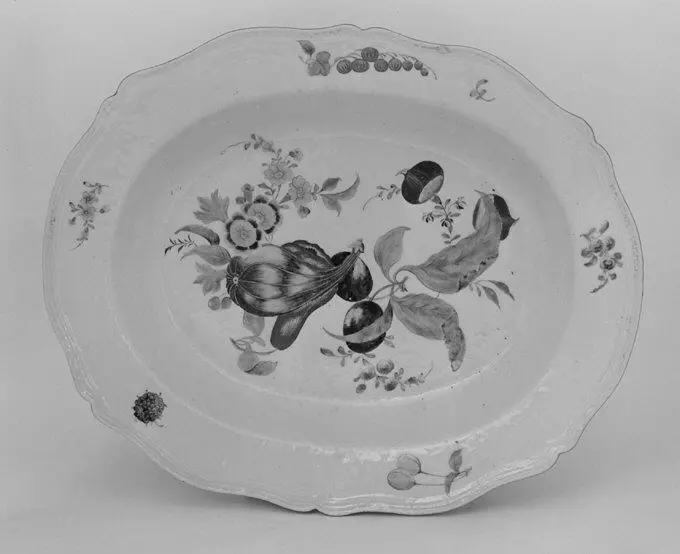
Dessert Plate, c. 1800, Wedgwood, Staffordshire, England, est. 1759, 8 3/4 x 8 3/4 in. (22.23 x 22.23 cm), Porcelain, England, 18th-19th centurySide plate, c. 1800, Wedgwood, Staffordshire, England, est. 1759, 7 1/2 x 7 1/2 in. (19.05 x 19.05 cm), Porcelain, England, 18th-19th centurySmall plate - a woman with verbena decoration. unknown, manufacturerPlate with spreading flowers. Porcelain plate with edge decoration in polychrome and gold, with subdivision in rehalating pattern of surfaces. On the flat spreading flowers. Marked in the paintwork with the letter W.Dish, painted with figures in landscapes. Part of a crockery. Dish of porcelain, painted multi-colored with figures in landscapes. Part of a crockery. Marked with two crossed swords and rebel: MHS.Plate, Spode Ceramic Works, English, established 1776, hard paste porcelain, vitreous enamel, gold, Circular form with scalloped edge and shallow well; wide rim glazed light blue, molded with five floral sprigs and scalloped edge, reserved in white; edge picked out in gilding; in center, a polychrome bouquet encircled by gilded vine motif, all on white ground., England, 1821-1833, ceramics, Decorative Arts, plate, plateCovered Serving Dish ca. 1860-66 Chinese, for American market. Covered Serving Dish 2465Dish with golden tendrils and colorful flower clusters. Dish of porcelain, decorated with golden tendrils and colorful flower clusters.Dish belonging to a tea set with decoration of trophies to strict ribbons. Tea set consisting of a teapot, a sugar bowl, a rinse bowl and twelve cups and saucers painted multicolored with trophies hanging on blue bows. The trophies relate to various professions. Signature in black: Amstel (the Amstel N. 805 sugar pace and reel). Different ingrangled marks in the headlines and saucers.Plate - Thomas Forester, Son & Company Thomas Forester, Son & CompanyRoast Platter 1885-86 Union Porcelain Works Union Porcelain Works was one of the most important and inventive American porcelain manufacturers in the second-half of the nineteenth century. In addition to their imaginative works designed by the German-born artistic director, Karl H. L. Müller, the firms mainstay was the production of heavy porcelain hotel dinnerware. This extensive service was made by Thomas Carll Smith, head of the Union Porcelain Works, as a gift to his daughter, Pastora Forest Smith Chace. The neoclassical decoration of the gilt bellflower and basket motif is complimented by turquoise enamel. Unlike the firms more eccentric and lavish designs created for their display at the Philadelphia Centennial Exposition in 1876, the pottery favored a more restrained classical style for their dinner services. This service descended in the Chace family.. Roast Platter 6574Fragmentary on board, anonymous, c. 1635 - c. 1655 Fragmentary plate made of blue painted faience. On the flat, a figure (bacchus) In addition to a vase with flowers is painted and a tergotif on the edge. The board is a bottom find from Delft, missing parts have been supplemented. Delft earthenware. tin glaze.   Delft Fragmentary plate made of blue painted faience. On the flat, a figure (bacchus) In addition to a vase with flowers is painted and a tergotif on the edge. The board is a bottom find from Delft, missing parts have been supplemented. Delft earthenware. tin glaze.   DelftDish with Peony Spray and Floral Scrolls. Vietnam, 1450-1550. Furnishings; Serviceware. Wheel-thrown stoneware with cream slip, underglaze blue painted decoration, and clear glazeLobed dish with brushwood fences, birds and the 'three friends', anonymous (workshop of), c. 1670 - c. 1690 Plate of porcelain with eight -lobe edge, painted on the glaze in blue, red, green, yellow, black and gold with the 'three friends of winter' (bamboo, prunus, pine) in bound hedges. On the bamboo a bird and also one in the air. Brown edge. Five prenes in the foot ring. Old label on the bottom with 'Collection Westendorp/ 3'. Kakiemon. Japan porcelain. glaze. gold (metal) painting / gilding / vitrification Plate of porcelain with eight -lobe edge, painted on the glaze in blue, red, green, yellow, black and gold with the 'three friends of winter' (bamboo, prunus, pine) in bound hedges. On the bamboo a bird and also one in the air. Brown edge. Five prenes in the foot ring. Old label on the bottom with 'Collection Westendorp/ 3'. Kakiemon. Japan porcelain. glaze. gold (metal) painting / gilding / vitrificationPlate, octagonal, painted on the flat with bird on a branch. Rand with braid in relief, painted with insects, manufacture Oud-Loosdrecht, c. 1784 Plate, octagonal with a multi -colored bird on the flat on a branch. Walking in relief on the edge with insects. Marked: Amstel and M.O.L. In underlaze blue. Loosdrecht porcelain Plate, octagonal with a multi -colored bird on the flat on a branch. Walking in relief on the edge with insects. Marked: Amstel and M.O.L. In underlaze blue. Loosdrecht porcelain. Plate of faience. Painted blue.Fruit-pan on three feet with flower sprays, anonymous, c. 1740 - c. 1760 Porcelain fruit bowl with a scalloped edge and on three legs, painted in underlaze blue. On the flat flower branches; the edge with a bamboo bamboo with flower vines; The back with the same band. In addition to the edge, the scale is pierced with holes. Edge damaged. Blue White. China porcelain. glaze. cobalt (mineral) painting / vitrification Porcelain fruit bowl with a scalloped edge and on three legs, painted in underlaze blue. On the flat flower branches; the edge with a bamboo bamboo with flower vines; The back with the same band. In addition to the edge, the scale is pierced with holes. Edge damaged. Blue White. China porcelain. glaze. cobalt (mineral) painting / vitrificationFruit Plate, Chelsea Porcelain Manufactory, English, established ca. 1743/45, soft paste porcelain, vitreous enamel, Flat marly springing from scalloped inner rim. Raised, feathered edge, painted brown and green. In center, large and small cucumber and an apple. On marly, three rose hips, a purple long radish, currents and small red berries., England, 1753-1758, ceramics, Decorative Arts, plate, plate, Fruit Plate, Chelsea Porcelain Manufactory, English, established ca. 1743/45, soft paste porcelain, vitreous enamel, Flat marly springing from scalloped inner rim. Raised, feathered edge, painted brown and green. In center, large and small cucumber and an apple. On marly, three rose hips, a purple long radish, currents and small red berries., England, 1753-1758, ceramics, Decorative Arts, plate, plate. Dish of blue painted faience. On the flat is a circle painted within which flour rinks. On the edge, six compartments were painted by leaves in which a floral branch. The plate has been marked and belongs to two identical signs with Invnr. BK-14968-A and BK-14968-b.Plate with "Bamboo and Fan" pattern ca. 1877 Minton(s) British Typical of the Aesthetic movement, the asymmetrically placed orientation of the fan, the Japanese mon devices, and the bamboo reflect the popularity of Japanese motifs in Europe during the third quarter of the nineteenth century. However, iconic images associated with the movement, such as paper fans, bamboo, sunflowers, and peacocks, were applied to all forms of domestic objects at varying economic levels. The transfer-decorated pattern on this plate, which was later individually hand-colored in varying color schemes, allowed for rapid production of high volumes of merchandise.The Minton Ceramic Factory was founded in 1793 at Stoke-on-Trent in Staffordshire and in its early years copied the ceramics made at Derby. In the mid-nineteenth century and under new artistic direction, the company became one of England's leading ceramic manufacturers, creating masterpieces in a wide range of popular revival styles, including ItaliaBowl, between 1891-1917. Kornilov Brothers (Russian, established 1835). Porcelain; overall: 7.7 x 20.4 cm (3 1/16 x 8 1/16 in.).Oval Dish. Clérissy Factory (France, Moustiers, 1679-1783). France, Moustiers, circa 1700. Furnishings; Serviceware. Earthenware with tin glaze and enamel (grand feu faience)Scalloped saucer with hoo birds, anonymous, c. 1670 - c. 1700 Sculpted porcelain dish, painted on the glaze in blue, red, green, yellow, black and gold with a pair of Hoo birds, one in the air and one on a rock with a flower branch. Kakiemon style. Japan porcelain. glaze. gold (metal) painting / gilding / vitrification Sculpted porcelain dish, painted on the glaze in blue, red, green, yellow, black and gold with a pair of Hoo birds, one in the air and one on a rock with a flower branch. Kakiemon style. Japan porcelain. glaze. gold (metal) painting / gilding / vitrificationFruit or Dessert Plate with 'Disheveled Birds', Chelsea Porcelain Manufactory, English, established ca. 1743/45, soft paste porcelain, vitreous enamel, Scalloped edge with green feather motif. Fluted cavetto. At center, a tropical bird., England, 1758-1769, ceramics, Decorative Arts, plate, plateCup and Saucer Cup And Saucer; Manufactured by Meissen Porcelain Factory (Germany), Meissen Porcelain Manufactory (Germany); Germany; hard paste porcelain, vitreous enamel, goldBowl saucer; Koenigliche Porcellain Fabrique, Meissen (1710-1763); around 1750 (1745-00-00-1755-00-00);Plate With Flower Sprays and Figures in an interior and in a Landscape. Porcelain plate with raised wall and sloping edge, painted in underglaze blue. On the flat one raised medallion in the center with six people in an interior to a table; four times a flower branch (prunus, peony, lotus, chrysanthemum); the edge with a continuous landscape with scholars and their servants; the back of the edge with flower drinks; The back of the wall with four times a flower branch (prunus, peony, lotus, chrysanthemum). Some chips in the edge. Blue White.Soup plate - Japanese Samuel Alcock & Company Samuel Alcock & CompanyDessert Dish 1785-1795 Worcester. Soft-paste porcelain, polychrome enamels and gilding . Worcester Royal Porcelain Company (Manufacturer)Plate ca. 1745 Meissen Manufactory German. Plate 211507Unknown (n. - d.), Bol saucer (main title), 1736. Porcelain, small fire enamels. Petit Palais, Museum of Fine Arts of the City of Paris.Dish, painted with cornflowers, manufacture Oud-Loosdrecht, c. 1784 Dish, decorated with cornflowers. Marked Amstel in blue under the enamel and Ingrift L1. Loosdrecht porcelain Dish, decorated with cornflowers. Marked Amstel in blue under the enamel and Ingrift L1. Loosdrecht porcelainPlate, 17th and 18th Centuries, Ceramic (Tricolor Series, earthenware decorated in blue, orange and black, with landscape with architecture and border of vegetal motifs in the shape of a scroll), Talavera de la Reina or Puente del Arzobispo (Toledo), Diameter: 23.3 cm. Museum: Museo Fundación Francisco Godia, Barcelona, Cataluña, España.Saucer with insects, flower sprays and grapevines, Rue Thiroux Parijs, c. 1797 - c. 1798 service (set) Porcelain saucer with a straight wall, painted on the glaze in email colors and gold. The front is covered with colored insects (butterflies, beetles, dragonflies, etc.) and in gold flower branches and grape vines. Golden Rand. Marked on the underside 'GB/ Rue Thiroux/ à Paris'. Paris porcelain. glaze. gold (metal) painting / gilding / vitrificationSaucer with panels in The Shape of a Flowerhead Filled with Flower Sprays. Dish of porcelain with raised wall and flat edge, painted in underglaze blue. On the flat a medallion surrounded by flower leaf-shaped compartments; The medallion is filled with a flower branch, rock and insect, in the leaf-shaped boxes each time a flower branch; on the edge flower branches; The back with two flower branches and a peach roof. Marked on the bottom with an artemisia leaf in a double circle. A crack in the edge. Blue White.. Bell-shaped head of porcelain, painted on the glaze in blue, red, green, black and gold. On the wall a crazy double monogram with links 'c.v.l.' and right 'F.S.A.' With to the letters flower branches. To make the monogram a shell pattern and leaf raft. A decorative band on the inner edge. Weapon porcelain with email colors.Anonymous. Covered bowl with imari decor. Porcelain. 18th century. Museum of Fine Arts of the City of Paris, Petit Palais. 122746-28Bell-shaped cup and saucer with an elaboratly decorated monogram 'IDF', anonymous, c. 1750 - c. 1774 Bell -shaped head and dish of porcelain, painted on the glaze in blue, red, pink, green, black and gold. On the flat a richly decorated cartouche with the monogram 'IDF'; around the cartouche a landscape with a peacock, a Greek -looking, round temple and a bust of a Greek -looking woman; On the edge a band with leaf vines with twice a bright sun with a face. European performance in email colors. China porcelain. glaze. gold (metal) painting / gilding / vitrification Bell -shaped head and dish of porcelain, painted on the glaze in blue, red, pink, green, black and gold. On the flat a richly decorated cartouche with the monogram 'IDF'; around the cartouche a landscape with a peacock, a Greek -looking, round temple and a bust of a Greek -looking woman; On the edge a band with leaf vines with twice a bright sun with a face. European performance in email colors. China porcelain. glaze. gold Dinner Plate. Dihl et Guerhard (possibly) (France, Paris, 1781-1828)Paris Porcelain (France). France, circa 1805. Furnishings; Serviceware. PorcelainPlate, Doccia Porcelain Factory, Italian, established 1735, porcelain, vitreous enamel, gold, Plate with blue and gold border. At center of well, depiction of two figures in Roman ruins landscape with sea in background. On base: 'Tomba di Virgilio.' (Virgil's Tomb)., Doccia, Italy, ca. 1800-20, ceramics, Decorative Arts, plate, plateSmall Dish 15th-16th century Vietnam. Small Dish. Vietnam. 15th-16th century. Stoneware with cobalt underglaze. CeramicsServing plate - Podmore, Walker & Company Podmore, Walker & CompanyCharger with Battling Knights. Italy, Deruta, 16th century. Furnishings; Serviceware. Tin-glazed earthenware (maiolica). Bell-shaped head of porcelain, painted on the glaze in blue, red, pink, green, yellow, black and gold. On the wall two the same cartouches with two European men at different ports; A floral drink on the bottom. A crack in the wall of the head. European performance in email colors.Dish - porcelain with decoration in underglaze blue. Birds and plants with geometric border. Chinese : Jingdezhen kilns (Shonzui type) circa 1620-1640.Saucer with ornamental borders, anonymous, c. 1790 - c. 1800  Porcelain dish with a straight wall, painted on the glaze in blue, red, green, yellow, purple, black and gold. The front with a golden ball surrounded in the center by decorative tires with garlands, leaf and flower vines that run on the wall. France porcelain. glaze. gold (metal) painting / gilding / vitrificationDish 17th century. Dish. 17th century. Earthenware; glazed. Attributed to Iran. CeramicsOval platter mit Maerchentier’. Koenigliche Porcellain Fabrique, Meissen (1710-1763), factoryPlatter. Gardner, Francis (1714-1790), factory owner, Wierbiłki/k Moskwy (fabryka porcelany; 1766- ), factoryFaience plate, Anonymous, c. 1730 - c. 1770 Faaience plate. Blue painted. Delft . Faaience plate. Blue painted. Delft .Toy dessert plate - Inconnu / UnknownDish, painted with cornflowers, manufacture Oud-Loosdrecht, c. 1784 Dish, decorated with cornflowers. Marked Amstel in blue under the enamel and Ingrift L1. Loosdrecht porcelain Dish, decorated with cornflowers. Marked Amstel in blue under the enamel and Ingrift L1. Loosdrecht porcelainPack dish decorated with block motif and dots in yellow and black, Chris van der Hoef, c. 1900 - c. 1925 Pastry dish of earthenware. The edges of the dish are decorated with a block motif with dots in yellow and black in between three yellow piping on either side. Designer: Netherlandsmaker: Oegstgeest earthenware Pastry dish of earthenware. The edges of the dish are decorated with a block motif with dots in yellow and black in between three yellow piping on either side. Designer: Netherlandsmaker: Oegstgeest earthenwareFainece plate with flower and garlands, anonymous, c. 1775 - c. 1815 Fowence board. Blue painted with a large flower and garlands. Delft . Fowence board. Blue painted with a large flower and garlands. Delft .Dinner plate - View of Montreal Davenport DavenportDish, c. 1735, 1 1/2 x 9 in. (3.81 x 22.86 cm), Porcelain with enamel decoration, China, 18th century, Dutch botanist Maria Sybille Merian (1646-1717) traveled to the Dutch West Indies and painted a variety of detailed botanical and insect motifs popularized by prints and ceramics. This plate features the arms of a branch of the ruling Grimaldi family of Monaco - the butterfly wings enclosing a bee symbolize long life and industry.Dish with two hoo-birds near rocks and flowering plants, anonymous, c. 1650 Porcelain saucer, painted in under -glaze blue. On the flat in a double medallion a Hoo-Vogel on a rock with flowering plants (peony, pomegranate). A second bird flies above. The edge is divided into wide and narrow courses. The wide courses with flowering plants (peony, prunus, camelia) in rocks; The narrow compartments with a flower drink. Five prenes on the underside. The decoration is based on Chinese Kraakporcelain. Blue White. Japan porcelain. glaze. cobalt (mineral) painting / vitrification Porcelain saucer, painted in under -glaze blue. On the flat in a double medallion a Hoo-Vogel on a rock with flowering plants (peony, pomegranate). A second bird flies above. The edge is divided into wide and narrow courses. The wide courses with flowering plants (peony, prunus, camelia) in rocks; The narrow compartments with a flower drink. Five prenes on the underside. The decoration is based on Chinese KraakporcelaOyster Plate. Union Porcelain Works; American, 1863-c. 1922; New York, New York. Date: 1876-1886. Dimensions: 21.3 × 16.2 cm (8 3/8 × 6 3/8 in.). Porcelain. Origin: New York City. Museum: The Chicago Art Institute, Chicago, USA.Dish, De Grieksche A, Jacobus Adriaens Halder, c. 1764 - c. 1768Bowl with the "Scheel" (Squint-Eyed) Pattern, N.V. Plateelbakkerij Ram, After Theo Colenbrander, c. 1925 Come of earthenware, painted with the 'skew' pattern in blue and lilac with black contours. Marked with circle stamp with: Colenbrander-Arnhem-Holland around Ramskop, above which 'RAM'; 28 with a horizontal line underneath, including the letter D.; G.B.; 'Crooked'. Arnhem earthenware Come of earthenware, painted with the 'skew' pattern in blue and lilac with black contours. Marked with circle stamp with: Colenbrander-Arnhem-Holland around Ramskop, above which 'RAM'; 28 with a horizontal line underneath, including the letter D.; G.B.; 'Crooked'. Arnhem earthenwareAnonymous. "Chinese porcelain plate". Chinese porcelain. Paris, Museum of Romantic Life. Chinese porcelainFaïence board, the Greek A, c. 1700 - c. 1725 Bord van faience. Delft . Bord van faience. Delft .Plate 1677 British, London The arms, an eagle rising, are too general to be identified in the absence of additional marks indicating the tinctures, or heraldic colors.. Plate. British, London. 1677. Silver. Metalwork-SilverManufacturer: Petrus Regout & Co. (De Sphinx), Multicolored oval dish with NOF, bowl crockery holder ceramic pottery glaze, baked painted glazed oval bowl with sloping edge edge Printed flat: NOF (twice) Oil factory Calvé Delft serve rememberSaucer with floral scrolls in petal-shaped panels, anonymous, c. 1725 - c. 1749 Porcelain dish with straight, flared wall, painted on the glaze in blue, red, green, yellow and black. On the flat of the dish courses in the shape of a flower, in the center a lotus and in the petal leaves -shaped courses on different servants; A Swastika pattern on the edge. A crack in the wall. Famle Rose. China porcelain. glaze. painting / vitrification Porcelain dish with straight, flared wall, painted on the glaze in blue, red, green, yellow and black. On the flat of the dish courses in the shape of a flower, in the center a lotus and in the petal leaves -shaped courses on different servants; A Swastika pattern on the edge. A crack in the wall. Famle Rose. China porcelain. glaze. painting / vitrificationSoup Plate. Culture: Chinese, for American market. Dimensions: Diam. 9 1/4 in. (23.5 cm). Date: 1785-90.This object belongs to a large dinner service (10.149.1-.248) bearing the Townley family coat-of-arms. The service, probably ordered by Justice Samuel Chase (1741-1811) of Annapolis, Maryland, displays the enamel-painted arms of Margaret Townley, Chase's aunt. Museum: Metropolitan Museum of Art, New York, USA.Platter. Culture: Chinese, probably for American market. Dimensions: Overall: 20 1/16 × 22 7/8 in. (51 × 58.1 cm). Date: ca. 1840-60. Museum: Metropolitan Museum of Art, New York, USA.Platter ca. 1760-70 Gaspard Robert Manufactory Faience, or tin-glazed and enameled earthenware, first emerged in France during the sixteenth century, reaching widespread usage among elite patrons during the seventeenth and early eighteenth centuries, prior to the establishment of soft-paste porcelain factories. Although characterized as more provincial in style than porcelain, French faience was used at the court of Louis XIV as part of elaborate meals and displays, with large-scale vessels incorporated into the Baroque garden designs of Versailles. Earlier examples of French faience attest to the strong influence of maiolica artists from Italy. Later works demonstrate the ways in which cities such as Nevers, Rouen, Lyon, Moustiers, and Marseille developed innovative vessel shapes and decorative motifs prized among collectors throughout Europe. While faience can be created from a wide mixture of clays, it is foremost distinguished by the milky opaque white color achieved by the additioBowl, 18th century, 5 x 12 x 12 in. (12.7 x 30.48 x 30.48 cm), Porcelain, China, 18th centuryDish, multi-colored painted with a kakiemon decor, Meissener Porzellan Manufaktur, c. 1730 Dish of painted porcelain. The dish is square with a accolade -shaped wall and foot edge. The dish is painted with a sitting boy with fan and a standing boy with a basket with flowers on the back. The dish is marked. Float porcelain Dish of painted porcelain. The dish is square with a accolade -shaped wall and foot edge. The dish is painted with a sitting boy with fan and a standing boy with a basket with flowers on the back. The dish is marked. Float porcelainBread plate - Portneuf potterySaucer, with golden flowers and leaves on the edge against a patched, yellow soil, Peter Regout, c. 1860 - c. 1890 Dish of earthenware, gold stone. On the edge, flowers and leaves have been applied to a yellow soil in lilaluster. The flat and the bottom are completely covered with lilaluster. Maastricht . Dish of earthenware, gold stone. On the edge, flowers and leaves have been applied to a yellow soil in lilaluster. The flat and the bottom are completely covered with lilaluster. Maastricht .A plate;  1916 (1916-00-00-1916-00-00);Dish 1753-54 Jeffreyes Hammet O'Neale Irish. Dish. British, Chelsea. 1753-54. Soft-paste porcelain. Chelsea Porcelain Manufactory (British, 1744-1784). Ceramics-PorcelainPlate ca. 1860-66 Chinese, for American market. Plate 6355Saucer with a rebus and ornamental borders, anonymous, c. 1790 - c. 1800  Porcelain dish with a straight wall, painted on the glaze in blue, pink, black and gold. On the flat a rebus in a medallion. The medallion is, continuously on the wall, surrounded by four decorative tires, including flower vines on a cream -colored, pink or white background. France porcelain. glaze. gold (metal) painting / gilding / vitrificationDish of porcelain. Dish of porcelain. Painted in sepia with figures in a landscape. Along the edge a lilac fries between golden piping.Plate - Samuel Alcock & Company Samuel Alcock & Company. Dish of porcelain. Part of a series of Twaafl pieces. Painted with figures in a landscape in beet red and golden piping.Plate. unknown, craftsmanSaucer with European figures in a landscape, anonymous, c. 1740 - c. 1760 Porcelain dish, painted on the glaze in blue, red, pink, yellow, brown, black and gold. On the flat of the dish a armed man and woman in a landscape with mountains and trees; A third person behind them; In the background a shepherd with three sheep. A few chips in the edge of the dish. European performance in email colors. China porcelain. glaze. gold (metal) painting / gilding / vitrification Porcelain dish, painted on the glaze in blue, red, pink, yellow, brown, black and gold. On the flat of the dish a armed man and woman in a landscape with mountains and trees; A third person behind them; In the background a shepherd with three sheep. A few chips in the edge of the dish. European performance in email colors. China porcelain. glaze. gold (metal) painting / gilding / vitrificationBliżej Kultury ĆmielówPlate in blue camaieu, festoon style. Assiette en camaieu bleu, style rayonnant. Chromolithograph after an illustration by Emilie Pottier from Andre Pottier's Histoire de la Faience de Rouen, Auguste le Brument, Rouen, 1870.Saucer with Dutch landschapes in medallions, anonymous, c. 1750 - c. 1774 Porcelain saucer painted on the glaze in black and gold. On the flat of the dish a medallion with a European landscape with houses on a river in which a manned boat sails, in the foreground a lying man on the bank. Possibly decorated in Europe. European performances in Encre de Chine. China porcelain. glaze. gold (metal) painting / gilding / vitrification Porcelain saucer painted on the glaze in black and gold. On the flat of the dish a medallion with a European landscape with houses on a river in which a manned boat sails, in the foreground a lying man on the bank. Possibly decorated in Europe. European performances in Encre de Chine. China porcelain. glaze. gold (metal) painting / gilding / vitrificationStand for a small tureen ca. 1730-35 Vienna The artistic vision manifested in the works produced at the Claudius Innocentius Du Paquier factory beginning in the early 1720s was distinct from any other ceramic enterprise at the time, although this vision defies easy categorization. As a result, the factorys products are often immediately identifiable even though they reflect a variety of disparate decorative treatments. During the 1730s the factory employed richly patterned decorative schemes that were closely related to contemporary Viennese interior architecture, and this porcelain stand is a superb example of the particular genre. Its immediate visual impact is provided by the large- shaped panels enclosing trelliswork pat-terns painted both along the rim and in the center of the stand. In the latter, the panels are embellished by two tritons supporting baskets of flowers and a central urn with flowers and a bird underneath a baldachin. Swags of drapery, tassels, and foliate scrollsTray. Culture: Chinese, for American market. Dimensions: H. 5 1/2 in. (14 cm). Date: 1785-90.This object belongs to a large dinner service (10.149.1-.248) bearing the Townley family coat-of-arms. The service, probably ordered by Justice Samuel Chase (1741-1811) of Annapolis, Maryland, displays the enamel-painted arms of Margaret Townley, Chase's aunt. Museum: Metropolitan Museum of Art, New York, USA.. Dish of porcelain. Part of a series of Twaafl pieces. Painted with figures in a landscape in beet red and golden piping.Saucer ca. 1780-90 Chantilly The gift of the Hans Syz Collection in 1995 endowed the Museum with nearly three hundred examples of European and Asian ceramics meticulously acquired by Swiss-born collector Dr. Syz (1894-1991) to chart the migration of models and patterns from East to West. Documenting a continuous process of influence and adaptation, these pieces provide a discriminating review of the nuances of stylistic change resulting from three centuries of trade.. Saucer 208242Wine Cup mid-19th century Japan. Wine Cup 57725Plate BerlinBowl - Maple Thomas Furnival & Sons Thomas Furnival & SonsSoup plate, c. 1805, attributed to Guérhard et Dihl, Paris, 1 5/8 x 9 1/8 in. (4.13 x 23.18 cm), Porcelain, France, 19th centuryPlate with the coat of arms of Hendrik Peter Godfried Quack and Isabella Gertraud von Carnap, Etienne Blancheron, c. 1790 - c. 1800 Porcelain plate, painted on the glaze with gold. On the flat the alliance weapon of Hendrik Peter Godfried Quack and Isabella Gertraud von Carnap. The edge with a flower drink and a golden band. A proen on the bottom. Marked on the underside with N. porcelain company: Paris (possibly)Netherlands (possibly) porcelain. glaze. gold (metal) painting / gilding / vitrification Porcelain plate, painted on the glaze with gold. On the flat the alliance weapon of Hendrik Peter Godfried Quack and Isabella Gertraud von Carnap. The edge with a flower drink and a golden band. A proen on the bottom. Marked on the underside with N. porcelain company: Paris (possibly)Netherlands (possibly) porcelain. glaze. gold (metal) painting / gilding / vitrificationRealistic Plate Vector. Closeup Porcelain Tableware Isolated. Ceramic Kitchen Dish Top View. Cooking Template For Food Presentation.. Realistic Plate Vector. Closeup Porcelain Tableware Isolated. Ceramic Kitchen Dish Top View. Template For Food Presentation.Rangoon, Francis. J. Emery, English, Glazed earthenware with transfer-printed decoration, Six-sided form with circular caveto, the cream-colored ground with brown transfer-printed decoration of three birds in flight among a tree and flowers, above a geometric-patterned band and a section with flower decoration., ca. 1878-85, ceramics, Decorative Arts, Plate, PlatePlateSaucer with insects, flower sprays and grapevines, Rue Thiroux Parijs, c. 1797 - c. 1798 service (set) Porcelain saucer with a straight wall, painted on the glaze in email colors and gold. The front is covered with colored insects (butterflies, beetles, dragonflies, etc.) and in gold flower branches and grape vines. Golden Rand. Paris porcelain. glaze. gold (metal) painting / gilding / vitrificationServing plate - Davenport DavenportOval dish with scalloped edge. Oval dish of tin. The edge is scalloped and profiled.Platter (part of a service) 1760-70 Chinese, for Continental European market. Platter (part of a service) 201111