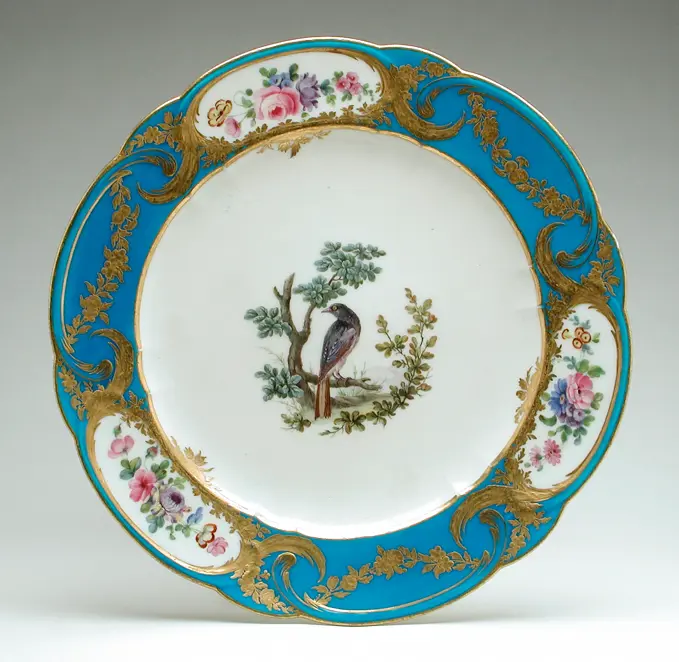
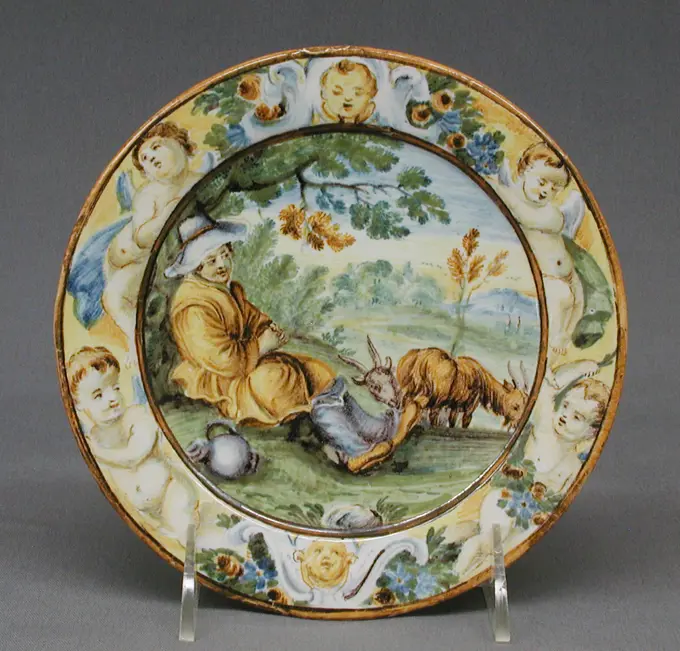
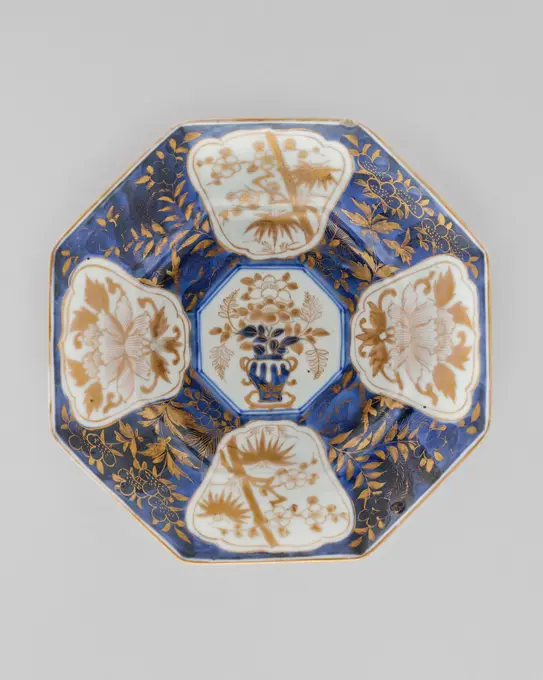
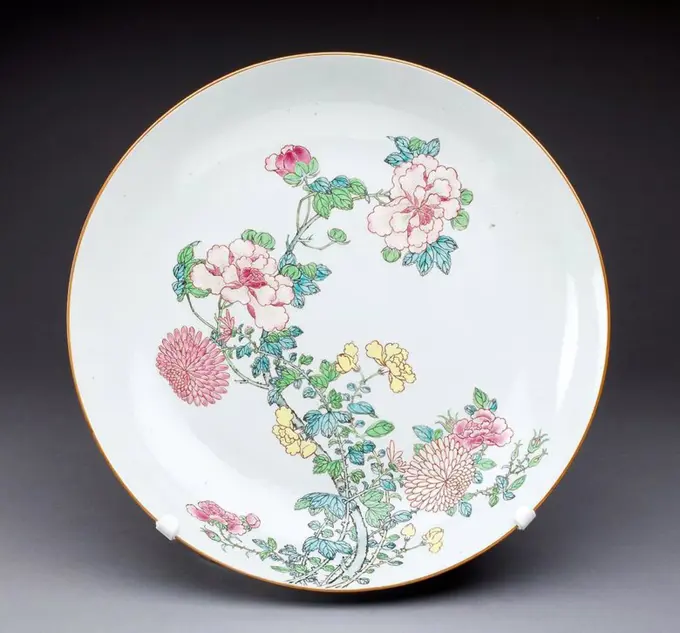
Decorative Porcelain Plates

Artfully designed porcelain plates with floral patterns and unique motifs, showcasing elegant craftsmanship from historical ceramic production.

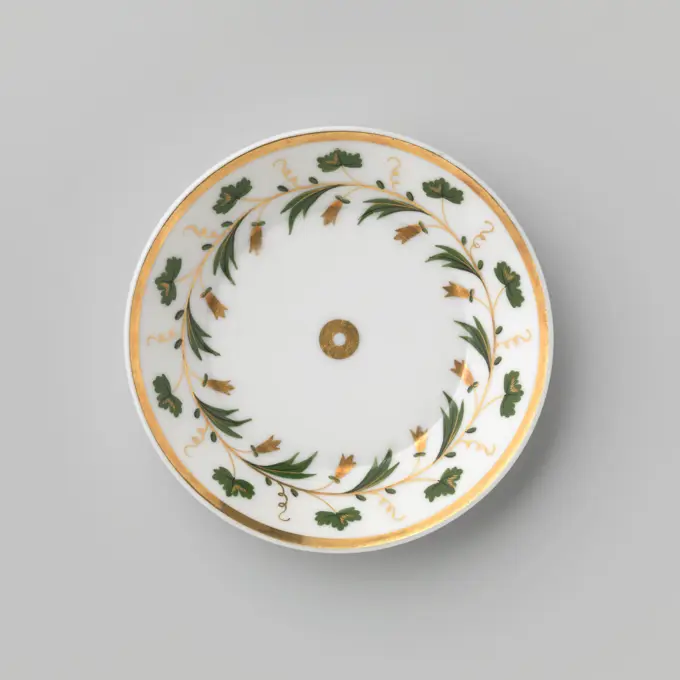
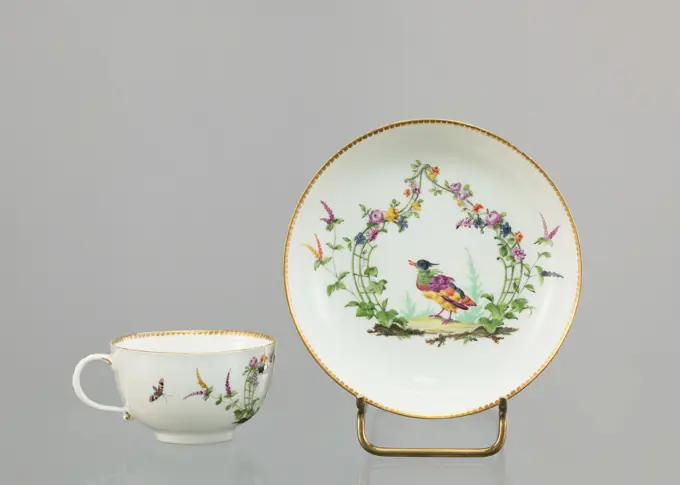
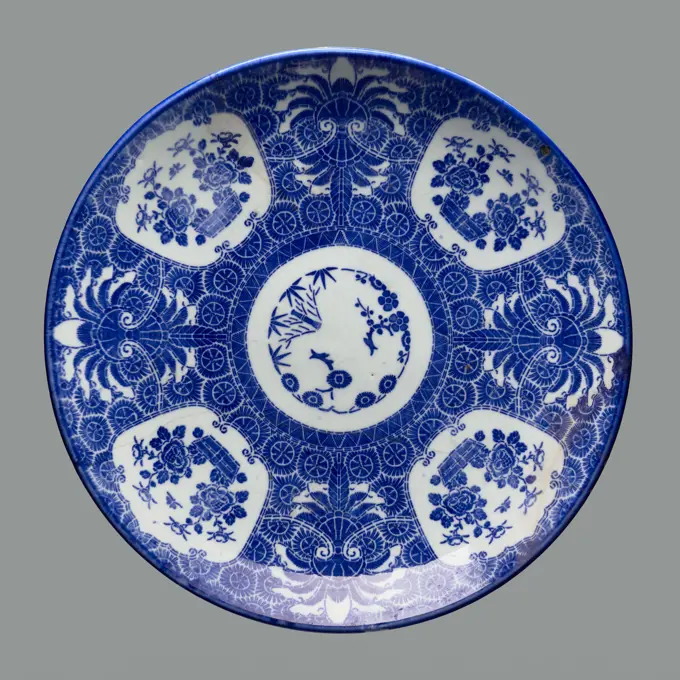
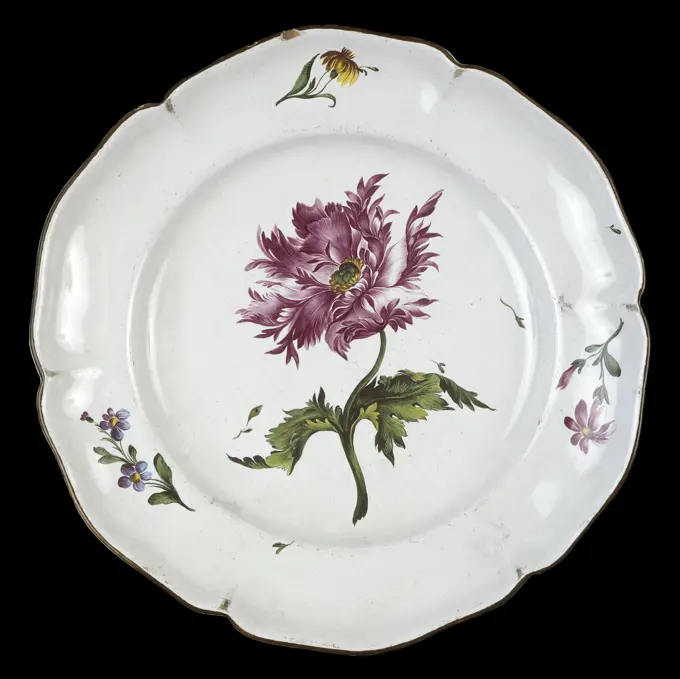
Dish, Manufactuur Oud -Loosdrecht, 1774 - 1784 Porcelain dish. Multicolored painted with flower bouquets and a ladder motif along the edges. Loosdrecht porcelain Porcelain dish. Multicolored painted with flower bouquets and a ladder motif along the edges. Loosdrecht porcelain
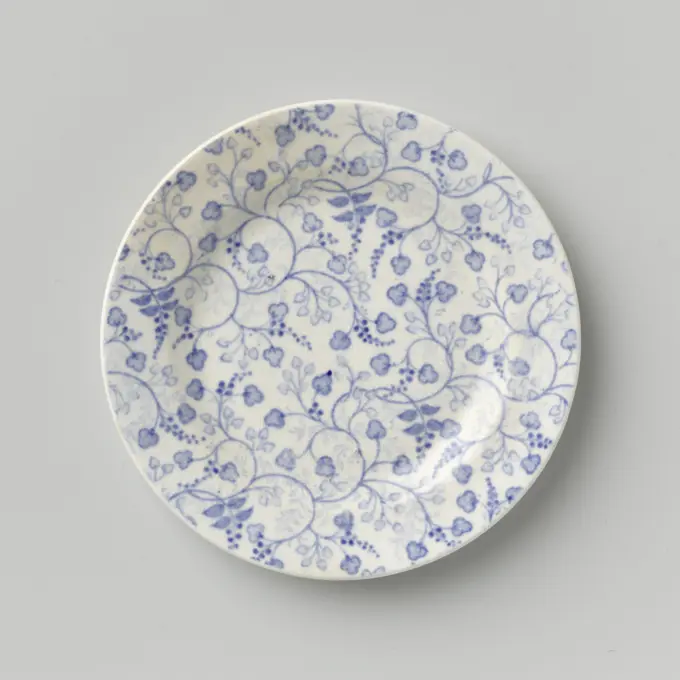
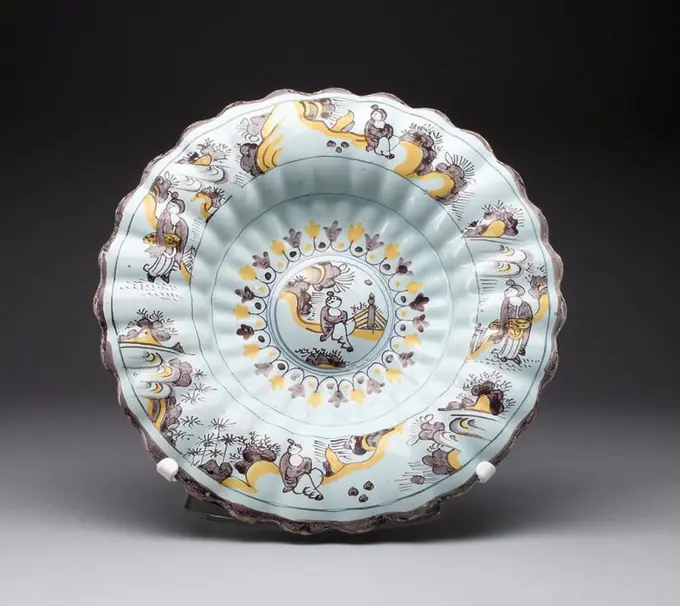
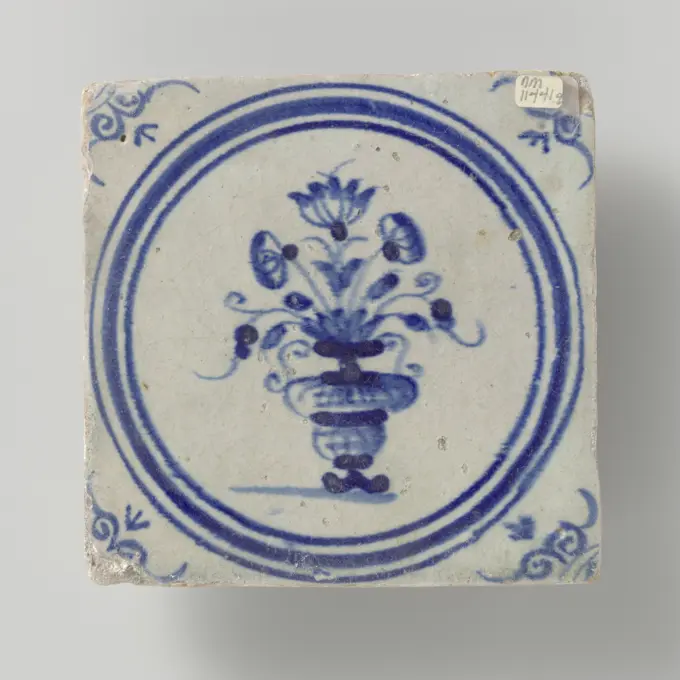
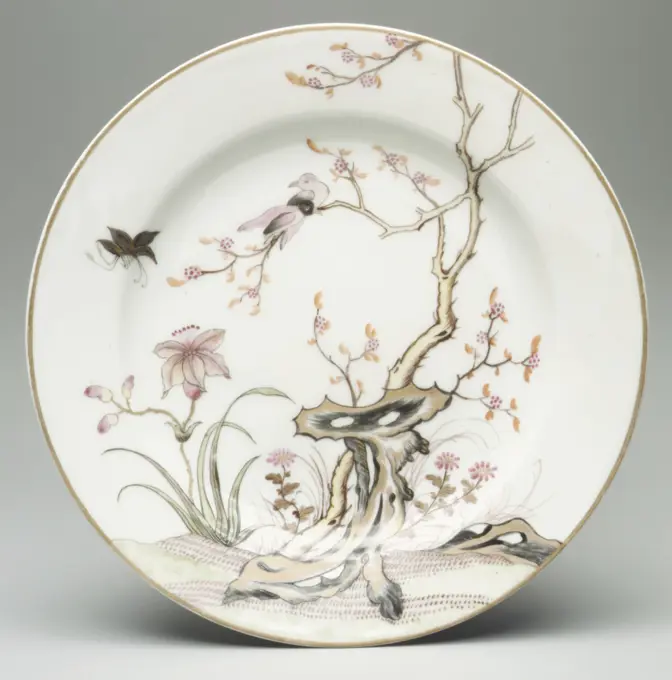
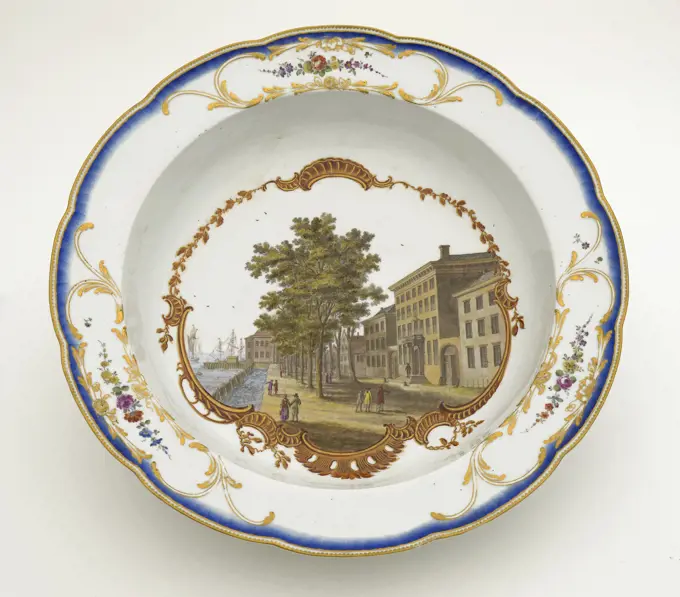
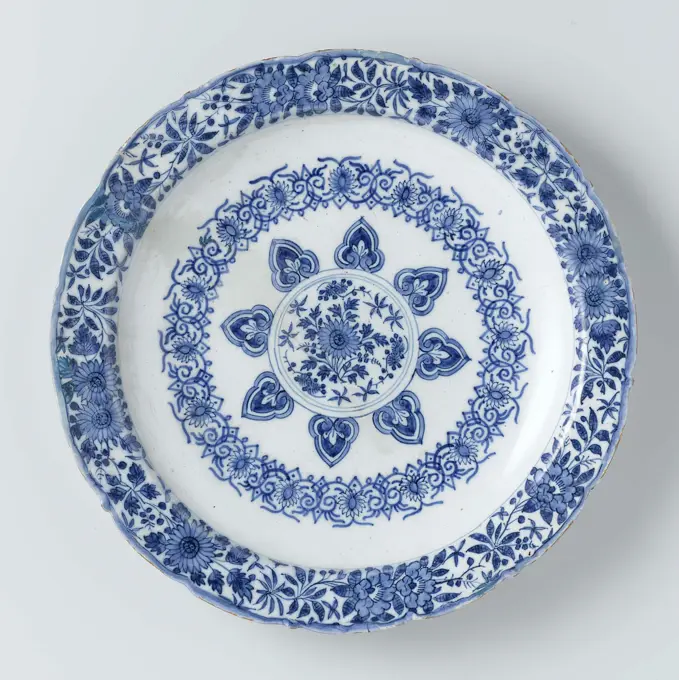
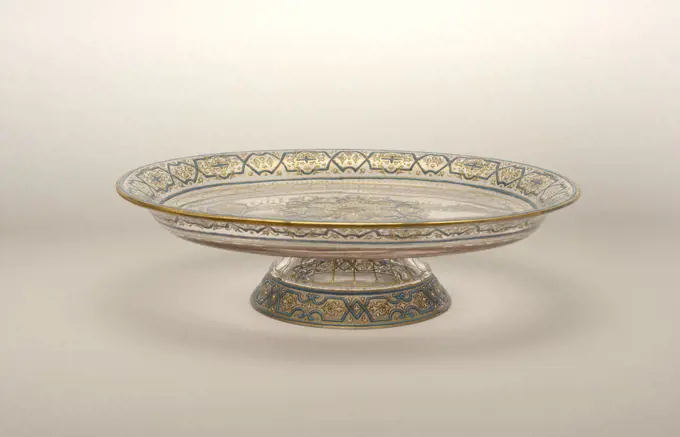
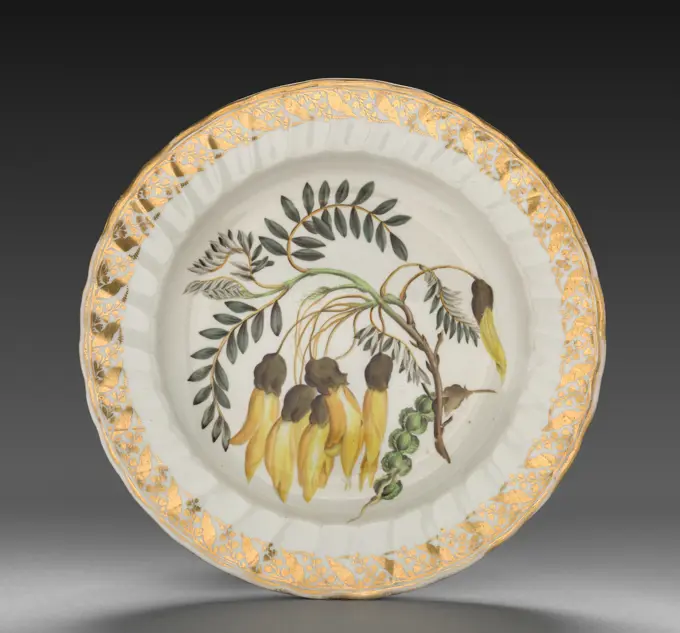
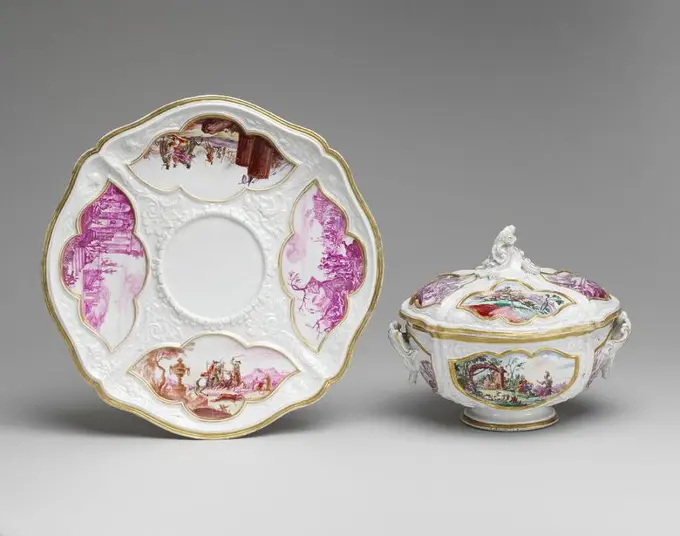
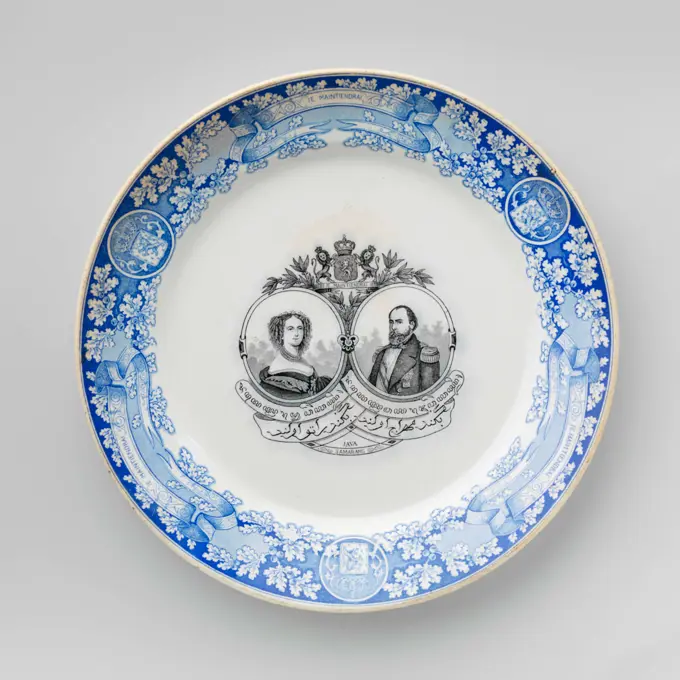
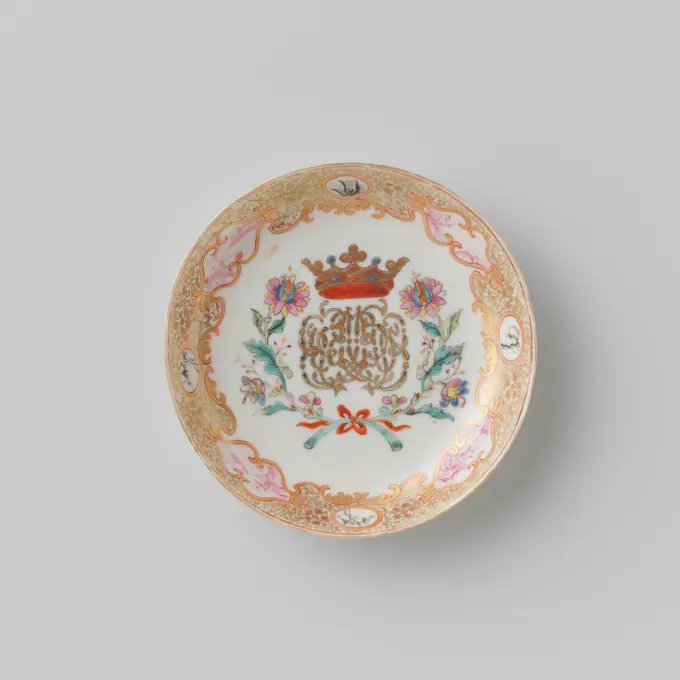
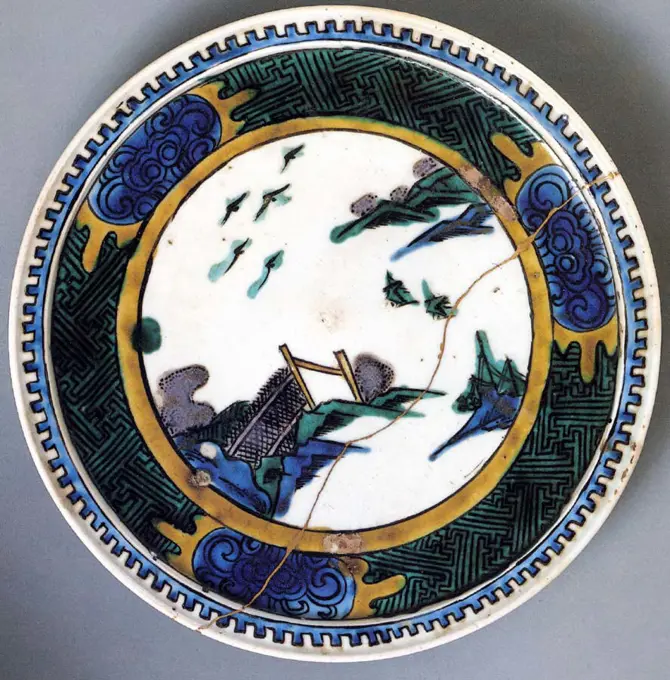
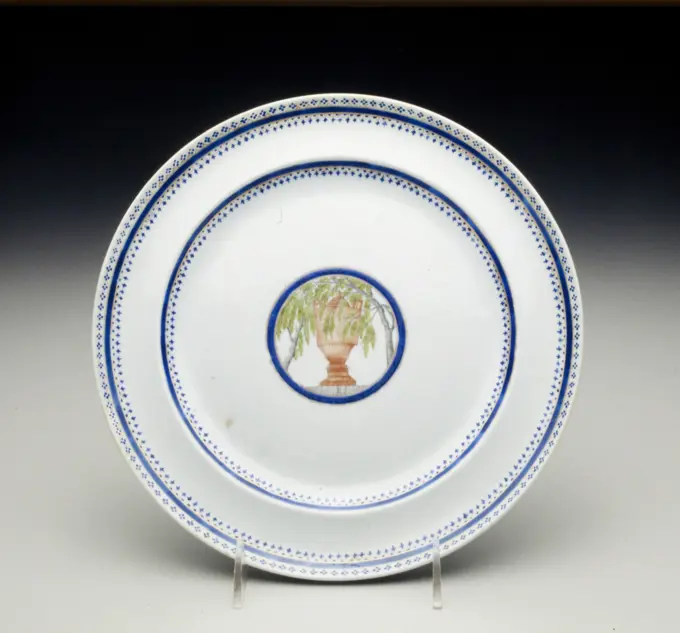
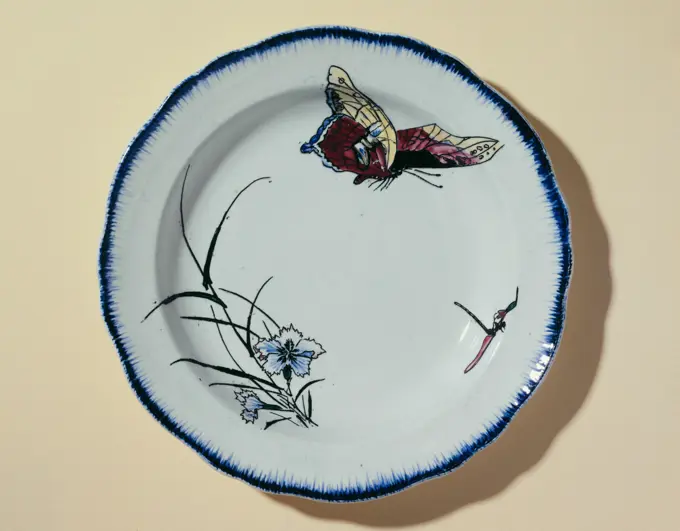
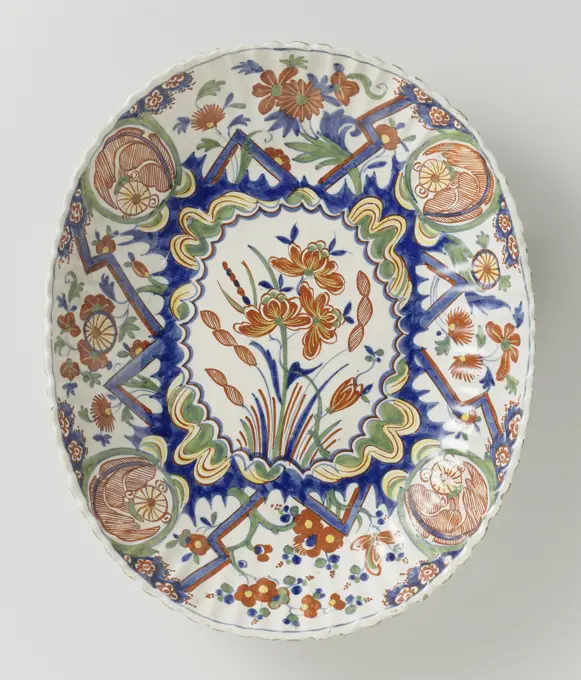
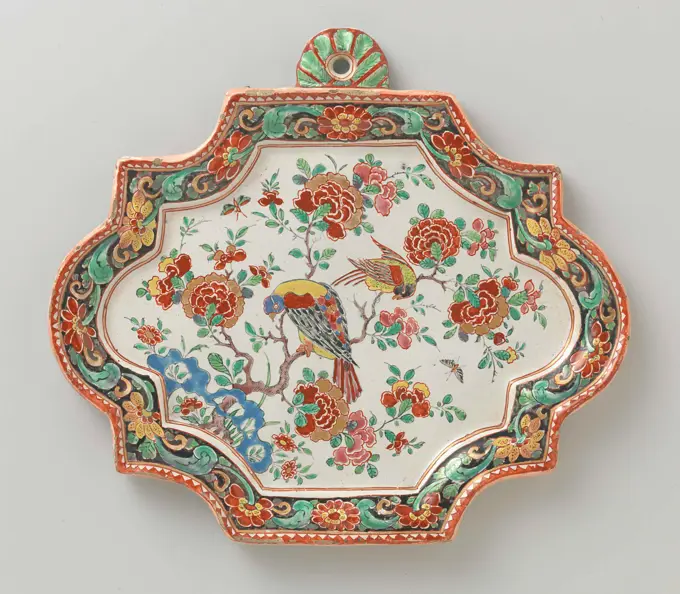
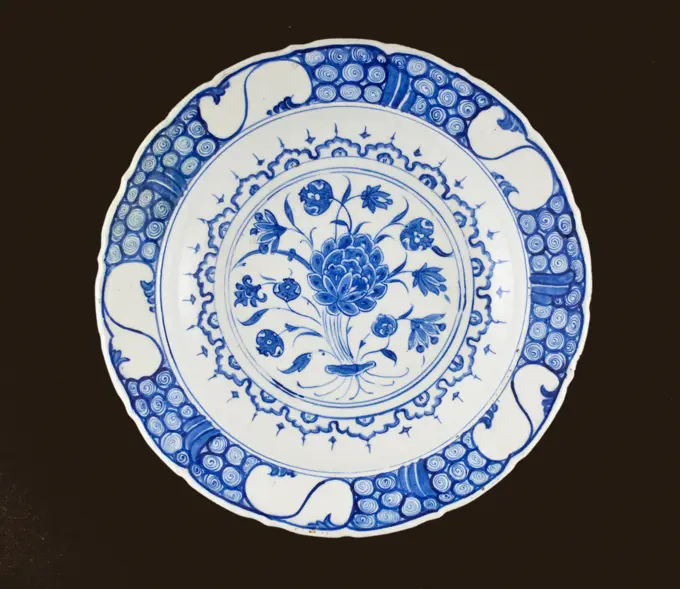
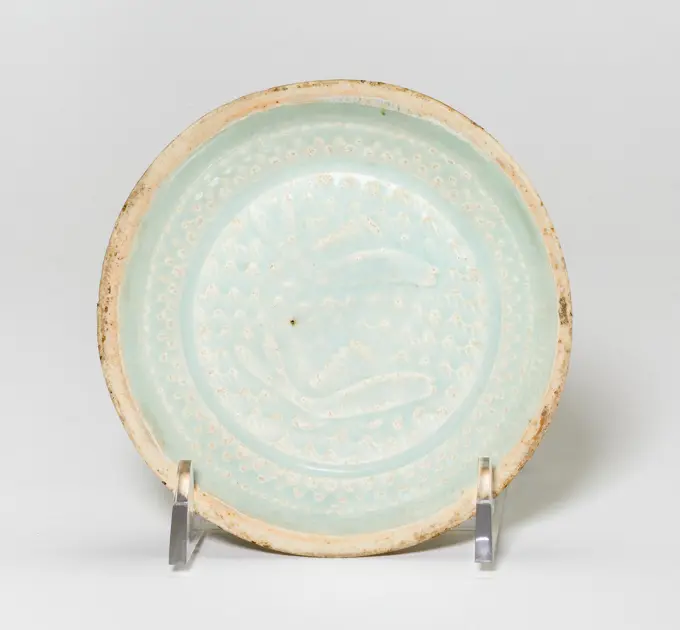
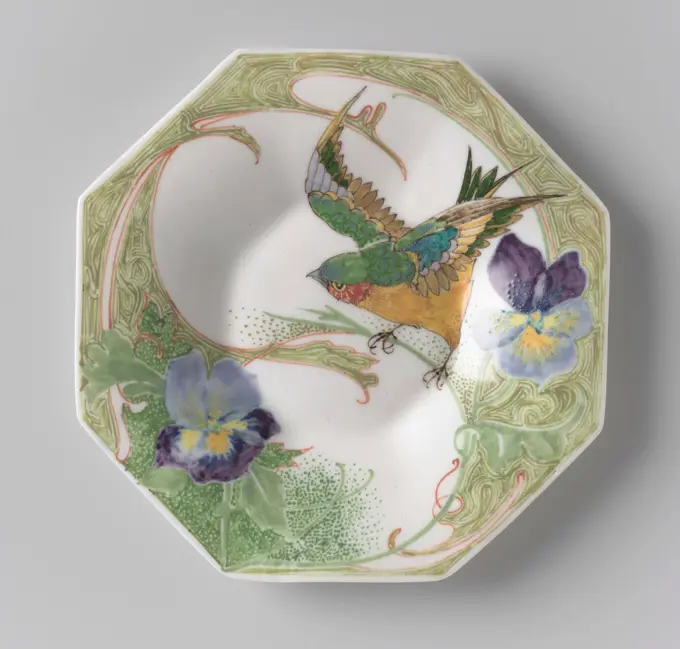
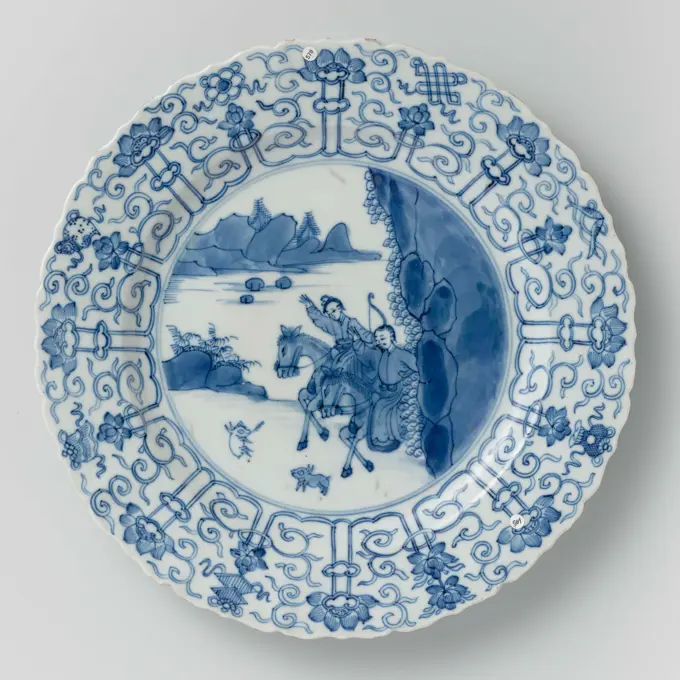
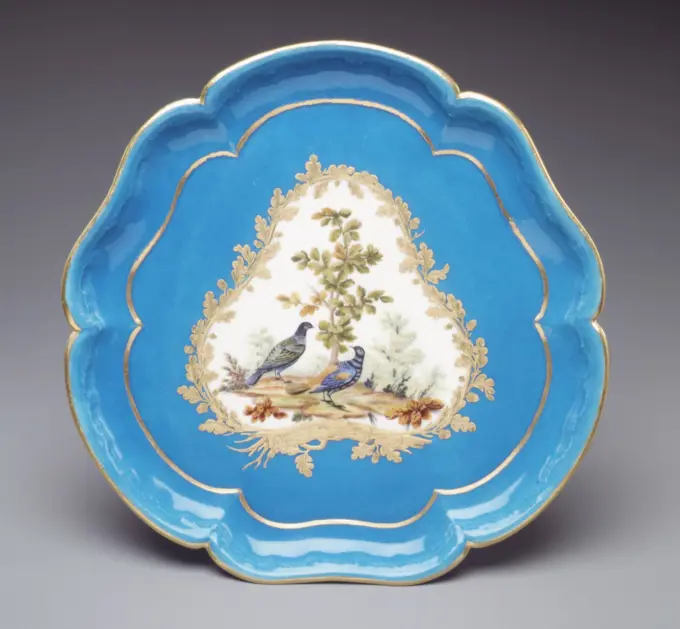
. Porcelain plate, painted on the glaze in blue, red, pink, green, yellow, black and gold. On the flat a representation of the resurrection of Christ, with an angel sitting on his grave and in the foreground the fallen soldiers asleep; The edge with a decorative band in the Viennese Paquier-style. The show is based on a print of Jan Luyken (1649-1712). European performance in email colors.Dish (Italy); Manufactured by Doccia Porcelain Factory (Italy); glazed porcelain, overglaze enameling and gilding; Overall: 17.5 x 24.8 cm (6 7/8 x 9 3/4 in.); Bequest of Erskine Hewitt; 1938-57-446-bSix Turquoise Plates. Francois-Joseph Aloncle (France, 1734-1781)Sèvres Porcelain Manufactory (France, Sèvres, established 1756)Etienne Evans (France, active 1752-1806)Antoine-Joseph Chappuis (France, 1743-1787). France, Sèvres, 1767-1768. Furnishings; Serviceware. Porcelain with enamel, gilding, and glazeSoup Plate (England); Manufactured by Wedgwood (United Kingdom); glazed earthenware (queen's ware), overglaze decorationDish. Culture: German. Dimensions: Diam. 12 1/8 in. (30.8 cm). Date: 1720-30. Museum: Metropolitan Museum of Art, New York, USA.Plate, Blue and White Porcelain, 10 1/2 in. (26.67 cm) (diameter), Porcelain, China, Qing dynastyDish, anonymous, c. 1610 - c. 1635 Round dish of blue painted faience, with a scalloped edge. On the flat is a fantasy cap with a helmet sign and a mantle consisting of leaves. The weapon is shared vertically: a tree on the left and eight hearts on the right. The edge is divided into courses in which alternately a flower branch and a diamond shape in which a flower branch is painted. Chinese motives are painted on the back. Portugal earthenware. tin glaze. Round dish of blue painted faience, with a scalloped edge. On the flat is a fantasy cap with a helmet sign and a mantle consisting of leaves. The weapon is shared vertically: a tree on the left and eight hearts on the right. The edge is divided into courses in which alternately a flower branch and a diamond shape in which a flower branch is painted. Chinese motives are painted on the back. Portugal earthenware. tin glaze.Shallow Bowl. China, Canton, Ch'ien-lung period, circa 1780-1800. Furnishings; Serviceware. PorcelainBowl, c. 1740, 5 5/8 x 12 1/16 x 12 1/16 in. (14.29 x 30.64 x 30.64 cm), Glazed ceramic, England, 18th centuryHalf -bowl; Koenigliche Porzellan Manufaktur (KPM; Berlin; 1763-1918); 1837-44 (1832-00-00-1850-00-00);Plate; Koenigliche Porcellain Fabrique, Meissen (1710-1763); around 1735 (1730-00-00-1735-00-00);Saucer with a putto on clouds, Ansbach, 1785 Porcelain saucer, painted on the glaze in pink (Camaïeu) and gold. On the flat a putto on a cloud, he has both hands full of flowers. The inner edge with a twisted band, on which garlands and flower branches hang. Golden Rand. Marked on the underside with the stork. porcelain company: GermanyThe Hague porcelain. glaze. gold (metal) painting / gilding / vitrification Porcelain saucer, painted on the glaze in pink (Camaïeu) and gold. On the flat a putto on a cloud, he has both hands full of flowers. The inner edge with a twisted band, on which garlands and flower branches hang. Golden Rand. Marked on the underside with the stork. porcelain company: GermanyThe Hague porcelain. glaze. gold (metal) painting / gilding / vitrificationDish;  19th century (1801-00-00-1900-00-00);Plate 18th century Castelli. Plate. Italian, Castelli. 18th century. Maiolica (tin-glazed earthenware). Ceramics-PotteryArita (ceramic production center) (n. - d.), Octagonal plate (username). Porcelain, polychrome enamels. Petit Palais, Museum of Fine Arts of the City of Paris.Plate. Leeds Pottery (England, Yorkshire, circa 1760-1878). England, circa 1770. Furnishings; Serviceware. Earthenware with glaze and enamelScale, rectangular and deep, belonging to a tableware with swapped ribbon motif with leaf branches, flower bouquets and sprinkled flower branches. Scale, rectangular and deep, belonging to a porcelain table, decorated with a swamped ribbon motif in purple and gold with green leafy branches, flower bouquets and scattered flower branches. Edges lightly waved with decoration in gold with purple leaf motif. Since green crossed leaf motif. Signature: M.O.L. and Amstel.Seven Plates from the Service of Stadtholder William V, Meissener Porzellan Manufaktur, c. 1772 - c. 1774 Round scale of painted porcelain. The edge is scalloped and has three cartouches in relief with gold, within which a multicolored flower garland. A blue, ribbed piping runs along the edge. The mirror is painted with a rocaille cartouche in which a topographical face; on the back described as "De Muyderpoort in Amsterdam van Buijten". The scale is marked. Float porcelain   Second Muiderpoort Round scale of painted porcelain. The edge is scalloped and has three cartouches in relief with gold, within which a multicolored flower garland. A blue, ribbed piping runs along the edge. The mirror is painted with a rocaille cartouche in which a topographical face; on the back described as "De Muyderpoort in Amsterdam van Buijten". The scale is marked. Float porcelain   Second Muiderpoort. Dish, Purple painted with winged putti floating on clouds. Along the edge a guilloches band with dependent flour glulands. Marked with a stork in blue under the glaze. N.B. German porcelain painted in The Hague.Dish. China. Date: 1720-1730. Dimensions: Diam. 34.6 cm (13 5/8 in.). Hard-paste porcelain and polychrome enamels. Origin: China. Museum: The Chicago Art Institute, Chicago, USA.Saucer multicolored painted with a man in a landscape, Weesper Porcelain Factory, c. 1759 - c. 1771 Dish with a multi -colored decoration of a man in a landscape. Marked with two crossed swords and three bulbs in under -glaze blue. Weesp porcelain Dish with a multi -colored decoration of a man in a landscape. Marked with two crossed swords and three bulbs in under -glaze blue. Weesp porcelainDinner plate - George L. Ashworth & Brothers, 1862-1968 George L. Ashworth & Brothers, 1862-1968Bord, Petrus Regout, 1867 Plate of earthenware, with blue continuous flower decor, belonging to a children's service. Maastricht . Plate of earthenware, with blue continuous flower decor, belonging to a children's service. Maastricht .Dessert Plate, c. 1800, Wedgwood, Staffordshire, England, est. 1759, 8 3/4 x 8 3/4 in. (22.23 x 22.23 cm), Porcelain, England, 18th-19th centuryPlate. Germany, Frankfurt. Date: 1695-1705. Dimensions: H. 6.4 cm (2 1/2 in.); diam. 33.7 cm (13 1/4 in.). Tin-glazed earthenware (faience). Origin: Frankfurt am Main. Museum: The Chicago Art Institute, Chicago, USA.Tile, Anonymous, 1640 - 1660 Tile with a blue painted flower vase within a circle. In the corners, an Ossekop. Netherlands earthenware. tin glaze majolica Tile with a blue painted flower vase within a circle. In the corners, an Ossekop. Netherlands earthenware. tin glaze majolicaThat Eyken becomes the fame of Henley, the Porceleijne bottle, c. 1920 - c. 1921  Plate, blue painted with image of an oak tree above which two rowing pans crossed in inscription. Back v.z.v. Two holes and iron wire to hang the plate. Marked. Delft earthenware. glaze vitrificationPlate ca. 1770 Zurich Pottery and Porcelain Factory The gift of the Hans Syz Collection in 1995 endowed the Museum with nearly three hundred examples of European and Asian ceramics meticulously acquired by Swiss-born collector Dr. Syz (1894-1991) to chart the migration of models and patterns from East to West. Documenting a continuous process of influence and adaptation, these pieces provide a discriminating review of the nuances of stylistic change resulting from three centuries of trade.. Plate 208300Saucer with a border of grapevines and flowers, La Courtille Parijs, c. 1800 - c. 1824 Porcelain dish with a straight wall, painted on the glaze in green, black and gold. A golden circle in the center. On the wall a band with vines on one side and flowers and leaves on the other. Golden Rand. Marked on the underside with the crossed arrows. Paris porcelain. glaze. gold (metal) painting / gilding / vitrification Porcelain dish with a straight wall, painted on the glaze in green, black and gold. A golden circle in the center. On the wall a band with vines on one side and flowers and leaves on the other. Golden Rand. Marked on the underside with the crossed arrows. Paris porcelain. glaze. gold (metal) painting / gilding / vitrificationPorzellan-Manufaktur Meissen, Dish with image of the head office of the Dutch East India Company (Oost-Indisch Huis) at the Boompjes, plate crockery holder ceramic porcelain bowl, turned painted baked Straight stand ring convex bowl scalloped edge slightly embossed two crossed swords with point (painted bottom in blue underglaze) Rotterdam City Triangle VOC Dutch East India Company Willem V Orange Nassau Boompjes East Indian House 1700 In 1772, the East India Company ordered decorative service of 435 parts from the porcelain factory in Meissen as gift for Stadholder Prince William V In 1774 the service was delivered. The dishes with 'faces from Holland and Java' contained six large deep plates with pictures of the houses of the East India Company in the cities where room of the VOC was located.Plate of hard baked pottery with a purple and gold -colored decorations., Charles Meigh, c. 1840 - c. 1860 Round plate of hard baked earthenware, with purple and gold -colored decorations. The flat has a rosette in the middle and flower vines on the edge. The board is marked: "Improved Stone China". Hanley earthenware Round plate of hard baked earthenware, with purple and gold -colored decorations. The flat has a rosette in the middle and flower vines on the edge. The board is marked: "Improved Stone China". Hanley earthenware. Porcelain plate, painted in underglaze blue and on the glaze red and gold. On the flat gellicum family coat of arms surrounded by leaf raft; To the weapon a bond with flower drinks; Plants blooming on the edge behind a fence and at rocks; The back with four loose flowers. A crack in the edge. Weapon porcelain in Chinese Imari.Saucer with panels in The Shape of a Flowerhead Filled with Flower Sprays. Dish of porcelain with raised wall and flat edge, painted in underglaze blue. On the flat a medallion surrounded by flower leaf-shaped compartments; The medallion is filled with a flower branch, rock and grasshopper, in the leaf-shaped boxes each time a flower branch; on the edge flower branches; The back with two flower branches and a peach roof. Marked on the bottom with an artemisia leaf in a double circle. Blue White.. Plate of faience. Blue painted with floral decoration.Cup and saucer painted in gold. Cup, painted in gold with the inscription on the header: n v d puddle bik. Marked in gold a i bik 1808. N.B. European porcelain painted in Amsterdam, Dutch Hausmalerei. On the dish a circle with cross surrounded by dots.Teacup. Koenigliche Porcellain Fabrique, Meissen (1710-1763), factoryPlate 1699 Haarlem. Tin-glazed earthenware .Plate with the coat of arms of Hendrik Peter Godfried Quack and Isabella Gertraud von Carnap, Etienne Blancheron, c. 1790 - c. 1800 Porcelain plate, painted on the glaze with gold. On the flat the alliance weapon of Hendrik Peter Godfried Quack and Isabella Gertraud von Carnap. The edge with a flower drink and a golden band. Three prenes on the bottom. Marked on the underside with N. maker: Paris (possibly)Netherlands (possibly) porcelain. glaze. gold (metal) painting / gilding / vitrification Porcelain plate, painted on the glaze with gold. On the flat the alliance weapon of Hendrik Peter Godfried Quack and Isabella Gertraud von Carnap. The edge with a flower drink and a golden band. Three prenes on the bottom. Marked on the underside with N. maker: Paris (possibly)Netherlands (possibly) porcelain. glaze. gold (metal) painting / gilding / vitrificationDish (part of a set) Italian, Faenza 19th century View more. Dish (part of a set). Italian, Faenza. 19th century. Maiolica (tin-glazed earthenware). Ceramics-PotteryFoliate Bowl with Fish and Waves 1100-1127 China. Qingbai ware; porcelain with underglaze incised decoration .Dish, painted with Eastern figures, including a princess on horseback, the Greek A, c. 1720 - c. 1730 Dish multi -colored painted in imitation famille Verte with Eastern figures including a princess on horseback. Delft . Dish multi -colored painted in imitation famille Verte with Eastern figures including a princess on horseback. Delft .Footed dish, Ludwig Lobmeyr, Austrian, 1829 - 1917, J. & L. Lobmeyr GmbH, Vienna, Austria, founded ca. 1935, Georg Rehlender, German, Enameled and gilt glass, Enameled with blue, white, and gold foliate design, possibly of Near Eastern influence., ca. 1877-87, glasswares, Decorative Arts, Footed dishPlate from Dessert Service: Winged Podded Sophora, c. 1800. Derby (Crown Derby Period) (British). Porcelain; diameter: 23.5 cm (9 1/4 in.); overall: 3.1 cm (1 1/4 in.). Each dish is decorated with recognizable plants, the names of which are inscribed on the base in both Latin and English. Identifying the blossoms only became customary in the late 18th century when a single piece of porcelain was decorated with one species, and flowers were represented along with leaves, stems, seed pods, and roots. All of this reflects Carolus Linnaeuss recent invention of a scientific method to categorize all known flora. The decorations on the Derby factorys products derive from contemporary English botanical publications. For instance, illustrations in William Curtiss The Botanical Magazine served as models for the French marigold and nettle-leaved bell flower on the dessert service.Soup plate - L. Bernardaud & Company L. Bernardaud & CompanyCovered bowl and stand. Culture: Italian, Nove. Dimensions: Ecuelle (confirmed): H. 5 1/8 x W. 6 1/8 x D. 5 5/8 in. (13 x 15.6 x 14.3 cm)Stand (confirmed): Diam. 8 5/8 in. (21.9 cm). Manufactory: Le Nove Porcelain Factory. Date: ca. 1765.That the Metropolitan Museum's holdings of eighteenth-century Italian porcelain are noted for both their quality and their depth makes the acquisition of this covered bowl and stand particularly appropriate. They were made at the factory of Nove, near Bassano in the north of Italy. A ceramic factory that produced faience (tin-glazed earthenware) was established in Nove in 1727, and porcelain was first manufactured there in about 1762. On stylistic grounds this covered bowl and stand appear to date from the early years of porcelain production at Nove, yet the decoration, both painted and molded, is remarkably sophisticated. The scrolling leaf and floral motifs executed in low relief reflect a thorough understanding of Rococo designs, as do the scrolliPlate with Vase of Peonies: Imari Ware, c. 1700. Japan, Edo period (1615-1868). Porcelain with decoration in underglaze blue overglaze, and gold; diameter: 24.8 cm (9 3/4 in.); overall: 4.2 cm (1 5/8 in.).PLATO DE CERAMICA. Location: MUSEO RUIZ DE LUNA. TALAVERA DE LA REINA. Toledo. SPAIN.Przeszo Przyszoci Mi Nia (Meissen)Plate. unknown, craftsman. Octagonal plate of blue painted faience. A landscape is painted on the board. The plate is a soil find.Soup plate - Acadia Inconnu / UnknownManufacture of Joseph Hannong, Strasbourg. Plate. Small fire earthenware, polychrome enamels, pinkish earth, irregular white enamel. 4th quarter of the 18th century. Museum of Fine Arts of the City of Paris, Petit Palais. 26359-17 Ceramic, niederviller's faience, flower, dishes, plateServing plate - Joseph Clementson, 1839-1864 Joseph Clementson, 1839-1864Plate, slightly, with fishing figures in lilac landscape. Powerboard board with lilac transfer decor, tilting, g decorated with a landscape with fishing figures. Six fish in the foreground.Shallow plate. unknown, craftsmanSaucer. Culture: Chinese, for American market. Dimensions: Diam. 5 1/8 in. (13 cm). Date: 1785-90.This object belongs to a large dinner service (10.149.1-.248) bearing the Townley family coat-of-arms. The service, probably ordered by Justice Samuel Chase (1741-1811) of Annapolis, Maryland, displays the enamel-painted arms of Margaret Townley, Chase's aunt. Museum: Metropolitan Museum of Art, New York, USA.Plate Depicting Lady with a Parasol. Artist: Design attributed to Cornelis Pronk (Dutch, Amsterdam 1691-1759 Amsterdam). Culture: Japan. Dimensions: H. 1 1/4 in. (3.2 cm); Diam. 10 1/2 in. (26.7 cm). Date: ca. 1734-37. Museum: Metropolitan Museum of Art, New York, USA.Plate ca. 1880-85 Union Porcelain Works. Plate 6209Blackboard with on the flat portraits of Willem III and Sophia van Württemberg. Powerboard board with on the flat in black transferdecor portraits of Willem III and Sophia of Württemberg. Above the portraits a weapon and a banderle with the text your Maintiendrai. Among the Banderolles portraits with Java and Samarang, and texts in the Malay and Arabic. The edge of the board with a blue transfer decor with three banderolles on which stands: your mainiendrai, and three medallions with a weapon. Here between acorns and oak leaves.Bowl and tray ca. 1765 Chelsea Porcelain Manufactory. Bowl and tray. British, Chelsea. ca. 1765. Soft-paste porcelain. Chelsea Porcelain Manufactory (British, 1745-1784, Gold Anchor Period, 1759-69). Ceramics-PorcelainOnderschotel.Dish hearing at a flowerpot.Saucer with flower sprays, anonymous, c. 1860 Porcelain dish, painted on the glaze in blue, red, pink, green, yellow, brown and gold. On the flat a double golden circle with around it and on the inner wall a tire of flower branches. Golden Rand. Three prenes on the bottom. Marked on the underside with II and 3. France (possibly) porcelain. glaze. gold (metal) painting / gilding / vitrification Porcelain dish, painted on the glaze in blue, red, pink, green, yellow, brown and gold. On the flat a double golden circle with around it and on the inner wall a tire of flower branches. Golden Rand. Three prenes on the bottom. Marked on the underside with II and 3. France (possibly) porcelain. glaze. gold (metal) painting / gilding / vitrificationButter plate, Molded tin-glazed earthenware, transfer-printed decoration, overglaze decoration, Marli decorated with relief flowers, painted in overglaze colors between red lines. In center, sepia transfer print of child Diogenes in barrel., Staffordshire, England, mid- 19th century, ceramics, Decorative Arts, Butter plateCup and Saucer from Oliver Wolcott, Jr. Tea Service (2 of 6), 1785-1805. Chinese Export porcelain, late 18th-early 19th century. Porcelain, sepia enamel, gold leaf; overall: 7 x 9 x 6 cm (2 3/4 x 3 9/16 x 2 3/8 in.).Doccia Porcelain Manufactory, Cup and Saucer, c. 1760, hard-paste porcelain.Plate Made 1760-1769 Staffordshire. Salt-glazed stoneware, polychrome enamels .Plate with the flat portraits of Willem III and Sophia van Württemberg, N.V. Société Céramique, c. 1863 - c. 1958 Plate of earthenware with portraits of Willem III and Sophia van Württemberg on the flat in black transfer decor. Above the portraits a weapon and a banderolle with the text Je Maintiendrai. Under the portraits of Banderolles with Java and Samarang, and texts in Malays and Arabic. The edge of the board with a blue transfer decor with three banderolles stating: your Maintiendrai, and three medallions with a weapon. Here between acorns and oak leaves. Maastricht earthenware Plate of earthenware with portraits of Willem III and Sophia van Württemberg on the flat in black transfer decor. Above the portraits a weapon and a banderolle with the text Je Maintiendrai. Under the portraits of Banderolles with Java and Samarang, and texts in Malays and Arabic. The edge of the board with a blue transfer decor with three banderolles stating: your Maintiendrai, and three medallions with aDish of porcelain. Dish of porcelain. Painted in sepia with figures in a landscape. Along the edge a lilac fries between golden piping.Plate, Caledonia” Pattern.   Maker: William Adams and Sons, British, 1819-1863Saucer with a crowned, illegible monogram surrounded by two flower sprays, anonymous, c. 1750 - c. 1774 Porcelain dish, painted on the glaze in blue, red, pink, green, yellow, black and gold. On the flat a crowned, illegible monogram surrounded by two flower branches; The wall with flower vines with four cartouches with a landscape and four medallions with plants. European performance in email colors. China porcelain. glaze. gold (metal) painting / gilding / vitrification Porcelain dish, painted on the glaze in blue, red, pink, green, yellow, black and gold. On the flat a crowned, illegible monogram surrounded by two flower branches; The wall with flower vines with four cartouches with a landscape and four medallions with plants. European performance in email colors. China porcelain. glaze. gold (metal) painting / gilding / vitrificationPlate with Landscape Decoration ca. 1670 Japan The use of strong yellow, green, blue and purple overglaze enamel designs that combine geometric and pictorial elements characterizes the ko-Kutani style. Such wares are currently thought to have been produced in outlying kilns, such as Maruo and Yanbeta no. 3, near the town of Arita, and are among the earliest overglaze porcelains produced in Japan.. Plate with Landscape Decoration 49342Saucer with an ornamental border, anonymous, c. 1800 - c. 1824 Porcelain dish with a straight wall, painted on the glaze in gold. On the flat a gold medallion with a flower branch. The inner wall is with a pendulum of stars, half moon shapes with dots and triangles and a golden edge. Marked on the bottom with g. Empire. France porcelain. glaze. gold (metal) painting / gilding / vitrification Porcelain dish with a straight wall, painted on the glaze in gold. On the flat a gold medallion with a flower branch. The inner wall is with a pendulum of stars, half moon shapes with dots and triangles and a golden edge. Marked on the bottom with g. Empire. France porcelain. glaze. gold (metal) painting / gilding / vitrificationWhite House China. Plate from the White House china collection.Dessert plate - Brameld & Company, 1806-1842 Brameld & Company, 1806-1842Plate; Koenigliche Porzellan Manufaktur (KPM; Berlin; 1763-1918); 1837-44 (1823-00-00-1832-00-00);Saucer, c. 1750-70. Meissen Porcelain Factory (German). Porcelain; overall: 3 x 42.6 x 13.5 cm (1 3/16 x 16 3/4 x 5 5/16 in.).Plate of sides; Kaiserliche Porzellanmanufaktur in Wien (1744-1864); 1806 (1808-00-00-1808-00-00);Krystall, Bronisław (1887-1983) - collection, classicism (style), legacy (provenance), gildingPlate, c. 1760, 1 x 9 13/16 x 9 13/16 in. (2.54 x 24.92 x 24.92 cm), Porcelain with enamel and gilded decoration, China, 18th century, This design is called L'urne mystérieuse, after a print of that title. The urn's stem outlines the faces of Louis XVI and Marie Antoinette of France, and the willow trees profile their son the dauphin (left) and Madame Royale, the king's mother (upper right). This porcelain design was ordered by French émigrés in England after all four were executed in the French Revolution.Félix Henri Bracquemond, Eugène Rousseau. "Rousseau" service "" hollow plates ". Fine earthenware, decor printed and painted under cover. 1866-1875. Museum of Fine Arts of the City of Paris, Petit Palais. 74386-5 Creuse plate, print decor, fine faience, flower, dragonfly, butterfly, painted, rousseau service, dishesTray in the Shape of a Flower. Culture: China. Dimensions: H. 2 1/2 in. (6.4 cm); L. 3 3/4 in. (9.5 cm). Date: 18th century. Museum: Metropolitan Museum of Art, New York, USA.Scale with lightning motif., De Paauw, c. 1720 - c. 1740 Scale, oval, from Faience. Multicolored painted with flower decorations and supposedly lightning motif. Rand canceled. Delft . Scale, oval, from Faience. Multicolored painted with flower decorations and supposedly lightning motif. Rand canceled. Delft .Toy bread plate - Georgeville D'après Francis Morley, 1845-1850Plaque.Dish. Turkey, Iznik, third quarter of 16th century. Ceramics. Fritware, underglaze-paintedDish China. Dish 42519Saucer-Shaped Dish with Fish 960 CE-1279 China. Qingbai ware; stoneware with underglaze molded decoration .. The octagonal porcelain dish is polychrome painted with a bird and violets (purple, light and dark blue and yellow) within an ornamental decor. Labeled with: Kroon, Rozenburg, Stork, The Hague (upper each other); On the left the brand before 1913, on the right the work order number 332; under the painting mark of c.w.j. 't heart.Dish of a coffee and tea set, painted with figures in a river landscape in beet red. Dish of porcelain. Part of a coffee and tea set, painted in beet red on a light pink fond, with figures in a river landscape, with buildings and ruins.Plate (England); Manufactured by Chelsea Porcelain Manufactory (United Kingdom); Workshop of James Giles (British, 1718 - 1780); glazed and enameled porcelain. Dish of porcelain with round, ribbed wall and scalloped edge, painted in underglaze blue. On the flat a yacht scene with two armed riders in a landscape, jaming on a hare; the edge with a concerted tire from lotus drinks, between the eight lucky symbols (chakra, shell, parasol, canopy, lotus, vase, fish, infinite knot); The back with sixteen loose flower branches. Marked on the underside with the six character mark of Emperor Chenghua in a double circle. Edge slightly damaged. Blue White.Blackboard with golden piping around edge and flat and painting in sepia. Porcelain plate, with golden piping around edge and flat. Part of a crockery in Sepia painted with landscapes or topographical faces. Signed in sepia in the painting: a.t.v. Presentation: ScheveningenStand for ice-cream cup (plateau Bouret) (one of four) (part of a service) 1771 Sèvres Manufactory French The table services produced at Sèvres in the eighteenth century were highly prized and extremely expensive. They were not only purchased by the Crown and members of the aristocracy but also given by the king as diplomatic gifts to foreign courts and visiting dignitaries, and the esteem in which they were held did much to enhance the factorys prestige and fortunes. Because the number of pieces composing a service was very large, the cost was enormous, but this did not deter many courtiers from ordering a dinner or dessert service, or both.One of the most celebrated services produced at Sèvres was delivered to Louis-René-Édouard, prince de Rohan-Guémenée (1734-1803), on September 7, 1772. All of the pieces were decorated with the rich turquoise ground color known as bleu céleste and with birds encircled by an elaborate gilt wreath of oak leaves and acorns. Many of the components of Plate with the coat of arms of Hendrik Peter Godfried Quack and Isabella Gertraud von Carnap, Etienne Blancheron, c. 1790 - c. 1800 Porcelain plate, painted on the glaze with gold. On the flat the alliance weapon of Hendrik Peter Godfried Quack and Isabella Gertraud von Carnap. The edge with a flower drink and a golden band. Three prenes on the bottom. Marked on the underside with N. porcelain company: Paris (possibly)Netherlands porcelain. glaze. gold (metal) painting / gilding / vitrification Porcelain plate, painted on the glaze with gold. On the flat the alliance weapon of Hendrik Peter Godfried Quack and Isabella Gertraud von Carnap. The edge with a flower drink and a golden band. Three prenes on the bottom. Marked on the underside with N. porcelain company: Paris (possibly)Netherlands porcelain. glaze. gold (metal) painting / gilding / vitrificationServing plate - Brameld & Company, 1806-1842 Brameld & Company, 1806-1842Blackboard with golden piping around edge and flat and painting in sepia. Porcelain plate, with golden piping around edge and flat. Part of a crockery in Sepia painted with landscapes or topographical faces. Signed in sepia in the painting: a.t.v ..Plate; Koenigliche Porzellan Manufaktur (KPM; Berlin; 1763-1918); 1870-82 (1823-00-00-1832-00-00);Fruit shell of hard-baked pottery, with open edge, creamware .. Round fruit shell of hard-baked pottery, with a cut-away edge. Between the open worked medallions, Guirlandes and festivals are relieved. The scale belongs to three equal scales with Invnrs. BK-NM-11010-A T / M BK-NM-11010-D.Close-up of a plate, FranceFlower Vase. Plate of faience. Blue painted with a figure in a landscape, inside a multicolored edge.