Decorative Porcelain Teapots

A collection of intricate porcelain teapots featuring floral designs and vibrant colors, showcasing elegant craftsmanship from various periods.
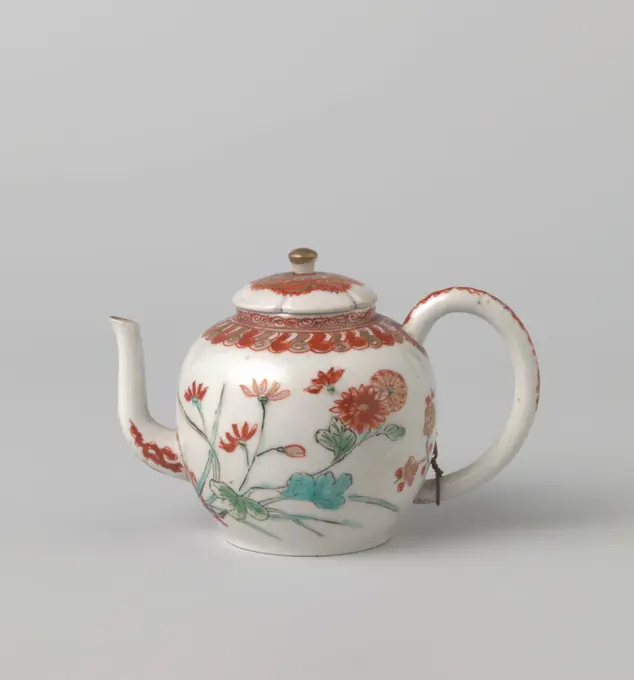
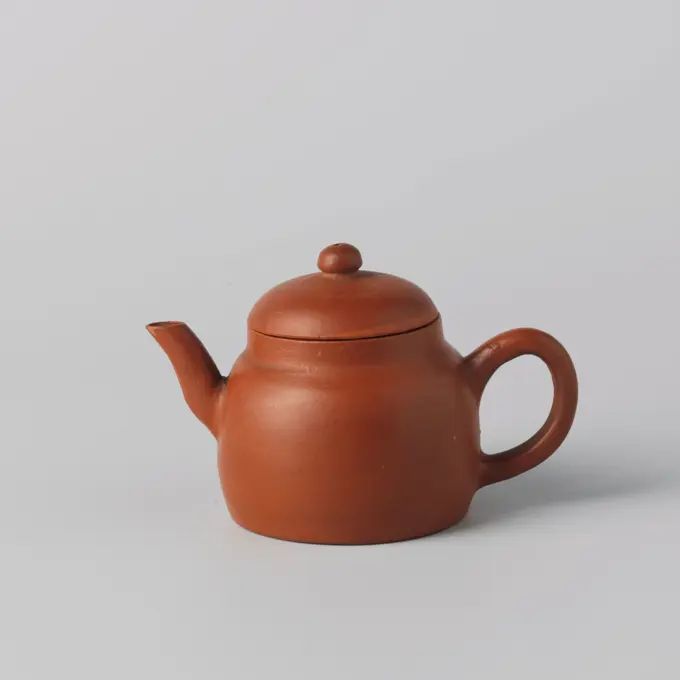
Teapot with flowering plants en ornamental borders, anonymous, c. 1736 - c. 1795 The lid is modeled in the form of a flower with a painted, stylized flower on it. Decorated in Europe in the Chinese Imari style. China porcelain. glaze. gold (metal) painting / gilding / vitrification The lid is modeled in the form of a flower with a painted, stylized flower on it. Decorated in Europe in the Chinese Imari style. China porcelain. glaze. gold (metal) painting / gilding / vitrification
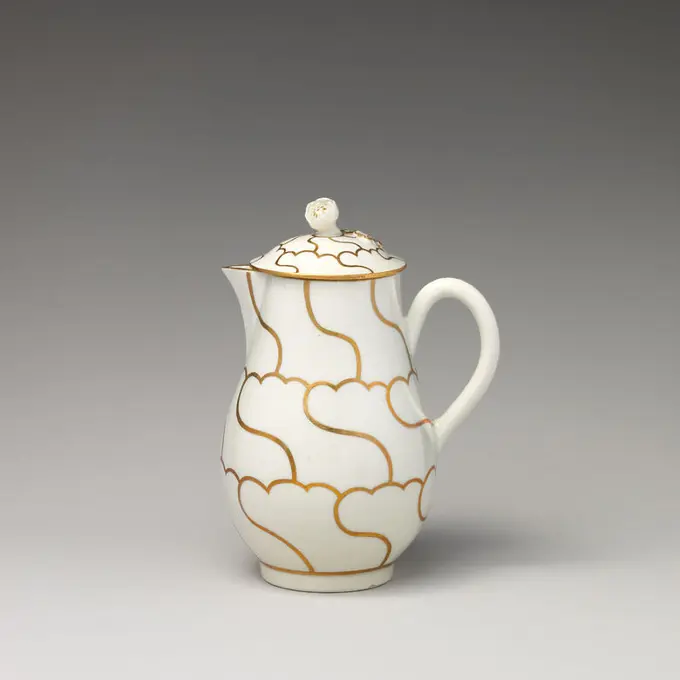
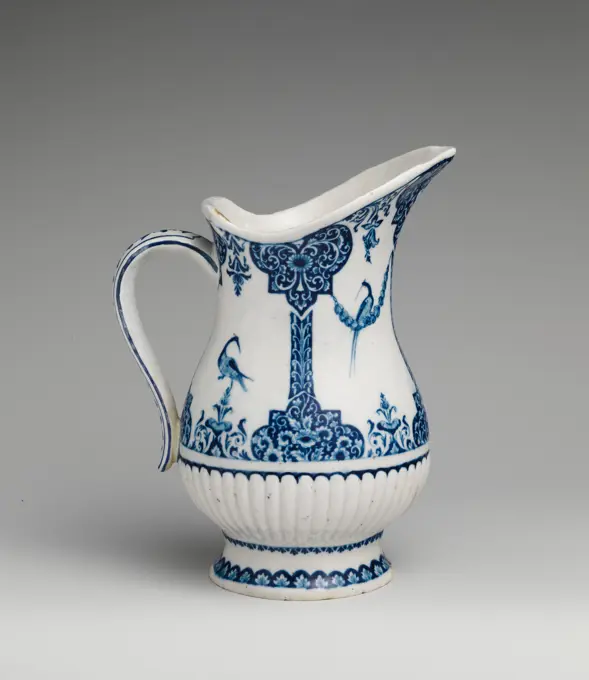
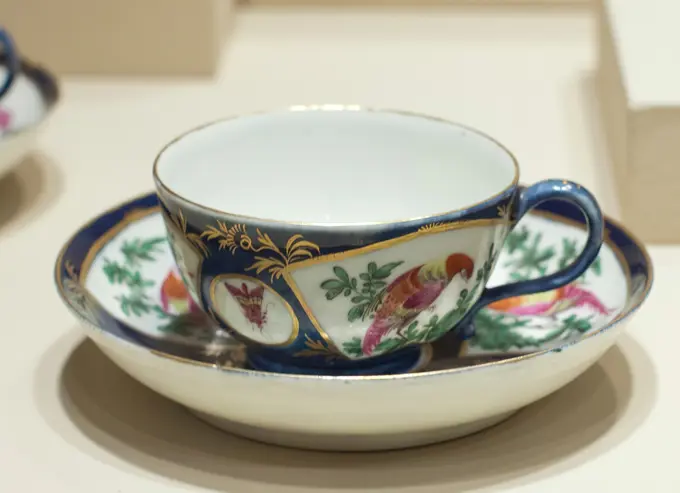
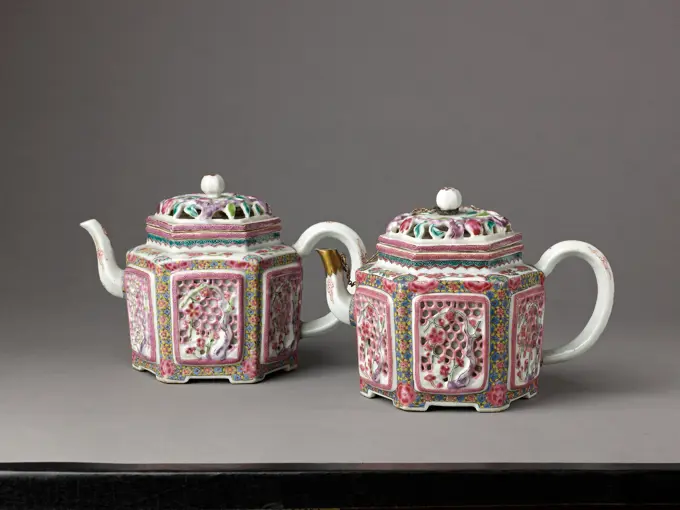
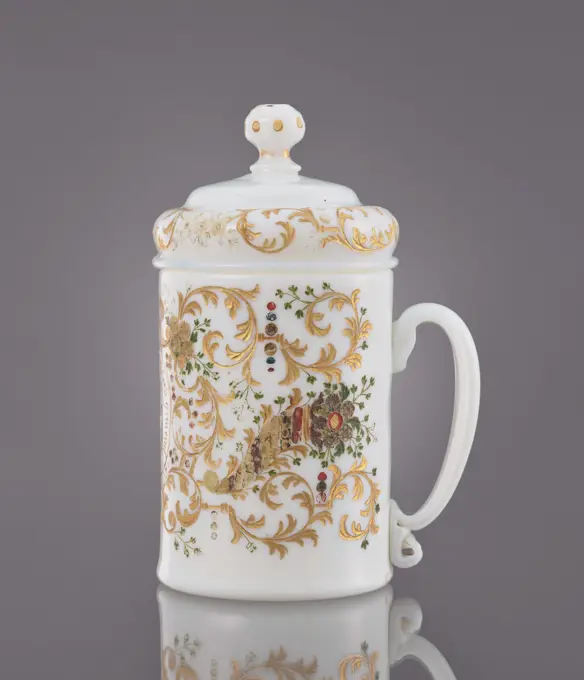
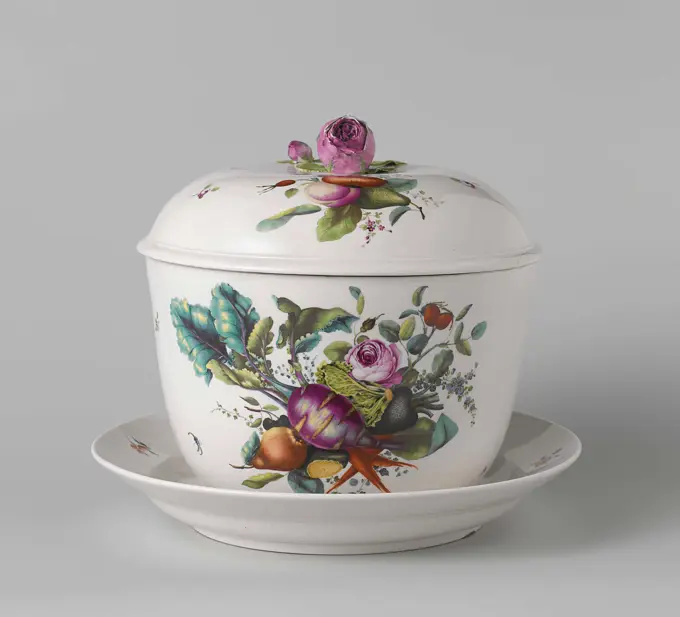
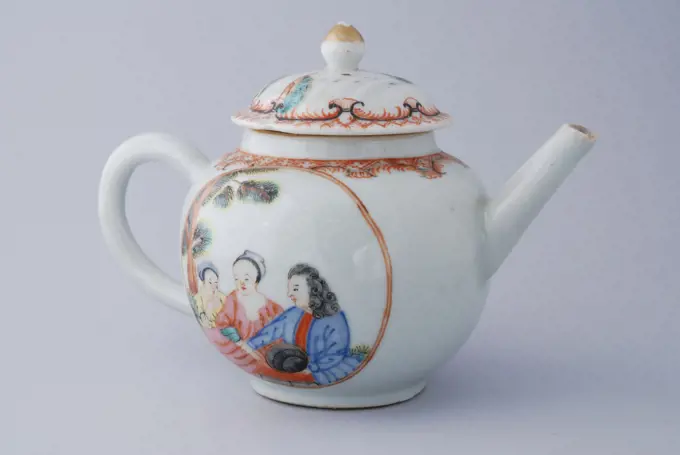
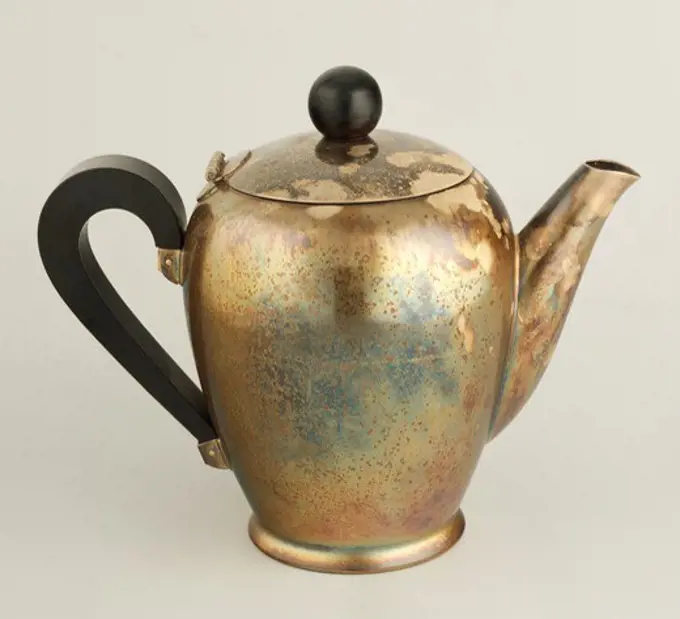
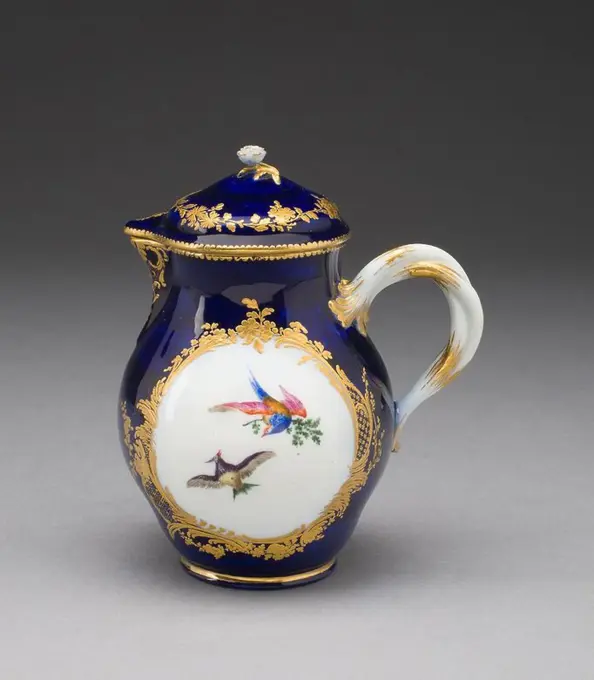
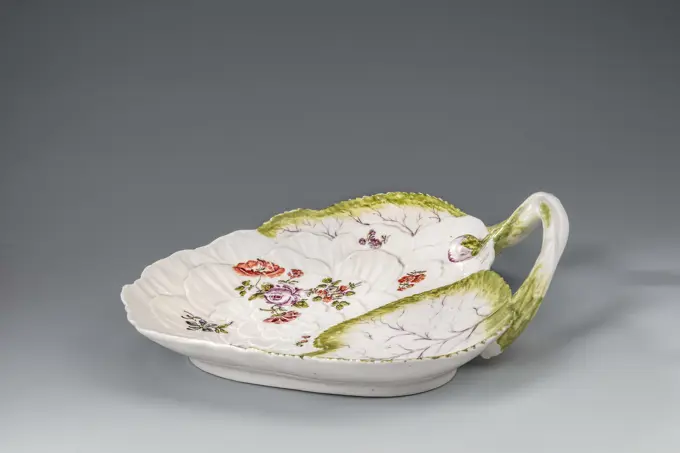
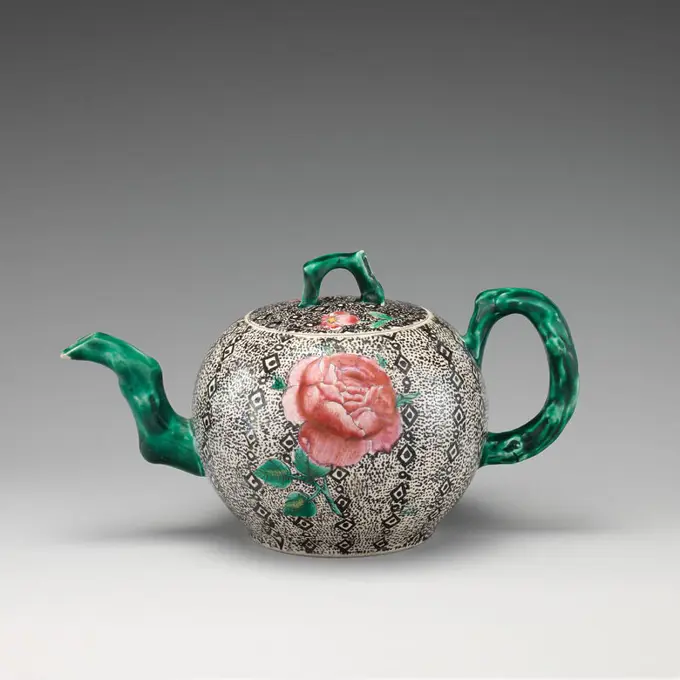
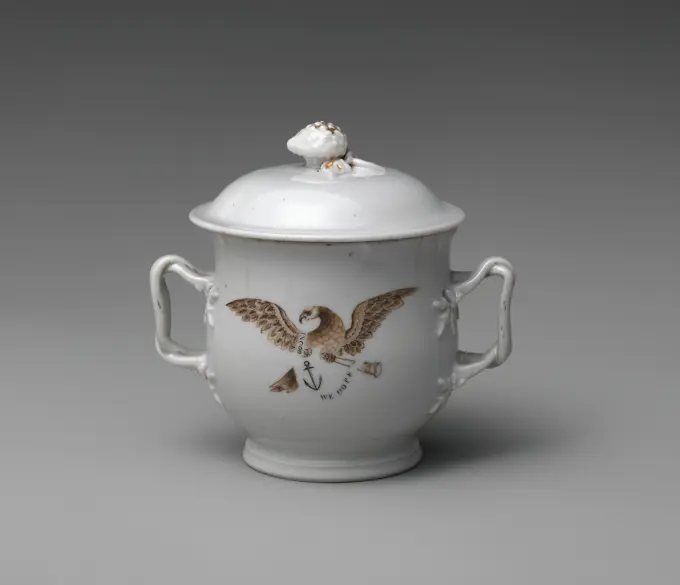
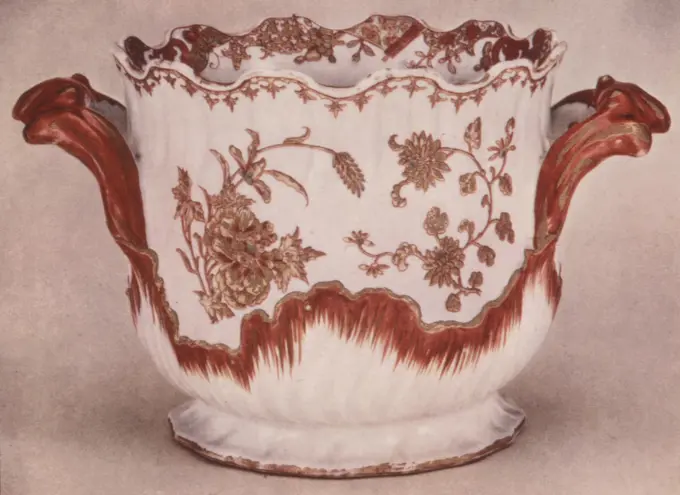
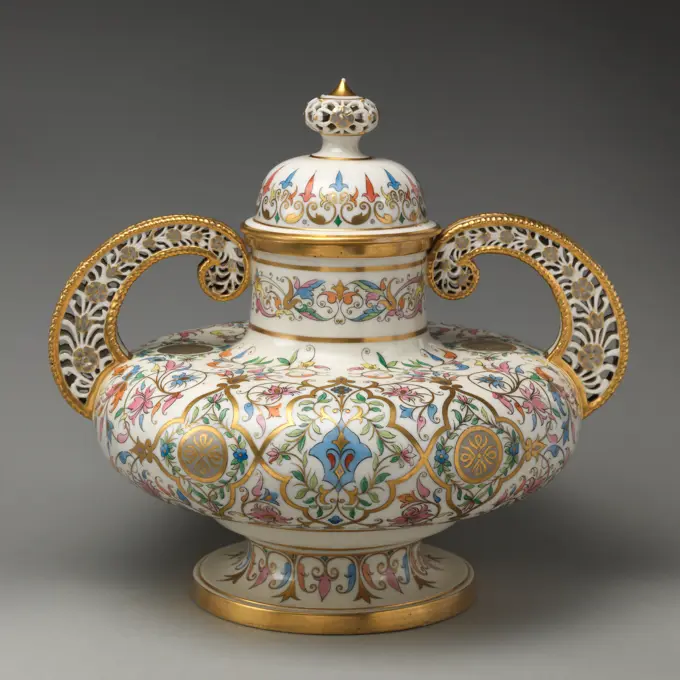
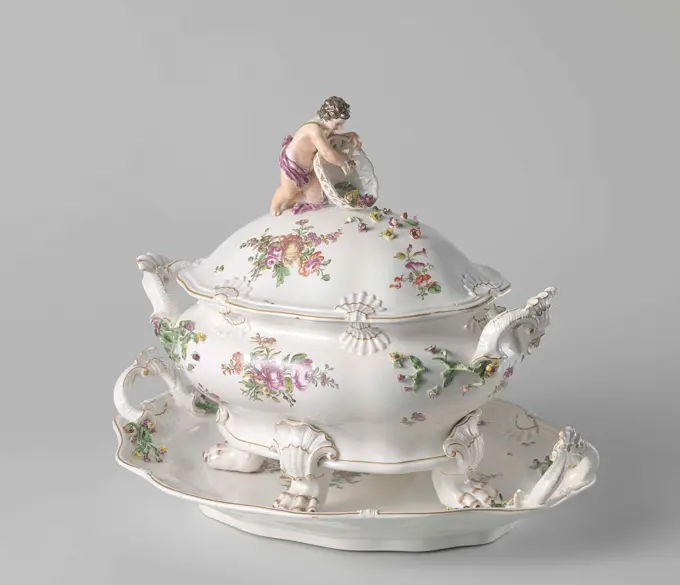
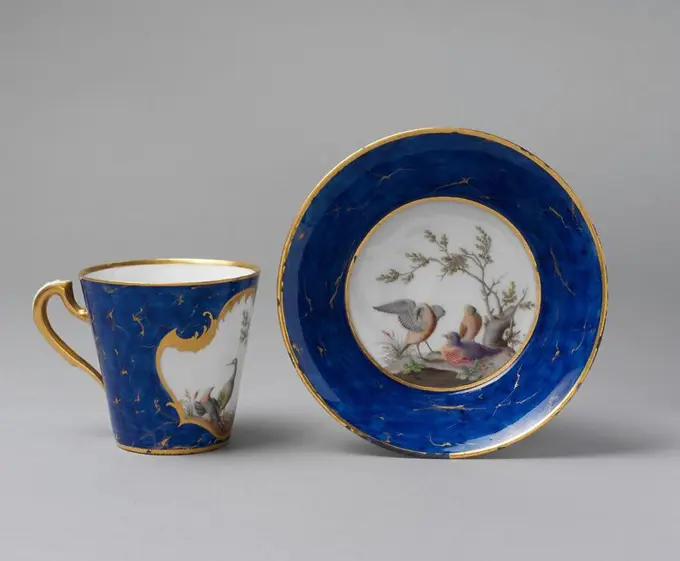
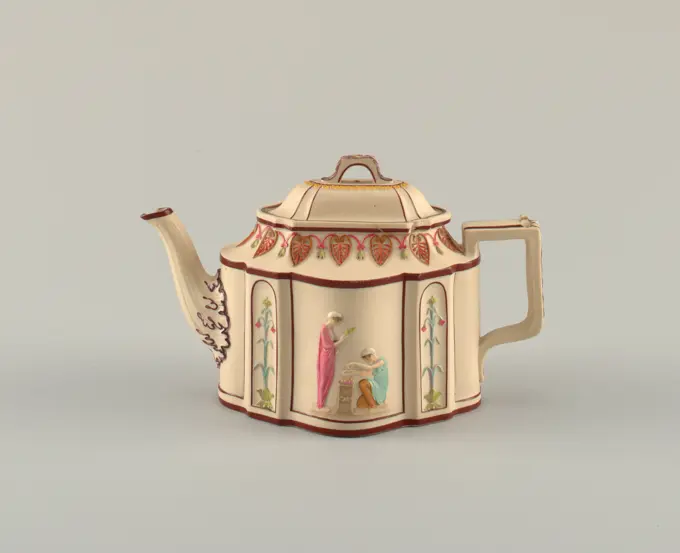
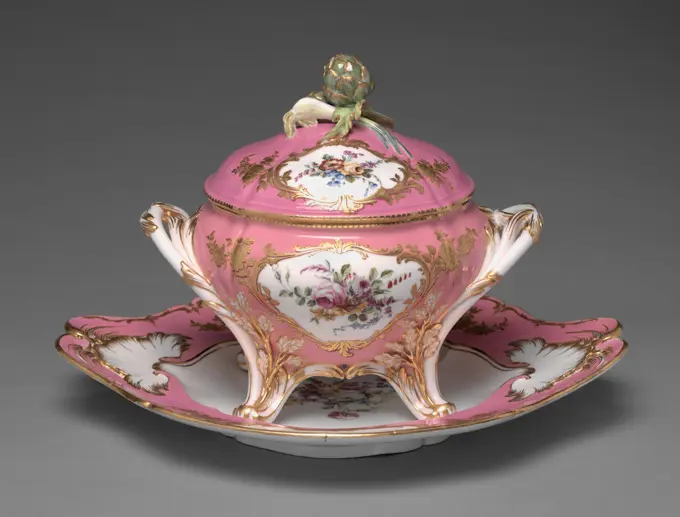
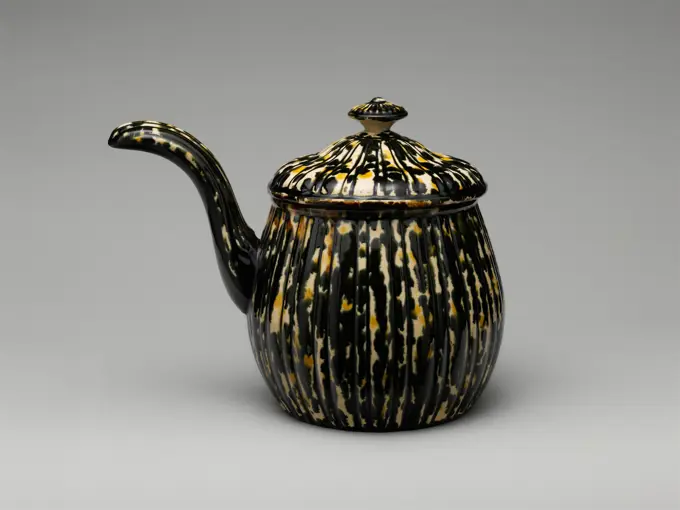
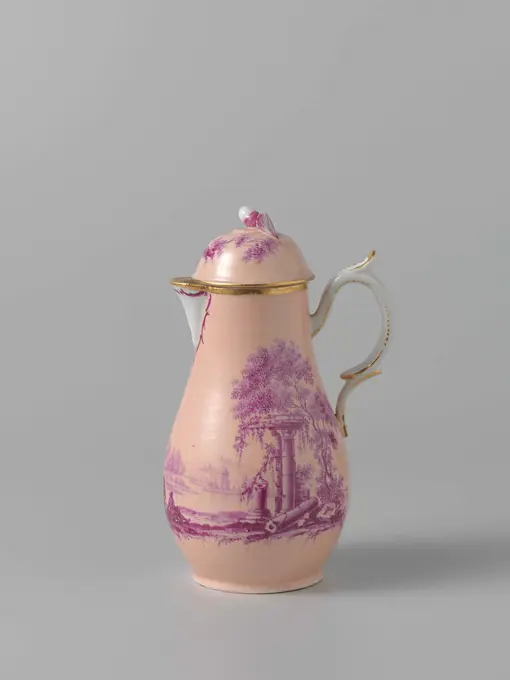
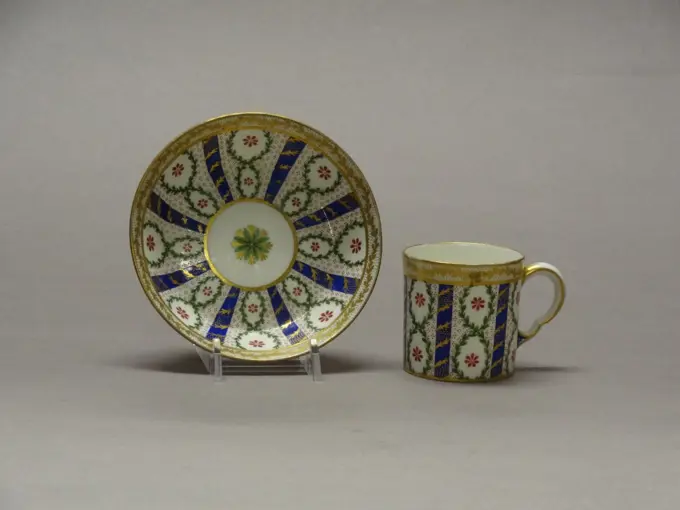
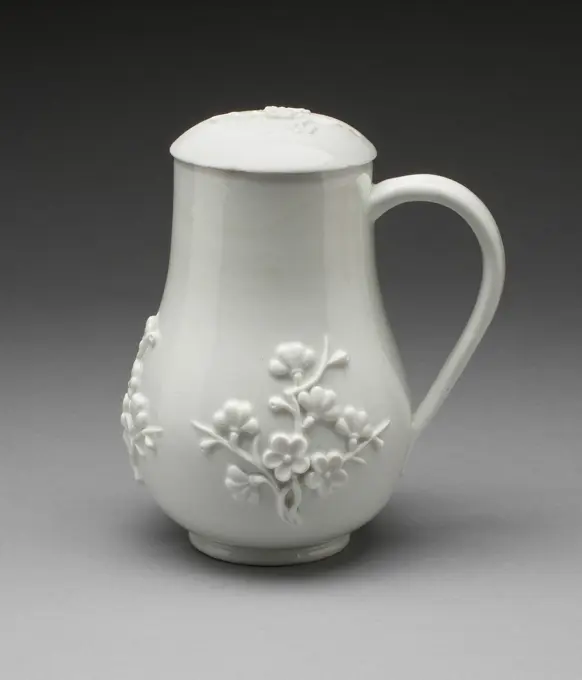
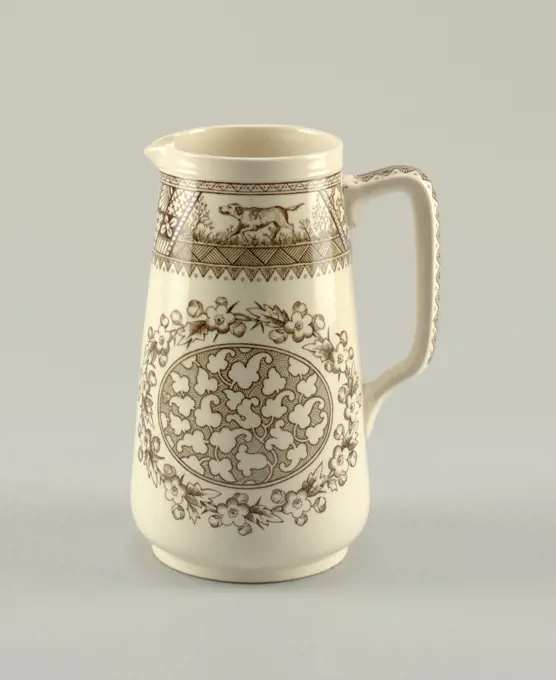
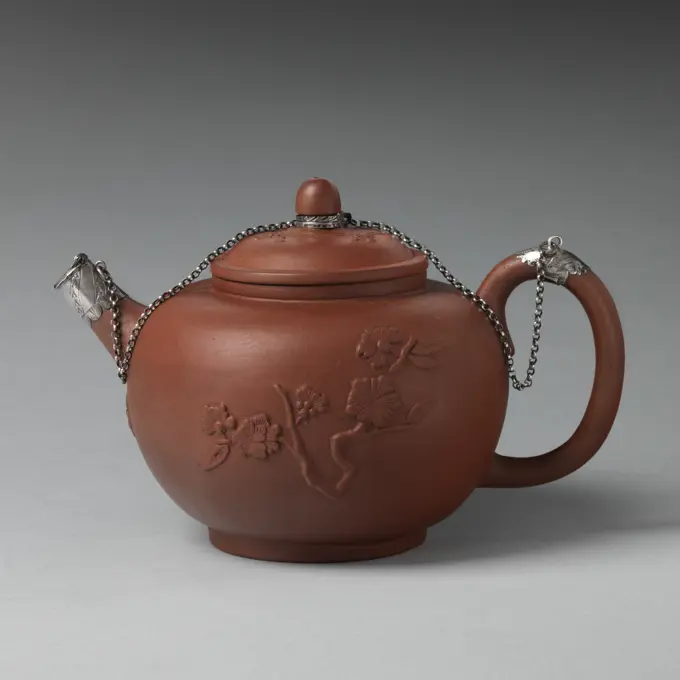
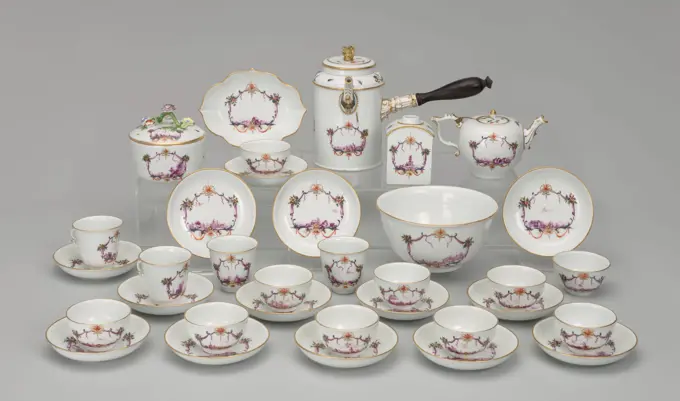
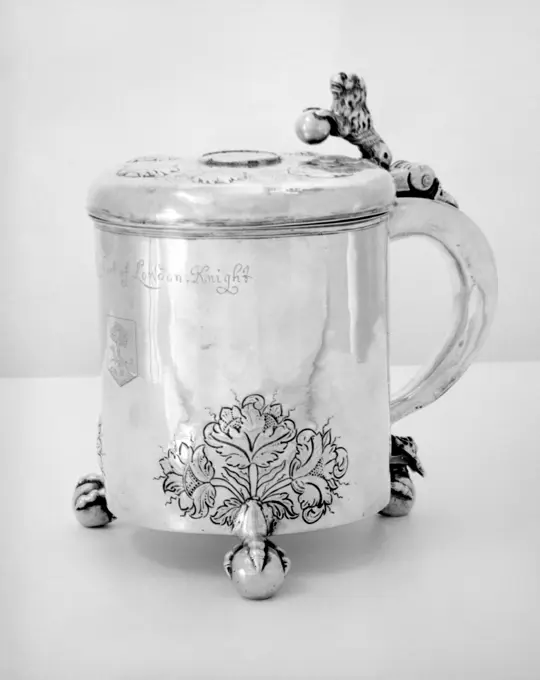
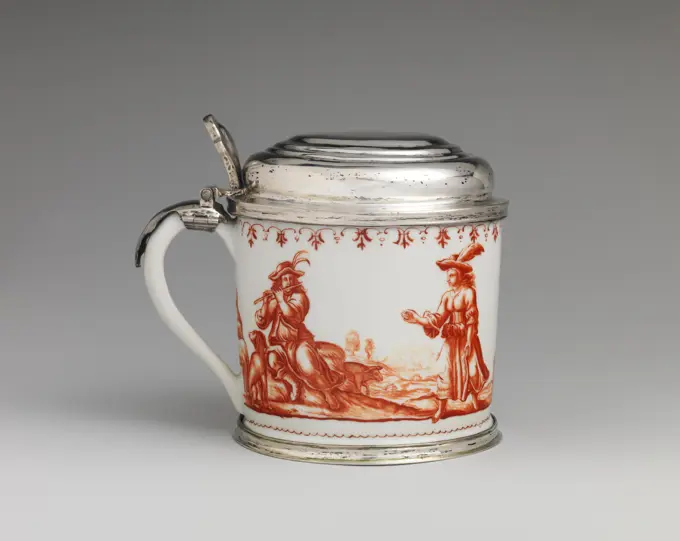
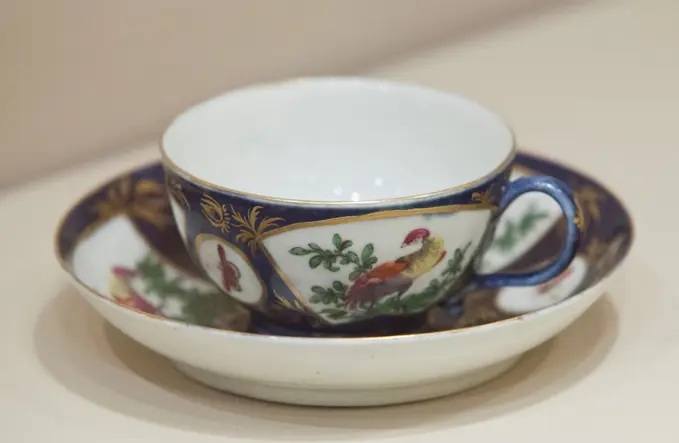
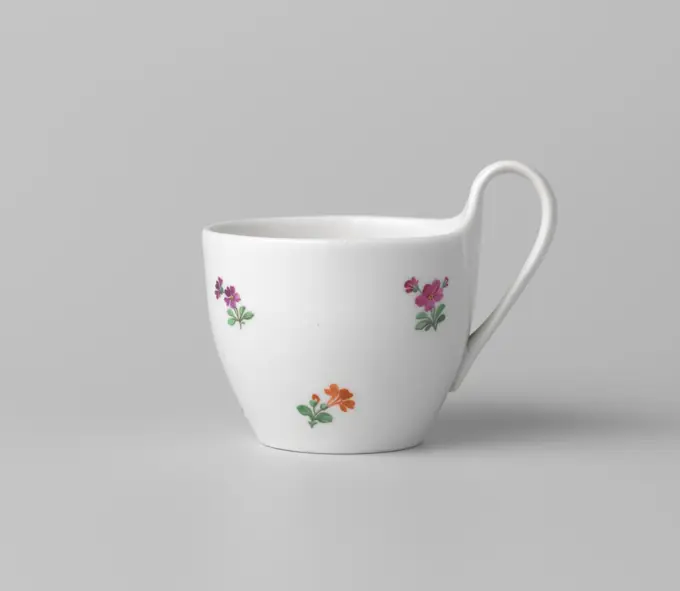
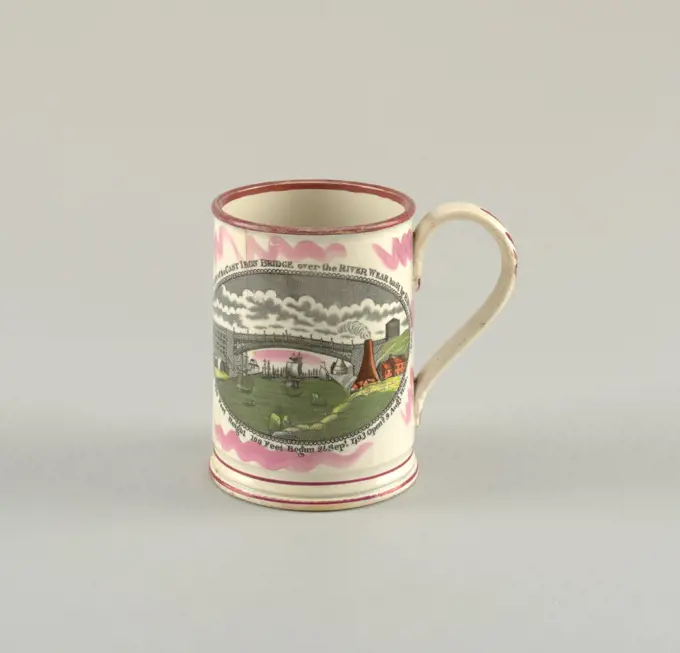
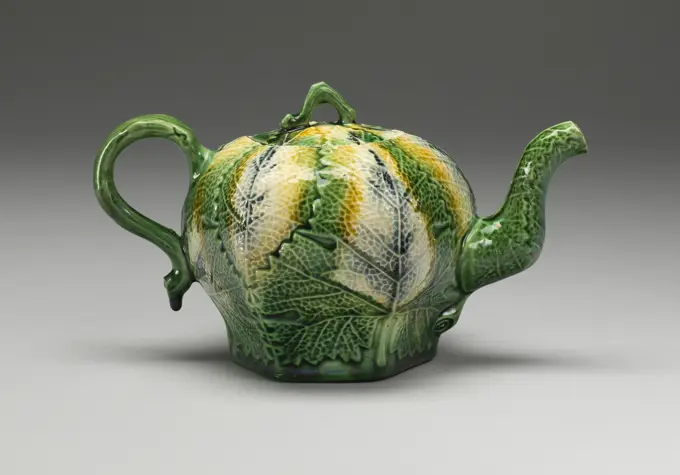
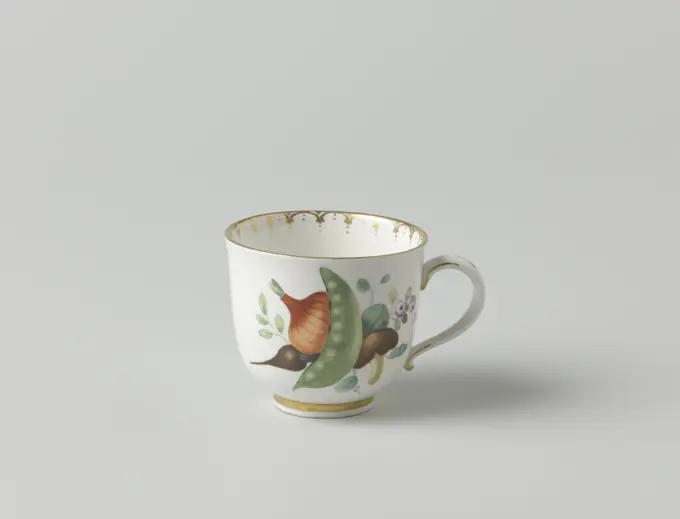
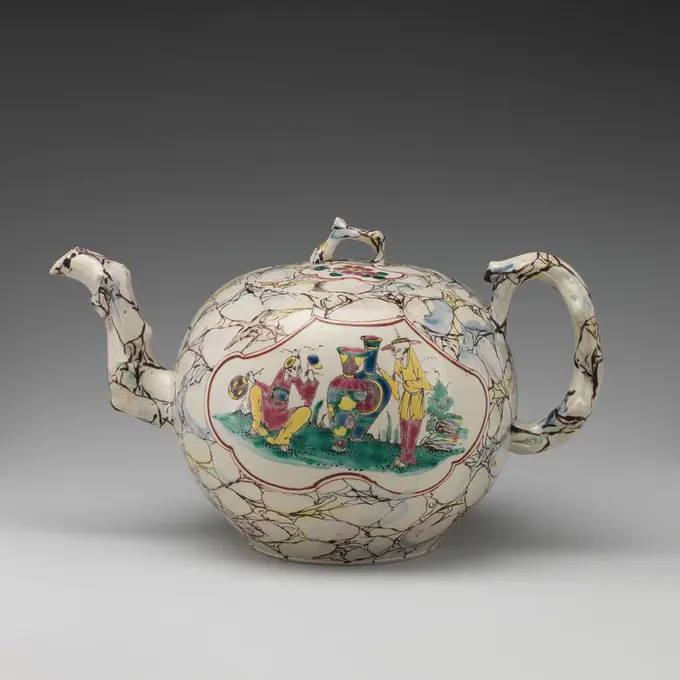
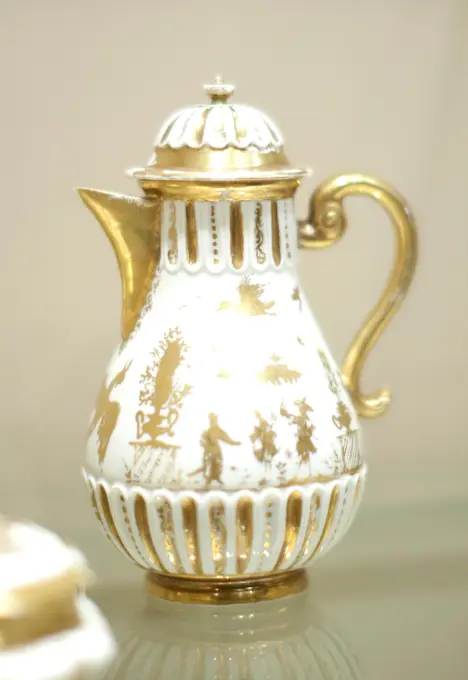
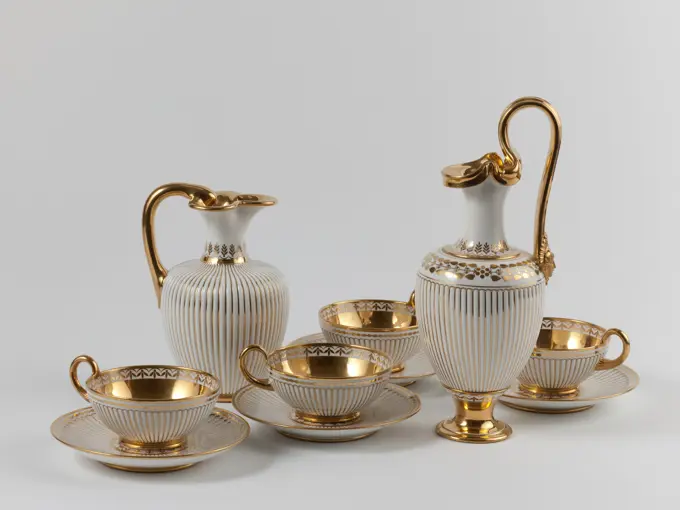
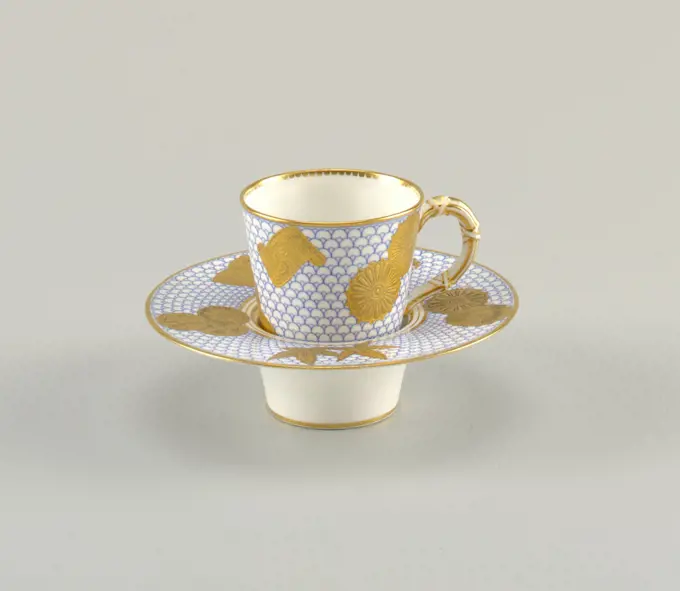
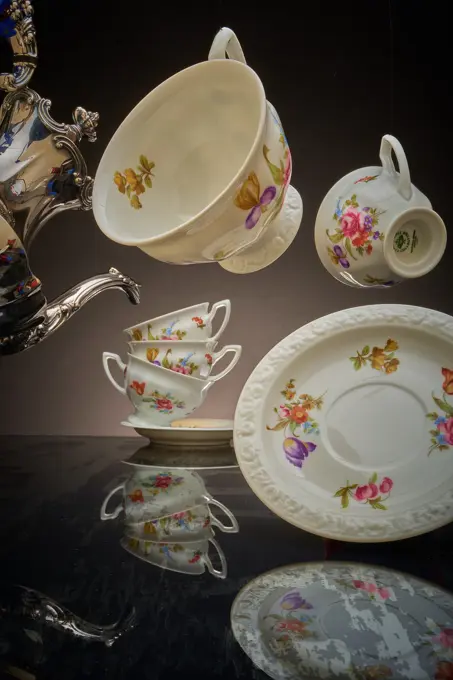
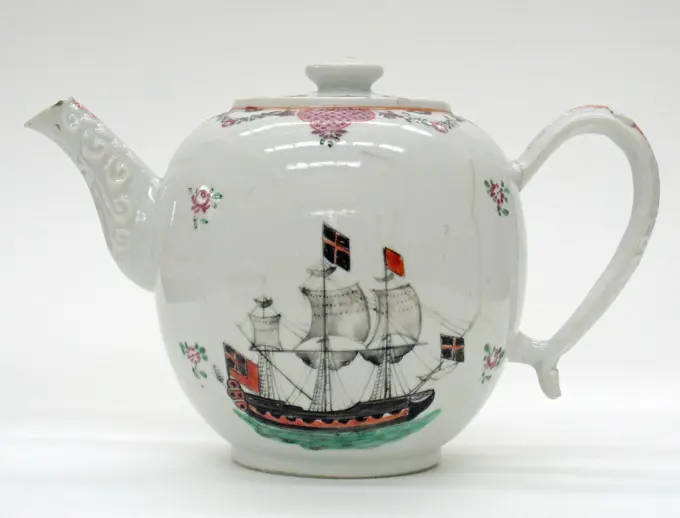
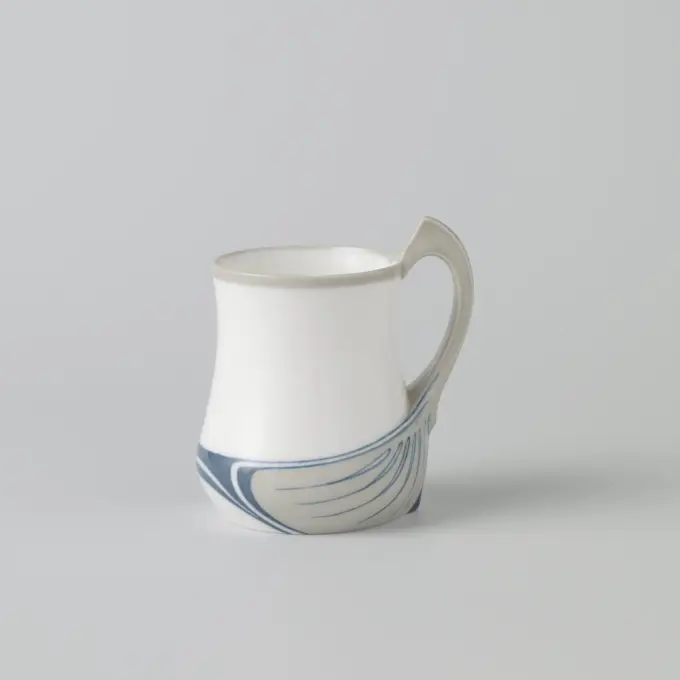
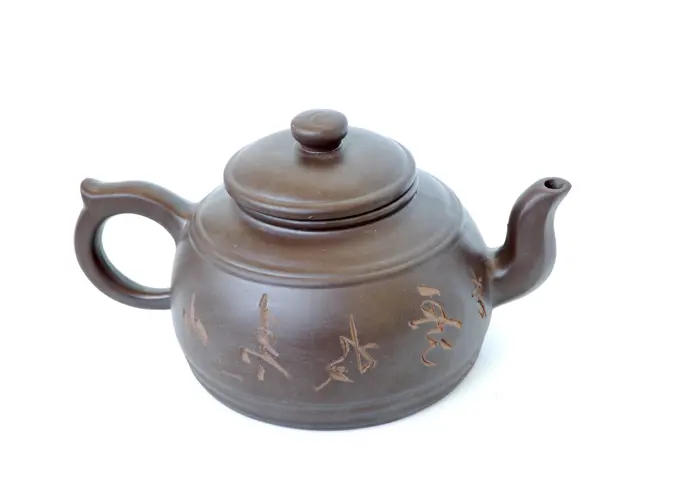
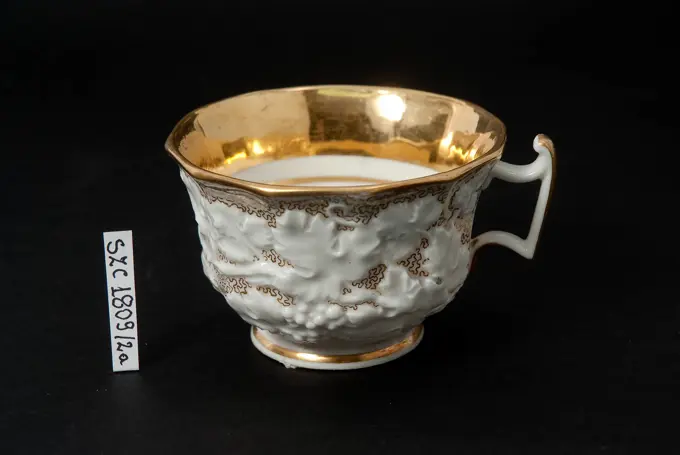
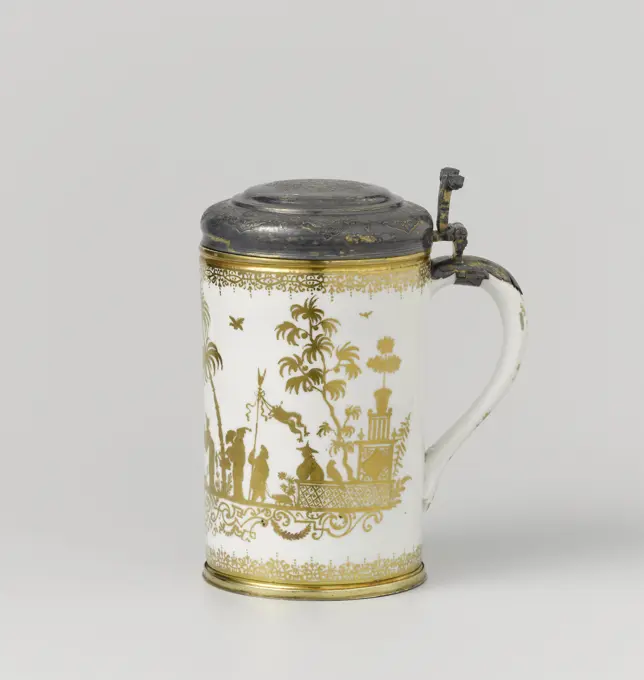
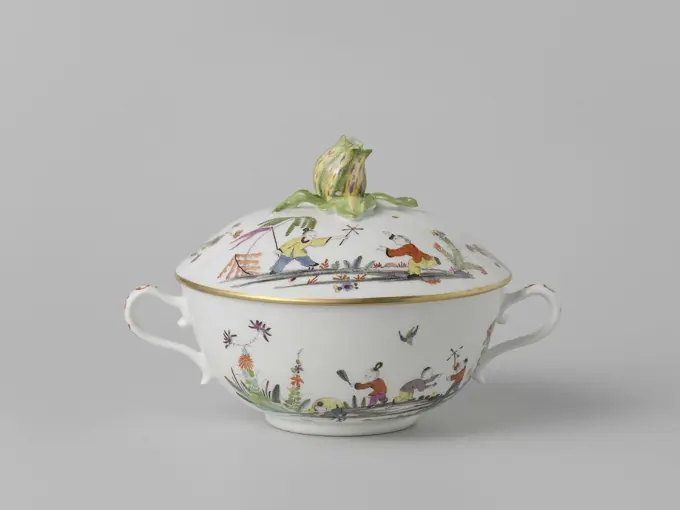
. Terrine with lid of painted porcelain. The terrine has two ears and the lid a flower bud with leaves as a button. Two contour chinoiseries have been painted on the terrine: one with four and one with two children playing. The lid has three chinoiseries with children playing. The terrine has been marked.Milk jug with cover (part of a service). Culture: British, Worcester. Dimensions: Height (with cover): 5 3/8 in. (13.7 cm). Factory: Worcester factory (British, 1751-2008). Date: ca. 1775. Museum: Metropolitan Museum of Art, New York, USA.Kettle and Heating Stand. If so desired, the VOC could order porcelain modelled on European forms in Japan. This kettle was made after a Delft example. Not only is its shape identical, but the elaborate decoration is also in keeping with the Delft style.Cream jug ca. 1760 Worcester factory. Cream jug 198416Cup and Saucer, c. 1800. Derby (Crown Derby Period) (British). Porcelain; overall: 6.9 x 8.5 cm (2 11/16 x 3 3/8 in.).Ewer ca. 1710 Antoine Pavie The successful production of soft-paste porcelain at the Saint-Cloud factory at the very end of the seventeenth century led to the founding of several ceramic enterprises in Paris during the first few decades of the following century.1 All of these small-scale Parisian factories not only were inspired by the commercial success of Saint-Cloud but also either direct or indirect offshoots of that factory. Barbe Coudray (French, d. 1717), the owner of Saint-Cloud, had been awarded a privilege in 1702 that granted the factory the sole right to produce porcelain, and this privilege was extended to the children of Coudray (also spelled Coudret) and those of her late husband Pierre Chicaneau (French, 1618-1677). The small factories that were established in Paris shortly thereafter were founded either by one of the Chicaneau children or with the involvement of someone who had worked at the Saint-Cloud factory. Most of these factories operated on a very small scale,Branches; Manufacture Nationale de Porcelaine de Sevres (1756-); 1848 (1850-00-00-1900-00-00);ornamentsPuzzle jug, anonymous, 1768 Fopkan van Faience, painted in blue with a water landscape, leaf vines and flower branches. Delft . Fopkan van Faience, painted in blue with a water landscape, leaf vines and flower branches. Delft .Tea Cup and Saucer, from a Tea Service, 1765-70, Worcester Porcelain Works (a.k.a. Royal Worcester Porcelain Company), Worcester, England, est. 1751, 1 3/4 x 3 3/16 x 3 7/8 in. (4.45 x 8.1 x 9.84 cm) (a) - (cup), Porcelain, England, 18th centuryTerrine with lid, multi -colored painted with chinoiseries in saved four passes in a violet stock, Meissener Porzellan Manufaktur, c. 1730 - c. 1735 Terrine with lid of painted porcelain. The terrine has a profiled foot, two whimsically formed ears and is covered with a violet stock. The ears are decorated with an ornament in gold. The terrine is decorated with two, the lid with three Höroldt chinoiseries inside saved four passes. The terrine is marked. Float porcelain Terrine with lid of painted porcelain. The terrine has a profiled foot, two whimsically formed ears and is covered with a violet stock. The ears are decorated with an ornament in gold. The terrine is decorated with two, the lid with three Höroldt chinoiseries inside saved four passes. The terrine is marked. Float porcelainMiniature creamer (part of a set) 1827 and 1829 Henry Flavelle The production of miniature silver furniture and tea, coffee, and chocolate equipment was a specialty of goldsmiths known as "toy men." The miniatures were probably intended for dollhouses. From the mid-eighteenth century in England until the present, porcelain and fine earthenware miniatures have been made as well.. Miniature creamer (part of a set). Henry Flavelle. Irish, Dublin. 1827 and 1829. silver. Metalwork-Silver-MiniatureCoffeepot ca. 1740-50 British, Staffordshire. Coffeepot. British, Staffordshire. ca. 1740-50. Salt-glazed stoneware. Ceramics-PotteryCup and Saucer Cup And Saucer; Manufactured by Sèvres Porcelain Manufactory (France); porcelain, goldHexagonal teapot or winepot (pair with 1975.1.1706) late 18th century Chinese This hexagonal vessels forms a pair with another in the Robert Lehman Collection (1975.1.1706). They have eared handles and short curving spouts; the hexagonal domed lids are probably original. A honeycomb-and-flower motif is pierced into each facet of the bodies; the lids are also reticulated. The vessels are painted with flowers and diaper patterns in overglaze pink, bright yellow, purple, brown, green, and lavender-blue; there is some enameling-on-enamels as well. The technique of painting enamel designs on top of other enamels probably began in the late eighteenth century. The spout of 1975.1.1707 has been broken and now has a metal cap that is attached to the lid with a chain.. Hexagonal teapot or winepot (pair with 1975.1.1706) 461264Tankard and cover. Drezno (huta szkła ; 1699-post 1756), creatorPunchkom. The punch bowl is painted multily with vegetables, fruits and flowers.White teapot with woman, man and child, and on cover landscape, teapot holder tableware ceramics porcelain glaze, baked glazed painted enamelled, spherical body standing ear straight spout on stand ring chine de commande galanterie serving tea drinking drink tea makingCup and Saucer ca. 1844-47 Koenigliche Porzellan Manufaktur. Cup and Saucer 2847Silversmith's Art, Italy 20th century. Silver teapot, Bombe' service. Alessi manufaturing, 1945.Cup bowl with flowers, Pirkenhammer, c. 1935 Porcelain head on slightly spreading foot with a slightly flared wall that thickens just above half, p-shaped ear. Painted on the glaze in blue, red, green and gold. The outer wall with blue flowers and a gold ear. Golden line on the foot and the edge. Marked on the underside with the crossed hammers with crown, the text 'Epiag Pirkenhammer Cechoslow' and the number 5857. Carlsbad porcelain. glaze. gold (metal) painting / gilding / vitrification Porcelain head on slightly spreading foot with a slightly flared wall that thickens just above half, p-shaped ear. Painted on the glaze in blue, red, green and gold. The outer wall with blue flowers and a gold ear. Golden line on the foot and the edge. Marked on the underside with the crossed hammers with crown, the text 'Epiag Pirkenhammer Cechoslow' and the number 5857. Carlsbad porcelain. glaze. gold (metal) painting / gilding / vitrificationMelon-Shaped Ewer with Stylized Flowers. Korea. Date: 1101-1200. Dimensions: 18.5 × 19.6 × 15.7 cm (7 1/4 × 7 3/4 × 6 3/16 in.). Stoneware with celadon glaze and underglaze incised decoration. Origin: Korea. Museum: The Chicago Art Institute, Chicago, USA.Coffee pan with lid, painted with the Krokus decor. Coffee pan with lid of painted porcelain. The can have a lid and is painted in green and brown. The can be noticed.Dish, Porcelain Factory The Hague, 1777 - 1790 Dish multi -colored painted with figures in a water landscape. Golden piping along the edges. The Hague porcelain Dish multi -colored painted with figures in a water landscape. Golden piping along the edges. The Hague porcelainHead, painted with a women's portrait in Silhouette, Manufactuur Oud-Loosdrecht, c. 1782 - c. 1784 Porcelain head. The head is painted with a women's portrait in silhouette in gray -brown and black on green stock within a gold framed medallion. The edges are decorated with a Frisian consisting of a chain motif in green, dark purple and gold on Lichtpaarse Fond and garlands in gold. Sprinkles in gold. On the ear a branch with leaves in gold. Loosdrecht porcelain Porcelain head. The head is painted with a women's portrait in silhouette in gray -brown and black on green stock within a gold framed medallion. The edges are decorated with a Frisian consisting of a chain motif in green, dark purple and gold on Lichtpaarse Fond and garlands in gold. Sprinkles in gold. On the ear a branch with leaves in gold. Loosdrecht porcelainSauceboat ca. 1750 British, Staffordshire. Sauceboat. British, Staffordshire. ca. 1750. Salt-glazed stoneware. Ceramics-PotteryTeapot, c. 1745. Staffordshire Factory (British). Salt-glaze earthenware; with handle: 11.5 x 14.2 cm (4 1/2 x 5 9/16 in.).Octagonal Cup With Dancing Boys And Flowering Plants. Octagonal head of porcelain, covered with a translucent glaze and painted on the glaze in blue, red, green, yellow, black and gold. Above the foot a band with ingrangled, pointed leaf motifs. Painted in Europe with alternating a dancing boy with an instrument and flowering plants. A floral drink on the bottom. Marked on the underside with an unidentified seal brand. Bak sand at the foot ring. Brown edge. Blanc de Chine in Europe decorated in the Japanese Kakiemon style.Milk Jug (Pot à lait Hébert). Vincennes Porcelain Manufactory; French, founded 1740 (known as Sevres from 1756). Date: 1755. Dimensions: H. 13.2 cm (5 3/16 in.). Soft-paste porcelain, underglaze blue ground, polychrome enamels, and gilding. Origin: Vincennes. Museum: The Chicago Art Institute, Chicago, USA. Author: Manufacture de porcelaine de Vincennes.Plate-leaf. Kaiserliche Porzellanmanufaktur in Wien (1744-1864), factoryTeapot. Culture: British, Staffordshire. Dimensions: Overall: 3 5/8 × 6 1/2 in. (9.2 × 16.5 cm). Date: ca. 1765. Museum: Metropolitan Museum of Art, New York, USA.Old chinese decorated teapot and milk jug in traditional style isolated against blackTeapot with Chrysanthemums, c. 1893-1914. Seifū Yohei III (Japanese, 1851-1914). Porcelain with overglaze color enamel and gold;Covered Sugar Bowl ca. 1790 Chinese. Covered Sugar Bowl 2492Lidded tureen.Can of hard baked pottery; Whieldon Ware, Pineapple Ware, Anonymous, c. 1765 - c. 1775 Pear-shaped jug of hard baked pottery, the jug has a SNEB, a C-shaped ear and a lid. The jug has the appearance of a pineapple due to the decoration in relief and the colors yellow and green. England earthenware Pear-shaped jug of hard baked pottery, the jug has a SNEB, a C-shaped ear and a lid. The jug has the appearance of a pineapple due to the decoration in relief and the colors yellow and green. England earthenwareTwo-handled jardinière 1760-70 Chinese, for Swedish market. Two-handled jardinière 201075Lidded vase 1880s Crown Derby The history of the Derby porcelain manufactory can generally be divided into two periods. The old Derby porcelain was produced from 1750 to 1848, and was foremost distinguished by the ownership of William Duesbury I and II. When the original factory closed in 1848, a number of former workers established a separate smaller factory at King Street, Derby, using Crown Derbys original molds and patterns and oftentimes incorporating the factory marks on its wares. Around 1876, a separate company established a factory at Osmaston Road under the name Derby Crown Porcelain Company (and eventually bought the King Street factory in 1935), although the firm did not being producing commercial pieces until two years later. In 1890, the factory was granted the privilege of using the title "Royal Crown Derby Porcelain Company." Although the new Crown Derby continued to produce the firms old eighteenth-century Japan patterns, it became known for making vessels lavishly dPitcher 1847-48 Fenton's Works. Pitcher 5796Cup, painted multily painted with spreading flowers. Cup of porcelain, with hoop top question mark. Many color painted with spreader flowers. Part of a series of eight cups and saucers. Labeled: scepter and circular stamp with eagle and the inscription koenigl.porzellan manufactur in underglaze blue; meadow with kpm in red; Relive a stripe at the edge. Note: The mouth edge is damaged from one head.Cup. Dimensions: H. 3 1/8 in. (7.9 cm)Diam. 4 13/16 in. (12.3 cm)W. 6 7/16 in. (16.4 cm)Th. at rim 5/32 in. (.4 cm). Date: 9th-10th century.This cup is simply decorated with a band of alternating horizontal and vertical lozenges created by relief-cutting. The base was cut using the same technique and contains a protruding disk with two surrounding concentric circles. Similar decorations can be seen on fragments found in Samarra, the Abbasid capital in the ninth century. Museum: Metropolitan Museum of Art, New York, USA.Terrine with a solid, painted with flower bouquets. Terrine with lid on solid of porcelain. Muchic painted on the glaze with flower bouquets.Cup and saucer (gobelet à lait et soucoupe). Culture: French, Vincennes. Dimensions: Height (cup .172): 3 5/16 in. (8.4 cm);Diameter (saucer .173): 6 1/8 in. (15.6 cm). Factory: Vincennes Manufactory (French, ca. 1740-1756). Date: ca. 1752. Museum: Metropolitan Museum of Art, New York, USA.Teapot And Cover; Manufactured by John Turner (Lane End, Staffordshire, England, 1759 - 1780); enameled stonewareCovered Tureen on Stand (2 of 2), 1757. Sèvres Porcelain Factory (French, est. 1756). Soft-paste porcelainwith enamel and gild; overall: 24.2 x 28.3 cm (9 1/2 x 11 1/8 in.).Covered bean pot 1849-52 Lyman, Fenton & Co.. Covered bean pot 2292Part of a coffee and tea service. attributed to the Manufactuur Oud-LoosdrechtLoosdrecht, c. 1774-1778hard-paste porcelainTerrine with lid on saucer, painted with flower sprays, AnonymousSèvres Porcelain Manufactory, Cup and Saucer, c. 1770, soft-paste porcelain.Terrine with lid, multi-colored painted with a kakiemon decor, Meissener Porzellan Manufaktur, c. 1740 - c. 1745 Oval terrine of painted porcelain. The terrine is on four white claw legs above which a palm -like motif in relief. The terrine has two ears. The button of the lid consists of a putto with a horn of abundance from which flowers roll over the lid. The terrine and the lid are ribbed and painted with a tiger around a bamboo stalk and thrown Indianic blums. The edges are decorated with the 'Altbrandenstein' pattern. Float porcelain Oval terrine of painted porcelain. The terrine is on four white claw legs above which a palm -like motif in relief. The terrine has two ears. The button of the lid consists of a putto with a horn of abundance from which flowers roll over the lid. The terrine and the lid are ribbed and painted with a tiger around a bamboo stalk and thrown Indianic blums. The edges are decorated with the 'Altbrandenstein' pattern. Float porcelainPenny Woodens' Tea Set, 1913-1917, S. Fielding and Company; Maker: Railway Pottery; Maker: Devon Pottery, 3 x 3 1/4 x 2 1/8in. (7.6 x 8.3 x 5.4cm), Railway pottery, devon pottery, England, 20th centuryMilk Jug with Cover 1730-1740 MeissenMelton, Wedgwood, English, established 1759, Glazed earthenware, Of slightly conical form with circular mouth and short pinched spout, the rectangular handle with curved corners. Cream-colored body with brown Japanese-inspired transfer printed deocration: wide band just under mouth showing panels of geometric decoration and two landscapes with either hunting dog or birds; on either side of pitcher is an oval ring of flowers, buds and leaves surrounding a medallion with abstract leaf-and-stem pattern; geometric pattern along back of handle., ca. 1875-85, ceramics, Decorative Arts, Pitcher, PitcherTea Cup andSaucerCup with insects, flower sprays and grapevines, Rue Thiroux Parijs, c. 1797 - c. 1798 service (set) Porcelain head with a cylindrical wall and C-shaped ear, painted on the glaze in enamel colors and gold. The outer wall is covered with colored insects (butterflies, beetles, dragonflies, etc.) and in gold flower branches and grape vines. Golden edge and ear. Marked on the bottom with 2. Paris porcelain. glaze. gold (metal) painting / gilding / vitrificationTeapot 1671-1708 Factory of Arij de Milde The teapot was made by the Delft factory of Arij de Milde, known for its red wares made in imitation of Chinese Yixing wares. In the Netherlands, the practice of tea drinking became popular among the nobility and wealthy merchant class beginning in the late 1660s and 1670s, creating demand for imported Chinese redware teapots. The factory of Arij de Milde was one of three Dutch pottery works established to create domestically-made redwares. Listen to experts illuminate this artwork's story Listen Play or pause #407. Teapots Supported by Bloomberg Philanthropies We're sorry, the transcript for this audio track is not available at this time. We are working to make it available as soon as possible.. Teapot. Dutch, Delft. 1671-1708. Red earthenware, silver mounts. Ceramics-PotteryJug with medallions, anonymous, c. 1640 - c. 1670 Jug of stoneware on high foot with an egg -shaped abdomen and short neck. The C-shaped ear is attached to the neck and belly. Some profiles and lines on the neck and foot. Partly covered with cobalt blue. The majority of the abdomen is covered with small printed and imposed medallions in relief against a blue background. Blue lines on the foot and neck. Westerwald. Westerwald stoneware. glaze. cobalt (mineral) vitrification Jug of stoneware on high foot with an egg -shaped abdomen and short neck. The C-shaped ear is attached to the neck and belly. Some profiles and lines on the neck and foot. Partly covered with cobalt blue. The majority of the abdomen is covered with small printed and imposed medallions in relief against a blue background. Blue lines on the foot and neck. Westerwald. Westerwald stoneware. glaze. cobalt (mineral) vitrificationLid of teapot of red stoneware, anonymous, c. 1800 - c. 1899 Lid of teapot made of red stoneware with round button. China porcelain. glaze Lid of teapot made of red stoneware with round button. China porcelain. glazeblue and white vintage  coffee cupDessert service with landscape of landscape purpur-camaieu; Koenigliche Porcellain Fabrique, Meissen (1710-1763); around 1750 (1745-00-00-1750-00-00);A cup with a saucer, two sets KorzecDish, c. 1810. Worcester Porcelain Factory (British, established 1751). Soft-paste porcelain; overall: 7.2 x 14.6 cm (2 13/16 x 5 3/4 in.).Still life with teapot on wooden table over grunge backgroundPeg tankard last quarter 17th century Norwegian. Peg tankard 202042Kop, part of a service, painted with violins, N.V. Haagsche Plateel Factory Rozenburg, 1913 The octagonal porcelain head with ear is polychrome painted with violets (purple, light and dark blue and yellow) inside an ornamental decor. Marked with: Kroon, Rozenburg, Ooievaar, The Hague (above each other); On the left the brand for 1913, on the right the work order number 332 (on one head 333); Under the painting brand of C.W.J. Hart. The Hague porcelain The octagonal porcelain head with ear is polychrome painted with violets (purple, light and dark blue and yellow) inside an ornamental decor. Marked with: Kroon, Rozenburg, Ooievaar, The Hague (above each other); On the left the brand for 1913, on the right the work order number 332 (on one head 333); Under the painting brand of C.W.J. Hart. The Hague porcelainTeapot or Red Stoneware. Teapot of red stoneware with a light round belly, round shoulder and wide neck, curved spout and C-shaped ear. On the underside an emission inscription 'Meihua Cheng Baiyu', 'the prunus blossoms are like white jade'. The inside is lighter in color than the outside. Yixing.Tankard ca. 1720-25 Vienna Monochrome decoration ornamented Du Paquier porcelain from the beginning; indeed, it is one of the manufactorys defining characteristics. It is found in several colors, including a lovely iron red. The name of the artist who painted this tankard is not known; his hand is found, however, on a number of other early pieces made at Du Paquier as well as on a Chinese bowl in the Museum of Decorative Arts, Prague, so it is likely that he both was employed within the factory and performed freelance, or Hausmaler, work.. Tankard. Austrian, Vienna. ca. 1720-25. Hard-paste porcelain, silver. Ceramics-PorcelainTea Cup and Saucer, from a Tea Service, 1765-70, Worcester Porcelain Works (a.k.a. Royal Worcester Porcelain Company), Worcester, England, est. 1751, 1 3/4 x 3 3/16 x 3 7/8 in. (4.45 x 8.1 x 9.84 cm) (a) - (cup), Porcelain, England, 18th centuryClose-up of a mug, EnglandCup, painted multily painted with spreading flowers. Cup of porcelain, with hoop top question mark. Many color painted with spreader flowers. Part of a series of eight cups and saucers. Labeled: scepter and circular stamp with eagle and the inscription koenigl.porzellan manufactur in underglaze blue; meadow with kpm in red; Relive a stripe at the edge. Note: The mouth edge is damaged from one head.Mug, Samuel Moore & Co, England, Glazed earthenware with transfer-printed decoration, hand-colored and lustred, Straight body with slightly concave section above round foot. On one side, transfer-printed view of the cast iron bridge over the river Wear, surrounded by inscription. On the other side, husband and wife and two children; under this, Sailor’s Farewell”. Prints heightened with green, iron-red, yellow, and pink lustre. Inside, a three-dimensional frog, painted black and pink., Sunderland, England, ca. 1820, ceramics, Decorative Arts, MugTeapot Made 1760-1775 Staffordshire. Lead-glazed earthenware (creamware) .Cup with handle with a European waterlandscape in a panel, anonymous, c. 1740 - c. 1760 Porcelain ear head, painted on the glaze in blue, red, pink, green, purple, black and gold. On the outside of the head a cartouche with leaf vines containing a European river landscape with different people, a church and some ships in the background; The outer edge with terres in Meissen-style. European performance in email colors. China porcelain. glaze. gold (metal) painting / gilding / vitrification Porcelain ear head, painted on the glaze in blue, red, pink, green, purple, black and gold. On the outside of the head a cartouche with leaf vines containing a European river landscape with different people, a church and some ships in the background; The outer edge with terres in Meissen-style. European performance in email colors. China porcelain. glaze. gold (metal) painting / gilding / vitrificationHead, painted with vegetables and fruits surrounded by sprinkling flowers, porcelain factory The Hague, c. 1777 - c. 1790 Head, multicolored painted with a decor of vegetables and fruits surrounded by sprinkles. Marked with a stork in blue under the glaze. N.B. German porcelain painted in The Hague. The Hague porcelain Head, multicolored painted with a decor of vegetables and fruits surrounded by sprinkles. Marked with a stork in blue under the glaze. N.B. German porcelain painted in The Hague. The Hague porcelainTeapot. Culture: British, Staffordshire. Dimensions: Overall: 4 7/8 × 8 1/4 in. (12.4 × 21 cm). Date: ca. 1760. Museum: Metropolitan Museum of Art, New York, USA.Melkkan with flower sprays, anonymous, c. 1860 Porcelain milk jug with a pear -shaped body and wide pouring, painted on the glaze in blue, red, pink, green, yellow, brown and gold. Flower branches and gold lines on the edge and foot on the body. Ear is missing. Marked on the bottom with 06. France (possibly) porcelain. glaze. gold (metal) painting / gilding / vitrification Porcelain milk jug with a pear -shaped body and wide pouring, painted on the glaze in blue, red, pink, green, yellow, brown and gold. Flower branches and gold lines on the edge and foot on the body. Ear is missing. Marked on the bottom with 06. France (possibly) porcelain. glaze. gold (metal) painting / gilding / vitrificationCoffee pot, c. 1720, Meissen Porcelain Factory, Meissen, Germany, est. 1710, 6 3/4 x 4 3/4 x 4 in. (17.1 x 12.1 x 10.2 cm), Porcelain, Germany, 18th centuryMeissen Porcelain Manufactory, Cup and Trembleuse Saucer, 19th or 20th century, hard-paste porcelain.. The octagonal porcelain head with ear is polychrome painted with violets (purple, light and dark blue and yellow) within an ornamental decor. Labeled with: Kroon, Rozenburg, Stork, The Hague (upper each other); on the left the brand before 1913, on the right the work order number 332 (at one head 333); under the painting mark of c.w.j. 't heart.Tea service ". White Sèvres porcelain with gold nets. Paris, museum of romantic life. Art of the table, white, net, gold, porcelain of sevres, service a the, saucer, cup, carafeTea service ". White Sèvres porcelain with gold nets. Paris, museum of romantic life. Art of the table, white, net, gold, porcelain of sevres, service a the, saucer, cup, carafeTeacup Retro floral teacup isolated with clipping path included Copyright: xZoonar.com/Baloncicix 7148998Vase. Culture: American. Dimensions: H. 9 1/2 in. (24.1 cm); Diam. 9 3/4 in. (24.8 cm). Maker: Ott and Brewer (1871-1893). Date: 1880-90. Museum: Metropolitan Museum of Art, New York, USA.Coffee pan, painted multicolored with Chinese in crafted fours in a violet fond. Coffee pan from painted porcelain. The can have a quadruped shape and is almost entirely covered with a violet fond. On the body of the can be two large four passes and a smaller, in which a Chinese figure is always painted in a garden in the body. The can be noticed.Cup, painted with a landscape with cattle. Cup, painted with landscape with cattle. Signature: Amstel in blue.Terracotta kyathos (cup-shaped ladle). Culture: Greek, Attic. Dimensions: 3in. (7.6cm)Other (height with handle): 5 3/16in. (13.2cm)Other (height without handle): 3in. (7.6cm). Date: ca. 520-510 B.C..Between eyes, seated DionysosAt handle, satyrsThe kyathos had a brief life span, limited to the last decades of the sixth century B.C., and almost every example is decorated in black-figure. The shape originated in Etruria. Attic kyathoi seem to have been made for export, with the workshop of Nikosthenes as a major supplier. Museum: Metropolitan Museum of Art, New York, USA.A vessel for brushes;  19th century (1801-00-00-1900-00-00);Cup and Trembleuse Saucer, Royal Worcester, English, established 1751, hard paste porcelain, vitreous enamel, gold, Cup and saucer in white with blue and gold decorative pattern. Saucer appears to have a cylindrical raised foot, where the cup fits into., England, 1878, ceramics, Decorative Arts, cup and saucer, cup and saucer, Cup and Trembleuse Saucer, Royal Worcester, English, established 1751, hard paste porcelain, vitreous enamel, gold, Cup and saucer in white with blue and gold decorative pattern. Saucer appears to have a cylindrical raised foot, where the cup fits into., England, 1878, ceramics, Decorative Arts, cup and saucer, cup and saucerSilver coffeepot and floating coffee cups, Mad HatterJug Made 1815-1825 Staffordshire. Lead-glazed earthenware with yellow ground, black enamel and silver lustre decoration .CERAMICA POPULAR MALLORQUINA.TeapotKop from the coffee and tea set 'Saxonia', Meissener Porzellan Manufaktur, c. 1904 Porcelain head, painted in blue and gray. The head is part of the coffee and tea set Saxonia. The head is marked. Float porcelain. uranium oxide Porcelain head, painted in blue and gray. The head is part of the coffee and tea set Saxonia. The head is marked. Float porcelain. uranium oxideSquare teapot with shishi in relief, anonymous, c. 1775 - c. 1799 Square teapot of red stoneware with a curved spout and C-shaped ear, partially covered with a white sludge. On the wall twice a shishi (lion dog) with a wheel in between (chakra) . The lid with a modeled shishi with an openwork ball. Yixing. China stoneware Square teapot of red stoneware with a curved spout and C-shaped ear, partially covered with a white sludge. On the wall twice a shishi (lion dog) with a wheel in between (chakra) . The lid with a modeled shishi with an openwork ball. Yixing. China stonewareclassic chinese teapot classic chinese teapot of the brown clay Copyright: xZoonar.com/mettusx 1832752Teacup. Nieokreślona manufaktura, factorySimple colorful metallic watering cans on blue backgroundTeapot. Teapot of red stoneware, with silver chain.Tankard, Meissener porcelain manufactory, c. 1735 - c. 1736 Beer mug of painted porcelain. The pul has a gilded silver lid and foot ring. The pul is painted in gold with a scene of Chinese style figures on a console. The silver is marked. porcelain company: MeissenAugsburgsilversmith: Augsburg porcelain. silver (metal) gilding Beer mug of painted porcelain. The pul has a gilded silver lid and foot ring. The pul is painted in gold with a scene of Chinese style figures on a console. The silver is marked. porcelain company: MeissenAugsburgsilversmith: Augsburg porcelain. silver (metal) gildingTeapotCup and Saucer (Trembleuse). Imperial porcelain manufactory vienna, c. 1789Hard Paste Porcelain