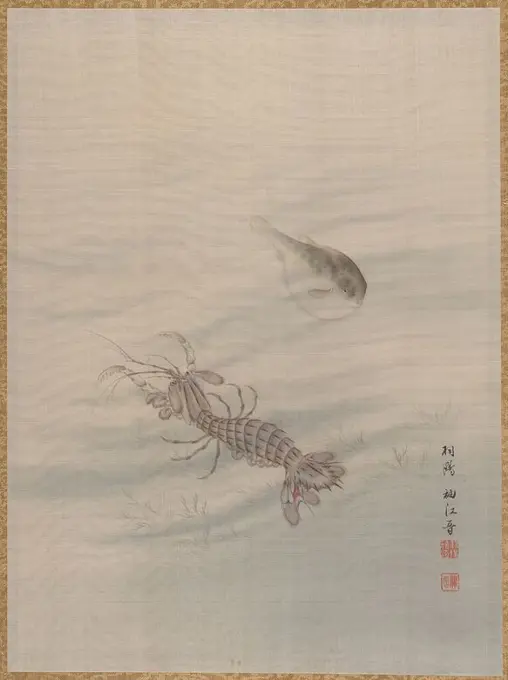
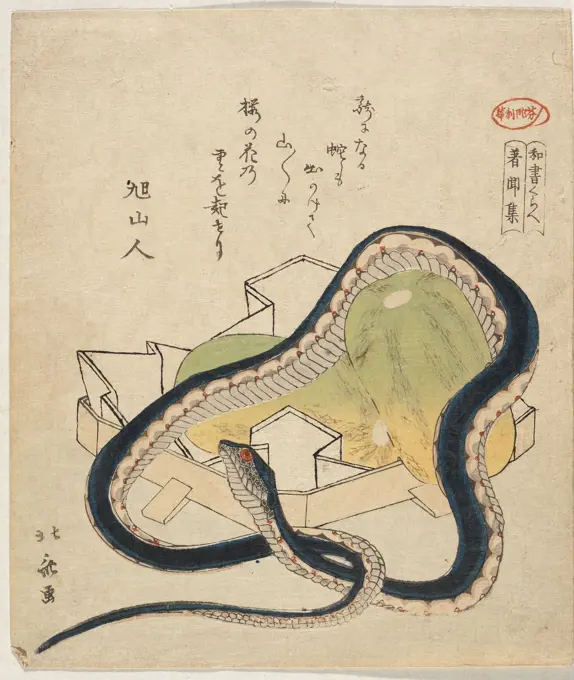
Elegant Asian Calligraphy and Art

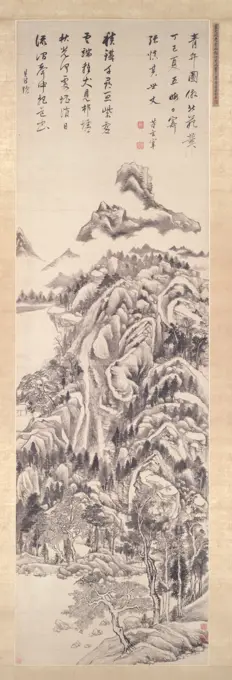
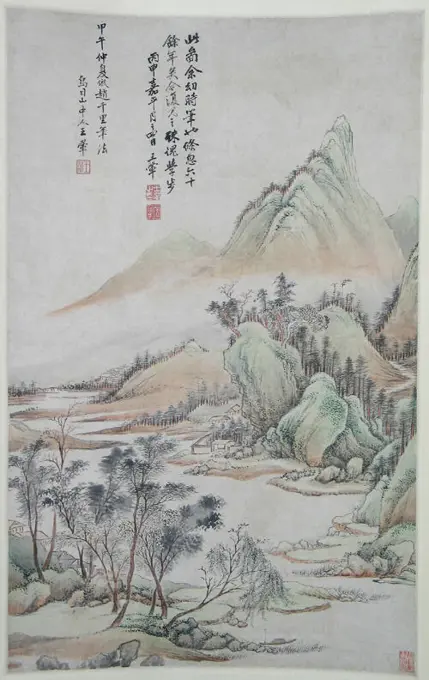
Traditional calligraphy and delicate paintings intertwine nature and poetic elements, reflecting the beauty and calm of East Asian artistry.
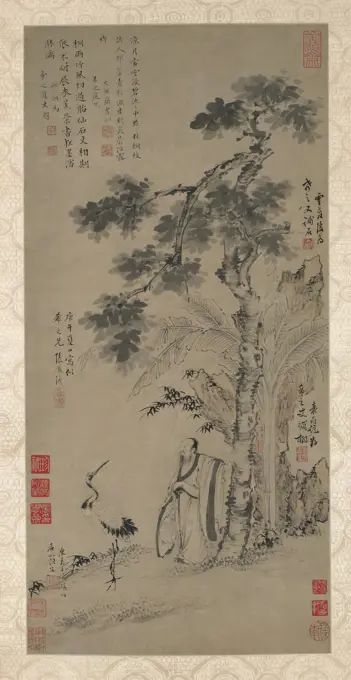
Scholar, Crane, and Banana Tree, 1630, Zhang Fengyi; Artist: Chen Jiayan; Artist: Yuan Shangtong; Artist: Wu Ling; Artist: Wen Congjian; Artist: Shao Mi, Chinese, 1594 - 1642, 26 1/2 x 12 7/8 in. (67.31 x 32.7 cm) (image), Ink and color on paper, China, 17th century, The importance of literati circles is emphasized in this collaborative 17th century painting. According to the inscriptions, the rendition of a scholar, crane, and banana tree was created as a gift for the scholar Xizhi by seven different literati artists. Five scholars have painted a separate element emblematic of literati values, signed their names and affixed their personal seals. The colophones were added by friends Wen Congjian and Shao Mi. The literaus is shown in typical Ming period scholars robe, enjoying nature in the presence of a crane, the Daoist symbol of longevity. Intellectual circles were very important to China's scholar class. Composed of highly educated government officials, teachers, writers, painters,