Elegant Glassware

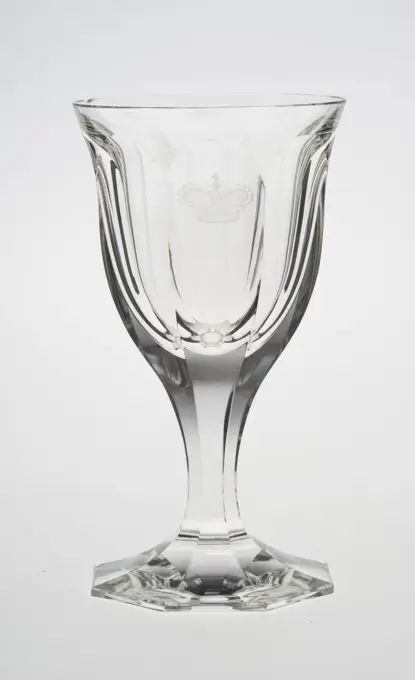
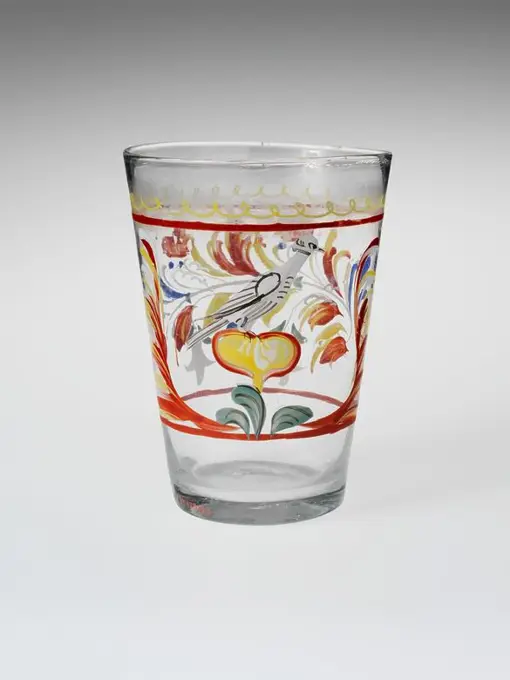
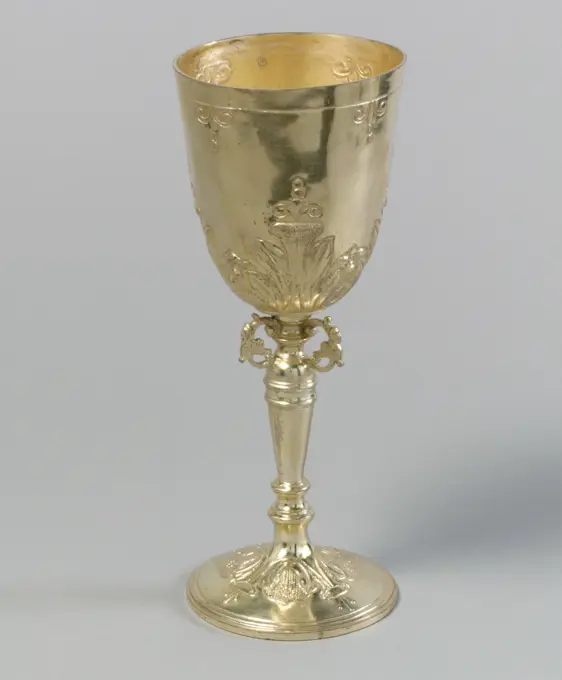
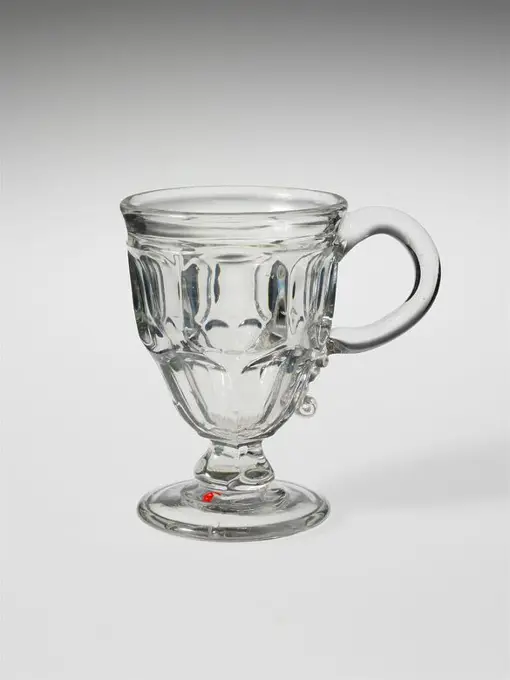
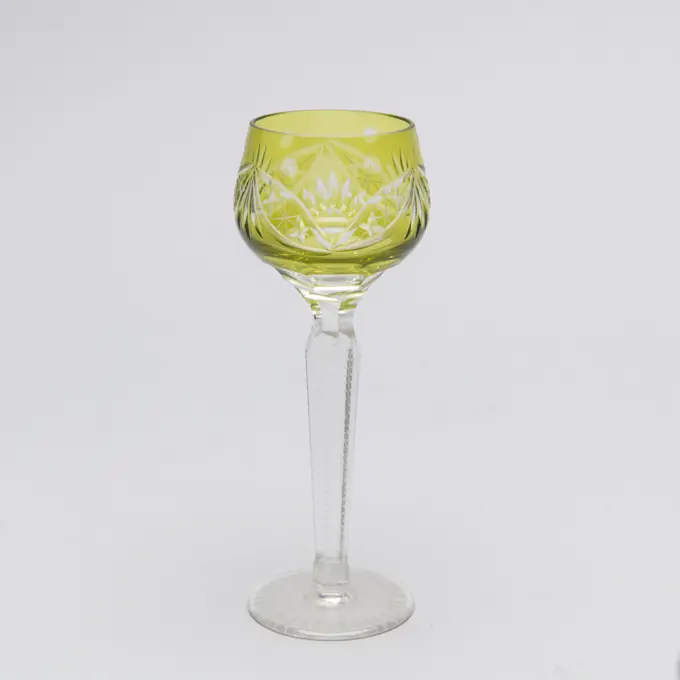
An assortment of vintage glassware, including chalices and wine glasses, noted for their delicate designs and intricate craftsmanship.

Chalip glass with David and Jonathan and the inscription: De Vrindelyke Meeting, Anonymous, c. 1725 - c. 1750 Vaulted foot with turned around. Octagonal stam with a button. Conical chalice with rounded thickened soil, in which an bubble is stabbed. On the Kelk David and Jonathan above which: "the Vrindelyke Meeting". glassblower: EnglandNorthern Netherlands glass glassblowing Vaulted foot with turned around. Octagonal stam with a button. Conical chalice with rounded thickened soil, in which an bubble is stabbed. On the Kelk David and Jonathan above which: "the Vrindelyke Meeting". glassblower: EnglandNorthern Netherlands glass glassblowing
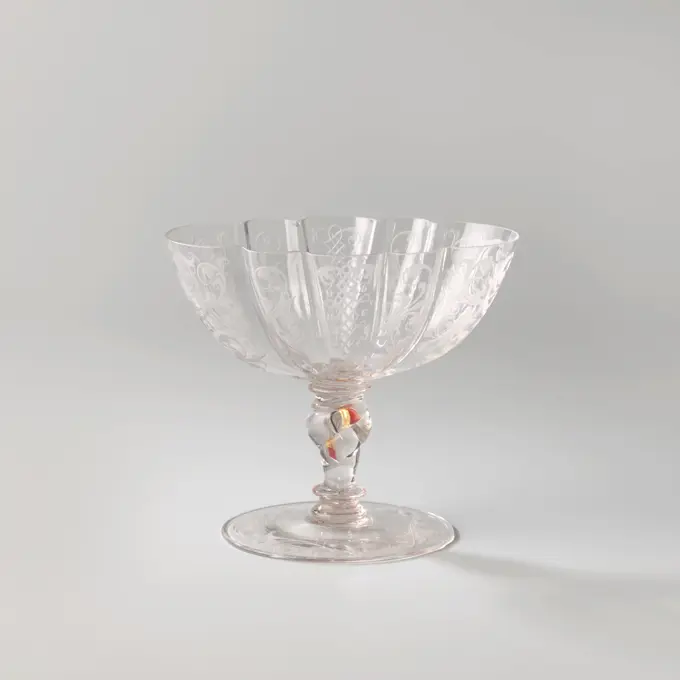
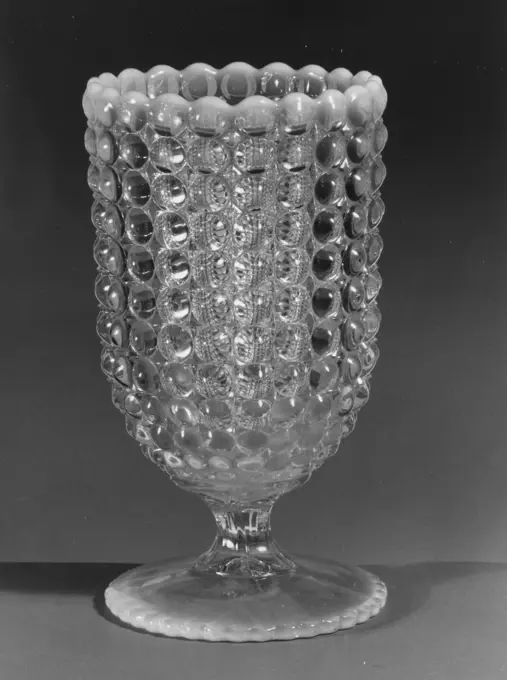
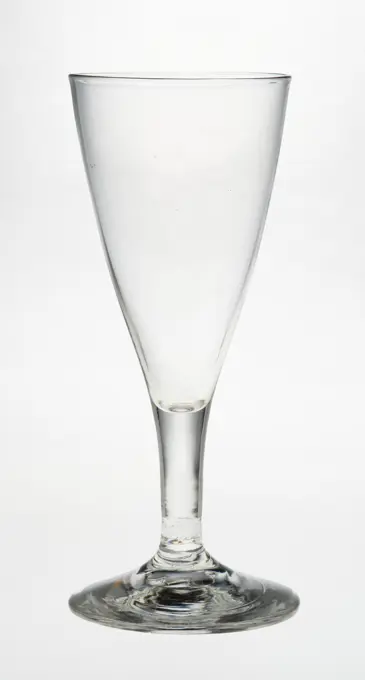
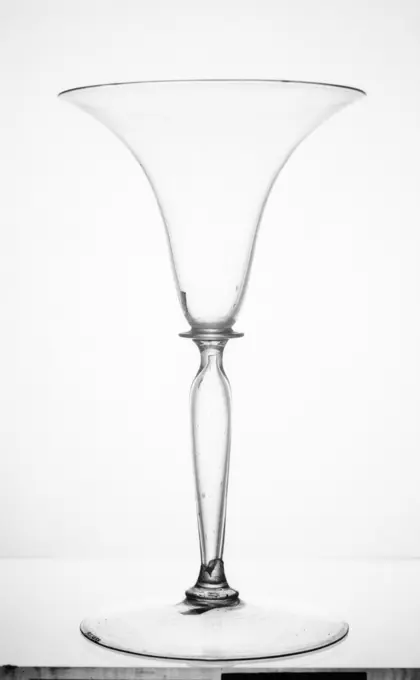
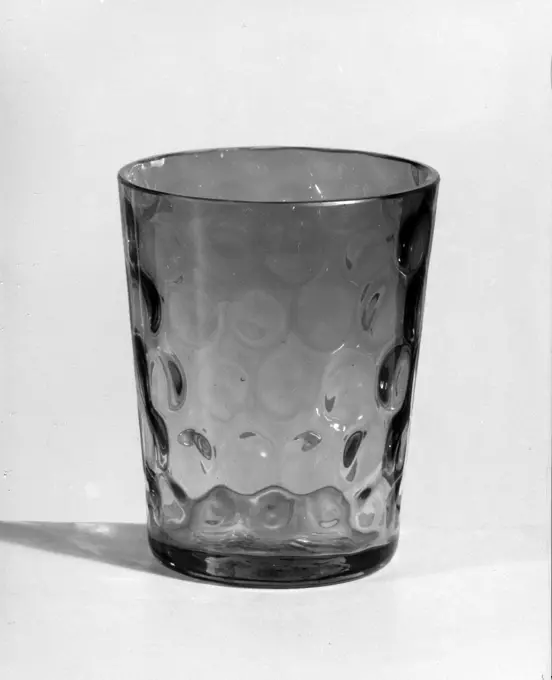
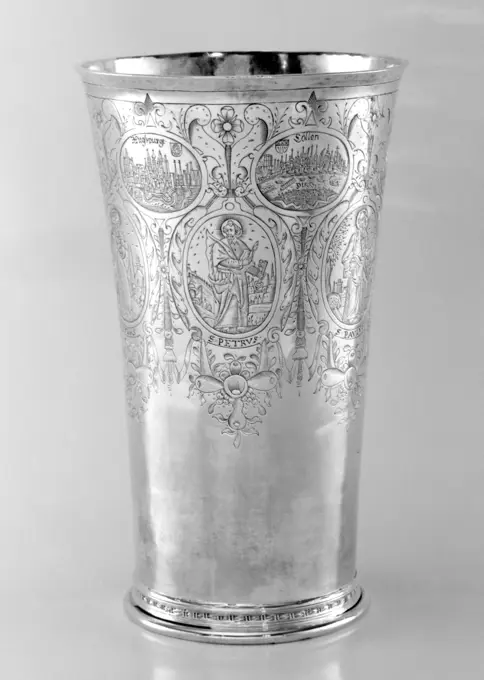
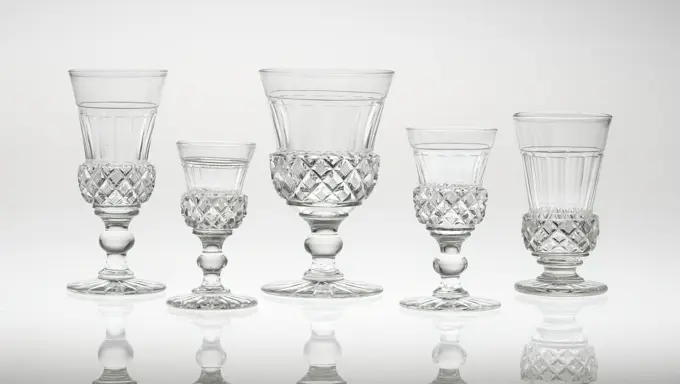
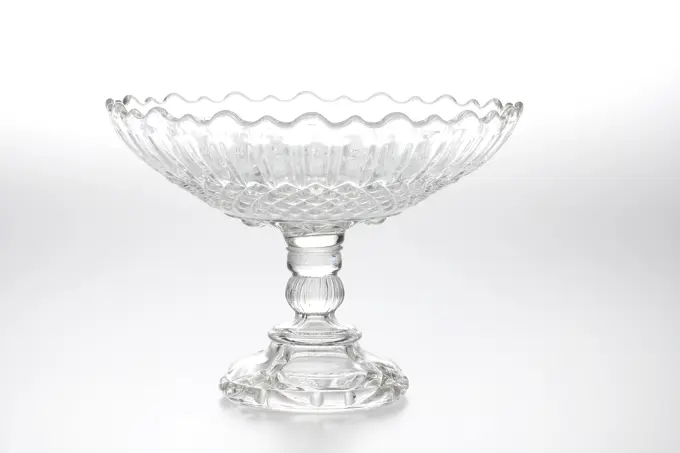
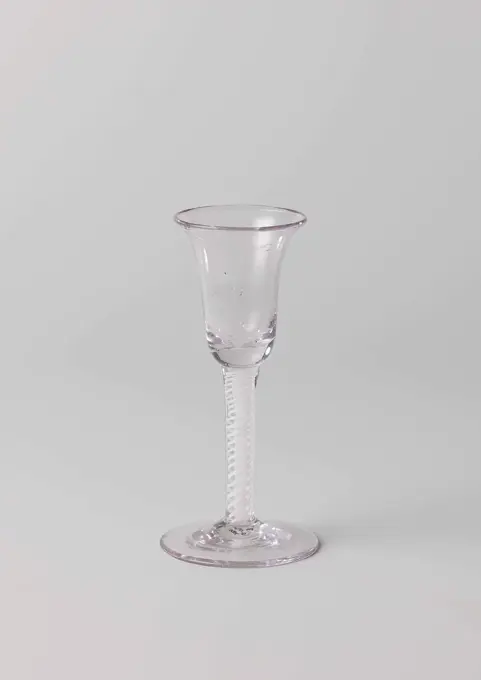
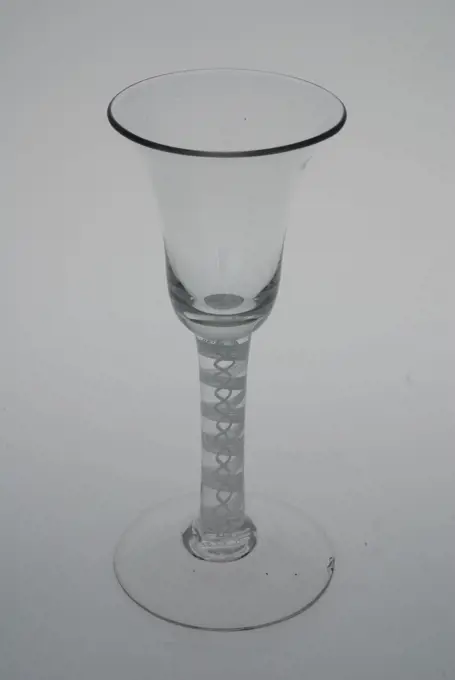
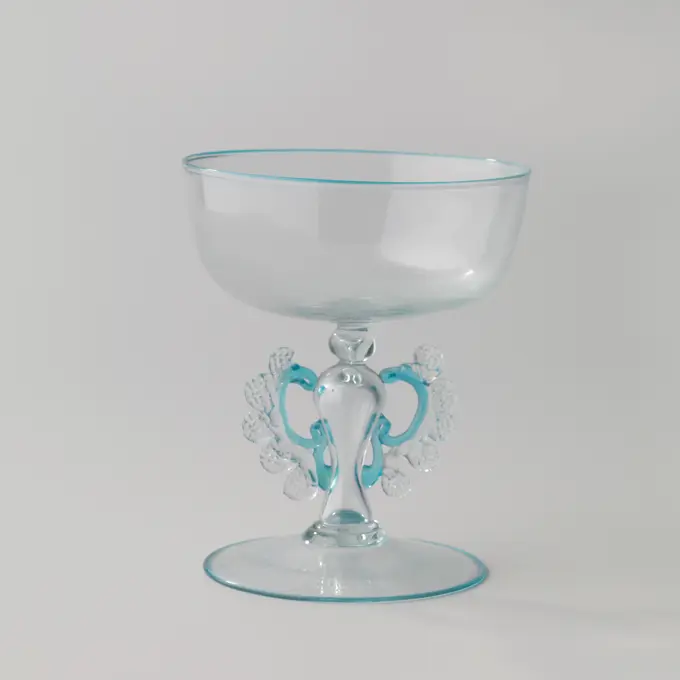
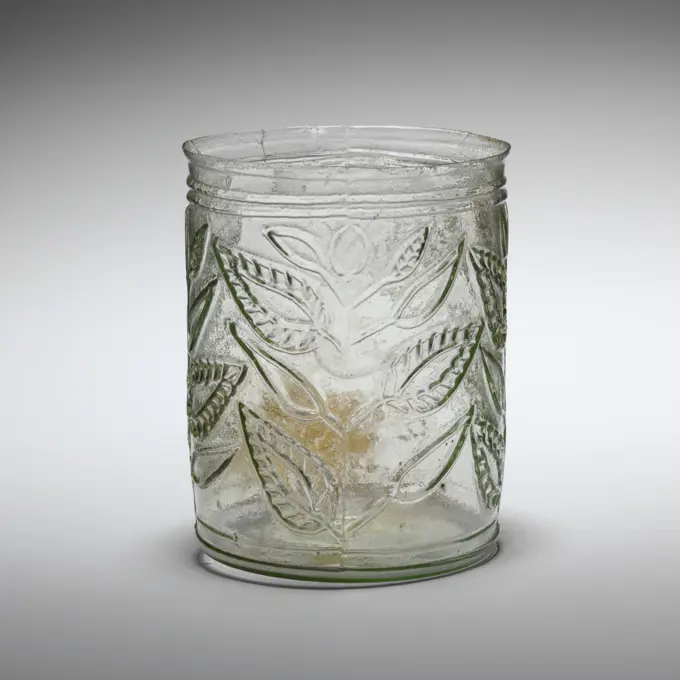
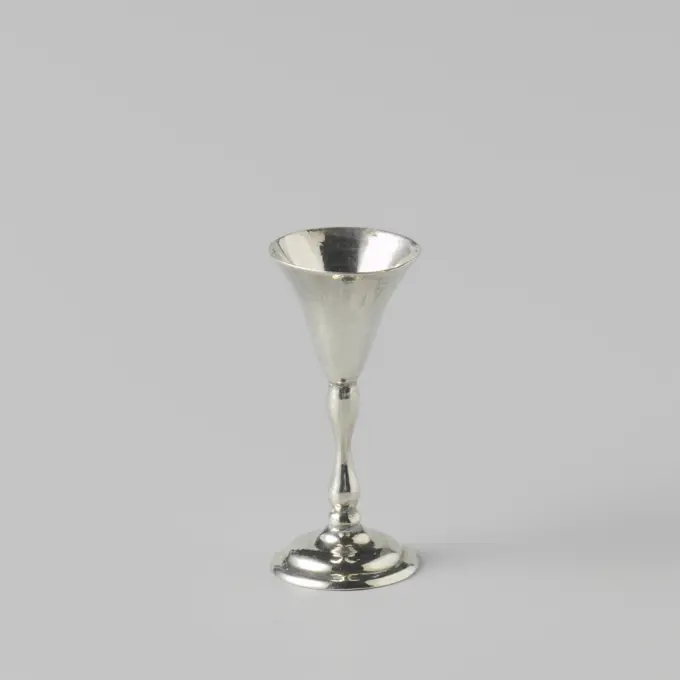
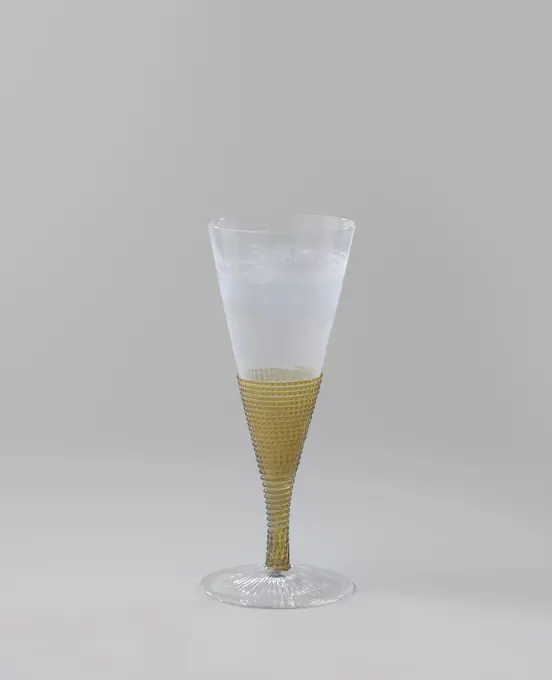
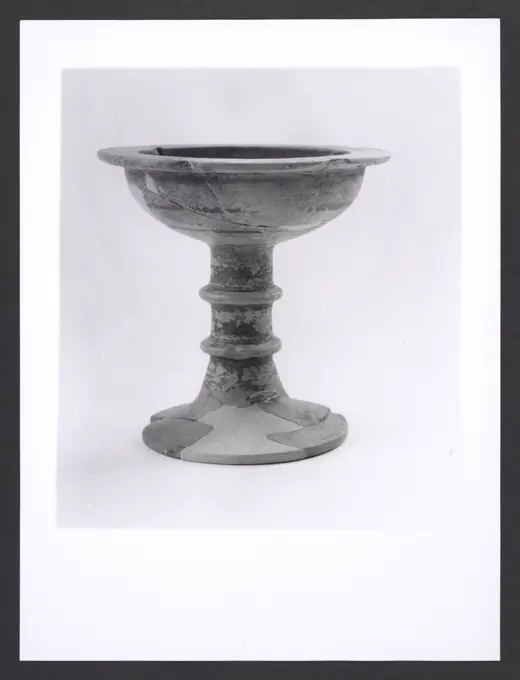
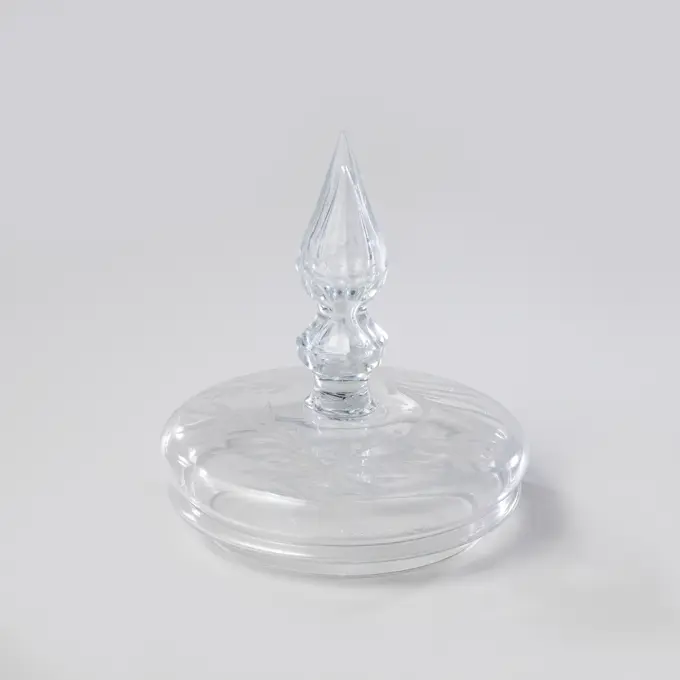
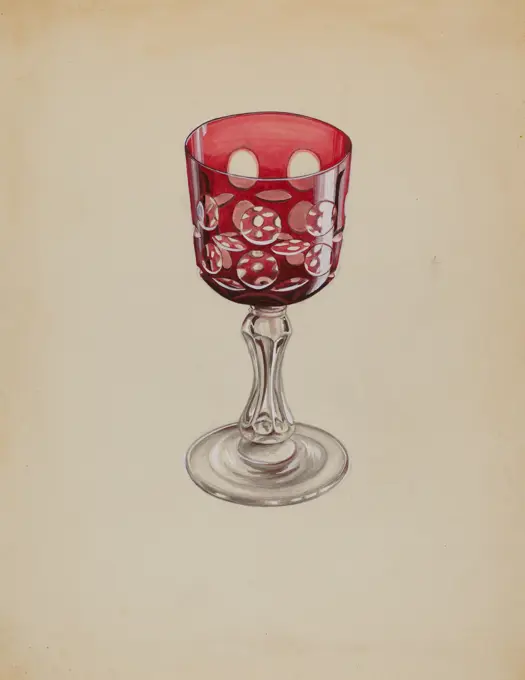
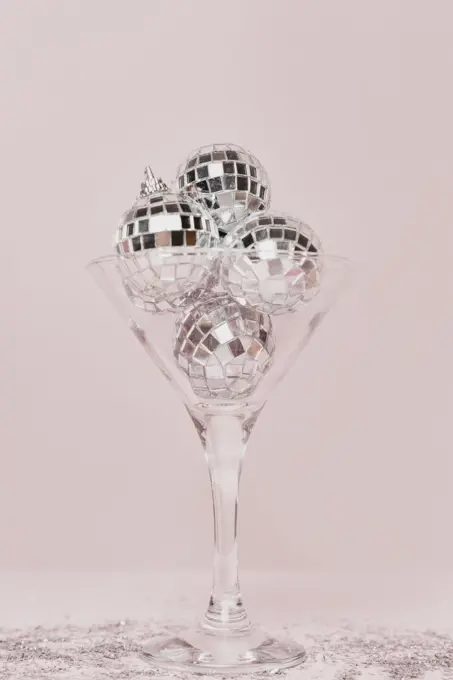
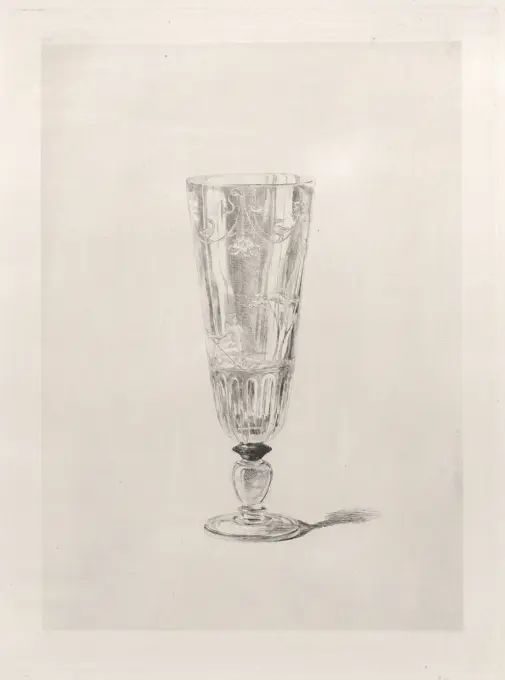
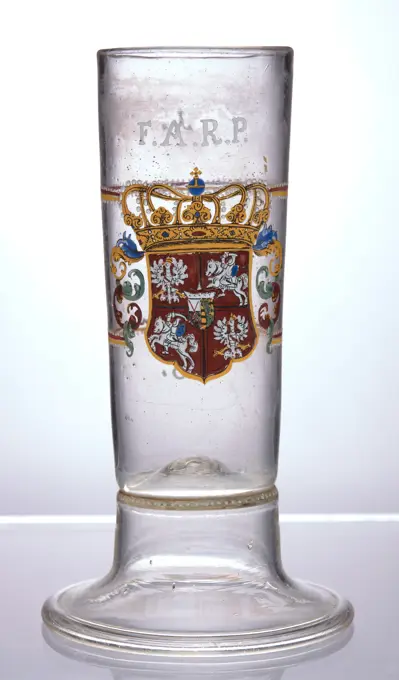
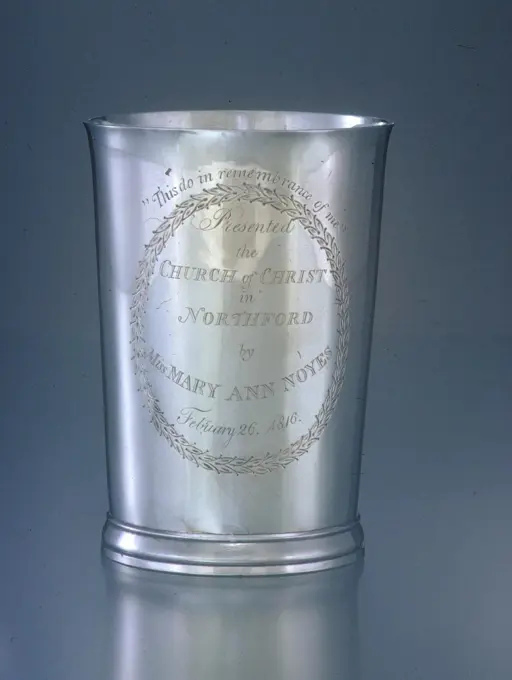
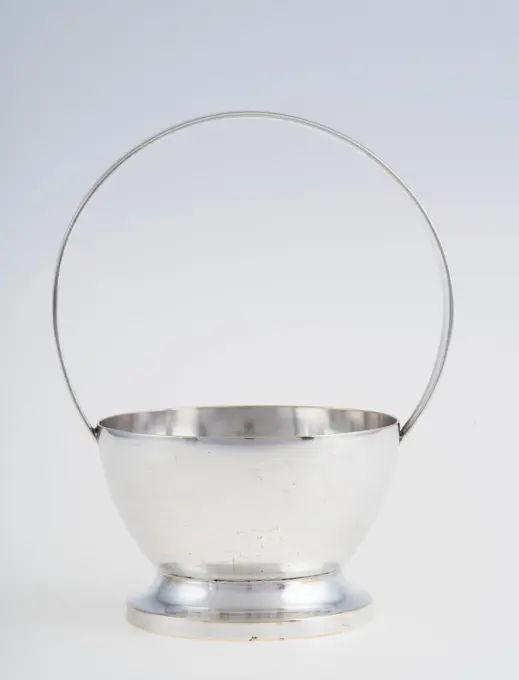
Sugar basket;  20th century (1901-00-00-2000-00-00);Glass vase isolated on white background. Glass is empty vase isolated on white background. Copyright: xZoonar.com/BorysxShevchukx 3392599Cup  fluteGlass; Non -like Lona Huta; 1699 (1699-00-00-1699-00-00);Przeszo Przyszoci unknownWine glass, Jean Baptiste Simon, 1859 Konian foot. Facet cut stam with a hollow button and two discs. Funnel -shaped chalice with rounded bottom. Pink-red überfang. Cleaned and engraved with oak leaf on the foot, a deer, a hunting dog and a wild boar on the knot and on the chalice a hunting scene with a rider, three hunting dogs and a wild boar, with a castle in the background. Signed at the bottom of the chalice: JB. Simon GV. 1859 .. Paris glass glassblowing / grinding Konian foot. Facet cut stam with a hollow button and two discs. Funnel -shaped chalice with rounded bottom. Pink-red überfang. Cleaned and engraved with oak leaf on the foot, a deer, a hunting dog and a wild boar on the knot and on the chalice a hunting scene with a rider, three hunting dogs and a wild boar, with a castle in the background. Signed at the bottom of the chalice: JB. Simon GV. 1859 .. Paris glass glassblowing / grindingGlass; Lobmeyr, J. & L. (Vienna; 1823-); 1920-39 (1920-00-00-1939-00-00);Glass, one of four, c. 1880, 4 3/4 x 3 in. (12.07 x 7.62 cm), Glass, England, 19th centuryBeaker 1720-1730 Bohemia. Glass .Scale on foot, with birds, flower and leaf vines, anonymous, c. 1725 - c. 1750 Conical foot. Turned, baluster -shaped trunk with some red and golden spiral and two discs. Oval, eight -lobe chalice with two wide and six narrow lobes. On the chalice, on the wide lobes, a bird with spread wings between flower and leaf vines; On the narrow lobes vertical band work between two leaf vines. This kind of glass mainly served for serving candies. Glassblower: BOHEMENSE DESCENE glass. gold leaf glassblowing Conical foot. Turned, baluster -shaped trunk with some red and golden spiral and two discs. Oval, eight -lobe chalice with two wide and six narrow lobes. On the chalice, on the wide lobes, a bird with spread wings between flower and leaf vines; On the narrow lobes vertical band work between two leaf vines. This kind of glass mainly served for serving candies. Glassblower: BOHEMENSE DESCENE glass. gold leaf glassblowingCelery Vase ca. 1888 Richards and Hartley Flint Glass Co.. Celery Vase 1518Celery Vase 1850-70 With the development of new formulas and techniques, glass-pressing technology had improved markedly by the late 1840s. By this time, pressed tablewares were being produced in large matching sets and innumerable forms. During the mid-1850s, colorless glass and simple geometric patterns dominated. Catering to the demand for moderately-priced dining wares, the glass industry in the United States expanded widely, and numerous factories supplied less expensive pressed glassware to the growing market. At the Exhibition of the Industry of All Nations at New Yorks Crystal Palace in 1853, for example, the New England Glass Company exhibited 130 pieces of one design, "consisting of bowls, tumblers, champagnes, wines, and jelly glasses." This object belongs to one such service. Although the glass manufactory is not known, the glassware is very typical of the large services that were very popular with Americas middle class in the nineteenth century.. Celery Vase. 1850-70. PrCordial, Embassy” Pattern. Designer Walter Dorwin Teague, American, 1883-1960 Designer Edwin W. Fuerst, American, 1903-1988 Manufacturer: Libbey Glass Company, a subsidiary of Owens-Illinois Glass Co., American, 1935-1943Mug; glass; 10 x 13.5 x 8.8 cm (3 15/16 x 5 5/16 x 3 7/16 in.); Bequest of Walter Phelps Warren; 1986-61-184Wing glass with funnel-shaped chalice. Wing glass on vaulted foot of silver. The stem made up of a rod laid in loops with white, red and yellow wires. Three wrapped on both sides. Funnel shaped chalice.empty transparent wine glass on a table on a white background. Wine glass on white backgroundSauce Dish. Culture: American. Dimensions: H. 2 1/2 in. (6.4 cm); Diam. 4 1/2 in. (11.4 cm). Maker: Adams and Company. Date: 1870-90. Museum: Metropolitan Museum of Art, New York, USA.Glass;  19th century (1801-00-00-1900-00-00);Wineglass 16th century Italian, Venice (Murano) During the Renaissance, Venetian glassmakers, working on the island of Murano, were celebrated across Europe for their fine and sparkling work. Called cristallo” emulating the clarity of rock crystal, in the hands of the most skilled glassblowers the medium could be delightfully manipulated, variously stretched paper-thin flat, or playfully twisted, or blown into molds with spectacular patterns.. Wineglass. Italian, Venice (Murano). 16th century. Glass. GlassWineglass 18th century British. Wineglass. British. 18th century. Glass. Glass. Flat bottom with escuted star, conical, top-off body, in three places has been deployed.Flute-Shaped Drinking Vessel (Pokal), early 1700s. Bohemia, early 18th century. Glass; overall: 18.1 x 10 cm (7 1/8 x 3 15/16 in.).Tumbler ca. 1885-87 Probably Hobbs, Brockunier and Company. Tumbler. American. ca. 1885-87. Blown glass. Made in Wheeling, West Virginia, United StatesCandlestick with bell-shaped shade, one of a pair, 18th century, 22 3/4in. (57.8cm), Sheffield plate, glass, United States, 18th centuryWineglass 1780-85 Engraved by David Wolff. Wineglass. Dutch, The Hague. 1780-85. Glass. Engraved by David Wolff (Dutch, 's Hertogenbosch 1732-1798 The Hague). GlassTaperstick ca. 1740 British. Taperstick. British. ca. 1740. Glass. GlassBeaker 17th century German, Cologne. Beaker 199654elegant glass isolated on white background. With clipping pathWine glass, from a set of four, c. 1830, 5 1/4 x 2 1/2 x 2 1/2 in. (13.34 x 6.35 x 6.35 cm), Cut glass, France (), 19th centuryEmpty red wine glassChalice. Culture: American. Dimensions: H. 8 7/8 in. (22.5 cm); Diam. 4 in. (10.2 cm). Maker: Johann Christoph Heyne (1715-1781). Date: 1756-80.With its tall baluster stem and convex moldings, this chalice displays the elegant proportions of the Baroque style. It bears the mark of the German-born Moravian minister and pewterer Johann Christoph Heyne, whose chalices and other church vessels are among the finest examples of liturgical pewter made in eighteenth-century America. They were supplied primarily to Lutheran and Moravian churches in south central Pennsylvania. Museum: Metropolitan Museum of Art, New York, USA.Beaker 1375-1400 French. Beaker 464510Compote - Nova Scotiia Diamond Ray PatternEmpty wine glassesGlass;  1920-39 (1920-00-00-1939-00-00);A glass of table waterClean empty glassware collection Clean empty glassware collection. closeup Copyright: xZoonar.com/MYCHKOx 5748783Cup with optically blown -in ribs, anonymous, c. 1400 - c. 1510 Cup with deep -inserted soil. Smooth stand ring. Conical body, optically blown with twisted ribs Germany glass glassblowing Cup with deep -inserted soil. Smooth stand ring. Conical body, optically blown with twisted ribs Germany glass glassblowingAnonymous / 'Glass from the Travel Toiletry Case Belonging to Ferdinand VII, King of Spain'. First third of the XIX century. Vidrio al plomo. Museum: Museo del Prado, Madrid, España.Beaker, anonymous, 1679 Three convex legs. Cylindrical body with inserted soul, the bottom edge finished with a smooth, set thread. On the body, Roman letters are calligraphy "Oootmoed Baert pleasure." and at the bottom of the bottom 'Willem van Heemskerk AE 66 AO 1679.'. glassblower: Low CountriesLeiden glass glassblowing Three convex legs. Cylindrical body with inserted soul, the bottom edge finished with a smooth, set thread. On the body, Roman letters are calligraphy "Oootmoed Baert pleasure." and at the bottom of the bottom 'Willem van Heemskerk AE 66 AO 1679.'. glassblower: Low CountriesLeiden glass glassblowingSalt 1784-95 Attributed to New Bremen Glass Manufactory. Salt 7053Cup 18th-19th century European. Cup. European. 18th-19th century. Glass. GlassTumbler. Dimensions: H. 5 in. (12.7 cm). Date: 1700-1800. Museum: Metropolitan Museum of Art, New York, USA.Fork (England or United States); silver-plated metal, ivorine; L: 27 x W: 6.3 cm (10 5/8 x 2 1/2 in.)Cup 19th century, after 1617 original Elkington & Co. British This electrotype is after a seventeenth-century original (1617), at time of reproduction was in the Treasury of the Patriarch, Moscow.. Cup 186505Candlestick with cut facets, anonymous, c. 1850 Sexible, conical base, baluster -shaped trunk, cylindrical holder with bent edge. Facet cut foot, tribe and holder cut in facets. France glass glassblowing / grinding Sexible, conical base, baluster -shaped trunk, cylindrical holder with bent edge. Facet cut foot, tribe and holder cut in facets. France glass glassblowing / grindingEgg Cup. Culture: American. Dimensions: H. 3 13/16 in. (9.7 cm). Date: 1830-70.With the development of new formulas and techniques, glass-pressing technology had improved markedly by the late 1840s. By this time, pressed tablewares were being produced in large matching sets and innumerable forms. During the mid-1850s, colorless glass and simple geometric patterns dominated. Catering to the demand for moderately-priced dining wares, the glass industry in the United States expanded widely, and numerous factories supplied less expensive pressed glassware to the growing market. At the Exhibition of the Industry of All Nations at New York's Crystal Palace in 1853, for example, the New England Glass Company exhibited 130 pieces of one design, "consisting of bowls, tumblers, champagnes, wines, and jelly glasses." This object belongs to one such service. Although the glass manufactory is not known, the glassware is very typical of the large services that were very popular with America's middlKelkglas with two rabbits and a dog. Conical foot with cut decoration of ellipses on the bottom. In facets ground, baluster-shaped strain with one disc. Funnel-shaped, faceted chalice with concave bent underside. On the chalice in gilt two rabbits and a dog in a landscape. Along the top edge of the chalice a golden trim.Slinger glass with bell-shaped chalice. Slinger glass with flat foot and straight trunk. In the trunk opask white garlands around white network spiral. Bell-shaped chalice.Flower Basket, 1870. Manufactured by Barnes & CoWine glass with a portrait of Stadtholder Prince William i (1533-1584), anonymous, c. 1780 - in or before 1798 Conical foot. Broadening, facet -cut trunk, transferring to an egg -shaped chalice. On the chalice a portrait of Stadholder Prince William I (1533-1584) with a branch with orange apples on either side, which are tied together at the bottom. Under the portrait the text: Willem the first // prince of Orange. etc. glassblower: EnglandNorthern Netherlands glass grinding / glassblowing Conical foot. Broadening, facet -cut trunk, transferring to an egg -shaped chalice. On the chalice a portrait of Stadholder Prince William I (1533-1584) with a branch with orange apples on either side, which are tied together at the bottom. Under the portrait the text: Willem the first // prince of Orange. etc. glassblower: EnglandNorthern Netherlands glass grinding / glassblowingBeaker. Nieokreślona huta, factoryChalice, pendulum glass, wine glass drinking glass drinking utensils tableware holder glass lead glass, gram free blown and shaped glass processing Six chalice glasses (1-6) pendulum glasses in clear colorless and opaque white glass Pontil mark under round light ascending hollow base all with chips from edge. Mounted massive cylindrical stem with ribbon-shaped bundled thin opaque-white glass wires around two intertwined flat opaque white wires. Tulip-shaped chalice with fire-rounded edge.Cup  fluteglass for wine with a thin contour and curly leg, isolated on a black background. glass wine glass isolated on a black backgroundFlute glass, anonymous, after Pieter Nolpe, c. 1680 - c. 1700 Flat base with turned around. Hollow, baluster -shaped trunk with two flat discs. High, funnel -shaped chalice. A vineyard is engraved spirits on the chalice. Between the wine drink, a watching farmer, a dancing and piping farmer's wife and a violin player with a beer mug are depicted in the hand. glassblower: Low CountriesRotterdam glass glassblowing Flat base with turned around. Hollow, baluster -shaped trunk with two flat discs. High, funnel -shaped chalice. A vineyard is engraved spirits on the chalice. Between the wine drink, a watching farmer, a dancing and piping farmer's wife and a violin player with a beer mug are depicted in the hand. glassblower: Low CountriesRotterdam glass glassblowingA wine glass standing on a reflective surface.Various wine glasses standing on a reflective surface.Wing glass with scale -shaped chalice, anonymous, c. 1800 - c. 1900 Conical foot. Hollow baluster -shaped trunk with two wings of blue glass with colorless squeezed comb ornament. Scale -shaped chalice. The edge of the foot and chalice shot with a blue glass wire. Venice glass glassblowing Conical foot. Hollow baluster -shaped trunk with two wings of blue glass with colorless squeezed comb ornament. Scale -shaped chalice. The edge of the foot and chalice shot with a blue glass wire. Venice glass glassblowingGlass beaker 1st century A.D. Roman Translucent pale green.Outsplayed unworked rim; cylindrical body with vertical sides; uneven, slightly convex bottom. Two vertical mold seams run down sides from rim to edge of bottom through floral sprays, with a separate shallow disk-shaped base section.On body, large continuous central frieze bordered above and below by two horizontal ridges, comprising four vertical floral sprays of matching design but with slight variations (one complete and two half sprays on each side of mold); on bottom, broad ring in relief with small central hollow circle.Broken and repaired on one side of rim and upper body, but complete; some pinprick and larger bubbles; small areas of creamy brown weathering and faint iridescence.. Glass beaker. Roman. 1st century A.D.. Glass; blown in a three-part mold. Early Imperial. GlassCupDrinkglas, anonymous, c. 1725 - c. 1775 Funnel -shaped drinking glass on a high baluster -shaped trunk. The foot is round and vaulted. The drinking glass is equal to five other copies (BK-NM-1177-181-B-III, BK-NM-11177-181-IV, BK-NM-11177-B-V, BK-NM-11177-181-B -VI, BK-NM-11177-181-B-VII). The drinking glasses are on a tray (BK-NM-11177-181-B-I) with a gift jug (BK-NM-1177-181-II). The tray is on a folding table (BK-NM-11177-A). Netherlands silver (metal) Funnel -shaped drinking glass on a high baluster -shaped trunk. The foot is round and vaulted. The drinking glass is equal to five other copies (BK-NM-1177-181-B-III, BK-NM-11177-181-IV, BK-NM-11177-B-V, BK-NM-11177-181-B -VI, BK-NM-11177-181-B-VII). The drinking glasses are on a tray (BK-NM-11177-181-B-I) with a gift jug (BK-NM-1177-181-II). The tray is on a folding table (BK-NM-11177-A). Netherlands silver (metal)Rummer ca. 1800 British, probably. Rummer 6908Goblet 1845-1880 Bohemia. Glass; blown, cut, stained red and engraved .GlassTwo Empty cocktail goblet on white backgroundBeaker. Czechy, creatorChalice glass. A green ribbed ribbon has been turned around the stem and around the lower half of the glass., Anonymous, c. 1800 - c. 1900 Chalice glass. A green ribbed ribbon has been turned around the stem and around the lower half of the glass.  glass. textile materials Chalice glass. A green ribbed ribbon has been turned around the stem and around the lower half of the glass.  glass. textile materials. .Commemorative cup. Jezler & Co (Schaffhausen ; wytwórnia sreber ; 1822-), goldsmiths companyStorm shade (one of a pair) ca. 1560 Italian, Venice or Austrian, Innsbruck. Storm shade (one of a pair) 205599Lazio Roma Grottaferrata Museo97. Hutzel, Max 1960-1990 German-born photographer and scholar Max Hutzel (1911-1988) photographed in Italy from the early 1960s until his death. The result of this project, referred to by Hutzel as Foto Arte Minore, is thorough documentation of art historical development in Italy up to the 18th century, including objects of the Etruscans and the Romans, as well as early Medieval, Romanesque, Gothic, Renaissance and Baroque monuments. Images are organized by geographic region in Italy, then by province, city, site complex and monument.Photography of the glass cup with the Polish Saxon coat of arms (V). Page with the inscription Vivat Elector Saxoniae Rex Poloniae unknownCupCup with lidGlass Lausitzer glassworksGlass; Lobmeyr, J. & L. (Vienna; 1823-); 1920-39 (1920-00-00-1939-00-00);Beaker 1825-1835 Bohemia. Glass; wheel engraved .Beaker with Stag Hunt. Bohemia (now Czech Republic), circa 1730-1750. Furnishings; Serviceware. Glass, gold leafTransparent Realistic GlassEmpty glass isolated on white background. Empty glass isolatedset of transparent glass goblets vectorBeaker ca. 1805 Benjamin Halsted. Beaker 19092Colorful drinking glass on white backgroundGold glass Gold decorative glass ornament with clipping path Copyright: xZoonar.com/MarkoxBericx 14222187Candlestick (one of a set of six) probably 1675-76 J. C. (probably), London. Candlestick (one of a set of six) 204867Cane handle ca. 1745 Meissen Manufactory German. Cane handle. German, Meissen. ca. 1745. Hard-paste porcelain. Ceramics-PorcelainSimple water-glass with structured water in greenVarious sizes of crystal glasswareBeaker 1688-1700 German, Potsdam. Beaker 195830Lid of a jar. Lid of a jar with small benten support edge and bent wellving. Faceted hollow button, with insest and conical striker. Engraving with twice a combination of crossed olive and palm branches. Originally does not belong to BK-NM-10754-125-A.Glass;  1920-39 (1920-00-00-1939-00-00);Robert Stewart, Ruby Case Glass Goblet, c 1936 Ruby Case-Glass Goblettransparent champagne glass with silver ballsCrystal Drinking Glass 1868 Jules-Ferdinand Jacquemart. Crystal Drinking Glass. Gems and Jewels of the Crown. Jules-Ferdinand Jacquemart (French, Paris 1837-1880 Paris). 1868. Etching. Printsglass of clean water and a Chinese  fanPrzeszo Przyszoci unknownGlass Lausitzer glassworksHand drawn Collin glass glass. Highball isolated on white background. Cocktail glassware sketch . Engraving style. Vector illustration. Hand drawn Collin glass glass. Highball isolated on white background.Rue, Ruta graveolens. In the Middle Ages, rue was a highly valued medicinal plant, used here to flavour grappaBeaker.   Maker: Merriman and Bradley, American, active 1817-26