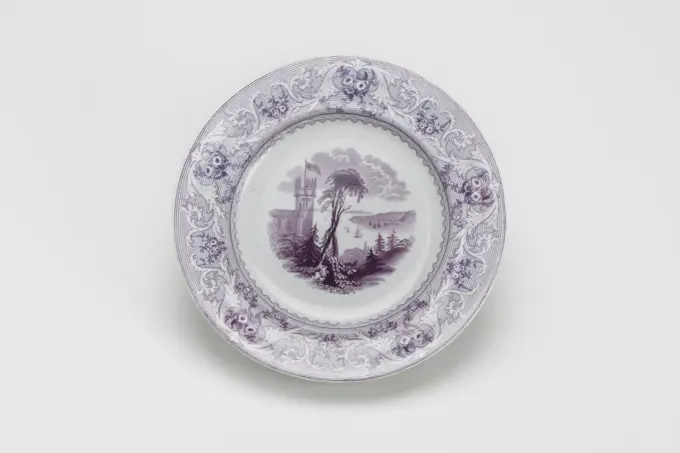
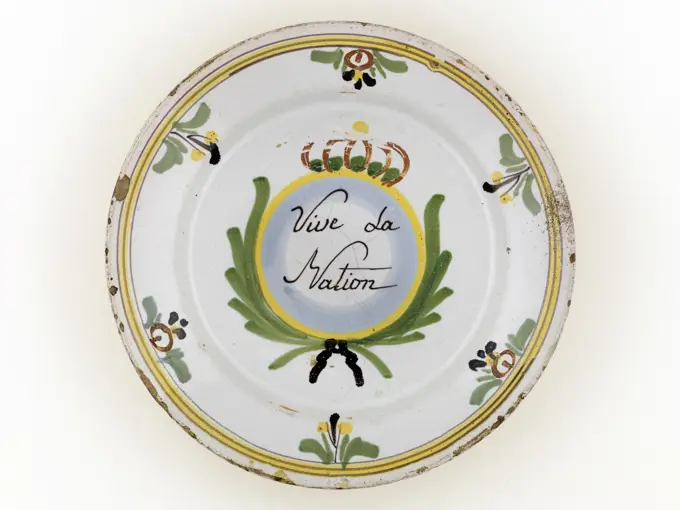
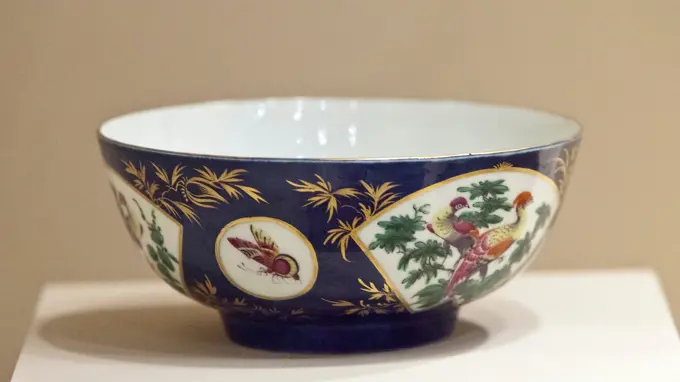
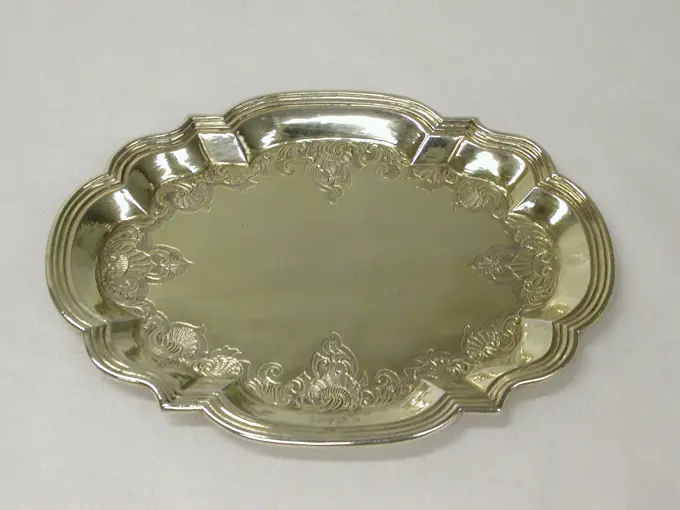
Elegant Porcelain Plates

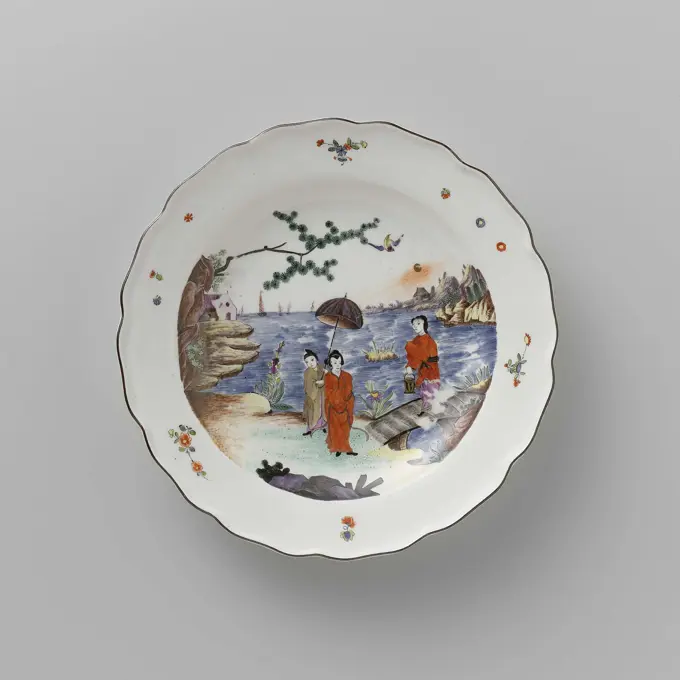
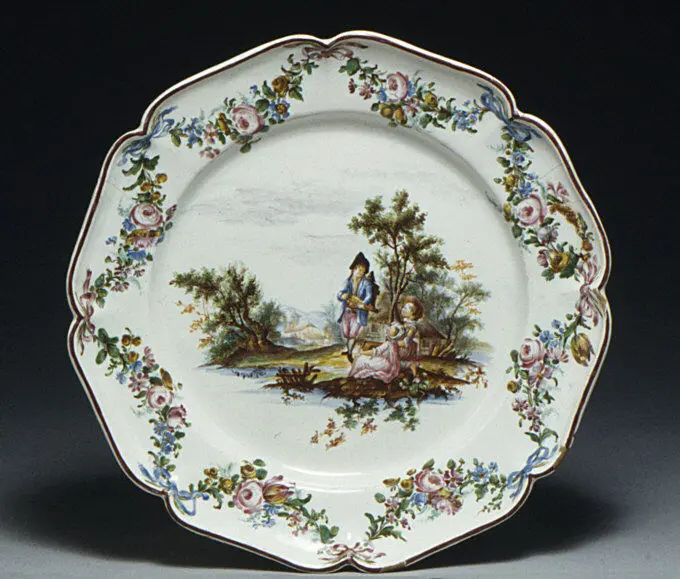
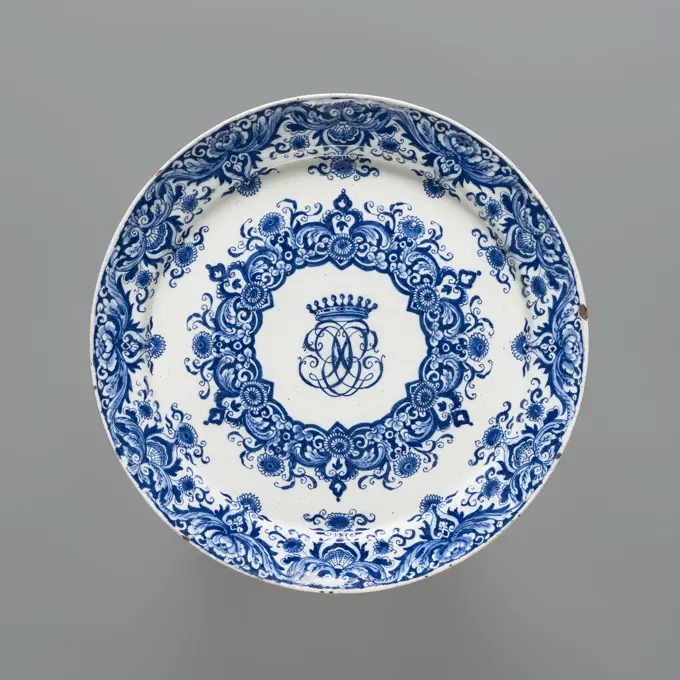
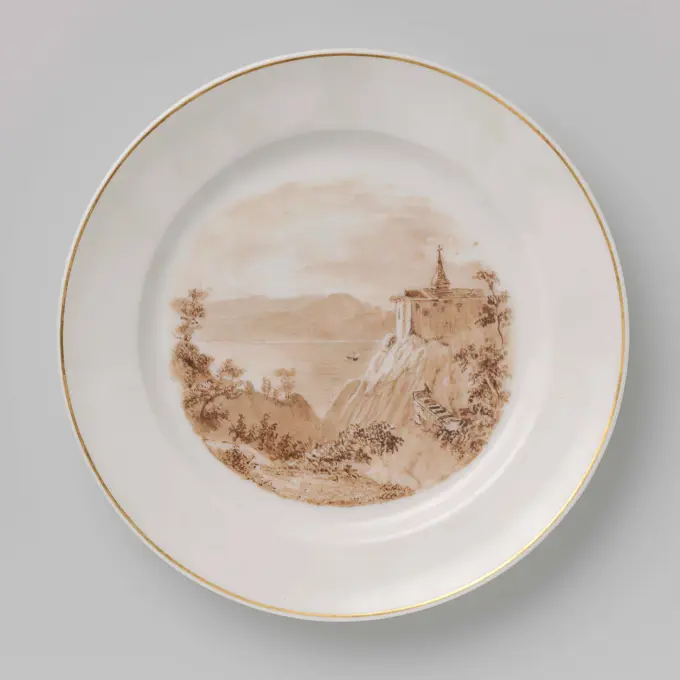
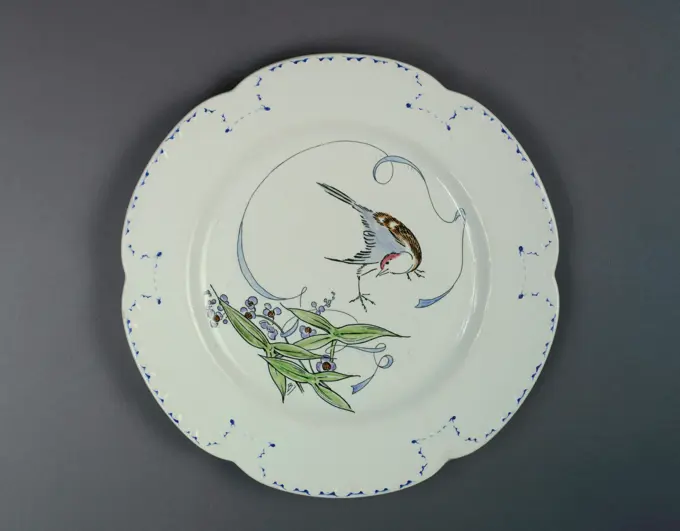
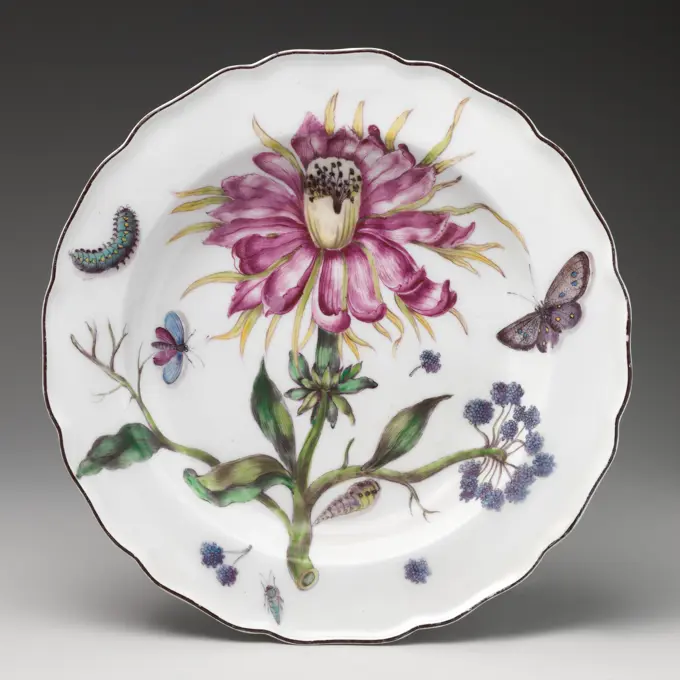
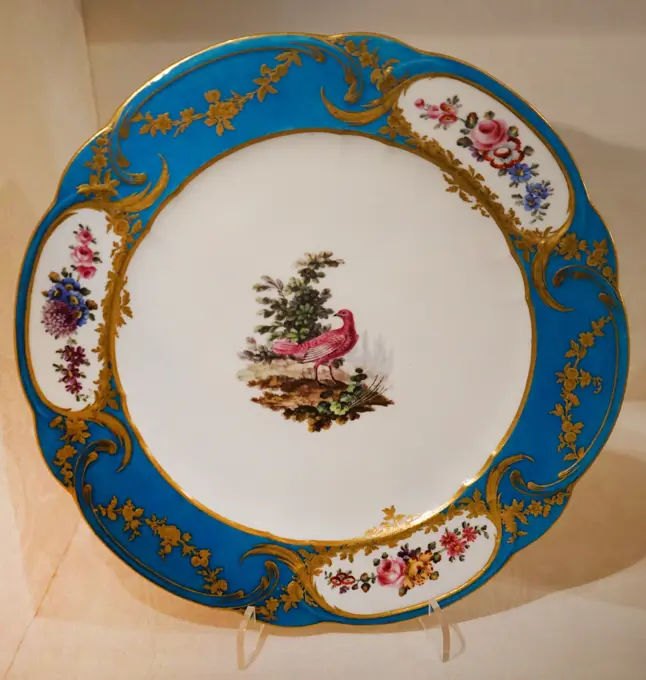
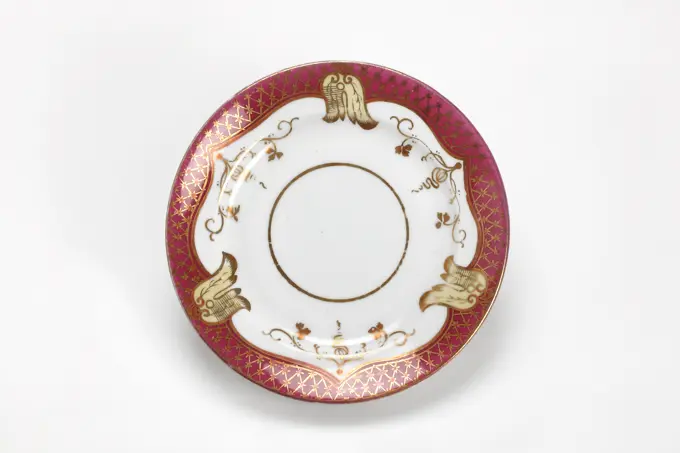
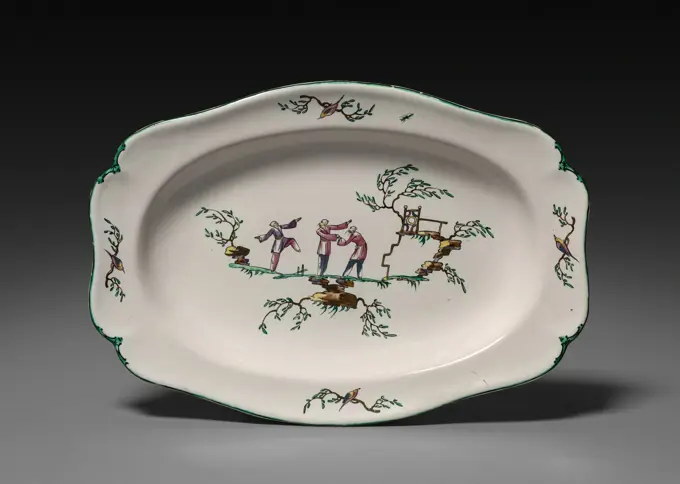
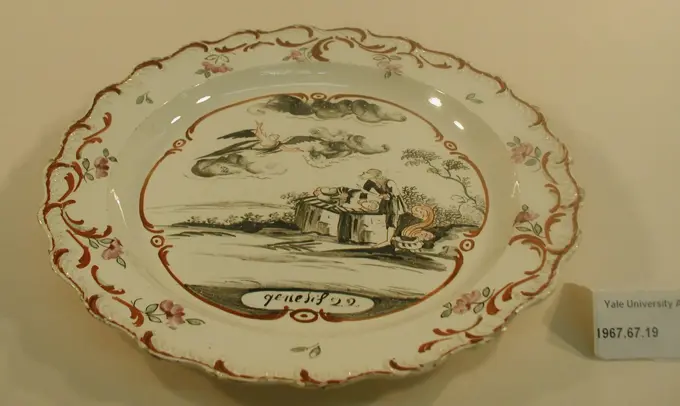
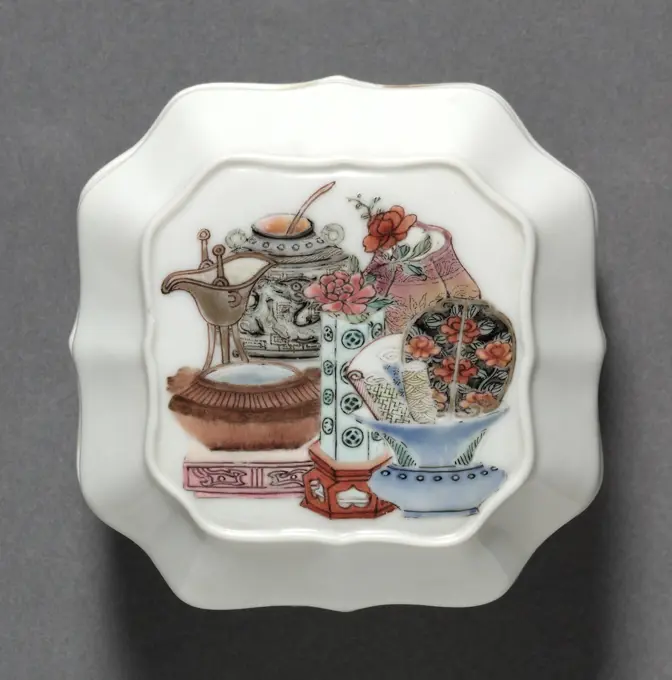
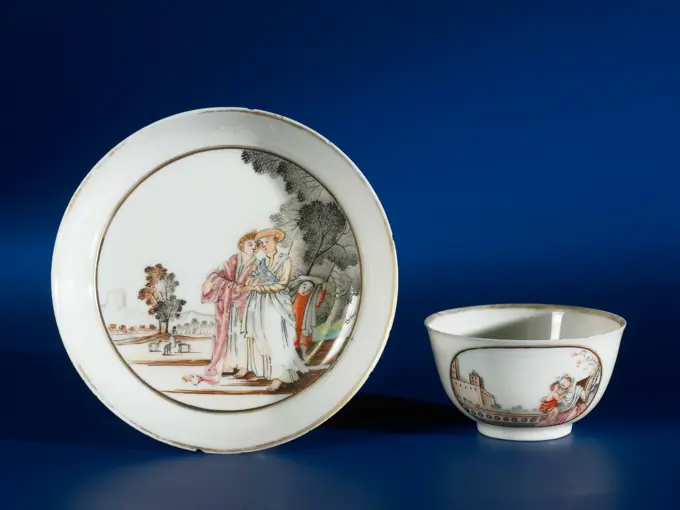
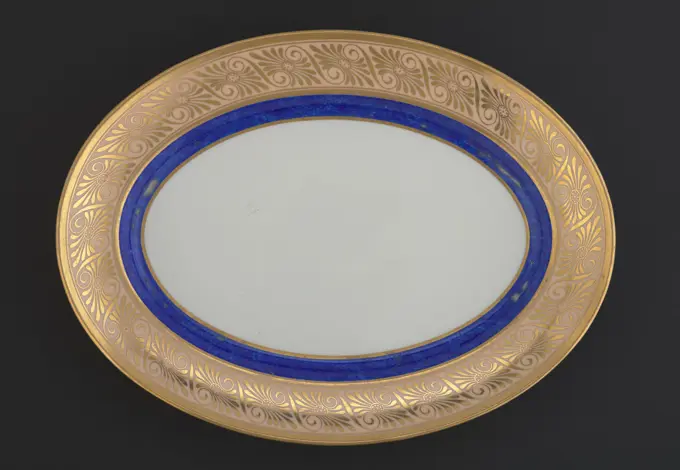
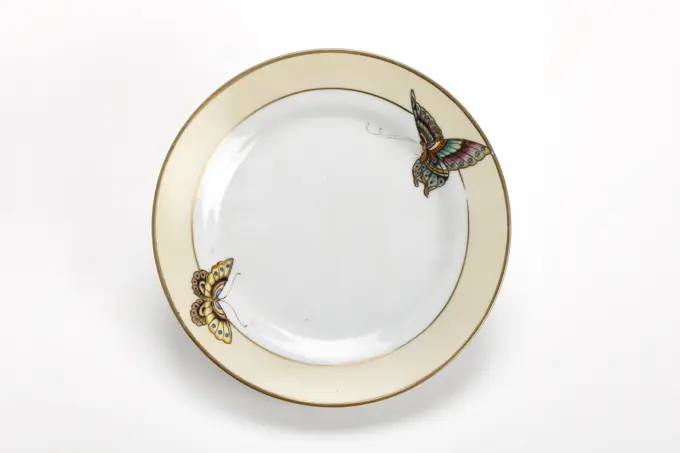
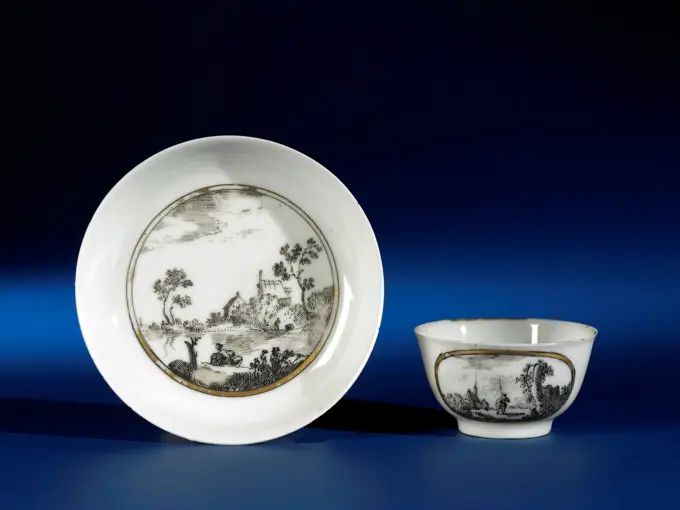
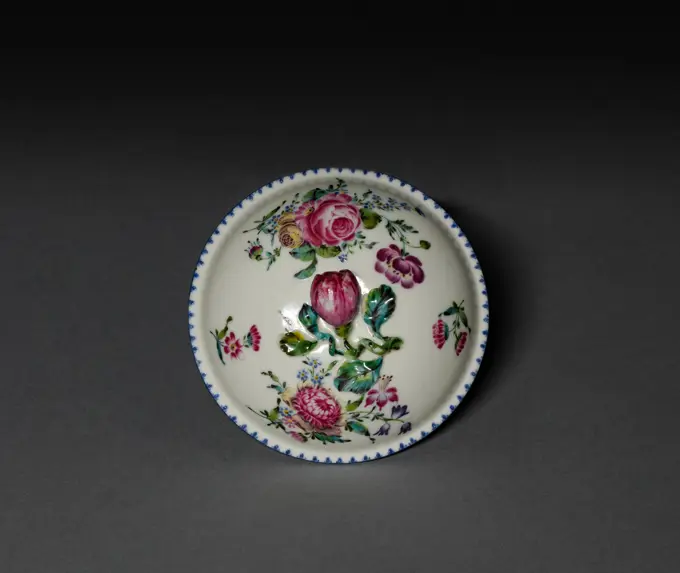
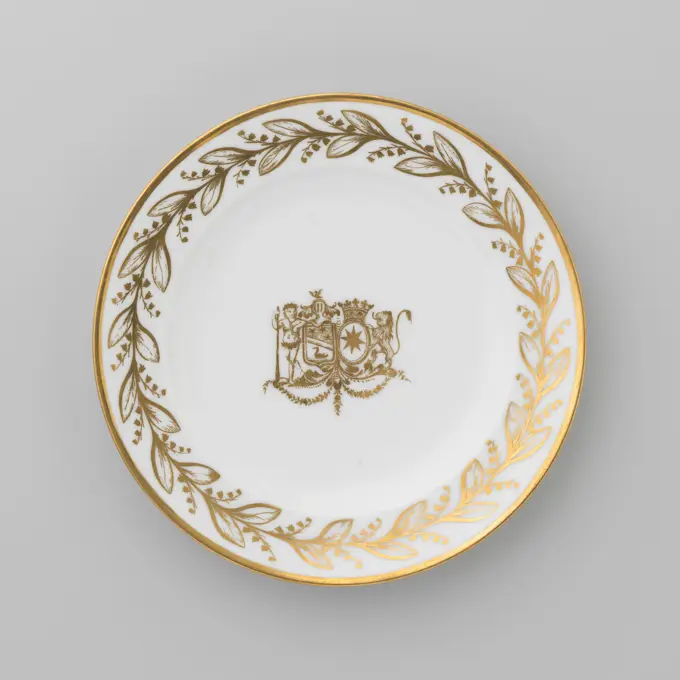
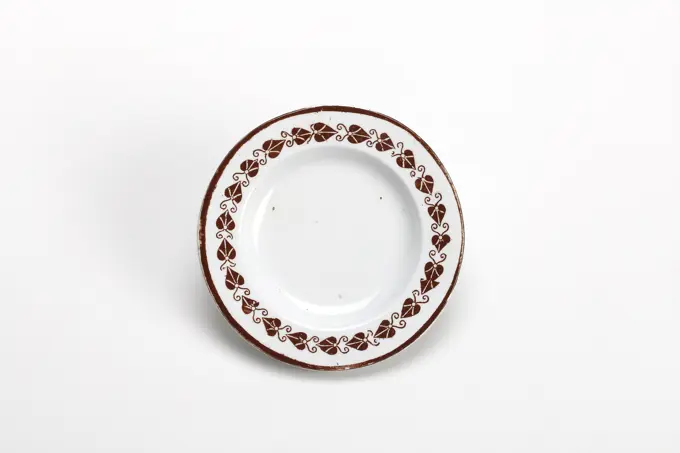
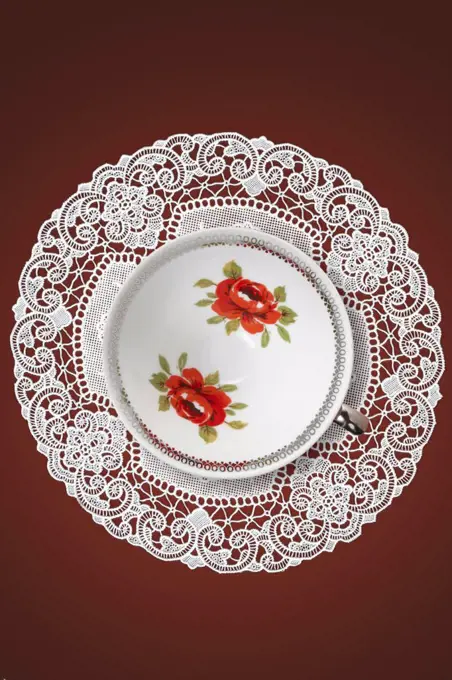
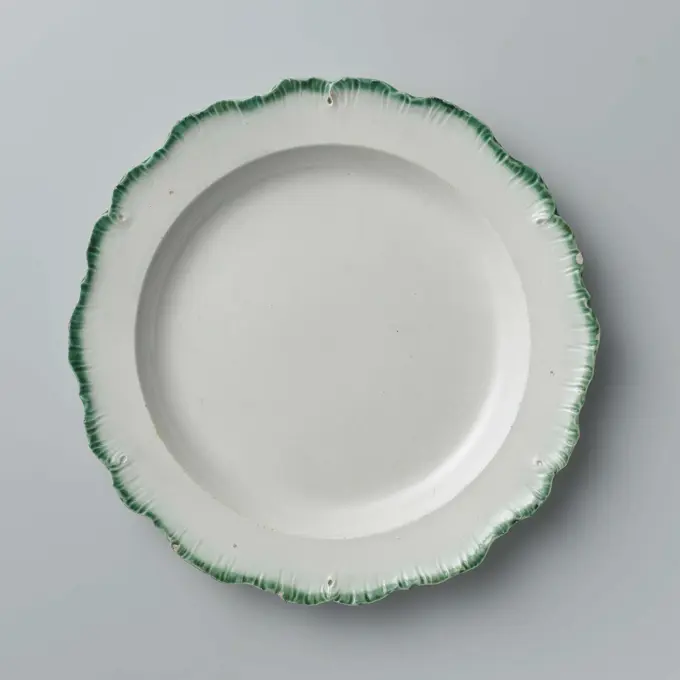
Decorative porcelain plates featuring intricate floral designs and elegant patterns, showcasing craftsmanship in dishware.

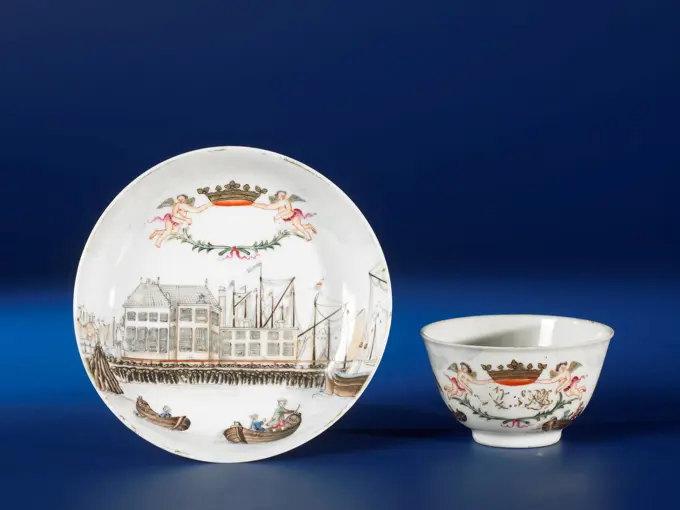
Saucer; Rosenthal (Selb; Porcelain Factory; 1879-); 1925-41 (1920-00-00-1930-00-00);
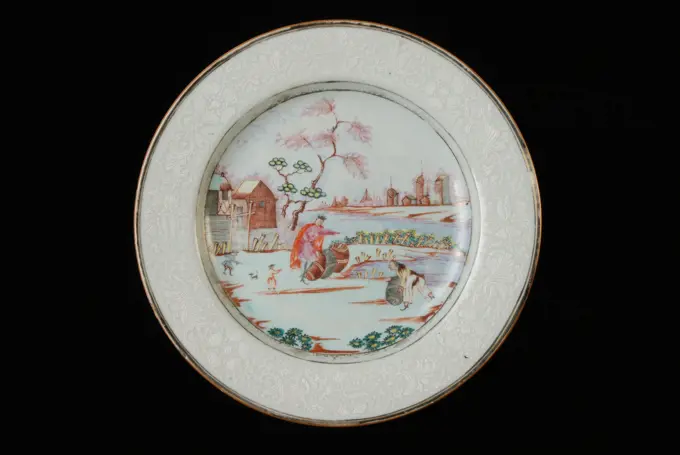
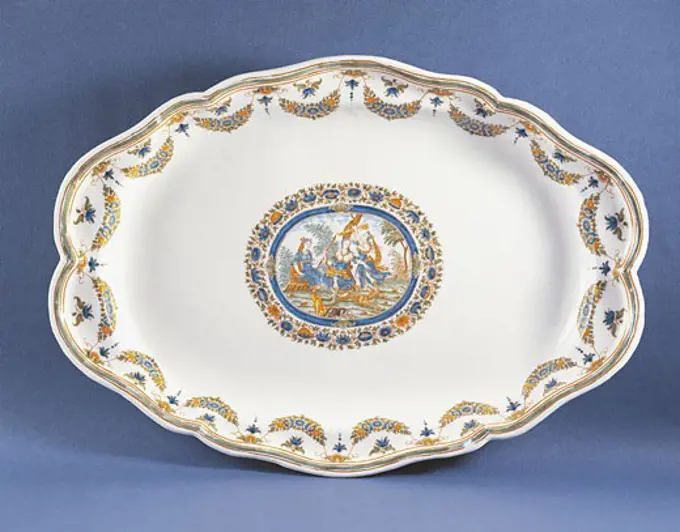
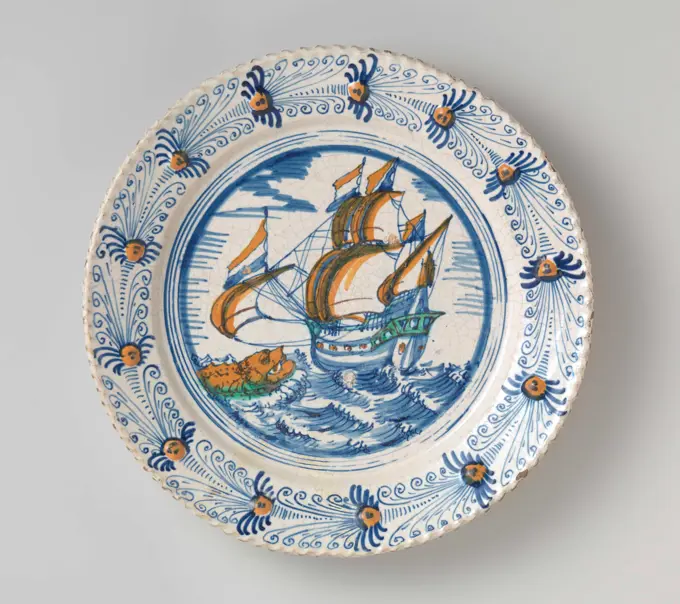
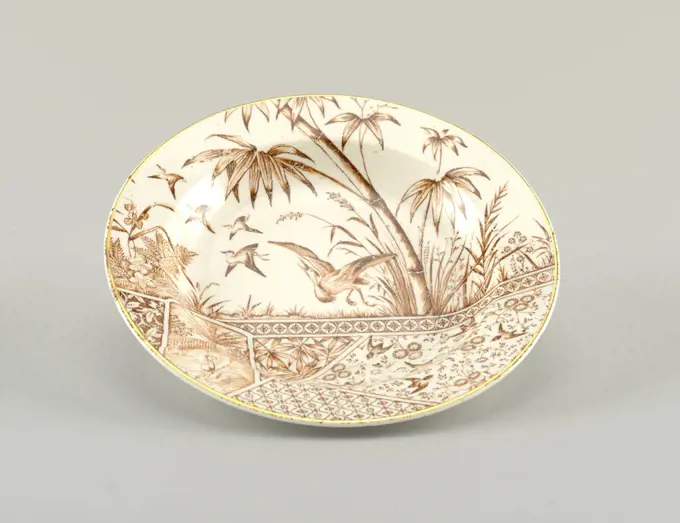
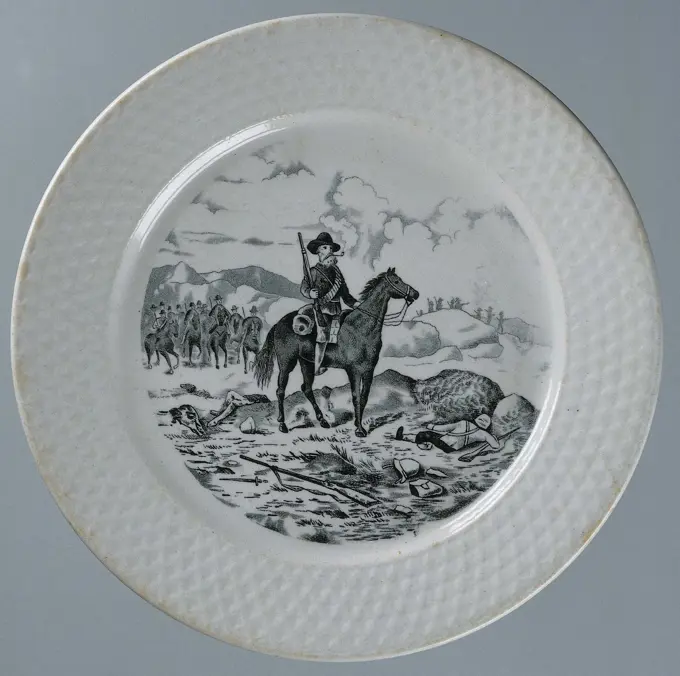
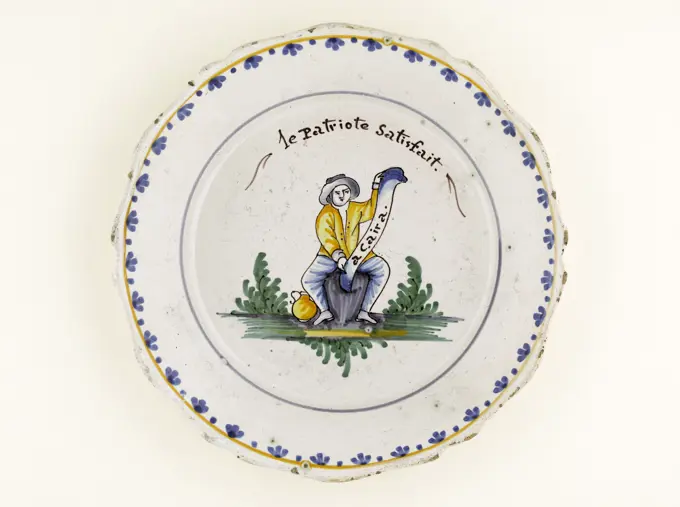
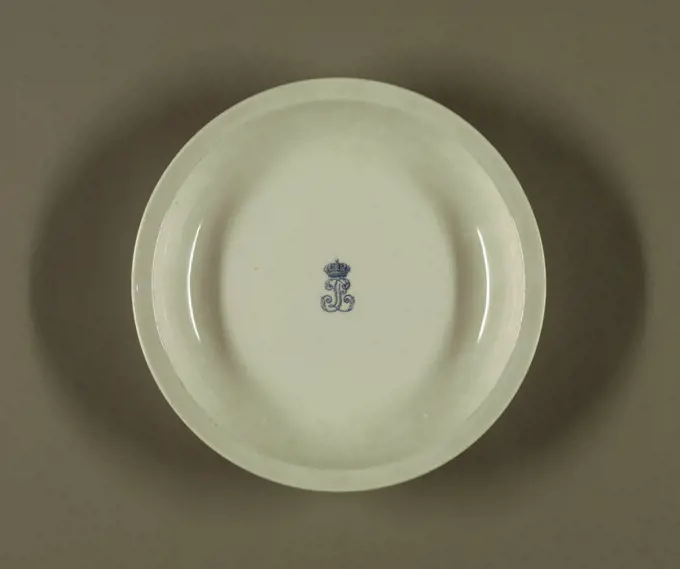
Ice Cream Plate from Mackay Service Tiffany & Co. 1878 This silver ice cream dish and accompanying plates are part of one of the most renowned and lavish dinner services ever created in America. Commissioned in 1877 by John W. (1831-1902) and Marie Louise Hungerford (1843-1928) Mackay, the dinner service for twenty-four consisted of over 1,250 pieces. A poor Irish immigrant with little education, John W. Mackay became one of the wealthiest men in America when he and three partners, James Fair, James Flood, and William OBrien, struck a silver deposit known as "The Big Bonanza" at Nevadas Comstock Lode in 1873. During a visit to the mine, Marie Louise asked her husband for a silver dinner service "made by the finest silversmith in the country." Her husband responded, "You shall have it. I like the notion of eating off silver brought straight from the Comstock." He proceeded to have a half ton of silver delivered from the mine to Tiffany & Co., where two hundred men worked for almost two Bowl decorated in the Kakiemon style. Koenigliche Porcellain Fabrique, Meissen (1710-1763), factoryPlate ca. 1800 Tournai. Plate. Belgian, Tournai. ca. 1800. Hard-paste porcelain. Tournai (Belgian, established ca. 1750). Ceramics-PorcelainPlate with image Tsar Peter the Great in Zaandam (1697), plate crockery holder ceramic porcelain glaze, baked glazed painted stove enamelled Round plate obliquely rising edge chine de commande tsar Peter the Great Zaandam Russia house interiorSoup plate - Black Diamond Steamship Co. Ltd. Mintons MintonsPlate of sides; Koenigliche Porzellan Manufaktur (KPM; Berlin; 1763-1918); 1803-10 (1823-00-00-1832-00-00);Saucer with a Man and Woman in An Interior in a Scalloped Panel. Dish of porcelain, painted in underglaze blue and on the glaze blue, red, pink, green, purple, black and gold. On the flat of the dish a scalloped cartouche with a scene of a lady and a gentleman at a table with objects in an interior, a second man looks inside through the window; the wall with flower branches and insects; A decorative band on the edge. Family Rose.Lobed Saucer With Flower Spray and Bird. Lobed dish from porcelain, painted on the glaze in blue, red, green, yellow, eggplant and black, with a bird with chrysanthemum branches, on the dish a bird in a prunus branch at rocks and water. Baking tear in foot ring head. Head probably doesn't belong to dish, given the difference in the colors red and yellow. Kakiemon style.Dish, painted with flowers and corners. Dish of porcelain, part of a tea set, painted with multicolored flowers and corners.Close-up of a plate, FranceWhite House China. Plate from the state dinner service of President James Madison in the White House china collection. The service was made by the factory of Jean Népomucène-Hermann Nast.Plate (one of a set of twelve) Thomas Farren British 1715/16 View more. Plate (one of a set of twelve). British, London. 1715/16. Silver. Metalwork-Silver. Round dish of multicolored painted majolica. On the flat is a ship painted at sea that is attacked by a sample. Aigrettes with studs are painted on the edge.Hexagonal cut. Céladon. Cernuschi Museum, Asia Museum of Asia in the city of Paris.Tropics, Willets Mfg. Co., active 1879 - ca. 1912, Gilt and glazed earthenware, Circular in form, the white ground with brown transfer-printed decoration, the top section showing birds (cranes) in flight in a landscape, the lower section composed of differently shaped panels of Japanese-inspired motifs including flowers, birds and geometric patterns. Gilt rim., ca. 1875-85, ceramics, Decorative Arts, Bowl, BowlSaucer with fruit sprays and ruyi-border. Dish of porcelain, painted on the glaze with red and gold. On the flat a branch in a medallion surrounded by three fruit branches, around the edge a bond with Ruyi motif. Milk and blood.. Meissen porcelain manufactory ice cream, c. 1735-1740After prints by Petrus Schenk (1693-1775) Hard Paste Porcelain. Blackboard with blue painting of tree-rich landscapes in which some figures: a sitting woman in conversation with a man to the right of her standing. Upstairs in the middle a coat of arms with the spies of canan, a grinding tray bearing and a grape tray as a helmet sign, at the bottom of a banderole with the initials SB.Charger, from the Swan Service ("Schwanenservice") Charger; Modeled by Johann Joachim Kändler (German, 1706-1775); Manufactured by Meissen Porcelain Manufactory (Germany); Client: Count Henrich Graf Brühl (German, 1700 - 1763); Germany; hard paste porcelain, vitreous enamel, goldPlate ca. 1750-60 Based on an engraving by Jan Luyken. Plate 204534Dish, decorated with insects. Dish of porcelain, part of a tea set, decorated with golden edges, insects in colors and golden spreading flowers. Note: Some parts of the tea set are marked with the letters GB, rue Thirou à Paris.Plate ca. 1763-66 Protais Pidoux Faience, or tin-glazed and enameled earthenware, first emerged in France during the sixteenth century, reaching widespread usage among elite patrons during the seventeenth and early eighteenth centuries, prior to the establishment of soft-paste porcelain factories. Although characterized as more provincial in style than porcelain, French faience was used at the court of Louis XIV as part of elaborate meals and displays, with large-scale vessels incorporated into the Baroque garden designs of Versailles. Earlier examples of French faience attest to the strong influence of maiolica artists from Italy. Later works demonstrate the ways in which cities such as Nevers, Rouen, Lyon, Moustiers, and Marseille developed innovative vessel shapes and decorative motifs prized among collectors throughout Europe. While faience can be created from a wide mixture of clays, it is foremost distinguished by the milky opaque white color achieved by the addition of tin oxidePlate; De Grieksche A (Fiansu Factory; 1658-1818), Kocks, Adrianus (Fl. 1686-1701); XVII/18th century (1690-00-00-1710-00-00);Dish of a sugar bowl with an image of the Battle of J. Krul, anonymous (attributed to), after Jan Gerritsz. Visser, after 1794 service (set) Dish of a porcelain sugar bowl, painted on the glaze in Sepia and Gold. On the flat a medallion with a performance with the inscription 'Fight of J. Krul. 1781 '. A bond with a leaf vine around the medallion. Golden Rand. Marked on the bottom with 103-N. porcelain company: Schwarzburgafter print by: Amsterdam porcelain. glaze. painting / gilding / vitrification Fourth Anglo-Dutch WarScotel, Meissener porcelain manufactory, c. 1730 - c. 1735 The saucer with yellow distance is equipped with two handles. In the flat a representation of a Chinese figure with a parasol. The edge has flower arrangements in red and purple. Float porcelain. gilding (material) The saucer with yellow distance is equipped with two handles. In the flat a representation of a Chinese figure with a parasol. The edge has flower arrangements in red and purple. Float porcelain. gilding (material)Plate -Communion set. Central to the Protestant celebration of the Holy Communion is the remembrance of the Last Supper, when Christ and his disciples gathered for the last time. Christ asked that his suffering and death be commemorated with a communal meal. This is why wine is poured into cups and bread is placed on plates during religious services. This communion set from Dordrecht ranks among the most richly decorated altar plate.Blackboard with golden piping around edge and flat and painting in sepia. Porcelain plate, with golden piping around edge and flat. Part of a crockery in Sepia painted with landscapes or topographical faces.Blackboard with a tiger's flat. Pottery plate with red transfer decor. On the flat catch of a tiger. On the edge among other circles with flowering branches.Félix Henri Bracquemond, Haviland and Cie. "Plates to dessert" Flowers and ribbons "service. 1879. Museum of Fine Arts in the city of Paris, Petit Palais. 74385-31 Dessert plate, faience, flower, bird, ribbon, dishesPorcelain dish with sprinkling flowers, manufacture Oud-Loosdrecht, c. 1774 - c. 1784 Porcelain dish. Painted on the flat in blue with sprinkling flowers and flower edges. Loosdrecht porcelain Porcelain dish. Painted on the flat in blue with sprinkling flowers and flower edges. Loosdrecht porcelainBotanical plate with thistle ca. 1755 Chelsea Porcelain Manufactory These botanical plates (2016.217-.226) were produced by the Chelsea factory around 1755 and are often referred to as Chelsea "Hans Sloane" wares, in reference to the royal physician, traveler, and natural historian who helped transform the Chelsea Physik Garden into a center of botanical knowledge during the British Enlightenment. Several subjects depicted on these plates were taken from botanical illustrations published by Philip Miller, curator of Chelsea Physik Garden. Although flowers and fruits could typically be found on earlier porcelain wares from Meissen, the lively naturalism of the Chelsea botanical plates reflects a broadening public interest in the natural world, and evidence the forms of global commerce that brought exotic species from the Caribbean, the Americas, and Asia to England.. Botanical plate with thistle. British, Chelsea. ca. 1755. Soft-paste porcelain with enamel decoration. Ceramics-PorcelainNatfruit scale from Faience, the Porceleijne dish, c. 1765 - c. 1800 Natfruit scale from Faience. Blue painted. The underpot is missing. Delft . Natfruit scale from Faience. Blue painted. The underpot is missing. Delft .Plate with green edge and golden Greek band, Petrus Regout, c. 1865 Plate of earthenware, scalloped, with green edge and golden Greek band. Maastricht earthenware Plate of earthenware, scalloped, with green edge and golden Greek band. Maastricht earthenwarePair of Plates from the Herculaneum Service”.   Maker: Real Fabbrica Ferdinandea, Italian, Naples, 1771-1806  Maker: Naples Porcelain, Italian, founded 1759Object from a Dessert Service 'The Razumovsky Service', made from soft-paste porcelain. Dated 18th CenturyPlate (Germany); Designed by Peter Behrens (German, 1868-1940); Manufactured by Gebrüder Bauscher; glazed porcelainDessert plate - Brameld & Company, 1806-1842 Brameld & Company, 1806-1842Platter, c. 1765-1775. Veuve Perrin Factory (French). Faience; overall: 29.6 cm (11 5/8 in.).Small cup on Piédouche. Ceramic. Cernuschi Museum, Asia Museum of Asia in the city of Paris.Leeds Plate with Scenes of Abraham andIsaac.   Maker: Leeds, BritishDish. Culture: China. Dimensions: H. 1 5/8 in. (4.1 cm); Diam. 10 /58 in. (27 cm). Date: ca. 1720. Museum: Metropolitan Museum of Art, New York, USA.Head and saucer with river view, Royal Porcelain Factory Dommer & Co., 1809 - 1814 Cup and saucer decorated with a multi -colored landscape. Along the edges a leaf vank. Marked: Amstel. Nieuwer-Amstel porcelain Cup and saucer decorated with a multi -colored landscape. Along the edges a leaf vank. Marked: Amstel. Nieuwer-Amstel porcelainSquare Covered Box with Hundred Antiquities, 1723-35. China, Jiangxi province, Jingdezhen kilns, Qing dynasty (1644-1911), Yongzheng mark and reign (1723-35). Porcelain with famille rose overglaze enamel decoration; overall: 4 x 7.5 cm (1 9/16 x 2 15/16 in.). The painted decoration in this box cover provides an interesting image of the antiquities and objects being collected in the Chinese scholars desk—all of which are emblems of taste, status, and affluence. Connoisseurship, art cataloguing, art historical study, and elegant social gatherings developed alongside art collecting as part of the Chinese literati culture.. Dish of porcelain, painted on the glaze in blue, red, pink, yellow, brown, black and gold. On the platter of the dish a hoined man and woman in a landscape with mountains and trees; behind them a third person; In the background a shepherd with three sheep. Some chips in the edge of the dish. European performance in email colors.For a half -ticks; Koenigliche Porzellan Manufaktur (KPM; Berlin; 1763-1918); 1832-37 (1832-00-00-1850-00-00);Basket 1765-1775 Worcester. Soft-paste porcelain with underglaze blue decoration . Worcester Royal Porcelain Company (Manufacturer)Anonymous. Plate to the Constitution of 1791. Faïence. Paris, Carnavalet museum. 71680-59 Constitution, Decorationchien, Faience, keep, revolutionary period, French revolution, plateDessert plate - W. T. Copeland & Sons, 1868-1931 W. T. Copeland & Sons, 1868-1931Plate - Noritake Toki Kaisha, Limited Noritake Toki Kaisha, LimitedServing plate - Spode SpodeBell-shaped cup with Dutch landschapes in medallions, anonymous, c. 1750 - c. 1774 Bell -shaped head of porcelain painted on the glaze in black and gold. Upside down with twice a European landscape with trees and people in an oval medallion; On the bottom a house between trees behind a hill. A crack in the wall of the head. Possibly decorated in Europe. European performances in Encre de Chine. China porcelain. glaze. gold (metal) painting / gilding / vitrification Bell -shaped head of porcelain painted on the glaze in black and gold. Upside down with twice a European landscape with trees and people in an oval medallion; On the bottom a house between trees behind a hill. A crack in the wall of the head. Possibly decorated in Europe. European performances in Encre de Chine. China porcelain. glaze. gold (metal) painting / gilding / vitrificationQuadrangular Platter with Birds, Derby Porcelain Factory, English, established 1756, porcelain, vitreous enamel, gold, Oval thick-bodied dish, molded with ribbed panels inside, scalloped edge, and four shell scrolls on border. Glazed overall. Interior decorated with pink four-petalled flowers in each ribbed section, and blue and yellow flowers at top, green enameled shells at sides, gilt scroll edges, and a central motif of polychrome birds, one large bird in center, one in flight, and on a branch., England, ca. 1760, ceramics, Decorative Arts, platter, platterCover for a Broth Bowl (Écuelle ronde), c. 1755. Mennecy- Villeroy Factory (French). Soft-paste porcelain; overall: 9.9 x 13.1 cm (3 7/8 x 5 3/16 in.).Lid for a Teapot with Chrysanthemums, c. 1893-1914. Seifū Yohei III (Japanese, 1851-1914). Porcelian with overglaze enamel and gold;Plate - Lake  Francis Morley & Company, 1850-1858 Francis Morley & Company, 1850-1858Cup and saucer with a multicolored landscape in a medallion saved in a geometric pattern. Cup and saucer with a multicolored landscape in a locket spared in a purple geometric pattern. Marked with two crossed swords and three dumplings in underglazing blue.Natfruit scale from Faience, De Witte Ster, 1750 - 1780 Blue painted with flowers and landscapes in medallions. Belongs to Subtotel NM-4447. Delft . Blue painted with flowers and landscapes in medallions. Belongs to Subtotel NM-4447. Delft .Square white porcelain dish with roses isolated on white backgroundAnonymous. Plate. Earthenware. Paris, Carnavalet museum. 71680-36 Decoration, faience, nation, revolutionary period, French revolution, living, plateSaucer with figures, a go-bord and inscriptions, anonymous, c. 1800 - c. 1899 Porcelain dish with a stepped wall, painted on the glaze in blue, red, pink, green, yellow, black and gold. On the flat of the dish a medallion with a sitting man leaning against a vase, next to him three Chinese characters; To the medallion a standing woman and on the other hand a standing man with characters on either side; In between two cartouches, one with meander band and one with bamboo, with an inscription in characters. The lid marked with the seal of Keizer Dawoguang (). Burst into the bottom of the dish. Famle Rose. China porcelain. glaze. gold (metal) painting / gilding / vitrification Porcelain dish with a stepped wall, painted on the glaze in blue, red, pink, green, yellow, black and gold. On the flat of the dish a medallion with a sitting man leaning against a vase, next to him three Chinese characters; To the medallion a standing woman and on the other hand a standing man with characters on eiPlate used in the House of Representatives of the Netherlands at official receptions, Hutschenreuther, c. 1900 - c. 1974 plate (dishes) Porcelain plate, painted on the glaze in gold. Decorated with a golden edge and the crowned weapon of the House of Representatives with the inscription 'Lower House of the States General'. Marked on the underside with the factory brand and 'P.A.W. Philippona The Hague '. Possibly decorated in The Hague. porcelain company: BeierenThe Hague porcelain. glaze. gold (metal) painting / vitrification  The HagueWaste Bowl, from a Tea Service, 1765-70, Worcester Porcelain Works (a.k.a. Royal Worcester Porcelain Company), Worcester, England, est. 1751, 2 5/8 x 6 in. (6.7 x 15.24 cm), Porcelain, England, 18th centurySoup plate - Théodore Haviland & Company, 1892-1941 Théodore Haviland & Company, 1892-1941Tray (one of a pair) ca. 1743-45 Johann Conrad Lotter German. Tray (one of a pair) 231578Deep dish (part of a service) 1740-50 Chinese, for British market. Deep dish (part of a service) 201185Plate with the coat of arms of Hendrik Peter Godfried Quack and Isabella Gertraud von Carnap, Etienne Blancheron, c. 1790 - c. 1800 Porcelain plate, painted on the glaze with gold. On the flat the alliance weapon of Hendrik Peter Godfried Quack and Isabella Gertraud von Carnap. The edge with a flower drink and a golden band. Three prenes on the bottom. Marked on the underside with J . porcelain company: Paris (possibly)Netherlands (possibly) porcelain. glaze. gold (metal) painting / gilding / vitrification Porcelain plate, painted on the glaze with gold. On the flat the alliance weapon of Hendrik Peter Godfried Quack and Isabella Gertraud von Carnap. The edge with a flower drink and a golden band. Three prenes on the bottom. Marked on the underside with J . porcelain company: Paris (possibly)Netherlands (possibly) porcelain. glaze. gold (metal) painting / gilding / vitrificationBowl with Floral Medallions and Stems 1700-1899 China. Porcelain painted in underglaze blue and overglaze enamels .. Bell-shaped head, painted on the glaze in blue, red, pink, green, yellow, black and gold. On the wall a crown monogram with 'i.e.'. The weapon is worn by a flying putto. On the wall a bamboo tire with flower drinks. Weapon porcelain with email colors.Dessert plate - William Davenport & Company, 1835-1881 William Davenport & Company, 1835-1881Toy dessert plate - W. T. Copeland & Sons, 1868-1931 W. T. Copeland & Sons, 1868-1931Coffee cup on rubber place mat against brown backgroundDish from the Swan Service. Meissen Porcelain Manufactory; German, founded 1710; Modeled by Johann J. Kändler (German, 1706-1775) and J. F. Eberlein (German, active 1735-49). Date: 1738. Dimensions: 6 × 41.9 cm (2 3/8 × 16 1/2 in.). Hard-paste porcelain, polychrome enamels, and gilding. Origin: Meissen. Museum: The Chicago Art Institute, Chicago, USA.Plate of hard-baked pottery, creamware .. around plate of hard-baked pottery. The edge is scalloped and painted with a green radiating edge. The plate is marked: Th *.Blackboard with green edge and golden Greek tie. Plate of pottery, scalloped, with green border and golden Greek tie.Lion plate. Earthenware. Around 1792. Paris, Carnavalet museum. 76184-12 Phrygian hat, Revolutionary Faience, Lion, Pic, French Revolution, Greenery, PlateSchaucer-Dish With Ships Bearing Dutch Flags And The Arms Of Zeeland. Scale of porcelain, painted on the glaze in blue, red, green, yellow, brown, black and gold. A large three-master with the Dutch flag, the year 1700 and the coat of arms of Zeeland; Two more ships in the background; For the three-master a small boat with five people; A decorative band on the inner edge. Some chips in the edge. Decorated in Europe.Dinner plate - View of Montreal Davenport DavenportDessert plate - Théodore Haviland & Company, 1892-1941 Théodore Haviland & Company, 1892-1941Cup and Saucer ca. 1838 Tucker Factory. Cup and Saucer 8317Plate with the arms of the De Jonge family, anonymous, c. 1730 - c. 1740 Porcelain plate, painted in odner glaze blue and on the glaze blue, red, green, black and gold. On the flat the coat of arms of the De Jonge family divided into four areas. The weapon is supported by a lion and a griffin on a green surface. The helmet sign is a black swan and a cover of leaf vines. On the wall a band with flower vines and (early) Spearhead-Border; the edge with four flower groups with lucky symbols (vase, music stone, books); On the back of the plate three butterflies and three peon branches. Weapon porcelain in blue and white and email colors. China porcelain. glaze. gold (metal) painting / gilding / vitrification  Batavia Porcelain plate, painted in odner glaze blue and on the glaze blue, red, green, black and gold. On the flat the coat of arms of the De Jonge family divided into four areas. The weapon is supported by a lion and a griffin on a green surface. The helmet sign is a black swan and aBread plate - St. Johns Stone Chinaware Company (founded 1873) St. Johns Stone Chinaware Company (founded 1873)Tea Tray 1799 John McMullin The yellow fever epidemics of 1793 and 1798 devastated the city of Philadelphia, killing thousands and forcing many to flee what was then the nations capital and largest city. Among those who remained behind to tend the stricken was Dr. Philip Syng Physick, “the father of American surgery.” For his exceptional dedication and self-sacrifice, the board of managers of the City Hospital presented him with these two magnificent pieces of silver—a tea tray and a hot-water urn—fashioned in the Neoclassical style, with bright-cut paterae and floral festoons. Each piece is engraved with the dedicatory inscription “From the Board of Managers of the Marine & City Hospitals to Philip Syng Physick, M.D., this Mark of their respectful approbation of his voluntary and inestimable services as Resident Physician at the City Hospital in the Calamity of 1798.”. Tea Tray 20423Saucer with a port scene of Amsterdam, anonymous, c. 1765 Porcelain dish, painted on the glaze in blue, red, pink, green, brown, black and gold. On the front of the dish a harbor face on the Nieuwe Stadsherberg in Amsterdam from the River Het IJ, a few boats and ships on the river manned by European men in eighteenth -century clothing. Above the cityscape a cartouche in the form of two angels who hold a crown and a garland. The cartouche is empty on the dish. Two cracks in the wall of the dish. European performance in email colors. China porcelain. glaze. gold (metal) painting / gilding / vitrification  Amsterdam Porcelain dish, painted on the glaze in blue, red, pink, green, brown, black and gold. On the front of the dish a harbor face on the Nieuwe Stadsherberg in Amsterdam from the River Het IJ, a few boats and ships on the river manned by European men in eighteenth -century clothing. Above the cityscape a cartouche in the form of two angels who hold a crown and a garland. The cartoPlate of sides; Koenigliche Porzellan Manufaktur (KPM; Berlin; 1763-1918); 1803-10 (1823-00-00-1832-00-00);Plate. China. Date: 1791. Dimensions: Diam. 25.2 cm (9 15/16in.). Hard-paste porcelain with polychrome enamels and gilding. Origin: China. Museum: The Chicago Art Institute, Chicago, USA.Plate; Copeland & Garret (England; Ceramics; 1833-1847); 1833-46 (1833-00-00-1846-00-00);Bread plate - St. Johns Stone Chinaware Company (founded 1873) St. Johns Stone Chinaware Company (founded 1873)Plate: Martin Luther, 1756. China, Chinese Export, 18th century. Porcelain; diameter: 23.1 cm (9 1/8 in.).Memorial sign Boer War: Man on horseback. Memorial sign Boer War: White sign with decoration in black. Man on horseback with hat, pipe and rifle. In the background men on horseback and on foot and hills above which clouds. Sign up to the underside: Manufacturer brand, including farmers. Belonged to a series of 6 plates: NG-1982-19-A to F. show a little faded.. Porcelain plate, painted in underglaze blue and on the glaze green, black and gold. On the flat a harlequin with the text: '50 percent on Delft won '; The edge with a decorative pattern. Action board. The edge has been restored. European performance in blue-white with email colors.Large dish. Large dish.Plate (USA); Made by Buffalo Pottery; Made for Roycroft Inn; glazed pottery; Diam.: 25.4 cm (10 in.)Saucer with a landscape, anonymous, c. 1850 Porcelain dish, painted on the glaze in black and gold. On the flat a building with two towers in a landscape. Golden Rand. Europe porcelain. glaze. gold (metal) painting / gilding / vitrification Porcelain dish, painted on the glaze in black and gold. On the flat a building with two towers in a landscape. Golden Rand. Europe porcelain. glaze. gold (metal) painting / gilding / vitrificationAnonymous. Plate. Earthenware. Paris, Carnavalet museum. 71684-49 Decoration, Faience, Patriot, Revolutionary Periode, French Revolution, satisfaction, plateSaucer SawskDish, from the Service des Officiers at Chteau de Bizy, Sèvres Porcelain Manufactory, French, established 1756 to the present, hard paste porcelain, vitreous enamel, France, 1846, ceramics, Decorative Arts, dish, dishLid of teapot, painted with insects tree stump. Lid of teapot with lid multicolored painted with insects and tree stump. Button has a form of glans.Scale, rectangular, with relief stylized leaves. Scale of pottery, cream-colored, rectangular, with embossed leaves that appear to come from four centrally placed horns (). The leaves run out in two handles.Plate Made 1791 China. Hard-paste porcelain with polychrome enamels and gilding .