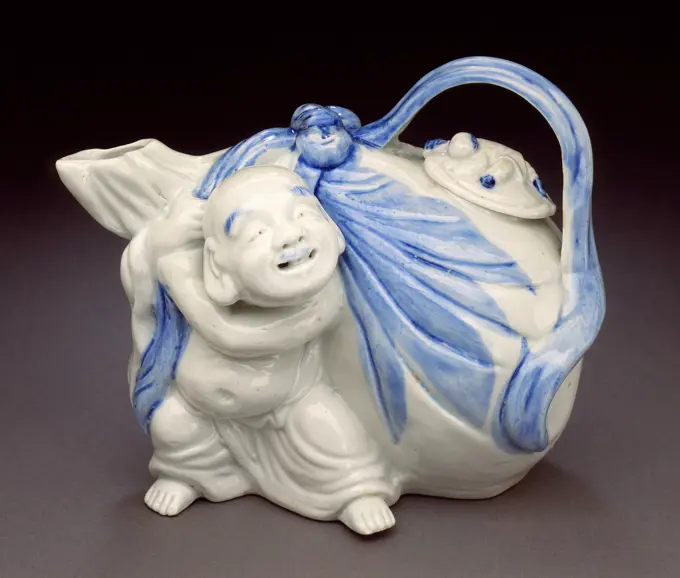
Elegant Porcelain Teapots

A selection of intricately designed porcelain teapots and milk jugs, adorned with colorful floral patterns and historical motifs, reflecting craftsmanship and tradition.
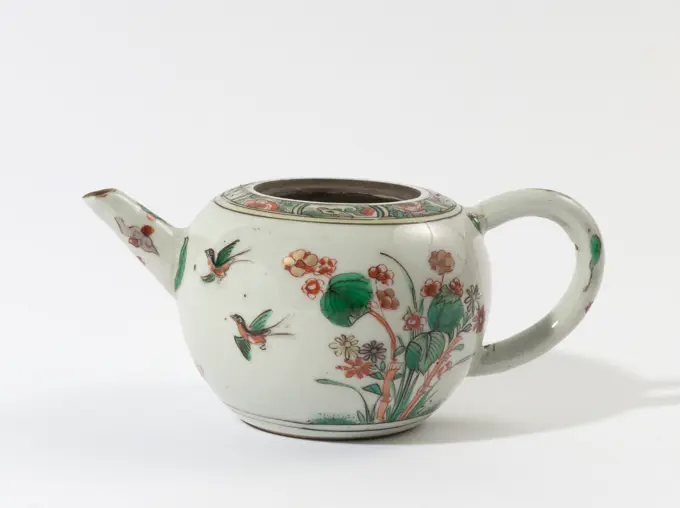
Tea-pot. Porcelain with "green family" enamels decor, Qing dynasty (1644-1912). Provenance: China. Paris, Cernuschi museum. 78842-22 Asian art, Chinese art, art of living, Ceramic Fine, Decor Emaille, Ching Dynasty, Qing dynasty, Tsing dynasty, porcelain, Emaillee porcelain, service to the, theiere, dishes
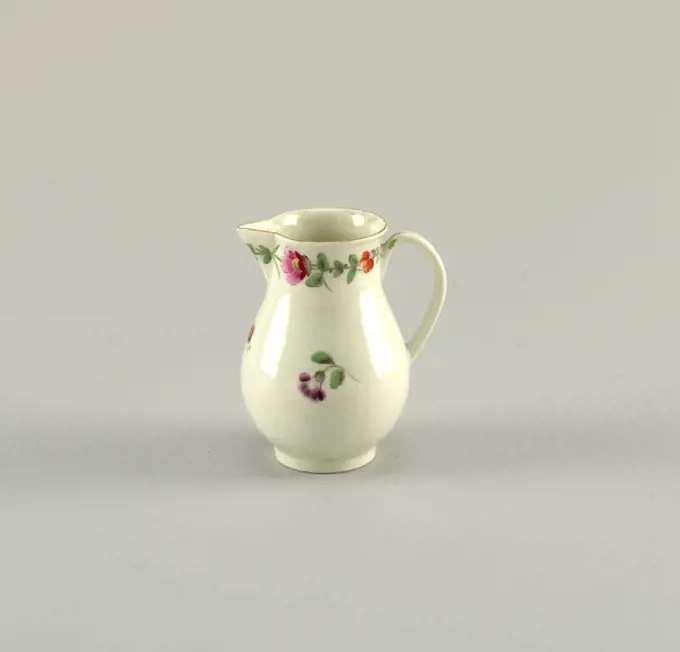
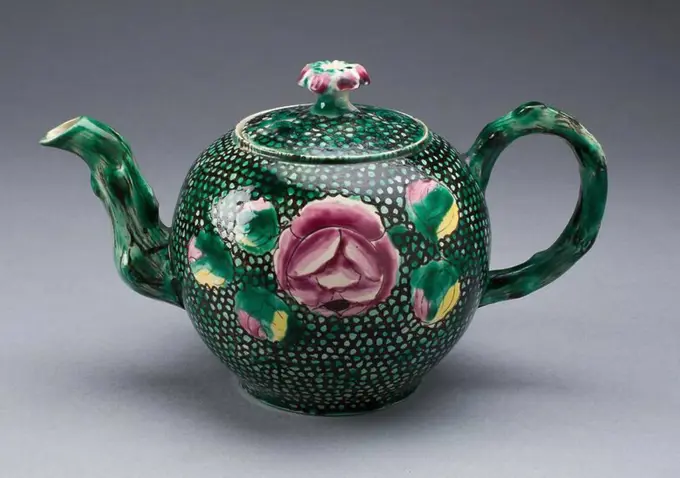
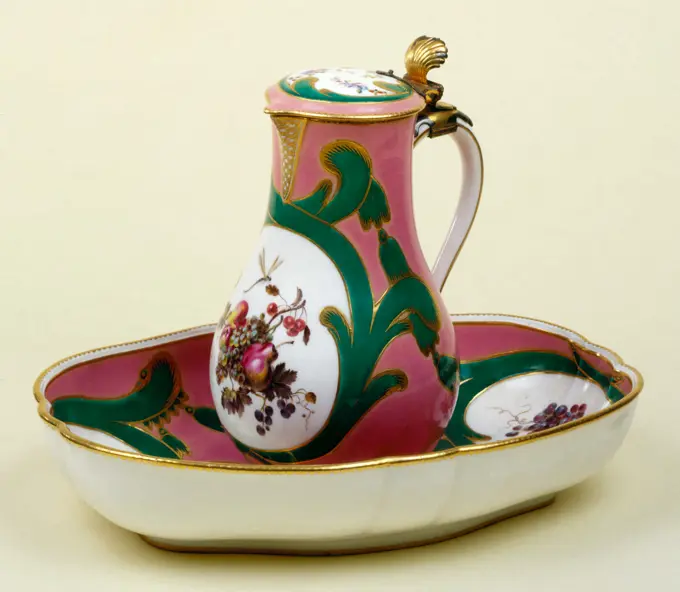
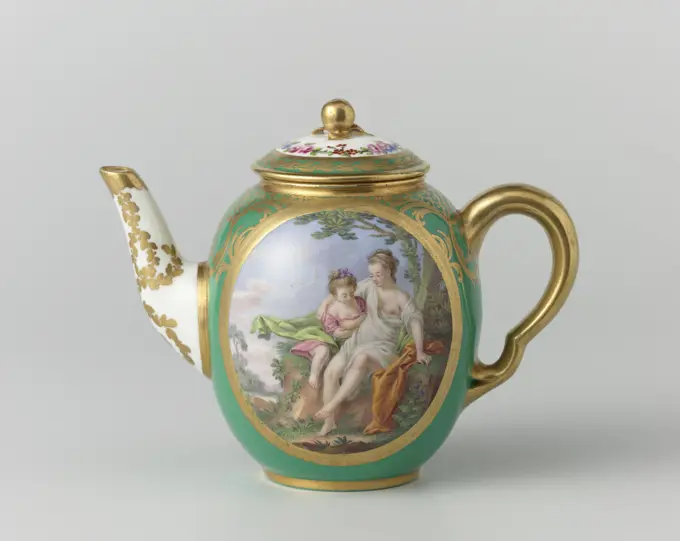
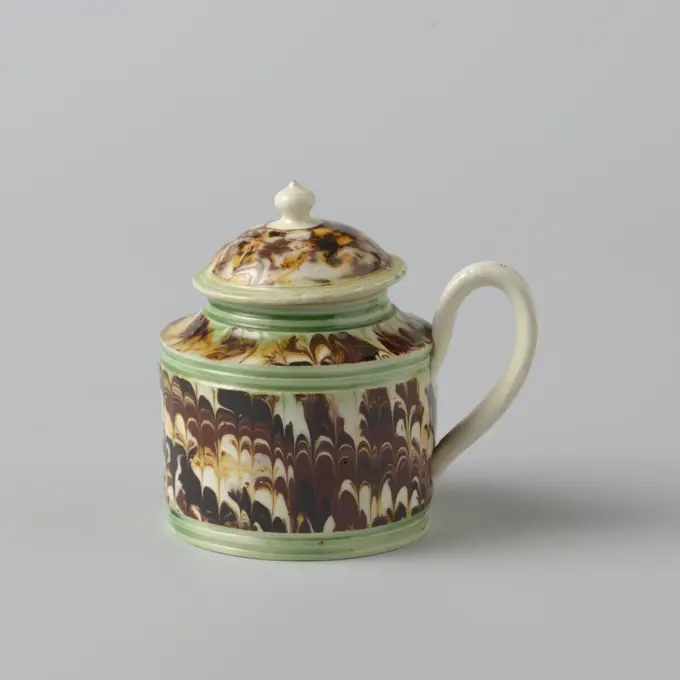
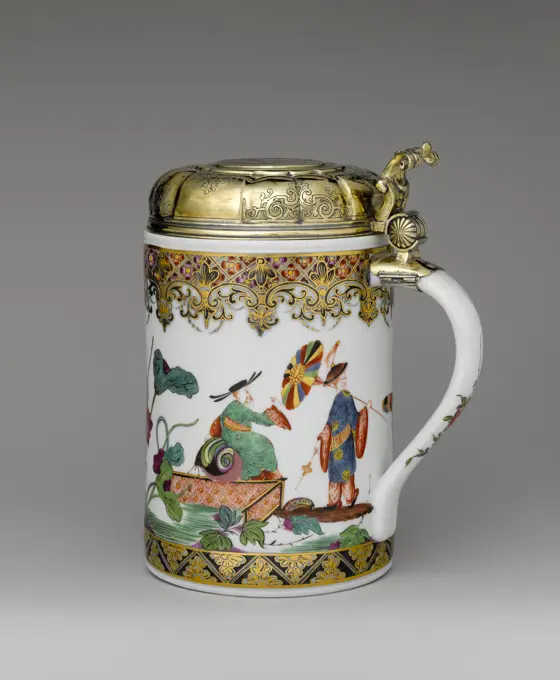
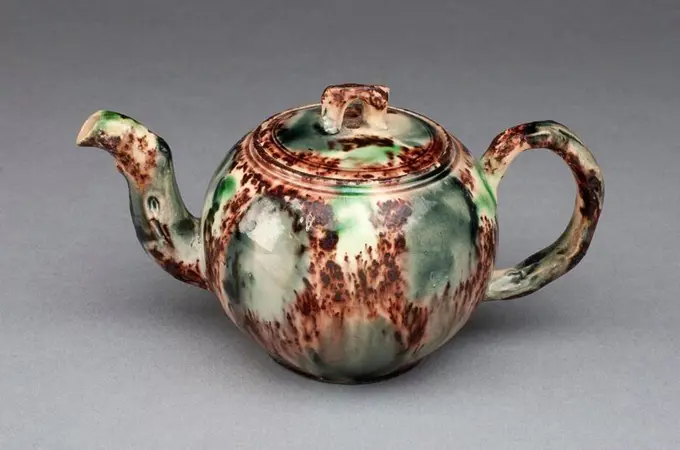
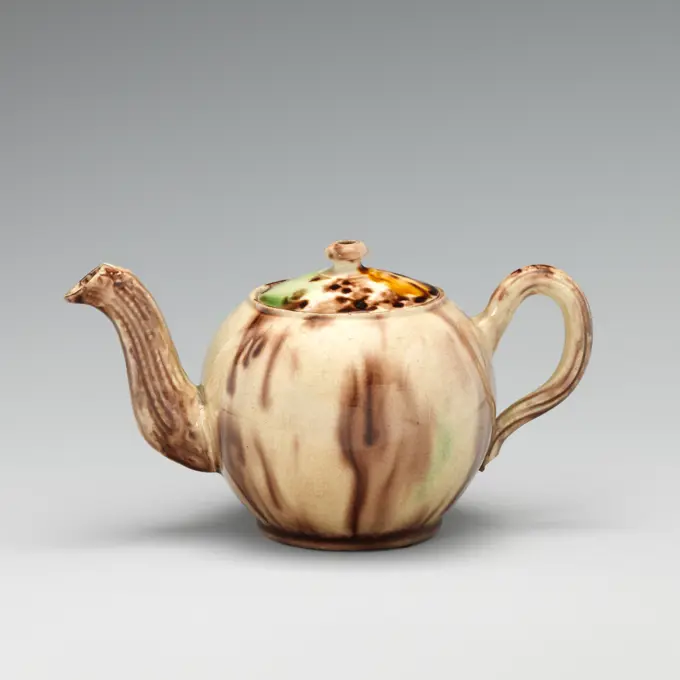
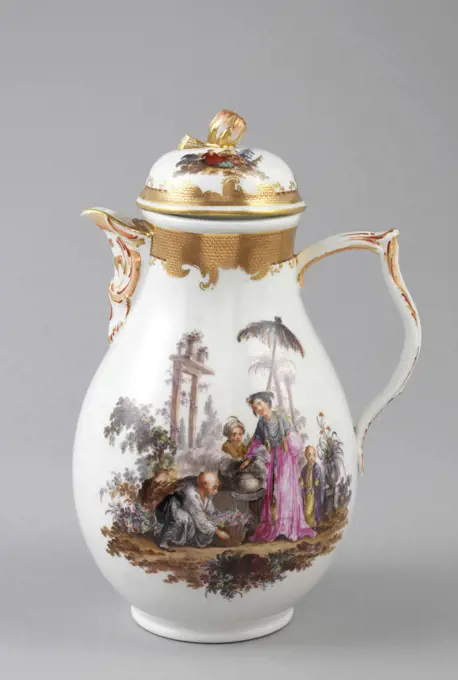
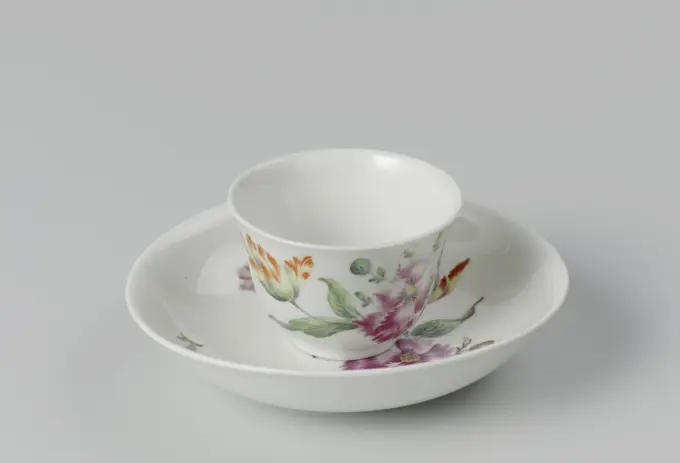
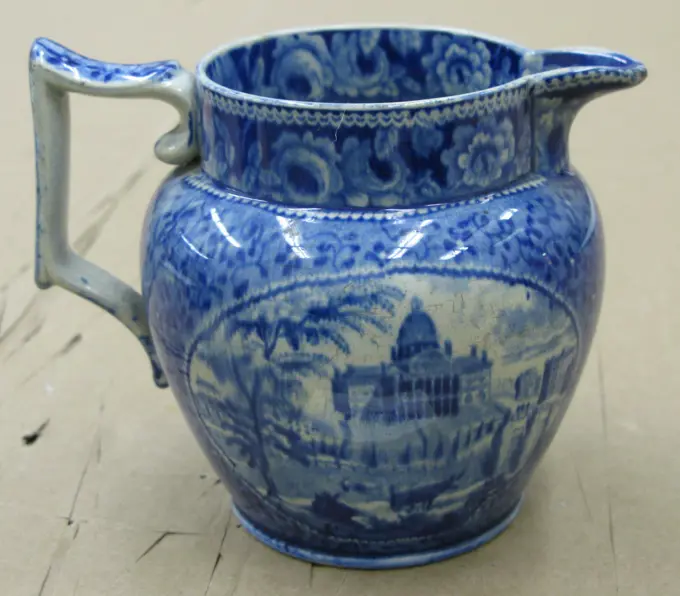
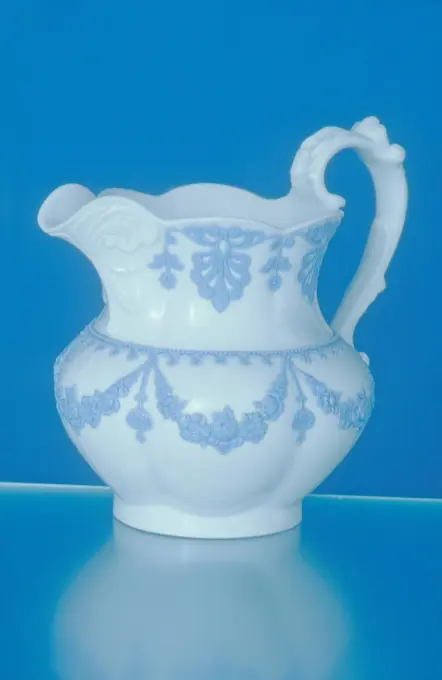
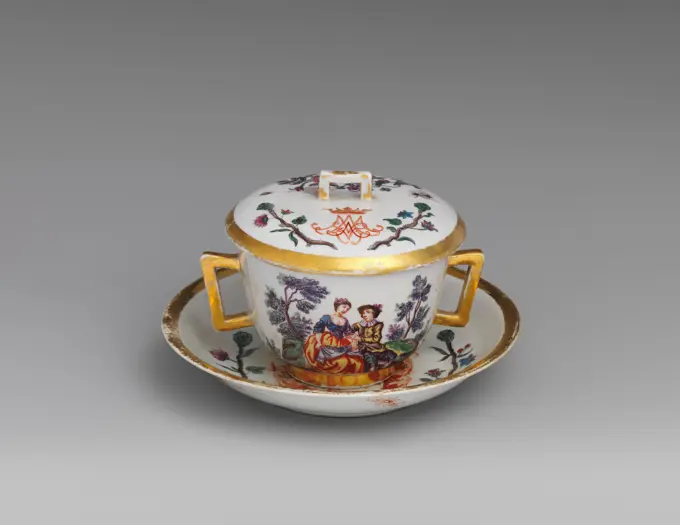
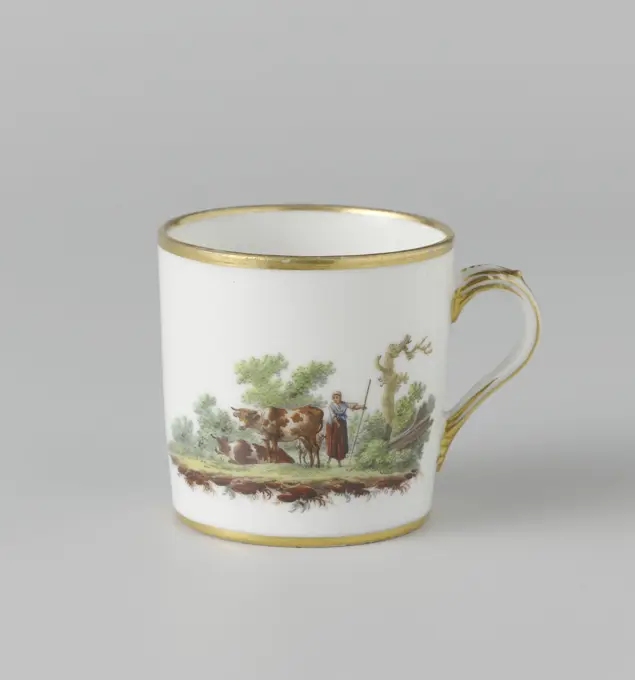
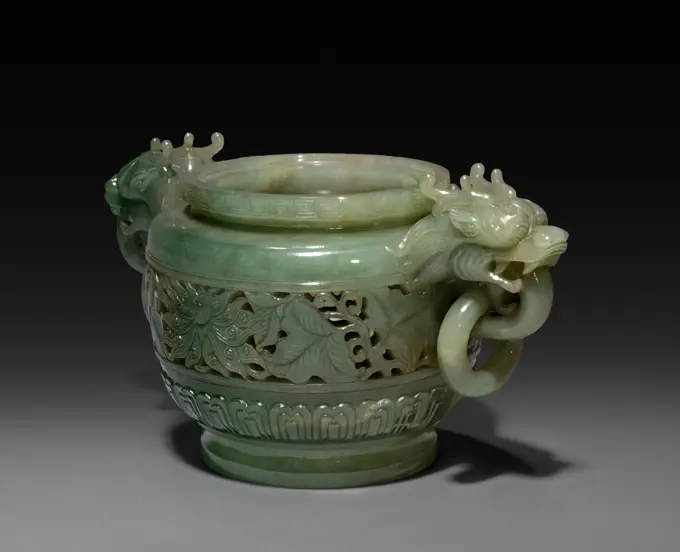
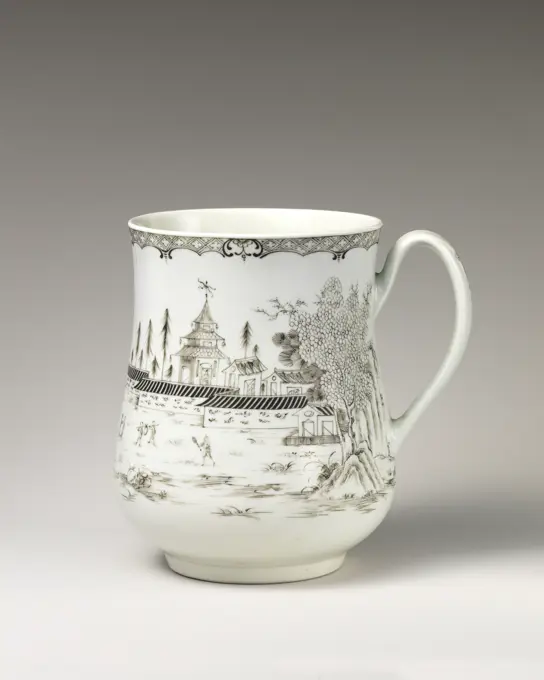
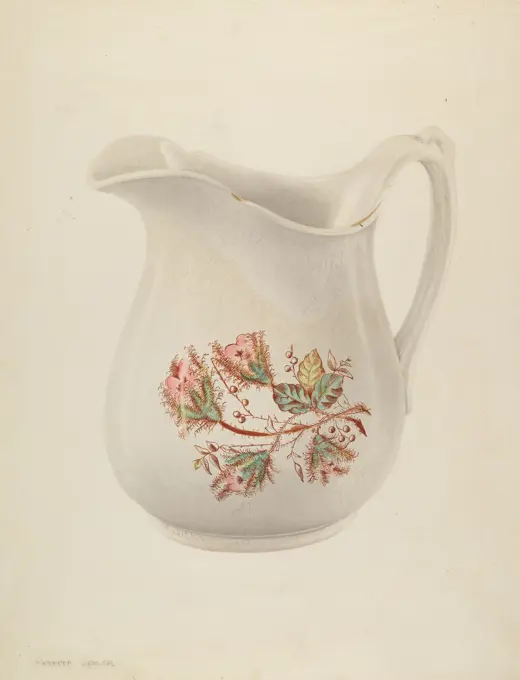
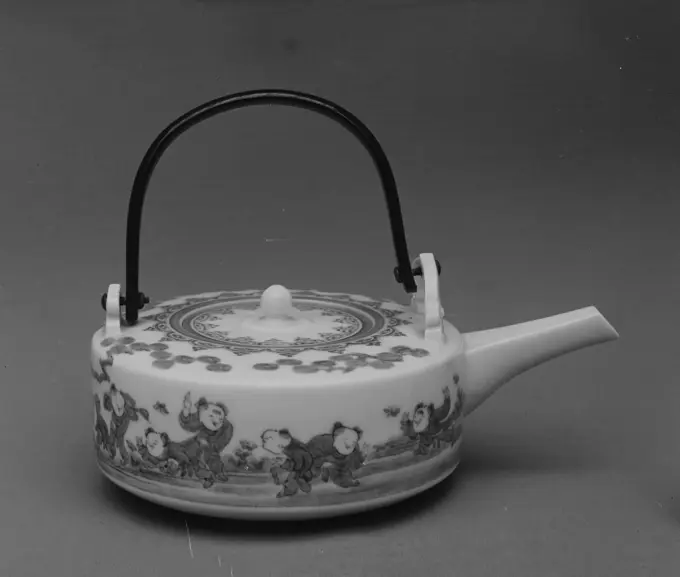
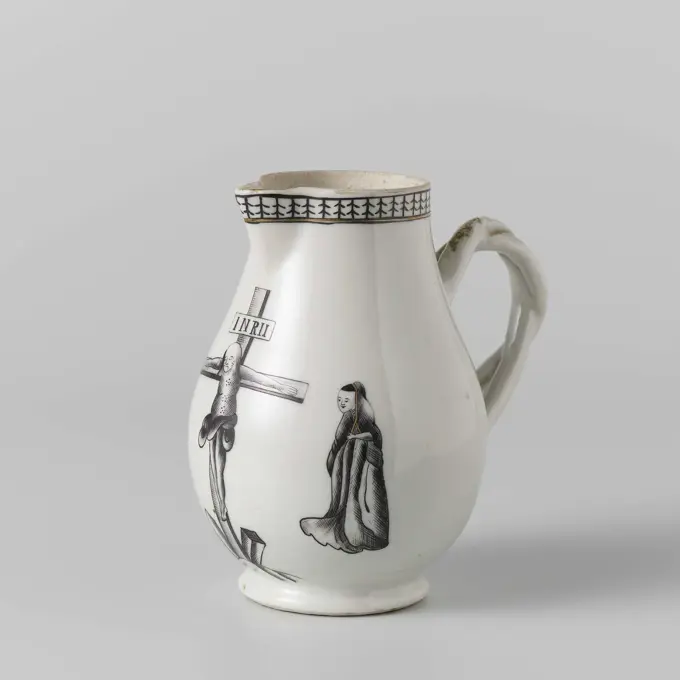
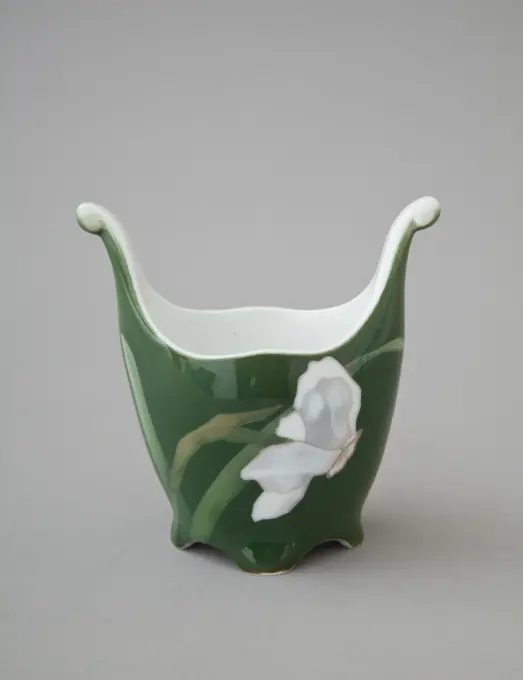
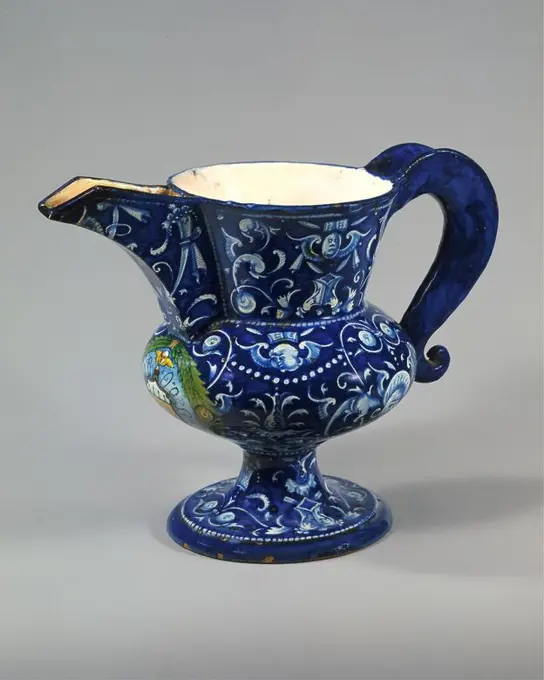
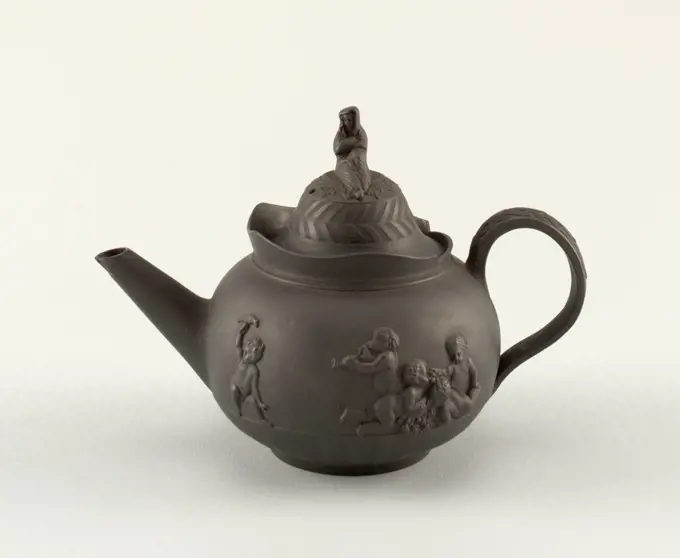
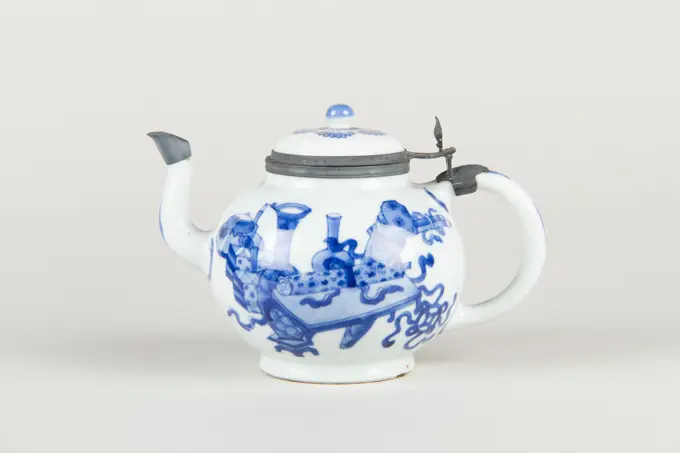
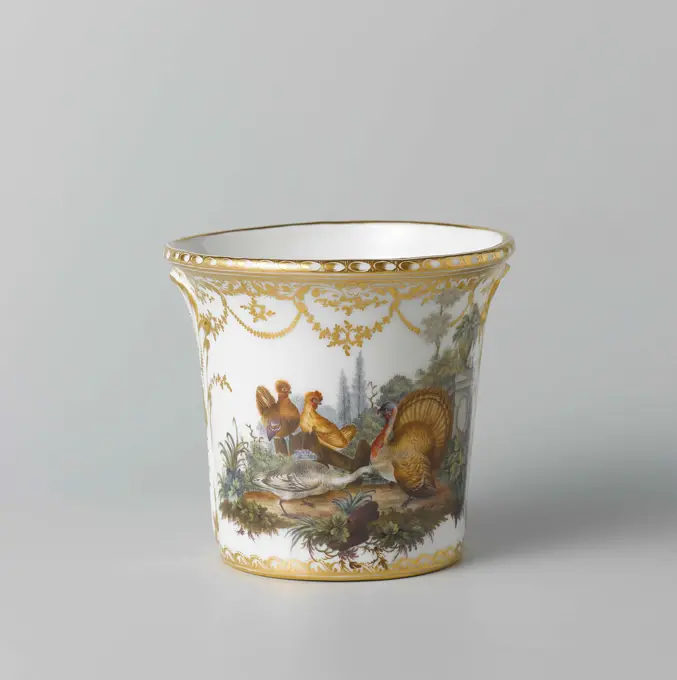
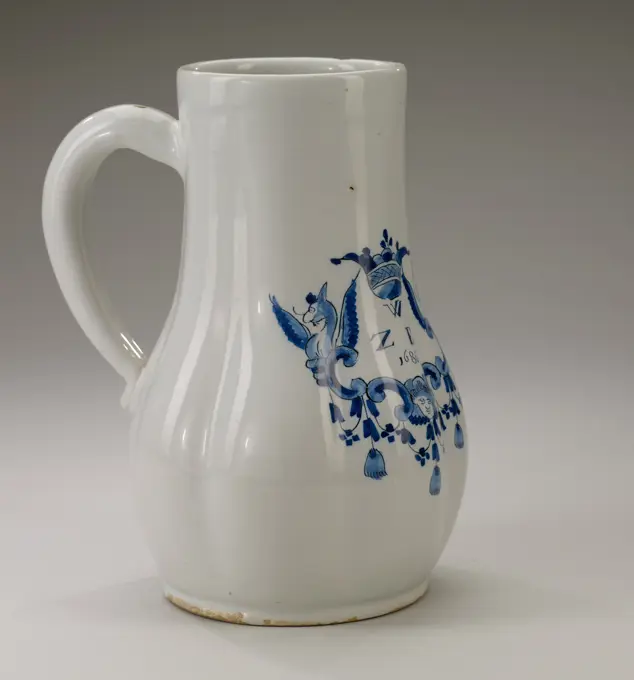
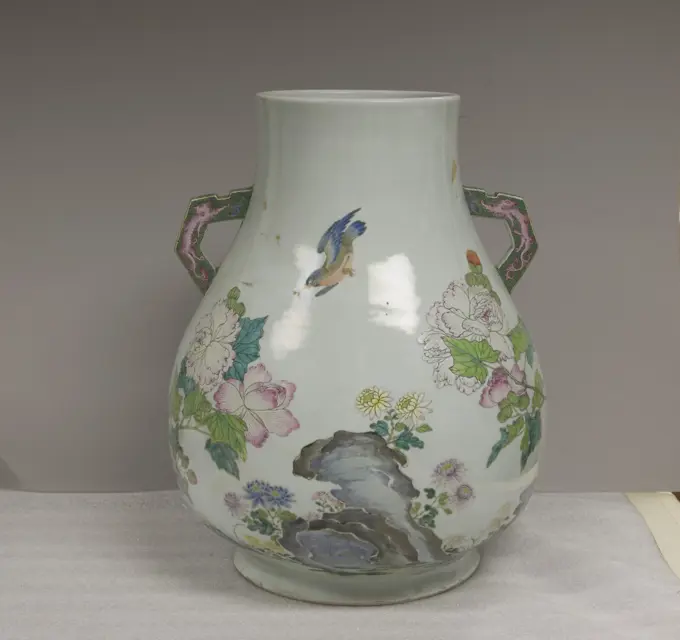
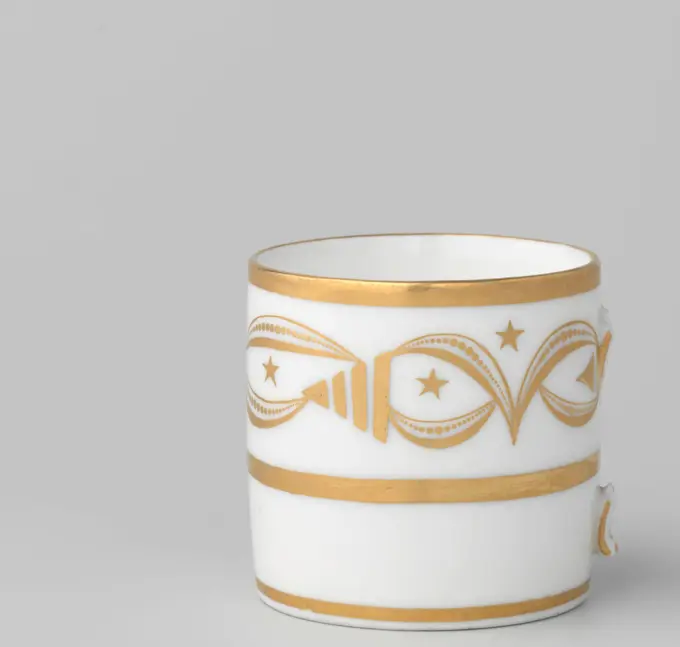
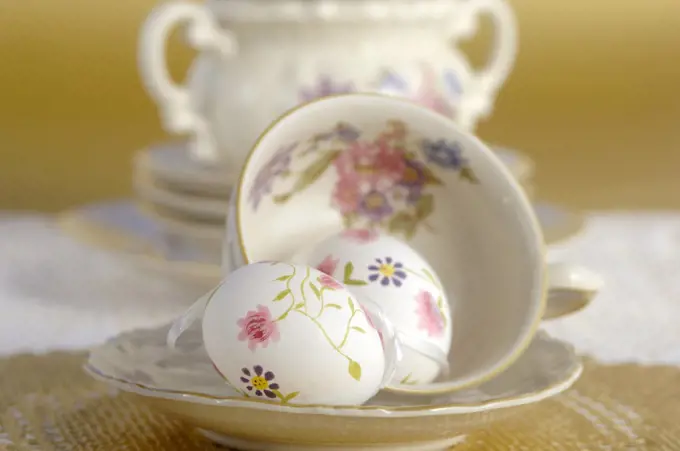
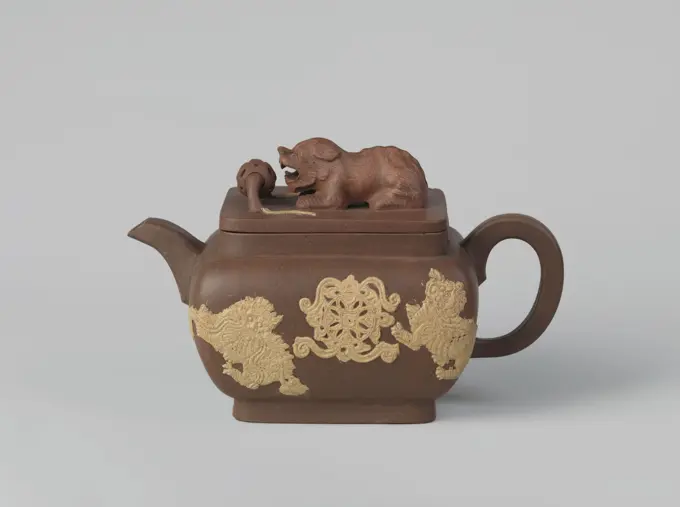
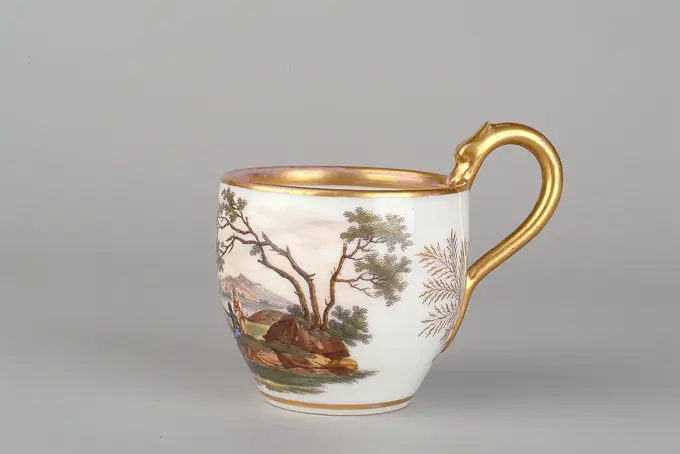
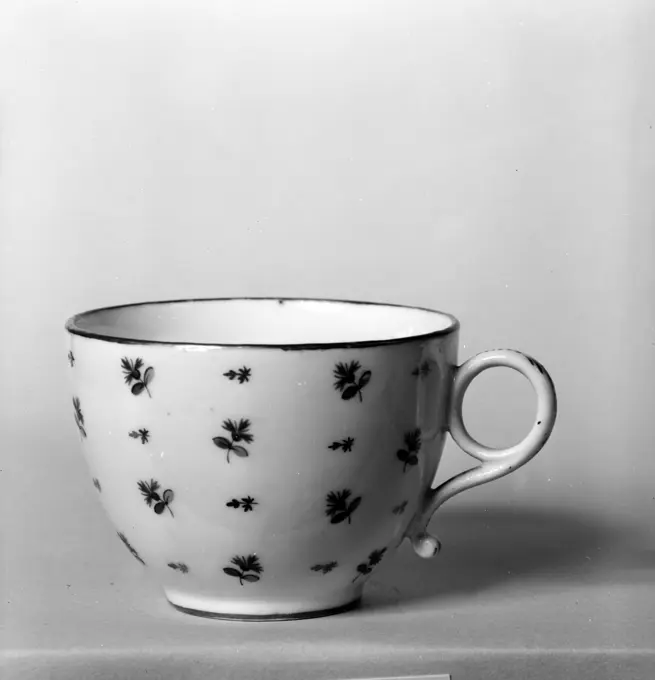
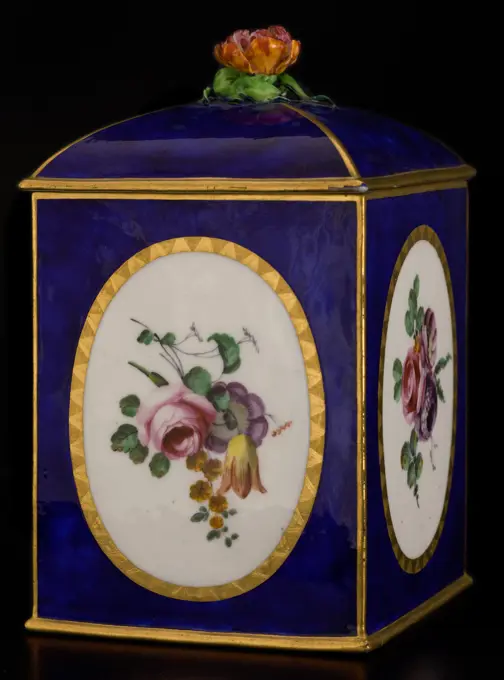
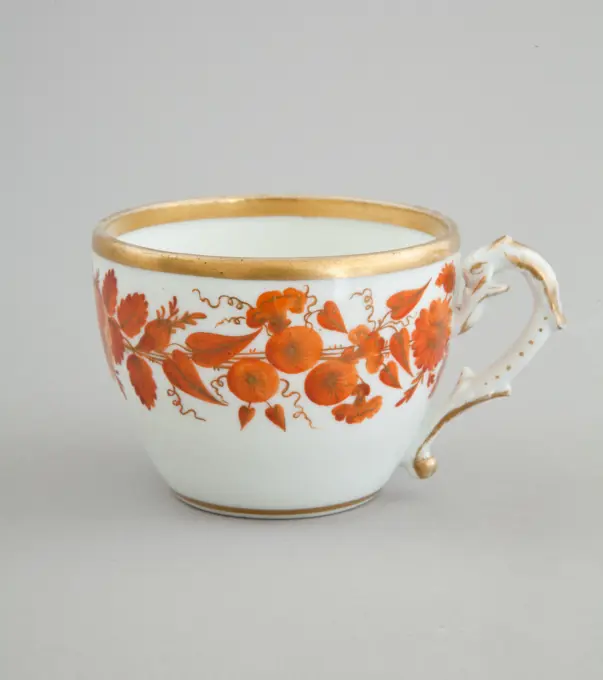
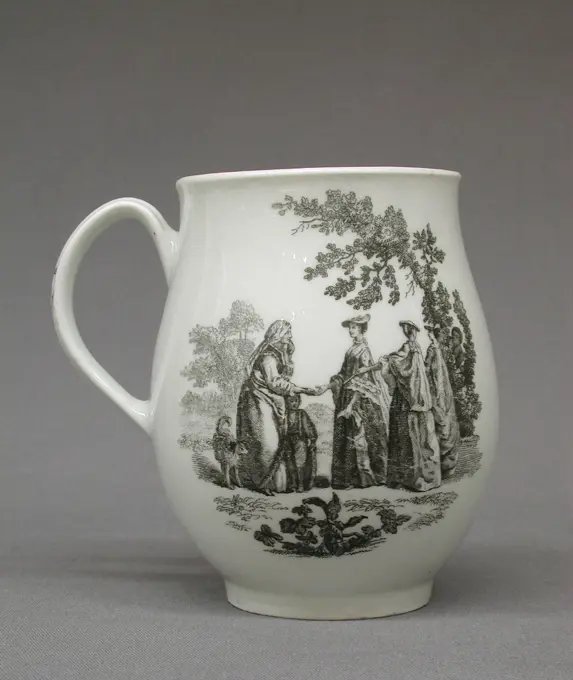
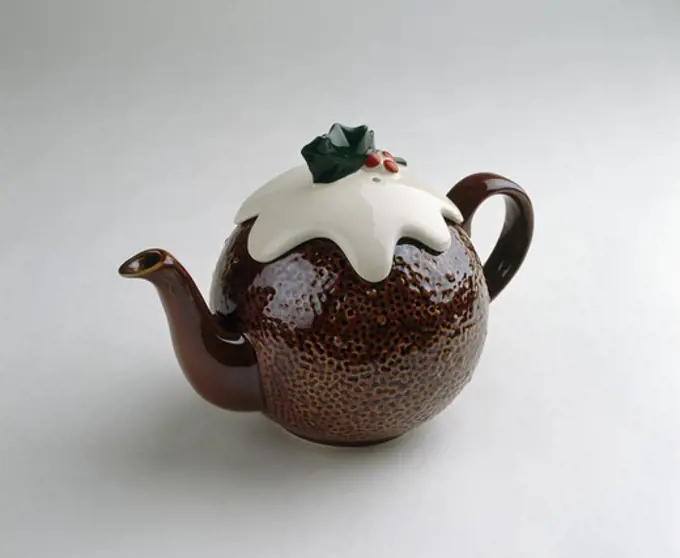
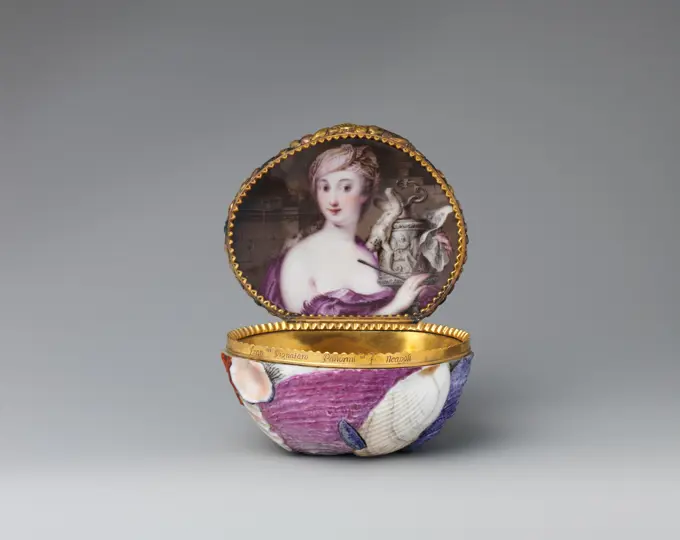
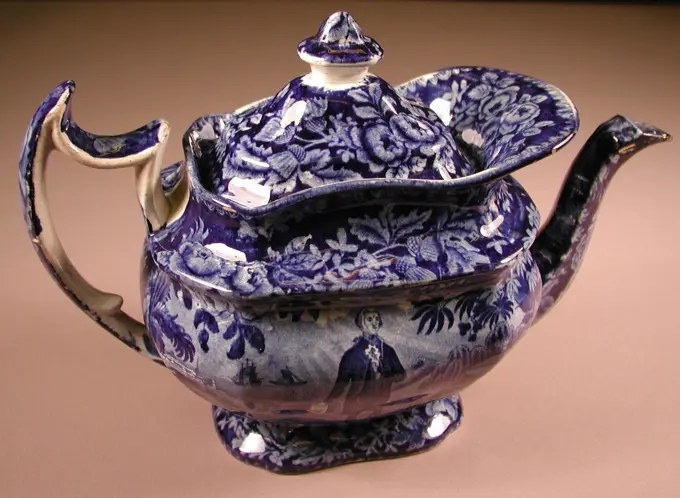
Teapot with a view of Washington Standing at Tomb, Scroll inHand.  Manufacturer: Enoch Wood and Sons, British, 1820-1846House Teapot. England, Staffordshire, circa 1750. Furnishings; Serviceware. Salt-glazed stonewareTeapot 1781-88 Fulda Pottery and Porcelain Manufactory. Teapot 199264Cream Jug, porcelain, vitreous enamel, Jug with short spout, on circular foot. Scattered flowers on body and below rim., England, late 18th century, ceramics, Decorative Arts, jug, jugTeapot. Staffordshire, England. Date: 1755-1765. Dimensions: 9.8 x 16.5 x 9.4 cm (3 7/8 x 6 1/2 x 3 3/4 in.). Salt-glazed stoneware, polychrome enamels. Origin: Staffordshire. Museum: The Chicago Art Institute, Chicago, USA.Soup turbine with lid of hard baked pottery, wedgood creamware., Wedgwood, c. 1770 - c. 1780 Soup terrine with lid of hard baked pottery. The terrine stands on a foot and has high, C-shaped ears. The top of the ears has the shape of a (papyrus) Leaf that lies against the terrine. A flower runs in relief from the leaf on either side of the terrine. The lid is arched and has a flat button in the shape of a flower. The terrine and the lid are painted with black lines and a slender with flowers and fruits. The terrine is marked: Wedgwood. England earthenware Soup terrine with lid of hard baked pottery. The terrine stands on a foot and has high, C-shaped ears. The top of the ears has the shape of a (papyrus) Leaf that lies against the terrine. A flower runs in relief from the leaf on either side of the terrine. The lid is arched and has a flat button in the shape of a flower. The terrine and the lid are painted with black lines and a slender with flowers and fruits. The terrine is marked: WTureen with Chinese scenes, flower sprays and ornamental borders, Claudius Innocentius Du Paquier (fabriek), c. 1730 - c. 1740 Terrine of porcelain, painted on the glaze in blue, red, green, yellow, brown, purple and gold. Decorated with two scalloped medallions with a different Chinese scene (chinoiserie) and flower branches around it. A golden band on the foot and edge. Just above the foot a decorative band and on the shoulder a band with curl work, diamond patterns and shell motifs (Laub-und Bandelwerk). A flower branch and loose flowers on the bottom. The two ears in the form of panters and leaf vines. Vienna porcelain. glaze. gold (metal) painting / gilding / vitrification Terrine of porcelain, painted on the glaze in blue, red, green, yellow, brown, purple and gold. Decorated with two scalloped medallions with a different Chinese scene (chinoiserie) and flower branches around it. A golden band on the foot and edge. Just above the foot a decorative band and on the shoulder a band Butter dish, painted with flour branches. Butterfish from porcelain. Round, with two ears. The lid is scalloped and has a green twig as a handle. Along the edges of butter dish and lid Rocaille ornaments embossed and painted in beet red and light green. Wall and lid painted with flower branches in beet red and two colors green, the ears in green.Eguirate and so -called jar with turned water, oval jatte from pot with water. Tender artificial porcelain, pink background, gilding, polychrome enamels. Blue-painted brands: G-Date G and illegible brand. Manufacture of Sèvres, 1759. Anonymous. Museum of Fine Arts of the City of Paris, Petit Palais. Aiguiere and pelvis called water pot tour2, oval jatte of water pot Acute, anonymous, anonymous, so-called water pot, bowl, gilding, polychrome email, ewer, pink background, gilding, gilt, oval jatte, gate letter g, illegible brand, blue painted, oval basin, pink Background, pitch, polychrome enamel, tender artificial porcelain, water pot, coming from Manufacture Sevres, Soft Artificial China, Unreadable Mark, Water JugSugar bowl, part of a coffee and tea set, painted with roses in baskets. Sugar bowl, part of a coffee and tea set, the walls of which are painted with roses in baskets.Butter Dish, Weesper Poreleinfabriek, c. 1759 - c. 1771 Hexagonal butter fleet with lid on an underpot, painted in purple with gallant figures on one. As a button of the lid, leaves. Marked with two crossed swords and three bulbs in under -glaze blue. Weesp porcelain Hexagonal butter fleet with lid on an underpot, painted in purple with gallant figures on one. As a button of the lid, leaves. Marked with two crossed swords and three bulbs in under -glaze blue. Weesp porcelainTerrine, painted with sprinkling flowers, anonymous, c. 1775 - c. 1820 Terrine of Faience. Blue painted with sprinkling flowers. Brussels . Terrine of Faience. Blue painted with sprinkling flowers. Brussels .Teapot (Calabria teapot), Manufacture de Sèvres, 1775 Egg -shaped teapot of multicolored painted porcelain. The pot has a gilded, kinked C-shaped ear. The white spout is painted in gold with a wreath of bay leaves. The lid has a gilt apple on a branch as a button. The pot has a green stock and is painted with two ovals. In an oval, a woman with a child on the banks of a river is painted and in the other oval a woman with a child is painted on a hill in a landscape. The pot is marked. Sèvres porcelain. gilding (material). Egg -shaped teapot of multicolored painted porcelain. The pot has a gilded, kinked C-shaped ear. The white spout is painted in gold with a wreath of bay leaves. The lid has a gilt apple on a branch as a button. The pot has a green stock and is painted with two ovals. In an oval, a woman with a child on the banks of a river is painted and in the other oval a woman with a child is painted on a hill in a landscape. The pot is marked. Sèvres porcelain. gilding (material).Set aus Keramikkrug und Waschbecken mit floralen Mustern auf neutralem Hintergrund A decorative ceramic pitcher is placed beside a matching basin, both adorned with intricate blue floral designs. The items are positioned on a smooth white surface, highlighting their craftsmanship. Copyright: xZoonar.com/GregxKeltonx 23094220Cup with playing cards, anonymous, c. 1800  Porcelain head with a slightly flared edge and high, curled ear, painted on the glaze in enamel colors and gold. The outside wall of the head with playing cards against a green background. The high maps are decorated with well -known figures with the inscriptions 'Alexandre', 'Lancelot', 'Charles', 'Pallas' and 'Hector'. The inside of the head and the ear are covered with gold. A bird head in the curl of the ear. France porcelain. glaze. gold (metal) painting / gilding / vitrificationCup Mi Nia (Meissen)Lid of mustard pot or Roompot made of hard baked pottery, creamware with marbled decoration., Neale & Co, c. 1778 - c. 1786 Lid. CAN A vaulted lid with a button. Staffordshire earthenwareWalking stick button, multicolored painted with flower bouquets, Meissener Porzellan Manufaktur, c. 1750 - c. 1775 Walking stick button of painted porcelain. The button is painted with flower bouquets. The button is not marked. Float porcelain Walking stick button of painted porcelain. The button is painted with flower bouquets. The button is not marked. Float porcelainTureen and Stand with Ladle 1780-1790 Yorkshire. Lead-glazed earthenware (creamware) .Tankard ca. 1725-30 Meissen Manufactory German The Chinese and Japanese porcelains in the collection of August II (1670-1733), commonly known as Augustus the Strong, elector of Saxony, king of Poland, provided a wealth of decorative styles and motifs for the painters at the Meissen factory to copy and reinterpret. Certain imported models were copied with great fidelity, but often the imported porcelains provided a decorative vocabulary from which motifs could be selected and combined for use in innovative ways. On this magnificent tankard, the depiction of large, sinuous lotus leaves derives directly from so-called famille verte porcelains made in China during the late seventeenth and early eighteenth centuries.1 Famille verte, a French term meaning “of the green family,” was first used in the late nineteenth century to describe a large group of Chinese porcelains in which a translucent green enamel dominates the palette.2 Other enamel colors, such as iron-red, yellow, blue, and blMug late 18th century British, Bristol. Mug. British, Bristol. late 18th century. Milk glass. GlassTeapot. Staffordshire, England. Date: 1760-1770. Dimensions: 7.6 x 13.7 x 7.6 cm (3 x 5 3/8 x 3 in. ). Lead-glazed earthenware (creamware). Origin: Staffordshire. Museum: The Chicago Art Institute, Chicago, USA.Teapot with cover mid-18th century Style of Whieldon type. Teapot with cover. probably British, Staffordshire. mid-18th century. Lead-glazed earthenware. Ceramics-PotteryWine Glass Rinser (England); Manufactured by Wedgwood (United Kingdom); glazed earthenware; 10.9 x 16 cm (4 5/16 x 6 5/16 in.); Bequest of Erskine Hewitt; 1938-57-425Cup and Saucer with Rose Medallion, Fürstenberg Porcelain Manufactory, German, established 1747, hard paste porcelain, vitreous enamel, gold, Cylindrical; saucer flat with flaring sides. Strap handle of rectangular form. Floral medallion., Germany, early 19th century, ceramics, Decorative Arts, cup and saucer, cup and saucerCrusper from the lid - (fondporen); Koenigliche Porcellain Fabrique, Meissen (1710-1763); around 1735 (1730-00-00-1735-00-00);Teapot 1700-1800 British (American market). Teapot. British (American market). 1700-1800. Earthenware. Made in Staffordshire, EnglandPear-shaped milk jug with women, boy and silver mounts, anonymous, c. 1750 - c. 1774 Pear -shaped milk jug of porcelain with silver frame, painted in underly glaze blue and white and on the glaze turquoise, red, pink, purple and black. The KAN is covered with servetwork with floral and butterflies saved in Bianco Sopra Bianco and a lobed cartouche with a woman at a table and a second sitting on the floor with a boy next to her, around them a hare and vases; Equipped with a silver frame. The lid with the same decoration. Lid has been restored. Famle Rose. China porcelain. glaze. cobalt (mineral). silver (metal) painting / gilding / vitrification Pear -shaped milk jug of porcelain with silver frame, painted in underly glaze blue and white and on the glaze turquoise, red, pink, purple and black. The KAN is covered with servetwork with floral and butterflies saved in Bianco Sopra Bianco and a lobed cartouche with a woman at a table and a second sitting on the floor with a boy next to her, A pot for lion's applers with miniatures; Koenigliche Porcellain Fabrique, Meissen (1710-1763); around 1730 (1730-00-00-1735-00-00);Teapot of red hard-baked pottery, children's toys .. lying elliptical teapot of red, fasted pottery. The pot has a rectangular ear, a spout. The teapot is embossed with garlands of leaves and fruits. The teapot belongs to a miniature tea service (BK-15429-A to BK-15429-D).Coffeepot with Chinoiserie Vignettes, Royal Porcelain Manufactory, Berlin, German, established 1763, hard paste porcelain, vitreous enamel, gold, Pear-shaped; bracket lip, double-curved strap handle. Domed cover with flower finial. Vignettes of Chinoiserie figures in landscape, with gilded and painted imbricated borders., Germany, ca. 1770, ceramics, Decorative Arts, coffeepot, coffeepotCup and Saucer, Weesper Porseleinfabriek, c. 1759 - c. 1771 Head without ear and saucer, purple painted with a flower bouquet and loose flowers. The cup is marked with two crossed swords and three balls in purple under the glaze and on the dish in underlaze blue. Weesp porcelain Head without ear and saucer, purple painted with a flower bouquet and loose flowers. The cup is marked with two crossed swords and three balls in purple under the glaze and on the dish in underlaze blue. Weesp porcelainPitcher with views of Boston State House and New York CityHall.  After: William Guy Wall, American. born Ireland, 1792-after 1863 Engraver: John Hill, American, born England, 1770-1850 Publisher: Behr and Kahl, American, active ca. 1826King of Prussia Mug; Manufactured by Royal Worcester (England, GB, United Kingdom); England; soft-paste porcelain, transfer-print decorationPORCELANA TIERNA: JARRON Y ENFRIADOR. ESTILO LUIS XIV. (DEPOSITO: MUSEO ARQUEOLOGICO NACIONAL).Cup with a couple in a landscape, Mennecy-Villeroy, c. 1770  Kop of Soft-Paste Porcelain (Pâte Tendre) with a straight, tapered wall and C-shaped ear, painted in enamel colors and gold. On the outer wall a landscape with a few sitting on a rock. The man has a bird cage on his lap, which the woman looks at. Leaf motifs on the ear and a blue line on the edge. Worn out golden edge. Burst into the wall. Marked on the underside with dv. Mennecy porcelain. glaze. gold (metal) painting / gilding / vitrificationCoffee cup from a coffee and tea set, painted with figures in a river landscape in beet red. Coffee cup with ear of porcelain. Painted in beet red on a light pink fond, with figures in a river landscape, with buildings and ruins.Paris Porcelain Manufactory, Cup and Saucer, c. 1820, hard-paste porcelain.Coffee cup, painted with a river landscape with farms and figures. Cylindrical coffee cup from porcelain, painted with a river landscape with farms surrounded by trees, and some figures on the water. Also two spreader flowers. The edges have been deposited with gold. Signed under the glaze in blue: Amstel.Punch pot ca. 1750-55 Style of Whieldon type. Punch pot. British, Staffordshire. ca. 1750-55. Lead-glazed earthenware. Ceramics-PotterySalt cellar Wolfsohn, Helene (1798 1869)Terrine, sprinkled with sprinkling flowers, anonymous, c. 1775 - c. 1820 Terrine of Faience. Blue painted with sprinkling flowers. Brussels . Terrine of Faience. Blue painted with sprinkling flowers. Brussels .Teapot 1876-83 Ott and Brewer. Teapot. American. 1876-83. Porcelain. Made in Trenton, New Jersey, United StatesObject from a Dessert Service 'The Razumovsky Service', made from soft-paste porcelain. Dated 18th CenturyCup and saucer. Cup and saucer painted multily with figures in a water landscape. Golden piping along the edges.Covered Cream Jug, from a Tea Service, 1765-70, Worcester Porcelain Works (a.k.a. Royal Worcester Porcelain Company), Worcester, England, est. 1751, 4 5/8 x 2 11/16 x 3 5/8 in. (11.7 x 6.8 x 9.2 cm), Porcelain, England, 18th centuryJug. Worcester Porcelain Factory; Worcester, England, founded 1751. Date: 1760-1770. Dimensions: H. 22.9 cm (9 in.); diam. at lip: 12.4 cm (4 5/6 in.). Soft-paste porcelain, transfer-printed decoration and polychrome enamels. Origin: Worcester. Museum: The Chicago Art Institute, Chicago, USA. Author: Worcester Royal Porcelain Company.Beer mug with flower sprays and the handle sprouting two flower sprays in relief, anonymous, c. 1700 - c. 1720 Porcelain beer nursery with printed spherical body and a wide, long neck, painted in underly glaze blue and on the glaze red and gold. On the outer wall on the bottom a painted prunus tree, chrysanthemum, lotus and grasses. The S-shaped ear is modeled in the form of a peon branch, two twigs with flowers in relief walk on the neck. The neck with the letter 'B' in a medallion. European form in Imari. Japan porcelain. glaze. cobalt (mineral). gold (metal) painting / gilding / vitrification Porcelain beer nursery with printed spherical body and a wide, long neck, painted in underly glaze blue and on the glaze red and gold. On the outer wall on the bottom a painted prunus tree, chrysanthemum, lotus and grasses. The S-shaped ear is modeled in the form of a peon branch, two twigs with flowers in relief walk on the neck. The neck with the letter 'B' in a medallion. European form in ImPitcherMug early 19th century Possibly Durham Co.. Mug. British, Sunderland. early 19th century. Pottery. Possibly Durham Co.. Ceramics-PotterySmall tureen and stand ca. 1730-35 Vienna Only a handful of Du Paquier artists can be identified from the few signed pieces, even though the hands of many can be distinguished and the names of others are known from church records. This cup is signed Carl Wendelin Anreiter vz: in Wien: feci. and bears the family coat of arms. Anreiter (1702-1747) worked at Du Paquier before leaving to help establish the Doccia factory near Florence in 1737.. Small tureen and stand 201784Head, painted with a landscape with cattle, c. 1809 - c. 1814 Head, painted with landscape with cattle. Marked: Amstel in blue. Nieuwer-Amstel porcelain Head, painted with landscape with cattle. Marked: Amstel in blue. Nieuwer-Amstel porcelainParis Porcelain Manufactory, Cup and Saucer, 1810-20, hard-paste porcelain.Koro, 1736-95. China, Qing Dynasty (1644-1911), Qianlong reign (1736-95). Jade ; overall: 19.8 cm (7 13/16 in.).Tankard 18th century British. Tankard. British. 18th century. Soft-paste porcelain. Ceramics-PorcelainMilk Jug, Wallendorf Porcelain Manufactory, German, established 1764, hard paste porcelain, vitreous enamel, Cylindrical with rounded shoulder; short spout; flat strap handle, rectangular, with simulated screw heads; cover cylindrical, with rectangular strap handle, and pierced with three round openings. Overglaze polychrome decorations of roses and other flowers. Smaller pendant to 1936-13-35., Germany, ca. 1800, ceramics, Decorative Arts, jug, jugRoberta Spicer, Pitcher, c 1939 PitcherWater Pot for Desk 1830 Japan. Water Pot for Desk 52504Wine Bottle ca. 1820 Japan. Wine Bottle. Japan. ca. 1820. White porcelain decorated with blue under glaze (Hirado ware). Edo period (1615-1868). Ceramics. Pear-shaped porcelain milk jug with ingrangled, braided C-shaped ear, small, triangular spout, painted on the glaze in black and gold. On the outside a representation of the crucifixion with the two Maria's; The edge with a band with a decorative pattern. Lid is missing. Part of a tea service. European performance in Encre de Chine.Terrine lid, painted with flower branches. Lid of oval terrine of multi-colored painted faience. The ears of the lid have the shape of a tree branch attached to the lid with leaves. Painted with flower branches.Vase Royal CopenhagenKop, painted with the crocus decor, Meissener Porzellan Manufaktur, 1896 Cup of painted porcelain. The head is painted in green and brown. The head is marked. Float porcelain Cup of painted porcelain. The head is painted in green and brown. The head is marked. Float porcelainTeapot of white stoneware with relief decorations; Staffordshire. Bulb-shaped teapot of white stoneware. The pot has an S-shaped spout and an S-shaped ear. The pot is decorated with six oval medallions in which a wavy relief pattern.Sèvres Porcelain Manufactory, Cup and Saucer, 1767, soft-paste porcelain.Armorial ewer (brocca). Culture: Italian, Faenza. Dimensions: H. 7 5/8 in. (19.4 cm). Date: probably 1527. Museum: Metropolitan Museum of Art, New York, USA.Teapot and lid, John Turner, Lane End, Staffordshire, England, 1759 - 1780, Unglazed stoneware ('black basalt'), Flattened spherical shape with wide, looped handle and conical spout. The high domed cover had knob composed of a draped female figure. Lower portion of pot is decorated with rays in low relief, sides with high relief groups of Bacchanalian putti and handle with leaf ornament. Thin shaped collar about mouth. Leaf and chevron reliefs on cover. Inside glazed., Staffordshire, England, ca. 1780, ceramics, Decorative Arts, Teapot and lidWorcester Porcelain Manufactory, Mug, c. 1765-c. 1770, soft-paste porcelain.Coffeepot with "Ostfriesische Rose" Pattern Coffeepot; Manufactured by Wallendorf Porcelain; porcelain, vitreous enamelRalph Atkinson, Teapot, c 1936 TeapotCup with golden lines on a blue ground, Manufacture de Sèvres, c. 1775 - c. 1799  Porcelain head with a tapered wall and angular ear, covered with blue and painted in gold on the glaze. The outside wall is covered with blue, on which a double gold line twice. Just above the foot and on the inner and outer edge a band of golden dots. Around the ear a gold painted spiral in relief. Marked on the bottom with the double L. Sèvres porcelain. glaze. gold (metal) painting / gilding / vitrificationCup with an ornamental border, anonymous, c. 1800 - c. 1824 Porcelain head with a cylindrical wall and C-shaped ear, painted on the glaze in gold. The outer wall is with golden lines divided into two wide tires with a pendulum of stars in the top, half moon shapes with dots and triangles. Golden line and dots on the ear. Marked on the bottom with f. Empire. France porcelain. glaze. gold (metal) painting / gilding / vitrification Porcelain head with a cylindrical wall and C-shaped ear, painted on the glaze in gold. The outer wall is with golden lines divided into two wide tires with a pendulum of stars in the top, half moon shapes with dots and triangles. Golden line and dots on the ear. Marked on the bottom with f. Empire. France porcelain. glaze. gold (metal) painting / gilding / vitrificationAshtrayPartial tea set (teapot, sugar bowl, cream pitcher, slop bowl) Union Porcelain Works American 1876 The Union Porcelain Works was one of the most important porcelain manufactories in America during the last quarter of the nineteenth century, and the most significant firm in the New York area. Although it maintained a successful bread-and-butter production of hotelware, its fame derives from the hire of German-born sculptor Karl L. H. Muller in advance of the nations Centennial Exhibition in Philadelphia in 1876, for which he designed a large number of major exhibition pieces, several of which are in the Museums collection. Their display featured some of the most inventive designs produced by American factories. Although many of their wares were of monumental scale, they included among the exhibit three diminutive "tete-a-tete services," as they were called, and elicited "admiration from the delicacy of the ware and shape, and for beauty of design," in the critical press of the day. The Pitcher. Maker, possibly by: Castleford Pottery, British, ca. 1790-1821Ewer with archaistic vessels late 17th-early 18th century China. Ewer with archaistic vessels 47878Terrine of silver, with lid and underpotel, Rudolphus Sondagh, 1786 Terrine of silver, with lid and underput, decorated with pilasters and leaf guirandes. Rotterdam silver (metal) Terrine of silver, with lid and underput, decorated with pilasters and leaf guirandes. Rotterdam silver (metal)Three Flowerpot Containers (cache pots) and stands. Manufacturing former loose ruderecht, c. 1778-1782Hard-Paste PorcelainJug, c. 1686, 8 15/16 x 5 1/2 x 5 1/2 in. (22.7 x 13.97 x 13.97 cm), Glazed ceramic, England, 17th centuryVase with birds and flowers mid-18th century China. Vase with birds and flowers 46074Mug c 1820 Leeds. Earthenware .A cup with a saucer KorzecCup with an ornamental border, anonymous, c. 1800 - c. 1824 Porcelain head with a cylindrical wall and C-shaped ear, painted on the glaze in gold. The outer wall is with golden lines divided into two wide tires with a pendulum of stars in the top, half moon shapes with dots and triangles. Golden line and dots on the ear. Marked on the underside with N. ear. Empire. France porcelain. glaze. gold (metal) painting / gilding / vitrification Porcelain head with a cylindrical wall and C-shaped ear, painted on the glaze in gold. The outer wall is with golden lines divided into two wide tires with a pendulum of stars in the top, half moon shapes with dots and triangles. Golden line and dots on the ear. Marked on the underside with N. ear. Empire. France porcelain. glaze. gold (metal) painting / gilding / vitrificationPeach-shaped wine pot or teapot. Artist: Chinese , early Qing Dynasty. Culture: Chinese. Dimensions: Height: 5 1/2 in. (14 cm.). Date: ca. late 17th century. Museum: Metropolitan Museum of Art, New York, USA.This tea set with idyllic lakeside Chinese landscapes has a side-handled pot called a kysu, used for steeping, straining, and serving tea. Unlike some others, this set also has a yuzamashi, a container used to cool boiled water to just the right temperature for the best flavor when steeping. Seif Yohei III’s painting teacher, Tanomura Chokuny (1814-1907), made a visual record of famous sencha events that shows how these kinds of porcelains fit with objects such as a stove and kettle to form a complete set of utensils for tea preparation, and with ensembles of decorative objects meant to inspire creativity Teapot from Tea Set with Chinese Landscape, c. 1893-1914. Seifū Yohei III (Japanese, 1851-1914). Porcelain with underglaze blue; height: 7.4 cm (2 15/16 in.); with handle: 8.3 cm (3 1/4 in.); diameter with handle: 11.2 cm (4 7/16 in.); diameter with spout: 10 cm (3 15/16 in.); diameter: 8.4 cm (3 5/16 in.).Easter eggs and coffee cupsNut basket with openwork walls, painted with spreader flowers and golden piping. Nut basket of porcelain. With plastically decorated ears. Basket and lid are open. On the outer edges Multicolored spreading trays, as well as on the bottom of the basket. In the middle of the bottom a colorful flower bouquet. All edges, including those of the open-worked parts are decorated with golden piping. The upper surface of the lid and the button are also painted with gold, as well as the ears.Square teapot with shishi in relief, anonymous, c. 1775 - c. 1799 The lid with a modeled shishi with an openwork ball. Yixing. China stoneware The lid with a modeled shishi with an openwork ball. Yixing. China stonewareJARRA PARA AGUA - VIDRIADA EN BLANCO Y PINTADA CON FLORES - ARTE POPULAR S XX. Location: ALFARERIA. Navarrete. LA RIOJA. SPAIN.Teacup (from a service set). Stroeber, Krzysztof (fl. 1810-1830), painter, Manufaktura porcelany w Slavkovie (1792- ), factoryTeapot. Dated: c. 1938. Dimensions: overall: 22.9 x 27.8 cm (9 x 10 15/16 in.) Original IAD Object: 6 1/2" High 4" Dia 9" (spout to handle). Medium: watercolor and graphite on paperboard. Museum: National Gallery of Art, Washington DC. Author: Edward White.Cup and Saucer ca. 1780 French, possibly. Cup and Saucer. French, possibly. ca. 1780. Porcelain. Possibly made in Paris, FranceAnonymous. Tea box with lid. Porcelain, 1764. Paris, Cognacq-Jay museum. 79170-28 ART MENAGER, BOX A THE, FLOW, FLORAL PATTER, PORCELAIN, CROSTS, 18th 18th 18th 18th 18th 18th 18th centuryCup decorated with arrow-shaped leaves in gold and black. Cup of porcelain, decorated with arrow-shaped leaves in gold and black.Cup KorzecMug ca. 1765 Worcester factory. Mug 199040Close-up of Christmas pudding-shaped teapotDutch crockery Dutch crockery for coffee or tea isolated over white Copyright: xZoonar.com/IvonnexWierinkx 7159092Snuffbox ca. 1745-50 Capodimonte Porcelain Manufactory The Capodimonte factory in Naples produced a variety of forms of snuffboxes,1 presumably in recognition of both the widespread popularity of snuff taking and the demand for boxes made of materials less expensive than gold. While gold boxes were considered the most desirable of containers made to transport snuff, the popularity of porcelain made it a fashionable medium for boxes despite its lack of intrinsic value. In addition, porcelain’s ability to be both modeled in low relief and painted in polychrome enamels offered a range of decorative possibilities that exceeded those available to goldsmiths.Capodimonte factory records indicate that this model of snuffbox, formed as if from a series of overlapping shells, was first produced in December 1743.2 The large, overlapping shell motifs that compose the box are encrusted with tiny shells and pieces of coral, also in porcelain, and the use of low relief for all of these motifs enhSake Ewer in the Form of Hotei with His Bag. Japan, 19th century. Ceramics. Hirado Mikawachi ware; porcelain with underglaze blue