Floral Decorated Porcelain Pieces

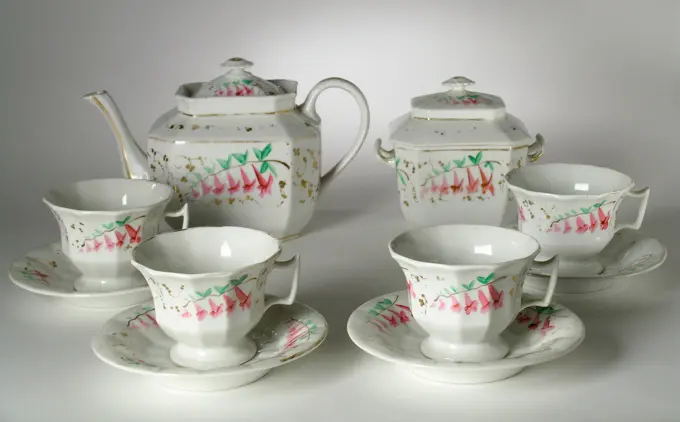
Specialized porcelain items decorated with floral motifs and intricate detailing, featuring designs from various historical Chinese styles.

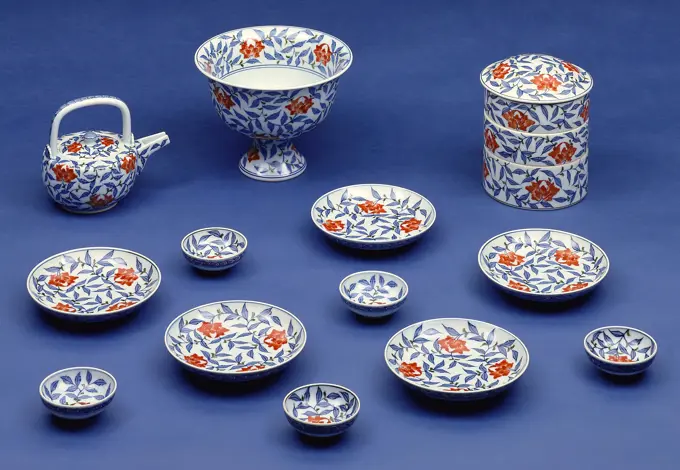
Eight-lobed teapot with prunus, peony and floral scrolls, anonymous, c. 1670 - c. 1690 Eight -lobe teapot from porcelain separated by ribs, painted on the glaze in blue, red, yellow, green, black and gold. On the belly on one side a prunus at a rock, a peony red on the other. The spout and the ear with leaf vines. Chip in the spout. Old label on the bottom with 'Collection Westendorp/ 127'. Arita, Kakiemon style. Japan porcelain. glaze. gold (metal) painting / gilding / vitrification Eight -lobe teapot from porcelain separated by ribs, painted on the glaze in blue, red, yellow, green, black and gold. On the belly on one side a prunus at a rock, a peony red on the other. The spout and the ear with leaf vines. Chip in the spout. Old label on the bottom with 'Collection Westendorp/ 127'. Arita, Kakiemon style. Japan porcelain. glaze. gold (metal) painting / gilding / vitrification
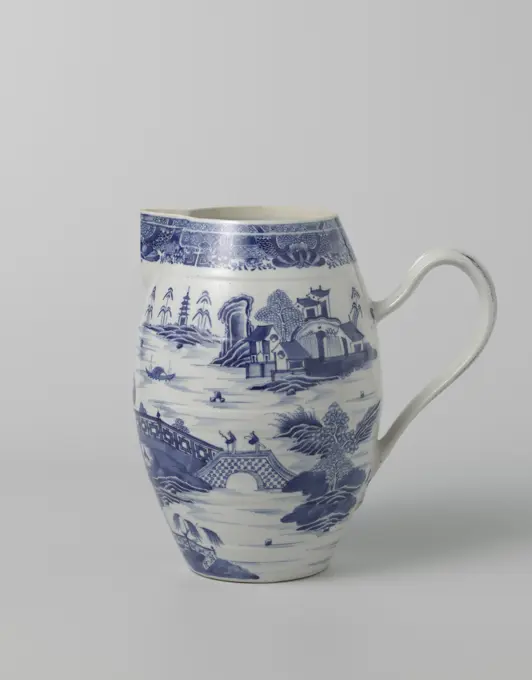
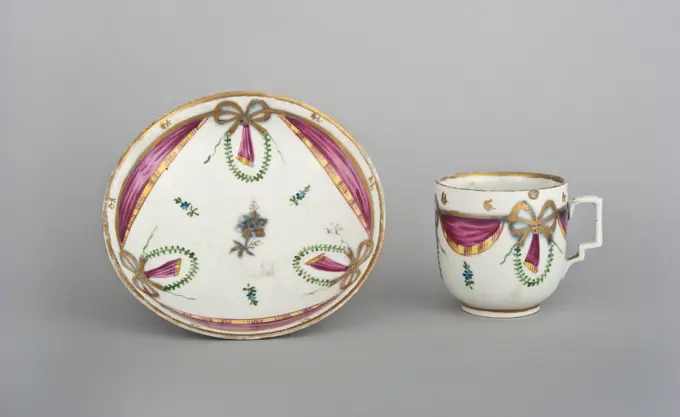
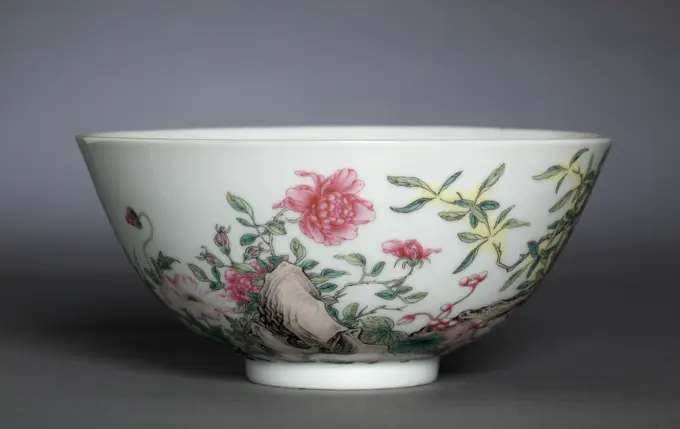
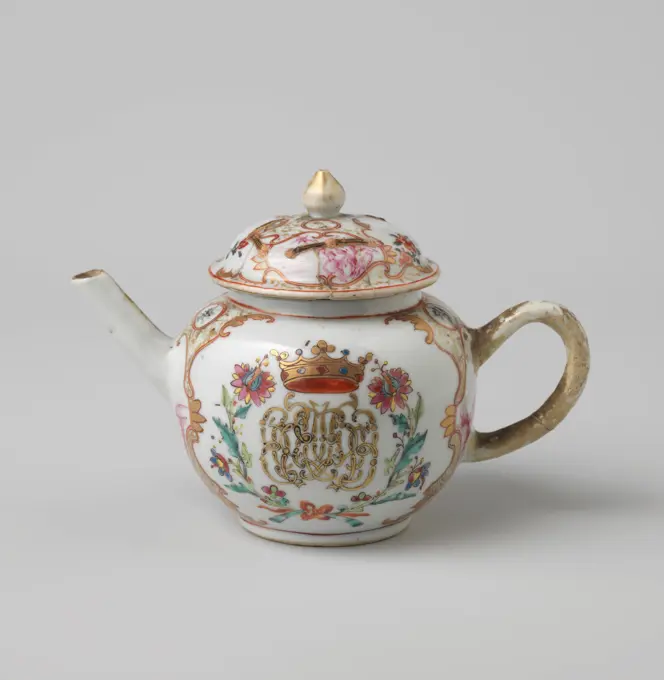
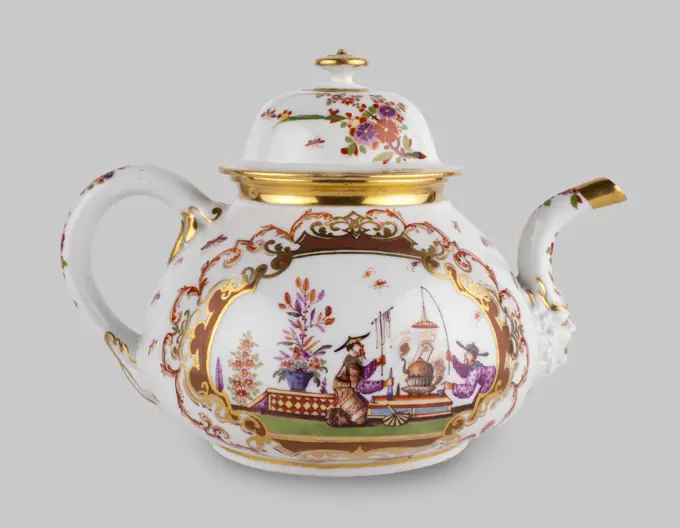
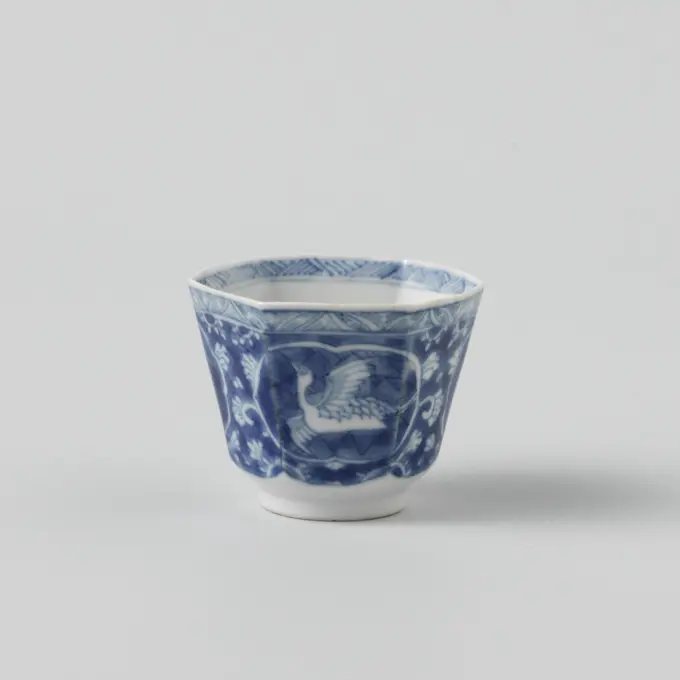
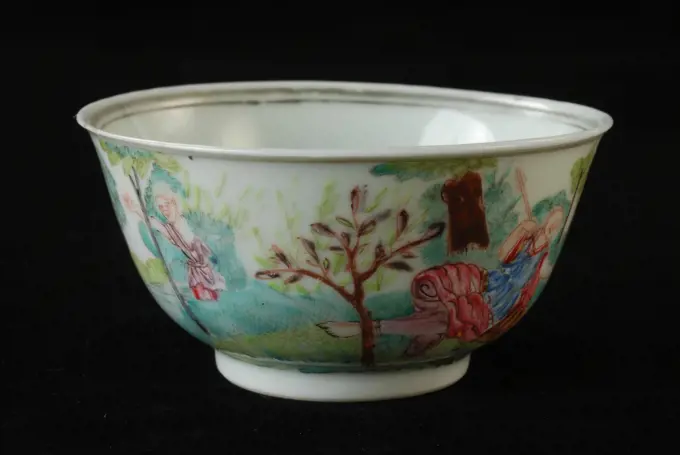
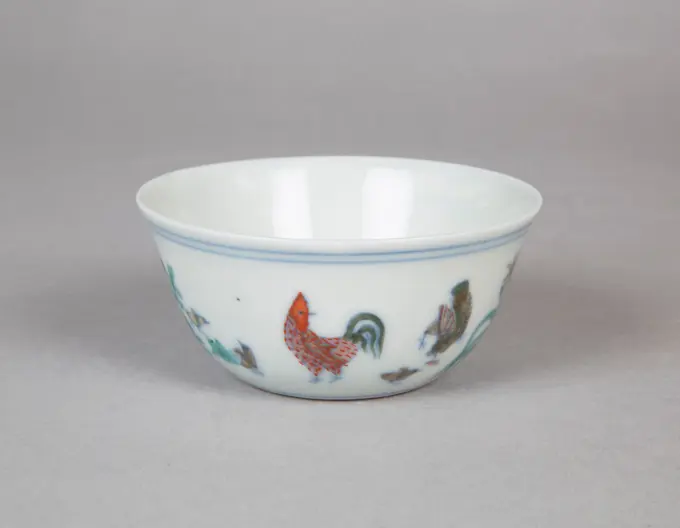
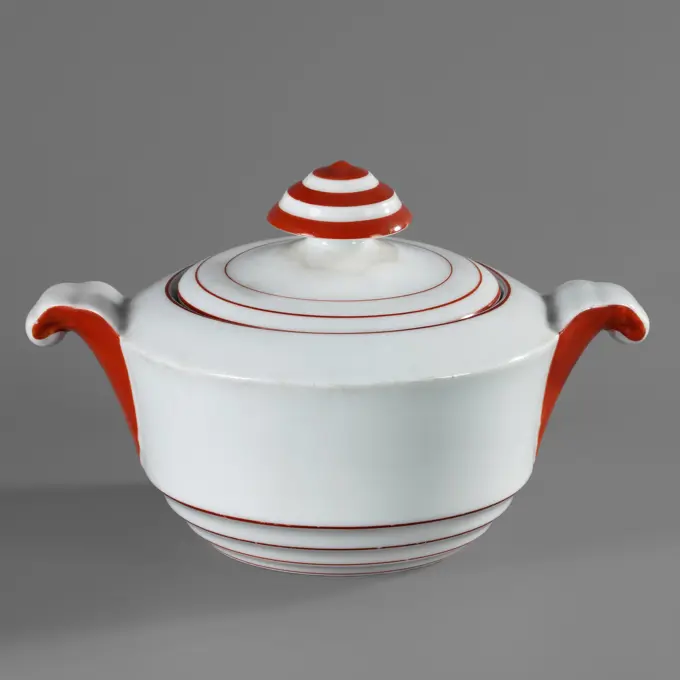
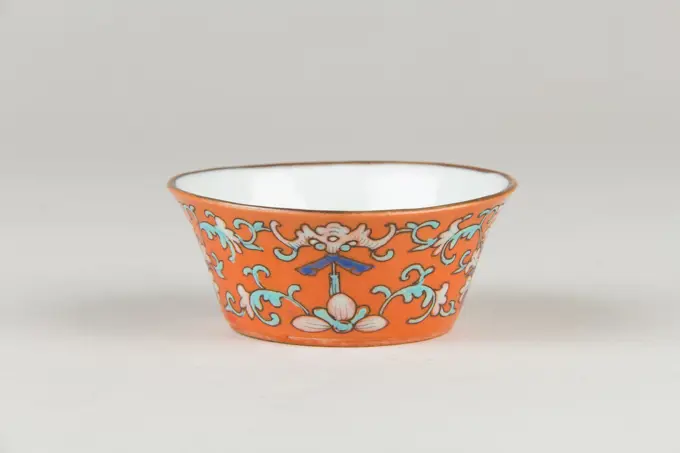
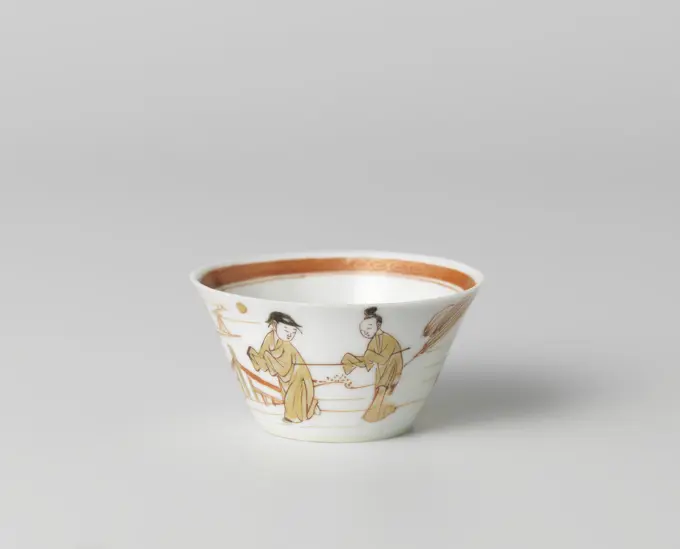
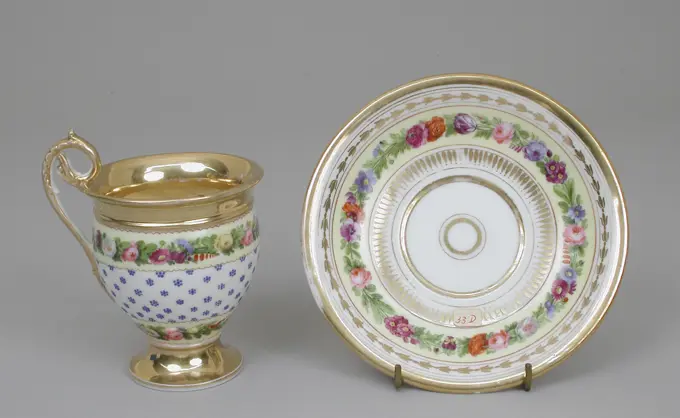
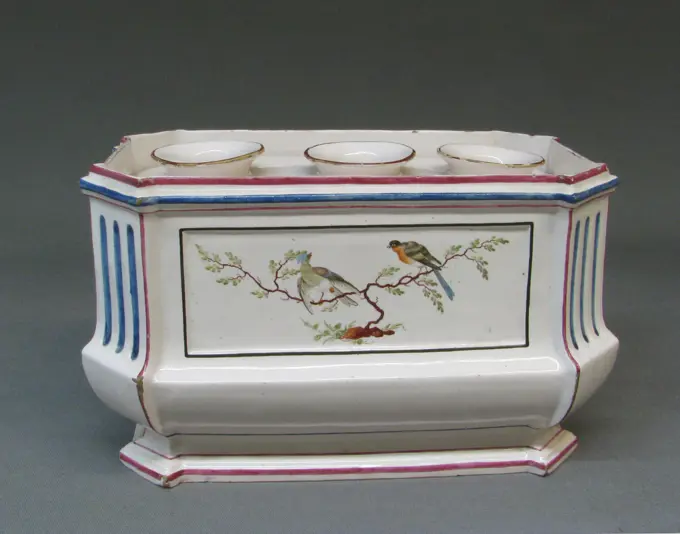
Cup With Landscapes and Dragons Amid Scrollwork. Cup of porcelain with spreading wall, painted on the glaze in blue, red, green, black and gold. A river landscape in Encre Chine with mountains, trees, pavilions and boats pictured, here around a band curly; On the wall Three cartouches with landscapes in Encre de Chine against a ground of dragons between curly. Porcelain with email colors and encre de chine.Mustard pot in the form of a barrel.Pitcher with a riverlandscape with large pavilion and figures, c. 1800 - c. 1824 Can be made of porcelain with a barrel -shaped abdomen, triangular spout from the edge and ear, painted in underlaze blue. On the wall of the Kan a continuous river landscape with pavilions, mountains, trees, people and a boat; the edge with Fitzhugh band; A slender on the ear. Bijhehoor lid has number AK-NM-6944-A. Blue White. China porcelain. glaze. cobalt (mineral) painting / vitrification Can be made of porcelain with a barrel -shaped abdomen, triangular spout from the edge and ear, painted in underlaze blue. On the wall of the Kan a continuous river landscape with pavilions, mountains, trees, people and a boat; the edge with Fitzhugh band; A slender on the ear. Bijhehoor lid has number AK-NM-6944-A. Blue White. China porcelain. glaze. cobalt (mineral) painting / vitrificationCup with a Chinese junk and the arms of Amsterdam, anonymous, c. 1800 - c. 1899 Porcelain head, painted on the glaze in blue, red, pink, green, yellow, black and gold. On the wall a Chinese youngsters with crew on the waves, above that the Wapen van Amsterdam. Weapon porcelain. China porcelain. glaze. gold (metal) painting / gilding / vitrification Porcelain head, painted on the glaze in blue, red, pink, green, yellow, black and gold. On the wall a Chinese youngsters with crew on the waves, above that the Wapen van Amsterdam. Weapon porcelain. China porcelain. glaze. gold (metal) painting / gilding / vitrificationFili Anka with a saucer; Kaiserliche Porzellanmanufaktur in Wien (1744-1864); 1800 (1800-00-00-1800-00-00);Bronisław Krystall. Testament (Warsaw - Exhibition - 2015/2016), Krystall, Bronisław (1887-1983) - collection, draperies, bow (ornament), purchase (provenance). Bell-shaped bowl of porcelain, painted in underglaze blue. On the outside and two scenes separated by rocks and trees: two horse fighters in a landscape with a standard bearer next to them; An encounter between two men on a fenced terrace for a pavilion, around them four servants. On the bottom a seated Chinese man under a tree with a qin next to him. The inner edge with a tire with napkin. Marked on the underside with the six character mark of Emperor Chenghua in a double circle. Two cracks in the wall; A chip in the foot. Blue White.Bell-Shaped Cup With undulation Flower Petals on Diaper Pattern and Flower Sprays. Bell-shaped head of porcelain with lobed edge, painted on the glaze in blue, red, pink, green and black. In the center a flower surrounded by two rows with wavy flower leaves on a soil of napkin; The outside of the cup with three flower branches. Family Rose.Onderschotel van porselein.Subdecast of porcelain. Multicolored painted with landscapes, on the flowerpot with birds, and below and above golden tires.Lid of hard baked earthenware., Anonymous, c. 1770 - c. 1775 Lid of hard baked earthenware, covered with lead glaze in green, yellow, blue and manganese and decorated with grape bunches and leaves in relief. The surface is ribbed vertically. The button in the shape of a flower. Derby earthenware. lead glaze Lid of hard baked earthenware, covered with lead glaze in green, yellow, blue and manganese and decorated with grape bunches and leaves in relief. The surface is ribbed vertically. The button in the shape of a flower. Derby earthenware. lead glazeOctagonal cup with flower scrolls in panel decoration, anonymous, c. 1700 - c. 1724 Octagonal head of porcelain with a spreading wall, painted in underlaze blue. On the bottom a flower branch in a double medallion; The inner edge with a band with zigzag work. Eight courses with stylized flower vines (Lotus) on the outer wall. Blue White. China porcelain. glaze. cobalt (mineral) painting / vitrification Octagonal head of porcelain with a spreading wall, painted in underlaze blue. On the bottom a flower branch in a double medallion; The inner edge with a band with zigzag work. Eight courses with stylized flower vines (Lotus) on the outer wall. Blue White. China porcelain. glaze. cobalt (mineral) painting / vitrificationBowl with Poppies, Tree Peony, and Flowering Mimosa, 1723-35. China, Jiangxi province, Jingdezhen, Qing dynasty (1644-1911), Yongzheng mark and reign (1723-1735). Porcelain with famille rose overglaze enamel decoration; diameter: 14.1 cm (5 9/16 in.); overall: 6.6 cm (2 5/8 in.).Teapot with a crowned, illegible monogram surrounded by two flower sprays, anonymous, c. 1750 - c. 1774 Teapot of porcelain with spherical body, C-shaped ear and straight spout, painted on the glaze in blue, red, pink, green, yellow, black and gold. On the abdomen twice a crowned, unreadable monogram surrounded by two flower branches; around the ear and the spout a cartouche with a river landscape; For the cartouches flower ranks with four medallions with plants. On the lid of flower vines and cartouches with landscapes or flower branches. Lid and ear have been broken. European performance in email colors. China porcelain. glaze. gold (metal) painting / gilding / vitrification Teapot of porcelain with spherical body, C-shaped ear and straight spout, painted on the glaze in blue, red, pink, green, yellow, black and gold. On the abdomen twice a crowned, unreadable monogram surrounded by two flower branches; around the ear and the spout a cartouche with a river landscape; For the cartouchCup Wit Venus and Amor, porcelain manufacturer Frankenthal, c. 1762 - c. 1795  Porcelain head with a C-shaped ear, painted on the glaze in pink (Camaïeu) and gold. On the outer wall a performance of Venus and Amor in a landscape. Venus is lying under a tree, while Amor points to the arrow in his hand. The scene has golden rocailles on the bottom. The wall is decorated with sprinkling flowers around the show. Golden foot and edge. The inside of the edge with a decorative band. Leaf motifs and dots on the ear. Marked on the underside with the crowned CT including 6 and 20. Frankenthal porcelain. glaze. gold (metal) painting / gilding / vitrificationBowl - Portneuf pottery. Meissen porcelain Manufakturtankard: Meissen C. 1730-1735After prints by Petrus Schenk (1698-1775) Lid: Leipzig, c. 1730Hard Paste Porcelain, Silver appliesKSAD POZKA;  19th century (1801-00-00-1900-00-00);Teapot 1723-1724 Meissen. The Meissen Porcelain Manufactory was established in 1710 at Meissen, near Dresden in Germany.It was the first European factory to succeed in making hard-paste porcelain like that imported from China and Japan. From the 1720s, the chief painter at Meissen was Johann Gregorius Hˆroldt (1696ñ1775), who developed techniques to make the porcelain ground whiter, to better show off the range of enamel colors he introduced greens, yellow, purples, and browns.18th-century Europeans loved porcelain not only for its dazzling beauty, but also because it holds heat well, a useful feature in this period, when beverages like tea, coffee, and hot chocolate had become extremely fashionable. The scenes on this teapot are examples of chinoiserie, the imaginative Western interpretation of Chinese figures and motifs. Here, some Chinese men attract and play with birds, and two others engage in a tea ceremony, a witty reference to the function of the teapot. The lid, shaped like aCoffee and Tea Service, royal porcelain manufactory, c. 1795 Porcelain coffee and tea set, painted on the glaze in blue, red, pink, green, yellow, brown and gold. The crockery consists of a coffee pot, teapot, sugar bowl and twice a cup and saucer. The lower part of the pots and heads is painted as a basket with roses. The shoulders and lids with decorative tires and greenery. The dishes are covered with green with a rose in a medallion. All marked on the bottom with the scepter. Berlin porcelain. glaze. gold (metal) gilding / vitrification Porcelain coffee and tea set, painted on the glaze in blue, red, pink, green, yellow, brown and gold. The crockery consists of a coffee pot, teapot, sugar bowl and twice a cup and saucer. The lower part of the pots and heads is painted as a basket with roses. The shoulders and lids with decorative tires and greenery. The dishes are covered with green with a rose in a medallion. All marked on the bottom with the scepter. Berlin porcelain. glaze. goldPair of cups and saucers, anonymous, c. 1700 Hexagonal head of porcelain, painted in under -glaze blue. On the outer wall a flying crane against a ground of 'crackled-ice' in a lobed cartouche; Lotus drinks around the cartouche; the outer edge with a decorative band; The inner edge with shadowing. Marked on the underside with the seal brand 'Fú' in a double circle. Blue White. China porcelain. glaze. cobalt (mineral) painting / vitrification Hexagonal head of porcelain, painted in under -glaze blue. On the outer wall a flying crane against a ground of 'crackled-ice' in a lobed cartouche; Lotus drinks around the cartouche; the outer edge with a decorative band; The inner edge with shadowing. Marked on the underside with the seal brand 'Fú' in a double circle. Blue White. China porcelain. glaze. cobalt (mineral) painting / vitrificationTeapot. Staffordshire, England. Date: 1755-1765. Dimensions: 12.1 x 17.5 x 10.2 cm (4 3/4 x 6 7/8 x 4 in.). Salt-glazed stoneware, polychrome enamels. Origin: Staffordshire. Museum: The Chicago Art Institute, Chicago, USA.. Salt barrel of painted porcelain. The salt barrel has the shape of a shell with a scalloped edge and stands on three volutely legs. The salt barrel is painted with Deutsche Blumen, insects and fruits. The edge is decorated with the Neuozier pattern in relief. The salt barrel is marked and belongs to a tableware (BK-17474-1 to BK-17474-253).Two Coffee Cups and Two Saucers. Jean-Baptiste Tandart (France, active 1754-1803, 1729-1816)Royal Porcelain Manufactory (France, Sèvres, 1738-present). France, 1786. Furnishings; Serviceware. Porcelain, gilt, paintTeapot, painted with a landscape with houses, Royal Porcelain Factory Dommer & Co., c. 1809 - c. 1814 Porcelain teapot, painted with a landscape with houses. Marked in black: Amstel. Nieuwer-Amstel porcelain Porcelain teapot, painted with a landscape with houses. Marked in black: Amstel. Nieuwer-Amstel porcelainSèvres Porcelain Manufactory, Small Cup and Saucer, c. 1780-85, hard-paste porcelain.Tazza. Artist: Chinese , Qing Dynasty. Culture: Chinese. Dimensions: Diam.: 18.4 cm.. Date: 1662-1722. Museum: Metropolitan Museum of Art, New York, USA.Teapot ca. 1760-70 Fürstenberg Porcelain Manufactory. Teapot 199270Tea Service, Manufactuur Oud-Loosdrecht, c. 1774 - c. 1778 Milkkan of porcelain. Pear-shaped, with an ear consisting of 2 opposite C-Voluten. On the lid a fruit on branch, as a button. Painted in sepia with figures in a landscape. Along the edges a lilac fries between golden piping. Loosdrecht porcelain Milkkan of porcelain. Pear-shaped, with an ear consisting of 2 opposite C-Voluten. On the lid a fruit on branch, as a button. Painted in sepia with figures in a landscape. Along the edges a lilac fries between golden piping. Loosdrecht porcelainCup of cup and saucer with lying woman and man in landscape in bushes, cup and saucer drinking utensils tableware holder ceramics porcelain glaze, baked glazed painted enamelled, wide bowl-shaped cup on stand ring famille verte Cephalus Procris mythology chine de commande drinkChicken Cup China This type of small, bowl-shaped vessel from the imperial kiln of the mid-Ming dynasty has been cherished as the pinnacle of fine Chinese porcelain. The pictorial decoration was achieved through a complicated process. First, the designs were drawn in cobalt blue on the unfired vessel. After glazing and high-temperature firing, they were filled in with overglaze enamel pigments and then fired at a lower temperature to bring out the vibrant colors. Known as a chicken cup” for its decoration, this object’s charming scene of small chickens feeding in a garden conveys a core Chinese value: nurturing the young is essential to the continuation of the family line.. Chicken Cup. China. Porcelain painted with underglaze blue and overglaze colored enamel (Jingdezhen ware). Ming dynasty (1368-1644), Chenghua mark and period (1465-87). CeramicsTea service with landscapes, anonymous, c. 1765 Porcelain tea set, painted on the glaze in email colors and gold. The service consists of five parts, including a teapot, milk jug, sugar bowl and two cups with dishes. All decorated with landscapes. Marked with the monogram of Catherine II of Russia. Possibly a 19th or 20th century falsification. Sint-Petersburg porcelain. glaze. gold (metal) painting / gilding / vitrification Porcelain tea set, painted on the glaze in email colors and gold. The service consists of five parts, including a teapot, milk jug, sugar bowl and two cups with dishes. All decorated with landscapes. Marked with the monogram of Catherine II of Russia. Possibly a 19th or 20th century falsification. Sint-Petersburg porcelain. glaze. gold (metal) painting / gilding / vitrificationPiece from a Chinese Export Partial Dinner Service, c. 1780, 1 5/8 x 9 3/4 x 9 3/4 in. (4.13 x 24.77 x 24.77 cm), Porcelain, enamels, China, 18th centuryCoffee Pot Made 1815-1825 Staffordshire. Lead-glazed earthenware with purple lustre decoration .Trembleuse cup and saucer. Kaiserliche Porzellanmanufaktur in Wien (1744-1864), factoryWine Bottle Cooler. Saint-Cloud Porcelain Manufactory; French, 1693-1766. Date: 1720-1740. Dimensions: 18.4 x 27.5 x 25.4 cm(7 1/4 x 10 3/25 x 10 in.). Soft-paste porcelain. Origin: Saint-Cloud. Museum: The Chicago Art Institute, Chicago, USA.Candyer from the cover, Model "Ba Tyk";  Mielów (faience and porcelain factory; 1804-), Marcinek, Bogumi (1904-1940); around 1930 (1925-00-00-1935-00-00);Art Deco (Style), ConfectionersChocolate head, multi -colored painted with water landscapes in saved four passes in an Oranjerode Fond, Meissener Porzellan Manufaktur, c. 1735 Chocolate head of painted porcelain. The head is covered with an Oranjerode Fond, in which accolade -shaped four passes are saved with (water) landscapes with European figures, sometimes with bales and ships. The head is marked and belongs to a tea and chocolate service (BK-17402-A to BK-17402-X). Float porcelain Chocolate head of painted porcelain. The head is covered with an Oranjerode Fond, in which accolade -shaped four passes are saved with (water) landscapes with European figures, sometimes with bales and ships. The head is marked and belongs to a tea and chocolate service (BK-17402-A to BK-17402-X). Float porcelainCup and saucer with oxherds in a water landscape, anonymous, c. 1750 - c. 1774 Porcelain head and saucer, painted on the glaze in blue, red, pink, green, black and gold. On the flat of the dish a medallion with ox herds and a woman with an ox on a rope in a river landscape; On the inner edge a tire with tendrils with alternating round cartouches with a flower branch or bamboo and cartouches with a plant with insects or a bird on a branch. The head with the same decoration. Famle Rose/ Mandarin. China porcelain. glaze. gold (metal) painting / gilding / vitrification Porcelain head and saucer, painted on the glaze in blue, red, pink, green, black and gold. On the flat of the dish a medallion with ox herds and a woman with an ox on a rope in a river landscape; On the inner edge a tire with tendrils with alternating round cartouches with a flower branch or bamboo and cartouches with a plant with insects or a bird on a branch. The head with the same decoration. Famle Rose/ Mandarin. China pTeapot. Culture: British, Staffordshire. Dimensions: Height: 4 3/8 in. (11.1 cm). Date: ca. 1760. Museum: Metropolitan Museum of Art, New York, USA.Cup. Cylindrical cup of gold painted porcelain, with a C-shaped ear. Along the top edge are volutes painted within which a diamond pattern. The head is marked and belongs to a dish.Pot with two ears, multi-colored painted with orange-apples, Wapen Amsterdam and Haarlem and year 1610., Anonymous, c. 1600 - c. 1620 Spherical pot of multi -colored painted majolica. The pot has two ears. On the pot on one side between Oranjeetels the weapons of Amsterdam and Haarlem were painted and on the other side between Oranjewappels the year 1610 and two coats of arms with a monogram. Holland earthenware. tin glaze. lead glaze majolica  Amsterdam. Haarlem Spherical pot of multi -colored painted majolica. The pot has two ears. On the pot on one side between Oranjeetels the weapons of Amsterdam and Haarlem were painted and on the other side between Oranjewappels the year 1610 and two coats of arms with a monogram. Holland earthenware. tin glaze. lead glaze majolica  Amsterdam. HaarlemMeissen Porcelain Manufactory, Spouted Bouillon Cup and Two-Handled Bouillon Bowl, c. 1732-34, hard-paste porcelain.Cup (from a set of eight) late 18th-first half of the 19th century China. Cup (from a set of eight). China. late 18th-first half of the 19th century. Porcelain with iron-red glaze, painted in overglaze polychrome enamels. Qing dynasty (1644-1911). CeramicsSake set, 20th century, Unknown Japanese, 1 x 2 11/16 x 2 11/16 in. (2.54 x 6.83 x 6.83 cm), Imari ware; porcelain, enamels, Japan, 20th centurySake set, 20th century, Unknown Japanese, 1 x 2 11/16 x 2 11/16 in. (2.54 x 6.83 x 6.83 cm), Imari ware; porcelain, enamels, Japan, 20th centuryHead with putto, porcelain factory The Hague, 1777 - 1790 Head with a putto on clouds sitting on a tree stump. Long-along stripes alternated along the edges with zigzag lines. Marked with a stork in brown. The Hail Hate Company: Ansbach porcelain Head with a putto on clouds sitting on a tree stump. Long-along stripes alternated along the edges with zigzag lines. Marked with a stork in brown. The Hail Hate Company: Ansbach porcelainBenjarong, the beautiful five color porcelain souvenir of Thailand, isolated on white background with clipping pathCup with a Chinese junk and the arms of Amsterdam, anonymous, c. 1800 - c. 1899 Porcelain head, painted on the glaze in blue, red, pink, green, yellow, black and gold. On the wall a Chinese youngsters with crew on the waves, above that the Wapen van Amsterdam. Weapon porcelain. China porcelain. glaze. gold (metal) painting / gilding / vitrification Porcelain head, painted on the glaze in blue, red, pink, green, yellow, black and gold. On the wall a Chinese youngsters with crew on the waves, above that the Wapen van Amsterdam. Weapon porcelain. China porcelain. glaze. gold (metal) painting / gilding / vitrification. Porcelain earhead, painted on the glaze in red, pink, green, brown, purple, black and gold. On the wall an unidentified family coat of family divided into two compartments in 1. an object on a pink soil; 2. A grape roof against a white background. The helmet sign is a grape roof. The weapon is surrounded by leaf raft. On the edge a bond with grape vines. A second weapon with the monogram 'G. R. ?'. Weapon porcelain with email colors.Sauceboat 1750-1759 Staffordshire. Lead-glazed earthenware (agateware) .. Head without ear, painted porcelain. The head is covered with an orange-red fond, in which brace-shaped four passes are saved with (water) landscapes with European figures, sometimes with bales and ships. The head is noticed.Pitcher. England, Staffordshire. Date: 1810-1820. Dimensions: H. 14 cm (5 1/2 in.). Lead-glazed earthenware with lustre decoration. Origin: Staffordshire. Museum: The Chicago Art Institute, Chicago, USA.Meissen Porcelain Manufactory, Cup and Saucer, porcelain: 1742-50; decoration: 19th century, hard-paste porcelain.Fish basin. Porcelain with "green family" enamels decor, Qing dynasty (1644-1912). Provenance: China. Paris, Cernuschi museum. 78838-12 Aquarium, Asian art, Chinese art, fish basin, CHING dynasty, Qing dynasty, TSing dynasty, containerTwo butter dishes. Octagonal butter dish (a) with lid (b) and as a button a snail, painted multi-colored with a Mediterranean landscape. Marked from underglazing blue.Tea bowl, from a child's tea set, in blue and white, c. 1780-1790, Caughley (Salopian) Works, 1 1/16 x 1 3/4 in. (2.7 x 4.45 cm), Pottery, England, 18th centuryPercies, Meissen porcelain manufactory, c. 1750 - c. 1760 Servies of 254 parts painted with Deutsche Blumen. Float porcelain Servies of 254 parts painted with Deutsche Blumen. Float porcelainTwo-part salt cellar. Korzec (manufaktura porcelany ; 1790-1832), factoryMeissen Porcelain Manufactory, Cup and Saucer, porcelain: c. 1770; decoration: possibly 19th century, hard-paste porcelain.Inkstand, Tin-glazed earthenware, Shaped inkstand (a) with separate inkpot (b) with lid (c), and sander (d); green and ochre decoration of flowers, foliage, and figure. Sampson in the style of 18th-century Moustiers., France, ca. 1760, ceramics, Decorative Arts, InkstandAntique Teacup Echo Three different colored antique teacups echoed in a line. Copyright: xZoonar.com/BrettxMulcahyx 1218410Dish painted in Sepia, Eduard Alexander Hilverdink, 1879 Dish painted in Sepia with a vase with flowers surrounded by a wreath of flowers. On the back of the dish in Sepia the inscription: to my friend Willem F. Overhoff October 1879 e Alex Hilverdink. NetherlandsEurope porcelain Dish painted in Sepia with a vase with flowers surrounded by a wreath of flowers. On the back of the dish in Sepia the inscription: to my friend Willem F. Overhoff October 1879 e Alex Hilverdink. NetherlandsEurope porcelainLid, on a fixed underpotel, with green edge and golden Greek band, Petrus Regout, c. 1865 Cover of earthenware, on fixed underpotel, round, sculpted, with a green edge and golden Greek band. Button in the form of leaf vines. Maastricht earthenware Cover of earthenware, on fixed underpotel, round, sculpted, with a green edge and golden Greek band. Button in the form of leaf vines. Maastricht earthenwareScalloped dish with flower motifs, anonymous, c. 1900 - c. 1949 Scale with edge of eight scales, painted on the glaze in blue, red, green, yellow and black with three flower branches around a peon branch in the flat. Scattered flowers on the outer wall. A proen on the bottom. Kakiemon style. Japan porcelain. glaze. painting / gilding Scale with edge of eight scales, painted on the glaze in blue, red, green, yellow and black with three flower branches around a peon branch in the flat. Scattered flowers on the outer wall. A proen on the bottom. Kakiemon style. Japan porcelain. glaze. painting / gildingMilkkan, with mountain landscape, in which three people, Petrus Regout, 1866 Milkkan of earthenware with lilac transfer decor. The outside with a mountain landscape, in which three people. On the inside, the upper edge is decorated with tire work. The C-shaped ear is decorated with an abstract decor, consisting of curls. Maastricht . Milkkan of earthenware with lilac transfer decor. The outside with a mountain landscape, in which three people. On the inside, the upper edge is decorated with tire work. The C-shaped ear is decorated with an abstract decor, consisting of curls. Maastricht .Cup, part of a set, painted with violins, N.V. Haagsche Plateelfabriek Rozenburg, C.W.J. 't Hart, 1913Cup with Handle with a Crane Near a Peony Plant and Rock. Ear head of porcelain with straight wall, painted on the glaze in blue, red, pink, green, black and gold. On the outside a leaf-shaped cartouche with a crane in a landscape in a flowering peony plant and a rock; to the cartouche flower drinks in Bianco Sopra Bianco; The outer edge with a decorative pattern. Part of a crockery. European forms with famille rose.Cup with two figures in a water landscape and a flowering tree, anonymous, c. 1700 - c. 1724 Porcelain head with straight wall, painted on the glaze in red, black and gold. Two people depicted next to a flowering tree and a fence in a river landscape; the edge with curl; A flower on the bottom. Milk and blood. China porcelain. glaze. gold (metal) painting / gilding / vitrification Porcelain head with straight wall, painted on the glaze in red, black and gold. Two people depicted next to a flowering tree and a fence in a river landscape; the edge with curl; A flower on the bottom. Milk and blood. China porcelain. glaze. gold (metal) painting / gilding / vitrificationBowl with dragon and floral pattern 19th century China. Bowl with dragon and floral pattern 47652TeapotCup and saucer ca. 1810-30 probably German. Cup and saucer. probably German. ca. 1810-30. Hard-paste porcelain. Ceramics-PorcelainTeapot, c. 1775-1800. China, Chinese Export -- English or American Markets, 18th century. Porcelain; overall: 12.7 x 13.7 cm (5 x 5 3/8 in.).Branches; Tomaszów Lubelski (faience and porcelain manufacture; 1794-1827); 1806-1827 (1806-00-00-1827-00-00);Cup with flower bouquets on golden fond. Cup of multicolor painted porcelain, with a golden fond. The cylindrical head is painted with flower bouquets and has an angular ear. Signature. With associated dish (B).Cup with multicolored landscape. Cup without ear, painted multi-colored with a landscape. Marked with two crossed swords and three dumplings in underglazing blue.Bowl. Korzec (manufaktura porcelany ; 1790-1832), factoryJardinière ca. 1750 French, St. Clement Faience, or tin-glazed and enameled earthenware, first emerged in France during the sixteenth century, reaching widespread usage among elite patrons during the seventeenth and early eighteenth centuries, prior to the establishment of soft-paste porcelain factories. Although characterized as more provincial in style than porcelain, French faience was used at the court of Louis XIV as part of elaborate meals and displays, with large-scale vessels incorporated into the Baroque garden designs of Versailles. Earlier examples of French faience attest to the strong influence of maiolica artists from Italy. Later works demonstrate the ways in which cities such as Nevers, Rouen, Lyon, Moustiers, and Marseille developed innovative vessel shapes and decorative motifs prized among collectors throughout Europe. While faience can be created from a wide mixture of clays, it is foremost distinguished by the milky opaque white color achieved by the addition of tiTea-things in asian style with flowers. Isolated on white.Coffee jug from the "Carry" website; Potacki, Wincenty (1904-2001), Porcelain and Ceramic Products Factory Mielów S.A. (1920-1939; 1946-1951); 1960-1962 (1960-00-00-1962-00-00);Przeszo Przyszo unknownCup and Saucer (gobelet litron), 2nd size. Sèvres Manufactory, manufacturer (French, founded 1756) Decoration by the painter and gilder Jean-Jacques Dieu (French, active 1777 - 1811) 1788Meat Dish, from a Child's Dinner Service, c. 1775, 1/2 x 4 3/4 x 4in. (1.3 x 12.1 x 10.2cm), Creamware, England, 18th centurySoup Plate, from a Child's Dinner Service, c. 1775, 7/16 x 2 5/8 in. (1.1 x 6.67 cm), Creamware, England, 18th centuryPlate, from a Child's Dinner Service, c. 1775, 3/8 x 2 11/16 in. (1 x 6.83 cm), Creamware, England, 18th centuryTea cup with decoration of trophies to strict ribbons. Tea set consisting of a teapot, a sugar bowl, a rinse bowl and twelve cups and saucers painted multicolored with trophies hanging on blue bows. The trophies relate to various professions. Signature in black: Amstel (the Amstel N. 805 sugar pace and reel). Different ingrangled marks in the headlines and saucers.Tea Set. William Ellis Tucker (United States, active 1826-1832)William Ellis Tucker Factory (United States, Pennsylvania, Philadelphia, 1826-1838). United States, circa 1828-1834. Furnishings; Serviceware. Porcelain, paintedTeapot ca. 1730-40 Vienna The gift of the Hans Syz Collection in 1995 endowed the Museum with nearly three hundred examples of European and Asian ceramics meticulously acquired by Swiss-born collector Dr. Syz (1894-1991) to chart the migration of models and patterns from East to West. Documenting a continuous process of influence and adaptation, these pieces provide a discriminating review of the nuances of stylistic change resulting from three centuries of trade.. Teapot 208472Head, painted with a landscape with cattle, c. 1809 - c. 1814 Head, painted with landscape with cattle. Marked: Amstel in blue. Nieuwer-Amstel porcelain Head, painted with landscape with cattle. Marked: Amstel in blue. Nieuwer-Amstel porcelainCream pitcher 1886-90 Dalzell, Gilmore and Leighton. Cream pitcher 2667TeapotHead and saucer with double portrait of Princess Wilhelmina of Prussia and Prince William V, cup and saucer drinking utensils tableware holder ceramic porcelain glaze cup, baked painted glazed Blue red brown green yellow black on white. In underglaze blue: spreading flowers in the soul of the saucer and on the outside of the cup and an almost zig-zag garland with straight lines. In overglaze colors: double portrait of Princess Wilhelmina of Prussia and Prince William V on either side of orange tree surrounded by curls PWD5 (painted and baked front dish) Orange Nassau stadholder Prince Prince William V Willem V Princess Wilhelmina of Prussia Princess Wilhelmina of Prussia Frederica Sophia Wilhelmina of Prussia marriage 1767-10-14 Remember Amsterdam's Fur DrinkAlte Tasse - Old cup Alte Tasse - Old cup Copyright: xZoonar.com/lantapixx 6115690Cup WedgwoodA cup with a saucer WedgwoodBowl with cover ca. 1734 Porcelain by Meissen Manufactory German Although porcelain has frequently been mounted in gilt bronze, examples set in gold are rare. This is the earliest known Meissen porcelain thus honored.. Bowl with cover. German, Meissen with French, Paris mounts. ca. 1734. Hard-paste porcelain, gold. Ceramics-Porcelain. Cylindrical head of painted porcelain. The head has an angled ear and is painted with birds on a ground. Along the edge a blue strip runs with golden stripes. The head is noticed.Oval vase for soup, with cover and basics; Kaiserliche Porzellanmanufaktur in Wien (1744-1864); 1804 (1804-00-00-1804-00-00);Krystall, Bronisław (1887-1983) - collection, gift (provenance), empire (style), table vessels, soup vasesCHAP. Painted sheet, around 1750. Paris, Carnavalet museum. 77640-24 Anse, Cahe-Pot, Louis XV time, iron, Asian motif, landscape, painted, character, Louis XV style, tole, 18th centurySauce bowl in shell shape with three legs and ear. Sauce bowl of silver. The oval bowl rests on three legs in the form of crested motifs. In the longitudinal direction of the body, a pattern is driven from parallel caused ridges that suggested the appearance of a shell. The corrugated top edge has a short input curl, decorated with a rocaille on one side. To this is a flat-built ear, decorated with a memory Herm, confirm. On the other short side of the top edge there is a shallow snelable mouth, which is decorated on the outside with curled volutes above a mask that runs into a crested pattern.Single cup of tea isolated on whiteTeegeschirr - Tea service Teegeschirr - Tea service Copyright: xZoonar.com/lantapixx 5829711