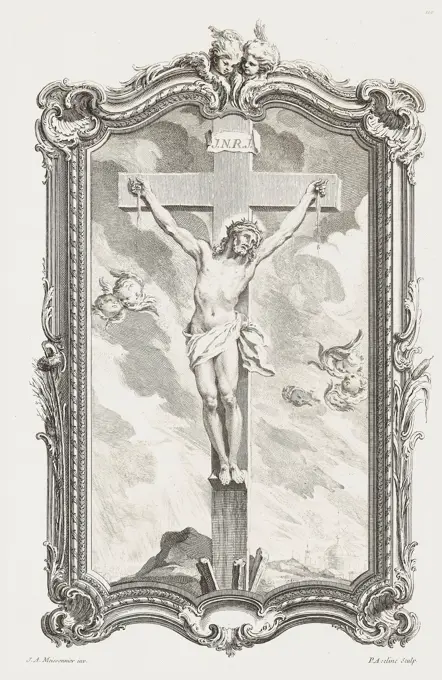
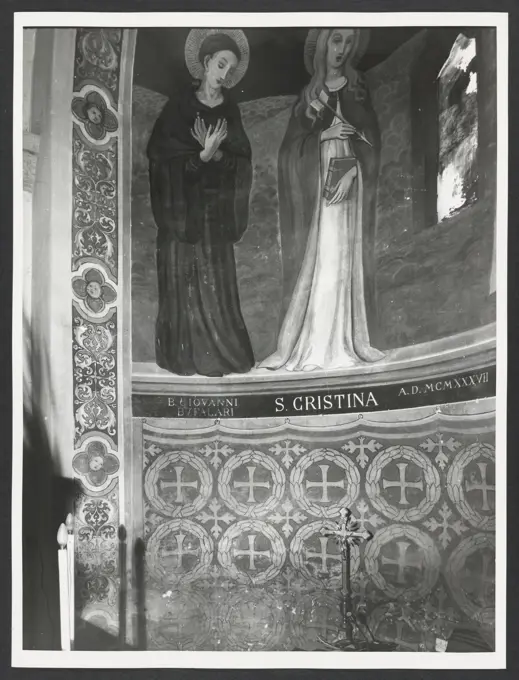
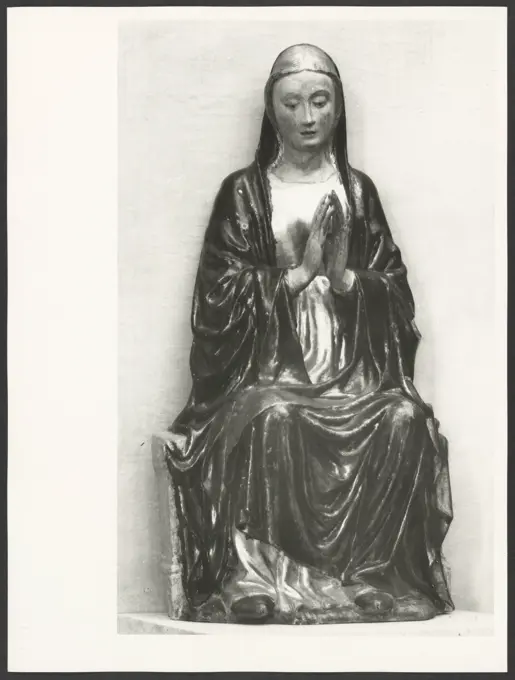
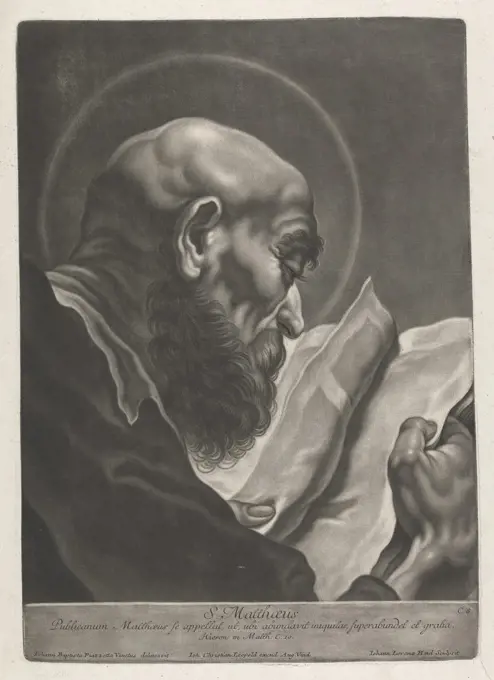
Frescoes of Historical Significance

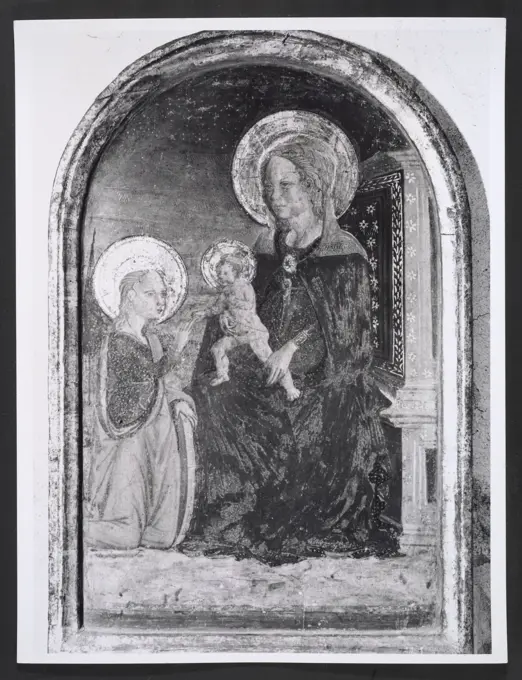
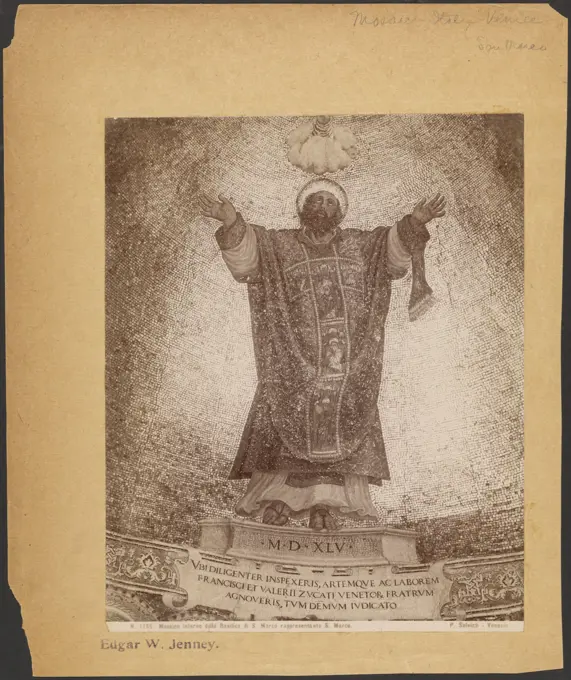
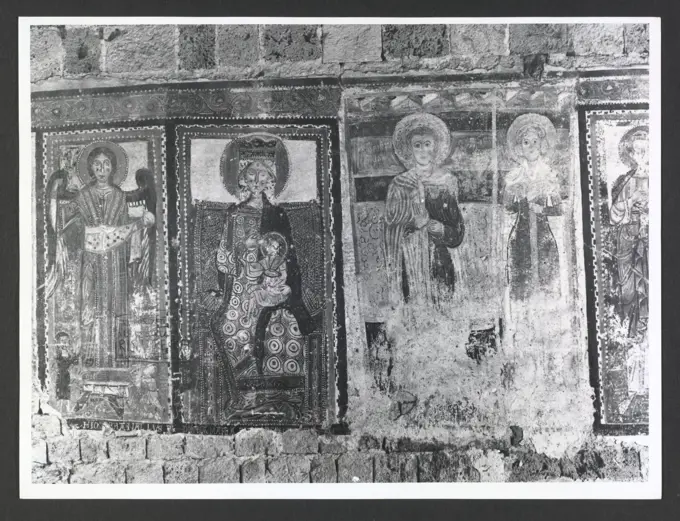
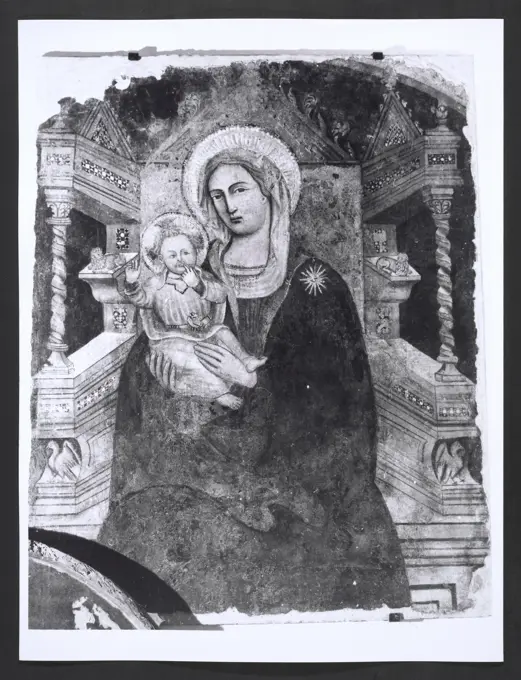
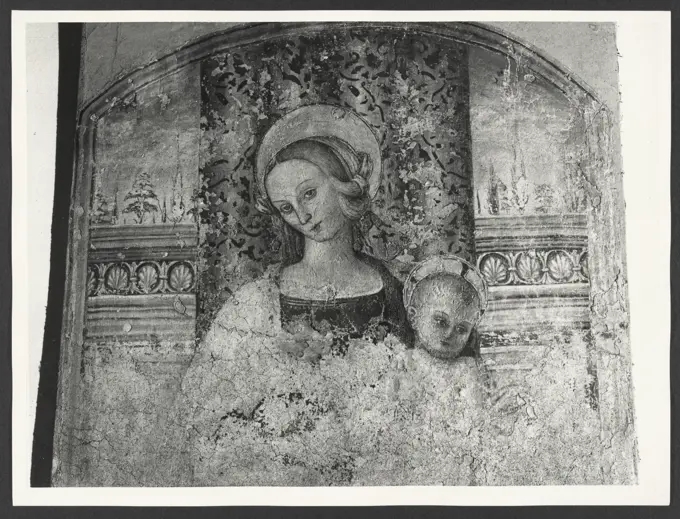
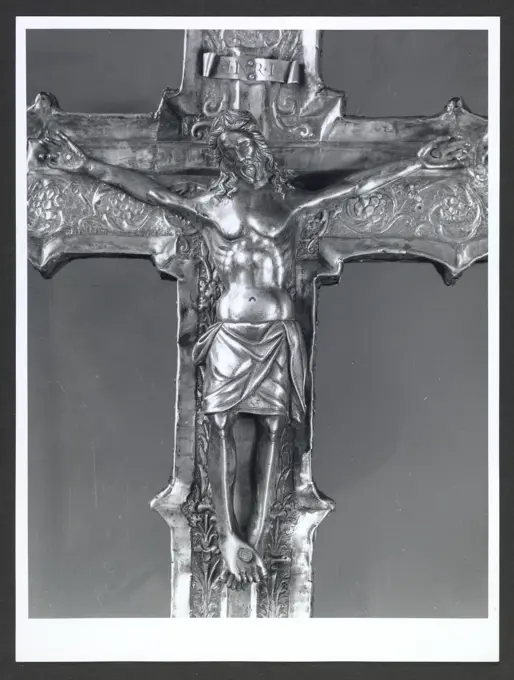
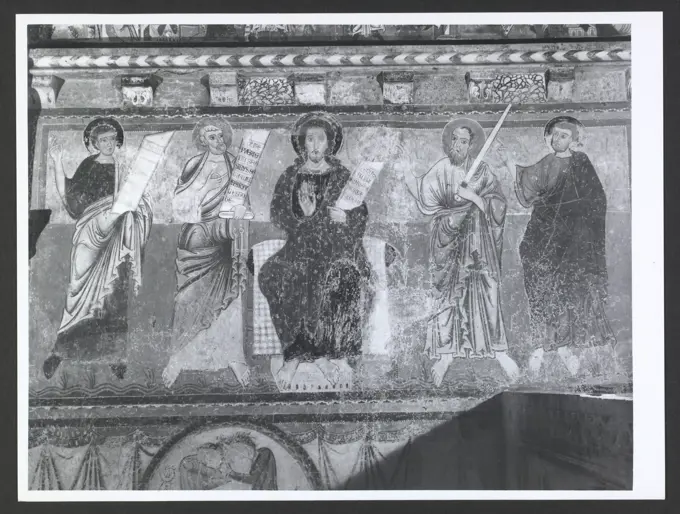
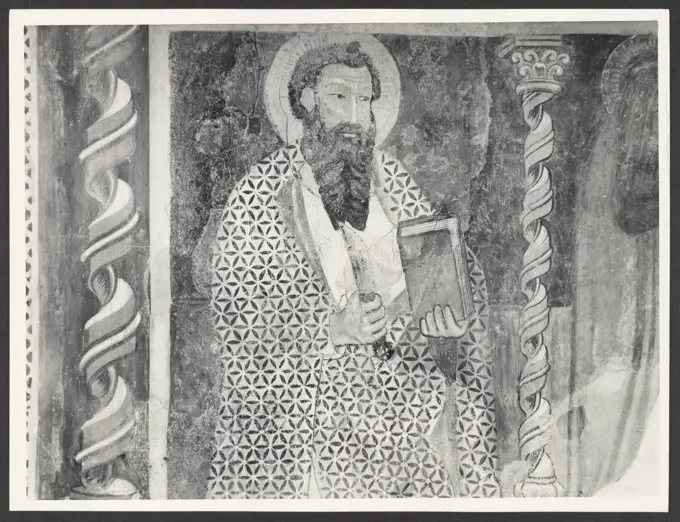
Photographic documentation of medieval frescoes highlighting religious and historical themes within architectural settings.

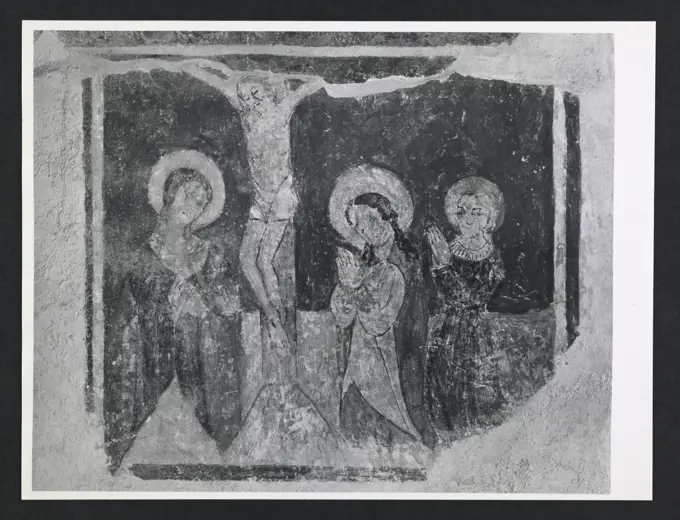
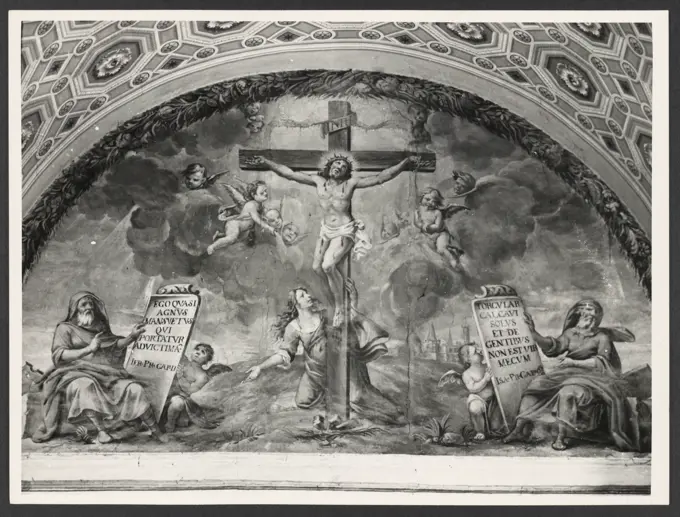
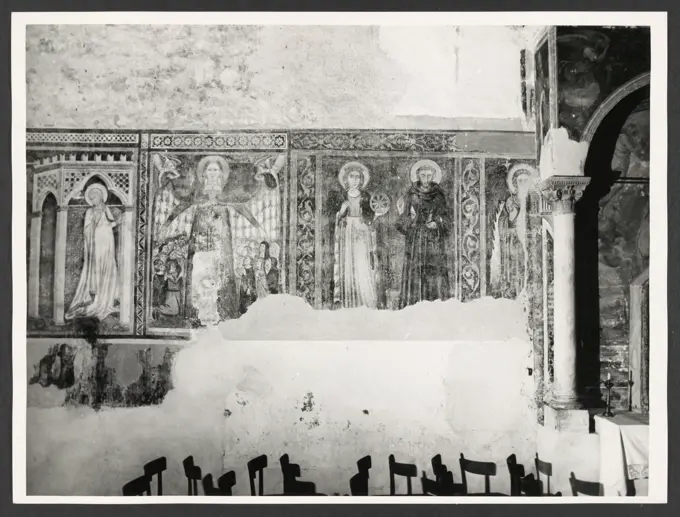
Umbria Terni Orvieto S. Giovenale52. Hutzel, Max 1960-1990 Medieval: Architecture (15th century), architectural sculpture Object Notes: Original church ancient German-born photographer and scholar Max Hutzel (1911-1988) photographed in Italy from the early 1960s until his death. The result of this project, referred to by Hutzel as Foto Arte Minore, is thorough documentation of art historical development in Italy up to the 18th century, including objects of the Etruscans and the Romans, as well as early Medieval, Romanesque, Gothic, Renaissance and Baroque monuments. Images are organized by geographic region in Italy, then by province, city, site complex and monument.
Lazio Latina Priverno S. Antonio Abate1. Hutzel, Max 1960-1990 Medieval: Architectual sculpture (14th century) sculpture. Post-medieval: Architecture; fresco cycles (13-15th century) German-born photographer and scholar Max Hutzel (1911-1988) photographed in Italy from the early 1960s until his death. The result of this project, referred to by Hutzel as Foto Arte Minore, is thorough documentation of art historical development in Italy up to the 18th century, including objects of the Etruscans and the Romans, as well as early Medieval, Romanesque, Gothic, Renaissance and Baroque monuments. Images are organized by geographic region in Italy, then by province, city, site complex and monument.Campania Benevento Sant'Agata de' Goti S. Menna8. Hutzel, Max 1960-1990 First campaign: architecture and architectural sculpture (11-12th centuries); inscription; tessellated pavement; sculpture; and frescos.. Second campaign: exterior and interior architectural views, including the central nave, aisles, and central and south sanctuaries; details of the: tesselated pavement and panels; capitals; and frescoes. Object Notes: There are 2 files of photographs, one from the first campaign conducted by Max Hutzel (28 photos) and one from the second campaign conducted by Roberto Sigismondi (Hutzel's former assistant), in 1990 (32 photos). German-born photographer and scholar Max Hutzel (1911-1988) photographed in Italy from the early 1960s until his death. The result of this project, referred to by Hutzel as Foto Arte Minore, is thorough documentation of art historical development in Italy up to the 18th century, including objects of the Etruscans and the Romans, as well as early Medieval, RoAbruzzo L'Aquila L'Aquila Museo Nazionale d'Abruzzo59. Hutzel, Max 1960-1990 Tabernacle from S. Maria delle Grotte in Fossa with scenes of the Presentation at the Temple, the Flagellation, the Annunciation, and the Betrayal by Judas. Museo Nazionale housed in Castle: several exterior views (The Archeological Museum is one gallery (Sala IV) of the Museo). Remaining views of museum collection, including paintings, processional crosses, reliquaries, chalices, ceramics, textiles, manuscripts, and a number of eighth century Abruzzan Madonna sculptures. Works from the church Madonna del Soccorso also stored in Museo. Museo Nazionale d'Abruzzo Roman inscriptions, sculpture and relief German-born photographer and scholar Max Hutzel (1911-1988) photographed in Italy from the early 1960s until his death. The result of this project, referred to by Hutzel as Foto Arte Minore, is thorough documentation of art historical development in Italy up to the 18th century, including objects of the EtruscansCampania Caserta Caserta Palazzo Reale5. Hutzel, Max 1960-1990 Post-medieval: Architecture & architectural sculpture, sculpture, statues, paintings, frescoes, stuccoes, furnishings & decorative art General Notes: Discrepancy in number of prints & negatives. Hutzel notes 824 prints & negatives. Negatives for 1-62 of one batch seem to be missing (would make a total of 824) German-born photographer and scholar Max Hutzel (1911-1988) photographed in Italy from the early 1960s until his death. The result of this project, referred to by Hutzel as Foto Arte Minore, is thorough documentation of art historical development in Italy up to the 18th century, including objects of the Etruscans and the Romans, as well as early Medieval, Romanesque, Gothic, Renaissance and Baroque monuments. Images are organized by geographic region in Italy, then by province, city, site complex and monument.Lazio Rieti Rieti Museo Civico14. Hutzel, Max 1960-1990 Some wooden statues, mostly of the Madonna & Child. In most part, paintings, including the Madonna & Child with SS. Domenico. Peter, Paul and Peter Martyr by Lucca di Tomme. There is also a tryptich of the Resurrection, with predella scenes of the Passion, and other Renaissance and Baroque paintings. Owner: Palazzo Comunale Antiquities: Antique statues and busts. Object Notes: Two Hutzel photo campaign dates, one December 22, 1982, the other date is not legible. There are two sets of prints, one with numbers and an "A" set with its own numbers. At this time, the "A" set matches to the negatives we have; however, the negatives are missing for the numbered set. Since the two sets are virtually identical, it would in most cases be possible to find an image in the "A" set that would have a negative. Numbered set: 72 prints; "A" set: 94 prints. German-born photographer and scholar Max Hutzel (1911-1988) photographed in Italy from the eLazio Viterbo Tuscania S. Silvestro. Hutzel, Max 1960-1990 Medieval: Romanesque architecture; architectural sculpture Post-medieval: Fresco (14th century) German-born photographer and scholar Max Hutzel (1911-1988) photographed in Italy from the early 1960s until his death. The result of this project, referred to by Hutzel as Foto Arte Minore, is thorough documentation of art historical development in Italy up to the 18th century, including objects of the Etruscans and the Romans, as well as early Medieval, Romanesque, Gothic, Renaissance and Baroque monuments. Images are organized by geographic region in Italy, then by province, city, site complex and monument.Lazio Roma Velletri S. Clemente, Cathedral7. Hutzel, Max 1960-1990 Medieval: Architecture (4th c., rebuilt c. 1300, reconstructed 1659-62); architectural sculpture and mosaic (13th century); Roman urn (1-2nd c. A.D.); wall painting; includes reused Roman and 8-11th century fragments). Post-medieval: Architecture, architectural sculpture, frescoes, sculpture Object Notes: Bibliographic material housed in Center library. Hutzel photo campaign date: October 30, 1982. There was another photo campaign previous to 1982, possibly 1962. There is one set of prints and a second "A" set with the same numbers and ideally the negatives would correspond to each set; however, they are commingled to a certain extent (particularly the later numbers of those in the Medieval core collection, whose print sequence fits into the "A" set, but whose negatives are filed under the other set). German-born photographer and scholar Max Hutzel (1911-1988) photographed in Italy from the early 1960s until his death. Abruzzo, Civitaretenga, S. Antonio, Italy, 20th century, photo, photography, EuropeLazio Frosinone Veroli S. Andrea Apostolo, Cathedral7. Hutzel, Max 1960-1990 Views of metalwork objects housed in Treasury of S. Andrea Apostolo, including busts, reliquaries, crosses, polittico, boxes. Antiquities: relief sculpture; busts General Notes: Museum, which contains Treasury, is located in the last chapel of the right nave. Thirteen views of (non-metalwork) sculpture from Museum have been assigned numbers at end of Treasury sequence, but there are no negatives corresponding to these prints, nor is there authoritative evidence that these objects are housed in the Cathedral Museum. German-born photographer and scholar Max Hutzel (1911-1988) photographed in Italy from the early 1960s until his death. The result of this project, referred to by Hutzel as Foto Arte Minore, is thorough documentation of art historical development in Italy up to the 18th century, including objects of the Etruscans and the Romans, as well as early Medieval, Romanesque, Gothic, Renaissance and Baroque Umbria Terni Narni S. Domenico87. Hutzel, Max 1960-1990 Medieval: 1965 photos, 29 Architecture, architectural sculpture (12th century); Wall painting (13-16th century); Mosaic, cosmati style pavement (c. 1200) 1986 photos, 44 Architecture, architectural sculpture, cosmati pavement, sculpture. Post-medieval: 1965 photos, 56 Frescoes, painting (13-16th century); sculpture (14-16th century) 1986 photos 167 Frescoes, painting, sculpture, metalwork Antiquities: 1986 Weaponry Object Notes: Church deconsecrated and modified for use as museum, 1970 General Notes: Bibliographic material sent, Getty Center library () German-born photographer and scholar Max Hutzel (1911-1988) photographed in Italy from the early 1960s until his death. The result of this project, referred to by Hutzel as Foto Arte Minore, is thorough documentation of art historical development in Italy up to the 18th century, including objects of the Etruscans and the Romans, as well as early Medieval, Romanesque, Gothic, RenaissLazio Roma Segni Palazzo Baronale7. Hutzel, Max 1960-1990 German-born photographer and scholar Max Hutzel (1911-1988) photographed in Italy from the early 1960s until his death. The result of this project, referred to by Hutzel as Foto Arte Minore, is thorough documentation of art historical development in Italy up to the 18th century, including objects of the Etruscans and the Romans, as well as early Medieval, Romanesque, Gothic, Renaissance and Baroque monuments. Images are organized by geographic region in Italy, then by province, city, site complex and monument.Umbria Perugia Perugia Galleria Nazionale dell'Umbria. Hutzel, Max 1960-1990 Views of Umbrian painting and sculpture. German-born photographer and scholar Max Hutzel (1911-1988) photographed in Italy from the early 1960s until his death. The result of this project, referred to by Hutzel as Foto Arte Minore, is thorough documentation of art historical development in Italy up to the 18th century, including objects of the Etruscans and the Romans, as well as early Medieval, Romanesque, Gothic, Renaissance and Baroque monuments. Images are organized by geographic region in Italy, then by province, city, site complex and monument.Marches Urbino Palazzo Ducale, Galleria Nazionale delle Marche61. Hutzel, Max 1960-1990 Post-medieval: First floor: Polyptychs, triptychs, crucifixes, panel paintings, sculpture, frescoes now housed in Museo; stucco decoration in private chapels Object Notes: See also Urbino, Museo Albani. With both sites the negs arrived separately from the prints, yet all negs were labelled as Urbino, Palazzo Ducale, making it difficult to match some negatives to their prints. German-born photographer and scholar Max Hutzel (1911-1988) photographed in Italy from the early 1960s until his death. The result of this project, referred to by Hutzel as Foto Arte Minore, is thorough documentation of art historical development in Italy up to the 18th century, including objects of the Etruscans and the Romans, as well as early Medieval, Romanesque, Gothic, Renaissance and Baroque monuments. Images are organized by geographic region in Italy, then by province, city, site complex and monument.Umbria Perugia S. Giorgio Parish church8. Hutzel, Max 1960-1990 These photographs were formerly filed under Norcia. Prints of the two exterior views are lost or missing. Remaining coverage is of the church interior, mostly of the frescoes. German-born photographer and scholar Max Hutzel (1911-1988) photographed in Italy from the early 1960s until his death. The result of this project, referred to by Hutzel as Foto Arte Minore, is thorough documentation of art historical development in Italy up to the 18th century, including objects of the Etruscans and the Romans, as well as early Medieval, Romanesque, Gothic, Renaissance and Baroque monuments. Images are organized by geographic region in Italy, then by province, city, site complex and monument.Lazio Roma Poli S. Antonio5. Hutzel, Max 1960-1990 Medieval: Exterior views of gothic church with bell cote. Details of rose window and portal. Post-medieval: 16th century frescos and stucco decoration German-born photographer and scholar Max Hutzel (1911-1988) photographed in Italy from the early 1960s until his death. The result of this project, referred to by Hutzel as Foto Arte Minore, is thorough documentation of art historical development in Italy up to the 18th century, including objects of the Etruscans and the Romans, as well as early Medieval, Romanesque, Gothic, Renaissance and Baroque monuments. Images are organized by geographic region in Italy, then by province, city, site complex and monument.Lazio Roma Rome S. Stefano del Cacco1. Hutzel, Max 1960-1990 Post-medieval: Architecture, sculpture, painting, frescoes, reliquary objects, high reliefs, iconostasis (15th century). Minor church found in vicinity of Piazza Argentina. Small basilica of early middle ages, enclosed by Baroque palaces. basilica of early middle ages, enclosed by Baroque palaces. Oratorium, small museum with Roman and early medieval sculpture of 9th century basilica is found. Photos show restoration process of retrieved statues from copper iconostasis which was stolen about 40 years ago and rediscovered in the early 1960's. German-born photographer and scholar Max Hutzel (1911-1988) photographed in Italy from the early 1960s until his death. The result of this project, referred to by Hutzel as Foto Arte Minore, is thorough documentation of art historical development in Italy up to the 18th century, including objects of the Etruscans and the Romans, as well as early Medieval, Romanesque, Gothic, Renaissance aLazio Rieti Farfa (environs) Abbey of S. Martino6. Hutzel, Max 1960-1990 Views of ruins of the Abbey complex and crypt on the mountain of S. Martino near Farfa. German-born photographer and scholar Max Hutzel (1911-1988) photographed in Italy from the early 1960s until his death. The result of this project, referred to by Hutzel as Foto Arte Minore, is thorough documentation of art historical development in Italy up to the 18th century, including objects of the Etruscans and the Romans, as well as early Medieval, Romanesque, Gothic, Renaissance and Baroque monuments. Images are organized by geographic region in Italy, then by province, city, site complex and monument.Lazio Rieti Leonessa S. Francesco7. Hutzel, Max 1960-1990 Medieval: Architecture, architectural sculpture (14-15th century). Post-medieval: Metalwork, sculpture (16th century), painted wood statues (15th century), frescoes, sculpture Presbytery serving as museum: sculpture, painting (17th century), frescoes, metalwork--processional cross German-born photographer and scholar Max Hutzel (1911-1988) photographed in Italy from the early 1960s until his death. The result of this project, referred to by Hutzel as Foto Arte Minore, is thorough documentation of art historical development in Italy up to the 18th century, including objects of the Etruscans and the Romans, as well as early Medieval, Romanesque, Gothic, Renaissance and Baroque monuments. Images are organized by geographic region in Italy, then by province, city, site complex and monument.Umbria Perugia Nocera Umbra S. Francesco7. Hutzel, Max 1960-1990 Post-medieval: Exterior views of architecture and architectural sculpture of S. Francesco Pinacoteca: fresco fragments, panel painting, polyptych, painting, miscelaneous architectural fragments Owner: Pinacoteca Comunale German-born photographer and scholar Max Hutzel (1911-1988) photographed in Italy from the early 1960s until his death. The result of this project, referred to by Hutzel as Foto Arte Minore, is thorough documentation of art historical development in Italy up to the 18th century, including objects of the Etruscans and the Romans, as well as early Medieval, Romanesque, Gothic, Renaissance and Baroque monuments. Images are organized by geographic region in Italy, then by province, city, site complex and monument.Lazio Viterbo Orte Chiesa della Trinita4. Hutzel, Max 1960-1990 Post-medieval: Architecture; fresco: 15th century and later (recently restored) German-born photographer and scholar Max Hutzel (1911-1988) photographed in Italy from the early 1960s until his death. The result of this project, referred to by Hutzel as Foto Arte Minore, is thorough documentation of art historical development in Italy up to the 18th century, including objects of the Etruscans and the Romans, as well as early Medieval, Romanesque, Gothic, Renaissance and Baroque monuments. Images are organized by geographic region in Italy, then by province, city, site complex and monument.Lazio Frosinone Anagni Chiesa3. Hutzel, Max 1960-1990 Medieval: Architecture, architectural sculpture, cosmati pavement, fresco fragments. Views of the exterior and interior, especially of the (damaged) frescoes and mosaic floors. Owner: chiesa dei cappuccini German-born photographer and scholar Max Hutzel (1911-1988) photographed in Italy from the early 1960s until his death. The result of this project, referred to by Hutzel as Foto Arte Minore, is thorough documentation of art historical development in Italy up to the 18th century, including objects of the Etruscans and the Romans, as well as early Medieval, Romanesque, Gothic, Renaissance and Baroque monuments. Images are organized by geographic region in Italy, then by province, city, site complex and monument.Lazio Roma Rome S. Maria in Vallicella9. Hutzel, Max 1960-1990 Views of 16th church's facade by Fausto Rughesi(1605). Views of interior nave, altars, sacristy, and collection in private rooms. Extensive coverage of frescoes and paintings. Three views of an embroidery with a depiction of the Assumption of the Virgin. General Notes: Views of Oratorio dei Filippini are filed separately, but retain H-numbers within this monument's numerical sequence. German-born photographer and scholar Max Hutzel (1911-1988) photographed in Italy from the early 1960s until his death. The result of this project, referred to by Hutzel as Foto Arte Minore, is thorough documentation of art historical development in Italy up to the 18th century, including objects of the Etruscans and the Romans, as well as early Medieval, Romanesque, Gothic, Renaissance and Baroque monuments. Images are organized by geographic region in Italy, then by province, city, site complex and monument.Marches Macerata Visso environs S. Valentino5. Hutzel, Max 1960-1990 Small church in the environs of Visso. Photos of interior only, with emphasis on the 14th-16th century frescoes. Object Notes: Hutzel photo campaign notes are undated. Negatives are missing, but prints do not match with S. Francesco negatives, for which there are no prints. German-born photographer and scholar Max Hutzel (1911-1988) photographed in Italy from the early 1960s until his death. The result of this project, referred to by Hutzel as Foto Arte Minore, is thorough documentation of art historical development in Italy up to the 18th century, including objects of the Etruscans and the Romans, as well as early Medieval, Romanesque, Gothic, Renaissance and Baroque monuments. Images are organized by geographic region in Italy, then by province, city, site complex and monument.Interior Mosaic, Saint Mark's Basilica. Paolo Salviati (Italian, 1818 - 1894)Lazio Roma Rome SS. Giovanni e Paolo14. Hutzel, Max 1960-1990 Views of basement level christian tomb (confessio) with frescoes and of oratory with altar. Views of apse frescoes in current, ground level basilica, paintings from cappella di S. Paolo alla Croce, and collection of papal portraits from the octagonal vestibule preceding sacristy. Views of sculpture in cloister garden. Antiquities: Views of basement level remains of roman palazzo with second and third century frescoes decorating former triclinium, tablinium, ninfeo, and oratorium. Sarcophagus and fragments in cloister garden. Object Notes: Church museum has separate file and record. German-born photographer and scholar Max Hutzel (1911-1988) photographed in Italy from the early 1960s until his death. The result of this project, referred to by Hutzel as Foto Arte Minore, is thorough documentation of art historical development in Italy up to the 18th century, including objects of the Etruscans and the Romans, as well as early MAbruzzo L'Aquila Filetto S. Crisante e S. Daria8. Hutzel, Max 1960-1990 Medieval: 12-13th century architecture and frescos. German-born photographer and scholar Max Hutzel (1911-1988) photographed in Italy from the early 1960s until his death. The result of this project, referred to by Hutzel as Foto Arte Minore, is thorough documentation of art historical development in Italy up to the 18th century, including objects of the Etruscans and the Romans, as well as early Medieval, Romanesque, Gothic, Renaissance and Baroque monuments. Images are organized by geographic region in Italy, then by province, city, site complex and monument.Lazio Viterbo Tuscania Cathedral0. Hutzel, Max 1960-1990 Post-medieval: Architecture, 16th century (largely restored in the 18th century); paintings on canvas and panel; fresco; sculpture German-born photographer and scholar Max Hutzel (1911-1988) photographed in Italy from the early 1960s until his death. The result of this project, referred to by Hutzel as Foto Arte Minore, is thorough documentation of art historical development in Italy up to the 18th century, including objects of the Etruscans and the Romans, as well as early Medieval, Romanesque, Gothic, Renaissance and Baroque monuments. Images are organized by geographic region in Italy, then by province, city, site complex and monument.Lazio Latina Bassiano S. Maria. Hutzel, Max 1960-1990 Exterior and interior views of what appears to be an ex-church, with details of fresco fragments. Object Notes: There are no Hutzel photo campaign notes. German-born photographer and scholar Max Hutzel (1911-1988) photographed in Italy from the early 1960s until his death. The result of this project, referred to by Hutzel as Foto Arte Minore, is thorough documentation of art historical development in Italy up to the 18th century, including objects of the Etruscans and the Romans, as well as early Medieval, Romanesque, Gothic, Renaissance and Baroque monuments. Images are organized by geographic region in Italy, then by province, city, site complex and monument.Marches Urbino Palazzo Ducale, Galleria Nazionale delle Marche76. Hutzel, Max 1960-1990 Post-medieval: First floor: Polyptychs, triptychs, crucifixes, panel paintings, sculpture, frescoes now housed in Museo; stucco decoration in private chapels Object Notes: See also Urbino, Museo Albani. With both sites the negs arrived separately from the prints, yet all negs were labelled as Urbino, Palazzo Ducale, making it difficult to match some negatives to their prints. German-born photographer and scholar Max Hutzel (1911-1988) photographed in Italy from the early 1960s until his death. The result of this project, referred to by Hutzel as Foto Arte Minore, is thorough documentation of art historical development in Italy up to the 18th century, including objects of the Etruscans and the Romans, as well as early Medieval, Romanesque, Gothic, Renaissance and Baroque monuments. Images are organized by geographic region in Italy, then by province, city, site complex and monument.Tuscany Grosseto Massa Marittima Museo Civico1. Hutzel, Max 1960-1990 Post-medieval: Panel painting (1), painting Antiquities: Sculpture, urns, arrowheads, tools German-born photographer and scholar Max Hutzel (1911-1988) photographed in Italy from the early 1960s until his death. The result of this project, referred to by Hutzel as Foto Arte Minore, is thorough documentation of art historical development in Italy up to the 18th century, including objects of the Etruscans and the Romans, as well as early Medieval, Romanesque, Gothic, Renaissance and Baroque monuments. Images are organized by geographic region in Italy, then by province, city, site complex and monument.Umbria Perugia Bettona Palazzo Podesta5. Hutzel, Max 1960-1990 Post-medieval: Architecture, architectural sculpture, frescos, decorative arts Owner: Pinacoteca German-born photographer and scholar Max Hutzel (1911-1988) photographed in Italy from the early 1960s until his death. The result of this project, referred to by Hutzel as Foto Arte Minore, is thorough documentation of art historical development in Italy up to the 18th century, including objects of the Etruscans and the Romans, as well as early Medieval, Romanesque, Gothic, Renaissance and Baroque monuments. Images are organized by geographic region in Italy, then by province, city, site complex and monument.Lazio Roma Rome S. Bartolomeo de Insula8. Hutzel, Max 1960-1990 Medieval: Architecture, architectural sculpture, sculptural fragments, architectural fragments. Post-medieval: Painting, stucco, architectural sculpture, architecture, fresco painting, sculpture General Notes: Originally built in the 10th century by German Kaiser Ottone II, on the island of the Tiber River, over the ruins of the Roman temple Esculapio. Enlarged in the 12th century, this renovation was destroyed in a flood in the mid 16th century. Current facade dates from 1624 by Torriani. German-born photographer and scholar Max Hutzel (1911-1988) photographed in Italy from the early 1960s until his death. The result of this project, referred to by Hutzel as Foto Arte Minore, is thorough documentation of art historical development in Italy up to the 18th century, including objects of the Etruscans and the Romans, as well as early Medieval, Romanesque, Gothic, Renaissance and Baroque monuments. Images are organized by geogLazio Rieti Rieti Museo Civico53. Hutzel, Max 1960-1990 Some wooden statues, mostly of the Madonna & Child. In most part, paintings, including the Madonna & Child with SS. Domenico. Peter, Paul and Peter Martyr by Lucca di Tomme. There is also a tryptich of the Resurrection, with predella scenes of the Passion, and other Renaissance and Baroque paintings. Owner: Palazzo Comunale Antiquities: Antique statues and busts. Object Notes: Two Hutzel photo campaign dates, one December 22, 1982, the other date is not legible. There are two sets of prints, one with numbers and an "A" set with its own numbers. At this time, the "A" set matches to the negatives we have; however, the negatives are missing for the numbered set. Since the two sets are virtually identical, it would in most cases be possible to find an image in the "A" set that would have a negative. Numbered set: 72 prints; "A" set: 94 prints. German-born photographer and scholar Max Hutzel (1911-1988) photographed in Italy from the eCampania Caserta Ventaroli S. Maria in Foro Claudio8. Hutzel, Max 1960-1990 German-born photographer and scholar Max Hutzel (1911-1988) photographed in Italy from the early 1960s until his death. The result of this project, referred to by Hutzel as Foto Arte Minore, is thorough documentation of art historical development in Italy up to the 18th century, including objects of the Etruscans and the Romans, as well as early Medieval, Romanesque, Gothic, Renaissance and Baroque monuments. Images are organized by geographic region in Italy, then by province, city, site complex and monument.Umbria Perugia Rocca S. Angelo S. Maria in Arce, Convent church7. Hutzel, Max 1960-1990 Exterior views of facade, apse and cloister. Interior views of altar, paintings and votive frescoes (14th-16th c.) German-born photographer and scholar Max Hutzel (1911-1988) photographed in Italy from the early 1960s until his death. The result of this project, referred to by Hutzel as Foto Arte Minore, is thorough documentation of art historical development in Italy up to the 18th century, including objects of the Etruscans and the Romans, as well as early Medieval, Romanesque, Gothic, Renaissance and Baroque monuments. Images are organized by geographic region in Italy, then by province, city, site complex and monument.Abruzzo L'Aquila Celano Museum10. Hutzel, Max 1960-1990 Medieval: Manuscripts: Miniature nella Marsica; Trasacco - Antifonario; Tagliacozzo - Messale; Avezzano - L'Ecultet Metalwork--processional crosses Post-medieval: Vestments, metalwork, painting, frescoes, sculpture German-born photographer and scholar Max Hutzel (1911-1988) photographed in Italy from the early 1960s until his death. The result of this project, referred to by Hutzel as Foto Arte Minore, is thorough documentation of art historical development in Italy up to the 18th century, including objects of the Etruscans and the Romans, as well as early Medieval, Romanesque, Gothic, Renaissance and Baroque monuments. Images are organized by geographic region in Italy, then by province, city, site complex and monument.Abruzzo L'Aquila Bominaco S. Pellegrino, Oratory87. Hutzel, Max 1960-1990 Medieval: Architecture, sculpture (12-13th century) Post-medieval: Fresco cycle (13th century) (Count: 252) German-born photographer and scholar Max Hutzel (1911-1988) photographed in Italy from the early 1960s until his death. The result of this project, referred to by Hutzel as Foto Arte Minore, is thorough documentation of art historical development in Italy up to the 18th century, including objects of the Etruscans and the Romans, as well as early Medieval, Romanesque, Gothic, Renaissance and Baroque monuments. Images are organized by geographic region in Italy, then by province, city, site complex and monument.Umbria Terni Casteldilago S. Nicola, Parish church0. Hutzel, Max 1960-1990 German-born photographer and scholar Max Hutzel (1911-1988) photographed in Italy from the early 1960s until his death. The result of this project, referred to by Hutzel as Foto Arte Minore, is thorough documentation of art historical development in Italy up to the 18th century, including objects of the Etruscans and the Romans, as well as early Medieval, Romanesque, Gothic, Renaissance and Baroque monuments. Images are organized by geographic region in Italy, then by province, city, site complex and monument.Abruzzo L'Aquila Celano Museum2. Hutzel, Max 1960-1990 Medieval: Manuscripts: Miniature nella Marsica; Trasacco - Antifonario; Tagliacozzo - Messale; Avezzano - L'Ecultet Metalwork--processional crosses Post-medieval: Vestments, metalwork, painting, frescoes, sculpture German-born photographer and scholar Max Hutzel (1911-1988) photographed in Italy from the early 1960s until his death. The result of this project, referred to by Hutzel as Foto Arte Minore, is thorough documentation of art historical development in Italy up to the 18th century, including objects of the Etruscans and the Romans, as well as early Medieval, Romanesque, Gothic, Renaissance and Baroque monuments. Images are organized by geographic region in Italy, then by province, city, site complex and monument.Umbria Terni Narni S. Giovenale, Cathedral89. Hutzel, Max 1960-1990 Medieval: Architectural sculpture, cosmati pavement, wall painting, mosaic (12th century). Post-medieval: 1982 & 1986 photos Architecture, architectural sculpture (17th century); painting, frescoes (17-18th century); sculpture, tombstones (16-18th century); metalwork, processional cross, candlestick, reliquary, chalice (16-17th century) General Notes: Site comprises two separate photo campaigns. Bibliographic material sent, now in Center Library German-born photographer and scholar Max Hutzel (1911-1988) photographed in Italy from the early 1960s until his death. The result of this project, referred to by Hutzel as Foto Arte Minore, is thorough documentation of art historical development in Italy up to the 18th century, including objects of the Etruscans and the Romans, as well as early Medieval, Romanesque, Gothic, Renaissance and Baroque monuments. Images are organized by geographic region in Italy, then by province,Umbria Perugia Arrone S. Giovanni1. Hutzel, Max 1960-1990 Views of the interior, exterior, and interior frescoes. German-born photographer and scholar Max Hutzel (1911-1988) photographed in Italy from the early 1960s until his death. The result of this project, referred to by Hutzel as Foto Arte Minore, is thorough documentation of art historical development in Italy up to the 18th century, including objects of the Etruscans and the Romans, as well as early Medieval, Romanesque, Gothic, Renaissance and Baroque monuments. Images are organized by geographic region in Italy, then by province, city, site complex and monument.Lazio Frosinone Veroli S. Andrea Apostolo, Cathedral4. Hutzel, Max 1960-1990 Views of metalwork objects housed in Treasury of S. Andrea Apostolo, including busts, reliquaries, crosses, polittico, boxes. Antiquities: relief sculpture; busts General Notes: Museum, which contains Treasury, is located in the last chapel of the right nave. Thirteen views of (non-metalwork) sculpture from Museum have been assigned numbers at end of Treasury sequence, but there are no negatives corresponding to these prints, nor is there authoritative evidence that these objects are housed in the Cathedral Museum. German-born photographer and scholar Max Hutzel (1911-1988) photographed in Italy from the early 1960s until his death. The result of this project, referred to by Hutzel as Foto Arte Minore, is thorough documentation of art historical development in Italy up to the 18th century, including objects of the Etruscans and the Romans, as well as early Medieval, Romanesque, Gothic, Renaissance and Baroque Abruzzo L'Aquila Caporciano S. Pietro in Valle5. Hutzel, Max 1960-1990 Post-medieval: Architecture, architectural sculpture (12th century) Ciborium, sarcofagus, altar with frescos, stoup (12th cent.) German-born photographer and scholar Max Hutzel (1911-1988) photographed in Italy from the early 1960s until his death. The result of this project, referred to by Hutzel as Foto Arte Minore, is thorough documentation of art historical development in Italy up to the 18th century, including objects of the Etruscans and the Romans, as well as early Medieval, Romanesque, Gothic, Renaissance and Baroque monuments. Images are organized by geographic region in Italy, then by province, city, site complex and monument.Lazio Roma Rome S. Sebastiano and Catacumbas4. Hutzel, Max 1960-1990 Medieval: Fresco paintings from chapel of Onorio III, "Sebastiano ad Catacumbas" (13th century, c. 1216-1227). Post-medieval: 17th century architecture (1609, architectural sculpture, sculpture, painting, fresco painting, stucco. On via Appia. General Notes: Missing 15-17, and 38-41. 94 prints total according to H. German-born photographer and scholar Max Hutzel (1911-1988) photographed in Italy from the early 1960s until his death. The result of this project, referred to by Hutzel as Foto Arte Minore, is thorough documentation of art historical development in Italy up to the 18th century, including objects of the Etruscans and the Romans, as well as early Medieval, Romanesque, Gothic, Renaissance and Baroque monuments. Images are organized by geographic region in Italy, then by province, city, site complex and monument.Abruzzo L'Aquila Bominaco S. Pellegrino, Oratory1. Hutzel, Max 1960-1990 Medieval: Architecture, sculpture (12-13th century) Post-medieval: Fresco cycle (13th century) (Count: 252) German-born photographer and scholar Max Hutzel (1911-1988) photographed in Italy from the early 1960s until his death. The result of this project, referred to by Hutzel as Foto Arte Minore, is thorough documentation of art historical development in Italy up to the 18th century, including objects of the Etruscans and the Romans, as well as early Medieval, Romanesque, Gothic, Renaissance and Baroque monuments. Images are organized by geographic region in Italy, then by province, city, site complex and monument.Abruzzo L'Aquila L'Aquila Museo Nazionale d'Abruzzo87. Hutzel, Max 1960-1990 Tabernacle from S. Maria delle Grotte in Fossa with scenes of the Presentation at the Temple, the Flagellation, the Annunciation, and the Betrayal by Judas. Museo Nazionale housed in Castle: several exterior views (The Archeological Museum is one gallery (Sala IV) of the Museo). Remaining views of museum collection, including paintings, processional crosses, reliquaries, chalices, ceramics, textiles, manuscripts, and a number of eighth century Abruzzan Madonna sculptures. Works from the church Madonna del Soccorso also stored in Museo. Museo Nazionale d'Abruzzo Roman inscriptions, sculpture and relief German-born photographer and scholar Max Hutzel (1911-1988) photographed in Italy from the early 1960s until his death. The result of this project, referred to by Hutzel as Foto Arte Minore, is thorough documentation of art historical development in Italy up to the 18th century, including objects of the EtruscansLazio Roma Albano Laziale Catacombe di S. Senatore2. Hutzel, Max 1960-1990 Antiquities: Interior views: fragments of architectural sculpture, some with inscriptions; wall painting (4-9th century) Object Notes: Catacombs beneath church church of S. Maria della Stella German-born photographer and scholar Max Hutzel (1911-1988) photographed in Italy from the early 1960s until his death. The result of this project, referred to by Hutzel as Foto Arte Minore, is thorough documentation of art historical development in Italy up to the 18th century, including objects of the Etruscans and the Romans, as well as early Medieval, Romanesque, Gothic, Renaissance and Baroque monuments. Images are organized by geographic region in Italy, then by province, city, site complex and monument.Umbria Perugia Schifanoia S. Michele Arcangelo5. Hutzel, Max 1960-1990 Medieval: Architecture (14th century); pavement. Post-medieval: Frescos (14th-16th centuries) Object Notes: Undocumented Hutzel name. According to his notes, Schifanoia is a part of Narni. German-born photographer and scholar Max Hutzel (1911-1988) photographed in Italy from the early 1960s until his death. The result of this project, referred to by Hutzel as Foto Arte Minore, is thorough documentation of art historical development in Italy up to the 18th century, including objects of the Etruscans and the Romans, as well as early Medieval, Romanesque, Gothic, Renaissance and Baroque monuments. Images are organized by geographic region in Italy, then by province, city, site complex and monument.Tuscany Siena Montalcino S. Agostino0. Hutzel, Max 1960-1990 Medieval: Architecture, architectural sculpture (14th century). Post-medieval: Frescoes (12th century) depicting saints, life of S. Agostino, the resurrection General Notes: When these negatives were sent there was confusion with identifying these prints and negatives and those of S. Antimo. Some intermingling MAY still exist. German-born photographer and scholar Max Hutzel (1911-1988) photographed in Italy from the early 1960s until his death. The result of this project, referred to by Hutzel as Foto Arte Minore, is thorough documentation of art historical development in Italy up to the 18th century, including objects of the Etruscans and the Romans, as well as early Medieval, Romanesque, Gothic, Renaissance and Baroque monuments. Images are organized by geographic region in Italy, then by province, city, site complex and monument.Marches Urbino Palazzo Ducale, Galleria Nazionale delle Marche19. Hutzel, Max 1960-1990 Post-medieval: First floor: Polyptychs, triptychs, crucifixes, panel paintings, sculpture, frescoes now housed in Museo; stucco decoration in private chapels Object Notes: See also Urbino, Museo Albani. With both sites the negs arrived separately from the prints, yet all negs were labelled as Urbino, Palazzo Ducale, making it difficult to match some negatives to their prints. German-born photographer and scholar Max Hutzel (1911-1988) photographed in Italy from the early 1960s until his death. The result of this project, referred to by Hutzel as Foto Arte Minore, is thorough documentation of art historical development in Italy up to the 18th century, including objects of the Etruscans and the Romans, as well as early Medieval, Romanesque, Gothic, Renaissance and Baroque monuments. Images are organized by geographic region in Italy, then by province, city, site complex and monument.Abruzzo L'Aquila Rosciolo dei Marsi (environs) S. Maria in Valle Porclaneta6. Hutzel, Max 1960-1990 Exterior views of this former Benedictine abbey church include an inscribed plaque before the narthex; a polygonal apse with foliate sculptural details (13th century); and windows. Interior views include the tomb of Mater Niccolo and damaged frescoes (13th-16th centuries), but most coverage is of the architectural sculpture. The choir screen (mid 12th-13th centuries) is decorated with seraphim, busts of apostles in relief, foliate forms, rosettes, eagles, a lion, dragon, griffin, acanthus molding and vine scroll. The pulpit decoration consists of foliage inhabited by bearded or nude men, griffins or beasts as well as narrative relief sculpture such as Jonah coughed up by a whale and Jonah sitting under a gourd tree. The ciborium, piers and impost blocks are also decorated with figures, rosettes, dentils, quadrupeds and foliage. German-born photographer and scholar Max Hutzel (1911-1988) Umbria Perugia Montefalco S. Bartolomeo0. Hutzel, Max 1960-1990 Medieval: Architecture, architectural sculpture. Post-medieval: Architecture, architectural sculpture, sculpture, painting Specific Location: Piazza Dante German-born photographer and scholar Max Hutzel (1911-1988) photographed in Italy from the early 1960s until his death. The result of this project, referred to by Hutzel as Foto Arte Minore, is thorough documentation of art historical development in Italy up to the 18th century, including objects of the Etruscans and the Romans, as well as early Medieval, Romanesque, Gothic, Renaissance and Baroque monuments. Images are organized by geographic region in Italy, then by province, city, site complex and monument.Lazio Roma Anguillara Sabazia S. Francesco5. Hutzel, Max 1960-1990 Post-medieval: Architecture (15th century) including ruins of cloister. Fresco cycle of Madonna and Child with two angels (13-14th century). Several views of church exterior, and extensive coverage of interior frescoes, both before their restoration in l960, and afterwards, in l983. General Notes: Hutzel sent us two sets of prints (57 in one, 72 in the other) made from the same set of negatives but assigned different numbers. These two have now been synthesized into one sequence. German-born photographer and scholar Max Hutzel (1911-1988) photographed in Italy from the early 1960s until his death. The result of this project, referred to by Hutzel as Foto Arte Minore, is thorough documentation of art historical development in Italy up to the 18th century, including objects of the Etruscans and the Romans, as well as early Medieval, Romanesque, Gothic, Renaissance and Baroque monuments. Images are organized by geographic Umbria Perugia Vallo di Nera S. Maria3. Hutzel, Max 1960-1990 Medieval: Exterior, architecture and architectural sculpture (12th-13th centuries). Post-medieval: Fresco painting, partially destroyed after 1973 earthquake (12th-17th centuries) General Notes: Hutzel sent sheet from earlier photo campaign of same site, comprising 92 prints. Sheet indicates mainly painting material. Able to locate only 3 prints. German-born photographer and scholar Max Hutzel (1911-1988) photographed in Italy from the early 1960s until his death. The result of this project, referred to by Hutzel as Foto Arte Minore, is thorough documentation of art historical development in Italy up to the 18th century, including objects of the Etruscans and the Romans, as well as early Medieval, Romanesque, Gothic, Renaissance and Baroque monuments. Images are organized by geographic region in Italy, then by province, city, site complex and monument.Nike or Winged Goddess ofVictoryCampania Caserta Teano Cathedral3. Hutzel, Max 1960-1990 Medieval: Built 1116, remodelled by Andrea Vaccaro in 1630, restored in years following damage in second world war. Includes re-used Roman capitals. Architecture, architectural sculpture; sculpture including painted wooded crucifix (c.1330-31) and pulpit (13th century) with mosaic and relief. The Cripta di S. Paride acts as a small museum containing roman, medieval, and modern marble. Post-medieval: Choir stall (MCMLVII); paintings by Francesco de Mura in the Cappella di S. Paride; marble fragments from the Cripta di S. Paride Antiquities: spolia Object Notes: Originally dedicated to S. Terenziano, now dedicated to S. Clemente German-born photographer and scholar Max Hutzel (1911-1988) photographed in Italy from the early 1960s until his death. The result of this project, referred to by Hutzel as Foto Arte Minore, is thorough documentation of art historical development in Italy up to the 18th century, including objects of the EtrUmbria Terni Terni S. Valentino4. Hutzel, Max 1960-1990 Post-medieval: Architecture (early 17th century); marble altar bearing the arms of Leopold of Austria; paintings (17th century); grave monuments of the Sciamanna family German-born photographer and scholar Max Hutzel (1911-1988) photographed in Italy from the early 1960s until his death. The result of this project, referred to by Hutzel as Foto Arte Minore, is thorough documentation of art historical development in Italy up to the 18th century, including objects of the Etruscans and the Romans, as well as early Medieval, Romanesque, Gothic, Renaissance and Baroque monuments. Images are organized by geographic region in Italy, then by province, city, site complex and monument.Lazio Viterbo Viterbo S. Maria Nuova5. Hutzel, Max 1960-1990 Exterior and interior views of nave and altar in Medieval collection. In Hutzel collection are views of paintings, frescoes, architectural details, throne. Owner: S. Maria Nuova General Notes: Seventy-one catalogued views in Medieval core collection and fifty-one uncatalogued, some of which do not have matching negs. Two numerical sequences have been fused into one; see guide. German-born photographer and scholar Max Hutzel (1911-1988) photographed in Italy from the early 1960s until his death. The result of this project, referred to by Hutzel as Foto Arte Minore, is thorough documentation of art historical development in Italy up to the 18th century, including objects of the Etruscans and the Romans, as well as early Medieval, Romanesque, Gothic, Renaissance and Baroque monuments. Images are organized by geographic region in Italy, then by province, city, site complex and monument.Lazio Roma Anticoli Corrado S. Pietro1. Hutzel, Max 1960-1990 Medieval: Architecture, architectural sculpture, mosaic floor, frescoes, metal crucifix. The church was built in the 11th century and still preserves fragments of the original floor. Some of the wall and ceiling frescoes date to the 13th century. Post-medieval: Architecture, frescoes, wooden crucifix. Wall and ceiling frescoes from the 16th and 17th centuries. Object Notes: Mistake in numbering; one number left out. German-born photographer and scholar Max Hutzel (1911-1988) photographed in Italy from the early 1960s until his death. The result of this project, referred to by Hutzel as Foto Arte Minore, is thorough documentation of art historical development in Italy up to the 18th century, including objects of the Etruscans and the Romans, as well as early Medieval, Romanesque, Gothic, Renaissance and Baroque monuments. Images are organized by geographic region in Italy, then by province, city, site complex and monument.Abruzzo L'Aquila Sulmona Museo Civico7. Hutzel, Max 1960-1990 Museo Civico Treasures: these objects (Tesoro del Pio Istituto della SS. Annunziata and Tesoro della Cattedrale) are now housed in the security vault of a bank, not in the Museo Civico, as noted in Hutzel's photo campaign notes of August 1984. Views of the treasures include: a silver processional cross (14th century); gold, silver and enamel chalice (13th century), gold and silver crosier with sculpted figures depicting the Annunciation (13th century), a silver and gold reliquary with glass (13th century), a silver diadem (13th century), and a box-like silver and gold reliquary (15th century). German-born photographer and scholar Max Hutzel (1911-1988) photographed in Italy from the early 1960s until his death. The result of this project, referred to by Hutzel as Foto Arte Minore, is thorough documentation of art historical development in Italy up to the 18th century, including objects of the Etruscans and the Romans, as welBliżej Kultury unknownUmbria Terni Terni Palazzo Manassei0. Hutzel, Max 1960-1990 Exterior views: facade of the Palazzo Manassei, the stairwell and loggia, along which are niched Roman statues and busts. Interior views: room with a coffered ceiling and marble busts inset in oval recesses along the walls; room displaying paintings, statues, archaeological artifacts in glass cases, and a lunette fresco by Pier Matteo da Amelia; room with ceiling fresco by Luca de la Haye. Most views are of individual paintings and altarpieces found within these rooms, with the exception of one wooden crucifixion. Owner: Pinacoteca Antiquities: Bas-reliefs of Roman emperors in profile from Hutzel's photo campaign of 1982 have been renumbered (views 42 to 78 are now H-142 to H-178). Though they most likely are part of the Museo preistorico, also in the Palazzo Manassei, they have been filed under Pinacoteca following the sequence of Hutzel's 1982 notes. (Negative count: 55) Object Notes: Hutzel made two photo campaigns of the PAbruzzo L'Aquila Celano Museum39. Hutzel, Max 1960-1990 Medieval: Manuscripts: Miniature nella Marsica; Trasacco - Antifonario; Tagliacozzo - Messale; Avezzano - L'Ecultet Metalwork--processional crosses Post-medieval: Vestments, metalwork, painting, frescoes, sculpture German-born photographer and scholar Max Hutzel (1911-1988) photographed in Italy from the early 1960s until his death. The result of this project, referred to by Hutzel as Foto Arte Minore, is thorough documentation of art historical development in Italy up to the 18th century, including objects of the Etruscans and the Romans, as well as early Medieval, Romanesque, Gothic, Renaissance and Baroque monuments. Images are organized by geographic region in Italy, then by province, city, site complex and monument.Abruzzo, L'Aquila, Castelvecchio Subequo, S. Francesco, Italy, 20th century, photo, photography, EuropeLazio Viterbo Orte S. Silvestro Museo Diocesano d'Arte Sacra9. Hutzel, Max 1960-1990 Medieval: Romanesque architecture (12th century), architectural sculpture, 8th century mosaic, paintings on canvas and panel, including 13th century panel with scenes from the life of St. Francis, sculpture, carved wooden coffin, church furnishings. Post-medieval: Paintings on canvas and panel Antiquities: Fragments of sculpture German-born photographer and scholar Max Hutzel (1911-1988) photographed in Italy from the early 1960s until his death. The result of this project, referred to by Hutzel as Foto Arte Minore, is thorough documentation of art historical development in Italy up to the 18th century, including objects of the Etruscans and the Romans, as well as early Medieval, Romanesque, Gothic, Renaissance and Baroque monuments. Images are organized by geographic region in Italy, then by province, city, site complex and monument.Lazio Viterbo Nepi S. Maria Assunta4. Hutzel, Max 1960-1990 Several views of the church exterior, but most coverage is of the interior nave and altars. Some views of Roman sarcophagi and sculpture. Antiquities: Roman sarcohpaghi and sculpture. German-born photographer and scholar Max Hutzel (1911-1988) photographed in Italy from the early 1960s until his death. The result of this project, referred to by Hutzel as Foto Arte Minore, is thorough documentation of art historical development in Italy up to the 18th century, including objects of the Etruscans and the Romans, as well as early Medieval, Romanesque, Gothic, Renaissance and Baroque monuments. Images are organized by geographic region in Italy, then by province, city, site complex and monument.Lazio Rieti Rieti Museo Civico1. Hutzel, Max 1960-1990 Some wooden statues, mostly of the Madonna & Child. In most part, paintings, including the Madonna & Child with SS. Domenico. Peter, Paul and Peter Martyr by Lucca di Tomme. There is also a tryptich of the Resurrection, with predella scenes of the Passion, and other Renaissance and Baroque paintings. Owner: Palazzo Comunale Antiquities: Antique statues and busts. Object Notes: Two Hutzel photo campaign dates, one December 22, 1982, the other date is not legible. There are two sets of prints, one with numbers and an "A" set with its own numbers. At this time, the "A" set matches to the negatives we have; however, the negatives are missing for the numbered set. Since the two sets are virtually identical, it would in most cases be possible to find an image in the "A" set that would have a negative. Numbered set: 72 prints; "A" set: 94 prints. German-born photographer and scholar Max Hutzel (1911-1988) photographed in Italy from the eaLazio Roma Rome S. Andrea della Valle4. Hutzel, Max 1960-1990 Post-medieval: Architecture, frescoes, stucco, painting, sculpture, architectural sculpture, sculptural relief Object Notes: Exhibiting the passage from Counter-Reformation to Baroque, it is one of the most vast churches in Rome (the most vast with one nave), and its cupola, which measures 80 meters in heighth is the heighest after that of S. Peter's. Construction was initiated in 1591 by Olivieri, the cupola was completed in 1625 by Maderno. German-born photographer and scholar Max Hutzel (1911-1988) photographed in Italy from the early 1960s until his death. The result of this project, referred to by Hutzel as Foto Arte Minore, is thorough documentation of art historical development in Italy up to the 18th century, including objects of the Etruscans and the Romans, as well as early Medieval, Romanesque, Gothic, Renaissance and Baroque monuments. Images are organized by geographic region in Italy, then by province, city, siLazio Roma Rome S. Clemente9. Hutzel, Max 1960-1990 Medieval: Architecture, sculpture, fresco painting General Notes: Situated about 300 meters from the Coloseum, it takes the name of Pope Clemente, third successor to S. Peter. Although the photos are filed as "medieval", there has been some renovation in the interior dating from the Baroque period, and examples of later painting. German-born photographer and scholar Max Hutzel (1911-1988) photographed in Italy from the early 1960s until his death. The result of this project, referred to by Hutzel as Foto Arte Minore, is thorough documentation of art historical development in Italy up to the 18th century, including objects of the Etruscans and the Romans, as well as early Medieval, Romanesque, Gothic, Renaissance and Baroque monuments. Images are organized by geographic region in Italy, then by province, city, site complex and monument.Marches Ascoli Piceno Offida S. Maria della Rocca7. Hutzel, Max 1960-1990 Medieval: Architecture and architectural sculpture; frescos (13th and 14th century). Post-medieval: Frescos (15th century); painted ceramic sculpture. Several views of the imposing Romanesque exterior, and extensive coverage of the frescoes located in the crypt and the main altar. General Notes: Prints 20, 22, and 56 have no matching negatives. German-born photographer and scholar Max Hutzel (1911-1988) photographed in Italy from the early 1960s until his death. The result of this project, referred to by Hutzel as Foto Arte Minore, is thorough documentation of art historical development in Italy up to the 18th century, including objects of the Etruscans and the Romans, as well as early Medieval, Romanesque, Gothic, Renaissance and Baroque monuments. Images are organized by geographic region in Italy, then by province, city, site complex and monument.Abruzzo L'Aquila Celano Museum. Hutzel, Max 1960-1990 Medieval: Manuscripts: Miniature nella Marsica; Trasacco - Antifonario; Tagliacozzo - Messale; Avezzano - L'Ecultet Metalwork--processional crosses Post-medieval: Vestments, metalwork, painting, frescoes, sculpture German-born photographer and scholar Max Hutzel (1911-1988) photographed in Italy from the early 1960s until his death. The result of this project, referred to by Hutzel as Foto Arte Minore, is thorough documentation of art historical development in Italy up to the 18th century, including objects of the Etruscans and the Romans, as well as early Medieval, Romanesque, Gothic, Renaissance and Baroque monuments. Images are organized by geographic region in Italy, then by province, city, site complex and monument.Tuscany Siena Montalcino Museo Diocesano63. Hutzel, Max 1960-1990 Post-medieval: Painting, sculpture German-born photographer and scholar Max Hutzel (1911-1988) photographed in Italy from the early 1960s until his death. The result of this project, referred to by Hutzel as Foto Arte Minore, is thorough documentation of art historical development in Italy up to the 18th century, including objects of the Etruscans and the Romans, as well as early Medieval, Romanesque, Gothic, Renaissance and Baroque monuments. Images are organized by geographic region in Italy, then by province, city, site complex and monument.Lazio Latina Valvisciolo SS. Pietro e Paolo1. Hutzel, Max 1960-1990 German-born photographer and scholar Max Hutzel (1911-1988) photographed in Italy from the early 1960s until his death. The result of this project, referred to by Hutzel as Foto Arte Minore, is thorough documentation of art historical development in Italy up to the 18th century, including objects of the Etruscans and the Romans, as well as early Medieval, Romanesque, Gothic, Renaissance and Baroque monuments. Images are organized by geographic region in Italy, then by province, city, site complex and monument.Umbria Perugia Citta della Pieve SS. Gervasio e Protasio (Duomo)3. Hutzel, Max 1960-1990 German-born photographer and scholar Max Hutzel (1911-1988) photographed in Italy from the early 1960s until his death. The result of this project, referred to by Hutzel as Foto Arte Minore, is thorough documentation of art historical development in Italy up to the 18th century, including objects of the Etruscans and the Romans, as well as early Medieval, Romanesque, Gothic, Renaissance and Baroque monuments. Images are organized by geographic region in Italy, then by province, city, site complex and monument.Lazio Roma Rome S. Andrea della Valle1. Hutzel, Max 1960-1990 Post-medieval: Architecture, frescoes, stucco, painting, sculpture, architectural sculpture, sculptural relief Object Notes: Exhibiting the passage from Counter-Reformation to Baroque, it is one of the most vast churches in Rome (the most vast with one nave), and its cupola, which measures 80 meters in heighth is the heighest after that of S. Peter's. Construction was initiated in 1591 by Olivieri, the cupola was completed in 1625 by Maderno. German-born photographer and scholar Max Hutzel (1911-1988) photographed in Italy from the early 1960s until his death. The result of this project, referred to by Hutzel as Foto Arte Minore, is thorough documentation of art historical development in Italy up to the 18th century, including objects of the Etruscans and the Romans, as well as early Medieval, Romanesque, Gothic, Renaissance and Baroque monuments. Images are organized by geographic region in Italy, then by province, city, siCampania Benevento Sant'Agata de' Goti Chiesa dell'Annunziata2. Hutzel, Max 1960-1990 Medieval: Architecture (13-14th centuries). Post-medieval: Marble portal (1563), with bas-relief in lunette; paintings on panel and canvas; frescos (14-15th centuries) German-born photographer and scholar Max Hutzel (1911-1988) photographed in Italy from the early 1960s until his death. The result of this project, referred to by Hutzel as Foto Arte Minore, is thorough documentation of art historical development in Italy up to the 18th century, including objects of the Etruscans and the Romans, as well as early Medieval, Romanesque, Gothic, Renaissance and Baroque monuments. Images are organized by geographic region in Italy, then by province, city, site complex and monument.Emilia-Romagna Modena Nonantola Abbazia di Nonantola30. Hutzel, Max 1960-1990 German-born photographer and scholar Max Hutzel (1911-1988) photographed in Italy from the early 1960s until his death. The result of this project, referred to by Hutzel as Foto Arte Minore, is thorough documentation of art historical development in Italy up to the 18th century, including objects of the Etruscans and the Romans, as well as early Medieval, Romanesque, Gothic, Renaissance and Baroque monuments. Images are organized by geographic region in Italy, then by province, city, site complex and monument.Lazio Viterbo Orte Convento di S. Bernardino0. Hutzel, Max 1960-1990 Post-medieval: Architecture and frescos (16th-17th centuries) German-born photographer and scholar Max Hutzel (1911-1988) photographed in Italy from the early 1960s until his death. The result of this project, referred to by Hutzel as Foto Arte Minore, is thorough documentation of art historical development in Italy up to the 18th century, including objects of the Etruscans and the Romans, as well as early Medieval, Romanesque, Gothic, Renaissance and Baroque monuments. Images are organized by geographic region in Italy, then by province, city, site complex and monument.Tuscany Siena Montalcino Museo Diocesano7. Hutzel, Max 1960-1990 Post-medieval: Painting, sculpture German-born photographer and scholar Max Hutzel (1911-1988) photographed in Italy from the early 1960s until his death. The result of this project, referred to by Hutzel as Foto Arte Minore, is thorough documentation of art historical development in Italy up to the 18th century, including objects of the Etruscans and the Romans, as well as early Medieval, Romanesque, Gothic, Renaissance and Baroque monuments. Images are organized by geographic region in Italy, then by province, city, site complex and monument.Umbria Terni Stroncone S. Francesco4. Hutzel, Max 1960-1990 German-born photographer and scholar Max Hutzel (1911-1988) photographed in Italy from the early 1960s until his death. The result of this project, referred to by Hutzel as Foto Arte Minore, is thorough documentation of art historical development in Italy up to the 18th century, including objects of the Etruscans and the Romans, as well as early Medieval, Romanesque, Gothic, Renaissance and Baroque monuments. Images are organized by geographic region in Italy, then by province, city, site complex and monument.Abruzzo, L'Aquila, L'Aquila, Museo Nazionale d'Abruzzo, Italy, 20th century, photo, photography, EuropeEmilia-Romagna Modena Nonantola Abbazia di Nonantola5. Hutzel, Max 1960-1990 German-born photographer and scholar Max Hutzel (1911-1988) photographed in Italy from the early 1960s until his death. The result of this project, referred to by Hutzel as Foto Arte Minore, is thorough documentation of art historical development in Italy up to the 18th century, including objects of the Etruscans and the Romans, as well as early Medieval, Romanesque, Gothic, Renaissance and Baroque monuments. Images are organized by geographic region in Italy, then by province, city, site complex and monument.Print, Christ on the Cross, plate 118, in Oeuvres de Juste-Aurèle Meissonnier (Works by Juste-Aurèle Meissonnier); Designed by Juste-Aurèle Meissonnier (French, b. Italy, 1695-1750); Engraved by Pierre-Alexandre Aveline (French, 1702-1760); Published by Gabriel Huquier (French, 1695-1772); France; engraving on white laid paper; 32.4 x 20.7 cm (12 3/4 x 8 1/8 in.)Bliżej Kultury unknownUmbria Terni Porchiano del Monte Parrocchiale5. Hutzel, Max 1960-1990 Medieval: Architecture, architectural sculpture (12th century). Post-medieval: Architectural sculpture, frescoes, sculpture (16th century) German-born photographer and scholar Max Hutzel (1911-1988) photographed in Italy from the early 1960s until his death. The result of this project, referred to by Hutzel as Foto Arte Minore, is thorough documentation of art historical development in Italy up to the 18th century, including objects of the Etruscans and the Romans, as well as early Medieval, Romanesque, Gothic, Renaissance and Baroque monuments. Images are organized by geographic region in Italy, then by province, city, site complex and monument.Abruzzo, L'Aquila, Celano, Museum, Italy, 20th century, photo, photography, EuropeAbruzzo L'Aquila L'Aquila Madonna del Soccorso8. Hutzel, Max 1960-1990 Views of exterior, cloister, and extensive coverage of interior. Objects from church stored in the Museo Nazionale are catalogued under that location. German-born photographer and scholar Max Hutzel (1911-1988) photographed in Italy from the early 1960s until his death. The result of this project, referred to by Hutzel as Foto Arte Minore, is thorough documentation of art historical development in Italy up to the 18th century, including objects of the Etruscans and the Romans, as well as early Medieval, Romanesque, Gothic, Renaissance and Baroque monuments. Images are organized by geographic region in Italy, then by province, city, site complex and monument.Lazio Roma Rome Maddelena9. Hutzel, Max 1960-1990 Post-medieval: Architecture, architectural sculpture, sculpture, painting, fresco, stucco Object Notes: Rococo church of 18th century, facade by Sardi in 1735. German-born photographer and scholar Max Hutzel (1911-1988) photographed in Italy from the early 1960s until his death. The result of this project, referred to by Hutzel as Foto Arte Minore, is thorough documentation of art historical development in Italy up to the 18th century, including objects of the Etruscans and the Romans, as well as early Medieval, Romanesque, Gothic, Renaissance and Baroque monuments. Images are organized by geographic region in Italy, then by province, city, site complex and monument.Umbria Terni Narni S. Domenico97. Hutzel, Max 1960-1990 Medieval: 1965 photos, 29 Architecture, architectural sculpture (12th century); Wall painting (13-16th century); Mosaic, cosmati style pavement (c. 1200) 1986 photos, 44 Architecture, architectural sculpture, cosmati pavement, sculpture. Post-medieval: 1965 photos, 56 Frescoes, painting (13-16th century); sculpture (14-16th century) 1986 photos 167 Frescoes, painting, sculpture, metalwork Antiquities: 1986 Weaponry Object Notes: Church deconsecrated and modified for use as museum, 1970 General Notes: Bibliographic material sent, Getty Center library () German-born photographer and scholar Max Hutzel (1911-1988) photographed in Italy from the early 1960s until his death. The result of this project, referred to by Hutzel as Foto Arte Minore, is thorough documentation of art historical development in Italy up to the 18th century, including objects of the Etruscans and the Romans, as well as early Medieval, Romanesque, Gothic, RenaissMarches Macerata Visso Museo-Pinacoteca0. Hutzel, Max 1960-1990 Paintings and sculpture dating from the 14th-16th centuries. These works were originally executed for the Church of S. Maria. Governing Body: S. Maria Owner: Museo-Pinacoteca Object Notes: Hutzel shot these photos in 1984. The Museo-Pinacoteca is located in the former church of S. Agostino. Sheets for the prints in the Medieval core collection were inadvertently misplaced, so original Hutzel numbers for those prints, as well as secure identification, has been lost. Researchers looking in Visso should check both the Museo-Pinacoteca and S. Maria, Collegiate church for possible mixups. Hutzel identifications on the backs of the prints are also unclear. German-born photographer and scholar Max Hutzel (1911-1988) photographed in Italy from the early 1960s until his death. The result of this project, referred to by Hutzel as Foto Arte Minore, is thorough documentation of art historical development in Italy up to the 18th centurLazio Rieti Leonessa S. Francesco5. Hutzel, Max 1960-1990 Medieval: Architecture, architectural sculpture (14-15th century). Post-medieval: Metalwork, sculpture (16th century), painted wood statues (15th century), frescoes, sculpture Presbytery serving as museum: sculpture, painting (17th century), frescoes, metalwork--processional cross German-born photographer and scholar Max Hutzel (1911-1988) photographed in Italy from the early 1960s until his death. The result of this project, referred to by Hutzel as Foto Arte Minore, is thorough documentation of art historical development in Italy up to the 18th century, including objects of the Etruscans and the Romans, as well as early Medieval, Romanesque, Gothic, Renaissance and Baroque monuments. Images are organized by geographic region in Italy, then by province, city, site complex and monument.Joshua, with the Sun at Upper Left. Dimensions: 13 7/16 x 5 5/8 in. (34.2 x 14.3cm). Draftsman: Hippolyte Flandrin (French, Lyons 1809-1864 Rome). Date: 19th century. Museum: Metropolitan Museum of Art, New York, USA.Marches Urbino Palazzo Ducale, Galleria Nazionale delle Marche13. Hutzel, Max 1960-1990 Post-medieval: First floor: Polyptychs, triptychs, crucifixes, panel paintings, sculpture, frescoes now housed in Museo; stucco decoration in private chapels Object Notes: See also Urbino, Museo Albani. With both sites the negs arrived separately from the prints, yet all negs were labelled as Urbino, Palazzo Ducale, making it difficult to match some negatives to their prints. German-born photographer and scholar Max Hutzel (1911-1988) photographed in Italy from the early 1960s until his death. The result of this project, referred to by Hutzel as Foto Arte Minore, is thorough documentation of art historical development in Italy up to the 18th century, including objects of the Etruscans and the Romans, as well as early Medieval, Romanesque, Gothic, Renaissance and Baroque monuments. Images are organized by geographic region in Italy, then by province, city, site complex and monument.Abruzzo L'Aquila L'Aquila Collegiate complex (S. Bernardino, Church. S. Bernardino, Cloister)32. Hutzel, Max 1960-1990 Post-medieval: Architecture, architectural sculpture, sculpture, paintings, frescoes. Views of the cloister from several vantage points and detailed views of the columns and capitals. Views of exterior and interior, with extensive coverage of mausoleum by Silvestro dell'Aquila. German-born photographer and scholar Max Hutzel (1911-1988) photographed in Italy from the early 1960s until his death. The result of this project, referred to by Hutzel as Foto Arte Minore, is thorough documentation of art historical development in Italy up to the 18th century, including objects of the Etruscans and the Romans, as well as early Medieval, Romanesque, Gothic, Renaissance and Baroque monuments. Images are organized by geographic region in Italy, then by province, city, site complex and monument.Emilia-Romagna Ferrara Argenta S. Domenico30. Hutzel, Max 1960-1990 Post-medieval: Architecture, architectural sculpture, painting, frescoes. Works in museum include 15th century terracotta statues and painting, sculpture Owner: Pinacoteca Comunale Object Notes: Two sets of prints and negatives General Notes: Successivamente alla realizzazione di questo servizio, risalente al l'anno 1978, al Pinacoteca e stato aggiunto. Per questo motivo e in prepazione da parte un servizio aggiornato sulla Pinacoteca di Argenta. German-born photographer and scholar Max Hutzel (1911-1988) photographed in Italy from the early 1960s until his death. The result of this project, referred to by Hutzel as Foto Arte Minore, is thorough documentation of art historical development in Italy up to the 18th century, including objects of the Etruscans and the Romans, as well as early Medieval, Romanesque, Gothic, Renaissance and Baroque monuments. Images are organized by geographic region in Italy, then by provinceAbruzzo, L'Aquila, L'Aquila, Museo Nazionale d'Abruzzo, Italy, 20th century, photo, photography, EuropeMarches Pesaro e Urbino Mercatello sul Metauro S. Francesco7. Hutzel, Max 1960-1990 Medieval: Architecture, architectural sculpture (14th century); also re-used Roman columns. Post-medieval: Frescoes German-born photographer and scholar Max Hutzel (1911-1988) photographed in Italy from the early 1960s until his death. The result of this project, referred to by Hutzel as Foto Arte Minore, is thorough documentation of art historical development in Italy up to the 18th century, including objects of the Etruscans and the Romans, as well as early Medieval, Romanesque, Gothic, Renaissance and Baroque monuments. Images are organized by geographic region in Italy, then by province, city, site complex and monument.Painted marble cross, 17th century, Evora Museum, Evora, Alentejo, Portugal, Europe.S. Matthaeus, Print made by Johann Lorenz Haid, 1702-1750, German, after Giovanni Battista Piazzetta, 1682-1754, Italian, Published by Johann Christian Leopold, 1699-1755, German, early 1750s, Mezzotint on moderately thick, slightly textured, beige laid paper, Sheet: 20 3/16 x 14 1/16 inches (51.2 x 35.7 cm), Plate: 15 3/16 x 10 13/16 inches (38.5 x 27.5 cm), and Image: 13 3/4 x 10 13/16 inches (34.9 x 27.4 cm), apostle, beard, Christian, Christianity, cloak, curls, disciple, gaze, halo, historical subject, moustache, profile, reading, religious, religious and mythological subject, solemn, thoughtfulLazio Rieti Rieti Museo Civico2. Hutzel, Max 1960-1990 Some wooden statues, mostly of the Madonna & Child. In most part, paintings, including the Madonna & Child with SS. Domenico. Peter, Paul and Peter Martyr by Lucca di Tomme. There is also a tryptich of the Resurrection, with predella scenes of the Passion, and other Renaissance and Baroque paintings. Owner: Palazzo Comunale Antiquities: Antique statues and busts. Object Notes: Two Hutzel photo campaign dates, one December 22, 1982, the other date is not legible. There are two sets of prints, one with numbers and an "A" set with its own numbers. At this time, the "A" set matches to the negatives we have; however, the negatives are missing for the numbered set. Since the two sets are virtually identical, it would in most cases be possible to find an image in the "A" set that would have a negative. Numbered set: 72 prints; "A" set: 94 prints. German-born photographer and scholar Max Hutzel (1911-1988) photographed in Italy from the ea