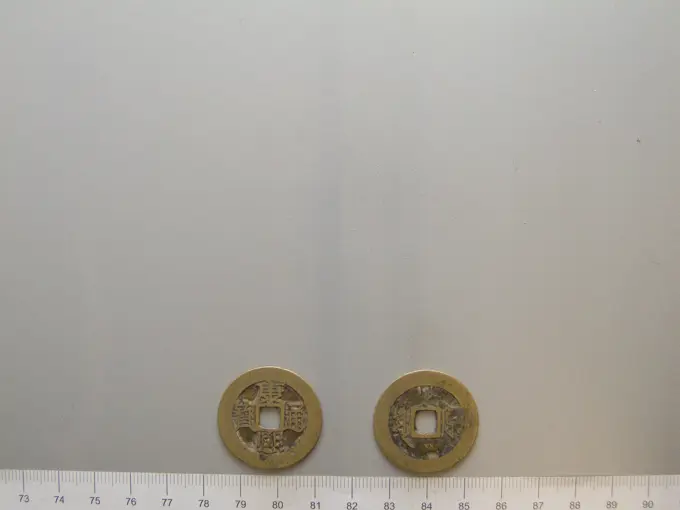
Historic Chinese Coins

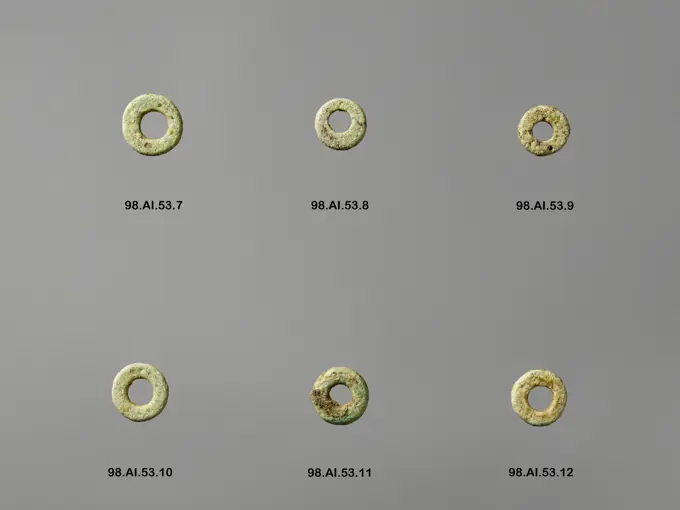
A collection of ancient Chinese coins featuring square holes, representing various emperors like Jiaqing and Qianlong, characterized by their circular forms and intricate designs.

To peel. Brand: HP3., Anonymous, 1800 - 1866 Tablecloths of white linen with peel pattern, brand HP 3 Northern Netherlands (Possible) linen (material) Tablecloths of white linen with peel pattern, brand HP 3 Northern Netherlands (Possible) linen (material)
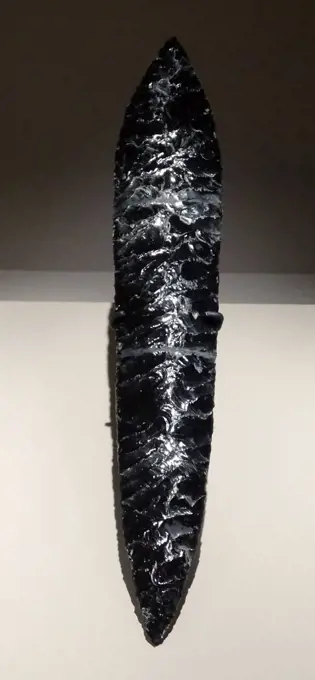
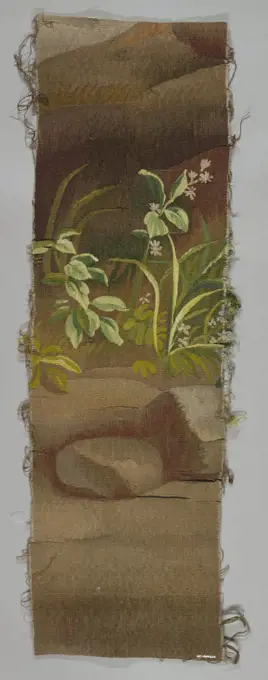
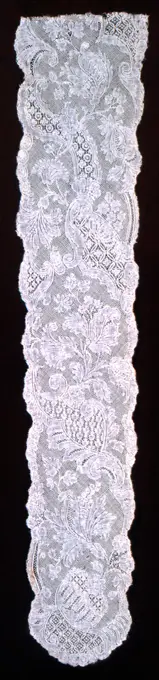
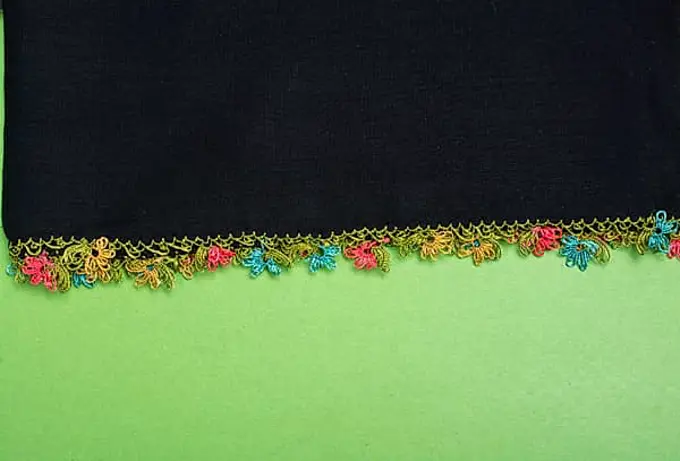
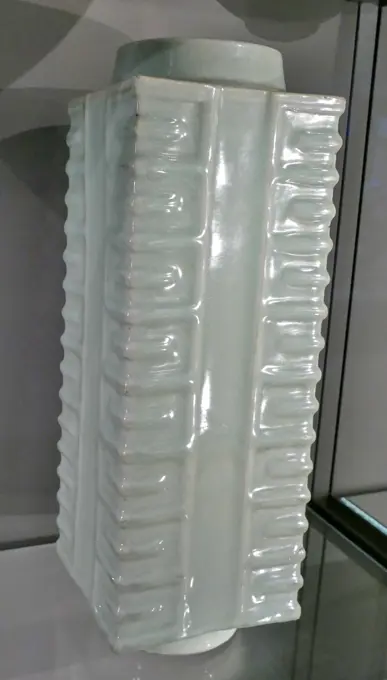
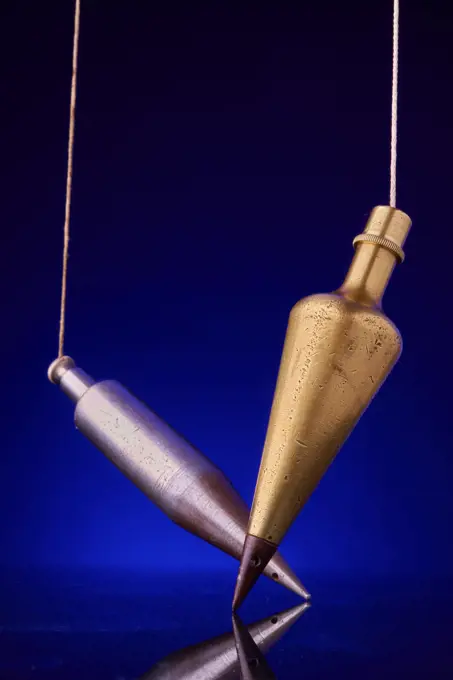
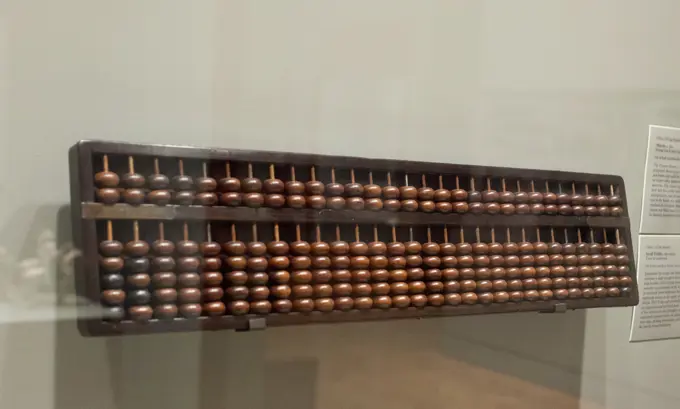
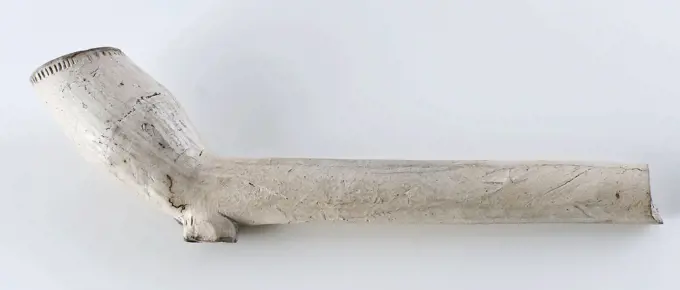
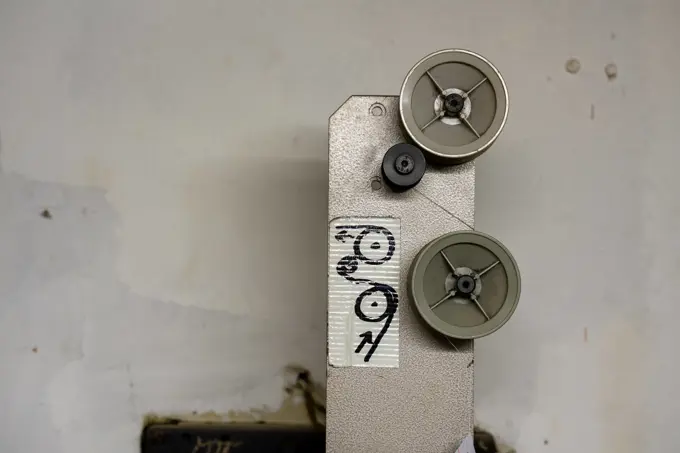
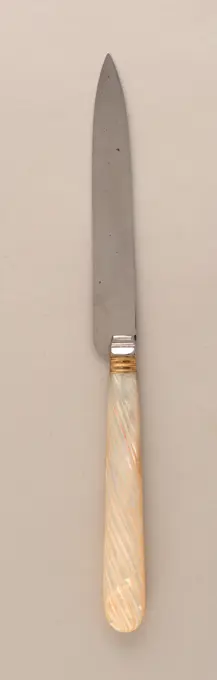
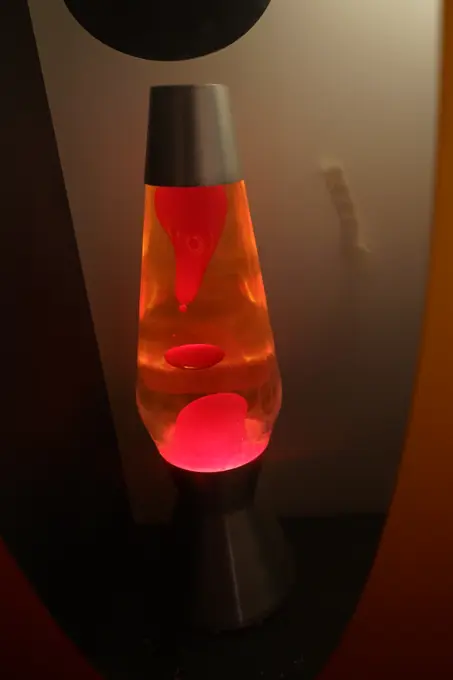
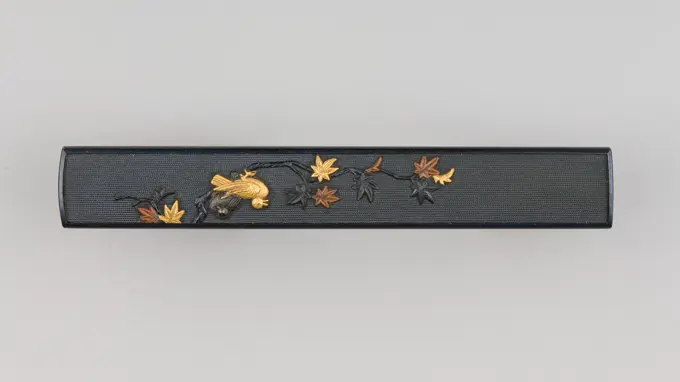
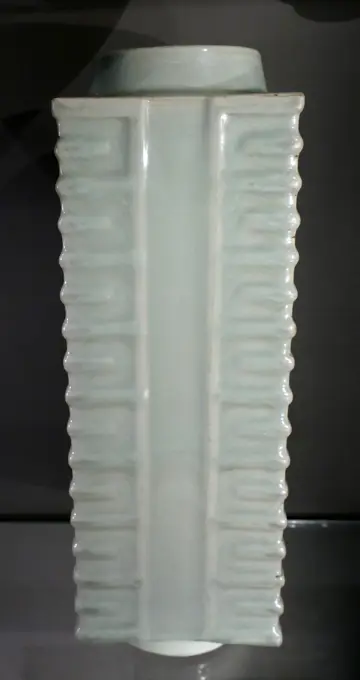
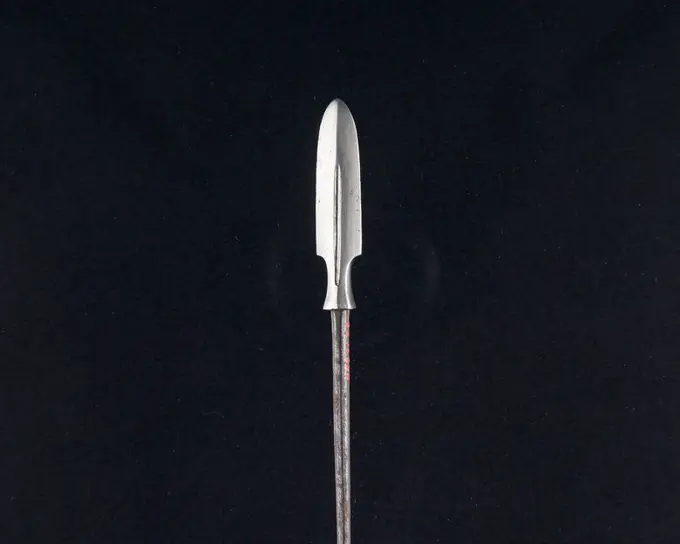
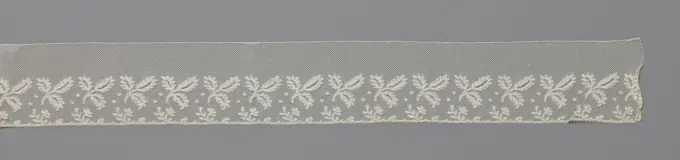
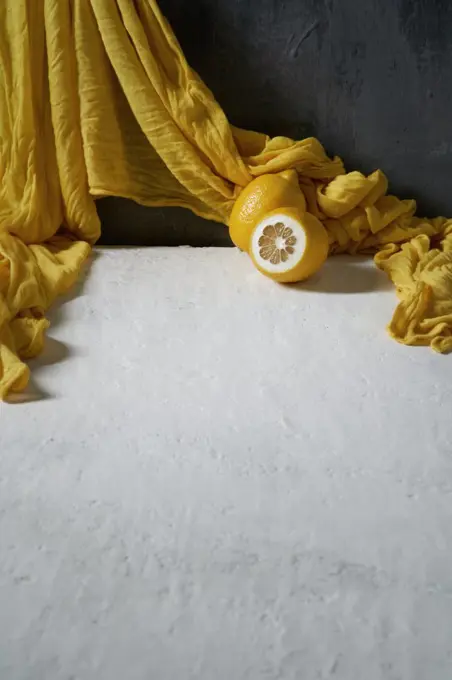
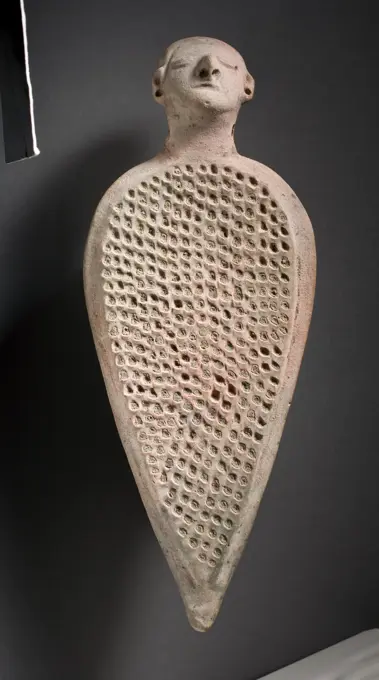
Phone cordBouquet of calla liliesMayan obsidian sacrificial knife dated to 600-900 AD from the Mayan civilization between Mexico, Guatemala and BelizeGermany, Cologne, Basket with waste paper in apartmentCrockery in a kitchen shelfEmpty skis and poles in snowVase fragment 1st century B.C.-1st century A.D. Roman Woman.. Vase fragment 250446Cadillac Ranch at night, Amarillo, Texas.BAJO LA ALMOHADA 1988-205X150X40-HIERR. Author: JORDI COLOMER (1962-). Location: GALERIA JUANA DE AIZPURU. MADRID. SPAIN.Europe, Veneto, Venetia, no smoking, vietato fumareItaly, Venice, Burano Island. Pink broom in a colorful corner on the streets of Burano Island.Six Little White Porcelain Cups for Tea isolated on the Kitchen Table. Time for Drinking Tea. Traditional Tea Party Utensil.. Time for TeaGlass Plate Isolated On Dark Background. Vector Illustration.Man pouring paint into the painting tray for wall paintingConcept, aasan seat small wood stool used for worshipping India Copyright: xNirmalaxMishra/DinodiaxPhotoxBedding isolatedFragment, Medium: wool and silk wefts on wool warps Technique: tapestry weave, Narrow portion of tapestry with brown ground and incomplete small-scale floral design in greens, white, rose and blue., France, 19th century, woven textiles, FragmentBibleKangxi Tongba of Kangxi, Emperor ofChina. Ruler: Kangxi, Emperor of China, Chinese, 1654-1722, ruled 1661-1722 Artist: Unknownpattern white packaging. White plastic pouch stand up bag, doy-pack with batcher lidJapanese Zen Garden Japanese Zen Garden of Peace and Relaxation with Stone and SandPenant table made of gilded wood on two S-shaped legs decorated with rocailles, Anonymous, 1750 Penant table made of gilded wood. The two S-shaped legs end up in rocaille motifs at the top and bottom and are wounded by the flower of flowers. The profiled leaf is made of blue-gray-veined marble and consists of two parts. The edge is decorated at the front and shell motifs decorated on the sides with asymmetrical empire. Below is, between the legs, cutting of flowers applied to gilded iron wire. Northern NetherlandsNetherlands wood (plant material). gilding (material). marble (rock). gilding Penant table made of gilded wood. The two S-shaped legs end up in rocaille motifs at the top and bottom and are wounded by the flower of flowers. The profiled leaf is made of blue-gray-veined marble and consists of two parts. The edge is decorated at the front and shell motifs decorated on the sides with asymmetrical empire. Below is, between the legs, cutting of flowers applied to gilded iron wire. Wood cutting board at wooden osb  background top tableDetail of an glass door handleTop view of wooden cutting board on modern hexagonal pattern marble stone countertop.USA, Illinois, Chicago, North Side: Charlie Trotter's Famous Restaurant, Sign West Armitage AvenueCap Streamer (Belgium); linenTurkish needle work embroidery Ornamental with lace patterns, details, flowersA garlic braid Neapolitan garlic braid leaning against the wall Copyright: xZoonar.com/MassimoxLamax 10142013Engageante van naaldkant met strooipatroon van verschillende bloemtakjes.Engagante of natural-colored coniferous lace, Argentan side. The Engagante has the shape of a strip, which increases slightly narrower to the rounded ends and has a slightly curved model by small pleats on one side. A seam runs over the width in the middle. The strip is equipped with a scattering pattern of different flower branches. The flat sculpture along the entire circumference consists of a concatenation of elongated oval filled with a row of riderpicots, over each oval is always a half oval-shaped arc. The space between the oval and the arc is filled with a very fine Maas soil. The motifs are on a hexagonal mesh of hexagonal mesh, which are close to feston stitches. The folder is made with feston stitches without recesses and the motifs are equipped with relief contour lines, here and there provided with picots. As ornamental ground, a very fine mesh soil is used and one or more radar picots in the flower hTablespoon.   Maker: David Greenleaf, Sr., 1737-1800compass and rope still-lifeAsian tea set and spa stones on concrete background. Natural spa treatment and relaxation concept. Top view, flat lay, copyspaceAn inflatable tube floating in a swimming poolLongquan green-glazed ware, Southern Song to Yuan dynasty.Miser's Purse (France); silk, metal; L: 26 cm (10 1/4 in.)Brass and iron plumb bobsBrown, Black and Purple product display. Mockup Stage showcase for presentation. Abstract cylinder pedestal podium. Vector minimal geometric forms, empty scene.Abacus, c. 1800, 7 9/16 x 32 5/16 x 1 3/8 in. (19.2 x 82.1 x 3.5 cm), Huang-hua-li and t'zu-tan hardwood, China, 18th-19th century, The Chinese abacus, a mechanical counting device, was developed about 5,000 years ago. It was built of wood and beads and could be easily carried. The form of abacus we know today appeared around 1200 a.d. and is called suan-pan. This classic type has two heads on the upper deck and five on the lower. Addition, subtraction, multiplication, and division are possible with the abacus, and in the hands of a skilled operator, it is faster than a mechanical calculator. Made of precious hardwoods, this abacus was likely used in a large, aristocratic household for keeping financial accounts.Close-up of a pool cue on a bridge stickWhite clay pipe, marked with stem decorated with fleur de lis stamps, clay pipe smoking equipment smoke floor pottery ceramics pottery, hand-formed baked White clay pipe marked with fleur de lis stamps decorated handle. Heel mark. Stamps are not straight on the shaft of the stem but to the right of it Heel mark sloppily applied and only half of the heel mark: M incomplete mark right side and other signs letters are missing archeology smoking tobaccoOld shells and brown vintage paper on a white wooden floor.. Old shells and brown vintage paper on a white wooden floor and have copy space for design in your works ideas.swimming pool blue water in a summer dayEmergency exit key on a wallVorführraum des Kinos Bambi mit Projektor und Filmrollen Vorführraum des Kinos Bambi mit Projektor und Filmrollen ,property released Copyright: xZoonar.com/wolfgangxcezannex 21626495 ,model released, Symbolfoto ,property releasedFuneralSpoon.   Maker: Shepherd and Boyd, American, active 1806-30colorful handmade painted easter eggs in a string bag on blue background with hard shadows. minimal concept. Top view. An Easter card with a copy space for your text. colorful handmade painted easter eggs in a string bag on blue background with hard shadows. bannerA paint brush  on coloured art paper with copy spaceopen door lightClose-up of a pool cue with cue chalk and an eight ball on a pool tableDessert Knife (France); Designed by F. Nicoud (French, active 1890); silver, steel, mother-of-pearl, gilding; L x W x D: 20 x 1 x 0.8 cm (7 7/8 x 3/8 x 5/16 in.)Spring blossom on rustic wooden tableWooden plates with metal frames for game ui design. Wood signs, panels and planks different shapes with medieval iron borders, vector cartoon set isolated on background. Wooden plates with metal frames for game ui designflip chartA lava lamp, a decorative novelty item, invented in 1963 by British accountant and founder of Mathmos, Edward Craven Walker (1918-2000). Dated 20th CenturyKnife Handle (Kozuka) 19th century Japanese A kozuka is a handle of a by-knife that is part of a sword mounting. It is kept in a slot on the reverse of a katana scabbard, often with a matching kgai (hairdressing tool).. Knife Handle (Kozuka). Japanese. 19th century. Copper-gold alloy (shakud), gold, copper, copper-silver alloy (shibuichi). Sword Furniture-KozukaView of Japan View of Japan, late 19th-early 20th century. Albumen silver photograph mounted on cardboard, with mounting: 4 1/4 x 6 3/8 in. (10.8 x 16.2 cm).   Asian Art late 19th-early 20th centuryA used soprano recorder, C-flute, woodenLongquan green-glazed ware, Southern Song to Yuan dynasty.Photographic film isolated on the white backgroundTop view of wooden cutting board on a gray marble background with space for text.Toilet rollsDecorative picture frame and candlestick on a wall shelf.Boxing gloves hanging on nail on wall. Boxing gloveshammer grunge iconChurch bell with hand stop, Church of Our Lady Munich, Bavaria, GermanyVintage window latchesTextile (France); silk, metallic thread; Anonymous bequest in memory of Albert and Rebecca Elsberg; 1938-82-46-dTAPIZ - XALOC (GRUPO TEIXIM). Author: SANCHEZ FLORITA. Location: PREMIO NACIONAL DE TAPICES. Aranjuez. MADRID. SPAIN.Gray alarm hooter mounted in the wallWindow with geometric ornament, anonymous, c. 1600 - c. 1700 Diamond with a geometric ornament in brown and (orange) yellow. Comments: part of the BK-Clxiii-a to r. The fragment forms one whole with BK-Clxiii-F and G.  glass. lead (metal). Diamond with a geometric ornament in brown and (orange) yellow. Comments: part of the BK-Clxiii-a to r. The fragment forms one whole with BK-Clxiii-F and G.  glass. lead (metal).Vertical shot of Empty picture frame with copy space for quotes, products, photosA pyramid shaped stack of empty toilet paper rollsSoap, clean, wash, soap dish, shine, shiny, soapArtist: Fra Angelico, Italian, ca. 1395-1455, TheAnnunciation, ca.1423-25, Tempera on panel, unframed: 18.1 × 13.49 × 1.59 cm (7 1/8 × 5 5/16 × 5/8 in.), Made in Florence, Italy, Italian,Florence, 15thcentury, PaintingsFanIlluminated lightbulbA Chinese bowl broken into piecesCleaver (possibly Germany); ivory, steel; L x W: 22.5 x 6 cm (8 7/8 x 2 3/8 in.); The Robert L. Metzenberg Collection, gift of Eleanor L. Metzenberg; 1985-103-145SecurityDestroyed streetlamp in front of grey storm clouds, Chernobyl, Ukraine, EuropeStacked chairs on a sack barrowWoman's belt, c. 1970s, 42 1/2 x 2 7/16 in. (107.95 x 6.19 cm) (without pompons or fringes), Cotton, plastic, India, 20th centuryClose-up of panties on the floorbrown paper bag isolated on white background with clipping pathretro typewriter retro typewriter ,model released, Symbolfoto Copyright: xZoonar.com/AleksandrxKichiginx 9786247 ,model released, Symbolfoto ,property releasedCloseup of a clearing safe and night deposit box at a bankBead. UnknownThis object woodlike building material. Used especially for home windows. Germany, Baden Wí¼rttemberg, Hagnau, Frozen buoysArrowhead (Yanone). Culture: Japanese. Dimensions: L. 7 1/4 in (18.5 cm); L. of head 2 in. (5.1 cm); W. 1/2 in. (1.3 cm); Wt. 0.7 oz. (19.8 g). Date: 18th century. Museum: Metropolitan Museum of Art, New York, USA.Close up of arrow type lever on typewriter.Closeup of pipette on white background. Cosmetic essence. Skin care concept. Hyaluronic serum. White background. Natural background.Windsock on a pole, Francerotating wind shelter detailmodern street lamp with blue sky backgroundA pair of round-framed glasses lying on a grey surface. bola03505 Copyright: xConnectxImagesxStrip bobbin with Drieblad, Anonymous, c. 1820 On a fine mesh network there is a stiff row of three-part leaves in the outer half, which are one-sided. A straight edge shows smaller, opposite oriented flower branches. Valenciennes side. Ieper (possibly) linen (material) Bobbi Lace / Valenciennes Lace On a fine mesh network there is a stiff row of three-part leaves in the outer half, which are one-sided. A straight edge shows smaller, opposite oriented flower branches. Valenciennes side. Ieper (possibly) linen (material) Bobbi Lace / Valenciennes LaceTwo lemons and a yellow draped fabric on a white and gray backgroundGrater with Handle in the Form of a Male Head. Colombia or Ecuador, Tumaco-La Tolita, Tumaco-La Tolita, 500 BCE-500 CE. Ceramics. Ceramic