Historic Fabric Pieces

Collection of antique textile fragments from the 17th century featuring intricate floral patterns and decorative motifs, reflecting cultural artistry from Europe and Peru.

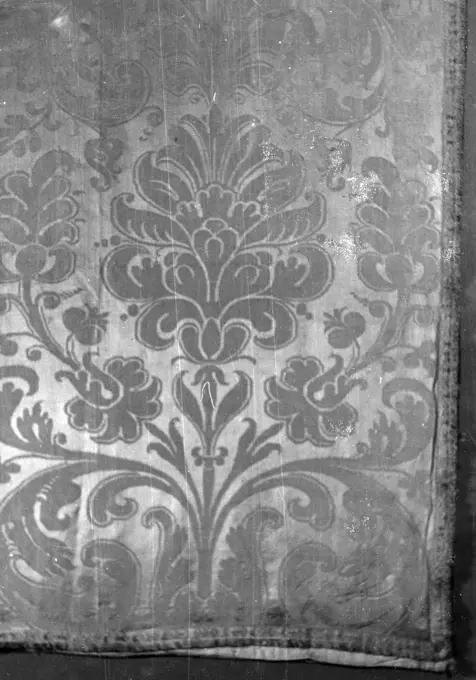
Pieces (2) 17th century French. Pieces (2) 226722
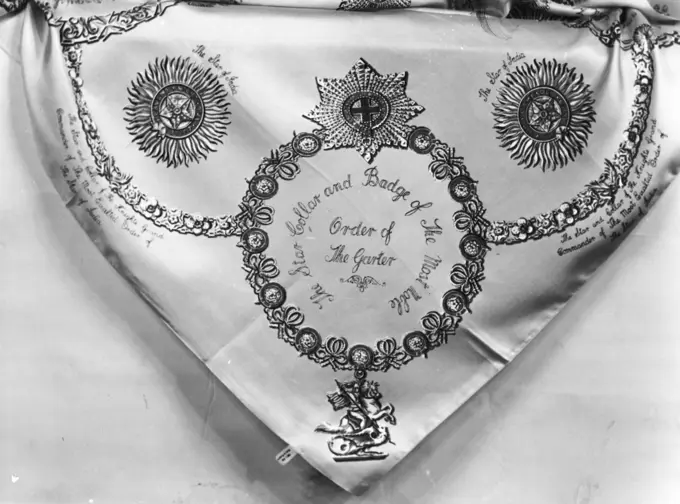
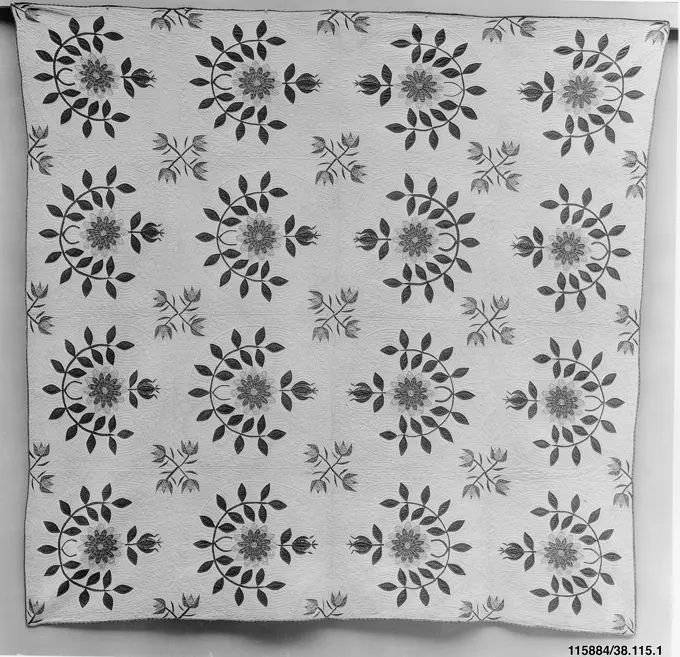
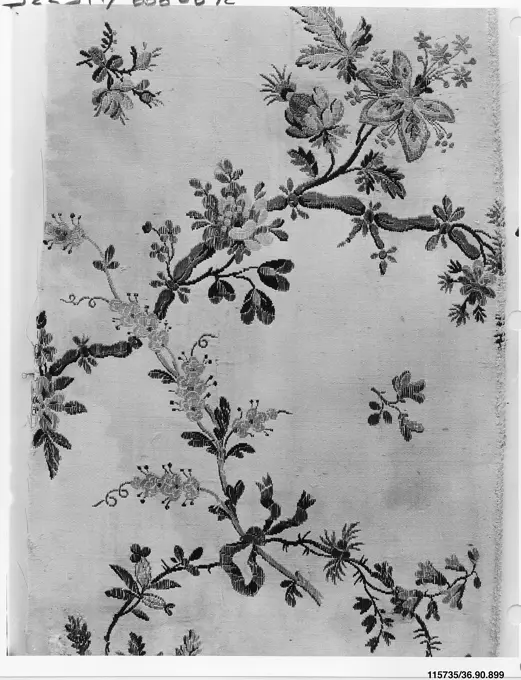
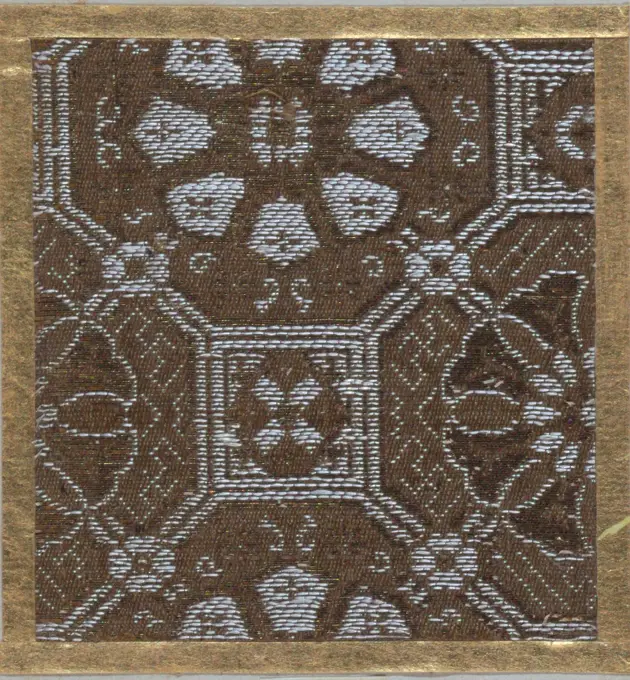
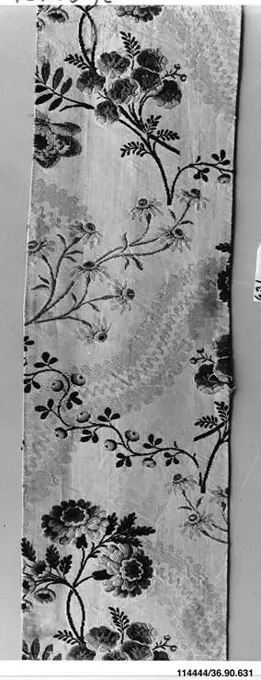
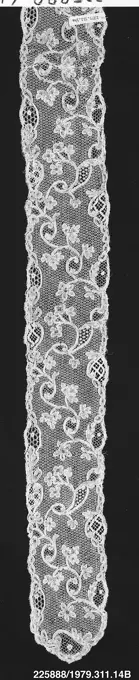
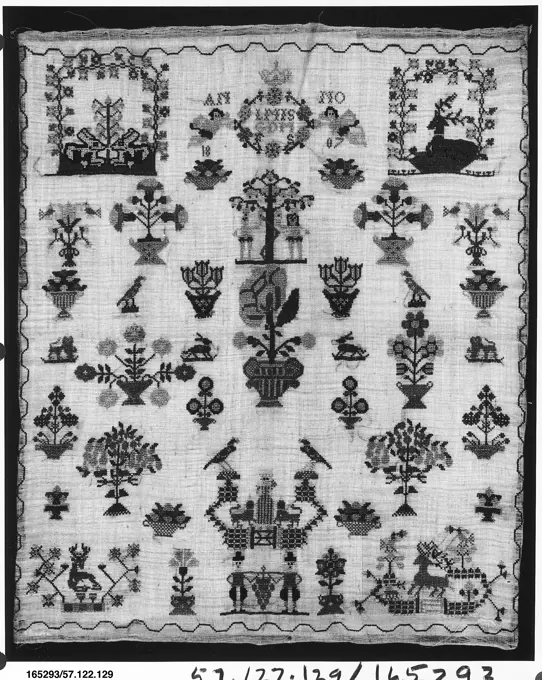
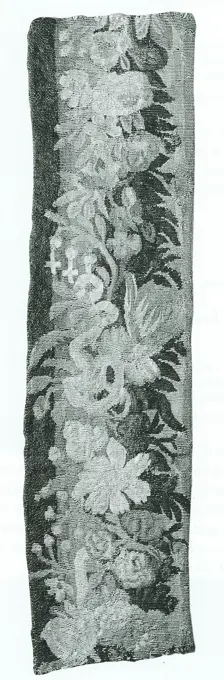
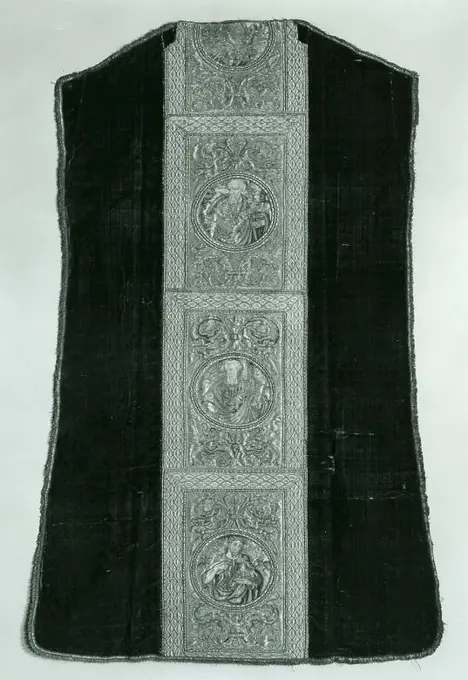
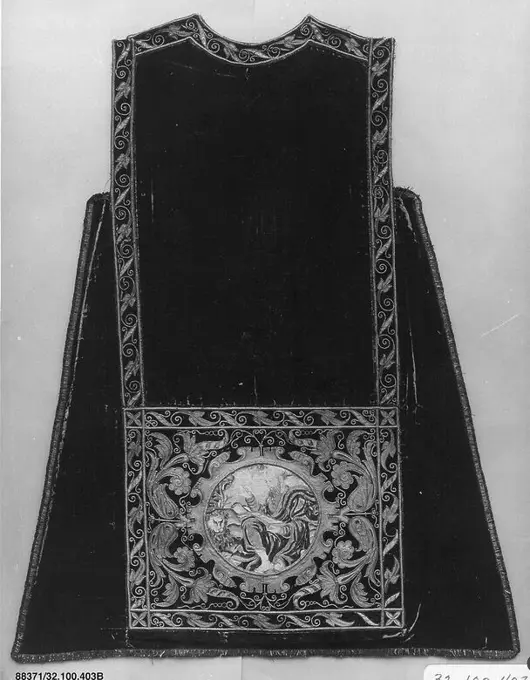
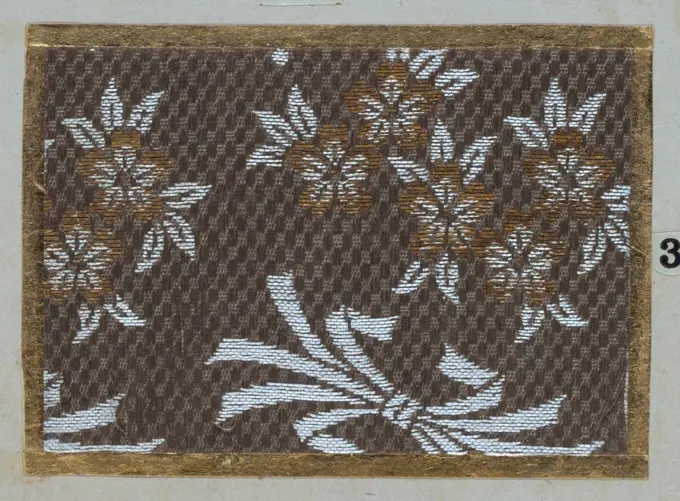
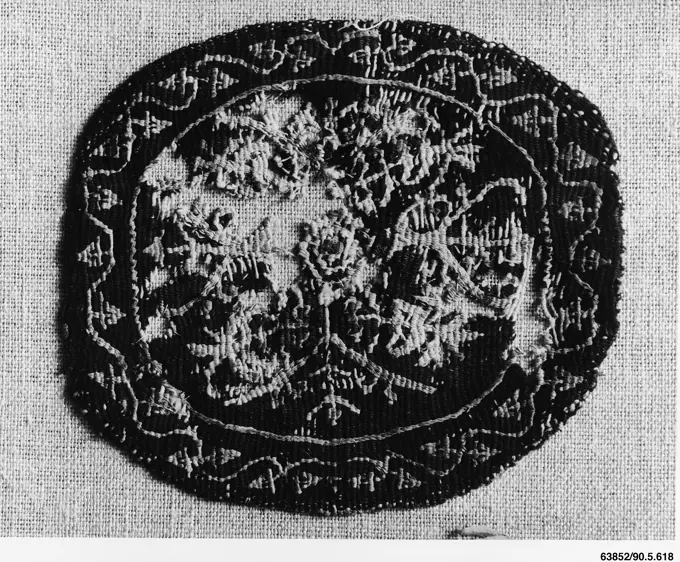
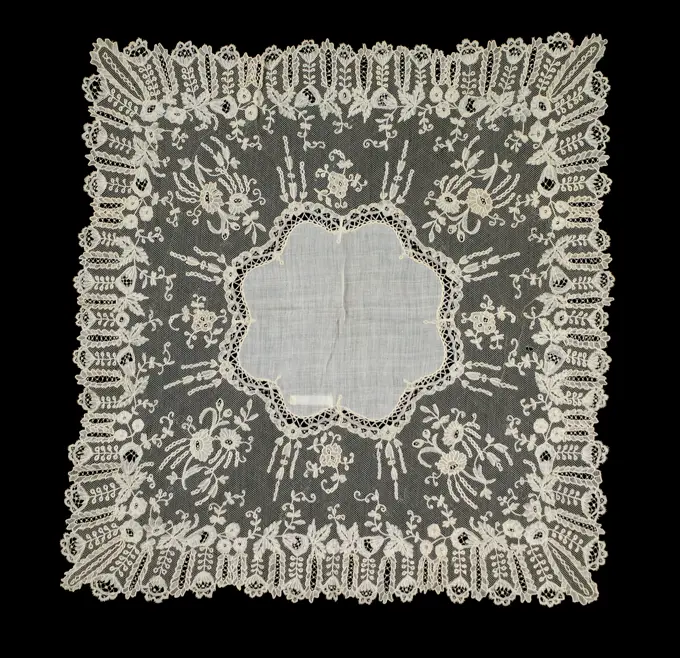
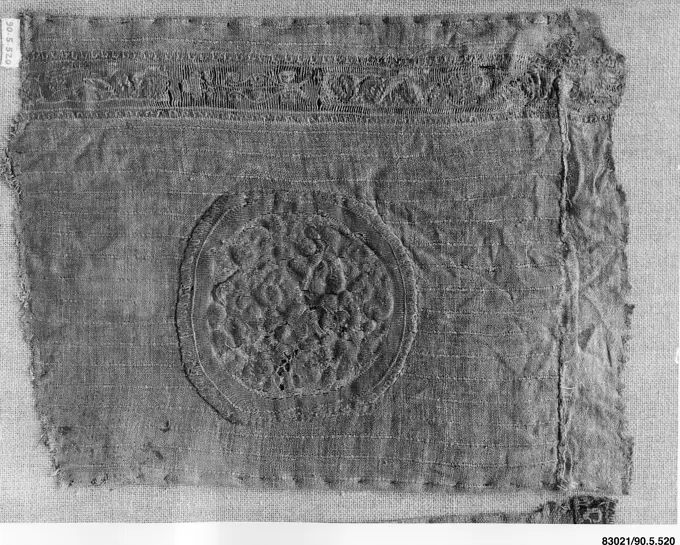
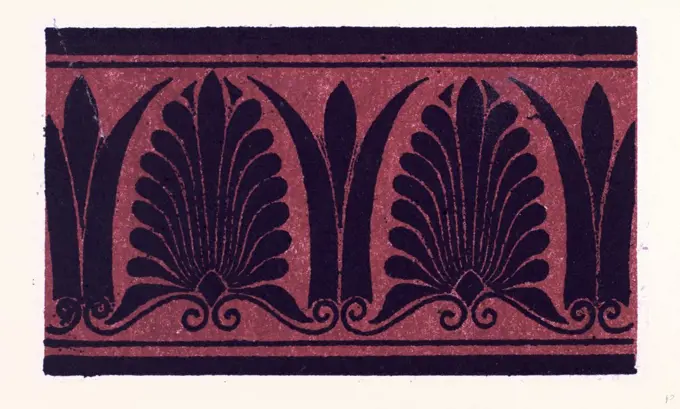
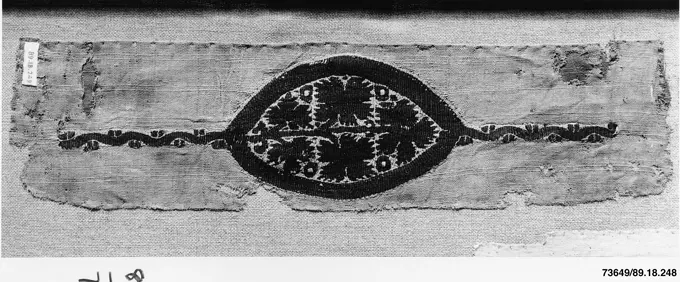
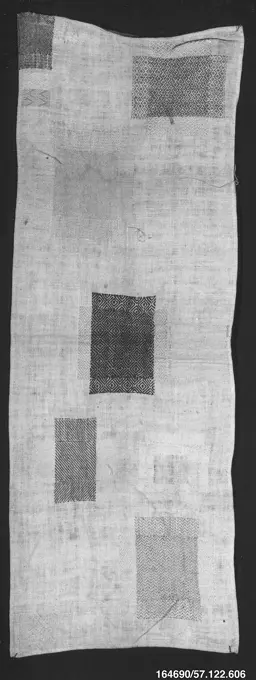
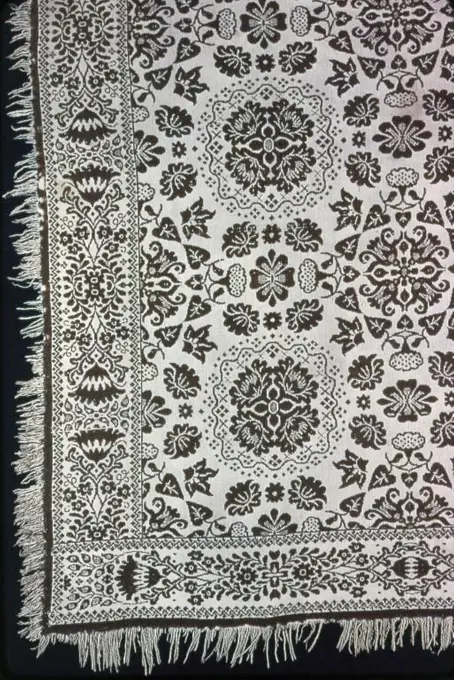
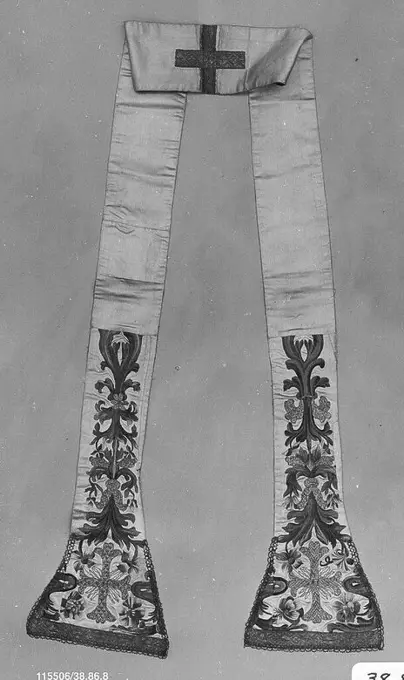
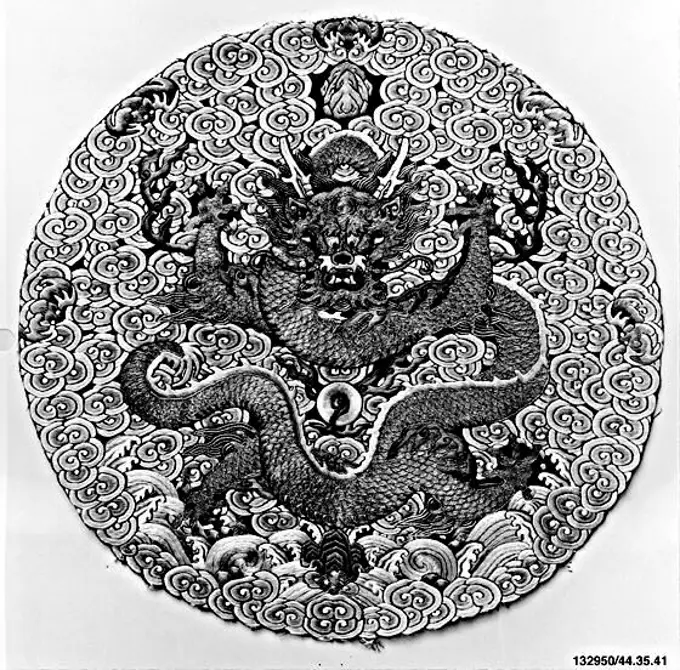
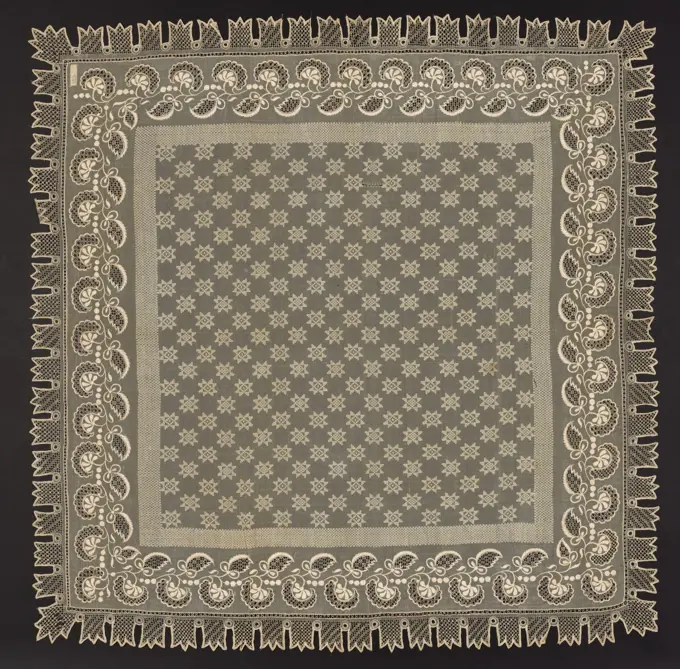
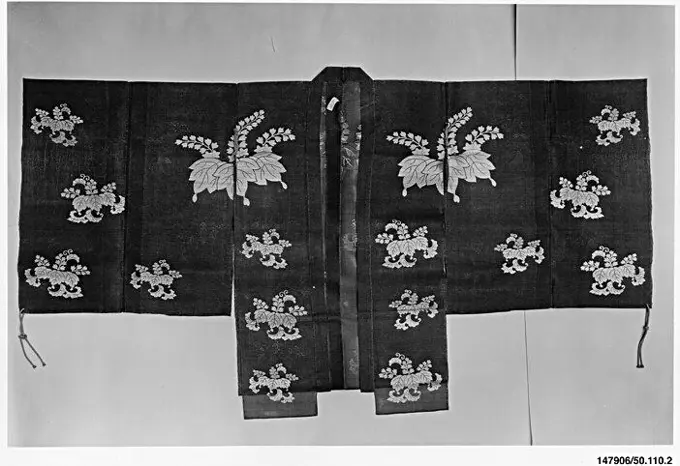
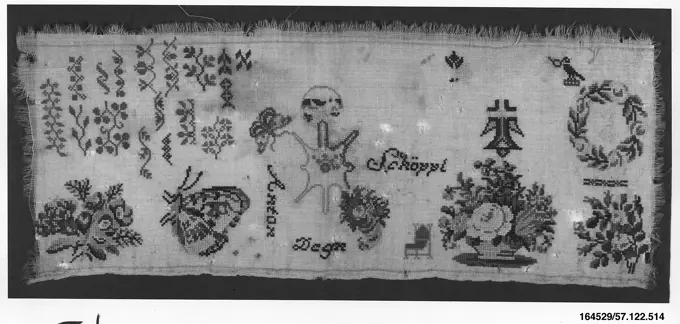
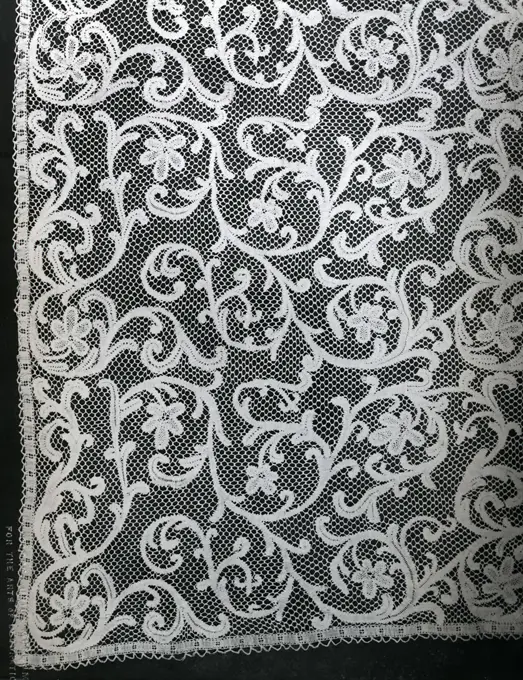
Handkerchief early 19th century British. Handkerchief 229519Fragment of a Shoulder Band. Dimensions: 5 3/16 in. high 1 5/16 in. wide (13.2 cm high 3.4 cm wide). Date: 5th century. Museum: Metropolitan Museum of Art, New York, USA.Embroidered Bedspread, 17th-18th century. Portugal, 17th-18th century. Embroidery; silk on linen; overall: 254 x 193.1 cm (100 x 76 in.).Piece 18th-19th century Japan. Piece 67546Flounce. Flanders or Italy. Date: 1701-1725. Dimensions: 69.3 × 346.8 cm (27 1/4 × 136 1/2 in.)Width repeat: 53.5 cm (21 in.)Heading height: .5 cm (1/4 in.). Linen, bobbin part lace. Origin: Flanders. Museum: The Chicago Art Institute, Chicago, USA.Quilt, Prairie Flower Pattern ca. 1840 American The top of the quilt is composed of sixteen blocks of finely woven white cotton, each appliquéd with flowers that have red and pink printed cotton petals and green leaves. The back is of a more coarsely woven white cotton, and the binding is of a red plaid cotton. The piece is quilted with a pattern of roundels and leaf sprays.. Quilt, Prairie Flower Pattern 13865Border 18th century Italian, Abruzzi. Border 214942Piece 1750-60 French. Piece 224000Bedspread or Cover 19th century China for export. Bedspread or Cover 68291Fragment (Japan)Piece. Culture: French. Dimensions: 7 1/2 x 7 inches (1.3 x 17.8 cm). Date: ca. 1760 (). Museum: Metropolitan Museum of Art, New York, USA.Fragment 18th century Greek Islands. Fragment 216500Piece. Culture: French. Dimensions: L. 7 1/2 x W. 5 inches (19.1 x 12.7 cm). Date: 18th century. Museum: Metropolitan Museum of Art, New York, USA.Carpet. Culture: Portuguese. Dimensions: H. 193 x W. 102 inches490.2 x 259.1 cm. Date: 16th century. Museum: Metropolitan Museum of Art, New York, USA.Piece late 16th-early 17th century Italian. Piece 227120Panel (Possibly from a Chasuble). France. Date: 1722-1743. Dimensions: 100.5 × 42.2 cm (39 1/2 × 16 5/8 in.)Warp repeat: 51.1 cm (20 1/8 in.). Silk and silvered-metal-strip-wrapped silk, warp-float faced 4:1 satin weave with supplementary binding warps tying some supplementary brocading wefts and self-patterning two-color complementary ground wefts in twill and plain interlacings. Origin: France. Museum: The Chicago Art Institute, Chicago, USA.Fragment. Dimensions: 4 5/16 in. high 3 15/16 in. wide (11 cm high 10 cm wide). Date: 3rd-4th century. Museum: Metropolitan Museum of Art, New York, USA.Piece French 1735-40Back of a chasuble 16th century Italian. Back of a chasuble 227225Piece 18th century French or Spanish. Piece. French or Spanish. 18th century. Silk. Textiles-WovenPiece 1750-60 French. Piece 223732Border; linenTwo joined lappets mid-18th century Flemish The Metropolitan Museum's great lace collection was started when the Museum became the first among American museums to organize a permanent collection of lace with the acceptance of the McCallum Collection in 1879 and the bequests of Mrs. John Jacob Astor, Mrs. Robert L. Stuart, Mrs. Augustus Cleveland, and Mrs. A. W. Winters shortly thereafter. In 1893 a loan collection of antique laces shown at the World's Columbian Exposition in Chicago was assembled by a committee of New York women headed by Catharine Augusta Newbold. About 1900 Miss Newbold arranged and labeled an exhibition of laces and linenworks lent to the Metropolitan Museum by Mrs. James Boorman Johnstone and the Misses Johnstone. "Her scholarly knowledge of lace technique enabled the Museum for the first time to offer a comprehensive display of lace illustrating its historical development," wrote Miss Frances Morris, then curator of the textile department. Miss Newbold's name occuPiece 1835-45 British or American. Piece 230875Cover Made 1701-1900 Iran. Brocaded plain ribbed cloth, silk and gold wound on yellow silk core fitted with diagonally woven border of compound cloth, silk and gold on yellow silk core and silver on white silk core .Textile (Germany); linen on linenVariations on a theme, 1958, Anni Albers, viscose, linen, cotton, plastic, BauhausFragment Made 1650-1700 Italy. Cisele voided satin velvet .Sampler 1807 Dutch. Sampler 228056Two border fragments 17th or 18th century France or the Netherlands This border fragment together with another in the Lehman Collection (1975.1.2401b) are from a tapestry produced in France or the Netherlands in either the seventeenth or eighteenth century is woven in blue, green, brown, and yellow in a pattern of blossoms and buds, with two curious crosslike devices suspended from buds on a stem. The other, in shades of blue and brown, has a crown on a stand with a festooned swag behind it and flowers and leaves above it.. Two border fragments 461311Furniture Cover 18th century China This furniture cover, probably for a seating platform (kang), is embroidered in the border and the field with a generally symmetrical scrolling floral pattern and a large number of tiny bats (a rebus for "blessing"). The design is punctuated with auspicious Buddhist symbols.. Furniture Cover 69903Textile Fragment 4th-5th century. Textile Fragment 443873Chasuble, Back. Culture: Italian or Spanish. Dimensions: 47 x 30 in. (119.4 x 76.2 cm). Date: 16th century. Museum: Metropolitan Museum of Art, New York, USA.Fragment Made 1775-1800 FranceFragment. Dimensions: 6 5/16 in. high 2 5/8 in. wide (16 cm high 6.7 cm wide). Date: 3rd-4th century. Museum: Metropolitan Museum of Art, New York, USA.Piece 18th century French. Piece 224022White House furniture and furnishings. White House furnishings. Antique napkins. White House, Washington, D.C.Shawl mid-19th century Chinese, for European market. Shawl. Chinese, for European market. mid-19th century. Silk. Textiles-EmbroideredFragment Made 1701-1800 France. .Coverlet Made 1837 New York. Cotton and wool, plain weave double cloth; woven on loom with Jacquard attachment; two loom widths joined (one width is 1911.93) .Fragment. Europe. Date: 1650-1700. Dimensions: 24.5 × 13.4 cm (9 5/8 × 5 1/4 in.). Silk and cotton, plain weave with supplementary patterning wefts. Origin: Europe. Museum: The Chicago Art Institute, Chicago, USA.Bowl 1830-40 American. Bowl 761Part of a dalmatic. Culture: Spanish. Dimensions: L. 49 x W. 39 inches (124.5 x 99.1 cm). Date: 16th century. Museum: Metropolitan Museum of Art, New York, USA.Chalice cover. Date/Period: 17th century. Chalice cover. Medium: linen. Technique: punto in aria needle lace. Author: UNKNOWN.Piece late 18th century French. Piece 226975Piece. Culture: French. Dimensions: L. 12 x W. 6 inches (30.5 x 15.2 cm). Date: 18th century. Museum: Metropolitan Museum of Art, New York, USA.Piece 1800-1850 Chinese. Piece 13824Showcase with lace; Halls of crafts 1963..Fragment (Japan)Handdwaal met Orpheus.Handwash from Linnendamast with orpheus among the animals. Midfield: The symmetrical pattern is repeated twice and shows from bottom to the above name and date 1645, weapons of Camminga-Ockinga and Grovestins-Jongema, helmets, seated figure (orpheus) with all kinds of animals around. Standing edges: fine leaf refines in diamond shape with a flower (eight different) and adjacent and running dogs and haze. Landscape edges: yacht scene. Corners: Tudorroos. Extreme edge of three cubes. (same main motif as BK-1977-314)Bedcover (Log Cabin Quilt). United States, Pennsylvania, Shermans Dale. Date: 1825-1850. Dimensions: 220 x 217.1 cm (86 5/8 x 85 1/2 in.). Cotton and wool, in a variety of weaves and printing techniques; made of pieced strips; edged with quilted plaid border; backed with cotton plain weave, small scale. Origin: Pennsylvania. Museum: The Chicago Art Institute, Chicago, USA.Textile Fragment 4th century. Textile Fragment 444097Handkerchief third quarter 19th century Belgian. Handkerchief 169441Fragment of a Tunic. Dimensions: 8 7/16 in. high 1 3/4 in. wide (21.5 cm high 4.4 cm wide). Date: 5th century. Museum: Metropolitan Museum of Art, New York, USA.Sarong (Indonesia); cotton, micaBorder Tile 1881 J. and J. G. Low Art Tile Works. Border Tile. American. 1881. Earthenware. Made in Chelsea, Massachusetts, United StatesPiece 1810-15 British. Piece 229334Textile Fragment 3rd-4th century. Textile Fragment 443541Two tires with floral ornaments. Leaf 4 recto from an album with 17 sheets.Textile Fragment 4th century. Textile Fragment 444006Fragment. Dimensions: 4 3/4 in. high 4 1/8 in. wide (12 cm high 10.5 cm wide). Date: 3rd-4th century. Museum: Metropolitan Museum of Art, New York, USA.Bliżej Kultury unknownGreek Ornament and Etruscan OrnamentCope mid-16th century Italian, Florence. Cope 227240Sampler 1811 Austrian. Sampler 228159Piece 1760-70 French. Piece 223305blur in iran antique door entrance and      decorative handle for backgroundBorder early 18th century Spanish. Border 215137Bolt early 19th century China. Bolt. China. early 19th century. Silk, metallic thread. Qing dynasty (1644-1911). Textiles-WovenPiece 18th-19th century Japan. Piece 66899Textile Fragment 3rd-4th century. Textile Fragment 443453Plate 1830-45 American. Plate. American. 1830-45. Lacy pressed glass. Made in New England, United StatesKraków  Sukiennice  Exhibition of Muhammads, Asian and European ceramics; February April 1934 Światowida Photo AgencyAltar Cloth Japan. Altar Cloth 68369Bedcover. Ursula Whittlesey (American, 1796-1875); United States, Connecticut, Saybrook. Date: 1819. Dimensions: 235.7 x 231.1 cm (92 3/4 x 91 in.). Cotton, plain weave; quilted and stitched in trapunto technique. Origin: United States. Museum: The Chicago Art Institute, Chicago, USA.Fragment Made 1725-1775 France. Silk, brocaded plain compound cloth .Embroidered darning sampler 18th century European. Embroidered darning sampler 228529Wall bracket ca. 1750 French. Wall bracket 205769Chicago Stock Exchange Building: Two Elevator Enclosure Grilles, with Base Plates and Side Support Bars. Adler & Sullivan, Architects; American, 1883-1896. Date: 1893-1894. Dimensions: Overall size of each assembly: 214.6 × 109.8 × 6 cm. Cast and wrought iron with copper plating. Origin: Chicago. Museum: The Chicago Art Institute, USA.Piece early 19th century French. Piece 223628Retro metal ornament made in 3D graphicsCoverlet Made 1840-1845 United States. Cotton and wool, plain weave double cloth; woven on loom with Jacquard attachment; two loom widths joined .Wedding Festival Hanging 18th century China. Wedding Festival Hanging 70620Stole. Culture: Italian. Dimensions: L. 91 x W. 8 3/4 inches (231.1 x 22.2 cm). Date: early 18th century. Museum: Metropolitan Museum of Art, New York, USA.Medallion late 18th-early 19th century China. Medallion 69579Wrestling Costume 19th century Japan. Wrestling Costume. Japan. 19th century. Silk;gold / Embroidery. Textiles-CostumesSquare, 1800s. India, 19th century. Dukka muslin, woven and embroidered; overall: 94 x 93 cm (37 x 36 5/8 in.).Noh Costume (Chōken) with Paulownia 18th century Japan Probably originally a reference to a type of silk, chōken (literally long silk”) were garments worn during the Muromachi period (1392-1573) by young boys of elite samurai families. High-ranking samurai gifted Noh actors with elegant chōken hitatare (long-sleeved jacket paired with a trouser-skirt) to use as Noh costumes; gradually the term came to mean Noh robes. Typically, chōken are made of silk gauze patterned with gold supplementary wefts. This robe is decorated with two sizes of paulownia flower in gold, white, peach, orange, and green on a purple gauze ground. Chōken were often used in dances by male actors playing elegant female characters, or as costumes for gentle male characters.. Noh Costume (Chōken) with Paulownia 55961Sampler 19th century Austrian. Sampler 228439Bedcover (USA); Made by Sybil Carter Indian Mission and Lace Industry Association (United States); linenDalmatic with Apparel and Orphrey Band Made 1601-1700 Spain. Silk and gilt-metal-strip-wrapped silk, plain weave with gilt-metal strip facing wefts and brocading wefts; apparels and orphrey bands silk, plain weave with gilt-metal strip facing wefts; embroidered with silk and gilt-metal-strip-wrapped silk and cotton in satin, split, raised stem, and stem stitches; couching; edged with woven fringe .Empress's Twelve-Symbol Robe China. Empress's Twelve-Symbol Robe 70206Textile Fragment 3rd-4th century. Textile Fragment 443313Fragment. Dimensions: 8 11/16 in. high 8 11/16 in. wide (22 cm high 22 cm wide). Date: 3rd-4th century. Museum: Metropolitan Museum of Art, New York, USA.Fragmento de una jamba con decoración floral clásica.Fragment of a Cover early 19th century. Fragment of a Cover 443066Quilt Cover (Futon-Gawa) Indigo-dyed cotton   Asian Art***** silk scarves in jewel colors, this one in turquoise ***** the Star, Collar and Badge of the Most Noble ***** of the Garter in grey, at Farmers. May 15, 1953.Coverlet Made 1840-1845 Ohio. Cotton and wool, plain weave double cloth with main warp and extended ground weft fringe; woven on loom with Jacquard attachment .Child's rank badge 18th century China. Child's rank badge 70242