Historic Textile Patterns

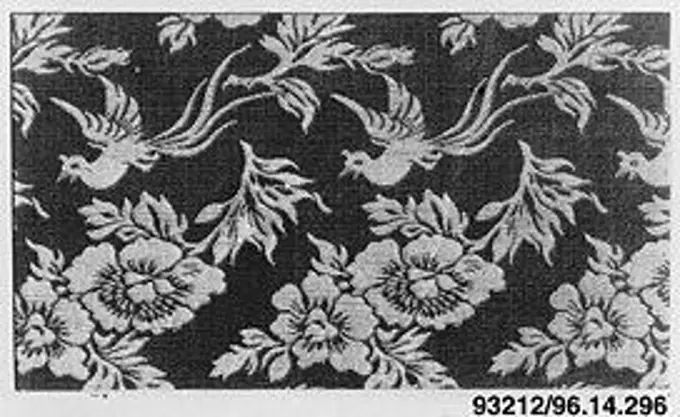
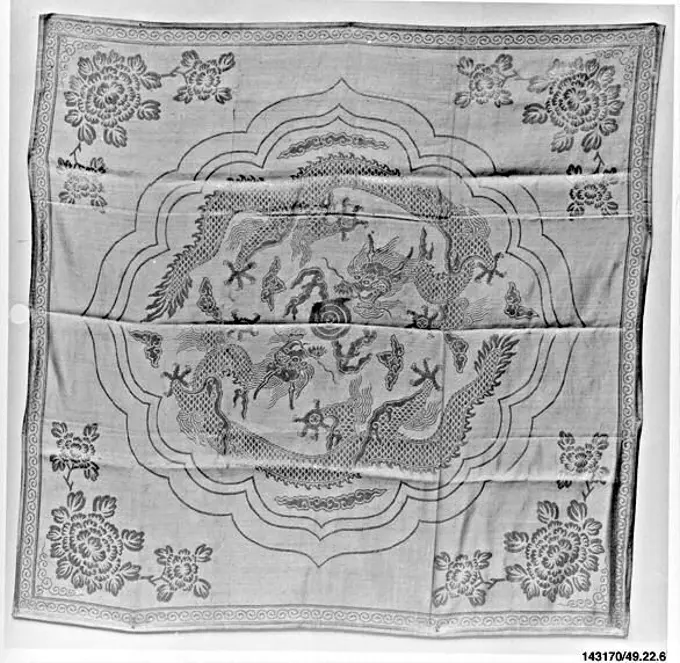
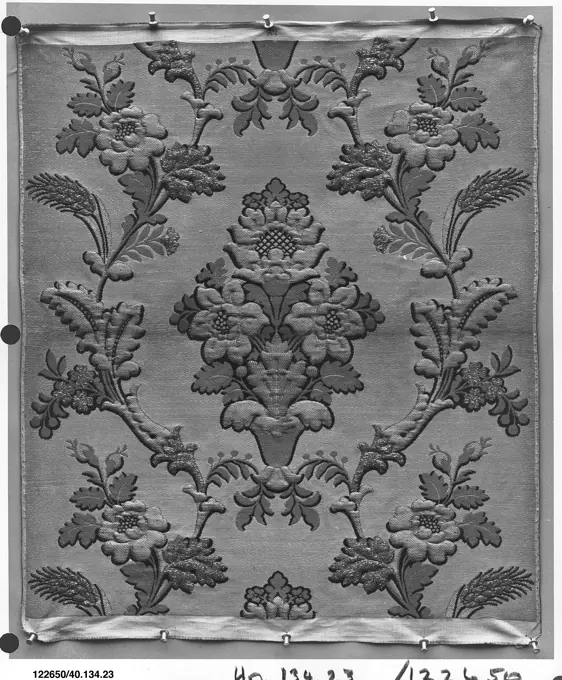
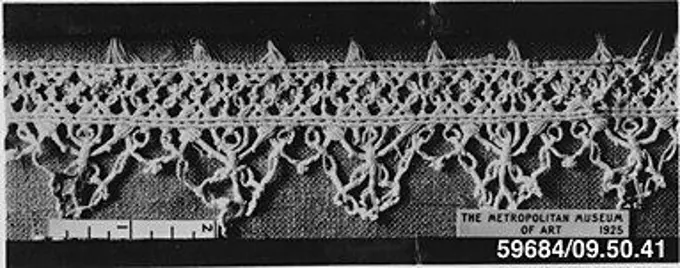
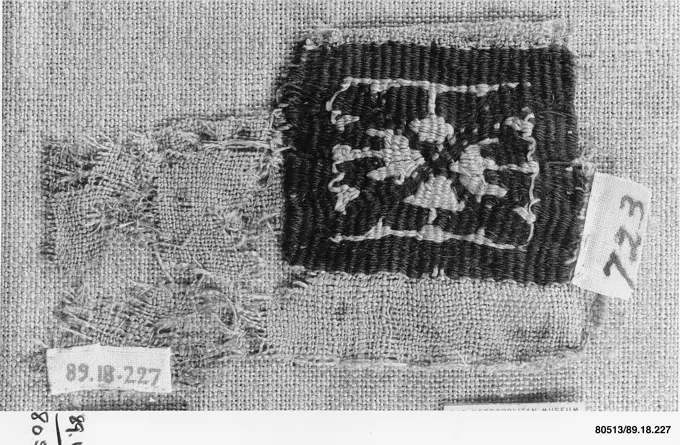
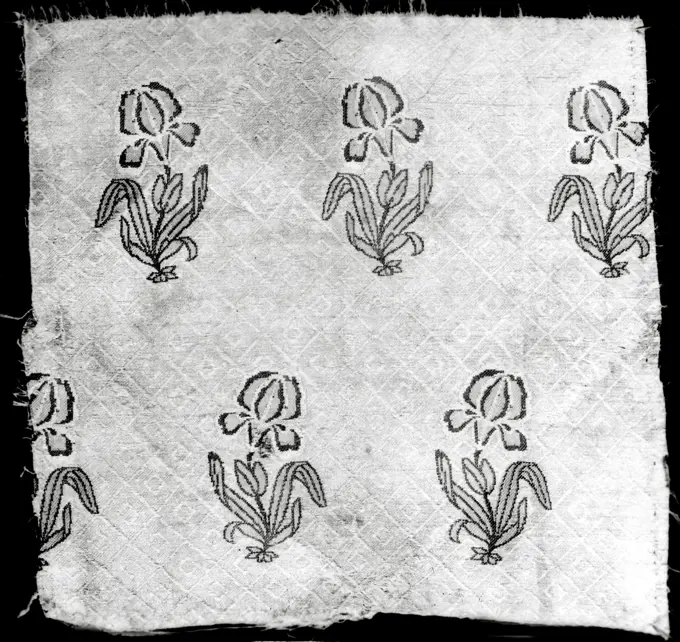
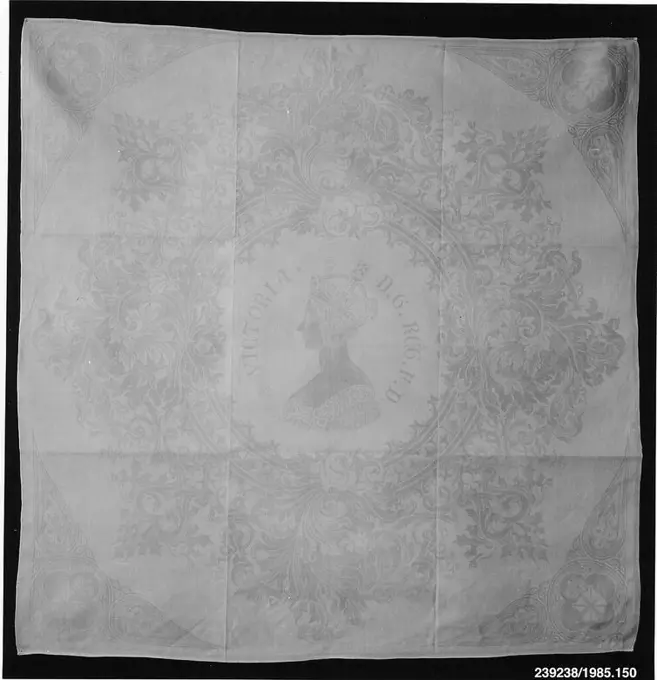
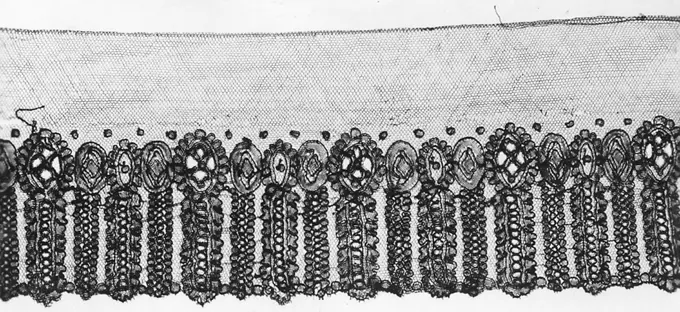
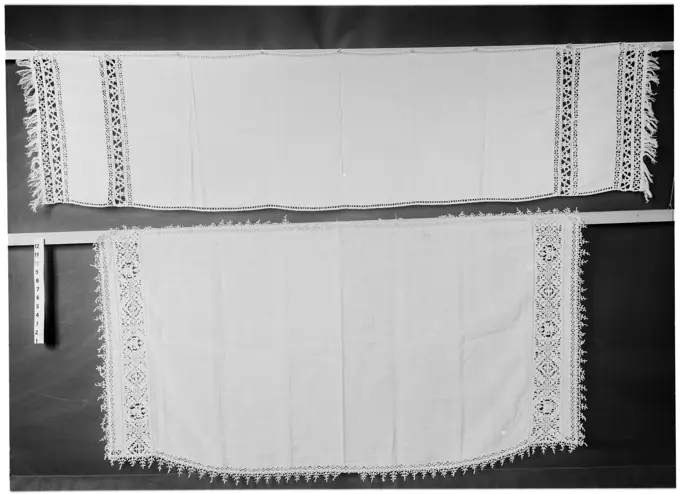
Black and white images of vintage textile pieces from various centuries, featuring intricate floral and damask patterns indicative of European craftsmanship.

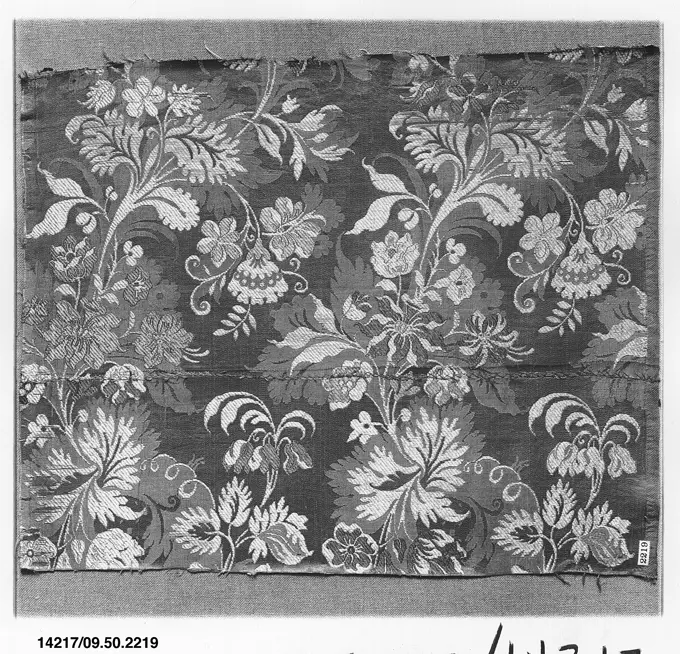
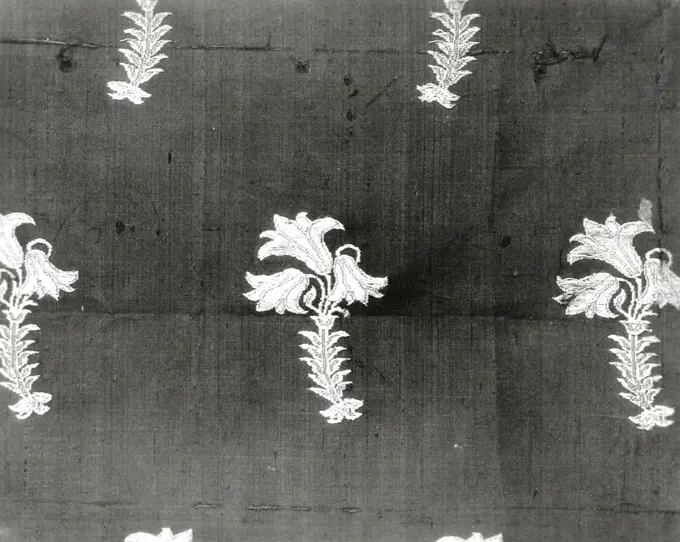
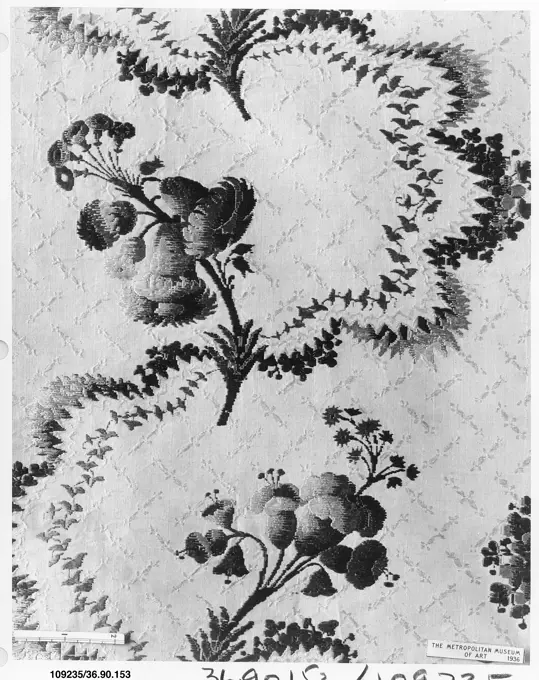
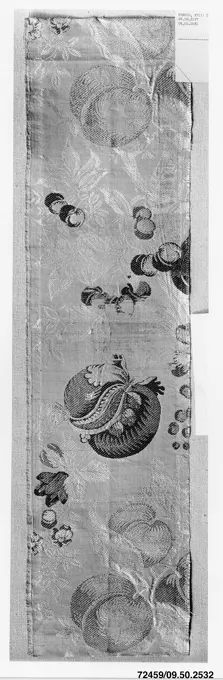
Piece 18th century French. Piece 223324
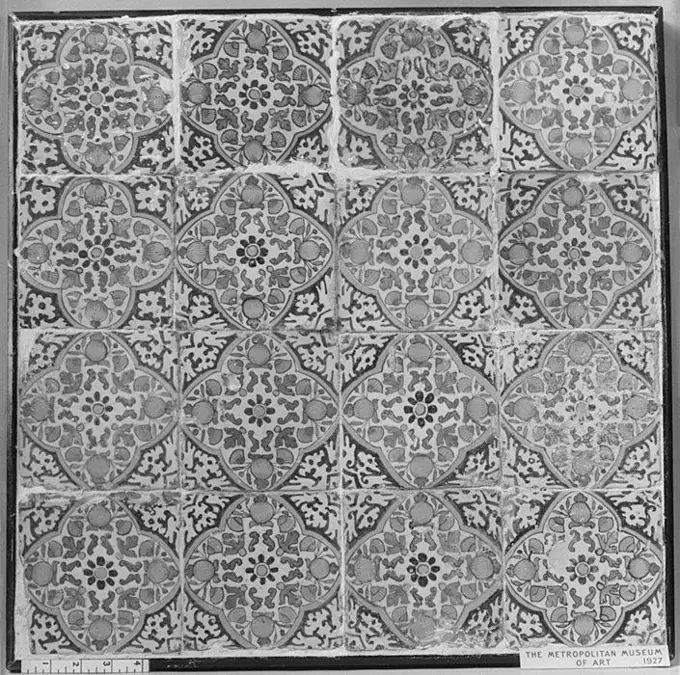
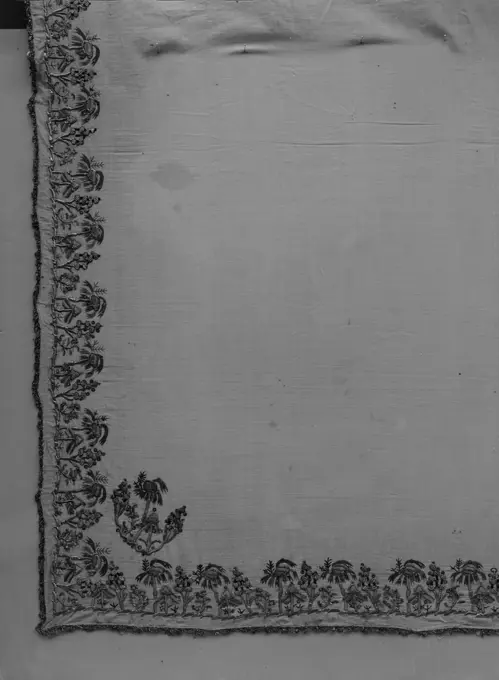
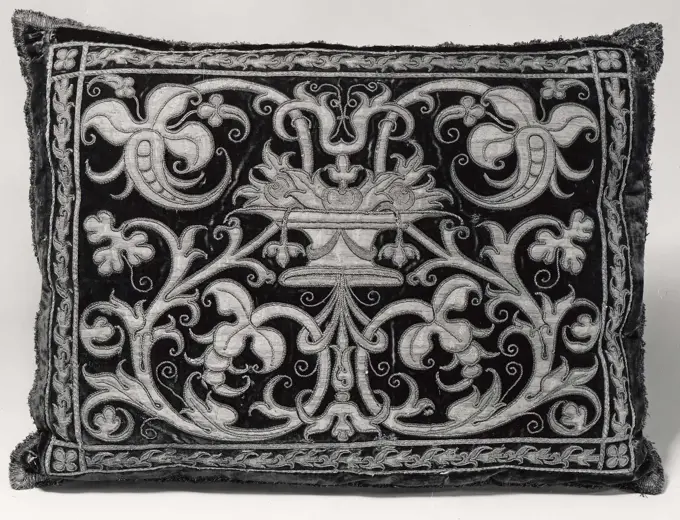
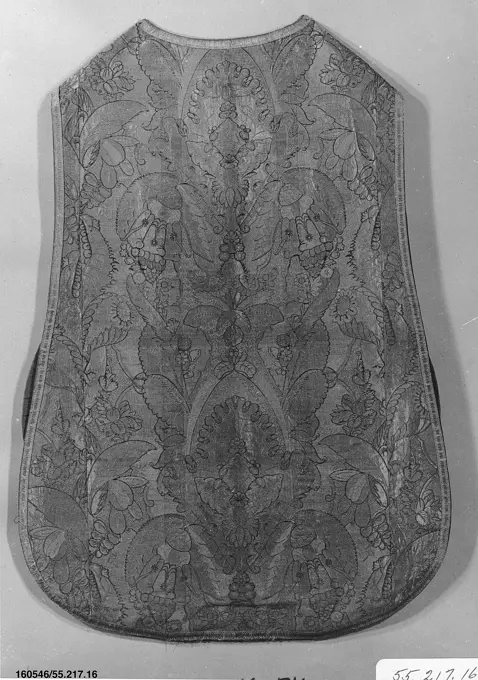
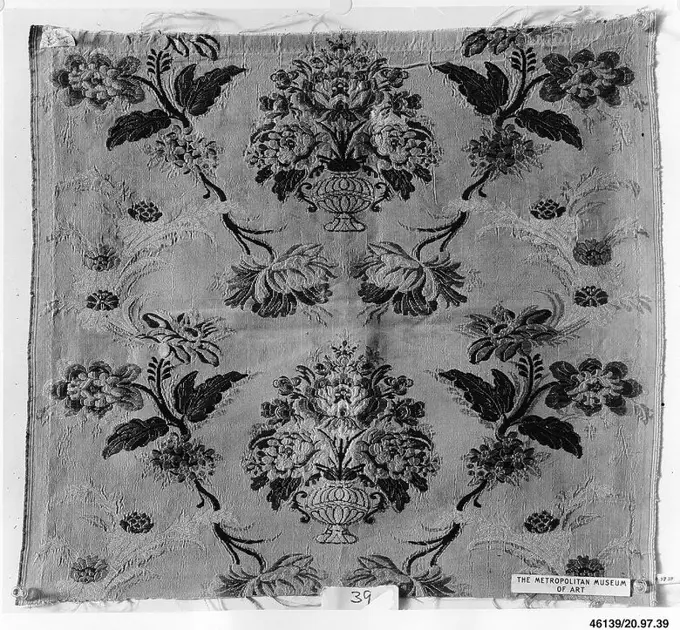
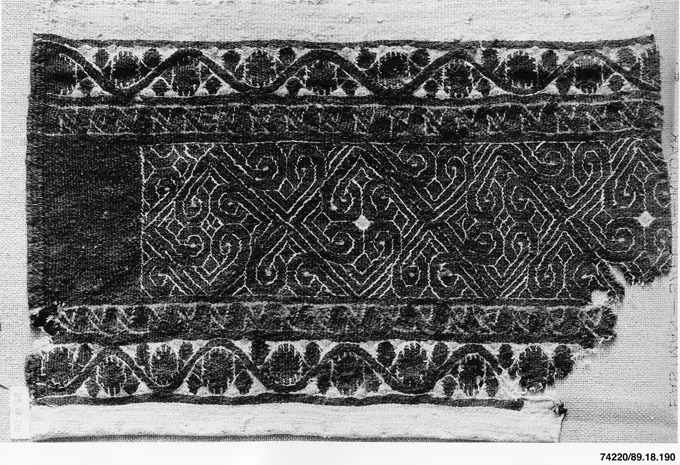
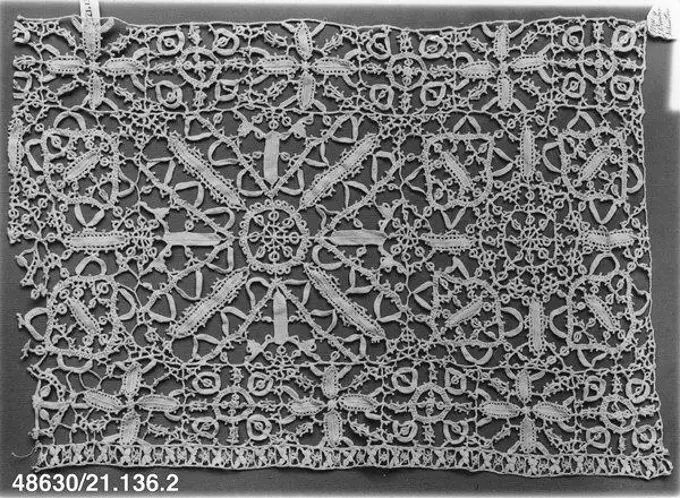
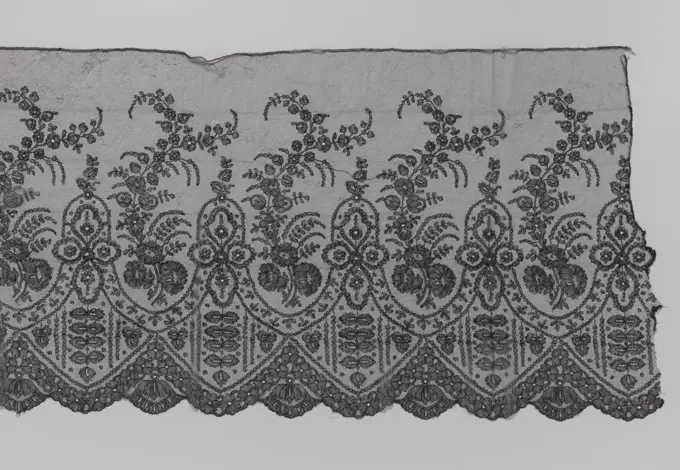
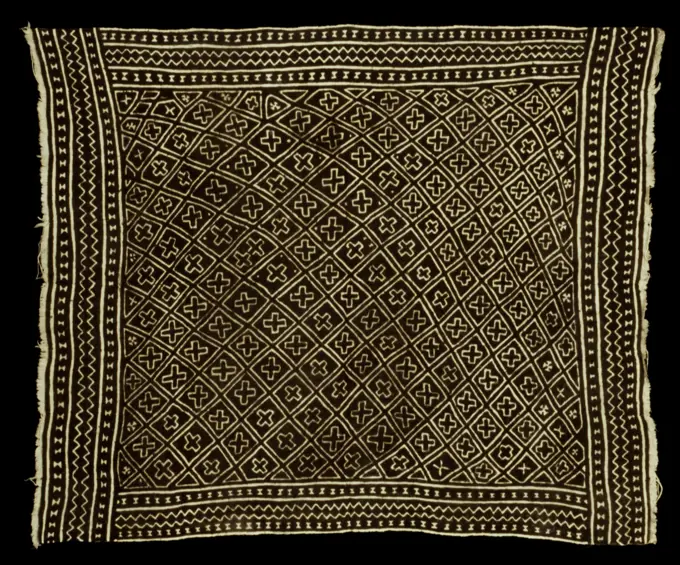
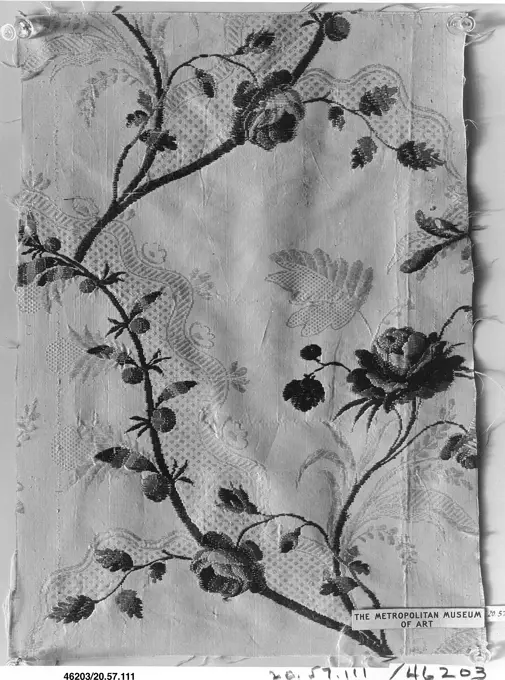
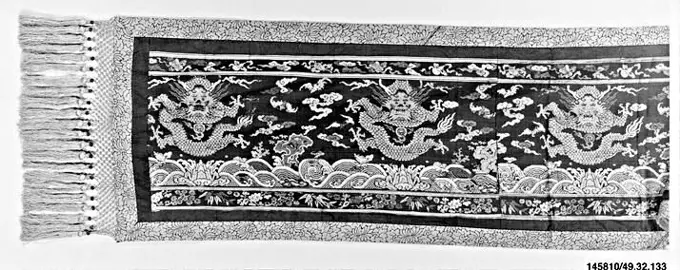
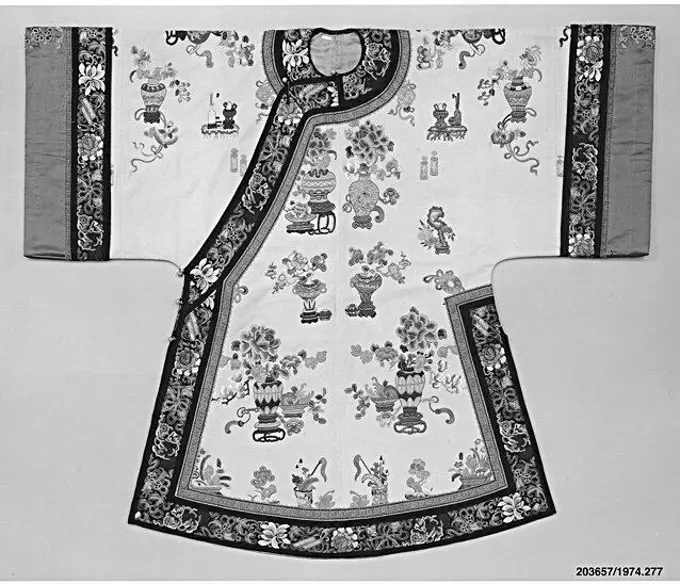
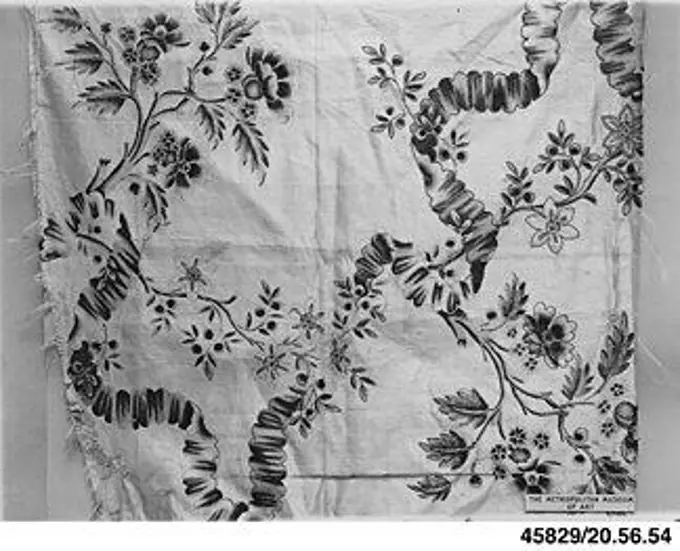
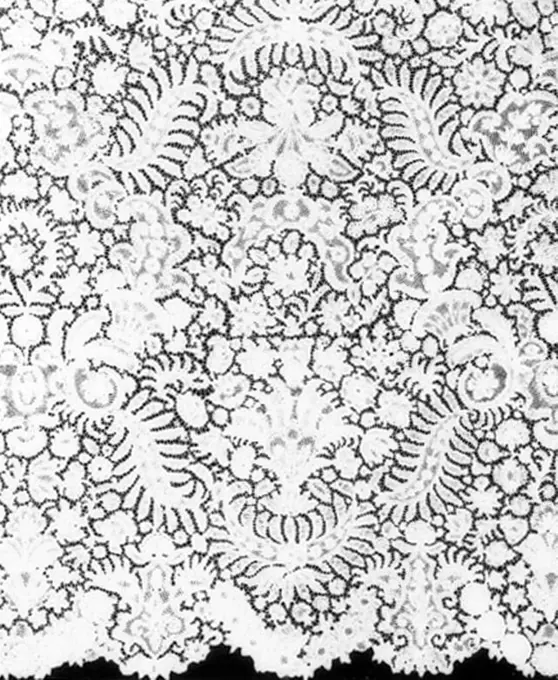
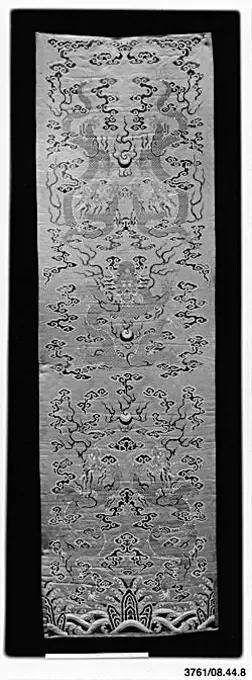
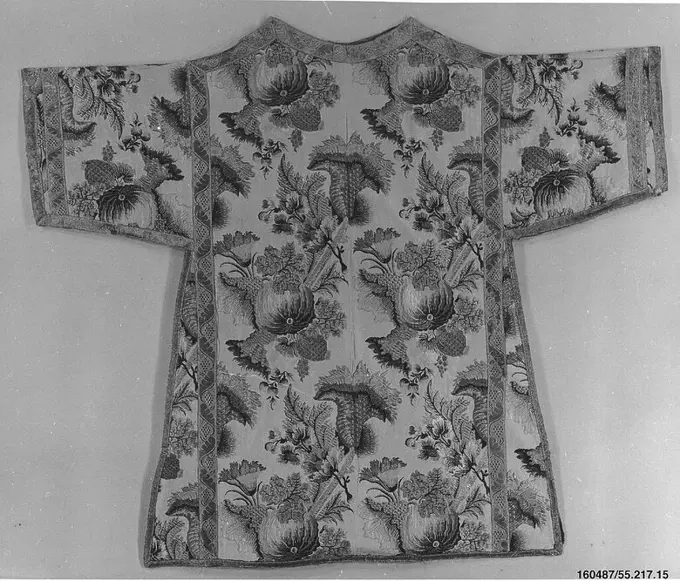
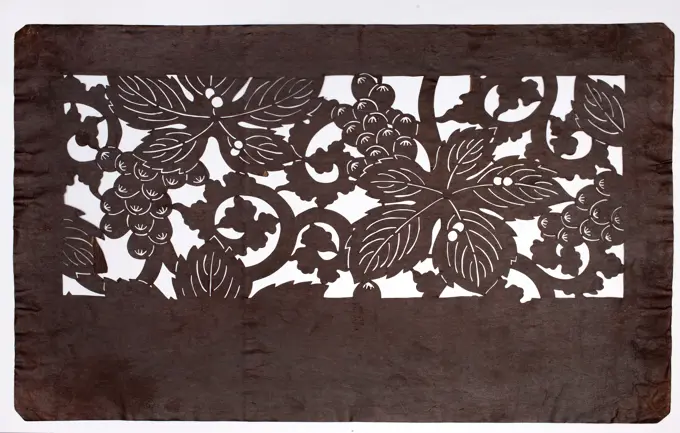
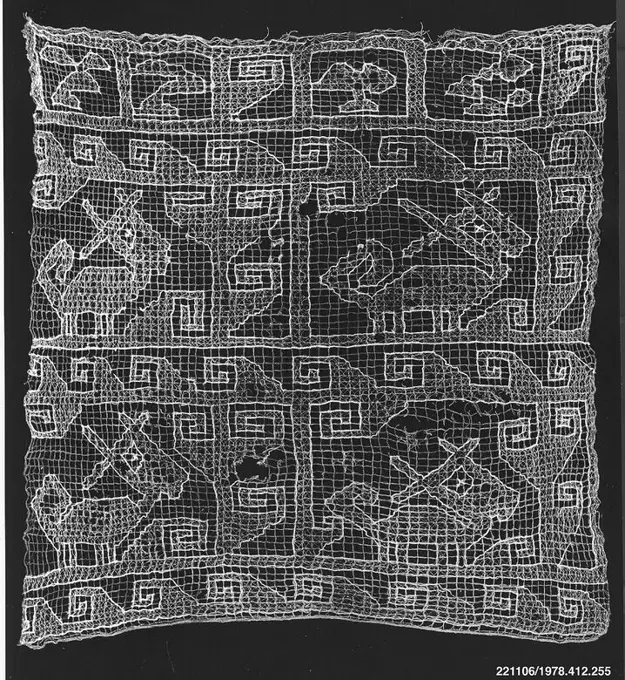
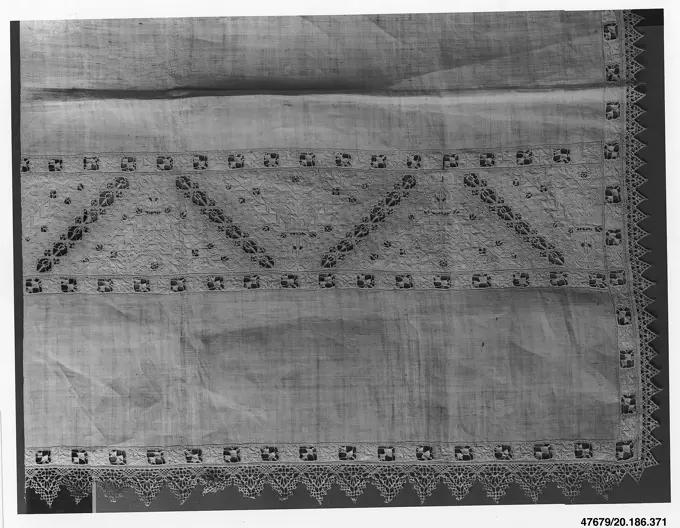
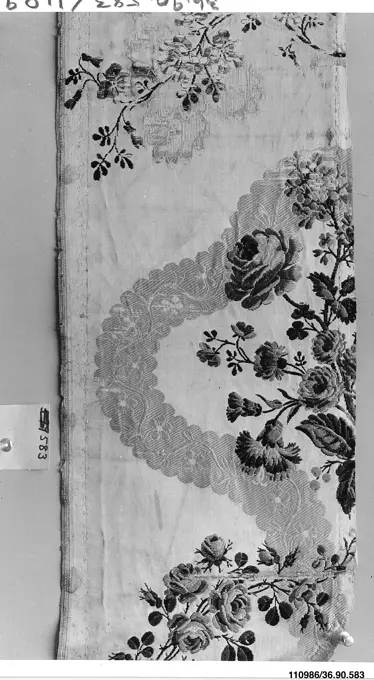
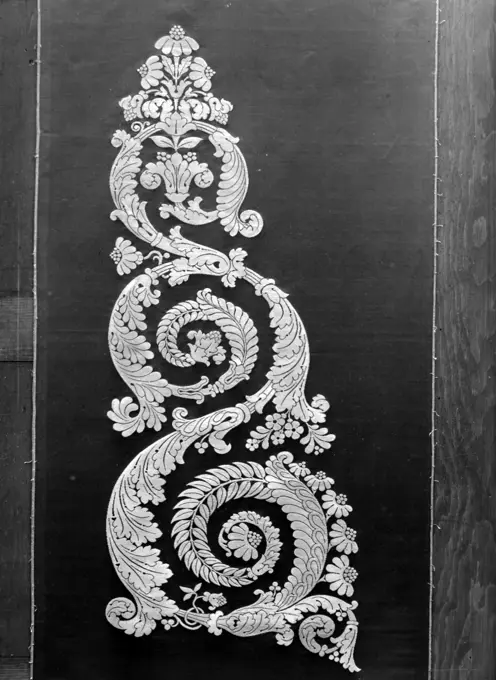
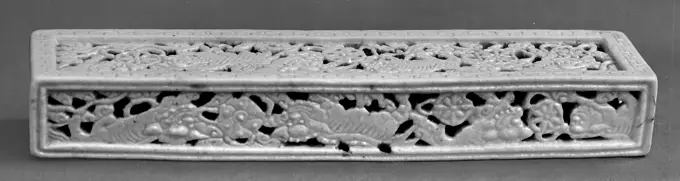
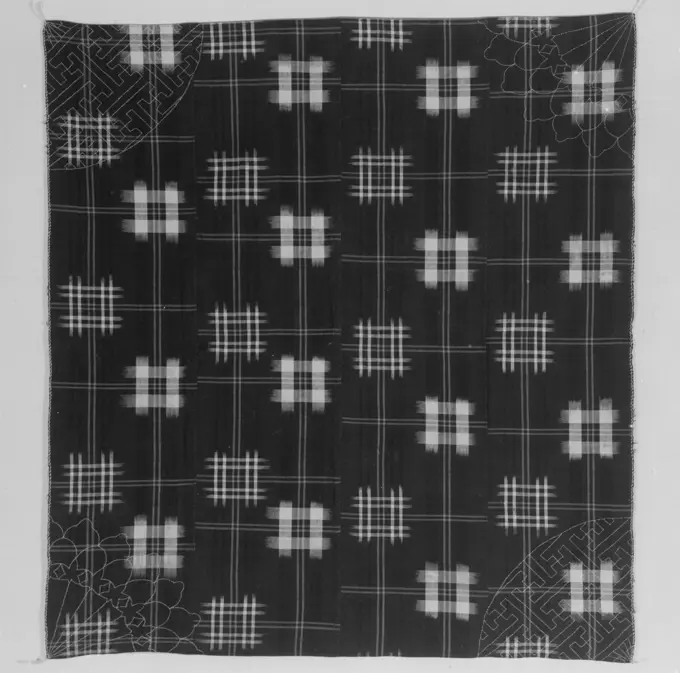
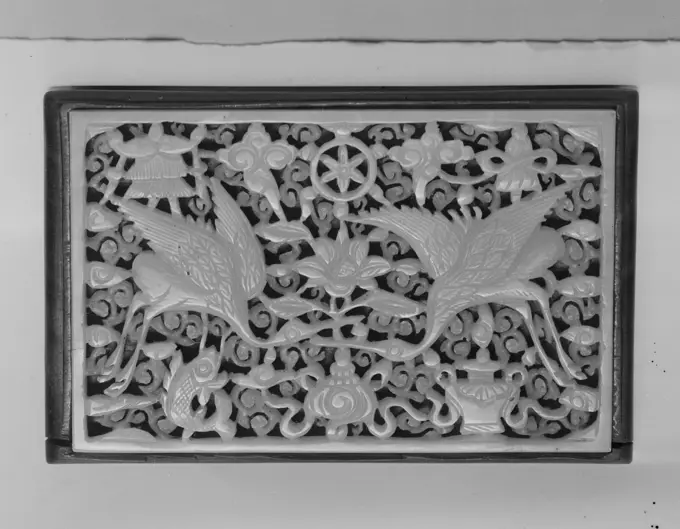
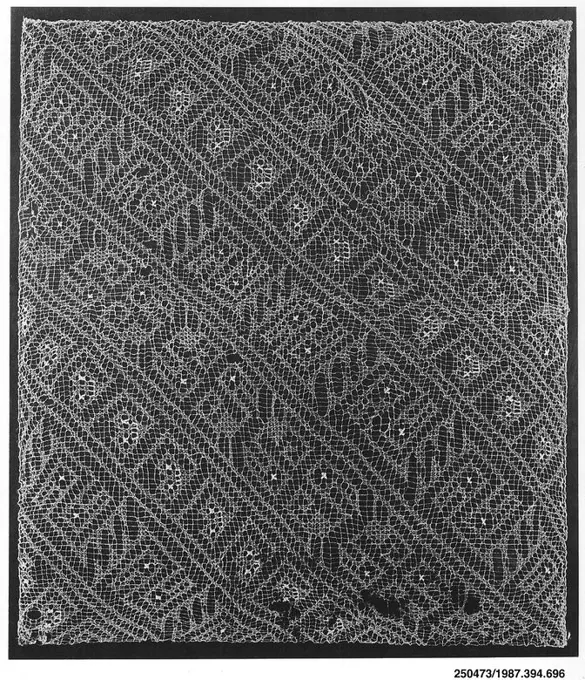
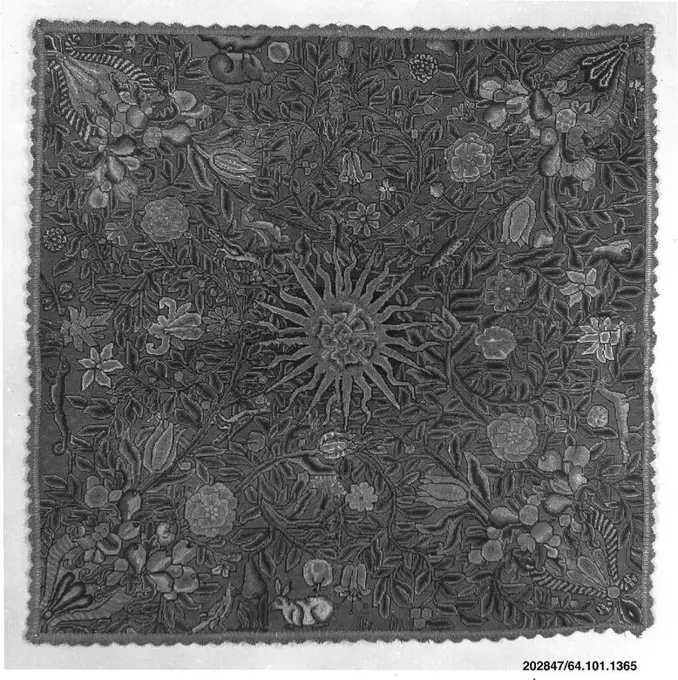
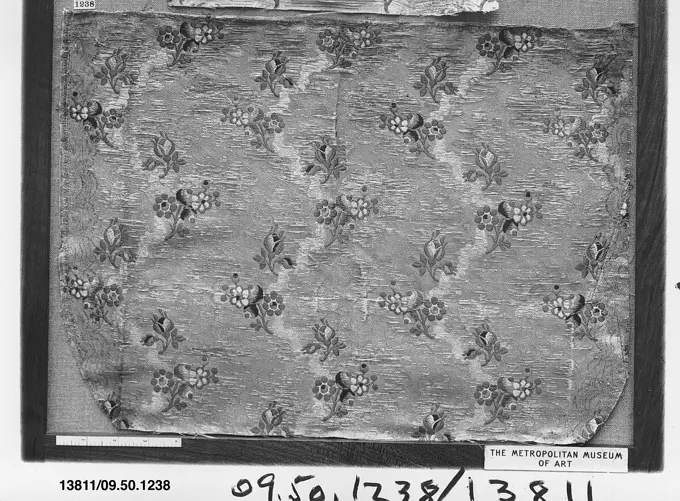
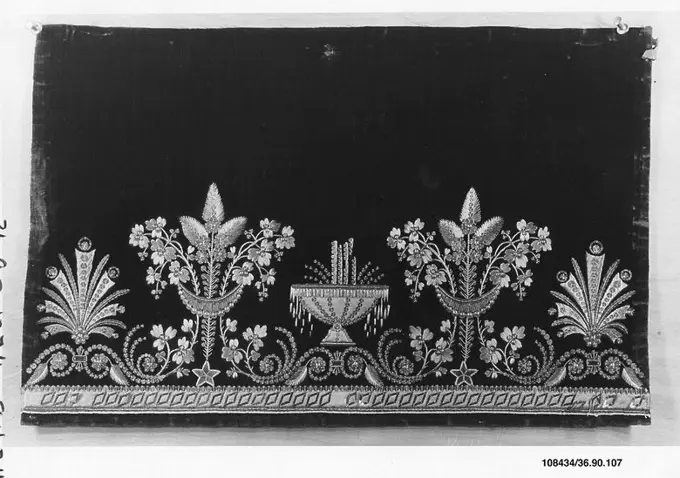
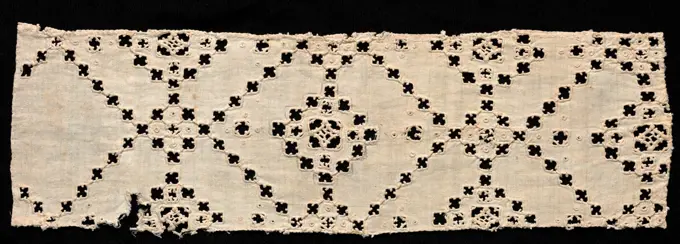
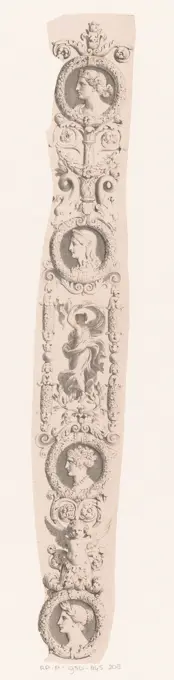
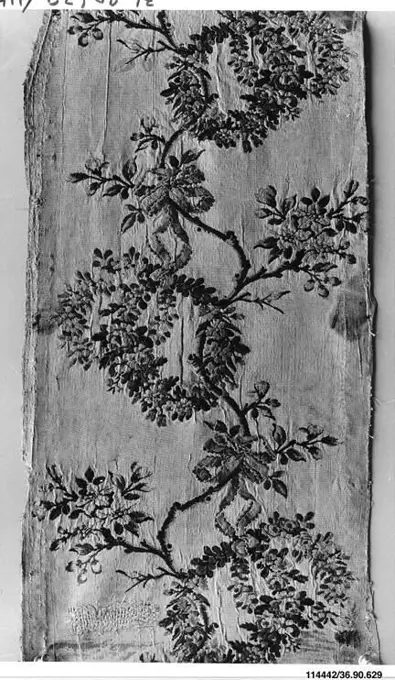
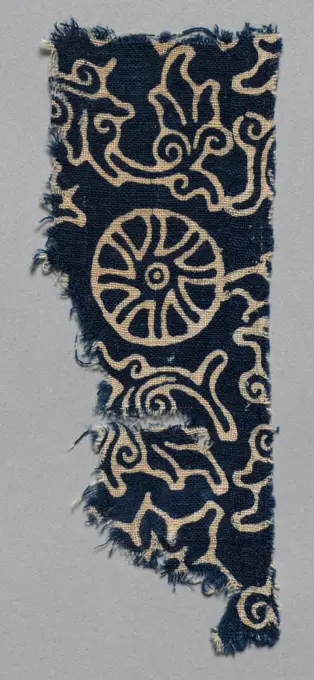
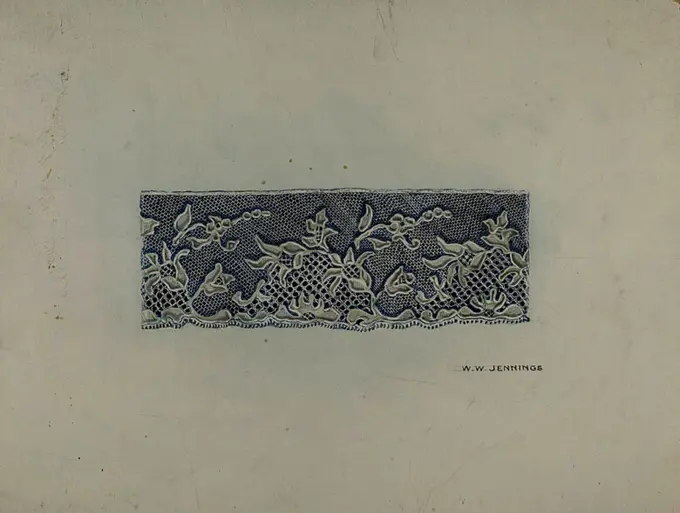
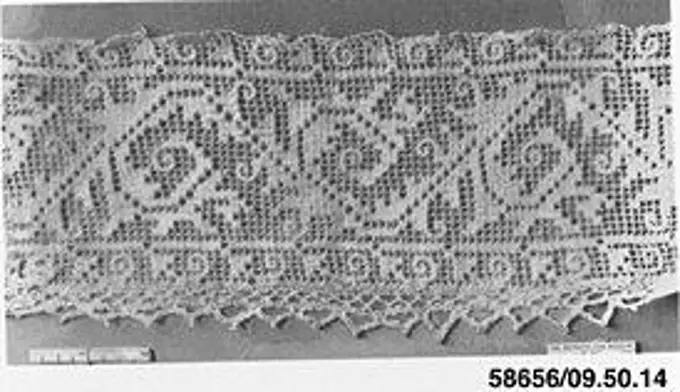
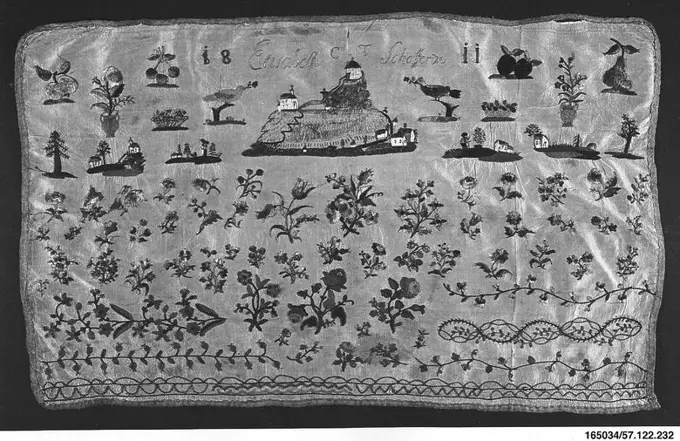
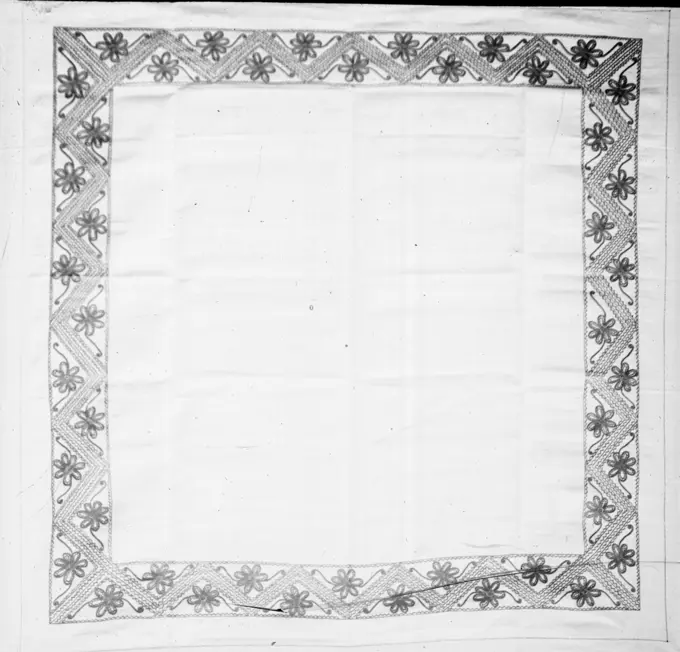
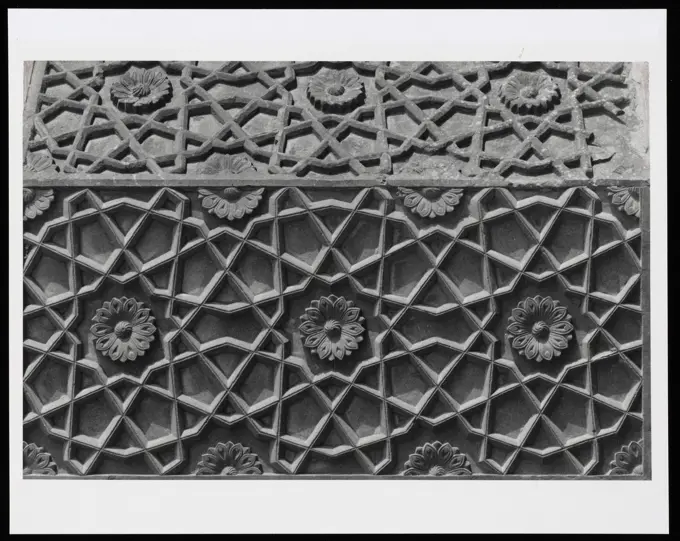
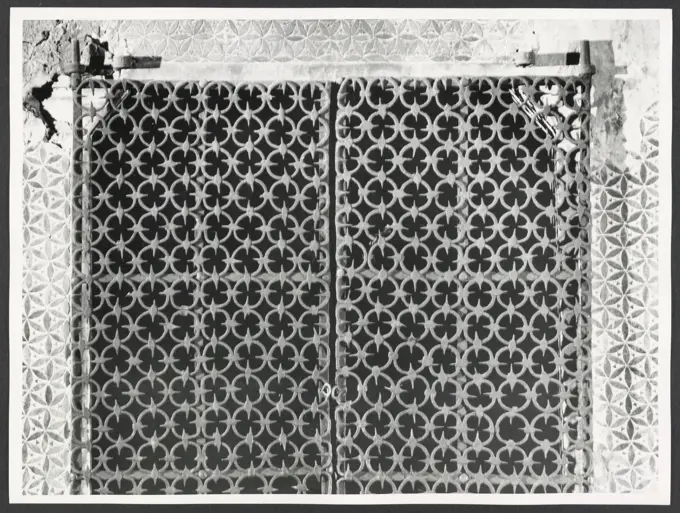
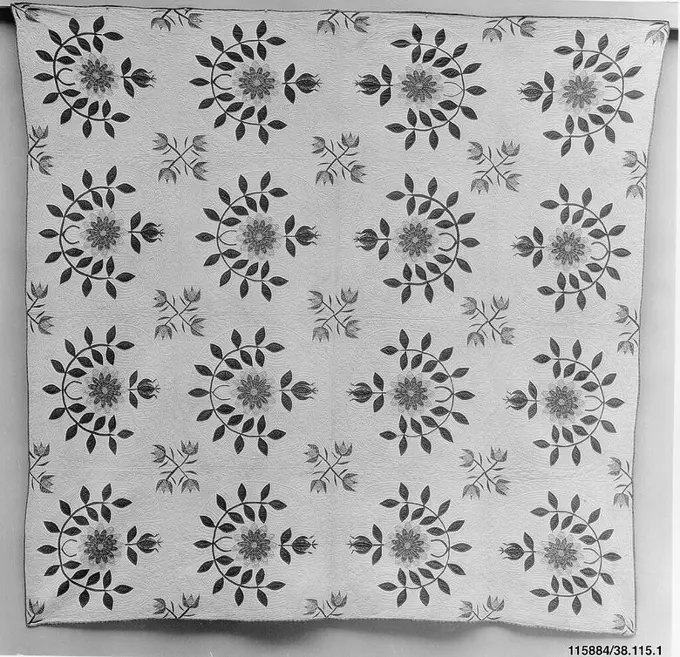
Quilt, Prairie Flower Pattern. Culture: American. Dimensions: 108 1/2 x 107 1/4 in. (275.6 x 272.4 cm). Date: ca. 1840.The top of the quilt is composed of sixteen blocks of finely woven white cotton, each appliquéd with flowers that have red and pink printed cotton petals and green leaves. The back is of a more coarsely woven white cotton, and the binding is of a red plaid cotton. The piece is quilted with a pattern of roundels and leaf sprays. Museum: Metropolitan Museum of Art, New York, USA.Piece 18th century French. Piece 223770Piece ca. 1725 French. Piece 217063Piece 16th-17th century Italian. Piece 223492Fragment Made 1000-1476 Peru. Slit tapestry weave .Piece 16th-17th century Italian. Piece 223463Sleeve Band 19th century China. Sleeve Band 68723Sample early 19th century French. Sample 224058Fragment of a Band 3rd-4th century. Fragment of a Band 443801Fragment of Sari 19th century. Fragment of Sari 447401Piece 18th-19th century Japan. Piece. Japan. 18th-19th century. Silk. Textiles-WovenTile first quarter 17th century Dutch. Tile 196215Piece 19th century Japan. Piece 67958Cover early 19th century. Cover. early 19th century. Silk and metal thread on cotton; embroidered. Attributed to Turkey. Textiles-EmbroideredApparel made into cushion 17th century Spanish This apparel and another in the Lehman Collection (1975.1.1895), which were made into cushions, originally formed part of the front and back of a dalmatic (a liturgical vestment). They are of dark red silk cut velvet edged with fringe and decorated with appliquéd needlework in a design of scrolling leaves and flowers surrounding a centered basket filled with leaves and circular elements. The composition is framed by a narrow border, a straight branch-and-leaf motif outlined with cording, with a four-leaf clover in each corner.. Apparel made into cushion 460787Window 19th century. Window 456316Chasuble ca. 1720 Italian. Chasuble 227795Piece 18th century French. Piece 223986Piece mid-18th century Spanish or Portuguese. Piece 217012Blanket (Altered from a Saddle Blanet) Made 1875-1900 Iran. Wool, slit tapestry weave .Fragment (Border) Made 1620-1639 Italy. Linen, needle lace with needle made tapes .Piece 18th century French. Piece 223303Silk weave. Culture: French. Dimensions: 21 1/2 x 19 inches (54.6 x 48.3 cm). Date: ca. 1750. Museum: Metropolitan Museum of Art, New York, USA.Piece 18th century French. Piece 224264Cover. Culture: Italian or German. Dimensions: Overall: 38 1/8 x 33 3/4 in. (96.8 x 85.7 cm). Date: 16th-17th century. Museum: Metropolitan Museum of Art, New York, USA.Sampler early 19th century German or Austrian. Sampler 228154Textile Fragment 3rd-4th century. Textile Fragment 443394Piece ca. 1750 British, London, Spitalfields. Piece 216393Border 18th century Italian. Border 226112Sample early 19th century French. Sample 224040Flounce Made 1701-1750 Italy. Linen, bobbin part lace .Piece 1750-60 French. Piece 223222Fragment early 17th century Italian. Fragment 221347Fragment of Cover. Dimensions: H. 41 in. (104.1 cm)W. 45 in. (114.3 cm). Date: 1891. Museum: Metropolitan Museum of Art, New York, USA.Strip of black bobbin with wavy standing branches, anonymous, c. 1850 - c. 1870 Black silk bobbin strip, Chantilly side. The pattern repeats itself and consists of wavy standing branches, which spring in the valleys of a pendulum and then rise far above. The pendulum consists of a double pearl list filled with triple leaves and has wide valleys and narrow peaks, making it a kind of half cartouches. From the narrow peaks, a long branch hangs straight down, ending in one flower. The scrap edge is formed by a wavy pendulum of connected rosette flowers and always one large dependent clock flower from the wave top. The motifs are connected by a Maas soil. The fullwork is made in Netslag and one type of decorative land has been used, thicker contour threads run around the motifs. Bayeux (possibly) silk bobbin lace Black silk bobbin strip, Chantilly side. The pattern repeats itself and consists of wavy standing branches, which spring in the valleys of a pendulum and then rise far above. The pMud cloth, 1980s, Deoume Diarisso, 43 1/4 x 53 in. (109.9 x 134.6 cm), Cotton; mudcloth (bogolanfini); dyed, Mali, 20th centuryPiece 1750-60 French. Piece 220308Runner late 19th century China. Runner 69907Piece 18th-19th century Japan. Piece 66021Fragment early 17th century Italian. Fragment 230792Wrapping Cloth China. Wrapping Cloth 69879Piece 16th-17th century Italian. Piece 216299Piece French, Lyons 18th-19th centuryPanel 18th century Italian. Panel. Italian. 18th century. Needle lace, gros point lace. Textiles-LacesMacrame 16th-17th century Italian Punto in arialiterally, "stitches in the air"is one of the earliest styles of needle lace, which is itself developed from cutwork of primarily geometric design. When lacemakers transitioned to using a foundation of threads laid out according to a pattern drawn on parchment, they were able to incorporate more fluid lines and curves into their designs.. Macrame 215443Woman's informal robe 19th century China Embroidered in brightly colored silks and gold on the woolen ground of this robe is a roughly symmetrical arrangement of the "hundred antiques," lavishly complemented with fruit and flowers. At the bottom center of the robe, between containers of narcissus flowers, the scholarly tradition is represented by brushes, a scroll of silk or paper for calligraphy or painting, coral branches, and a fly whisk, all objects associated with the literati.A little higher, below vessels containing sumptuous fullblown peonies and other flowers, is a long slender object shaped like a mushroom at one end and seen here with a tassel at the other end. This implement is called a ruyi, and as it figures in rebuses to symbolize the fulfillment of a wish, the presence of a ruyi often signals that a word puzzle is at hand. Here it is seen with a bowl containing a peach and a Buddha's-hand citron, fruits associated with longevity and prosperity. Represented on the inner Piece 18th century Chinese for export. Piece 220192Piece 19th century Japan. Piece 70416Flounce. Flanders, Brussels. Date: 1710-1730. Dimensions: 65.4 × 327.5 cm (25 3/4 × 128 7/8 in.)width repeat: 49.5 cm (19 1/2 in.). Linen, bobbin part-lace of a type known as "Brussels" with a plaited bar ground. Origin: Flanders. Museum: The Chicago Art Institute, Chicago, USA.Hanging 19th century China. Hanging 67870Fragment (Dress Fabric) Made 1701-1800 Iran. Brocaded plain simple cloth, taffeta, silk, and gold wound on yellow silk core .Fragment of a Tunic. Dimensions: 10 1/16 in. high 34 5/8 in. wide (25.5 cm high 88 cm wide). Date: 4th century. Museum: Metropolitan Museum of Art, New York, USA.Cope early 18th century Italian. Cope 219001Piece 1750-60 French. Piece 223254Book Binding Book Binding, early 19th century. Lacquer on leather, 8 1/4 x 5 7/8 in. (21 x 15 cm).   Arts of the Islamic World early 19th centuryPiece 1730-35 French. Piece 217197Dalmatic. Culture: Italian or Czech. Dimensions: L. 40 1/2 x W. 46 inches (102.9 x 116.8 cm). Date: ca. 1735. Museum: Metropolitan Museum of Art, New York, USA.Dying template katagami; Dese from the stylized flagella latoro with bullies and flowers;  19th/20th century (1701-00-00-1900-00-00);ISE-Catags, plant ornaments, templates, purchase (provenance)Openwork Headband. Culture: Chancay. Dimensions: H x W: 29 3/4 x 28 1/4 in. (75.6 x 71.8 cm). Date: 10th-14th century. Museum: Metropolitan Museum of Art, New York, USA.Dish. Culture: American. Dimensions: 6 1/4 x 9 1/16 in. (15.9 x 23 cm). Date: 1835-50. Museum: Metropolitan Museum of Art, New York, USA.Altar Frontal. Culture: Spanish. Dimensions: Overall: 39 1/2 x 80 1/2in. (100.3 x 204.5cm). Date: ca. 1500. Museum: Metropolitan Museum of Art, New York, USA.Altar cloth 1600 Italian, Venice. Altar cloth 221182Piece mid-18th century French. Piece 223685Coverlet Made 1870-1876 Pennsylvania. Cotton and wool, plain weave with plain interlacings of secondary binding warps and patterning wefts (Beiderwand); woven on loom with Jacquard attachment; full loom width; seamless; fringed .Length ca. 1805-15 Woven by Séguin et Cie This unused length was intended to serve as part of a bed-hanging at the Fontainebleau palace.. Length. French, Lyons. ca. 1805-15. Silk and two types of metal thread. Textiles-WovenIncense holder with lions 19th century China. Incense holder with lions. China. 19th century. Porcelain with reticular decoration (Jingdezhen ware). Qing dynasty (1644-1911). CeramicsFuroshiki , 20th century. Cotton Cloth, 56 x 53 in. (142.2 x 134.6 cm).   Asian Art 20th centuryPen Rest China. Pen Rest. China. Nephrite with faint greyish tint. Qing dynasty (1644-1911), Qianlong period (1736-95). JadeWhite House furniture and furnishings. White House furnishings. Antique lace. White House, Washington, D.C.Openwork Headband. Culture: Chancay. Dimensions: Length 37 in.. Date: 12th-15th century. Museum: Metropolitan Museum of Art, New York, USA.Chalice veil. Culture: French. Dimensions: Overall: 25 3/4 x 25 3/4 in. (65.4 x 65.4 cm). Date: 17th century. Museum: Metropolitan Museum of Art, New York, USA.Pair of Bookcovers Pair of Bookcovers. Lacquered, 6 1/2 x 3 15/16 in. (16.5 x 10 cm) each.   Arts of the Islamic WorldFragments (Loincloth). Probably central coast, Peru. Date: 1000-1476. Dimensions: a: 25.4 x 4.5 cm (10 x 1 3/4 in.)b: 29.2 x 5.1 cm (11 1/2 x 2 in.). Slit tapestry. Origin: Peru. Museum: The Chicago Art Institute, Chicago, USA. Author: Chancay.Piece 18th century possibly Russian. Piece 216389Dress border. Culture: French. Dimensions: L. 19 x W. 12 inches48.3 x 30.5 cm. Date: early 19th century. Museum: Metropolitan Museum of Art, New York, USA.Textile Fragment 3rd-4th century. Textile Fragment 443432Fragment (Dress Fabric) Made 1675-1900 Iran. .Napkin. Culture: British. Dimensions: 31 x 31 inches (78.7 x 78.7 cm). Date: mid-19th century. Museum: Metropolitan Museum of Art, New York, USA.Fragment ca. 1840 American or British. Fragment 13736Rank Badge with Leopard 19th century China. Rank Badge with Leopard 69783Rank Badge with Tiger 18th-19th century China. Rank Badge with Tiger 70266Border Made 1860-1879 Belgium. Silk, bobbin straight lace .Fragment of Needlepoint (Cutwork) Lace, late 17th century. Italy, late 17th century. Lace, needlepoint: linen; overall: 14 x 45.4 cm (5 1/2 x 17 7/8 in.).Ornament met medaillons, anonymous, 1700 - 1800 print An ornament with four medallions with antique women's portraits, dolphins, a putto as a half figure and a standing woman in the middle.  paper  ornaments ~ art. ornament ~ medallionPiece 1750-60 French. Piece 223730Border Made 1801-1900 England. Cotton, plain weave; block printed .Two small brooches made of petalsPiece 18th-19th century Japan. Piece 66910Cover 16th century Greek Islands. Cover. Greek Islands. 16th century. Needle lace, reticello, punto in aria, punto avorio, linen. Textiles-LacesFragment, 1100s - 1300s. India, 12th-14th century. Plain cloth, resist dyed; cotton; overall: 6 x 15.5 cm (2 3/8 x 6 1/8 in.).Lace Trim. Dated: 1935/1942. Dimensions: overall: 22.9 x 30.2 cm (9 x 11 7/8 in.). Medium: watercolor, gouache, and pen and ink on paperboard. Museum: National Gallery of Art, Washington DC. Author: Walter W. Jennings.Strip 17th century Italian. Strip 215416Fragment 17th-18th century China. Fragment 69028Bamboo; Unknown, Zheng, Xie (1693-1755), SU, ZHE (1039-1112); 1st half 20th century (1901-00-00-1950-00-00);Sampler. Culture: Austrian. Dimensions: H. 14 5/8 x W. 24 1/2 inches (37.1 x 62.2 cm). Date: 1811. Museum: Metropolitan Museum of Art, New York, USA.Needle case mid-18th century German. Needle case 198096Picture from engineer P. Wretblad's material for building and living exhibitions.Floral art pattern example of the Ottoman timeIndia Āgra Agra Fort Unpublished image 9. Swaan, Wim. 1968 or earlier Photographic production materials for Cities of Mughul India: Delhi, Agra, Fatehpur Sikri Photographs of architecture were selected and digitized from these materials. Portraits, ethnographic images, and images of museum objects were excluded. Digital images are arranged geographically, first by country, then by city, then by site complex or monument, with all names in alphabetical order. Location names are derived from the Getty Thesaurus of Geographic Names (TGN)®, Library of Congress subject headings, and scholarly publications. Published images are followed by unpublished images. Versos of prints and slide mounts were not digitized. The information in any handwritten identifications found on these surfaces was incorporated into the metadata for individual images. All digital images are cropped to the edge of the frame and are not color-corrected. Photographic production materials for Cities of Mughul India: DelhiUmbria Terni Narni S. Giovenale, Cathedral61. Hutzel, Max 1960-1990 Medieval: Architectural sculpture, cosmati pavement, wall painting, mosaic (12th century). Post-medieval: 1982 & 1986 photos Architecture, architectural sculpture (17th century); painting, frescoes (17-18th century); sculpture, tombstones (16-18th century); metalwork, processional cross, candlestick, reliquary, chalice (16-17th century) General Notes: Site comprises two separate photo campaigns. Bibliographic material sent, now in Center Library German-born photographer and scholar Max Hutzel (1911-1988) photographed in Italy from the early 1960s until his death. The result of this project, referred to by Hutzel as Foto Arte Minore, is thorough documentation of art historical development in Italy up to the 18th century, including objects of the Etruscans and the Romans, as well as early Medieval, Romanesque, Gothic, Renaissance and Baroque monuments. Images are organized by geographic region in Italy, then by province,