Historic Textile Samples

Authentic pieces of historical textiles from various centuries, showcasing intricate designs and craftsmanship from Italy, Japan, and Greece.
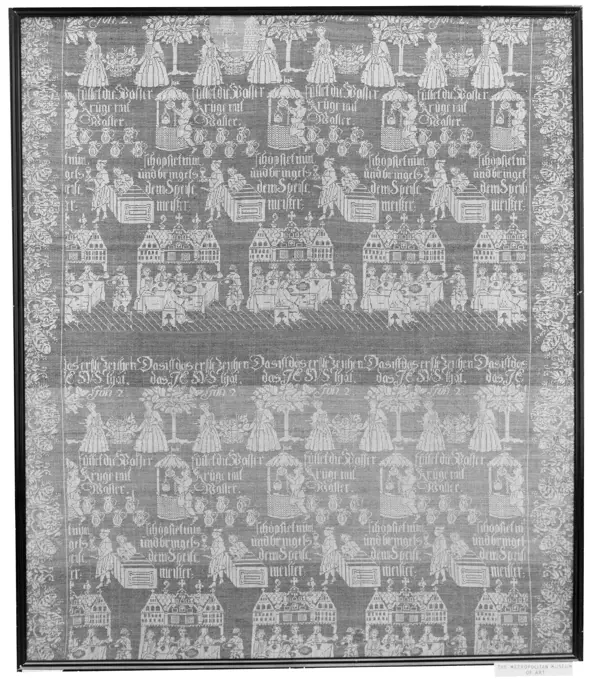
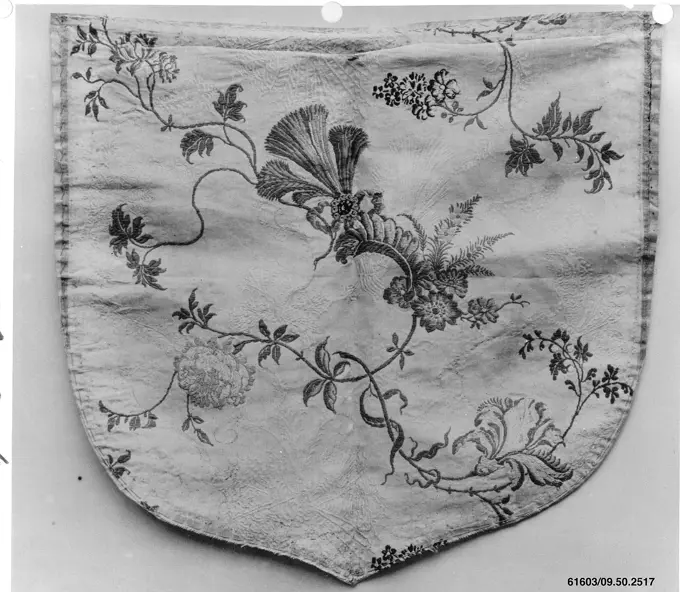
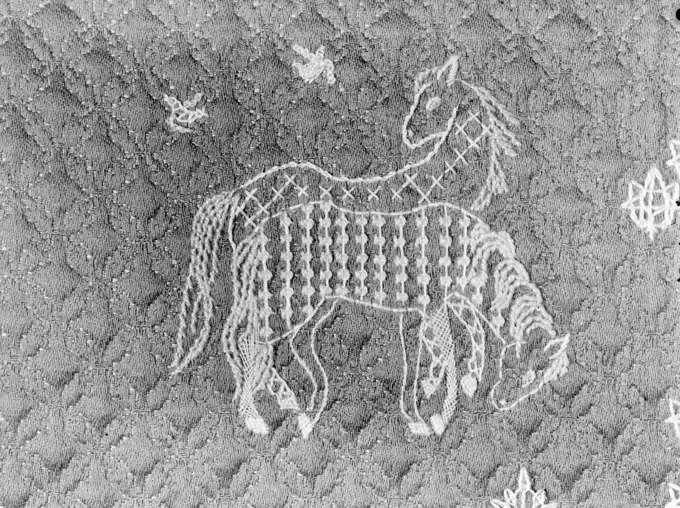
Piece 18th century German. Piece. German. 18th century. Linen. Textiles-Woven
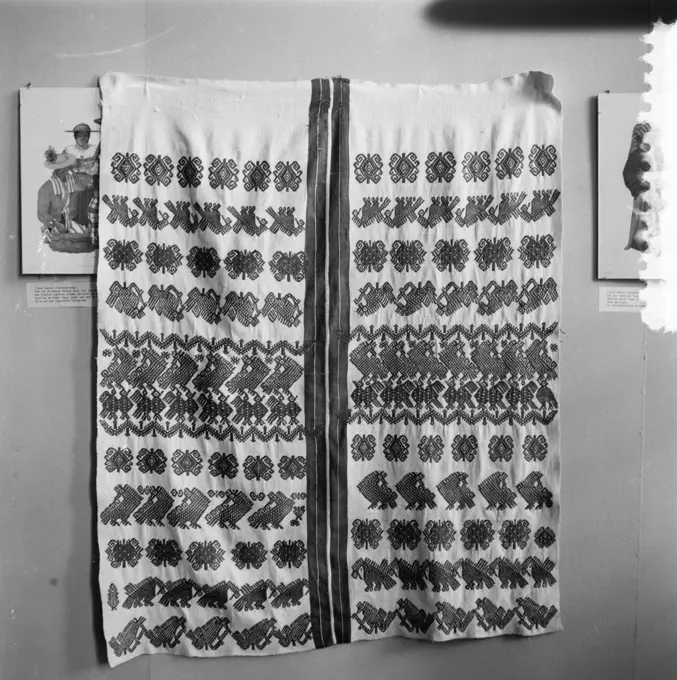
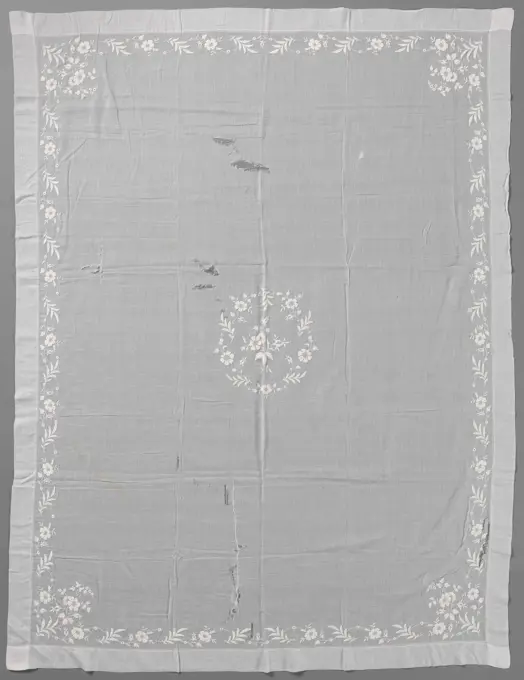
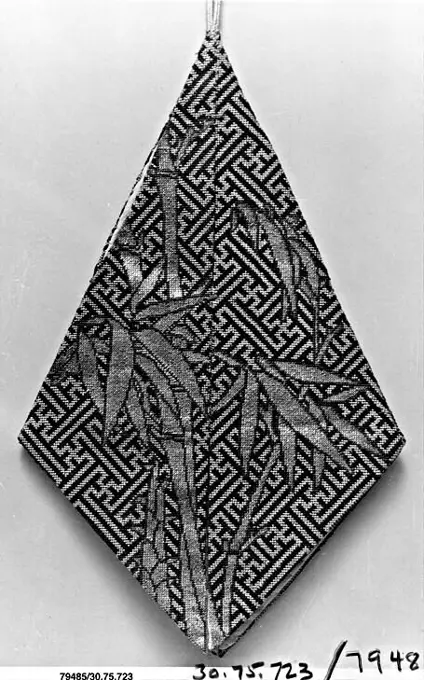
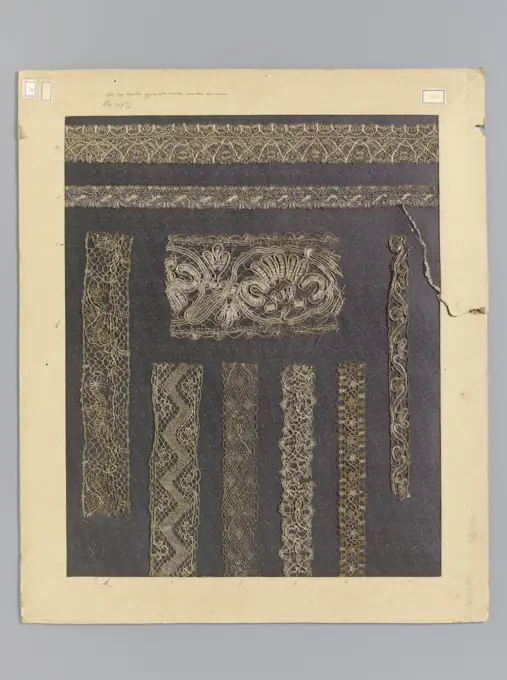
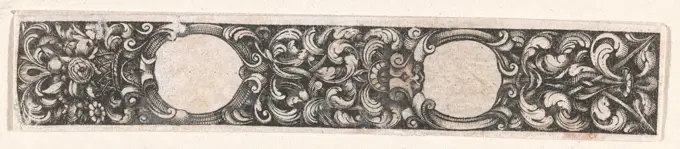
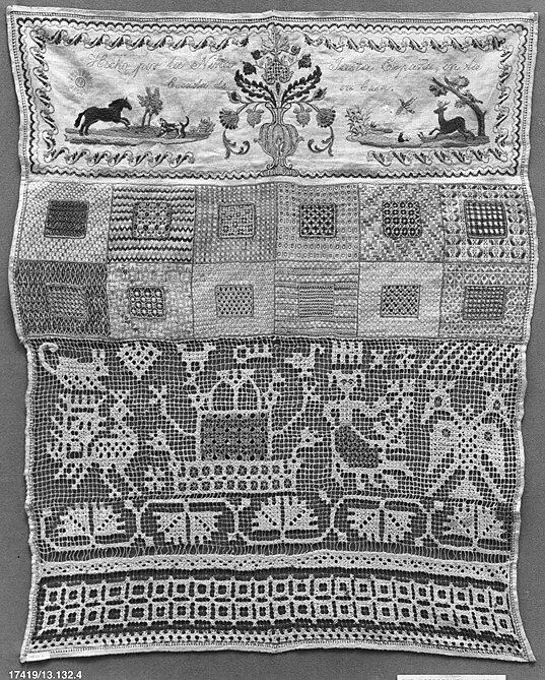
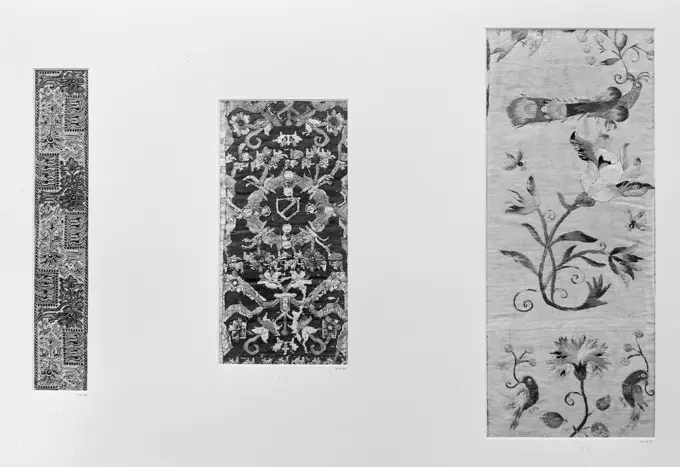
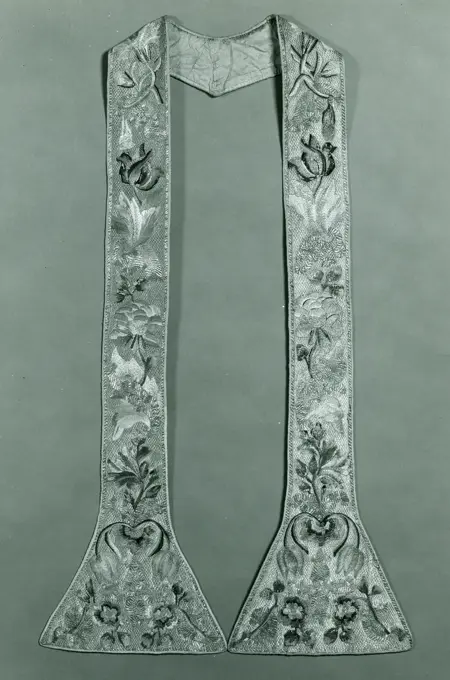
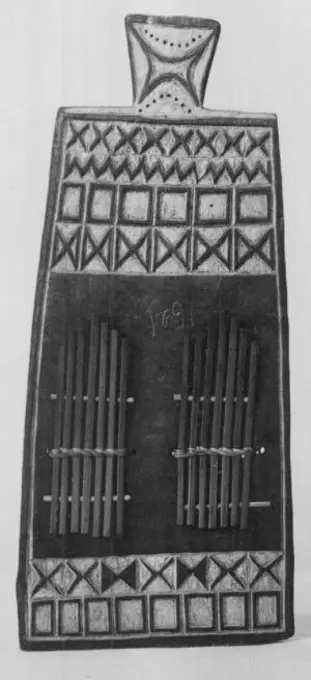
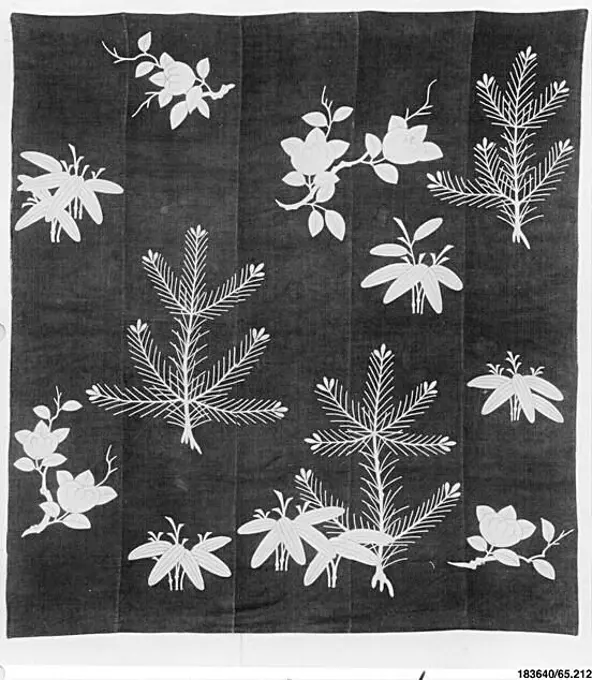
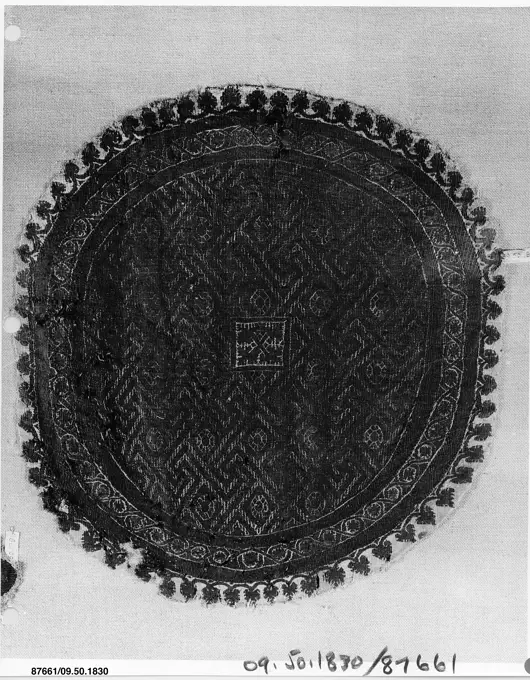
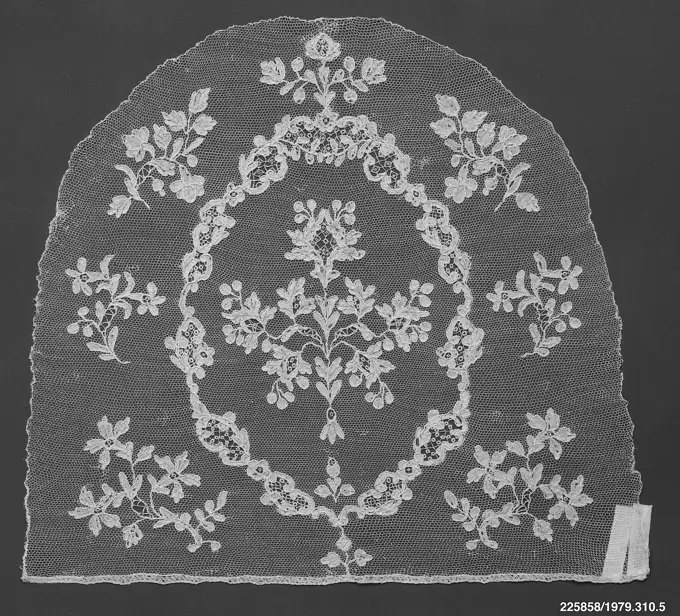
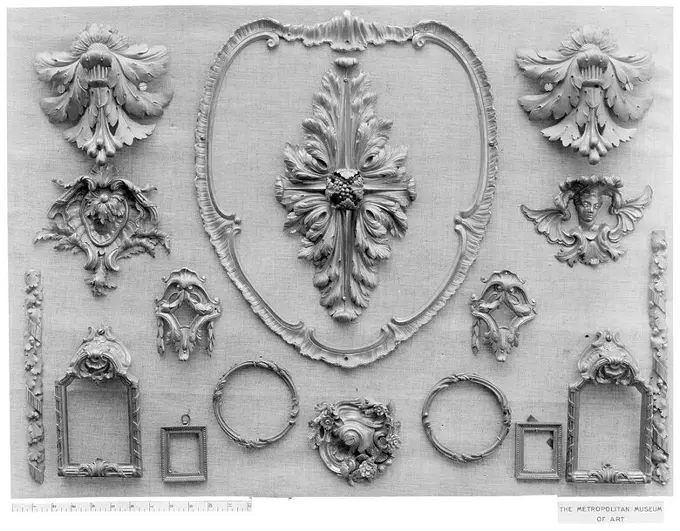
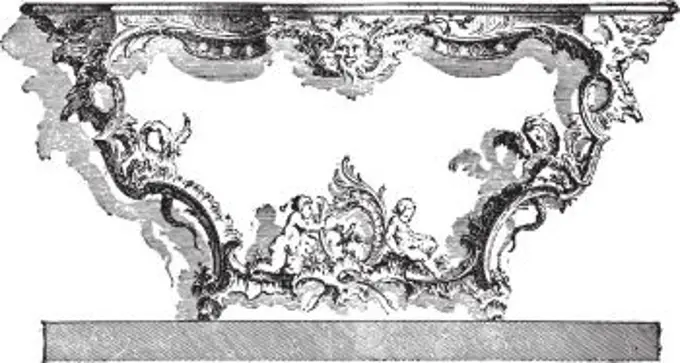
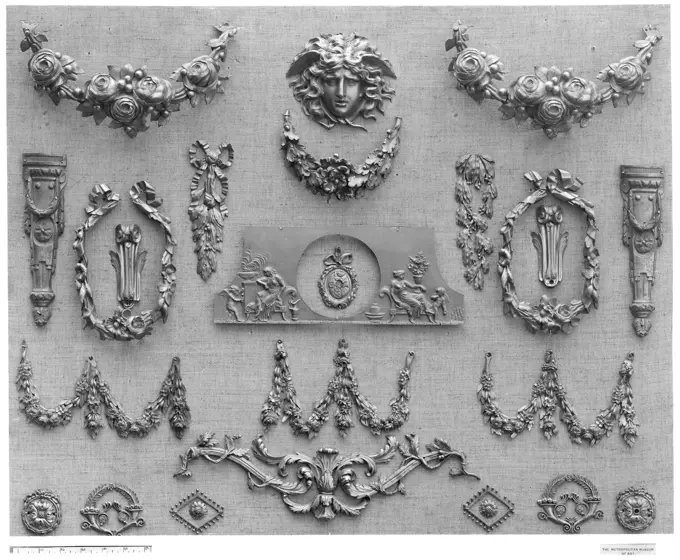
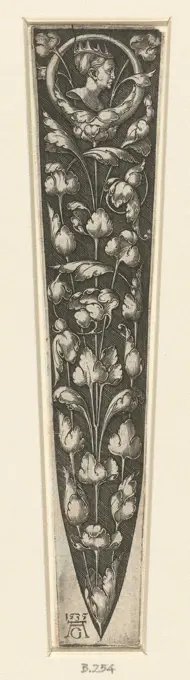
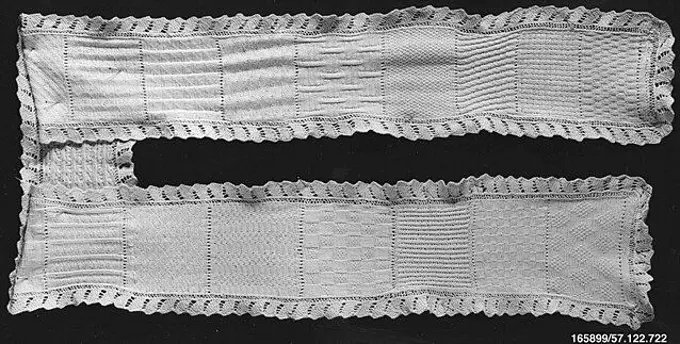
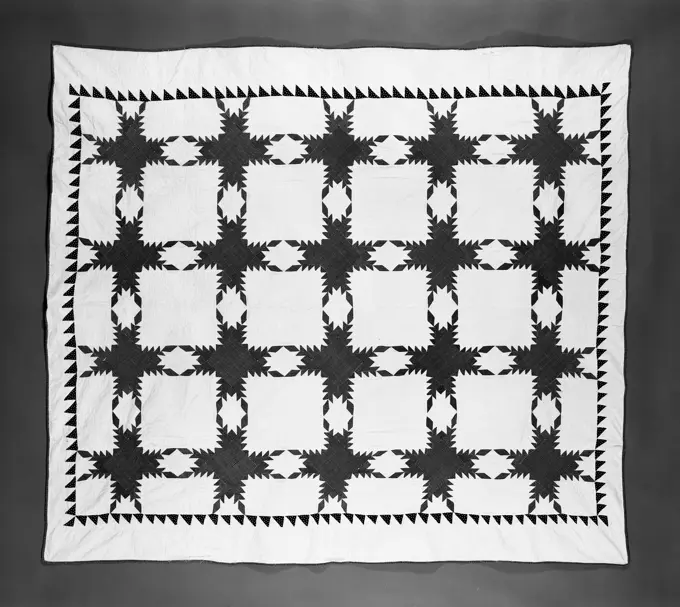
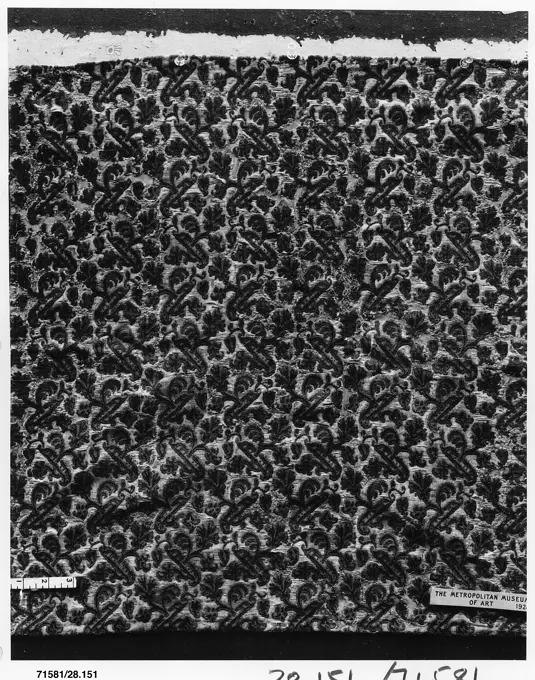
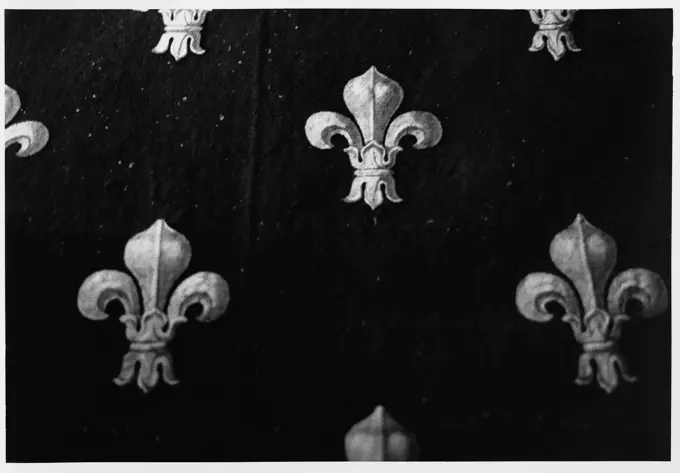
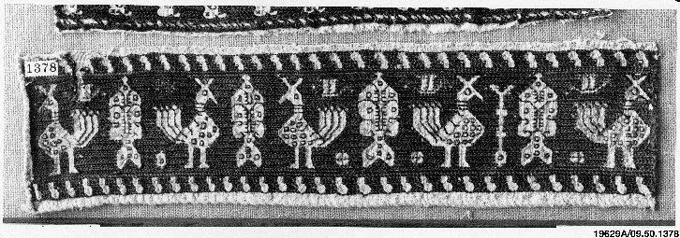
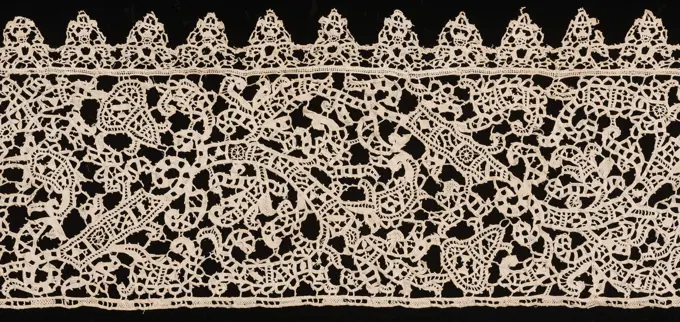
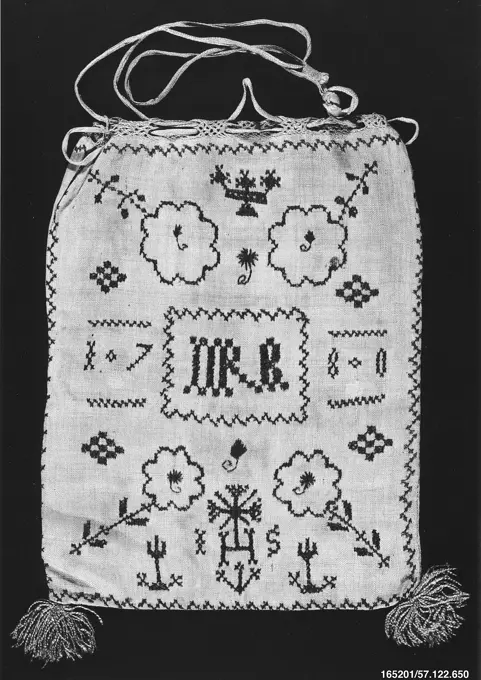
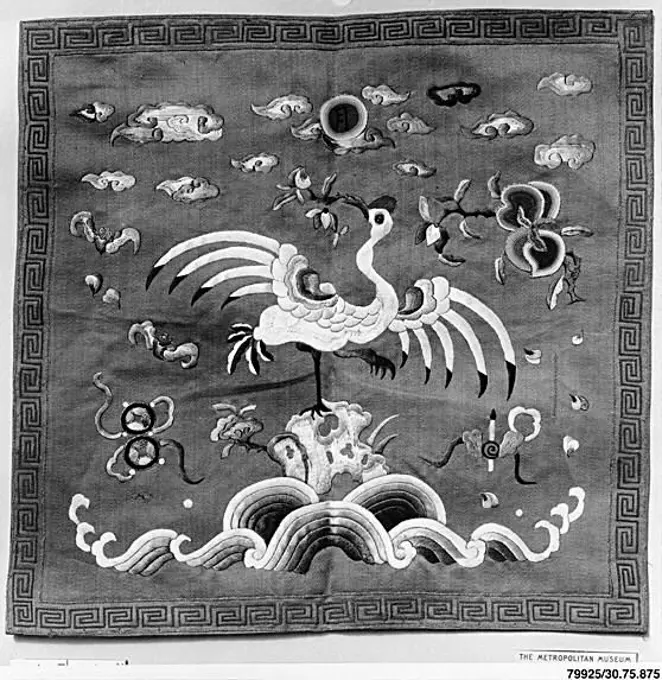
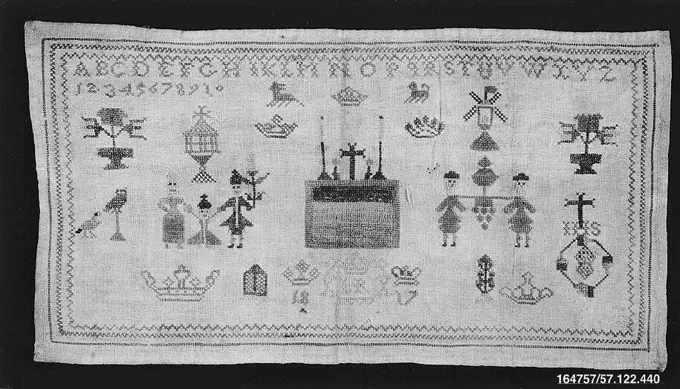
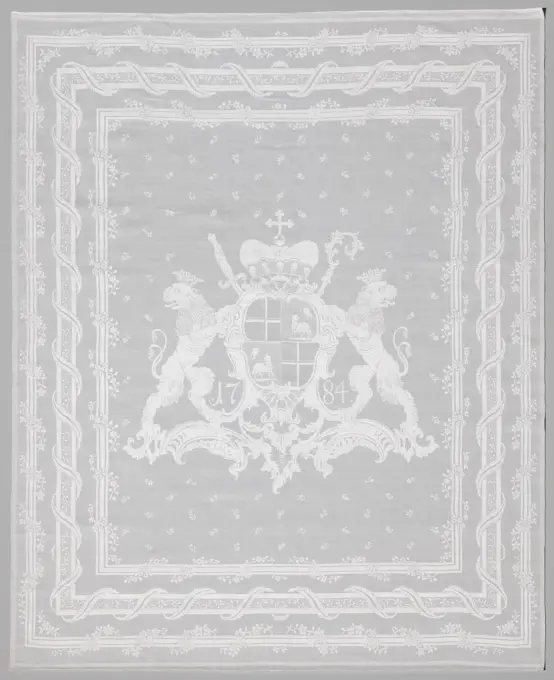
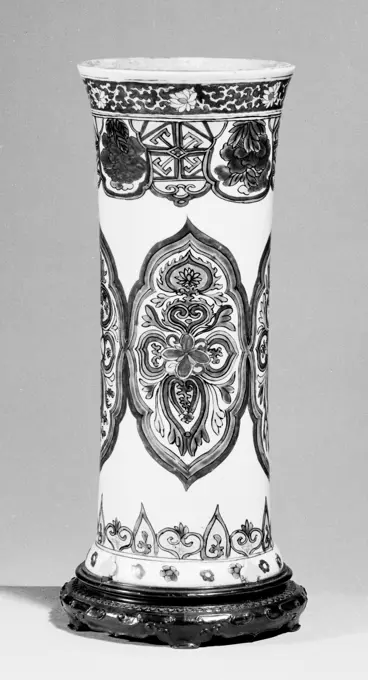
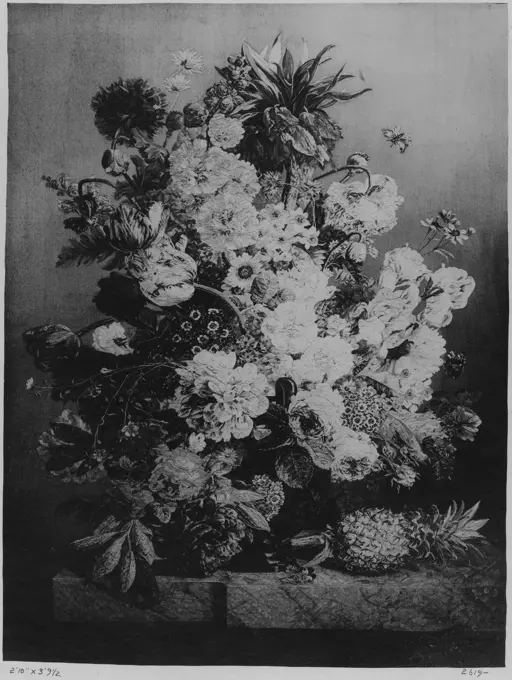
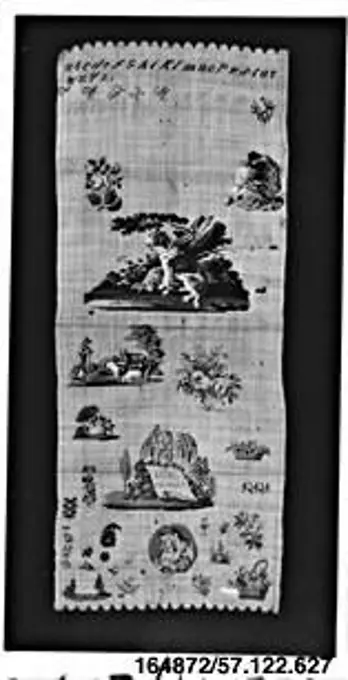
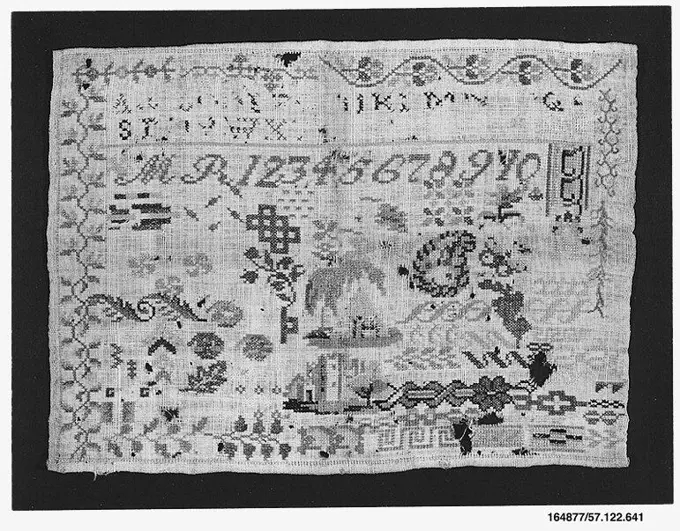
Piece 1750-60 French. Piece 217182Shawl Made 1830-1855 India. .Piece 1745-50 French. Piece 224369Batist dress embroidered with white roses, anonymous, c. 1870 - c. 1880 Batist dress embroidered with white florets. Possibly a baptismal rug. A wavy, very thin branch with thick wild florets runs along a smooth hem, cut by loose leaves. In the corners a fuller rose branch. In the middle such a branch in a wreath. Netherlands batiste embroidering Batist dress embroidered with white florets. Possibly a baptismal rug. A wavy, very thin branch with thick wild florets runs along a smooth hem, cut by loose leaves. In the corners a fuller rose branch. In the middle such a branch in a wreath. Netherlands batiste embroideringBorder ca. 1700 Dutch. Border 212863Pair of chutes French 18th century View more. Pair of chutes. French. 18th century. Gilt bronze. Metalwork-Gilt BronzeAltar cloth. Culture: Italian, Venice. Dimensions: L. 68 1/2 x W. 40 inches174.0 x 101.6 cm. Date: 1600. Museum: Metropolitan Museum of Art, New York, USA.Piece 1750-60 French. Piece 220705Fragment 18th century possibly Greek. Fragment 219568Border Tile 1881-85 J. and J. G. Low Art Tile Works. Border Tile. American. 1881-85. Earthenware. Made in Chelsea, Massachusetts, United StatesBobbin Lace Edging, 18th century. Belgium, Binche, 18th century. Lace, bobbin: linen; average: 5.5 x 12.4 cm (2 3/16 x 4 7/8 in.).Openwork Headband 10th-14th century Chancay. Openwork Headband 310699Stole ca. 1700 Spanish or French. Stole. Spanish or French. ca. 1700. Textiles-EmbroideredCubierta en cuero decorado de un libro, con motivos geométricos y florales.Anefo photo collection. Commonge Volkskrant. Indian Rug Tropenmuseum. September 21, 1956Bliżej Kultury unknownSleeve Band 19th century China. Sleeve Band 68641Cuff 19th century China. Cuff 70474Piece 16th-17th century Italian. Piece 224577Eyeglasses Case Bag with Bamboo on Fretwork Background 18th-19th century China Bamboo, a favorite subject in Chinese art, is seen here on a typically Chinese background. The fretwork incorporates the broken cross, or swastikaan ancient symbol in Asia that is associated in China with the character wan, which denotes the number ten thousand and symbolizes longevity. The incorporation of the symbol into an unending pattern emphasizes its meaning.Small overall geometric patterns were commonly mentioned in texts of the Song dynasty (960-1279), and "endless wan," the pattern of connected swastikas, attained dominance by the end of the Ming (1368-1644).. Eyeglasses Case Bag with Bamboo on Fretwork Background 54421Tile 17th century Dutch. Tile 196277Nine strips of silver side and gold side on cardboard, anonymous, c. 1600 - c. 1899 Cardboard on which nine strips of side are fixed. It is about silver side and gold side, where the silver and gold-colored threads are used in combination or not. On the cardboard, next to the strips from top to bottom (left) are the letters A to D and from left to right (below) the letters D to I. unknown metal bobbin lace Cardboard on which nine strips of side are fixed. It is about silver side and gold side, where the silver and gold-colored threads are used in combination or not. On the cardboard, next to the strips from top to bottom (left) are the letters A to D and from left to right (below) the letters D to I. unknown metal bobbin laceTextile Fragment 6th century. Textile Fragment 443668Panel (Possibly from a Chasuble) Made 1722-1743 France. Silk and silvered-metal-strip-wrapped silk, warp-float faced 4 1 satin weave with supplementary binding warps tying some supplementary brocading wefts and self-patterning two-color complementary ground wefts in twill and plain interlacings .Carpet Made 1801-1850 India. Cotton and wool, plain weave with supplementary wrapping wefts forming cut pile through a technique known as Persian (Sehna) knots .Piece 18th century French. Piece 224023Piece 18th century French. Piece 224010Bliżej Kultury unknownFragment from a Post or Lintel with Leaves Branching from a Running Vine 6th-7th century The monastic community of Bawit, founded in the 300s by Apa (Father) Apollo at a small village, grew to consist of numerous complexes with residences, chapels, and service structures and two large churches profusely decorated with sculptures and paintings, often reused from other sites, all affiliated with the Coptic church. The more important buildings were decorated with courses of sculpted stone freely combining floral and geometric motifs inspired by classical art - rosettes, acanthus leaves, meander patterns - with more recent Christian themes. These sculptural elements, demonstrating the Byzantine love of complex patterning with lush textures, were originally painted in rich, vibrant colors like those surviving in textiles.. Fragment from a Post or Lintel with Leaves Branching from a Running Vine. 6th-7th century. Limestone; carved in relief. Attributed to Egypt, Bawit. SculptureLeaf rights with two children. Plate decoration with leaf raft and a seated and a standing child.Sampler. Culture: Dutch. Dimensions: H. 12 x W. 25 1/2 inches (30.5 x 64.8 cm). Date: 1746. Museum: Metropolitan Museum of Art, New York, USA.Dress border early 19th century French. Dress border 223160Textile Fragment 4th-5th century. Textile Fragment 443249Fragment of Woman's Trousering 18th century. Fragment of Woman's Trousering 451614Anefo photo collection. Commonge Volkskrant. Indian Rug Tropenmuseum. September 21, 1956Necktie Made 1801-1900 France. .Pattern 18th century German. Pattern 215618Strip with two oval medallions; Designs for goldsmiths.The medallions are surrounded by leaf raft.Sampler with darning and lace stitches early 19th century Spanish. Sampler with darning and lace stitches 219517Fragment 18th century German. Fragment. German. 18th century. Textiles-EmbroideredTextile Fragment 5th century. Textile Fragment 447853Veil Made 1850-1875 Irish Republic. Cotton, machine-made net; embroidered in cross, darning, crossed back, eyelet, herringbone, wave filling, overcast, and running stitches; edged in machine-made picot edging .Stole 17th-18th century Italian This stole forms a set with three other liturgical textiles in the Robert Lehman Collection: a chasuble (1975.1.1797), a maniple1975.1.1798), and a burse (1975.1.1800). The four objects are embroidered in an allover polychrome floral design entirely surrounded by a solidly worked background in silvered metal thread with additional patterns in gilt metal thread. On the chasuble front and back large blossoms are arranged symmetrically on either side of a spray of pink carnations and other flowers placed along the center axis and the background is composed of freely meandering strapwork of wide floral stems and leaves worked in gilt metal thread. The same floral motifs, smaller in scale, appear on the accessories. A large-scale floral design embroidered in a smilar style against a solid background in gilt metal thread decorates a chasuble and two matching dalmatics in the Domschatz, Frankfurt am Main, that has been dated to the eighteenth century, or probabZanze late 19th century probably Cameroonian Double Lamellaphone with two groups of seven tongues each. Lamellaphone is a term to designate instruments consisting of thin tongues of metal or split cane, mounted on a resonating board or box. Depressing the free ends of the tongues with the thumbs produces a gentle ringing sound, sometimes augmented by jingling objects attached to the board, and amplified by holding the instrument in a hollow gourd. Tuning is accomplished by sliding the tongues in or out in order to change their vibrating length. Lamellaphones are distributed across sub-Sahara Africa and were brought by slaves to Latin America. They are known by many names that may also be shared with xylophones. Most names have word stems which include: -mbila; -mira; -limba; or -rima. Westerners, not recognizing differences in construction, have simplified the name to two regional terms calling them either mbira or sanza.. Zanze 502185Cover. Culture: Spanish. Dimensions: L. 22 1/2 x W. 42 inches57.2 x 106.7 cm. Date: late 16th or early 17th century. Museum: Metropolitan Museum of Art, New York, USA.Textile Fragment 12th century. Textile Fragment 448085Piece 1872-86 British. Piece 226226Fan Holder 18th-19th century China. Fan Holder 68849Cabinet 1700-1750 American. Cabinet 1077Cover (Futon) early 19th century Japan. Cover (Futon) 70396Roundel 4th-5th century. Roundel 445861Cap crown late 18th century French The Metropolitan Museum's great lace collection was started when the Museum became the first among American museums to organize a permanent collection of lace with the acceptance of the McCallum Collection in 1879 and the bequests of Mrs. John Jacob Astor, Mrs. Robert L. Stuart, Mrs. Augustus Cleveland, and Mrs. A. W. Winters shortly thereafter. In 1893 a loan collection of antique laces shown at the World's Columbian Exposition in Chicago was assembled by a committee of New York women headed by Catharine Augusta Newbold. About 1900 Miss Newbold arranged and labeled an exhibition of laces and linenworks lent to the Metropolitan Museum by Mrs. James Boorman Johnstone and the Misses Johnstone. "Her scholarly knowledge of lace technique enabled the Museum for the first time to offer a comprehensive display of lace illustrating its historical development," wrote Miss Frances Morris, then curator of the textile department. Miss Newbold's name occurs again Apron ornament (). Culture: French. Dimensions: 7 × 7 in. (17.8 × 17.8 cm). Date: 18th century. Museum: Metropolitan Museum of Art, New York, USA.Console apply, after Cuvillies (eighteenth century), vintage engraved illustration. Industrial encyclopedia E.-O. Lami - 1875.Rank Badge with Peacock late 18th century China. Rank Badge with Peacock 60387Keyhole escutcheon French 18th century View more. Keyhole escutcheon. French. 18th century. Gilt bronze. Metalwork-Gilt BronzeWhite House furniture and furnishings. White House furnishings. Antique placemat. White House, Washington, D.C.Design for a sheath with the head of a woman with a crown.design for a dagger sheath, decorated with leaf refrenences. At the top is a wreath with the head of a woman with a crown.Piece (three joined pieces) first half 19th century Nytra. Piece (three joined pieces) 227505Sampler German 19th centuryQuiltPier Looking Glass 1795-1810 American. Pier Looking Glass 5620Piece late 16th century Italian. Piece 222200Coverlet Made 1837 New York. Cotton and wool, plain weave double cloth; woven on loom with Jacquard attachment; two loom widths joined .Border Made 1801-1900 England. Cotton, plain weave; glazed; roller printed .Ornaments China. Ornaments 60814Piece ca. 1840-50 British. Piece 222218Information office and radio broadcaster Dutch New Guinea. Pandan strips, nest with beads and seeds; On the right a forehead band. October 1957. New GuineaPiece 18th century French. Piece 214039Textile Fragment 3rd-4th century. Textile Fragment 445727Fleur-de-lys. unknown unknown Tapestry Materials/Techniques: unknown Culture: French Weaving Center: Paris Ownership History: France, Pyrénées-Atlantiques, Pau, Musée national du château de Pau. Cloth with fleur-de-lysPiece 17th-18th century China. Piece 69800Sampler 19th century German. Sampler 228438Band 5th-6th century. Band 445753Fragment early 19th century Hungarian, Moravia. Fragment 217725Greek Ornament and Etruscan OrnamentFragment. Date: 4th-5th century. Museum: Metropolitan Museum of Art, New York, USA.Printed Piece ca. 1876 American. Printed Piece 13791Band 18th century. Band 445711blur in iran antique door entrance and      decorative handle for backgroundblur in iran antique carpet textile  handmade beautiful arabic ornamentBorder (Italy); linenBag 1780 Dutch. Bag 228573Clock ornament French 18th century View more. Clock ornament. French. 18th century. Gilt bronze. Metalwork-Gilt BronzeRank Badge with Manchurian Crane, Wave and Cloud Motifs early 18th century China. Rank Badge with Manchurian Crane, Wave and Cloud Motifs 68861Sampler 1817 Italian. Sampler 228365Fragment of a sampler 18th century possibly Italian. Fragment of a sampler. possibly Italian. 18th century. Wool on cotton. Textiles-EmbroideredPair of Sleeves (Kote). Culture: Japanese. Dimensions: L. 35 in. (88.9 cm); W. 8 in. (20.3 cm). Date: 17th-18th century. Museum: Metropolitan Museum of Art, New York, USA.Linnamast napkin with a weapon ,, 1784 White Linnamasten Napkin with the weapon of the Elector of Trier within Louis XVI edge. Germany (possibly) linen (material) White Linnamasten Napkin with the weapon of the Elector of Trier within Louis XVI edge. Germany (possibly) linen (material)Plate 1830-35 American. Plate. American. 1830-35. Lacy pressed glass. Made in New England, United StatesVase (one of a pair) late 17th-early 18th century China. Vase (one of a pair). China. late 17th-early 18th century. Porcelain painted in overglaze polychrome enamels (Jingdezhen ware). Qing dynasty (1644-1911), Kangxi period (1662-1722). CeramicsProducts from Ludwigsbergs Werkstad. From Album: Ludwigsbergs Werkstad's limited liability company, Stockholm, Sweden.Still life with vase of flowers and pineapple. unknown c. 1850 Tapestry Materials/Techniques: unknown Culture: French Weaving Center: Beauvais Ownership History: French & Co. On marble ledge No French & Co. stock sheet in archive, no stock number1975, Paris, Marais, shop windowsComb third quarter 16th century French. Comb 203987Pattern card of the bobble publisher J. TieferSampler 19th century German. Sampler. German. 19th century. Wool canvas. Textiles-EmbroideredSampler 19th century German. Sampler 228564Anefo photo collection. Embroidery Old No. 35. 12 December 1945Ten pieces of inlay China. Ten pieces of inlay 61120