Historical Artifacts

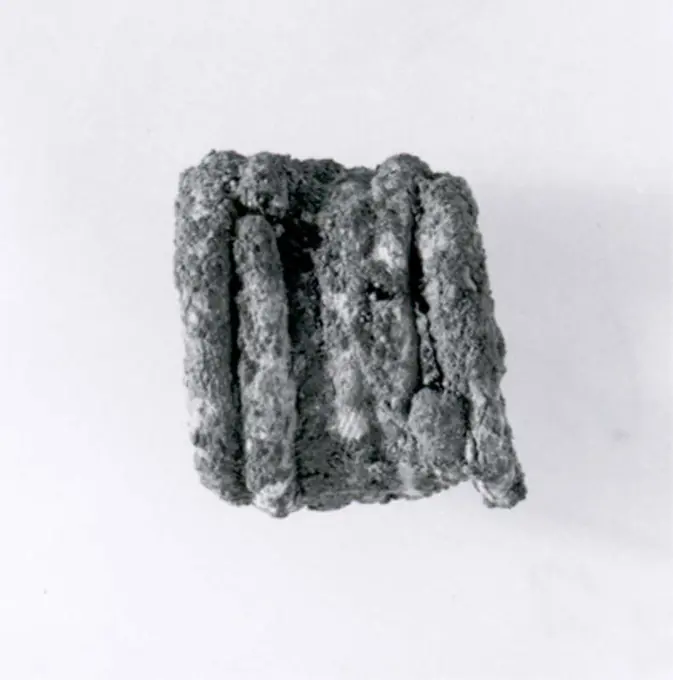
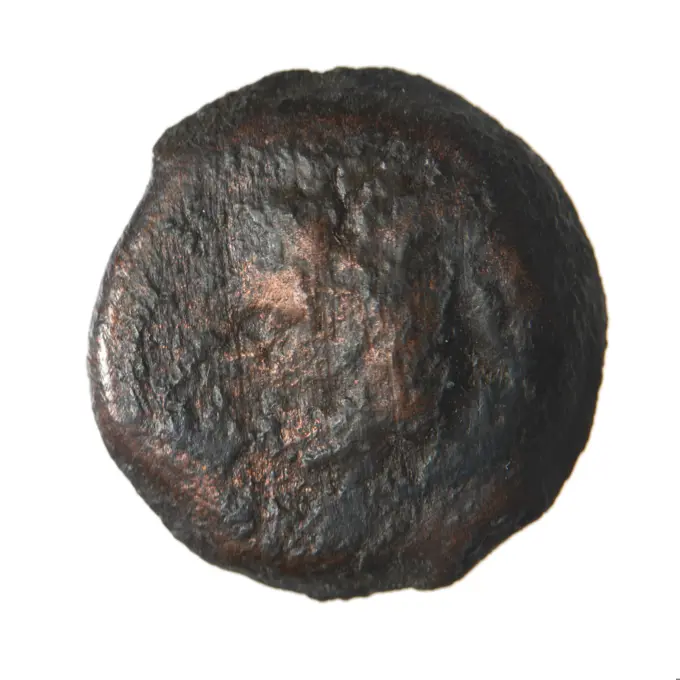
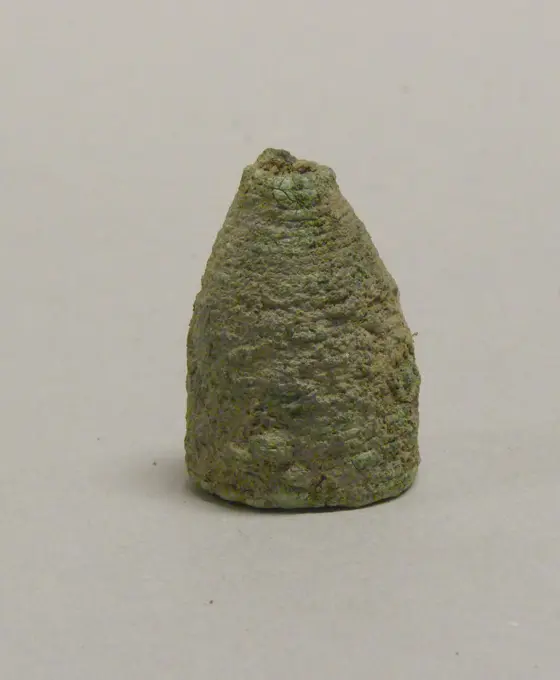
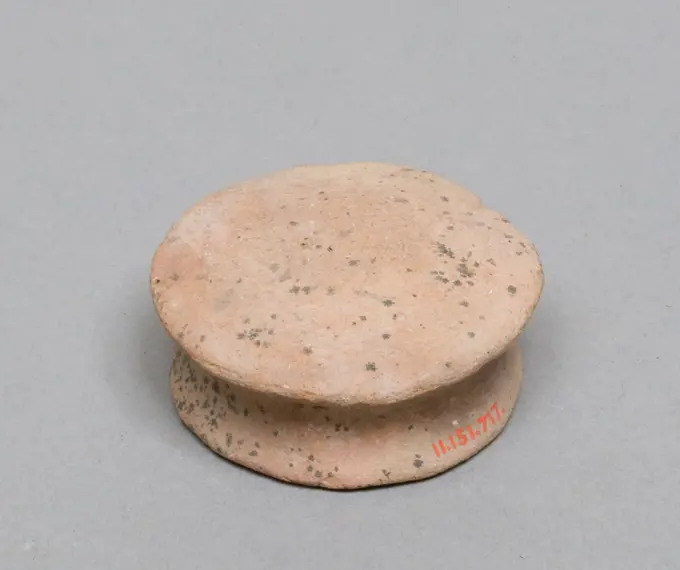
Artifacts from shipwrecks and ancient cultures, including buttons, lead rolls, and stone tools, showcasing historical materials and craftsmanship.

Sharf of a Chinese teapot from the wreck of the East Indians Hollandia, Anonymous, 1700 - in Or Before 1743  Stoneware, Chinese teapot; fragm of detachable rim, consisting of vertical ring with a flat overhanging rim. China earthenware   Second
Sharf of a Chinese teapot from the wreck of the East Indians Hollandia, Anonymous, 1700 - in Or Before 1743 Stoneware, Chinese teapot; fragm of detachable rim, consisting of vertical ring with a flat overhanging rim. China earthenware Second
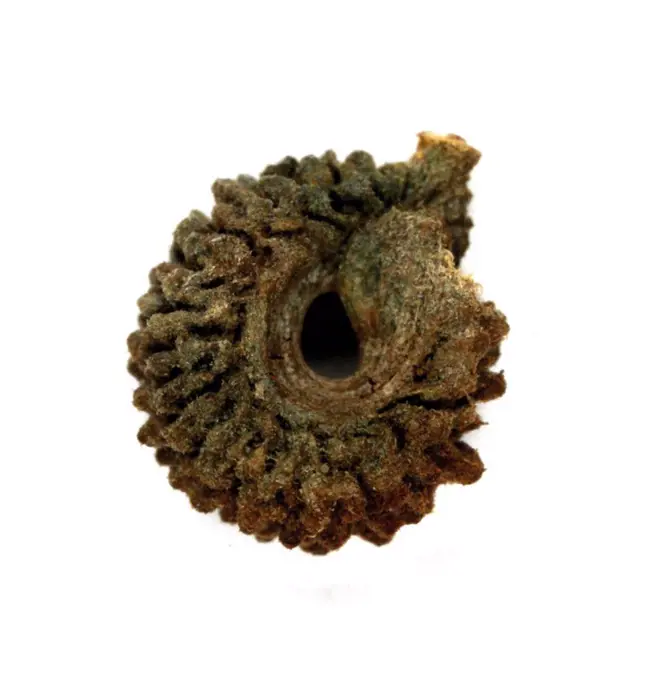
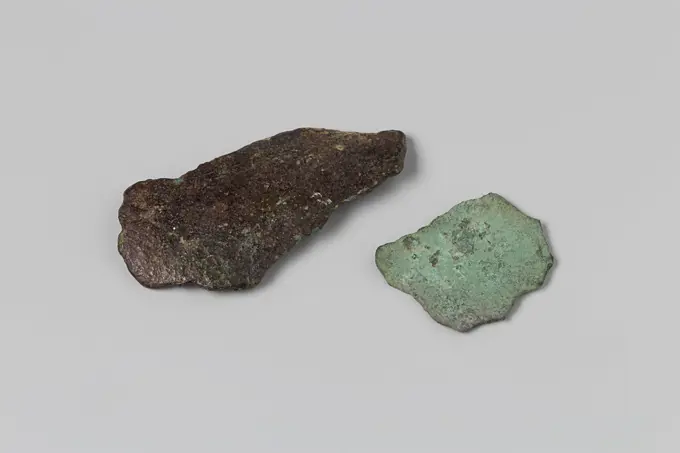
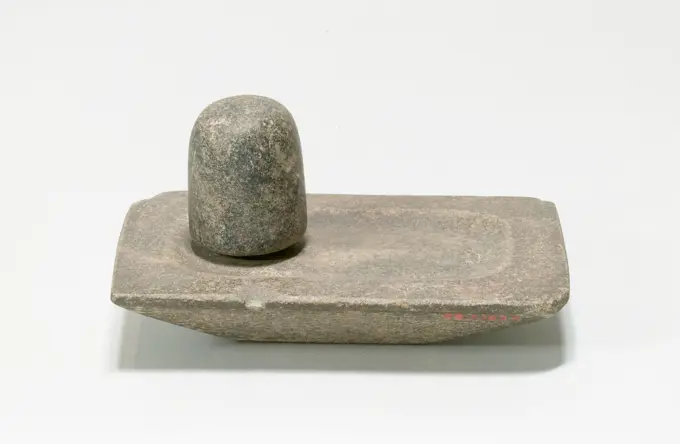
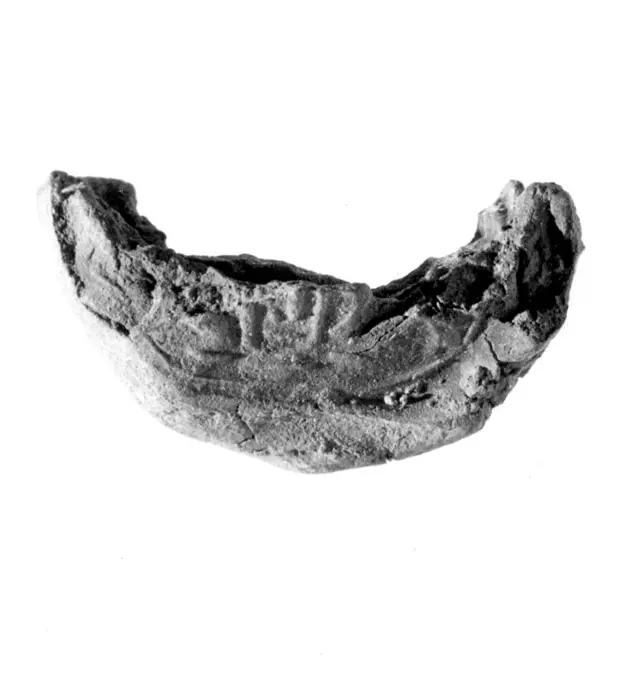
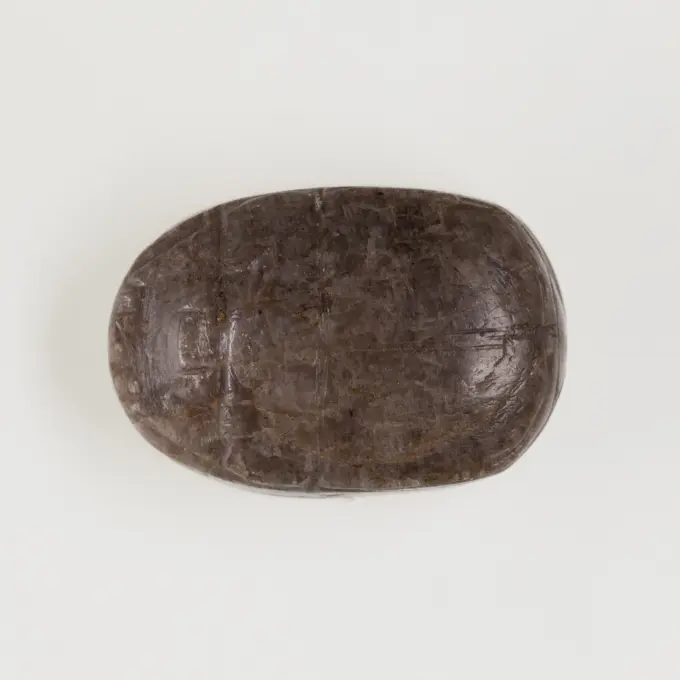
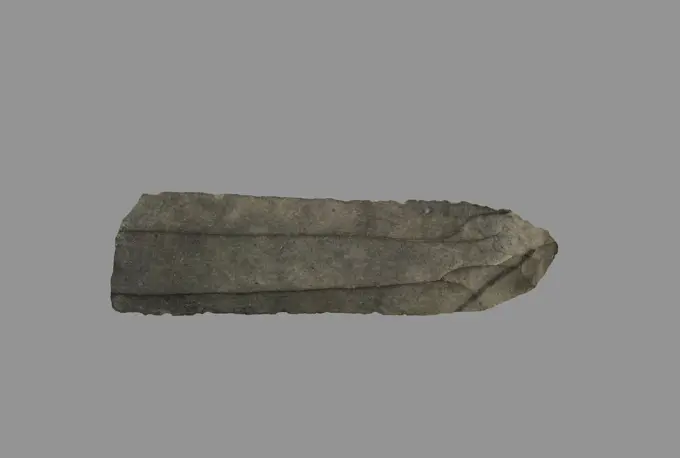
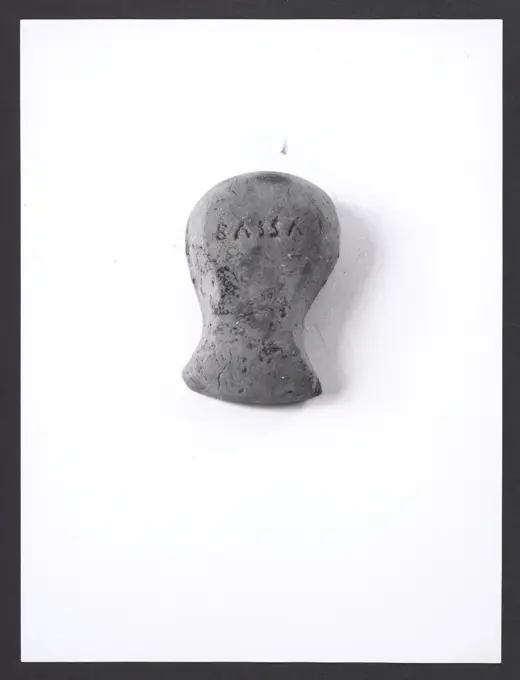
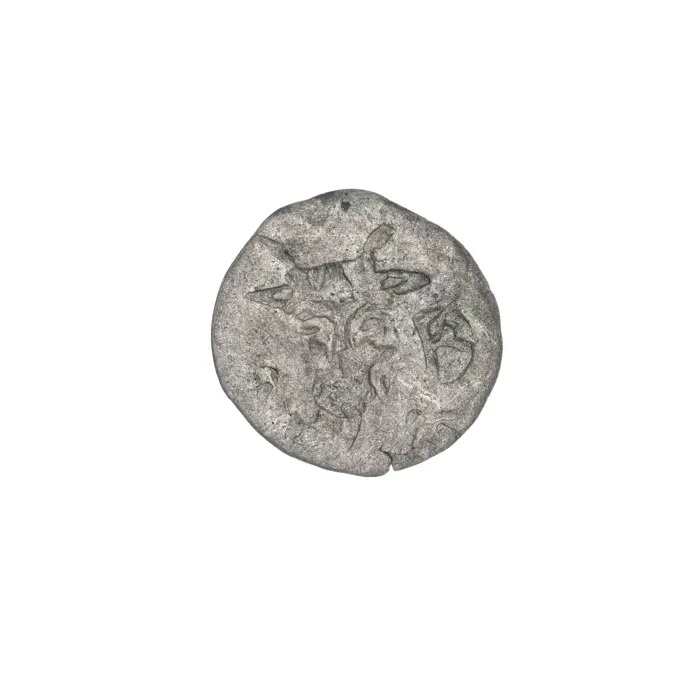
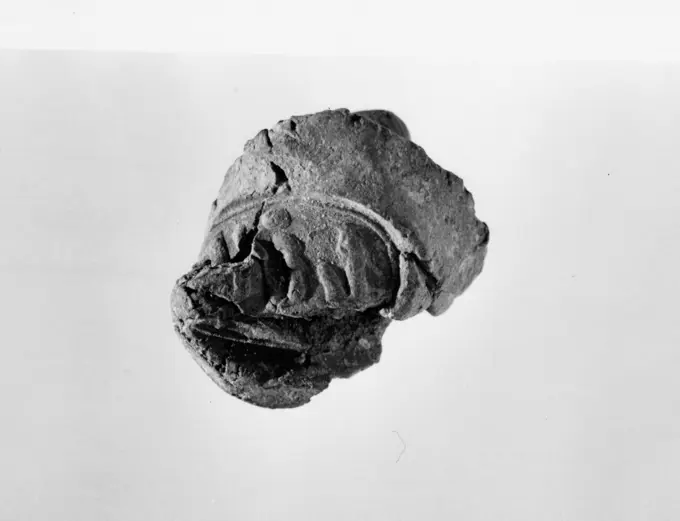
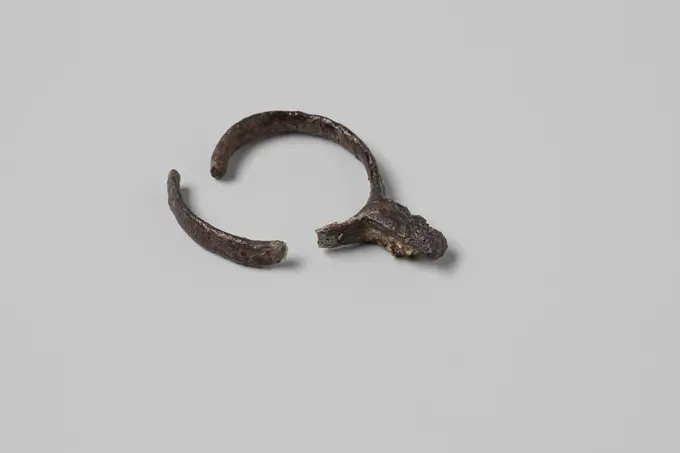
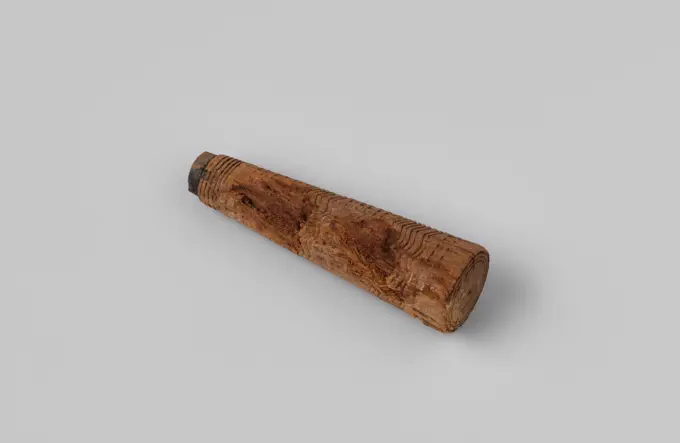
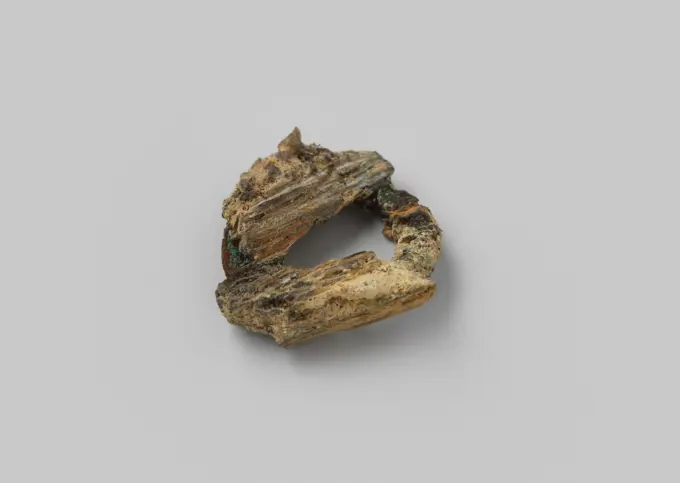
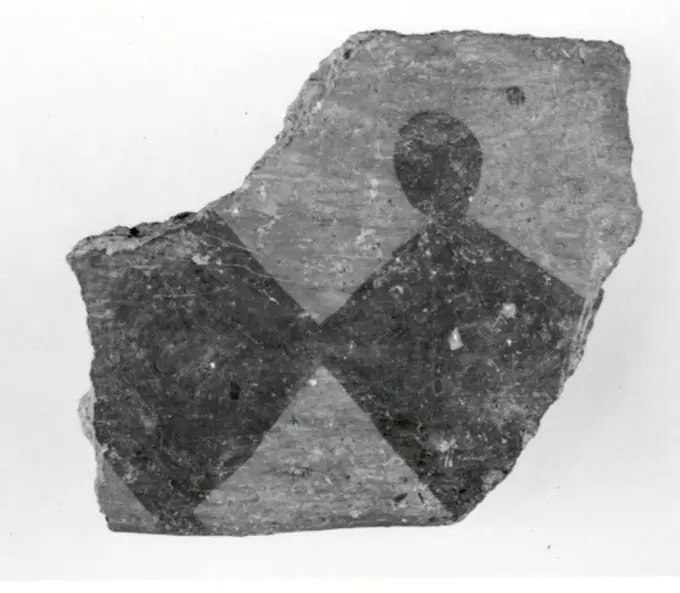
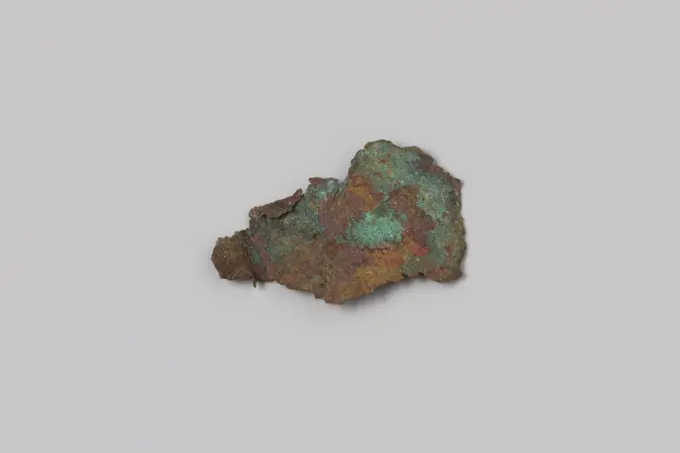
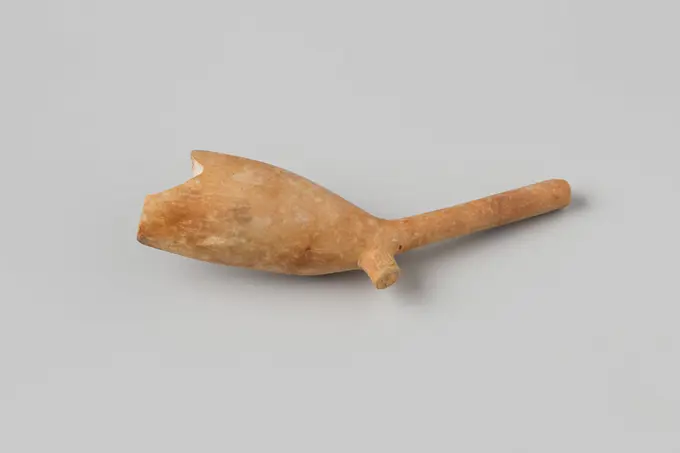
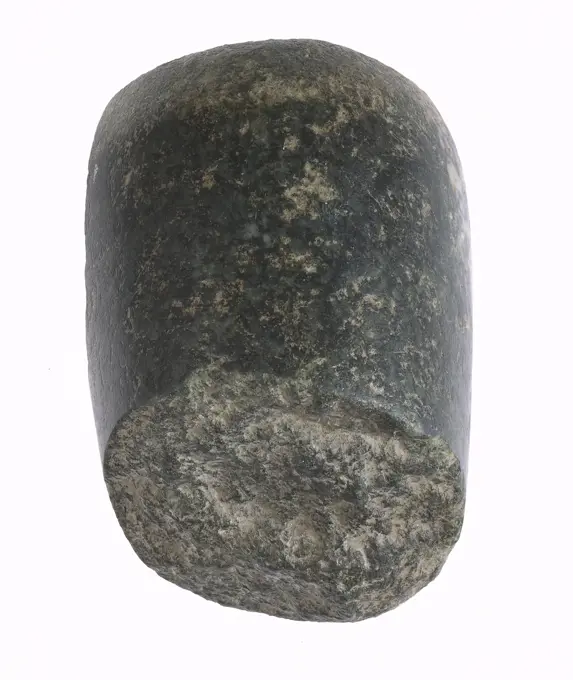
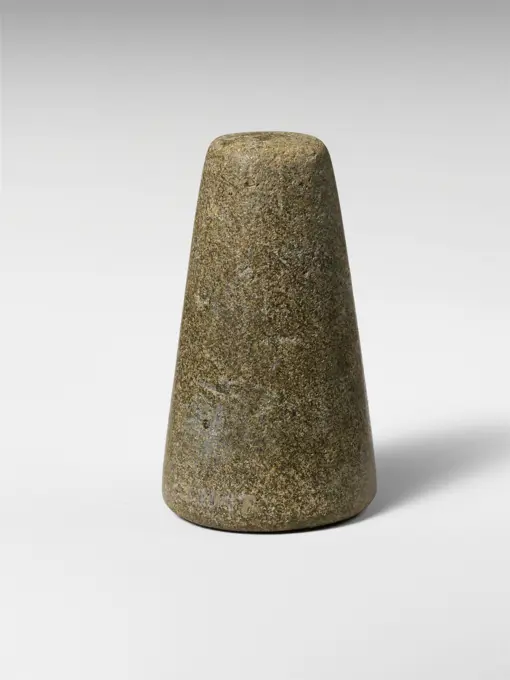
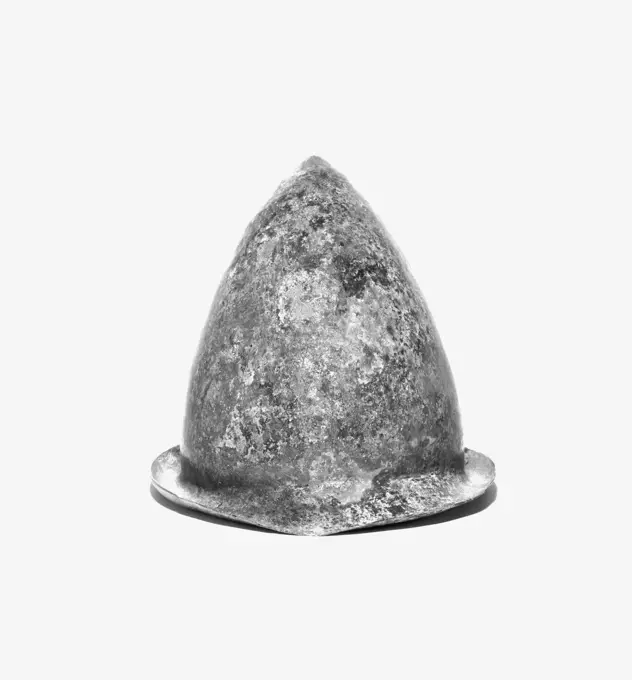
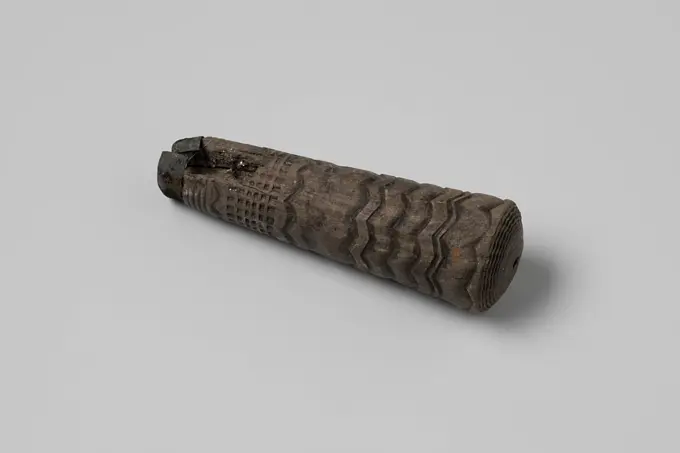
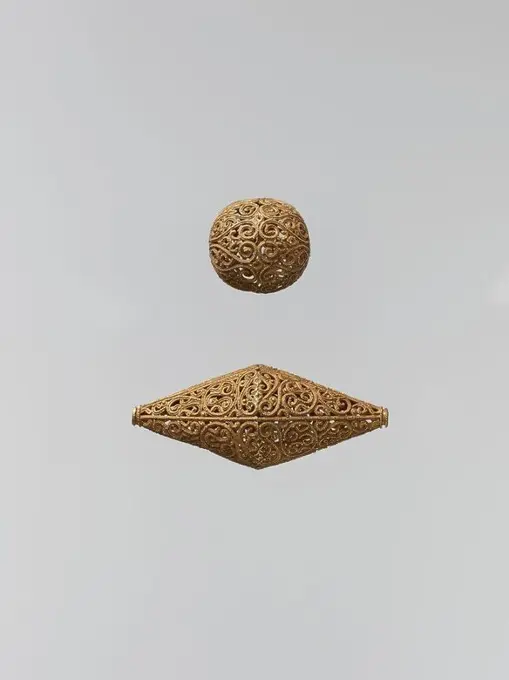
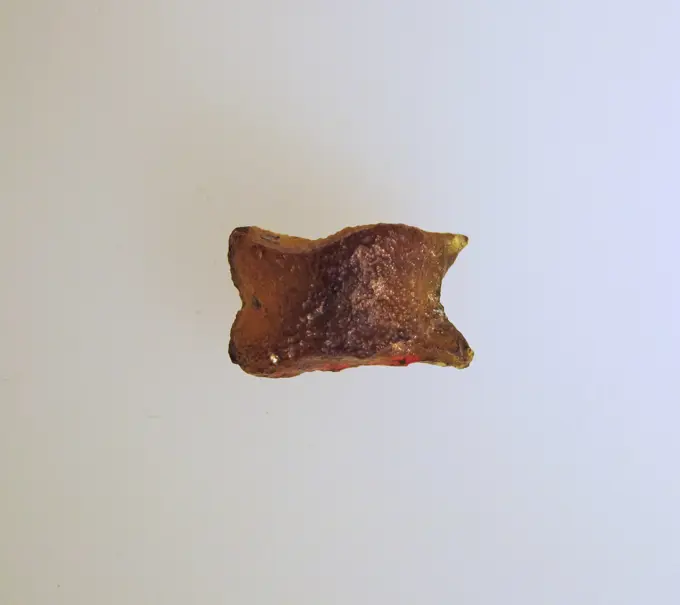
Pinhead 1st century B.C.-5th century A.D. Roman. Pinhead. Roman. 1st century B.C.-5th century A.D.. Glass. GlassAttic Black-Figure Cup Fragment. UnknownRings ca. 9th century B.C. Iran. Rings 324999Facetted Steel of a flute glass from the wreck of the East Indians Hollandia, Anonymous, 1700 - in Or Before 1743 drinking glass Glass, stem glass, steel, faceted; fragment of end, flat, octagonal faceted, tapering downward, hollow core, broken. Netherlands glass   SecondMessenheft from the wreck of the East Indians Hollandia, Anonymous, 1700 - in Or Before 1743  Knife, handle, cylindrical: tapering; id. NG 1979-403H, ferrules id. NG 1980-27H426. Netherlands wood (plant material)   SecondFaceted stem from a flute glass from the wreck of the East Indiesman Hollandia. Glass, voice glass, stem, faceted; Fragment or end, flat, octagonal faceted, tapering downward, hollow core, broken.Planets-manager. Cornalet Collection Sites 2013-2016. Numismatic.Carnavalet Museum, Medals CollectionCopper molded thimble, thimble sewing kit soil find copper metal, cast Copper cast thimble with wells archeology Rotterdam railway tunnel seamstress tailor sewing textile processing clothing needle and thread repair Soil discovery: trajectory rail tunnel Rotterdam.Emilia-Romagna Ferrara Ferrara Museo Civico di Schifanoia39. Hutzel, Max 1960-1990 General Notes: INCOMPLETE RECORD--NEGATIVES PROCESSED, PRINTS FILED German-born photographer and scholar Max Hutzel (1911-1988) photographed in Italy from the early 1960s until his death. The result of this project, referred to by Hutzel as Foto Arte Minore, is thorough documentation of art historical development in Italy up to the 18th century, including objects of the Etruscans and the Romans, as well as early Medieval, Romanesque, Gothic, Renaissance and Baroque monuments. Images are organized by geographic region in Italy, then by province, city, site complex and monument.Kimerian Bospor, Panticajon, 2 3 Quarter of the 3rd Century BC; AEE Panticapaeum mintPinhead. Pinhead. Glass. GlassSaddle knob from Hilt from the wreck of the East Indiesman Hollandia. Hilt, Pommel, Oval, Domed, Short Stub for Tang Button on Top, Radially Fluted.Blowjob with piece of stem from the wreck of the East Indies' t Vliegend Hart, WS, 1700 - 1735  Head with another piece of stem from a earthen Goudse pipe with heel brand crowned ws. Fragments of Bowls and Stems. Gouda pipe claybronze coin minted in Searo, Quadrant, reverse with ear of wheat, Iberian Museum of Jaén, Andalusia, Spain.Bell 500 B.C.-A.D. 300 Thailand. Bell. Thailand. 500 B.C.-A.D. 300. Bronze. Bronze and Iron Age period. MetalworkFemale Head Fragment. UnknownPijpenkop from the wreck of the East Indians Hollandia, Anonymous, 1700 - in Or Before 1743  Pipe, bowl, whole market illegible; fragments. Netherlands pipe clay   SecondGrab from a hilt from the wreck of the East India Hollandia. HILT, GRIP; ID. NG 1980-27H2582, 1 Ferrule Missing.Reel ca. 1295-1070 B.C. New Kingdom, Ramesside. Reel. ca. 1295-1070 B.C.. Pottery. New Kingdom, Ramesside. From Egypt, Memphite Region, Lisht North, Cemetery, MMA excavations. Dynasty 19-20Achene of Pot Marigold (Calendula officinalis)Fragments from buyer from the wreck of the East India Hollandia.parts or artifacts; eroded fragments: Materials; Copper.Knife lift from the wreck of the East India Hollandia. Knife, Pistol-Grip-Shaped Fragm ID. NG 1979-260H2233.Axhead; stoneSlab and grinder ca. 1900-1640 B.C. Middle Kingdom. Slab and grinder. ca. 1900-1640 B.C.. Diorite. Middle Kingdom. From Egypt, Memphite Region, Lisht North, cemetery south of pyramid below House A1:1, Pit 885, MMA excavations, 1920-21. Dynasty 12, mid - Dynasty 13Document Sealing with the Throne Name of Amenhotep III ca. 1390-1353 B.C. New Kingdom. Document Sealing with the Throne Name of Amenhotep III. ca. 1390-1353 B.C.. Mud. New Kingdom. From Egypt, Upper Egypt, Thebes, Malqata, King's Palace, West magazines, MMA excavations, 1910-12. Dynasty 18Scarab, uninscribed ca. 1981-1550 B.C. Middle Kingdom-Second Intermediate Period. Scarab, uninscribed 557067Axe 3000 BCE-2500 BCE China. Jade .Drachm. UnknownShards of storage jars from the wreck of the East Indians Hollandia, Anonymous, 1700 - in Or Before 1743  Stoneware, Rhenish, Langerwehe-ware, storage-jar; fragm of body with medallion-appliqué and wavy and reeded pattern sim. NG 1980-27H409/909. Cologne stoneware   SecondAxe. China. Date: 3000 BC-2000 BC. Dimensions: 8 1/4 × 6 1/8 × 1/4 in. Jade. Origin: China. Museum: The Chicago Art Institute, Chicago, USA.Sickle Blade, 1980-1801 BC. Egypt, Middle Kingdom, Dynasty 12. Flint; overall: 5 cm (1 15/16 in.).Half ring -shaped fragment from the wreck of the East Indians Hollandia, Anonymous, 1700 - in Or Before 1743 fragment Varied parts or fragments, rings or ring-shaped fragments; fragm, sim. 80H1. Netherlands copper (metal)   SecondLazio Roma Grottaferrata Museo28. Hutzel, Max 1960-1990 German-born photographer and scholar Max Hutzel (1911-1988) photographed in Italy from the early 1960s until his death. The result of this project, referred to by Hutzel as Foto Arte Minore, is thorough documentation of art historical development in Italy up to the 18th century, including objects of the Etruscans and the Romans, as well as early Medieval, Romanesque, Gothic, Renaissance and Baroque monuments. Images are organized by geographic region in Italy, then by province, city, site complex and monument.Grahal-Manzara. Carnavalet 2013-2016 collection sites. Numismatics.Fragment ship bell from the wreck of the East Indieschief Hollandia. Acoustic, BELL (SHIPs); Fragment, SIM. NG 1980-27H2954.Architectural Fitting (Gong) Made 770 BCE-481 BCE China. This is one of sixteen hollow bronze fittings in the museumís collection that together comprise rectangular, L-shaped, and cylindrical pieces. In 1973, fittings of similar shape and design were excavated from the site of a palace of the 7th century B.C. in modern-day Fengxiang, Shaanxi province in north China. Most show tightly interlaced surface patterns like those cast in this piece. Archaeologists have conjectured that these fittings, some of which preserve traces of wood, originally served as collars and sleeves that had been socketed over a framework of timber columns and tie beams embedded into the earthen walls. Some of these pieces may originally have been stuffed with silk to tighten them.. Bronze .Goldweight Beetle, 19th-20th century, 1 7/8 x 3/4 in. (4.76 x 1.91 cm), Brass, Ghana, 19th-20th centuryGlass mosaic inlay fragment late 1st century B.C.-early 1st century A.D. Roman Translucent blue green and opaque brick red.Flat, rectangular plaque, with two long straight side and rounded corners; irregular tooling indents on underside.Marbled mosaic pattern in blue green ground with multiple red streaks.Chipped edges; polished upper side; pitting of surface bubbles; dulling and some pitting on underside; iridescent weathering on most of edges but part of one long side ground flat.Translucent blue green and opaque brick red.. Glass mosaic inlay fragment. Roman. late 1st century B.C.-early 1st century A.D.. Glass; cast. Early Imperial. GlassLead bullet of pre-loading rifle or pistol, bullet projectile ammunition soil finding lead metal, cast pinched Bullet with flat side and molding seam Lead. Belonging to front loaders archeology Rotterdam Kralingen-Crooswijk Struisenburg Oostmaaslaan armed shooting hunting war weaponry: Oostmaaslaan at the site of the Schieland pumping station.heller; 15th century (1401-00-00-1500-00-00);Wołów (coat of arms), head of the ox (iconogr.), City coins, Silesian Eagle (iconogr.), Eagles, shield, coat of arms, shield with an eagle (iconogr.), Silesian Herb shield (iconogr.)Faience workshop refuse ca. 1802-1450 B.C. Late Middle Kingdom-Early New Kingdom. Faience workshop refuse. ca. 1802-1450 B.C.. Low-fired whitish clay. Late Middle Kingdom-Early New Kingdom. From Egypt, Memphite Region, Lisht North, Cemetery south of pyramid, House A1, so-called "faience factory", MMA excavations, 1920-22. Dynasty 13-18, earlyRelief fragment from tomb of Meketre. Dimensions: H. 3.6 cm ( 1 7/16 in.); W. 2.3 cm ( 7/8 in.); D. 1.9 cm ( 3/4 in.). Dynasty: Dynasty 12. Reign: reign of Amenemhat I, early. Date: ca. 1981-1975 B.C.. Museum: Metropolitan Museum of Art, New York, USA.Drohiczyn seal. unknown, managerGranite stone isolated on white backgroundAuguste Rodin, Right Foot, possibly 1880 Right FootScrew cap from the wreck of the East Indies Princesse Maria, Anonymous, c. 1670 - c. 1686 screwcap Round pewter screw cap for a basement bottle, black corroded. Screw Cap. Netherlands tin (metal)Fragment pin out of the wreck of the East Indians Hollandia, Anonymous, 1700 - in Or Before 1743  Tools and instruments, sewing and sailmaking, pin; fragm of shaft, id. NG 1980-27H3265, eroded. Netherlands copper (metal)   SecondSkarabeusz z wizerunkiem skarabeusza adorowanego przez dwie postaci. unknown, authorExcerpt copper sheet metal from the wreck of the East Indies Hollandia, Anonymous, 1700 - in Or Before 1743 fragment Varied parts or fragments, sheet metal fragments: worked, with folded rims; fragm, eroded; straight fold-over rim. Netherlands copper (metal)   SecondRing. Dimensions: diameter 2.21 cm.. Museum: Metropolitan Museum of Art, New York, USA.Drohiczyn seal. unknown, managerSaddle button from hilt from the wreck of the East Indians Hollandia, Anonymous, 1700 - in or before 1743  Hilt, pommel, oval, domed, short stub for tang button on top, radially fluted. Netherlands copper (metal)   SecondDocument Sealing With the Throne Name of Amenhotep III ca. 1390-1353 B.C. New Kingdom. Document Sealing With the Throne Name of Amenhotep III. ca. 1390-1353 B.C.. Mud. New Kingdom. From Egypt, Upper Egypt, Thebes, Malqata, Southern rubbish mounds, MMA excavations, 1910-12. Dynasty 18Nail 15th-16th century European. Nail. European. 15th-16th century. Iron. Metalwork-IronScherf from the wreck of the East Indies' t Vliegend Hart ,, 1700 - 1735  Yellow -brown shard. Traces of paint or enamel. Earthenware. Netherlands earthenwarePendant: Bunch of Grapes ca. 1390-1353 B.C. New Kingdom. Pendant: Bunch of Grapes. ca. 1390-1353 B.C.. Faience. New Kingdom. From Egypt, Upper Egypt, Thebes, Malqata, Palace of Amenhotep III, MMA excavations, 1910-11. Dynasty 18AthenaButton from the wreck of the East Indians Hollandia, Anonymous, 1700 - in or before 1743 button Knoop. Button; (1) flat base with moulded rim (1.7d), loop-shank, domed stone setting. Netherlands gold (metal)   SecondBroken pin from the wreck of the East India Hollandia. Tools and Instruments, Sewing and Sailmaking, PIN; Fragm, Bow, ID. NG 1980-27H3265.Messenheft from the wreck of the East Indians Hollandia, Anonymous, 1700 - in Or Before 1743  Knife, handle, cylindrical: tapering; id. NG 1979-403H, ferrules id. NG 1980-27H426. Netherlands wood (plant material)   SecondStone wheel object as an early invention of the prehistoric era and ancient symbol of technology and innovation designed by a caveman on a white background.Ring -shaped fragment with wood and concretion from the wreck of the East Indians Hollandia, Anonymous, 1700 - in Or Before 1743 fragment Varied parts or fragments, rings or ring-shaped fragments; eroded, id. 80H704. Netherlands copper (metal). wood (plant material). concretionary stone   SecondScarab amulet of Nesenaset. Dimensions: L. 0.7 cm (1/4 in.). Dynasty: Dynasty 21. Date: ca. 1070-945 B.C.. Museum: Metropolitan Museum of Art, New York, USA.Nail. Culture: European. Dimensions: Overall: 3 1/4 in. (8.3 cm). Date: 15th-16th century. Museum: Metropolitan Museum of Art, New York, USA.Fossil fishand, not applicable, after 3500 - Before 4000 tooth (material) Fossil fishand with fossilized leg, most likely a side tooth from the left -hand top of a cosmopolitodus hastalis, an extinct shark species that occurred very general in the Miocene and the early Pliocene. (Determined by Lex Kattenwinkel, collector of fossil shark teeth, based on photo, October 2010). Netherlands (possibly) bone (material)Disc (bi) 4000 BCE-2000 BCE China. Jade .Sherd ca. 1500-1000 B.C. Iran This sherd is made of a red clay, with brown painted decoration. It is typical of Yaz I ceramics from Turkmenistan, dating to ca. 1500-1000 B.C. It was excavated in 1937 at a prehistoric site in the vicinity of Nishapur in northeastern Iran. While Nishapur itself was founded by the Sasanian king Shapur I (reigned ca. A.D. 241-272), this sherd shows that human habitation there goes back to the prehistoric period. Furthermore, the prehistoric pottery from Nishapur has close affinities with ceramic materials from Central Asia rather than with contemporary sites in Iran, meaning that in this period its inhabitants were likely culturally linked to their neighbors to the east. At the same time, Nishapurs location on what later became known as the Great Khorasan Road suggests that it was part of the trade network that facilitated the import of precious stones such as lapis lazuli, carnelian and turquoise from Central Asia to Mesopotamia.. Sherd 323656Grahal-Manzara. Carnavalet 2013-2016 collection sites. Numismatics.Closure from the wreck of the East Indies' t Vliegend Hart ,, 1700 - 1735 fastening Copper valve with a thread. Chalice -shaped with three holes in the edge. Netherlands copper (metal)Excerpt of copper from the wreck of the East Indians Hollandia, 1700 - in or before 1743  Parts of artefacts; eroded fragments: materials; copper. Netherlands copper (metal)   Second1/16 tical of sik uitThailand,1650-1850, , 1650 - 1850 coin Silver, grain -shaped mint. Equipped with one set of (KRA): Water Pot .  silver (metal) castingFragment blowjob with piece of stem from the wreck of the East India Hollandia.Pipe, Bowl, Healmar: Fish, Flounder; Fragm, 2HSM1.5.Conus ebraeus shell from the wreck of the Dutch East India ship Witte Leeuw, before 1613  Shell from v.o.c. ship De 'Witte Leeuw'  .   Sint-HelenaGarment fragment with pleats, probably male ca. 1353-1336 B.C. New Kingdom, Amarna Period. Garment fragment with pleats, probably male. ca. 1353-1336 B.C.. Indurated limestone. New Kingdom, Amarna Period. From Egypt, Middle Egypt, Amarna (Akhetaten), Great Temple of the Aten, Pit outside southern wall, Petrie/Carter excavations, 1891-92. Dynasty 18Bottle ca. 3rd-7th century A.D. Sasanian. Bottle 322807Pestle made from inscribed object ca. 3rd-1st Millenium B.C. Middle Kingdom-early New Kingdom. Pestle made from inscribed object. ca. 3rd-1st Millenium B.C.. Diorite. Middle Kingdom-early New Kingdom. Probably from Upper Egypt, Thebes, MMA excavations; From EgyptChunks of Pek/ tar from the wreck of the East Indians Hollandia, 1700 - in Or Before 1743  Varied organic material; pitch/ tar; fragm.  .   SecondCoconutBottom of a Vessel with Foot 4th-early 5th century Coptic. Bottom of a Vessel with Foot 479129Andesite pestle ca. 1600-1100 B.C. Cypriot Grinder.. Andesite pestle 243916Helmet; South Italy; late 6th century B.C; Bronze; 21.5 cm (8 7,16 in.)Rosette dated 1585 Italian. Rosette. Italian. dated 1585. Brass. Miscellaneous-Buckles & OrnamentFemale Head. UnknownDrohiczyn seal. unknown, managerMessenheft uit het wrak van de Oost-Indiëvaarder Hollandia. Knife, handle, cylindrical: tapering; slightly domed end, turned decoration of wavy lines and a band of squares, concentric circles at both ends, ferrule.tumbled shungite gemstone on dark background macro shooting of natural mineral rock specimen - tumbled shungite gemstone on dark granite background from Tolvoja region of Karelia, Russia Copyright: xZoonar.com/ValeryxVoennyyx 11383939Grahal-Manzara. Carnavalet 2013-2016 collection sites. Numismatics.Fragment of image. .Grahal-Manzara. Carnavalet 2013-2016 collection sites. Numismatics.Drohiczyn seal. unknown, managerSpherical and Biconical Gold Beads. Date: 11th century.These beads feature superb patterns of scrolling vines whose bifurcations elegantly extend the design to fit the required space. The patterns recall those of the beveled style of the ninth century, although these possess clearer lines, perhaps owing to the medium. Museum: Metropolitan Museum of Art, New York, USA.Gralen or end from the wreck of the East Indians Hollandia, Anonymous, 1700 - in Or Before 1743  Varied parts or fragments, end or finials; broken off; flat, circular, tapering, pierced. Netherlands bone (material)   SecondVase fragment Minoan. Vase fragment. Minoan. Terracotta. Early Minoan III. VasesImplement ca. 3850-2960 B.C. Predynastic Period. Implement. ca. 3850-2960 B.C.. Stone. Predynastic Period. From Egypt; Said to be from Upper Egypt, Thebes, Dra Abu el-NagaBrick from the wreck of the East Indied Flying Heart. Whole red brown brick, rectangular, oblong. Brick.Glass bead Opaque pale yellow, with trail in uncertain color, appearing black.Flattened spherical shape with irregular vertical hole.Trail wound in uneven zigzag around exterior of bead.Intact; dulling, pitting, and faint weathering.. Glass bead. Glass; rod-formed. GlassFalse Coin, Crown Three Groschen, 1598, Sigismund III Vasa (1587 1632)Glass astragal (knucklebone) 3rd-2nd century B.C. Greek Translucent amber brown.Shaped like the knucklebone of a sheep or goat. Solid with mold seam along one side.Intact; severe pitting, dulling, and patches of iridescent weathering.In antiquity, one of the most popular games of chance was played with astragaloi, knucklebones of sheep and goats. They could be used like dice or like jacks, thrown in the air and caught on the back of the hand. Knucklebones have been found in tombs where they must have been intended to help the deceased while away endless time.. Glass astragal (knucklebone). Greek. 3rd-2nd century B.C.. Glass; cast in a two-part mold. Hellenistic. GlassLazio Roma Grottaferrata Museo31. Hutzel, Max 1960-1990 German-born photographer and scholar Max Hutzel (1911-1988) photographed in Italy from the early 1960s until his death. The result of this project, referred to by Hutzel as Foto Arte Minore, is thorough documentation of art historical development in Italy up to the 18th century, including objects of the Etruscans and the Romans, as well as early Medieval, Romanesque, Gothic, Renaissance and Baroque monuments. Images are organized by geographic region in Italy, then by province, city, site complex and monument.