Historical Artifacts and Fragments

A selection of historical artifacts including intricate crowns, pottery fragments, and brooches, showcasing a blend of cultures and craftsmanship.
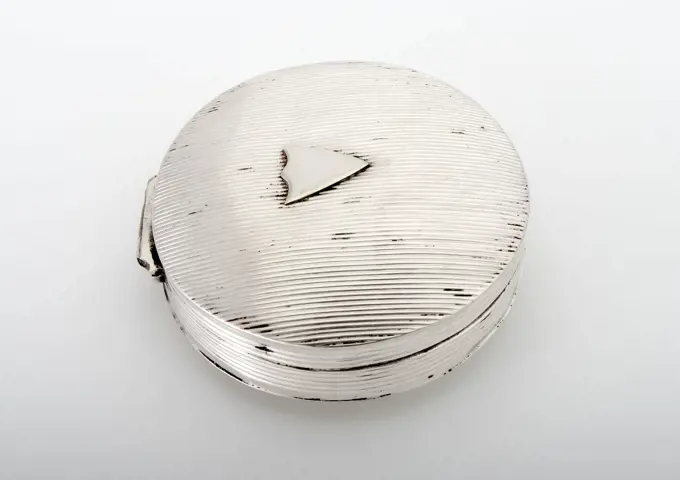
J.P. Sperna Weiland, Silver round peppermint box, peppermint box box holder silver, running lion
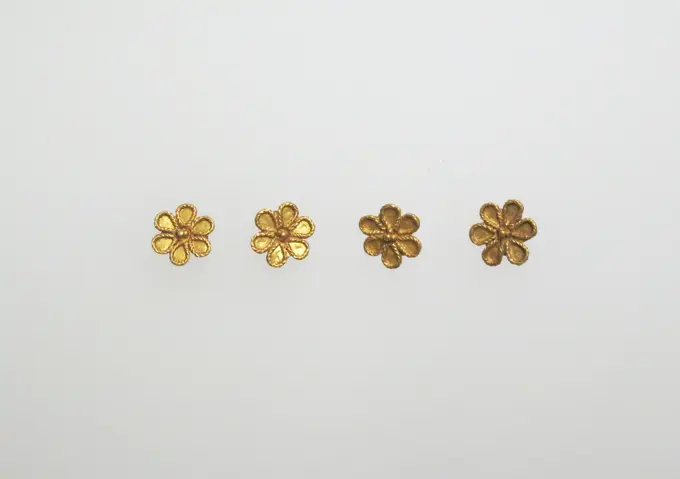
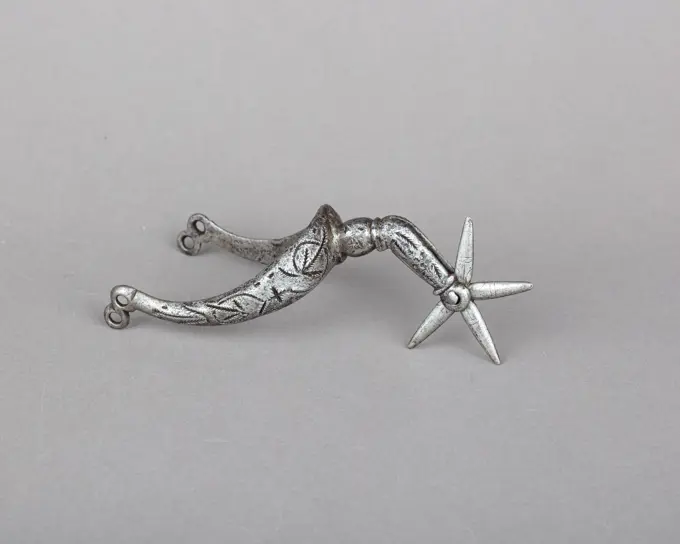
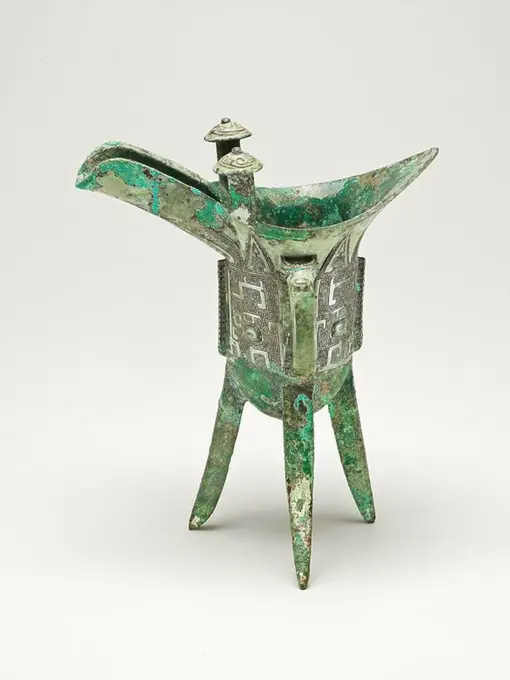
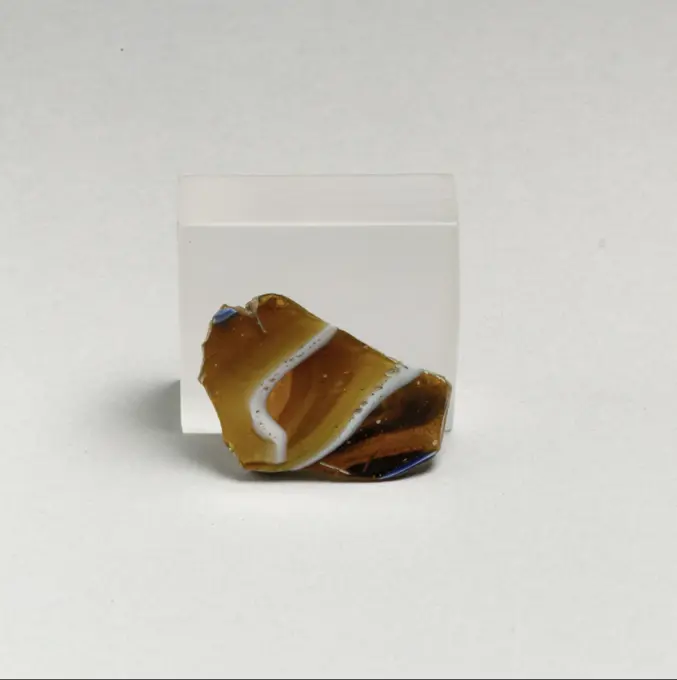
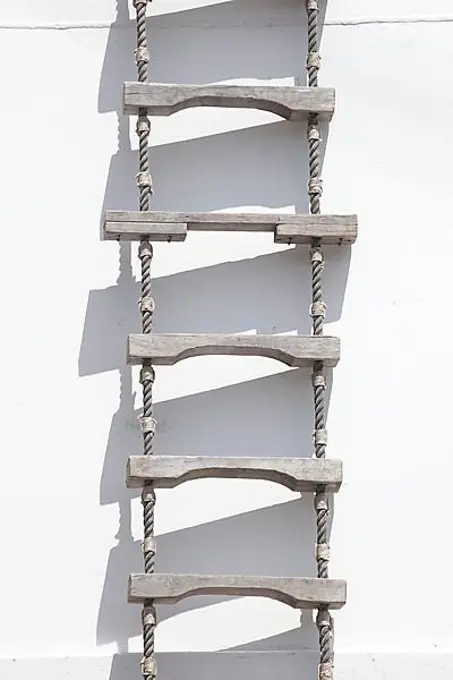
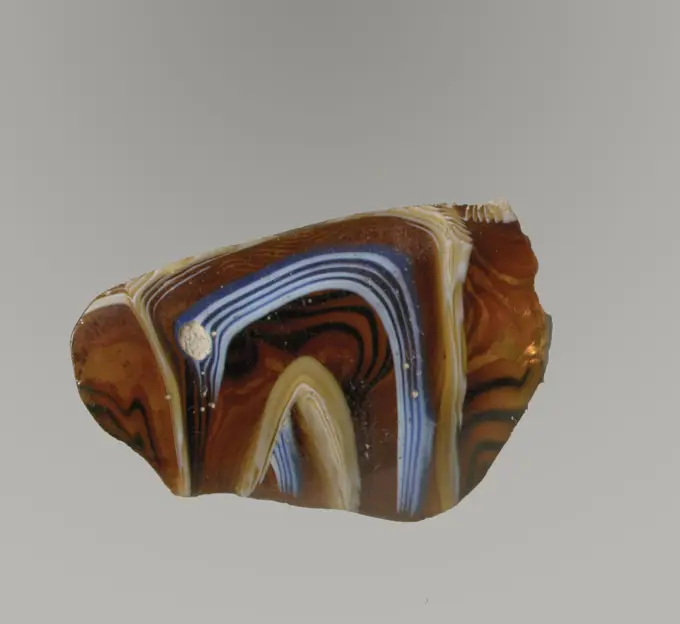
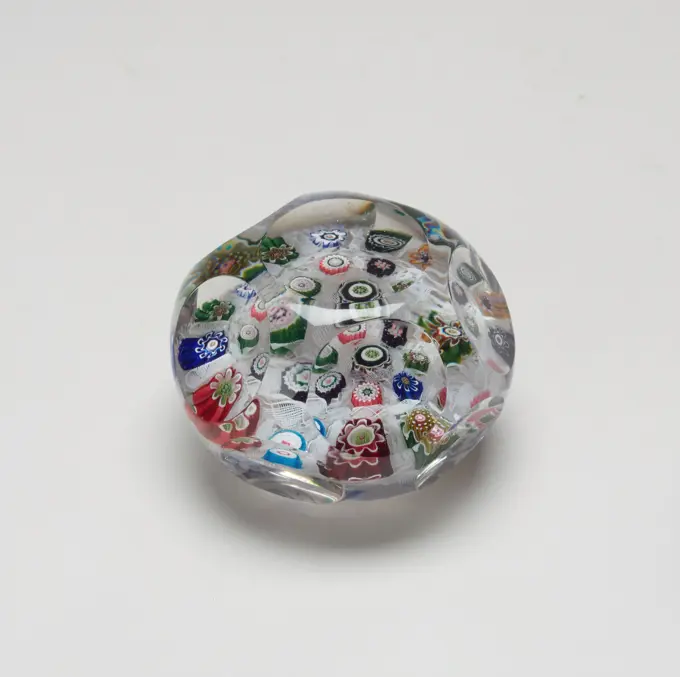
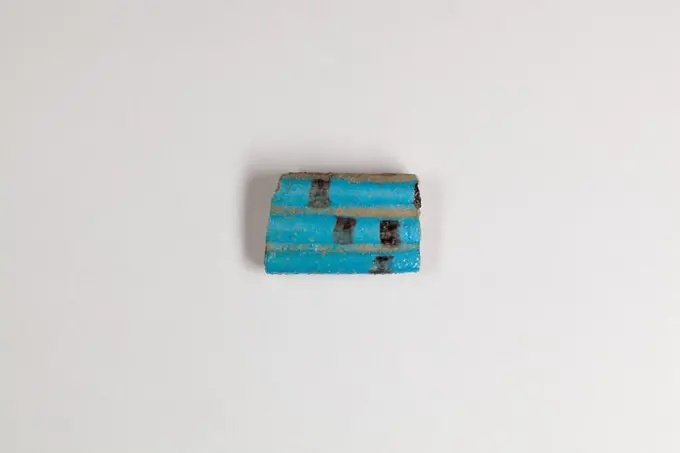
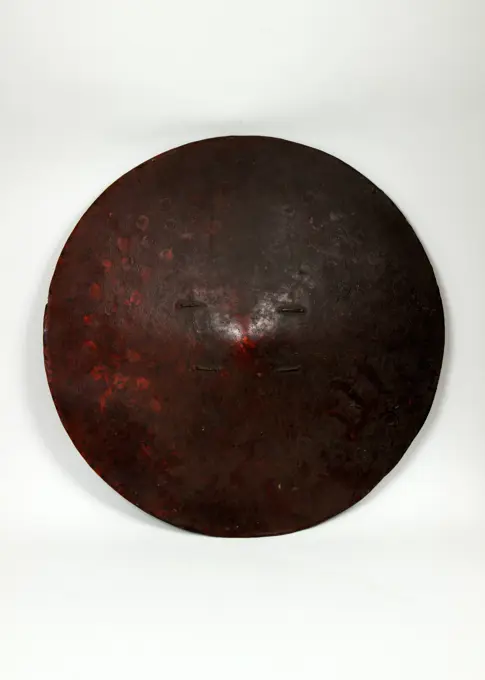
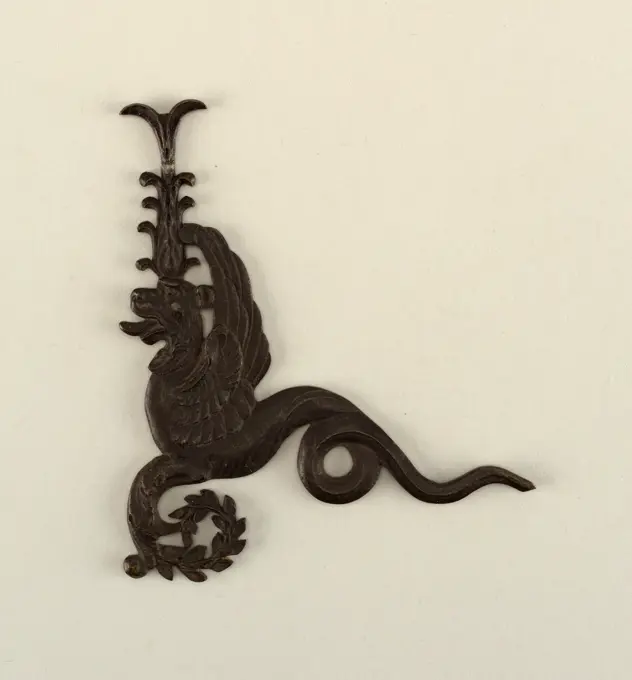
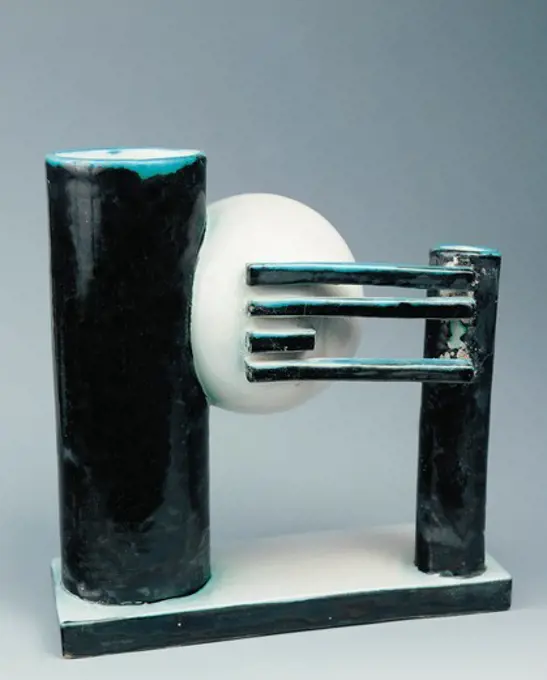
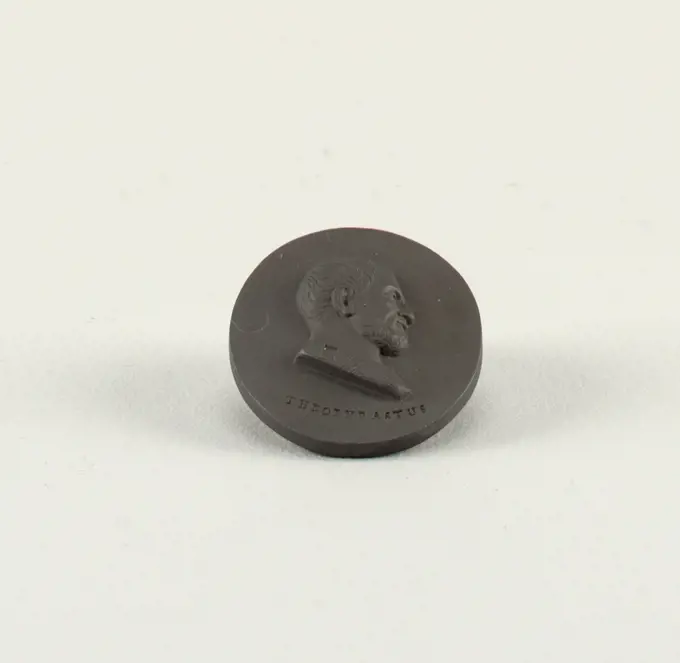
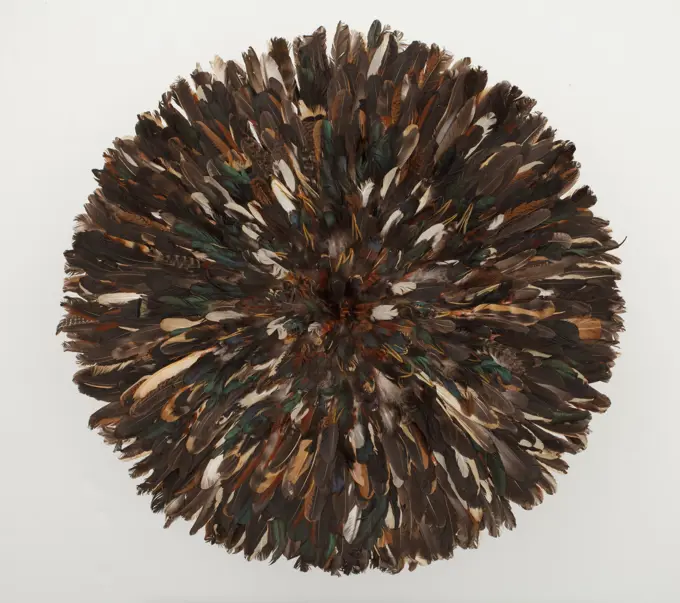
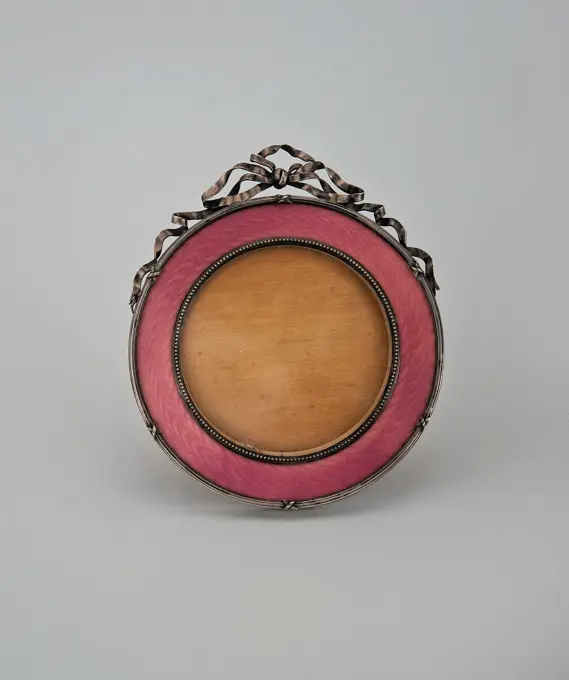
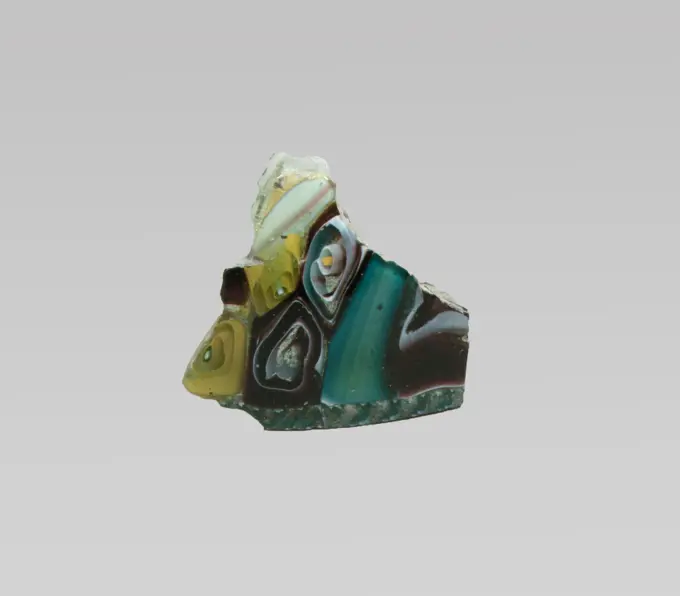
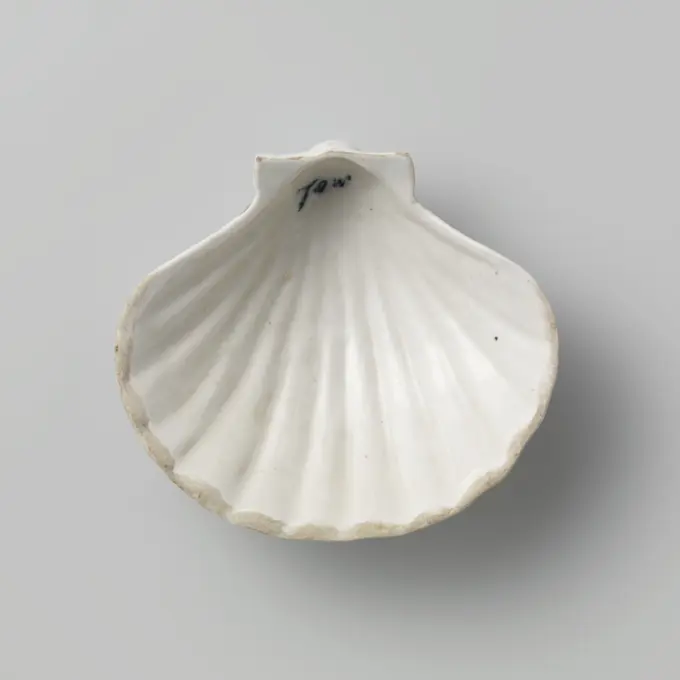
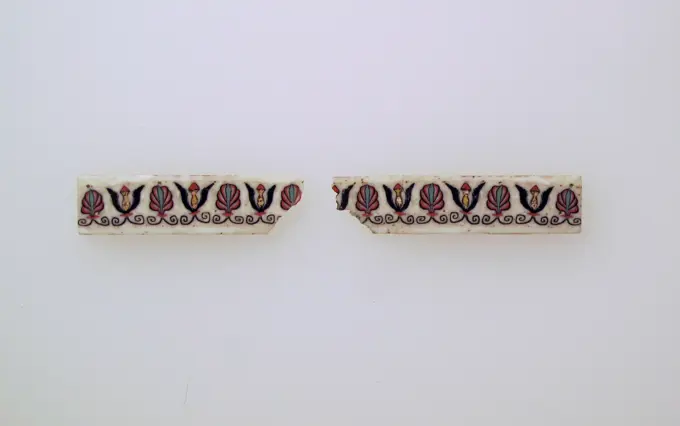
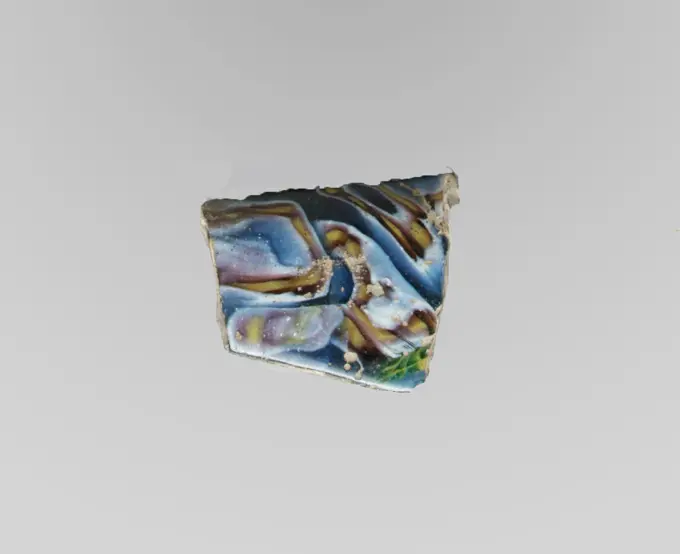
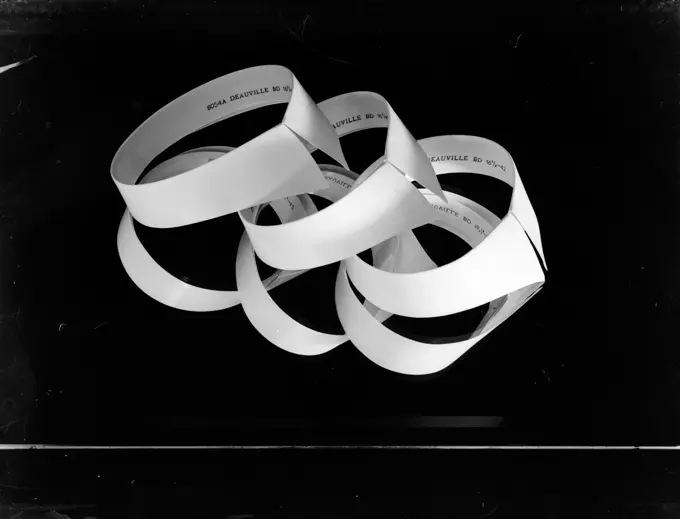
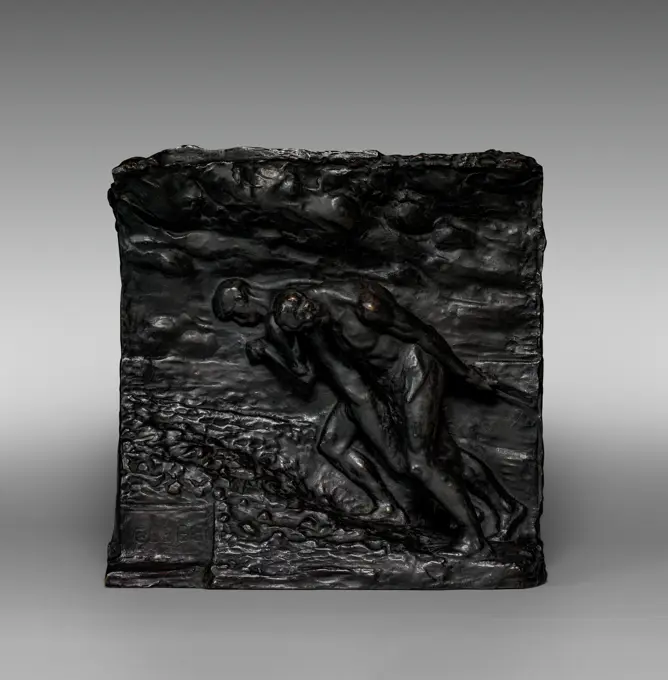
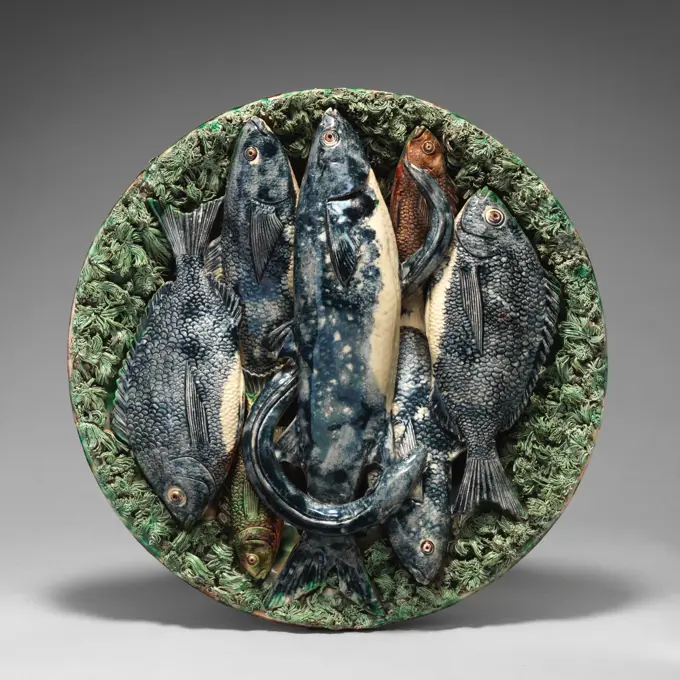
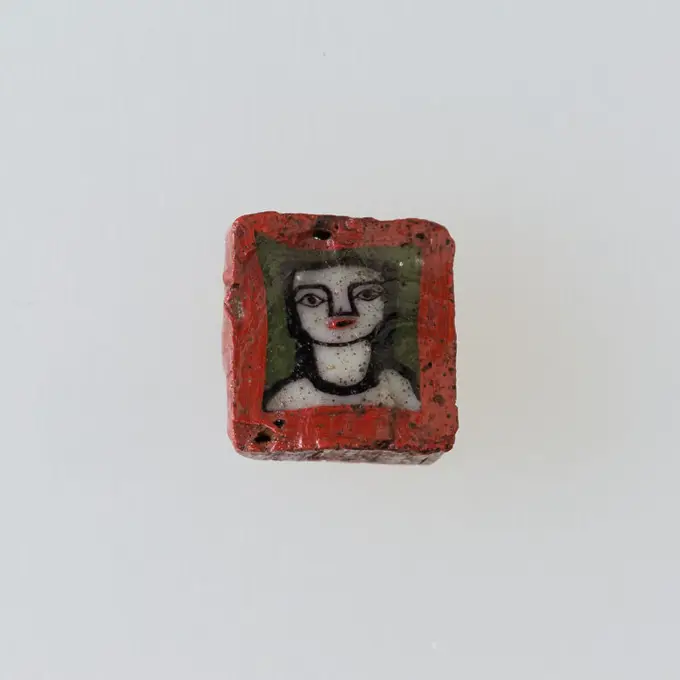
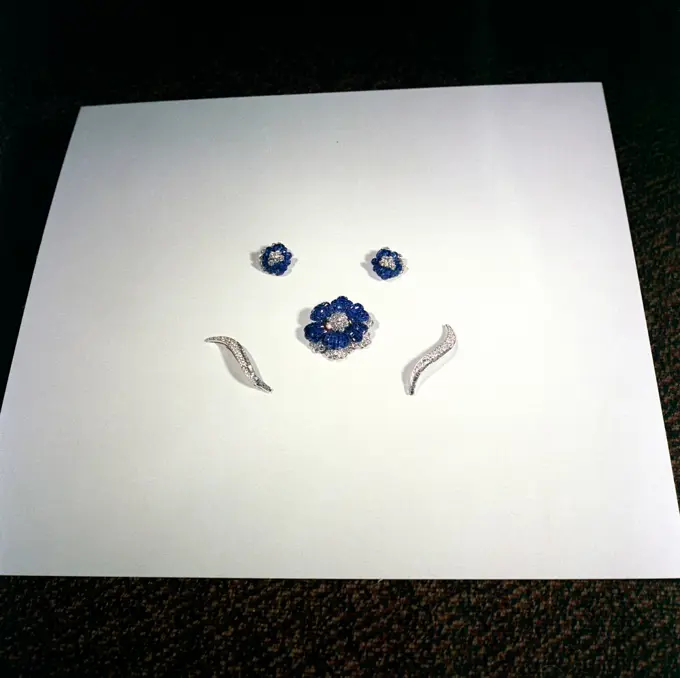
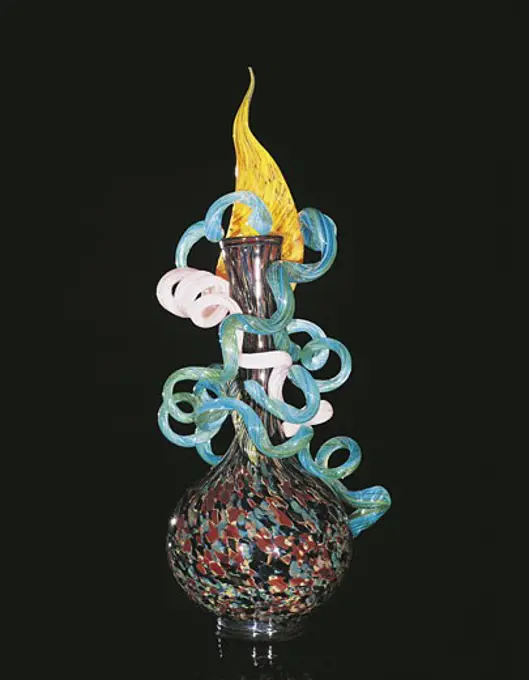
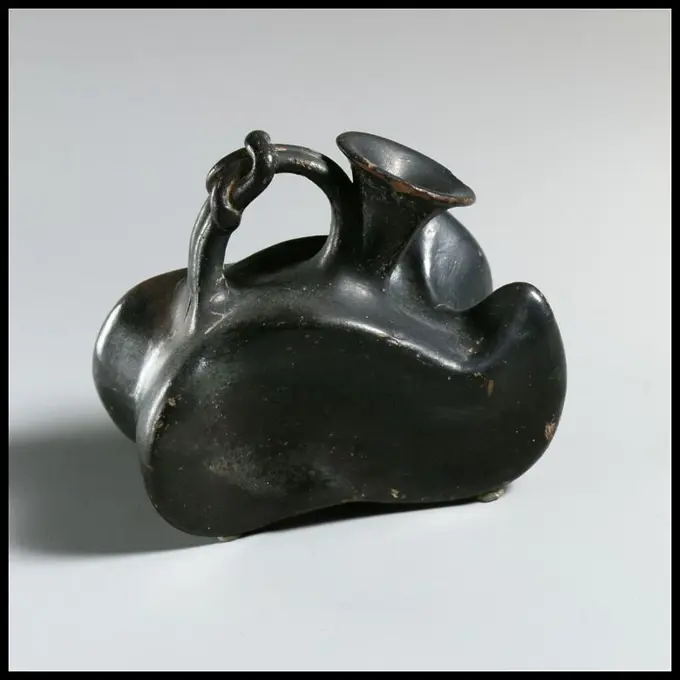
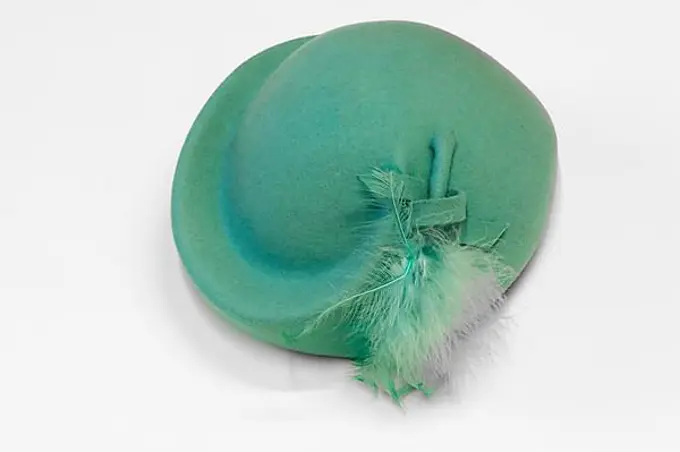
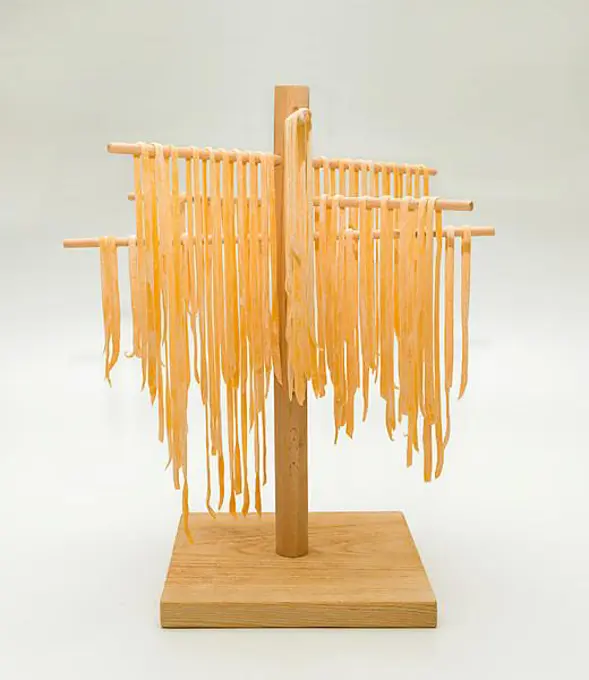
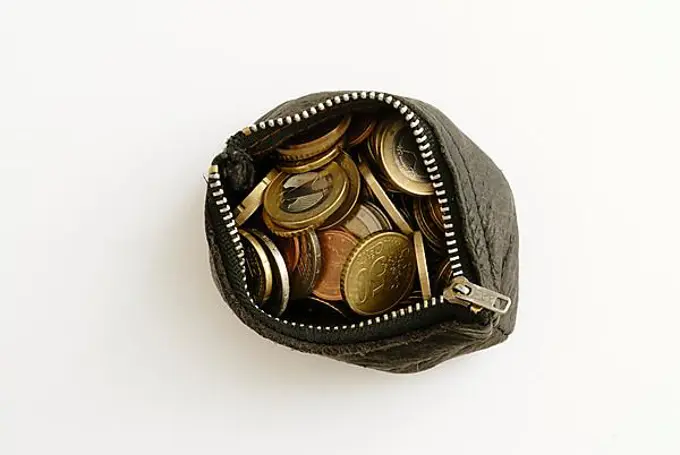
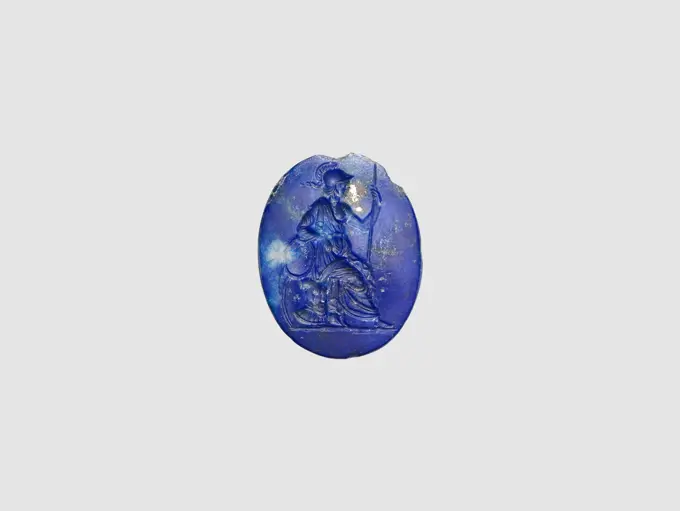
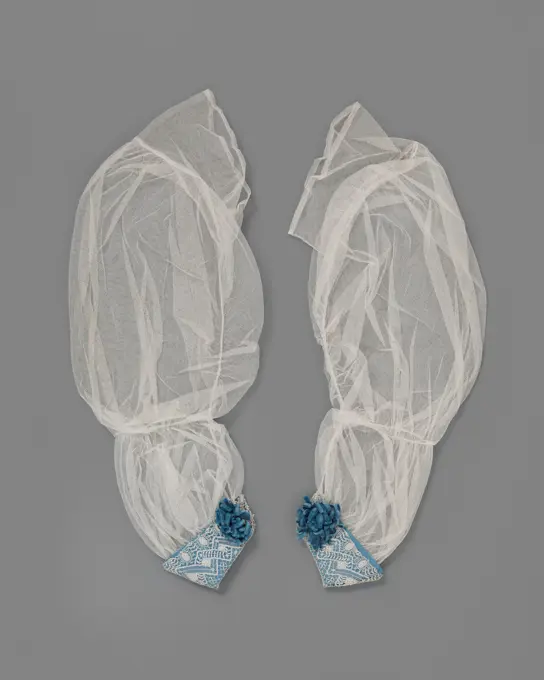
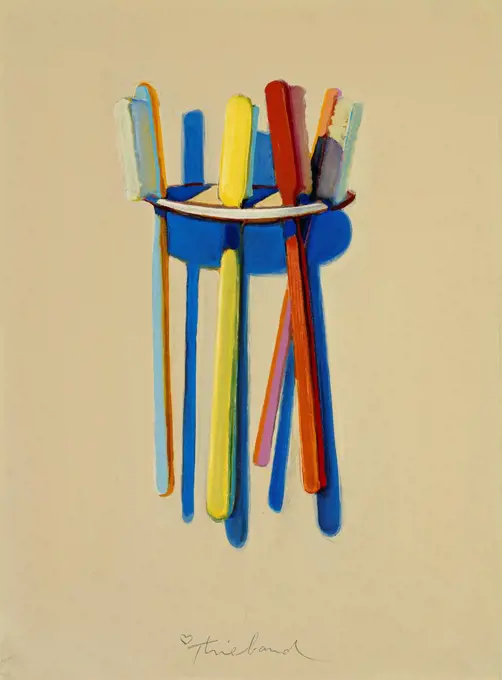
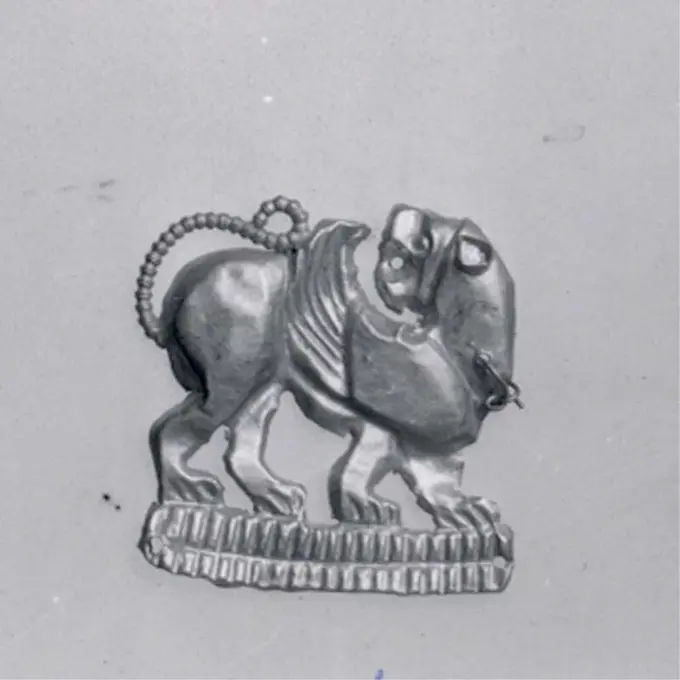
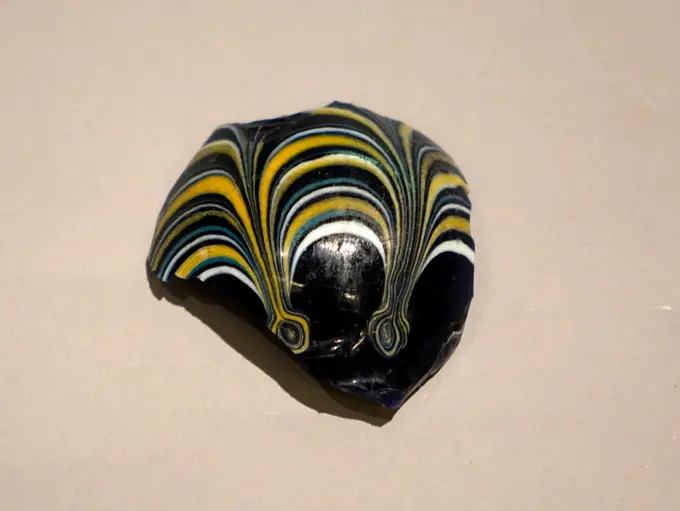
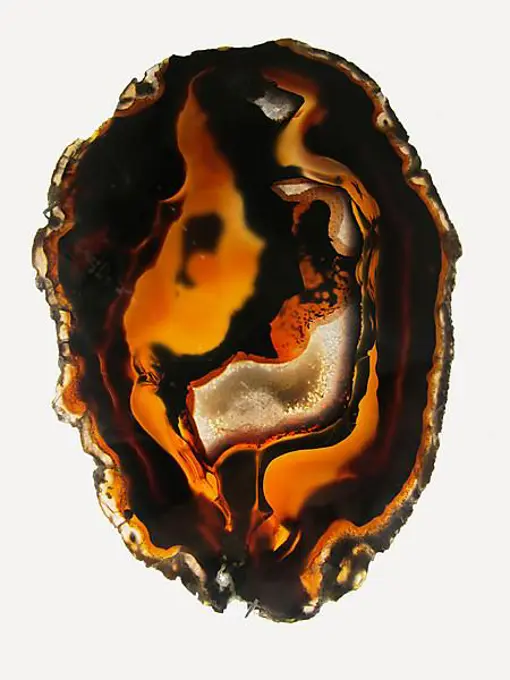
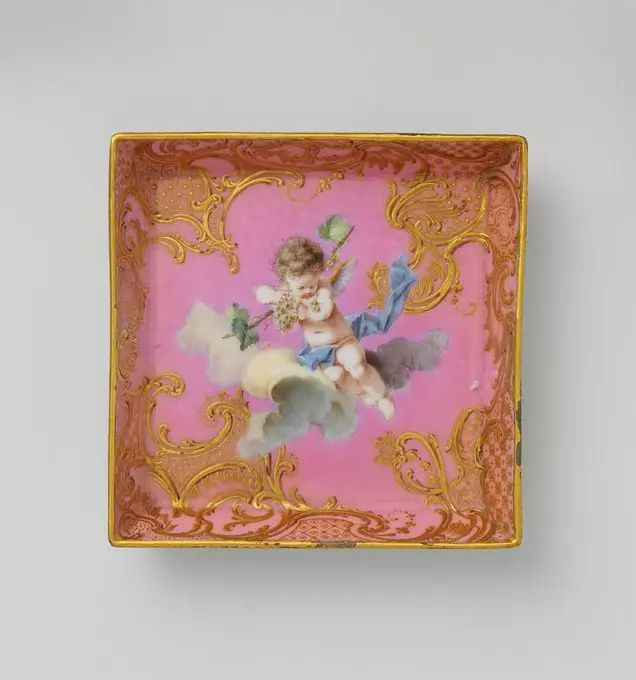
Cover. Culture: China. Dimensions: H. 1 1/8 in. (2.9 cm); Diam. 1 1/8 in. (2.9 cm). Museum: Metropolitan Museum of Art, New York, USA.Bead ornaments, rosette-shaped 4th-3rd century B.C. Greek. Bead ornaments, rosette-shaped. Greek. 4th-3rd century B.C.. Gold. Gold and SilverRowel Spur mid-17th century probably German This spur was originally inlaid with silver elements, almost all lost, a type of decoration very popular in Germany in the 17th century. In the first half of the 17th century, the fashion trend for gentlemen was to wear boots and spurs even non-riding circumstances, including for dancing or walking around at court. Spurs became then more than equestrian tools, but pieces of male jewelry often enriched by the same goldsmiths also working on armor and weapons. Their decoration was sometimes intended to match the sword hilt and the general outfit and horse tack of their owner. These trendy accessories were also a significant mark of status for gentlemen, sometimes nonetheless copied by the bourgeoisie. This fashion progressively disappeared after the mid 17th century.. Rowel Spur. probably German. mid-17th century. Iron alloy, silver. Equestrian Equipment-SpursDots and Dash” Plates. Designer Judy Smilow, American, 1959-2018Foot angel or crow's own. Iron foot angel or crow pit with four points.Goblet. China. Date: 1600 BC-1050 BC. Dimensions: 19.7 × 16.5 × 8.0 cm (7 3/4 × 6 1/2 × 3 1/4 in.). Bronze. Origin: China. Museum: The Chicago Art Institute, Chicago, USA.Glass mosaic ribbed bowl fragment late 1st century B.C.-early 1st century A.D. Roman Body fragment.Translucent honey brown, cobalt blue, and opaque white.Almost straight side, flaring outward at top.Ribbon mosaic pattern formed from sections of a single cane in a brown ground with irregular wavy threads and fine ribbons in parallel blue and white lines; on exterior, single vertical rib with rounded outer edge, tapering to point and with slight tooling marks at top.Pinprick and larger bubbles; polished interior; pitting of surface bubbles on interior; dulling and creamy iridescent weathering on exterior and jagged edges.. Glass mosaic ribbed bowl fragment 257348Fibula pin ca. 7th-6th century B.C. Iran This bronze pin from a fibula - in essence an ancient safety pin. It was found on the surface at Tepe Nush-i Jan, an Iron Age hilltop site about 60 km sound of Hamadan in western Iran. Nush-i Jan was occupied in the 7th and 6th centuries B.C., and its occupants are generally thought to be the Medes, an Iranian people known from Assyrian, Achaemenid and Biblical sources. Though the textual sources portray them as a powerful empire, archaeological evidence for the Medes has yet to sustain this impression. Rather, they seem to have lived in scattered fortified sites in western and central Iran, without any clear capital.. Fibula pin 326399Rope ladder on the white side of a ship, Hamburg, Germany, EuropeGlass mosaic ribbed bowl fragment late 1st century B.C.-early 1st century A.D. Roman Rim fragment.Translucent deep honey brown, cobalt blue, and opaque white.Outsplayed rim with rounded lip; slightly convex curving side tapering downward.Spiral mosaic pattern formed from lengths of one or more canes in a brown ground with bands of fine blue and white threads in parallel lines; on exterior, part of a broad vertical rib, with flattened and tooling indents at sides.Polished interior; pitting and weathering of surface bubbles; dulling and creamy iridescent weathering on exterior, lip of rim, and jagged edges.. Glass mosaic ribbed bowl fragment. Roman. late 1st century B.C.-early 1st century A.D.. Glass; cast and tooled. Early Imperial. GlassPaperweight, c. 1850-1875, Clichy Glass Works, 2 1/4 x 3 1/8 x 3 1/8 in. (5.72 x 7.94 x 7.94 cm), Glass, France, 19th centuryShards of Wijnkannen from V.O.C. ship De 'Witte Leeuw', Before 1613  Shards of wine jugs from V.O.C. ship the 'Witte Leeuw'. Jingdezhen bone china (material)   Sint-HelenaVIDA EN LA TIERRA-1988. Author: IRELAND DAVID.Champagne cork front view, vector illustration.Gold box ring surmounted by a scarab. Culture: Greek. Dimensions: H.: 1 1/4 in. (3.2 cm). Date: ca.330-310 B.C..On the underside of the box, kneeling Eros.From the end of the third millennium B.C., the scarab beetle served as an amulet in Egypt where it represented the sun god. In the Greek world, beginning in the sixth century B.C. it became the predominant type of gem, cut in carnelian and other hard stones. The scarab integrated into a gold ring appears in the fourth century B.C. The articulation of the insect and the embellishment of the box reveal craftsmanship of the highest order. Museum: Metropolitan Museum of Art, New York, USA.Statuette of a warrior-11. Culture: Greek, Laconian. Dimensions: Height: 1 5/16 in. (3.4 cm). Museum: Metropolitan Museum of Art, New York, USA.Bead Roman. Bead. Roman. Glass. GlassVase fragment. Dimensions: h. 1.6 cm (5/8 in); w. 2.5 cm (1 in). Dynasty: Dynasty 12-13. Date: ca. 1981-1640 B.C.. Museum: Metropolitan Museum of Art, New York, USA.Votive Fish. UnknownVotive Fish. UnknownVotive Fish. UnknownShu amulet Late Period ca. 712-332 B.C. View more. Shu amulet. ca. 712-332 B.C.. Blue Faience. Late Period. From Egypt, Upper Egypt, Thebes, Sheikh Abd el-Qurna, Tomb of Dagi (MMA 807), MMA excavations. Dynasty 25-30Shield (Dhàl) 19th century Indian. Shield (Dhàl). Indian. 19th century. Leather, wood, polychromy, textile. ShieldsMount3d rendering of a concrete vase isolated in white background 3d rendering of a concrete vase isolated in a white background Copyright: xZoonar.com/HugoxKurkx 14769663Front view vase with plantAerovaso, preliminary sketch by Fillia (Luigi Colombo, 1904-1936)Two Rowboats (from Sketchbook) ca. 1891 Albert Bierstadt American. Two Rowboats (from Sketchbook). Albert Bierstadt (American, Solingen 1830-1902 New York). American. ca. 1891. Graphite on wove paper with gilt edges, bound in a leather coverTheophrastus of Eresus, Wedgwood, English, established 1759, Unglazed stoneware ('black basalt'), Oval, with molded border. Head in profile to right, of Theophrastus of Eresus, Lesbos (ca. 372 -287 B.c.)., England, 1767-1780, ceramics, Decorative Arts, Portrait medallion, Portrait medallionDeep Dish with Egret (from a set of ten) 1639 Japan. Deep Dish with Egret (from a set of ten) 52235Wall Facing (Holland); tin-glazed earthenware, underglazeCeremonial Headdress. Cameroon, second half of the 20th century. Costumes. Feathers with cotton/polyester plain weave palm fibers, and bast fibersCubeBeautiful And Clean White Mable Table, stock photoPerecoll / Peix I, 1997. Colección privada.Picture frame. Gorianow, Andriej (fl. 1898-ca 1917), goldsmith, Fabergé, Karl (Petersburg i Moskwa ; wytwórnia złotnicza i jubilerska ; 1872-1918), goldsmiths companyGlassy pouch, elongated with rounded corners, covered with black checkered paper, anonymous, c. 1830 - c. 1840 Glass petrol made of thick paper, elongated with rounded corners, covered with black checkered paper. Silver colored print: Leo Black // Opticien // Keizerstraat 13 // Rotterdam. Netherlands (possibly) whole: Paper Glass petrol made of thick paper, elongated with rounded corners, covered with black checkered paper. Silver colored print: Leo Black // Opticien // Keizerstraat 13 // Rotterdam. Netherlands (possibly) whole: PaperPair of bracelets ca. 1850-1640 B.C. Middle Kingdom. Pair of bracelets. ca. 1850-1640 B.C.. Silver, green faience, blue paste, carnelian. Middle Kingdom. From Egypt, Memphite Region, Lisht North, cemetery south of the tomb of Senwosret (758), Pit 607, MMA excavations, 1907-08. Dynasty 12, late-early 13Glass short-strip mosaic bowl fragment late 1st century B.C.-early 1st century A.D. Roman Rim fragment.Translucent purple, turquoise blue, opaque white, yellow, and colorless.Vertical rim with slightly inwardly-beveled edge; shallow convex curving side.Short-strip mosaic pattern formed from short lengths of three or more canes set in slanting lines: one cane consists of a purple ground with white spiral enclosing a colorless ground with a central yellow rod; a second comprising of a blue band layered with white; a third in a colorless ground with a yellow spiral around a small central white rod encased in blue; a colorless network cane wound spirally with two blue threads is attached as a rim.Pinprick bubbles in rim; polished exterior; pitting of surface bubbles on exterior; dulling and creamy weathering on interior, rim, and jagged edges.. Glass short-strip mosaic bowl fragment. Roman. late 1st century B.C.-early 1st century A.D.. Glass; cast. Early Imperial. GlassGrahal-Manzara. Carnavalet 2013-2016 collection sites. Numismatics.Oyster shell, c. 1775 - c. 1782 Oyster shell, unpainted. Marked under the glaze M.O.L. In blue. Loosdrecht porcelain Oyster shell, unpainted. Marked under the glaze M.O.L. In blue. Loosdrecht porcelainWilliam O Fletcher, Child's Toy Iron Kettle, c 1937 Child's Toy Iron KettleStill Life with Dried Flowers in Glass Bottle Next to Glass Ball and Wooden BallLancet; shagreenGlass mosaic inlay fragments late 1st century B.C.-1st century A.D. Roman Opaque white ground; decoration in opaque red, yellow, and grey green, and deep purple appearing black.Two non-joining, thin rectangular strips; flat upper and lower surfaces, and vertical edges with sharp corners; design extends uniformly through the thickness of the plaque.Row of alternating palmettes and lotus flowers, each with volutes below. On one strip with proper left edge, four palmettes and three complete and one partial lotus flower; on the other with proper right edge, three lotus flowers and three complete and one partial palmette.Both strips broken at one end, one broken and repaired; upper surface ground and polished; pitting of surface bubbles, dulling and weathering on back.. Glass mosaic inlay fragments. Roman. late 1st century B.C.-1st century A.D.. Glass; mosaic. Early Imperial. GlassCommon Periwinkle (Littorina littorea) underside shell length is approximately two centimeters, Helgoland, GermanyGlass mosaic carinated bowl fragment late 1st century B.C.-early 1st century A.D. Roman Rim fragment.Translucent cobalt blue, purple, light blue appearing green, opaque white and yellow.Outsplayed, almost horizontal rim with rounded edge; carinated side, with part of one convex curve.Composite mosaic pattern formed from polygonal sections of two canes: one in light blue rods outlined in yellow, and the other in a cobalt blue ground with a circle comprising two white lines enclosing a purple ground with a circle of yellow dots.Polished interior; pitting of surface bubbles on interior; dulling and thick, creamy weathering on exterior, edge of rim, and jagged edges.. Glass mosaic carinated bowl fragment. Roman. late 1st century B.C.-early 1st century A.D.. Glass; cast. Early Imperial. GlassMargaret Golden, Trivet, c 1942 TrivetPoll photo collection. Fashion photography. Six edges. January 1, 1932Money Origami Christmas tree. Christmas tree origami made of banknotes euro. HandmadeStatue in showroom. Joyce Wang Showroom, London, United Kingdom. Architect: n/a, 2018.Tulle hat consisting of a sphere with a strip of tulle that overflows into chin tires, anonymous, c. 1800 - c. 1900 Hat van Tulle, consisting of a sphere with a strip of tulle that overflows into chin tires. The tulle is trimmed along the edges with picots. Friesland whole: Linen (Material). Hat van Tulle, consisting of a sphere with a strip of tulle that overflows into chin tires. The tulle is trimmed along the edges with picots. Friesland whole: Linen (Material).Silver swivel ring with agate half-barrel 4th century B.C. Greek Crane.. Silver swivel ring with agate half-barrel. Greek. 4th century B.C.. Agate, silver. Late ClassicalDeep Dish with Egret (from a set of ten) 1639 Japan. Deep Dish with Egret (from a set of ten) 52236Collection Dutch Heidematschappij. tools. undatedScandinavian abstract wall art. Minimalistic art vector poster. Hand drawn minimalism design for interior. Printable bundle. Vector illustration.ndinavian wall art poster. Scandinavian wall art posterThe Soil, c. 1890 - 1900. Constantin Meunier (Belgian, 1831-1905). Bronze; overall: 44.5 x 45.8 x 12.8 cm (17 1/2 x 18 1/16 x 5 1/16 in.).Caltrop, 1700 - 1858 caltrop A foot angel, old and corroded. Consisting of four spent arms, placed in a quadruple. Netherlands iron (metal)Round dish with moss and fish 1860-93 José Francisco de Sousa Despite of widespread social unrest and political instability for much of the nineteenth-century in Portugal, a number of ceramics factories appeared in the Calda da Rainhas area, which produced works inspired by Bernard Palissy. In 1860, José Francisco de Sousa purchased a factory from another ceramicist and began making decorative plates, which often featured lobsters, fish, and moss. In this example, a dish of fish and an eel have been placed on a bed of moss.. Round dish with moss and fish. Portugal, Caldas de Rainha. 1860-93. Glazed earthenware. Ceramics-PotteryCruet Stand (England); Designed by Christopher Dresser (Scottish, 1834 - 1904); Manufactured by Elkington & Co.; silver-plated metal; Overall: 13.1 x 11 x 11 cm (5 3/16 x 4 5/16 x 4 5/16 in.)Zawieszka. nieznany warsztat północno mezopotamski, workshopgolden flying fabric - art object, design elementChristmas cookie cutter in the shape of a fir tree, studio shot, white backgroundSwallow amulet 664-380 B.C. Late Period. Swallow amulet. 664-380 B.C.. Gold sheet. Late Period. From Egypt, Memphite Region, Saqqara. Dynasty 26-29Sword Guard (Tsuba). Culture: Japanese. Dimensions: H. 3 1/8 in. (7.9 cm); W. 3 in. (7.6 cm); D. 1/4 in. (0.6 cm); Wt. 5.1 oz. (144.6 g). Date: ca. 1615-1868. Museum: Metropolitan Museum of Art, New York, USA.Still life of big shiny silver Christmas bow.Maurice Van Felix, Flatiron, c 1940 FlatironStier Wilhelm (1799-1856), capitals (without date): 3 views. Pencil on paper, 6.2 x 21.4 cm (including scan edges) Stier Wilhelm  (1799-1856): KapitelleCup Plate 1825-60 American. Cup Plate 2921top view stationery paper with plant. Resolution and high quality beautiful photo. top view stationery paper with plant. High quality beautiful photo conceptStatue in showroom. Joyce Wang Showroom, London, United Kingdom. Architect: n/a, 2018.Ornamental Comb, c. 1900. F. Walter Lawrence (American, 1864-1929), Gustav Manz (German, 1865-1946). Gold, ancient glass, gem stones, tortoiseshell; overall: 14.3 x 5.8 x 1.9 cm (5 5/8 x 2 5/16 x 3/4 in.). Lawrence was active as a jeweler and silversmith working in New York in the early 20th century. At the 1904 St. Louis Exposition, he showed 27 pieces of gold jewelry, many including fragments of "Cyprian" glass.Elastic metal spring, vectorWreaths, 11 Greek, Laconian. Wreaths, 11. Greek, Laconian. Lead. Miscellaneous-LeadInlay / bead blank with face. Dimensions: w. 0.8 × l. 0.8 cm (5/16 × 5/16 in.). Date: 100 BC-100 AD.A mosaic glass technique allowed multiples of an image to be created: a figural or design composition was made by bundling colored glass canes, which were then drawn out into a long bar. The bar was then sectioned at right angles, probably by striking the bar with appropriate tools, to produce small inlay tiles. The tile would then be smoothed and polished on the face intended to appear outwards. Museum: Metropolitan Museum of Art, New York, USA.First Lady Jacqueline Kennedy's (JBK) jewelry. A pair of floral shaped earrings, with matching brooch (center), and a set of two pins, belonging to First Lady Jacqueline Kennedy. Mrs. Kennedy wore the earrings and brooch during arrival ceremonies for Mohammad Reza Shah Pahlavi, the Shahanshah of Iran, and his wife, the Empress Farah Pahlavi, on 11 April 1962.Close-up of a glass vase, Seattle, Washington State, USAPhotograph of Dental Corps Naval Insignia Lapel Pin.Etains, ivory. Pewter Etains, ivory. Ecologist in tin. Black and white projection plate. 1900-1930. Photograph of Jacques-Ernest Bulloz (1858-1942).Terracotta askos (flask with a spout and handle over the top). Culture: Greek, South Italian, Campanian. Dimensions: H. 7.19 cm. Length 8.61 cm.. Date: 4th century B.C..The vase is in the shape of an astragal, the knucklebone usually of a sheep or goat. Such objects occur with some frequency in the fifth and fourth centuries B.C. Astragals mainly of bone and glass were used in a game comparable to jacks. As vases, they occur in several forms and may have had a connotation of chance or luck. Museum: Metropolitan Museum of Art, New York, USA.Tile with jumping dog, anonymous, c. 1640 - c. 1660 Tile with a blue -painted jumping dog and an ox head in the corners. Three sides decorated with a zigzag motif between dots. Netherlands earthenware. tin glaze majolica Tile with a blue -painted jumping dog and an ox head in the corners. Three sides decorated with a zigzag motif between dots. Netherlands earthenware. tin glaze majolicaGreen felt hat with feather from the 1950s, Industrial Museum Lauf an der Pegnitz, Middle Franconia, Bavaria, Germany, EuropePasta wheel for homemade pastaEuro coins in a wallet, unzippedstatue, rao deo ka ghoda, india Copyright: xVinayxParelkar/DinodiaxPhotoxLapis lazuli ring stone Post-Classical Athena with armor.. Lapis lazuli ring stone 245082Sweden, Blekinge, Blekinge, Karlskrona, Karlskrona, external marina (depicted, town).Sweden, Blekinge, Blekinge, Karlskrona, Karlskrona, External War Gogs (depicted, City)Machinale tulle with Clunykant cuff and decorated with blue ribbon and velvet, anonymous, c. 1860 Under sleeve, balloon -shaped, from machine tulle. The sleeve is cut halfway. The clunykant cover cuff is submitted with blue ribbon, and has a bow of blue velvet on top. With two knots on the cuff. NetherlandsFrance (possibly) manchet:. manchet: ribbon (material). strik: velvet (fabric weave). knoop: mother of pearl Cluny lace Under sleeve, balloon -shaped, from machine tulle. The sleeve is cut halfway. The clunykant cover cuff is submitted with blue ribbon, and has a bow of blue velvet on top. With two knots on the cuff. NetherlandsFrance (possibly) manchet:. manchet: ribbon (material). strik: velvet (fabric weave). knoop: mother of pearl Cluny laceDoor Knocker (Italy); bronzePlus  stone made on black background in frame.Toothbrushes. Wayne Thiebaud (b. 1920). Oil on board. Painted in 1973. 32 x 23.5cm.Pin; 1917-32-2/5Lover's Eyes ca. 1840 American. Lover's Eyes 16606. Five-part indo with a decoration of O.A. a room screen and bamboo and a bonsai on the other side. Signed.BackComb.  Maker: Albert Coles & Company, active ca. 1835-75Dress ornament ca. 5th century B.C. Scythian. Dress ornament 328967Fragment of a Glass Vase ca. 1390-1353 B.C. New Kingdom. Fragment of a Glass Vase. ca. 1390-1353 B.C.. Glass. New Kingdom. From Egypt, Upper Egypt, Thebes, Malqata, Palace of Amenhotep III, factories, MMA excavations, 1910-12. Dynasty 18Cryptic XV. Louise Nevelson; American, born Russia, 1899-1988. Date: 1966. Dimensions: 20.3 x 20.3 x 16.2 cm (8 x 8 x 6 3/8 in.). Painted wood. Origin: United States. Museum: The Chicago Art Institute, Chicago, USA.Agate sliceTray (plateau carré). Culture: French, Sèvres. Dimensions: Overall: 11/16 × 4 × 4 in. (1.7 × 10.2 × 10.2 cm). Factory: Sèvres Manufactory (French, 1740-present). Date: 1758. Museum: Metropolitan Museum of Art, New York, USA.