Historical Chinese Coins

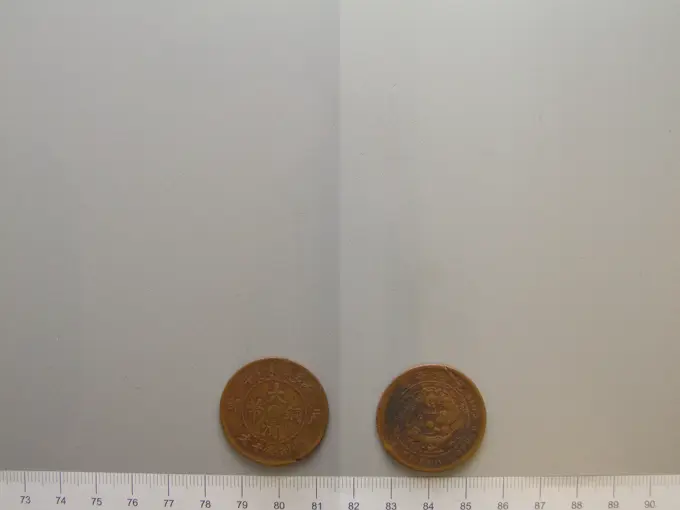
An assortment of antique coins from Chinese emperors. Features distinctive designs and inscriptions typical of historical currency.

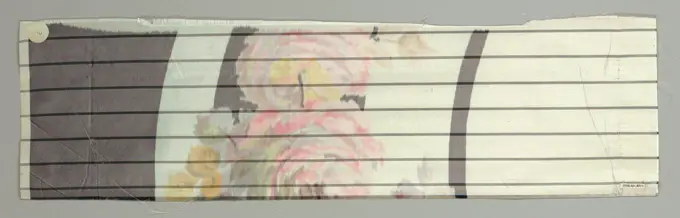
Sidewall, Machine-printed, Small multicolor floral bouquet within diamond-like medallion, on beige ground printed with tiny white quatrefoils., USA, 1860-70, Wallcoverings, Sidewall
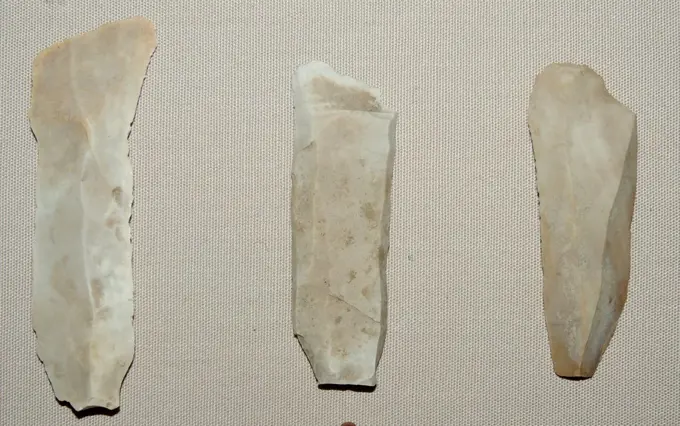
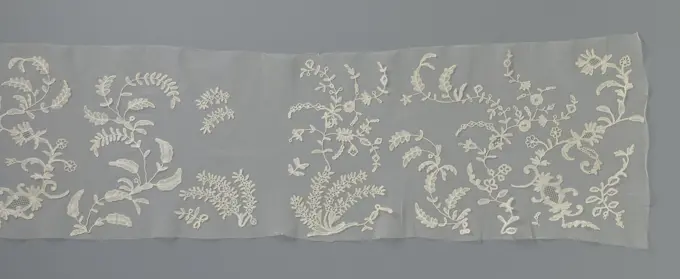
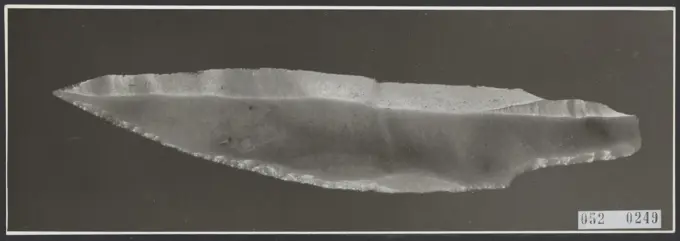
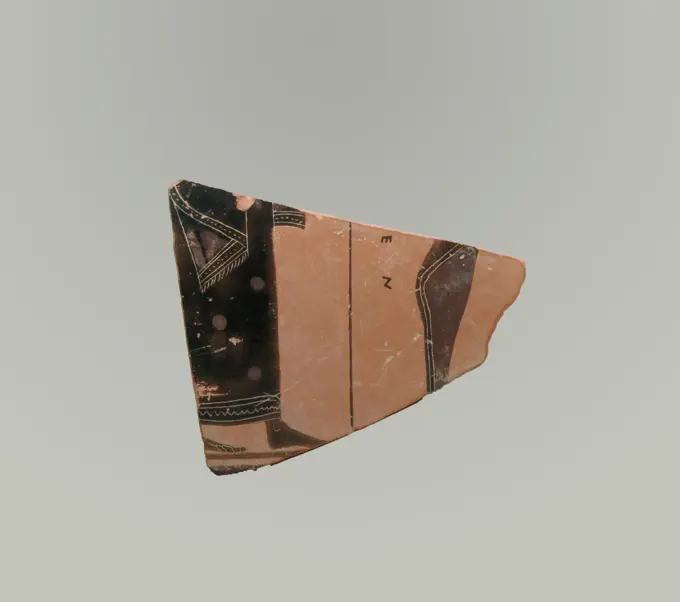
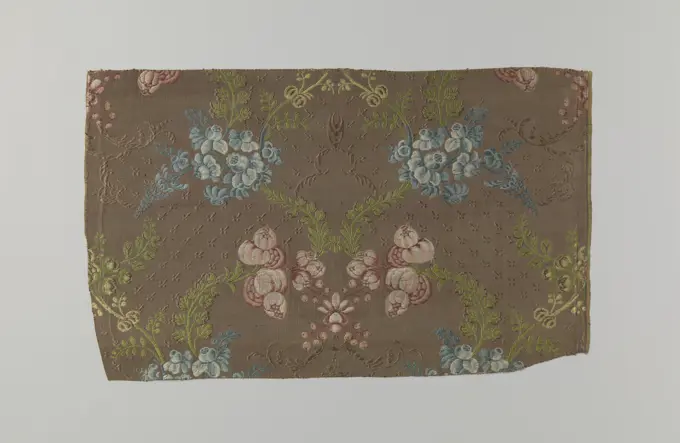
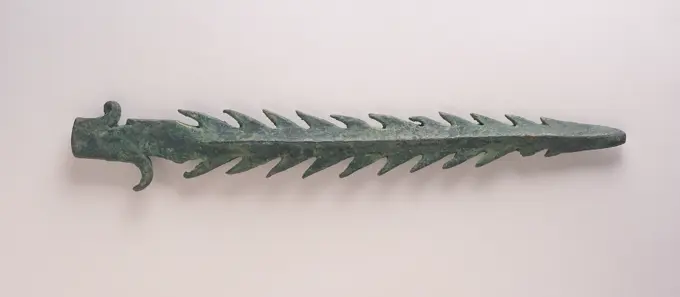
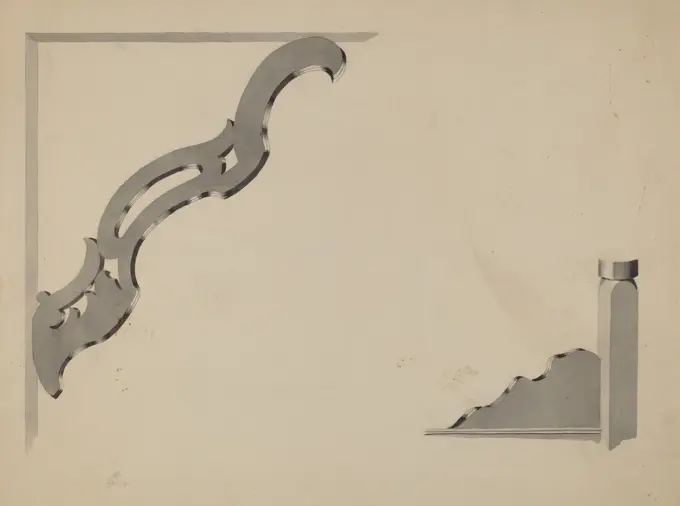
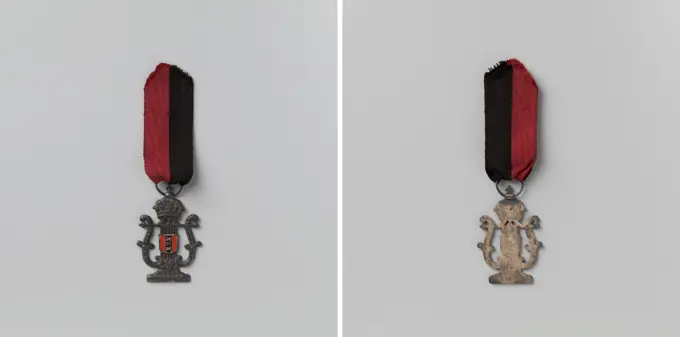
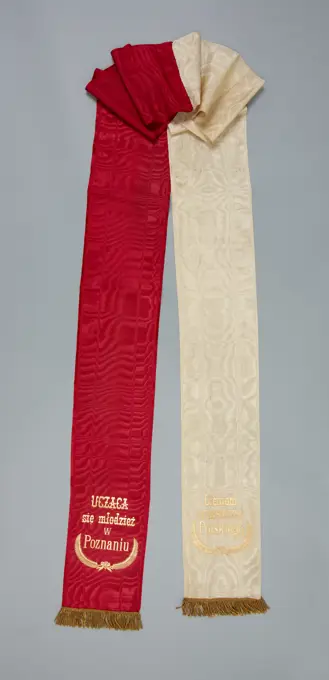
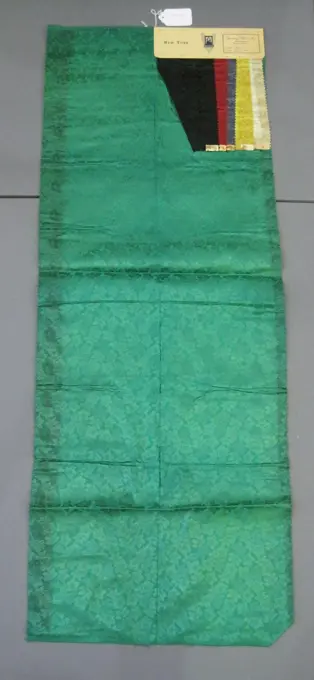
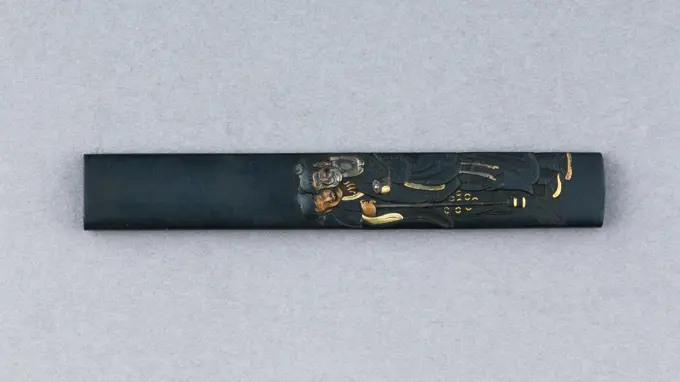
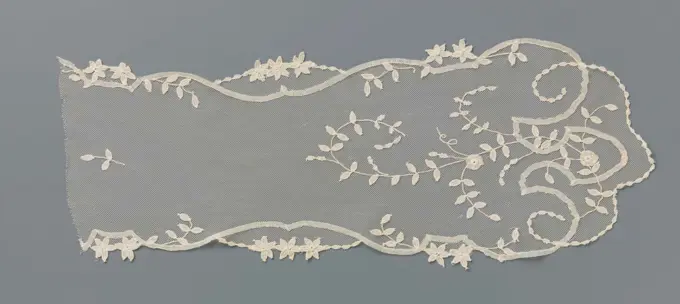
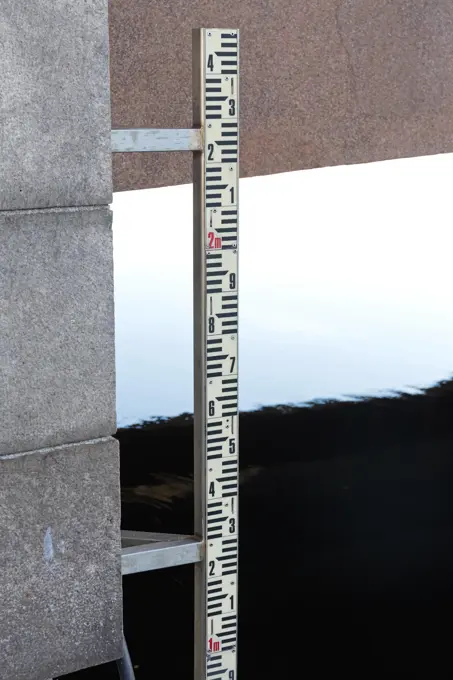
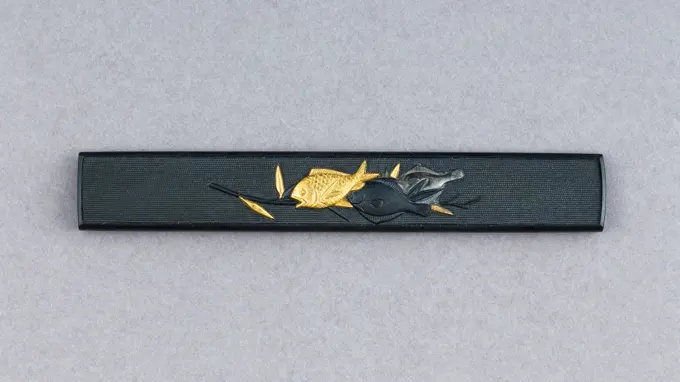
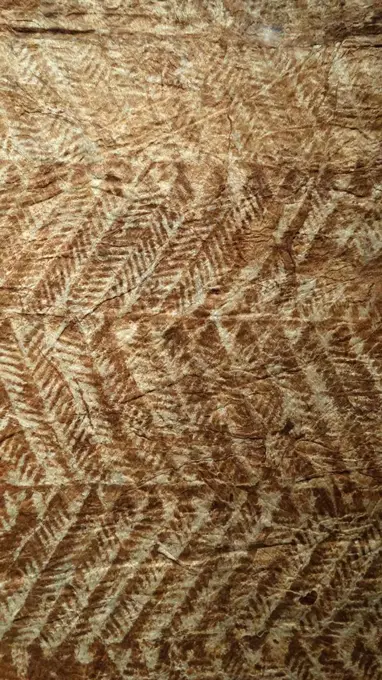
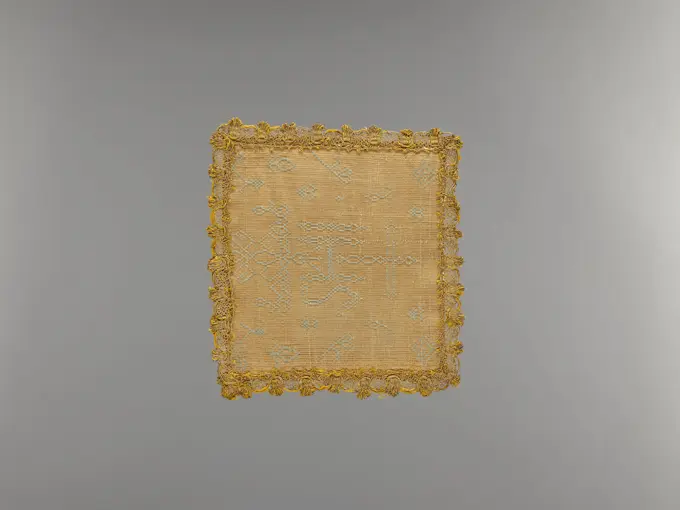
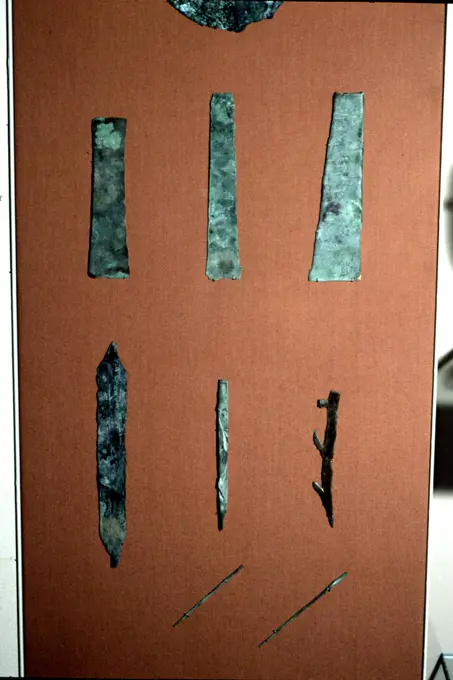
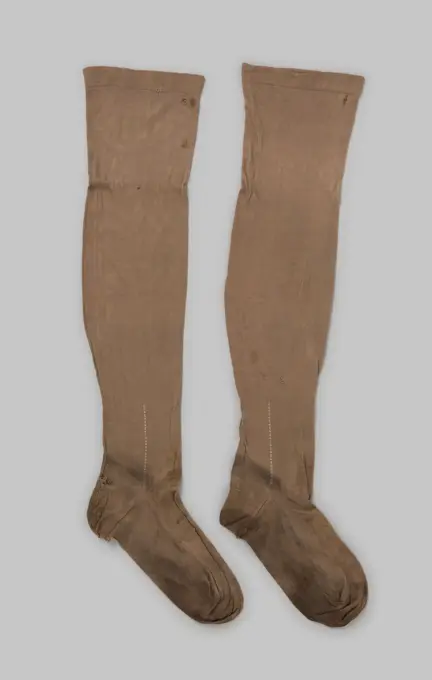
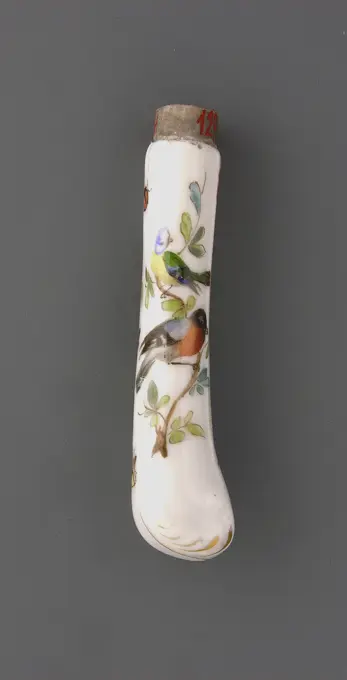
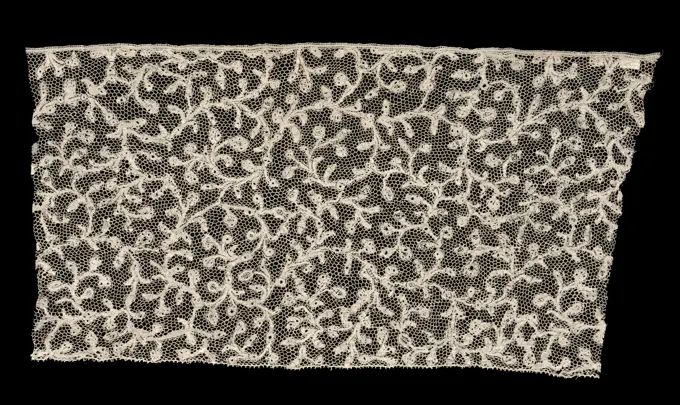
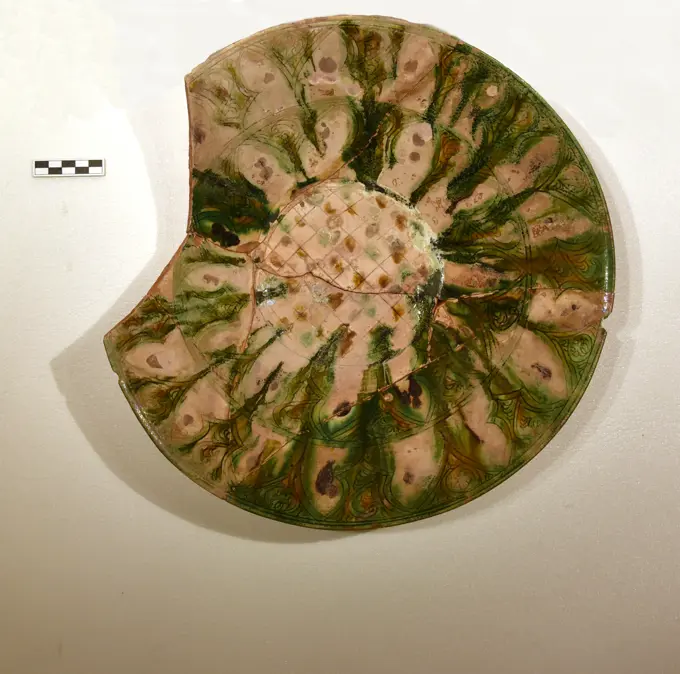
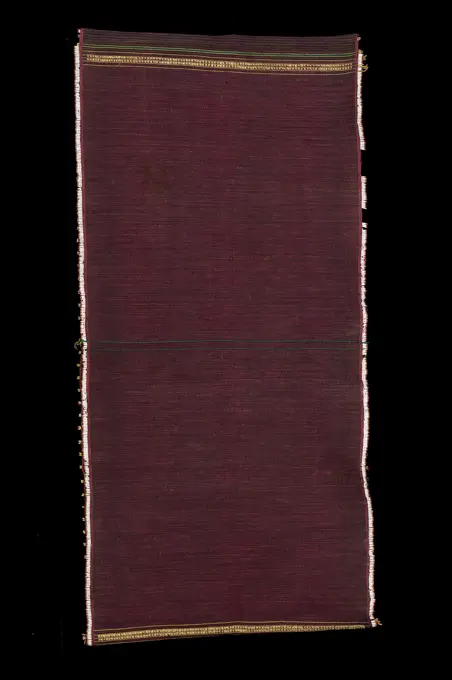
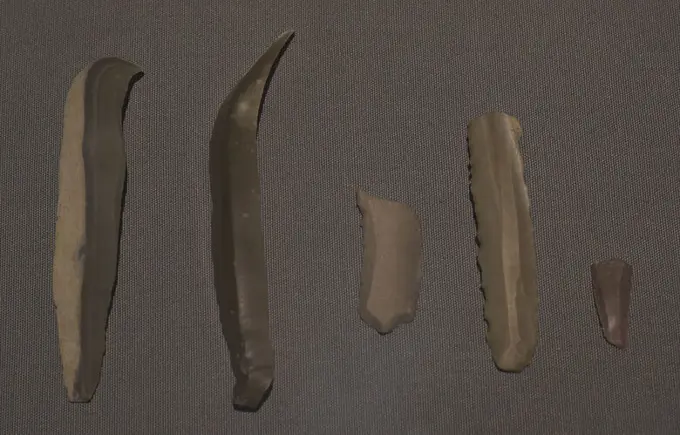
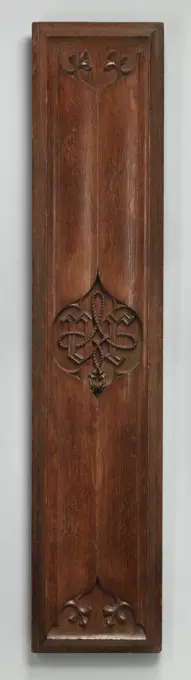
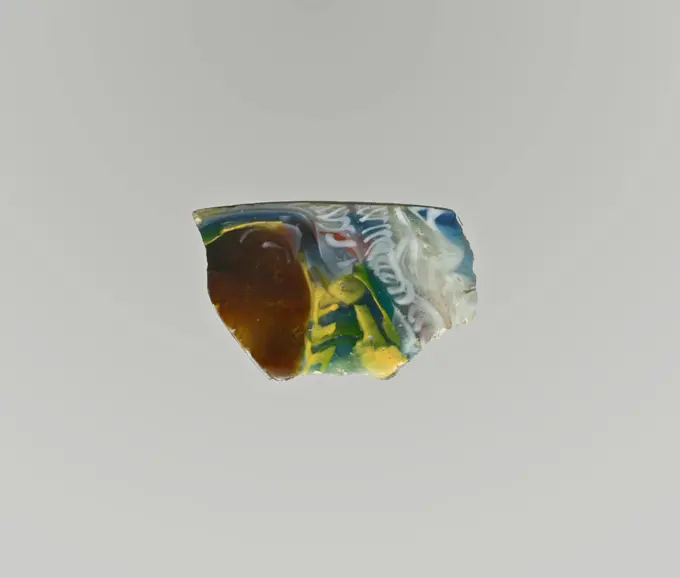
Glass mosaic bowl fragment late 1st century B.C.-early 1st century A.D. Roman Rim fragment.Translucent blue, partially mixed with opaque yellow appearing green, translucent purple, partially mixed with opaque yellow appearing brown, opaque, white, yellow, and brick red, and colorless.Vertical rim, ground flat; straight side, tapering downward.Irregular mosaic pattern of several canes, including one in a colorless ground with spiral white threads, and another in a blue ground with a yellow spiral thread.Exterior polished, with pitting of surface bubbles; dulling, pitting, and faint creamy weathering on interior, rim, and jagged edges.. Glass mosaic bowl fragment. Roman. late 1st century B.C.-early 1st century A.D.. Glass; cast. Early Imperial. GlassFlint blades, Upper Palaeolithic, South India.Knife Handle (Kozuka). Culture: Japanese. Dimensions: L. 3 13/16 in. (9.7 cm); W. 9/16 in. (1.4 cm); thickness 3/16 in. (0.5 cm); Wt. 1.1 oz. (31.2 g). Date: ca. 1615-1868. Museum: Metropolitan Museum of Art, New York, USA.Textile Swatches Onondaga Silk Company, Inc. (1925-1981). Textile Swatches, 1948-1959. silk; metal, (a) - (e): 8 1/2 x 4 1/2 in. (21.6 x 11.4 cm).    1948-1959Baptismal rug of batist with plumetis embroidery and an edge machine side, anonymous, c. 1830 Baptismal rug of batist with embroidery and a border of natural -colored machine side. The rug is rectangular and has a wavy, open hem in the batist inside. The lace pattern has roses hanging down in the sculptures. The embroidery has a pattern of a diamond -shaped middle and a border of flower branches, connected by a pendulum whose waves are opposed and run over the hem waves. There are loose leaves and rows of mushes along the hem waves. A cream -colored lining has been put behind the batist. Netherlands  embroidering Baptismal rug of batist with embroidery and a border of natural -colored machine side. The rug is rectangular and has a wavy, open hem in the batist inside. The lace pattern has roses hanging down in the sculptures. The embroidery has a pattern of a diamond -shaped middle and a border of flower branches, connected by a pendulum whose waves are opposed and run over the hem waveCloth Fragment 14th-15th century Peru; central coast (). Cloth Fragment 307811Needle's jabot with symmetrical pattern of volute vines and flowers, anonymous, c. 1680 - c. 1699  Jabot of natural Venetian needle side "Gros Point". Rectangular model. Symmetrical pattern from the central axle with volutes, flowers and leaves. The motifs are connected to each other with picoted bars. The fullwork is made with feston stitches decorated with recesses, relief contours and raised kordons. The Jabot is finished at the top with rim bobbin. The other three sides are finished with a picot edge with arcs. Italy . Venetian gros point (heavy raised Venetian lace)Piece of fabric. unknown, authorXianfeng Zhongbao of Xianfeng Emperor from Fuzhou  Mint,Fujian. Ruler: Xianfeng Emperor, Chinese, 1831-1861, ruled 1850-61 Mint: Fuzhou  Mint, Fujian Artist: UnknownSample, USA, 1880, woven textiles, SampleAntique Roman glass. 1898Japon decoration of application side with mimosataks, anonymous, c. 1890 - c. 1909 Japon decoration of natural -colored application side, Kloskant Applicated on machine tulle. Rectangular in shape, without finish. Pattern with mimosataks and feathered leaves. Belgium (possibly) linen (material) Japon decoration of natural -colored application side, Kloskant Applicated on machine tulle. Rectangular in shape, without finish. Pattern with mimosataks and feathered leaves. Belgium (possibly) linen (material)Pair of tricot gloves.Right glove made of pale green stretch side with snap closure. With two beige snaps.Sidewall, Machine-printed paper, Small leaf forms enclosed in irregularly-shaped compartments formed by vine-like streamers. Printed in white and black on gray ground., USA, ca. 1870, Wallcoverings, SidewallPaper for diploma beautiful handicraft.Piece of Batist with English Embroidery Decorated With a Flower Branch.Renaissance ornamentDaqing Tongbi of Guangxu from Wuchang,Hubei. Ruler: Guangxu, Emperor of China, Chinese, 1871-1908, ruled 1875-1908 Mint: Wuchang, Hubei Artist: UnknownFragments; silk, metallic threadNoh Costume (Chōken), 1800-1850. Japan, Edo period (1615-1868). Gauze; silk; overall: 82.5 x 159.4 cm (32 1/2 x 62 3/4 in.).Textile Swatches Onondaga Silk Company, Inc. (1925-1981). , 1948-1959. 87 wool, 13 silk, a: 48 3/4 x 17 in. (123.8 x 43.2 cm).    1948-1959La Farge Sketchbook #25 (65 leaves, pluscovers).  Artist: John La Farge, American, 1835-1910, M.A. (HON.) 1896Elsevier photo collection. Series: Utensils prehistoric time spearhead. undatedPiece 18th century Japan. Piece 71245The image of the metalClassical GuitarFront wrapper. Photographs, Photograms, Book covers. 1843-10 - 1844-05. Spencer Collection. Plants in artWien, Hotel Regina, Rooseveltplatz 15, historische Souveniers // Vienna, Hotel Regina, Historic Souvenirs *** Vienna, Hotel Regina, Rooseveltplatz 15, historic souvenirs Vienna, Hotel Regina, Historic SouvenirsCollar 1700-1937 American. Collar 119077Fragment of a terrracotta amphora (jar) ca. 530 B.C. Attributed to the Amasis Painter Man and warriorThe two letters in the field between the figures may be the end of a signature, Amasis mepoiesen, Amasis made me.. Fragment of a terrracotta amphora (jar). Greek, Attic. ca. 530 B.C.. Terracotta; black-figure. Archaic. VasesFragment multicolored silk tissue, anonymous, 1725 - 1750 A fragment of brown havana silk with colored sides flowers. NOTE: MIDDS is part of the fragment; 0.3 cm, solid, different color. Netherlands silk A fragment of brown havana silk with colored sides flowers. NOTE: MIDDS is part of the fragment; 0.3 cm, solid, different color. Netherlands silkFan case, early 19th century, 8 7/16 × 2 1/4 × 1/2 in. (21.43 × 5.72 × 1.27 cm), Silk, metallic threads, cardboard, China, 19th centuryNAIPE DECORADO CON SEIS CIRCULO ROJOS - CUERO Y PIGMENTO - SIGLO XVIII - PROCEDENTE DE CHILE - ESTILO MAPUCHE - 10,7x7,9 CM. Location: MUSEO DE AMERICA-COLECCION. MADRID. SPANIEN.Dry flower and wood craft on wooden table for decoration with cement wall backgroundRibbon samples, Herman A. Elsberg, (American, 1869-1938), Medium: silk, metallic thread Technique: plain compound satin with supplementary weft, Samples of a wide ribbon with a satin ground in solid color with a design of bird wings in supplementary gold weft., Lyon, France, 1919, woven textiles, Ribbon samplesHarpoon Head. India, Uttar Pradesh, Ganges River Valley, circa 1500-1000 B.C.. Arms and Armor; harpoons. Copper alloyDorothy Posten, Half canopy Carved Bed, c 1936 Half-canopy Carved BedSamples (2) early 19th century French. Samples (2). French. early 19th century. Silk. Textiles-WovenMusic association in Amsterdam, Anonymous, 1845  one -sided insignia, made up of Lier under the crown to carrying, carrier and ribbon with red and black vertical track; On Lier: Geemailled Coat of Arms Amsterdam silver (metal). textile materials striking (metalworking)  AmsterdamTextile Swatch Textile Swatch, 1950s to 1960s. Silk, 20 x 11 in. (50.8 x 27.9 cm).    1950s to 1960sCurtain of a bedgar of yellow waved wool with green passion and hanging spools, c. 1795 - c. 1815 Curtain of a bedgar of yellow waved wool, omboard with a green passion with a yellow motif and with a green and yellow border with hanging spools that are wounded with yellow and green side. Northern Netherlands wool. passement: silk Curtain of a bedgar of yellow waved wool, omboard with a green passion with a yellow motif and with a green and yellow border with hanging spools that are wounded with yellow and green side. Northern Netherlands wool. passement: silkA sash from the funeral of Adam Mickiewicz in Krakow on July 4, 1890Textile Swatches Onondaga Silk Company, Inc. (1925-1981). , 1948-1959. Silk, 47 x 17 3/4 in. (119.4 x 45.1 cm).    1948-1959Knife Handle (Kozuka) ca. 1615-1868 Japanese A kozuka is a handle of a by-knife that is part of a sword mounting. It is kept in a slot on the reverse of a katana scabbard, often with a matching kōgai (hairdressing tool).. Knife Handle (Kozuka) 34607ChinaKnife Handle (Kozuka). Culture: Japanese. Dimensions: L. 3 13/16 in. (9.7 cm); W. 9/16 in. (1.4 cm); thickness 3/16 in. (0.5 cm); Wt. 1 oz. (28.3 g). Date: ca. 1615-1868. Museum: Metropolitan Museum of Art, New York, USA.Hair comb made of turtle with unadorned rectangular smooth back, anonymous, c. 1800 - c. 1900 Hair comb made of turtle with unadorned rectangular smooth back. Eighteen teeth. Netherlands (possibly) . sawing / filing / polishing Hair comb made of turtle with unadorned rectangular smooth back. Eighteen teeth. Netherlands (possibly) . sawing / filing / polishingMOROCCO, MARRAKECH: Musee de Marrakesh (housed in a restored 19th century riad: Dar Mnebbi) Mosaic FloorSample of printed IInen Unknown, Wiener Werkstättetumbled kunzite lilac Spodumene gemstone macro shooting of natural mineral stone - tumbled kunzite lilac Spodumene gemstone isolated on white background Copyright: xZoonar.com/ValeryxVoennyyx 9078320Abstract of metal coiled slinky, length of fine wire wound around and stretched, against a black backgroundBliżej Kultury Matejko, Jan (1838 1893)Purse; silk, metalSlip van machinale lintkant met bandwerk.Slip of natural machine ribbon side, belonging to an echarpe. The slip has a lobed end and an unfinished start. An open, symmeteric pattern of thin spiral raft, which is widely scattered leaves and roses, is framed by a flat sculpture, formed by a smooth list and starflowers.Dummy. Lederwarenfabrik Richard Ehrhardt, Etui for pistol 626 (B) (semi-automatic pistol Browning model 1910/1922) (attributed title), 1944. Painted metal, black green leather, mechanical and manual seams. General Leclerc Museum of the Liberation of Paris - Jean Moulin Museum.Textile (France); silk; Anonymous bequest in memory of Albert and Rebecca Elsberg; 1938-82-69-cStaff Gauge Water Staff Gauge Water Level Measuring Pole Copyright: xZoonar.com/MarkoxBericx 14471551Knife Handle (Kozuka) ca. 1615-1868 Japanese A kozuka is a handle of a by-knife that is part of a sword mounting. It is kept in a slot on the reverse of a katana scabbard, often with a matching kōgai (hairdressing tool).. Knife Handle (Kozuka) 34543Textile Swatches Onondaga Silk Company, Inc. (1925-1981). , 1948-1959. Silk, 23 x 8 1/2 in. (58.4 x 21.6 cm).    1948-1959Ancient Egyptian, Setep mummification tool used for the opening of the mouth ceremony, an ancient Egyptian ritual described in funerary texts such as the Pyramid Texts.Siapo Tasina (Bark Cloth) from Samoa in the pacific Islands. Mid 19th century made from beaten barkEmpty Plate on TableAltar-cloth. unknown, authorSeven model tools of Copper. Second Dynasty. 2700 BC. From Tomb of Khasekhemwy, Abydos.Park box Glixelli, W AdysBreast band, 20th century, 30 3/8 x 13 3/8in. (77.2 x 34cm), Cotton, silk; supplementary weft patterning, Myanmar (Burma), 20th centuryGrahal-Manzara. Carnavalet 2013-2016 collection sites. Numismatics.Stocking of plain brown side with a lane with white embroidery on the ankle and a narrow -in -the board, beige finished, anonymous, c. 1800 - c. 1850 Sting of plain brown side with a lane with white embroidery and a narrow -in -the -shelter, finished inside beige, finished with a cross stitch. Seam in the middle. Netherlands whole: Silk knitting / embroidering Sting of plain brown side with a lane with white embroidery and a narrow -in -the -shelter, finished inside beige, finished with a cross stitch. Seam in the middle. Netherlands whole: Silk knitting / embroideringA handle for articles; Koenigliche Porzellanmanufaktur (Meissen; 1807/14-1918); 19th century (1801-00-00-1900-00-00);Fragment (from a Cover) Made 1701-1800 Turkey. embroidered in design of kiosks .High angle view of a heart shape drawn on sandAerial view of umbrella on the beach along the shoreline, Capaccio, Paestum, Campania, Italy.aluminum and rusty metal plate made in 3DLeaf with pattern of dots and paisleym motif, anonymous, c. 1850 - c. 1950  Leaf with a tantry with paisleym motif between dotted lines and points.  paper. paint (coating). lacquer (coating) block printing (relief printing process) / lacquering ornament derived from plant forms. fantasy ornamentFragment of Bobbin Lace Flounce, 19th century. Italy, Milan , 19th century. Lace, bobbin: linen; average: 26.7 x 52.1 cm (10 1/2 x 20 1/2 in.).Bowl 9th-10th century. Bowl. 9th-10th century. Earthenware; white slip, incised and splashed with polychrome glazes under a transparent glaze (sgraffito ware). Excavated in Iran, Nishapur. Attributed to Iran, Nishapur. CeramicsTextile Swatches Onondaga Silk Company, Inc. (1925-1981). , 1948-1959. Silk, 47 1/4 x 17 3/4 in. (120 x 45.1 cm).    1948-1959Sperm Whale (Physeter macrocephalus) tooth with Scrimshaw artwork of whaling, HawaiiEpaulette Box. Dated: c. 1936. Dimensions: overall: 26 x 36.1 cm (10 1/4 x 14 3/16 in.) Original IAD Object: 13 1/2" long; 7 1/2" wide; 5" high. Medium: watercolor, graphite, pen and ink, and gouache on paper. Museum: National Gallery of Art, Washington DC. Author: Cornelius Frazier.Tray. Culture: American. Dimensions: 4 1/2 x 7 in. (11.4 x 17.8 cm). Date: 1832-40.The Gothic-arch pattern pressed into this covered dish reflects the Gothic revival of the 1830s and 1840s. Museum: Metropolitan Museum of Art, New York, USA.Textile Swatch Textile Swatch, 1950s to 1960s. Silk, 20 x 9 3/4 in. (50.8 x 24.8 cm).    1950s to 1960sTube Skirt, H.18-1/2 x W.38-1/4 in., Cotton, beads, Myanmar (Burma)Study, possibly a jug. Page 34 From a sketchbook with 158 pages.Inlay ca. 8th-7th century B.C. Assyrian. Inlay 324784USA, Pennsylvania, Philadelphia, snowflake lampMountPlaque, thin gold leaf. Culture: Cypriot. Dimensions: Other: 1 3/4 x 2 3/16 x 1/16 in. (4.4 x 5.6 x 0.2 cm). Museum: Metropolitan Museum of Art, New York, USA.Vintage colorful lock with rusty in travel at Thailand.Emerald Ring. Dated: c. 1938. Dimensions: overall: 28.9 x 22.4 cm (11 3/8 x 8 13/16 in.). Medium: watercolor, pen and ink, and graphite on paperboard. Museum: National Gallery of Art, Washington DC. Author: John H. Tercuzzi.Neolithic Period. Temple Period (3600 to 2500 BC). Flint flakes. Diverse provenances. National Museum of Archaeology. Valletta. Malta.Public Market Sign at NightTextile Swatch , 1950s to 1960s. Silk, 22 1/2 x 8 in. (57.2 x 20.3 cm).    1950s to 1960sTextile Swatch Textile Swatch, 1950s to 1960s. Silk, 20 x 11 in. (50.8 x 27.9 cm).    1950s to 1960sOblong BeadA Case with Penricils of Zofia Stryjeńska Venus Pencil CO. LTD.Button, paper painted, glass, tin and copper, buttons with design of straight and curving lines meeting at central point painted in white on dark yellow ground; glass covering; tin back; copper collet and shank., On card 71, France, France, 18th century, costume & accessories, Decorative Arts, ButtonDecorative paneling from the Palace of Westminster ca. 1845-59 Designed by Augustus Welby Northmore Pugin These decorative oak panels exemplify the designs of A.W.N Pugin, who was the leading exponent of the Gothic Revival style in England. Pugins work is central to the transformation in British design that began in the mid-nineteenth century. He admired what he saw as the honesty and purity of medieval art, and deplored the meaningless repetition of historical motifs. Pugin coined the phrase “Brumagen Gothic,” referring to “those inexhaustible mines of bad taste, Birmingham.” The carved oak panels for the Palace of Westminster were made for both the House of Lords and House of Commons and are just one component of a larger, Pugin-designed interior program, including brasswork (grill panels, large doors, candelabra and other light fixtures, hardware, and gallery railings), stained glass, tiles, and furniture. These panels are executed in Pugins interpretation of the Gothic Revival anShadow Puppet (Wayang Kulit) of a Prop (Ricikan), from the set KyaiDrajatmetal on gold made in 3DKatagami, Sedge Hats on a Lattice; Japan; mulberry paper (kozo washi) treated with fermented persimmon tannin (kakishibu), and silk threads (itoire); 19.5 x 35.2 cm (7 11/16 x 13 7/8 in.)