Historical Chinese Coins

Depicting various ancient Chinese coins, showcasing intricate designs and historical significance from different emperors.

1 Cash of Song Zhezong from Board ofRevenue. Ruler: Song Zhezong, Emperor of China, Chinese, 1077-1100, ruled 1085-1100 Mint: Board of Revenue Artist: Unknown
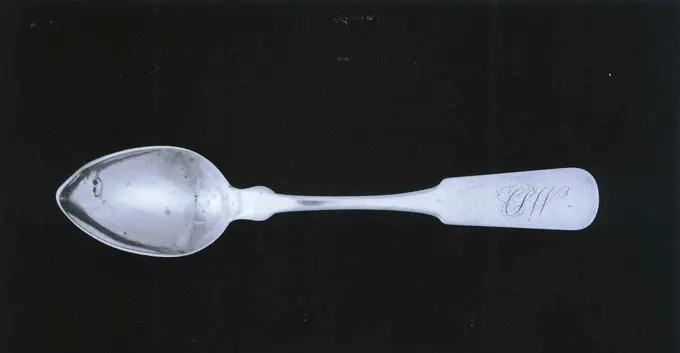
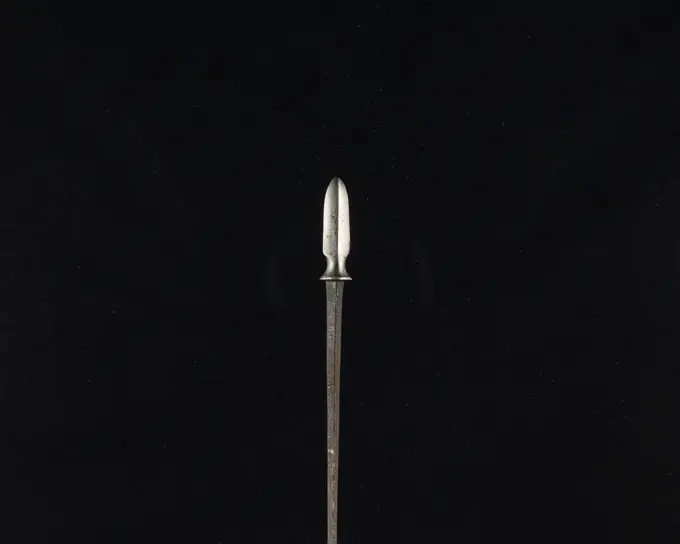
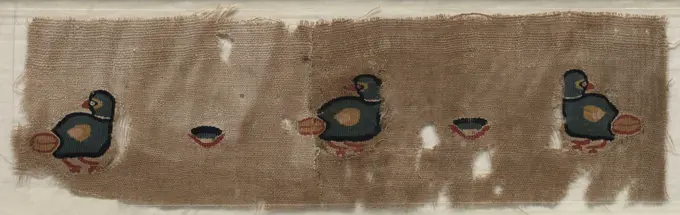
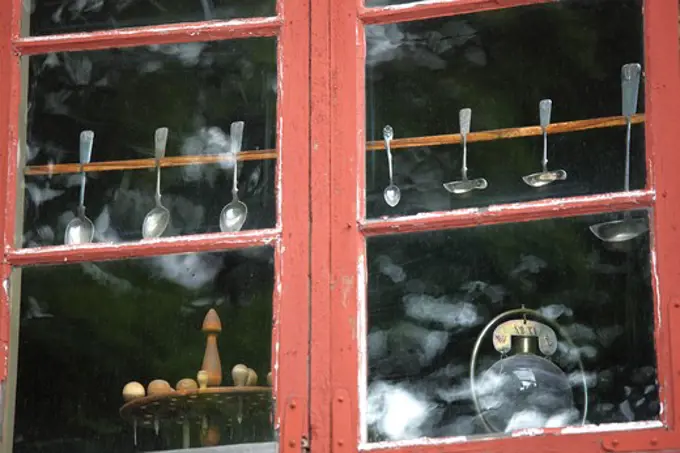
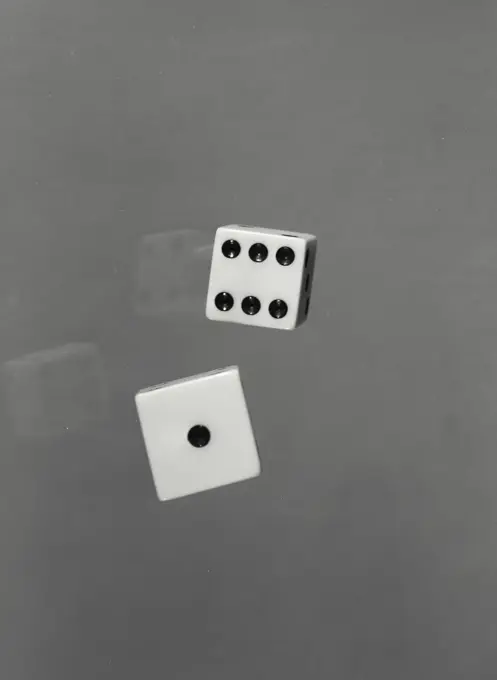
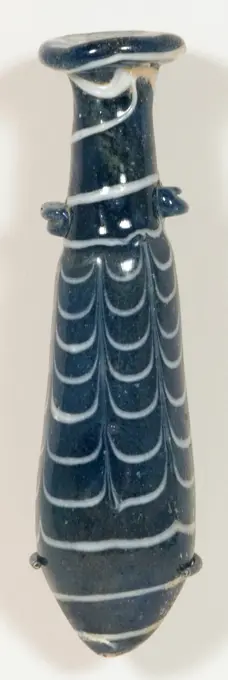
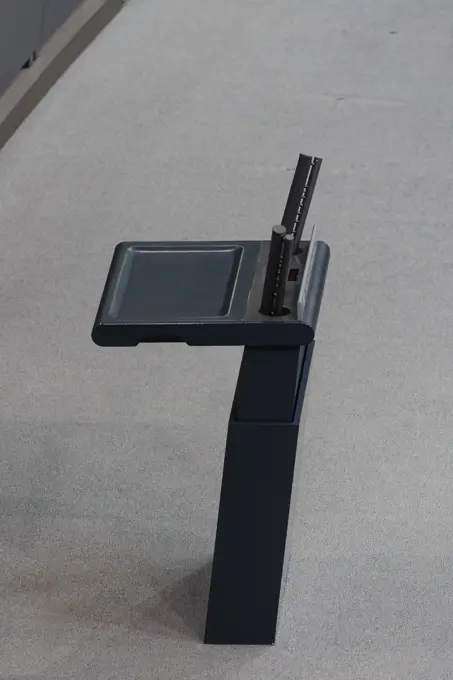
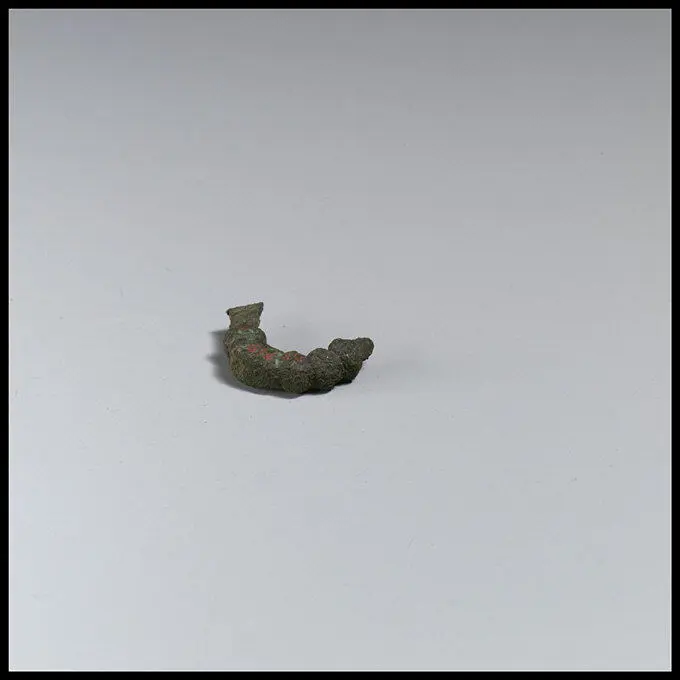
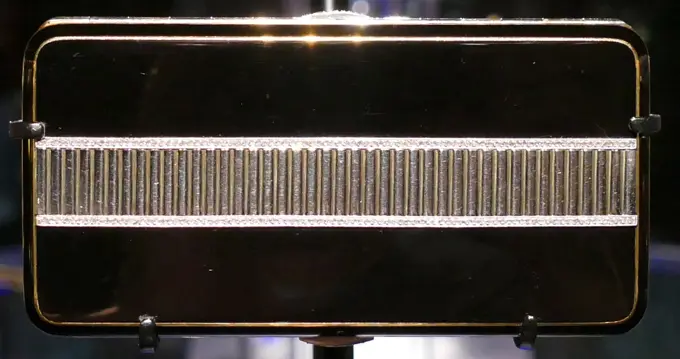
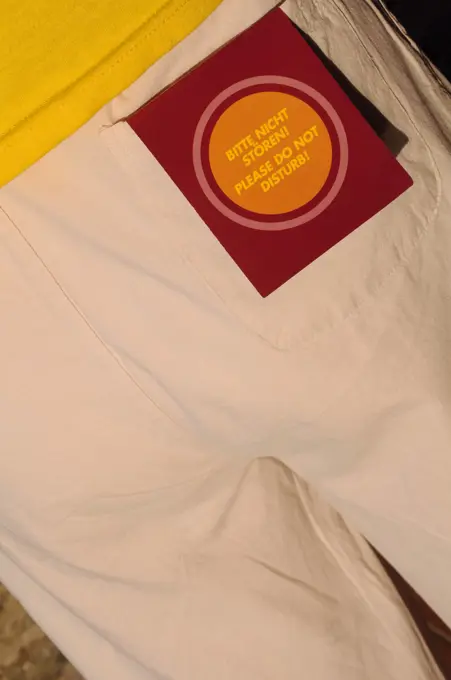
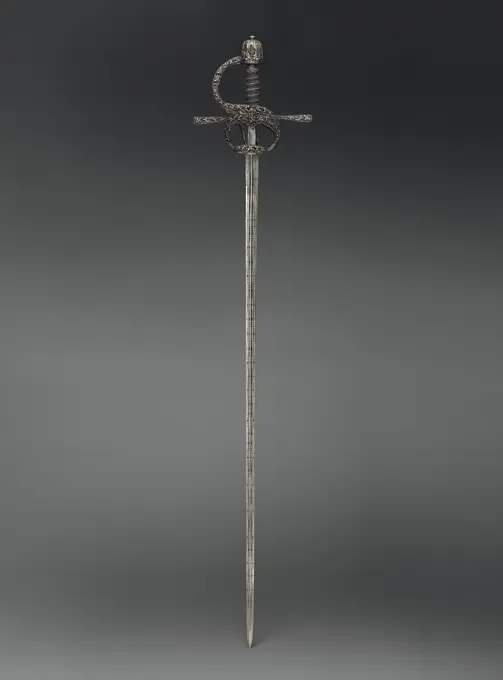
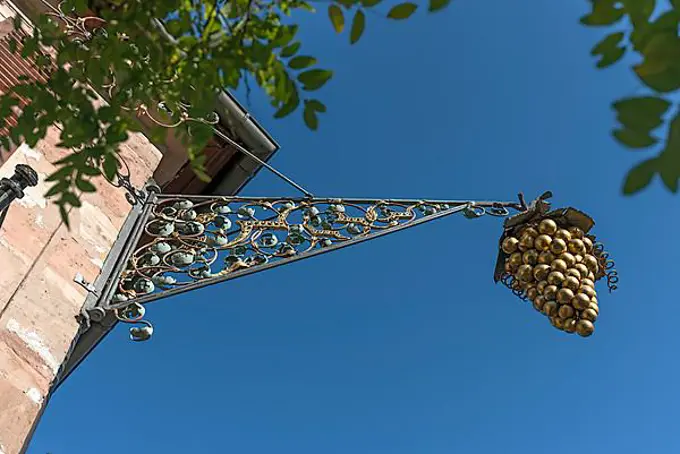
Germany, Berlin, Kreuzberg, Red light bulb on old wallYeah one hundred; Factory of all steel products W. Bie Kowski and sons (Warsaw; Malcza (Warsaw; Sreber label; 1828-1864), Malcz, Karol (1797-1867); 1852 (1852-00-00-1852-00-00);Close-up of flaming match stick against black backgroundA set of luxury designs. A collection of premium templates for the design of postcards, invitations, packaging, greetings and creative ideasNailsTorsoclose up leather drum, drum headold metal drill for drilling wood against dark backgroundhandle  in london antique brown door  rusty  brass nail and lightLappet 18th century Danish. Lappet 226094Fragments, Medium: silk, metallic thread Technique: damassé foundation (8-harness satin plus 3/1 twill weave with continuous and discontuous supplementary wefts), Four fragments of a continuous pattern of two curves placed side-by-side. Pattern is in two levels: one has a delicate linear element incorporating a balustrade and stairs with flowering vines, flowers and buds in gold and muted colors. The other, a broad floral urn in metallic thread has a deep shadow in cream damask., France, late 17th-early 18th century, woven textiles, FragmentsTwoteaspoons.   Maker: Charles O’Neil, American, active ca. 1823 - 1839Jade Ornament 500 BCE-400 BCE China. Jade .Stack of sawn prepared timber, spruce wood planks or studs, for use. Treated wood in traditional 2 by 4 measured cut shapes. Cut ends. Washington State, USA. 10/23/2012Building modernization work around Main InteriorArrowhead (Yanone) 18th century Japanese Although today Japanese warriors are renowned most for their swordsmanship, archery, especially from horseback, has been an essential part of samurai warfare and culture for centuries. Arrows were fitted with heads of varying shape according to their intended use in war, the hunt, or target practice. Arrowheads made for use on the battlefield incorporated different designs intended for specialized purposes such as the piercing of armor or to cause maximum damage to horses and unarmored personnel.Large arrowheads, pierced and elaborately chiseled with landscapes, birds, flowers, dragons, and Buddhist divinities, were created to be admired for the beauty of their metalwork and design rather than for use in archery. Such highly elaborate examples may have been made for presentation or as a votive offerings to a shrine.. Arrowhead (Yanone). Japanese. 18th century. Steel. Archery Equipment-ArrowheadsCap streamers, Medium: linen Technique: bobbin lace of Binche style with Binche ground, Design of birds and a serpentine band ornamented with floral forms and large flowers., Belgium, mid-18th century, lace, Cap streamersChisel ca. 1479-1458 B.C. New Kingdom. Chisel. ca. 1479-1458 B.C.. Bronze or copper alloy. New Kingdom. From Egypt, Upper Egypt, Thebes, Deir el-Bahri, Temple of Hatshepsut, forecourt, Foundation Deposit 4 (D), MMA excavations, 1923-24. Dynasty 18open door to lightStreet lamp on blue sky background photographed at middle of the day. Street lamp on blue sky background photographed at middle of the day. Copyright: xZoonar.com/MiloszxGuzowskix 9516806wine keeping photo. Wine cellar with old riesling wineHotel Night TableBaluster late 17th-early 18th century British. Baluster. British. late 17th-early 18th century. Deal. WoodworkInterior wall with domestic power and tv outletDetail of sun lounger on a terrace in VillajoyosaLit Lamp With Small MothCandlestandGreen garbage bin with wheelsDetail of hanging smoke detector.Fragment of a Curtain, 500s. Egypt, Byzantine period, 6th century. Tabby weave, inwoven tapestry ornament; wool and linen; overall: 11.5 x 39.8 cm (4 1/2 x 15 11/16 in.).Street sign against wallWilbur M Rice, Flour Barrel, 1935 1942 Flour BarrelWooden toys rattle in a baby bedFinland, Turku, Cloister Hill, Luostarinmki Handicrafts Museum, 18 Wooden Quarters from the 18th Century, Jewellery Makers Room, Window, SpoonsBead. UnknownArrowhead ca. 3100-2900 B.C. Early Dynastic Period. Arrowhead. ca. 3100-2900 B.C.. Ivory. Early Dynastic Period. From Egypt, Northern Upper Egypt, Abydos, Umm el-Qaab, Tomb of Djer, Egypt Exploration Fund excavations. Dynasty 1paper with wax sealSOMBREROS - SIGLO XX. Author: VICTORIA CIVERA REDONDO 1955/. Location: GALERIA SOLEDAD LORENZO. MADRID. SPAIN.Flat design icon of a pair of steel scissors, perfect for crafts and office themes. Vector illustration of steel scissorsTassel 17th century French. Tassel 213534Street Sign and Blue SkyChampagne bottle close up close up macroBead. UnknownLight bulb lamps on black colour backgroundstadium lights pole against blue sky backgroundFlagpole, Kampen, Sylt, Germany, EuropeEmpty cardboard boxBead. UnknownPedestal. Culture: American. Dimensions: 42 1/2 x 14 1/2 x 10 in. (108 x 36.8 x 25.4 cm). Date: 1870. Museum: Metropolitan Museum of Art, New York, USA.Vintage Photograph. A clock.Small glass bottleVintage Photograph. A pair of dice showing 7.water pipeWater tap.Hand holding some cotton in hand on a white backgroundHair comb or ridge of solid fine imitation turtle and horn with a long row of narrow teeth, tapered.Writing Desk. Dated: 1941. Dimensions: overall: 36.3 x 49.5 cm (14 5/16 x 19 1/2 in.) Original IAD Object: 11 x 17 inches. Medium: watercolor, gouache, colored pencil, and graphite on paper. Museum: National Gallery of Art, Washington DC. Author: Herbert S. Frere.Alabastron (Container for Scented Oil) 200 BCE-150 BCE Mediterranean Region. Vessels of this shape were made over the course of hundreds of years and from a variety of materials. The shape may have originated in Egypt and taken its name from the word alabaster, but it was readily replicated in other materials, including terracotta and glass. The broad rim functioned as an applicator for spreading its contents.. Glass, core-formed technique . Ancient Eastern Mediterraneanpicture frame of ropeBeer mug, close-upHawaii, Kauai, Buckets of fins.High seat in winterBeauty vintage Christmas Lamp with Candle Burns at Black Background Christmas and New Year Map 1102821231Fan.Tablespoon.   Maker: Newland and Jones, American, active ca. 1825 - 1827black shoesDrain in White Bathtub set of all metal cubes of gold, black gold, pink plasticBeautiful photo of red ladybug walking on a chainDustbinPaint drip, art brush and blue painting color with no people with home maintenance and diy tool. Creative, painter and artist tools for house renovation, construction or creativity artwork on canvasOrigami euro banknote imitating birdAn empty used condom seen from aboveEmpty Lectern in the German Bundestag, Berlin, 19 02 2024 Berlin GermanyFibula, fragment. Fibula, fragment 243872New Year's fire crackers suspended from a rope, ChinaVanity case, Compaq, French, made in Paris, 1925 by Alfred Langlois. Gold, platinum, enamel, and diamondsHotel Sign on the Hip Pocket Do Not Disturb hotel sign on a ldy s hip pocket Copyright: xZoonar.com/vicspacewalkerx 1422578Bead. UnknownDecorating hanging lantern bulb lamps, stock photoSmall model house and human skeleton hand as horror conceptSmart dagger Smart dagger of the medieval soldier. It was used for hunting Copyright: xZoonar.com/VALERY-SIBRIKOVx 20002458Rapier ca. 1610-20 Pietro de Formicano The hilt is of blackened iron and consists of an ovoid pommel surmounted by a flattened button, a knuckle guard, two quillons slightly expanding toward rounded tips, arms of the hilt, and two side rings, the upper one connected to the knuckle guard by a short diagonal branch. The wooden grip of oval section is bound with twisted and braided iron wire. The branches of the guard are chiseled in high relief with a multitude of tiny battling warriors, forty-two on horseback and forty-four on foot, some of them dressed in Roman armor, others nude. In some areas faint landscape details are present in the background behind the figures and judging from the traces of gold that remain, the entire background was apparently once gilt. The pommel is chiseled with cavalry and infantry figures against a monumental architectural background of columns and arches. Large stylized acanthus leaves decorate the bases of the arms and side rings, and the backs of the knuParasol handle, Shaped and carved tortoiseshell, Simple dark-colored tortoiseshell parasol handle with carved spiral stripes, possibly France, late 19th century, hardware, Decorative Arts, Parasol handlePaintbrush and paint, Iceland.Rifle SightsMetal power button with other doodle design elements, wooden background vector illustration.Underfloor heating collage bannerNose plate of a grape of a wine bar, Erlangen, Germany, Europeengine and other parts visible in carDetail of a toy trailer on a car tireMason jarGun Barrel 18th-19th century. Gun Barrel 444628Realistic vector nose on white backgroundVarious subjects of archaeological interest. Impression of Hebrew royal seal from Beth Zur. 1920, Jerusalem, IsraelRed towel on a radiatorArrowhead (Yanone) 18th century Japanese Although today Japanese warriors are renowned most for their swordsmanship, archery, especially from horseback, has been an essential part of samurai warfare and culture for centuries. Arrows were fitted with heads of varying shape according to their intended use in war, the hunt, or target practice. Arrowheads made for use on the battlefield incorporated different designs intended for specialized purposes such as the piercing of armor or to cause maximum damage to horses and unarmored personnel.Large arrowheads, pierced and elaborately chiseled with landscapes, birds, flowers, dragons, and Buddhist divinities, were created to be admired for the beauty of their metalwork and design rather than for use in archery. Such highly elaborate examples may have been made for presentation or as a votive offerings to a shrine.. Arrowhead (Yanone). Japanese. 18th century. Steel. Archery Equipment-ArrowheadsFull moon by night, Anonymous, 1860   Paris glass slide full moon ParisSample (France); silk; Anonymous bequest in memory of Albert and Rebecca Elsberg; 1938-82-189-fRed neon sign saying HOTEL,, Turin, Italy