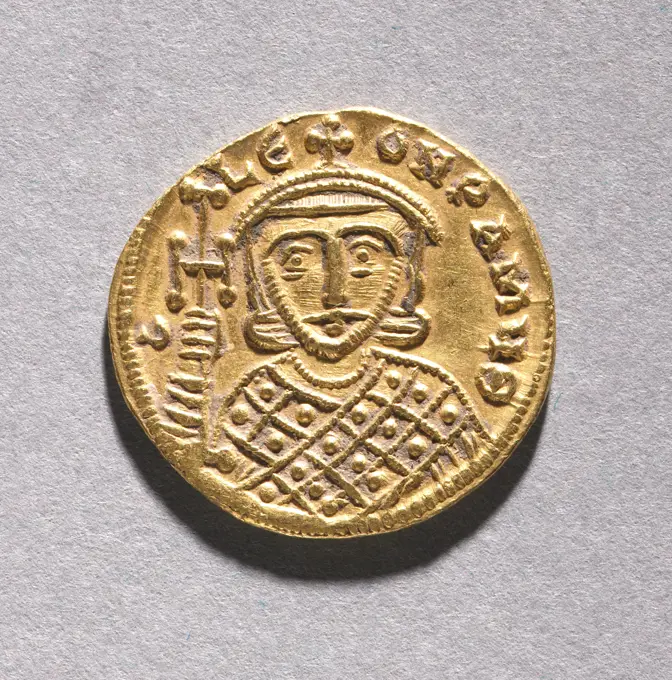
Historical Coins

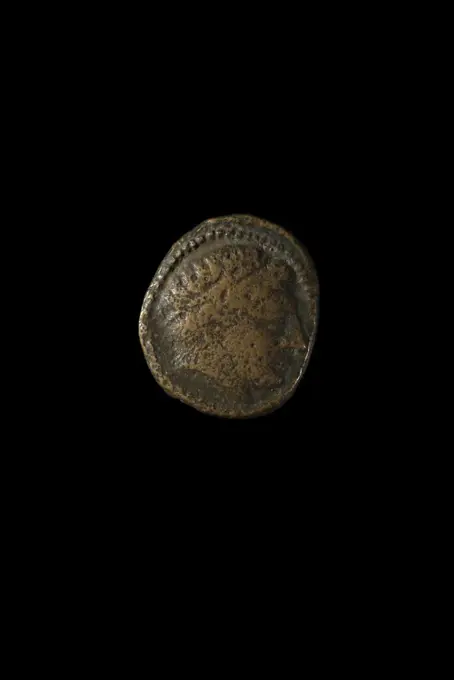
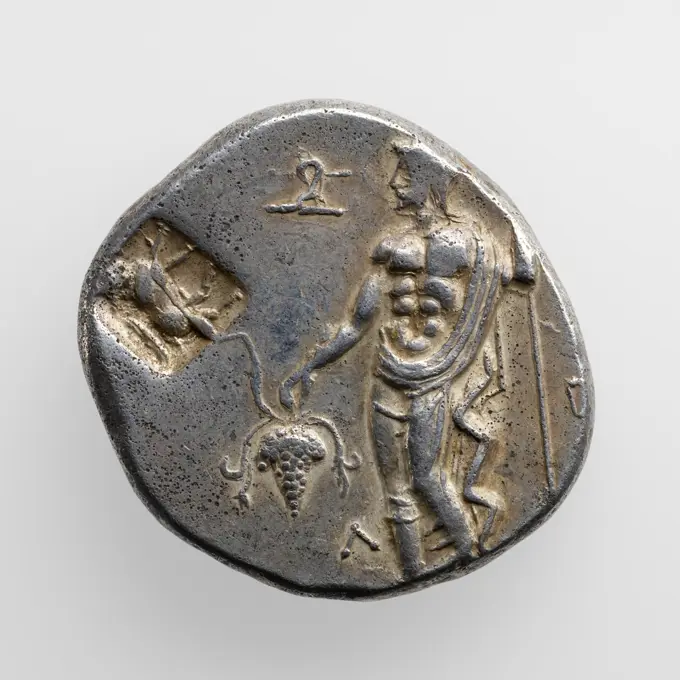
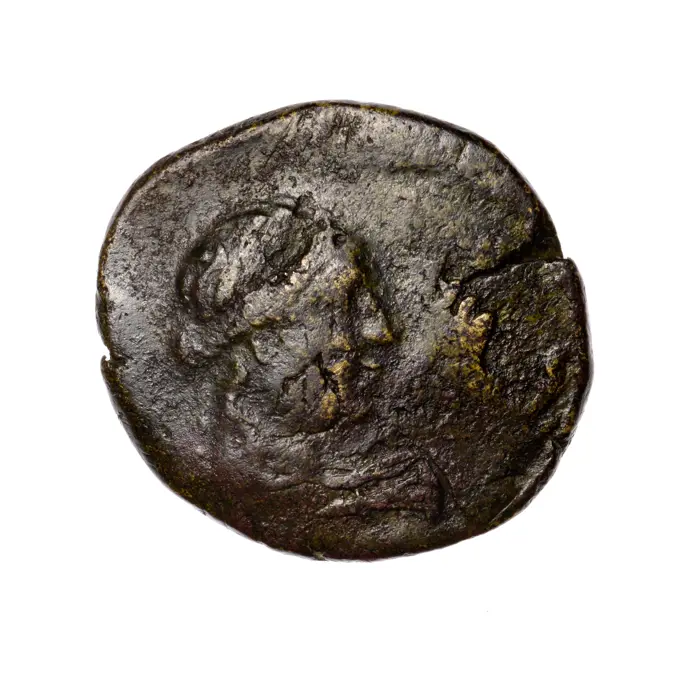
Depictions of ancient coins, showcasing various designs and inscriptions from historical periods, emphasizing texture and patina.

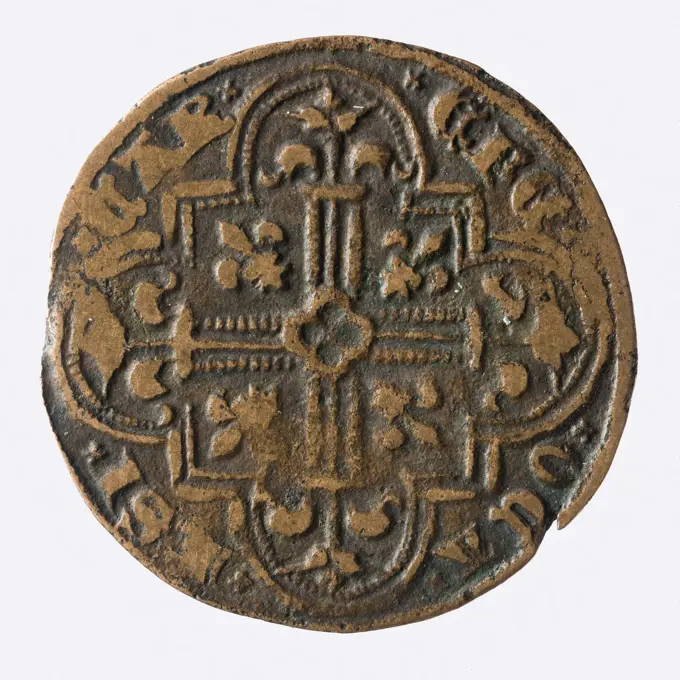
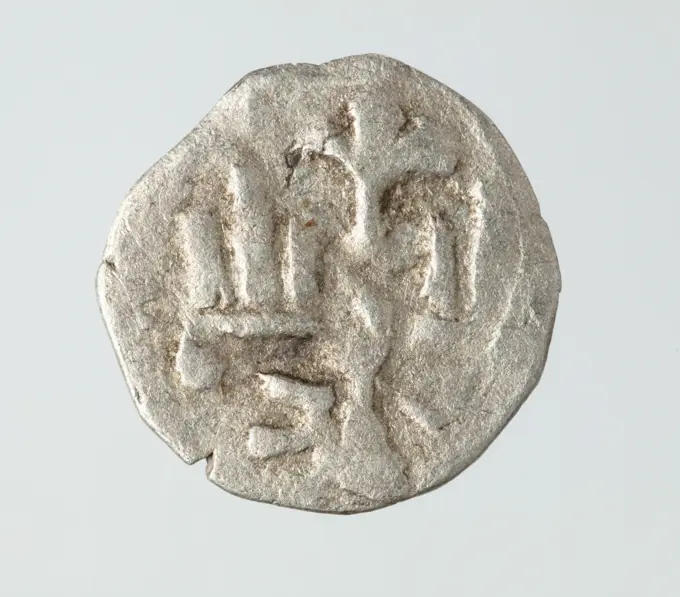
Denier Tournaments in Charles VI, 1385 (dummy title) Denier Tournaments in Charles VI, 1385. Billon, 1385.
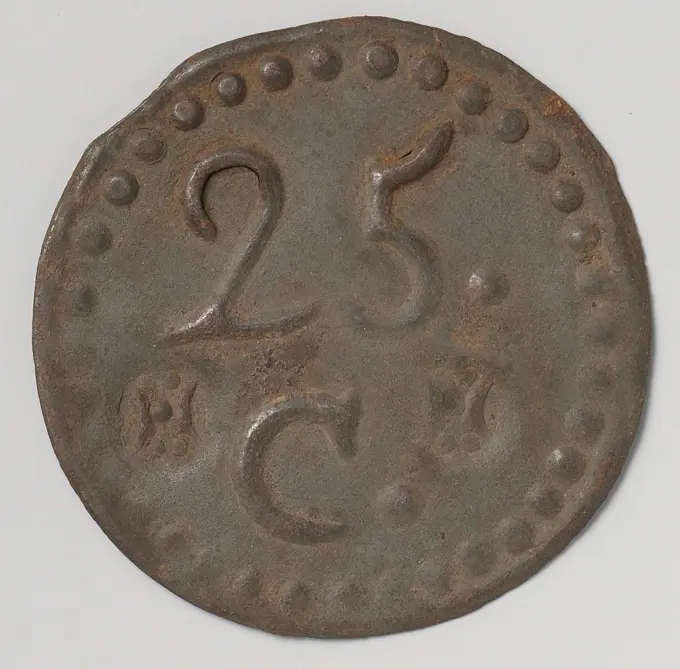
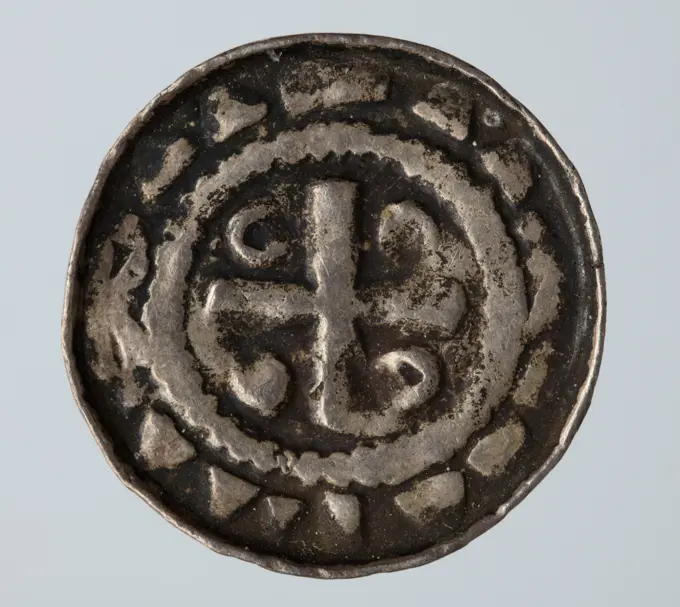
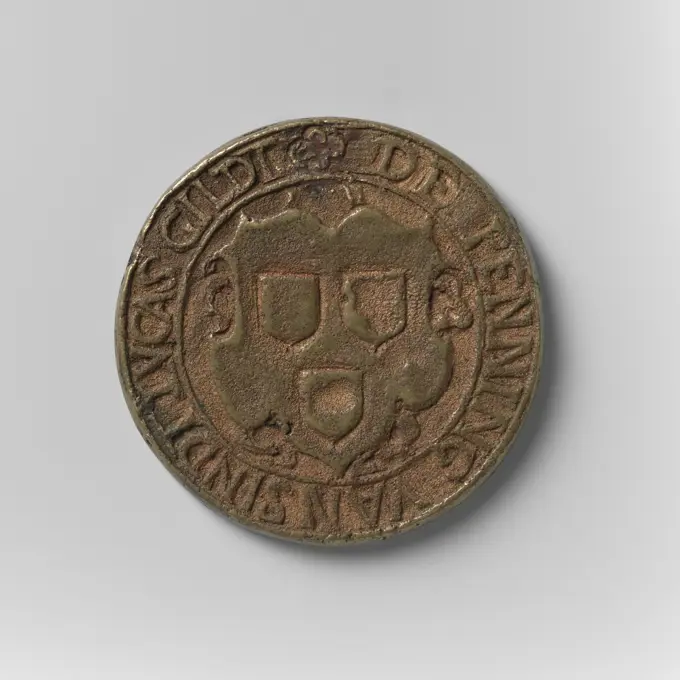
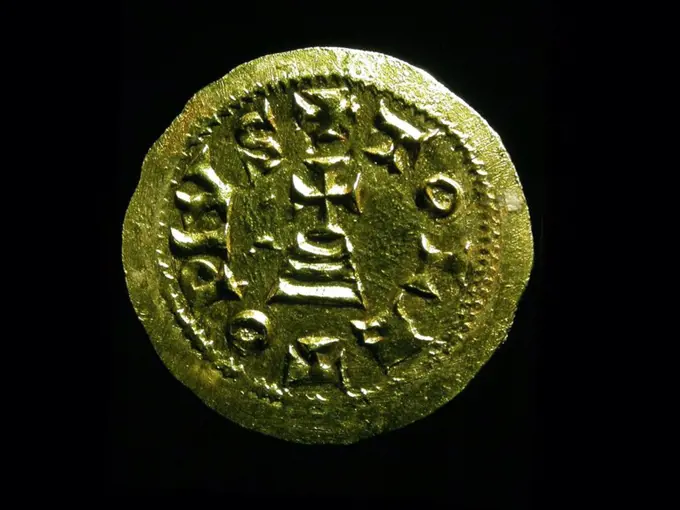
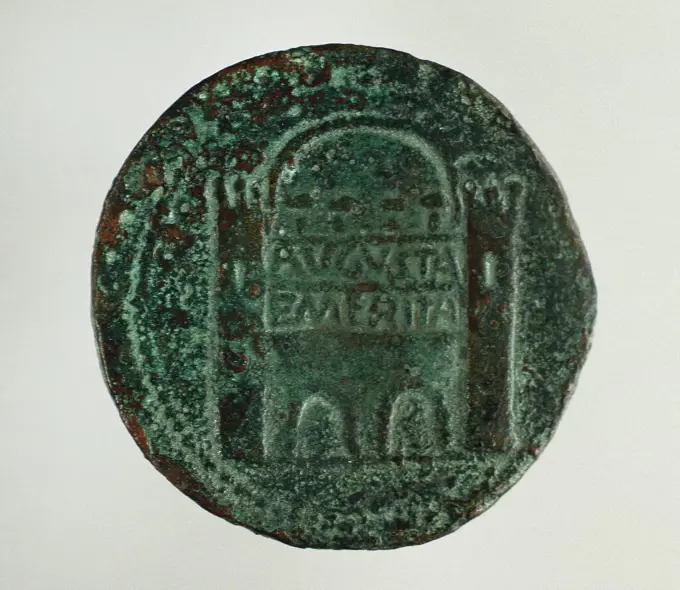
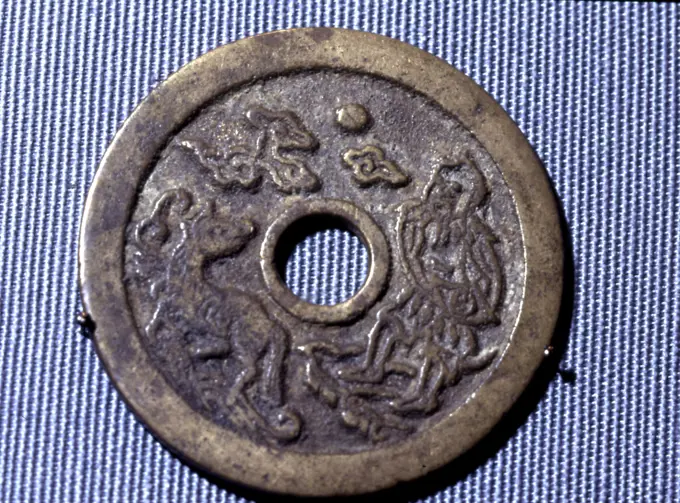
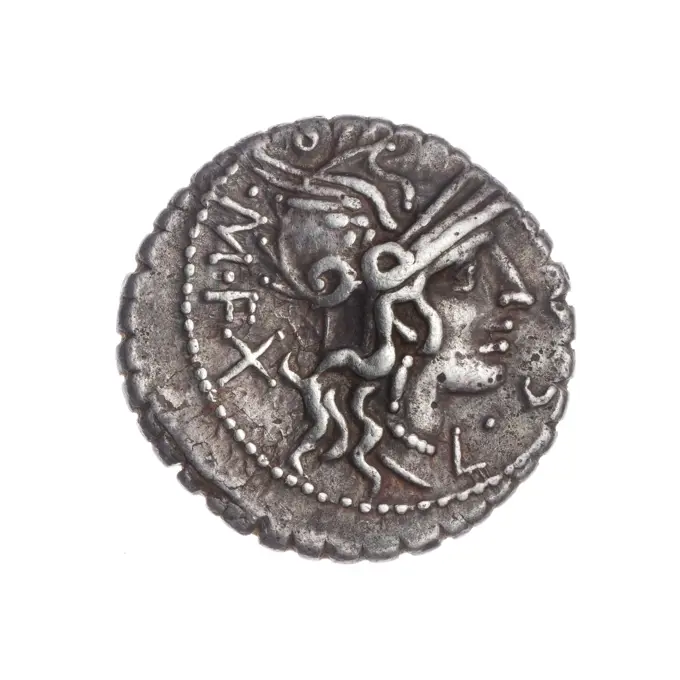
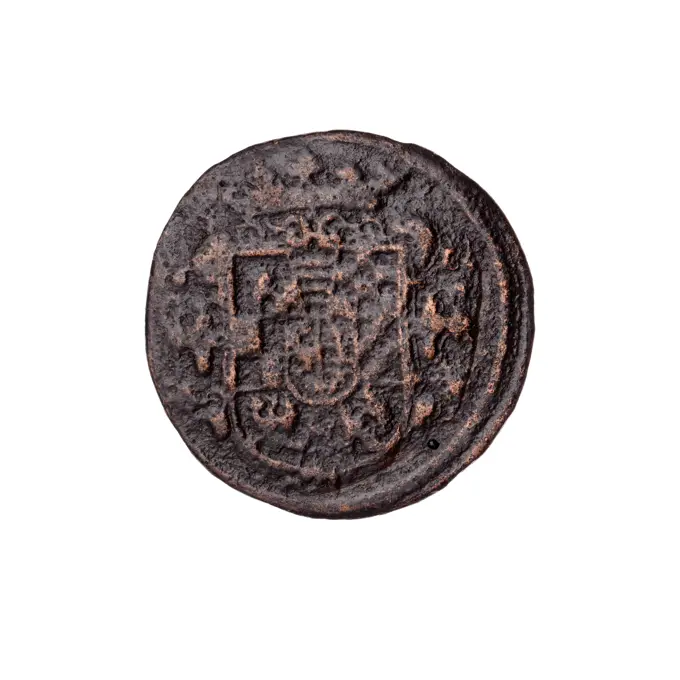
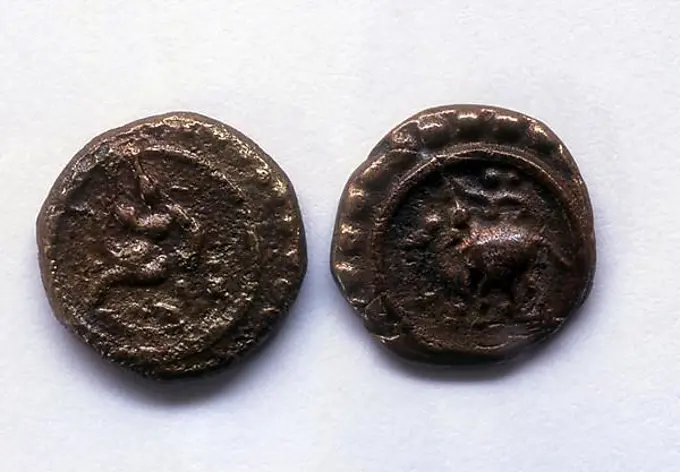
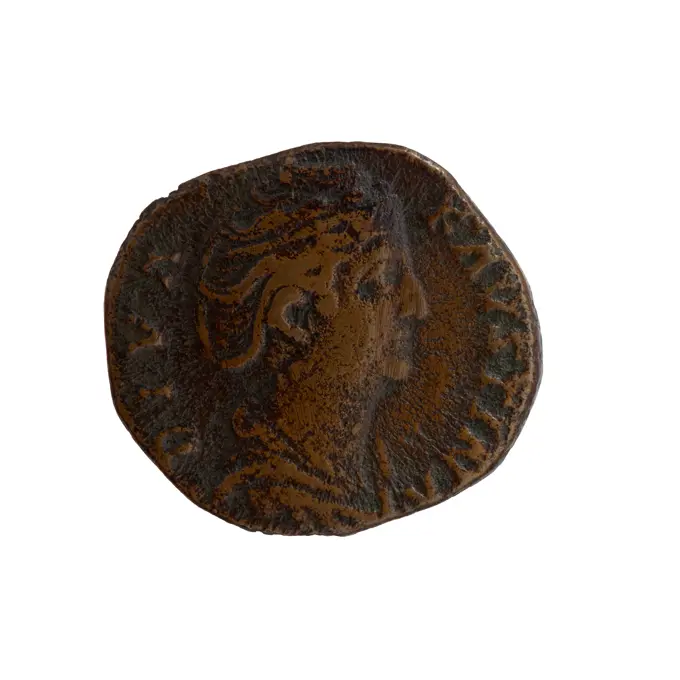
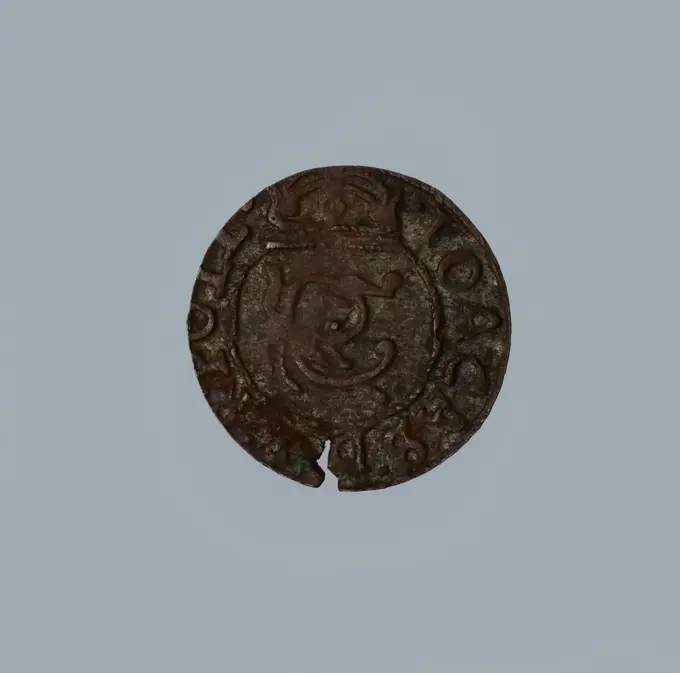
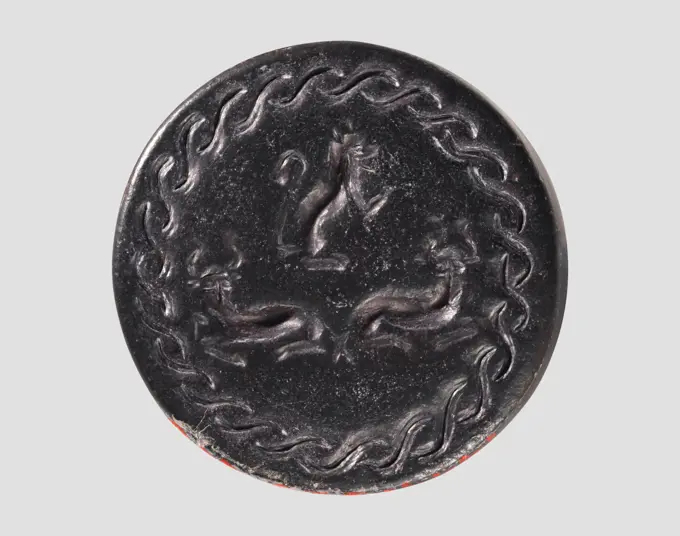
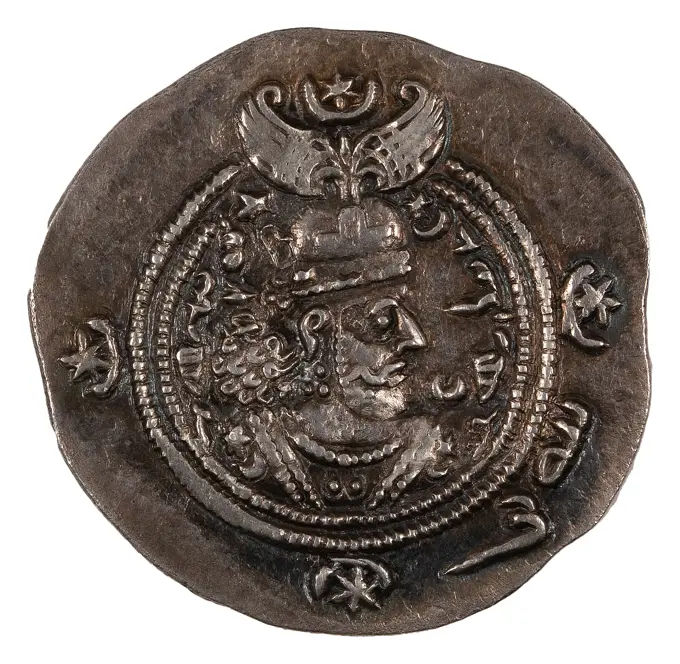
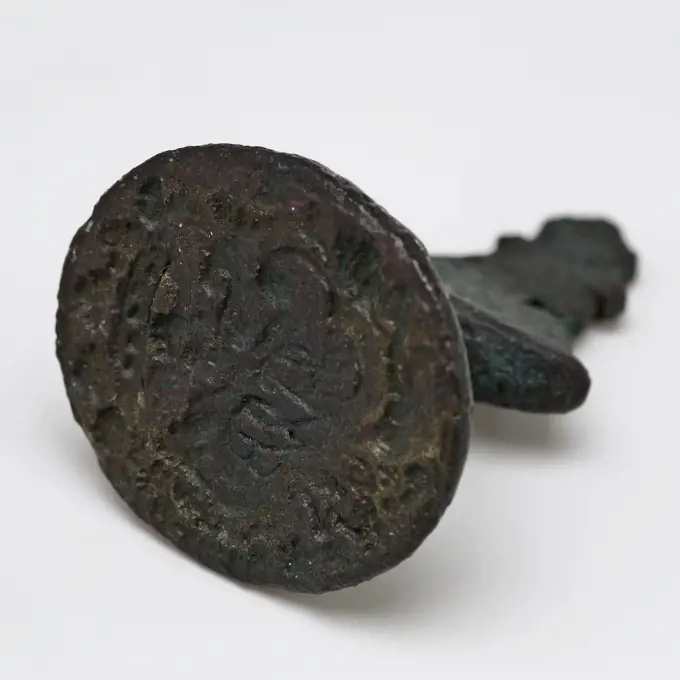
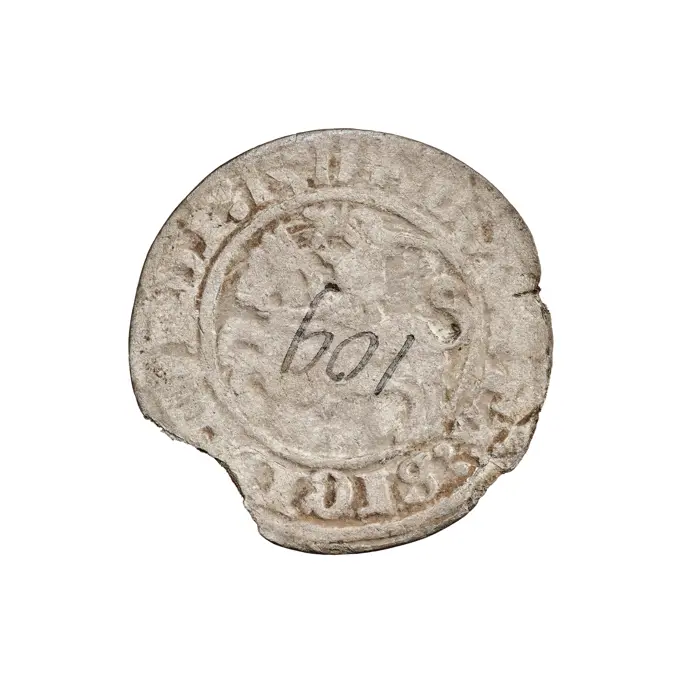
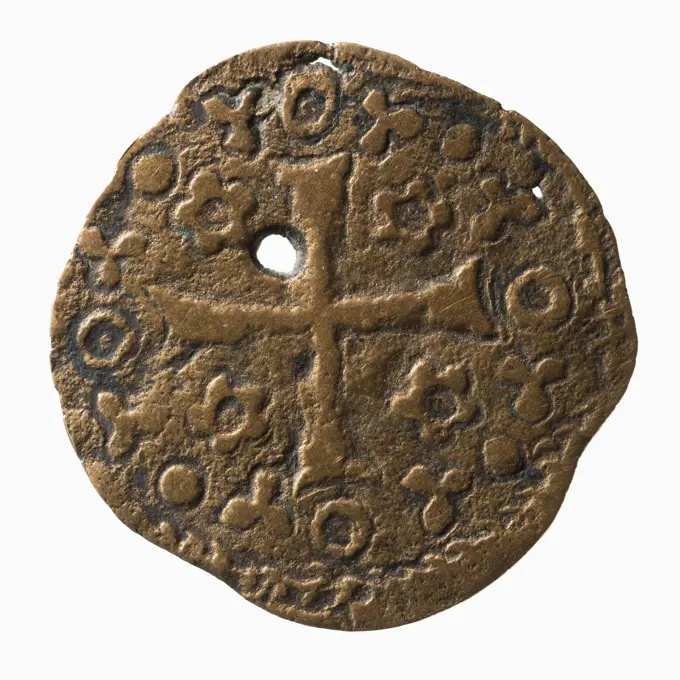
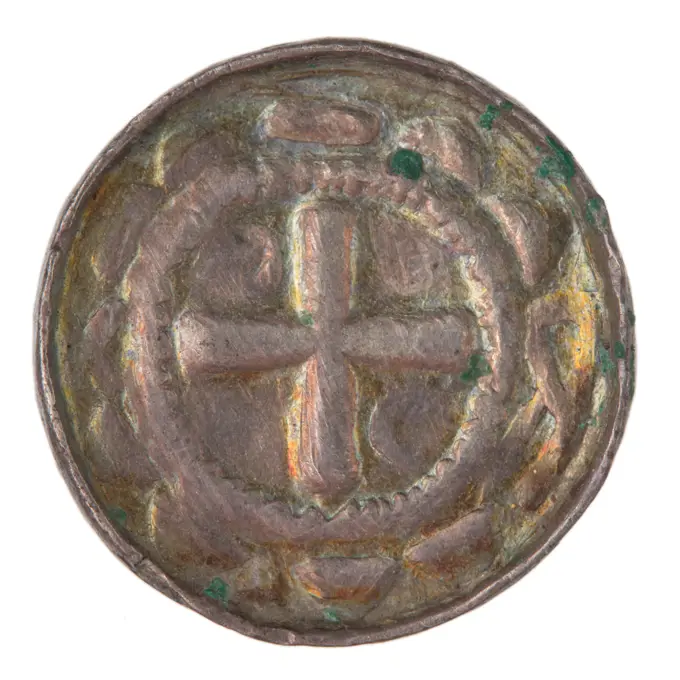
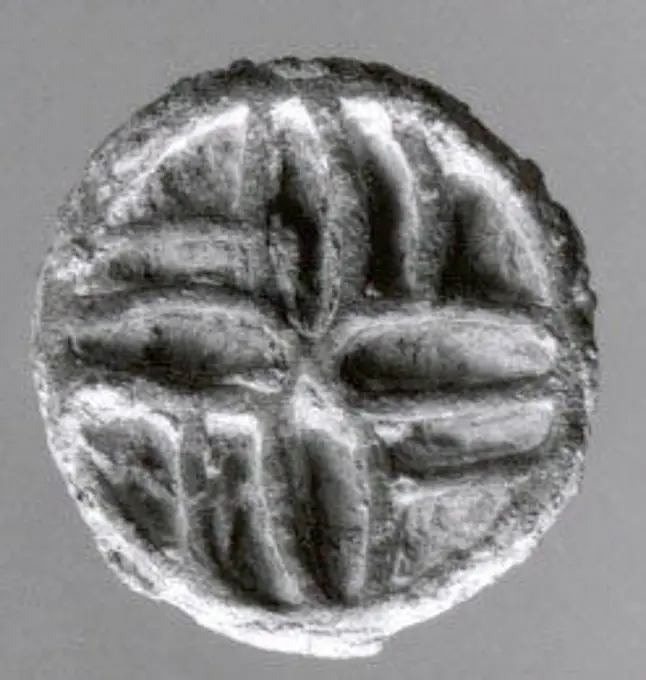
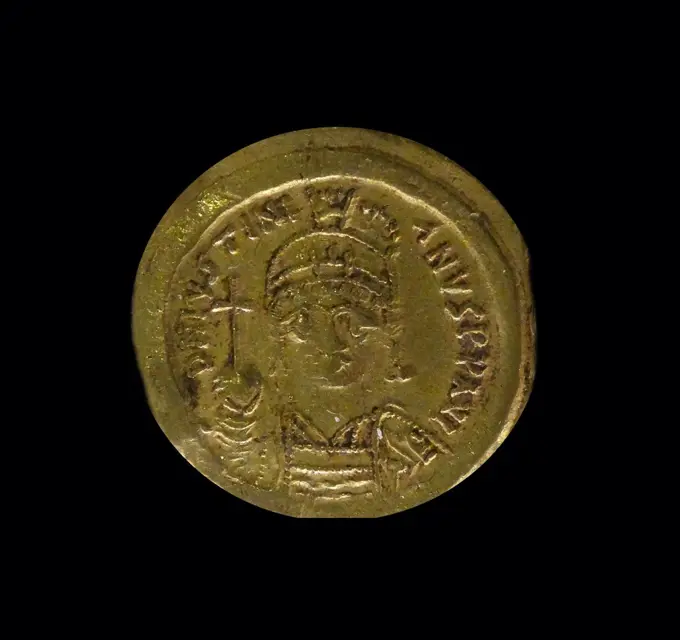
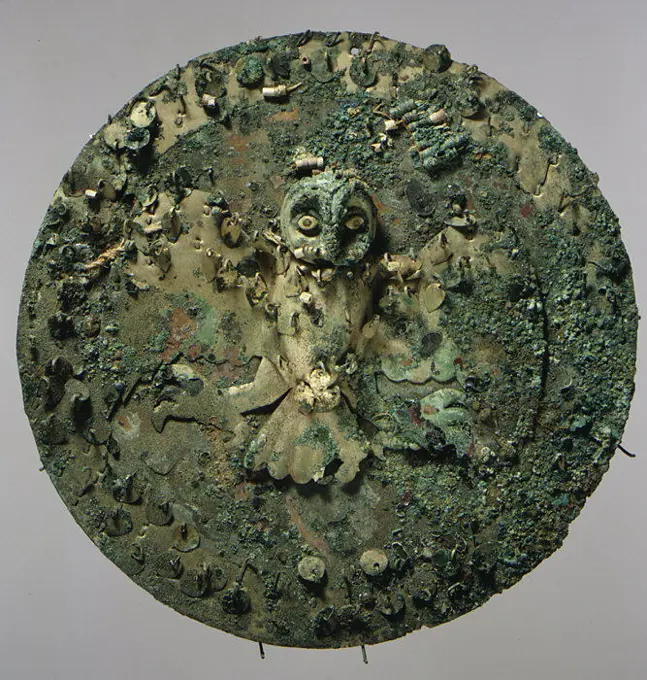
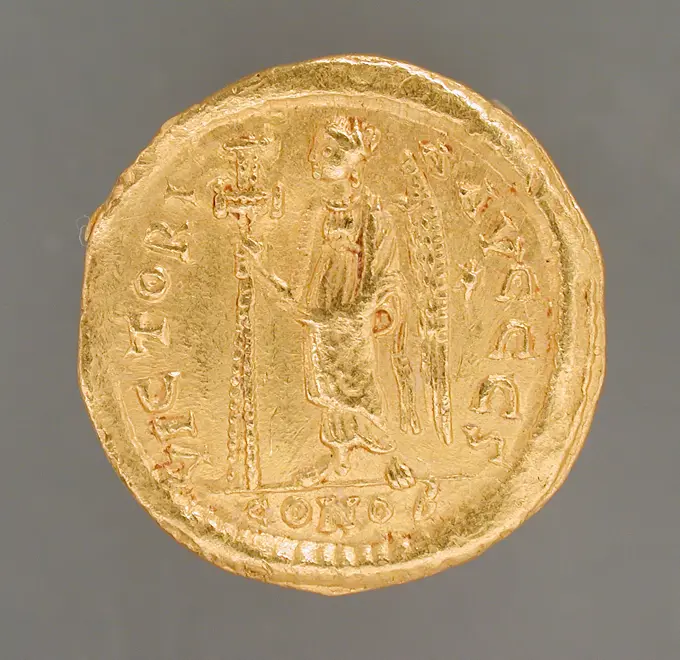
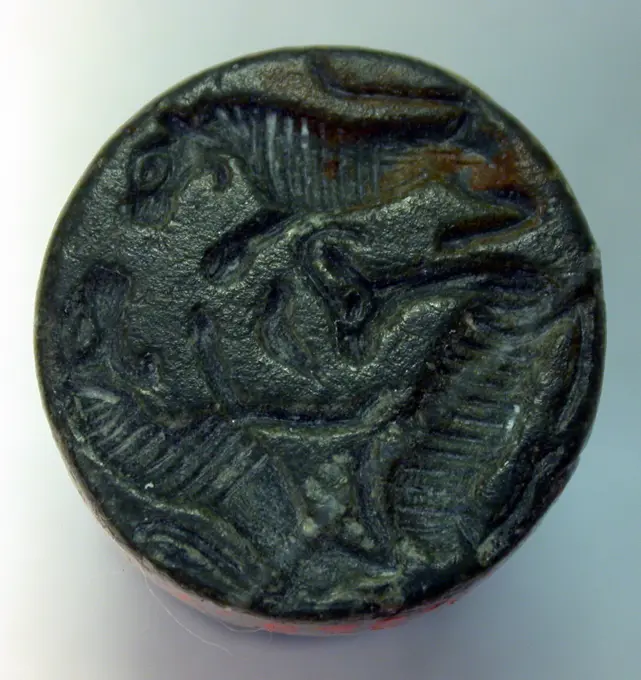
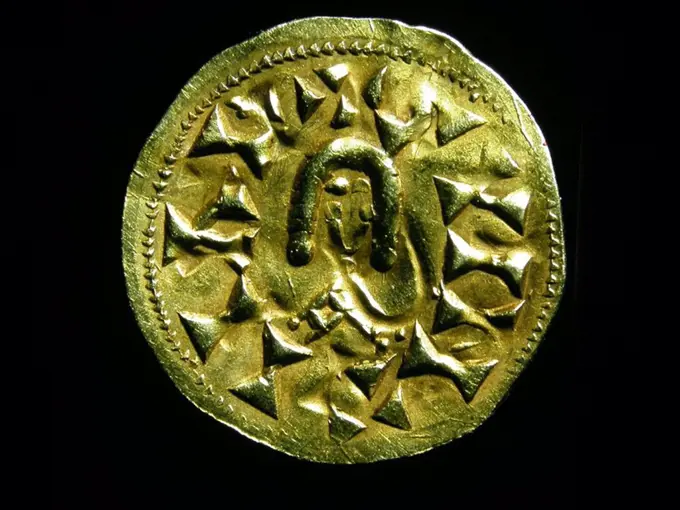
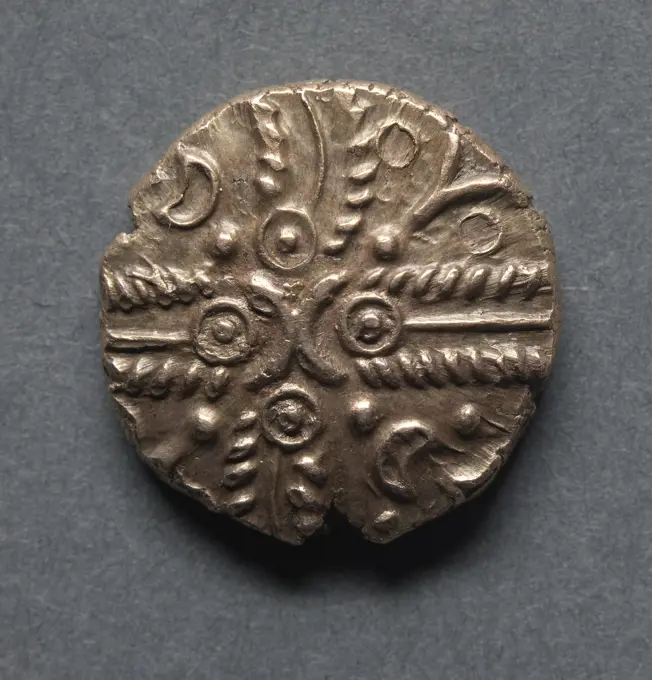
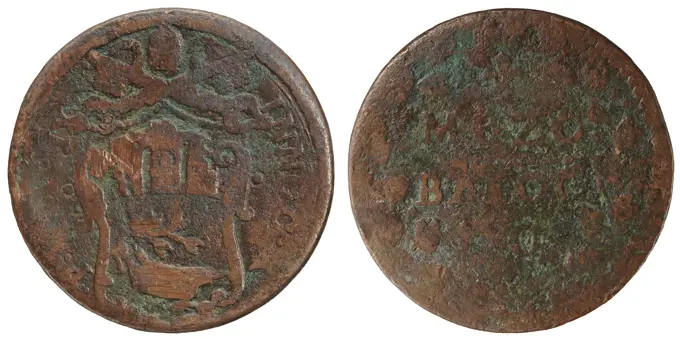
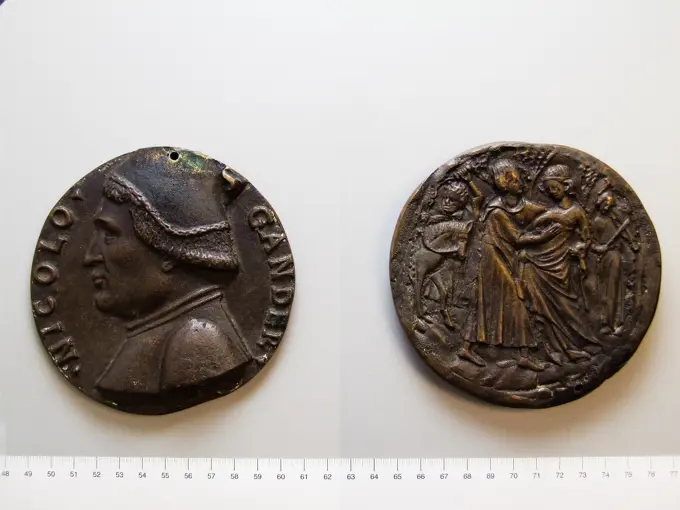
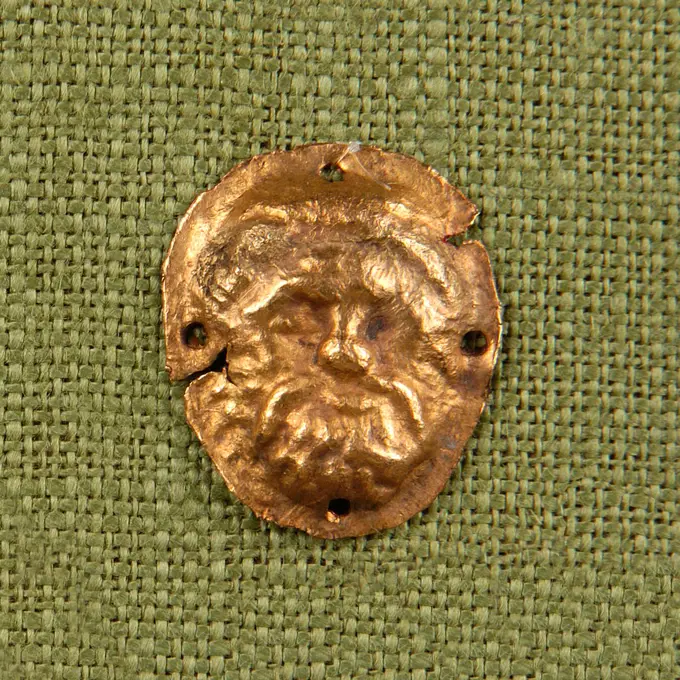
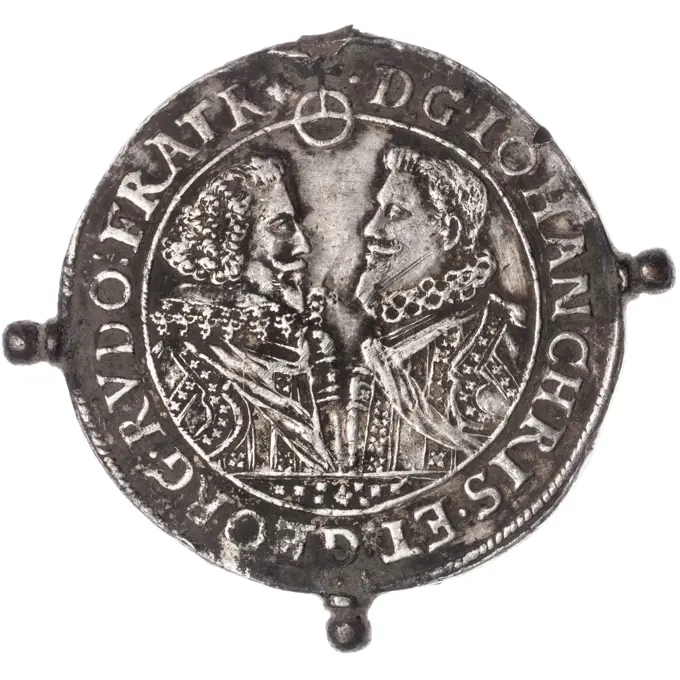
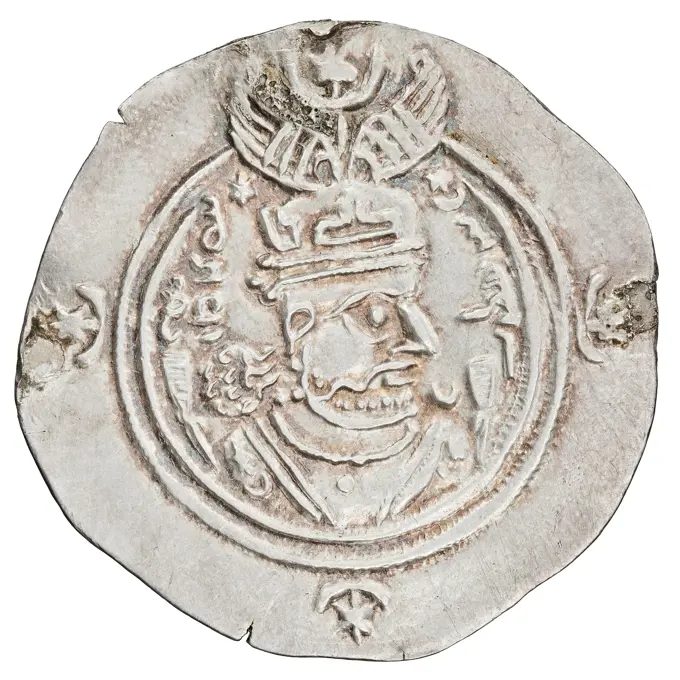
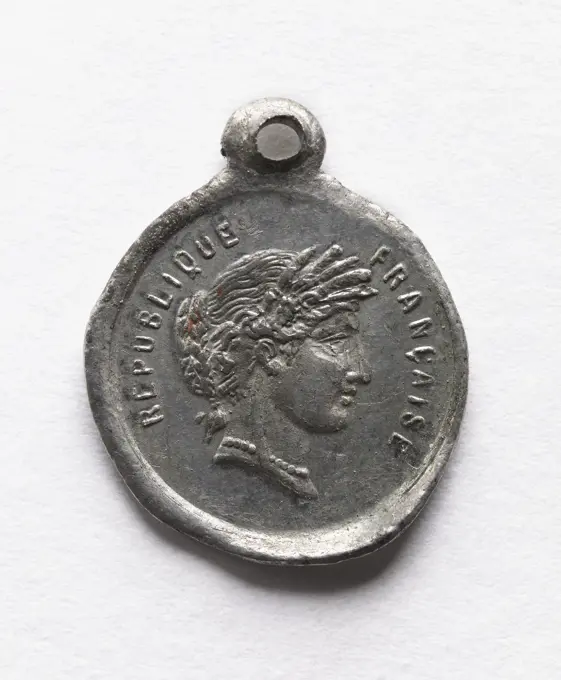
Republican Medal "Instruction, Work, Progress Republican Medal "instruction, work, progress". Etain, after 1870.Carnavalet Museum, Medals CollectionMirror 12th-13th century The back of this small mirror is decorated with an allover pattern of six-petal rosettes with a small knob in the center, a feature thought to have been copied from Chinese mirrors. Mirrors made of bronze, which could be polished into a highly reflective surface, were common throughout the medieval world, until they were replaced with silver-coated glass examples.. Mirror 449949Bliżej Kultury Mint of Kraków, Władysław Warneńczyk (King of Poland, 1434 1444)Prague Penny Jan/net Mint Kutna Hora, Luxembourg, Jan (Czech King 1296 1346)sesterce; Lucius Werus (130-169; Roman emperor 161-169); 161-162 (161-00-00-162-00-00);Obverse view Greek Coin of Alexander III, Macedonia, 336, 323BC, Ancient and Mediaeval Coins, Numismatics, Metal, Ancient Greece, Profile, Money, Royal, KingBliżej Kultury Mint of Kraków, Władysław Warneńczyk (King of Poland, 1434 1444)False Coin, Władysław Jagiełło (1386 1434), Kwartalnik Mały (Ternar); 1399/1400 unknownDouble Siglos. UnknownBolesław Krzywousty (1102-1138), Denar, Kraków, After 1113 Boles And Krzywousty (1102 1138)Florentine account token, XIII-15th century Anonymous. "Florentine account token, XIII-15th century". Copper. 1200-1400.Didrachm of Caracalla, Roman Emperor fromTarsus. Ruler: Caracalla, Roman Emperor, A.D. 188-217, ruled A.D. 198-217 Mint: Tarsus Artist: Unknown Honorand: Julia Domna, Empress of Rome, A.D. 160-217False coin, crown shilIIng, John II Casimir (1649 1668)Brown coin; Pantikapaion; 1. W. 1st century BC (-100-00-00--76-00-00);Apollo (mitol. (provenance)Account token with King Standing, XIII-15th Century Account Token to King Standing, XIII-15th Century , Revers.Carnavalet Museum, Medals CollectionCoin Depicting the Goddess Athena. Greek. Date: 100 BC-1 AD. Dimensions: Diam. 1.2 cm; 1.89 g. Bronze. Origin: Ancient Greece. Museum: The Chicago Art Institute, Chicago, USA.Pending Ommerschans, house coin beaten at the burden of the society of beneficiality worth 25 cents. Collapses. Front: value indication within pearl edge; Left and right: Brand. Downside: blankKiterian Bospor, Panticajon, 1 Quarter of the 3rd Century BC; AEE Panticapaeum mintbracteate denarius. Zakon krzyżacki (1190-), issuerRoman Empire, barbaric imitation, Minimus, ae BarbarzycyBliżej Kultury unknownCoin of Kanishka I. India, circa 78-102. Tools and Equipment; coins. Copper alloyIndia, Sultanat Gudżarat, Ahmad II (1451-1458), Fels (1451-1458)Presenting medal of the Sint Luke or Schildersgilde in The Hague 1654 ,, 1654 history medal. medal Cast brass medal, on the front a lucas shield with shift, two lines of text on the reverse side separated by a cord  brass (alloy) castingNUMISMATICA. MONEDA VISIGODA. ERVIGIO TOLETO (CARTHAGINENSIS) (680-687) REVERSO.Roman coin. Dupondius. Reverse. Relief depicting the gate of the wall of Augusta Emerita. Brass. 1st century BC. National Museum of Roman Art. Merida. Spain.Horse coin. 1700 (Maqian). Qing Dynasty.Denar of Cosconius, L. (Fl. 118 A.C.), Licinius Crassus, L. (Fl. 118 A.C.), Domitius Ahenobarbus, cn. (fl. 118-96 A.C.); 118 BC (-118-00-00--118-00-00);Roma (mitol.), Crynyx, Roma's head in a helmet (iconogr.), Attic helmet, helmets, shields, warrior on the big (iconogr.), Spears, Purchase (provenance)R5 (rarity), Zofia Elżbieta von Anhalt (Princess Legnicka - 1589-1622), Duchy of Anhalt (coat of arms), posthumous coin, occasional coins, inscriptions, special inscriptions, message (provenance), multiple coat of arms (iconogr.), Shields, shields, coat of armsCarnavalet Museum, Medals CollectionIndia, Rajżowie Sivaganga, Kasu, 1743 180117 th Century Copper coin Venadu Chera, Travancore, Obv, Purusha Mriga (left) Rev, King riding on Elephant (right) Weight 1, 320 gramBLIŻEJ KULTURY unknownCarnavalet Museum, Medals CollectionBliżej Kultury Władysław Jagiełło (CA 1351 1434)Lombard account token, XIII-15th century Anonymous. "Lombard account token, 13th-15th century". Copper. 1200-1400.False Coin, Władysław Jagiełło (1386 1434), Kwartalnik Mały (Ternar); 1399/1400 unknownCarnavalet Museum, Medals CollectionSaksonia , Denar of the Cross, between 1080 and 1100 unknownPlanets-manager. Cornalet Collection Sites 2013-2016. Numismatic.Prison Ommerschans, House Munt Goten by order of the Society of Benevolence worth ten cents, Anonymous, 1818 - 1859 coin Front: Letters O and S. Rail side: number 10 Netherlands iron (metal) casting  OmmerschansStefan Batory (1576-1586), Denar Gdański, Gdańsk; 1580 Mint Gdańsk, Stefan BatoryNUMISMATICA. MONEDA VISIGODA.CHINDASVINTO NARBONA (NARBONENSIS) (642-653) ANVERSO. MONEDA FALSA. LEGADA POR DON PEREZ CABALLERO.1, 16th century copper and Bronze coin Venadu Chera, Travancore Ananthasayana Kasu, Obv, Padmanabha Deity (left), 2, 16th century copper and Bronze coin Venadu Chera, Travancore Rev, Garlanded Conch (right) Weight 1, 840 gramFalse Coin, 1/2 Crown Groschen, 1509, Sigismund I The Old (1506 1548)False coin, 1/2 crown taler, 1649, John II Casimir (1649 1668)Carnavalet Museum, Medals CollectionGreece, Asian bospore, Fanagoria as Agrippia, end of the first century BC, Bronze (AE) FanagoriaAccount Token with Cross, Stock Middle Ages Anonymous. Account token with Cross, Stockings Middle Ages. Brass. 1375-1425.Coin A.H. 101-201/A.D. 719-816. Coin. A.H. 101-201/A.D. 719-816. Copper. Excavated in Iran, Nishapur. CoinsCoin dated A.H. 1046/ A.D. 1636. Coin 457359Stamp seal 1st millennium B.C. Iran. Stamp seal. Iran. 1st millennium B.C.. Steatite. Iran, Qasr-i Abu NasrJewish minted coin in Jerusalem, Antiochus VII of Syria, 135 BC.dupondius/as; Antoninus Pius (86-161; Roman emperor 138-161), Faustina older (98-141; Roman Empress 138-141); after 141 (141-00-00-166-00-00);False coin, IIthuanian shilIIng, John II Casimir (1649 1668)Stamp seal ca. 17th-16th century B.C. Hittite Stamp seals first appeared in northern Mesopotamia during the 6th millennium and were exclusively used throughout the ancient Near East until the innovation of the cylinder seal in the second half of the 4th millennium BC. Cylinder seals were the preferred administrative tool in Mesopotamia during the 3rd and 2nd millennia B.C. and in the 1st millennium B.C., stamp seals were once again adopted by the administrative classes. In Anatolia, stamp seals predominated and it was only during the Old Assyrian Period (ca. 2000-1700 B.C.) that Anatolians used cylinder seals in their administrative practices. Like cylinder seals, stamp seals could be made from a variety of local and exotic stones as well as metal and even clay. They were impressed directly upon tablets, vessels, and clay bullae used to seal storage containers and doors. Stamp seals exhibit either perforated backs or handles, sometimes with perforation, for ease in wearing and handlingMacedonia, Anyon Gonatas (277 / 276 239), Amphipolis; 271 / 270 239 P.N.E., Tetradrachma, Srebro (AR) Antigonas gonatas1 Drachm of Xusro II fromPersissesterce; Antoninus Pius (86-161; Roman emperor 138-161); 143-144 (140-00-00-144-00-00);Unattributed Trebizond Coin. UnknownBronze seal stamp, on the bottom representation in relief, seal stamp stamp kit soil find bronze metal, die cut stamped Stamp stamp with oval stamping surface. Bell-shaped handle Cut out crowned field with initials on the stamping surface. Readable letters are hard to decipher archeology Rotterdam Koopgoot seal close trademarks characteristics archaeological find in the soil Koopgoot Rotterdam.Lithuanian penny; Zygmunt I Stary (King of Poland; 1506-1548); 1511 (1538-00-00-1538-00-00);False Coin, 1/2 Crown Groschen, Sigismund I The Old (1506 1548)Pilgrim's Badge 14th-16th century French. Pilgrim's Badge. French. 14th-16th century. Lead. Metalwork-LeadAccount token at the Lys Flower attributed to the Clerics of the King Hotel, 14th century Anonymous. Account token at the Lys Flower attributed to the Clerics of the King Hotel, 14th century. Copper. 1300-1325.Bliżej Kultury Galen, Menna RomeCoin Depicting the Hero Herakles 336 BCE-323 BCE Ancient Greece. The front (obverse) of this coin depicts the hero Hercules, facing right, wearing his signature lion skin cloak tied around his neck. The back (reverse) shows a bow in case and club.Herakles was the consummate hero. Temples across Greece and South Italy were dedicated to him, the son of Zeus, and Romans, who knew him as Hercules, celebrated him as a role model. With brute force, determination, and just enough cleverness, Herakles completed his famous Twelve Labors to become immortal. Herakles is readily identifiable by his knobby club and lionís skin. The latter refers to his First Labor, in which he killed a magical beast who was ravaging the town of Nemea. The lionís invincible hide made him immune to weapons, so Herakles strangled him and took his pelt.. Bronze . Ancient GreekSaksonia , The Cross Denar, between 1065 and 1100 unknownRoom of the King's Accounts in Paris, Early XIVE CENTURY Anonymous. Chamber of the King's Accounts in Paris, early 14th century. Copper.Stamp seal ca. late 3rd-early 2nd millennium B.C. Bactria-Margiana Archaeological Complex. Stamp seal. Bactria-Margiana Archaeological Complex. ca. late 3rd-early 2nd millennium B.C.. Copper alloy. Bronze Age. Bactria-MargianaCoin 11th-13th century. Coin. 11th-13th century. Copper. Excavated in Iran, Nishapur. CoinsGold hilt collar with filigree decoration from the Staffordshire Hoard, from the handle of a sword. Dated 7th CenturyUnattributed Trebizond Coin. UnknownDisk with Owl 6th-7th century Moche (Loma Negra) This gilded and silvered copper disk, featuring a nearly three-dimensional owl at it center, reveals the highly sophisticated metallurgical technologies developed by Moche artisans on Perus North Coast in the first millennium AD. The disk is among the most complex of its type, containing both silvered and gilded copper and five different and conjoined metal pieces (excluding the numerous dangles and wires) (Schorsch, 1998). The body of the gilded owl with outstretched wings and grasping talons is attached to a silvered copper disk by small tabs that go through to the back and are bent to prevent slippage. The wings, however, are not attached allowing them to “flutter” as the object was moved during use. The owls head, with its inlaid eyes of shell and turquoise, was made separately and does not directly attach to the backing. Instead, a small copper rod extends from the head into the birds body. This would have permitted the head to rZeno (Isaurus) Solidus. Eastern Mediterranean, Byzantine, 474-491. Tools and Equipment; coins. GoldStalk-handled stamp seal ca. 17th century B.C. Hittite. Stalk-handled stamp seal 327798Coin 10th-11th century. Coin 457629NUMISMATICA. MONEDA VISIGODA. SUINTILA ELIBERRI (BAETICA) (621-631) ANVERSO.Tasciovanus Stater: Crossed Wreaths (obverse), 20 BC-AD 10. England (Ancient Britain), Catuvellauni. Gold; diameter: 1.7 cm (11/16 in.).as. Hadrian (Roman emperor; 117-138), emperorNUMISMATICA. MONEDA MONEDAS BIZANTINAS DE ORO Y BRONCE. REAL ACADEMIA DE LA HISTORIA.NUMISMATICA. MONEDA VISIGODA. CHINDASVINTO FRAUCELLO (GALLAECIA) (642-653) REVERSO.HALLAZGO DE LA GRASSA. DONADA POR DON JAIME BARCALLI.Coin dated A.H. 375/ A.D. 985. Coin 457177Coin 1030-74. Coin. 1030-74. Copper. Excavated in Iran, Nishapur. CoinsAE. Pantikapaionmezzo baiocco. Innocenty X (papież ; 1644-1655), rulerMedal fromItaly.  Maker: Niccolò Spinelli, Italian, 1430-1515The patch in the shape of the main Sylena; supervisory workshop; 4th century BC (-400-00-00--301-00-00);Ancient collection, Greece, Piątkowski Albert (Ca. 2004)Account token with King Standing, XIII-15th Century Account Token to King Standing, XIII-15th Century , Revers.Engraved Gem. Unknown1 fening; Fryderyk August and Wettin (King of Saxony; 1806-1827); 1804 (1804-00-00-1804-00-00);thaler (with suspension elements); Jan Christian (KSI  Legnica-Brzeski; 1591-1639), Jerzy Rudolf (KSI  Legnica-Brzeski; 1595-1653); 1621 (1621-00-00-1621-00-00);Jan Christian (Prince of Brest - 1591-1639), Jan Christian (Prince of Brest - 1591-1639) - iconography, Jerzy Rudolf (Prince Legnica - 1595-1653), Jerzy Rudolf (Prince Legnica - 1595-1653) - iconography, Piastów ( family), R6 (rarity), brothers, two busts facing each other, two brothers (iconogr.), Duchy of Brest (coat of arms), the Duchy of Legnica-Brzeskie (coat of arms), bust, portraits, portraits, double portraits, portraits in parade armor, portraits rulers with a discovered head, portraits of rulers, four -track coat of arms, coat of arms under helmets with jewels, coat of arms under a helmet with labrai, shields, coat of armsBliżej Kultury unknownDrachma; Chosroes II (W Adca Persia; 590-628); 590-628 (591-00-00-628-00-00);Scarab ca. 1295-1070 B.C. New Kingdom, Ramesside. Scarab. ca. 1295-1070 B.C.. Faience. New Kingdom, Ramesside. From Egypt. Dynasty 19-20Solidus with Leo IV the Khazar and His Father Constantine V Copronymus (obverse), c. 751-775. Byzantium, 8th century. Gold; diameter: 2 cm (13/16 in.).Utrechtse VERAN VAN FREDERIK VAN BADEN, 1496-1516 ,, 1496 - 1517 coin Copper-silver coin. Front: coat of arms. Ridder: Long -grown cross with coat of arms in the heart. Wijk bij Duurstede copper (metal) striking (metalworking)Mirror with Five Blossoms and Overlapping Lozenges, 300s BC. China, Eastern Zhou dynasty (771-256 BC), Warring States period (475-221 BC). Bronze; diameter: 11.4 cm (4 1/2 in.); overall: 0.4 cm (3/16 in.); rim: 0.4 cm (3/16 in.).