Historical Coins Collection

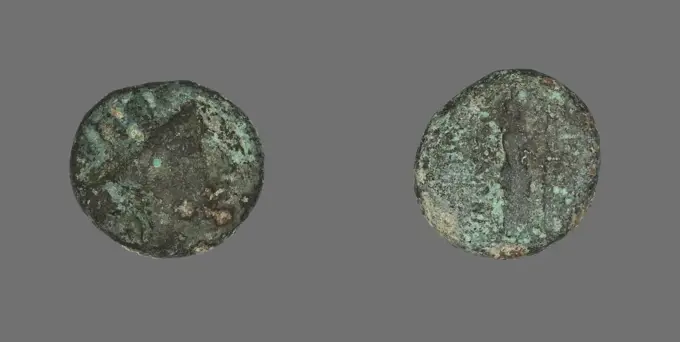
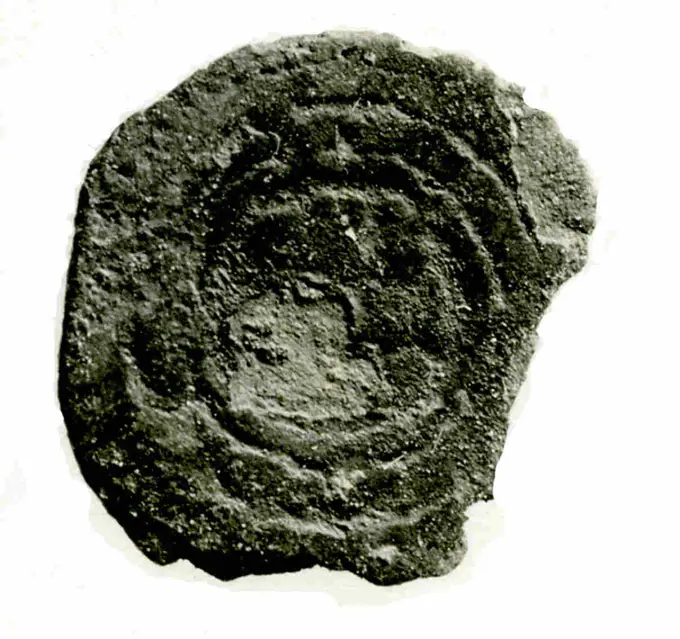
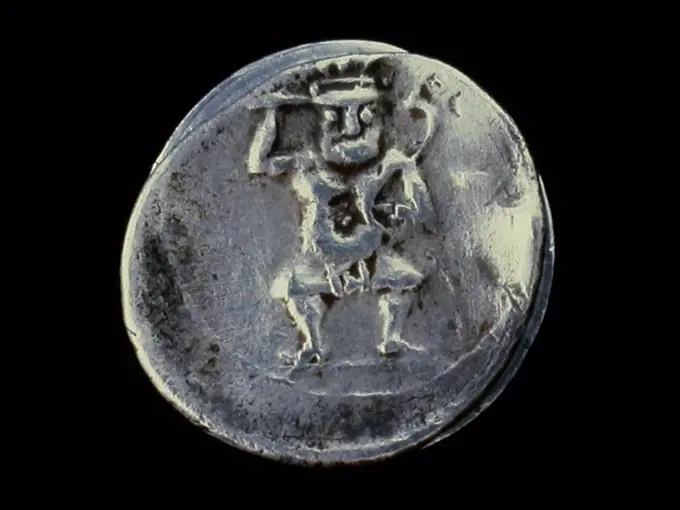
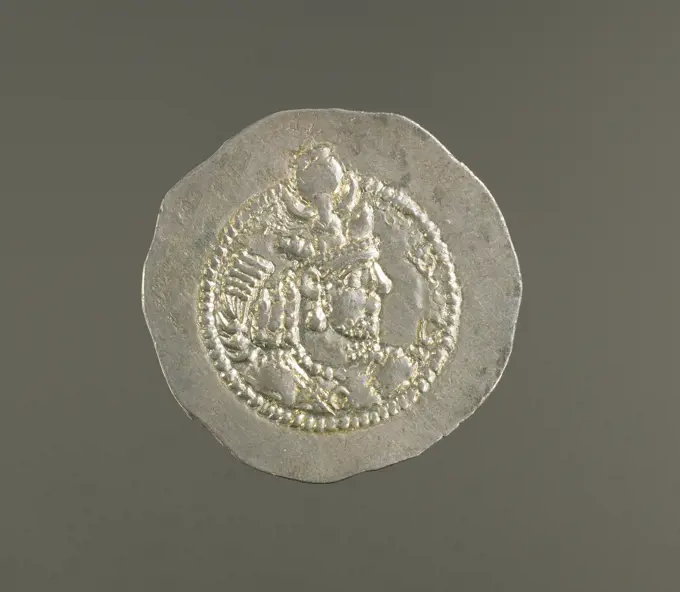
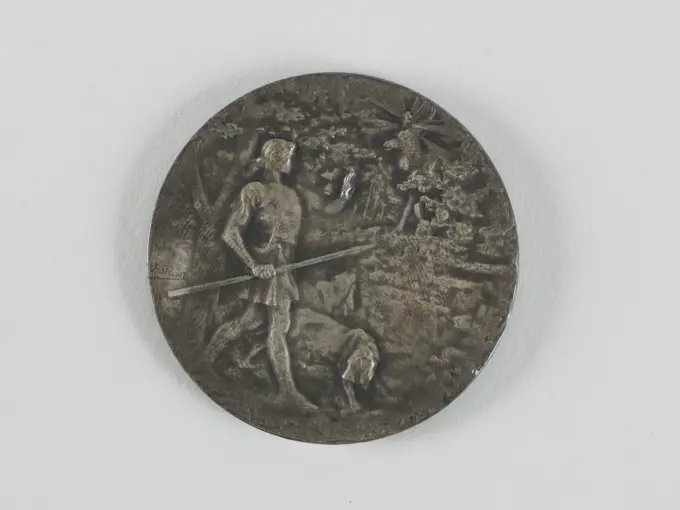
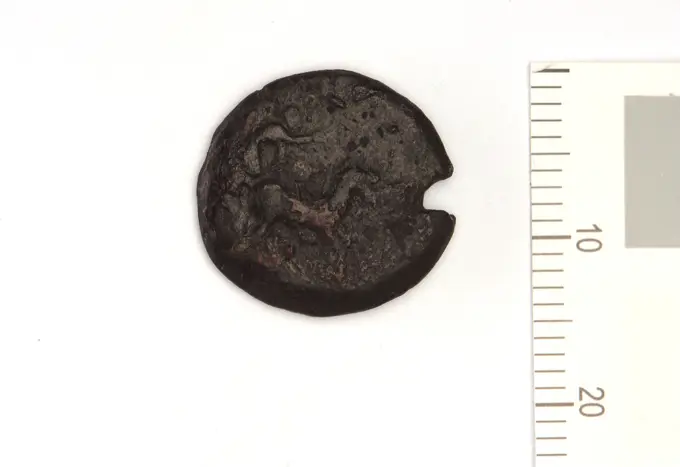
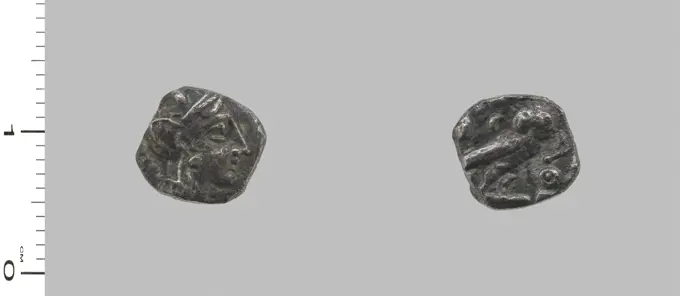
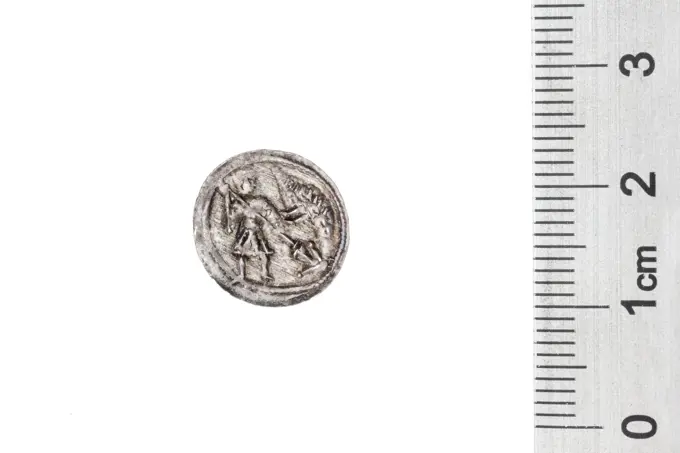
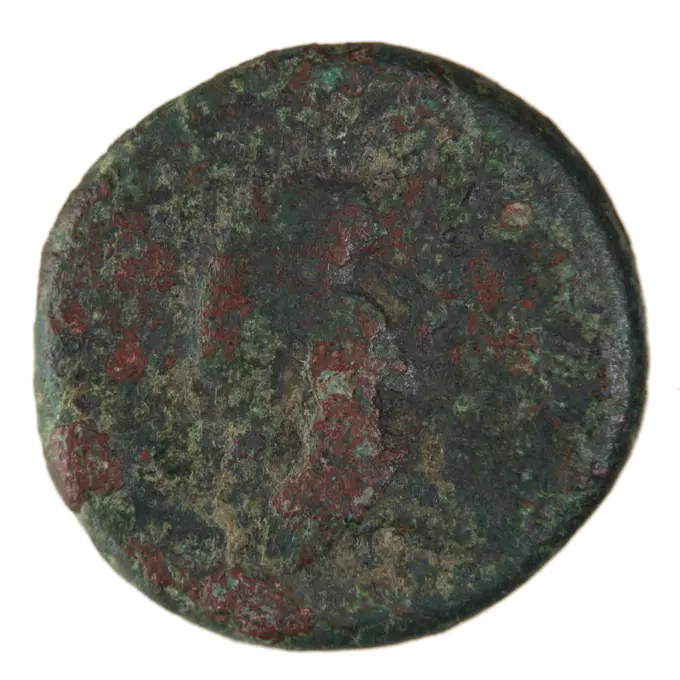
A selection of ancient coins featuring different designs and historical references from various rulers.

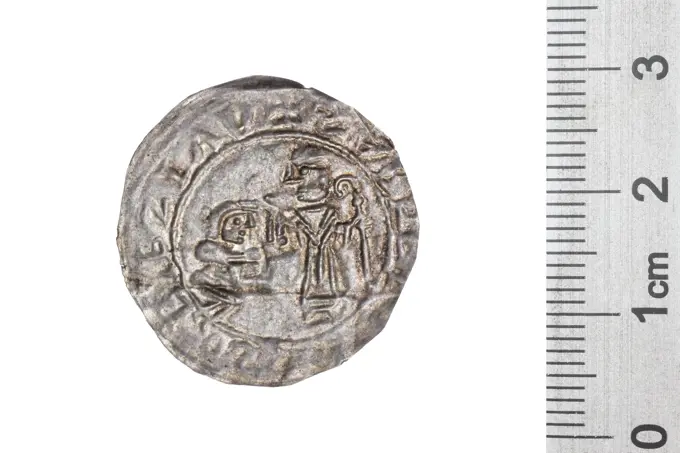
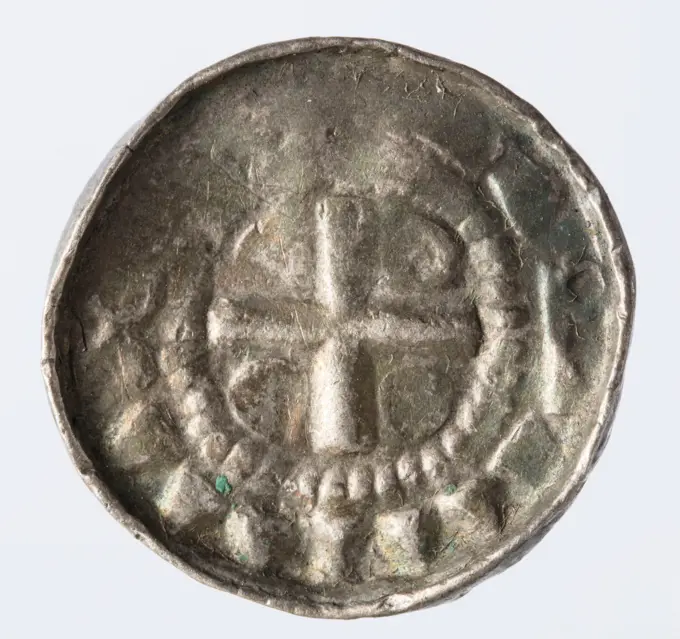
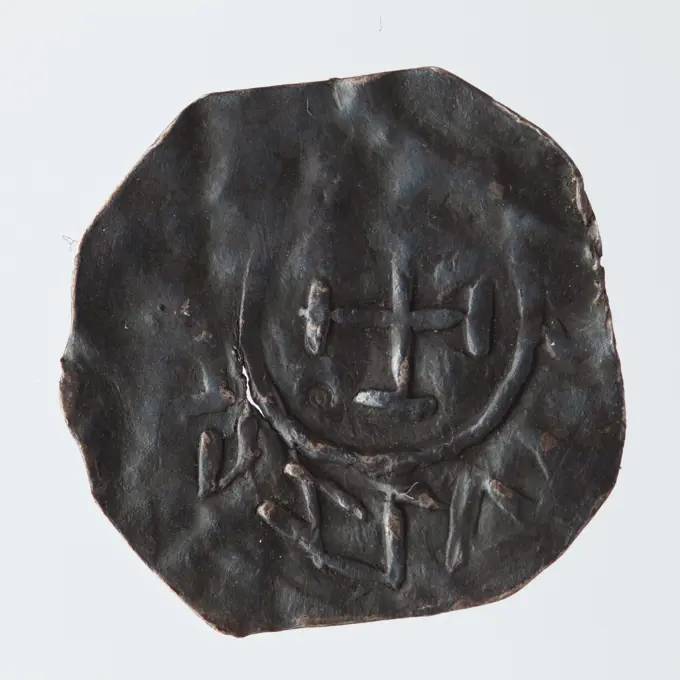
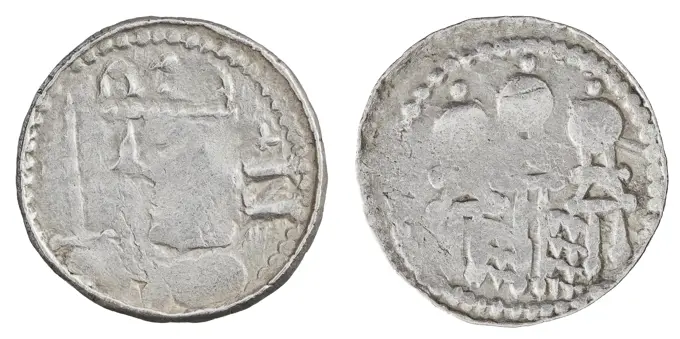
Bolesław Chrobry (992 1025), Denar, Wielkopolska, Kujawy or Northern Mazowsze, Armund 995-1005 Bolesław Chrobry (992 1025)
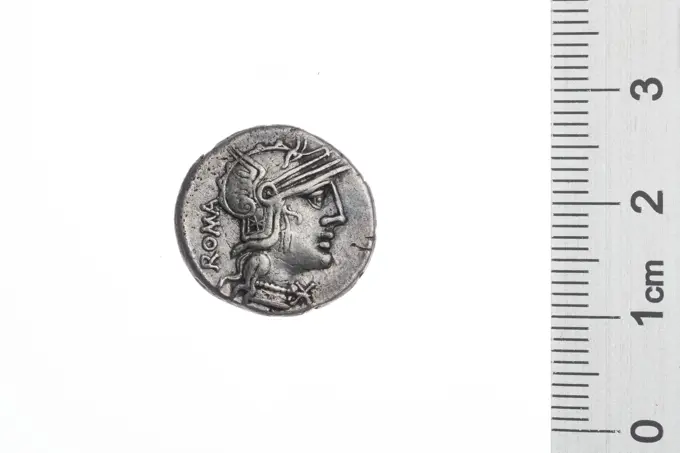
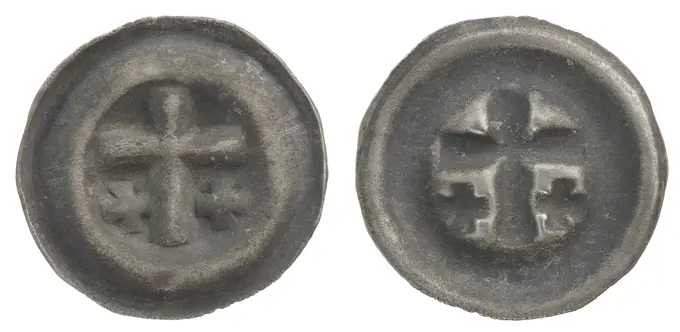
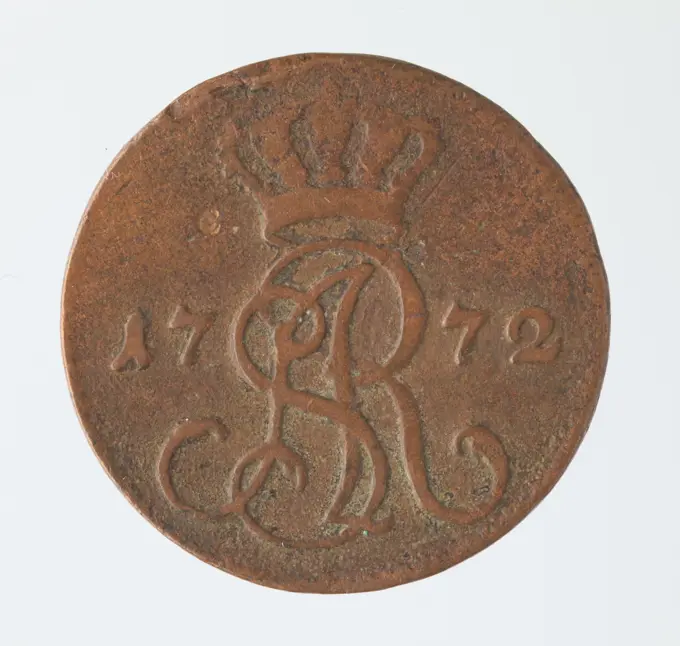
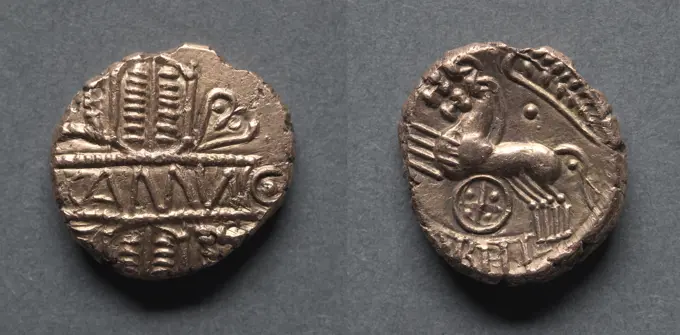
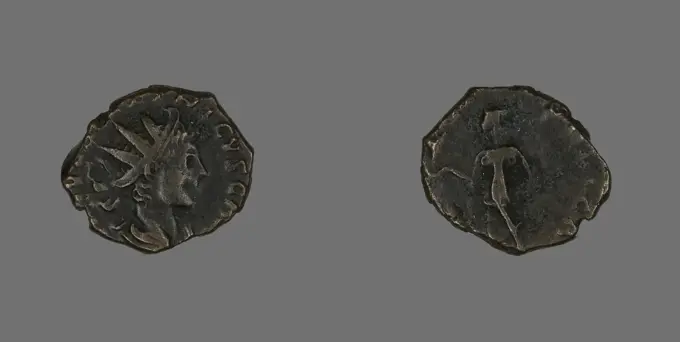
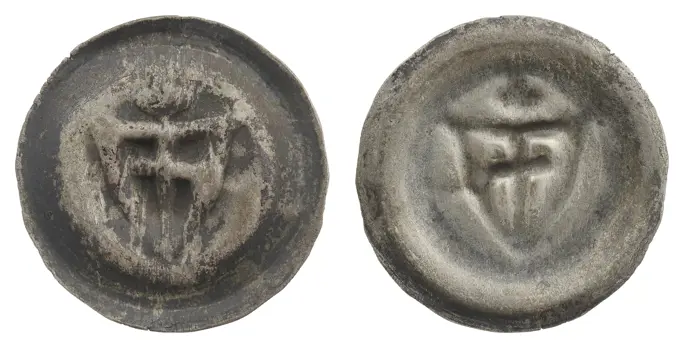
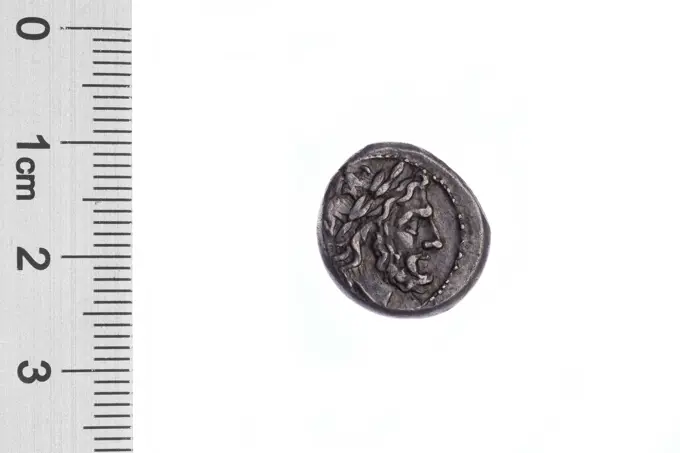
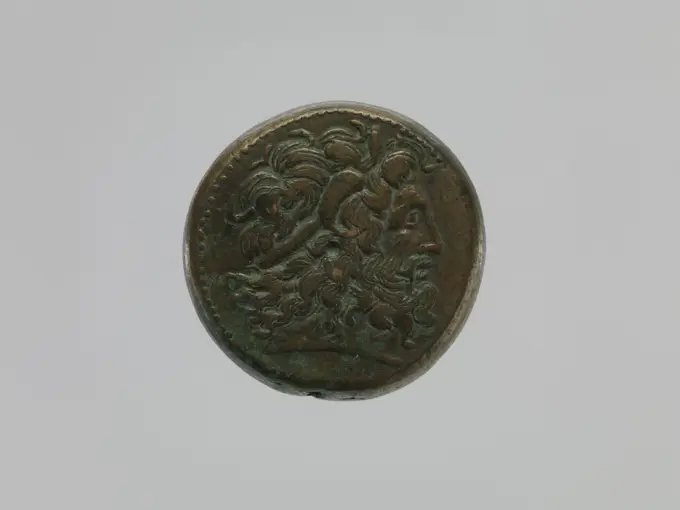
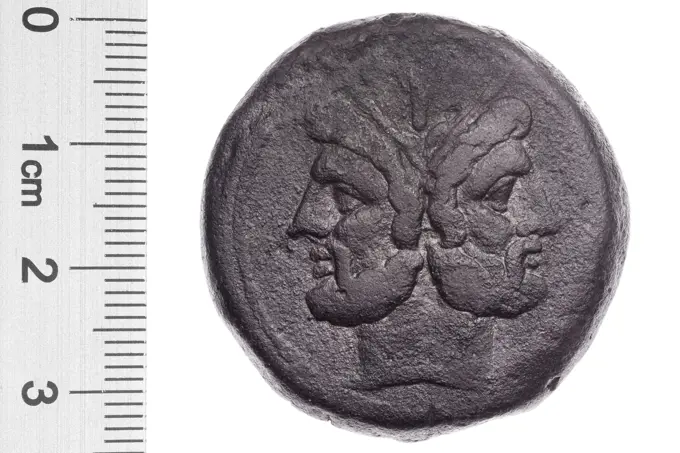
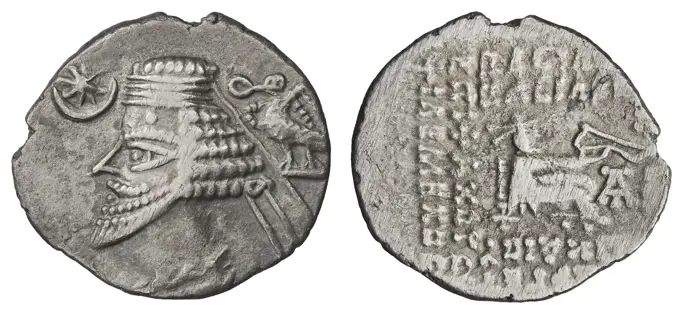
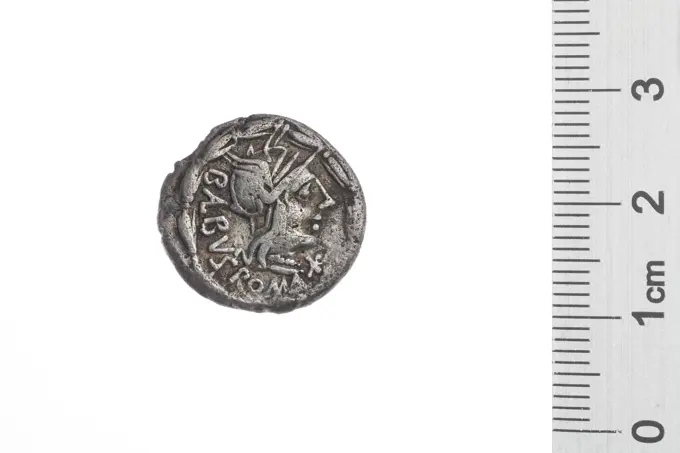
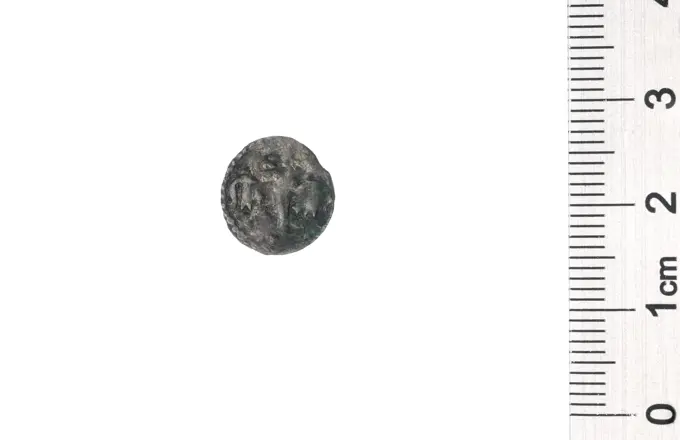
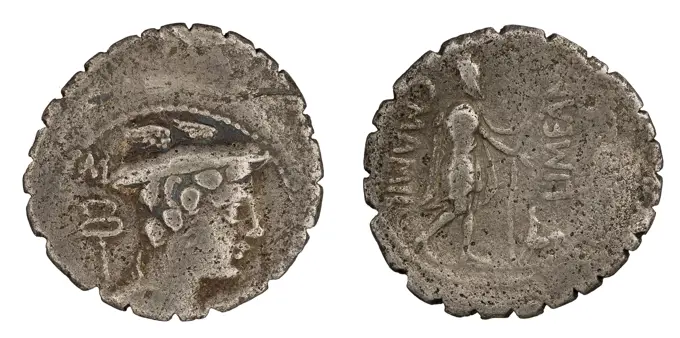
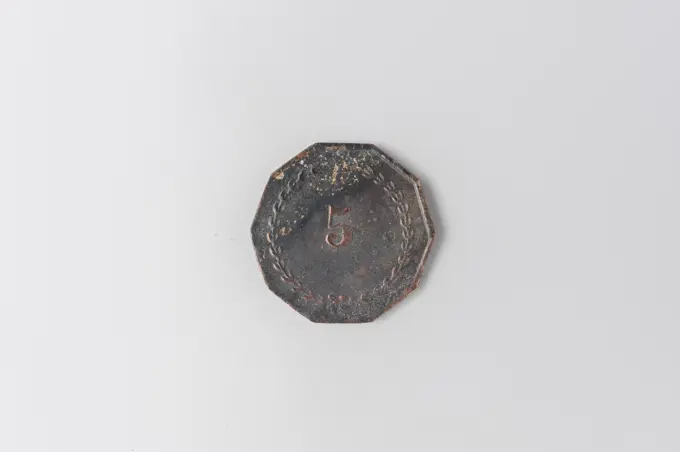
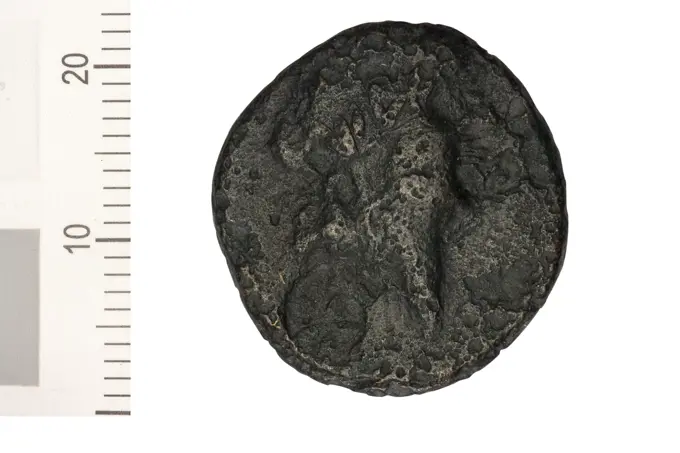
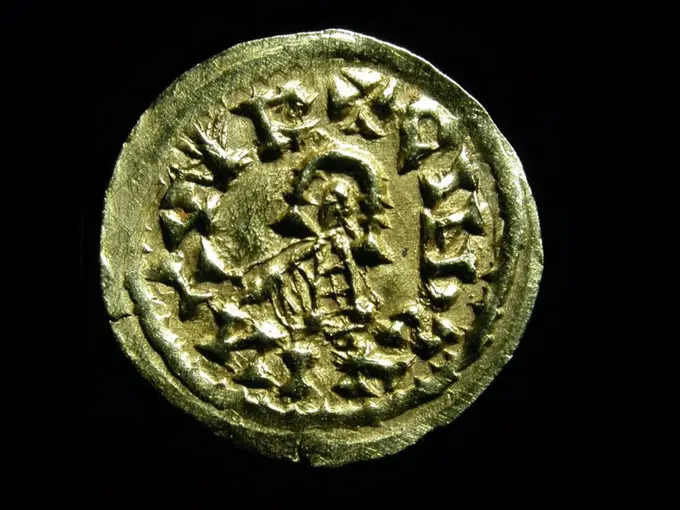
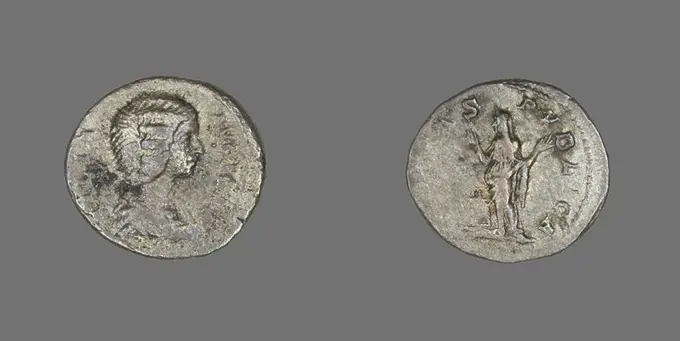
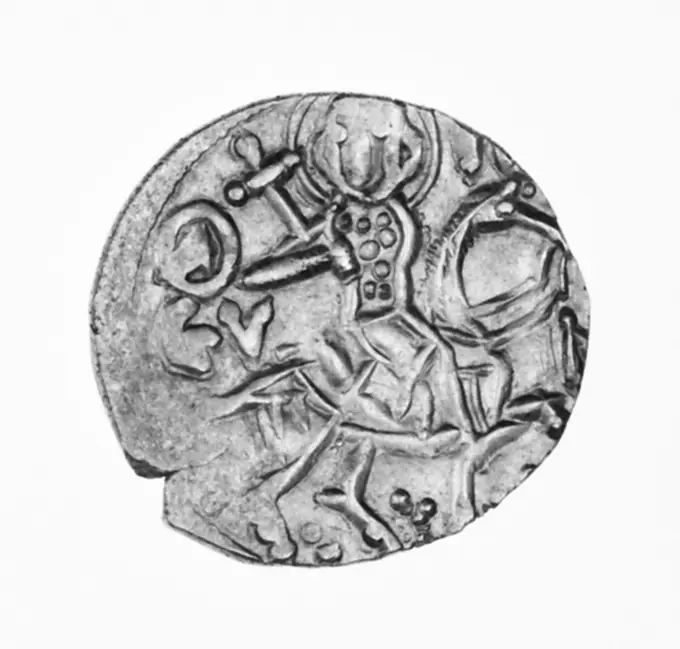
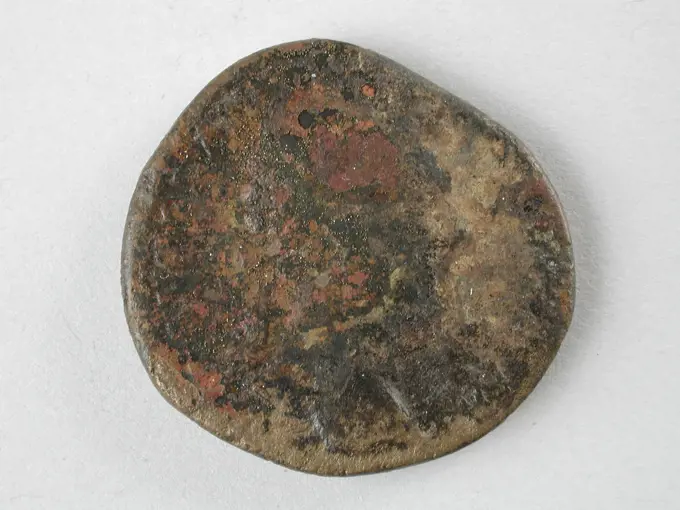
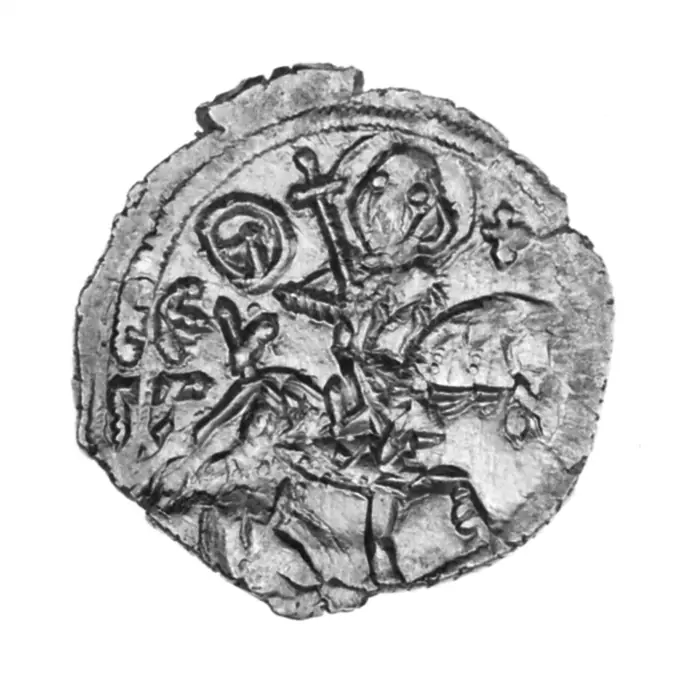
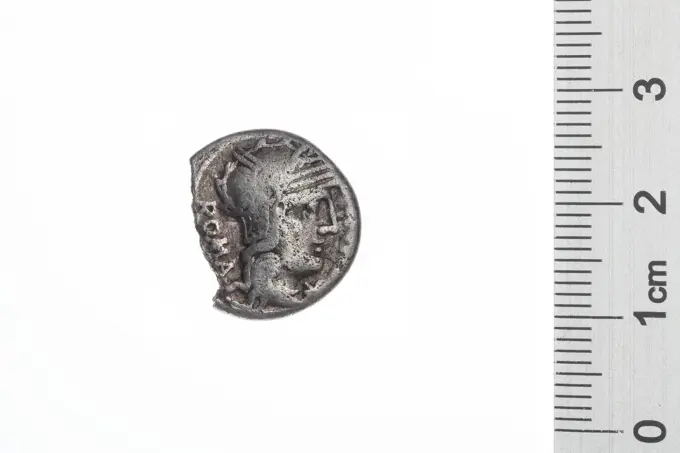
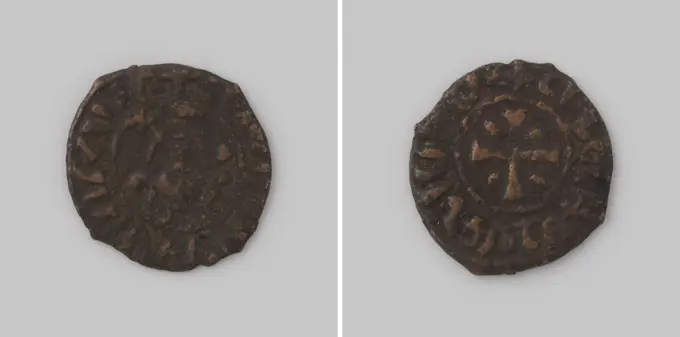
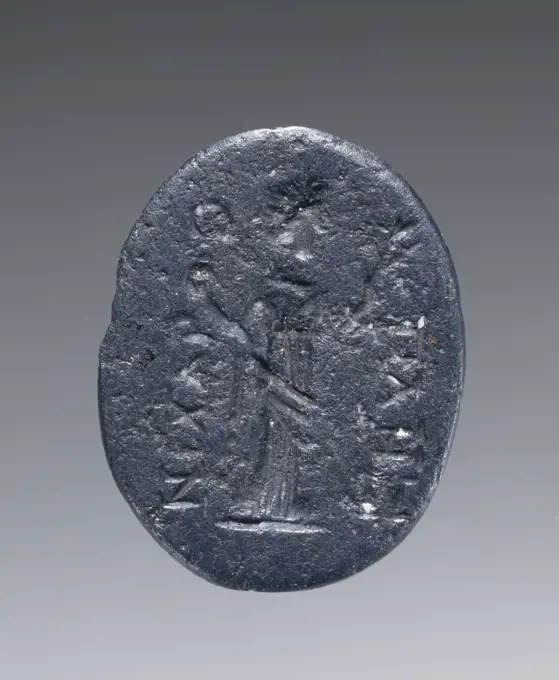
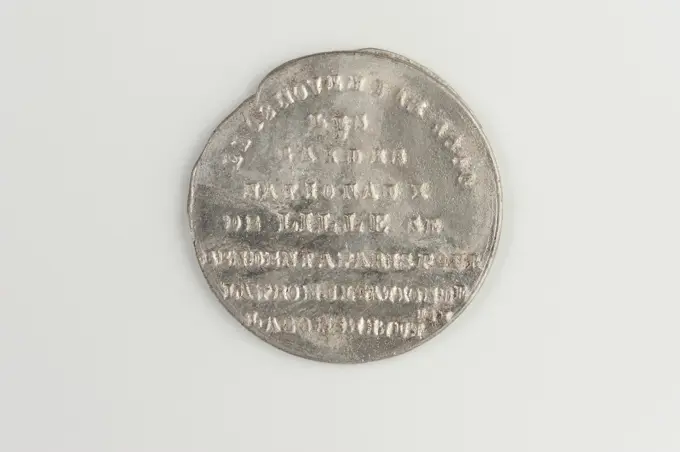
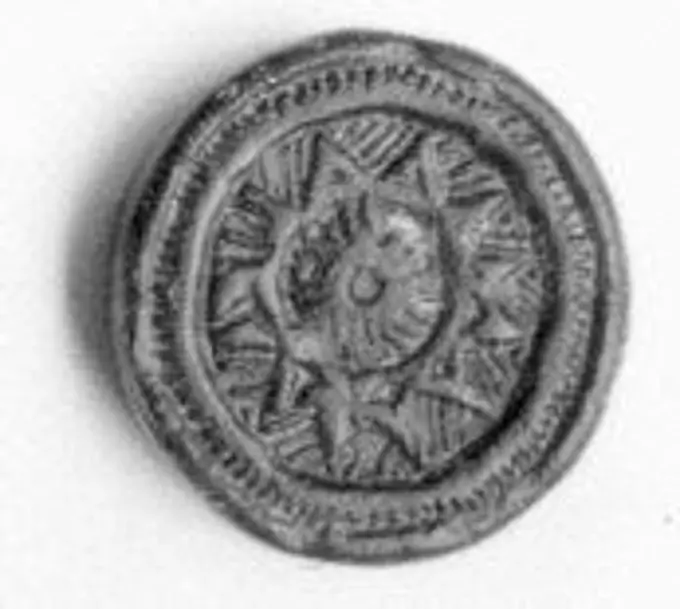
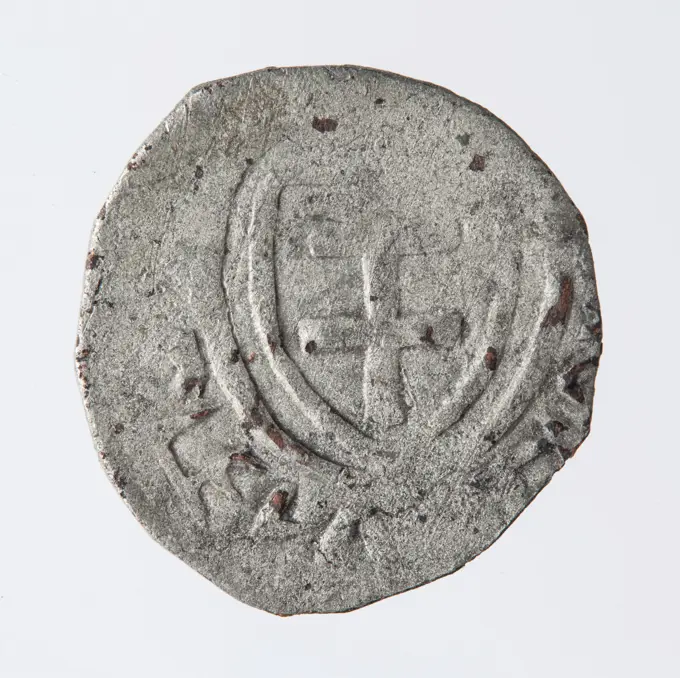
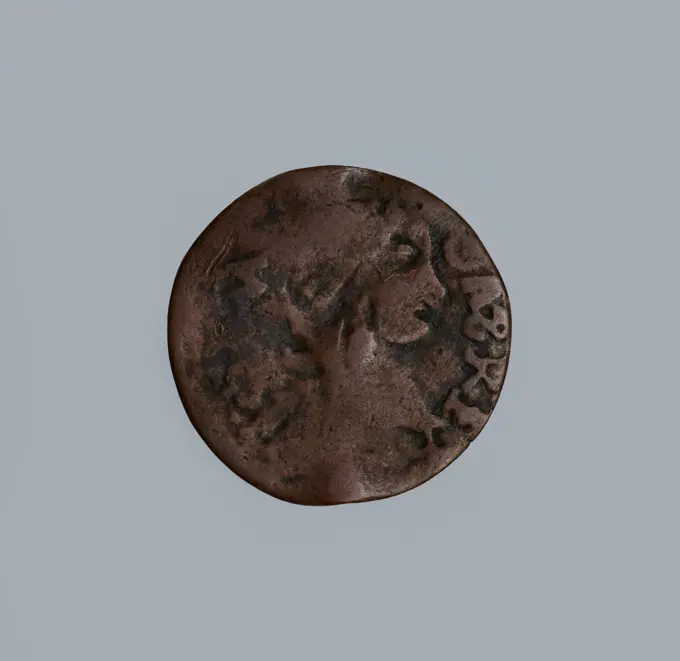
Lombard Account Token with Golgotha and Spiral, XIII-15th Century Anonymous. Lombard Account Token with Golgotha and Spiral, XIII-15th century. Copper. 1200-1400.denarius. Caecilius Metellus, M. (fl. 127 a.C.), monetary officer, Republika Rzymska, issuerbracteate denarius. Zakon krzyżacki (1190-), issueras/dupondius; Antoninus Pius (86-161; Roman emperor 138-161), Faustina older (98-141; Roman Empress 138-141); after 141 (141-00-00-166-00-00);bracteate. Bolesław III Krzywousty (książę Polski ; 1107-1138), rulerNumismatic, Glyptics and Medals, 337-361, Russia, St. Petersburg , State Hermitage, D 4, 9False coin, IIthuanian shilIIng, John II Casimir (1649 1668)Stanisław August Poniatowski (1764-1795), Crown Penny, Warsaw; 1772 Mint Warsaw, Stanisław August Poniatowski (1732 1798)sesterce; Antoninus Pius (86-161; Roman emperor 138-161), Faustina older (98-141; Roman Empress 138-141); after 141 (141-00-00-166-00-00);Bliżej Kultury Mint of Rome, JulianusUnattributed Trebizond Coin comprised of four fragments. UnknownBliżej Kultury Mint of Kraków, Władysław Warneńczyk (King of Poland, 1434 1444)Cunobeline Stater: Tablet on Wreath (reverse); Two Horses and Wheel (reverse), c. AD 10-40. England (Ancient Britain), 1st century A.D.. Gold; diameter: 1.8 cm (11/16 in.). Cunobeline is mentioned by various Roman historians. He was a powerful ruler, the son of Tasciovanus. He is known to have had one brother, Epaticcus, and possibly another, Sego, as well as two sons, Caratacus and Togodumnus. The history of this ancient time is very confused, particularly over family relationships; some of the sons and brothers may well have been sons-in-law and brothers-in-law. Cunobeline had his capital at Camulodunum, now Colchester. The workmanship of this extremely rare piece is remarkable in many ways. Study of the obverse shows that at least one of the V-shaped ornaments referred to by scholars is traditionally described as "heart" shape. In fact it is the little ivy leaf frequently found on Roman coins. The two well-executed, three-dimensional spirited horses on the reverse are unusual. One Óbolo de Tern de Jaume I, siglo XIII. Gabinet Numismàtic de Catalunya, MNAC.1 Daric fromSusa. Mint: Susa Artist: UnknownCoin 718-814. Coin 457652False coin, crown shilIIng, John II Casimir (1649 1668)Coin Portraying Emperor Tetricus II 271 CE-274 CE Roman Empire. The front (obverse) of this coin portrays the emperor Tetricus. On the back (reverse) an unidentified figure is depicted standing.. Silvered bronze . Ancient RomanDjampel of Kingdom Majopahit on Java ,, 1290 - 1520 coin Silver dish -shaped mint. Front: Load in Devanagari script Maa. Downside, figuration flower. Java silver (metal) striking (metalworking)Bliżej Kultury unknownBolesław Chrobry (992 1025), Denar, Kujawy or Northern Mazowsze, Armound 1005 1015 Bolesław Chrobry (992 1025)False coin, bracteate, Sieciech (1080 1097)Indie, ğunagadh, Rasul muḥmmad Khān (AH 1309 1329 / VS 1948 1968 / 1891 1911 AD), DOKDO, 1908 (VS 1965)bracteate denarius. Zakon krzyżacki (1190-), issuerCoin. Unknownvictoriatus. Anonimowy, monetary officer, Republika Rzymska, issuerCoin of Ptolemy IV from a Ptolemaic hoard 222-205 B.C. Ptolemaic Period A hoard of 162 Ptolemaic coins that contained issue of Ptolemy II, III, and IV, but apparently no later king, was discovered in a jar buried in a pit in front of a large Ptolemaic tomb in Thebes. Accumulations of coins were not usually burial offering; these coins were likely buried in order to be hidden by someone who failed to return to recover them. The dates of the coins suggest they may have been hidden at the time of a major native uprisings in the north and in the south at the end of Ptolemy IV's reign and into the reign of Ptolemy V. The uprising lasted in the south of the country for 20 years from 206-186 B.C., and saw the establishment of nativer rulers Herwennefer and Ankhwennefer. It is reasoned that the uprising was a response to excessive taxation and manpower demands for Ptolemaic wars in Syria.. Coin of Ptolemy IV from a Ptolemaic hoard 551801drachm. Chosroes II (władca Persji ; 590 - 628), rulerHalles and Paris markets: François Fleury, 1696 Halles and Markets of Paris: François Fleury, 1696 "Bronze. 1696-1696.Mold with Royal Sphinx of Amenhotep I. Egypt, New Kingdom, from reign of Amenhotep I of 18th Dynasty - 21st Dynasty (1545 - 931 BCE). Tools and Equipment; molds. TerracottaNUMISMATICA. MONEDA MODERNA. OCHO ESCUDOS DE ORO, DE CARLOS II. REVERSO. CRUZ DE JERUSALEN EN MEDIO DE CUATRO SEMICIRCULOS.1698. (DEPOSITO: MUSEO ARQUEOLOGICO NACIONAL).Mezzo Baicocco; Innocent X (Pope; 1644-1655); 1644-1655 (1644-00-00-1655-00-00);False coin, Zygmunt I Stary (1506 1548), crown penny; After 1526 unknownas. Anonimowy, monetary officer, Republika Rzymska, issuerdrachm. Fraates IV (37-2 p.n.e.), rulerdenarius. Acilius Balbus, Mn. (fl. 125 a.C.), monetary officer, Republika Rzymska, issuerheller. Jawor, issuerCoin Depicting the Goddess Kybele 200 BCE-1 BCE Izmir. The front (obverse) of this coin depicts a head of the goddess Kybele, facing right. On the back (reverse) is a statue of Aphrodite Stratonikis standing, facing right and holding Nike in her extended left arm that rests on a short column.. Bronze . Ancient GreekCoin 8th-9th century. Coin 457098NUMISMATICA. MONEDA PUNICA. DRACMA DE PLATA. ANVERSO. BES DE FRENTE CON LA MANO DERECHA EN ALTO SOSTENIENDO MARTILLO, Y EN LA IZQUIERDA UNA SERPIENTE. 238 A.C. (DEPOSITO: MUSEO ARQUEOLOGICO NACIONAL).Coin; Iran; 632 - 651; SilverMoney of Peter I of Aragon (1074-1104), minted in Huesca. Barcelona, Numismatic cabinet. Location: GABINETE NUMISMATICO. Barcelona. SPAIN. PEDRO I DE ARAGON.Sestertius (Coin) Portraying Emperor Severus Alexander. Roman, minted in Rome. Date: 230 AD. Dimensions: Diam. 2.9 cm; 17.79 g. Bronze. Origin: Roman Empire. Museum: The Chicago Art Institute, Chicago, USA. Author: ANCIENT ROMAN.Silver Ropij of the VOC from Java, 1766, United Oostindische Compagnie, 1766 coin Silver coin. Front: Tweeregeline inscription in Arabic letters. In addition, mint sign and under that year. Reverse: three -faced inscription in Arabic letters. Cable edge. Batavia silver (metal) striking (metalworking)Coin Portraying Julia Maesa 165 CE-224 CE Roman Empire. Bronze . Ancient Romandenarius (serratus). Mamilius Limetanus, C. (fl. 82 a.C.), monetary officer, Republika Rzymska, issuerCarnavalet museum, tokens collectionBLIŻEJ KULTURY unknownCarnavalet Museum, Medals CollectionAE. ChersonezCoin 8th-13th century. Coin. 8th-13th century. Copper. Excavated in Iran, Nishapur. CoinsLombard Account Token: Riccardi de Lucca, XIII-15th Century Anonymous. Lombard Account token: Riccardi de Lucca, XIII-15th century. Copper. 1200-1400.NUMISMATICA. MONEDA VISIGODA. CHINDASVINTO PETRA (GALLAECIA)(642-653) ANVERSO.HALLAZGO DE LA GRASSA. DONADA POR DON JAIME BARCALLI.Denarius (Coin) Portraying Empress Julia Domna. Roman, minted in Rome. Date: 196 AD-211 AD. Dimensions: Diam. 1.9 cm; 2.82 g. Silver. Origin: Roman Empire. Museum: The Chicago Art Institute, Chicago, USA. Author: ANCIENT ROMAN.Lombard account token, XIII-15th century Anonymous. "Lombard account token, 13th-15th century". Copper. 1200-1400.Unattributed Trebizond Coin. UnknownSestertius, from Emperor Marcus Aurelius, 161-180, sestertius coin money swap soil find silver bronze metal, minted Roman coin sestertius struck by Emperor Marcus Aurelius 161-180 archeology New Waterway Village Hook of Holland Rotterdam pay Roman Soil discovery New Waterway area 1977.Unattributed Trebizond Coin. UnknownDisk Brooch 8th-9th century Merovingian. Disk Brooch 466212Planets-manager. Cornalet Collection Sites 2013-2016. Numismatic.Trojak; Decjusz, Jost Ludwik (Fl. 1528-1535); 1535 (1535-00-00-1535-00-00);denarius. Fabius Maximus, Q. (fl. 127 a.C.), monetary officer, Republika Rzymska, issuerCarnavalet museum, tokens collectionNUMISMATICA. MONEDA VISIGODA. RECAREDO BARCINONA (TARRACONENSIS) 586-601 REVERSO. MONEDA FALSA. PROCEDENCIA DONACION DON JAIME RIPOLL 1833.Dang from the Kingdom of Armenia of Hethum II (Otto), 1289-1305 ,, 1298 - 1305 coin Copper mint. Front: bust of the king. Tours side: Short -faced cross with legs of a smaller cross in the corners. Beaten in Sis.  copper (metal) striking (metalworking)denarius; W ADSY AW III WARNE Czyk (Polish king; 1434-1444); 1434-1444 (1434-00-00-1444-00-00);Roman coin, Dupondius of Tiberius, 1st century. Museum: MUSEU NACIONAL ARQUEOLOGIC DE TARRAGONA.Engraved Gem; Italy; 2nd century; Haemetite; 1.5 x 1.2 cm (9,16 x 7,16 in.)sesterce; Marek Aureliusz (121-180; Roman emperor 161-180), Kommodus (161-192; Roman emperor 177-192); 175 (175-00-00-175-00-00);Drachma; Chosroes I (W Adca Persia; 531-579); 531-579 (531-00-00-579-00-00);Carnavalet museum, medal collection Right registration on seven lines; On the reverse circular inscription on a line.denarius. Bolesław III Krzywousty (książę Polski ; 1107-1138), rulerFalse coin, crown shilIIng, John II Casimir (1649 1668)Anonymous, medal of the 2nd prize of the canine exhibition of Paris, Poussy F. Beijing to Madame Sachs (attributed title), 1922, silver bronze, Museum of the Liberation of Paris - Museum of General Leclerc - Museum Jean Moulin.Coin of John Hyrcanus fromJerusalem. Ruler: John Hyrcanus Mint: Jerusalem Artist: UnknownAE. ChersonezNUMISMATICA. MONEDA MODERNA. OCHO ESCUDOS DE ORO, DE CARLOS II. ANVERSO. ESCUDO A LA DERECHA. (DEPOSITO: MUSEO ARQUEOLOGICO NACIONAL).AS; Kommodus (161-192; Roman emperor 177-192), Kryspina (164-192; Roman Empress 178-191); 178-183 (178-00-00-183-00-00);Drohiczyn seal. unknown, managerCarnavalet Museum, Medals CollectionObol fromClarentza. Mint: Clarentza Artist: Unknowndenarius. Bolesław III Krzywousty (książę Polski ; 1107-1138), rulerRoman Republic, T. Veturius, AS, Rome; 137 BC Central mint ItaliaDiscoid seal engraved on both faces ca. 1400-1200 B.C. Hittite. Discoid seal engraved on both faces. Hittite. ca. 1400-1200 B.C.. Red steatite. Hittite Empire. Syria or Anatoliadenarius; 197 (177-00-00-177-00-00);Potin of Senons (meaning) Potion of Demons (meaning). Bronze medal. Imprecise identification.Carnavalet museum, tokens collectiondenarius. Bolesław III Krzywousty (książę Polski ; 1107-1138), rulerdenarius (royal type). Bolesław II Śmiały (król Polski ; 1058-1079), rulerGreece, Sarmacja, Olbia, approx. 400 350 BCE, AE MintFalse Coin, Władysław Jagiełło (1386 1434), Kwartalnik Mały (Ternar); 1399/1400 unknownDrohiczyn seal. unknown, managerCoin A.H. 596-616/ A.D. 1199-1219. Coin 457385Cast Gem. UnknownNUMISMATICA. MONEDA VISIGODA. LEOVIGILDO EMERITA (LUSITANIA) 573-586 ANVERSO. PROCEDENCIA DE DON FELIPE JOSEP EN 1775.Silver Ropij of the VOC from Java, 1798, United Oostindische Compagnie, 1798 coin Silver coin. Front: Tweeregeline inscription in Arabic letters. In addition, mint sign and under that year. Reverse: three -faced inscription in Arabic letters. Cable edge. A quality mark has been smashed on the downside. Batavia silver (metal) striking (metalworking)False Coin, Crown Szeląg, 1660, Jan II Kazimierz (1649 1668)Coin dated A.H. 191/ A.D.806. Coin. dated A.H. 191/ A.D.806. Copper. Excavated in Iran, Nishapur. CoinsDrachm of Vologases IV. UnknownBosphorane Kingdom, Totorses (285/6 308/9); States, ae Totorses (285/6 308/9)