Historical Coins Collection

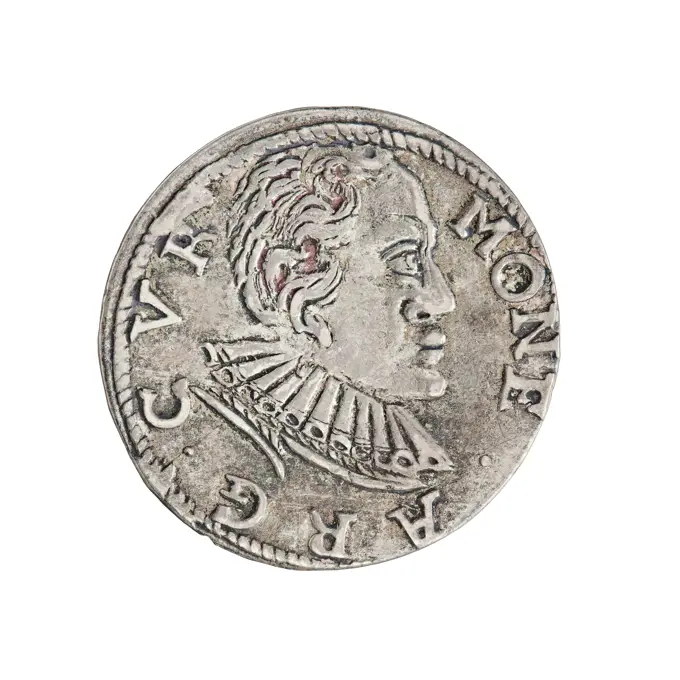
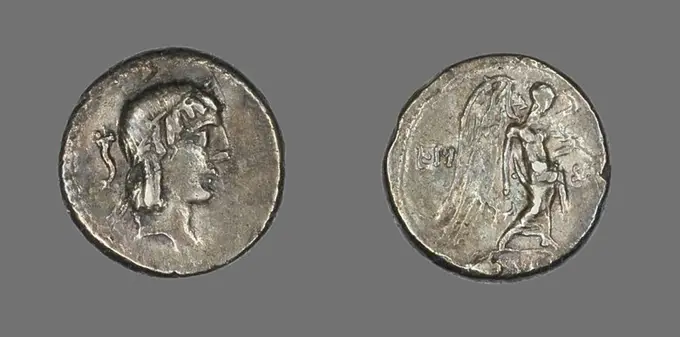
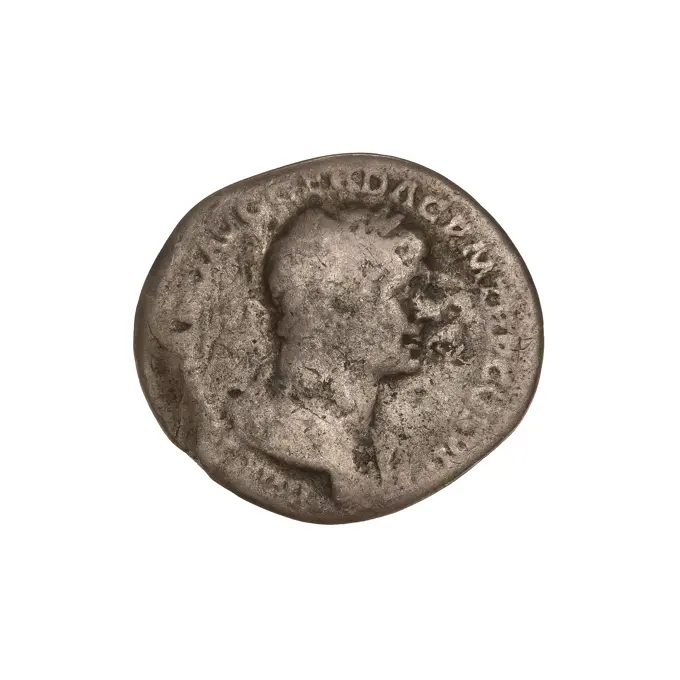
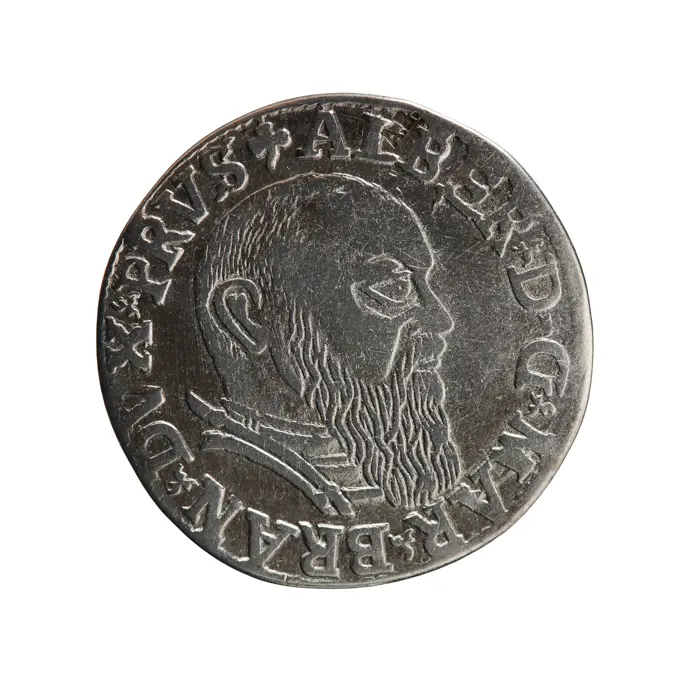
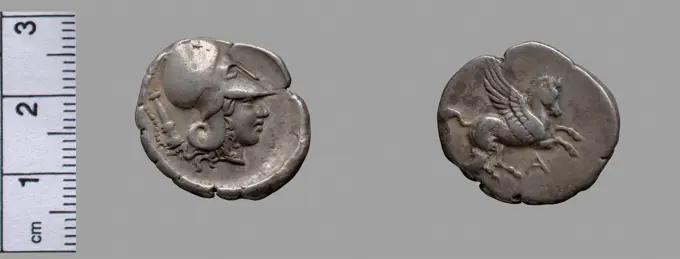
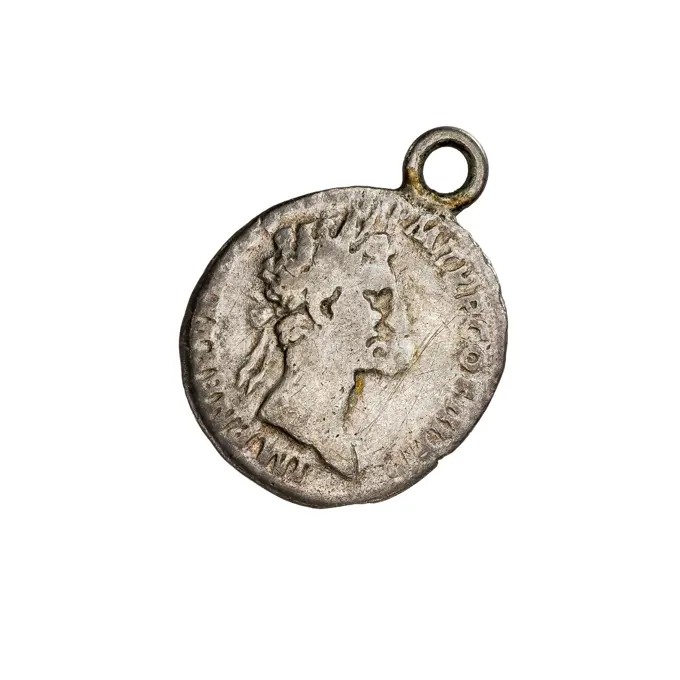
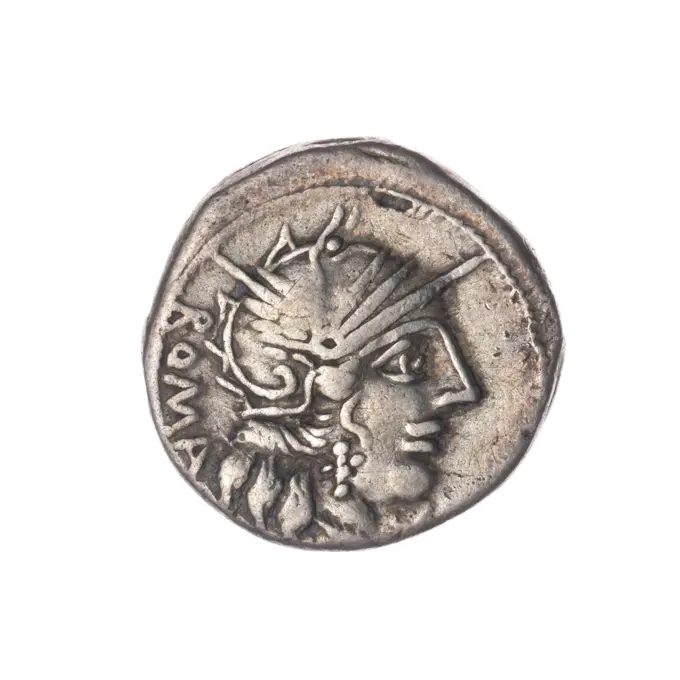
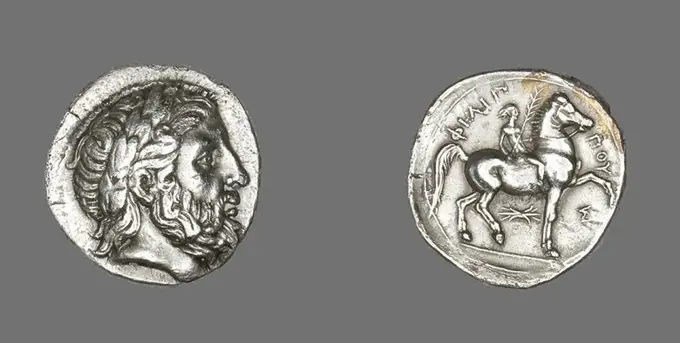
A series of ancient Roman coins featuring detailed iconography and historical figures, illustrating numismatic art and history.
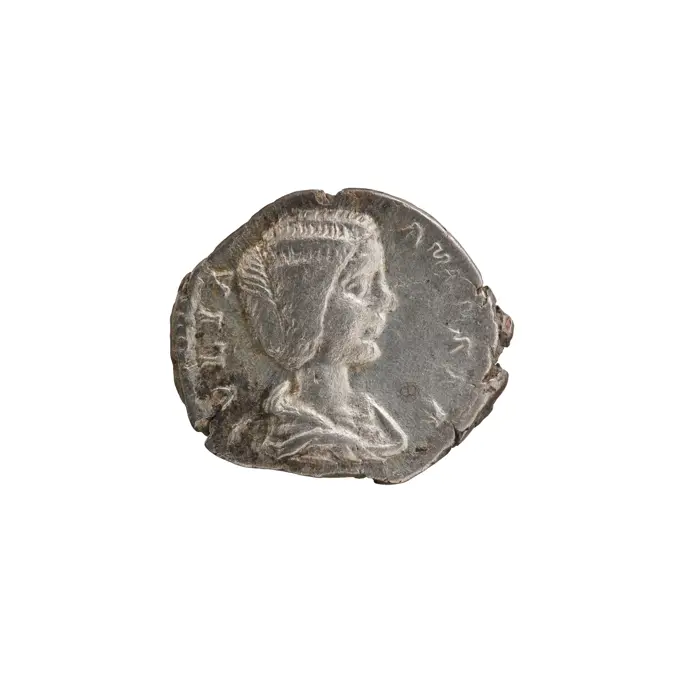
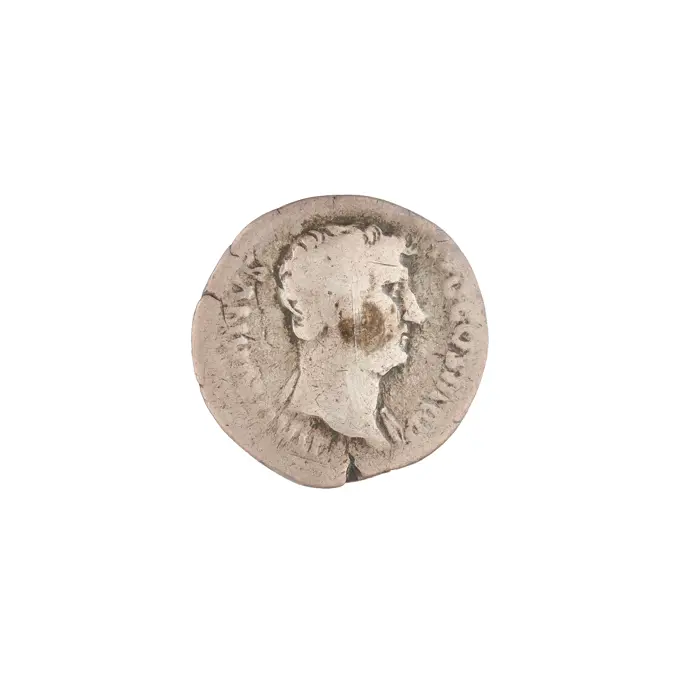
denarius; Julia Domna (Ca 160-217; Roman Empress 193-211); 198-209 (177-00-00-177-00-00);
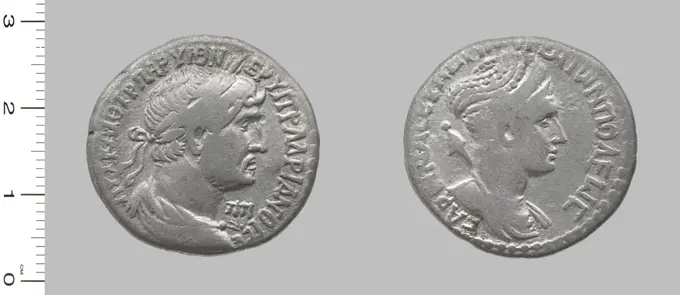
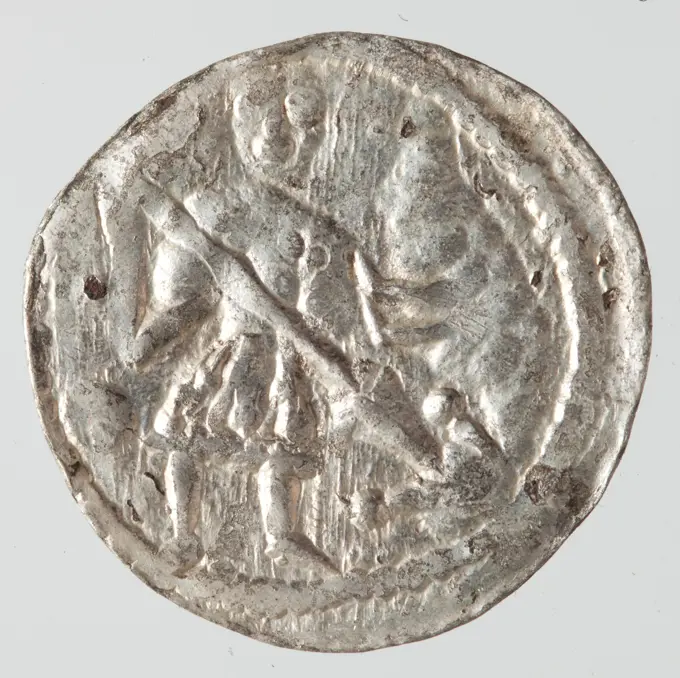
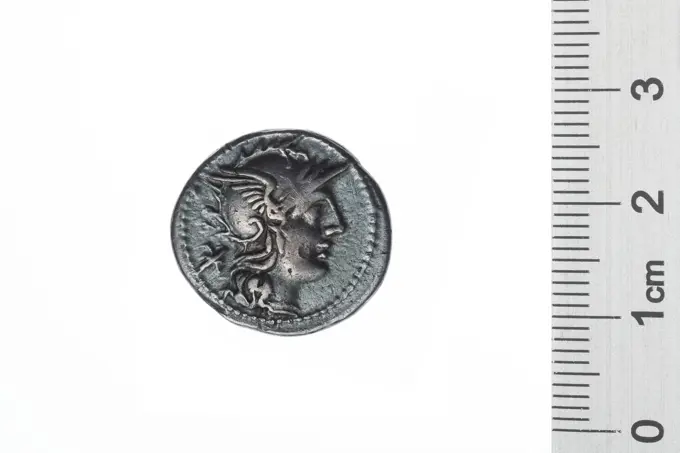
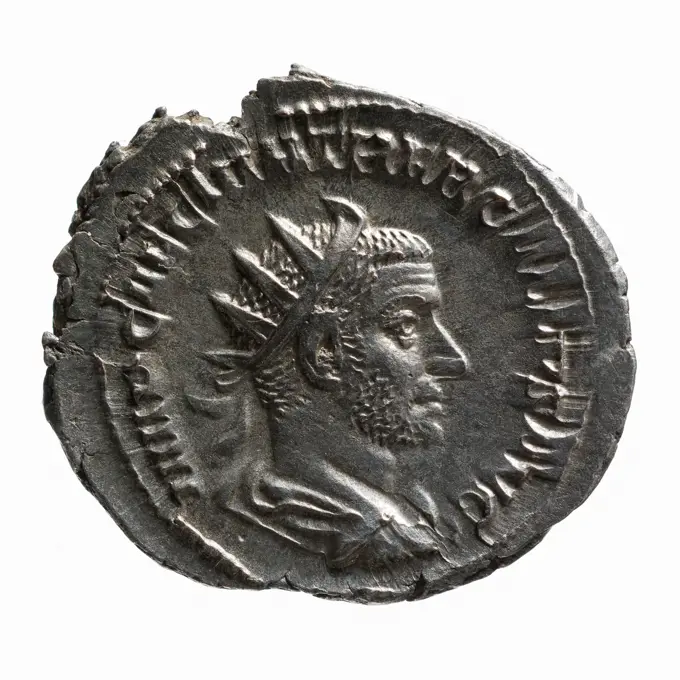
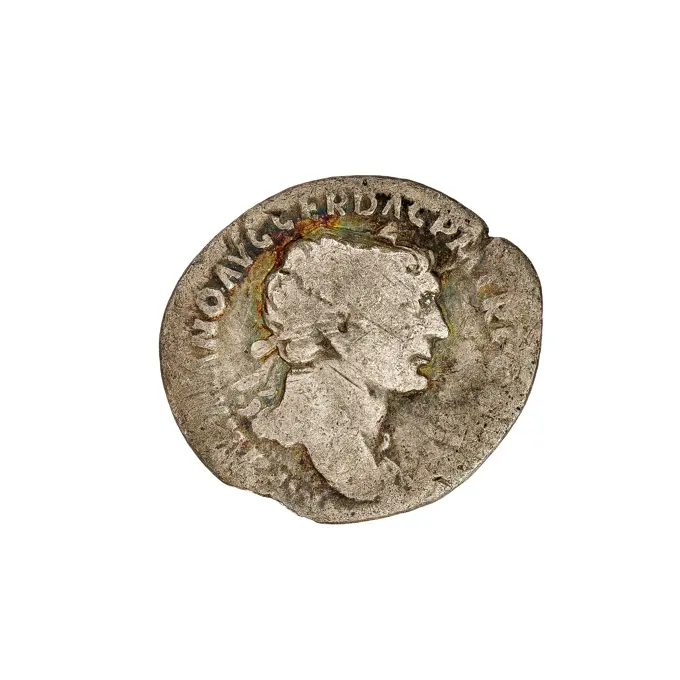
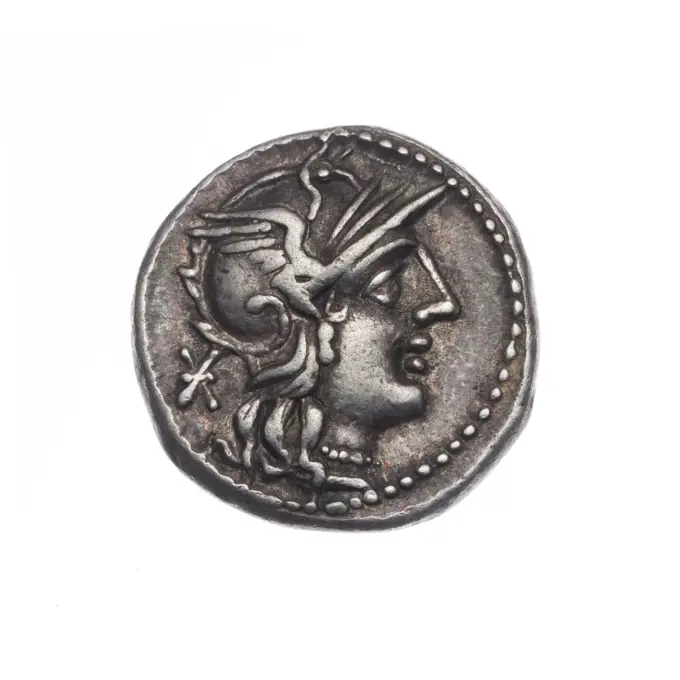
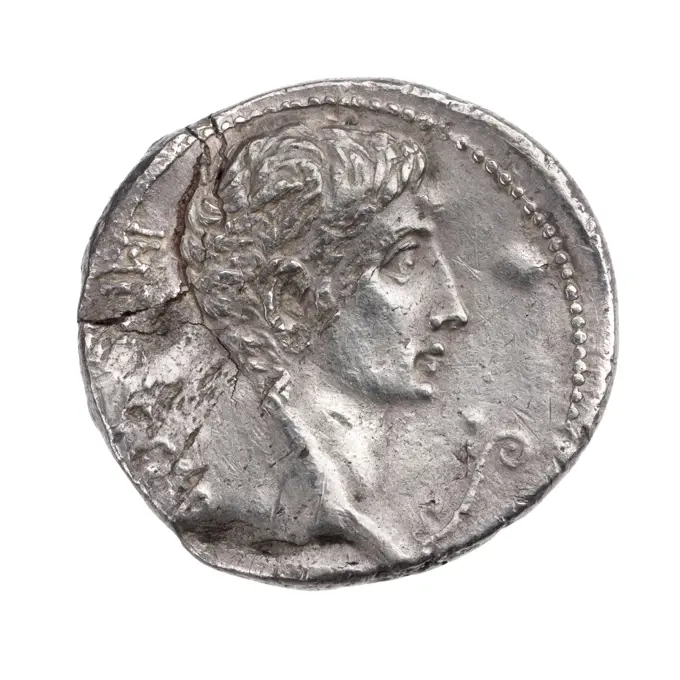
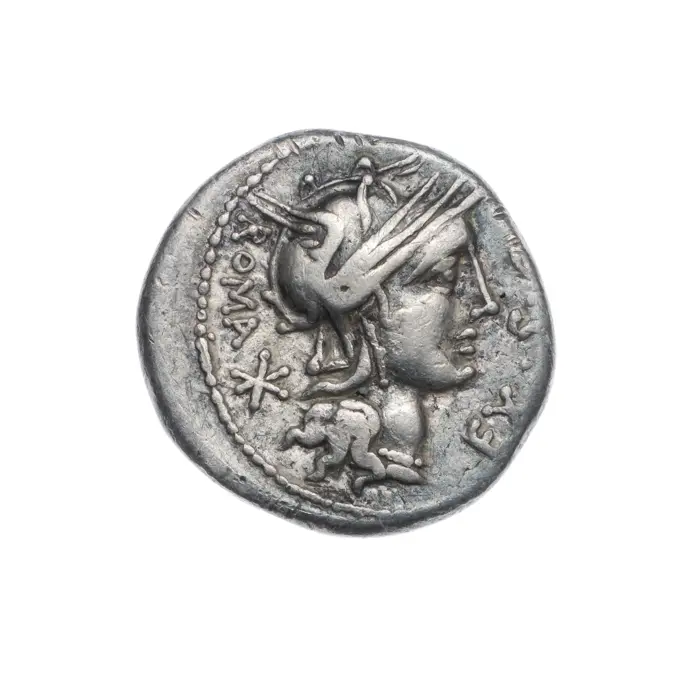
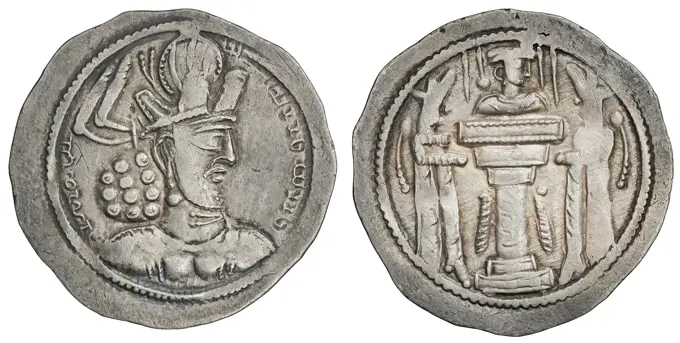
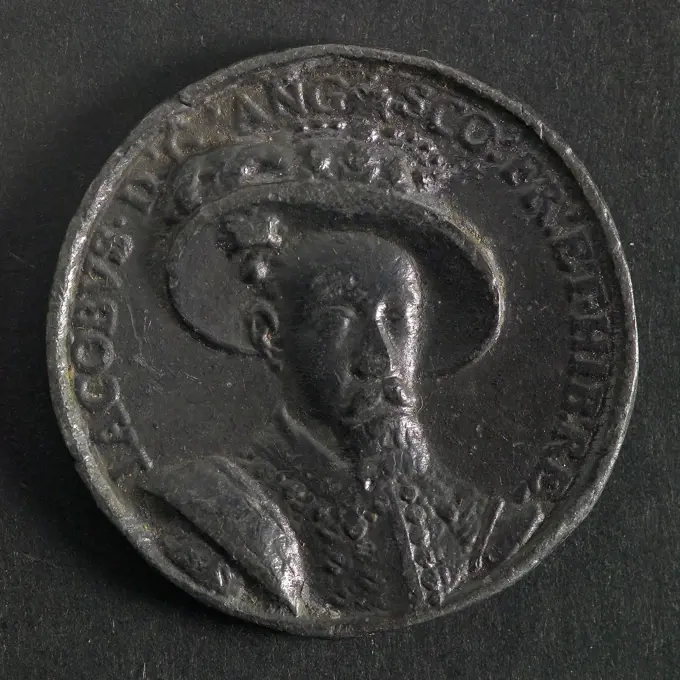
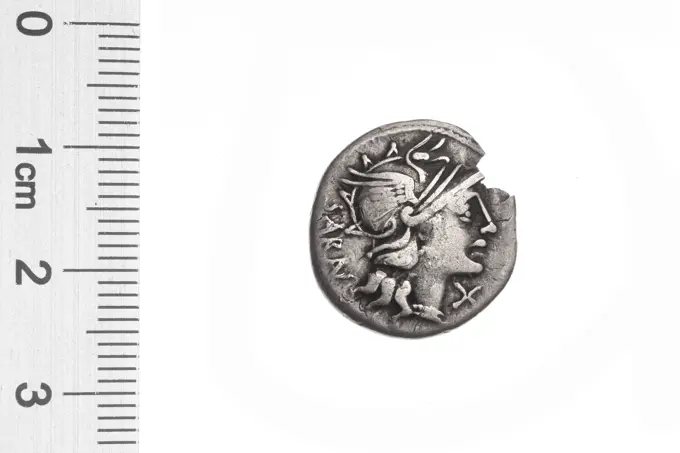
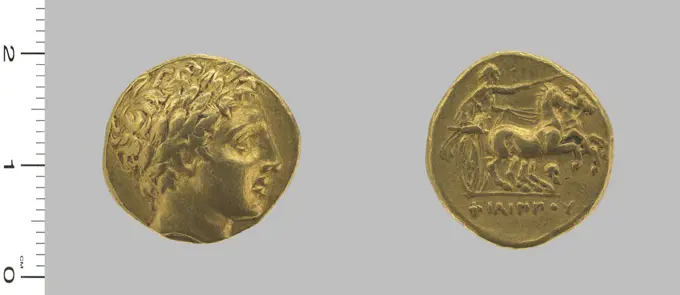
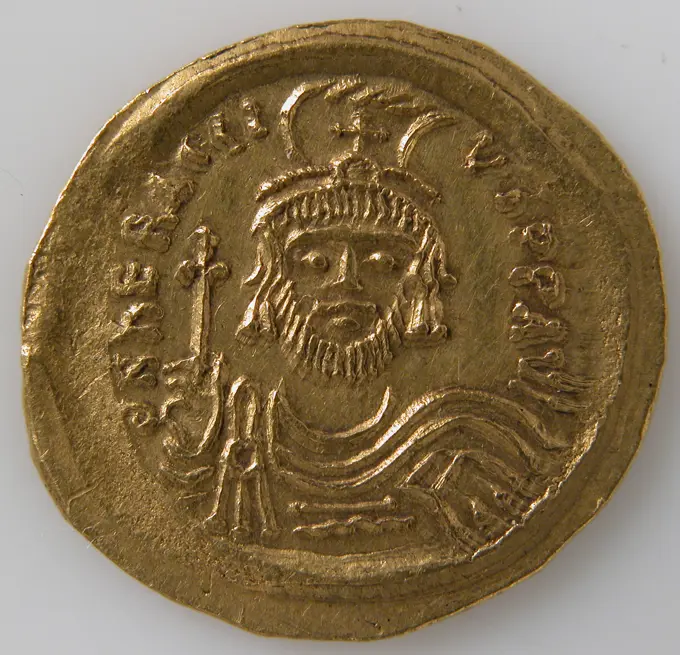
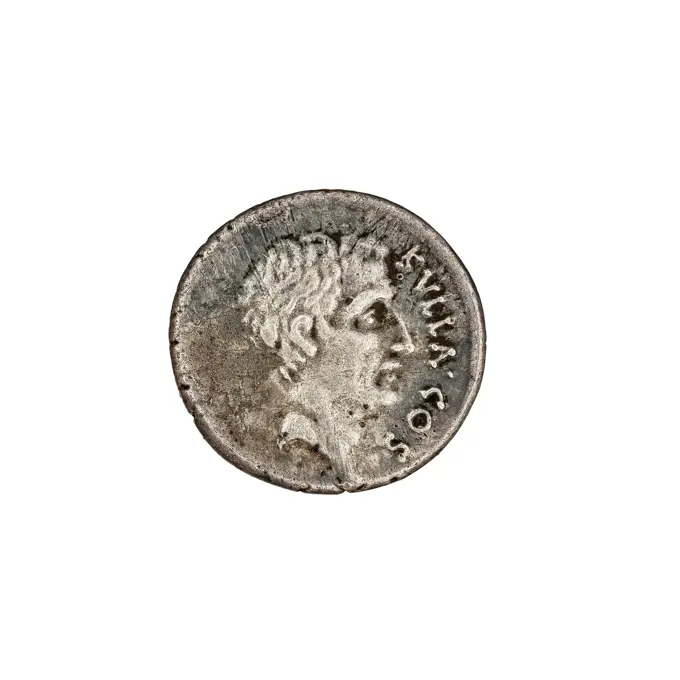
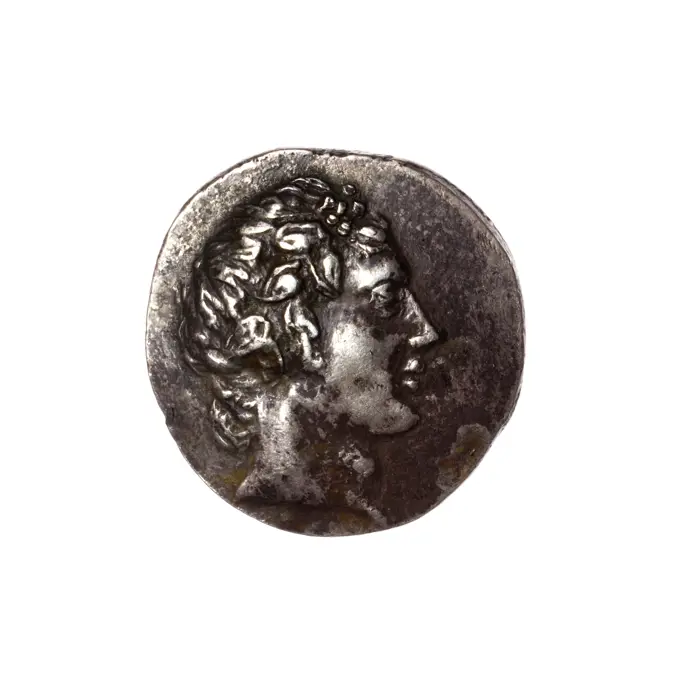
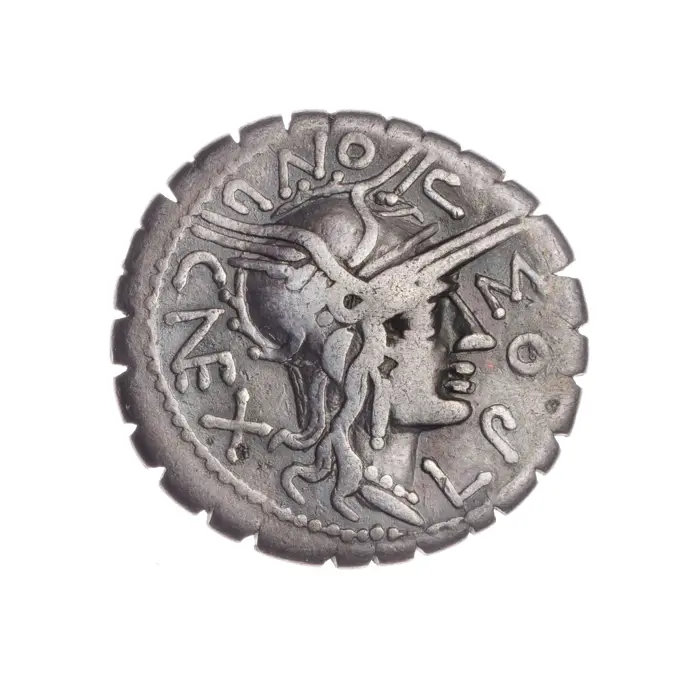
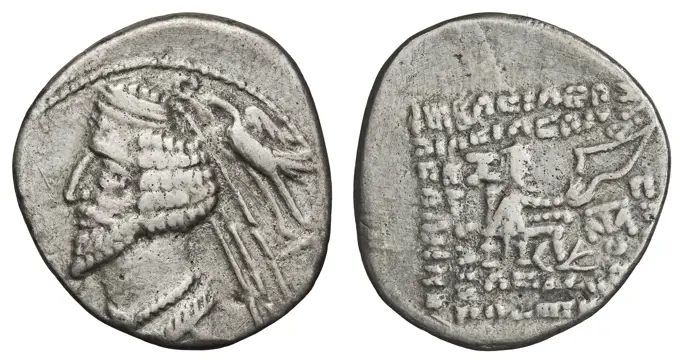
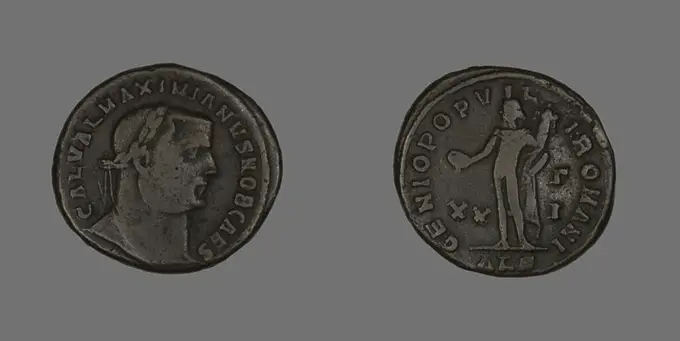
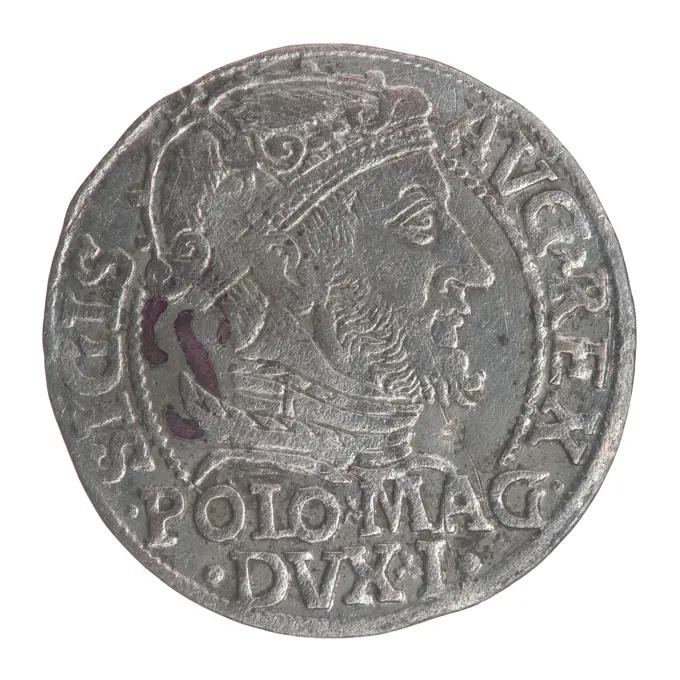
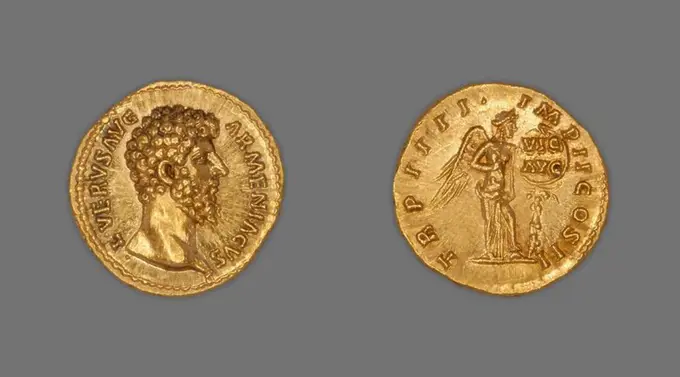
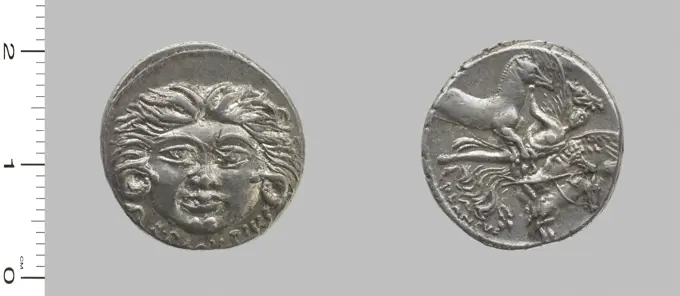
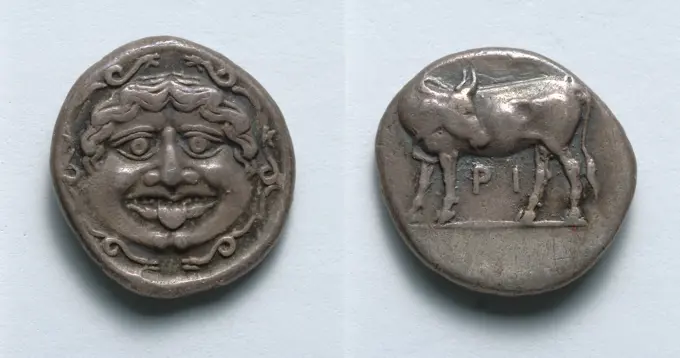
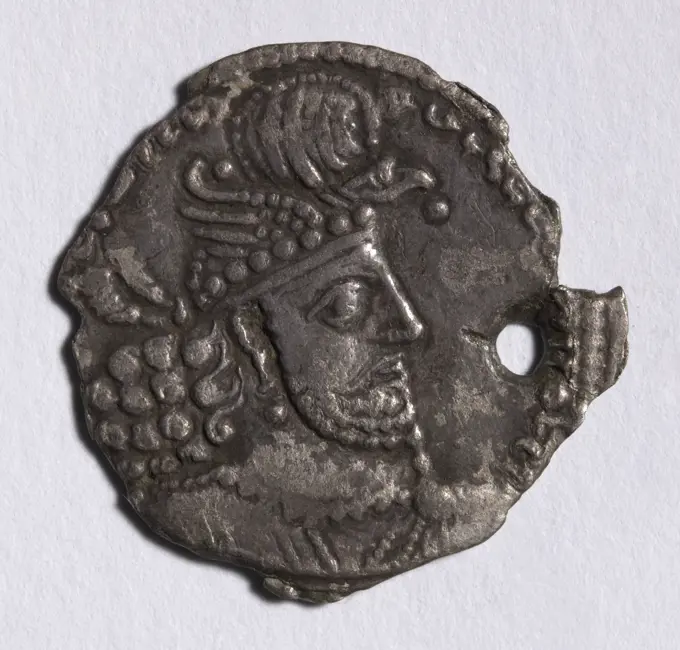
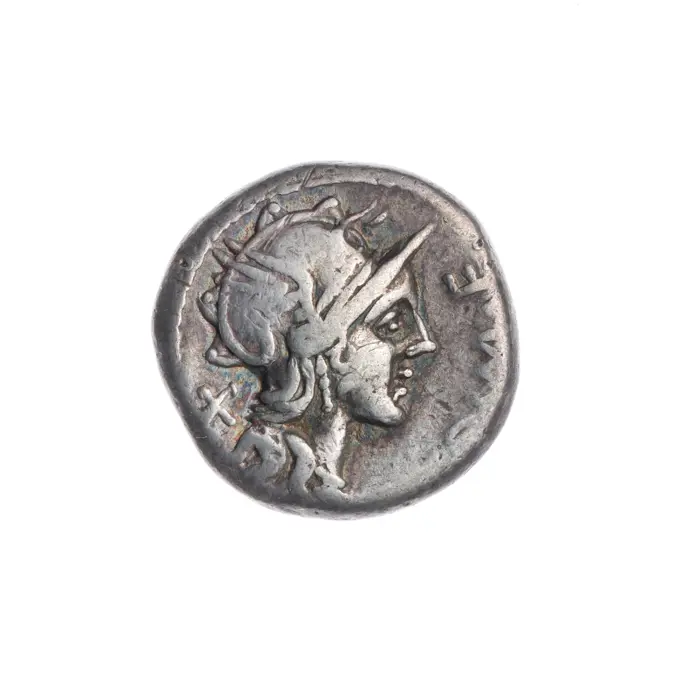
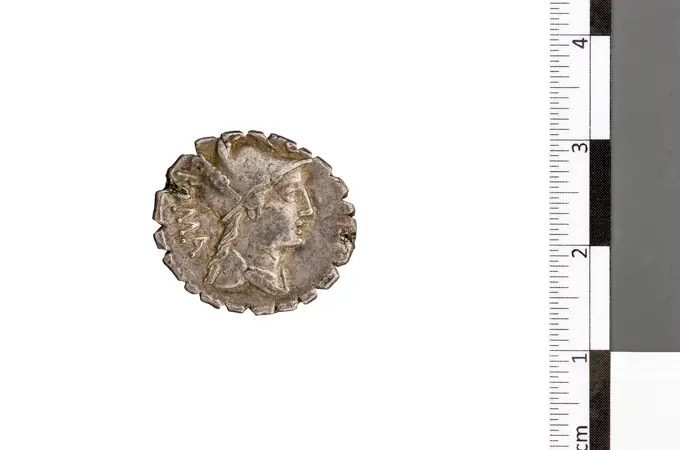
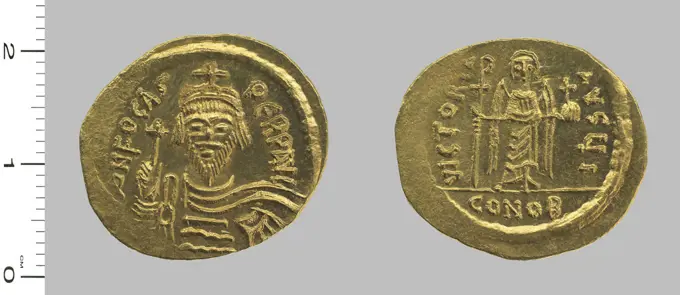
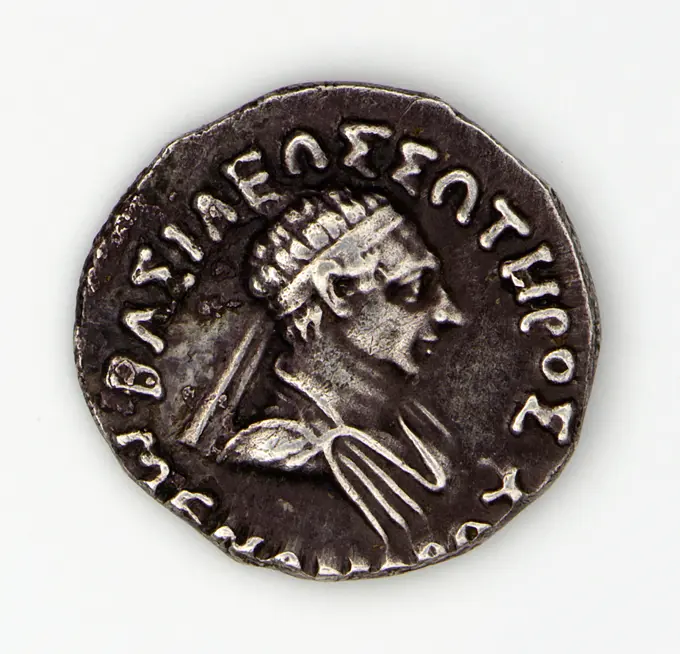
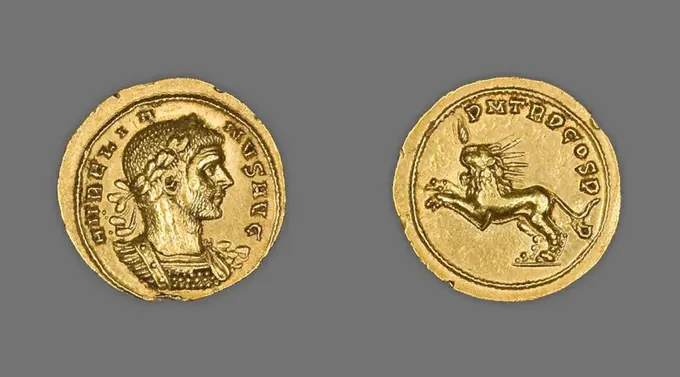
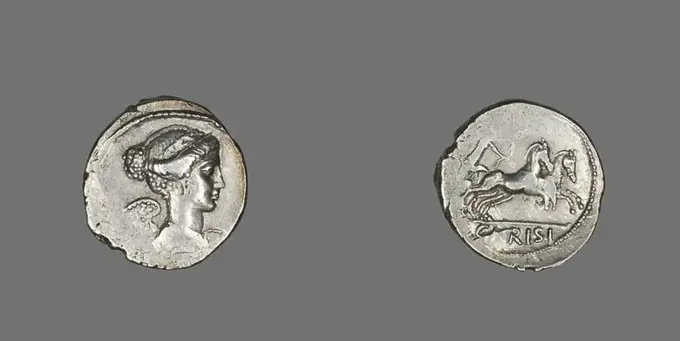
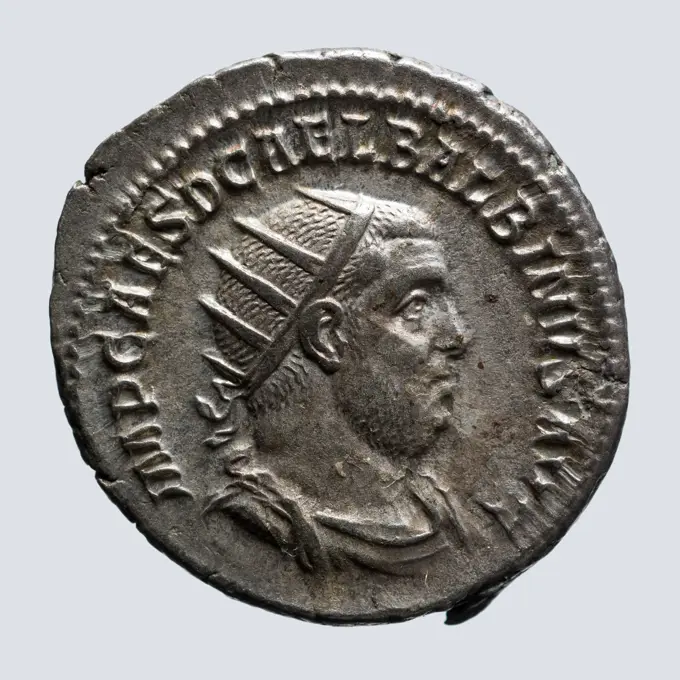
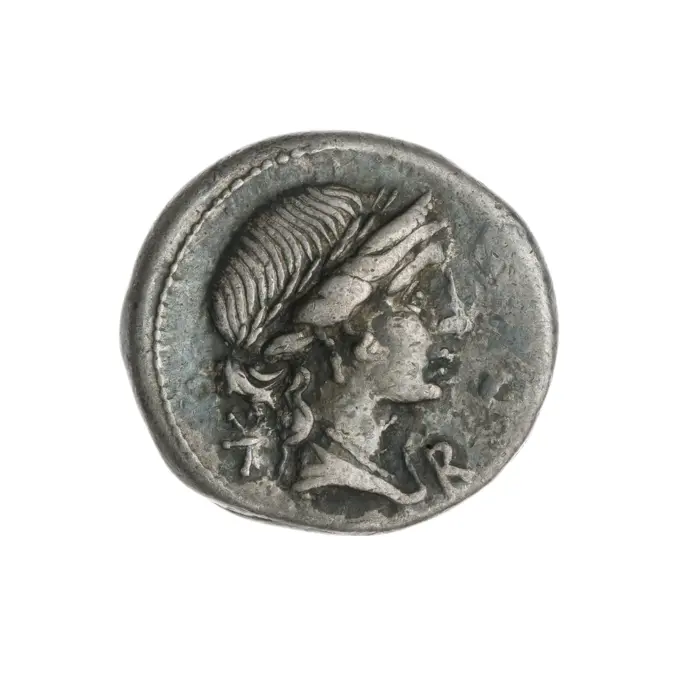
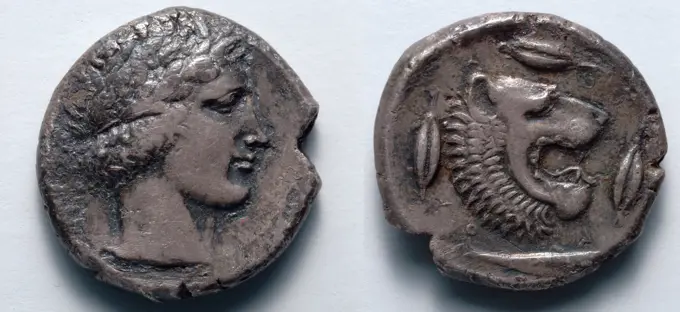
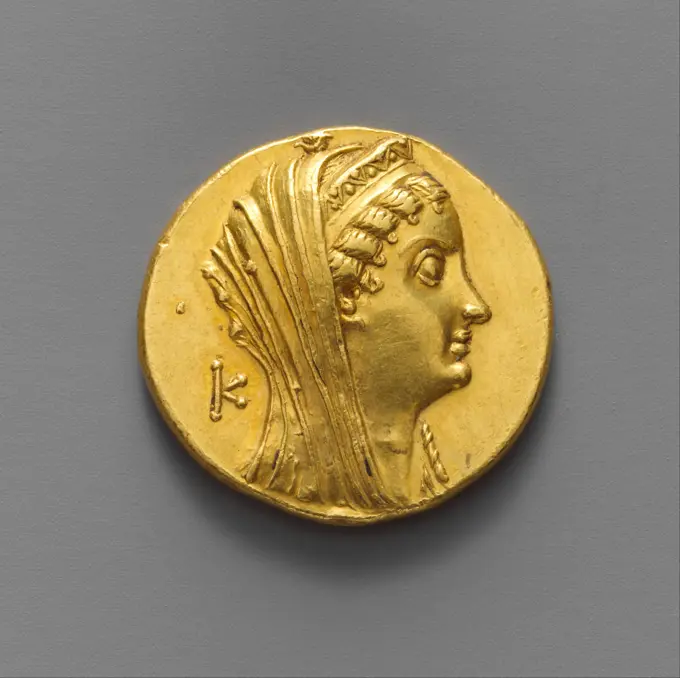
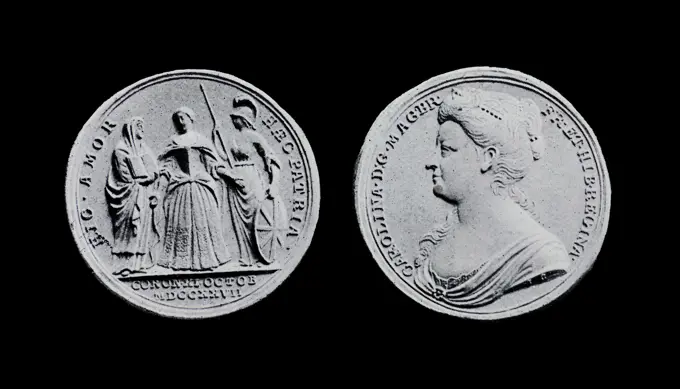
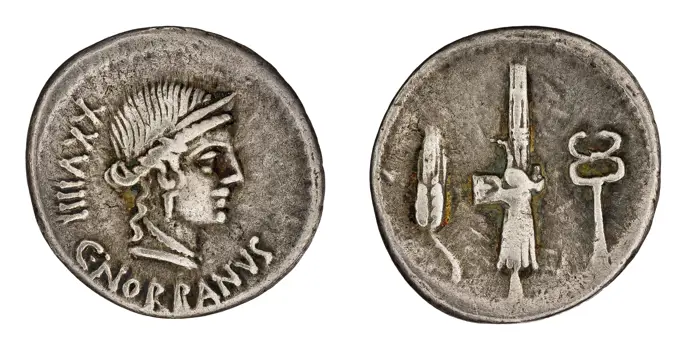
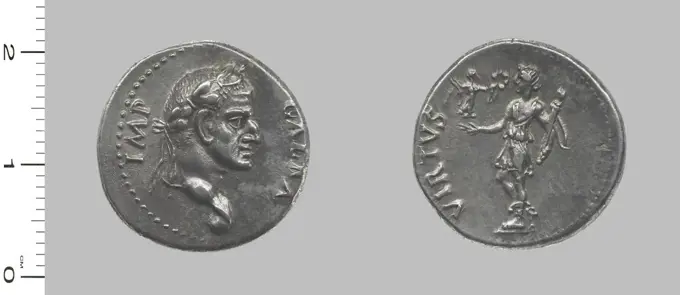
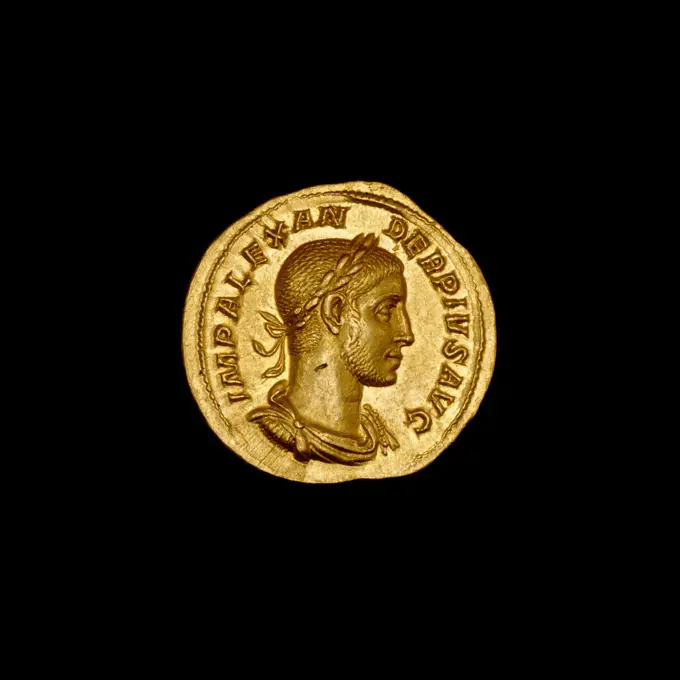
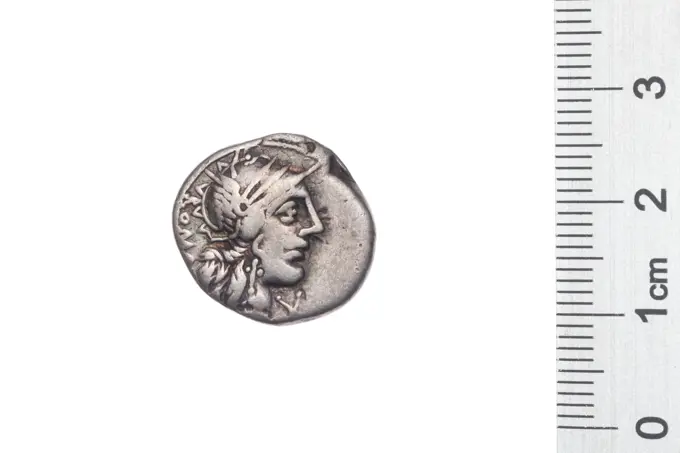
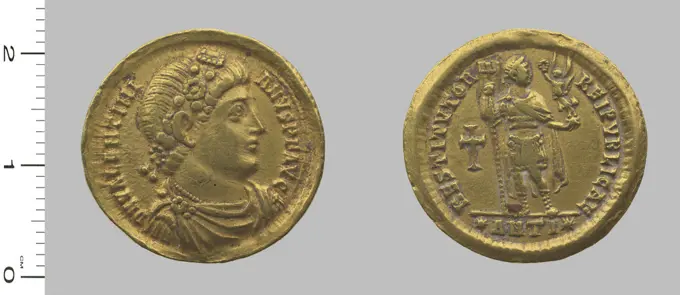
Ruler: Valentinian I, Emperor of Rome, A.D. 321-375, ruled 364-75, Mint: Antioch, Coin of Valentinian I, Emperor of Rome fromAntioch, 364-78, Gold, 4.47 g, 5:00, 21.7mm, Made in Antioch, Roman, 4thcentury, NumismaticsRuler: Hadrian, Emperor of Rome, A.D. 76-138, ruled 117-38, Mint: Mopsus, Tetradrachm of Hadrian, Emperor of Rome fromMopsus, 117-38, Silver, 11.95 g, 6:00, 26.7mm, Made in Mopsus, Cilicia, Roman, 2ndcentury, Numismaticsgroschen. Władysław II Jagiellończyk (król czeski i węgierski ; 1471-1516), ruler, Świdnica, issuerBolesław Krzywousty (1102-1138), Denar, Kraków, After 1113 Boles And Krzywousty (1102 1138)denarius. Caecilius Metellus, L. (fl. 128 a.C.), monetary officer, Republika Rzymska, issuerRuler: Ptolemy I, Satrap, King of Egypt, 367-283 B.C., ruled 305-283 B.C.Mint: Alexandria, Tetradrachm of Ptolemy I, Satrap, then King of Egypt, fromAlexandria, 305-283 B.C., Silver, 14.27 g, 12:00, 27mm, Made in Alexandria, Egypt, Greek, 4th-3rd century B.C., NumismaticsCoin Portraying Emperor Aurelian 270 CE-275 CE Roman Empire. The front (obverse) of this coin portrays the emperor Aurelian, facing right and wearing a crown.On the back (reverse), Aurelian is shown standing, again facing right and extending his hand to a female figure.. Bronze . Ancient RomanAntoninian Tr�bonian Galle, 251-252 Antonine of Tr�bonian Galle. Silver, late 251-early 252.denarius; Kommodus (161-192; Roman emperor 177-192); 181 (181-00-00-181-00-00);denarius; 103-111 (101-00-00-102-00-00);Abundantia with a cornucopia (iconogr.), Heads, abundance horns, bay wreathsTetradrachm of Caracalla. Unknowndenarius; Caecilius Metellus, L. (fl. 128 A.C.); 128 BC (-128-00-00--128-00-00);Roma (mitol.), Scripture (attribute), Bigi, goddess on the whitgen (iconographer), Roma's head in a helmet (iconogr.), Helmets, horses, elephants, purchase (provenance), head of the elephant10 Assaria of Claudius II, Emperor of Rome fromSagalassus. Ruler: Claudius II, Emperor of Rome, A.D. 214-270, ruled A.D. 268-70 Mint: Sagalassus Artist: UnknownAugust (Roman Emperor-63 BCE-14 CE), August (Roman emperor-63 BC gift (provenance), Lituus, busts, imperial busts, Sphinx (iconogr.)denarius; Sergius Silus, M. (fl. 116-115 A.C.); 116-115 BC (116-00-00-115-00-00);State Art collections (Warsaw - 1922-1939) - collections, Roma (mitol.), Roma head in a helmet (iconogr.), Heads, helmets, riders, horses, swords, message (provenance)Coin of Constantine I, Emperor of Rome fromLugdunum. Ruler: Constantine I, Emperor of Rome, A.D. 285-337, ruled A.D. 306-337 Mint: Lugdunum Artist: Unknown Honorand: Saint Helena, ca. 248-ca. 328Trojak (with the bust of Fryderyk Kettler); Fryderyk Kettler (Ksi  Kurland and Semigalia; 1587-1642), Wilhelm Kettler (Ksi  Kurland and Semigalia; 1587-1616); 1598 (1598-00-00-1598-00-00);Antoninian of Gordien III, 240-243 Anonymous. Antoninian of Gordien III (Reverse), 240-243. MONEY. Paris, carnavalet museum.denarius. Hadrian (Roman emperor; 117-138), emperorAurelianus (Coin) Portraying Emperor Tacitus 276 CE Roman Empire. The front (obverse) of this coin portrays the empperor Tacitus, facing right and wearing a radiate crown, cuirass and paludamentum.On the back (reverse), the figure of Providence stands, facing left while holding a globe and a scepter.. Billon . Ancient RomanAntoninian Tr�bonian Galle, 252 Antonine of Tr�bonian Galle. Silver, -252 BC.Stater: Head of Kore, r. (Obverse), 375-340 BC. Greece, Metapontum, 4th century BC. Silver; diameter: 1.9 cm (3/4 in.).Quinarius (Coin) Depicting the God Apollo. Roman. Date: 90 BC. Dimensions: Diam. 1.4 cm; 2.11 g. Silver. Origin: Roman Empire. Museum: The Chicago Art Institute, Chicago, USA. Author: ANCIENT ROMAN.Roman-Syrian Billon Tetradrachm. Unknowndenarius. Egnatius Maximus, C. (fl. 75 a.C.), monetary officer, Republika Rzymska, issuerdenarius; Trajan (53-117; Roman emperor 98-117); 112-117 (112-00-00-117-00-00);heads, columns, eagles, laurel wreathsAntonine of Gordien III, 239 Antonine of Gordien III. Silver, 239.Trojak; Decjusz, Jost Ludwik (Fl. 1528-1535), Schilling, Maciej; 1541 (1541-00-00-1541-00-00);Stater fromAmbracia. Mint: Ambracia Artist: UnknownAntoninian of Gordien III, 238 Antonine of Gordien III. Silver, 238.Antonine of Philip II, 247 Roman currency. Antoninian of Philip II (237-249), Roman Emperor. Silver (reverse). Between 244-246.Brown coin; Pantikapaion; the beginning of the 3rd century BC (-300-00-00--291-00-00);Nadczarzyorze, satir (mitol.), Bulls, bull's head (iconogr.), Message (provenance), animalsDidrachm. UnknownDenar (with the ear); Nerwa (30-98; Roman emperor 96-98); 97 (97-00-00-97-00-00);Nerwa (Roman Emperor - 96-98), Nerwa (Roman Emperor - 96-98) - iconography, hands, laurel wreathsMoneda romana, siglo I. Museum: MUSEO DE MATARÓ.denarius; Fannius, M. (fl. 123 A.C.); 123 BC (-123-00-00--123-00-00);Roma (mitol.), Wiktoria (personification), Victoria on a square (iconographer), Roma head in a helmet (iconogr.), Helmets, horses, quadrigas, laurel wreath (attribute), purchase (provenance)Tetradrachm (Coin) Depicting the God Zeus. Greek, minted in Pella, Macedonia. Date: 359 BC-336 BC. Dimensions: Diam. 2.8 cm; 13.92 g. Silver. Origin: Pella. Museum: The Chicago Art Institute, Chicago, USA. Author: ANCIENT GREEK.Antoninian of Gordien III, 238 Antonine of Gordien III. Silver, 238.drachm. Szapur II (szachinszach Persji ; 309-379), rulerSolidus of Theodosius II, Emperor of Rome fromThessalonica. Ruler: Theodosius II, Emperor of Rome, 401-450, ruled 408-50 Mint: Thessalonica Artist: UnknownMedal on peace between England and Spain, medallion medals lead metal, bust James I somewhat to the right omschrift: IACOBVS. D.G. ANG. SCO: FR: ET. HIB. REX (James by God's grace King of England Scotland France and Ireland) England Scotland France Ireland James I peaceMoneda romana, Claudio. Museum: MUSEO DE MATARÓ.denarius (subaeratus). Atilius Saranus, M. (fl. 148 a.C.), monetary officer, Republika Rzymska, issuerAncient Roman denarius coin reverse showing emperor Hadrian restoring Gaul circa 130 bC Ancient Roman denarius coin reverse side showing restoration of Gaul by emperor Hadrian circa 130 bC Copyright: xZoonar.com/ClaudioxDiviziax 18593527Ruler: Philip II, King of Macedonia, Greek, 382-336 B.C., ruled 359-336 B.C.Mint, possibly by: Amphipolis, Stater of Philip II, King ofMacedonia, 359-336 B.C., Gold, 8.565 g, 10:00, 17mm, Made in Amphipolis, Macedonia, Greek, 4th century B.C., NumismaticsOld coin Ancient coin Copyright: xZoonar.com/ClaudioxDiviziax 5469571Solidus 610-641 Byzantine. Solidus 462741Tetradrachm of Ptolemy I, Satrap, then King of Egypt, fromAlexandria. Ruler: Ptolemy I, Satrap, King of Egypt, 367-283 B.C., ruled 305-283 B.C. Mint: Alexandriadenarius; Pompeius Rufus, Q. (Fl. 54 BC); 54 BC (-54-00-00--54-00-00);Protassowicki, Rafał (1894-1957), Protassowicki, Rafał (1894-1957) - collections, Q. Pompeius Rufus (Consul - 88 A.C.) - iconography, Sulla, Lucius Cornelius (138-78 A.C.) - iconography, purchase (provenance)szel g; Ernest Jan Biron (Ksi  Kurland and Semigalia; 1763-1769); 1764 (1764-00-00-1764-00-00);Tetradrachm fromAntioch. Mint: Antioch Artist: Antiochus VIII (Grypus), King of the Seleucid Empire, ruled 125-96 B.C.Didrachma - counterfeit;  Before 1952 (1900-00-00-1952-00-00);Dionysus (mitol.), Nadczarzyorze, gift (provenance), head of Dionysus (iconogr.), Monograms, plants, ivy wreath (iconogr.), Wreaths, guilty grapesTetradrachm of Elegabalus. UnknownDenar of Pomponius, L. (Fl. 118 A.C.), Licinius Crassus, L. (Fl. 118 A.C.), Domitius Ahenobarbus, cn. (fl. 118-96 A.C.); 118 BC (-118-00-00--118-00-00);State Art Collections (Warsaw - 1922-1939) - collections, Roma (mitol.), Crynyx, Roma's head in a helmet (iconogr.), Attic helmet, helmets, message (provenance), shields, warrior in Biga (iconogr.), spearsRoman coin. High Empire. 1st century. Legend: Ti Caesar divi Aug f Aug. Issuing entity: Tiberius. Bronze. Mint of Saguntum (Sagunto). Historical Museum of Sabadell. Catalonia, Spain.drachm. Szapur I (241-272), rulerdrachm. Fraates IV (37-2 p.n.e.), rulerFollis (Coin) Portraying Emperor Galerius Valerius Maximianus (Galerius). Roman, minted in Alexandria. Date: 301 AD. Dimensions: Diam. 2.7 cm; 9.96 g. Bronze. Origin: Roman Empire. Museum: The Chicago Art Institute, Chicago, USA. Author: ANCIENT ROMAN.Aureus of Caracalla, Roman Emperor fromRome. Ruler: Caracalla, Roman Emperor, A.D. 188-217, ruled A.D. 198-217 Mint: Rome Artist: UnknownLithuanian penny on stop Poland; Zygmunt II August (Polish king; 1544-1572); 1547 (1547-00-00-1547-00-00);Aureus (Coin) Portraying Emperor Lucius Verus. Roman, minted in Rome. Date: 163 AD-164 AD. Dimensions: Diam. 1.9 cm; 7.24 g. Gold. Origin: Rome. Museum: The Chicago Art Institute, Chicago, USA. Author: ANCIENT ROMAN.Tetradrachm (Coin) Depicting Arethusa 474 BCE-450 BCE Ancient Greece. The front (obverse) of this coin depicts the head of Arethusa facing to the head, her head circled by dolphins. On the back (reverse) is a charioteer with a winged Nike flying above to crown horses with a wreath.To escape the unwanted attentions of the river god Alpheus, the nymph Arethusa swam under the sea to the island of Sicily, where she found sanctuary. Arethusaís path was said to explain the freshwater spring that miraculously bubbled into the nymphís pool and that still exists in Syracuse. When this coin was issued, Syracuse was one of the most powerful cities in the Mediterranean basin. Local civic pride was emboldened by a series of ambitious tyrants, who enlarged the cityís territory and also encouraged the arts.. Silver . Ancient Greekdenarius; Hadrian (76-138; Roman emperor 117-138), Sabina (83-137; Roman Empress 117-137); 134-138 (134-00-00-138-00-00);Concordia (personification), scepters, plates, bustDenarius fromRome.  Mint: Rome Artist: Unknown Magistrate: L. Plautius PlancusHemidrachm: Gorgoneion (Obverse); Bull (Reverse), c. 400-300 BC. Greece, Parion (Mysia). Silver; diameter: 1.3 cm (1/2 in.). Like the coins of several other ancient cities, those of Parion feature the gorgoneion, or frontal face of Medusa, surrounded by serpents. On the reverse, a bull looks back across its body, with the letters   between its legs. More centrally struck examples preserve two more letters above— , to give  (PARI), identifying the mint of Parion. The name recalls that of the Cycladic island Paros, one of Parion’s colonizers (with Miletos and Erythrae).Drachm: Bust of Hormizd II, r., wearing crown (Obverse), AD 302-309. Iran, Sasanian, Reign of Hormizd II, 4th century. Silver; diameter: 2.3 cm (7/8 in.).denarius; Cipius, M. (fl. 115-114 A.C.); 115-114 BC (115-00-00-114-00-00);Roma (mitol.), Wiktoria (personification), Victoria on the margin (iconogr.), Bigi, palm branch (attribute), Roma head in the helmet (iconogr.), Helmets, horses, rudderdenarius; Hadrian (76-138; Roman emperor 117-138); 134-138 (134-00-00-138-00-00);Fortuna (personification), heads, abundance horns, reinsCleopatra coin. Gold. EGYPT.Roman period coin of Vercingetorix. Gaulish leader. 1st cent. BC. FRANCE.denarius; Hadrian (76-138; Roman emperor 117-138); 134-138 (134-00-00-138-00-00);Providentia (personification), scepters, globes, headsdenarius (serratus). Publicius, C. (fl. 80 a.C.), monetary officer, Republika Rzymska, issuerRuler: Phocas, Byzantine Emperor, 547-610, ruled 602-610, Mint: Constantinople, Solidus of Phocas, Byzantine Emperor fromConstantinople, 607-10, Gold, 4.43 g, 6:00, 21mm, Made in Constantinople, Thrace, Byzantine, 7th century A.D., NumismaticsTetradrachm (Coin) Depicting the God Zeus Struck 359 BCE-336 BCE Pella. The official record of quadrennial games honoring the supreme Greek god Zeus at a sanctuary dedicated to him at Olympia began in 776 BCE. With few interruptions, they took place every four years for about 1,100 years. In 394, CE the Christian emperor Theodosius I (reigned 379ñ95) abolished them as pagan rites.The most prestigious competition remained the footrace, but eventually it was supplanted in popularity by the horse races. Horses were symbols of socioeconomic status, since only the privileged could afford to buy, feed, and train them and transport their teams and trainers to Olympia every four years. In time, many of the victors in the horse races included kings and tyrants.Philip II, king of Macedon, who minted this coin, owned the horse that won the race in Olympia in 356 BCE. The same year his son was born; he would grow up to become Alexander the Great (356ñ332 BCE). The head of Zeus on the front referreDrachma of Menander I. India, 155-130 B.C.. Tools and Equipment; coins. SilverAureus (Coin) Portraying Emperor Aurelian. Roman, minted in Siscia (uncertain). Date: 272 AD. Dimensions: Diam. 2.1 cm; 5.72 g. Gold. Origin: Rome. Museum: The Chicago Art Institute, Chicago, USA.sesterce; Antoninus Pius (86-161; Roman emperor 138-161); 153-154 (154-00-00-155-00-00);Denarius (Coin) Depicting the Goddess Victory. Roman, minted in Rome. Date: 46 BC. Dimensions: Diam. 2.1 cm; 4.13 g. Silver. Origin: Italy. Museum: The Chicago Art Institute, Chicago, USA. Author: ANCIENT ROMAN.Antoninien de Balbin, 238 Anonymous. Antoninian of Balbin, 238. Money.Denar (he is stamped); Aemilius Lepidus, Mn. (fl. 114-113 A.C.); 114-113 BC (114-00-00-113-00-00);Incorrectly stamped, tiarade, busts, female bust, purchase (provenance)Tetradrachm (Coin) Portraying King Mithridates VI Struck 90 BCE-89 BCE Greece. The front of this coin portrays King Mithradates, wearing a diadem and facing right.The back depicts the winged horse Pegasus surrounded by an as yet untranslated inscription.. Silver . Ancient Greek1 Florin fromFlorence.  Mint: Florence Artist: Unknownsolid; Constantius II (Roman emperor; 337-361), Constantius Gallus (Caesar; 351-354); 351-354 (351-00-00-354-00-00);Mint: Istrus, Coin fromIstrus, 399-350 B.C., Silver, 5.47 g, 10:00, 18mm, Made in Istrus, Moesia Inferior, Greek, 4th century B.C., NumismaticsTetradrachm: Apollo (Obverse); Lion (Reverse), 466-422 BC. Greece, Leontini (Sicily). Silver; diameter: 2.5 cm (1 in.). The lion, king of the beasts and an animal associated with regal and heroic power, featured prominently on the coinage of many ancient Greek city-states. Artists placed the lion in a variety of poses, sometimes including the whole body, at other times the foreparts or just the head. Although it may once have roamed nearby, for many Greeks the lion was a monster nearly as exotic as the Chimaera, of which it formed a part, together with a goat head and snake-headed tail.Hemidrachm: Head of Despoina, r., within incuse square (Reverse), 490-417 BC. Greece, 5th century BC. Silver; diameter: 1.4 cm (9/16 in.).Mint: Locri Opuntii, Stater fromLocris, 382-336 B.C., Silver, 13.26 g, 7:00, 25mm, Made in Locris Opuntii, Locris, Greek, 4th century B.C., NumismaticsGold oktadrachm of Ptolemy II Philadelphos ca. 261-246 B.C. Greek, Ptolemaic Veiled head of Arsinoe II/double cornucopiaeAlexandria. Gold oktadrachm of Ptolemy II Philadelphos 253074 Greek, Ptolemaic, Gold oktadrachm of Ptolemy II Philadelphos, ca. 261246 B.C., Gold, 1 1/8 in., 0.985oz. (2.8 cm, 27.93g). The Metropolitan Museum of Art, New York. Theodore M. Davis Collection, Bequest of Theodore M. Davis, 1915 (30.115.23)Coronation medal of Caroline, Consort of George II of England, 1727. Black and White Illustration from the Connoisseur, an Illustrated Magazine for Collectors Voll 3 (May-Aug 1902) published in London.denarius. Norbanus, C. (fl. 83-38 a.C.), monetary officer, Republika Rzymska, issuerRuler: Galba, Emperor of Rome, 3 B.C.-A.D. 69, ruled  A.D. 68-69, Mint: Tarraco, Denarius of Galba, Emperor of Rome fromTarraco, 68, Silver, 3.55 g, 5:00, 19.mm, Made in Tarraco, Tarraconensis, Roman, 1stcentury, NumismaticsVintage Photograph. Closeup of silver dollar coin on white surfaceCoin of Mithridates VI, King of Pontus fromPontusTetradrachm. UnknownAncient Roman Coin depicting Marcus Aurelius Severus Alexander AD 222-235, Gold aureusdenarius. Fannius, M. (fl. 123 a.C.), monetary officer, Republika Rzymska, issuerVintage Roman coin Vintage looking Pile of Ancient Roman coins on a black background Copyright: xZoonar.com/ClaudioxDiviziax 9955356France, Paris, 4Th Arrondissement, Inside The Cathedral Of Notre-Dame, Medal For The Celebration Of Saint LouisKiterian Bospor, Panticajon, End of the 2nd Century BC; AEE Panticapaeum mintSelection of Greek coins in silver and gold, 5th - 3rd Century BC