Historical Footwear Collection

An assortment of vintage shoes including ballet flats, oxfords, and slippers from various eras, showcasing unique materials and designs, demonstrating the evolution of footwear.
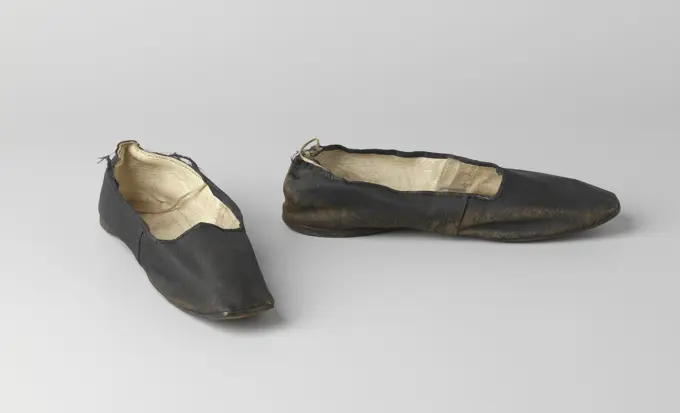
Shoe made of black cotton with small wedge heel, c. 1820 - c. 1840 Shoe made of black cotton. No right/left difference. Built -in heel of one layer of leather. Pointed forefoot. Square nose. Tire closure in a silk omboard. North Netherlands whole: Cotton (textile). Sole: Leather Shoe made of black cotton. No right/left difference. Built -in heel of one layer of leather. Pointed forefoot. Square nose. Tire closure in a silk omboard. North Netherlands whole: Cotton (textile). Sole: Leather
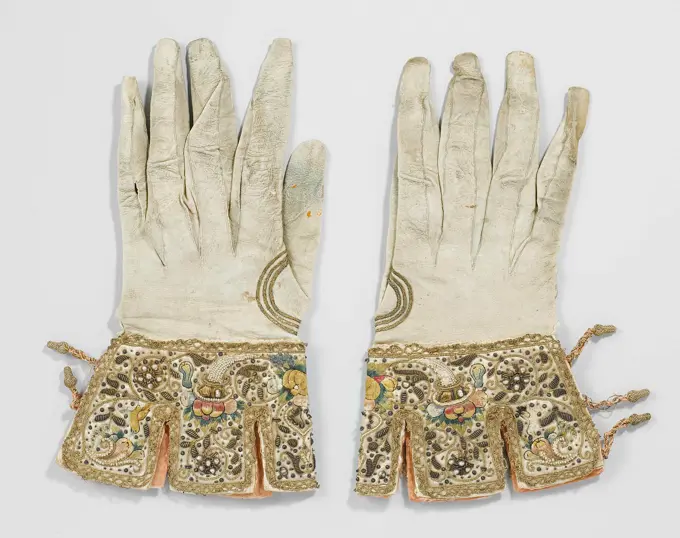
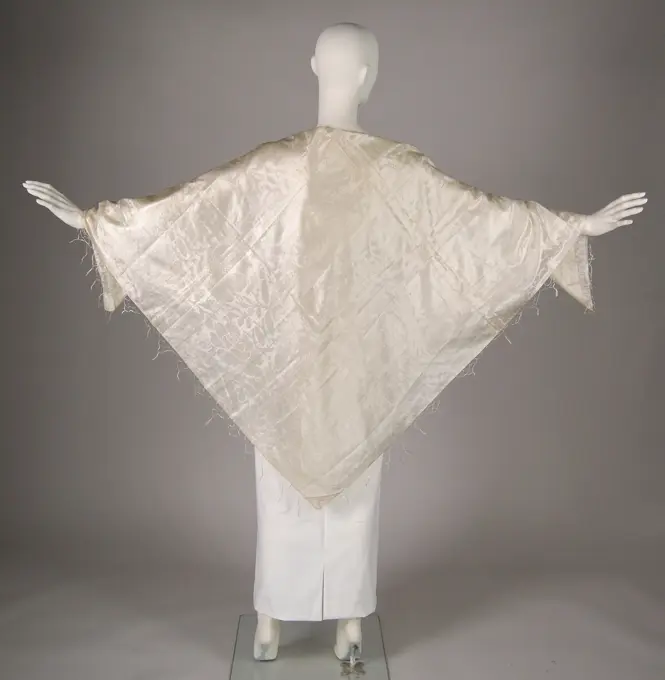
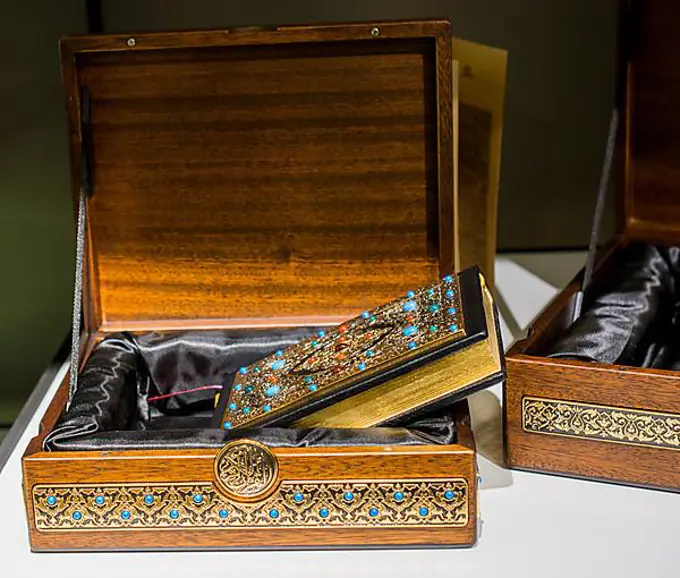
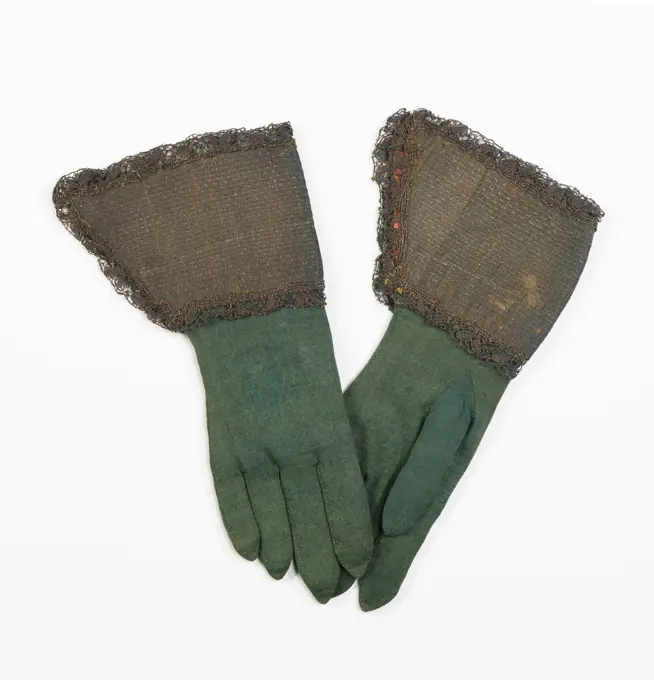
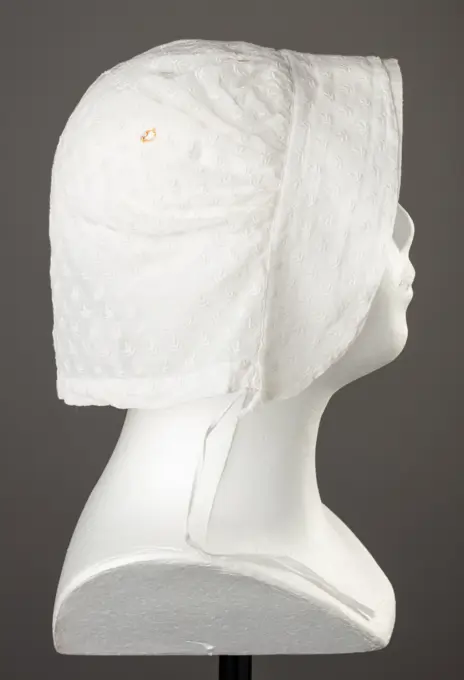
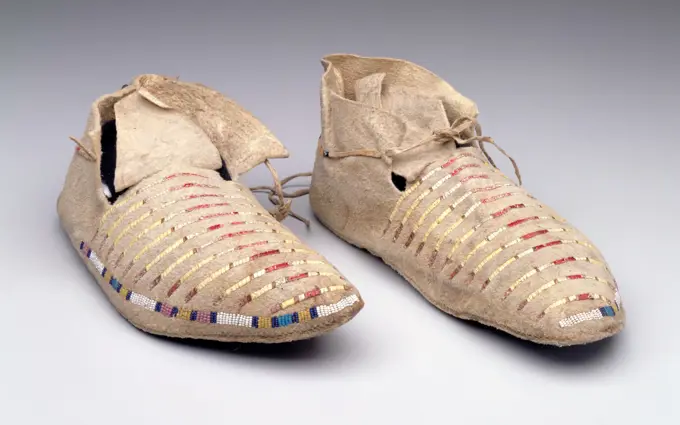
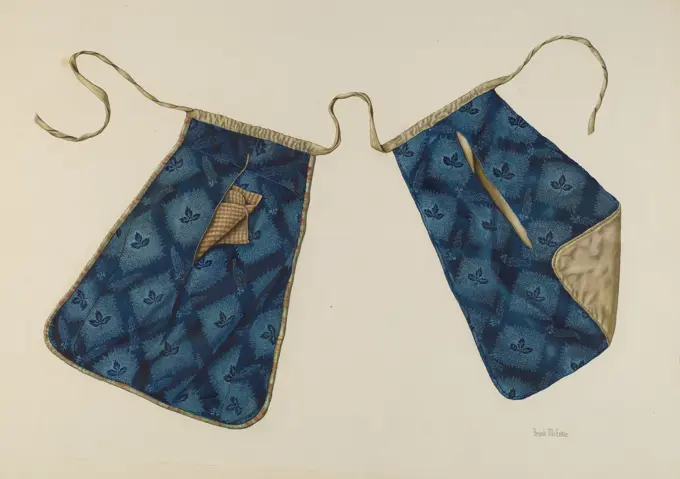
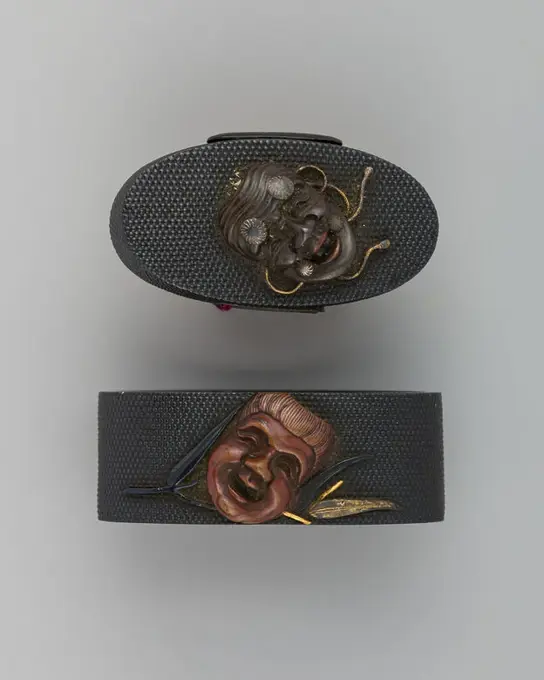
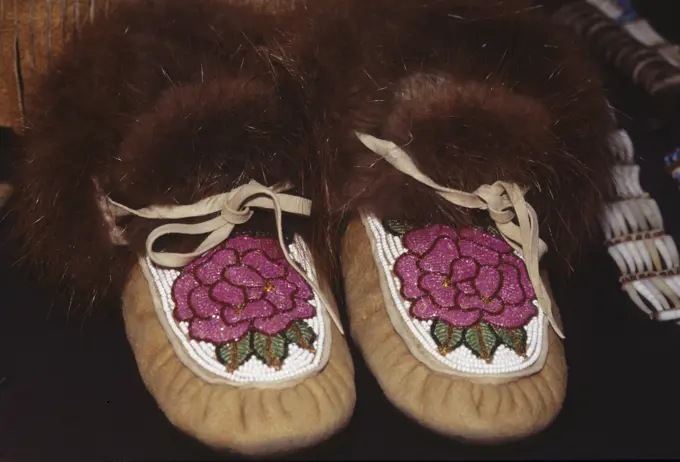
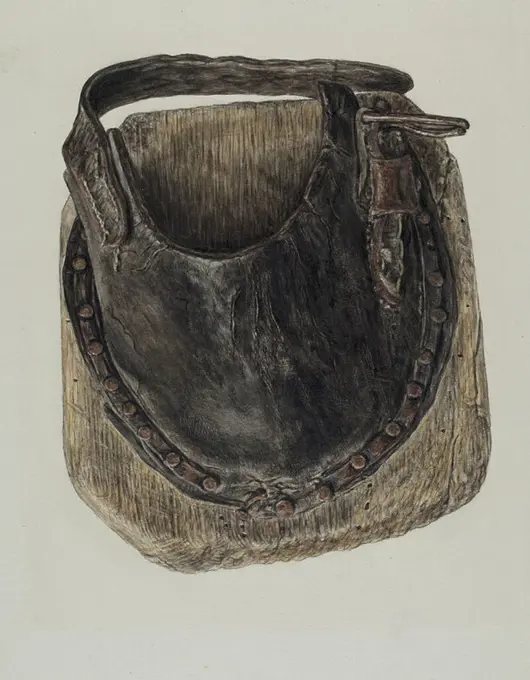
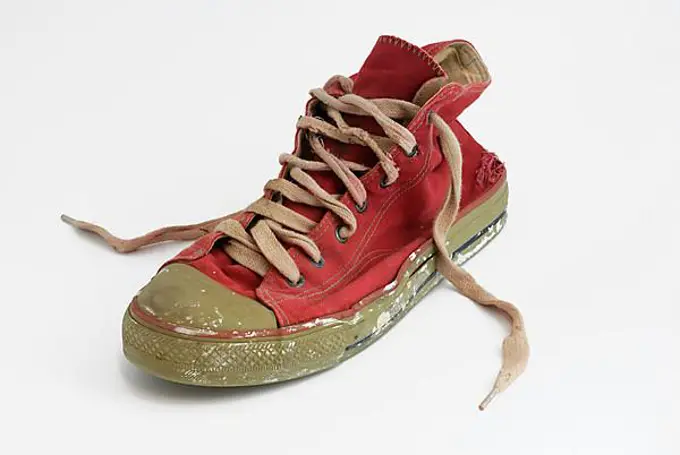
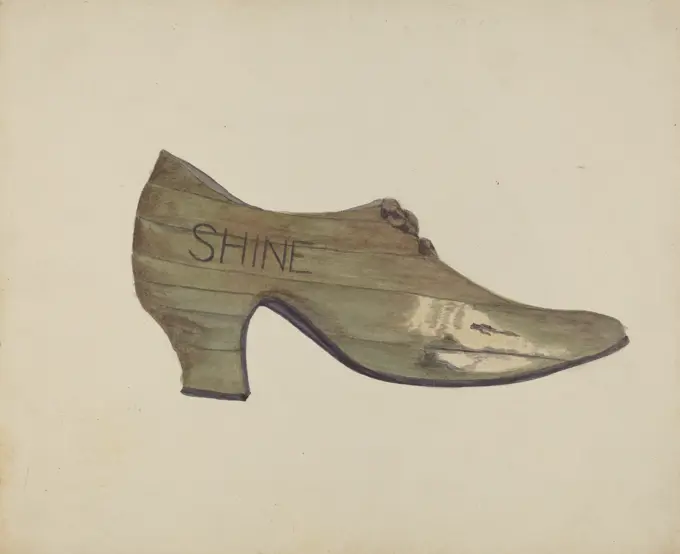
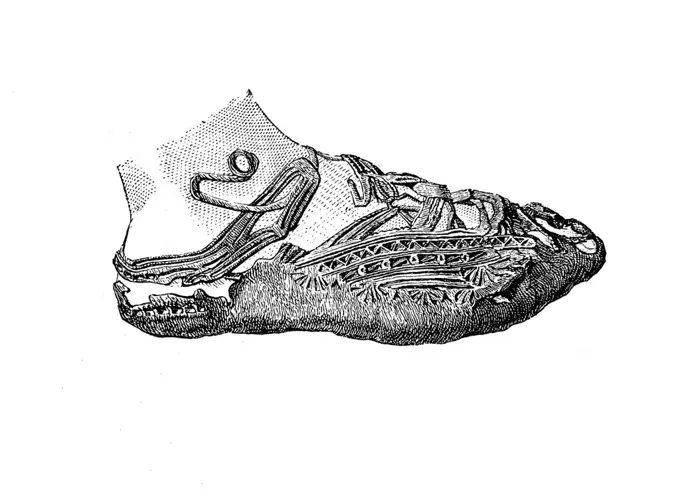
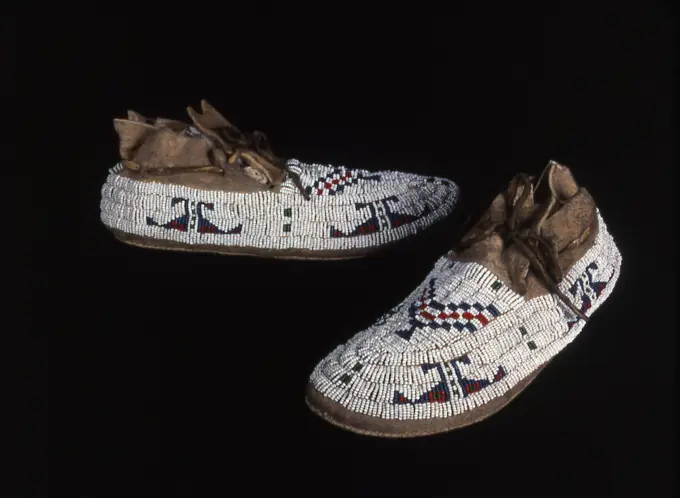
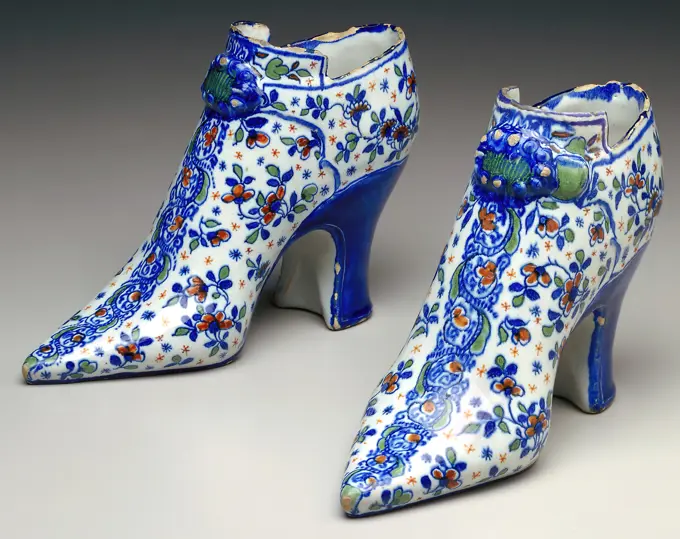
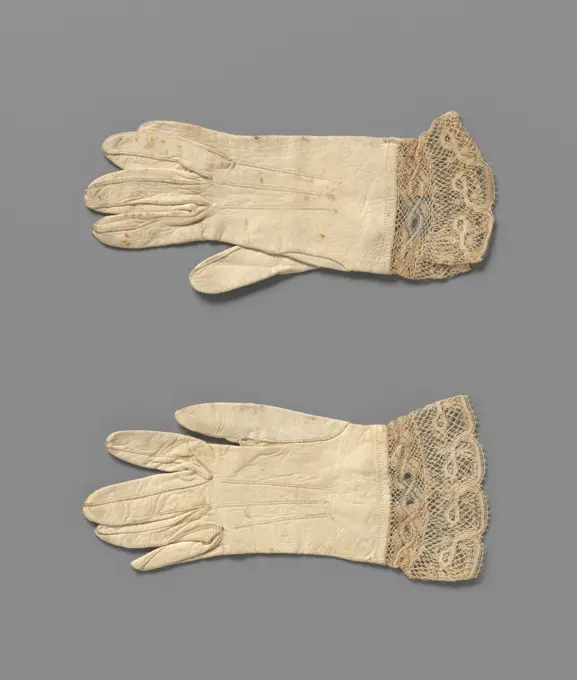
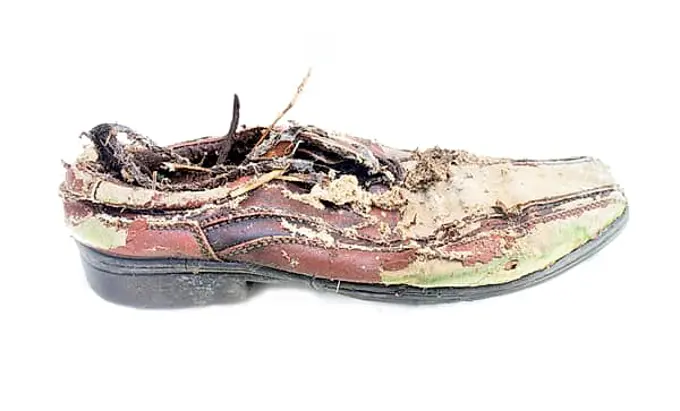
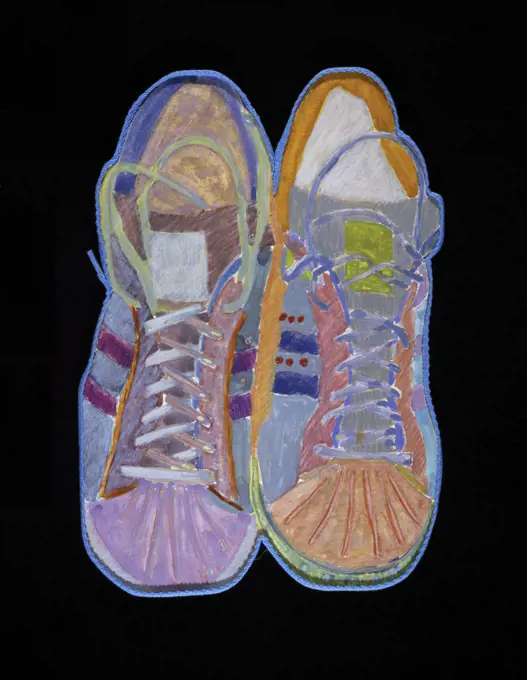
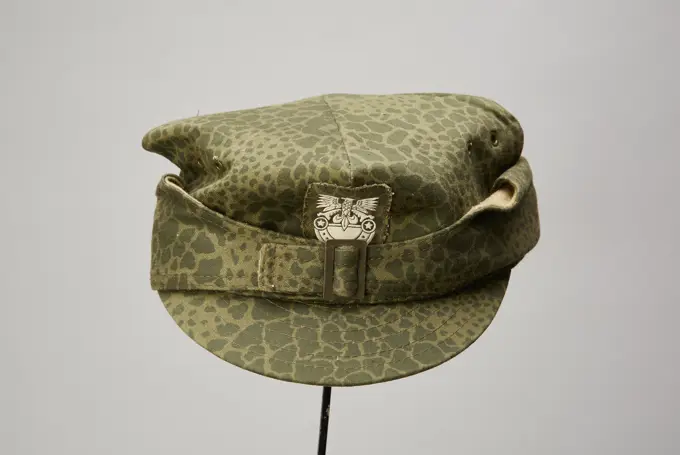
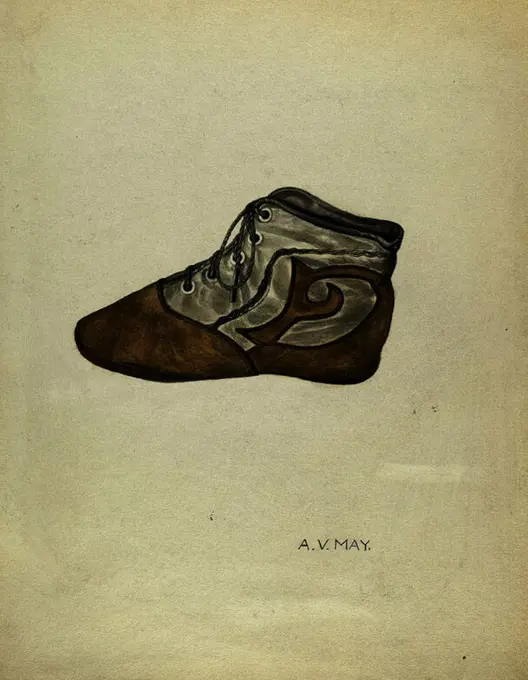
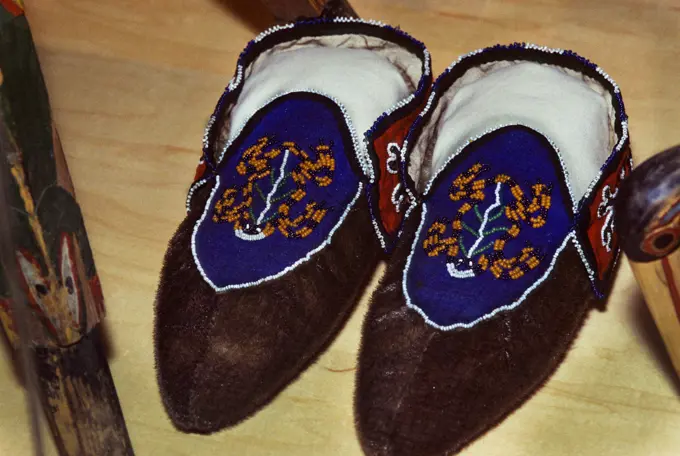
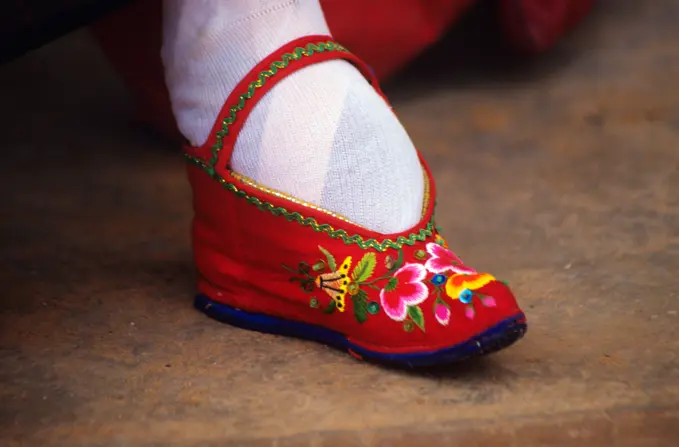
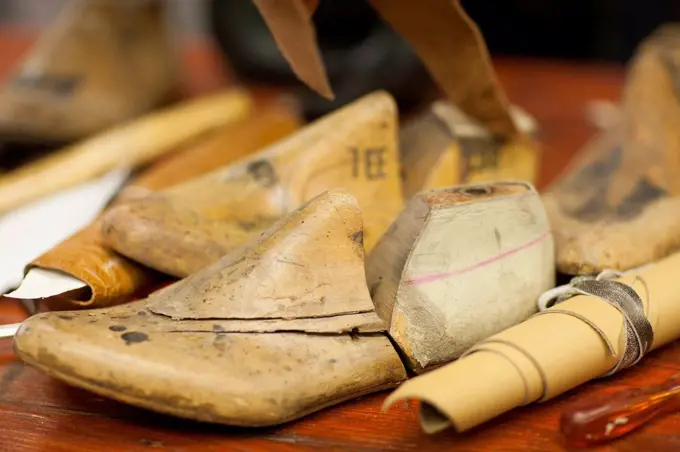
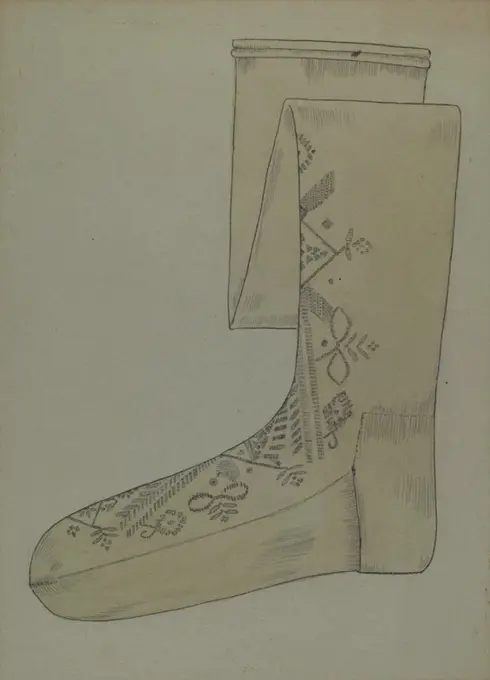
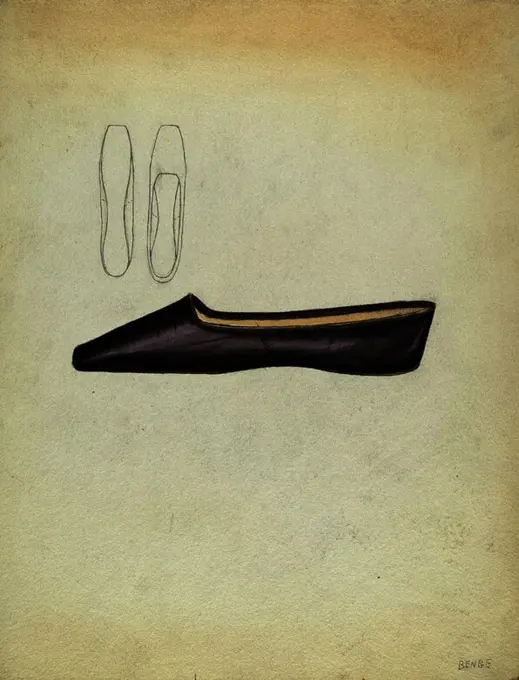
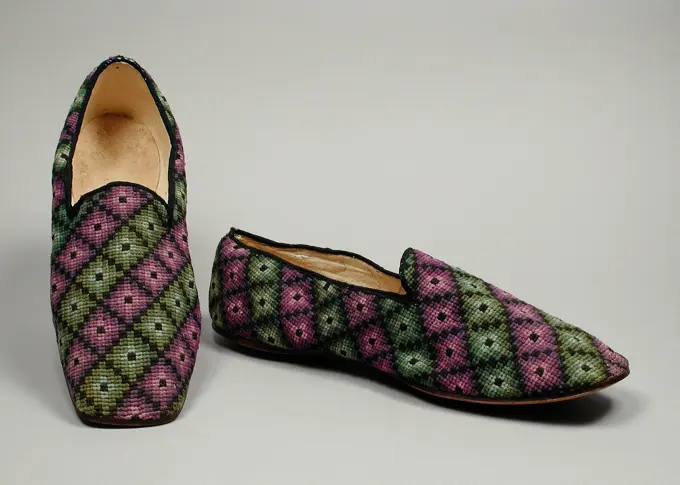
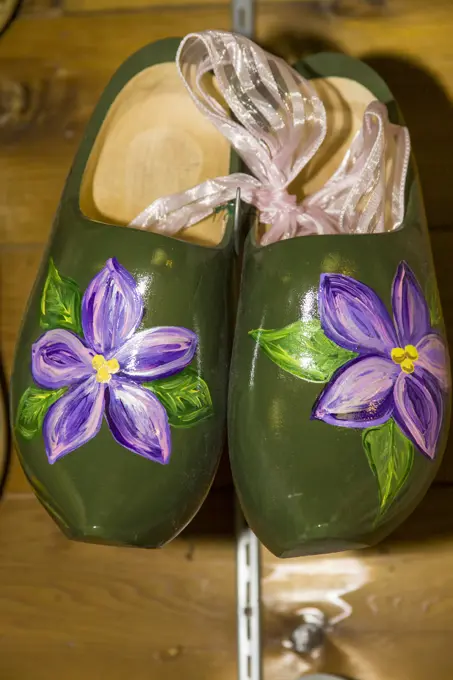
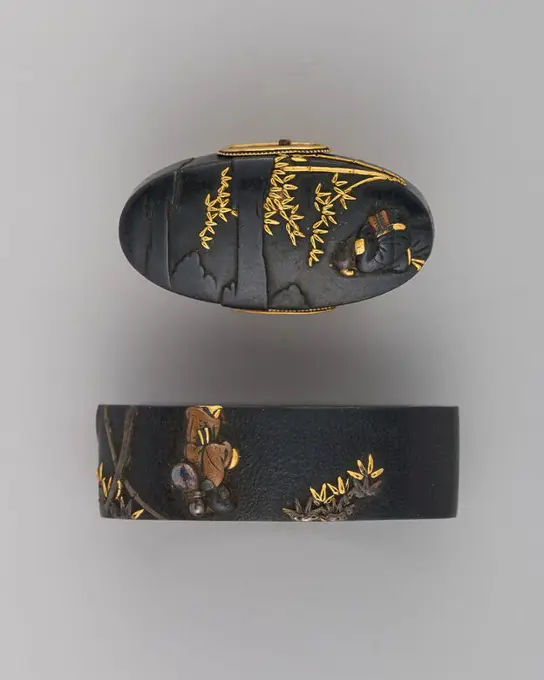
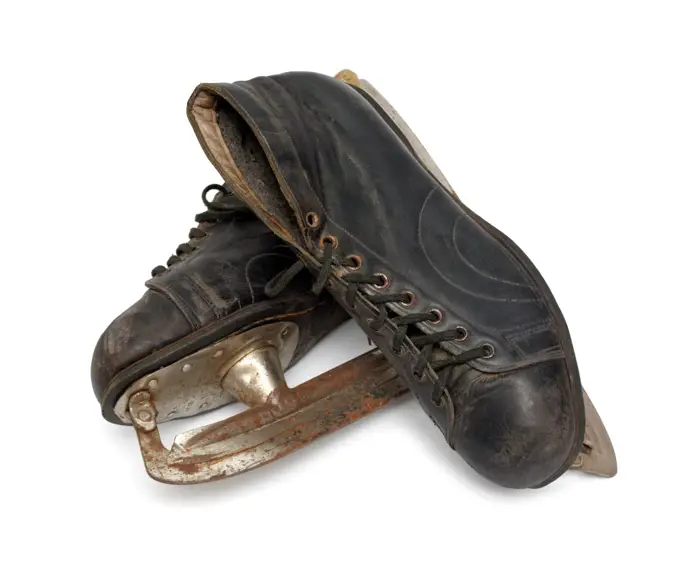
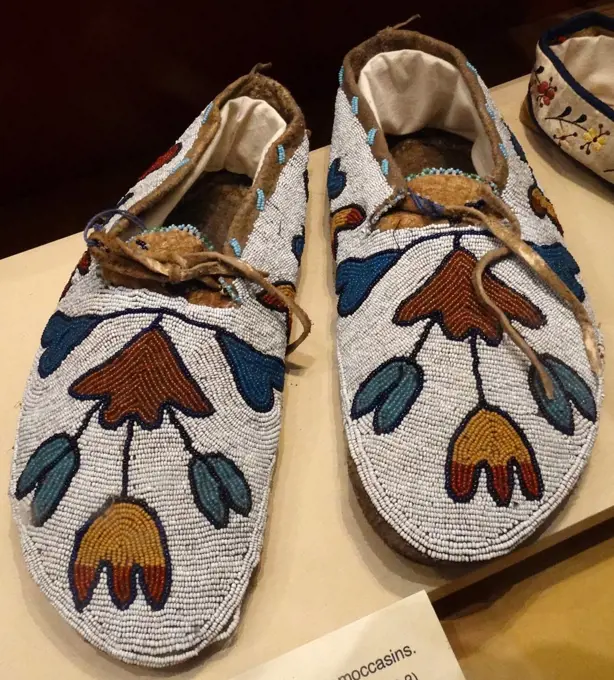
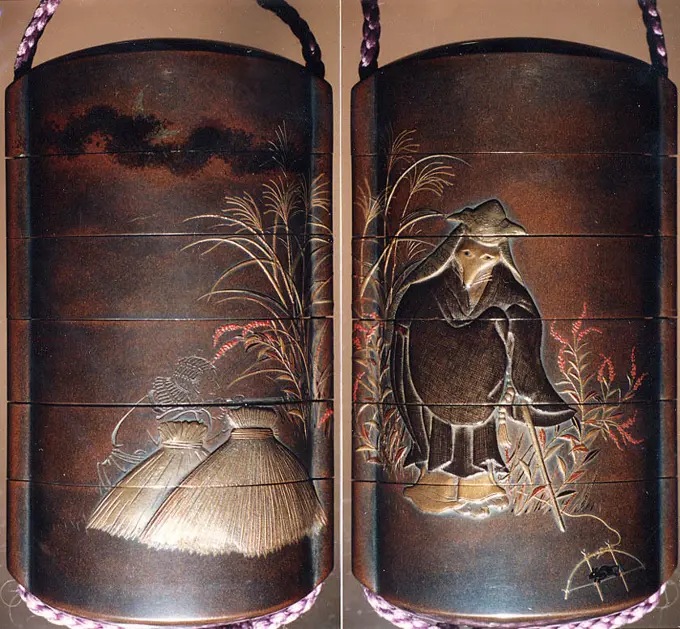
The glove of the medieval knight. Metal protection against weapons of the enemy soldierGauntlets first quarter 18th century Russian These Russian nobleman's gloves were collected by Stewart Culin (1858-1929), probably during his expeditions of 1920-21. Culin was the Brooklyn Museum's first Curator of Ethnology, serving from 1903 to 1929. Possessing an insatiable curiosity and appetite for collecting objects of all kinds, Culin conducted over twenty worldwide collecting expeditions between 1901 and 1928. The trips covered American Indian territories, New England, Asia, India, Great Britain, and all of Eastern and Western Europe. The seven expeditions between 1917 and 1928 were specifically focused on collecting regional textiles and costumes from Eastern and Western Europe and, to a lesser extent, New England. Culin's goals for these trips were not just to expand the Museum's holdings, but also to preserve their cultural contexts. He did so through amassing photographs, notebooks, and ephemera which documented the social, commercial, and cultural circumstances surroundingIron Mannequin Shoe. Dated: c. 1938. Dimensions: overall: 46 x 35.5 cm (18 1/8 x 14 in.) Original IAD Object: 6 1/2" high; 7 1/2" wide; 2 1/2" wide. Medium: watercolor, pen and ink, and graphite on paper. Museum: National Gallery of Art, Washington DC. Author: Wellington Blewett.Bracket 16th-17th century. Bracket 446000Pair of shoes, ChinaBliżej Kultury unknownBallet shoes on dark groundPair of Moccasins, c. 1870, 10 3/4 x 4 x 3 1/4 in. (27.31 x 10.16 x 8.26 cm) (a, left)10 3/4 x 4 x 3 in. (27.31 x 10.16 x 7.62 cm) (b, right), Animal hide, quills, beads, United States, 19th centuryFrank McEntee, Pannier Pockets, c 1937 Pannier PocketsPanel from beneath feet of a cartonnage, with scorpions on soles. Dimensions: 26.7 × 22 cm (10 1/2 × 8 11/16 in.). Date: late 3rd century BC-1st century AD.This panel once adorned the exterior foot end of a wrapped mummy. It depicts the soles of two sandals with a scorpion crushed beneath each one. The imagery reflects the ancient Egyptians' desire to control the dangerous elements of their world, a concern that here is transferred to the world of the afterlife. On the mummy, the scene was intended to give power to the deceased over the inimical forces that he would encounter on his nightly journey through the netherworld to-ward rebirth each dawn. Museum: Metropolitan Museum of Art, New York, USA.Glove from J.R. Thorbecke. Some glove belonging to J.R.'s office suit. Thorbecke as the Minister of the Interior.Gloves. Culture: American. Date: 1880-84. Museum: Metropolitan Museum of Art, New York, USA.Woman's Slipper. Dated: c. 1936. Dimensions: overall: 31.5 x 29 cm (12 3/8 x 11 7/16 in.). Medium: watercolor, graphite, and gouache on paper. Museum: National Gallery of Art, Washington DC. Author: Ella Josephine Sterling.Sword-Hilt Collar and Pommel (Fuchigashira). Culture: Japanese. Dimensions: Fuchi (a); H. 1 7/16 in. (3.7 cm); Wt. 0.9 oz. (25.5 g); kashira (b); H. 1 5/16 in. (3.3 cm); Wt. 0.5 oz. (14.2 g). Date: ca. 1615-1868. Museum: Metropolitan Museum of Art, New York, USA.URCULO , EDUARDO. ESCULTOR ESPAÑOL. SANTURCE 1938 - 2003. " Y SIN EMBARGO HAY ALGO QUE SE QUEDA ". BRONCE PATINADO.Shoes late 19th century American or European. Shoes 104063Marches Ancona Sassoferrato Pinacoteca7. Hutzel, Max 1960-1990 Two coats-of-arms (of Sassoferrato and the Bishop Aldobrandini; a polyptych of saints Anthony, Sebastian, Roch and Martin; the Madonna of Sassoferrato; a portrait of Sentinensi; ceramic fragments (15th-16th centuries); a renaissance ciborium, a mosaic of St. Demetrius in a wood and silver frame (10th-11th centuries); an Umbrian processional cross (15th century); a wooden statue of the Madonna di Loreto; reliquaries; a saint's wooden shoe; an ivory diptych; silver medallions (13th century) and various paintings. Antiquities: A Roman altar, gravestone, urn and torso. (1st-3rd centuries). Object Notes: Hutzel photo campaign date: March 17, 1983 German-born photographer and scholar Max Hutzel (1911-1988) photographed in Italy from the early 1960s until his death. The result of this project, referred to by Hutzel as Foto Arte Minore, is thorough documentation of art historical development in Italy up to the 18th century, includiKansas City, Missouri. Artifacts from the Arabia Steamboat Museum.Gloves 1680-1720 British. Gloves 170541NAIG 2002Mitts 1680-1720 British. Mitts. British. 1680-1720. silk, metal, cottonDecorative floral beadwork on top of moosehide moccasins lined with beaver fur. Alaska circa 1971Zoar Man's Hat, Boots and Coat. Dated: c. 1937. Dimensions: overall: 53.5 x 45.3 cm (21 1/16 x 17 13/16 in.) Original IAD Object: 40" long. Medium: watercolor, graphite, and pen and ink on paperboard. Museum: National Gallery of Art, Washington DC. Author: Fritz Boehmer.FORMA - 1959. Author: EQUIPO 57. Location: PRIVATE COLLECTION. MADRID. SPAIN.Stockings. Culture: American. Date: ca. 1860. Museum: Metropolitan Museum of Art, New York, USA.Holland  ClogsMan's Shoe. England, 1530-1545. Costumes; Accessories. LeatherMan's Shoe. Dated: 1935/1942. Dimensions: overall: 30 x 22.9 cm (11 13/16 x 9 in.). Medium: watercolor, graphite, and gouache on paper. Museum: National Gallery of Art, Washington DC. Author: Gladys Cook.Cicada-shaped Flower Basket, 19th century, Unknown Japanese, 7 3/4 × 3 1/4 × 10 3/4 in. (19.69 × 8.26 × 27.31 cm), Bamboo, rattan, metal, Japan, 19th centuryPair of ballet slippersSwamp Shoe for Horse. Dated: c. 1942. Dimensions: overall: 34.1 x 22.3 cm (13 7/16 x 8 3/4 in.). Medium: watercolor, graphite, and pen and ink on paperboard. Museum: National Gallery of Art, Washington DC. Author: Clarence Secor.Two pairs of gloves with buttons, anonymous, c. 1900 - c. 1925 Right glove of white chamois leather with three mother -of -pearl. Decorated on the back of the hand with three stitched thickened lines. Knee whole: Chamois (Animal Material). whole: Mother of Pearl Right glove of white chamois leather with three mother -of -pearl. Decorated on the back of the hand with three stitched thickened lines. Knee whole: Chamois (Animal Material). whole: Mother of PearlWorn-out red sneakerAlfred Denghausen, Shoe Shop Sign, c 1937 Shoe Shop SignCASCOS DE PROYECTIL DE ARTILLERIA 1936. Location: ALCAZAR / MUSEO DEL EJERCITO-COLECCIÓN. Toledo. SPAIN.Needlepoint Slippers. Dated: c. 1940. Dimensions: overall: 24.4 x 47.5 cm (9 5/8 x 18 11/16 in.). Medium: watercolor and graphite on paper. Museum: National Gallery of Art, Washington DC. Author: LeRoy Griffith.HES of blue cotton, anonymous, c. 1850 - c. 1920 Blue cotton with white piping and a red lacing. Netherlands cotton (textile) Blue cotton with white piping and a red lacing. Netherlands cotton (textile). Gloves of white leather with incised cream colored silk hood, on which embroidery with fruits, flowers, cornucopia and birds of gold thread with freshwater pearls, frosty silk and silver lovers, lined with pink silk. At the end of the hood each three glans from gold thread with silk straps.Richly decorated shoe made of one piece of leather, culture in the Migration Period was a time of widespread migration within or to Europe in the midd...Pair of Moccasins Made 1875-1895 Plains. Doe skin, sewn with sinew; decorated with beads . ArapahoSemi -challenged pattern bag from C.J. Baron Krayenhoff, Anonymous, in Or Before 1815 bag. cartridge pouch Pattern bag, cut from one piece of wood, covered with red leather. Damaged.  wood (plant material). leatherDelft Shoe, one of a pair, 1720, 4 x 2 7/16 x 6 1/2 in. (10.2 x 6.2 x 16.5 cm), Tin-glazed earthenware, England, 18th centuryDesign for Mehendi, Indian Henna Body Art, India, AsiaDemolition for a child of white linen, with two bow tires at the top, anonymous Half a shirt from linen for a baby.  linen (material) Half a shirt from linen for a baby.  linen (material)Shoes, Vincent van Gogh, 1887,Cord Knob (Kurigata). Culture: Japanese. Dimensions: H. 1 1/4 in. (3.2 cm); Wt. 0.6 oz. (17 g). Date: 19th century. Museum: Metropolitan Museum of Art, New York, USA.Left -old glove of white glacé leather with mechanical side stores: imitation valenciennes, c. 1900 - c. 1910 Left -old glove of white glacé leather with mechanical side stores: imitation valenciennes. Short model, button closure. Netherlands (possibly) whole:. Storages: Valenciennes lace / valenciennes lace Left -old glove of white glacé leather with mechanical side stores: imitation valenciennes. Short model, button closure. Netherlands (possibly) whole:. Storages: Valenciennes lace / valenciennes lacePair of Musician's Chairs 1765-1775 Northern Italy. Wood, leather, and brass .Militaria, Italy, 19th century. Kingdom of Italy. Kepi of the earth branch Custom Guard with short pick.Fragment dish from v.o.c.-ship De 'Witte Leeuw', Anonymous, Before 1613  Fragment dish from v.o.c. ship the 'Witte Leeuw'. Lampet dish. Jingdezhen bone china (material)   Sint-HelenaWaistcoat, Medium: silk, metal threads, sequins, paste jewels Technique: satin weave, embroidered with silk and metal threads, Waistcoat of white satin, embroidered with multicolored silks, metal threads, paste jewels, and sequins. Scene of small sailing vessels, one firing on a tower. Border of drums and flags., France, 1765-1780, costume & accessories, WaistcoatOne Shoe on a white background is very oldRokvest from white piqué, anonymous Rokvest of white piqué.  pique Rokvest of white piqué.  piqueRoman leather sandals ITALY.Water Dropper 1800 Japan. Water Dropper. Japan. 1800. White porcelain decorated with blue under the glaze, and relief outlines (Hirado ware). Edo period (1615-1868). Ceramics. This bonnet has a complex construction: the upper part of the crown consists of thin slats of wood over a support of woven cane. The rest of the crown is formed by a paper barrel. The brim is also made of paper, which is reinforced along the edge with metal wire.Gloves of nautical leather, with narrow rebushed caps of liver-colored rips silk broached with flowers. Left gloves of yemen leather, with liver-colored sides () Narrow folded caps. Close a inside with a push button. In the hand three embroidered lines consisting of garlands in Rose and green. There is a thin garnish of brown stitching stitches. Four pink / red roses on the caps with leaves. Address (in the left glove a stamp): Made in France, (in the left glove the stamps): VALLET PARIS / MADE IN FRANCE / 6.Bootees 1840-60 American. Bootees 168575Shoe Series #2 1982-83 Marilee Whitehouse-Holm (b.1949/American) Acrylic Private CollectionField cap WP MODUSBaby Shoe. Dated: c. 1937. Dimensions: overall: 29.3 x 23.2 cm (11 9/16 x 9 1/8 in.). Medium: watercolor and graphite on paperboard. Museum: National Gallery of Art, Washington DC. Author: Ada V. May.Pair of Cree moccasins made from velvet cloth and decorated with floral beadwork. After tribes were forced onto reservations they had to use materials that were available for clothing.ballet, footwear and objects concept - close up of pointe shoes on wooden floorAnefo photo collection. Shoes. October 6, 1948Foot Of Chinese Woman Bound Into Tiny Red Embroidered Shoe Yunnan Province ChinaWoman's Slipper. Dated: 1935/1942. Dimensions: overall: 22.8 x 30.5 cm (9 x 12 in.). Medium: watercolor and graphite on paper. Museum: National Gallery of Art, Washington DC. Author: Jean Peszel.Old shoelast at cobbler's shopStockings. Dated: c. 1936. Dimensions: overall: 29.6 x 23 cm (11 5/8 x 9 1/16 in.). Medium: watercolor and graphite on paperboard. Museum: National Gallery of Art, Washington DC. Author: Melita Hofmann.Glove of deer leather () With wide, cut caps decorated with a symmetrical stitched in relief motif, men's model, c. 1650 - c. 1700 Left glove of deer leather () With wide, clamped caps decorated with a symmetrical stitched in relief, men's model. Netherlands (possibly) whole: Leather embroidering Left glove of deer leather () With wide, clamped caps decorated with a symmetrical stitched in relief, men's model. Netherlands (possibly) whole: Leather embroideringSpursShoe. Dated: 1935/1942. Dimensions: overall: 29 x 22.6 cm (11 7/16 x 8 7/8 in.). Medium: watercolor and graphite on paper. Museum: National Gallery of Art, Washington DC. Author: Jessie M. Benge.Man's Slippers. probably United States, 1860s. Costumes; Accessories. Linen canvas with wool needlepoint (Berlin work) and leatherStole mid-19th century British. Stole 168463Wooden shoes, Dutch Village shop, Noordhuizen village, theme park, helps tell the story of Holland's deep history and strong cultural ties, Holland, Michigan, USA.Mexico, Puerto Vallarta. Traditional hats stacked on display.Woollen caps worn by Dutch whalers, anonymous, c. 1642 - c. 1800  Hat, finely knitted in Tricot stitch of light brown wool, double, with ear valves and a partially turned, two centimeters wide edge. The edge has two horizontal blue stripes on the inside and is measured from the upper stripe, four centimeters wide.  wool knitting  Spitsbergen. Zeeuwsche Uytkyckhorma de zapato, Museo del Calzado y de la Piel , Inca ,Mallorca, balearic islands, spain, europe.SZT 2797; Polska; Szustokor; XVIII w.; szycie; jedwab, niæ metalowa, galon; 101x177A close-up photo of a reclaimed shoe from the Signal Corps during World War One. The shoe bears the identification number 68,413 and is part of salvage efforts. The photographer, RECO, made a detailed description and took notes on the reclaiming process.Sword-Hilt Collar and Pommel (Fuchigashira). Culture: Japanese. Dimensions: Kashira (a); H. 1 5/16 in. (3.3 cm); Wt. 0.4 oz. (11.3 g); fuchi (b); H. 1 1/2 in. (3.8 cm); Wt. 0.8 oz. (22.7 g). Date: 18th century. Museum: Metropolitan Museum of Art, New York, USA.Edith Towner, Spur Cover, c 1936 Spur CoverChristmas Socks, Part of Christmas decoration Christmas Socks, Part of Christmas decoration Copyright: xZoonar.com/YogeshxMorex 5500584Gloves 16th century British. Gloves. British. 16th century. leatherWinter exhibition Three Hazelnuts for CinderellaGlove of leather with two mother -of -pearl snaps, anonymous, c. 1900 - c. 1950 Right leather gloves with two mother -of -pearl snaps and three paving cords on the back. Netherlands (possibly) whole: Leather. Buttons: Mother of Pearl Right leather gloves with two mother -of -pearl snaps and three paving cords on the back. Netherlands (possibly) whole: Leather. Buttons: Mother of PearlShoeBottle. Manufacturer Attributed to: United States Pottery Company, 1849-1858Little ballet shoes, close upBlue Shoes and YarnBootees 1840-60 American. Bootees 168577Duster 1900-1910 Rogers, Peet & Company American. Duster. American. 1900-1910. woolPair of shoes with ribbon laces, Hendrik Willem Berenbak, c. 1814 - c. 1825 Shoe made of cream-colored silk, with square nose, silk bow tie and without a heel, belonging to Empire Hofjapon (BK-NM-12310). The Hague blad: silk. striklint: silk. zool: leather. adres: paper. adres: printing ink printing  The Hague Shoe made of cream-colored silk, with square nose, silk bow tie and without a heel, belonging to Empire Hofjapon (BK-NM-12310). The Hague blad: silk. striklint: silk. zool: leather. adres: paper. adres: printing ink printing  The HagueWoman's Shoes Made 1850-1879 England. Leather, silk, satin weave with silk ribbons .Pair of old ice skates. Isolated objects: pair of very old ice skates, on white backgroundShadow Puppet (Wayang Kulit) of Emban, from the set KyaiNugroho.   Maker: Marto Suwondo  Maker: Ki Kertiwanda  Maker: Ki Bekel PrawirasucitraPlains Cree, Men's handmade moccasins, Canadian. Dated 1900Moroccan  slippers of goats hair on white backgroundShawl 1840-60 Chinese. Shawl 168468Holy Book Quran with decorative cover and boxLazio Viterbo Viterbo Museo Civico18. Hutzel, Max 1960-1990 Views of paintings (Middle Ages through 18th c.), frescoes, a tabernacle, coffin, sculpture reliefs, portal fragments, busts, sculpture, tapestry found in the Pinacoteca, Second floor gallery and Second floor cloister sequences. Antiquities: Many views of Etruscan and Roman fragments, sculpture, sarcophagi, pottery, masks, jewelry and other objects found in the Storeroom sequence (inventory numbers on back of prints), and the Cloister, Second floor Cloister, Valle Giulia, Sala Romana and Sala Etrusca sequences. General Notes: There are eight separate numerical sequences for this location. The cloister as an architectural structure, rather than museum site, is documented in the record and file for S. Maria della Verita, Cloister, all views of which are stored in Medieval core collection. Five views from the Museo Civico Second floor cloister sequence are stored in Medieval. German-born photographer and scholar Max Hutzel (1911-Case (Inrō) with a Fox from the Kyōgen Play The Fox Hunter (Tsurigitsune); Hunter behind Haystacks from the Kyōgen Play "Hakuzōsu" (reverse) 19th century Shibata Zeshin Japanese. Case (Inrō) with a Fox from the Kyōgen Play The Fox Hunter (Tsurigitsune); Hunter behind Haystacks from the Kyōgen Play "Hakuzōsu" (reverse) 58937