Historical Linen and Textiles

An assortment of vintage napkins and fabrics featuring delicate embroidery and patterns, representing craftsmanship from the 18th and 19th centuries.

Napkin, with woven peel pattern, anonymous, c. 1750 - c. 1800 Napkin made of linen with peel pattern, cut out of a larger piece; Zoomed on four sides .. Netherlands linen (material) Napkin made of linen with peel pattern, cut out of a larger piece; Zoomed on four sides .. Netherlands linen (material)
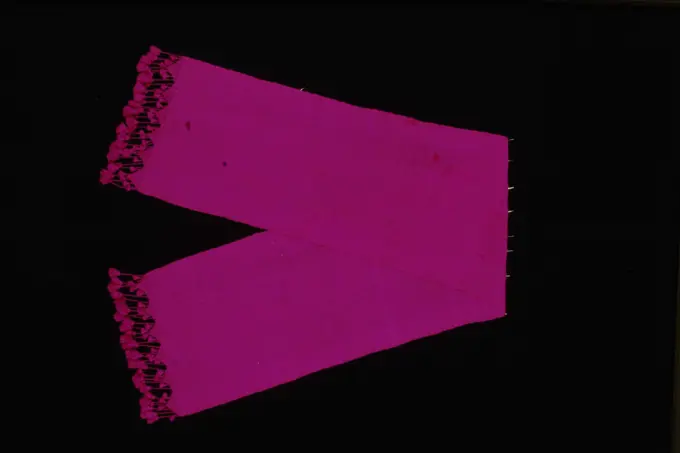
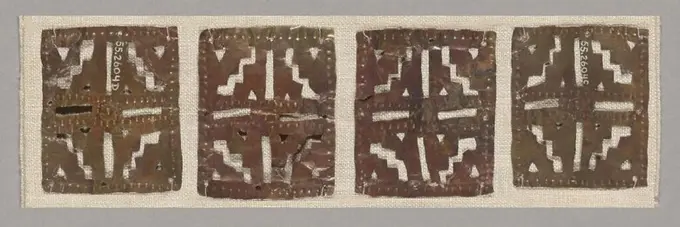
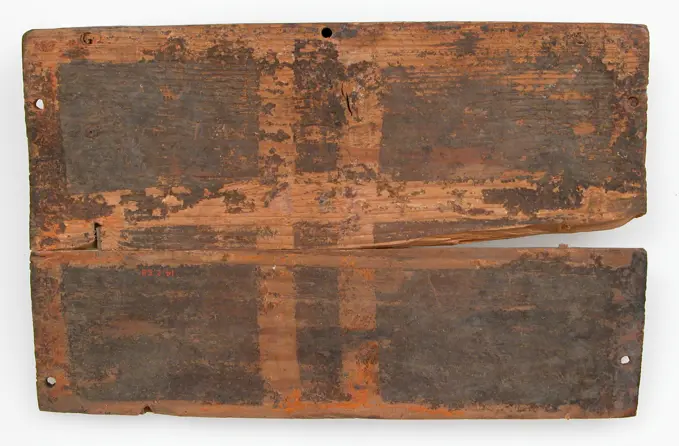
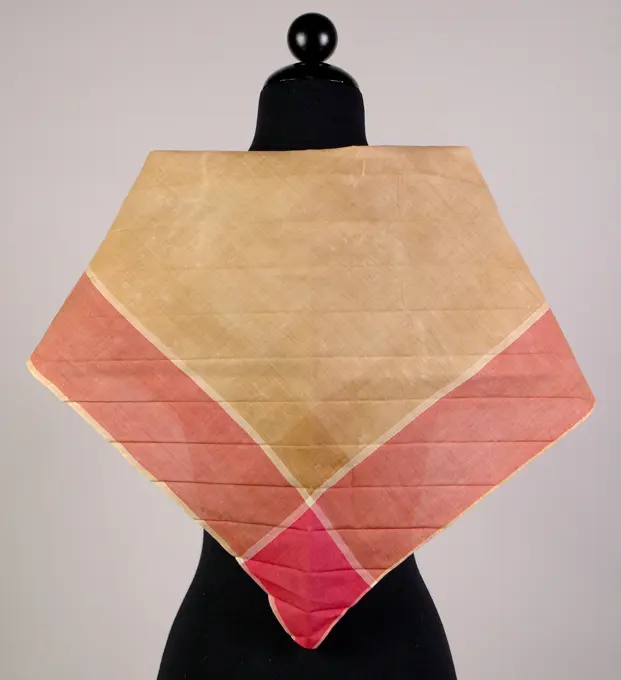
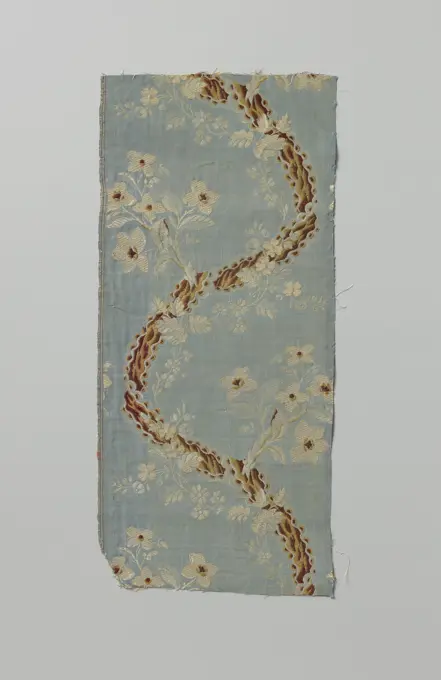
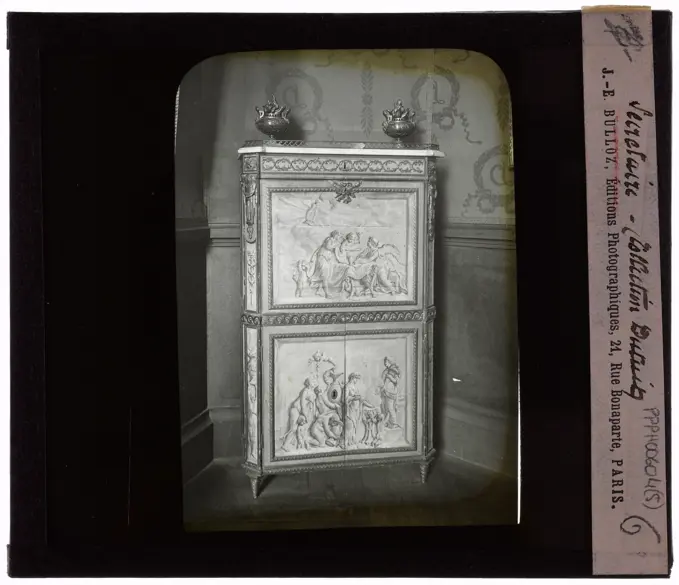
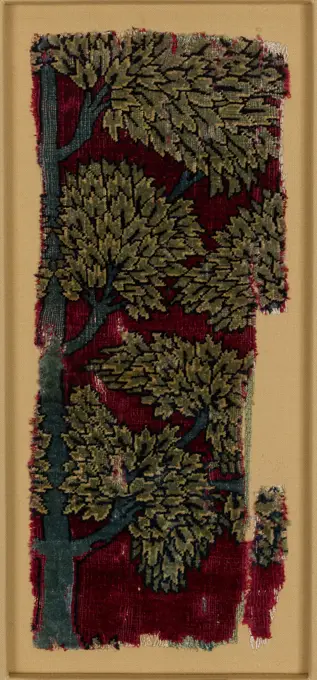
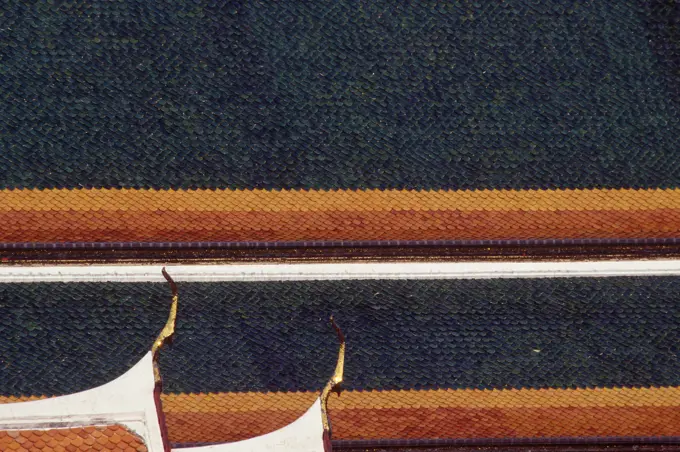
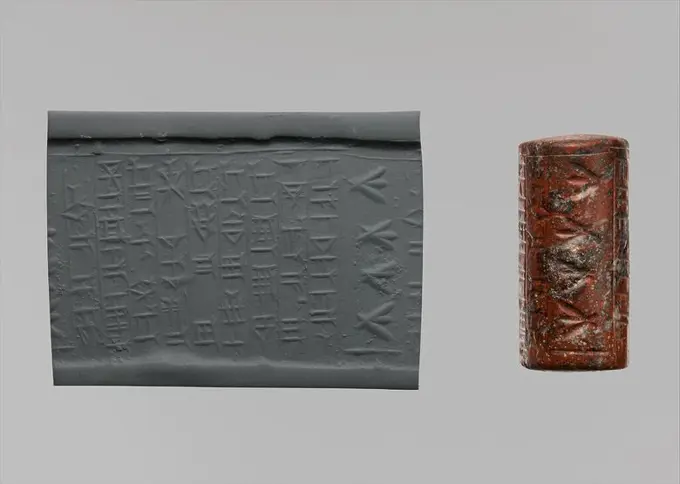
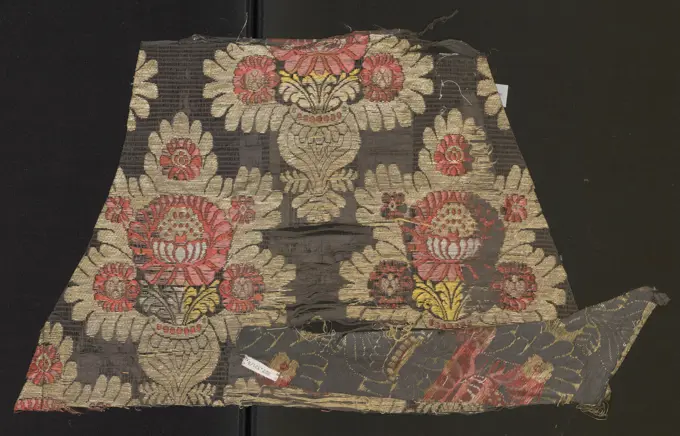
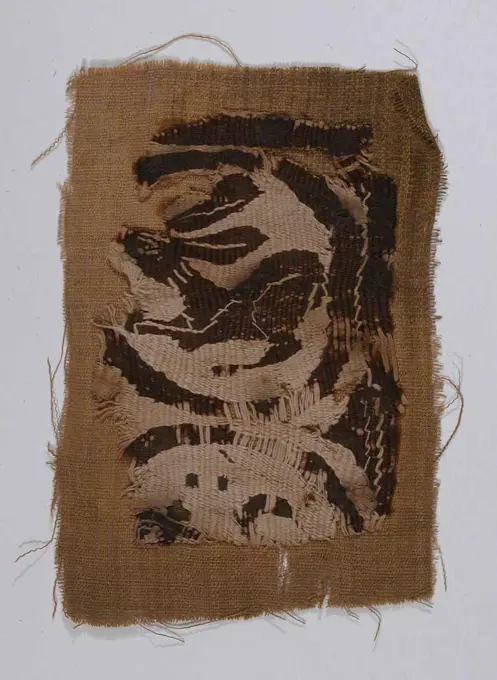
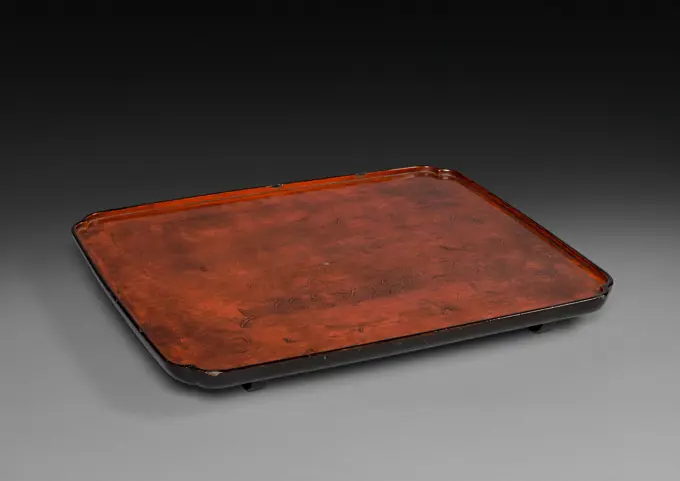
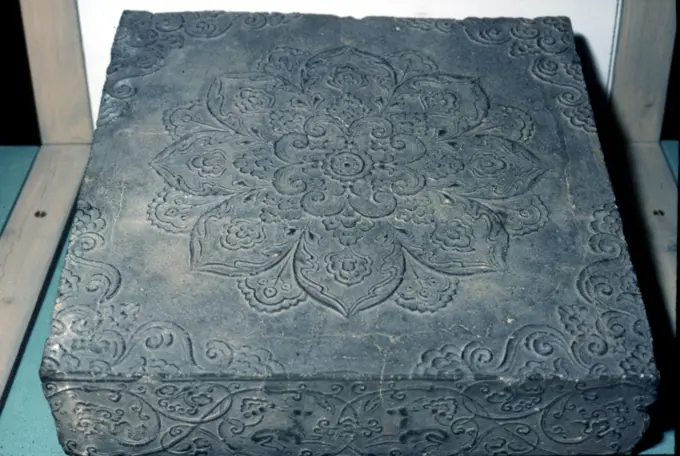
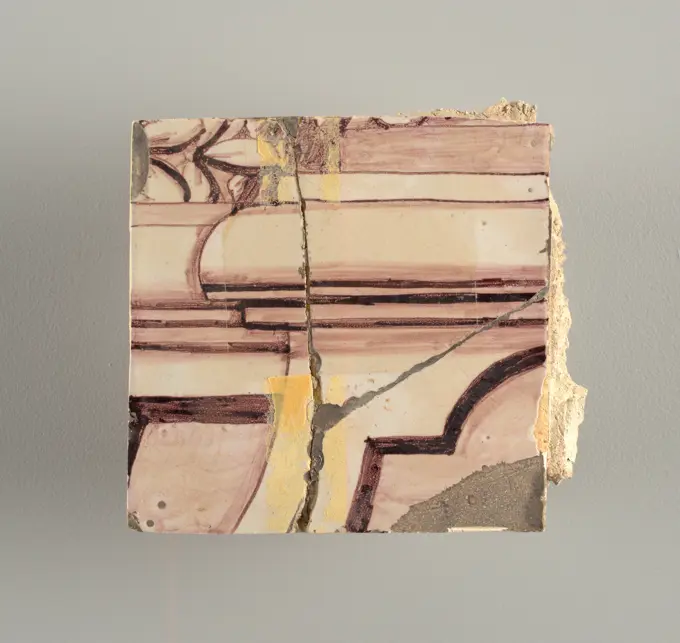
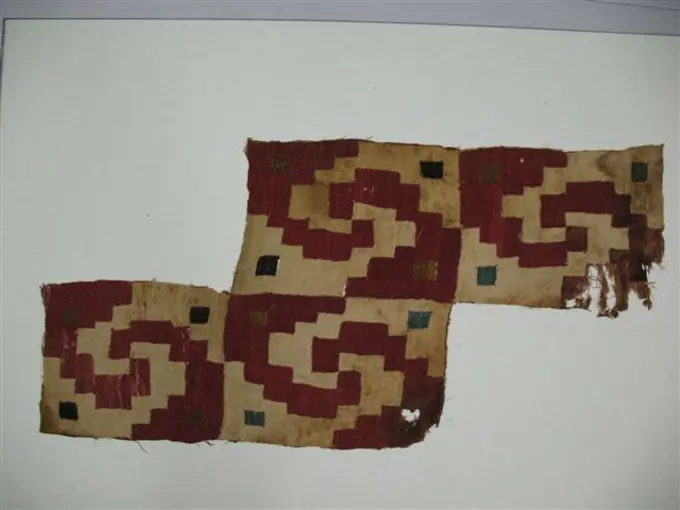
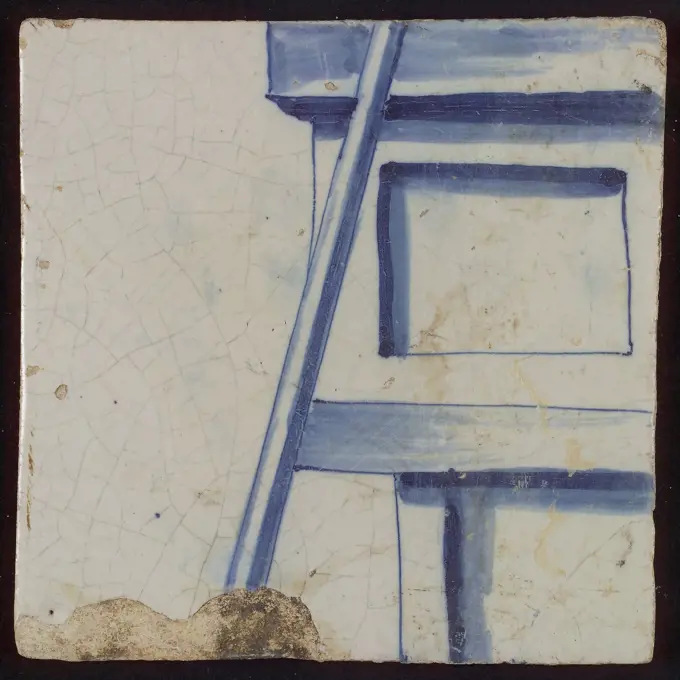
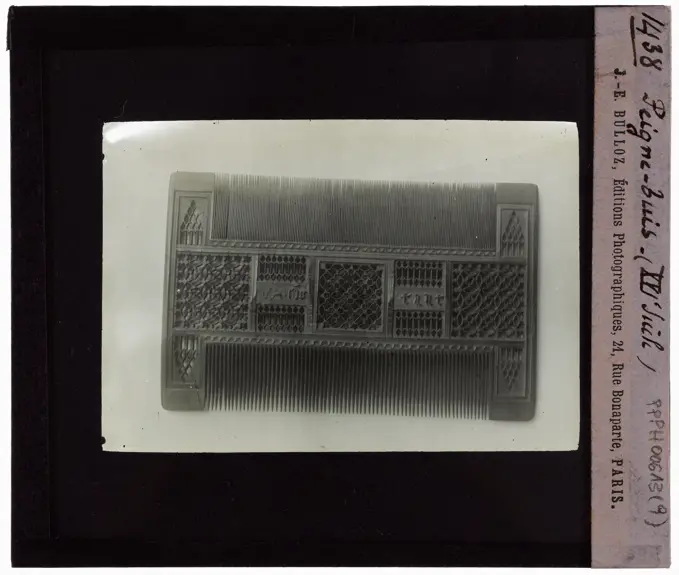
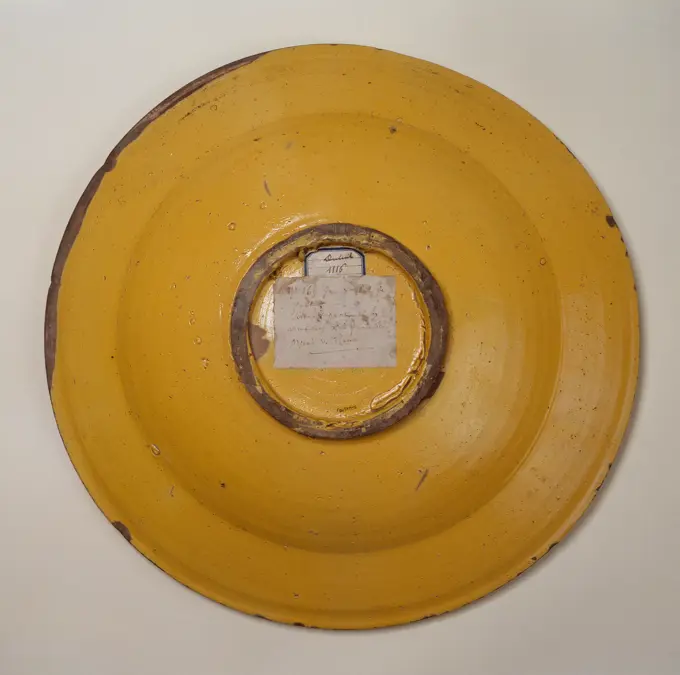
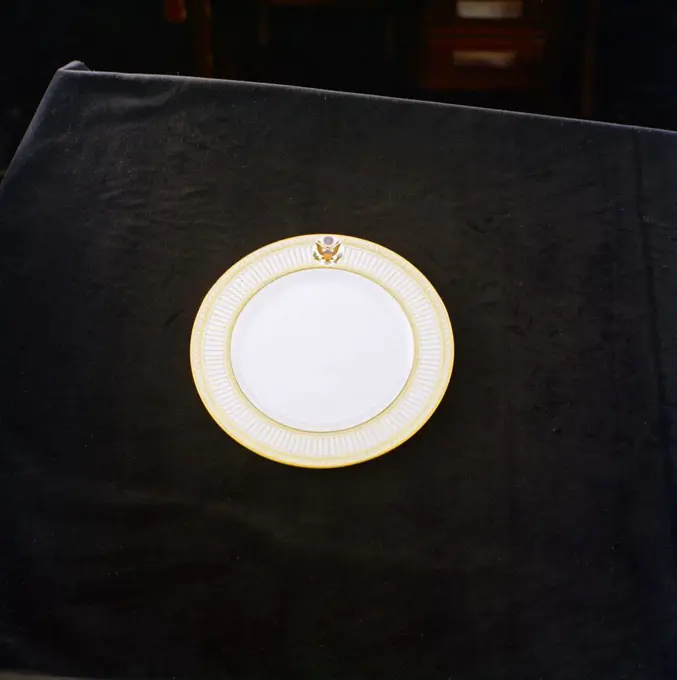
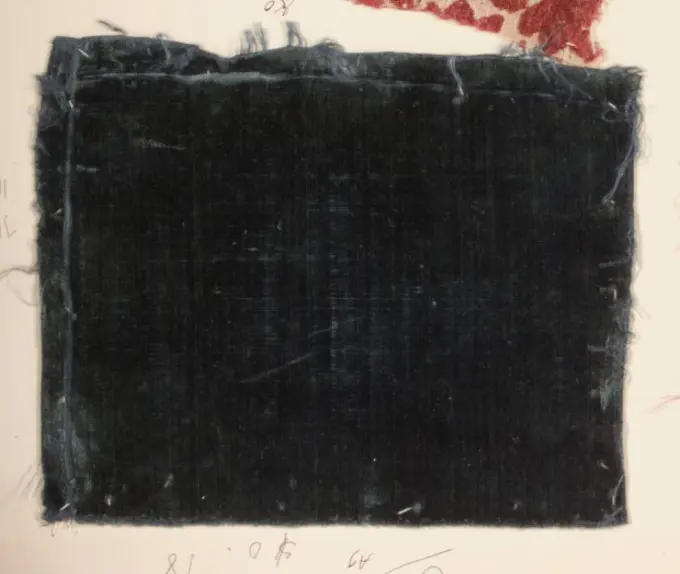
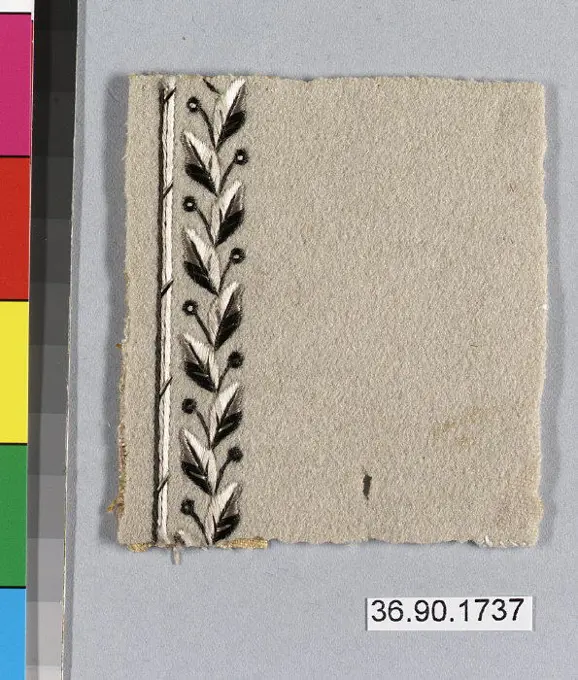
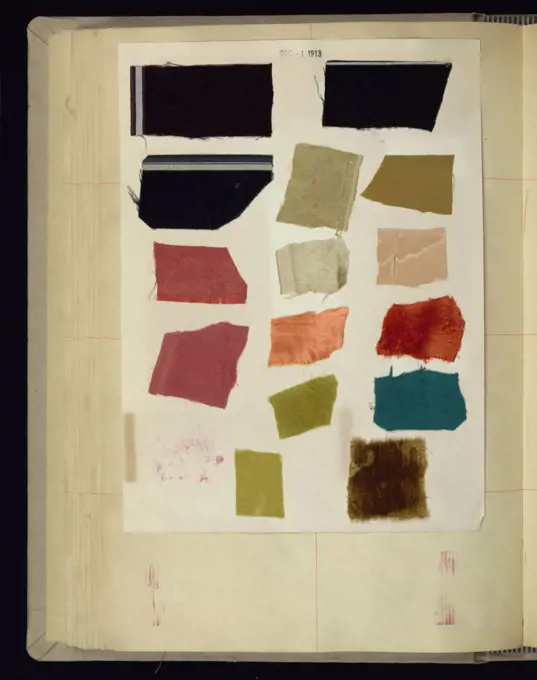
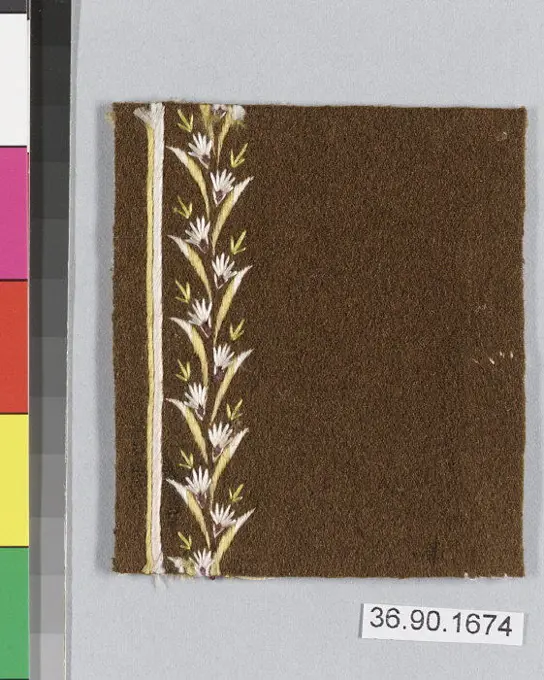
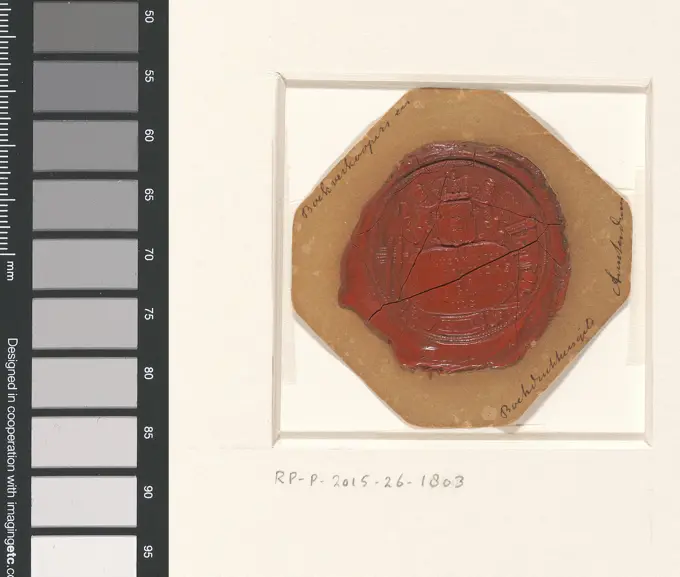
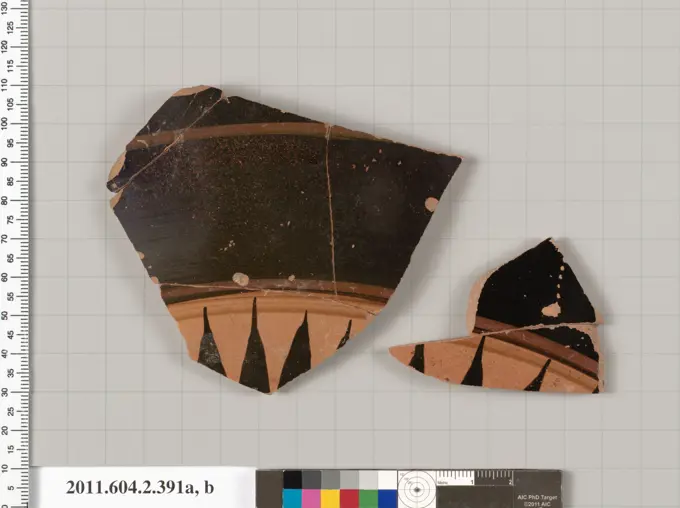
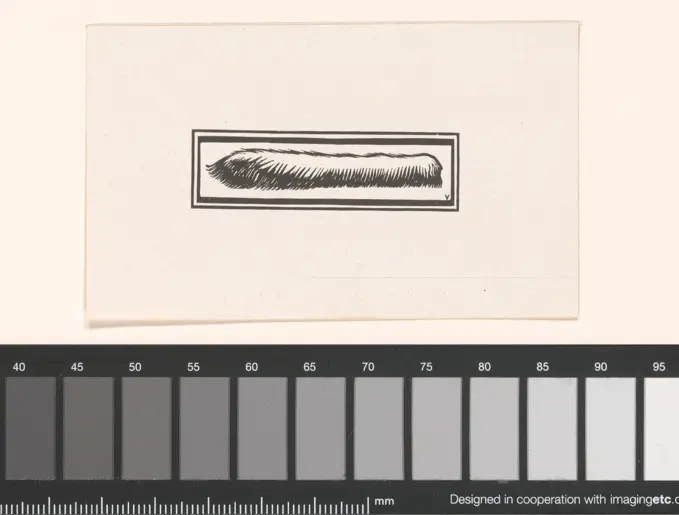
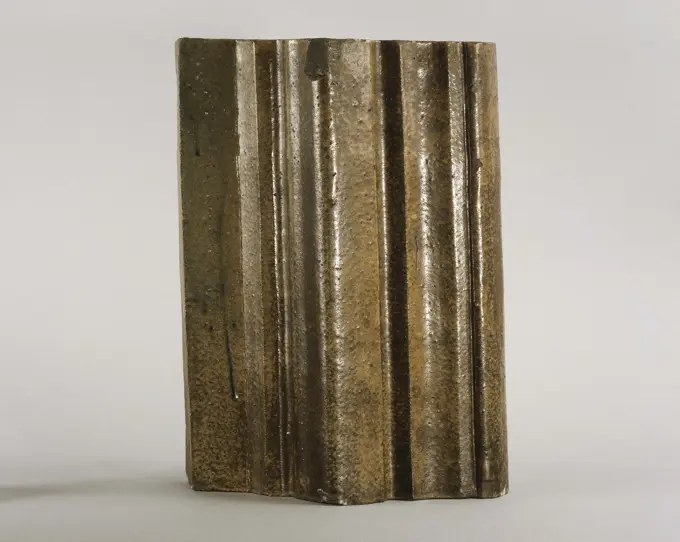
Jean Carriès (1855-1894). "Floor, wall covering: pilaster fragment". Museum of Fine Arts of the City of Paris, Petit Palais. Floor, wall revealed: pilaster fragment Ceramic, ceramic, fragment, pilast, pilaster, reverse, floor, wall, wall-covering, wallJeanne Lanvin. Box (name). Clear wood. XXe s. Galliera, fashion museum of the city of Paris. Haute couture, female mode, female clothingMantle, Small, Fragments or Headcloth, Fragments or Mantle, Border and Corners, Fragments Nasca. Mantle, Small, Fragments or Headcloth, Fragments or Mantle, Border and Corners, Fragments, 100-200 C.E. Cotton, camelid fiber, a: 105 1/8 x 5 1/8 in. (267.0 x 13.0 cm).   Arts of the Americas 100-200 C.E.Indian ornamentGallery wrapped blank back view canvas in wooden frame construction - stretcher bar frames back side isolated on whiteRebozo, 20th century, 90 x 17 in. (228.6 x 43.2 cm), Silk, Mexico, 20th centuryRectangular Costume Ornaments with Geometric Motifs. Possibly Chimú or Inca; Costal or highlands, Peru. Date: 1000-1450. Dimensions: Approx. 3.8 x x 5.1 cm (1.5 x 2 in.) each. Gold. Origin: Peru. Museum: The Chicago Art Institute, Chicago, USA.Flag. Indonesian ROVER flag with a vertical white orbit along the trousers with three rosettes parallel to the stick, then three horizontal tracks red-blue-red.Box 580-640 Coptic. Box 475032Cravat 1840-50 American. Cravat 169121Handkerchief third quarter 19th century French. Handkerchief 227115Henryk Siemiradzki's portfolioExcerpt of a multicolored brochure ,, 1735 - 1800 A fragment of a silk tissue. A pendulum in red -brown and yellow from which light -gray branches of flowers with red and yellow hearts spring. NOTE: MEERSHIP; 0.5 cm Effenbinding (5 lace threads, 2 mm, red - gray - red). France (possibly) silk A fragment of a silk tissue. A pendulum in red -brown and yellow from which light -gray branches of flowers with red and yellow hearts spring. NOTE: MEERSHIP; 0.5 cm Effenbinding (5 lace threads, 2 mm, red - gray - red). France (possibly) silkPlanets-manager. Cornalet Collection Sites 2013-2016. Numismatic.XVII Furniture and XVIII DuTUIT. Secretary Furniture XVII and XVIIIth centuries, DUTUIT collection. Secretary. Black and white projection plate. 1900-1930. Photograph of Jacques-Ernest Bulloz (1858-1942).Old picture album. In it usually store family photosTextile with Foliated Ornament and Eagle's Head 14th century Italian. Textile with Foliated Ornament and Eagle's Head 463299Fragments; silk, metallic woven; Warp x Weft (a): 62.3 x 14.4 cm (24 1/2 x 5 11/16 in.) Warp x Weft (b): 91 x 23.5 cm (35 13/16 x 9 1/4 in.)Textile Swatch Textile Swatch, 1950s to 1960s. Silk, 22 1/2 x 14 1/4 in. (57.2 x 36.2 cm).    1950s to 1960sAttic Red-Figure Column Krater Fragment. UnknownPashmina Carpet Fragment first half 17th century This carpet fragment and the others in the group come from a well-known carpet of which the main part is in the Frick Collection, New York. The rich red of the ground would have been achieved with the expensive insect dye called lac, probably combined with the madder plant.. Pashmina Carpet Fragment 445261Fragments crocheted lace with reticella motifs. 31 Fragments Irish crocheted lace with reticella motifs.Square penny covered with green leather, c. 1840 - c. 1860 Calling the case with a parure. Germany (possibly) leather Calling the case with a parure. Germany (possibly) leatherRelief (possibly France); plaster, woodHearing stone with representation of two climbing lions, c. 1875 - c. 1900 Hearing stone with representation of two climbing lions, placed in profiled window. The half windows at the top and bottom are filled with star motif. Netherlands earthenware Hearing stone with representation of two climbing lions, placed in profiled window. The half windows at the top and bottom are filled with star motif. Netherlands earthenwareInlays ca. 8th-7th century B.C. Assyrian. Inlays 325557Roman jewelry in the Boulaq Museum in Cairo, Egypt, Hippolyte Délié, c. 1866 - in or before 1871 photograph  Cairo photographic support albumen print permanent exhibition, museum. ornaments, jewels Boulaq MuseumComb 7th-8th century. Comb 454690Handkerchief 1840-80 French or Swiss. Handkerchief 236969Exit in tin from a penny of the city of Zaltbommel, 1579 - 1582 coin Pinnen exit of a silver coin. Front: coat of arms of the city. Conversion: Rozet Moneta Nova Facta Boem. Reverse: Vierpas, on which long Gelelied cross with a rising sword in the middle with a rosette on both sides. Beginters starting in the left: Dvrae-Neces-Sitati-S Ops. Exit in tin on square coin plate. Zaltbommel tin (metal) striking (metalworking)Fragment late 16th century Italian. Fragment 230101ThailandCylinder seal. Culture: Kassite. Dimensions: 1.54 in. (3.91 cm). Date: ca. 16th-12th century B.C..Although engraved stones had been used as early as the seventh millennium B.C. to stamp impressions in clay, the invention in the fourth millennium B.C. of carved cylinders that could be rolled over clay allowed the development of more complex seal designs. These cylinder seals, first used in Mesopotamia, served as a mark of ownership or identification. Seals were either impressed on lumps of clay that were used to close jars, doors, and baskets, or they were rolled onto clay tablets that recorded information about commercial or legal transactions. The seals were often made of precious stones. Protective properties may have been ascribed to both the material itself and the carved designs. Seals are important to the study of ancient Near Eastern art because many examples survive from every period and can, therefore, help to define chronological phases. Often preserving imagery no longer exTwo fragments of fabric;  19th century (1801-00-00-1900-00-00);fabricsTextile Fragment 5th century. Textile Fragment 451788Chisel ca. 4600-3600 B.C. Ghassulian. Chisel 326520Serving Tray: Negoro Ware, early 1300s. Japan, Kamakura period (1185-1333). Lacquered wood with inlaid mother-of-pearl designs; overall: 36.6 x 29.7 cm (14 7/16 x 11 11/16 in.).Silla altar floor tile, earthenware, 7th-8th cent. AD, KOREA.Fil d'Ecosse cities;  around 1900 (1890-00-00-1900-00-00);stockingsSealWall Facing (Netherlands); tin-glazed earthenware, underglaze; 5 tiles tall, various wideFolded Form, Maria van Elk, 1986 drawing A folded, anthracite -colored beam shape. Netherlands Japanese paper (handmade paper). drawingLabel with Hieratic Inscription. Egypt, Ramesside Period-Third Intermediate Period (1100-711 BCE). Tablets. WoodUncut waistcoat, Medium: silk, metallic thread, paillettes, colored foil Technique: embroidered on plain weave, Panel of white silk with embroidery intended to cut and made into a waistcoat. Field sprinkled with tiny sprays of pink flowers and green leaves. Edges and pocket flaps decorated with border of small flowers within lines of paillettes and ornaments worked in metallic thread and foil., France, late 18th century, embroidery & stitching, Uncut waistcoatBandages from a Ship's Medicine Chest, From An Aberdeen Trawler Wrecked On Hoy,  early 20th centuryold white enamel bowl with blue trimPurse. Dated: c. 1938. Dimensions: overall: 30.9 x 23 cm (12 3/16 x 9 1/16 in.). Medium: watercolor, gouache, and graphite on paper. Museum: National Gallery of Art, Washington DC. Author: Ralph Morton.Sample (USA); Made by Amoskeag Manufacturing Company; linen; 1957-25-3Mantle, Fragment or Tunic, Fragment Coastal or Moche Wari. Mantle, Fragment or Tunic, Fragment, 600-1000. Cotton, camelid fiber, 14 3/16 x 28 3/8 in. (36 x 72.1 cm).   Arts of the Americas 600-1000Ornament with leaves in a square, 1876 - 1924 drawing   paper. chalk  foliage, tendrils, branches ~ ornamentTile with blue base and stick, tile pellet image fragment ceramic earthenware glaze, d 0.9Stick;  XVII century (1601-00-00-1700-00-00);Papyrus Fragment Inscribed in Greek Papyrus Fragment Inscribed in Greek, 3rd century B.C.E. (probably). Papyrus, ink, Glass: 4 1/2 x 5 in. (11.5 x 12.7 cm).   Egyptian, Classical, Ancient Near Eastern Art 3rd century B.C.E. (probably)Set of old white wooden boards isolated on white backgroundAnimal tile, stealthy cat or raccoon to the right, in blue on white, without corner pattern, wall tile tile sculpture ceramic earthenware glaze, baked 2x glazed paintedTwo Figures (from Sketchbook X). Artist: William Trost Richards (American, Philadelphia, Pennsylvania 1833-1905 Newport, Rhode Island). Dimensions: 5 x 7 1/2 in. (12.7 x 19.1 cm). Date: 1885.This sketchbook contains fifty-one drawings in graphite and ink, primarily of Pacific Northwest landscape and marine subjects. The addition to the Museum's collection of this and one other sketchbook (1992.2.1) of New England and Pennsylvania landscape and marine subjects by Richards virtually completes a representation of the range of the artist's graphic achievement. The books are remarkable for both highly finished compositions and for pages of rapid notes probably taken during strolls through the countryside. The pages testify to Richard's tireless pleasure in observing nature, to the sketchbooks utility as a rehearsal place for his hand, and to the vivid impressions he could produce with the simplest of means. Not least of all, they offer a key understanding to the artist's uncanny facility iMarc-Antoine Raimondi. Comb, boxwood 16th century Marc-Antoine Raimondi (1480 - around 1534). Boxy comb, 16th century. Black and white projection plate. 1900-1930. Photograph of Jacques-Ernest Bulloz (1858-1942).Grahal-Manzara. Carnavalet 2013-2016 collection sites. Numismatics.Banner. Banner, redLyngbya flacca ca. 1853 Anna Atkins British. Lyngbya flacca. Anna Atkins (British, 1799-1871). ca. 1853. Cyanotype. Photographswooden plate on wallblue jeans and tag priceFragment 8th century Japan. Fragment. Japan. 8th century. Silk or linen or cotton / Woven. Nara period (710-794), Tempy (729-749). Textiles-WovenExhibition of objects from Dinant, Fernand Dubois, 1903 history medal Rectangular bronze medal. Front: road between rocks at Dinant, where river Maas flows; Left above inscription. Reverse: two craftsmen (bronze founders) at the labor, for a large checkered window. Brussels bronze (metal) casting  Dinant. BelgiumBand (Spain); linen, silk, metallic thread; Bequest of Marian Hague; 1971-50-225Tissue fragment in tapestry, anonymous, c. 300 - c. 599 Natural linen tissue fragment with woven oval motif with a vase in a purple, from which leaf vines come with a centrally looking hare. Bottom and elsewhere fragments of birds in orange, green and red. Egypt Necklace: Linen (Material). Necklace and impact: Wool tapestry Natural linen tissue fragment with woven oval motif with a vase in a purple, from which leaf vines come with a centrally looking hare. Bottom and elsewhere fragments of birds in orange, green and red. Egypt Necklace: Linen (Material). Necklace and impact: Wool tapestryPhoto production of a portrait of Constantine I of Greece, Anonymous, 1851 - c. 1900 photograph This photo is part of an album.  paper albumen print king. historical personsFragment, Medium: wool, linen Technique: appliqué, Fragment of blue challis on a yellow ground., Egypt, 5th century, embroidery & stitching, FragmentWall Facing (Holland); tin-glazed earthenware, underglazePlat: sphinge and shield with the arms of the Orsini, Italian majolica of Deruta, 1st half of the 16th century (reverse). Museum of Fine Arts of the City of Paris, Petit Palais. 27010-1 Ceramic, deruta, faience, Italy, Italian majolica, reverse, dishChina and crystal used in the White House. Porcelain dinner plate with a border of gilt bands and line gadrooning, and a color overlay of the Great Seal of the United States. The pattern is a special version of Ulunda, manufactured by Josiah Wedgwood Sons. The plate was purchased in 1903 as part of the state dinner service for President Theodore Roosevelt.Tile. Tile with a multicolored (yellow and blue) painted flower and leaf ornament.Fragment 16th century() Italian. Fragment. Italian. 16th century(). Silk. Textiles-VelvetsFragment of a Bowl (Study Collection) 16th century China. Fragment of a Bowl (Study Collection). China. 16th century. White porcelain. Ming dynasty (1368-1644). CeramicsSample early 19th century French. Sample 224825Sample (France); silk; Anonymous bequest in memory of Albert and Rebecca Elsberg; 1938-82-189-jBox belonging to a number of borders of a costume, anonymous, c. 1895 Box of Turquoise Moiré paper with address Marguerite 35. France (possibly) cardboard Box of Turquoise Moiré paper with address Marguerite 35. France (possibly) cardboardSample book, Herman A. Elsberg, (American, 1869-1938), Medium: paper, silk, wool, Sample book with paper leaves bound in grey cloth cover. Book has ninety-seven pages on each of which are samples of silk and woolen materials, and silk and velvet ribbons. Pages are headed with dates between November 22, 1912 and October 18, 1916. Includes sample sheets from J. Claude Frères that are pasted on several pages of the book., France, 1912-1916, sample books, Sample bookPiece 19th century Japan. Piece 72194Sample early 19th century French. Sample 224762Craft cardboard gift box, top viewTarock game, tw, With Wiener Type,Volksleben representations - Seven PIKAnefo photo collection. Europyegels. July 4, 1963Wall facing, Tin-glazed earthenware, underglaze, Horizontal rectangle. Thirty-seven tiles wide and twenty-one high with opening for door or window nineteen and one-half tiles high and twelve wide. To left and right of opening, centered canopy above. Left, woman representing Hope, right, a sculputure urn. Centered above opening, a mascaron. Arabesque design of foliage., Possibly Delft, Netherlands, Possibly Rotterdam, Holland, ca. 1725, tiles, Decorative Arts, Wall facingUpholstery Trimming (USA); silkTextile Swatches Onondaga Silk Company, Inc. (1925-1981). Textile Swatches, 1948-1959. 72 silk; 28 metal, (a) - (c): 24 x 8 in. (61 x 20.3 cm).    1948-1959Back cover. 1632. three dimensional object. Book covers. Spencer CollectionWooden Comb with Geometric Carvings. Egypt or Eastern Mediterranean, 10th-12th century. Wood. WoodShards Kraakporcelain from V.O.C. ship De 'Witte Leeuw', Anonymous, Before 1613  Shards Kraakporcelain from V.O.C. ship De 'Witte Leeuw'. Jingdezhen bone china (material)   Sint-HelenaFemale symbol and pills in blister packSand box to play outdoors for playing outdoors: xzoonar.com/DR.XNORBERBERTXLANGEX 14330237Tarock game, tw, With Wiener Type,Volksleben representations - nine pikWall Facing (Holland); tin-glazed earthenware, underglazePrintable minimalistic wall art decorIsrael, Jerusalem, Old City, Mt. Zion, Chamber of the Holocaust, memorial to Holocaust victims 1939-1945Sleeve emblem, 4th division with an image of the four-leaf cloverleaf. established MB 6 Jan 1953Lacquer seal of the Amsterdam guild of booksellers, book printers and art sellers, Anonymous, 1662 - 1812  Text in a cartouche under the weapon of Amsterdam, surrounded by book printers tools.  paper. sealing wax  tools, implements of printer AmsterdamTerracotta fragments of a column-krater (bowl for mixing wine and water) 460-440 B.C. Greek, Attic Two fragments with part of the band of rays from above the foot; above the band of rays, a red line. Terracotta fragments of a column-krater (bowl for mixing wine and water). Greek, Attic. 460-440 B.C.. Terracotta; red-figure. Classical. VasesVignette with hairy object, Elias Voet jr., 1878 - 1940 print   paper  vignetteRussell Quilt and Pillow Co. 4302 Tweedy Blvd, South Gate, Calif. 90280 , Quilts, Tichnor Brothers Collection, postcards of the United States