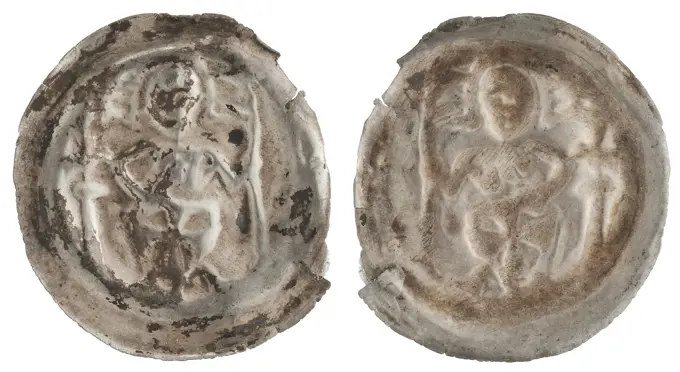
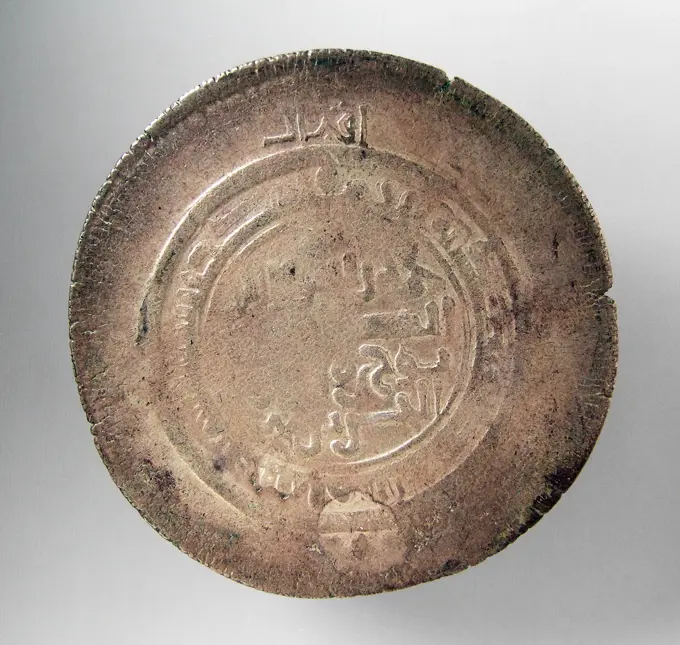
Historical Polish Coins

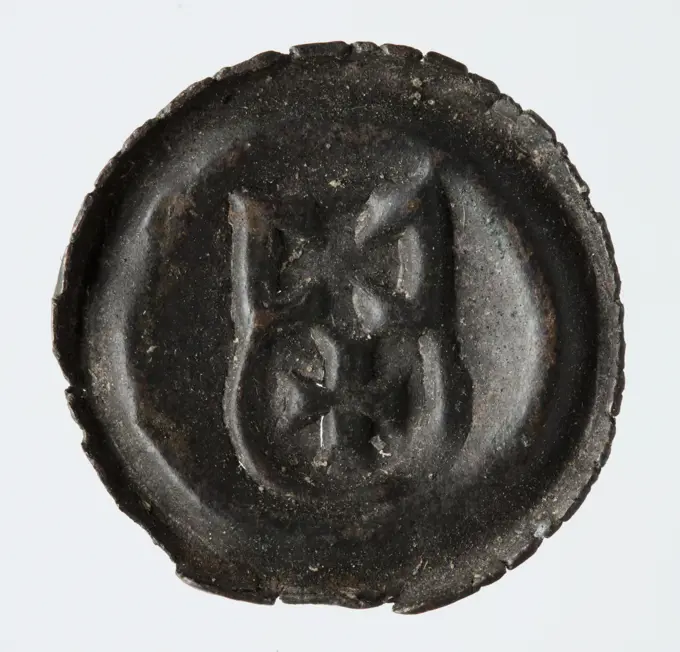
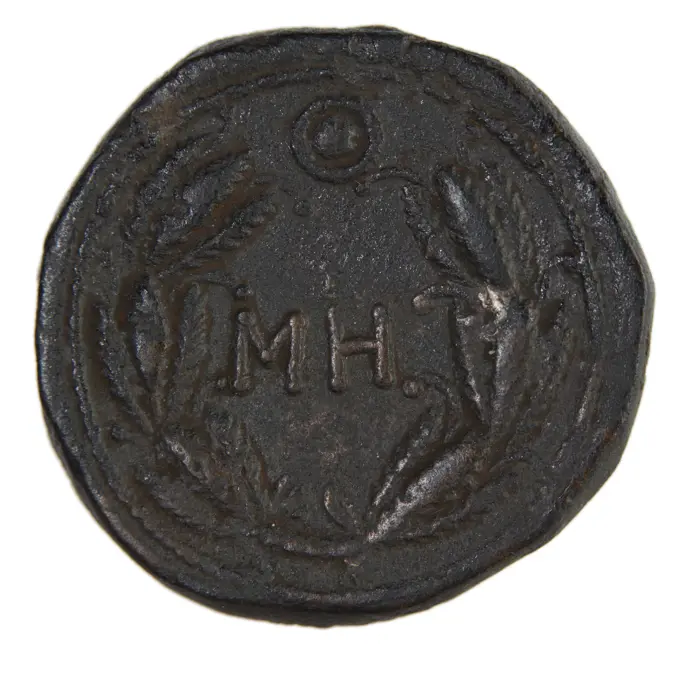
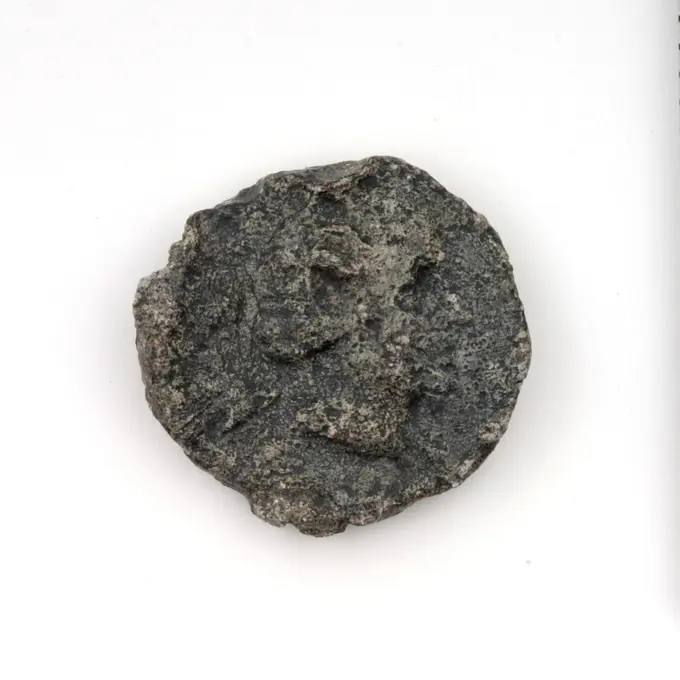
Coins from the reign of Władysław Jagiełło and other periods, illustrating the numismatic history of Poland with bold designs and inscriptions.

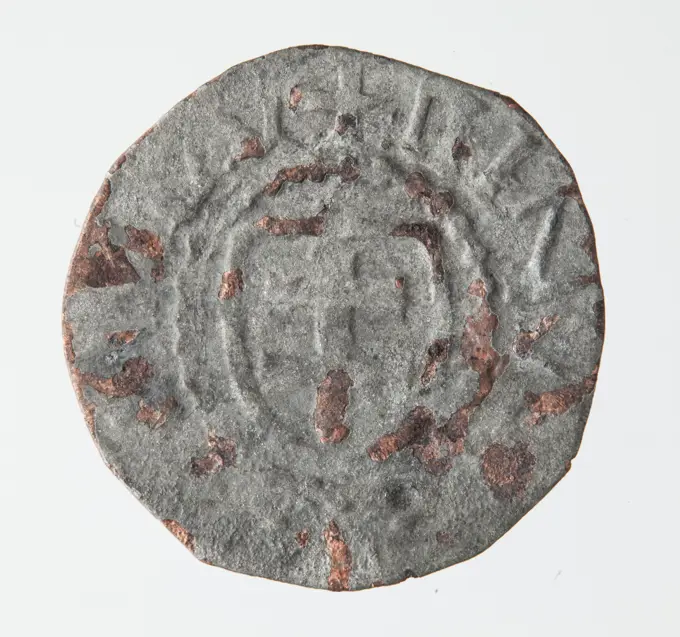
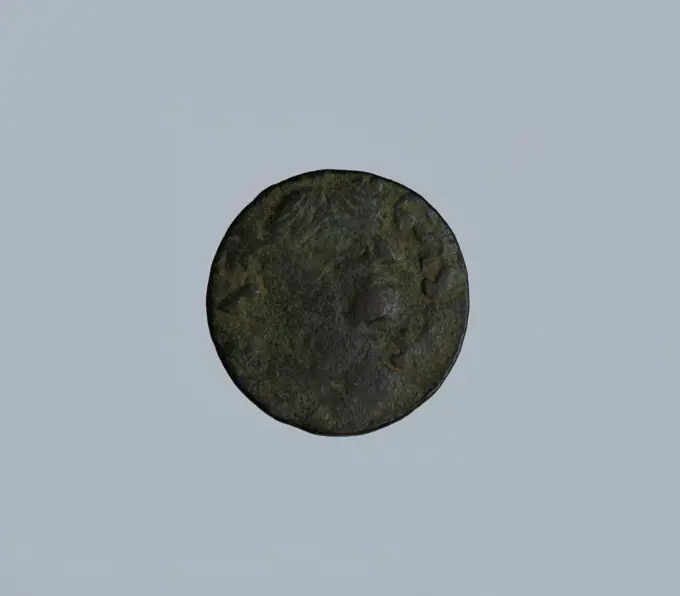
Bliżej Kultury Justyn II (565 578), Antioch Mint
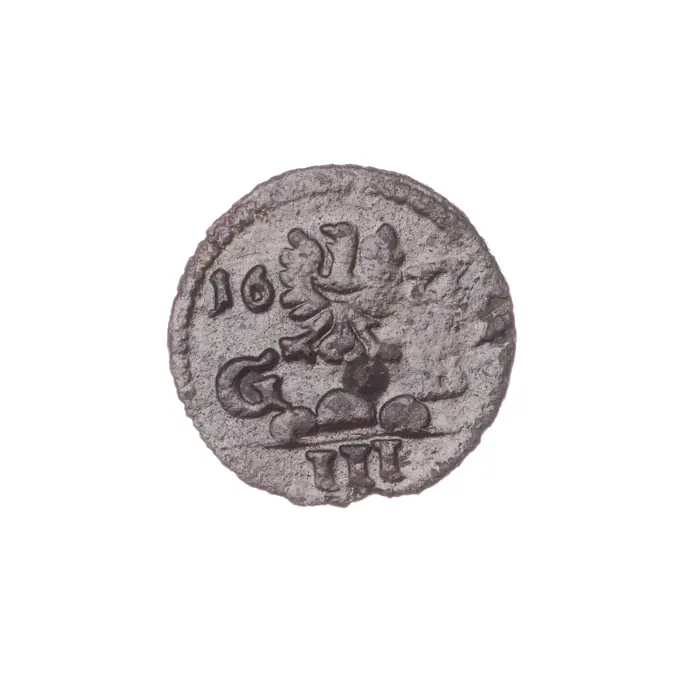
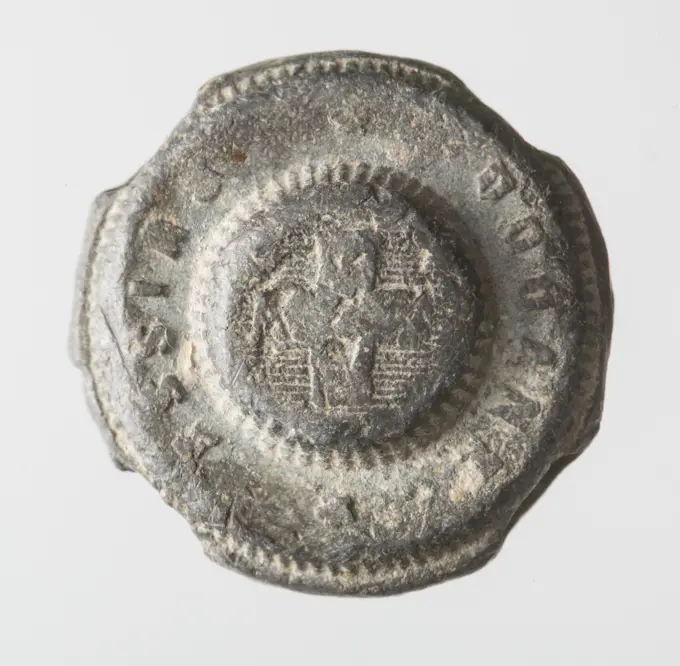
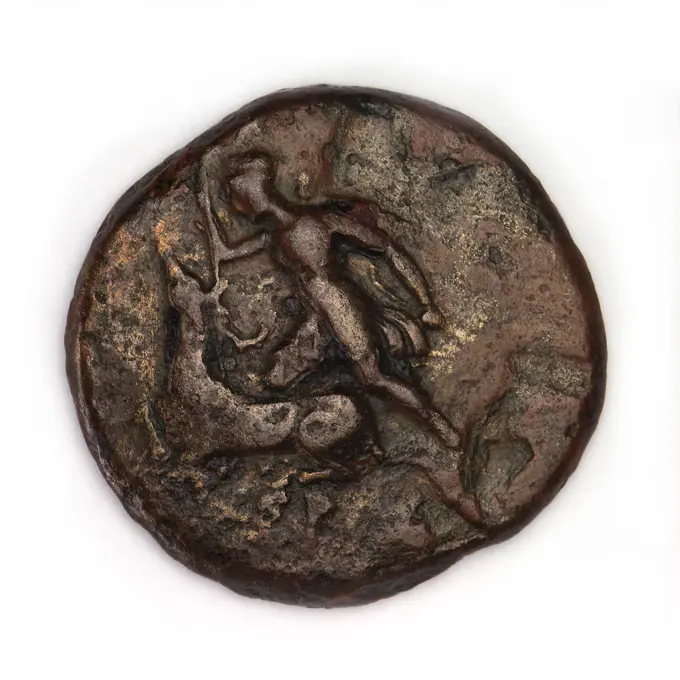
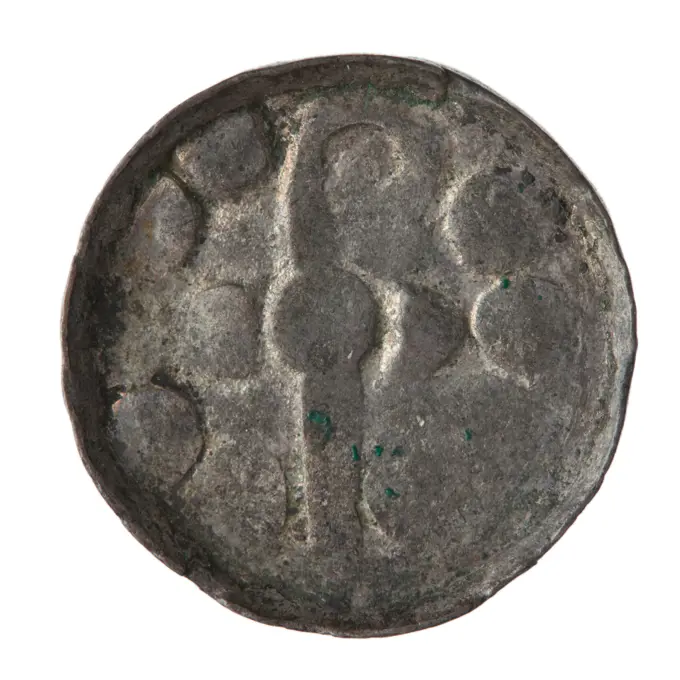
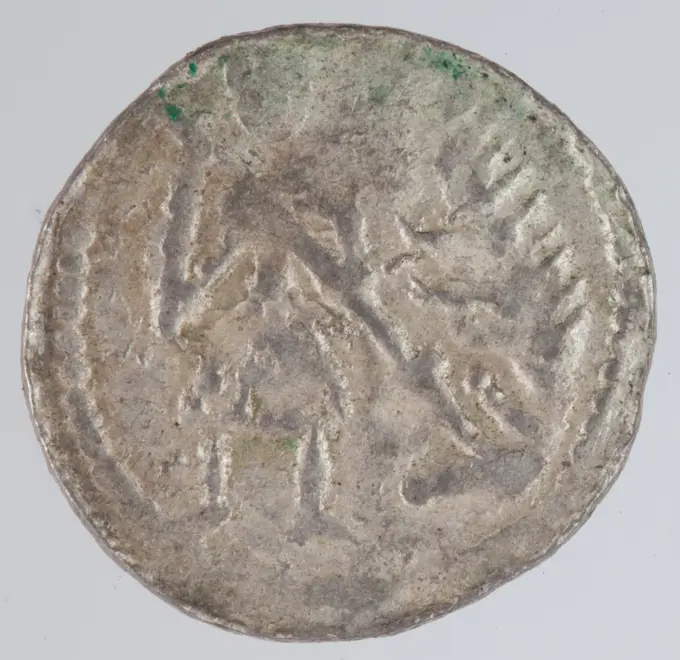
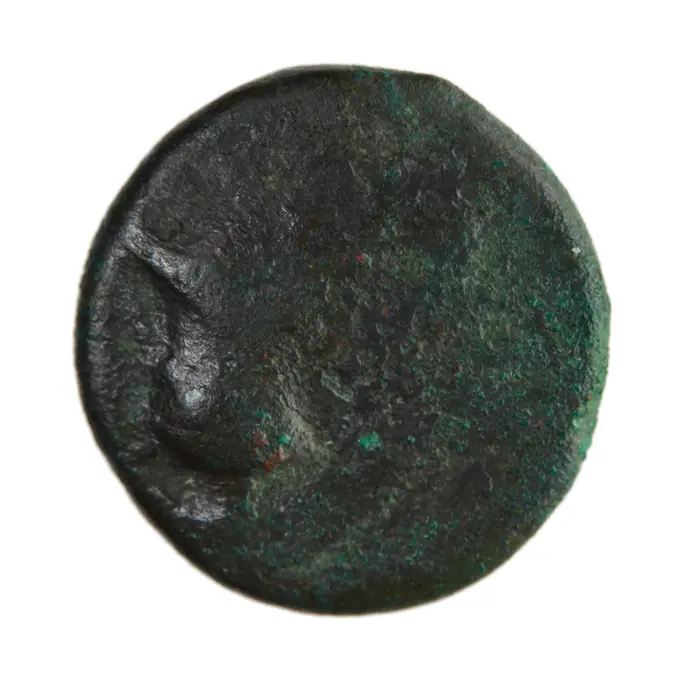
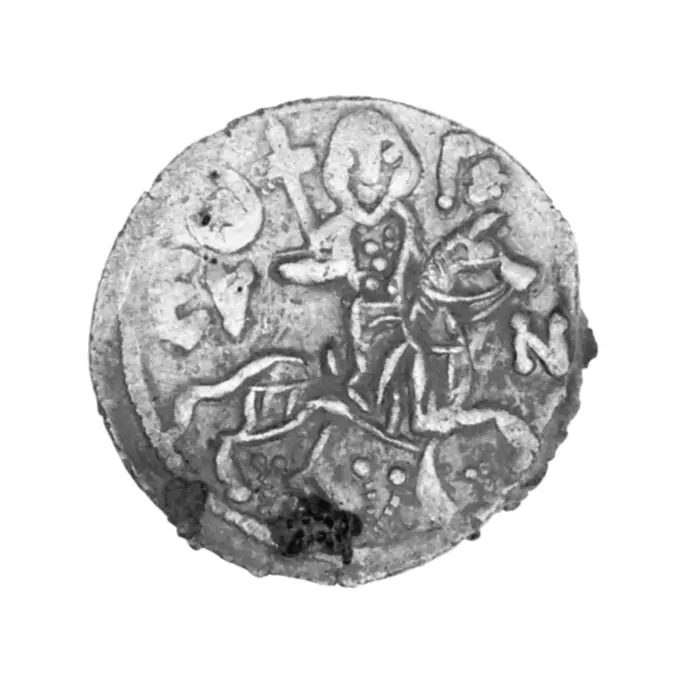
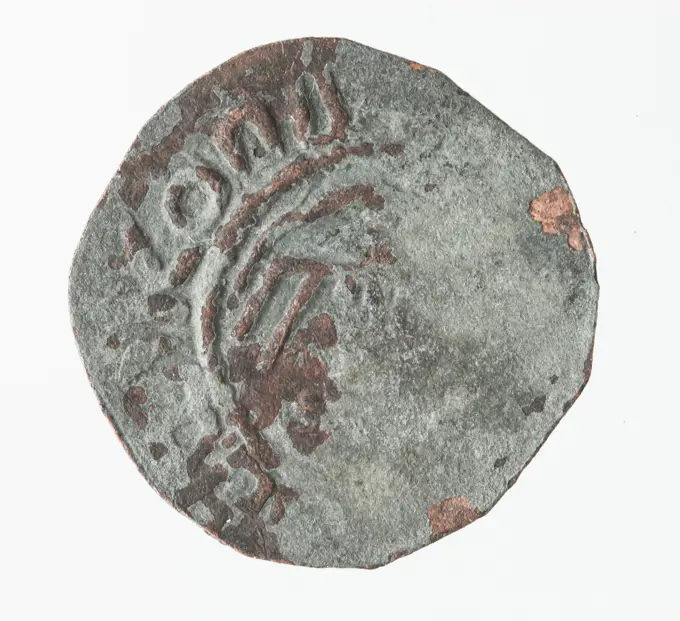
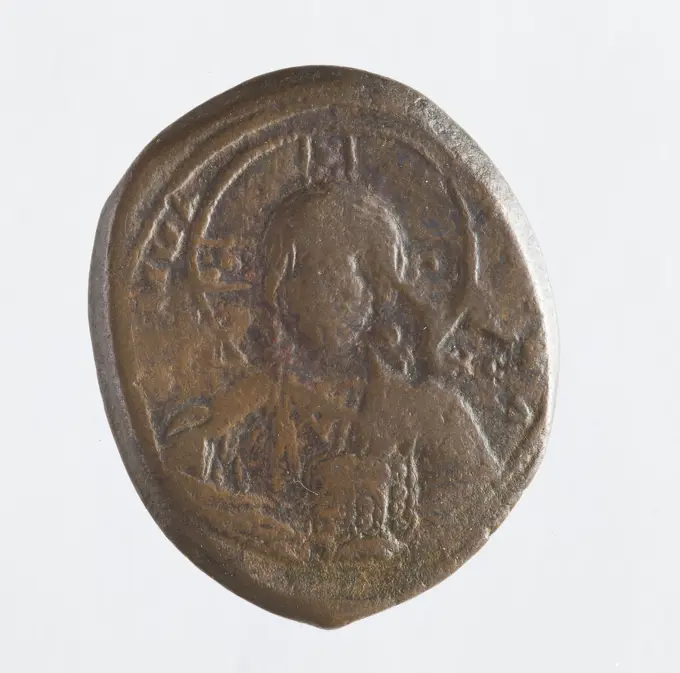
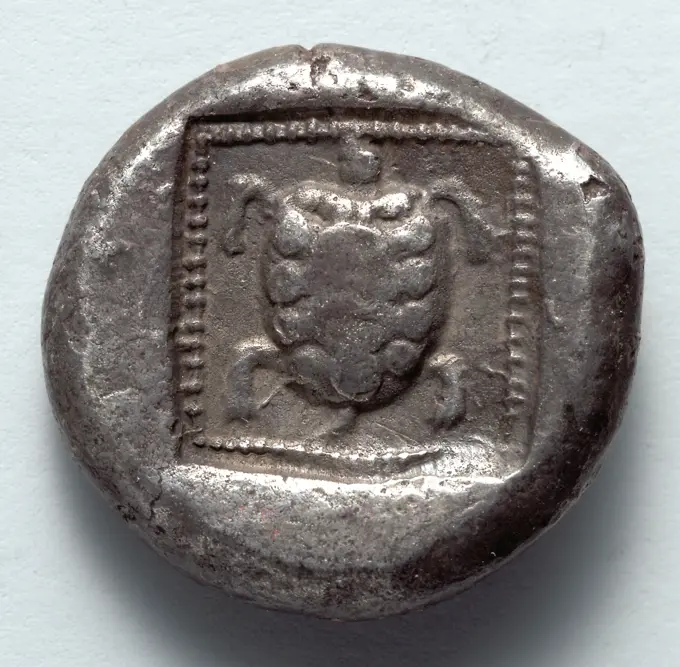
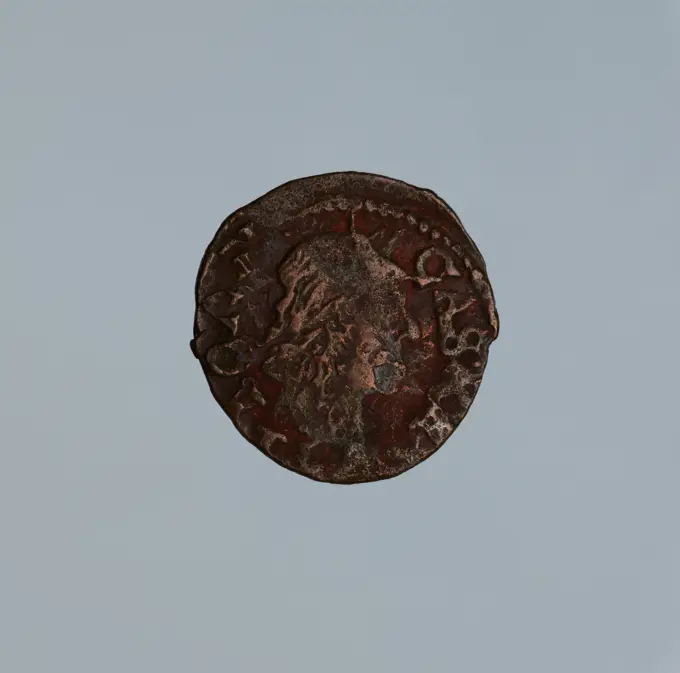
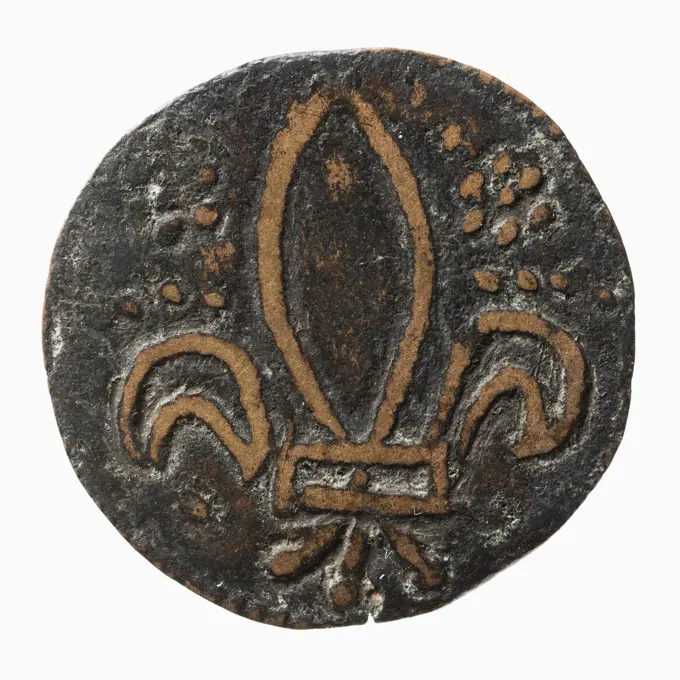
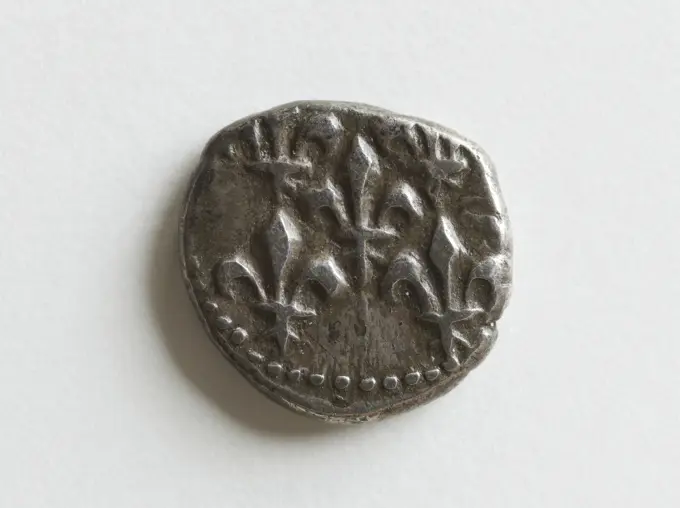
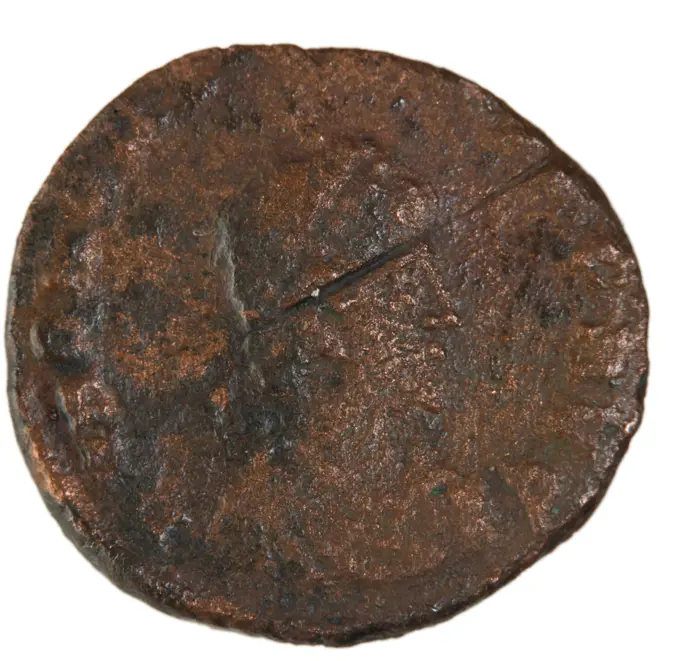
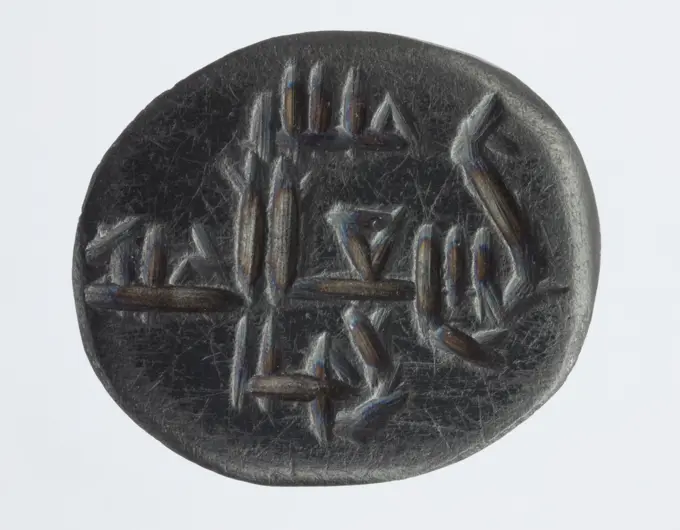
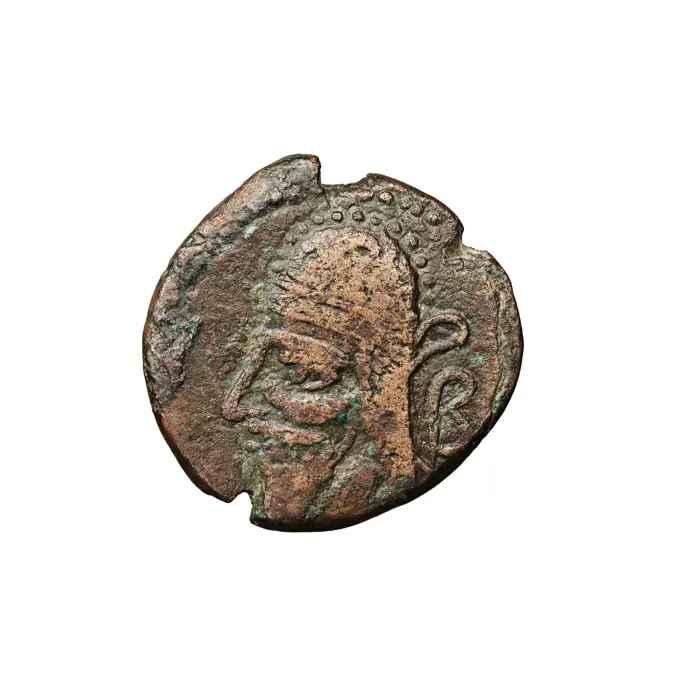
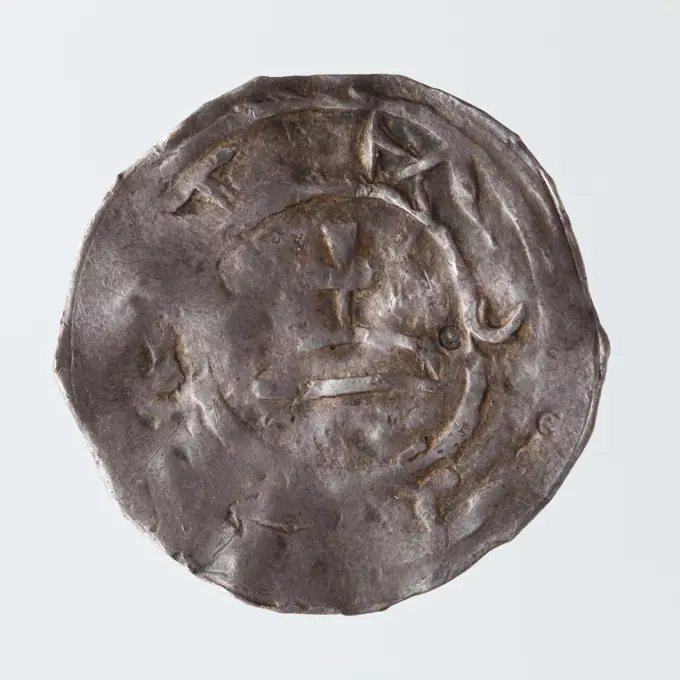
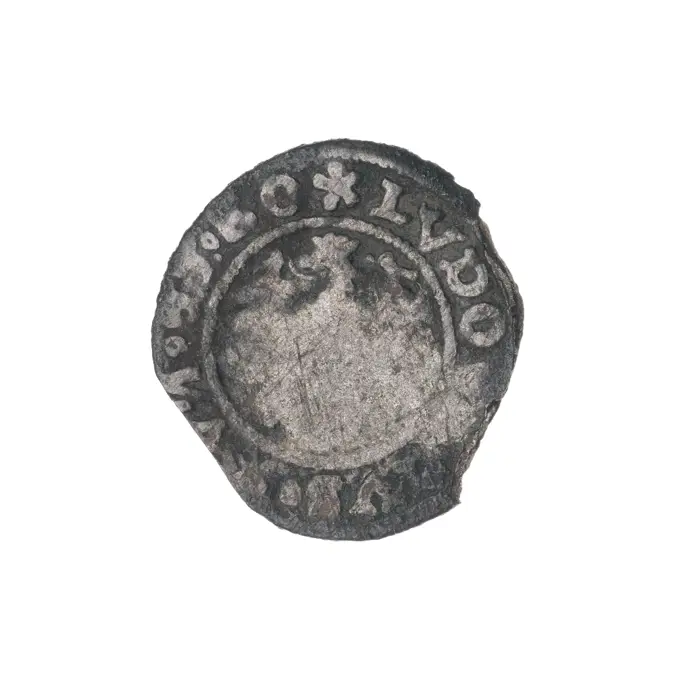
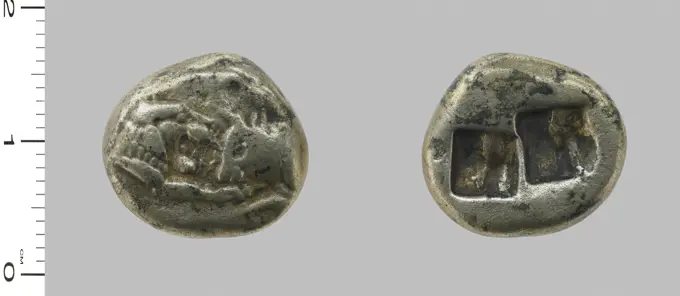
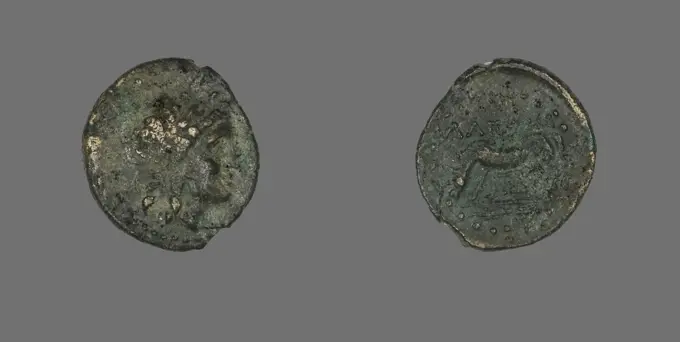
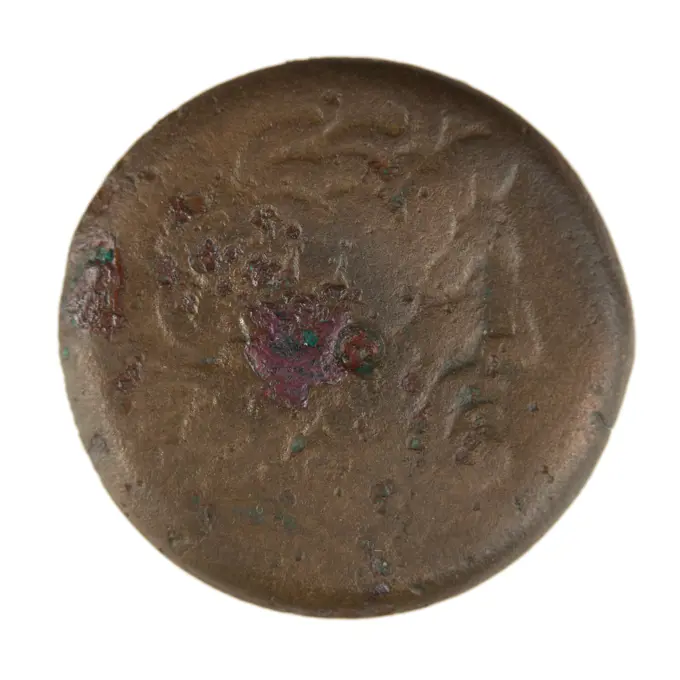
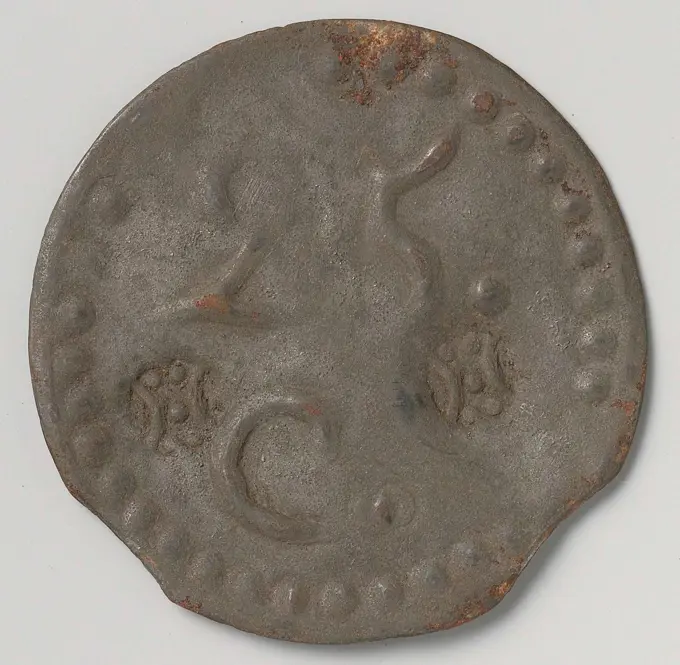
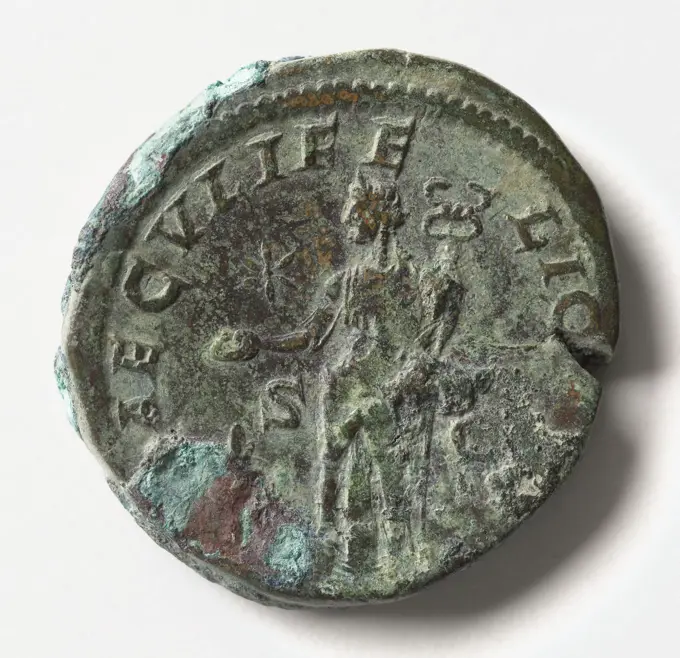
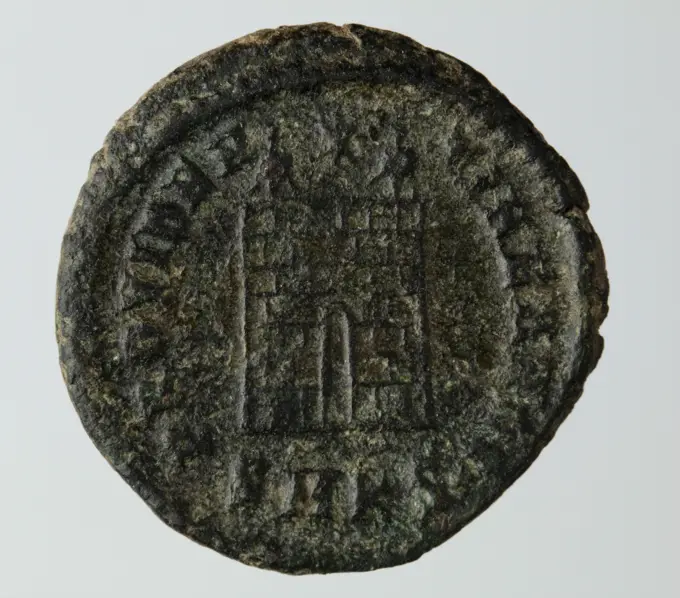
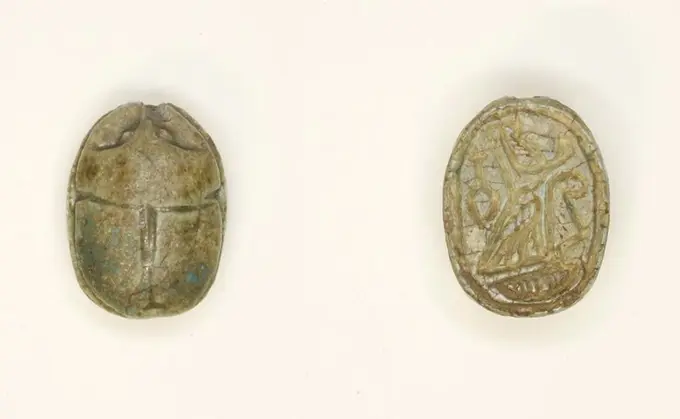
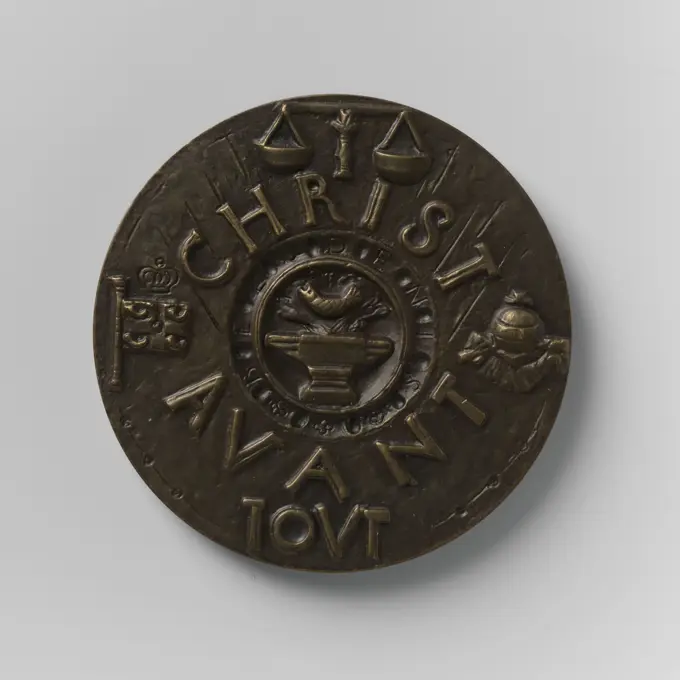
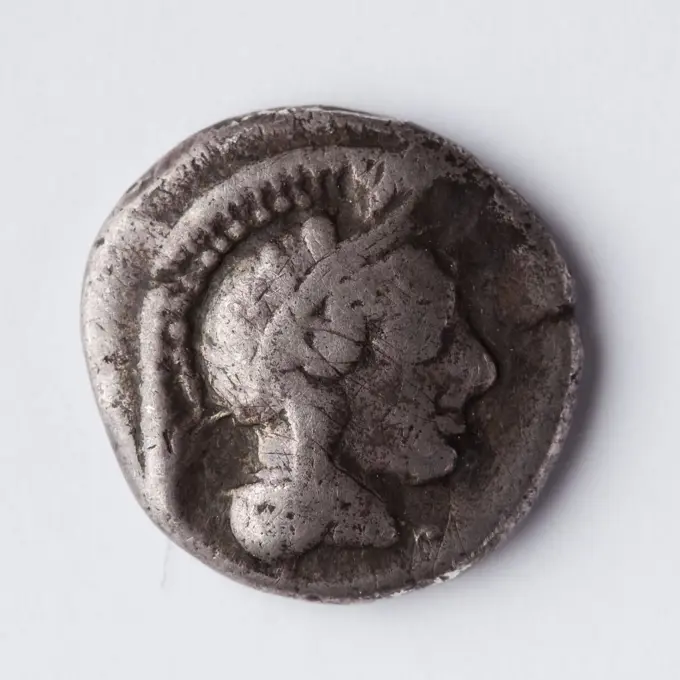
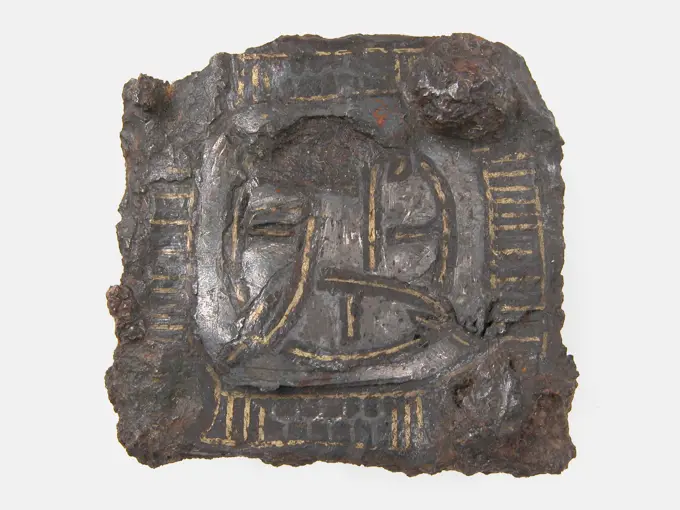
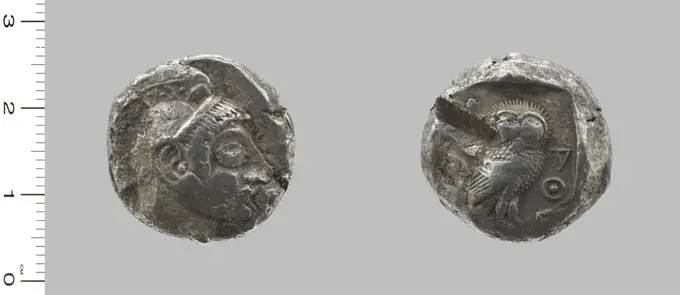
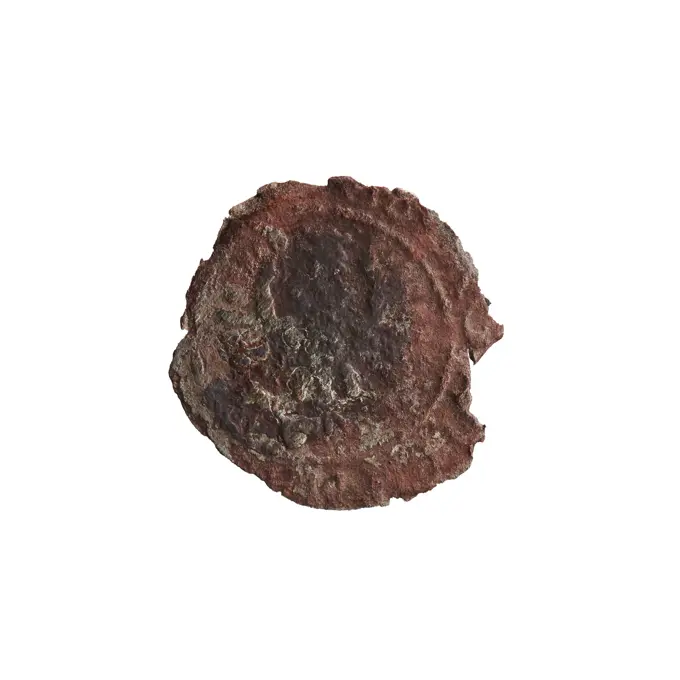
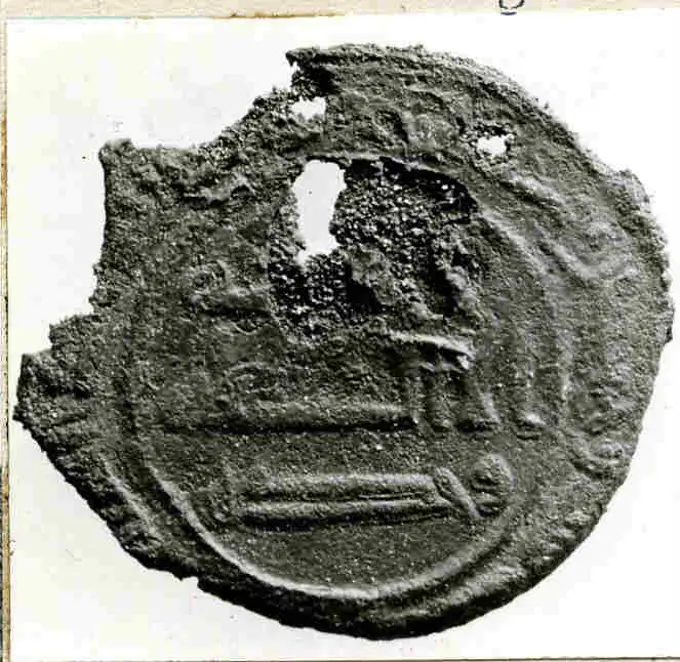
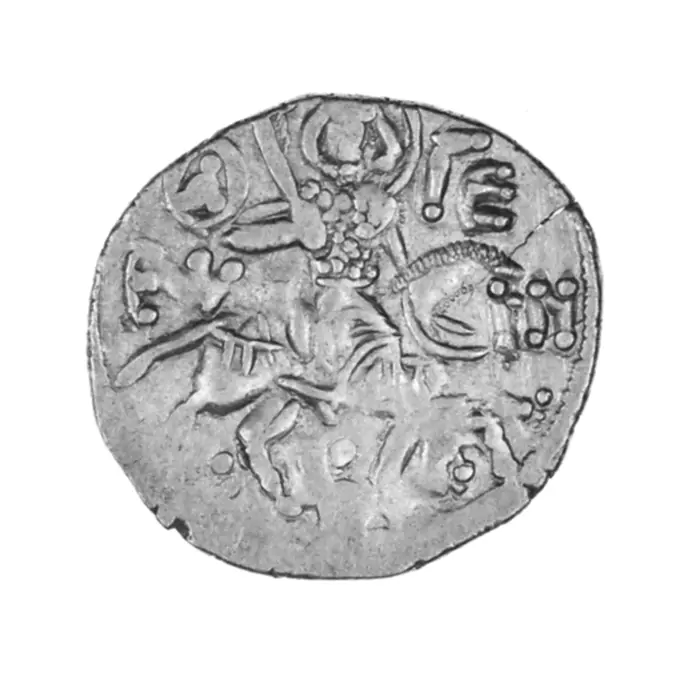
False Coin, Władysław Jagiełło (1386 1434), Kwartalnik Mały (Ternar); 1399/1400 unknownCoin. Unknown3 Haler; 1622 (1622-00-00-1622-00-00);Złotoryja (coat of arms), letters, letters G - B, single -sided coins, city coins, Silesian Eagle (iconogr.), EaglesCustoms seal, Douane () Ssirs / VI 5; Switzerland unknownMieszko III Stary 1173 1202 or Archbishop of Gniezno, Bravetat, Gniezno; 1177 1181 or After 1181 Mint Gniezno, Mieszko III Stary (1173 1202)Brown coin; Chersonez; 300-290 BC (300-00-00-290-00-00);Artemis (mitol.), Artemis with a bow (iconogr.), Artemis killing the field (iconogr.), Nadczarzyorze, weapon (iconogr.), Bulls, quilts (weapons), Maczuga (army), message (provenance), armament (iconogr.), Animals, arches (army)Saksonia , Poland , The Cross Denar, between 1070 and 1107 unknownDrachma; Szapur II (Szachinszach Persia; 309-379); 309-379 (309-00-00-379-00-00);Bolesław Krzywousty (1102-1138), Denar, Kraków, After 1113 Boles And Krzywousty (1102 1138)Poland, Władysław Warneńczyk (1434 1444), Denar, 1434 1444, Town of Krakow W ADYS AW WARNE Czyk (King of Poland, 1434 1444), Mint of KrakówLadislaus III of Varna (1434-1444), Penny, Krakow; 1434-1444 Mint of Kraków, W Adys Aw Warne Czyk (King of Poland, 1434 1444)Kiterian Bospor, Panticajon, End of the Second Century BC; AEE Panticapaeum mintUnattributed Trebizond Coin. UnknownFalse Coin, Penny, Mieszko II (1025 1031)False Coin, Władysław Jagiełło (1386 1434), Kwartalnik Mały (Ternar); 1399/1400 unknownschilling. Zakon krzyżacki (1190-), issuer, Michał Küchmeister (wielki mistrz ; 1414-1422), grand masterByzantine Empire, anonymous follis; ca 976-1030/1035 Mint of Constantyopolis, Johannes and ZimiscesMieszko III Stary (1173 1202), Brakteat, Gniezno , After 1181 Mieszko III Stary (1173 1202), Mint of GnieznoStater: Tortoise (reverse), 500-450 BC. Greece, Lycia, 5th century BC. Silver; diameter: 2 cm (13/16 in.).Bolesław Krzywousty (1102-1138), Denar, Kraków, After 1113 Boles And Krzywousty (1102 1138)Unattributed Trebizond Coin. UnknownBliżej Kultury Steady 2, Menna TrierBliżej Kultury Władysław Jagiełło (CA 1351 1434)Coin 718-814. Coin. 718-814. Copper. Excavated in Iran, Nishapur. CoinsFalse coin, IIthuanian shilIIng, 1666, John II Casimir (1649 1668)denarius; 203 (203-00-00-203-00-00);Account token at the Lys Flower attributed to the Clerics of the King Hotel, XIVE-XVIE Century Anonymous. "Account token at the Lys Flower attributed to the Clerics of the King Hotel, Xive-sixteenth century". Copper. 1300-1500.False coin, IIthuanian shilIIng, John II Casimir (1649 1668)False Coin, Władysław Jagiełło (1386 1434), Kwartalnik Mały (Ternar); 1399/1400 unknownAE. ChersonezAnonymous. Double Fanon of Pondicherry by Louis XV, 1720-1774. Money, 1720-1774. Paris, Carnavalet museum. Numismatics, currency room, 18th 18th 18th 18th 18th 18th 18 century, partDenar (counterfeit); Lucius Werus (130-169; Roman emperor 161-169); 161-169 (for the original) (161-00-00-169-00-00);Roman Empire, Honorius (393 423), Cyzicua, 395 401 N.e.; AE3 Honorius, Menna CyzicusBliżej Kultury Valentinianus 1 (321 375), Menna TrierBliżej Kultury Mint of Kraków, Władysław Warneńczyk (King of Poland, 1434 1444)Sealing pistonRoman denarus of Emperor Marek Aurelius (156-158); Marek Aureliusz (121-180; Roman emperor 161-180); 156-158 (156-00-00-158-00-00);Carnavalet museum, tokens collectionBolesław Krzywousty (1102-1138), Denar, Kraków, After 1113 Boles And Krzywousty (1102 1138)Brown coin; Wologezes V (191-208); 191-208 (207-00-00-222-00-00);Mieszko II Lambert (1025 1034) As the Successor of the Throne, Denar; Wielkopolska, Kujawy or North Mazowsze; AROUND 1010-1020 Mieszko II Lambert (1025 1034)for a penny; Ludwik Jagiello Czyk (Czech king and W Gierski; 1516-1526), Sauerman von der Göltsch, Konrad (fl. 1523-1554), Witte, Heinrich von (Fl. 1525-1527); 1526 (1526-00-00-1526-00-00);Crowns, city coins, eagle in the Crown (iconogr.), Eagles, Półnoszek ŚwidnickiHemiobol from Thasos, Islands offThrace, 411-350 B.C., Silver, 0.35 g, 7.9mm, Made in Thasos, Islands off Thrace, Greek, 5th-4th century B.C., NumismaticsAntoninien de Trajan D�ce, 250 Roman currency. Antoninian de Trajan Dece (201-251), Roman Emperor from 249 to 251. Silver (Reverse). 250.Stanisław August Poniatowski (1764-1795), Half Groszy, Kraków; 1766 Mint of Kraków, Stanisław August Poniatowski (1732 1798)Greece, Cyprus, Ptolemesze, late II early 1st century BC, AE Ptolemes, CyprusSiglos (1/2 Stater) fromSardis. Mint: Sardis Artist: UnknownCoin Depicting the God Apollo 300 BCE-100 BCE Ancient Greece. Bronze . Ancient GreekBolesław Krzywousty (1102-1138), Denar, Kraków, 1113-1138 Boles And Krzywousty (1102 1138)Sealing with stamp seal impression: geometric designs ca. 18th century B.C. Old Assyrian Trading Colony. Sealing with stamp seal impression: geometric designs 323548Brakedate Halter; 15th century (1401-00-00-1500-00-00);Dzik's head (iconogr.), Unilateral coins, city coinsGreece, Phenicja, Tyr, Ptolemy III (246 221), AE22 MintElectrotype Replica of Tetradrachm: Owl, Olive Wreath, Amphora (Reverse), before 1916. Greece (). Silver-plated copper alloy (); diameter: 3 cm (1 3/16 in.).Pending Ommerschans, house coin beaten at the burden of the society of beneficiality worth 25 cents. Collapses. Front: value indication within pearl edge; Left and right: Brand. Downside: blankSestence by Julia Mamae, 222-235 Anonymous. Sesterce de Julia Mamae (Revers), 222-235. Bronze.Saksonia , Denar of the Cross, between 1080 and 1100 unknownMacedonia, PERMICCAS 2 (451 413), Heavy Tetrobol; CA 437/436 432/431 BC PERMICCAS 2Bliżej Kultury Constantine 1, Menna CyzicusScarab: Falcon Deity. Egyptian. Date: 1650 BC-1550 BC. Dimensions: 1.6 × 1.1 × 1 cm (5/8 × 7/16 × 3/8 in.). Steatite. Origin: Egypt. Museum: The Chicago Art Institute, Chicago, USA. Author: Ancient Egyptian.Saksonia , Denar of the Cross, between 1080 and 1100 unknownFollis (40 Nummi) of Anastasius I fromConstantinople. Ruler: Anastasius I, Byzantine Emperor, ca. 430-518, ruled 491-518 Mint: Constantinople Artist: UnknownAntoninien de Trajan D�ce, 250 Roman currency. Antonine de Trajan Dece (around 201-251), Roman Emperor from 249 to 251. Silver (Reverse). 250.Bliżej Kultury Marcus Aurelius (161 180), Mint of RomeKIRIAN BOSPOR, PANTICAJON, LATE 3rd Century BC; AEE Panticapaeum mintFalse Coin, Władysław Jagiełło (1386 1434), Kwartalnik Mały (Ternar); 1399/1400 unknowndenarius. Titius, Q. (fl. 90 a.C.), monetary officer, Republika Rzymska, issuerFunerary Cone of the Scribe Min ca. 1479-1425 B.C. New Kingdom This cone has the impression of a stamp seal inscribed for the scribe Min who owned Theban tomb 109. Min was also overseer of the priests (prophets) of Osiris and mayor of the oasis. For other examples of this iimpression see 09.185.24a; 15.2.50; 15.10.38, .43; 30.6.53. For a drawing see http://www.funerarycones.com/, number 222.. Funerary Cone of the Scribe Min Funerary Cone of the Scribe Min ca. 1479-1425 B.C. New Kingdom This cone has the impression of a stamp seal inscribed for the scribe Min who owned Theban tomb 109. Min was also overseer of the priests (prophets) of Osiris and mayor of the oasis. For other examples of this iimpression see 09.185.24a; 15.2.50; 15.10.38, .43; 30.6.53. For a drawing see http://www.funerarycones.com/, number 222.. Funerary Cone of the Scribe Min. ca. 1479-1425 B.C.. Pottery. New Kingdom. From Egypt, Upper Egypt, Thebes, Sheikh Abd el-Qurna. Dynasty 18Bliżej Kultury Kazimierz Jagiellończyk (1447 92)Greece, Bosporan Kingdom, Cotys II (123/4-132/3), CA. 129-132 ad, bronze, (ae) Kotys II (123/4 132/3)Mint: Sinope, 1 Drachm fromSinope, 425-410 B.C., Silver, 6.245 g, 15.7mm, Made in Sinope, Paphlagonia, Greek, 5th century B.C., Numismaticstessera; Chersonez; after. III century BC (-255-00-00--246-00-00);Artemis (Mitol.), Nadczarzyorze, Terlecki, Ignacy (1860-1916), Terlecki, Ignacy (1860-1916)-collection, bukranion (iconogr.), Artemis busts, purchase (provenance)sesterce; Antoninus Pius (86-161; Roman emperor 138-161); 145-161 (145-00-00-161-00-00);Moral Rewring 1939, 1939 history medal Bronze medal, on the front a round field in which a fish on an altar with a changeover, beyond a scales, an orange flag, regalia and three lines of text, on the reverse a woman with a scales and basket on the head for a text ribbon, with a turn.  bronze (metal) striking (metalworking)BLIŻEJ KULTURY unknownas (counterfeit); Lucius Werus (130-169; Roman emperor 161-169), Lucylla (149-182; Roman Empress 164-169); 164-169 (164-00-00-169-00-00);Attic, Athens, triobol; 454-404 BC Athens mintLombard Account Token with Received Cross, XIIIth-15th Century Anonymous. "Lombard account token at the Reper Cross, XIII-15th century". Between 1200 and 1400.Double Determen in the name of the VOC and the city of Utrecht with year 1790, Willem II (King of the Netherlands), 1840 - 1843 coin Copper mint. Front: on the beam, including Garlande, standing, crowned coat of arms of the city of Utrecht. Reverse: monogram of the VOC, above which mint sign star and including fictional year 1790. Smooth edge. Surabaya copper (metal) striking (metalworking)Medallion with Lion Head. UnknownFalse Coin, Władysław Jagiełło (1386 1434), Kwartalnik Mały (Ternar); 1399/1400 unknownKimerian Bospor, Panticajon, 2 3 Quarter of the 3rd Century BC; AEE Panticapaeum mintAccount token at the Lys Flower attributed to the Clerics of the King Hotel, 14th century Anonymous. Account token at the Lys Flower attributed to the Clerics of the King Hotel, 14th century. Copper. 1300-1325.Backplate of a Belt Buckle 6th-7th century Frankish. Backplate of a Belt Buckle 465034 Frankish, Backplate of a Belt Buckle, 6th7th century, Iron, silver and brass inlay, Overall: 1 3/4 x 1 5/8 x 5/16 in. (4.5 x 4.2 x 0.8 cm). The Metropolitan Museum of Art, New York. Gift of J. Pierpont Morgan, 1917 (17.191.320)Mint: Clarentza, Tetradrachm fromClarentza, 495-480 B.C., Silver, 16.92 g, 10:00, 22mm, Made in Clarentza, Peloponnese, Greek, 5th century B.C., NumismaticsStamp seal with a knob handle: bird of prey with two horned animals caught in its talons. Culture: Old Assyrian Trading Colony. Dimensions: Seal Face:Height: 2.72 cmString Hole: 0.35-0.4 cm. Date: ca. 18th century B.C..Stamp seals first appeared in northern Mesopotamia during the 6th millennium and were exclusively used throughout the ancient Near East until the innovation of the cylinder seal in the second half of the 4th millennium BC. Cylinder seals were the preferred administrative tool in Mesopotamia during the 3rd and 2nd millennia B.C. and in the 1st millennium B.C., stamp seals were once again adopted by the administrative classes. In Anatolia, stamp seals predominated and it was only during the Old Assyrian Period (ca. 2000-1700 B.C.) that Anatolians used cylinder seals in their administrative practices. Like cylinder seals, stamp seals could be made from a variety of local and exotic stones as well as metal and even clay. They were impressed directly upon tablets, vessels, anFalse coin, crown shilIIng, John II Casimir (1649 1668)False Coin, Penny, 1013 1025, Mieszko II (1025 1031)szel g; Pfahler, Ernest; 1619-1640 (1619-00-00-1640-00-00);bracteate denarius. Zakon krzyżacki (1190-), issuerCoin dated A.H. 156/ A.D. 773. Coin 457657Bronze coin of Emperor Ch'in Shi Huang-ti. 220 BC.Unattributed Trebizond Coin. UnknownOmmerschans () Penalty colony, house coin worth ten cents, anonymous, c. 1822 - c. 1830 coin one -sided coin. Front: Value designation above knock: with inscription 'K elst'. Reverse: Blanco Ommerschans (Possible) tin plate. silver (metal) striking (metalworking)  OldKasja Van Sultan Mohammed Van Atjeh, Sumatra ,, 1824 - 1838 coin Pewter mint. Front: three -faced inscription in Arabic characters. Reverse: Three -layer inscription in Arabic characters, including year in Islamic era Aceh tin (metal) castingBliżej Kultury Demetrius polyorketes (306 283), Salaminabracteate denarius. Zakon krzyżacki (1190-), issuerCoin 716-36 AH/1316-35 CE This coin was excavated at the site of Tepe Madrasa in Nishapur.  Nishapur was a vital city in the early and middle Islamic periods, located along one of the main trajectories that connected Iran and West Asia Islamic lands with Central Asia and China. These itineraries are often referred by the term Silk routes’ but were in fact crucial to the movement of constellations of materials and objects, as well as people and ideas. The diverse population of Nishapur and its surroundings, from the better-researched elite groups of merchants, land-owning aristocracy, and literates, to the less-known artisans, farmers, miners, and servants, were instrumental in adapting global cultural trends to create their own distinctive visual languages. This is seen in the material remains of everyday life in medieval Nishapur — from pots and pans to lighting devices, inkwells, textiles and trimmings, jewelry, games and toys, talismanic devices, weapons, coins, and architectural fCarnavalet Museum, Medals CollectionBLIŻEJ KULTURY unknownSilver dirham. Iran, Samanid, second half of 10th century. Tools and Equipment; coins. Coin