Intricate Ceramic Vases

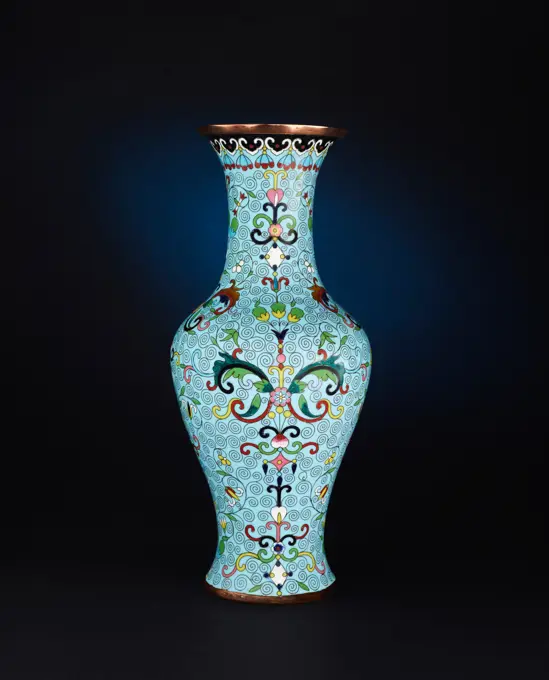
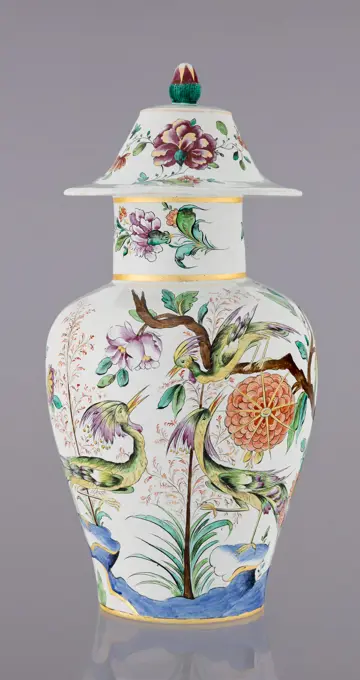
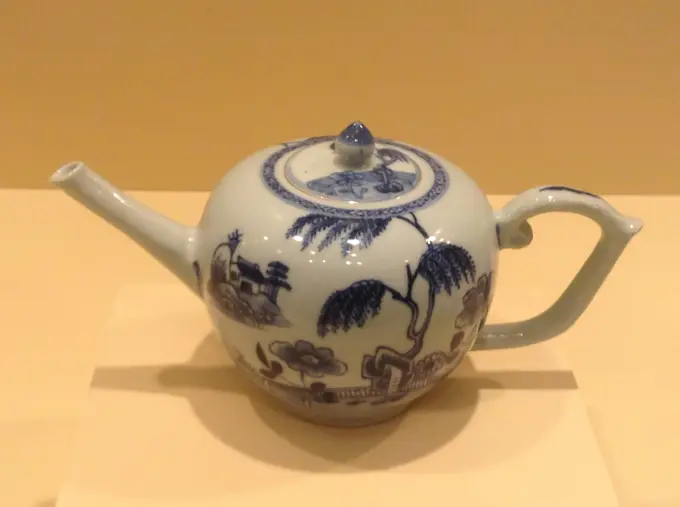
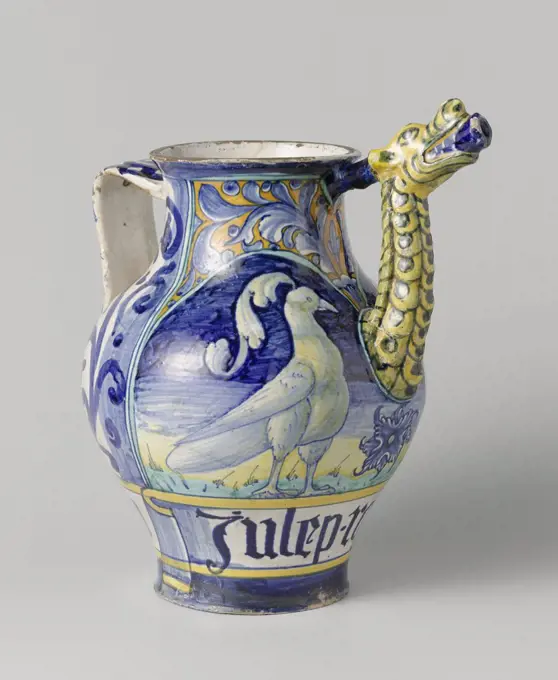
Various antique ceramic vases and jars featuring detailed blue and white patterns, showcasing floral and bird motifs with historical significance.

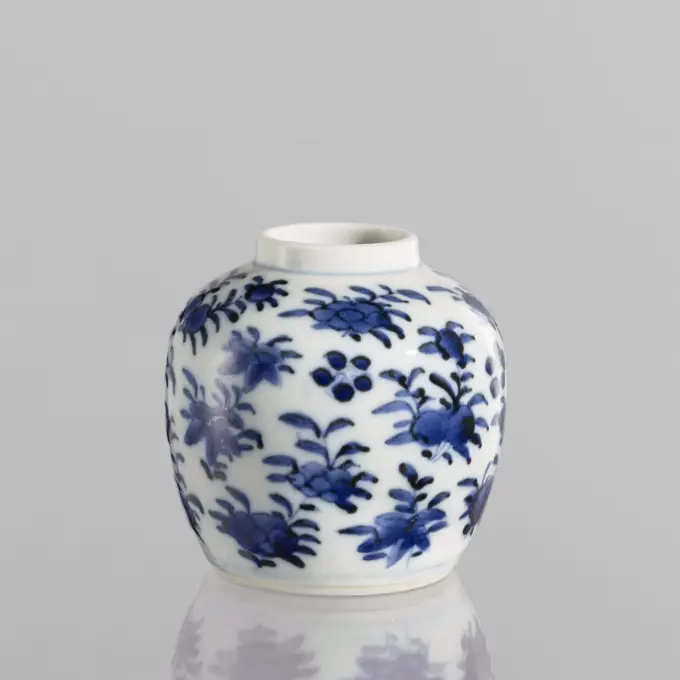
Ovoid covered jar with flowering plants in panels and ornamental borders, anonymous, c. 1680 - c. 1700 Egg -shaped lid pot of porcelain, painted in underlaze blue. Four scalloped cartouches on the abdomen with a flowering plant in a rock in two and in the other two a bird on a rock near a flowering plant. Between the cartouches flower ranks. A decorative band on the shoulder and the neck. Glaze of the pot partly cracked. Blue White. Japan porcelain. glaze. cobalt (mineral) painting / vitrification Egg -shaped lid pot of porcelain, painted in underlaze blue. Four scalloped cartouches on the abdomen with a flowering plant in a rock in two and in the other two a bird on a rock near a flowering plant. Between the cartouches flower ranks. A decorative band on the shoulder and the neck. Glaze of the pot partly cracked. Blue White. Japan porcelain. glaze. cobalt (mineral) painting / vitrification
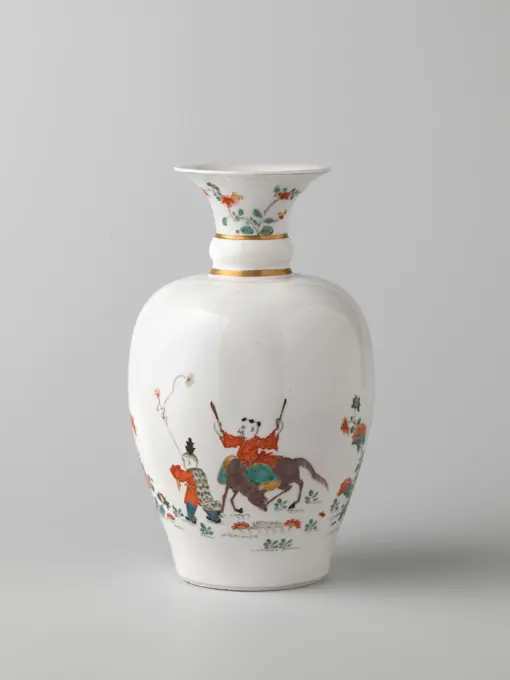
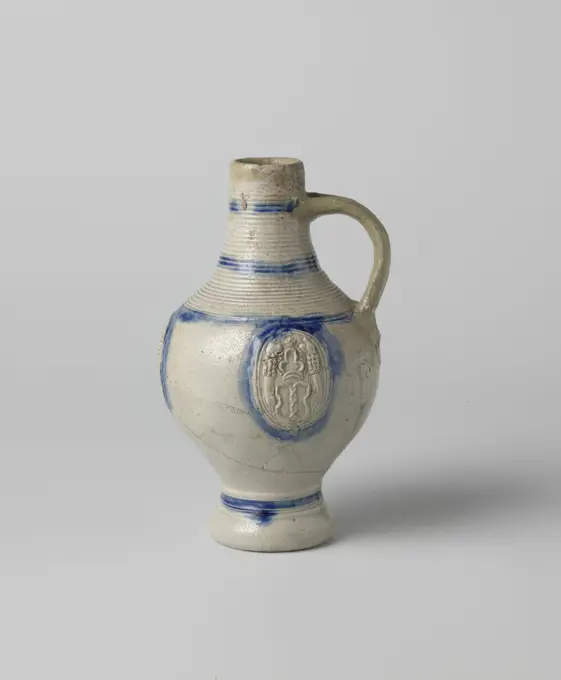
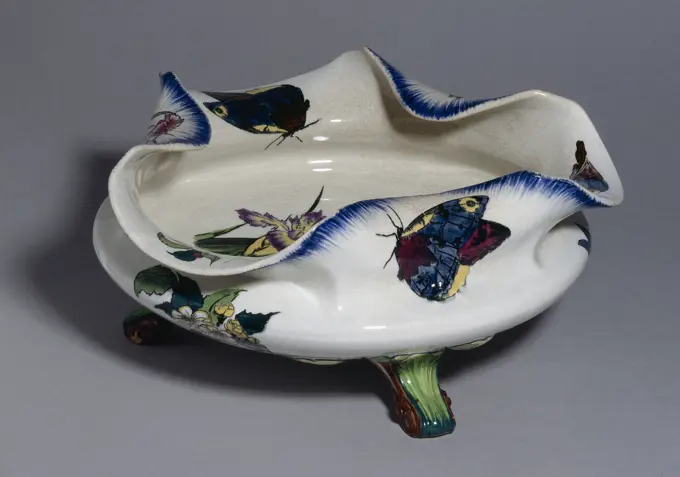
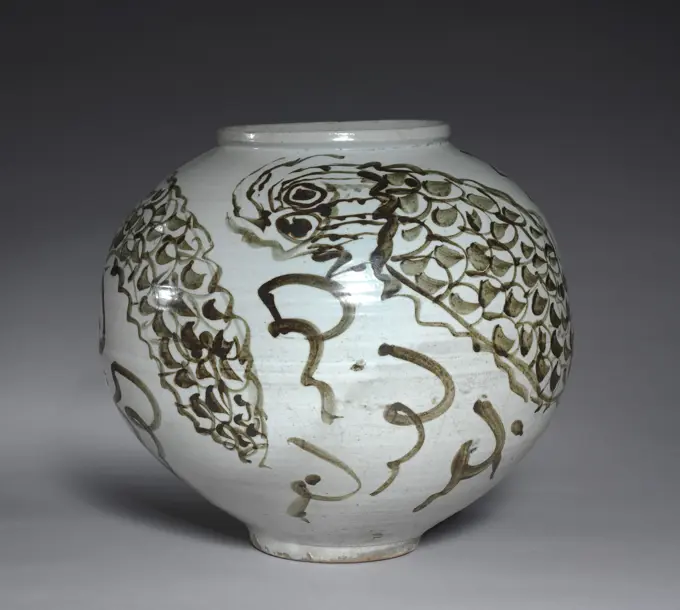
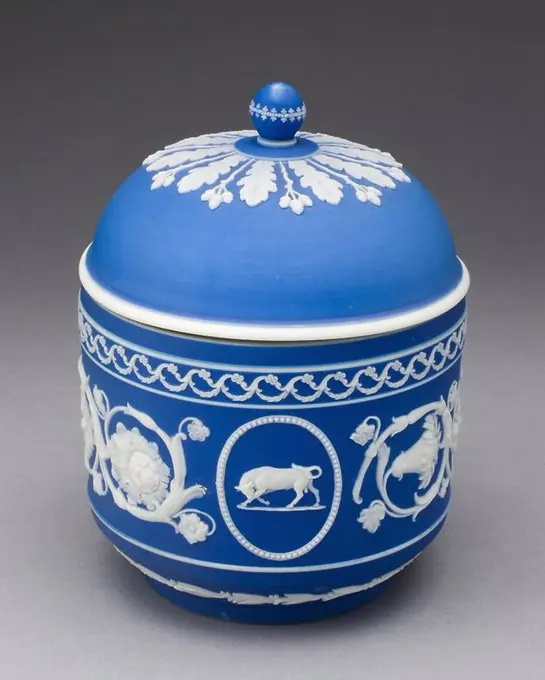
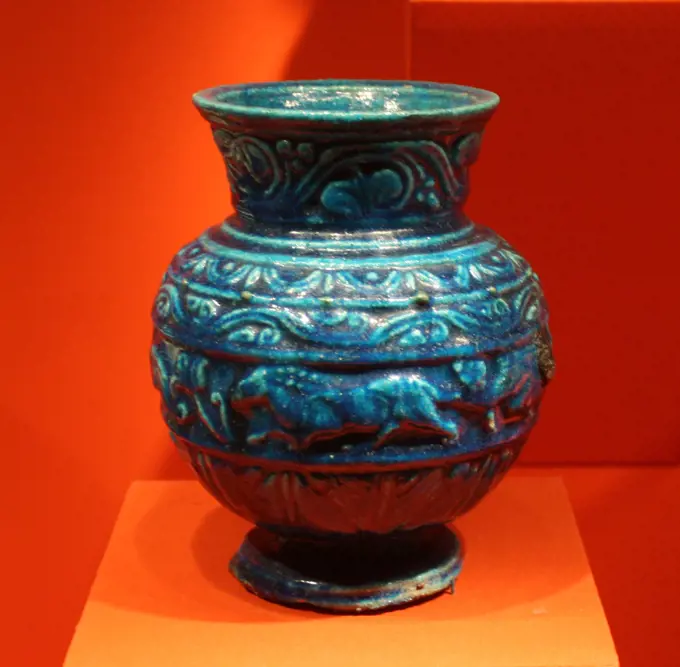
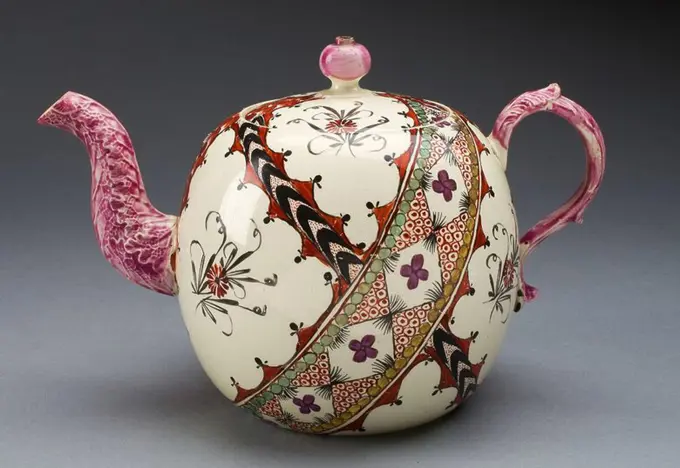
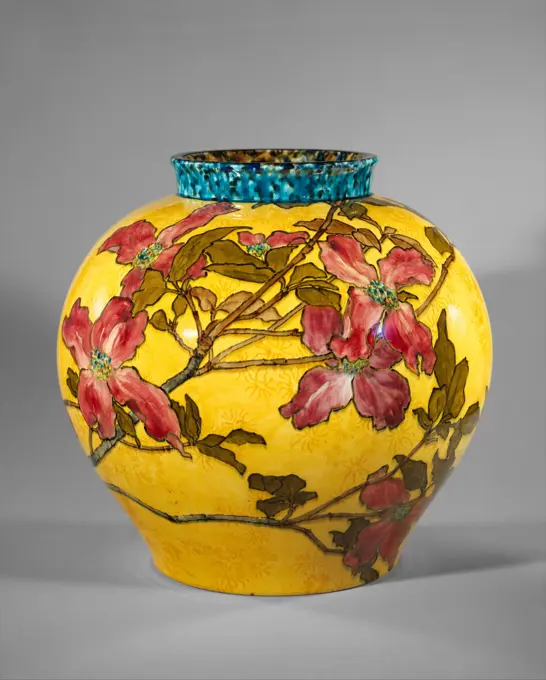
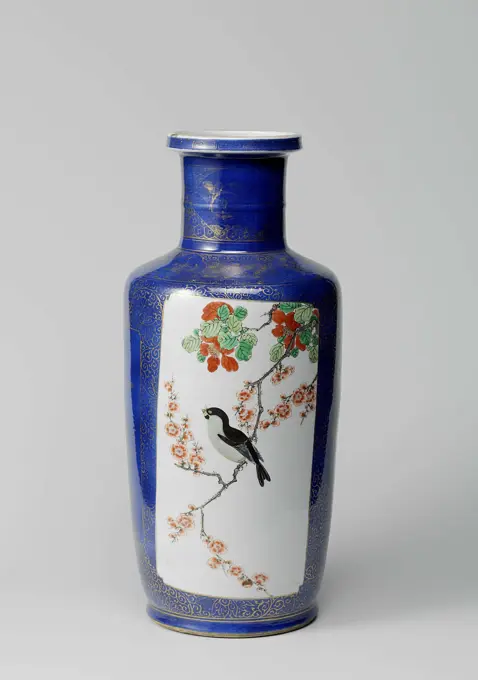
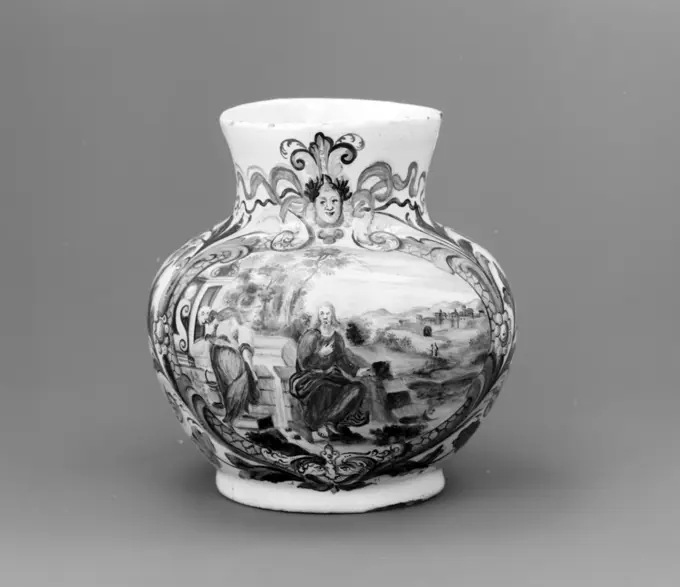
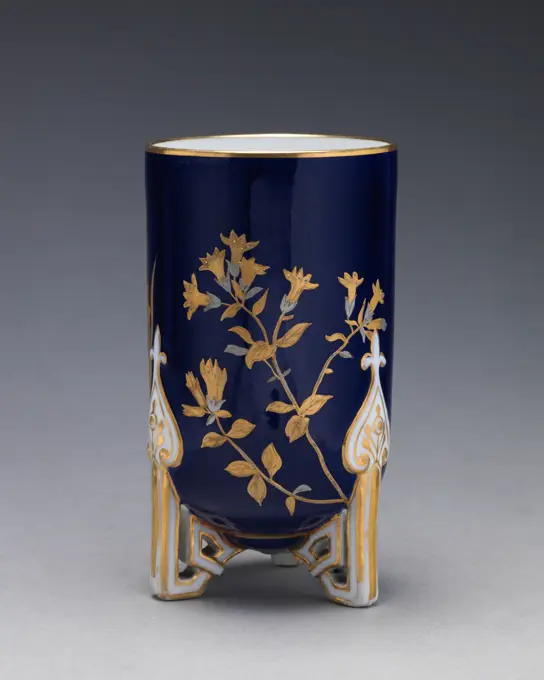
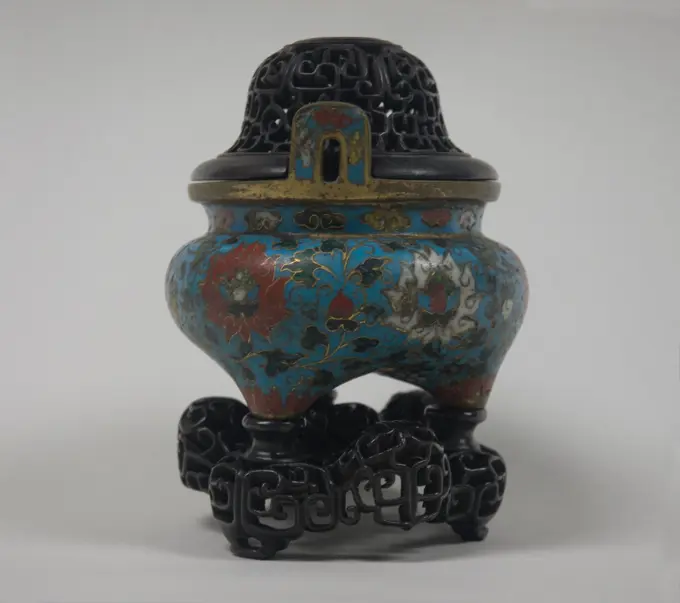
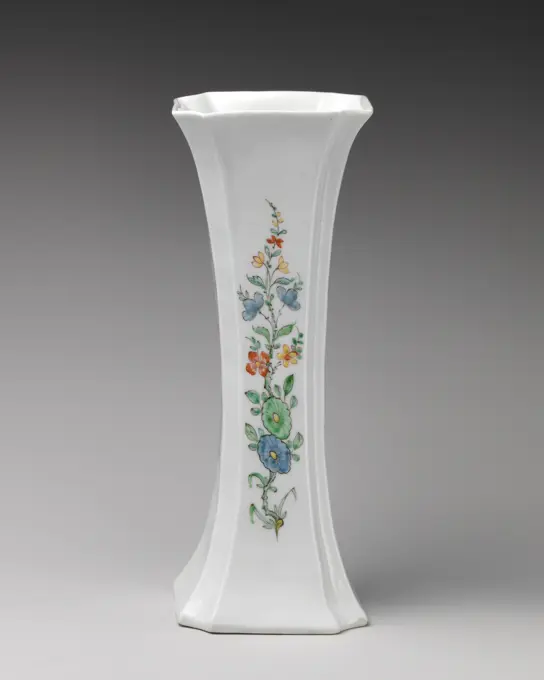
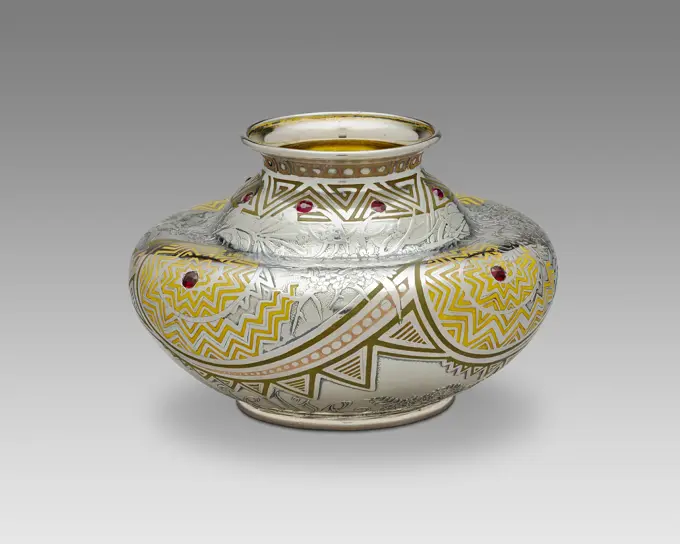
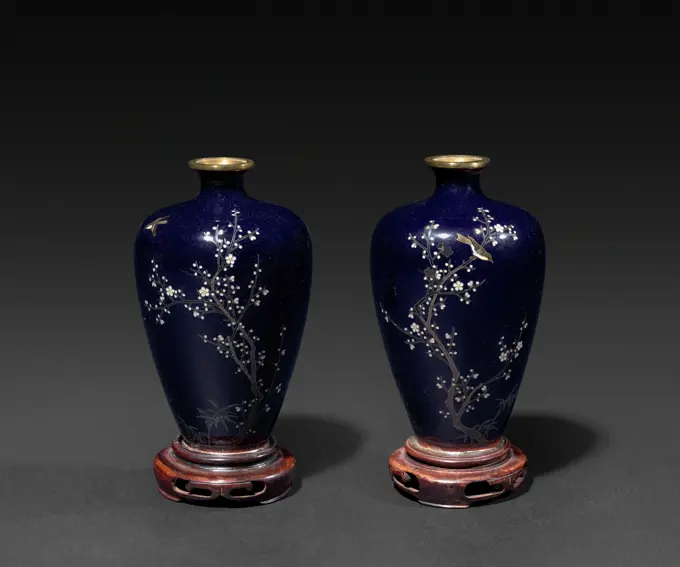
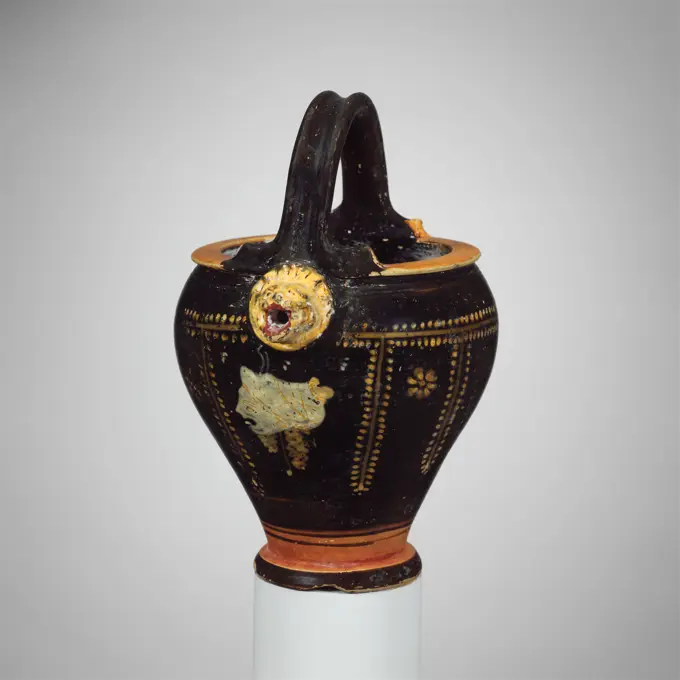
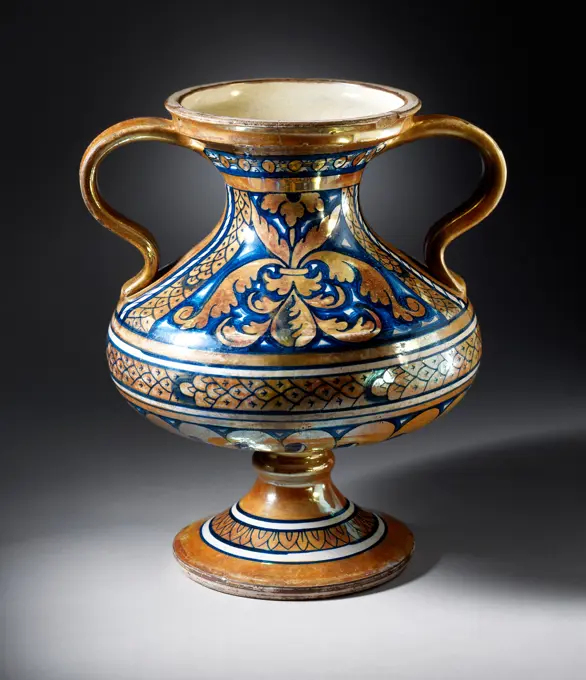
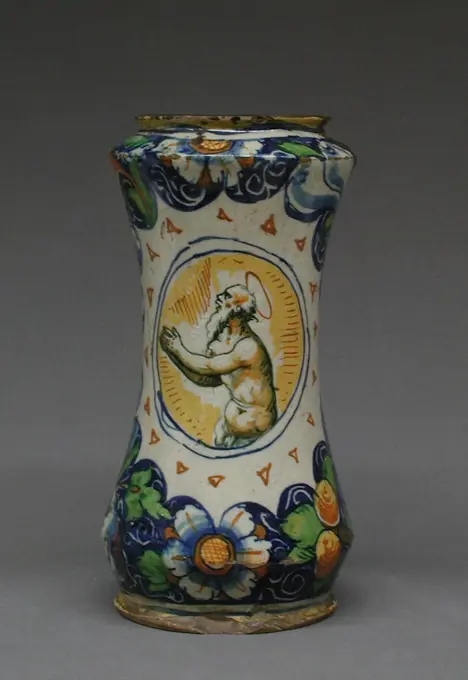
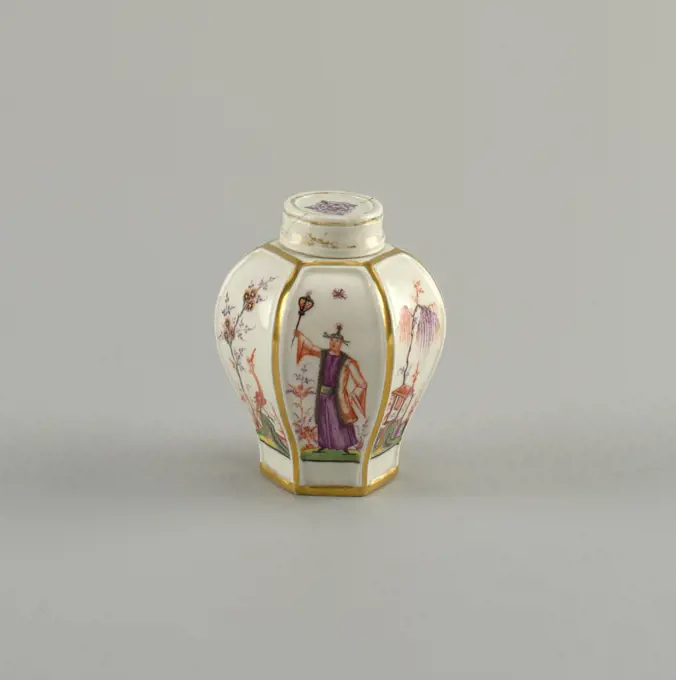
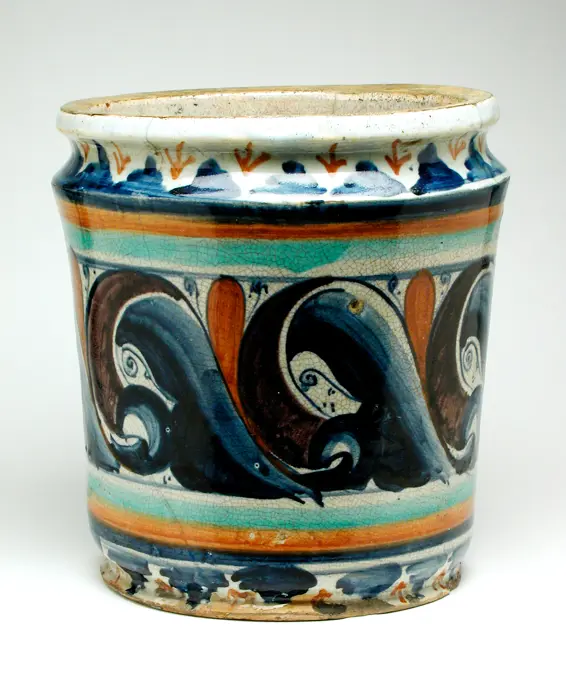
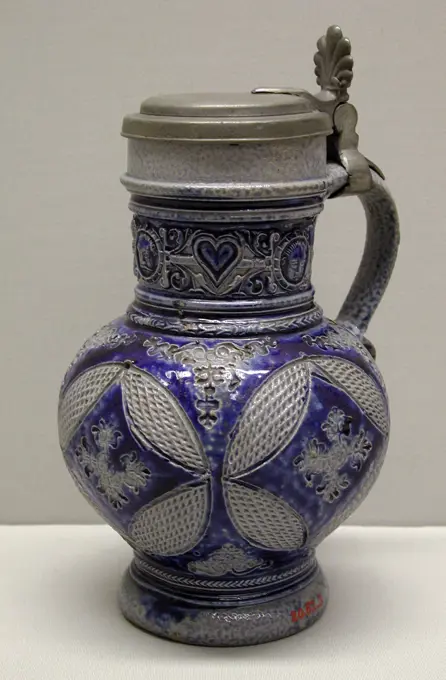
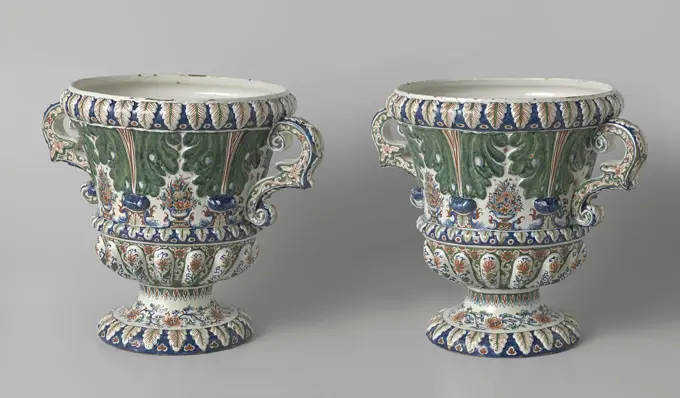
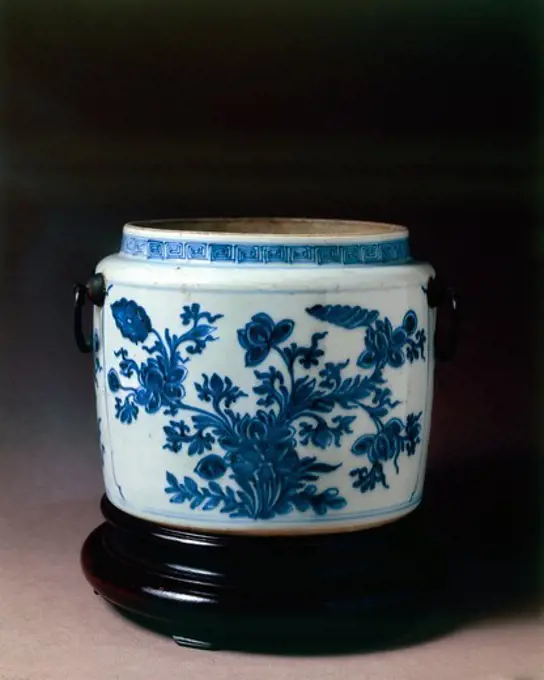
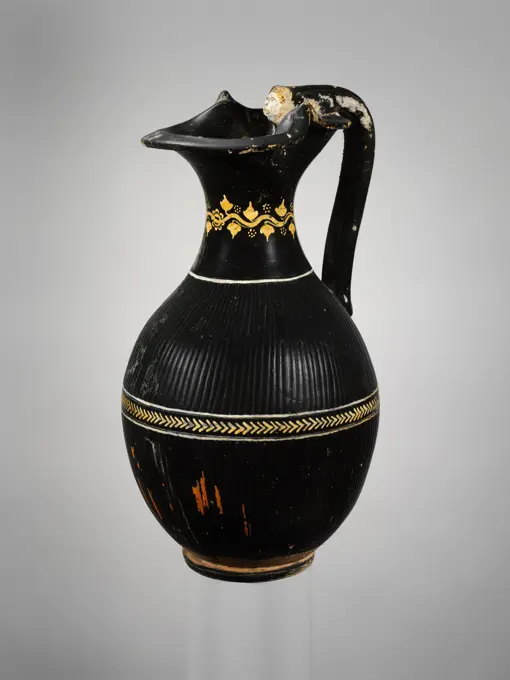
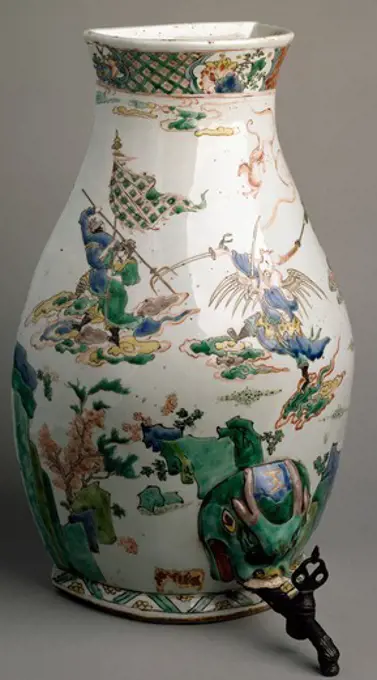
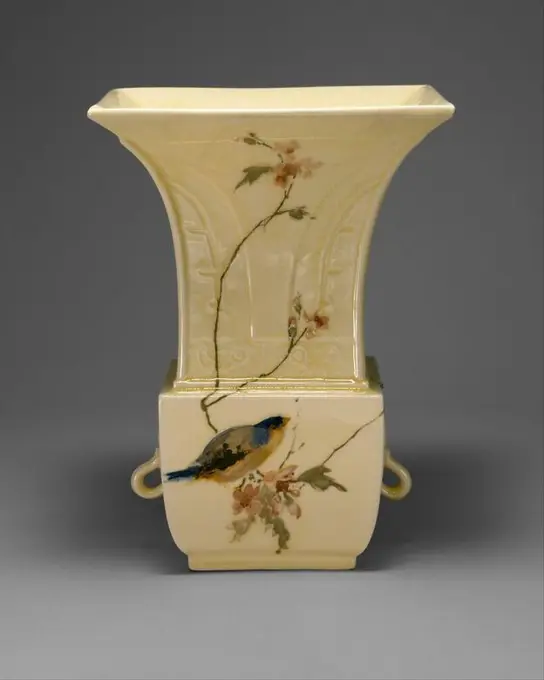
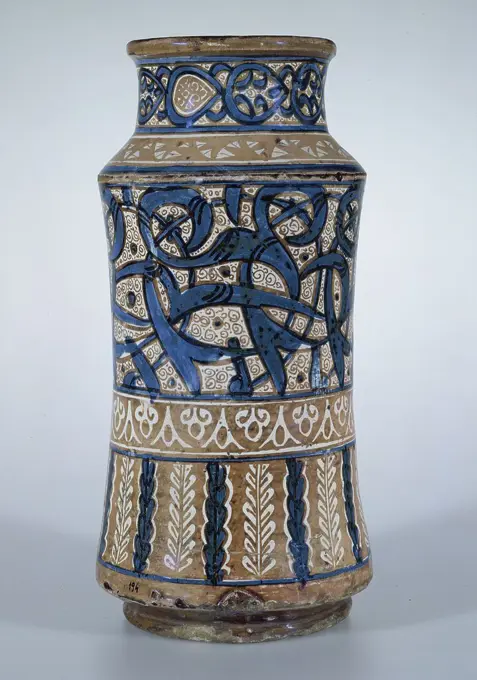
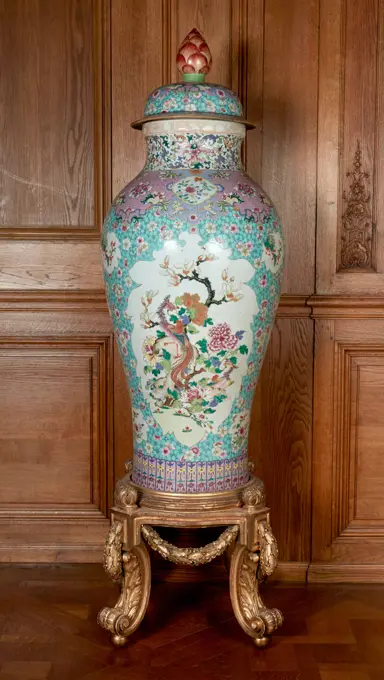
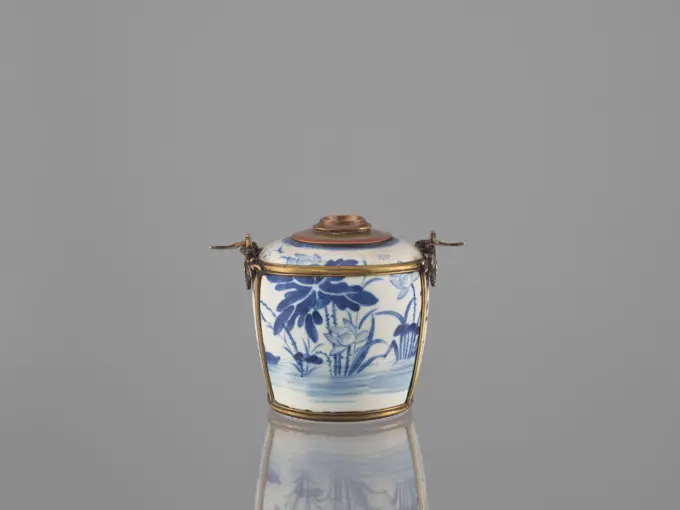
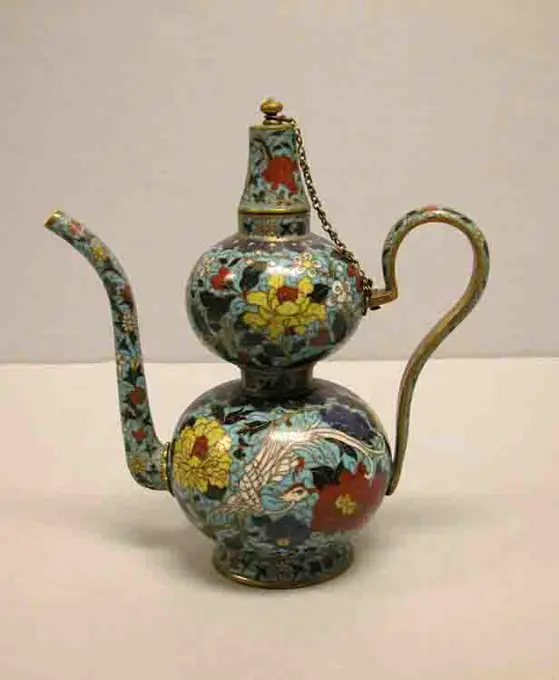
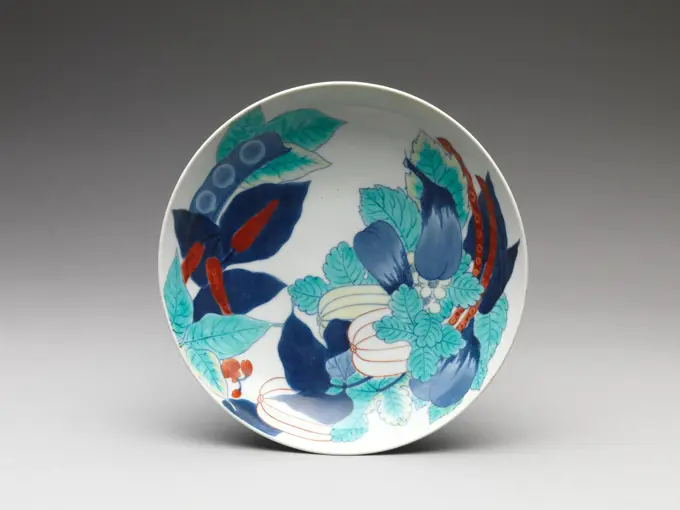
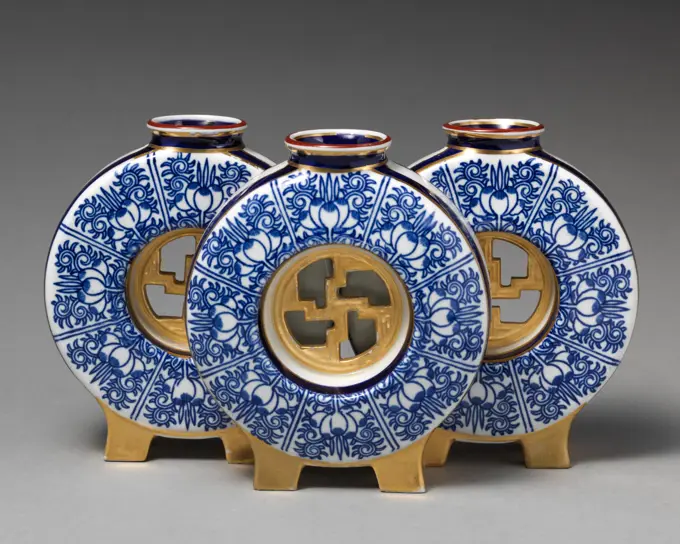
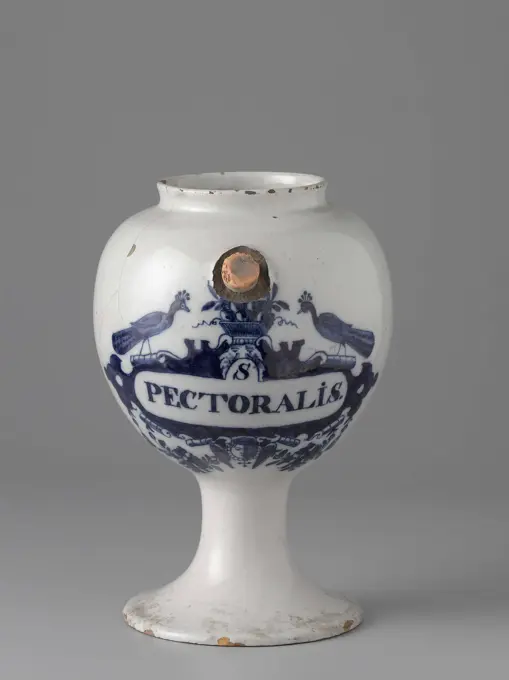
Vase. Meissen porcelain manufactory ice cream, c. 1725-1730Hard Paste PorcelainFlagon. Culture: British, Chelsea. Dimensions: Height: 3 1/2 in. (8.9 cm). Factory: Chelsea Porcelain Manufactory (British, 1745-1784, Red Anchor Period, ca. 1753-58). Date: ca. 1755. Museum: Metropolitan Museum of Art, New York, USA.Vase, painted multi-colored with chinoiseries. Vase of painted porcelain. The vase is painted with a contour-chinoiserie consisting of a timpanating rider, preceded by a boy, wearing a rolled music role on the back and with branches with Indian blumen. The vase has been marked.Jug with the coat of arms of Amsterdam, anonymous, c. 1600 - c. 1649 Jug of stoneware on a high foot with an egg -shaped body and a tapered neck. The C-shaped ear is attached to the neck and shoulder. A broad bond with lines on the neck, some closely. Partly covered with cobalt blue. On the abdomen three times printed and imposed medallion with the weapon of Amsterdam in relief. Westerwald. Westerwald stoneware. glaze. cobalt (mineral) vitrification Jug of stoneware on a high foot with an egg -shaped body and a tapered neck. The C-shaped ear is attached to the neck and shoulder. A broad bond with lines on the neck, some closely. Partly covered with cobalt blue. On the abdomen three times printed and imposed medallion with the weapon of Amsterdam in relief. Westerwald. Westerwald stoneware. glaze. cobalt (mineral) vitrificationPair of Vases c 1870 Stoke-on-Trent. Bone china, enamel, and gilding . Christopher Dresser (Designer)Vase with birds and flowers late 17th-early 18th century China. Vase with birds and flowers 46087Waza from the cover;  End of the 19th century (1880-00-00-1900-00-00);Félix Bracquemond (1833-1914). "Compotier, Rousseau service, Creil and Montereau Manufacture". Museum of Fine Arts of the City of Paris, Petit Palais. 26363-11 Ceramic, decoration, flower, insect, Creil Montereau Manufacture, butterfly, Rousseau service, compoterSmall jug with a lid. Prószków Śląski (fabryka fajansu ;1763-1853), factoryCup. unknown, craftsmanVase with a motif of plant flagellum and styIIsed flowers unknownJar with Dragon and Clouds Design, late 1600s. Korea, Joseon dynasty (1392-1910). Porcelain with underglaze iron; diameter of base: 13.7 cm (5 3/8 in.); overall: 34.7 cm (13 11/16 in.). A whimsical dragon with bulging eyes wraps his scaled body around this vessel. Freely dispersed squiggly lines represent a series of lightning strikes. Realizing the impossibility of depicting a mythical being in a realistic sense, the artist imaginatively visualized this frightening, yet beneficial beast believed to have an ability to provide rain in times of drought. Coincidentally, in the late 1600s, when this jar was probably created, Korea suffered from erratic climate patterns including severe droughts in the summer.JARRA PARA AGUA VIDRIADA Y DECORADA EN AZUL ROJO Y AMARILLO-S XX ARTE POPULAR. Location: BARRIO TRIANA. Sevilla. Seville. SPAIN.Close-up of a golden pottery vase in unique patternFlower vase with a lid. Wolff, Karol (fl. ca 1800), company owner, Bielino (manufaktura fajansu ; 1779-1800), factorySugar Bowl. Wedgwood Manufactory; England, founded 1759. Date: 1775-1800. Dimensions: H. 15.9 cm (6 1/4 in.); diam. 11.1 cm (4 3/8 in.). Stoneware (jasperware). Origin: Burslem. Museum: The Chicago Art Institute, Chicago, USA.Three decorated jars, 1st c AD. Stately bicolour faience vessels with fine leafy ornament have been found fairly frequently in Alexandria, the Fayum towns and Middle Egypt.Talerzyk. unknown, craftsmanVase. unknown, craftsmanTeapot. Leeds, England. Date: 1765-1775. Dimensions: 13.3 x 19.4 x 11.4 cm (5 1/4 x 7 5/8 x 4 1/2 in.). Lead-glazed earthenware (creamware) and polychrome enamels. Origin: Leeds. Museum: The Chicago Art Institute, Chicago, USA.Vase 1882 John Bennett Like Daniel Cottier, John Bennett was instrumental in bringing Aesthetic taste from Great Britain to America. At Doulton, Bennett developed a distinctive technique of underglaze decoration, which was on view at the Philadelphia Centennial Exhibition of 1876. Shortly thereafter he established himself in New York City. His style and choice of subject matter--flowers and fruits stylized into flat, two-dimensional patterns--had much in common with that of British reform designers such as William Morris (1834-1896). This vase of cream-colored earthenware features underglaze decoration of pink and white dogwood blossoms and branches on a yellow background. An unusual feature in Bennett's work, the mottled background is further ornamented with a stylized sprig design of the same hue, yet in a different tone, reminiscent of wallpaper designs of the Aesthetic Movement. This is one of the rare examples of Bennett's work where he has signed the piece on the body of the vasetraditional Chinese decorationDrucker vases. French 19th-century connoisseurs devised the system of familles, or families, to denote various kinds of porcelain. Pieces in which green predominates, for example, are called famille verte. Around 1900 famille noire, with a black background, was the most prized type and very expensive. The collector J.C.J. Drucker donated this pair of vases to the Rijksmuseum in 1928 to mark the seventieth birthday of Queen Mother Emma. They have since become known by his name.. Cylindrical vase of porcelain with sloping shoulder, straight neck and flat, raised edge, painted in underglaze blue and on the glaze blue, red, green, yellow, black and gold. The vase is covered with bleu poudré (powder blue) with two rectangular cartouches recessed in this with pressed corners filled with a bird on a flower branch (prunus and peony); on blue a decoration in gold of curl work with stylized flowers and two rectangular cartouches with pressed corners, the one filled with rock, bamboo branch and two birds, the other with prunus branch and a butterfly; On the shoulder a band Ruyi motif with geometric pattern interspersed with lobby cartouches with flower branch; the neck with geometric pattern in which two fan-shaped cartouches with flower branch and butterfly or river landscape; The edge with Meander motif. A chip in the edge and foot. On the underside an old label with: A. steel. Antiquaire / Rokin 156, Amsterdam. Bleu poudré with famille verte.Unknown (n. - d.), Celadon vase (common name). Porcelain, gilded bronze. Petit Palais, Museum of Fine Arts of the City of Paris.Tripod incense burner with Buddhist auspicious symbols late 18th-early 19th century China. Tripod incense burner with Buddhist auspicious symbols. China. late 18th-early 19th century. Porcelain painted in overglaze polychrome enamels (Jingdezhen ware), wooden cover with jade knob. Qing dynasty (1644-1911), Jiaqing mark and period (1796-1820). CeramicsTeapot, c. 1752, 4 1/2 x 9 x 4 5/8 in. (11.4 x 22.9 x 11.7 cm), Porcelain, China, 18th century, Of the four shipwrecks salvaged by Captain Michael Hatcher, the Geldermalsen has shed the most light on the Chinese Export porcelain trade. Not only did this ship yield the greatest quantity of porcelain (140,000 pieces), but its contents can be compared with billing records, which survive in the archives of the Dutch East India Company.Rosewater ewer, Anonymous, c. 1520 - c. 1540Low jug 17th century Feulner The scene illustrates the story of Christ at the well with the woman of Samaria after a print by Matthaeus Meriam for the Biblia Das ist Die Gantze Hl. Schrift Alten u. Neuen Testaments, published in Strasbourg in 1630.. Low jug. German, Frankfurt. 17th century. Faience (tin-glazed earthenware). Ceramics-PotteryInk stand with horses, vases and flowers, anonymous, c. 1750 - c. 1799 Ink set of stoneware with a pen box and two holders for the ink jar and the sand spreader. Partly covered with cobalt blue. The front and back with a relief decoration of a printed and imposed flower flanked by prancing horses and two-original vases surrounded by a festin. On the top an entry, stylized flowering plant. A modeled 'Klinknagel' on every corner. Westerwald. Westerwald stoneware. glaze. cobalt (mineral) vitrification Ink set of stoneware with a pen box and two holders for the ink jar and the sand spreader. Partly covered with cobalt blue. The front and back with a relief decoration of a printed and imposed flower flanked by prancing horses and two-original vases surrounded by a festin. On the top an entry, stylized flowering plant. A modeled 'Klinknagel' on every corner. Westerwald. Westerwald stoneware. glaze. cobalt (mineral) vitrificationSpill vase 1890s Minton(s) Minton was the most important ceramics factory during the Victorian period and began exhibiting products at the first Great Exhibition of 1851. Founded in 1793 by Thomas Minton at Stoke-on-Trent, the firm initially specialized in transferware pottery before expanding under the ownership of Thomass son Herbert Minton, beginning in 1836. Under the ownership of Colin Minton Campbell, who succeeded his uncle in 1858, the factory became recognized as a specialist producer of Aesthetics movement porcelain, which were inspired by a rich array of exotic and eclectic decorative motifs.. Spill vase. British, Stoke-on-Trent, Staffordshire. 1890s. Bone china. Ceramics-PorcelainBottle, early 1600s. Japan, Edo period (1615-1868). Porcelain painted in underglaze blue (Hizen ware, Arita type, Imari style); overall: 29.9 cm (11 3/4 in.).Covered ewer with figures in a garden late 17th-early 18th century China. Covered ewer with figures in a garden 48175Incense Burner 16th century China. Incense Burner 42136Chinese antique porcelain vase isolated on white. In 1810 Dommer father and son moved their porcelain factory from Ouder-Amstel to the grounds of a chemical factory in Nieuwer-Amstel, near the Pijp district of present-day Amsterdam. Porcelain was probably no longer actually produced in this factory, but only decorated there. These vases were bought from a porcelain factory in Paris and subsequently decorated in Nieuwer-Amstel with birds, trees and fruit.Storage pot - decorative vase. unknown, craftsmanBeaker (part of a garniture) ca. 1752-1753 British, Worcester No factory better illustrates the entrepreneurial underpinnings of the ceramic industry in England during the eighteenth century than the one established at Worcester in 1751.1 Created by a deed of partnership, it was an ambitious and risky undertaking, because the city of Worcester did not have the various resources and potential clientele offered by London. However, the founders of the factory astutely focused on types of products that were not available from the factories established at Chelsea and at Bow several years earlier. Chelsea’s production was aimed primarily at the luxury market, and it included a large number of decorative objects and figures. Bow sought to compete with imported Chinese porcelains and to reach a more middle-class clientele. In contrast, Worcester aimed to provide utilitarian wares that were not made by the other English factories, and it developed styles of decoration that further distinguishRound box with blossoms, anonymous, c. 1650 Round box of porcelain, painted in under -glaze blue. The box is covered with blue with prunus blossoms saved in it. Transitional porcelain in blue and white. China porcelain. glaze. cobalt (mineral) painting / vitrification Round box of porcelain, painted in under -glaze blue. The box is covered with blue with prunus blossoms saved in it. Transitional porcelain in blue and white. China porcelain. glaze. cobalt (mineral) painting / vitrificationPueblo Vase Made 1893 New York City. Sterling silver inlaid with yellow, green, and pink enamel, set with twelve faceted rubies . George Paulding FarnhamVase with relief decoration of figures early 18th century China. Vase with relief decoration of figures. China. early 18th century. Porcelain painted in overglaze polychrome enamels (Jingdezhen ware). Qing dynasty (1644-1911), Kangxi period (1662-1722). CeramicsPlate, c. 1765. Saint Omer Factory (French). Faience; diameter: 25.1 cm (9 7/8 in.).Tea caddy with cover (part of a service) ca. 1765-70 Worcester factory. Tea caddy with cover (part of a service) 198446Pair of Vases, early 1900s. Japan, Meiji period (1868-1912) or Taishō period (1912-26). Cloisonne enamel with wood bases; without base: 9.4 x 5.4 cm (3 11/16 x 2 1/8 in.).Terracotta situla (bucket) ca. 350-300 B.C. Greek, South Italian, Apulian, Gnathian In relief, spout in the form of a lion's head; head of Dionysos under handle attachment at the backBelow spout, theatrical mask of a womanThe main view of the vase seems to be from the front, given the concentration of color though not of decoration.. Terracotta situla (bucket) 255649Two-Handled Vase. Italy, Deruta, circa 1530. Furnishings; Accessories. Tin-glazed earthenware (maiolica)Cup and Cover 18th century Japan. Cup and Cover 47010Terracotta squat lekythos (oil jar). Culture: Greek, Attic. Dimensions: H. 5 in. (12.7 cm). Date: late 5th century B.C..Aphrodite and Eros flanking an incense burner. Museum: Metropolitan Museum of Art, New York, USA.Crane Sake Pourer from Sake Pourers with Crane and Tortoises, c. 1893-1914. Seifū Yohei III (Japanese, 1851-1914). One of a pair of sake flasks; porcelain with overglaze color enamel; overall: 13.9 cm (5 1/2 in.).Miniature double gourd-shaped vase with flower sprays, anonymous, c. 1675 - c. 1724 Miniature gourd -shaped vase made of porcelain, painted in underlaze blue. On the abdomen a flowering plant (aster) and twigs. Two flower branches on the neck. Blue White. China porcelain. glaze. cobalt (mineral) painting / vitrification Miniature gourd -shaped vase made of porcelain, painted in underlaze blue. On the abdomen a flowering plant (aster) and twigs. Two flower branches on the neck. Blue White. China porcelain. glaze. cobalt (mineral) painting / vitrificationStoneware jug, square on round base, with tin screw lid, belly with coats of arms, pot crockery holder heating soil find tin ceramics stoneware glaze salt glaze metal, hand turned baked glazed stoneware pot with four flattened sides gray shard with salt glaze. Pewter screw cap marked tin mark: shield shaped brand band with crosses in the middle further unclear archeology heraldry import pottery serve heat store transportAsian Civlisations Museum. Tea kettle. China, Qing Dynasty, Qianlong period (1736-95).  Singapore. Covered jar with three women in a garden and playing boys, anonymous, c. 1680 - c. 1720 Porcelain lid jar, painted in under -glaze blue. On the pot a continuous scene with two women at a table 'go' playing in front of a screen and a third standing with an object in her hand. Marked on the underside with the four-character brand of Keizer Chenghua. Blue White. China porcelain. glaze. cobalt (mineral) painting / vitrification Porcelain lid jar, painted in under -glaze blue. On the pot a continuous scene with two women at a table 'go' playing in front of a screen and a third standing with an object in her hand. Marked on the underside with the four-character brand of Keizer Chenghua. Blue White. China porcelain. glaze. cobalt (mineral) painting / vitrificationAlbarello second half 16th century Italian, Venice Storage vessels were among the most frequently produced maiolica wares in late medieval and Renaissance Italy. Made in fairly standard shapes, they were designed to fit with dozens of others on a shelf, often in a pharmacy or shop. Their handles therefore tend to fit within the vessels profile, and the cylindrical albarello type is generally narrower at the middle than at the top or bottom, making it easy to grip. Other common features include inscriptions indicating contents and flanged lips to help secure cloth or paper seals. The decoration, usually more elaborate on one side than the other, can sometimes link pieces to a known dispensary or specific workshop or artist.. Albarello. Italian, Venice. second half 16th century. Maiolica (tin-glazed earthenware). Ceramics-PotteryHexagonal Balustrade Tea Caddy, Meissen Porcelain Manufactory, German, active from 1710 to the present, hard paste porcelain, vitreous enamel, gold, A white tea caddy with a bulbous shoulder and simple cup-like lid. Tea caddy outlined in gilt with painted birds, flowers and figure on the sides., Germany, 1725-1740, ceramics, Decorative Arts, tea caddy, tea caddyAlbarello (Drug Jar). Italy, Faenza, circa 1470. Furnishings; Serviceware. Tin-glazed earthenware (maiolica)Flagon late 18th century German, Westerwald (Grenzhausen). Flagon 194584Vase. Martin Brothers (English, 1873-1914); England, London and Southall. Date: 1894. Dimensions: 22.2 x 16.5 x 16.5 cm (8 3/4 x 6 1/2 x 6 1/2 in.). Salt-glazed stoneware. Origin: Southall. Museum: The Chicago Art Institute, Chicago, USA. Author: Martin Brothers.Flask. Meissen porcelain manufactory Meissen, c. 1715 Hard Paste PorcelainThe strong form and symmetrical configuration of these garden vases make them perfect examples of the ornamental vocabulary developed by the Frenchman Daniël Marot for the court of William and Mary. Remains of blue-and-white garden vases of this type have been found in the garden of Het Loo Palace. They probably contained exotic plants.Small vase in blue and white porcelainTerracotta oinochoe (jug) early 3rd century B.C. Greek, South Italian, Apulian, Gnathian On the neck: ivy garland. On the handle: in relief at the upper attachment, a head with white flesh and blond hair. The body is ribbed.. Terracotta oinochoe (jug) 245613Drinking fountain, China. Chinese Civilisation, Qing dynasty, 17th-18th century.Ink set. Ink and sandciler of stoneware in gray with blue decoration.Vase. Culture: French, Limoges. Dimensions: 8 3/4 x 6 3/4 in. (22.2 x 17.1 cm). Maker: Haviland & Co. (American and French, 1864-1931). Date: ca. 1875-80.The form was inspired by Oriental bronzes from the collection of Henri Cernuschi exhibited in Paris in 1873. Museum: Metropolitan Museum of Art, New York, USA.Scent bottle with a stylized flowering plant, Meissen (possibly), 1800 - 1899 Porcelain smell bottle, painted in under -glaze blue. Decorated on the wall with a stylized flowering plant (Zwiebeluster). The lid with loose flower branches. The bottle is equipped with a copper frame, to which the lid is also attached. The frame comes with a small cork with a copper button. Float Porcelain. Glaze. Cobalt (Mineral). frame: copper (metal) painting / vitrification Porcelain smell bottle, painted in under -glaze blue. Decorated on the wall with a stylized flowering plant (Zwiebeluster). The lid with loose flower branches. The bottle is equipped with a copper frame, to which the lid is also attached. The frame comes with a small cork with a copper button. Float Porcelain. Glaze. Cobalt (Mineral). frame: copper (metal) painting / vitrificationLamp. Culture: China. Dimensions: H. 8 5/8 in. (21.9 cm); W. 6 in. (15.2 cm). Museum: Metropolitan Museum of Art, New York, USA.Tureen. Gorham Manufacturing Company; American, founded 1831; Providence, Rhode Island. Date: 1883. Dimensions: 23.5 × 21.6 × 26.7 cm (9 1/4 × 8 1/2 × 10 1/2 in.); 1524 g. Silver. Origin: Providence. Museum: The Chicago Art Institute, Chicago, USA.POT O BOTE DECORADA CON ATAURIQUES PALMETAS FLORONES Y ALAFIAS - CERAMICA DE MANISES - SIGLO XIV. Location: INSTITUTO VALENCIA DE DON JUAN-COLECCION. MADRID. SPAIN.Snuff Bottle, 19th century, 3 7/8 x 1in. (9.8 x 2.5cm), Ivory, China, 19th centuryAnonymous, Potiche with decoration of flowers and birds and lid (main title), 1735. Porcelain, polychrome enamels. Petit Palais, Museum of Fine Arts of the City of Paris.Water pipe;  XVII/18th century (1691-00-00-1710-00-00);Ewer 16th century China. Ewer. China. 16th century. Cloisonné enamel on gilt copper. Ming dynasty (1368-1644). CloisonnéTea box. Glinica (wytwórnia fajansu ; 1771-ok. 1870), factoryDish with Design of Beans, Squash, and Eggplant 1700-1720s Japan. Dish with Design of Beans, Squash, and Eggplant 50217Two doves in a group. Culture: British, London. Dimensions: Overall: 2 7/8 × 2 1/4 in. (7.3 × 5.7 cm). Maker: Saint James's Factory (British, ca. 1748/49-1760). Date: ca. 1755. Museum: Metropolitan Museum of Art, New York, USA.Fountain, anonymous, c. 1690 - c. 1730 Fontein van Faience with chinoiserie and Louis XIV decorations. Delft . Fontein van Faience with chinoiserie and Louis XIV decorations. Delft .Vase. Ôta, Jinnoei (fl. ca 1870-1920), craftsmanStone-paste bottle from Iran. Dated 17th CenturyBeaker 12th-13th century. Beaker 453678RummerTea; Prószków L Ski (Factory of the Fajans; 1763-1853); 1770-1783 (1770-00-00-1770-00-00);Lambertus van Eenhoorn (1651-1721). Dutch artist. Pair of Flower Pyramids, Detail. Attributed to De Metaale Pot. Delft, c. 1710-1720. Rijksmuseum. Amsterdam. Holland.Elephant-Shaped Kendi Drinking Vessel. Culture: China. Dimensions: H. to top of spout 7 in. (17.8 cm); L. 6 1/2 in. (16.5 cm). Date: late 16th century. Museum: Metropolitan Museum of Art, New York, USA.Two vases (rolwagens or sleeve vases), anonymous, c. 1660 - c. 1685 vase Vase van Faience with a decoration to the Chinese porcelain from the transition period. Delft .  Chinese (+ other cultural aspects)Brush Pot, anonymous, c. 1700 - c. 1724 Brush stand of soft-paste porcelain (pâte tendre), painted in underlaze blue. On the wall a performance of a fishing boat in a river landscape. Above the show a inscription in characters with 'water in a thousand rivers, the moon shines in a thousand rivers; Ten thousand miles without clouds, ten thousand miles heaven. " Blue White. China porcelain. soft-paste porcelain. glaze. cobalt (mineral) painting / vitrification Brush stand of soft-paste porcelain (pâte tendre), painted in underlaze blue. On the wall a performance of a fishing boat in a river landscape. Above the show a inscription in characters with 'water in a thousand rivers, the moon shines in a thousand rivers; Ten thousand miles without clouds, ten thousand miles heaven. " Blue White. China porcelain. soft-paste porcelain. glaze. cobalt (mineral) painting / vitrificationDecorative pot from Rouen with landscape vignette surrounded by flowers, tulips, roses, lilies. Hand-finished chromolithograph from Ris Paquot's General History of Ancient French and Foreign Glazed Pottery, Chez l'Auteur, Paris, 1874.Two vases (rolwagens or sleeve vases).Vase from Faience with a decoration to the Chinese porcelain from the transition period.Antique vases, Ancestral Temple of the Chen Family, Guangzhou or Canton, China, AsiaTriple moon flask with fretwork center (one of a pair) ca. 1880 Worcester factory After the end of the Flight, Barr & Barr ownership of the Worcester factory in 1840, the firm went through a succession of owners and mergers before falling under the ownership of Kerr & Binns in 1852. During the partnership, the factory sought to rebuild its former eighteenth-century reputation in porcelain and known for Renaissance-inspired designs. With the establishment of the Royal Worcester Porcelain Company in 1862, the company gradually gained recognition for its Japanese-inspired designs, which formed part of Japonisme, a collective fascination with Japan that took place in Europe and the United States following the opening of Japanese markets to the West by Commodore Perry in 1853.. Triple moon flask with fretwork center (one of a pair). British, Worcester. ca. 1880. Bone china. Ceramics-PorcelainBottle. Dimensions: H. 7 1/4 in. (18.4 cm). Date: 1700-1800. Museum: Metropolitan Museum of Art, New York, USA.Albarello with inscription: "Jerapos", Anonymous, c. 1530 - c. 1570 Cylindrical albarello with squeezed neck and foot, made of blue painted majolica. The inscription is painted on the Albarello: Jerapos and fine flower vines. The Albarello includes a second copy with InvNR. BK-16103-B. Italy earthenware. tin glaze. lead glaze majolica Cylindrical albarello with squeezed neck and foot, made of blue painted majolica. The inscription is painted on the Albarello: Jerapos and fine flower vines. The Albarello includes a second copy with InvNR. BK-16103-B. Italy earthenware. tin glaze. lead glaze majolicaIncense Burner in the Shape of a Dog first half of the 19th century China. Incense Burner in the Shape of a Dog 47376Chinese Porcelain Egg. Pharmacist spot from faience. With ear and spout and blue painted label with inscription: s / pectoralisBrush Rug, Anonymous, 1700 - 1720 Brush Rug of Faience. Multicolored painted. Delft . Brush Rug of Faience. Multicolored painted. Delft .Janus-headed bottle. Culture: British, Chelsea. Dimensions: Overall: 3 1/4 × 2 in. (8.3 × 5.1 cm). Factory: Chelsea Porcelain Manufactory (British, 1745-1784, Gold Anchor Period, 1759-69). Date: ca. 1760. Museum: Metropolitan Museum of Art, New York, USA.Covered Jar China. Covered Jar 52064U-shaped vase. Culture: British, Stoke-on-Trent, Staffordshire. Designer: Christopher Dresser (British, Glasgow, Scotland 1834-1904 Mulhouse). Dimensions: Overall: 7 5/8 × 6 3/8 × 3 3/4 in. (19.4 × 16.2 × 9.5 cm). Factory: Minton(s) (British, Stoke-on-Trent, 1793-present). Date: 1886 or 1889.This double vase represents a visual blending of cultures: the shape is derived from pre-Columbian vessels; the bands of gold stylized chrysanthemums are from Japanese sources; and the deep blue glaze, which may have been chosen by Minton, recalls Sèvres porcelain. Although Christopher Dresser takes his cues primarily from non-Western sources, this eclectic mix is typical of English decorative arts in the second half of the nineteenth century. Original models were not necessarily copied but used as a resource for designers from which new designs could be drawn. In 1862, Dresser published The Art of Decorative Design, in which he instructs fledging designers: "We can by cultivation and careful enGreen flower pot isolated on white background.. Green flower pot isolated on white background and have clipping paths.