Japanese Netsuke Figurines

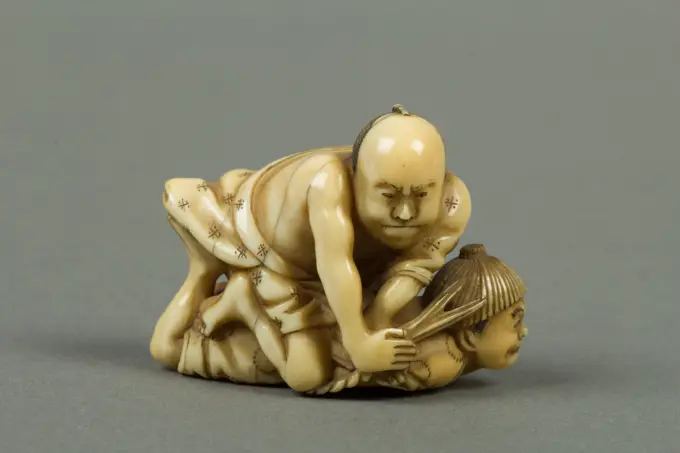
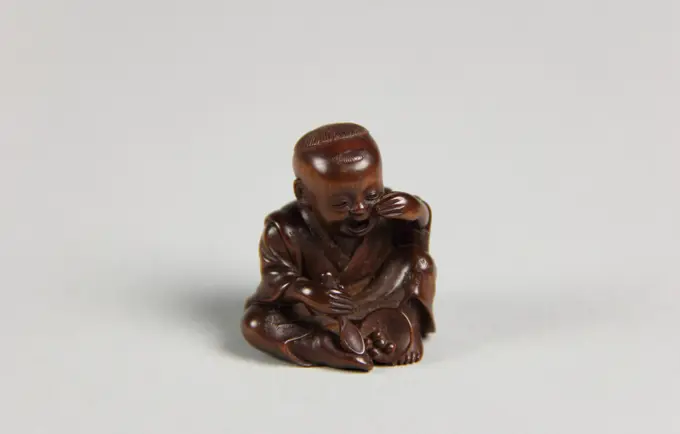
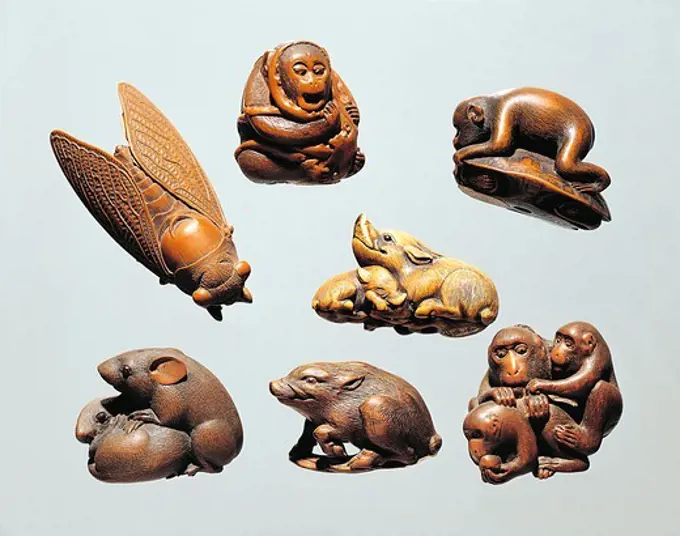
A collection of intricate netsuke figurines, showcasing detailed craftsmanship in materials like ivory and wood, highlighting cultural significance from Japan.
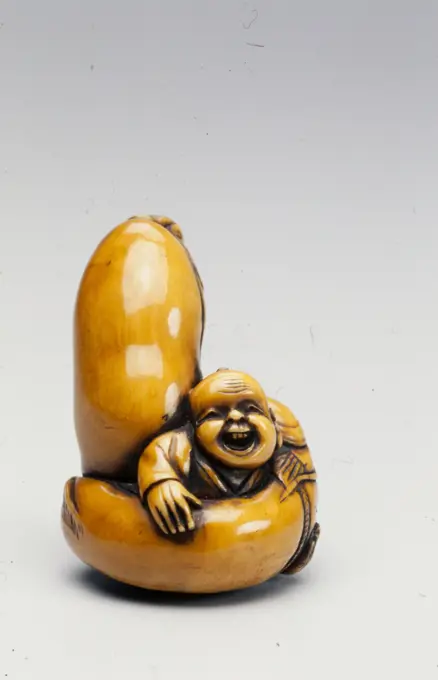
Netsuke man, giant gourd and giant catfish, 19th century, Unknown Japanese, 1 5/8 x 1 1/4 x 1 1/4in. (4.1 x 3.2 x 3.2cm), Ivory, Japan, 19th century
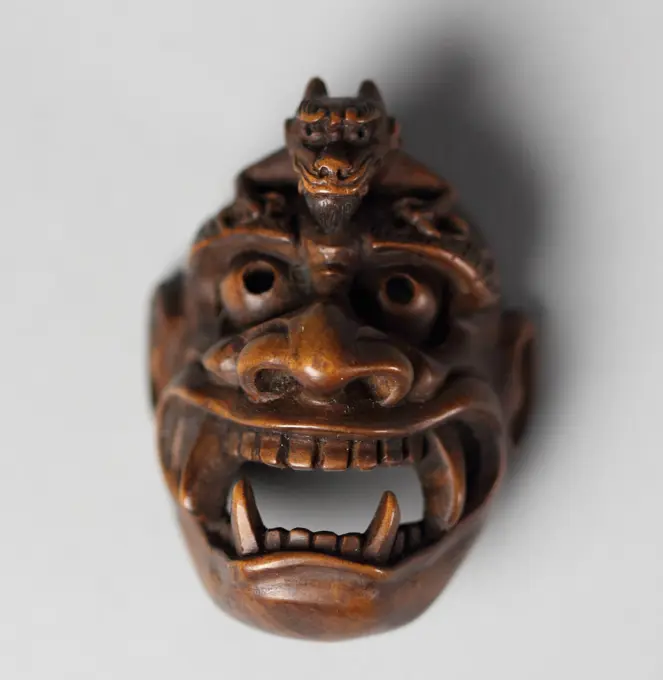
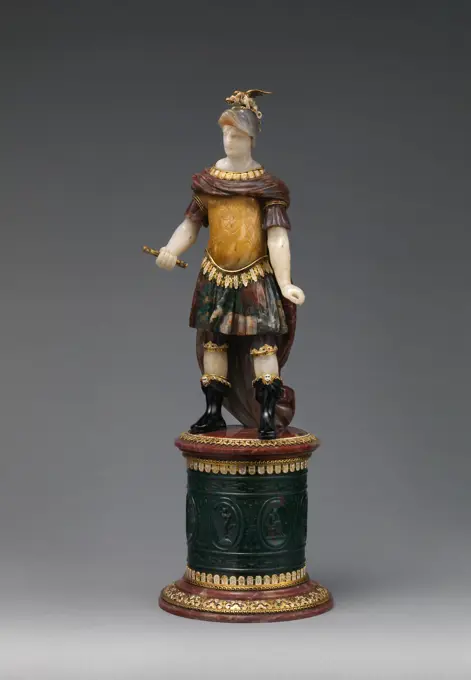
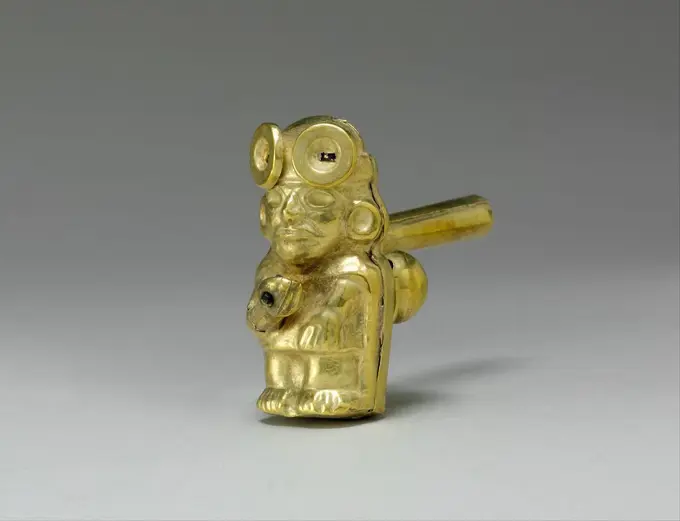
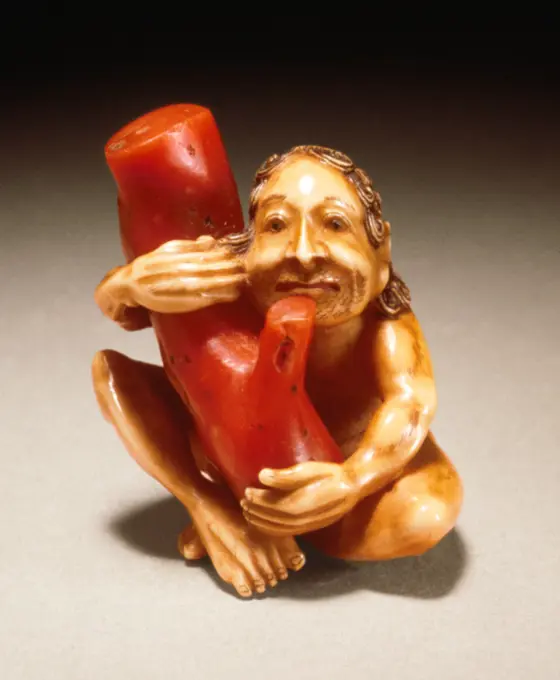
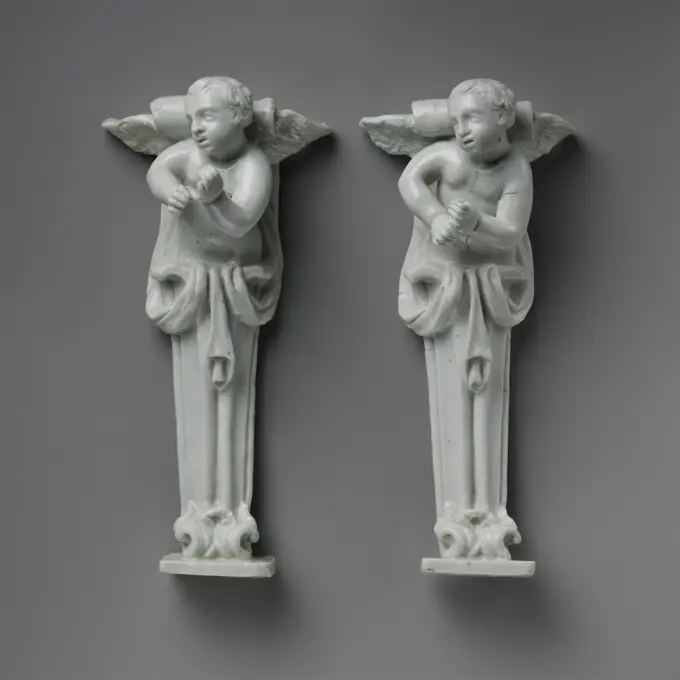
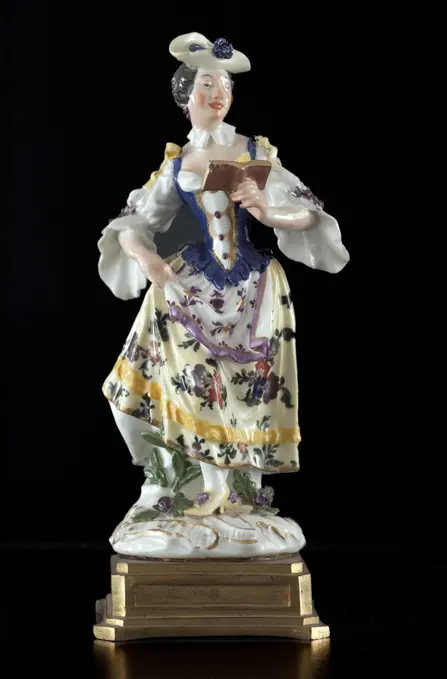
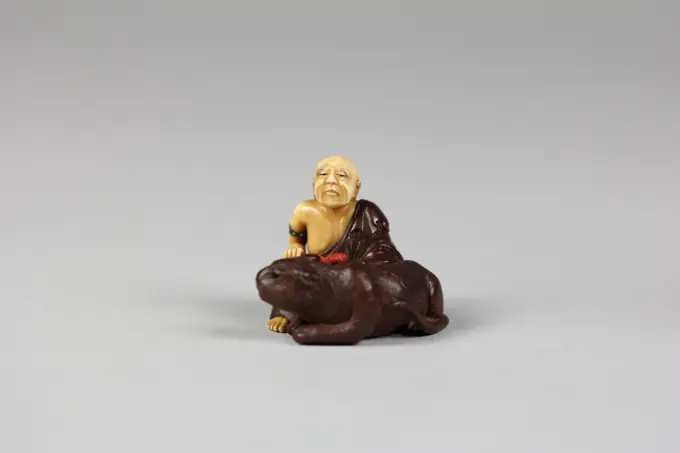
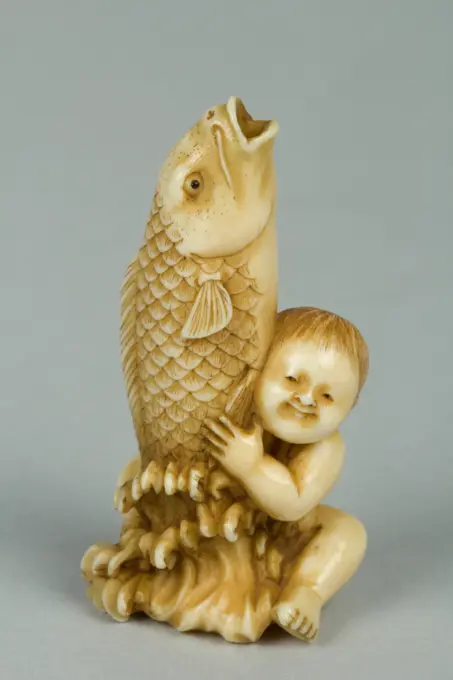
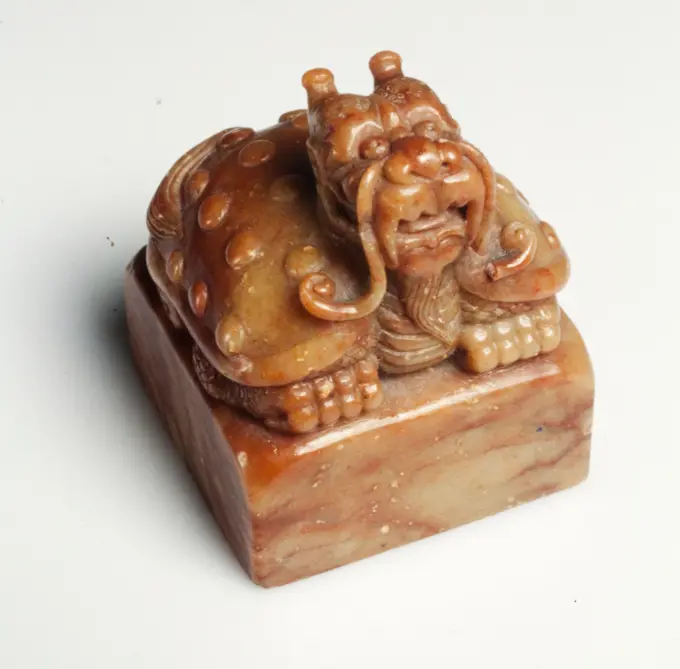
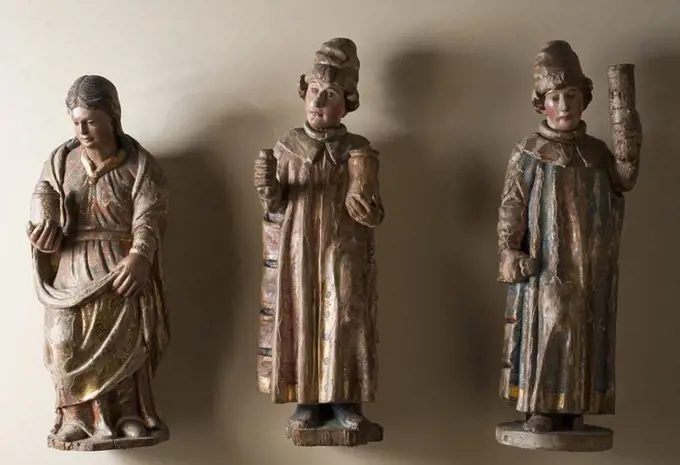
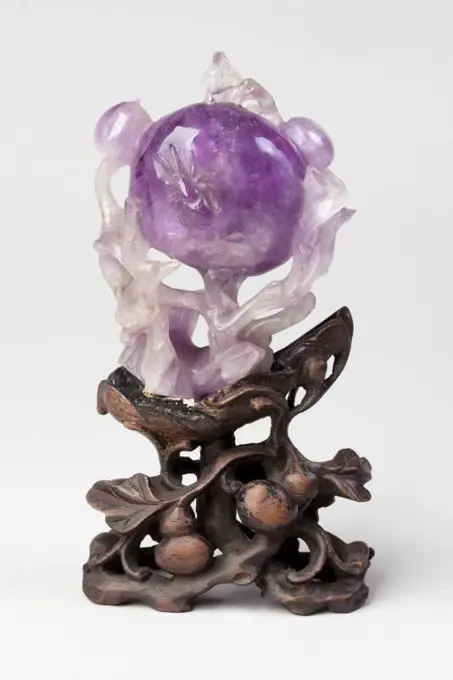
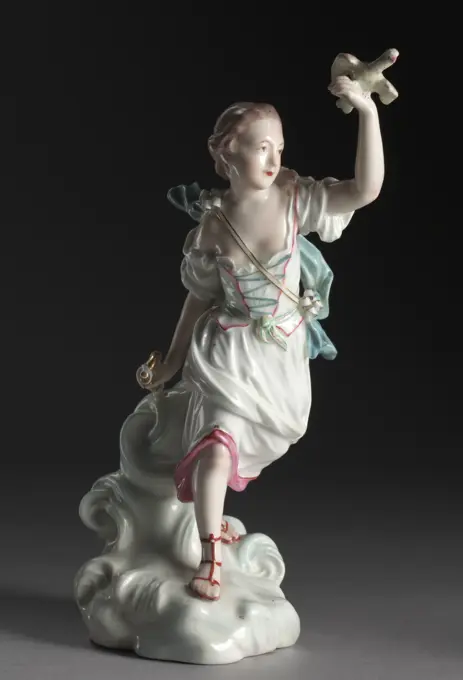
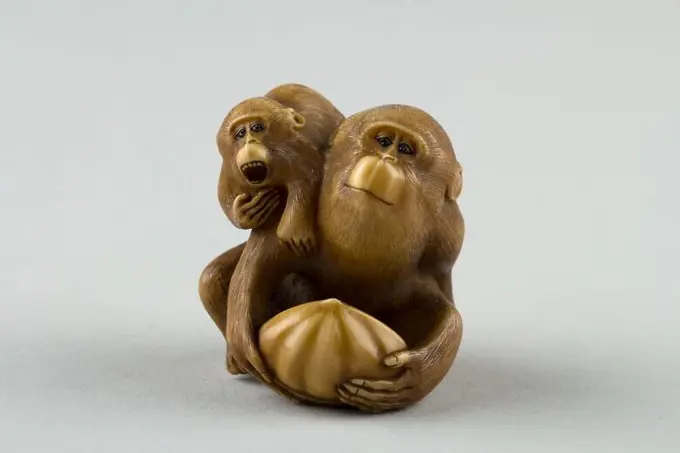
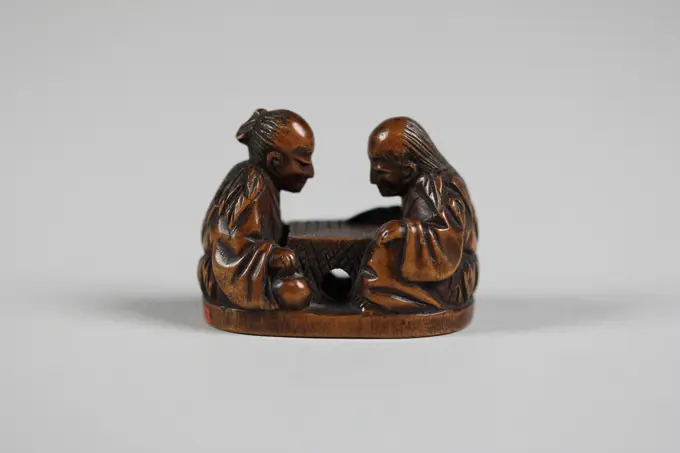
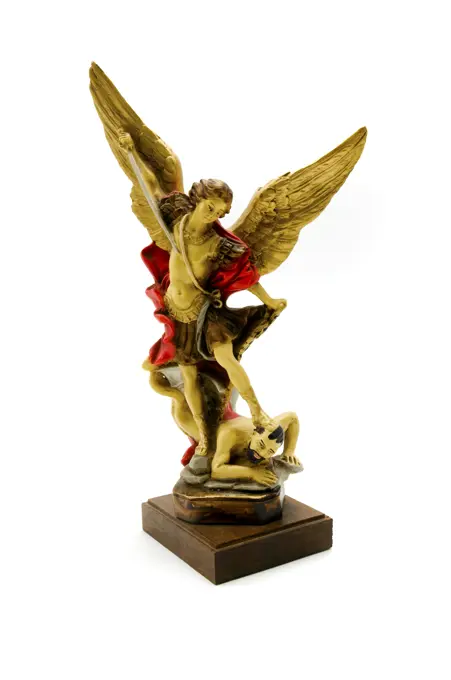
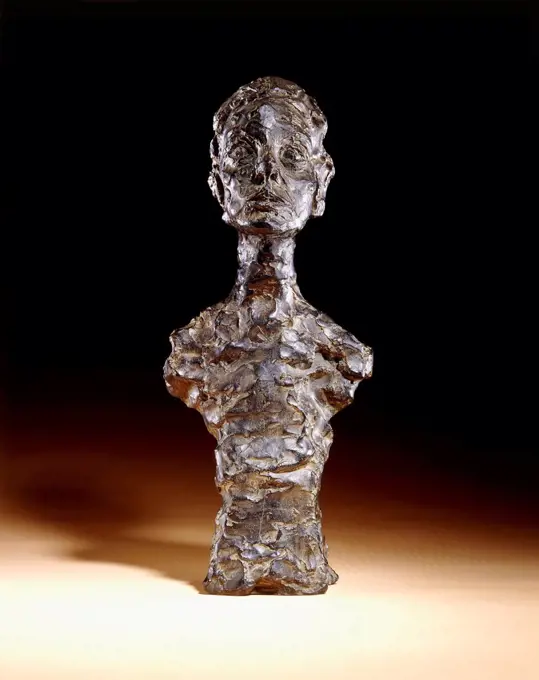
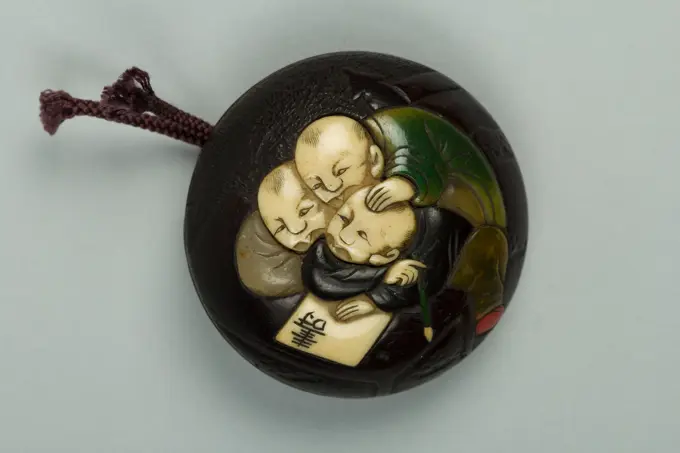
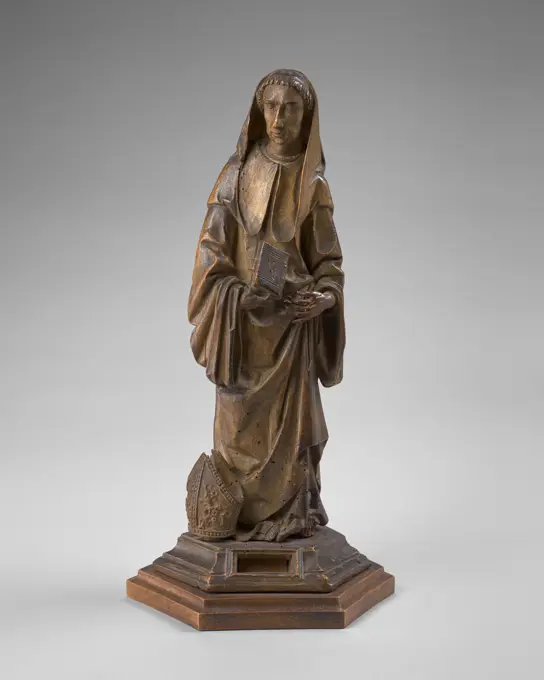
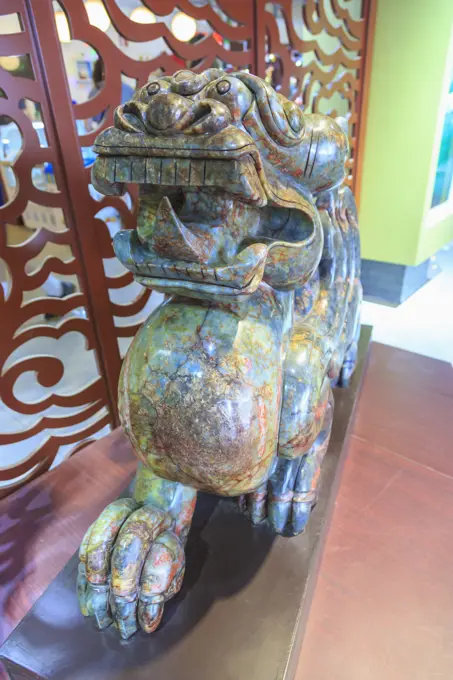
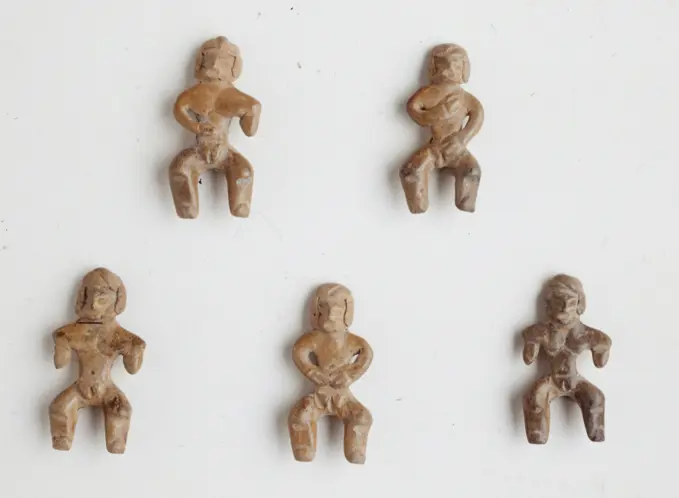
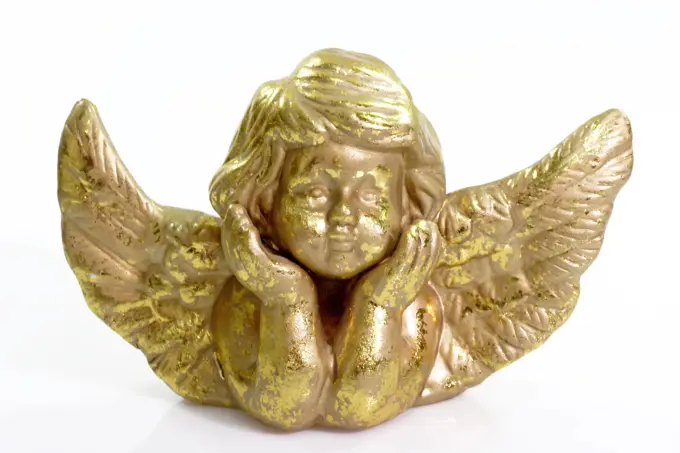
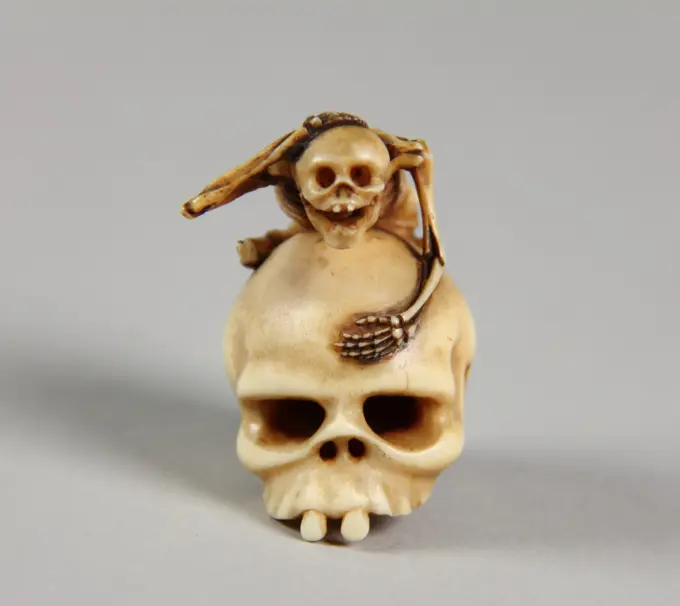
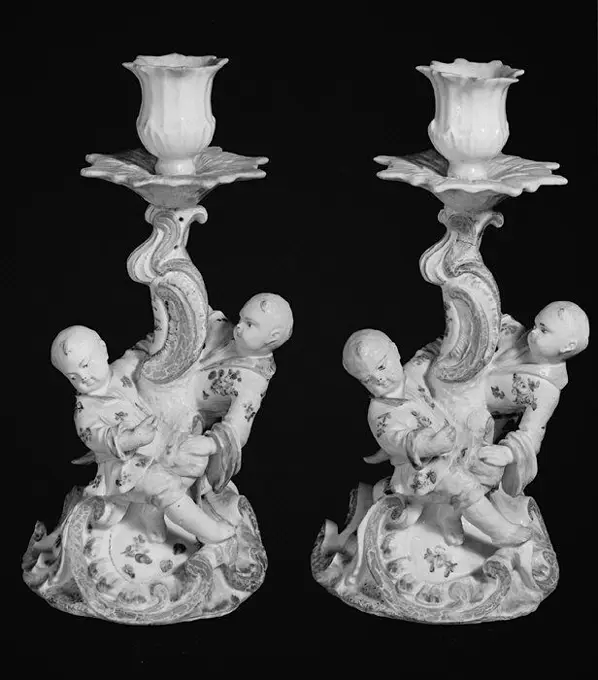
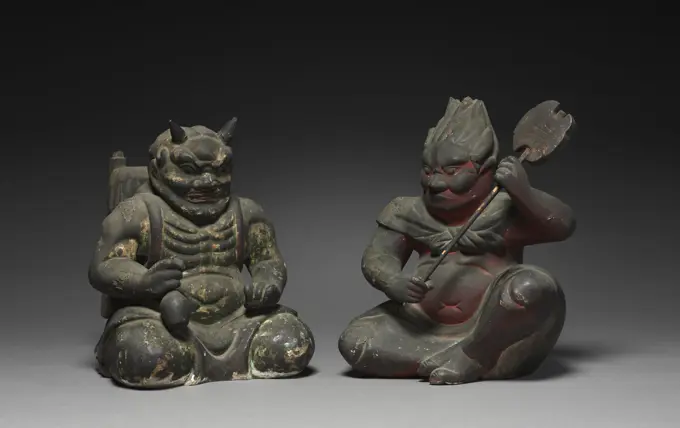
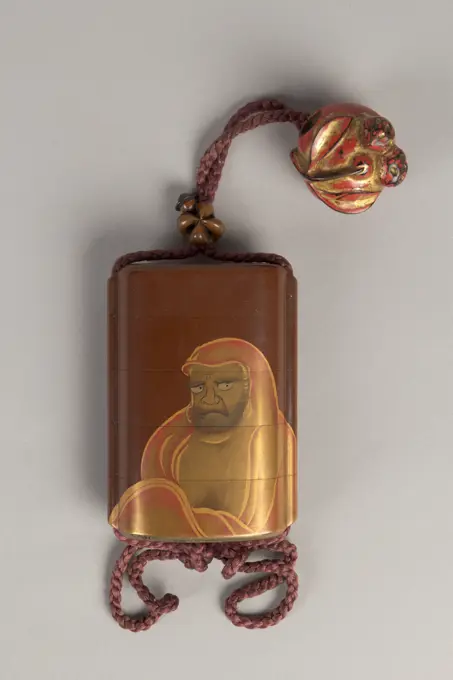
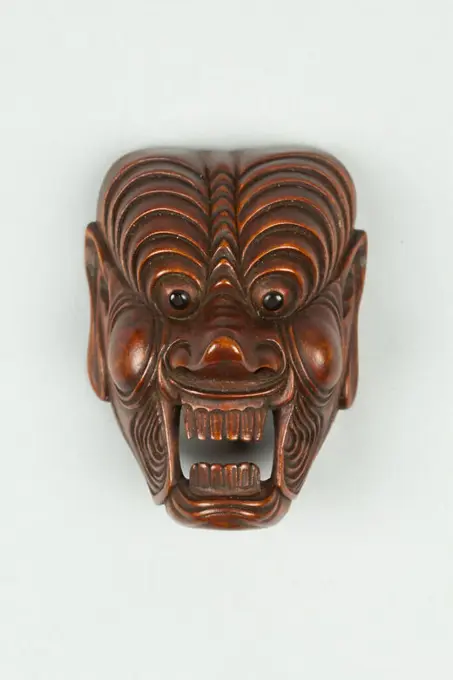
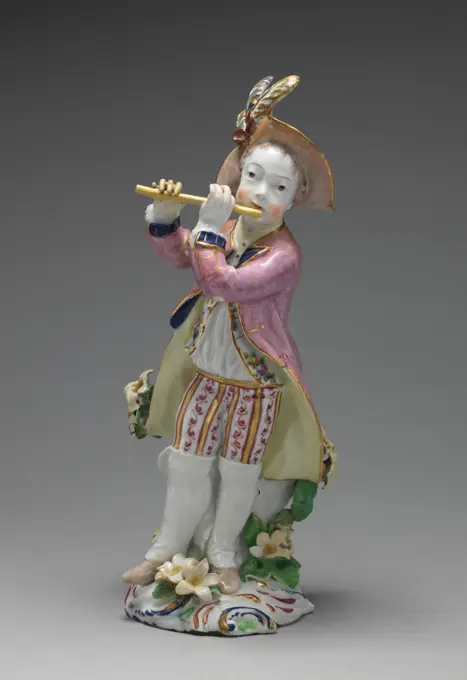
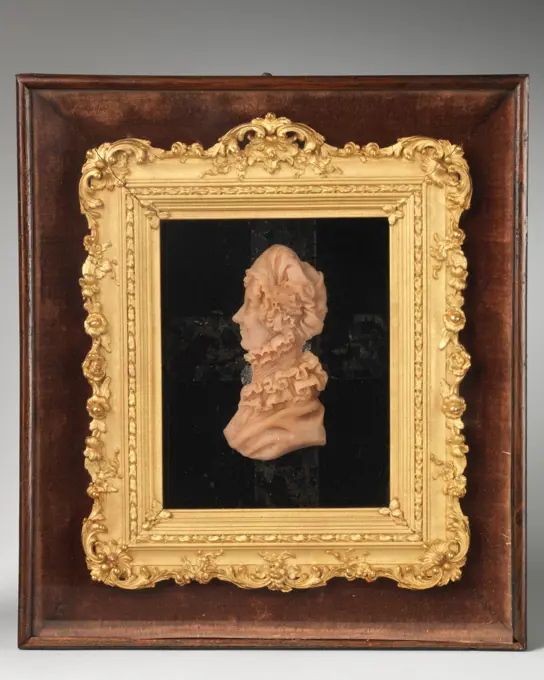
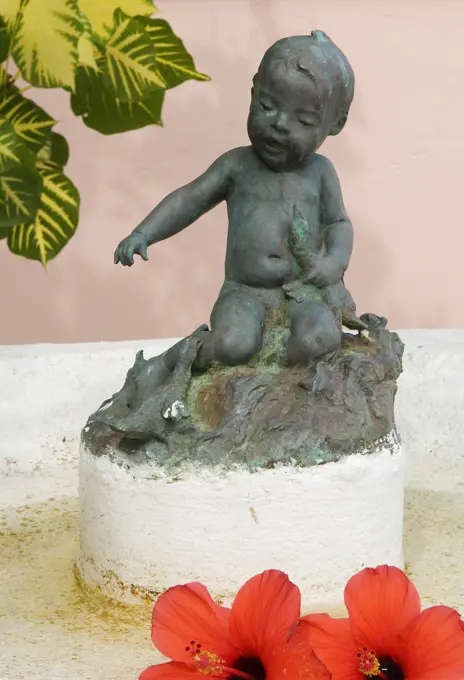
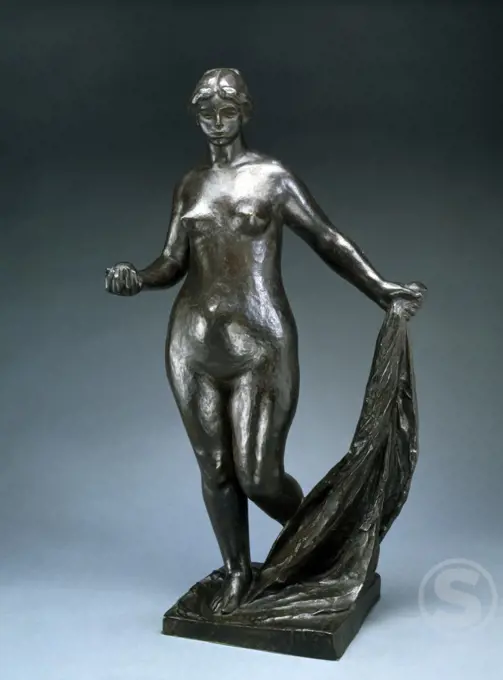
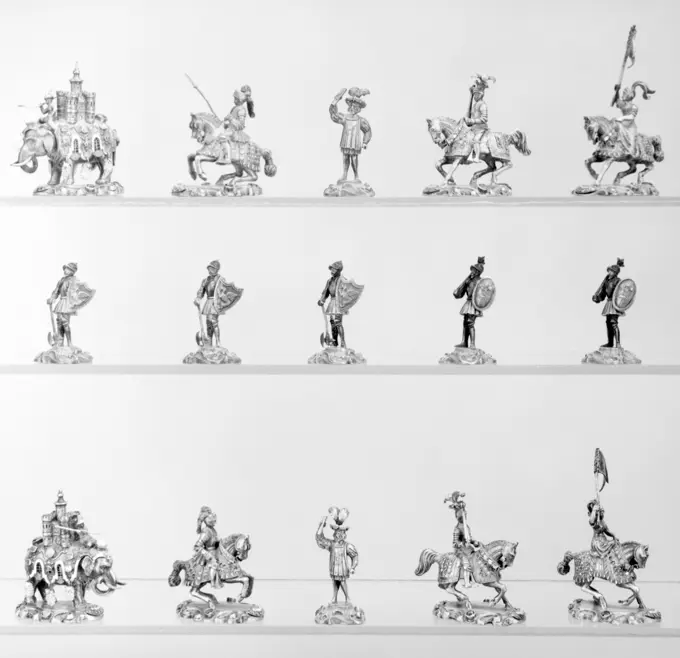
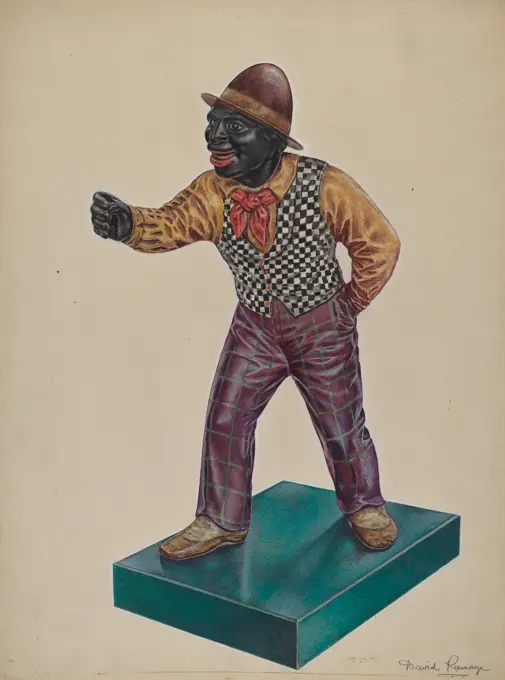
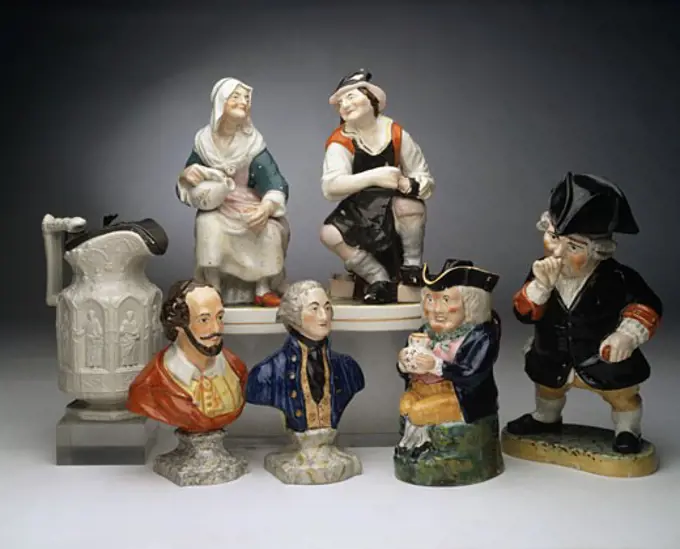
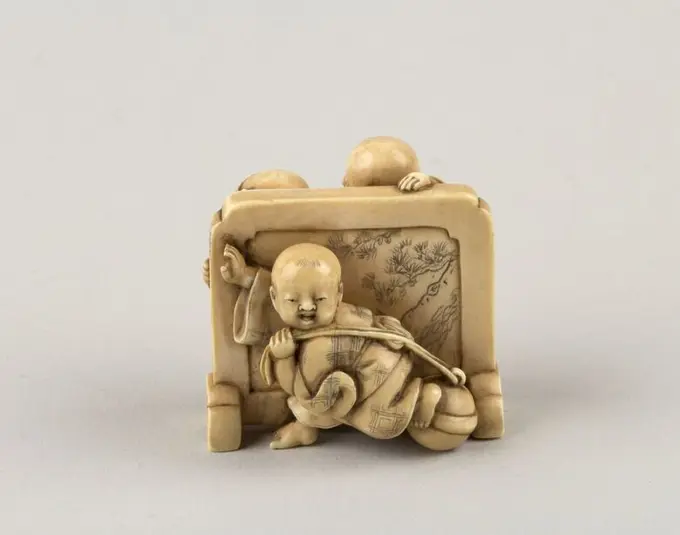
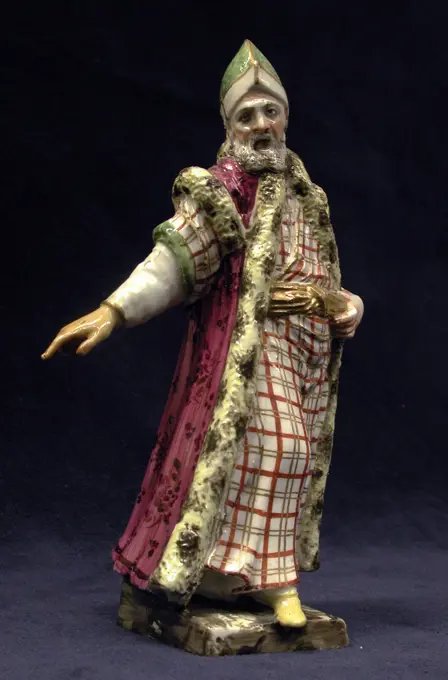
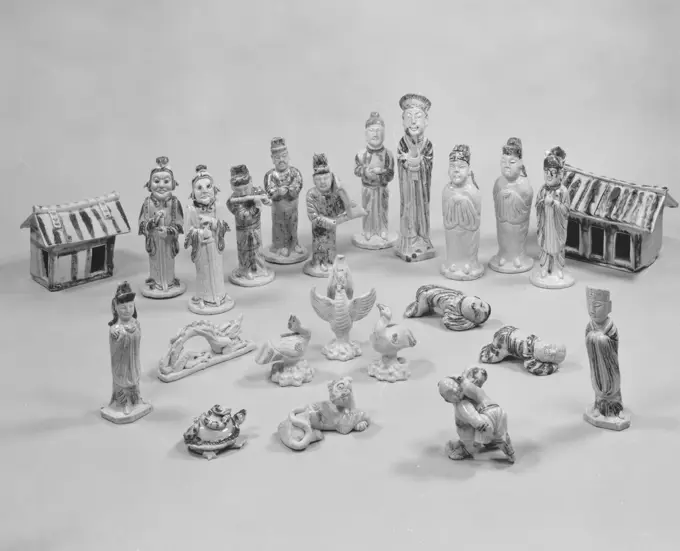
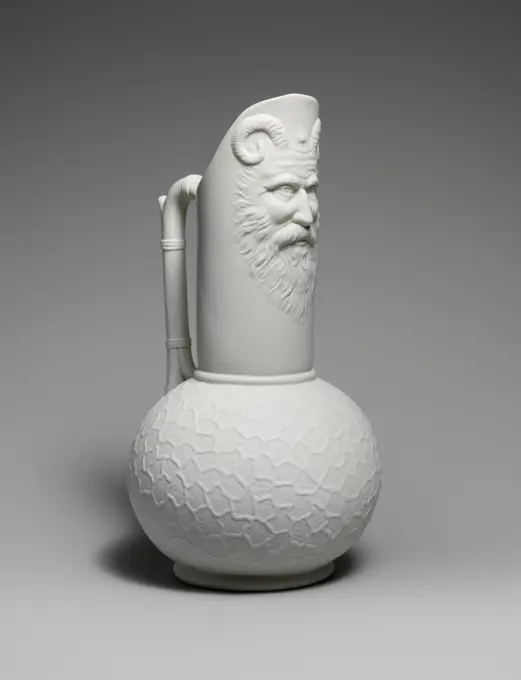
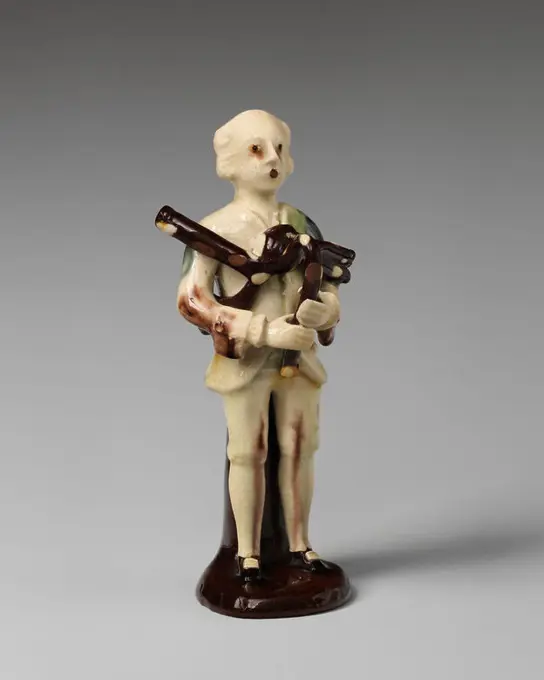
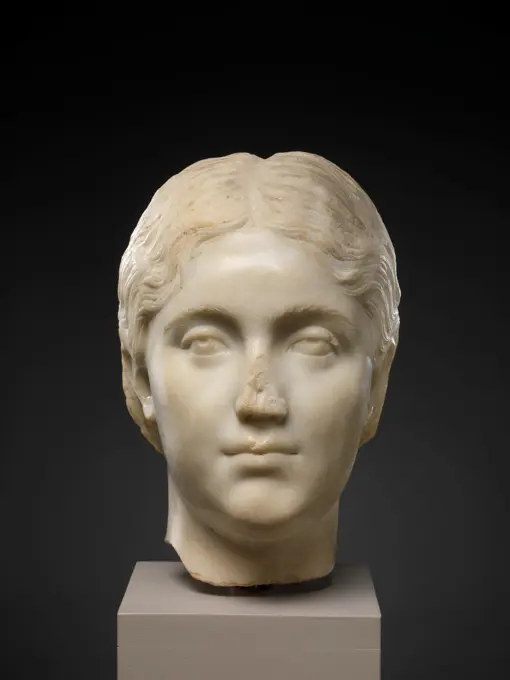
Gahu, travel reliquary, Tibet, 18th century, silver, copper and clay, Anthropology National Museum, Madrid, Spain.Cutlery with children playing, Anonymous, 1675 - 1700 Over a stump, against which a flower guilland hangs, stands a boy that supports a truncated branch with the left hand, while holding the right, upward -facing arm against the hanging leg of a second boy, which sits above him on the stump and Left foot is lifted with both hands. Germany ivory Over a stump, against which a flower guilland hangs, stands a boy that supports a truncated branch with the left hand, while holding the right, upward -facing arm against the hanging leg of a second boy, which sits above him on the stump and Left foot is lifted with both hands. Germany ivoryHajagriwa;  2. PO. 18th century () (1751-00-00-1800-00-00);Purchase (provenance)Netsuke of Demon Mask Derived from Bugaku 19th century Japan. Netsuke of Demon Mask Derived from Bugaku. Japan. 19th century. Wood. Edo (1615-1868) or Meiji period (1868-1912). NetsukeSilver. minerals. Europe; Norway; Buskerud Province; KongsbergNetsuke, anonymous, 1700 - 1900 Imagination of a curved man with a high hat. Inscription next to the left foot. Japan wood (plant material). ivory. mother of pearl. red coral (material) Imagination of a curved man with a high hat. Inscription next to the left foot. Japan wood (plant material). ivory. mother of pearl. red coral (material)Balk console of oak, anonymous, c. 1600 - c. 1699 Oak beam console, which shows a sliced man's head, placed under an ornament similar to a handle and flanked by two volutes filled with a guillochem motif. Northern Netherlands (possibly) wood (plant material). oak (wood) Oak beam console, which shows a sliced man's head, placed under an ornament similar to a handle and flanked by two volutes filled with a guillochem motif. Northern Netherlands (possibly) wood (plant material). oak (wood)Roman Emperor 19th century Reinhold Vasters This Silver Caesars-inspired statuette was probably made by Reinhold Vasters, a nineteenth-century goldsmith famous for his forgeries of Renaissance objects. Vasters evidently admired the tazzehis personal collection included copies of the Augustus and Vitellius dishes. It is likely that he also manufactured the six replacement feet added to the tazze in the late nineteenth century.. Roman Emperor. Reinhold Vasters (German, Erkelenz 1827-1909 Aachen). German. 19th century. Gold, enamel, semi-precious stonesHandle and attachment, youth Etruscan. Handle and attachment, youth. Etruscan. Bronze. BronzesDecorative antique statue of a goddessFigure Whistle. Culture: Moche. Dimensions: H. 2 in. (5.1 cm). Date: 3rd-7th century.This small hollow figure whistle is made of hammered gold sheet joined along the sides. It is similar to the numerous ceramic whistles found in Moche houses and middle-status burials. Most ceramic whistles represent warriors holding ropes or clubs and wearing capes, large earspools, and headdresses ornamented with crescents or frontal disks. The man depicted here wears comparable attributes and once held an object in his right hand, between the thumb and index finger. Although many musicians are represented in Moche art, no whistle player is known in the imagery. However, many individuals whistling with their lips are represented, some of them holding a child with closed eyes. Scholars think that in Moche society, whistling was a sound produced to communicate with the ancestors when a human offering was made. Museum: Metropolitan Museum of Art, New York, USA.Melanesian Coral DiverWolf with skull, mid 19th century, Kōno Haruaki, Japanese, 1787 - 1860, 9/16 x 2 in. (1.4 x 5.08 cm), Ivory, bronze, and gold, Japan, 19th centuryBat-Head Figure Pendant 13th-16th century Diquís. Bat-Head Figure Pendant 309940Man with triple stitch and bottle in hand, on Ton, Anonymous, c. 1760 - c. 1790 Decorative object of multicolored painted faïence. There is a ton on a chassis. On the barrel is a man with a bottle in his right hand. The man is wearing a three -pointed stitch on his head. Delft earthenware. tin glaze. Decorative object of multicolored painted faïence. There is a ton on a chassis. On the barrel is a man with a bottle in his right hand. The man is wearing a three -pointed stitch on his head. Delft earthenware. tin glaze.Statuette of a Woman 3rd-1st century B.C. Etruscan Left hand protruding from the drapery.. Statuette of a Woman 246396Pair of terms ca. 1745-50 Doccia Porcelain Manufactory Italian. Pair of terms 208186Netsuke 19th century Japan. Netsuke. Japan. 19th century. Ivory. Edo (1615-1868) or Meiji period (1868-1912). NetsukeJoann-Joachim Kaendler (1706-1775). Young standing woman holding a music book in the hand. Porcelain, 1750. Paris, Cognacq-Jay museum. 79169-27 Standing, woman, music book, porcelain, rolling up, statuette, holding, 18th 18th 18th 18th 18th 18th 18 century, dressWoman Playing the Guitar, Needle Case, anonymous, 1700 - 1799 Guitar playing woman, needle cooker. Germany (possibly) ivory Guitar playing woman, needle cooker. Germany (possibly) ivoryNetsuke 19th century Japan. Netsuke. Japan. 19th century. Wood. Edo (1615-1868) or Meiji period (1868-1912). NetsukeNetsuke of Old Man with a Tiger 19th century Japan. Netsuke of Old Man with a Tiger 59079Double -sided gingerbread form A: Post Ladies with a bouquet page B: fish;  1808 (1808-00-00-1808-00-00);Jurōjin: God of Longevity as Turtle. Juichi (or Toshikazu) (Japan, active late 19th century). Japan, late 19th century. Costumes; Accessories. Ivory with staining, sumiFragment of Furniture Decration from the House of Tadeusz KościuszkoEarly African ivory carving of six birds attacking a snake.Standing Praying Man  1974  Pablo Rivera b. 1936  American  Ebony Wood Sculpture  Private Collection Head of Ni-o with Closed Mouth and Head of Ni-o with Open Mouth (pair), 1200s. Japan, Kamakura period (1185-1333). Wood; overall: 76.8 x 37.8 cm (30 1/4 x 14 7/8 in.).Netsuke of Child with a Carp 19th century Japan. Netsuke of Child with a Carp. Japan. 19th century. Ivory. Edo (1615-1868) or Meiji period (1868-1912). NetsukeStone Seals, 18th-19th century, 2 1/4 x 1 3/4 x 1 3/4 in. (5.72 x 4.45 x 4.45 cm), Nephrite (jade) and soapstone, China, 18th-19th century, Used by literati to impress their personal marks on documents and works of art, seals were among the most important scholar's implements. The literati often carved the legends themselves. Bronze and jade were commonly used for seals before the Yuan dynasty (1280-1368), but these materials proved too hard to be carved by anyone but professionals. In the Ming dynasty, soapstone became the preferred material of the literati. Scholars readily carved the soft material in their personal calligraphic styles. Like literati paintings, seals expressed the taste and personality of their owners. The squared, angular characters and simple, forceful calligraphy in these examples were inspired by Han dynasty (2nd century BCE-2nd century CE) script, which along with bronze inscriptions and other early styles of calligraphy was studied and emulated by the wen ren. Sants Metges. Tallas procedentes del Santuario del corredor. Museo de Mataró.Tripod Vase with Monkey on LidChess Piece: King, early 1900s. Japan, Meiji period (1868-1912). Ivory; overall: 10.5 x 3.9 cm (4 1/8 x 1 9/16 in.).Altar fragment with representation of Petrus. Fragment of an altar, consisting of an above-rounded rectangular bronze plate, decorated with Rinceaux in email champlevé on gray-blue soil in white, yellow, green, blue and red with light blue border. On the plate, the figure of Peter is attached to high relief, standing in the left hand, a key, the right hand in speaking gesture pressed against the chest. Peter's head is dented.Chinese Carved Peach on Stand,  Qing Dynasty, 18th centuryAir, c. 1775. Derby Porcelain Factory (Chelsea-Derby Period, 1770-84). Soft- paste porcelain; overall: 24.2 cm (9 1/2 in.).pendant in the shape of a bearded male, from Carthage, 4th-3rd cent. BCE, Carthage National museum, The Coliseum , Rome, Lazio, Italy ,.Planets-manager. Cornalet Collection Sites 2013-2016. Numismatic.Figure: ALLORY OF Autumn; Kaiserliche Porzellanmanufaktur in Wien (1744-1864), LuECke, Ludwig (Ca 1703-1780); around 1750 (1745-00-00-1755-00-00);Inuit stone sculpture, Nunavut, Canada, soapstone carving, soapstone, cutout, object, Eskimo, Iqaluit, Frobisher Bay, Baffin Island, North AmericaMask with Long Tongue. Kokeisai Sanshō (Japan, 1871-1936). Japan, late 19th-early 20th century. Costumes; Accessories. Wood with inlayNetsuke of a Female Monkey Holding a Nut while her Baby Crawls on her Back. Artist: Masatami. Culture: Japan. Dimensions: H. 1 1/2 in. (3.8 cm); W. 1 3/8 in. (3.5 cm). Date: 19th century. Museum: Metropolitan Museum of Art, New York, USA.Anefo photo collection. Assignment the line images from NIC. Jonk. October 10, 1963Wooden spoon with handle depicting a lute female playerNetsuke of Figures Playing Go 19th century Japan. Netsuke of Figures Playing Go. Japan. 19th century. Wood. Edo (1615-1868) or Meiji period (1868-1912). Netsukechess figures on black  backgroundStatue of the archangel Michael trampling satan on a white backgroundAnnette X. Alberto Giacometti (1901-1966). Bronze with dark brown patina. Cast in 1965; number seven in an edition of eight. 44.1cm high.Cane Slice with Theatrical Mask. UnknownNetsuke 19th century Japan. Netsuke. Japan. 19th century. Wood inlaid with ivory. Edo (1615-1868) or Meiji period (1868-1912). NetsukePair of Sword-Grip Ornaments (Menuki) 18th century Japanese Menuki are a pair of ornamental sword fittings attached to either side of a sword hilt.. Pair of Sword-Grip Ornaments (Menuki). Japanese. 18th century. Copper-gold alloy (shakud), copper. Sword Furniture-MenukiMonk 1775-1899 France. Glass; lampwork (verre de Nevers), metal armature .Child's head. Culture: Northern Italian. Dimensions: Overall with bolt (confirmed): 7 1/8 × 3 × 3 1/2 in. (18.1 × 7.6 × 8.9 cm); Height without bolt (confirmed): 4 in. (10.2 cm). Date: early 16th century. Museum: Metropolitan Museum of Art, New York, USA.Figurine of a laughing and cheerful golden Buddha Anonymous, monk statuette (dummy title). Drink. Houses of Victor Hugo Paris - Guernsey.Jade Carving in Restaurant, Factory near Beijing, ChinaMedal with Nymph and Shepherd Boy, c 1900- 1925. Henri Dropsy (French, 1885-1969). Bronze; diameter: 5 cm (1 15/16 in.).Miniature figurine, 1500-1150 BCE, 2 1/16 in. (5.2 cm), Earthenware, Mexico, Pre-ClassicCampania Caserta Capua Museo Campano83. Hutzel, Max 1960-1990 Medieval: Byzantine architectural fragments; parchment fragments with miniatures (12th century) from Montecassino; painted wooden crucifix (13th century); Carolingian crucifixes; Bishop's miter (11th century) of gold and silver damask; fresco (13th century). Post-medieval: Architecture (15th century). Formerly the Palazzo Antignano. Unusual Catalan/Moorish-style portal; Paintings on panel and canvas (15th-18th centuries); marble intarsia (16th century); marble sculpture: busts of Christ and Mary (17th century); sculpture of saints in marble and in wood (15th century); painted and gilded sculpture in wood; marble grave sculpture (16th century); sarcophagus with allegorical carvings; gold reliquary "Rosa d'Oro"; crucifix made of elephant tusk Specific Location: Pianterreno Antiquities: Italic sculpture (seated women holding babies); inscription. Photo campaign #1: 533 photos. Roman relief and sculpture; cinerary urns; Greek anGolden angel for use as Christmas decoration isolated on a white backgroundWeihnachtsengel Studio Copyright: xZoonar.com/Teamarbeitx 144574Green Lion; Unknown Italian workshop; 1st century BC (-100-00-00--1-00-00);Skeleton Astride a Skull late 18th-early 19th century Rantei Japanese This superbly articulated rendition of a skeleton astride a skull is a humorous statement of the transitory nature of human life.. Skeleton Astride a Skull. Rantei (Japanese,). Japan. late 18th-early 19th century. Ivory. Edo period (1615-1868). NetsukeChessmen (32) Austrian, Tyrol 19th century The classic oppositon of Christian and Muslim seems here to be presented as an opposition between Tyroleans and one of the Muslim peoples within the Austro-Hungarian Empire (possibly in an area of modern Yugoslavia, such as Bosnia-Herzegovina). The dress of the queens is clearly modeled on the styles of the period 1828 to 1835, but the pieces are undoubtedly of later date. The king of the Christian side bears a strong resemblance to Emperor Franz Josef and may be taken from a youthful portrait of him. The Muslims are the light side. View more. Chessmen (32). Austrian, Tyrol. 19th century. Wood, blond and medium blond. Chess SetsPlaster figurePair of candlesticks ca. 1756 Derby Porcelain Manufactory. Pair of candlesticks 203590Seated Zenki and Koki, 1400s. Japan, Muromachi period (1392-1573). Wood with pigment;Bather  Etienne Maurice Falconet (1716-1791/French)  Musee du Louvre, Paris  Flötenspieler Bronze Miniatur eines Flötenspielers im Archäologischen Museum von Delphi, Weltkulturerbe der UNESCO in Delphi, Griechenland Bronze figurine of a flute player at Delphi Archaeological Museum, UNESCO World Heritage Site in Delphi, Greece *** Flute player Bronze miniature of a flute player in the Delphi Archaeological Museum, UNESCO World Heritage Site in Delphi, Greece Bronze figurine of a flute player at Delphi Archaeological Museum, UNESCO World Heritage Site in Delphi, GreeceAn Ancient Roman wind chime. A 19th century, Italian copy of an original from 200 BC.Chimney Ornament. England, Staffordshire. Date: 1825-1835. Dimensions: 15.1 x 5.2 x 22.2 cm (5 5/16 x 2 1/16 x 8 3/4 in.). Glazed earthenware with polychrome enamel decoration. Origin: Staffordshire. Museum: The Chicago Art Institute, Chicago, USA. Author: Staffordshire Potteries.Original FDGB Cup on 01.05.2023 at the celebration of 50 years FDGB Cup winner 1.FC Magdeburg in the MDCC Arena MagdeburgCase (Inr) with Design of Daruma (obverse); Fly Whisk (Hossu) (reverse) 19th century Japan. Case (Inr) with Design of Daruma (obverse); Fly Whisk (Hossu) (reverse). Japan. 19th century. Lacquer, tan, brown ground, gold, black and red togidashi; Interior: nashiji and fundame. Edo period (1615-1868). InrFigurine: Knieczka; Popow, Aleksander (Porcelain Factory; 1806-1872); 1830-1840 (1830-00-00-1840-00-00);Netsuke of Mask. Culture: Japan. Dimensions: H. 2 1/8 in. (5.4 cm); W. 1 5/8 in. (4.1 cm). Date: 19th century. Museum: Metropolitan Museum of Art, New York, USA.Buddha Sit Sculpture Isolated Photo Buddha sit sculpture isolated on white background Copyright: xZoonar.com/DanielxFerreira-LeitesxCiccarinox 13643974Baby Octopus. Ōhara Mitsuhiro (Japan, 1810-1875). Japan, mid-19th century. Costumes; Accessories. Wood with inlaysFife player ca. 1765 Bow Porcelain Factory British. Fife player. British, Bow, London. ca. 1765. Soft-paste porcelain. Bow Porcelain Factory (British, 1747-1776). Ceramics-PorcelainMrs. Mary Chatham 19th century T. R. Poole. Mrs. Mary Chatham. T. R. Poole (active 1799, died ca. 1821). British. 19th century. Pink wax on glass painted black; frame: gold wood within shadow box covered in brown velvet, with glass. Sculpture-MiniatureEar Ornament with Image of Visnu Second half of the 8th-second half of the 10th century Indonesia (Java). Ear Ornament with Image of Visnu 49755Netsuke of Nine-Tailed Fox (Tamamono Mae) 19th century Japan. Netsuke of Nine-Tailed Fox (Tamamono Mae) 59827Egyptian statuettes of a Praying priest and pharaoh. Bronze. Late Period (715-332 BC).A statue of a little boy in the garden of Little Whale House, Little Whale CayVenus Standing  Pierre-Auguste Renoir (1841-1919/French)  Sculpture Daikoku. Kimura Ryūmin (Japan, active mid- to late 19th century). Japan, mid- to late 19th century. Costumes; Accessories. WoodChessmen (32) Austrian or Hungarian 19th centuryDavid Ramage, Cast Iron Hitching Post, c 1938 Cast Iron Hitching PostPre-Inca Mochica gold figure, form Peru, 4th-9th CenturyFigurines-KPM, Meissen & Other European Porcelain Antiques-Decorative Arts Statue in patinated bronze by Willem de kooning called the Clamdigger dated 1972-79Netsuke of Three Boys Playing around a Screen. Culture: Japan. Dimensions: H. 1 3/8 in. (3.5 cm); W. 1 1/2 in. (3.8 cm). Date: 18th century. Museum: Metropolitan Museum of Art, New York, USA.Traditinal Sri Lankan mask isolated on white backgroundThe Rat Poison Seller, Ambrumese Van Swol, C. 1660 The man stands on a square plinth with the right leg forward, holds a cylindrical cage in his left hand on a long stick and in the somewhat stimulated right probably a pack of poison that he offers for sale. Next to him, a boy runs on a belt that runs over the right shoulder, hangs a box in front of him, of which he lights the lid with one hand and lets the other rest on the box. In the cage, on which three dead rats hang, a rat is eating and a second jump against the bars. There is a rat on a chain on the man's left shoulder, the last link of which is put on his right little finger. He has a fur hat on and wears a shirt closed with buttons and a puffing pants. About a fur -lined, somewhat frayed, half -open cloak with stitched tresses, which also occur on the split half -knots. He also carries stockings and shoes. A fur weitas hangs on a sash over his shoulder; Around the agent a sash, in which a heart catcher is stabbed, decorated atWood and ivory netsuke (miniature sculptures) depicting animalsFahua wares from the Ming to Qing dynasty. Dated 17th Century.Turk 1760-70 Doccia Porcelain Manufactory Italian. Turk 206652Model of House with One Window China. Model of House with One Window 44384Pitcher 1885 Chesapeake Pottery. Pitcher 20730Bagpiper. Culture: British, Staffordshire. Dimensions: Height: 6 in. (15.2 cm). Maker: Style of Whieldon type. Date: ca. 1760. Museum: Metropolitan Museum of Art, New York, USA.Marble portrait of a young woman A.D. 150-175 Roman The hairstyle, deeply drilled eyes, and expression, all point to a second century A.D. date for this private Roman portrait of a young woman. Moreover, the high polish of the flesh and the oval shape of the looped knot of hair in the back are found on portraits associated with the court of the emperor Lucius Verus, who reigned from A.D. 161 through 169.. Marble portrait of a young woman 251350 Roman, Marble portrait of a young woman, 150175 A.D., Marble, H. 10 3/16 in. (25.9 cm). The Metropolitan Museum of Art, New York. Rogers Fund, 1923 (23.160.6)