Porcelain Tea Sets and Accessories

Elegant porcelain dishes, including cups, saucers, and terrines, adorned with intricate floral designs and vibrant colors, showcasing Asian ceramics craftsmanship.

Cup and saucer with a woman with flower basket and flowering plants in panels, anonymous, c. 1725 - c. 1749 Porcelain cup and saucer with spreading wall, painted on the glaze in blue, red, pink, green, black and gold. On the flat of the dish a medallion with a woman in a landscape with a flower basket; For the medallion saved flower vines and three cartouches with flowering plants (including Lotus) in a golden soil. Dish and head have been broken. Famle Rose. China porcelain. glaze. gold (metal) painting / gilding / vitrification Porcelain cup and saucer with spreading wall, painted on the glaze in blue, red, pink, green, black and gold. On the flat of the dish a medallion with a woman in a landscape with a flower basket; For the medallion saved flower vines and three cartouches with flowering plants (including Lotus) in a golden soil. Dish and head have been broken. Famle Rose. China porcelain. glaze. gold (metal) painting / gilding / vitrification
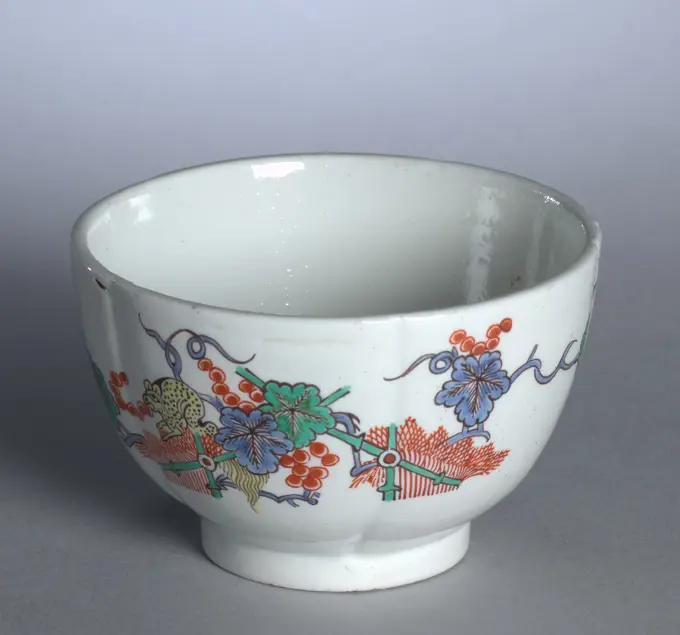
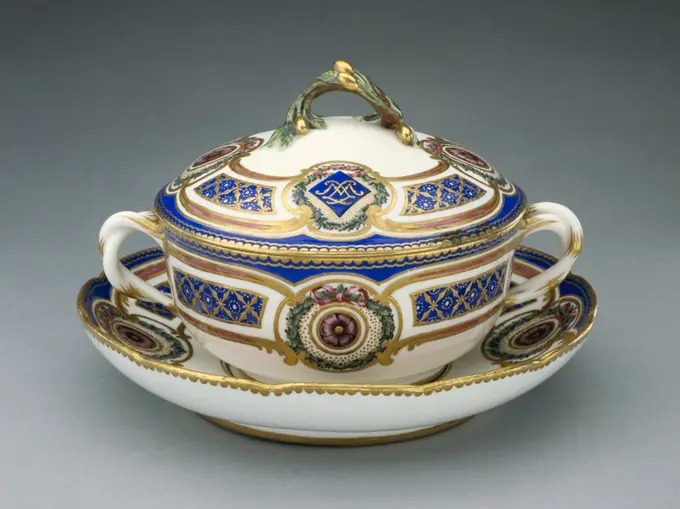
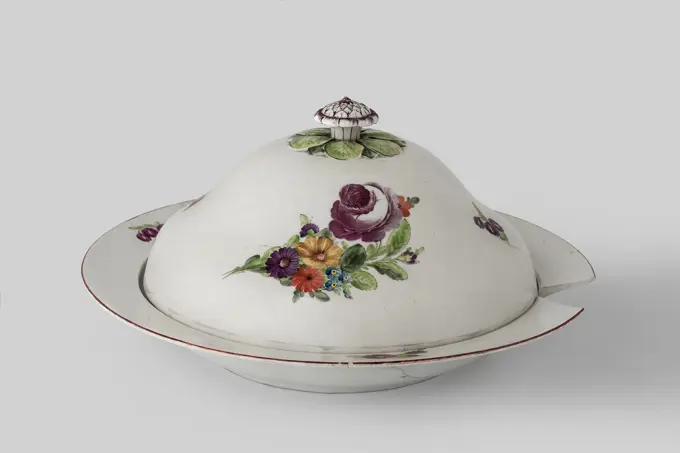
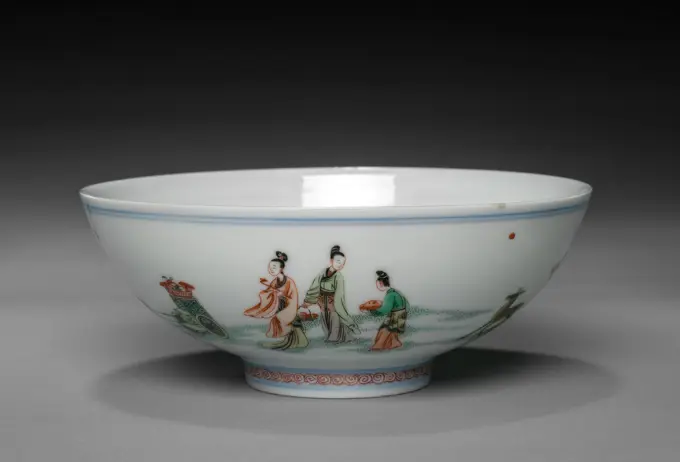
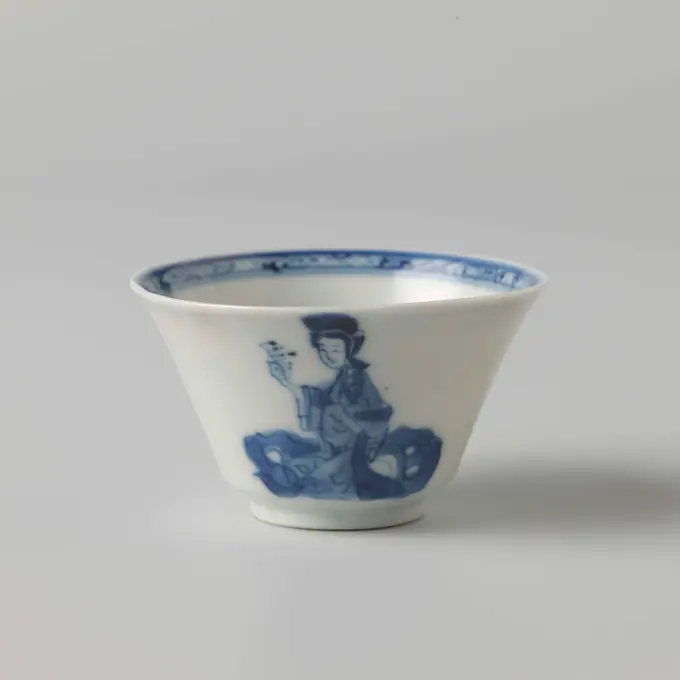
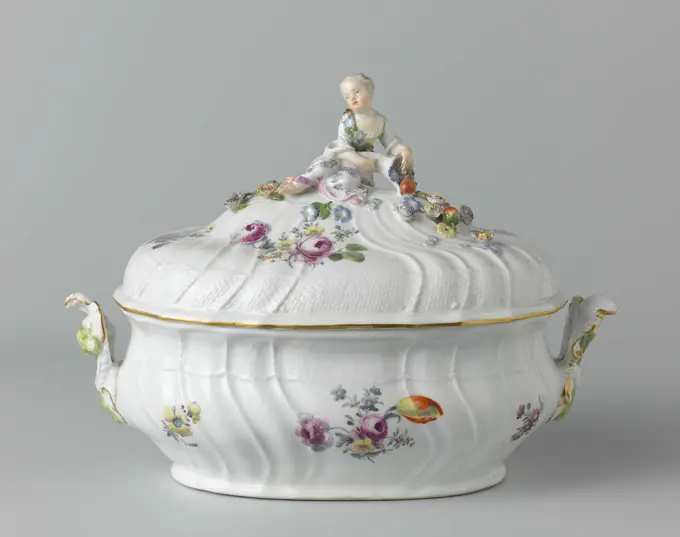
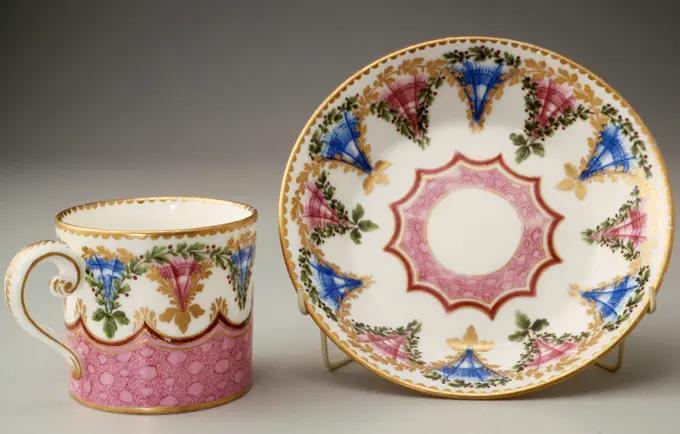
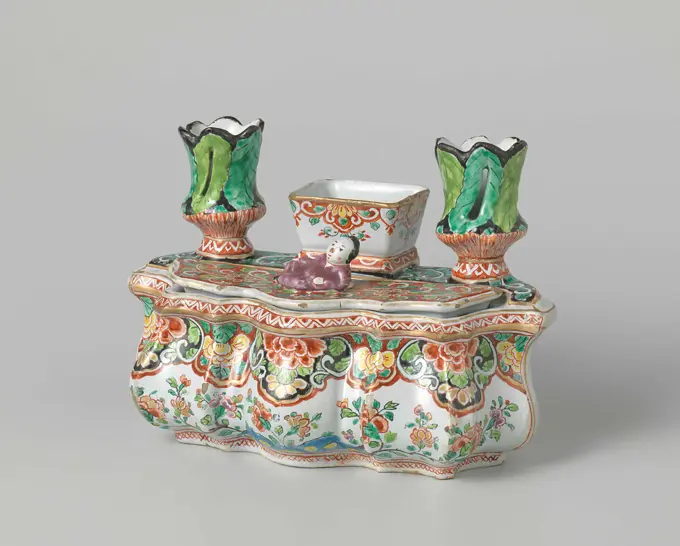
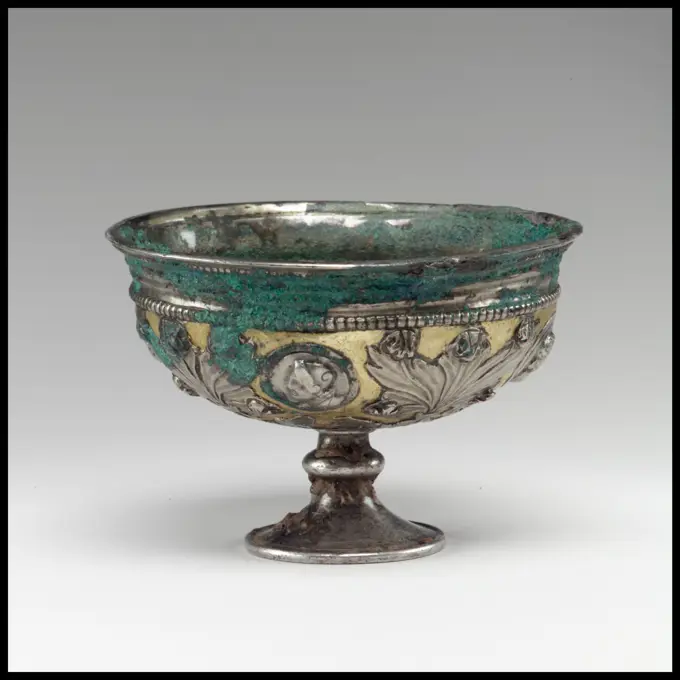
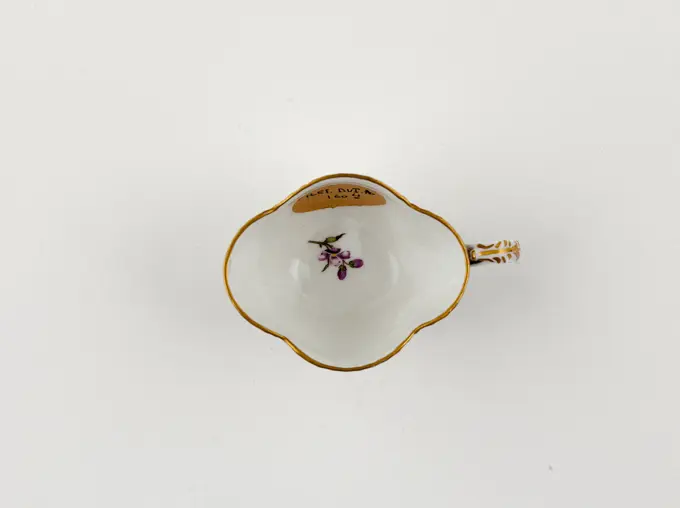
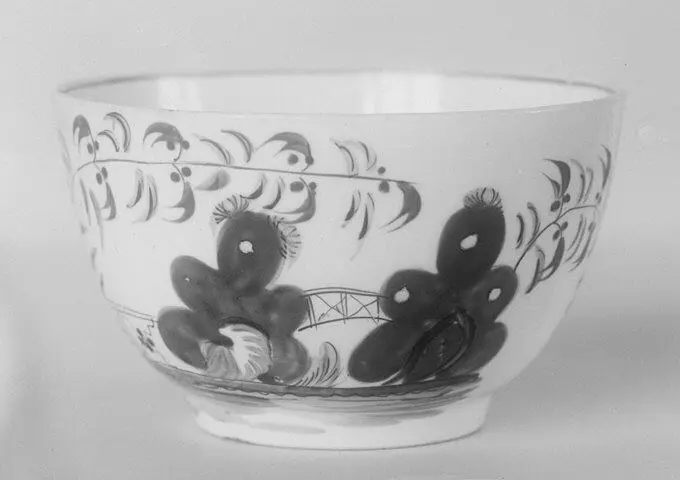
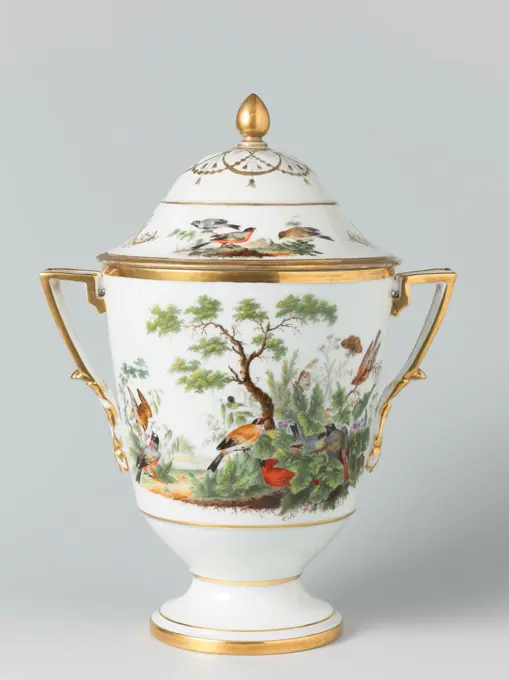
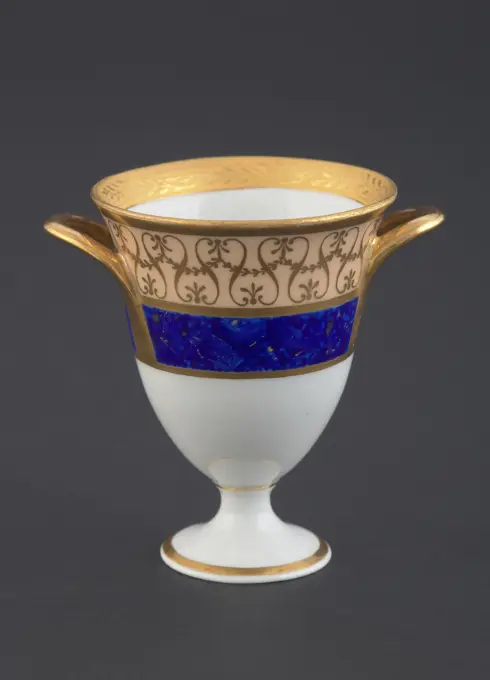
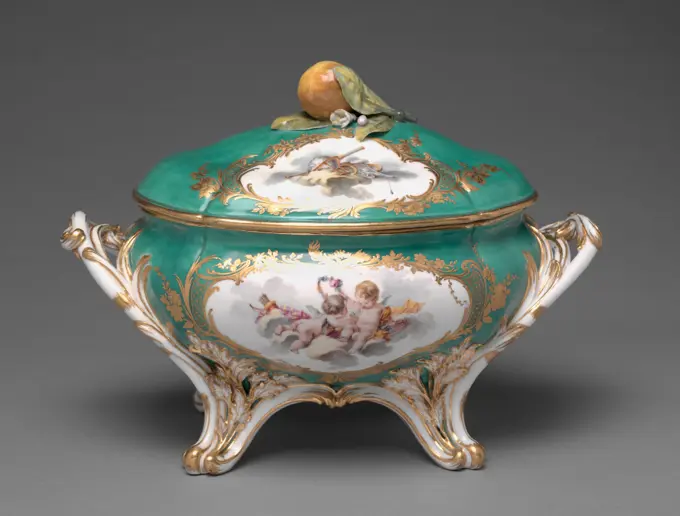
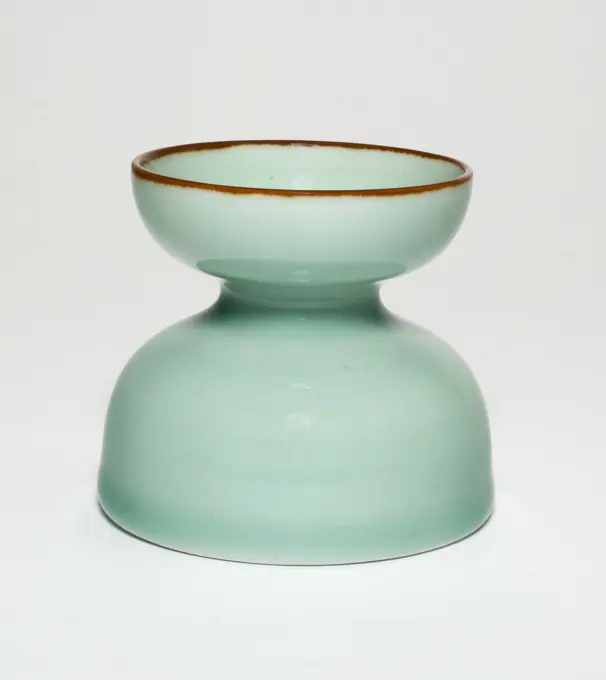
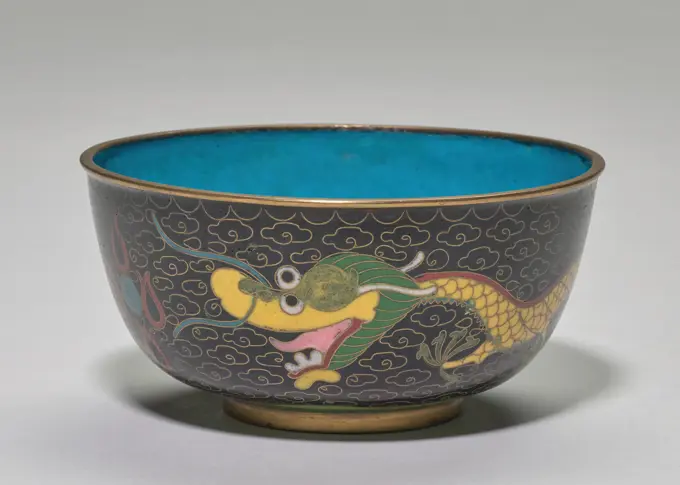
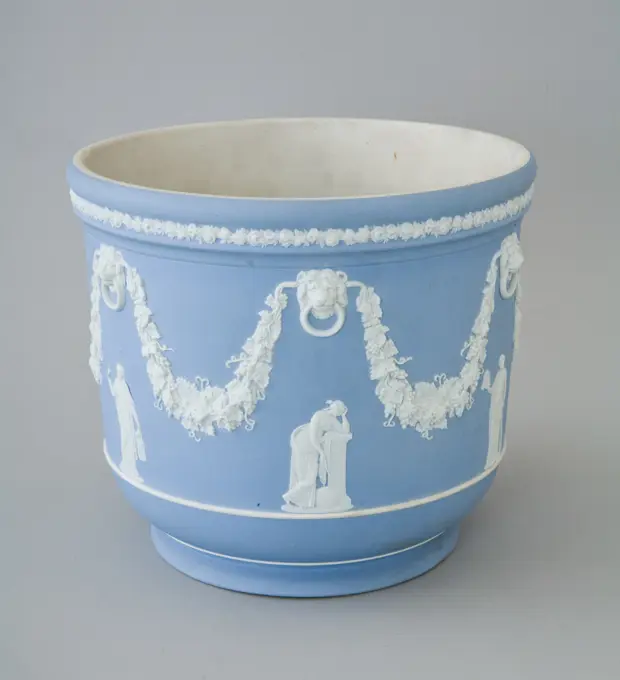
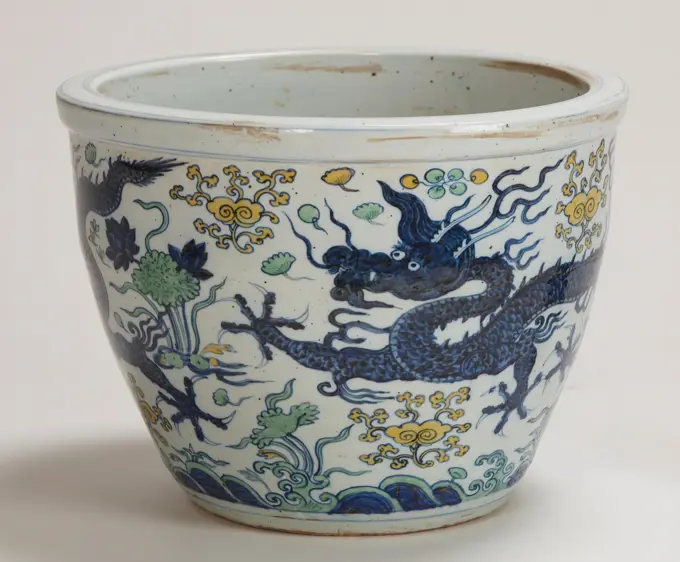
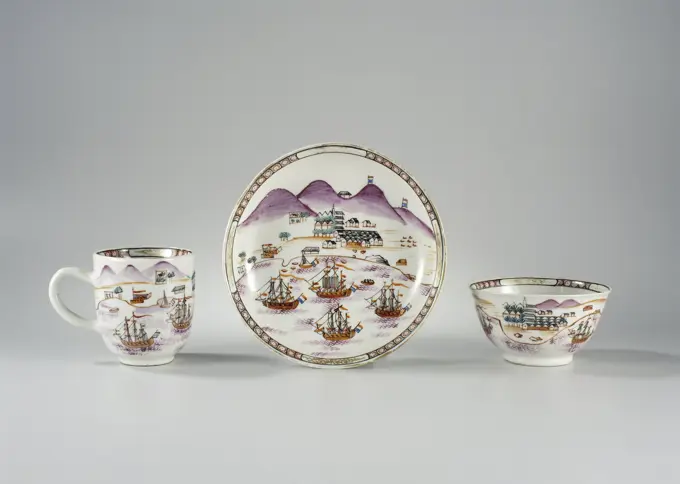
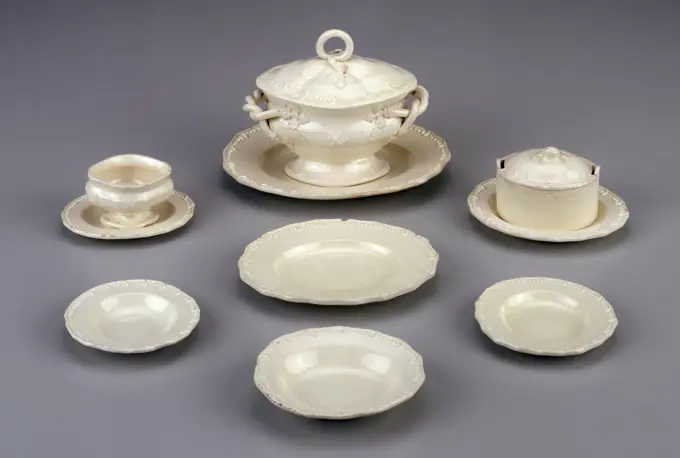
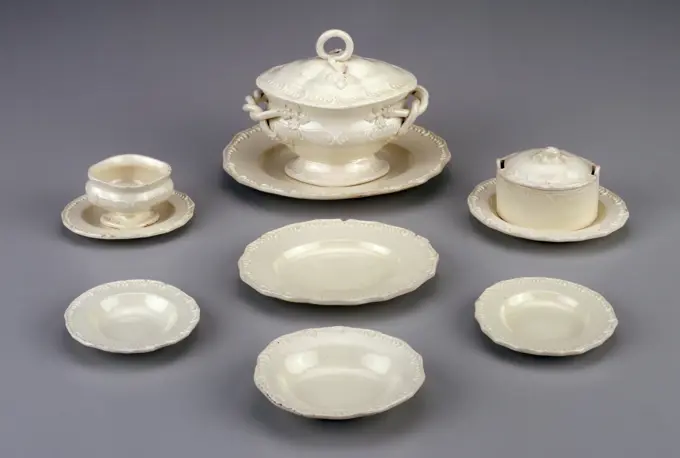
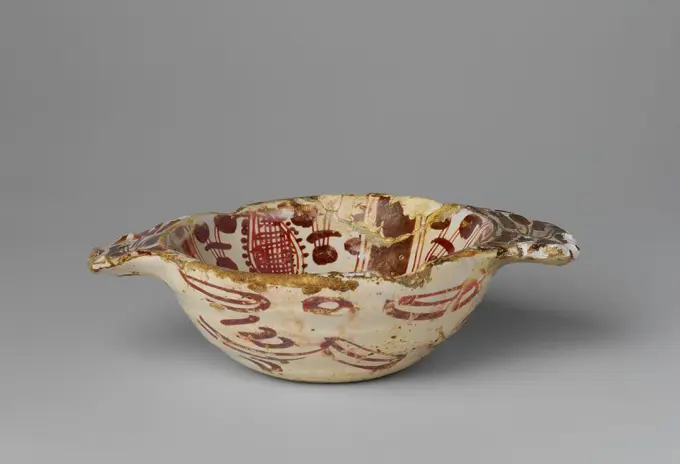
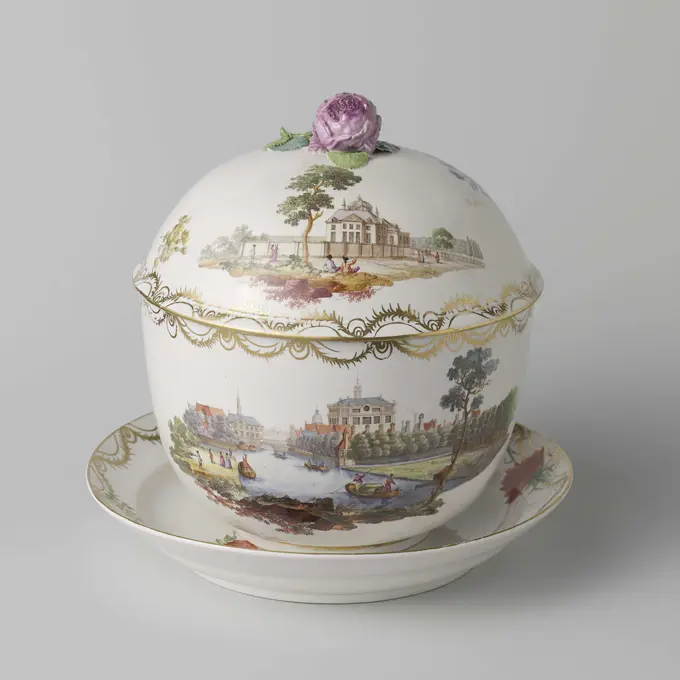
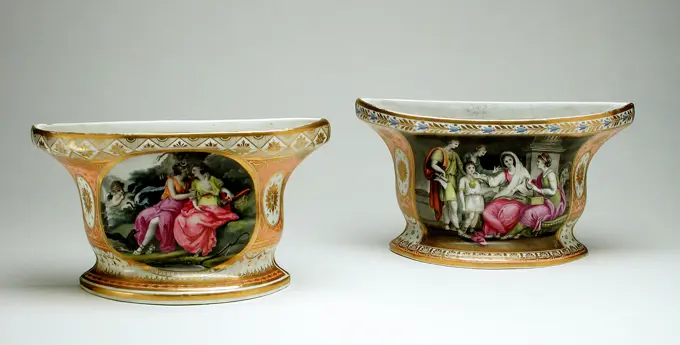
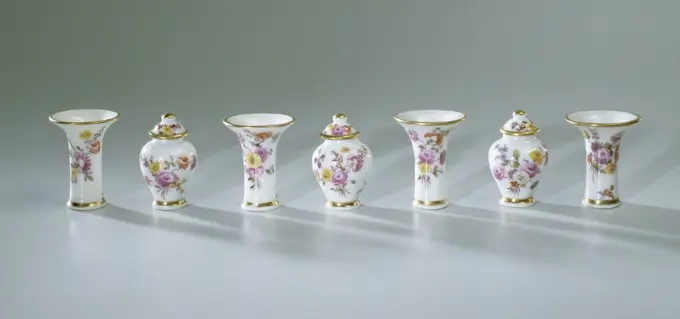
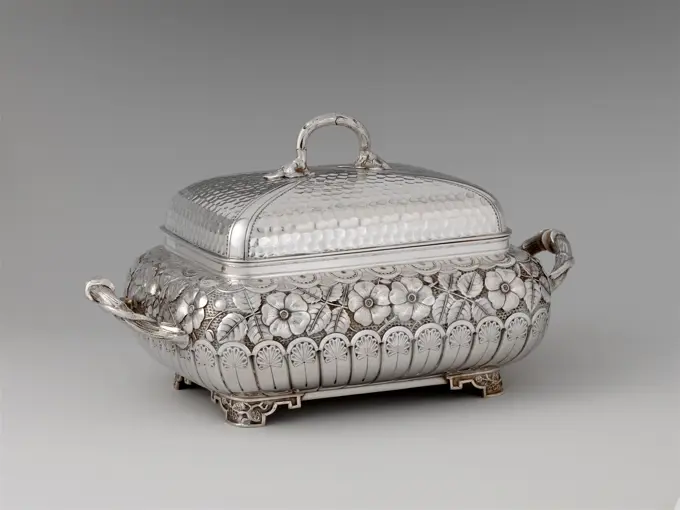
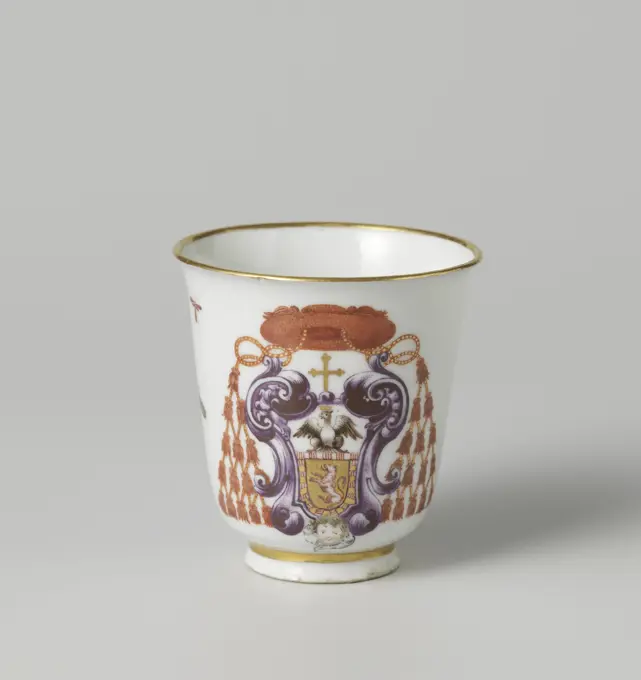
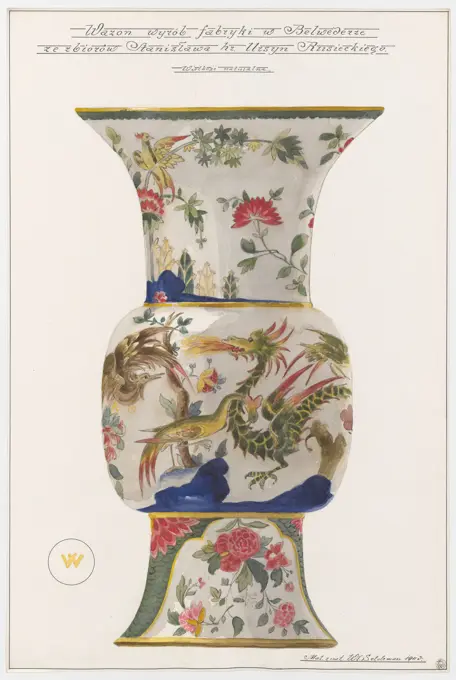
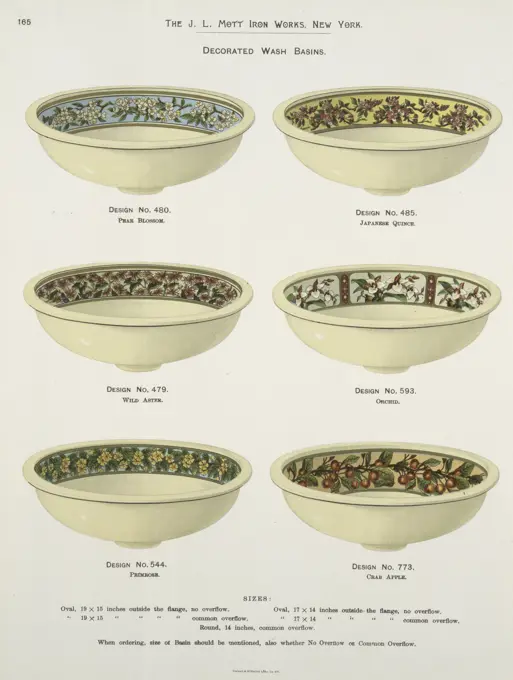
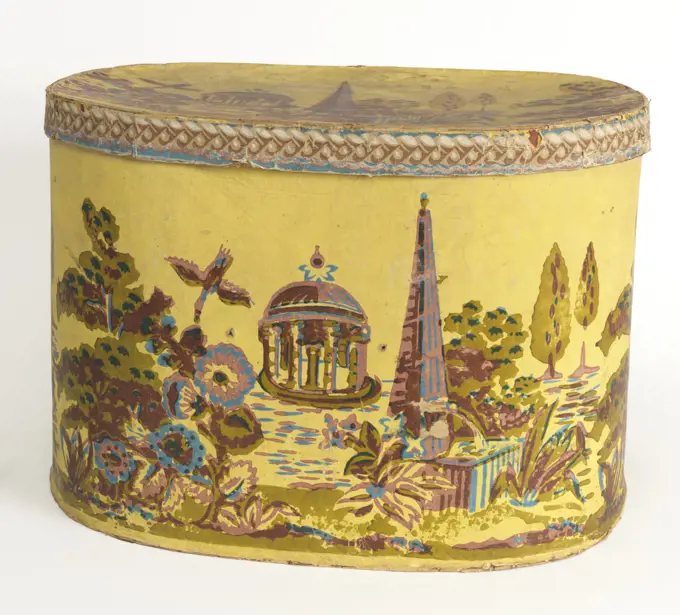
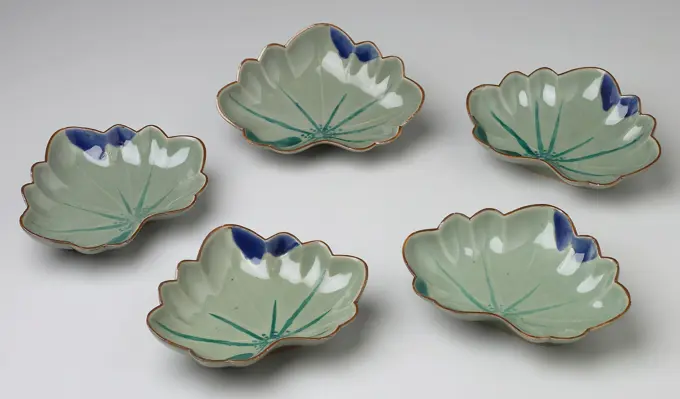
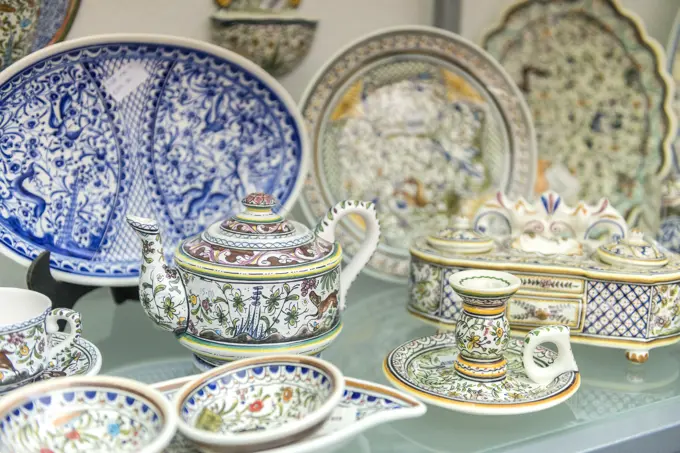
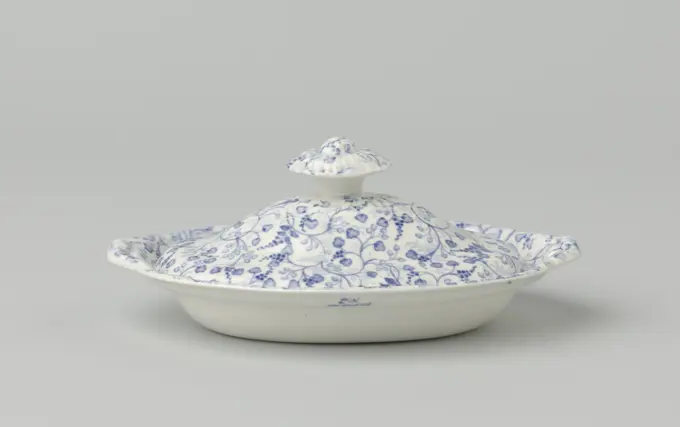
Deck scale, Petrus Regout, 1867 Coverage of earthenware with blue continuous flower decor, belonging to a children's service. The oval deck scale has two handles with leaf work in relief. The oval, curved lid is provided with leaf work in relief at the top and has a flower -shaped button. Maastricht . Coverage of earthenware with blue continuous flower decor, belonging to a children's service. The oval deck scale has two handles with leaf work in relief. The oval, curved lid is provided with leaf work in relief at the top and has a flower -shaped button. Maastricht .Sugar Bowl, c. 1730. Chantilly Porcelain Factory (French). Soft-paste porcelain; diameter: 4.8 x 7.4 cm (1 7/8 x 2 15/16 in.). The pieces composing this individual tea set are entirely typical of Chantilly soft-paste porcelain in the Kakiemon style. Both the form and decoration of these pieces were inspired by Japanese prototypes. The use of knobs in the form of trumpet-shaped blossoms is characteristic of Chantilly wares.Chueh-chi-Yung-Cheng, Cup, 1723-35, hard-paste porcelain.Lidded Bowl on Dish (écuelle ronde et plateau rond).. Tea cup from porcelain, without ear. Painted with figures in a landscape in beet red and golden piping.Mukozuke, c. 1670 - c. 1690 Square bowl of earthenware with tinglaze. Decorated on the outside with flower, bird and insect motifs. At the bottom and top closed by a blue stripe. A small plant motif on the inside on each of the sides. Delft earthenware. tin glaze Square bowl of earthenware with tinglaze. Decorated on the outside with flower, bird and insect motifs. At the bottom and top closed by a blue stripe. A small plant motif on the inside on each of the sides. Delft earthenware. tin glazeHalf -bowl from the lid;  XVIII/19th century (1790-00-00-1810-00-00);Krystall, Bronisław (1887-1983) - collection, flower decorations, dishes, testamentary recordHead, belonging to a series of twelve heads and dishes decorated with printing decor. Cup of porcelain, high foot and with question mark-up ear. Belongs to a series of twelve cups and saucers. Along the mouth edge a wide golden trim, the ear is plated. The head is decorated with a printing decor in black, representing children's playing or adults in a landscape.Ink well with blue dots, anonymous, c. 1750 - c. 1799 Inktpot of stoneware with a cylindrical body and excellent edge with a raised neck to hang in the holder. Painted with blue dots. Westerwald. Westerwald stoneware. glaze painting / vitrification Inktpot of stoneware with a cylindrical body and excellent edge with a raised neck to hang in the holder. Painted with blue dots. Westerwald. Westerwald stoneware. glaze painting / vitrificationMeissen Porcelain Manufactory, Two-Handled Cup and Trembleuse Saucer, 19th or 20th century, hard-paste porcelain.Bowl with birds and flowers late 18th century China. Bowl with birds and flowers. China. late 18th century. Porcelain painted in overglaze polychrome enamels (Jingdezhen ware). Qing dynasty (1644-1911), Qianlong period (1736-95). CeramicsBowl with Xiwangmu and Attendants, 1662-1722. China, Jiangxi province, Jingdezhen, Qing dynasty (1644-1911), Kangxi reign (1662-1722), but Chenghua mark (1465-87). Porcelain with famille verte overglaze enamel decoration; diameter: 14.3 cm (5 5/8 in.); overall: 17.8 cm (7 in.). Xiwangmu is the name for the Queen Mother of the West, an ancient Chinese goddess.Cup With Flaring Sides With A Chinese Lady And Boy Near A Rock. Cup of porcelain with spreading wall, painted in underglaze blue. On the outer wall a Chinese lady (long lice) sitting on a rock with a twig in her hand; In addition to her a boy (ocean) and a larger rock with plants. On the bottom a river landscape with mountains. The inner edge with arrearing. Marked on the underside with the four-character mark of Emperor Chenghua in a double circle. Blue White.Bell-Shaped Cup Model LED in The Shape of a Flower. Bell-shaped head of porcelain with scalloped edge, painted on the glaze with blue, red, pink, green and gold. The wall is modeled in the form of three rows of flower leaves; a flower branch on the bottom; the inner wall with ingrangled lines and three flower branches; A flower on the bottom. Family Rose.. Tea cup from porcelain, without ear. Painted with figures in a landscape in beet red and golden piping.Terrine, painted multi-colored with Deutsche Blumen, insects and fruits. Oval terrine of painted porcelain. The terrine has a vaulted wall and a vaulted lid. The edges are decorated with the neuoozier pattern in relief. The terrine is painted with Deutsche Blumen, insects and fruits. The terrine has two ears in rocaille shape, the lid has plastic flowers and a knob in the form of a sitting woman with a floral dress and a cornucopia in her hands. The terrine belongs to a service (BK-17474-1 to BK-17474-253). The terrine has been marked.Sèvres Porcelain Manufactory, Small Cup and Saucer, 1767, soft-paste porcelain.Faïence ink set of multicolored painted faïence. Lid of ink set, with a lying male.Footed Bowl 1871 Paris. Glass with enamel decoration . Joseph BrocardTea Caddy With a Crowned, illegible monogram surrounded by two Flower sprays. Porcelain tea bus with four times lobed wall and edge and four short feet, painted on the glaze in blue, red, pink, green, yellow, black and gold. On the outside wall a crowned, unreadable monogram surrounded by two flower branches; Between the monograms Flower drinks with a cartouche in it with a landscape and four medallions with plants. On the shoulder a bond with flower drinks. The lid knob in the shape of a shishi (lion dog); On the lid flower drinks and cartouches with landscapes or flower branches. A baking tear in the edge. European performance in email colors.Chantilly Porcelain Manufactory, Cup and Saucer, 1803-12, hard-paste porcelain.Basket c 1800 China. Porcelain, enamel, and gilding .Footed cup with human busts in medallions ca. 3rd-4th century A.D. Kushano-Sasanian. Footed cup with human busts in medallions. Kushano-Sasanian. ca. 3rd-4th century A.D.. Silver, gilt. Kushano-Sasanian. BactriaVase 1761 Sèvres. Soft-paste porcelain, polychrome enamels, and gilding . Manufacture nationale de Sèvres (Manufacturer)Meissen Manufacture. Quadilobed cup. Hard porcelain, polychrome enamels. 2nd quarter of the 18th century. Museum of Fine Arts of the City of Paris, Petit Palais. Faience, table service, cup, dishes, 18th 18th 18th 18th 18th 18th 18 centuryTea Service (Déjeuner), c. 1730. Chantilly Porcelain Factory (French). Tin-glazed soft-paste porcelain with enamel decoration;Samson and Company, Cup and Saucer, c. 1760 with later decoration, or 19th century, hard-paste porcelain.Ovoid Covered Jar With Fluted Sides and Figures in Medallions. Egg-shaped porcelain lid pot with ribbed wall, painted in underglaze blue. Four medallions have been saved in the ribbed wall with a Chinese lady (long likes) in a fenced garden for a pavilion with trees and rocks; For the foot and shoulder a band with flower branches (peekanjer, peony, camellia). Marked on the underside with the six character mark of Emperor Chengua in a double circle. Blue White.Porcelain lid with eighty edge, decorated with flowers. On top of a strawberry on leaf .. lid of porcelain with a winky edge, decorated with flowers in blue, red, green and yellow. On top of a strawberry on a green leaf. Violet edge. Mennecy, 18th century. Note: Small damage to edge.Cup 19th century British, Staffordshire. Cup 194677. In 1810 Dommer father and son moved their porcelain factory from Ouder-Amstel to the grounds of a chemical factory in Nieuwer-Amstel, near the Pijp district of present-day Amsterdam. Porcelain was probably no longer actually produced in this factory, but only decorated there. These vases were bought from a porcelain factory in Paris and subsequently decorated in Nieuwer-Amstel with birds, trees and fruit.Egg glass; Koenigliche Porzellan Manufaktur (KPM; Berlin; 1763-1918); 1780-1800 (1832-00-00-1850-00-00);Well. Ink tube of stoneware in gray with blue decoration.Rinse bowl, polychrome painted with a landscape in a medallion saved in a geometirsch pattern, Weesper Poreleinfabriek, c. 1759 - c. 1771 Rinse bowl with a multi -colored landscape in a medallion saved in a purple geometric pattern. Weesp porcelain Rinse bowl with a multi -colored landscape in a medallion saved in a purple geometric pattern. Weesp porcelainBowl with the arms of the Domburg family, anonymous, c. 1765 - c. 1770 Come from porcelain, painted on the glaze in blue, red, pink, green, yellow, brown, black and gold. On the outer wall twice the coat of arms of the Domburg family in Rococo style. The weapon is divided into two parts: 1. On a blue background a tower on a green surface, 2. On a black background a dolphin with the head of a person. A star is depicted to the left of the dolphin. There is no helmet sign, but a crown is depicted. The cover consists of a rocialle decoration and branches. Between the weapons flower branches. The inside edge with a decorative bond with shells, tantens and suns. A crack in the edge of the bowl. Weapon porcelain with email colors. China porcelain. glaze. gold (metal) painting / gilding / vitrification Come from porcelain, painted on the glaze in blue, red, pink, green, yellow, brown, black and gold. On the outer wall twice the coat of arms of the Domburg family in Rococo style. The weapon is St. Petersburg, Russia, Porcelain Manufactory, Gardner Factory, Cup and Saucer, 1820-30, hard-paste porcelain.Half-ball-shaped cooling barrel of English Hardy Pottery, Faience Fine from Pont-aux-Choux .. Half-dump-shaped cooling barrel of hard-baked pottery. The vessel stands on a profiled foot and has two shell-shaped handles. The corrugated exterior is divided into six equal boxes with a ground of stripes and dots by simple list of stripes. The top edge is corrugated. A second cooler with Invnr is part of the cooler vessel. BK-NM-12216-b.Covered Tureen (Pot-à-oille du roi), 1756. Sèvres Porcelain Factory (French, est. 1756). Soft-paste porcelain with enamel and gilt decoration; overall: 24.2 cm (9 1/2 in.); container: 15.9 x 22.6 x 16.5 cm (6 1/4 x 8 7/8 x 6 1/2 in.). This tureen is probably from a service presented by Louis XV to King Frederick V of Denmark in 1758.Waisted Water Bottle 1700-1899 China. Celadon-glazed porcelain .Bowl, 20th century, 2-1/8 x 4-1/2 x 4-1/2 in. (5.4 x 11.4 x 11.4 cm), Cloisonne, China, 20th centurySake set, 20th century, Unknown Japanese, 1 x 2 11/16 x 2 11/16 in. (2.54 x 6.83 x 6.83 cm), Imari ware; porcelain, enamels, Japan, 20th centuryExport Famille Rose Porcelain Bowl c. 1740 Chinese ArtStraight-sided cup with European landscapes in panels, anonymous, c. 1740 - c. 1760 Porcelain head with straight wall, painted on the glaze in black and gold. On the head two cartouches with European landscapes and on the bottom a building behind a overgrown hill. Decorated in Europe in Encre de Chine. China porcelain. glaze. gold (metal) painting / gilding / vitrification Porcelain head with straight wall, painted on the glaze in black and gold. On the head two cartouches with European landscapes and on the bottom a building behind a overgrown hill. Decorated in Europe in Encre de Chine. China porcelain. glaze. gold (metal) painting / gilding / vitrificationRinse bowl, painted with a landscape with cattle, c. 1809 - c. 1814 Rinse bowl, painted with landscape with cattle. Marked: Amstel in blue. Nieuwer-Amstel porcelain Rinse bowl, painted with landscape with cattle. Marked: Amstel in blue. Nieuwer-Amstel porcelainBowl - Portneuf potteryCache pot WedgwoodBowl with Peonies 1700-1799 China. Porcelain painted in overglaze enamels .Tureen with Stand and Ladle 1825-1875 Staffordshire. Earthenware with blue transfer-printed decoration .Imperial Fish Bowl, Wanli mark and period (1573-1619), H.12 x Dia.15-1/2 in., Doucai ware Porcelain with underglaze blue and overglaze enamel decor, China, 16th - 17th century, Large and sturdily potted with a thick rim, this deep bowl probably functioned as an imperial fish tank (kang) or possibly as a jardinière for potted plants. The Ming period is distinguished in ceramic history for the introduction of new in-glaze color combinations and the use of overglaze enamels. The terms wu ts'ai (five-color) and tou-ts'ai (joined colors), were used loosely to mean 'polychrome' or 'multiple-color ware.' A tou-ts'ai pattern such as this one has its overglaze colors applied to a design outlined in underglaze cobalt oxide blue. Imperial marked porcelains indicate that Tou-ts'ai wares were first manufactured during the Xuande reign (1426-35). Decorated with a magnificent imperial five-claw dragon, this bowl bears a six-character Wanli reign mark (1573-1619), indicating that it was made on imperiCup with handle with Dutch ships anchored in the Table Bay, anonymous, c. 1750 - c. 1774 Porcelain ear head, painted on the glaze in blue, red, green, purple, black and gold. On the outer wall a performance of various Dutch ships for anchor in the South African table bay, at the Dutch location; The inner edge with decorative tire interspersed with flower vines in cartouches. European performance in email colors. China porcelain. glaze. gold (metal) painting / gilding / vitrification Porcelain ear head, painted on the glaze in blue, red, green, purple, black and gold. On the outer wall a performance of various Dutch ships for anchor in the South African table bay, at the Dutch location; The inner edge with decorative tire interspersed with flower vines in cartouches. European performance in email colors. China porcelain. glaze. gold (metal) painting / gilding / vitrificationKome with grapes and grapes. Acquired at the World's Fair 1900 in ParisSoup Plate, from a Child's Dinner Service, c. 1775, 7/16 x 2 5/8 in. (1.1 x 6.67 cm), Creamware, England, 18th centuryPlate, from a Child's Dinner Service, c. 1775, 3/8 x 2 11/16 in. (1 x 6.83 cm), Creamware, England, 18th centuryCup with Decoration of Cherry Blossom and Brushwood Fence early 18th century Japan. Cup with Decoration of Cherry Blossom and Brushwood Fence 49410Scudello. Culture: Spanish, Valencia. Dimensions: Width across handles: 7 in. (17.8 cm). Date: 16th century.Tin-glazed earthenware, of which lusterware is one type, was developed in the Middle East in the ninth and tenth centuries to imitate the porcelains produced in China. The opaque white glaze concealed the clay body, which could range from pale buff to brick red, allowing for brilliant effects created by painting the white surface with metal oxides that fired to a range of colors. This technique, as well as the use of metallic luster--an iridescent, coppery painted glaze--spread throughout the Muslim world, arriving among the potters of Valencia in the thirteenth century. The so-called Hispano-Moresque lusterware, with its fusion of Islamic and Gothic styles and motifs, often in shaped imitating those of metal vessels, was treasured by the elite in Spain during the fifteenth century and exported to the courts of Europe. The Valencian industry declined in the late sixteenth centur. Lid belonging to a punchkom with a solid. V-colored painted on two sides with a face on one side on one side on the Portuguese synagogue in Amsterdam and the other side a water landscape with sailing ships. The house ten Bosch is depicted on the lid. As a knob of the lid a rose. Marked with a stork in blue under the glaze.Bonbonnière painted with flowers, N.V. Haagsche Plateel Factory Rozenburg, 1914 Bonbonnière with lid (B) of porcelain, hexagonal, polychrome painted in the colors green, yellow, red and black with floral motifs. The Hague porcelain Bonbonnière with lid (B) of porcelain, hexagonal, polychrome painted in the colors green, yellow, red and black with floral motifs. The Hague porcelainBowl with flowers (one of a pair) mid-18th century China. Bowl with flowers (one of a pair). China. mid-18th century. Porcelain painted in overglaze polychrome enamels (Jingdezhen ware). Qing dynasty (1644-1911), Qianlong period (1736-95). CeramicsTwo Bough Pots. Thomas Baxter, Jr. (England, London, 1782-1821)Chamberlain's Factory (England, Worcester, 1788-1852). England, circa 1810. Furnishings; Cookware. PorcelainSèvres Porcelain Manufactory, Cup and Saucer, 1779, hard-paste porcelain.Ardiniera Manufaktura Majoliki in Nieborów (Nieborów; Wytwórnia; 1881-1899); 1881-1886 (1881-00-00-1886-00-00);Ice Cream Pail (Seau à Glace), porcelain, vitreous enamel, gold, Semi-ovoid, cylindrical rim; four rectangular legs with lion mascarpone at knees, and paw feet. Lining a flattened hemisphere, with flaring rim and flat edge. Cover is concave, with textured bulbous handle and cylindrical edge. Decoration of scattered floral sprays and blue ribbons., France, ca. 1795, ceramics, Decorative Arts, ice cream pail, ice cream pailLid of hard baked earthenware, creamware., Anonymous, c. 1790 - c. 1810 The lid is arched and has a bolvor -shaped button. The lid edge is decorated with a green radiating edge. England earthenware The lid is arched and has a bolvor -shaped button. The lid edge is decorated with a green radiating edge. England earthenwareTea bowl with floral scrolls, anonymous, anonymous, c. 1820 - c. 1850 Tea stone of stoneware, covered with a cream -colored glaze, blue email and painted in red, green and white. The lower part of the bowl is unglazed. The inside of the bowl is covered with a cream -colored glaze. The outside with lotus vines saved in a background of blue email. The lower part of the outside wall with a band with blue dots. Marked on the underside with an unidentified, pressed three-character brand. Two chips in the edge. Kyo Gyuzan. Japan stoneware. glaze. painting / vitrification Tea stone of stoneware, covered with a cream -colored glaze, blue email and painted in red, green and white. The lower part of the bowl is unglazed. The inside of the bowl is covered with a cream -colored glaze. The outside with lotus vines saved in a background of blue email. The lower part of the outside wall with a band with blue dots. Marked on the underside with an unidentified, pressed three-character brand. Two chips Minature Covered Box with Plant Motif 1401-1500 Vietnam. Glazed stoneware with cobalt-blue underglaze .Bowl (part of a service) 1790-1800 Chinese, probably for British market. Bowl (part of a service) 201088Botervloot, Blankenburg, c. 1756 - c. 1764 Butter fleet of multi -colored painted faience, with a lid and standing on a plate. The fleet has the shape of a blue grapes and is attached to the plate. The branch of the bunch forms the ear. Flowers and leaves are attached to the plate around the bunch. The board has a scalloped edge. The butter fleet is marked. Amsterdam earthenware. tin glaze. Butter fleet of multi -colored painted faience, with a lid and standing on a plate. The fleet has the shape of a blue grapes and is attached to the plate. The branch of the bunch forms the ear. Flowers and leaves are attached to the plate around the bunch. The board has a scalloped edge. The butter fleet is marked. Amsterdam earthenware. tin glaze.Vaas Met decel, Meissener porcelain manufactory, c. 1750 Vase with lid made of painted porcelain. The vase is pear -shaped, has an outstanding foot. The painting consists of multicolored flower bouquets. Vase is part of a seven -part cabinet set. Float porcelain Vase with lid made of painted porcelain. The vase is pear -shaped, has an outstanding foot. The painting consists of multicolored flower bouquets. Vase is part of a seven -part cabinet set. Float porcelainCovered Dish ca. 1883 John T. Vansant Manufacturing Company. Covered Dish 2384Cup with the coat of arms of cardinal Giovanni Francesco Stoppani, Ginori, c. 1752 - c. 1753  Porcelain head, painted on the glaze in red, purple, black and gold. On the outer wall the coat of arms of Karidnaal Giovanni Francesco Stoppani (1696-1774) and a flower branch surrounded by insects. Golden line on the foot and golden edge. Shower porcelain. glaze. gold (metal) painting / gilding / vitrificationLidded Vase, Meissener porcelain manufactory, c. 1725 - c. 1730 Vase with lid made of painted porcelain. The vase is covered with a yellow stock and within three recesses painted with the history of Shibakô, the 'three friends' with birds and two cranes in a flowering plant. The vase is marked. Float porcelain Vase with lid made of painted porcelain. The vase is covered with a yellow stock and within three recesses painted with the history of Shibakô, the 'three friends' with birds and two cranes in a flowering plant. The vase is marked. Float porcelain. Dish of porcelain, painted on the glaze in blue, red, pink, black and gold. On the flat of the dish a lobd cartouche with a European lady and gentleman with a mandolin on a terrace for a building, for the balustrade a spingy dog; A castle in the background; To have the cartouche half flower rosettes and leaves. European performance in email colors and encre de chine.Saucer with a shepherdess and two sheep in a landscape, anonymous, c. 1725 - c. 1749 Porcelain dish, painted on the glaze in blue, red, pink, green, black and gold. On the front of the dish a landscape with an elegant shepherdess sitting on a rock with a fan for her two sheep. European performance in email colors. China porcelain. glaze. gold (metal) painting / gilding / vitrification Porcelain dish, painted on the glaze in blue, red, pink, green, black and gold. On the front of the dish a landscape with an elegant shepherdess sitting on a rock with a fan for her two sheep. European performance in email colors. China porcelain. glaze. gold (metal) painting / gilding / vitrificationPolygonal bowl with graviata decoration unknownRectangular Tea Caddy With Flower Scrolls and Bats. Rectangular tea bus from porcelain with lid, painted in underglaze blue. Styled flower reflections on the wall; to the foot a band blue with a pattern in reserve; To the top edge a band blue with Ruyi motif and flowers in reserve; On the shoulder bats between clouds; The neck with two flower drinks. The lid with flower drinks. With cork. Blue White.Water Jar (Mizusashi) with the Seven Sages of the Bamboo Grove. Culture: Japan. Dimensions: H. 8 1/4 in. (21 cm); Diam. 6 7/8 in. (17.5 cm). Date: late 18th century. Museum: Metropolitan Museum of Art, New York, USA.Basket of Flowers. Chamberlain's Factory (England, Worcester, 1788-1852). England, circa 1840. Sculpture. PorcelainWaza with a panoramic stage in the western garden unknownTea head with decoration of trophies on tied ribbons, Royal Porcelain Factory Dommer & Co., 1809 - in Or Before 1814 Tea set consisting of a teapot, a sugar bowl, a coil and twelve cups and saucers multicolored painted with trophies hanging on blue bows. The trophies relate to various professions. Marked in black: Amstel (the sugar bowl Amstel N. 805 and Inganglift A). Various entry brands in the heads and saucers. Nieuwer-Amstel porcelain Tea set consisting of a teapot, a sugar bowl, a coil and twelve cups and saucers multicolored painted with trophies hanging on blue bows. The trophies relate to various professions. Marked in black: Amstel (the sugar bowl Amstel N. 805 and Inganglift A). Various entry brands in the heads and saucers. Nieuwer-Amstel porcelainVase cover;  18th century (1701-00-00-1800-00-00);Unknown (n. - d.), Inkwell with two buckets (title of the whole) Ceramic, great fire earthenware, polychrome enamels. Petit Palais, Museum of Fine Arts of the City of Paris.Cup and Saucer, Meissen Porcelain Manufactory, German, active from 1710 to the present, hard paste porcelain, vitreous enamel, gold, Cup hemispherical, with slight outcurving at edge; cylindrical foot; no handle. Saucer shallow, curved side, slight outcurving at edge. Outside of cup and saucer decorated with slightly mottled red-violet, in which on cup are two four-lobed reserve panels enclosing seaport scenes. Upper face of saucer decorated with seaport enclosed in framework of gilding and colored scrolls. 'Lace' borders in gilding. Inside of cup has small landscape decoration., Germany, 1735-1745, ceramics, Decorative Arts, cup and saucer, cup and saucerCandyer with a cover; Koenigliche Porcellain Fabrique, Meissen (1710-1763), Auufenwerth, Johann ( -1728); 1. W. 18th century (1725-00-00-1728-00-00);Big, double walled bowl. Acquired by Bing & Grøndahl at the World's Fair 1900 in ParisVase decorated in far-eastern style, from the collection of Stanisław Ursyn-Rusiecki ; drawing for the publication: `CERAMIKA POLSKA ZEBRANA STARANIEM DOMINIKA WITKE JEŻEWSKIEGO, MALOWAŁ WŁ. SZTOLCMAN` Polish ceramics collected by the effort of Dominik W???????????????????. Sztolcman, Władysław Roman (1873-1950), painterAnonymous; Pierre Delabarre (Circle of) / 'Rock crystal gondola with an enamelled mask on the prow'. 1600 - 1640. Rock crystal / Hyaline quartz, Enamel, Gold. Museum: Museo del Prado, Madrid, España.CUENCO DECORADO Y VIDRIADO (PROCEDE DE TRIANA) S XVII.Decorated wash basins designed by J.L. Mott Iron Works, featured in catalog designs numbered 480, 485, 479, 593, 544, and 773, issued in 1888. The publication includes wood engravings and pertains to plumbing equipment and supplies. Published in New Yorkan ancient ceramic container for sauce on white backgroundThe past of the future Sorgenthal, KonradTemple of Love and Pyramid, Block-printed paper on pasteboard support, Scenic paper of formal gardens with 'Temple of Love and Pyramid'. Printed in olive green, dark red and brown on pale gold background. Cover matches., USA, ca. 1830, Wallcoverings, Bandbox, Bandbox. Terrine on four legs, with lid and knob in the shape of a half lemon painted in green with a landscape. No brand.Ching Dynasty, Cup, 18th century, hard-paste porcelain.Imari wareTureen and stand. The shell motifs on the handles and feet, as well as the little boy on the lid of this tureen, derive directly from a model that had been developed at the Meissen porcelain factory in the 1730s. Modeller Christiaan Gottlob Berger, who had trained in Meissen, brought the model with him to Weesp in 1759, when he was hired there.Set of leaf-shaped food dishes (mukōzuke), 1660s, Unknown Japanese, H.1-5/8 x W.6-9/16 in., Ko-imari ware; porcelain with overglaze enamels, Japan, 17th century, The Chinese porcelain industry began to collapse in the early 1600s. In response, Japanese potters started creating porcelain wares, decorated in the Chinese manner, for the European market. By the 1660s and 70s, however, Japanese-style shapes and designs, like leaves and folding fans, became popular among both foreign and domestic buyers. Tea masters of the time prized elegant plates such as these for use in kaiseki, meals served in conjunction with a tea gathering.Portugal, Evora, hand painted ceramic dishes for sale (Large format sizes available)tea things isolated on a white                                    A can from the lid, with a view of the New Town and the church in Warsaw; W Sowicz, Wac Aw (1891-1942); 1925 (1925-00-00-1925-00-00);Bronisław Krystall. Testament (Warsaw - Exhibition - 2015/2016), Krystall, Bronisław (1887-1983) - collection, Rytm Artists Association (Artistic Group - 1922-1932), Warsaw (Masovian Voivodeship), Art Deco, Ceramics, Dar (provenance (provenance ), tableberry, paint color, churches, cityCups and saucers Stacked cups and saucers isolated over white background Copyright: xZoonar.com/IvonnexWierinkx 11851876