Roman and Greek Coins

Artifacts depicting ancient emperors and symbols from various regions, highlighting their historical significance and craftsmanship in coinage.

Antoninianus (Coin) Portraying Mariniana 254 CE Rome. The front (obverse) of this coin portrays Mariniana, believed to be the wife of emperor Valerian and mother of emperor Gallienus, facing right. On the back (reverse), a flying peacock is depicted.. Billon . Ancient Roman
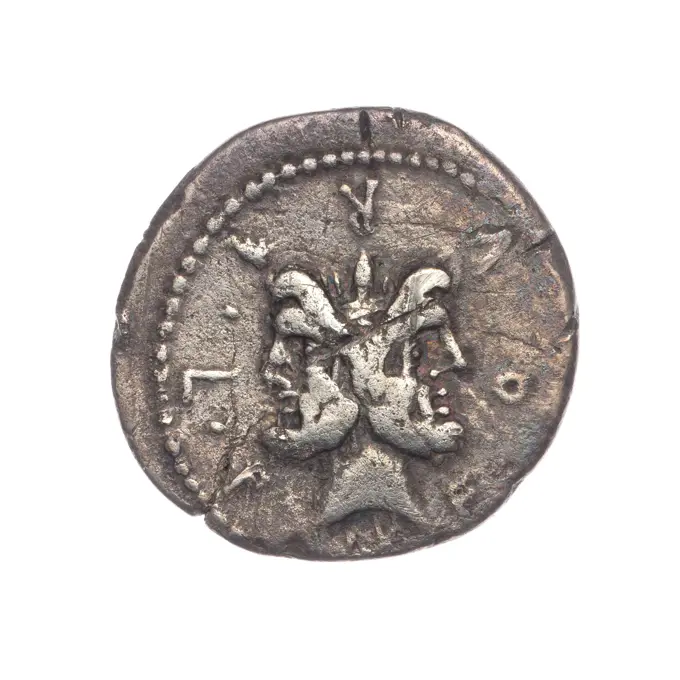
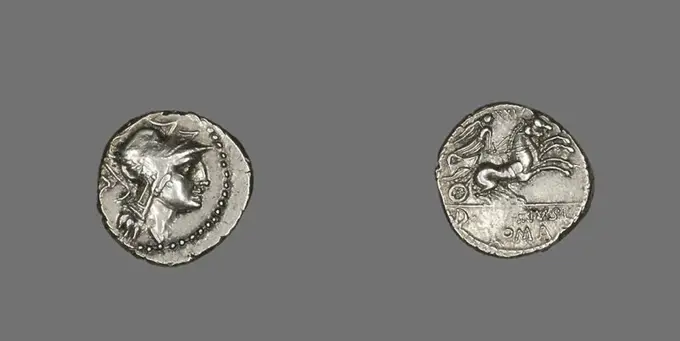
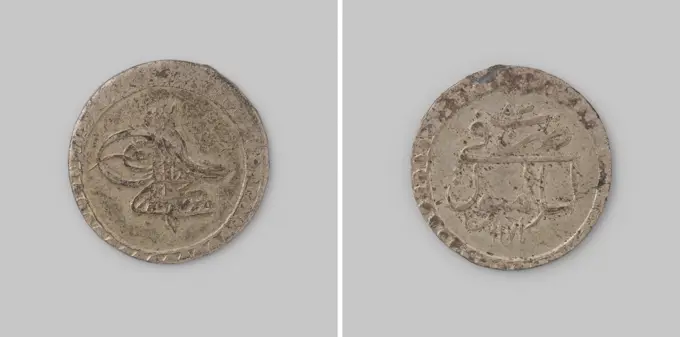
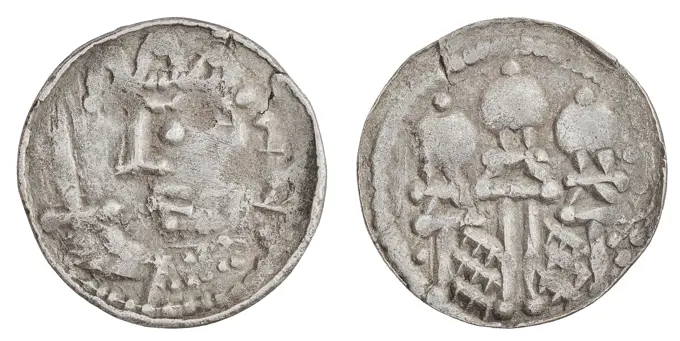
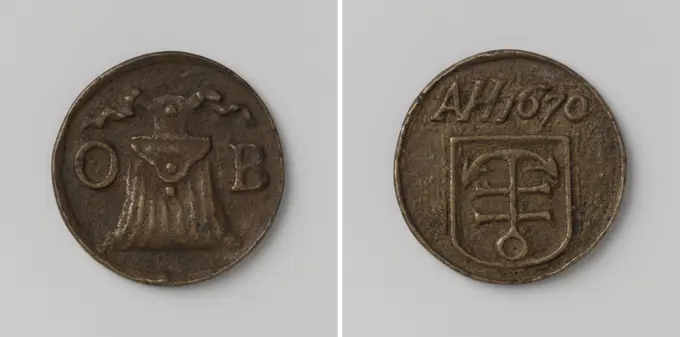
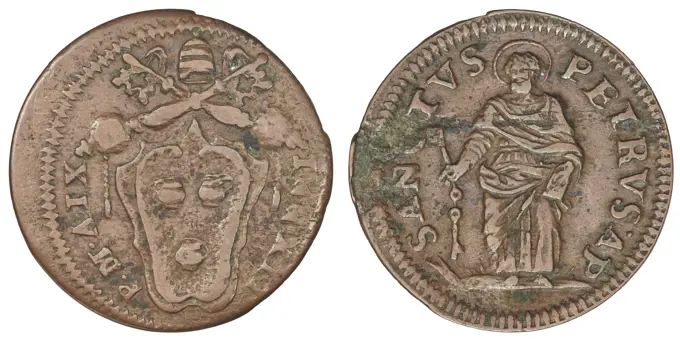
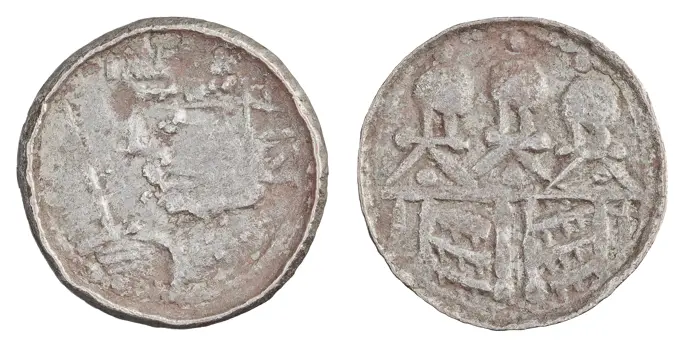
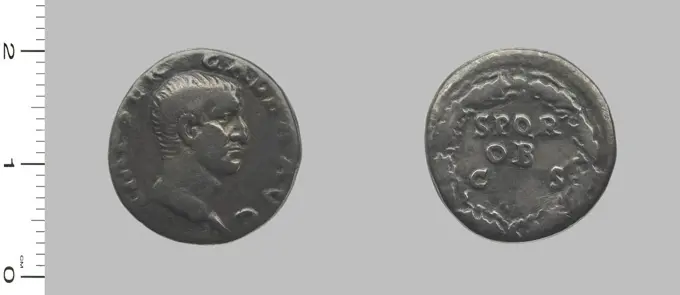
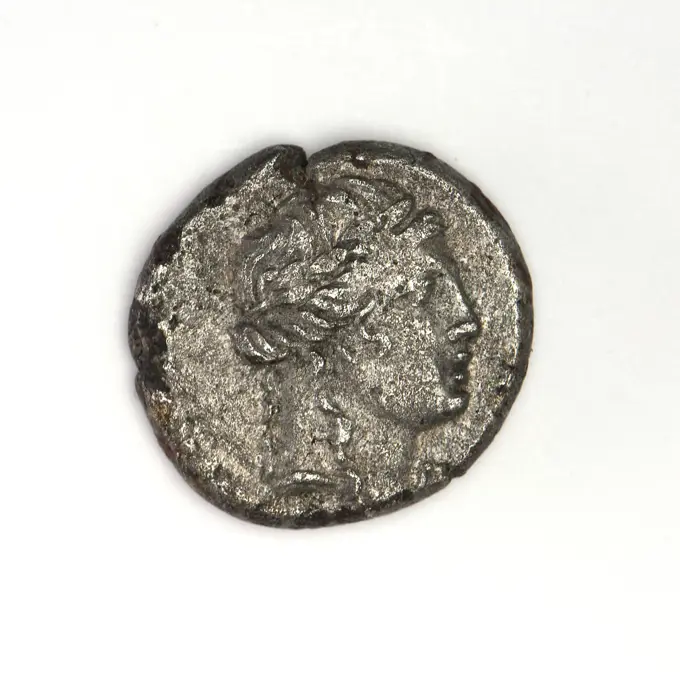
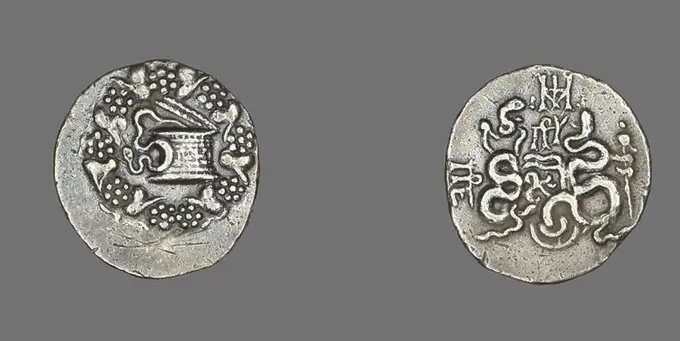
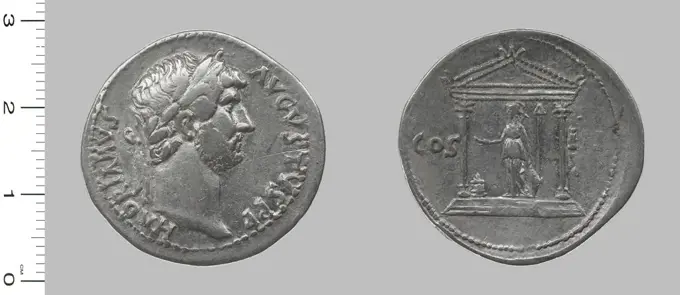
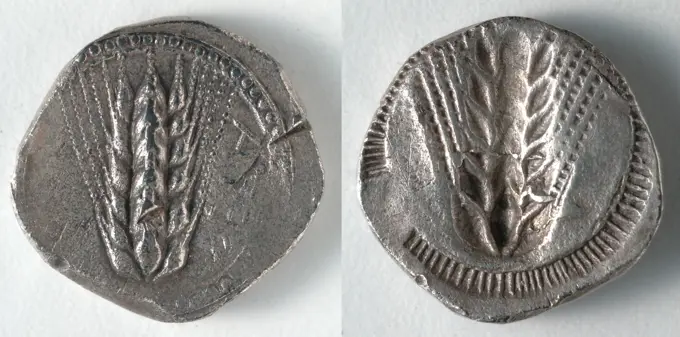
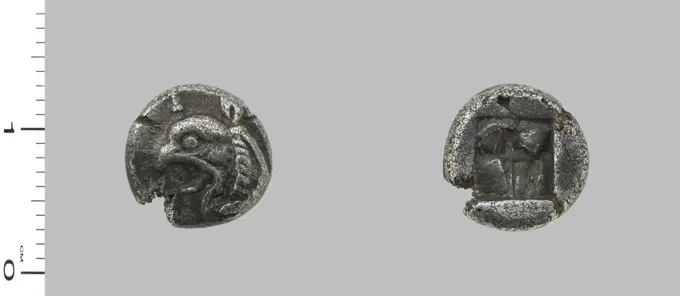
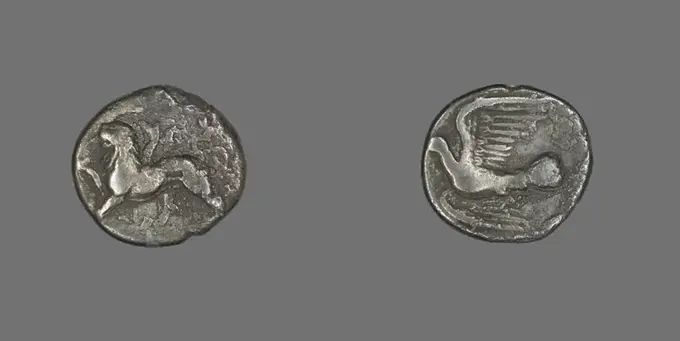
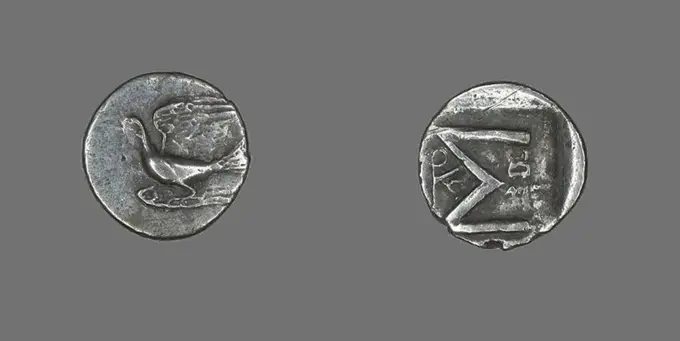
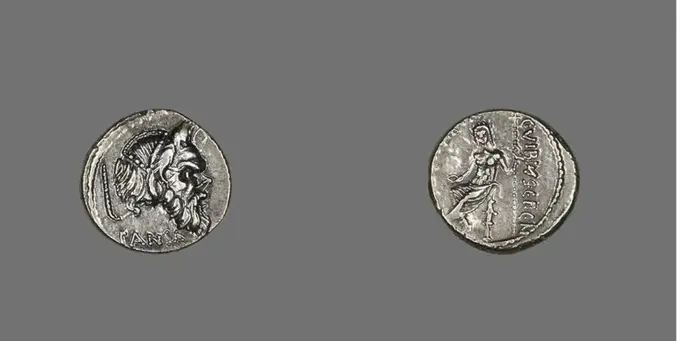
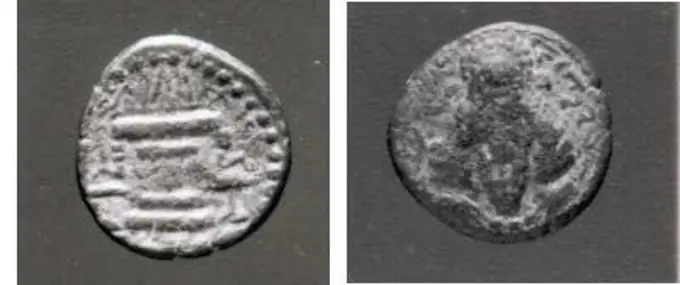
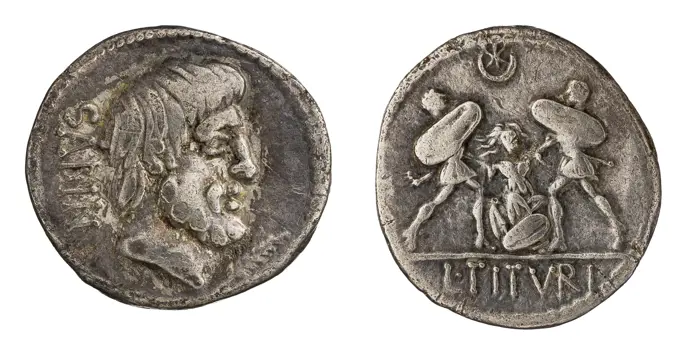
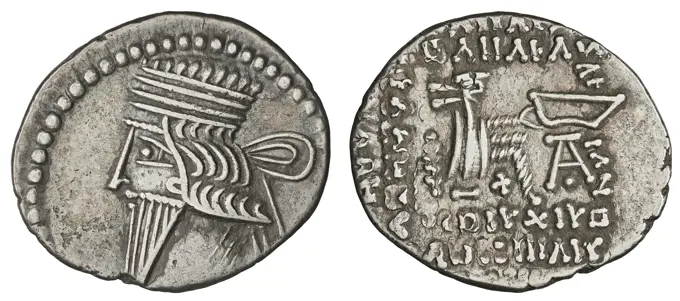
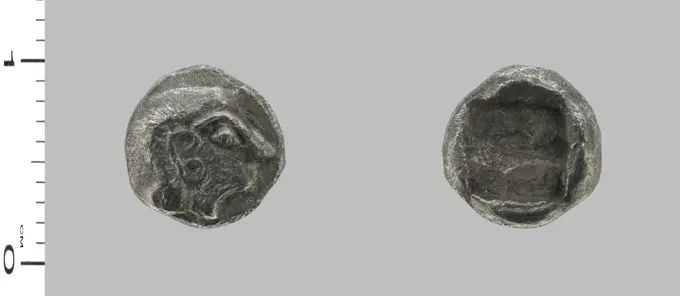
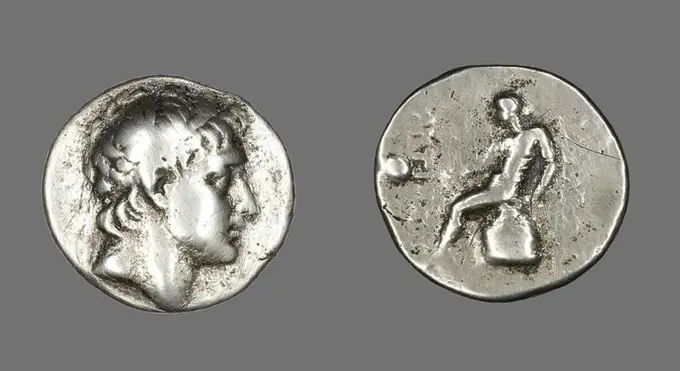
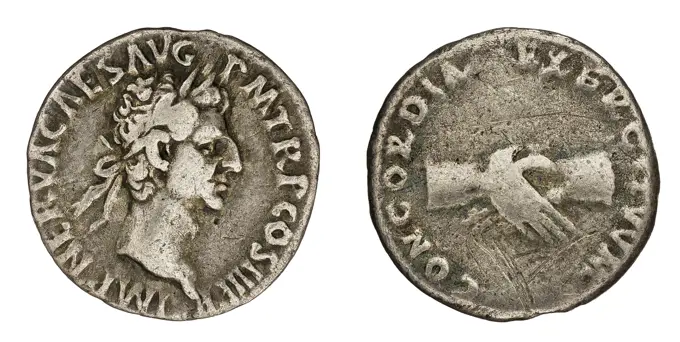
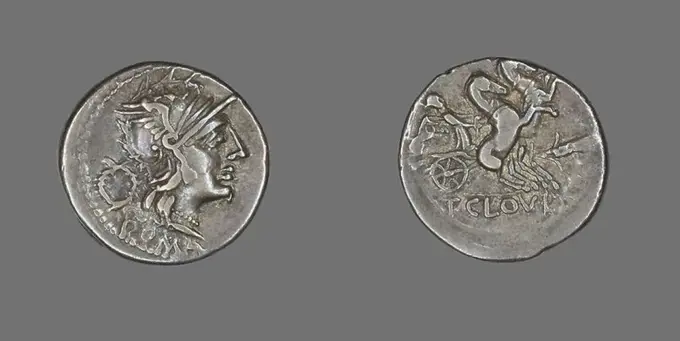
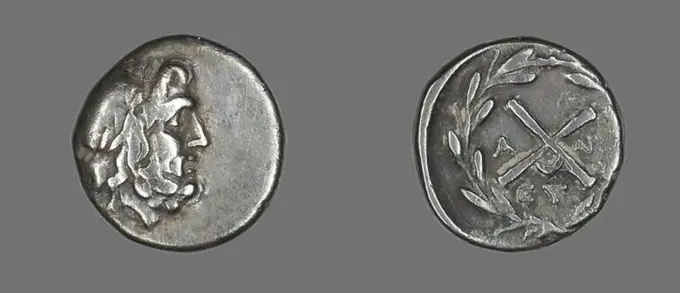
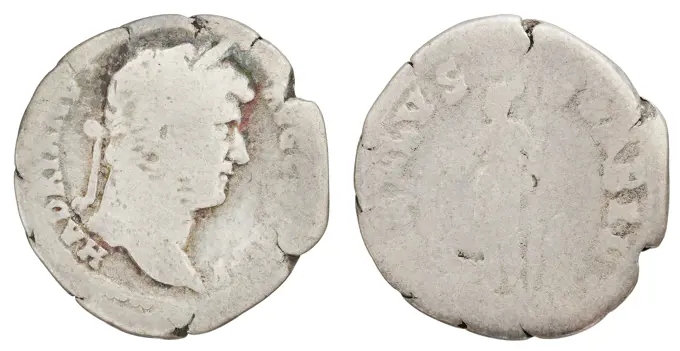
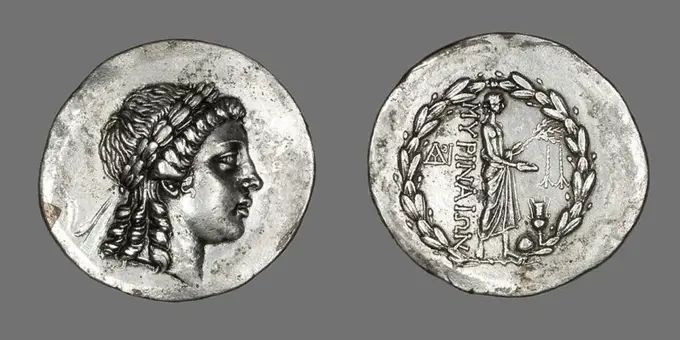
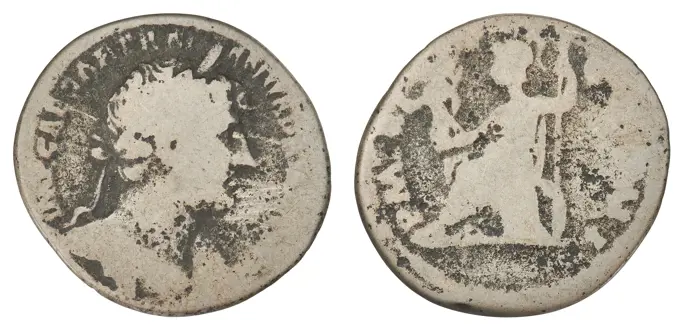
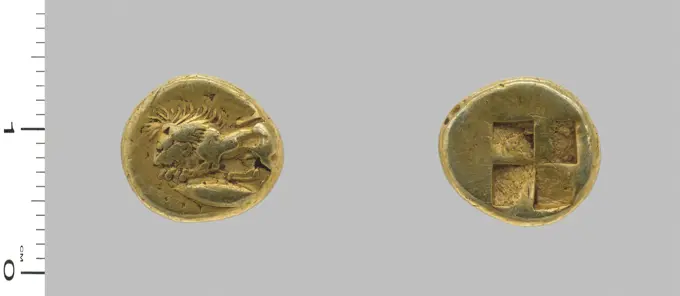
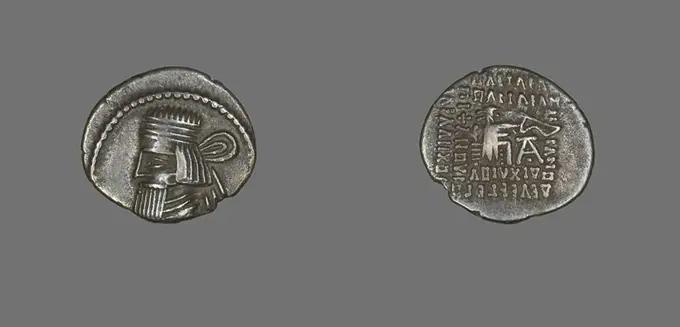
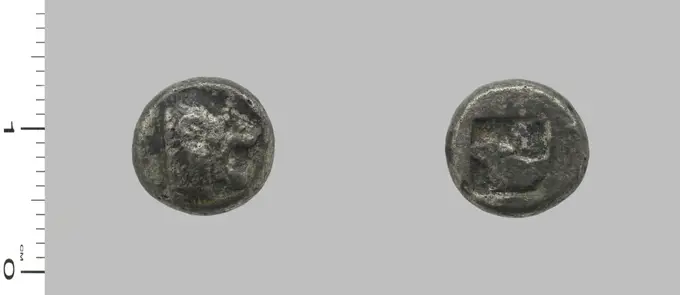
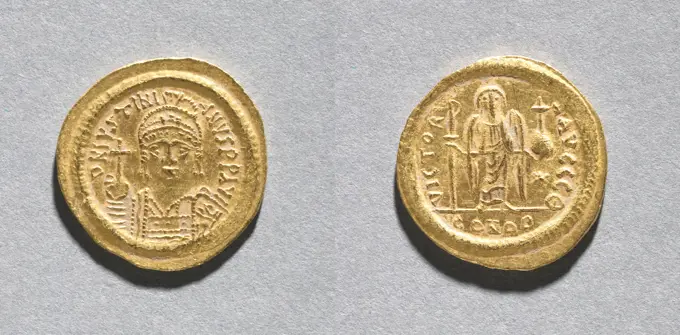
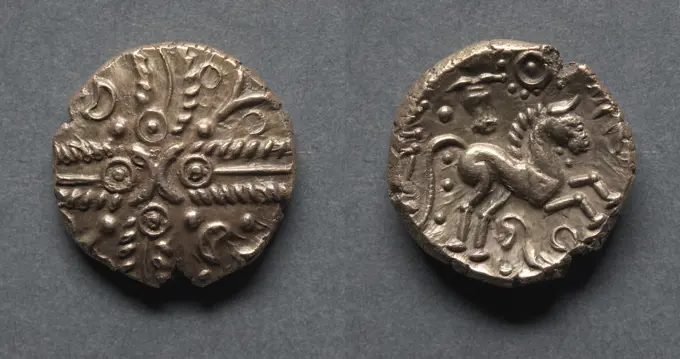
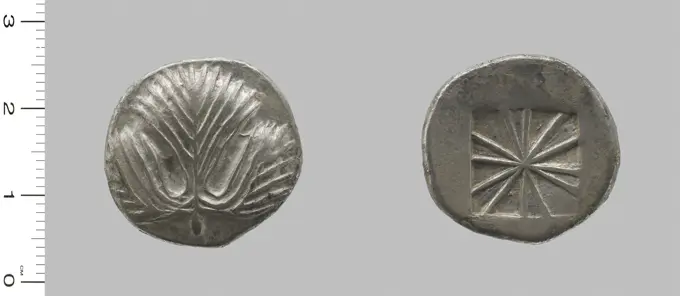
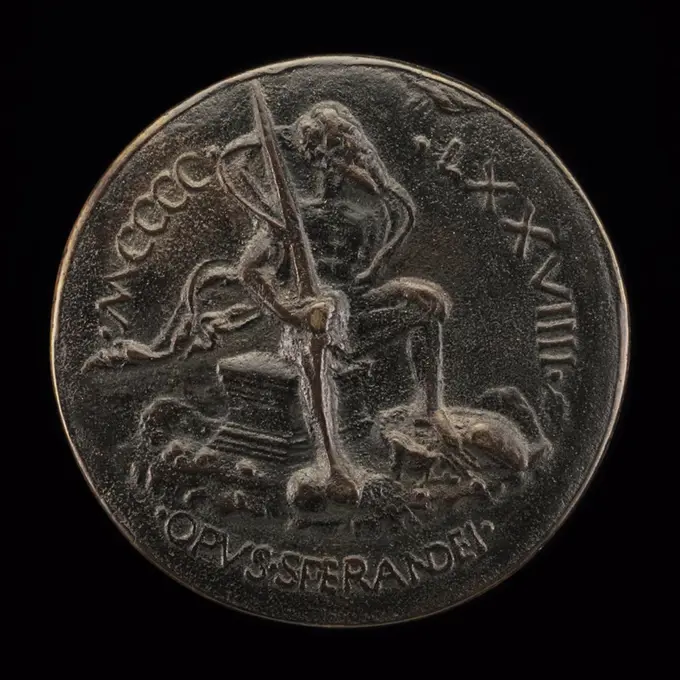
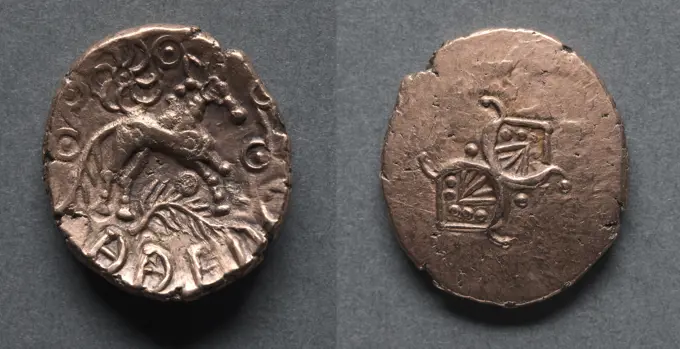
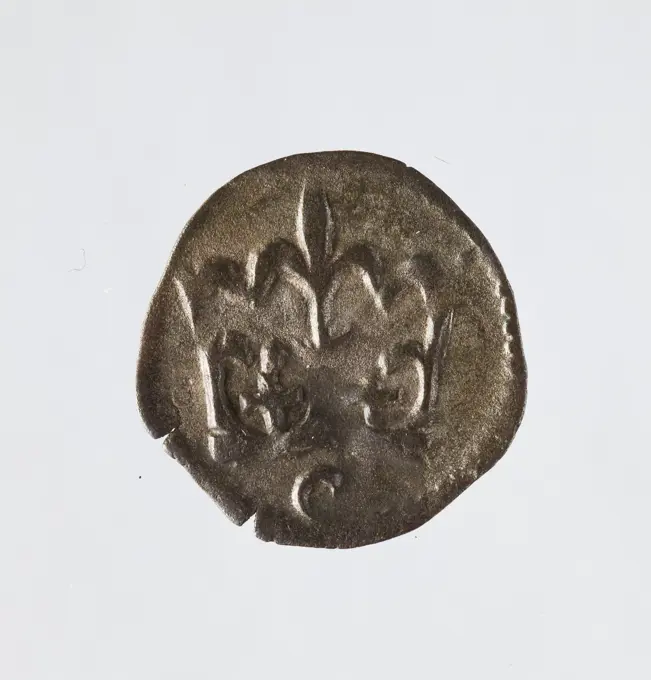
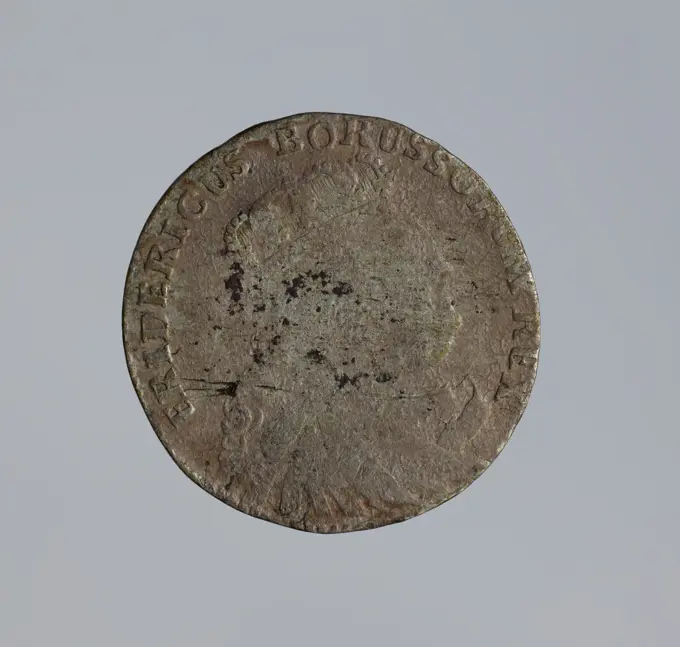
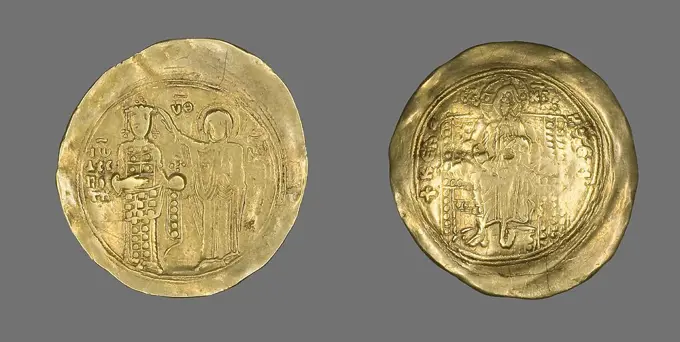
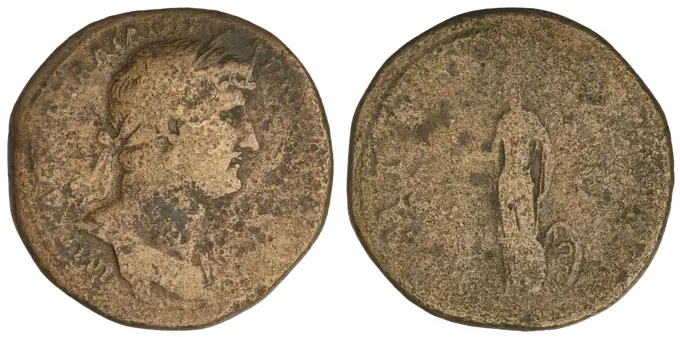
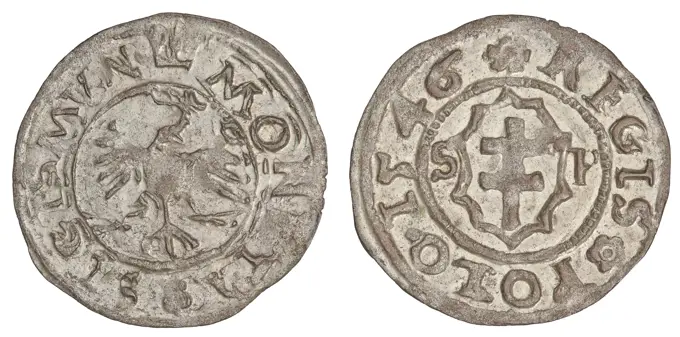
ternar. Zygmunt I Stary (król polski ; 1506-1548), rulerStater (Coin) Depicting the Goddess Athena. Greek. Date: 350 BC-320 BC. Dimensions: Diam. 2.1 cm; 7.70 g. Silver. Origin: Thurium. Museum: The Chicago Art Institute, Chicago, USA. Author: ANCIENT GREEK.denarius; Furius Philus, M. (Fl. 119 A.C.); 119 B.C.E. (-119-00-00--119-00-00);Janus (Mitol.), Roma (Mitol.), Roma crowning the trophy (iconogr.), Band, Crynyx, head of Janus (iconogr.), Corinthian helmet, helmets, shields, Troof, WreathsPig -butcher Guild, Gildepenning with No. 10, Anonymous, 1643 medal Brass medal. Front: Lying pig under inscription between letters W and - in mirror scripts above the year within Bladerkrans. Reverse: number 10. Netherlands brass (alloy) casting / engravingCistophorus of Hadrian, Emperor of Rome fromHalicarnassus. Ruler: Hadrian, Emperor of Rome, A.D. 76-138, ruled 117-38 Mint: Halicarnassus Artist: UnknownCoin Depicting Senate 193 CE-211 CE Roman Empire. Bronze . Ancient RomanDenarius (Coin) Depicting the Goddess Roma. Roman, minted in Rome. Date: 91 BC. Dimensions: Diam. 1.8 cm; 3.78 g. Silver. Origin: Italy. Museum: The Chicago Art Institute, Chicago, USA. Author: ANCIENT ROMAN.½ rupee from Hyderabad in India from Afzal-Ad-Daula, 1284 = 1862 ,, 1862 coin Silver coin. Front: In Arabic characters inscription with the name of the shah. Reverse: In Arabic characters inscription with year designation.  silver (metal) striking (metalworking)Mocking of the Roman Catholic Church, following the Council of Trent, Friedrich Hagenauer, 1545 history medal Silver medal. Front: Mominating head of Pope (above) and Devil (bottom) inside Cover. Reverside: Cardinal (above) and juice (bottom) overlapping between the year, within Covering Cologne silver (metal) castingTetrobol fromOlynthus. Mint: Olynthus Artist: Unknown5 Para from Turkey by Sultan Mustafa III, 1183 = 1770 ,, 1770 coin Silver coin. Front: Tughra. Reverse: three-faced inscription in Arabic letters, with coinage designation: Islambul. Above Inscription Years: 83 and under the Senior State of Appeal: 11 71 Istanbul silver (metal) striking (metalworking)denarius (royal type). Bolesław II Śmiały (król Polski ; 1058-1079), rulerdenarius (royal type). Bolesław II Śmiały (król Polski ; 1058-1079), rulerUtrecht half guilders, 1794, province of Utrecht, 1794 coin Front: between value designation x ST crowned generality weapon shield. Year above Kroon. Reverse: Dutch Virgin with freedom hat and spear, leaning on a Bible on an altar. Cable edge. Utrecht silver (metal) striking (metalworking)Mint: Thasos, Hemiobol fromThasos, 463-411 B.C., Silver, 0.305 g, 7.2mm, Made in Thasos, Islands off Thrace, Greek, 5th century B.C., NumismaticsPoor medal with inscriptions o.b. and A.H. 1670, anonymous, 1670  Brass medal. Front: Closed, filled stock market on ribbon between letters O and B. Turn side: inscription A.H. 1670 above shield with reverse anchor. Probably a poor cuddle.  brass (alloy) castingStater (Coin) Depicting the Goddess Athena. Greek. Date: 400 BC-317 BC. Dimensions: Diam. 2.3 cm; 7.23 g. Silver. Origin: Velia. Museum: The Chicago Art Institute, Chicago, USA. Author: ANCIENT GREEK.mezzo baiocco. Państwo Kościelne, Innocenty XII ( papież ;1691-1700), rulerPresence medal of the surgeon guild in Amsterdam, large model 1654 ,, 1654 history medal. medal Cast brass medal, on the front death with scythe and hourglass on altar, on the turn of a crowned coat of arms Amsterdam with carriers above an inscript room and a skull, without inscription  brass (alloy) castingdenarius (royal type). Bolesław II Śmiały (król Polski ; 1058-1079), rulerDouble Fanam for Madras in India of the English Oostindische Compagnie (EIC), (1689-1763) ,, 1689 - 1763 coin Silver coin. Front: a deity, standing. Rail side: between two points two, opposite each other placed and partially ascending letters C = company. Smooth edge. Chennai silver (metal) striking (metalworking)Coin Depicting a Sphinx. Roman. Date: 138 AD-192 AD. Dimensions: Diam. 3.2 cm; 14.27 g. Bronze. Origin: Roman Empire. Museum: The Chicago Art Institute, Chicago, USA. Author: ANCIENT ROMAN.Ruler: Galba, Emperor of Rome, 3 B.C.-A.D. 69, ruled  A.D. 68-69, Mint: Rome, Denarius of Galba, Emperor of Rome fromRome, 68-69, Silver, 3.12 g, 6:00, 17mm, Made in Rome, Italy, Roman, 1st century A.D., NumismaticsDenarius (Coin) Depicting the Goddess Roma 189 BCE-180 BCE Roman Empire. The front (obverse) of this coin depicts the goddess Roma, facing right and wearing a winged helmet.On the back (reverse), the mythical twins Castor and Pollux, better known as the Dioscuri, are depicted on horseback galloping right.The denarius, introduced in 211 BCE, was the principal silver coin of Rome for five hundred years. The profilehead of the goddess Romaóthe personification of Romeówas the most popular image depicted on silver denarii in the second and first centuries BCE.. Silver . Ancient Roman5 cents from Hong Kong by Queen Victoria, 1893 ,, 1893 coin Silver coin. Front: head of the queen with diadem to the left. Below that letter H = Heaton-Mint in Birmingham. Reverse: in the Condition Value designation: 5 cents with the year of the year. Cartel edge.  silver (metal) striking (metalworking)Stater from uncertain,Lycia, ca. 525-475 B.C., Silver, 9.78 g, 21mm, Made in uncertain, Lycia, Greek, 6th-5th century B.C., NumismaticsDrachma; Fanagoria; 1. part  1st century BC (-100-00-00--71-00-00);Apollo (Mitol.), Nadczarzyorze, State Art Collections (Warsaw - 1922-1939) - collections, head of Apollo (iconogr.), Message (provenance), Tyrs (iconogr.)Tetradrachm (Coin) Depicting a Cista with Snake. Greek; minted in Pergamon, Asia Minor. Date: 133 BC-67 BC. Dimensions: DIam. 2.6 cm; 11.81 g. Silver. Origin: Ancient Greece. Museum: The Chicago Art Institute, Chicago, USA.Ruler: Hadrian, Emperor of Rome, A.D. 76-138, ruled 117-38, Cistophorus of Hadrian, Emperor ofRome, 128, Silver, 10.47 g, 6:00, 28.2mm, Made in Asia Minor, Roman, 2nd century A.D., NumismaticsTetradrachm (Coin) Portraying King Ptolemy I 367 BCE-284 BCE Ancient Mediterranean. The front (obverse) of this coin portrays the head of King Ptolemy I of Egypt, facing right. The back (reverse) depicts an eagle, wings folded.. Silver . Ancient Eastern MediterraneanCoin Portraying Julius Caesar. Roman. Date: 38 BC. Dimensions: Diam. 3 cm; 19.57 g. Bronze. Origin: Roman Empire. Museum: The Chicago Art Institute, Chicago, USA. Author: ANCIENT ROMAN.Nijmegen Gift, City of Nijmegen, 1618 - 1620 coin Copper mint. Front: Virgin sitting in a garden with a raised right arm and urban coat of arms for her. Reverse: In Lauwerkrans Inscription: City name in three lines. Nijmegen copper (metal) striking (metalworking)schilling. Zakon krzyżacki (1190-), issuer, Wesner, Hans (fl. 1480-), moneyer, Jan von Tiefen (wielki mistrz ; 1489-1497), grand masterStater, 530-510 BC. Greece, Matapontum, 6th century BC. Silver; diameter: 2 cm (13/16 in.).Charles V, German Emperor, in Brussels, renounces the regime over the Netherlands, Milan and Naples to his son Philip, heir prince of Spain, Anonymous, 1555 live Copper medal. Front: Bests desired by two men under a crown inside Cover. Reverse: coat of arms between the year, at the top of balancing scales within the Omnipia. Dordrecht copper (metal) striking (metalworking)  Brussels. Naples. Milan. ZealandCoin Portraying Emperor Licinius. Roman. Date: 307 AD-324 AD. Dimensions: Diam. 2.2 cm; 3.23 g. Bronze. Origin: Roman Empire. Museum: The Chicago Art Institute, Chicago, USA. Author: ANCIENT ROMAN.denarius (royal type). Bolesław II Śmiały (król Polski ; 1058-1079), rulerCoin Depicting the Amazon Cyme 250 BCE Ancient Greece. Bronze . Ancient GreekMint: Rome, Magistrate: P. Clodius M.f., Denarius fromRome, 42 B.C., Silver, 3.82 g, 11:00, 17mm, Made in Rome, Italy, Roman, 1st century B.C., NumismaticsHemidrachm fromPhocaea. Mint: Phocaea Artist: UnknownFall and crucification, told by order of Johan Frederik the Great, Elector of Saxony, Hans Reinhart (Der ältere), 1536 - 1607 history medal Silver medal. Front: Adam and Eva standing on either side of a tree of knowledge; A snake crowns around Stam; Adam keeps apple in hand and Eva reaches apple that hangs on tree, all kinds of animals around them; Left: creation of Eva above coat of arms, right expulsion from paradise above coat of arms; On the either side of Boom: inscription. Downside: Crucified Christ in the midst of two other crucifieds; At the foot of the cross group of people, including Mary, man on horseback and soldier who holds up lance to Christ; Left: Church of Jerusalem; Between three crucified: inscription. Leipzig silver (metal). gilding (material) casting / gildingHemidrachm (Coin) Depicting a Chimaera. Greek, minted in Sikyon. Date: 400 BC-300 BC. Dimensions: Diam. 1.6 cm; 2.63 g. Silver. Origin: Ancient Greece. Museum: The Chicago Art Institute, Chicago, USA.Hemidrachm (Coin) Depicting a Dove. Greek. Date: 251 BC-146 BC. Dimensions: Diam. 1.6 cm; 2.08 g. Silver. Origin: Ancient Greece. Museum: The Chicago Art Institute, Chicago, USA.Carnavalet Museum, Medals CollectionStater (Coin) Depicting Pegasus Flying. Greek, Corinth. Date: 400 BC-201 BC. Dimensions: Diam. 2 cm; 8.51 g. Silver. Origin: Corinth. Museum: The Chicago Art Institute, Chicago, USA. Author: ANCIENT GREEK.Denarius (Coin) Depicting Mask of Pan. Roman, minted in Rome, Italy. Date: 48 BC. Dimensions: Diam. 1.8 cm; 4.02 g. Silver. Origin: Roman Empire. Museum: The Chicago Art Institute, Chicago, USA. Author: ANCIENT ROMAN.Coin, 1/6 unit ca. A.D. 224-41 Sasanian. Coin, 1/6 unit. Sasanian. ca. A.D. 224-41. Bronze. Sasanian. Iran, Qasr-i Abu Nasrdrachm. Hormizdes V (631-632), kingCoin Depicting a Bundle of Twigs. Judaean. Date: 136 BC-135 BC. Dimensions: Diam. 2 cm; 5.11 g. Bronze. Origin: Israel. Museum: The Chicago Art Institute, Chicago, USA. Author: Judean.denarius. Titurius Sabinus, L. (fl. 89 a.C. ; 75 a.C.), monetary officer, Republika Rzymska, issuerdrachm. Wologezes I (51-79 po Chr.), rulerObol from uncertain,Ionia. Artist: UnknownTetrobol fromArgos.  Mint: ArgosTetradrachm (Coin) Portraying Antiochus I, II or III (). Greek. Date: 300 BC-101 BC. Dimensions: Diam. 3 cm; 11.11 g. Silver. Origin: Syria. Museum: The Chicago Art Institute, Chicago, USA. Author: ANCIENT GREEK.denarius. Hadrian (Roman emperor; 117-138), emperorSecond Founded by the Veenhuizen colony, Huismunt beaten by order of the Society of Benevolence worth ten cents, Anonymous, 1818 - 1859 coin one -sided coin. Front: three stamps above each other; At the top: inscription 2 g in rectangle; Letters K and V in rectangle; Number 10. Down side: Blanco Netherlands brass (alloy) striking (metalworking)  VeenhuizenMieszko II Lambert as a crown prince, penny, Greater Poland, Kuiavia or northern Masovia; ca 1010-1020 Mieszko II Lambert (1025 1034). Dutch coin or term, also called 'ear'.denarius. Hadrian (Roman emperor; 117-138), emperordenarius. Nerwa (cesarz ; 96-98), emperordenarius (royal type). Bolesław II Śmiały (król Polski ; 1058-1079), rulerDenarius (Coin) Depicting the Goddess Roma. Roman. Date: 128 BC. Dimensions: Diam. 2 cm; 3.89 g. Silver. Origin: Roman Empire. Museum: The Chicago Art Institute, Chicago, USA. Author: ANCIENT ROMAN.Hemidrachm (Coin) Depicting the God Zeus Amarios. Greek. Date: 222 BC-146 BC. Dimensions: Diam. 1.5 cm; 2.37 g. Silver. Origin: Ancient Greece. Museum: The Chicago Art Institute, Chicago, USA.1/24 Stater fromIonia, ca. 600 B.C., Electrum, .64 g, 7mm, Made in Ionia, Greek, 7th-6th century B.C., NumismaticsStater of Lysimachus, King ofThrace. Ruler: Lysimachus, King of Thrace, ca. 360-281 B.C., ruled 306-281 B.C.Hollandse Duit, 1755. Afslag in Silver, Province of Holland, 1755 coin Silver coin. Front: Inside fence standing lion with freedom hat on spear. Reversal: Inscription: Provincial name in three lines, including year. Cable edge. Dordrecht silver (metal) striking (metalworking)Sesterce de Faustine La Younger, 146-175 Anonymous. Sesterce de Faustin The Young (Reverse), 146-175. Bronze.denarius. Hadrian (Roman emperor; 117-138), emperorSiege of Amsterdam by Prince William II 1650, 1650 history medal Silver plaque pin, on the front in high relief the crowned Amsterdam coat of arms on a cloak, on the reverse ten lines of text.  silver (metal) castingAureus (Coin) Portraying Emperor Otho 69 CE Rome. Portraits of important people appear on local currency all around the world. The same was true in ancient Rome, which began producing its first coinage in the late 4th century BC. Early coins depicted the heads of gods and goddesses on the front side, often in profile, while the back depicted animals, natural resources, symbols, and references to historical events. It was not until 44 BC that the portrait of a living personóJulius Caesaróappeared on coins. Thereafter, profile portraits of rulers or other members of the imperial family became the standard subject on coins throughout the Roman Empire.Inscriptions on coins help identify the ruler. While the front side depicted the sovereignís portrait, the back was often used to communicate the rulerís accomplishments or aspirations. Until Late Antiquity, portraits usually appeared in profile. The tiny images were carved by engravers into bronze dies, with one for the front and another forTetradrachm (Coin) Depicting the God Apollo Gryneios. Greek; minted in Myrina, Aeolis, Asia Minor (modern Turkey). Date: 200 BC-1 BC. Dimensions: Diam. 3.6 cm; 16.23 g. Silver. Origin: Greece. Museum: The Chicago Art Institute, Chicago, USA. Author: ANCIENT GREEK.Obol from uncertain,Ionia, ca. 525-500 B.C.?, Silver, 0.60 g, 7.4mm, Made in uncertain, Ionia, Greek, 6th century B.C., NumismaticsSilver Ropij of the VOC from Java, 1783, United Oostindische Compagnie, 1783 coin Silver coin. Front: Tweeregeline inscription in Arabic letters. In addition, mint sign and under that year. Reverse: three -faced inscription in Arabic letters. Cable edge. Batavia silver (metal) striking (metalworking)Moneda romana procedente de Iluro, 335-350. Can Serra Museu de Mataró.Stater, 323-317 BC. Egypt, Ptolemy I for Philip III Arrhidaeus, reign of Philip III Arrhidaeus. Gold; overall: 2.2 cm (7/8 in.).denarius. Ogulnius (fl. 86 a.C.), monetary officer, Gargonius, C. (fl. 86 a.C.), monetary officer, Vergilius, M. (fl. 86 a.C.), monetary officer, Republika Rzymska, issuerdenarius. Hadrian (Roman emperor; 117-138), emperorHekte (1/6 Stater) fromCyzicus. Mint: Cyzicus Artist: UnknownOord van Weert, possibly as a guild pin used by the Linenweversgilde, Anonymous, 1566 medal. coin. medal Copper medal. Front: coat of arms in cartouche. Reverse: coat of arms in cartouche; About that in three stamps: a weave coil, the number 3 a twill. Probably a guild pin. Weert copper (metal) striking (metalworking)  WeertDrachm (Coin) Portraying King Gotarzes II. Persian; Parthia. Date: 40 AD-51 AD. Dimensions: Diam. 2.1 cm; 3.40 g. Silver. Origin: Khorasan. Museum: The Chicago Art Institute, Chicago, USA. Author: Ancient Iranian.Mint: Mytilene, 1/8 Stater fromMytilene, 454-429 B.C., Silver, 1.44 g, 10mm, Made in Mytilene, Lesbos, Greek, 5th century B.C., NumismaticsSolidus of Justinian I , c. 545-565. Byzantium, Constantinople, Byzantine period, 6th century. Gold; diameter: 2 cm (13/16 in.). Byzantine Gold Coins The vast number of surviving Byzantine coins attests to the level of trade across the empire. Controlled and supervised by the emperor, the producers of coins took care to represent his authority and reflect his stature. Talented artists were recruited to engrave the dies (molds) used for the striking of coins. Emperors increasingly came to include their heirs and co-emperors on their coinage, as well as other family members or even earlier rulers. Coins were recognized, then as now, as small, portable works of art. With their inscriptions and images, Byzantine coins provide valuable documentation of historical events and a record of the physical appearance of the emperors. The solidus is the basic gold coin of 24 karats; the tremissis, a gold coin of one-third the weight and value of the solidus; and the nomisma, which in the 10th centuDER from the city of Utrecht, 1689, City of Utrecht, 1689 coin Copper mint. Front: Crowned urban, vertically marored coat of arms, held by two lions. Reverse: within a decorated four -pass inscription in two lines, including the year. On the front of the city of Utrecht. Utrecht copper (metal) striking (metalworking)Tasciovanus Stater: Crossed Wreaths (obverse); Horse and Bucranium (Head of Ox) (reverse), 20 BC-AD 10. England (Ancient Britain), Catuvellauni. Gold; diameter: 1.7 cm (11/16 in.). Tasciovanus was the first king of the Catuvellauni to put his name on his coins; otherwise he is completely unknown to history. It is based on earlier coin designs with the addition of a legend containing an abbreviation of his name and a bucranium (head of an ox) above the horse. Often earlier coins are badly executed, causing elements of the design to be cut off, as seen here.Mint: Phocaea, Hemidrachm fromPhocaea, 500-480 B.C., Silver, 1.60 g, 10.2mm, Made in Phocaea, Ionia, Greek, 5th century B.C., Numismaticsdenarius (serratus). Claudius Nero, Ti. (fl. 79 a.C.), monetary officer, Republika Rzymska, issuerCoin Depicting Senate. Roman. Date: 193 AD-211 AD. Dimensions: Diam. 2.2 cm; 7.97 g. Bronze. Origin: Roman Empire. Museum: The Chicago Art Institute, Chicago, USA. Author: ANCIENT ROMAN.Didrachm fromSelinus.  Mint: SelinusSwordsman Seated on a Plinth reverse. Dated: 1479. Dimensions: overall (diameter): 8.36 cm (3 5/16 in.) gross weight: 282.38 gr (0.623 lb.) axis: 12:00. Medium: bronze. Museum: National Gallery of Art, Washington DC. Author: Sperandio.Egypt, Ptolemy II (285-246), Alexandria, after 265 BC, bronze (AE) Ptolemeus II philadelfos (285 246)Addedomaros Stater: Crescents (obverse); Horse, Branch, and Spiral Sun (reverse), 50 BC-AD 10. England (Ancient Britain), Catuvellauni. Gold; diameter: 2.1 cm (13/16 in.). Addedomaros was a king of the tribe of Trinovantes, whose territory comprised parts of Essex and Suffolk, with its capital at Camulodunum, now known as Colchester. As a ruler, Addedomaros is completely unknown to history and thus only exists through his coins. Julius Caesar mentions that the Trinovantes were enemies of the Catuvellauni, their tribal areas being adjacent. He also comments that they supplied him with provisions during his second landing in Britain in 54 BC, thirty-nine years before the time of Addedomaros.1/48 Stater fromIonia, ca. 600 B.C., Electrum, 0.275 g, 4.1mm, Made in Ionia, Greek, 7th-6th century B.C., NumismaticsDang van Deventer, 1627 - 1629 coin Copper mint. Front: Crowned coat of arms of Deventer. Reverse: within a leaf -wreath three -faced inscription, including coat of arms. Deventer copper (metal) striking (metalworking)Casimir Jagiellon (1447-1492), Penny, Krakow; 1455-1479Antoninianus (Coin) Portraying Emperor Probus 276 CE-281 CE Roman Empire. The front (obverse) of this coin portrays the radiate head of Emperor Probus racing to the right. The back (reverse) shows Probus receiving a globe from the god Jupiter.. Billon . Ancient RomanFalse Coin, 6 Groschen, 1756, Frederick Augustus II (1733 1763)August II (medal)Hemiobol of Alexander the Great, King ofMacedonia. Ruler: Alexander the Great, King of Macedonia, 356-323 B.C., ruled 336-23 B.C. Artist: UnknownHyperpyron (Coin) of John II Comnenus. Byzantine. Date: 1118-1143. Dimensions: Diam. 3.2 cm; 4.14 g. Gold. Origin: Greece. Museum: The Chicago Art Institute, USA.sestertius. Hadrian (Roman emperor; 117-138), emperor