Traditional Japanese and Chinese Ceramics

Exquisite porcelain pottery from Japan and China featuring intricate floral designs and traditional motifs, showcasing historical craftsmanship.

Cup on High Foot with Cover 18th century Japan. Cup on High Foot with Cover. Japan. 18th century. White porcelain decorated with blue under the glaze, polychrome enamels (Arita ware, Imari type). Edo period (1615-1868). Ceramics
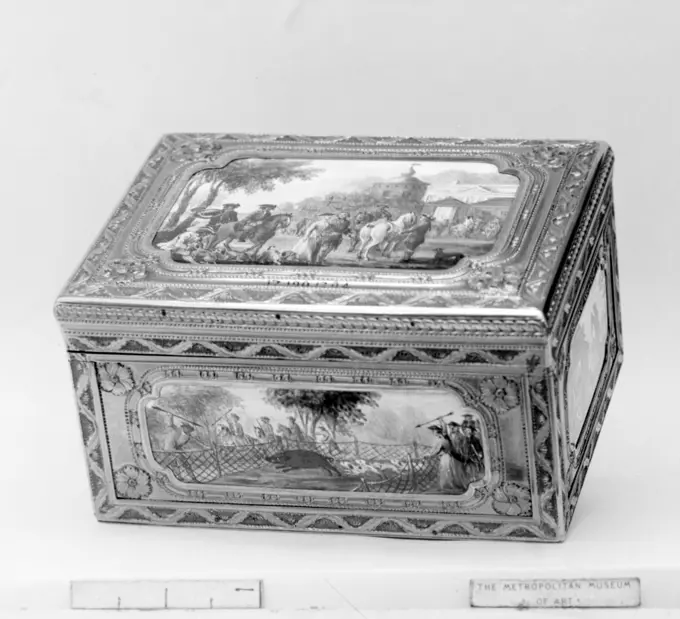
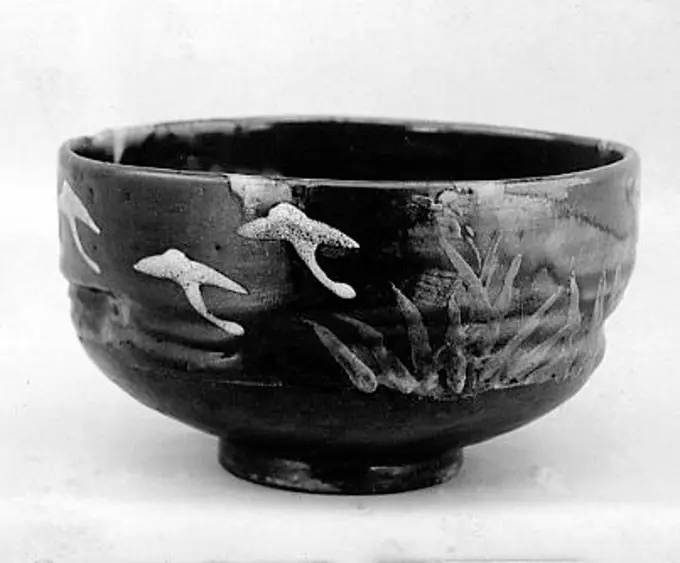
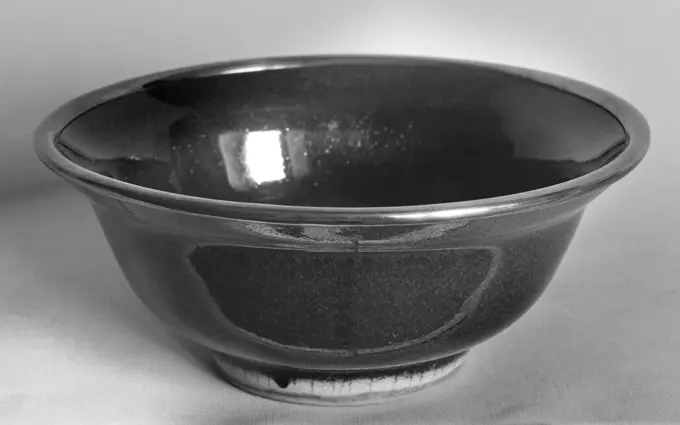
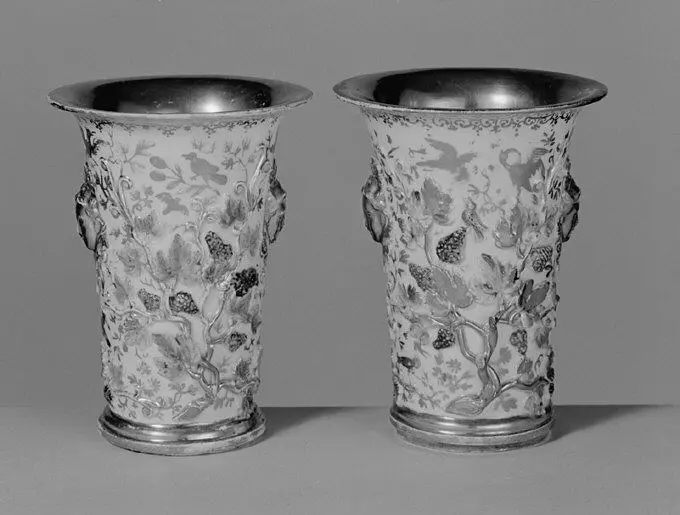
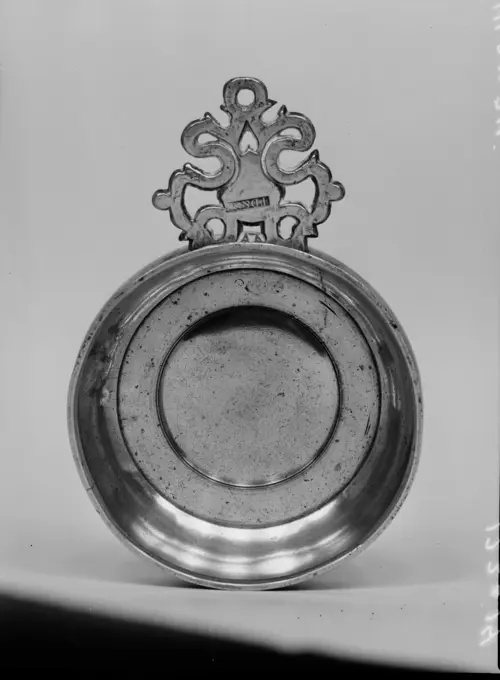
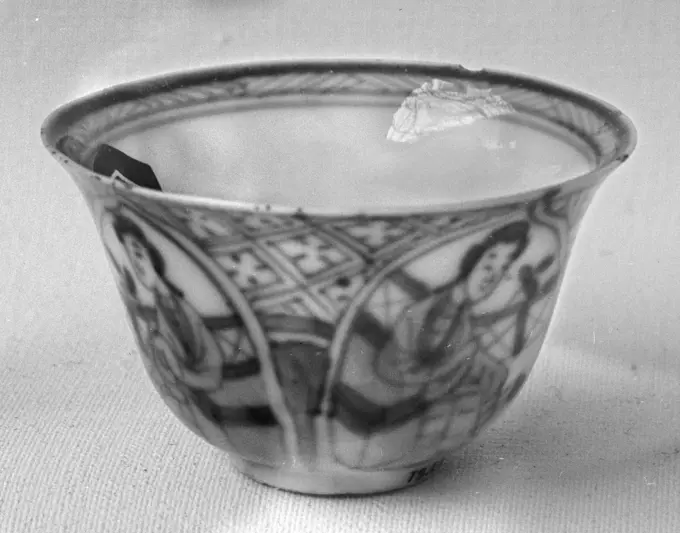
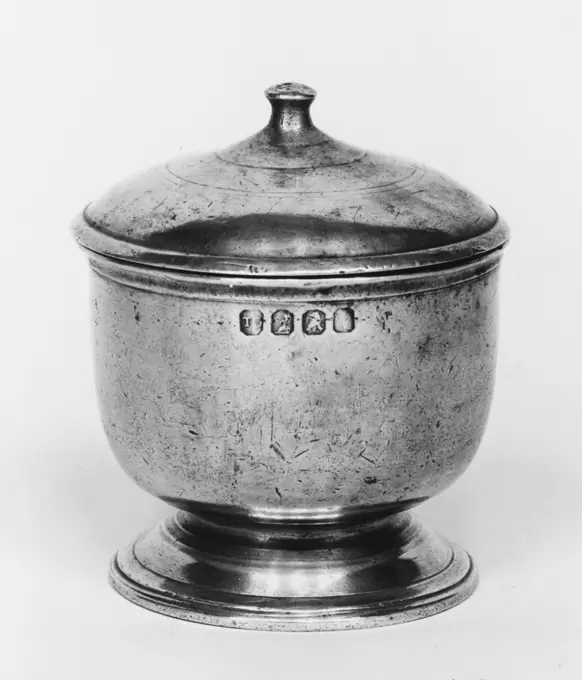
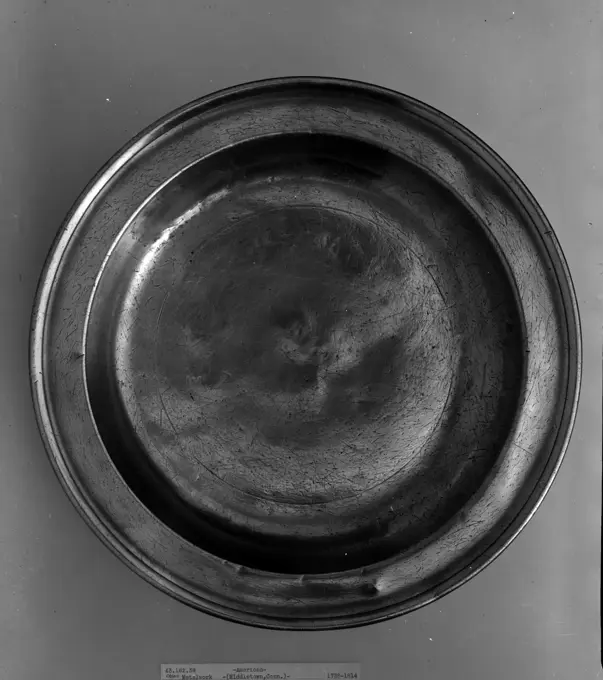
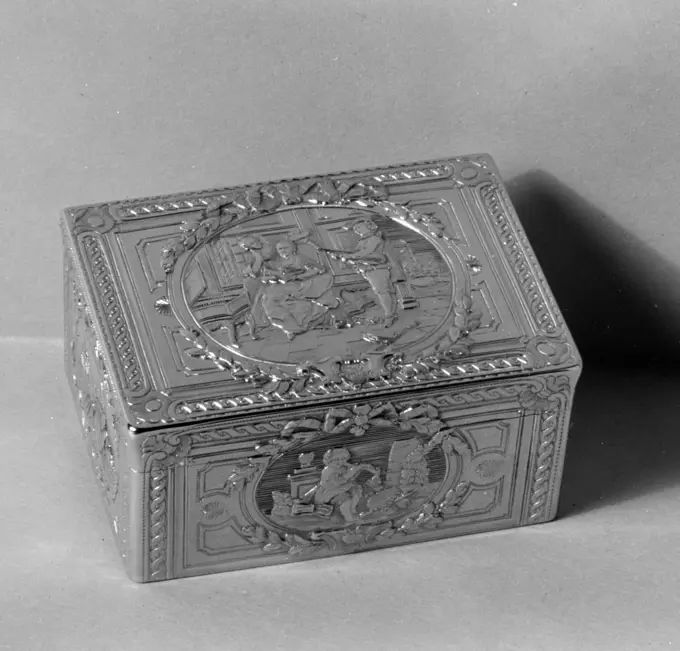
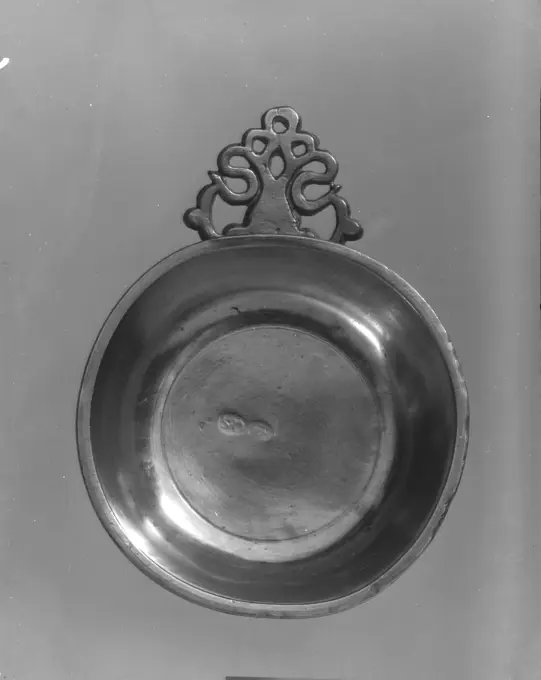
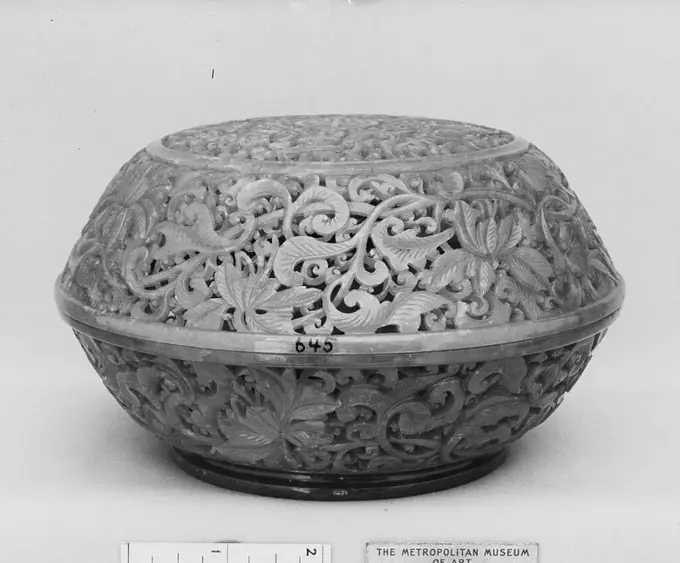
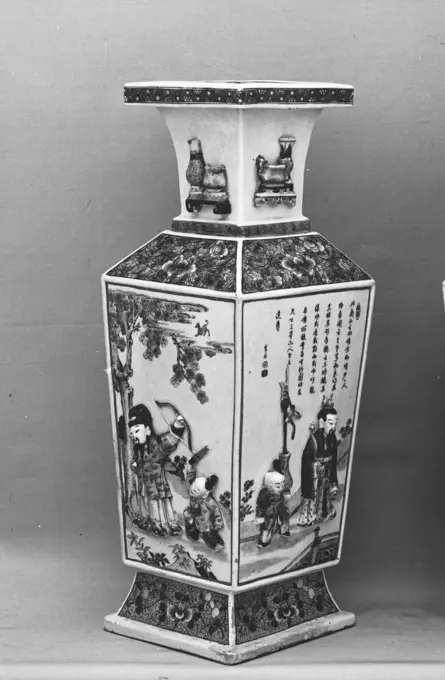
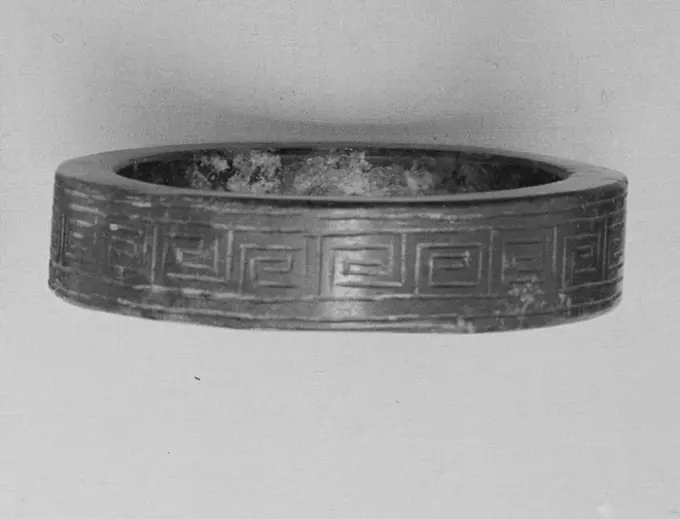
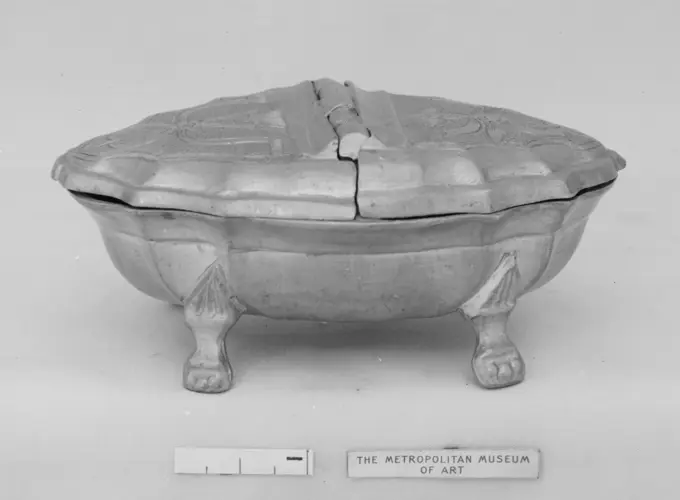
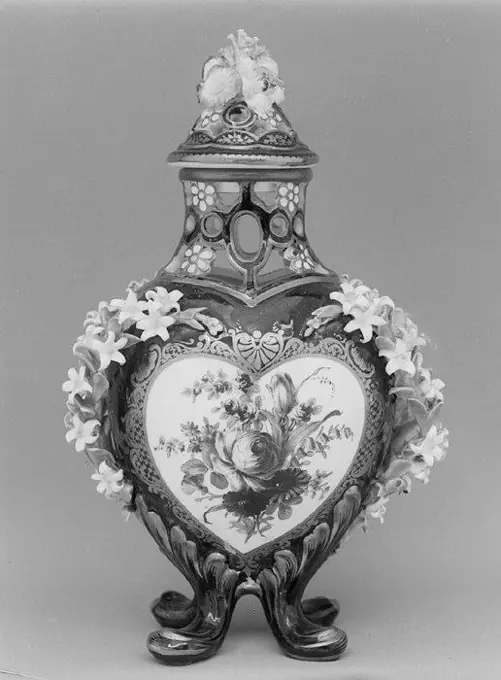
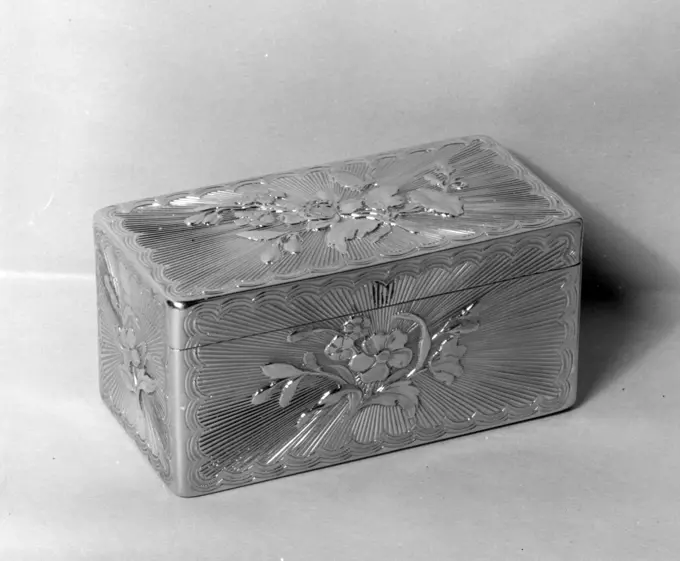
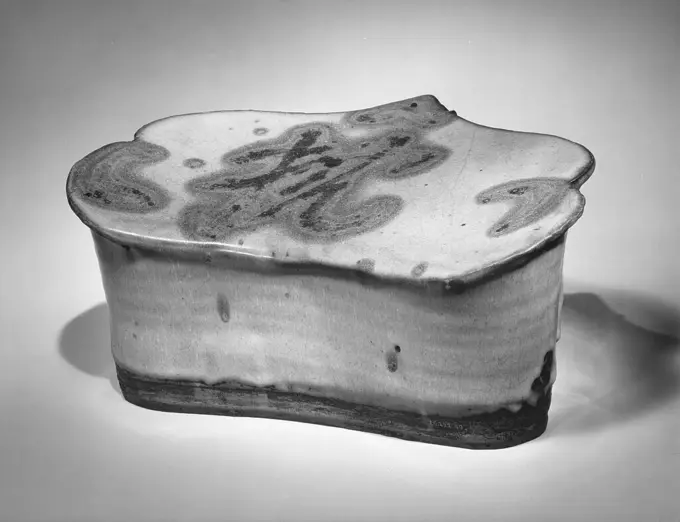
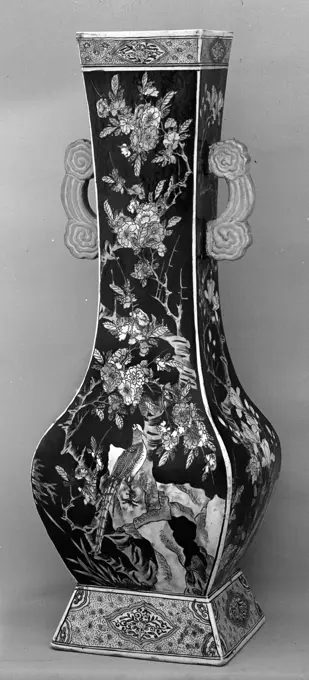
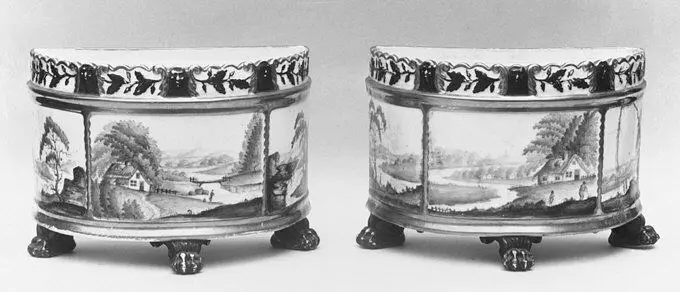
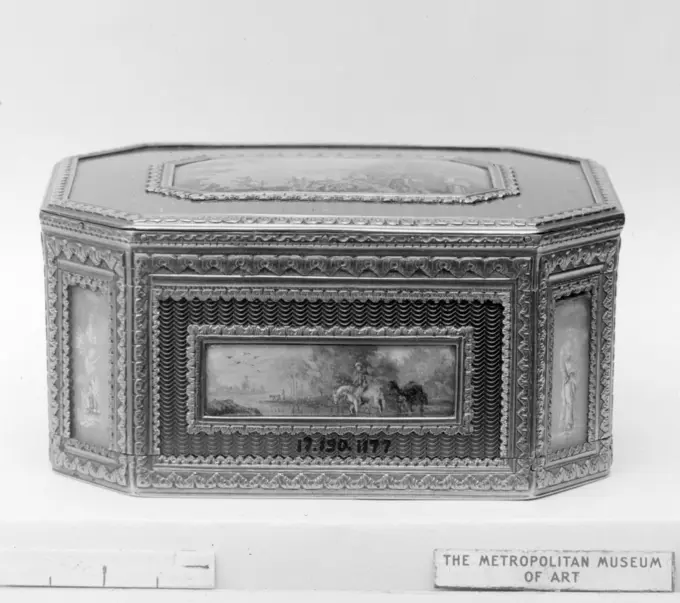
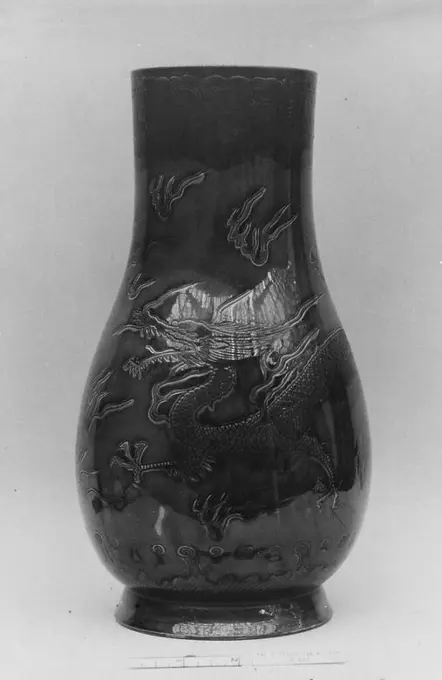
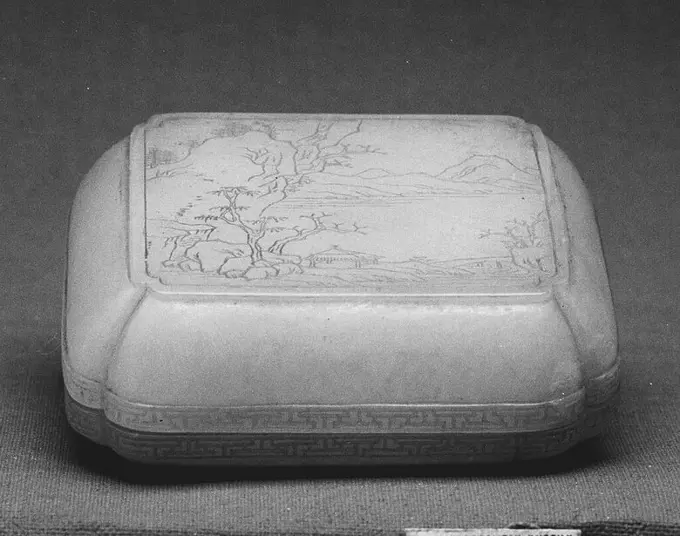
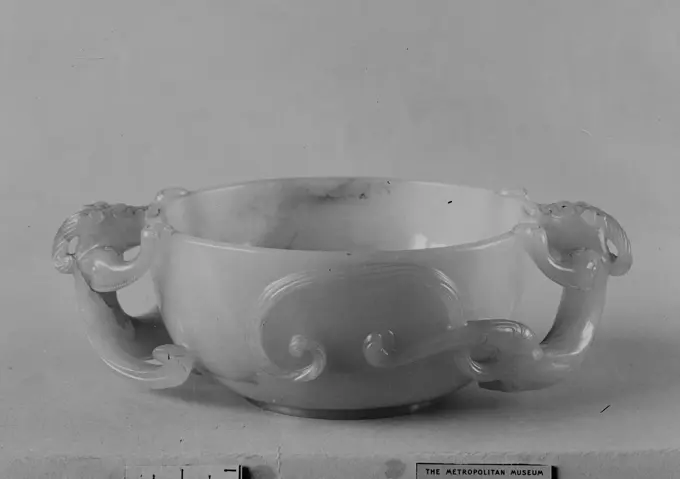
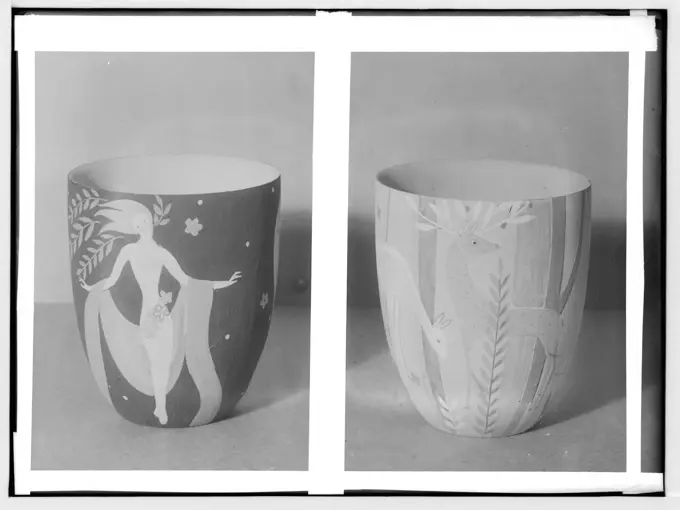
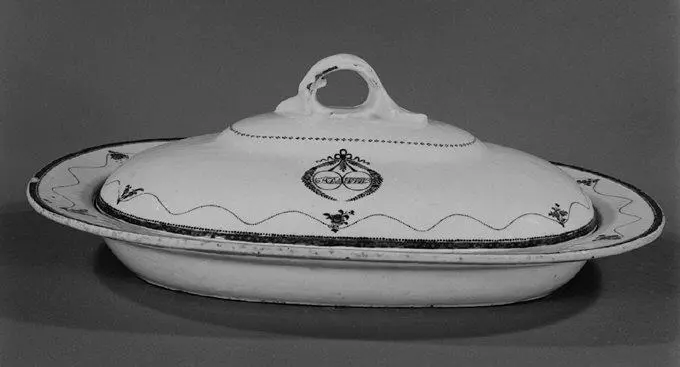
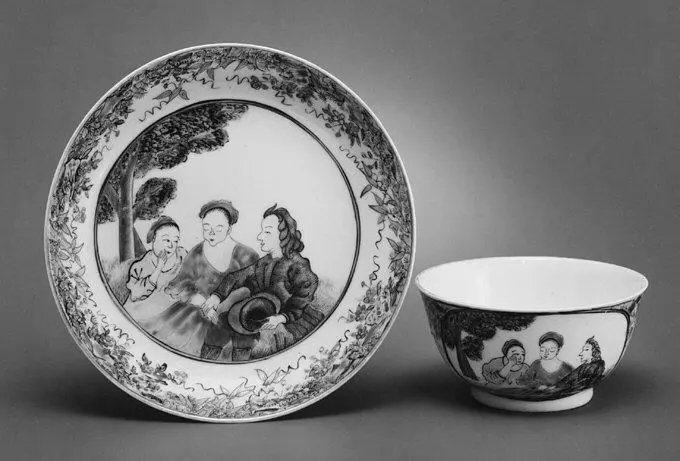
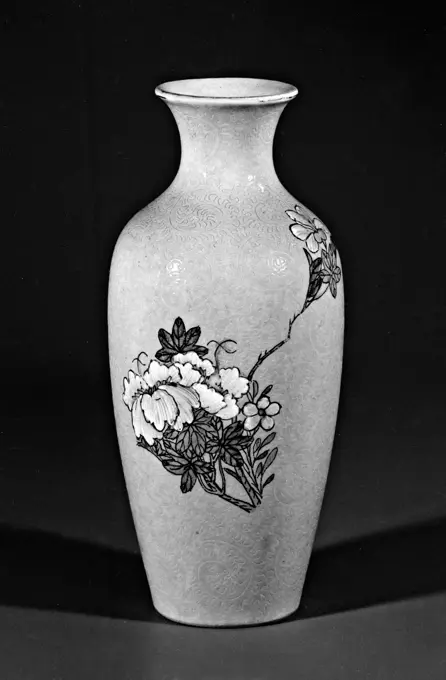
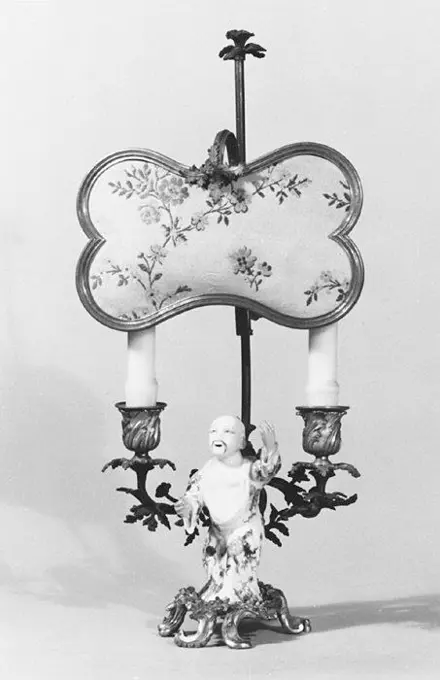
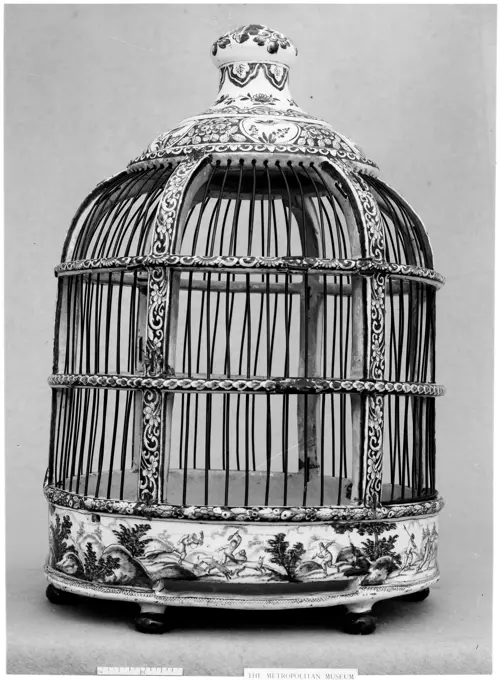
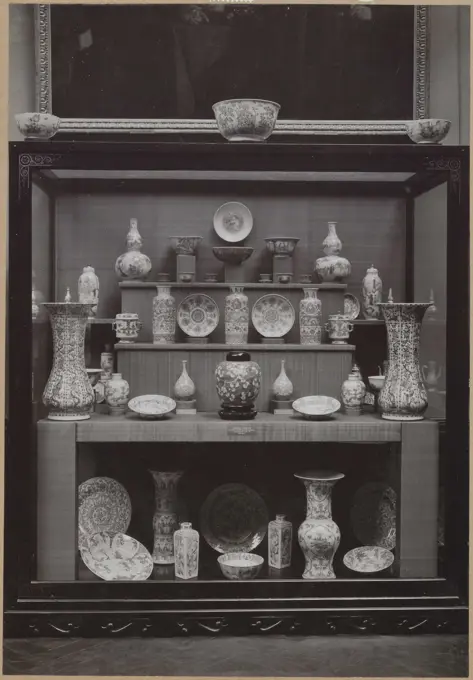
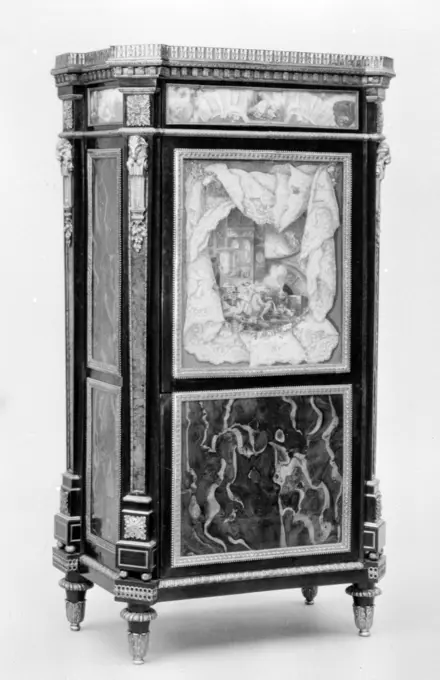
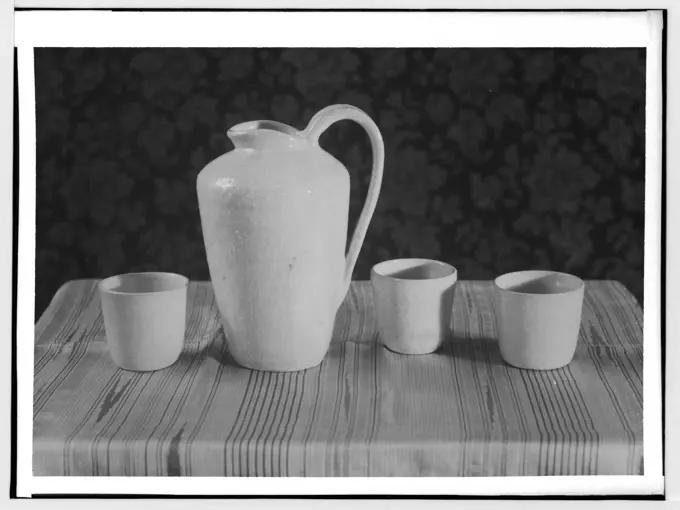
Vase 1880-90. Vase. 1880-90. Pressed purple marble glass. Made in EnglandSnuffbox with hunting scene 1760-62 French, Paris In eighteenth-century Europe, Paris led the production of high-quality luxury goods. Parisian goldsmiths made a wide range of small, personal articles such as snuffboxes; étuis to hold sealing wax, tweezers, or utensils for sewing; souvenirs, which contained thin ivory tablets for note taking; and shuttles for knotting lace. Gold snuffboxes and boxes decorated with portrait miniatures were prized and frequently given as royal gifts, often to ambassadors or members of the court in lieu of cash payments for their services. Coveted and admired, these boxes were produced from a variety of materials. The best were skillfully made of gold and embellished with diamonds, enameled decoration, lacquer, and other luxurious materials. By the middle of the century, the taking of snuff had become an entrenched social ritual, and the snuffbox, too, had become an important social prop. Snuffboxes were considered highly fashionable accessories, with somCup and saucer 1803-10 Royal Porcelain Manufactory, Berlin. Cup and saucer. Decoration after a design by Angelica Kauffmann (Swiss, Chur 1741-1807 Rome). German, Berlin. 1803-10. Hard-paste porcelain. Royal Porcelain Manufactory, Berlin (German, founded 1763). Ceramics-PorcelainSoup tureen with cover and tray ca. 1750-65 French, Sceaux. Soup tureen with cover and tray 198015Cup ca. 1810 Chinese, for Scottish market. Cup 743036Teabowl 19th century Japan. Teabowl 62676Jug ca. 1760 British, Staffordshire. Jug 199569Bowl China. Bowl. China. Porcelain with ox-blood glaze. Qing dynasty (1644-1911), Kangxi period (1662-1722). CeramicsPair of beaker vases ca. 1725, decorated ca. 1725-30 Meissen Manufactory German. Pair of beaker vases 203146Peg tankard 1780-82 Andreas Lude. Peg tankard 188784 Maker: Andreas Lude, working 177696, Peg tankard, 178082, Silver, H. 8 in. (20.3 cm). The Metropolitan Museum of Art, New York. Gift of Rev. Alfred Duane Pell, 1903 (03.2.1)Circular box 9th century China Produced in Hunan Province in the south, Changsha wares were among the first examples of Chinese ceramics to feature prominently in maritime trade. The parrots painted on the lid further illustrate international taste as these birds were originally imported into China from Indonesia.. Circular box. China. 9th century. Earthenware with painted decoration under transparent glaze (Changsha ware). Tang dynasty (618-907). CeramicsPorringer 1810-30 Thomas Danforth Boardman. Porringer. American. 1810-30. Pewter. Made in Hartford, Connecticut, United StatesPlate 18th century Japan. Plate. Japan. 18th century. Porcelain painted in overglaze polychrome enamels (Arita ware, Kakiemon type). Edo period (1615-1868). CeramicsCup with ladies late 17th-early 18th century China. Cup with ladies. China. late 17th-early 18th century. Porcelain painted in underglaze cobalt blue (Jingdezhen ware). Qing dynasty (1644-1911), Kangxi period (1662-1722). CeramicsSugar Bowl 1777-90 Thomas Danforth, III. Sugar Bowl. American. 1777-90. Pewter. Possibly made in Wethersfeild, Connecticut, United States; Possibly made in Middletown, Connecticut, United StatesDish 1760-1808 Attributed to Amos Treadway. Dish. American. 1760-1808. Pewter. Made in Middletown, Connecticut, United StatesCup with Cover 18th century China. Cup with Cover 60999Beaker 18th century Bohemian. Beaker. Bohemian. 18th century. Zwischengold glass. GlassPair of vases ca. 1780-1800 Imperial Porcelain Manufactory. Pair of vases 188531 Factory: Imperial Porcelain Manufactory , Vienna, 17441864, Artist: Scenes after designs by Angelica Kauffmann, Swiss, Chur 17411807 Rome, Pair of vases, ca. 17801800, Hard-paste porcelain, Height (each): 9 5/8 in. (24.4 cm). The Metropolitan Museum of Art, New York. Gift of W. B. Osgood Field, 1902 (02.5.10a, b, .11a, b)Lazio Latina Sezze Antiquarium Comunale42. Hutzel, Max 1960-1990 German-born photographer and scholar Max Hutzel (1911-1988) photographed in Italy from the early 1960s until his death. The result of this project, referred to by Hutzel as Foto Arte Minore, is thorough documentation of art historical development in Italy up to the 18th century, including objects of the Etruscans and the Romans, as well as early Medieval, Romanesque, Gothic, Renaissance and Baroque monuments. Images are organized by geographic region in Italy, then by province, city, site complex and monument.Cruet 18th century German. Cruet. German. 18th century. Glass; pewter. GlassTeapot 1716-17 Samuel Margas Jr. British. Teapot 204994Snuffbox 1762-63 Paul Robert In eighteenth-century Europe, Paris led the production of high-quality luxury goods. Parisian goldsmiths made a wide range of small, personal articles such as snuffboxes; étuis to hold sealing wax, tweezers, or utensils for sewing; souvenirs, which contained thin ivory tablets for note taking; and shuttles for knotting lace. Gold snuffboxes and boxes decorated with portrait miniatures were prized and frequently given as royal gifts, often to ambassadors or members of the court in lieu of cash payments for their services. Coveted and admired, these boxes were produced from a variety of materials. The best were skillfully made of gold and embellished with diamonds, enameled decoration, lacquer, and other luxurious materials. By the middle of the century, the taking of snuff had become an entrenched social ritual, and the snuffbox, too, had become an important social prop. Snuffboxes were considered highly fashionable accessories, with some merchants advertisiBowl 1830-45 American. Bowl 754Porringer 1795-1816 Samuel Danforth. Porringer. American. 1795-1816. Pewter. Made in Hartford, Connecticut, United StatesVase. Culture: China. Dimensions: H. 7 in. (17.8 cm). Date: first half of the 19th century. Museum: Metropolitan Museum of Art, New York, USA.Box with cover. Culture: China. Dimensions: H. 3 3/4 in. (9.5 cm); W. 6 5/16 in. (16.1 cm). Museum: Metropolitan Museum of Art, New York, USA.Decanter early 19th century Russian. Decanter. Russian. early 19th century. Glass. GlassPlatter 1659-1700 T. V. A., Barcelona. Platter 197012Beaker with cover ca. 1730 Bohemian Monogram F A R is probably that of Fridricus Augustus Rex (1670-1733), surnamed The Strong, who was Frederick Augustus I as Elector of Saxony and was elected King of Poland as Augustus II in 1687.. Beaker with cover. Bohemian. ca. 1730. Zwischengold glass. GlassLazio Roma Rome SS. Giovanni e Paolo, Museum21. Hutzel, Max 1960-1990 Medieval: Ceramic fragments, sculptural fragments, fresco fragments, inscribed tomb markers. Houses one of the best collections of Malagan medieval ceramics for casting wall monuments, copies of which are housed in campanile. Specific Location: Museum Antiquities: Ceramic fragments, sculptural fragments, architectural fragments Object Notes: Basilica has separate record and is filed separately. German-born photographer and scholar Max Hutzel (1911-1988) photographed in Italy from the early 1960s until his death. The result of this project, referred to by Hutzel as Foto Arte Minore, is thorough documentation of art historical development in Italy up to the 18th century, including objects of the Etruscans and the Romans, as well as early Medieval, Romanesque, Gothic, Renaissance and Baroque monuments. Images are organized by geographic region in Italy, then by province, city, site complex and monument.Incense Burner. Culture: Japan. Dimensions: H. 2 1/2 in. (6.4 cm); Diam. 2 5/8 in. (6.7 cm). Date: 1720. Museum: Metropolitan Museum of Art, New York, USA.Bowl with dragons and eight trigrams early 18th century China. Bowl with dragons and eight trigrams. China. early 18th century. Porcelain painted in underglaze cobalt blue (Jingdezhen ware). Qing dynasty (1644-1911). CeramicsVase with relief decoration of figures early 18th century China. Vase with relief decoration of figures 48699Box and Cover 19th century Japan. Box and Cover 47219Square Bottle. Culture: Japan. Dimensions: H. 10 in. (25.4 cm). Date: ca. 1750. Museum: Metropolitan Museum of Art, New York, USA.Cup (part of a service) ca. 1770 Worcester factory. Cup (part of a service) 206118Wine taster mid-18th century Possibly by Antoine-François Hanappier. Wine taster 200180Bowl 14th-15th century Chimú. Bowl 310665Rayed Dish. Dimensions: H. 2 in. (5.1 cm); Diam. 10 in. (25.4 cm). Date: 1820-40. Museum: Metropolitan Museum of Art, New York, USA.Girdle ring China. Girdle ring 42847Spice box first half 18th century possibly Dutch. Spice box. possibly Dutch. first half 18th century. Pewter. Metalwork-PewterBowl and Cover ca. 1850 Nanki Otokoyama Japanese. Bowl and Cover. Nanki Otokoyama (Japanese). Japan. ca. 1850. White porcelain covered with gold (Kairakuen ware). Edo period (1615-1868). CeramicsImage of the Gothic chimney mantle in the room in the Huis Zoudenbalch (Donkerstraat 15-19) in Utrecht.Fan 18th century French. Fan 209794Vase with cover ca. 1775 Derby Porcelain Manufactory. Vase with cover 192811Vase with cover ca. 1765-70 Chelsea Porcelain Manufactory. Vase with cover 192822Snuffbox 1754-55 Possibly by Jean Ducrollay In eighteenth-century Europe, Paris led the production of high-quality luxury goods. Parisian goldsmiths made a wide range of small, personal articles such as snuffboxes; étuis to hold sealing wax, tweezers, or utensils for sewing; souvenirs, which contained thin ivory tablets for note taking; and shuttles for knotting lace. Gold snuffboxes and boxes decorated with portrait miniatures were prized and frequently given as royal gifts, often to ambassadors or members of the court in lieu of cash payments for their services. Coveted and admired, these boxes were produced from a variety of materials. The best were skillfully made of gold and embellished with diamonds, enameled decoration, lacquer, and other luxurious materials. By the middle of the century, the taking of snuff had become an entrenched social ritual, and the snuffbox, too, had become an important social prop. Snuffboxes were considered highly fashionable accessories, with some mercSnuffbox French ca. 1740 In eighteenth-century Europe, Paris led the production of high-quality luxury goods. Parisian goldsmiths made a wide range of small, personal articles such as snuffboxes; étuis to hold sealing wax, tweezers, or utensils for sewing; souvenirs, which contained thin ivory tablets for note taking; and shuttles for knotting lace. Gold snuffboxes and boxes decorated with portrait miniatures were prized and frequently given as royal gifts, often to ambassadors or members of the court in lieu of cash payments for their services. Coveted and admired, these boxes were produced from a variety of materials. The best were skillfully made of gold and embellished with diamonds, enameled decoration, lacquer, and other luxurious materials. By the middle of the century, the taking of snuff had become an entrenched social ritual, and the snuffbox, too, had become an important social prop. Snuffboxes were considered highly fashionable accessories, with some merchants advertising nPoll photo collection. Advertising for Wade & Butcher. Fruit bowl made of stainless steel. 1936Tray (part of a service) 1790-1800 Chinese, for British market. Tray (part of a service) 201024Pillow with Character Reading Zhen (Pillow). Culture: China. Dimensions: L. 12 1/4 in. (31.1 cm). Date: 12th-13th century. Museum: Metropolitan Museum of Art, New York, USA.Plate 17th century Pewterer: Zacharias Täschler. Plate. Swiss, St. Gall. 17th century. Pewter. Metalwork-PewterCup ca. 1710-20 Saint-Cloud factory. Cup 188628 Factory: Saint-Cloud, French, active by 16931766, Cup, ca. 171020, Soft-paste porcelain, Height: 3 in. (7.6 cm). The Metropolitan Museum of Art, New York. Gift of Alfred Duane Pell, 1902 (02.6.67)***** blue Italian glass. An inexpensive ***** cocktail cabinet. Price 32/6. April 19, 1954.Bowl ca. 1760 British (American market). Bowl. British (American market). ca. 1760. Tin-enameled earthenware. Made in Bristol, Bristol, EnglandDish 1700 Japan. Dish 52385Bowl 1820 Japan. Bowl. Japan. 1820. White porcelain decorated with blue under the glaze (Hirado ware). Edo period (1615-1868). CeramicsCup and saucer German 19th centuryCup (part of a service) ca. 1770 Frankenthal Porcelain Manufactory. Cup (part of a service) 196952Vase with birds and flowers 19th century China. Vase with birds and flowers. China. 19th century. Porcelain painted in polychrome enamels over black ground (Jingdezhen ware, famille noire). Qing dynasty (1644-1911). CeramicsCup and saucer 1763-74 Meissen Manufactory German. Cup and saucer 192300Pair of cachepots 18th century German, possibly Ludwigsburg. Pair of cachepots 199282Looking Glass ca. 1735 American. Looking Glass 4859Snuffbox with landscape scenes 1765-73 Pierre-Nicolas Pleyard In eighteenth-century Europe, Paris led the production of high-quality luxury goods. Parisian goldsmiths made a wide range of small, personal articles such as snuffboxes; étuis to hold sealing wax, tweezers, or utensils for sewing; souvenirs, which contained thin ivory tablets for note taking; and shuttles for knotting lace. Gold snuffboxes and boxes decorated with portrait miniatures were prized and frequently given as royal gifts, often to ambassadors or members of the court in lieu of cash payments for their services. Coveted and admired, these boxes were produced from a variety of materials. The best were skillfully made of gold and embellished with diamonds, enameled decoration, lacquer, and other luxurious materials. By the middle of the century, the taking of snuff had become an entrenched social ritual, and the snuffbox, too, had become an important social prop. Snuffboxes were considered highly fashionable accessoriMug (part of a service) 1740-50 Chinese, for British market. Mug (part of a service) 201187Cup with cover China. Cup with cover. China. Nephrite. Qing dynasty (1644-1911), Qianlong period (1736-95). JadeThree saltcellars 1783-84 Robert Hennell I. Three saltcellars 195551Portion of a Horse Trapping 18th century Tibet. Portion of a Horse Trapping 37728Vase. Culture: Japan. Dimensions: H. 11 3/8 in. (28.9 cm). Date: 19th century. Museum: Metropolitan Museum of Art, New York, USA.Showcase with Islamic art; Arts industry halls. .Peter Archambo I, Salver (Tea Table), 1731/32, silver.Salver 1710-11 British, London. Salver 197696Box. Culture: China. Dimensions: H. 1 in. (2.5 cm); W. 2 3/8 in. (6 cm); L. 2 in. (5.1 cm). Date: 18th century. Museum: Metropolitan Museum of Art, New York, USA.Bottle 18th century German. Bottle. German. 18th century. Glass, pewter. GlassCup with dragon handles 17th century China. Cup with dragon handles. China. 17th century. Jade (nephrite). Qing dynasty (1644-1911). JadeTumbler 18th century Austrian. Tumbler. Austrian. 18th century. Glass. GlassWatch 1835-50 Watchmaker: Firm of Terond and Ravier. Watch 195665Flower pot with representation of a dancing woman and flower pot with deer and deer representationSmall tray (one of a pair) 1761-63 Johann Martin Satzger I. Small tray (one of a pair) 206229Edward Aldridge I, Basket, 1770/71, silver.Mass Bell 19th century Belgium. Mass Bell. Belgium. 19th century. Brass. Flanders, Belgium. Idiophone-Struck-bell-clapperPlatter with cover ca. 1790 Chinese, for European market. Platter with cover 202484Teabowl and saucer ca. 1770 Chinese, for European market. Teabowl and saucer. Chinese, for European market. ca. 1770. Hard-paste porcelain. Ceramics-Porcelain-ExportVase with flowers 19th century China. Vase with flowers. China. 19th century. Porcelain painted in overglaze polychrome enamels over a green sgraffito ground of vegetal scrolls (Jingdezhen ware). Qing dynasty (1644-1911). CeramicsFigure of a Chinese man 1740-45 Villeroy. Figure of a Chinese man 206110Butterfly. Culture: China. Dimensions: H. 1 5/8 in. (4.1 cm); W. 1 3/16 in. (3 cm). Date: 18th century. Museum: Metropolitan Museum of Art, New York, USA.Saucer (part of a service) ca. 1770 Frankenthal Porcelain Manufactory. Saucer (part of a service) 196962Birdcage first half 18th century Dutch, Delft. Birdcage. Dutch, Delft. first half 18th century. Tin-glazed earthenware. Ceramics-PotteryShowcase with chinese porcelain under a painting; Troostzaal. .Bowl 11th century. Bowl 449539Repeater watch ca. 1770 Watchmaker: Argand. Repeater watch 194177Cream jug ca. 1770 Michael McDermott. Cream jug 189217 Maker: Michael McDermott, active 175084, Cream jug, ca. 1770, Silver, 4 1/8  5 3/8 in. (10.5  13.7 cm). The Metropolitan Museum of Art, New York. Rogers Fund, 1907 (07.64.6)Showcase with silver objects; Exhibition English silver 1660-1820. .Upright secretary late 18th century Philippe Pasquier. Upright secretary. Philippe Pasquier (master 1760; died 1783). French, Paris. late 18th century. Oak, burl yew-wood, black-stained wood, amboyna, harewood, satin-wood, tulipwood, satiné, holly, purple-wood, gilt bronze, marble, sketches on paper. Woodwork-FurnitureDish 18th century Possibly by Samuel Malkin. Dish 192036Figure Dish 1880-90 McKee and Brothers. Figure Dish. American. 1880-90. Pressed opaque white glass. Made in Pittsburgh, Pennsylvania, United StatesHenkelkrug with three cupsPitcher 1830-70 American. Pitcher. American. 1830-70. Blown pattern-molded lead glass. Probably made in Pittsburgh, Pennsylvania, United StatesFrench earthenware. Mortar palisy Bernard Palissy (1510-1589) .Mortier. Black and white projection plate. 1900-1930. French earthenware. Photograph of Jacques-Ernest Bulloz (1858-1942).